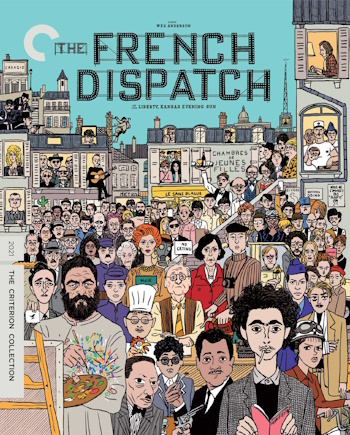
The French Dispatch of the Liberty, Kansas Evening Sun
BUY AT:


See more details, packaging, or compare
Synopsis
A salute to writers and expatriates, Wes Anderson’s tenth feature takes the form of the final edition of The French Dispatch, a weekly magazine chronicling life in the city of Ennui-sur-Blasé, France (for American readers). Made up of three featured stories—a profile of a tortured artist, a report on student revolutionaries, and a recounting of a tabloid kidnapping with a gourmet twist—plus an obituary and a travelogue, this dazzlingly constructed anthology mixes everything from theatrical interludes to tableaux vivants to comic-book animation. The superb ensemble cast includes Adrien Brody, Timothée Chalamet, Benicio Del Toro, Frances McDormand, Léa Seydoux, Owen Wilson, and Jeffrey Wright.
Picture 9/10
Wes Anderson’s The French Dispatch of the Liberty, Kansas Evening Sun arrives on 4K UHD from The Criterion Collection, presented on a triple-layer disc with a Dolby Vision 2160p/24hz transfer. An accompanying Blu-ray offers the 1080p version. Technically, the film’s aspect ratio is 1.85:1, though Anderson frames sequences in multiple ratios within that canvas, primarily 1.37:1, but also 1.85:1 and 2.40:1. As a result of the 1.85:1 base framing, though, the 1.37:1 sections display thin black bars at the top and bottom.
Though shot on film, The French Dispatch was finished digitally at 4K. For this release, colorist Gareth Spensley supervised a new Dolby Vision HDR grade, referencing both the original color project and scans of the negative. The results are, ultimately, rather terrific, a welcome surprise after the slightly underwhelming 2K upscale of Isle of Dogs (with HDR doing a little lifting in that case).
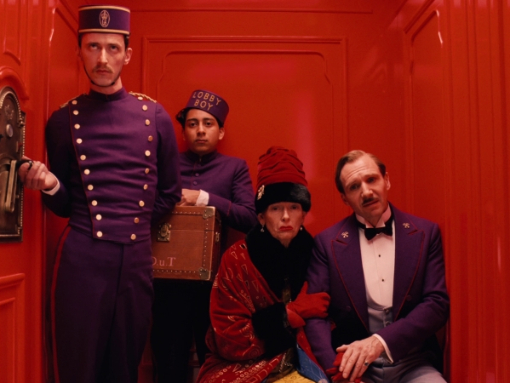
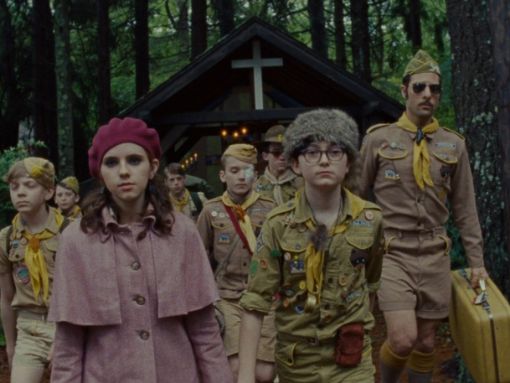
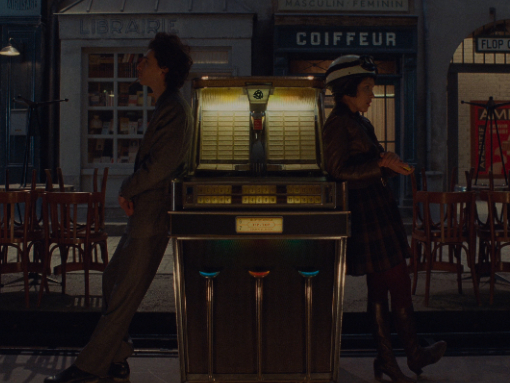
The image is sharp and clean from start to finish, with exceptional fine detail visible in close-ups and wide shots alike. Grain is fine and naturally rendered, giving the presentation a film-like texture without appearing noisy. Color sequences pop despite Anderson’s primarily pastel palette during these moments, with bursts of orange, red, and especially blue standing out beautifully. The black-and-white segments also benefit, boasting deep contrast and a wide range of grays, with HDR giving them a striking lift. Highlights generally look excellent, though there are occasional flat, blocky patterns in the brightest areas, though this is thankfully limited to a handful of moments.
Even with that minor caveat, this is a stunning presentation and a clear upgrade over both the earlier Fox Blu-ray and the included Criterion Blu-ray.
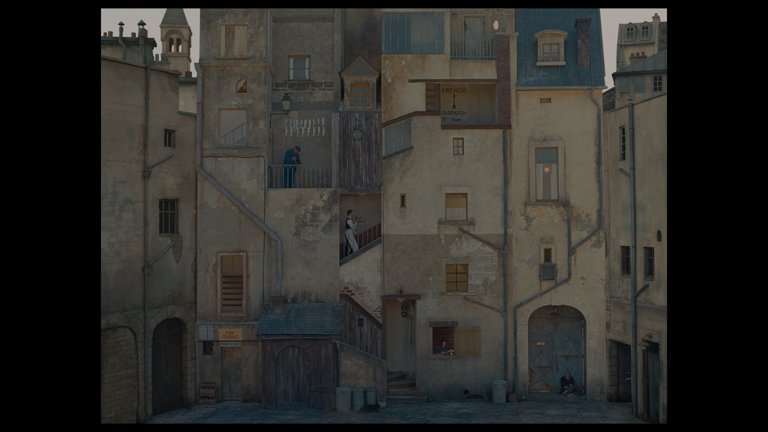
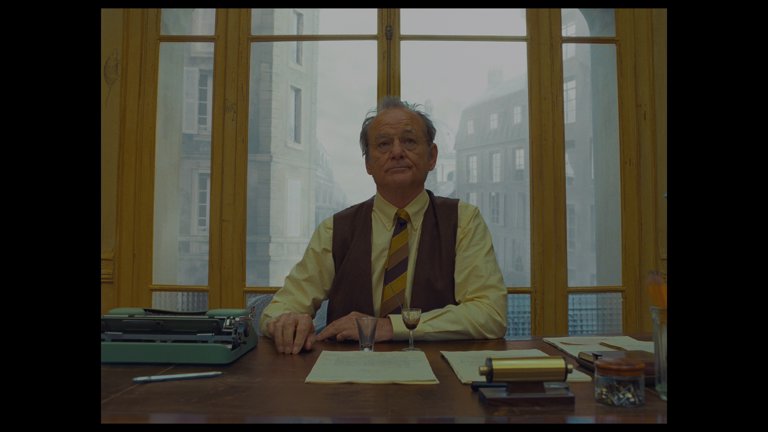
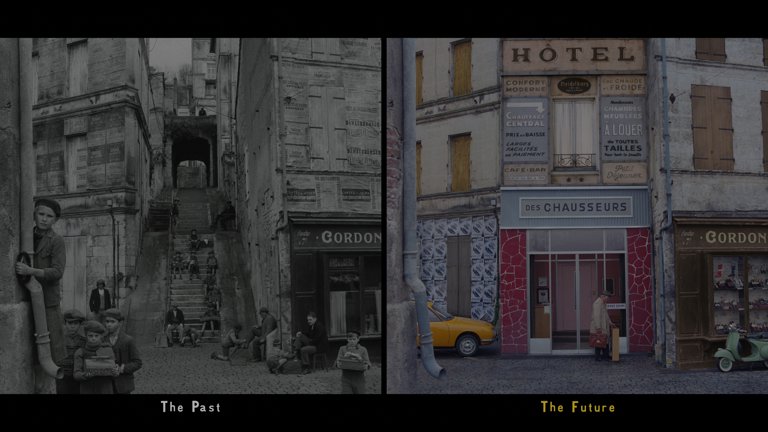
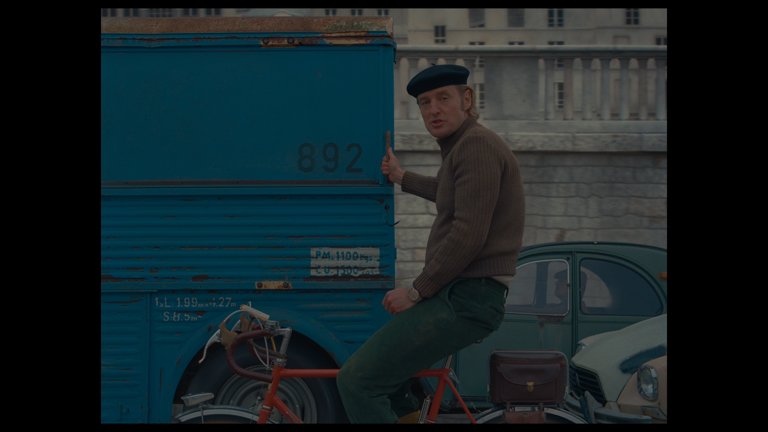
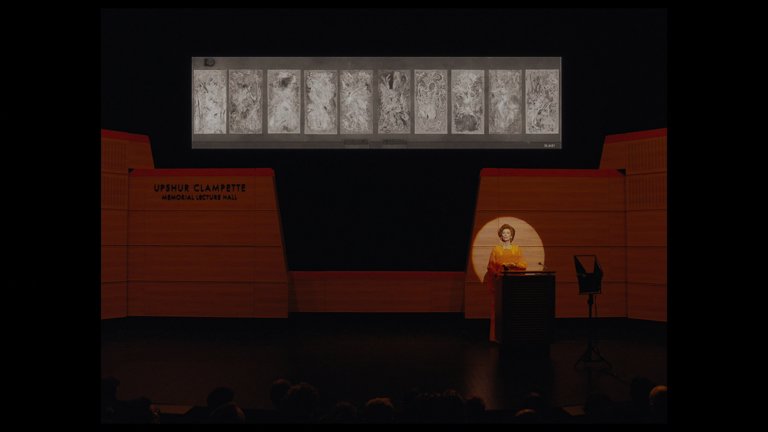
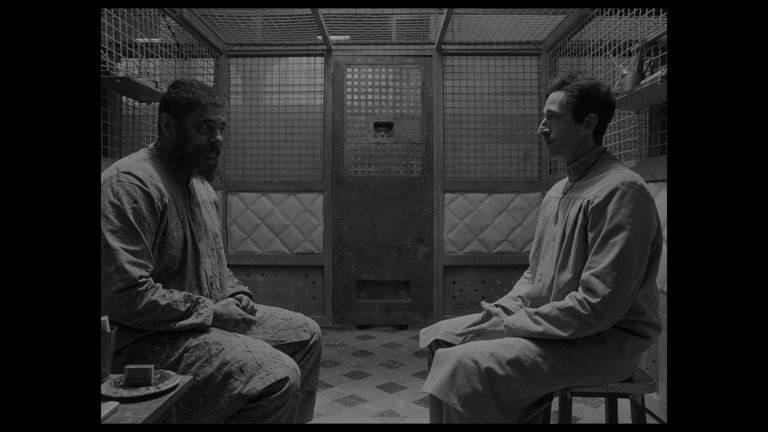
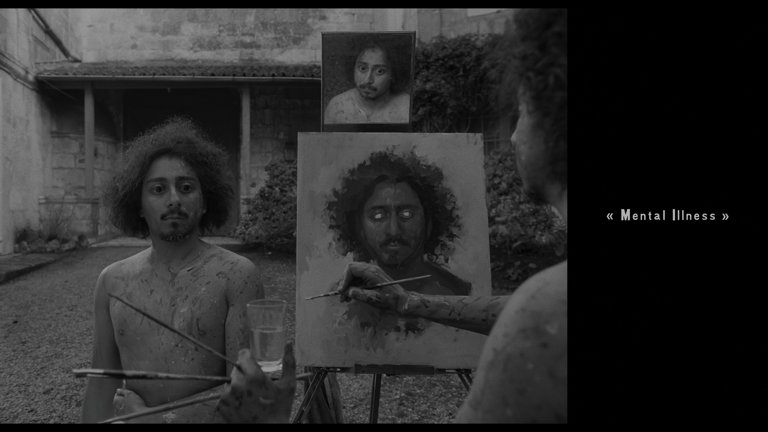
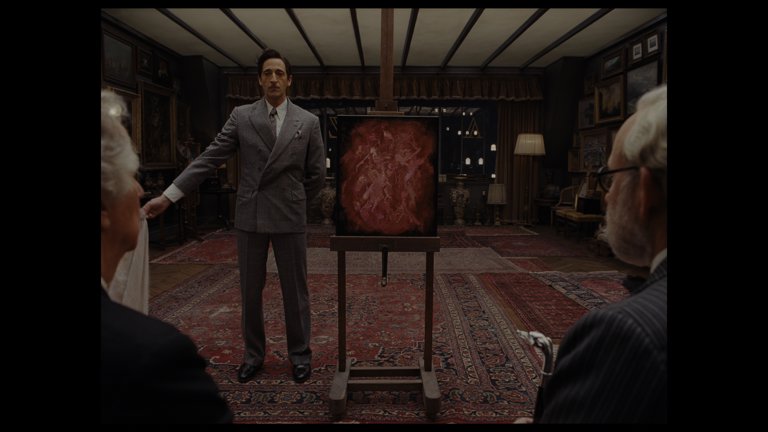
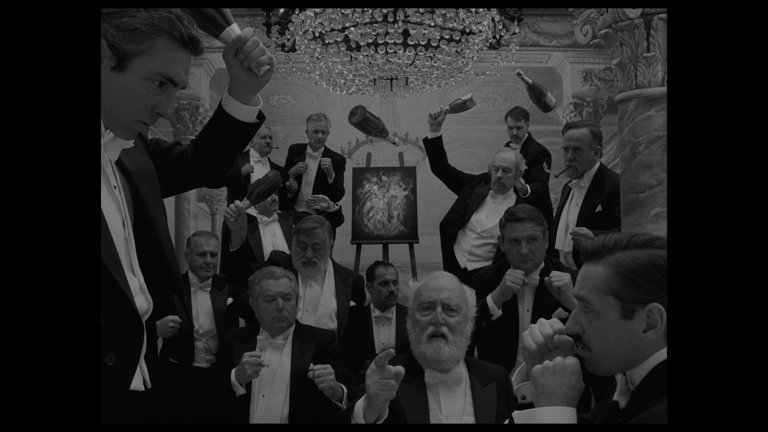
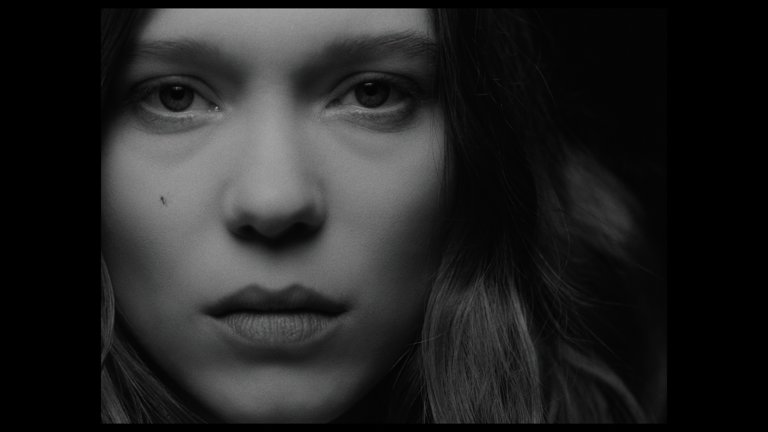
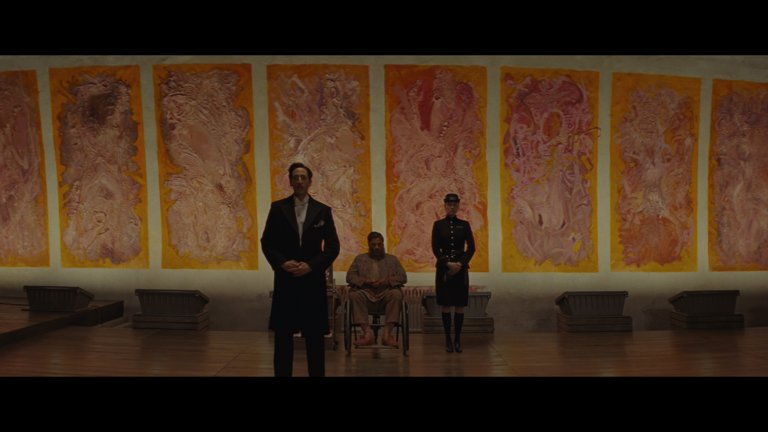
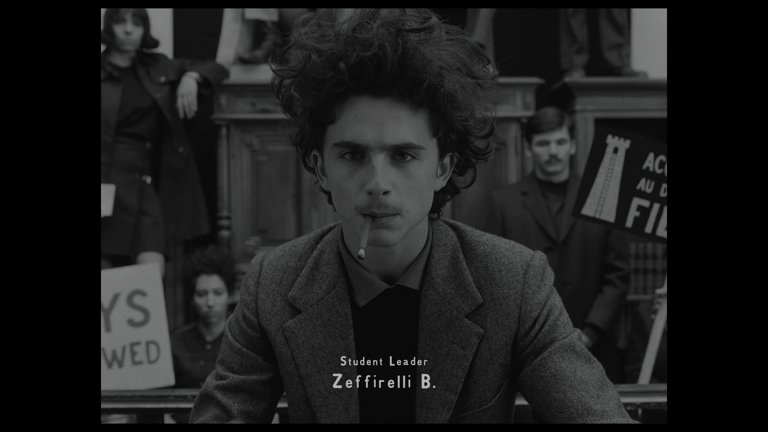
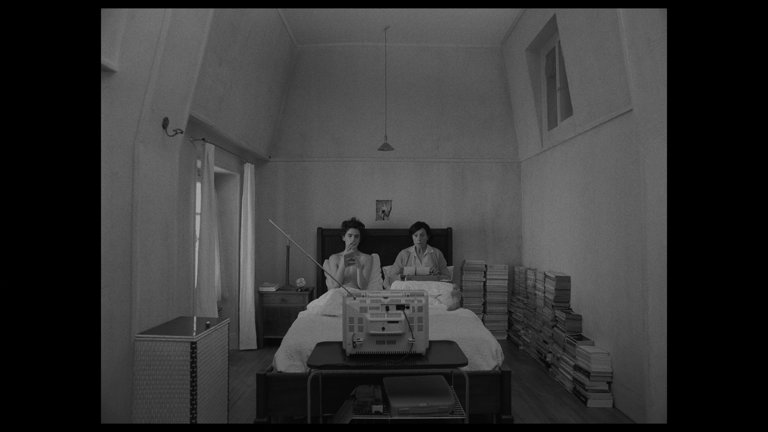
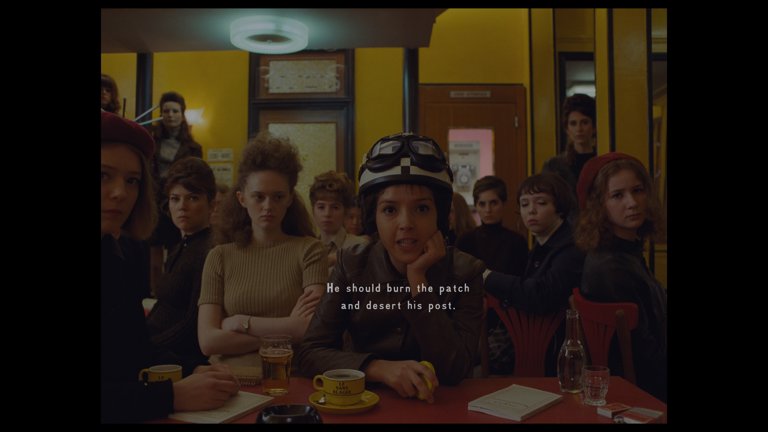
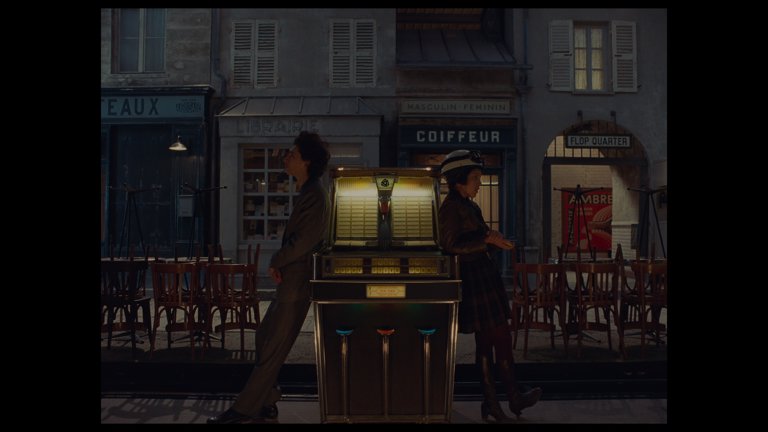
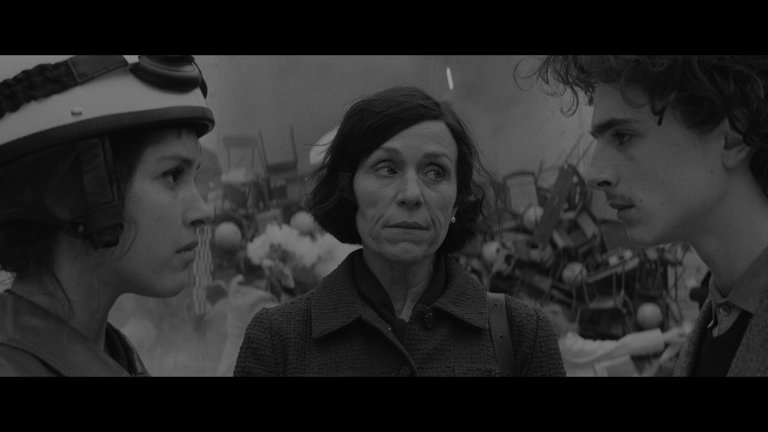
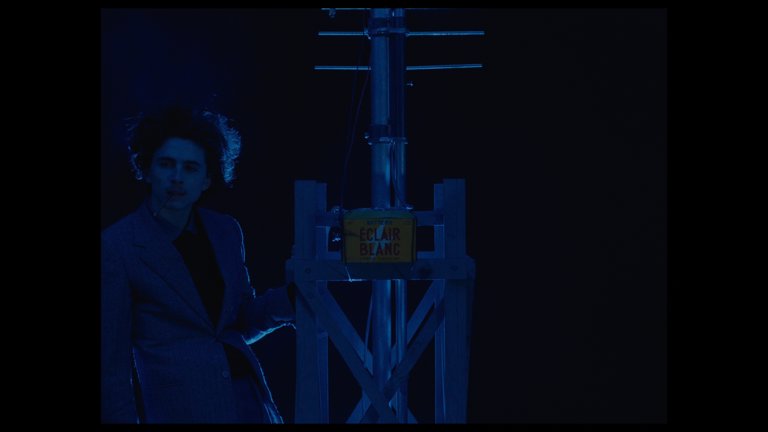
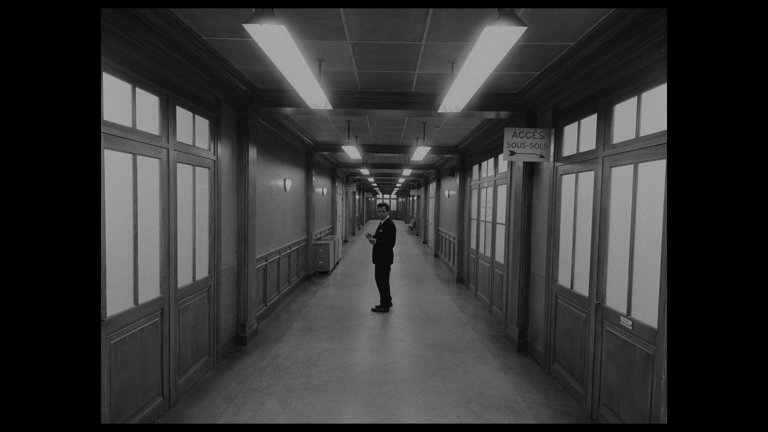
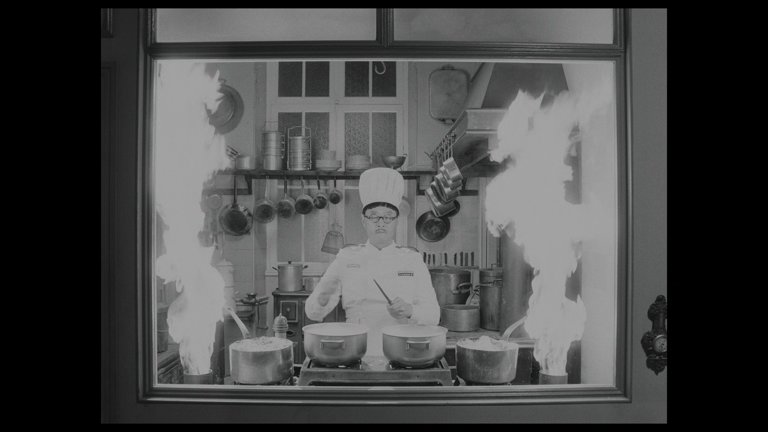
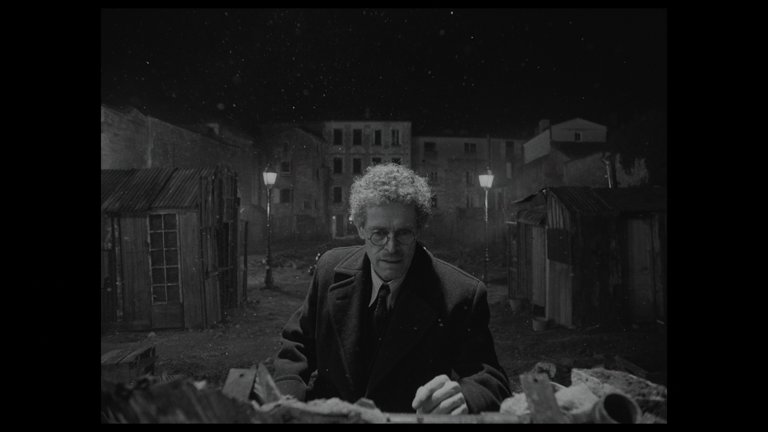
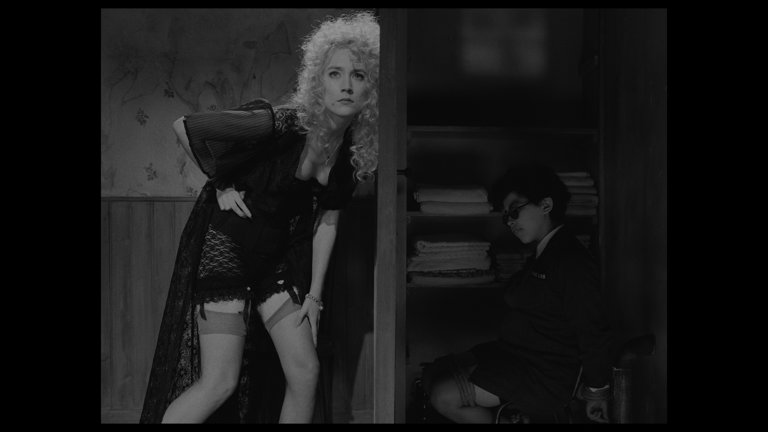
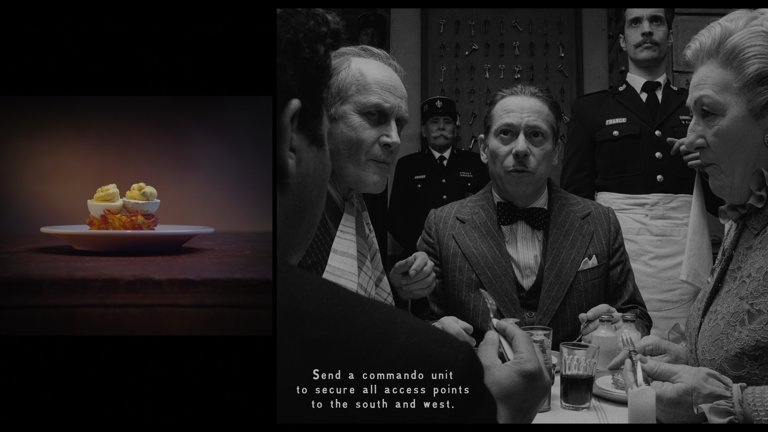
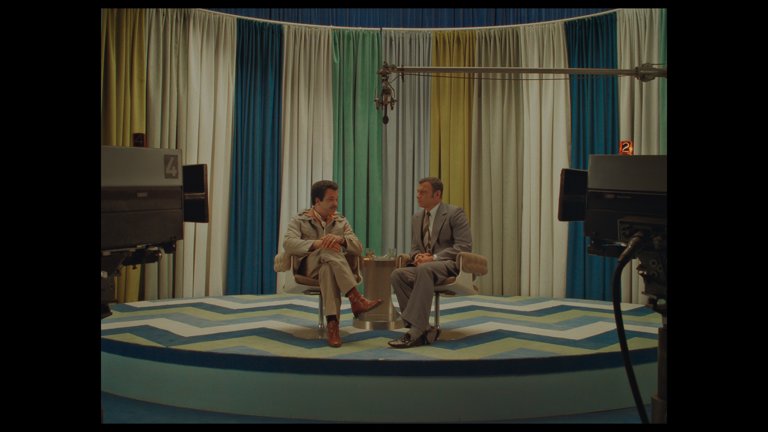
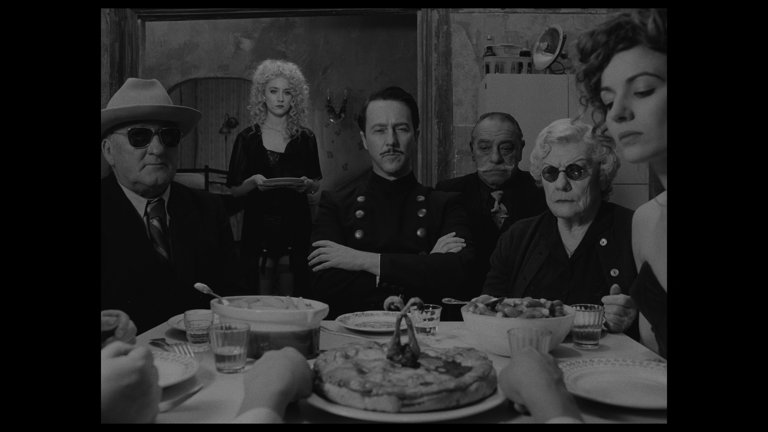
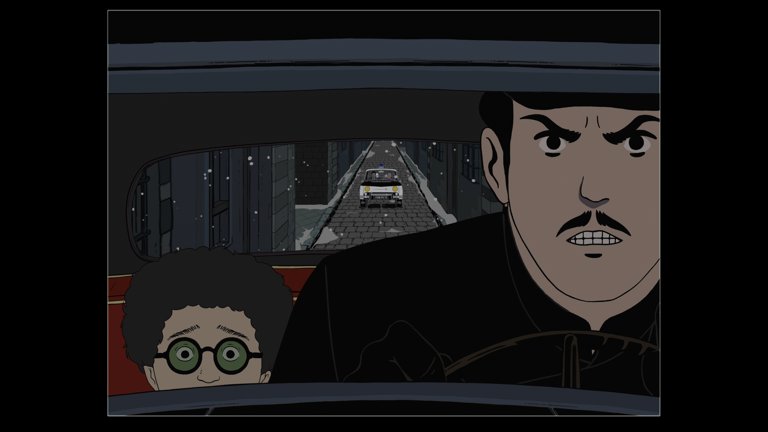
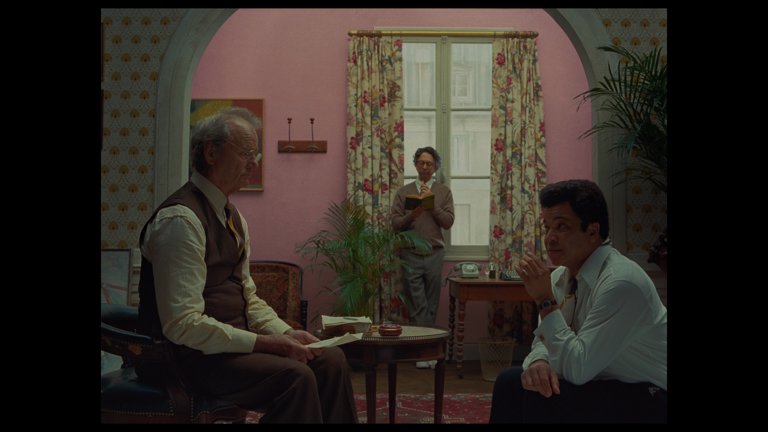
The French Dispatch of the Liberty, Kansas Evening Sun - Screen Captures
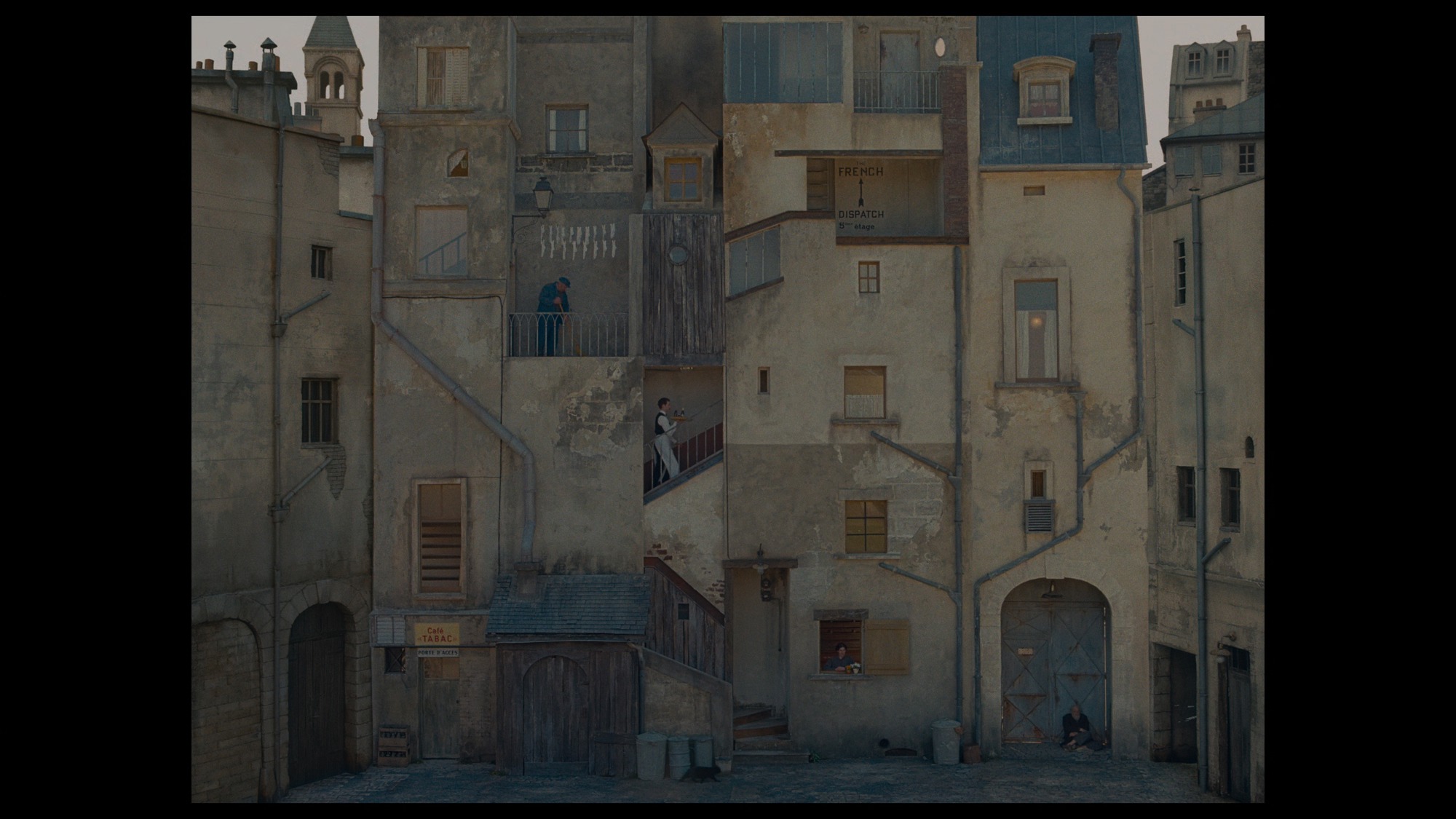
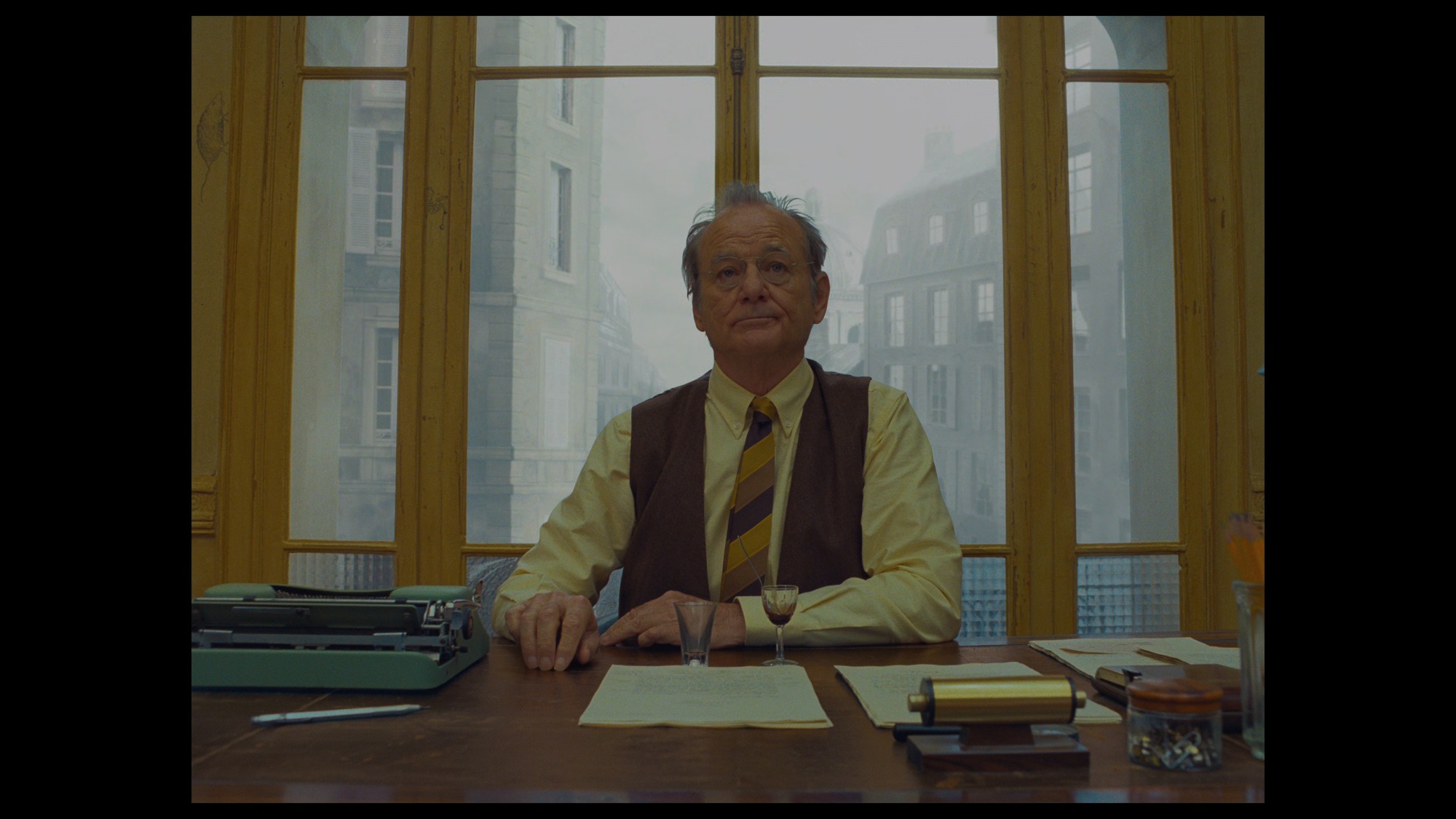
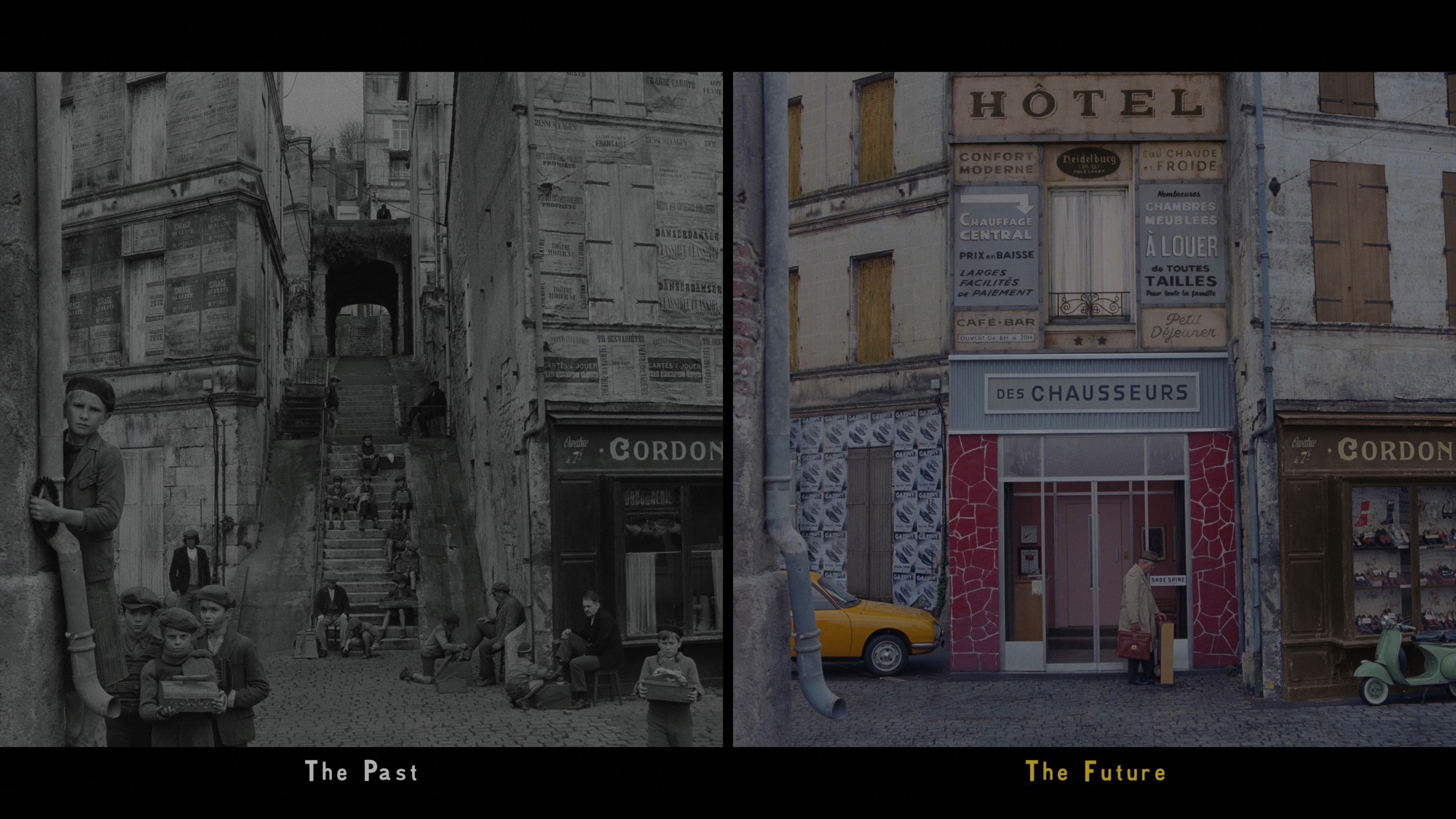
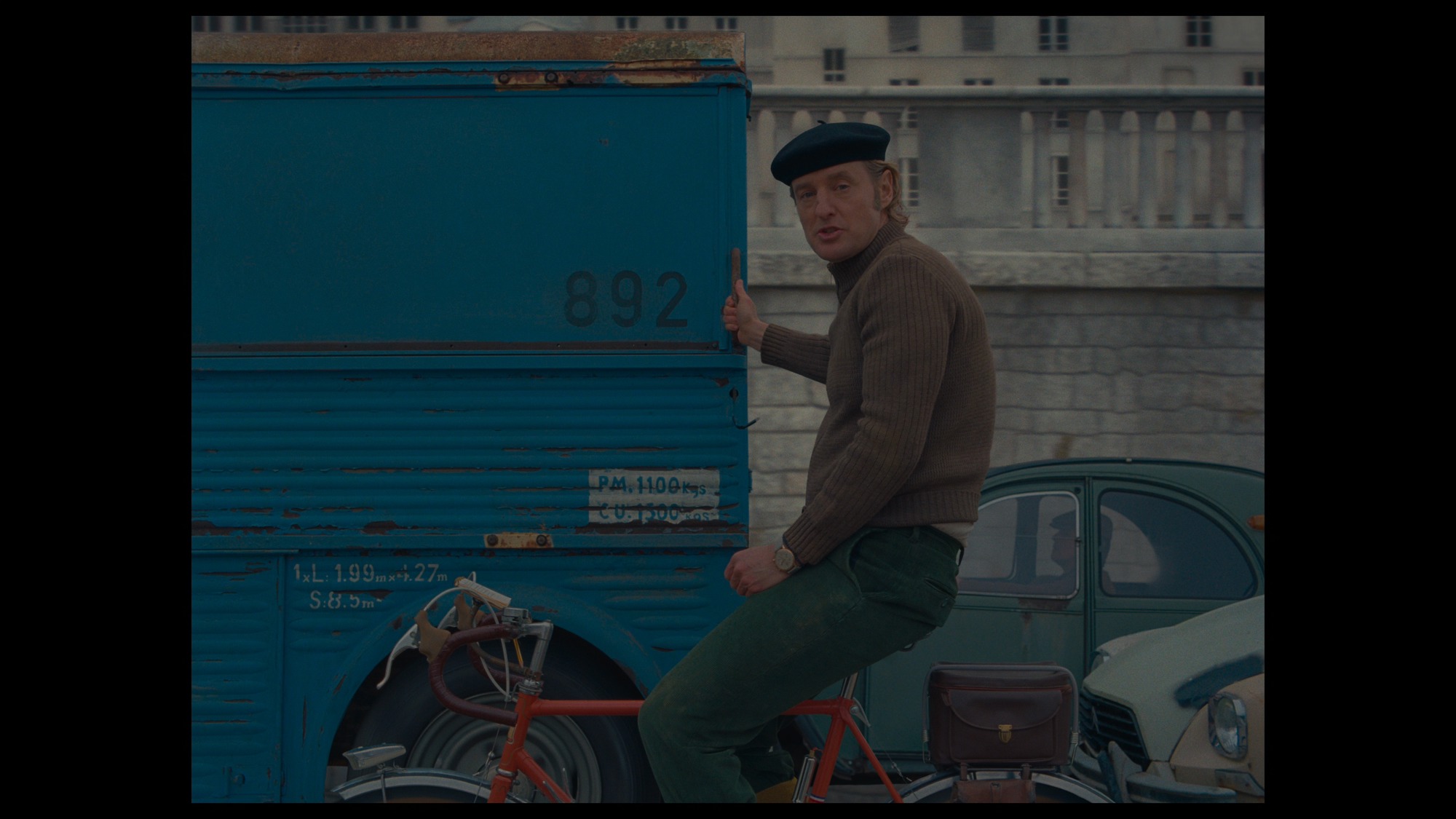
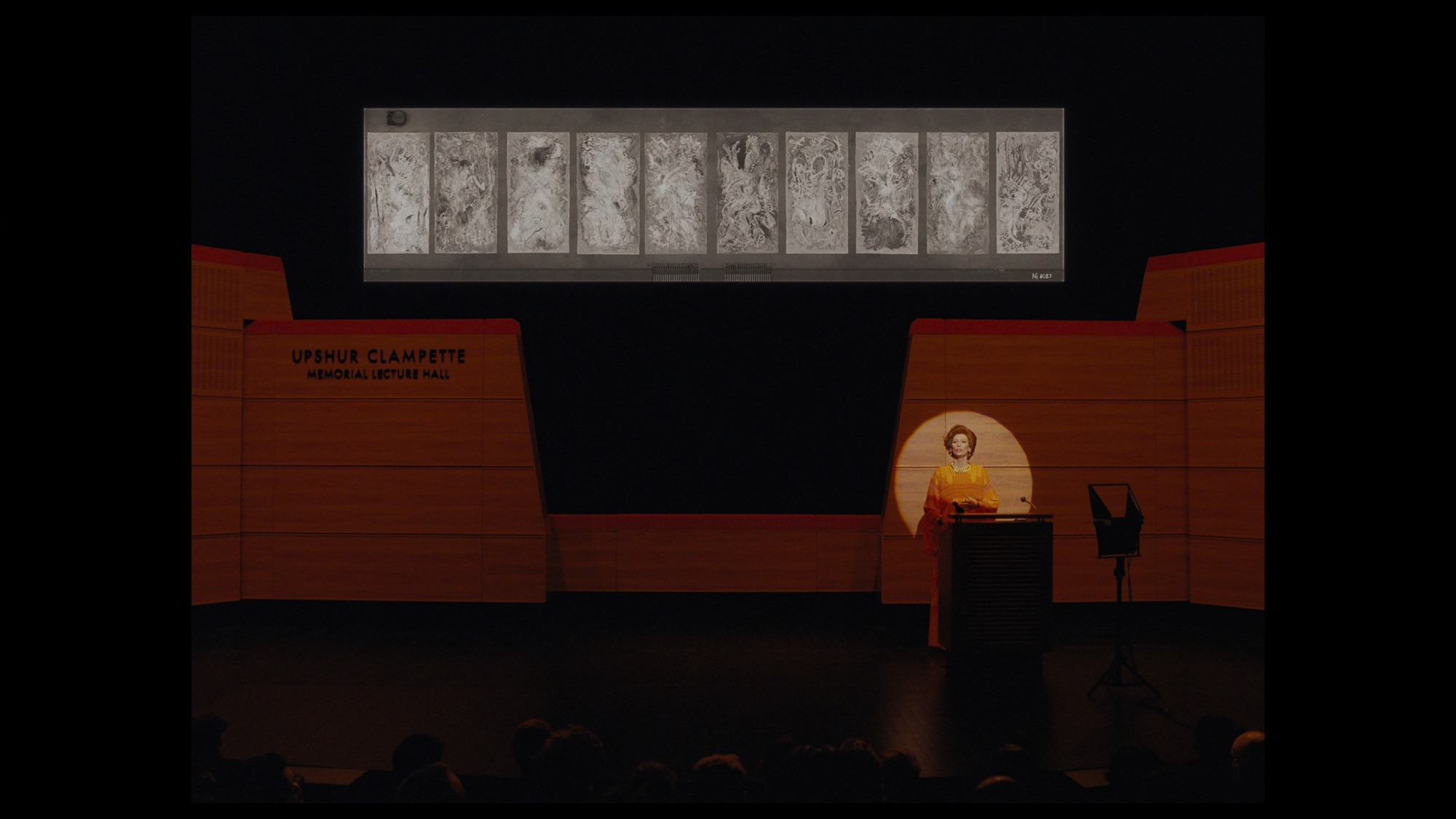
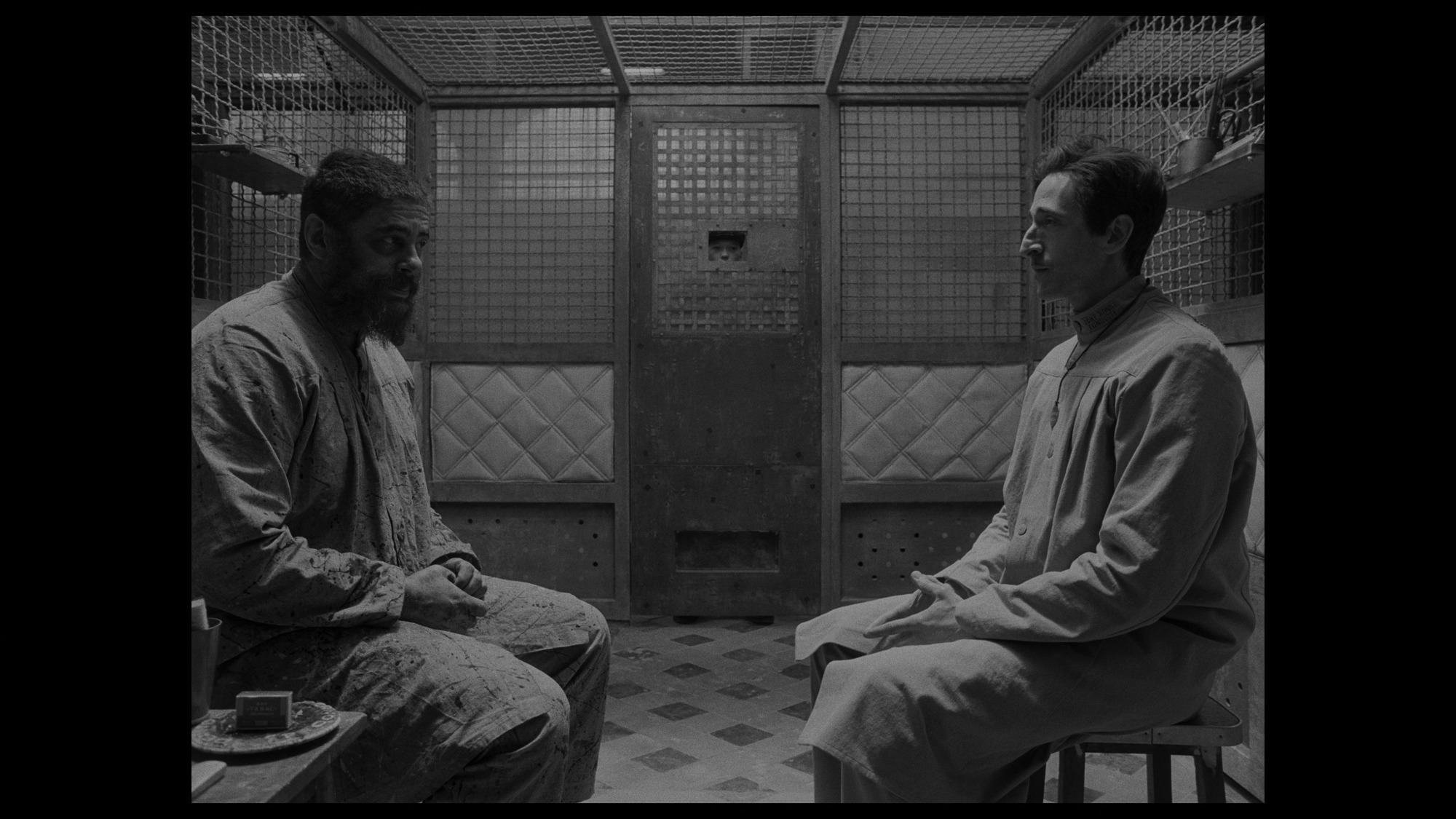
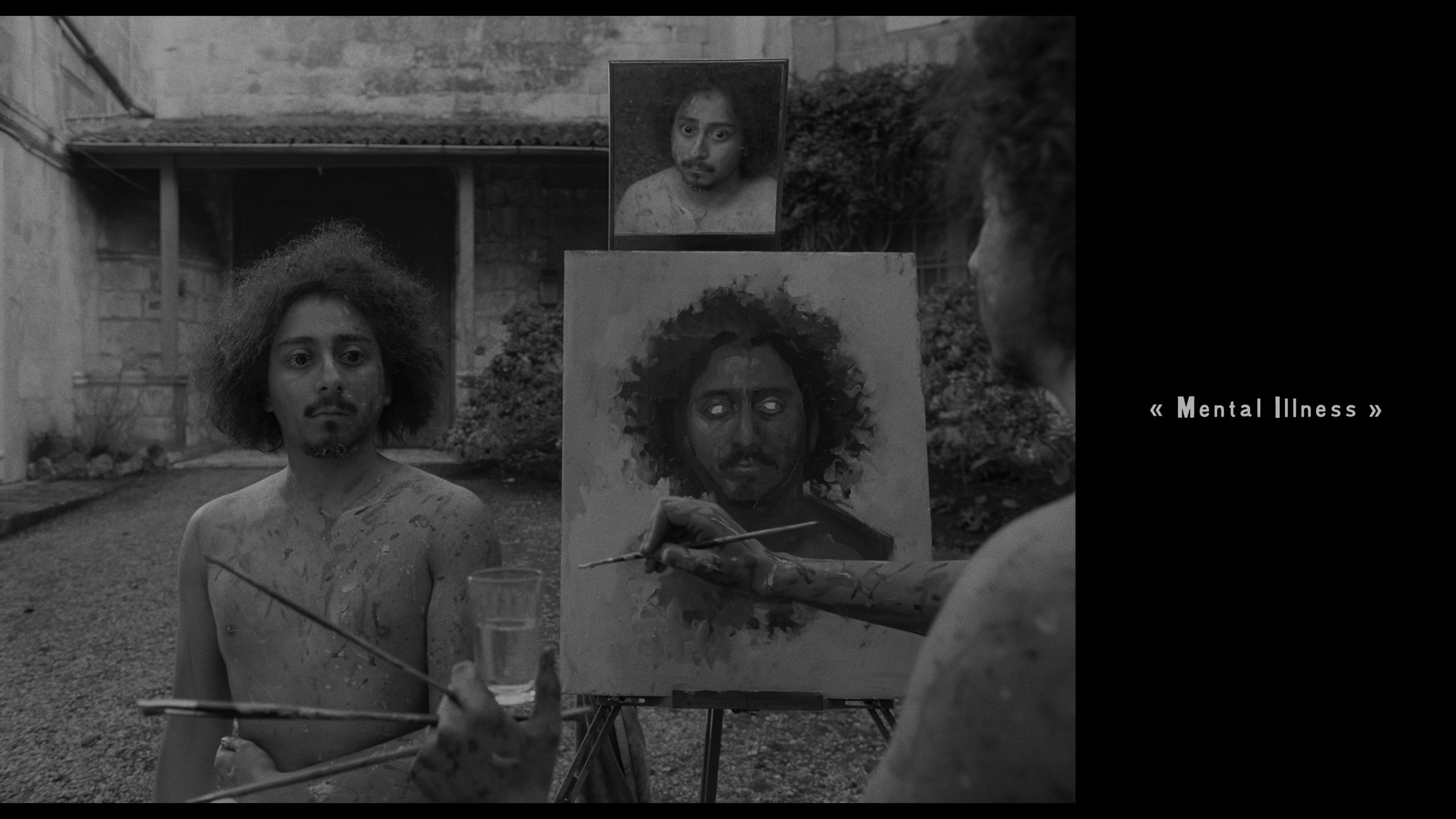
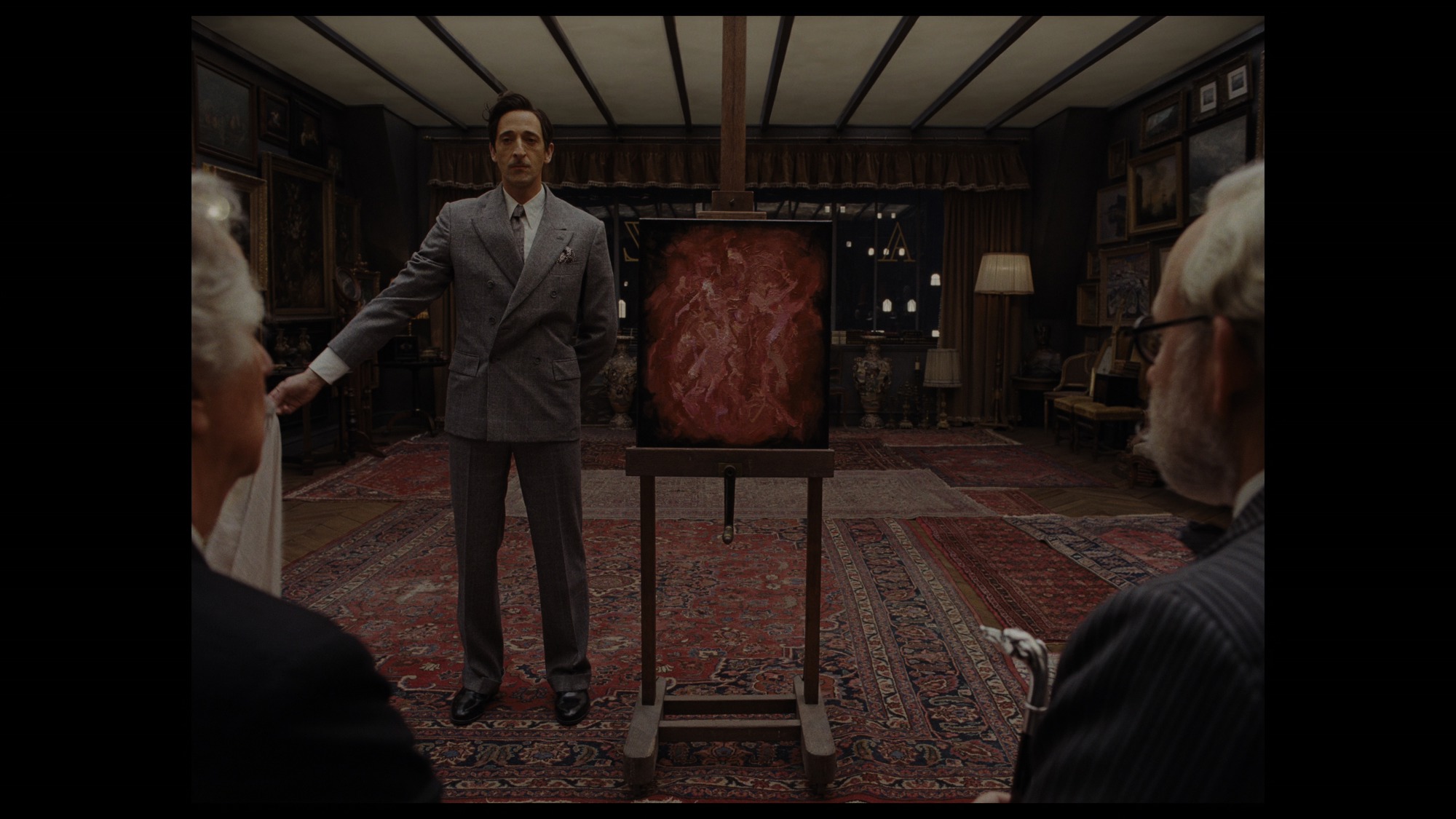
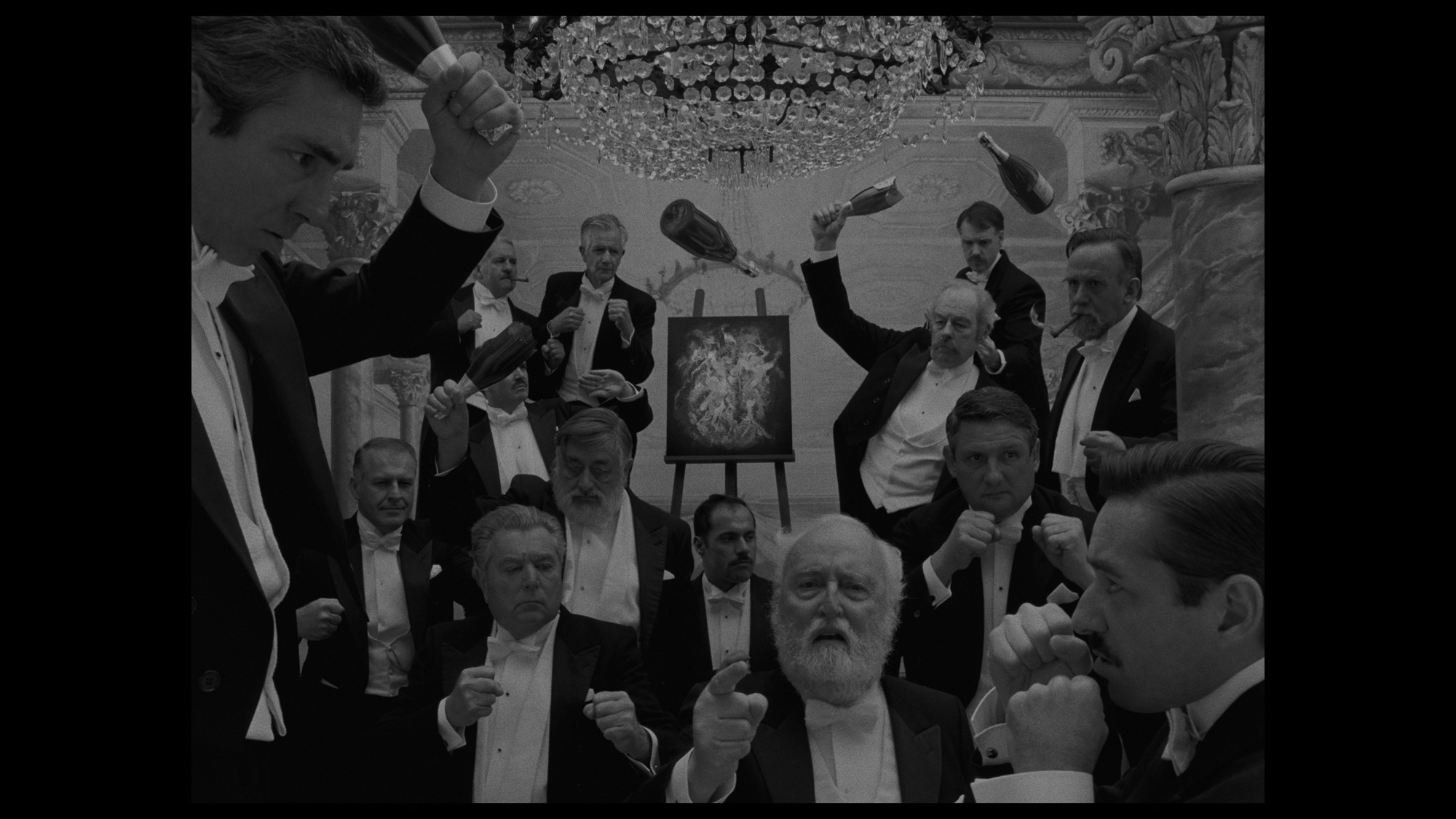
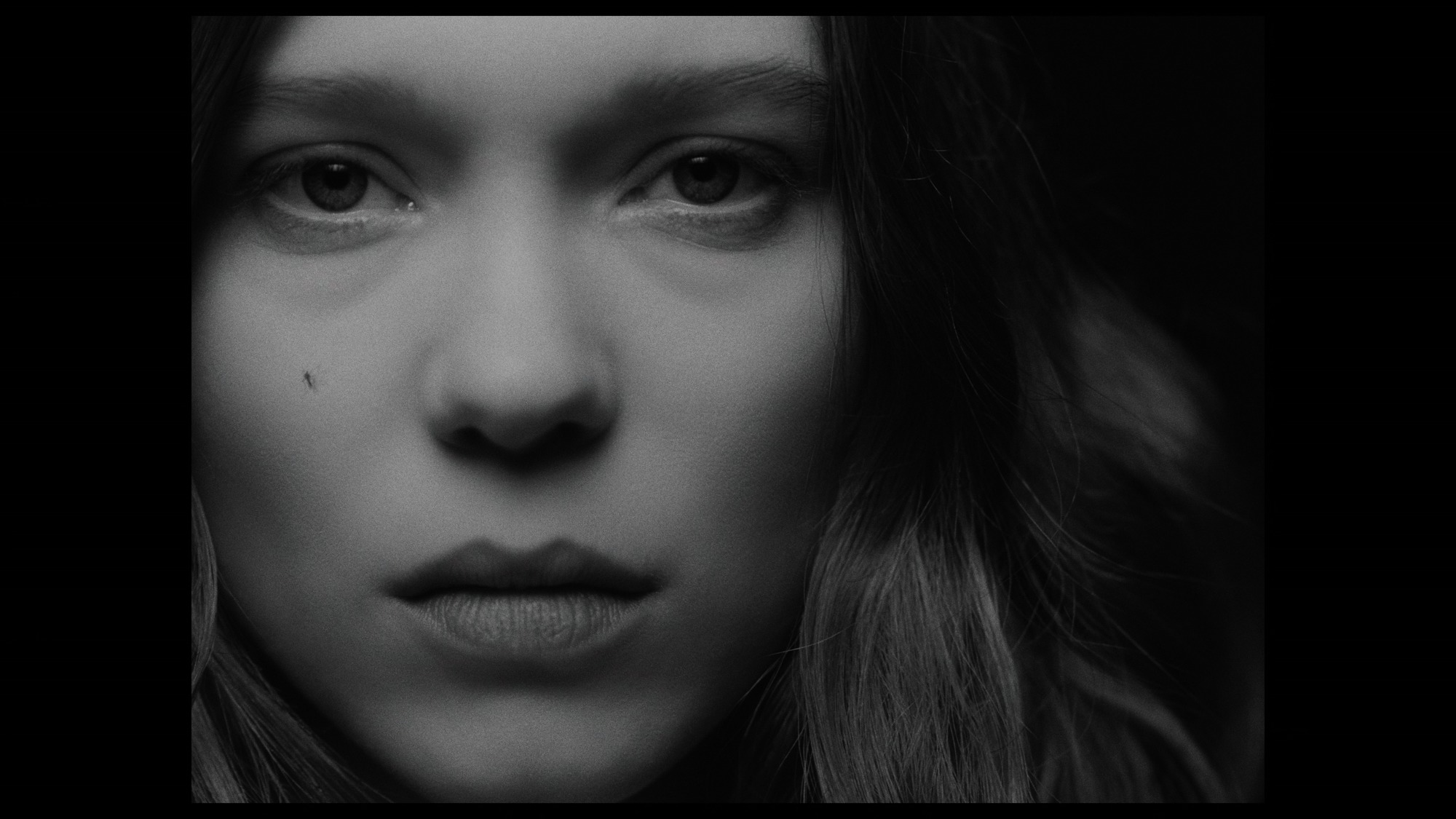
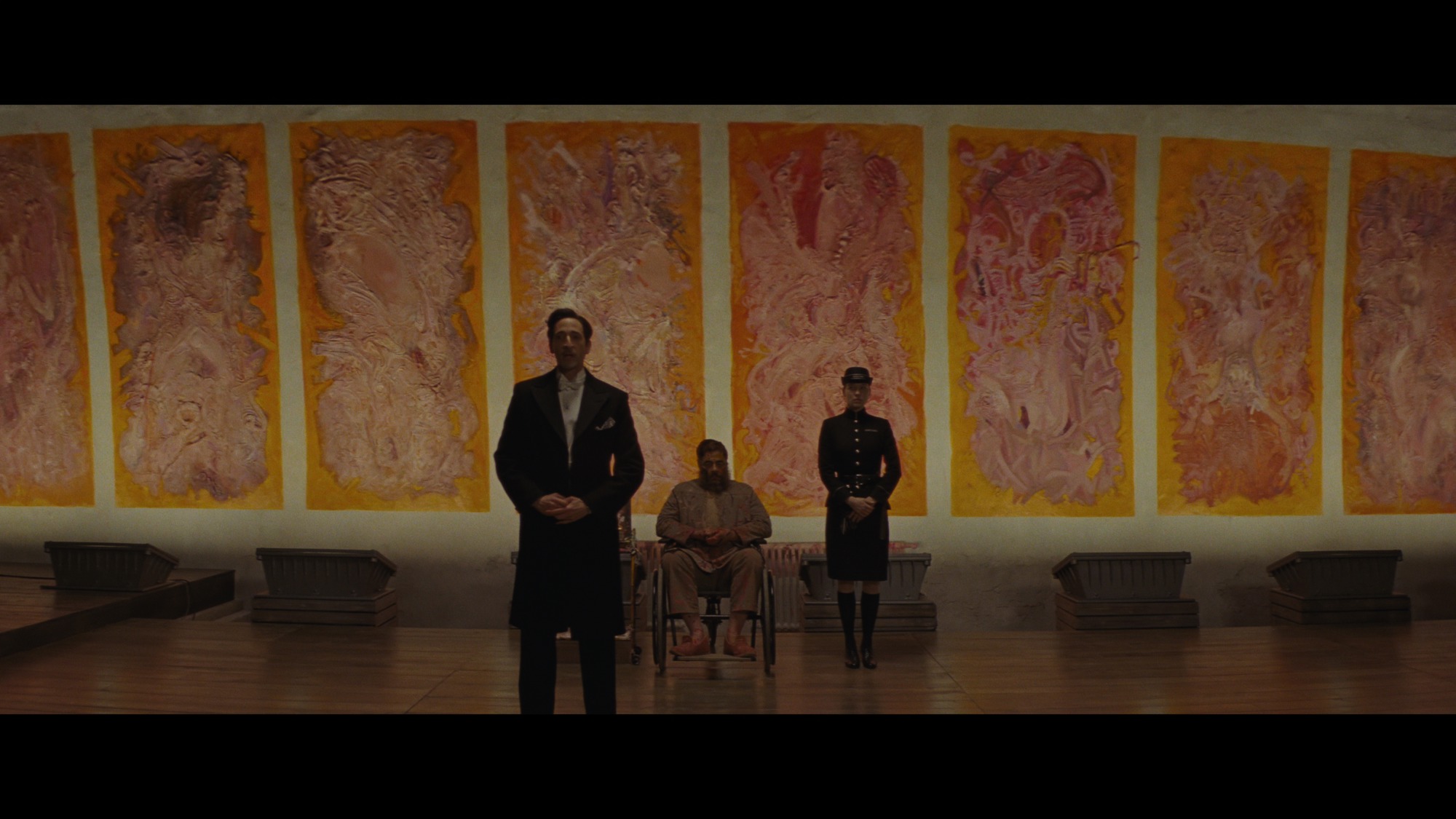
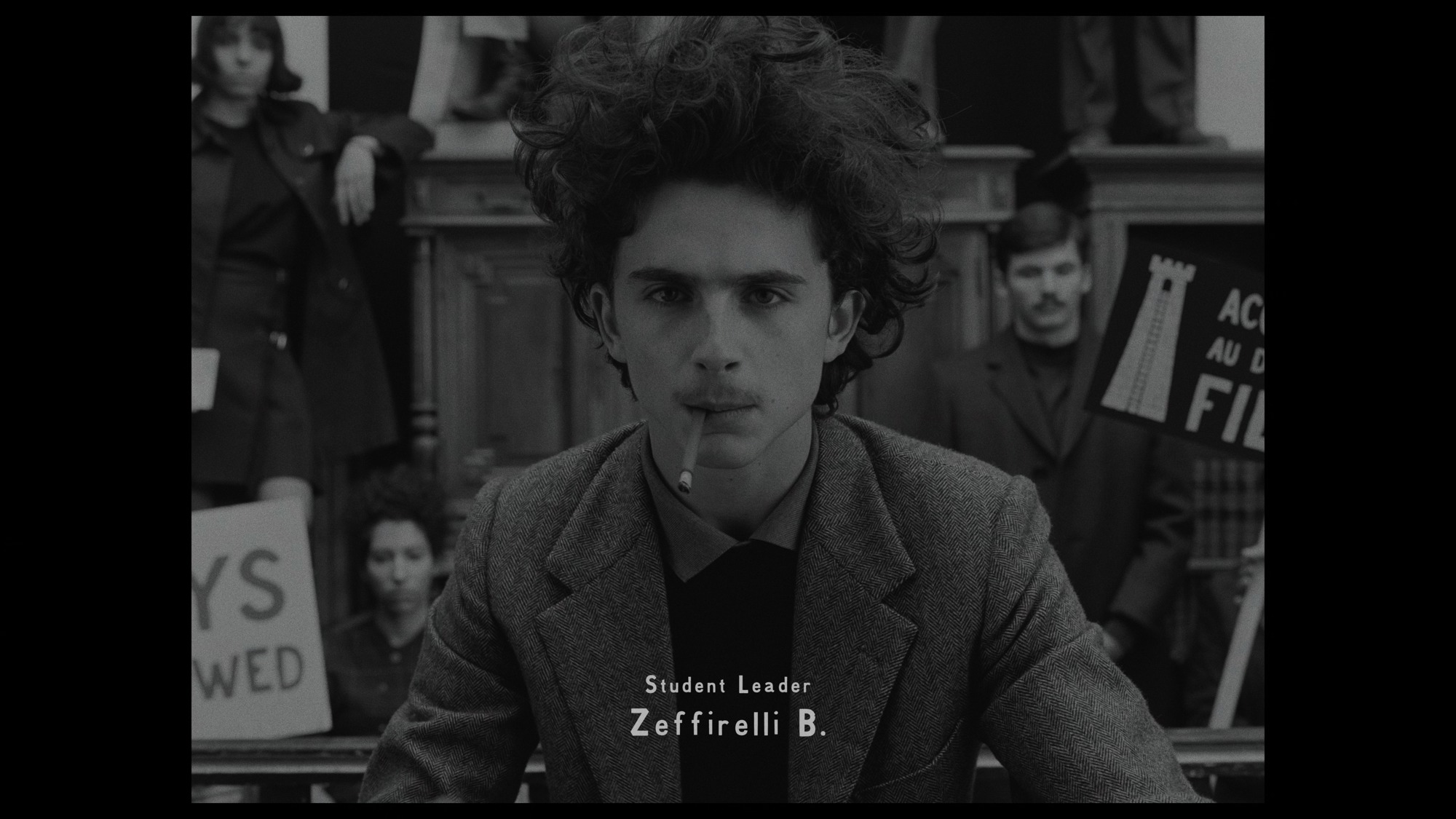
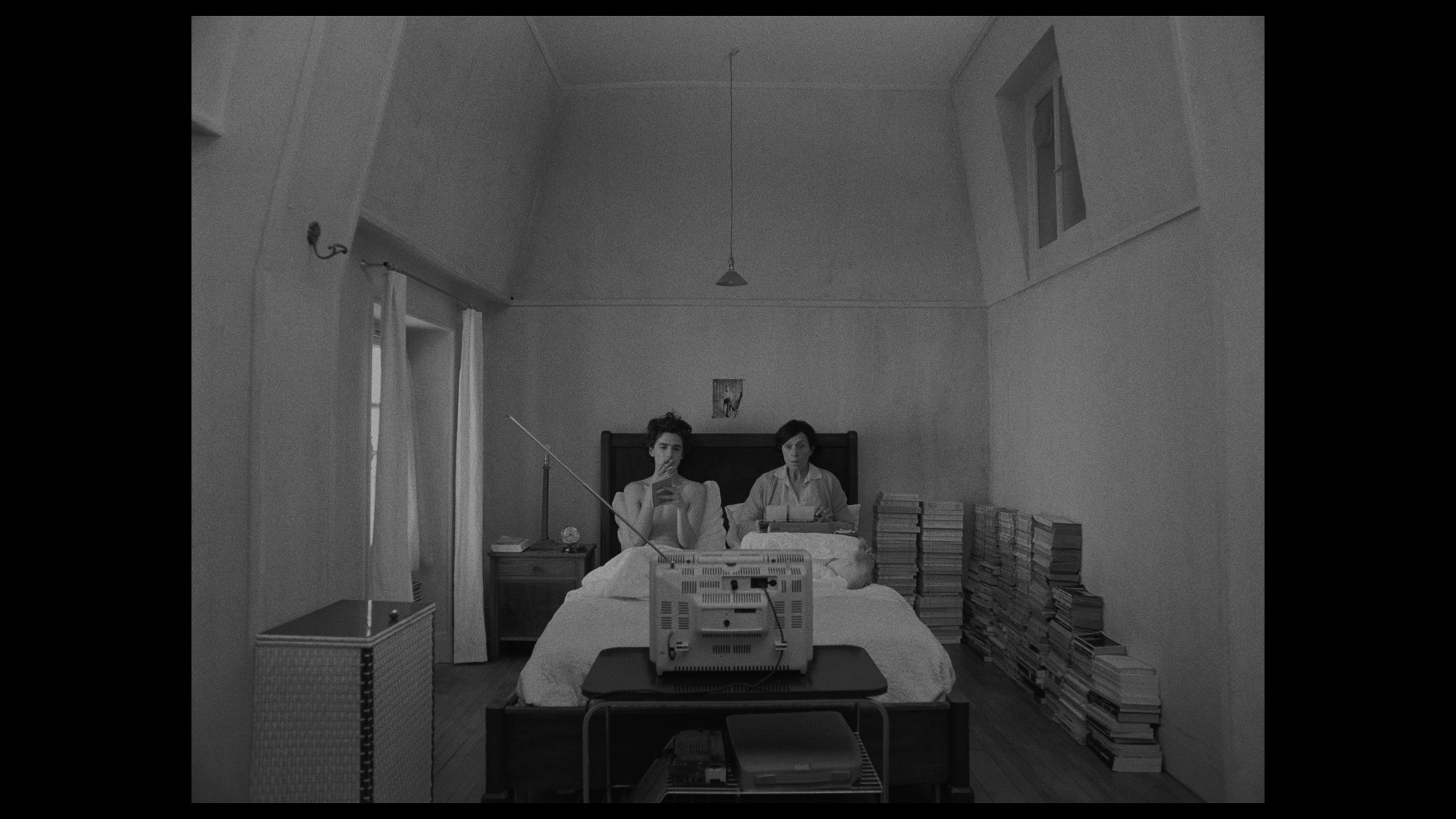
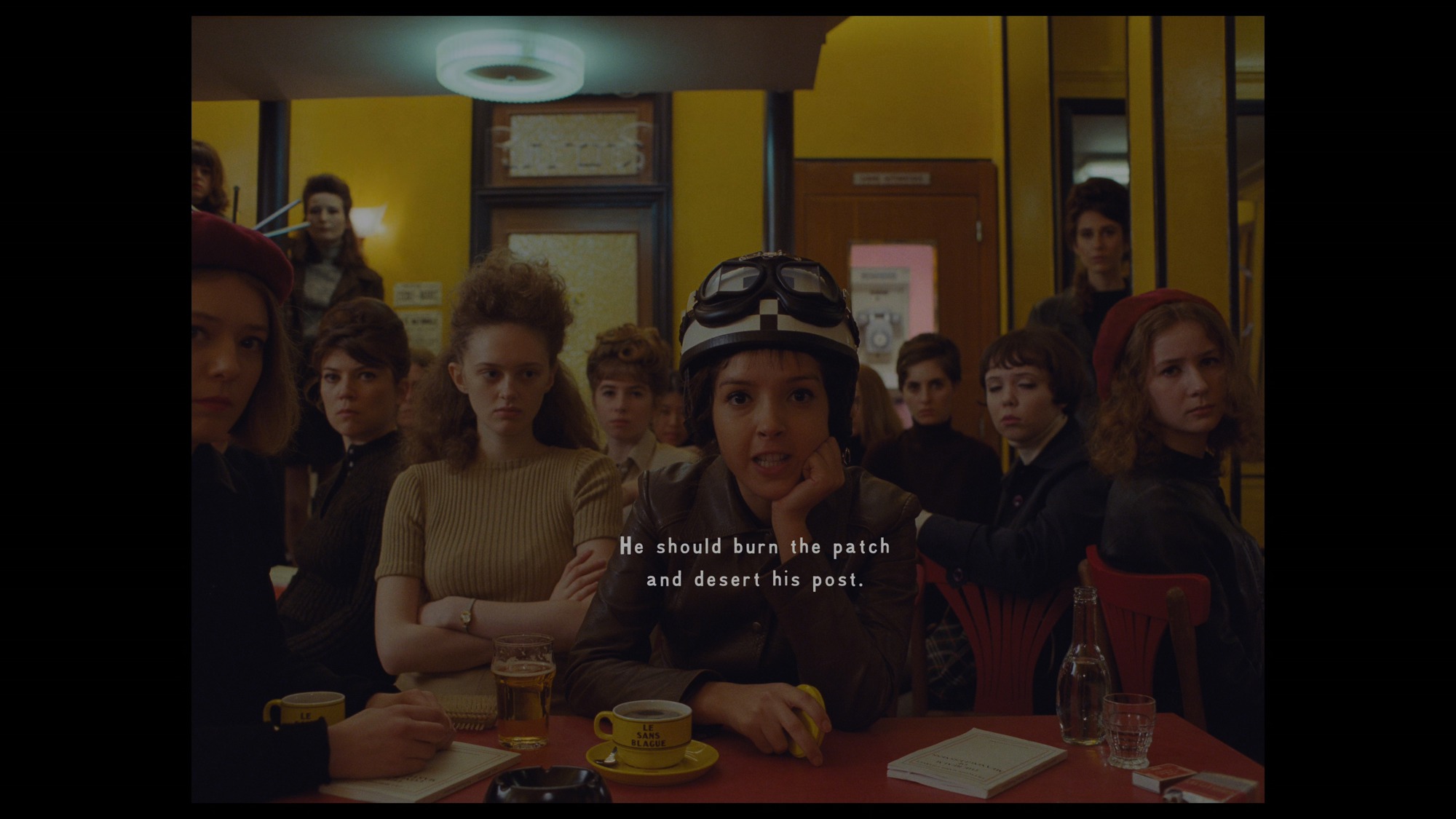
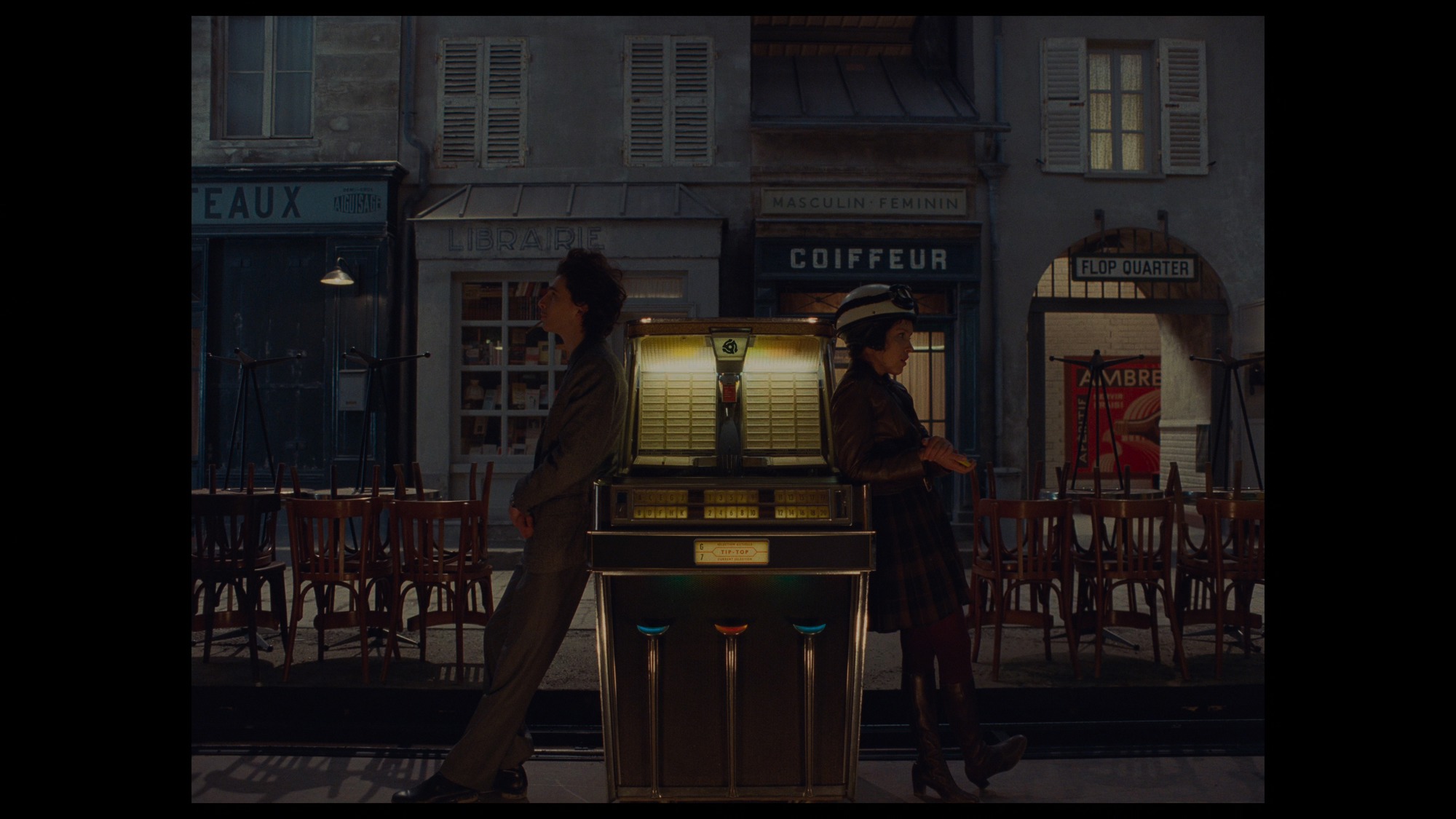
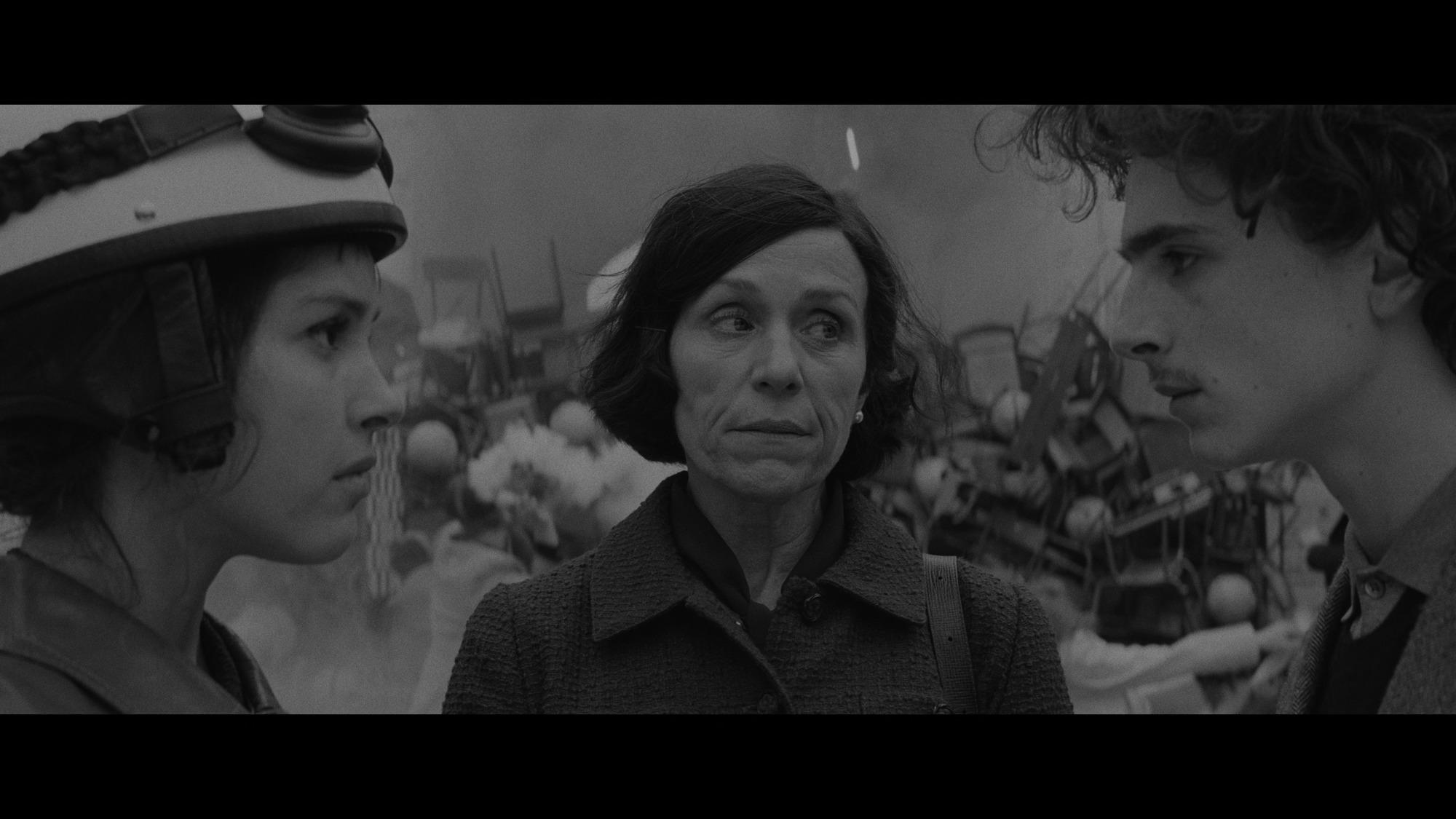
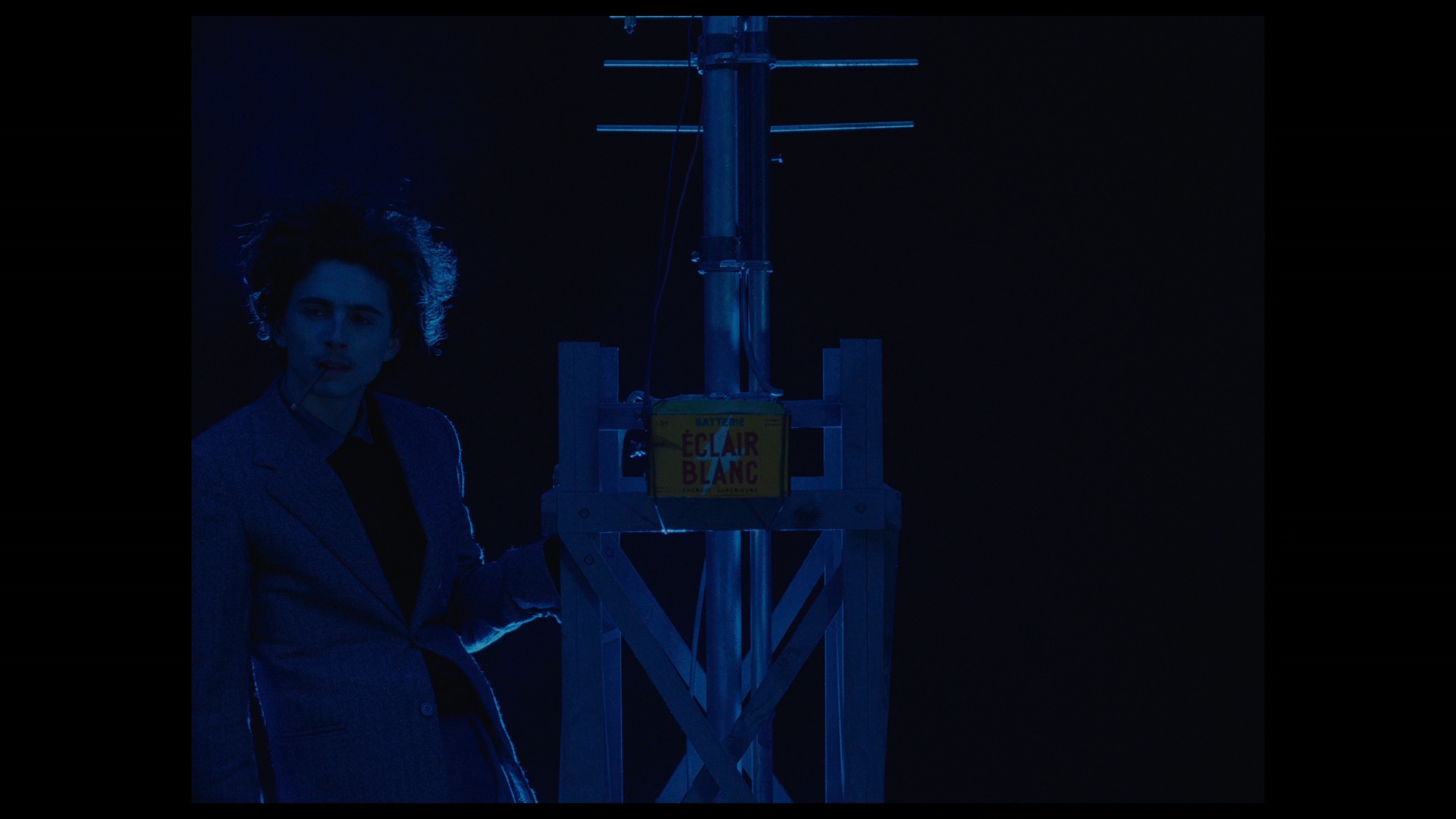
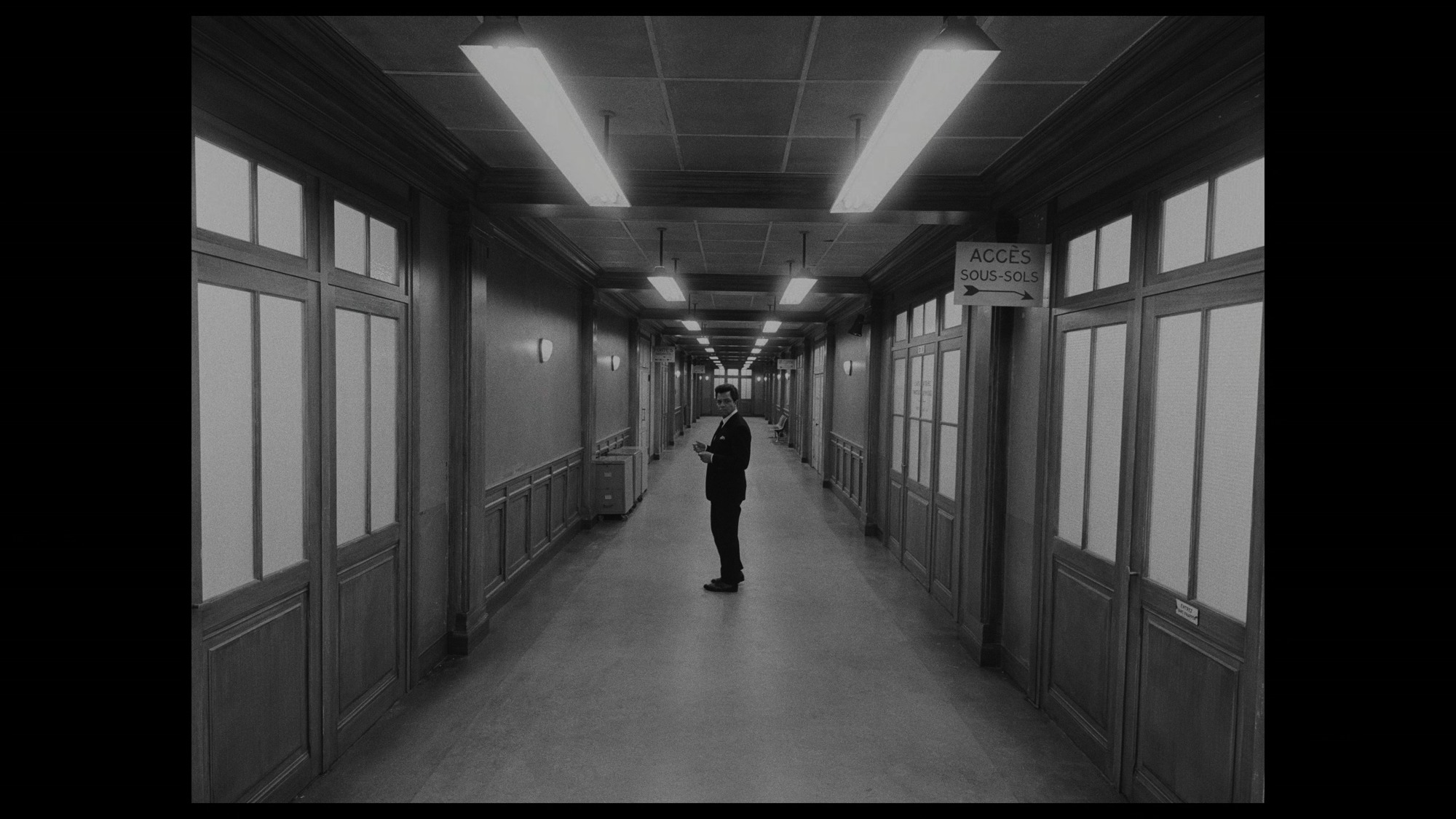
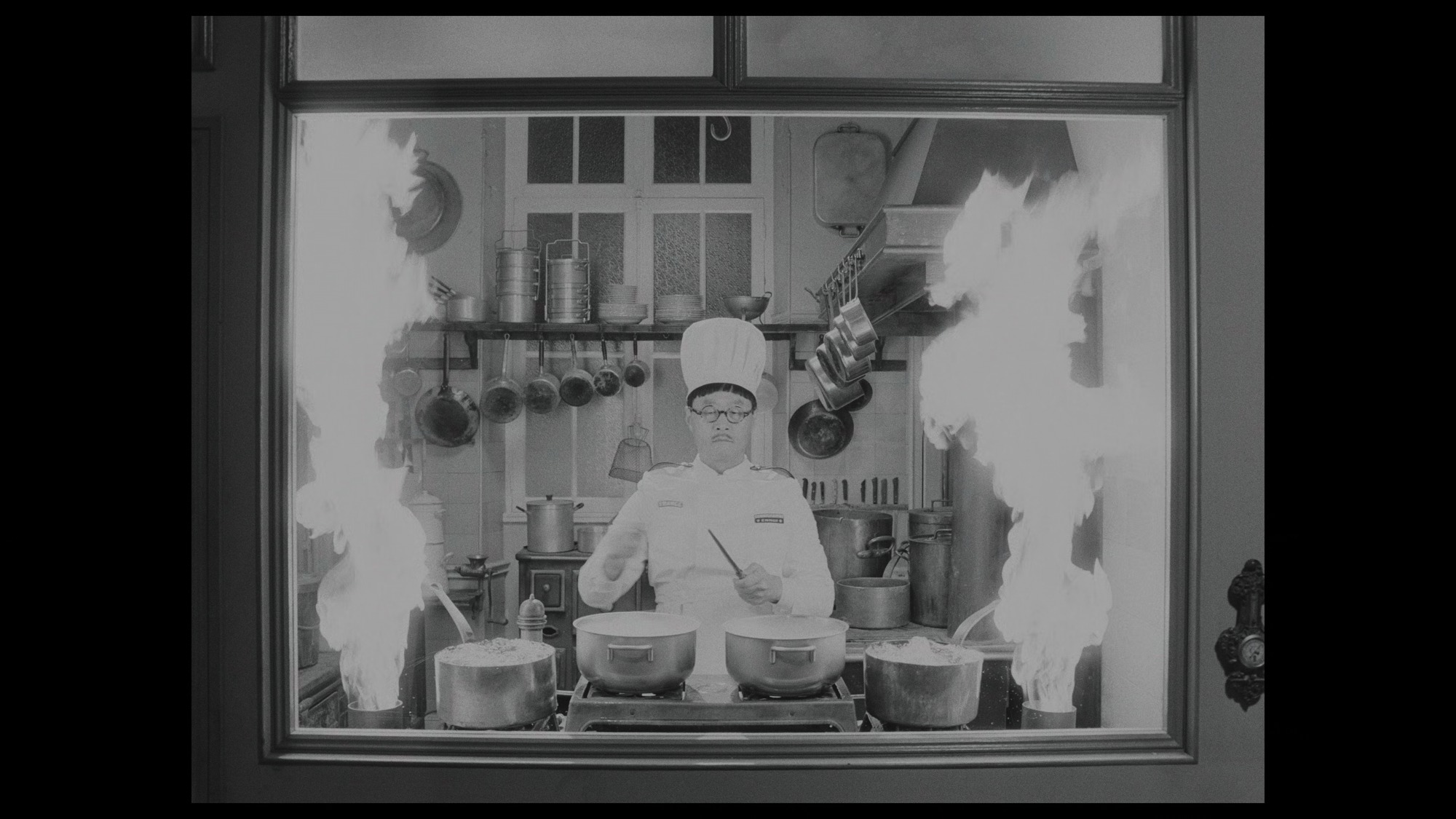
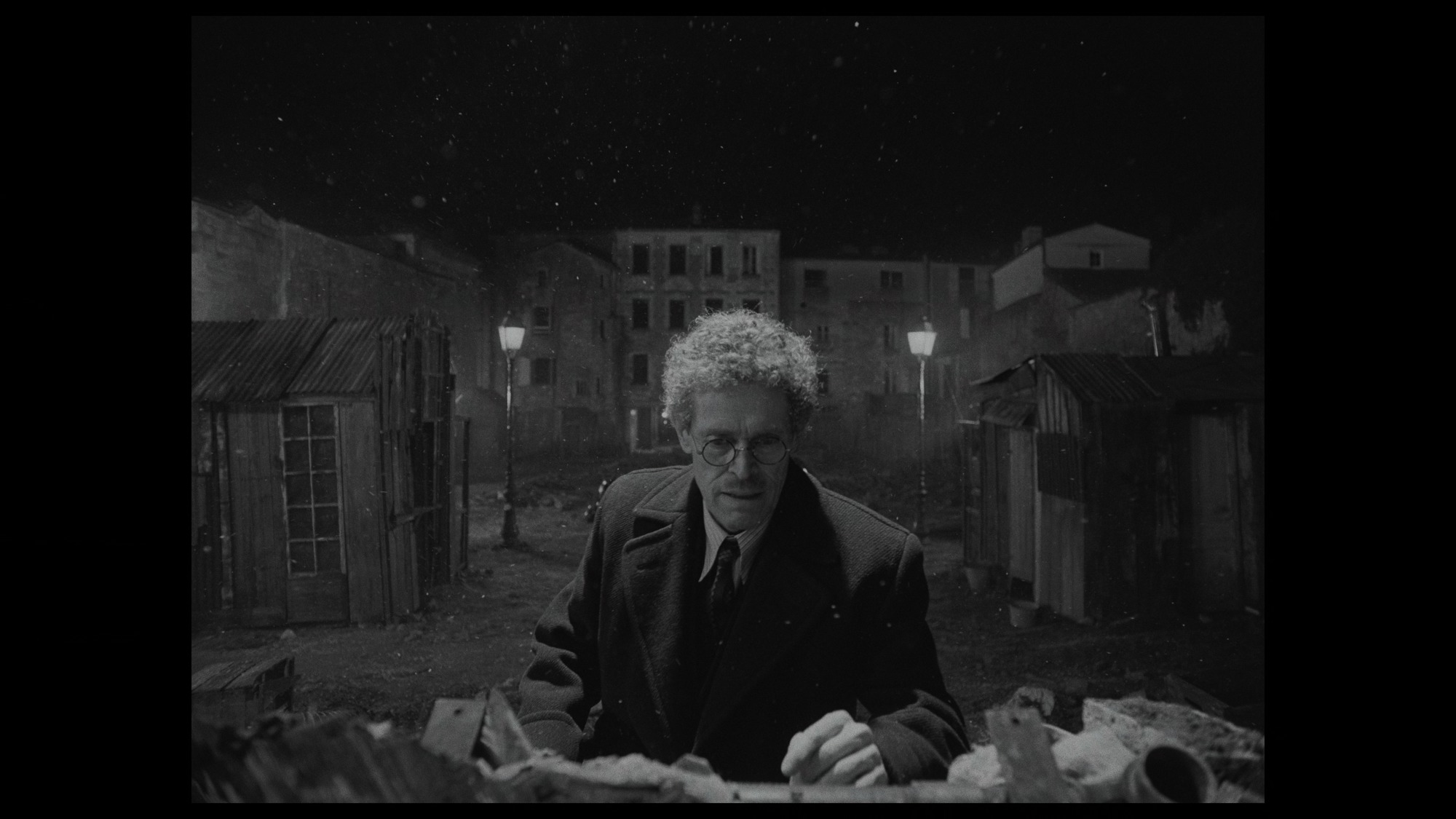
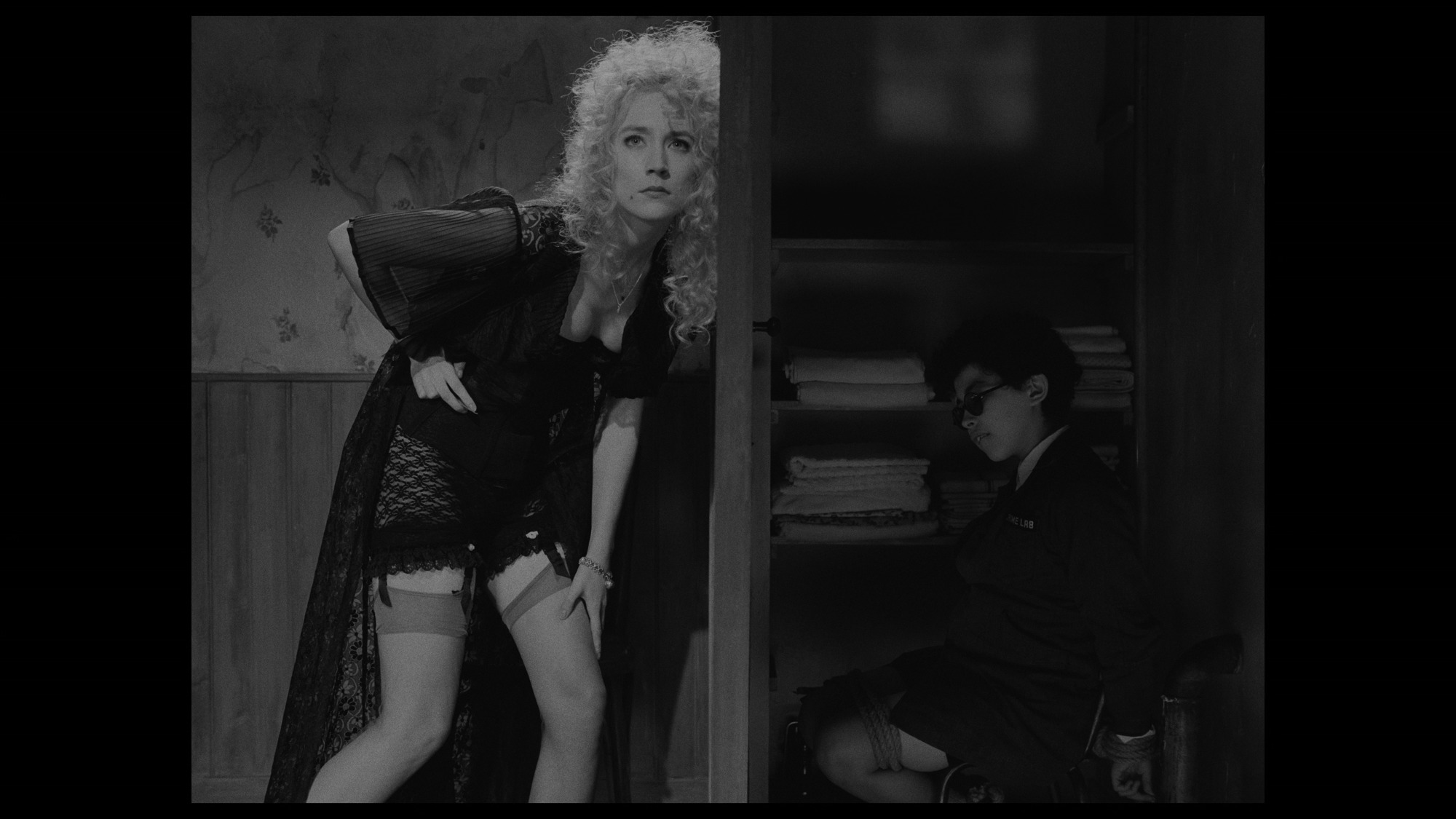
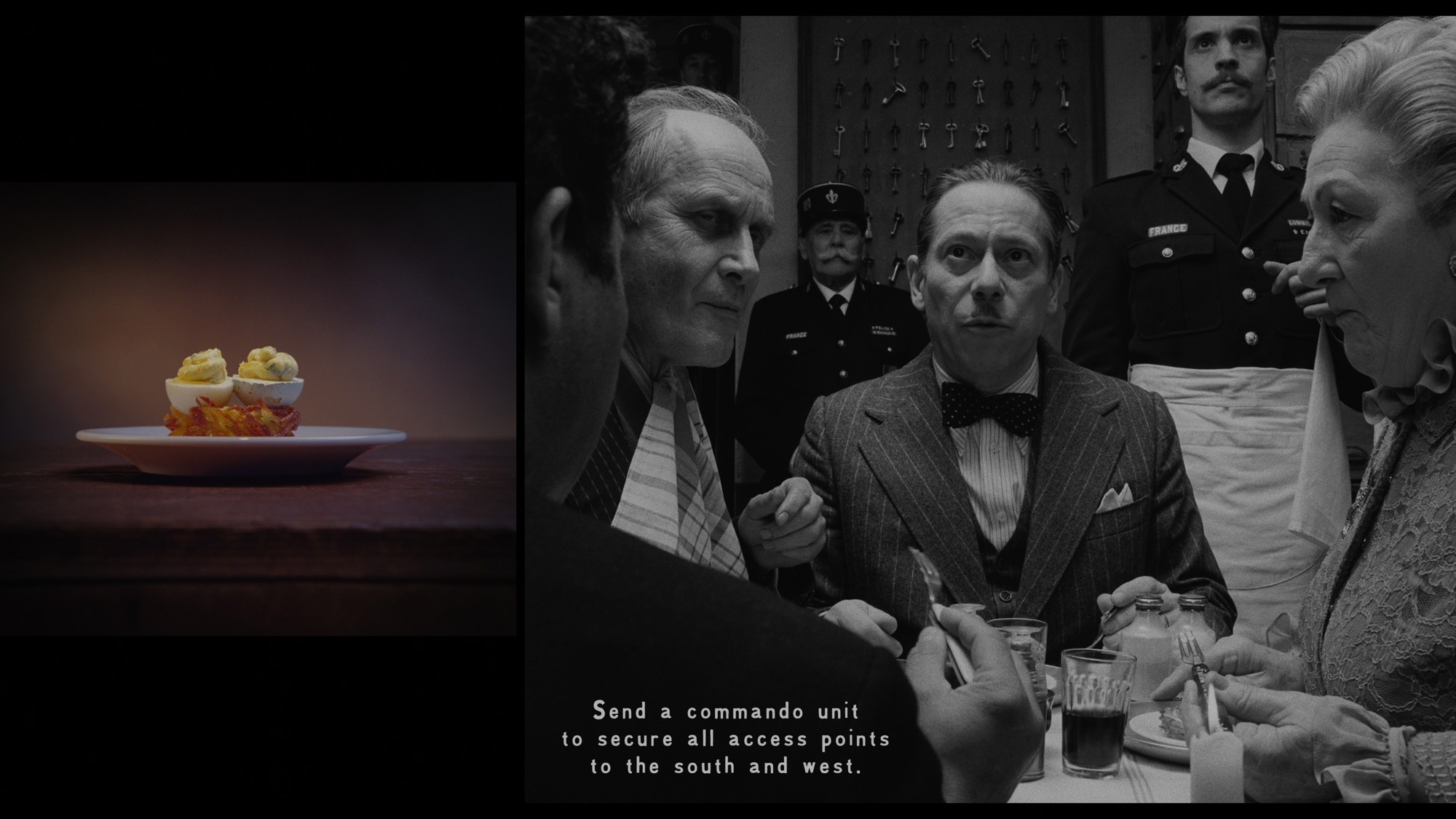
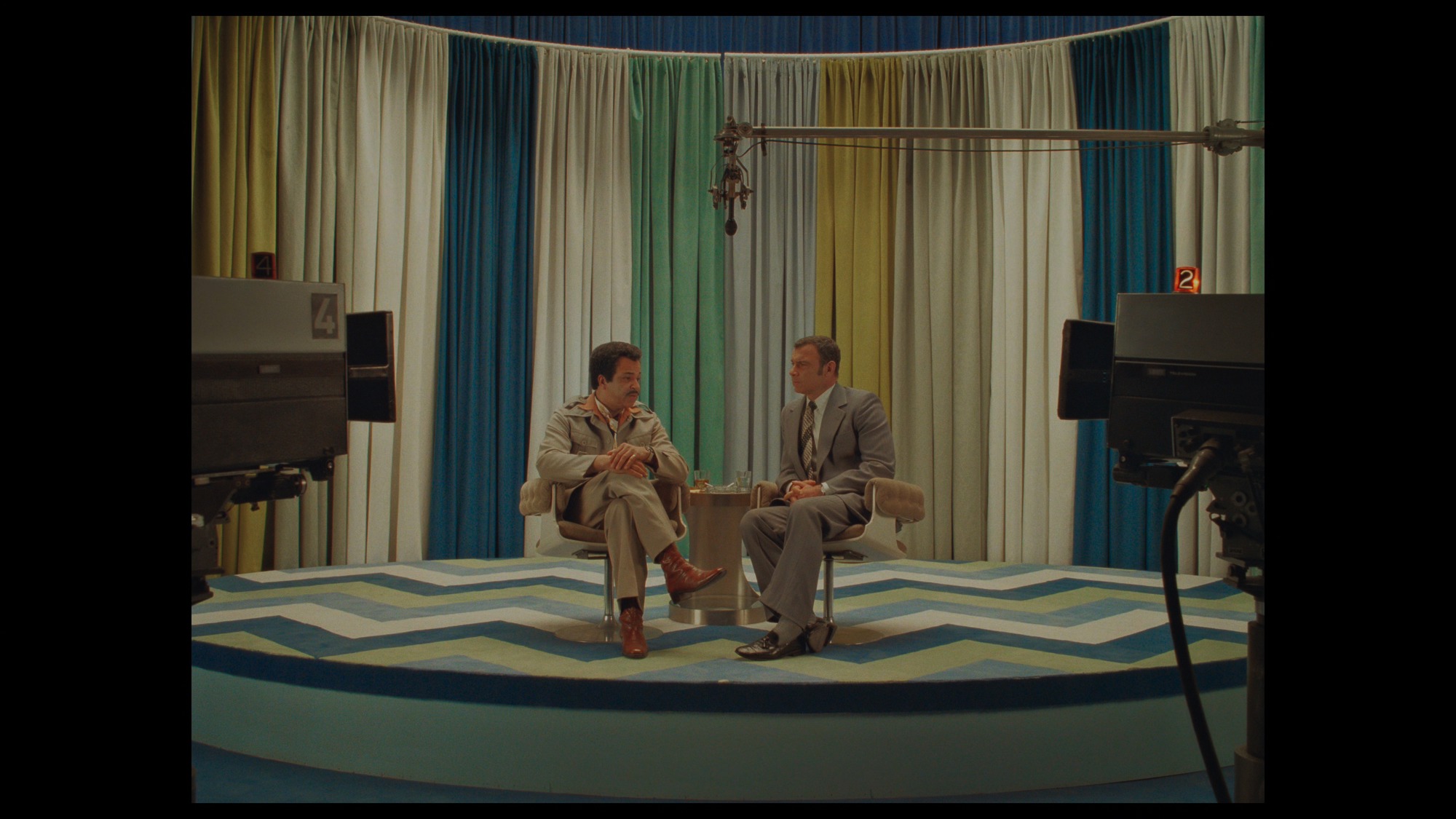
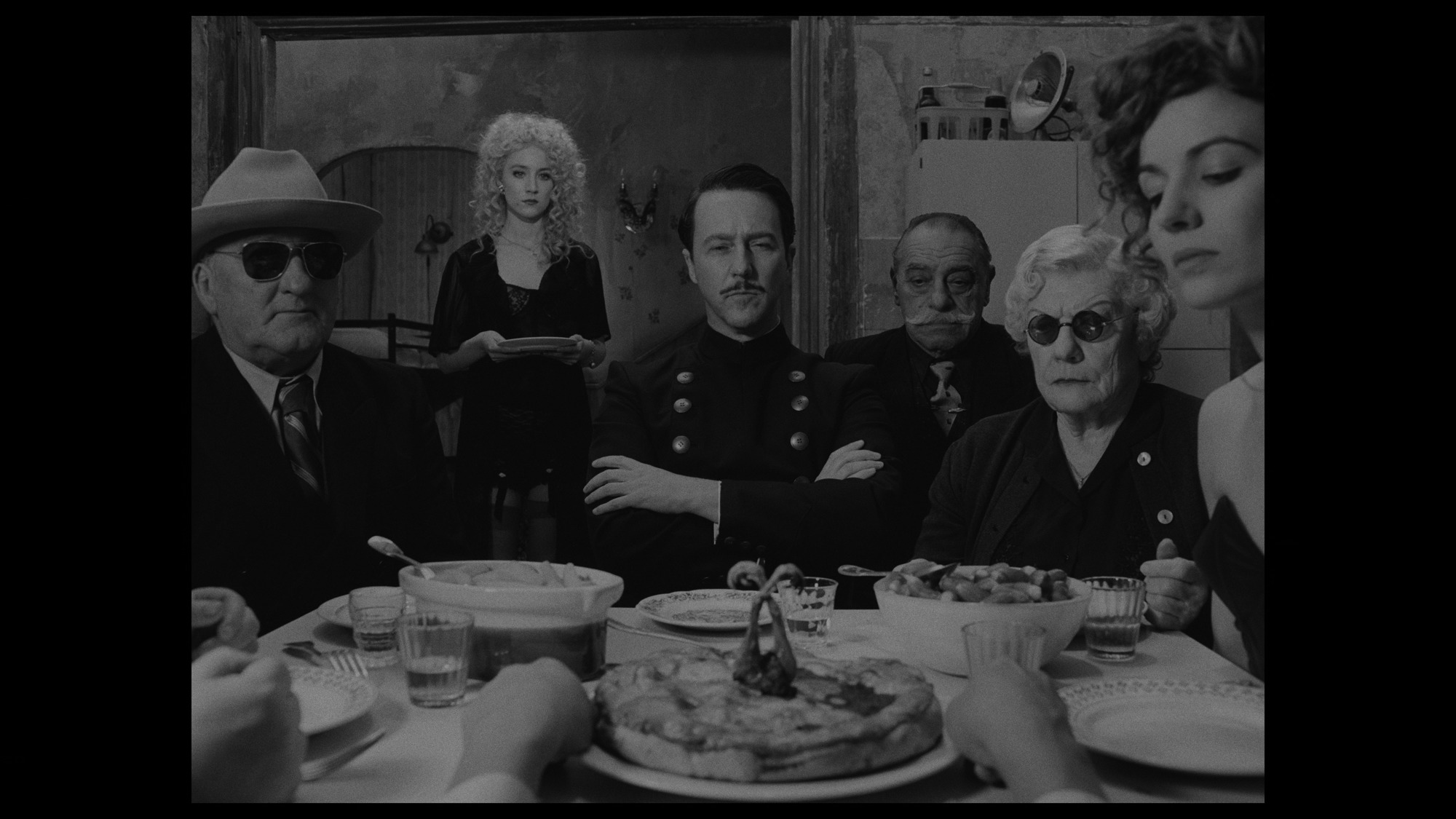
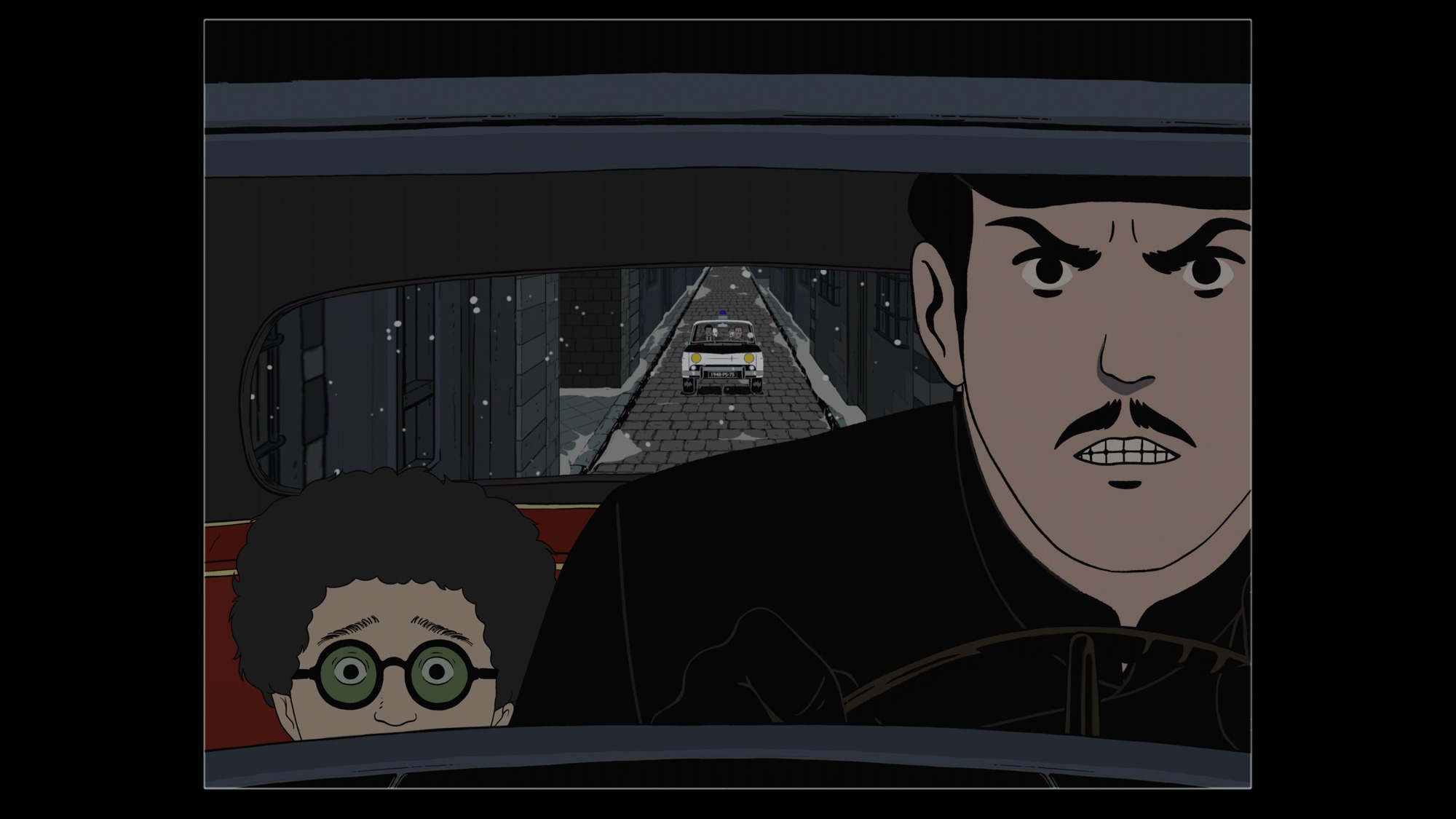
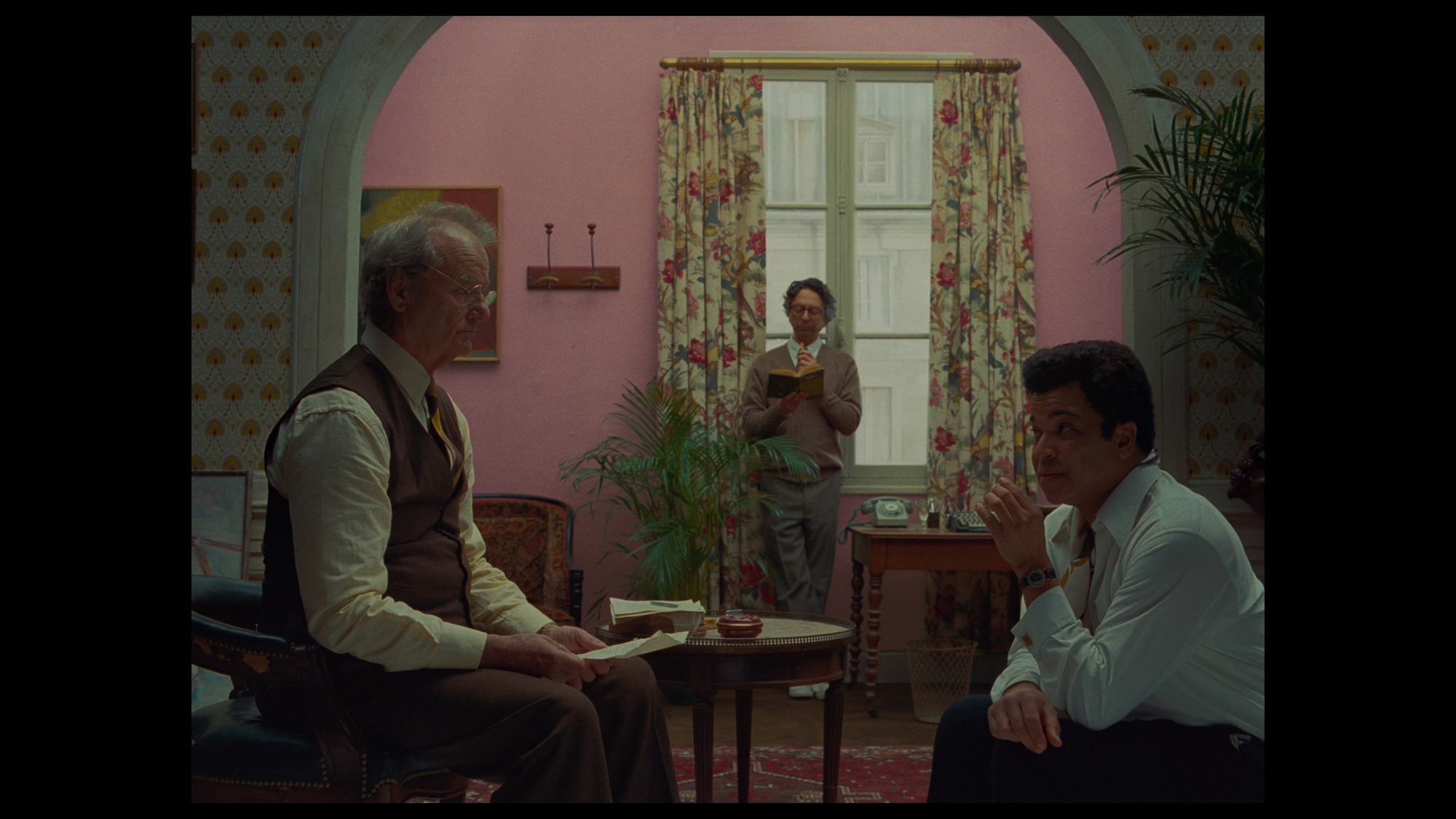
Audio 8/10
Criterion provides a DTS-HD MA 5.1 soundtrack, and it’s, unsurprisingly, quite good and suiting to the film's needs. Dialogue is crisp and clear, with excellent range and fidelity. The overall mix shows terrific depth, giving Alexandre Desplat’s score and Jarvis Cocker’s cover of Aline a nice presence while mixing them naturally into the environment. Surround activity isn’t constant, but when Anderson leans on it, most notably in the more action-driven moments, the track delivers. Gunfire during the exagerated shootouts pops wonderfully through the environment. Overall, it’s a clean, well-balanced track that serves the film beautifully.
Extras 9/10
Though it was clear Fox had produced material for the film that could have been used on their own release (and some of it does appear here), their Blu-ray was oddly barebones. Criterion’s edition makes up for that with a generous slate of features, beginning with a brand-new audio commentary featuring Wes Anderson, co-writers Roman Coppola and Jason Schwartzman, and a producer who can occasionally be heard faintly chiming in from the background on occasion. Anderson takes the up most of the track's time, first explaining how the project evolved, from an initial idea to make a film about The New Yorker, to a tribute to French cinema (particularly the nouvelle vague), and ultimately into the omnibus structure we have.
Coppola joins about 17 minutes in but stays less than half an hour, discussing his contributions as writer and occasional on-set collaborator. Anderson’s tracks can be hit or miss, but this one works well but does admittedly still pick up quite a bit once Schwartzman calls in to talk through the last segment of the film and its writing process. Along the way, Anderson and company comment on the actors and their input: Léa Seydoux pushing for multilingual dialogue, Tilda Swinton helping shape her character, and Timothée Chalamet, whom Anderson admits he underused. There are also some funny little notes, like how Christoph Waltz openly questioned why he was there at all for a small part, or how Anderson's daughter thinks this film is the most boring one ever made. All told, it’s one of Anderson’s better tracks, briskly paced and wide-ranging.
The standard Blu-ray houses the rest of the supplements, starting with a 34-minute excerpt from the film’s animatic, covering the prologue all the way through the “artist” story. Since Fantastic Mr. Fox, Anderson has preferred animatics over storyboards for planning pacing and rhythm. This one, voiced entirely by Anderson himself, sticks surprisingly close to the finished film, though there are a few key differences (like a variation in the wheelchair chase). Interestingly, some of the black-and-white sequences appear to have been originally imagined with spot color in the frame, à la Sin City, rather than the full-color cutaways Anderson settled on.
Next is a 30-minute behind-the-scenes featurette consisting of raw set footage. Highlights include artist Sandro Kopp at work on the massive frescos for the second story, plus material from the miniature unit and the filming of elaborate montage sequences. Criterion also includes an academic angle: a 26-minute video essay entitled No Crying: How to Overcome a Blasé Ennui, adapted from David Bordwell’s essay and read by Rupert Friend. Bordwell examines the film’s nested flashback structure, its shifting aspect ratios, and Anderson’s use of animation as a nod to Tintin. It's a terrific examination of the film's narrative structure, and I was also happy Criterion was able to yet again pull in something from Bordwell. (A small note: some of the black-and-white excerpts from the film used here show poor HDR-to-SDR tone-mapping, but this flaw does not affect the actual feature presentation found on the Blu-ray.)
Kopp reappears in a thoughtful 15-minute interview about creating the artworks. He explains the challenge of making them look both abstract and convincingly “unfinished,” especially given the tight deadlines. Surprisingly, he found the small Simone portrait more difficult than the large frescos, and though he initially disliked it, he eventually came to appreciate it after using COVID delays to come up with another.
The set also gathers some lighter but worthwhile material: a music video for Jarvis Cocker’s cover of “Aline,” animated by Javi Aznarez (and may have been intended as a post credit sequence); six minutes of footage from the miniature unit in Berlin; and a seven-minute portrait-style short called Accidentally Angoulême, which breezily highlights the city’s history and culture. It's not bad for what it is, but it appears to have been made for social media and is presented in that phone portrait ratio.
More substantial are two episodes of The New Yorker Radio Hour. In the first (27 minutes), David Remnick interviews Anderson and Jeffrey Wright, with Wright offering his own interpretation of his character on top of the three talking about the writers that influenced the characters in the film. The second (28 minutes) is especially fun: members of the cast read from New Yorker articles, including Wright on James Baldwin, Bill Murray on Harold Ross, Steve Park on James Thurber, Owen Wilson on Joseph Mitchell, Elisabeth Moss on E. B. White, Frances McDormand on Mavis Gallant, and Tilda Swinton on Calvin Tomkins (delivered in her character’s voice). These readings also manage to connect directly to the film’s literary inspirations.
Rounding out the video content are a handful of short promotional pieces produced by Fox: La Famille and May ’68 (brief one-minute spots), Table Setter (a three-minute general promo), and The Theory and Practice of Editing “New Yorker” Articles (three minutes of Murray reading Wolcott Gibbs’ editing rules). The trailer is also included.
Criterion packages the release with a fold-out poster featuring the release's new artwork on one side and reproductions of the film’s magazine covers on the other, plus a booklet styled after an issue of The French Dispatch. Inside are a new essay by Richard Brody (expanding further on the New Yorker influences), a reprint of a promotional magazine created for the film’s release (with notes on influences and excerpts from writers who inspired the characters), along with production photos, artwork, and mock ads.
Altogether, it’s a well-rounded package, comprehensive in its exploration of both the film and its literary-journalistic influences.
Closing
Criterion's new 4K presentation delivers a notable bump over Fox's previous Blu-ray while delivering a fun and insightful set of extras. A nicely assembled edition from Criterion.
BUY AT: