The Right Stuff
BUY AT:


See more details, packaging, or compare
Synopsis
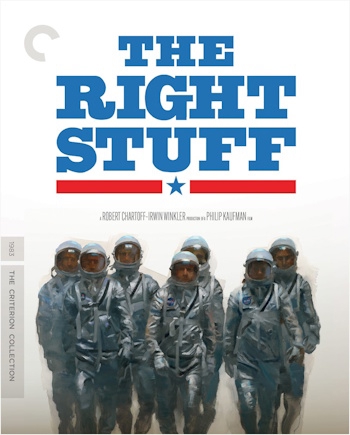
An awe-inspiring salute to human achievement and the wonder of the unknown, this monumental account of the space race celebrates the pioneering pilots who took mankind beyond the bounds of Earth. From the quest that test pilot Chuck Yeager (Sam Shepard) undertakes to break the sound barrier to the epochal voyages of the seven Mercury astronauts, including Alan Shepard (Scott Glenn) and John Glenn (Ed Harris), The Right Stuff vividly details the triumphs, setbacks, and clashes of personality in America’s burgeoning space program. Fusing astonishing practical effects with NASA archival footage to yield images of cosmic majesty, director Philip Kaufman reveals the combination of courage, competition, and fallibility behind America’s launch into orbit.
Synopsis provided by the distributor.Picture 10/10
Philip Kaufman’s The Right Stuff receives a much-needed 4K upgrade from The Criterion Collection, who present the film with Dolby Vision in its original aspect ratio of 1.85:1 on a triple-layer disc. The 2160p/24Hz ultra high-definition presentation is sourced from a new 4K restoration performed by Resillion, taken from a scan of the 35mm original camera negative. The release includes a second, dual-layer Blu-ray containing all special features. No high-definition presentation of the film has been included, Criterion instead releasing a separate Blu-ray only edition.
I owned the original two-disc DVD set and never got around to upgrading to the Blu-ray, though after looking at details about that release, I’m fairly certain it used the same high-definition master as the DVD. That was certainly fine for the time, but yikes, is it ever rough now (I'll assume it looks better on Blu-ray). And as expected, especially with Criterion’s recent track record and Fidelity in Motion handling the encoding here, the new presentation looks remarkable. It’s a far cry from what I am used to, with an absolutely phenomenal film-like look and texture that were so severely lacking before.
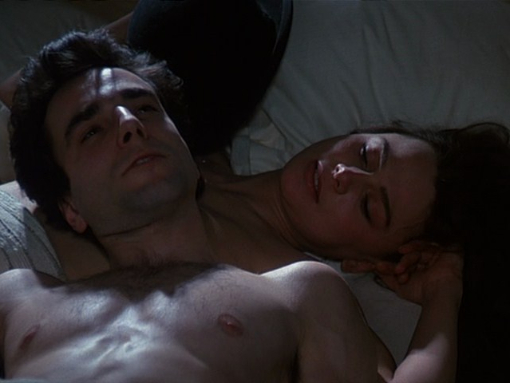
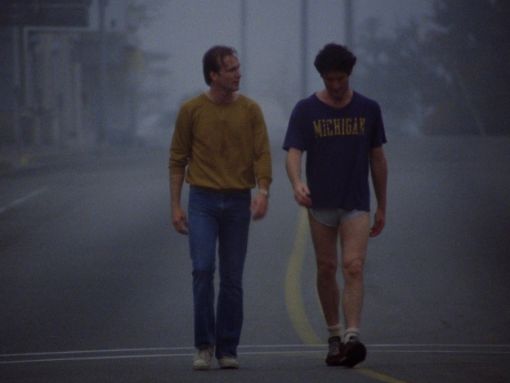
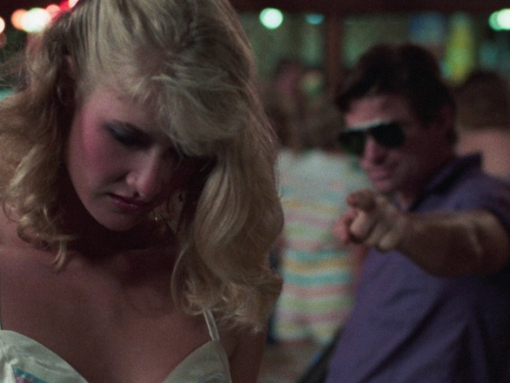
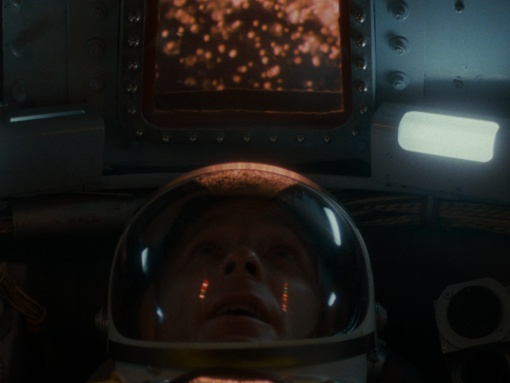
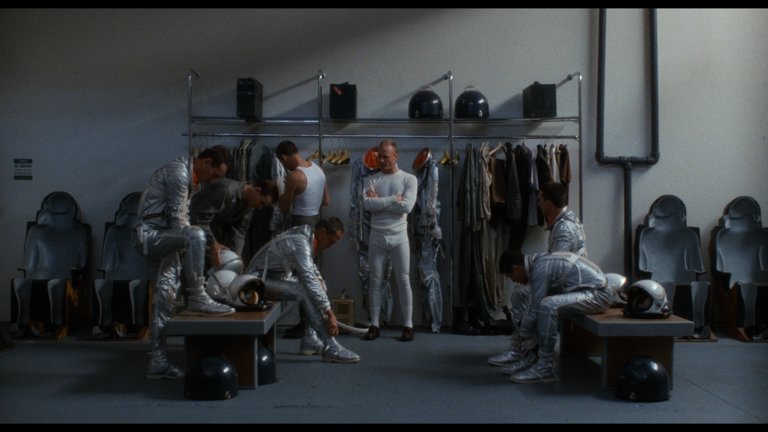
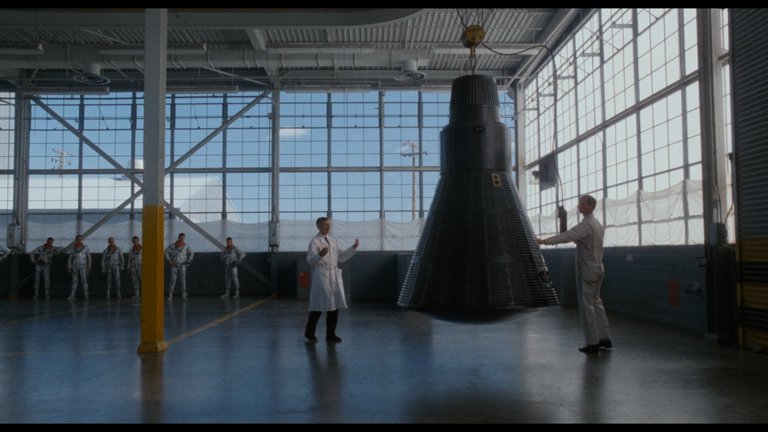
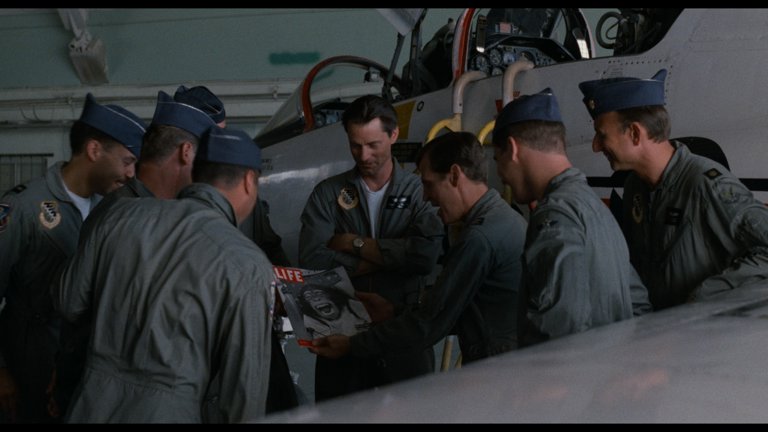
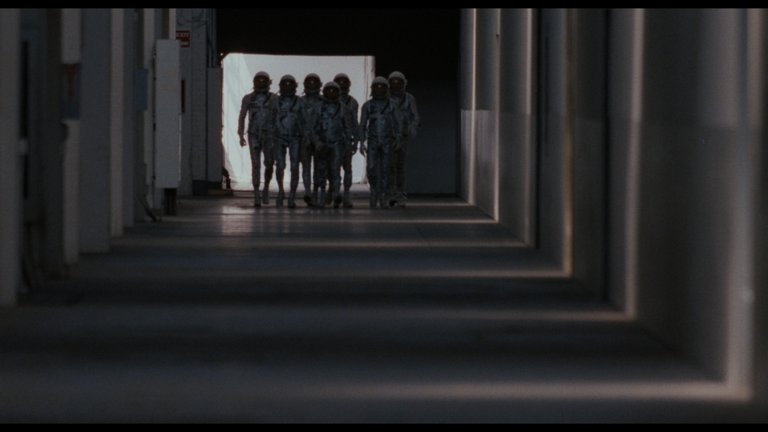
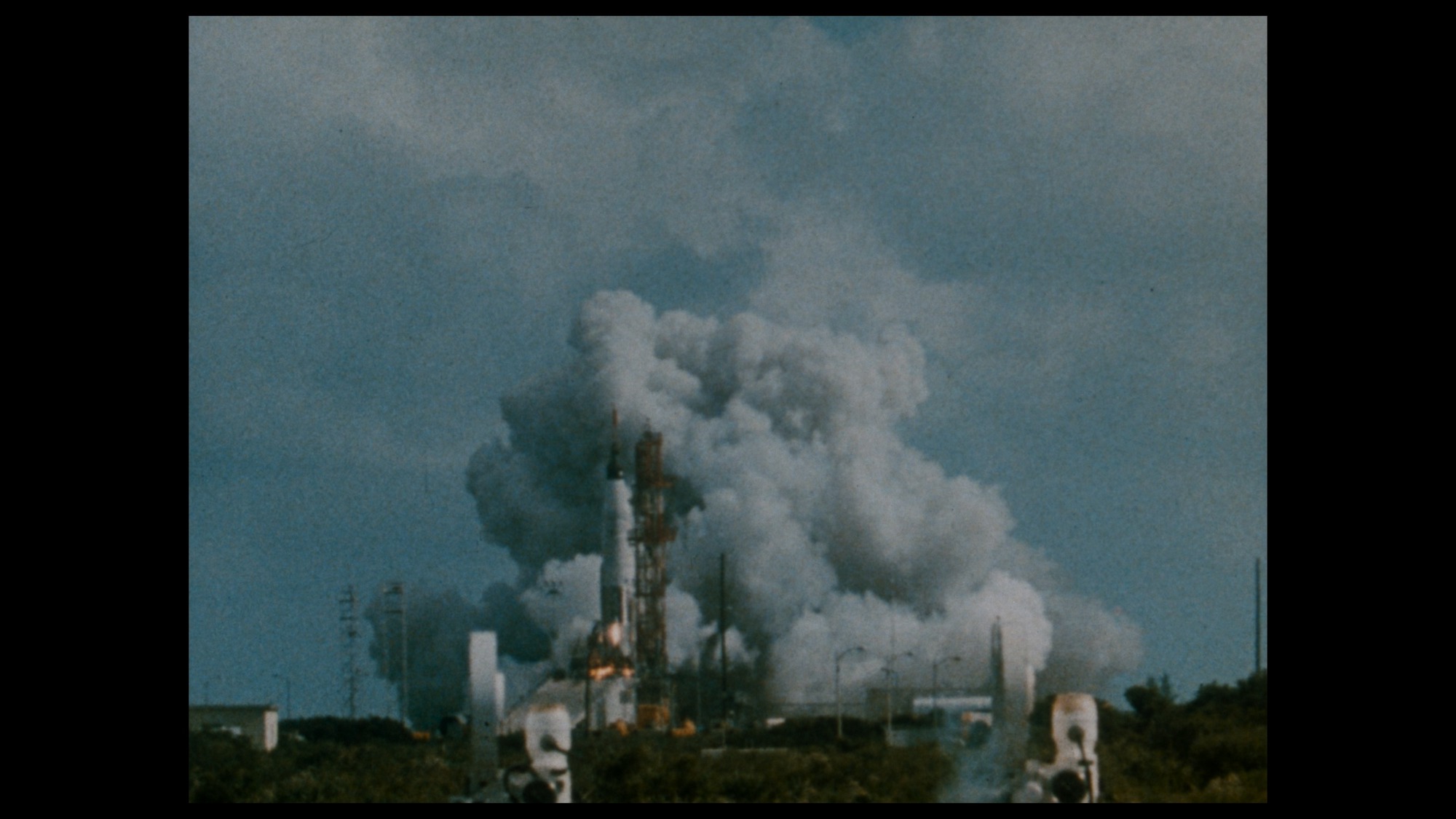
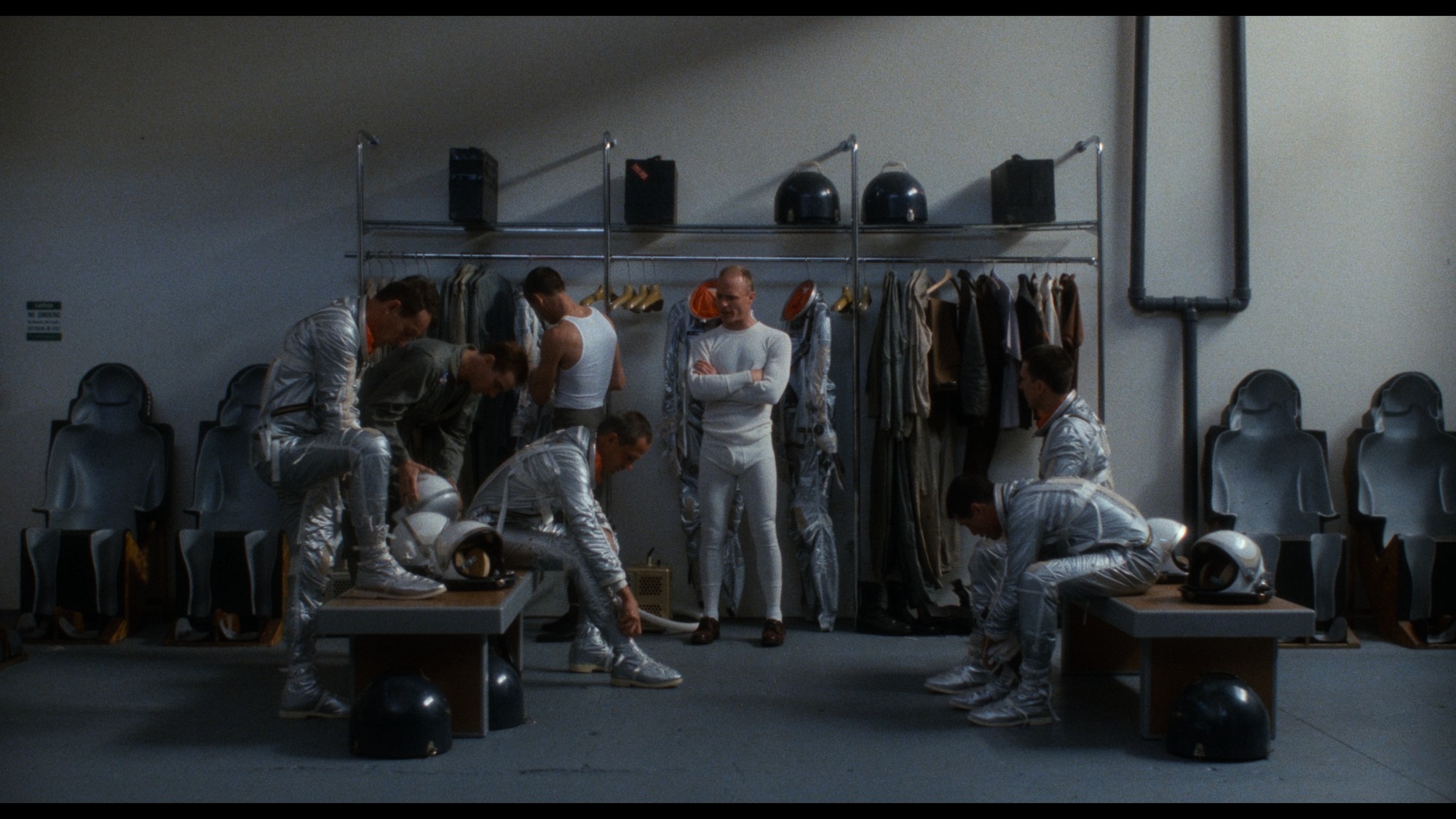
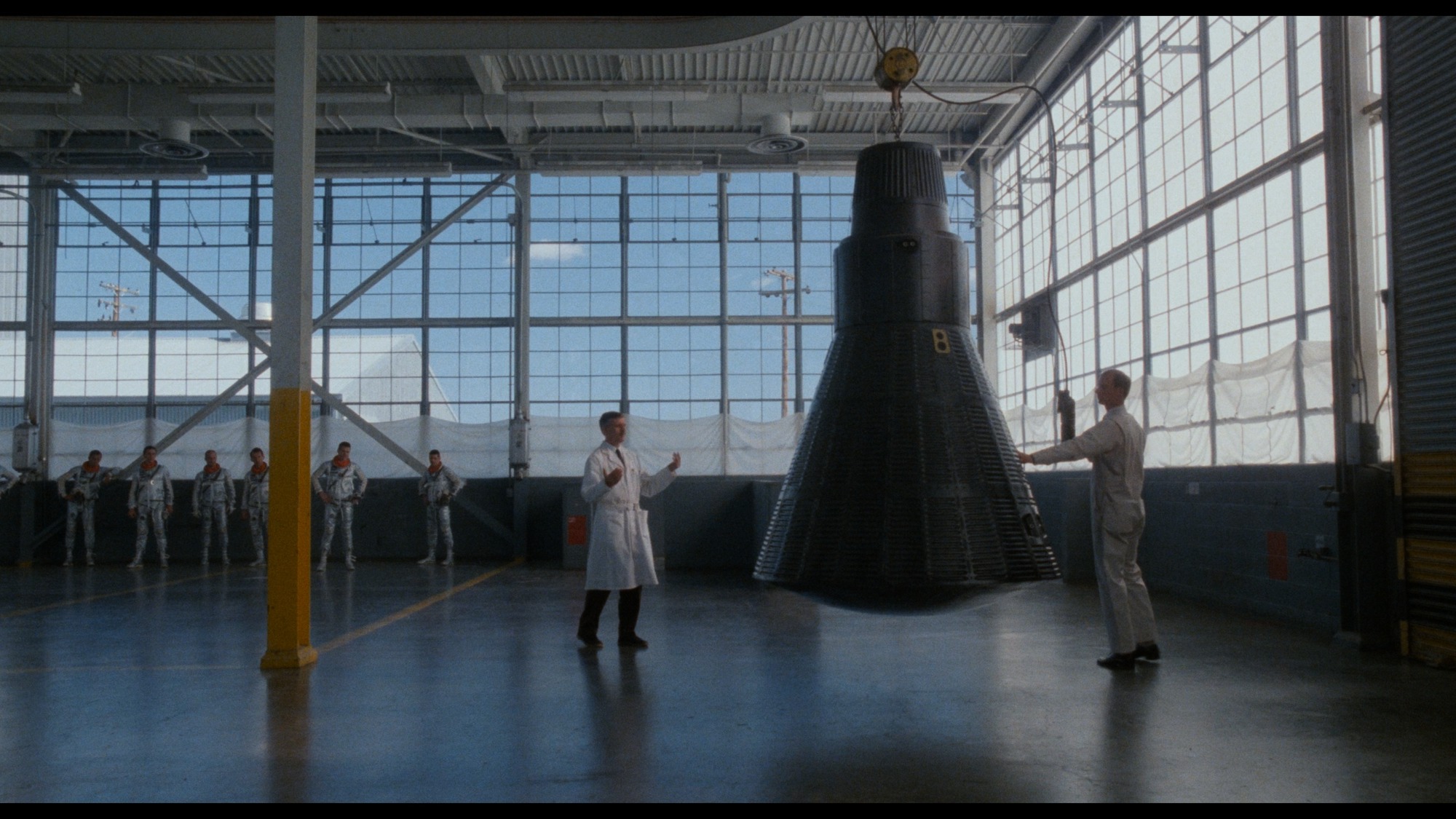
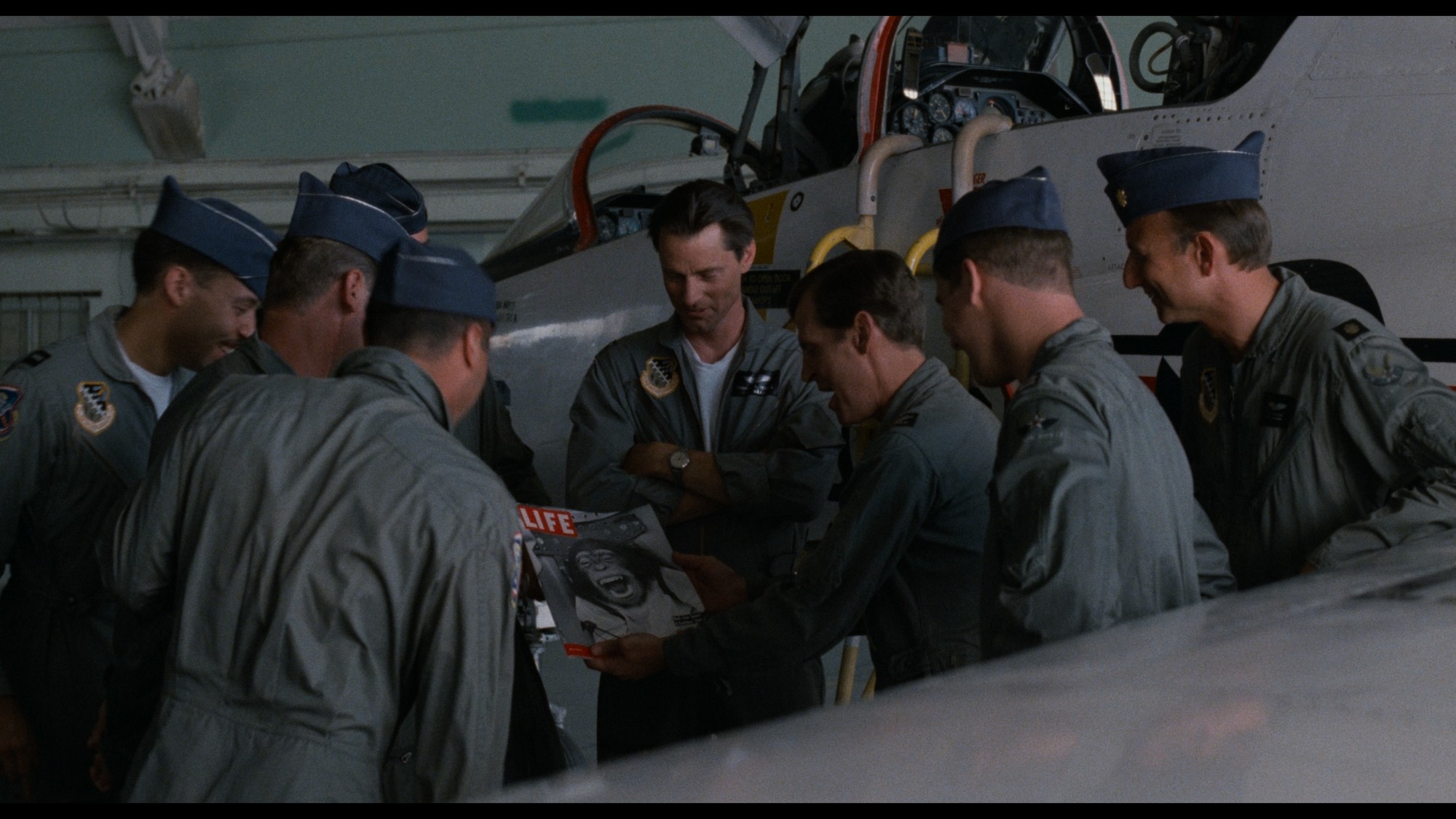
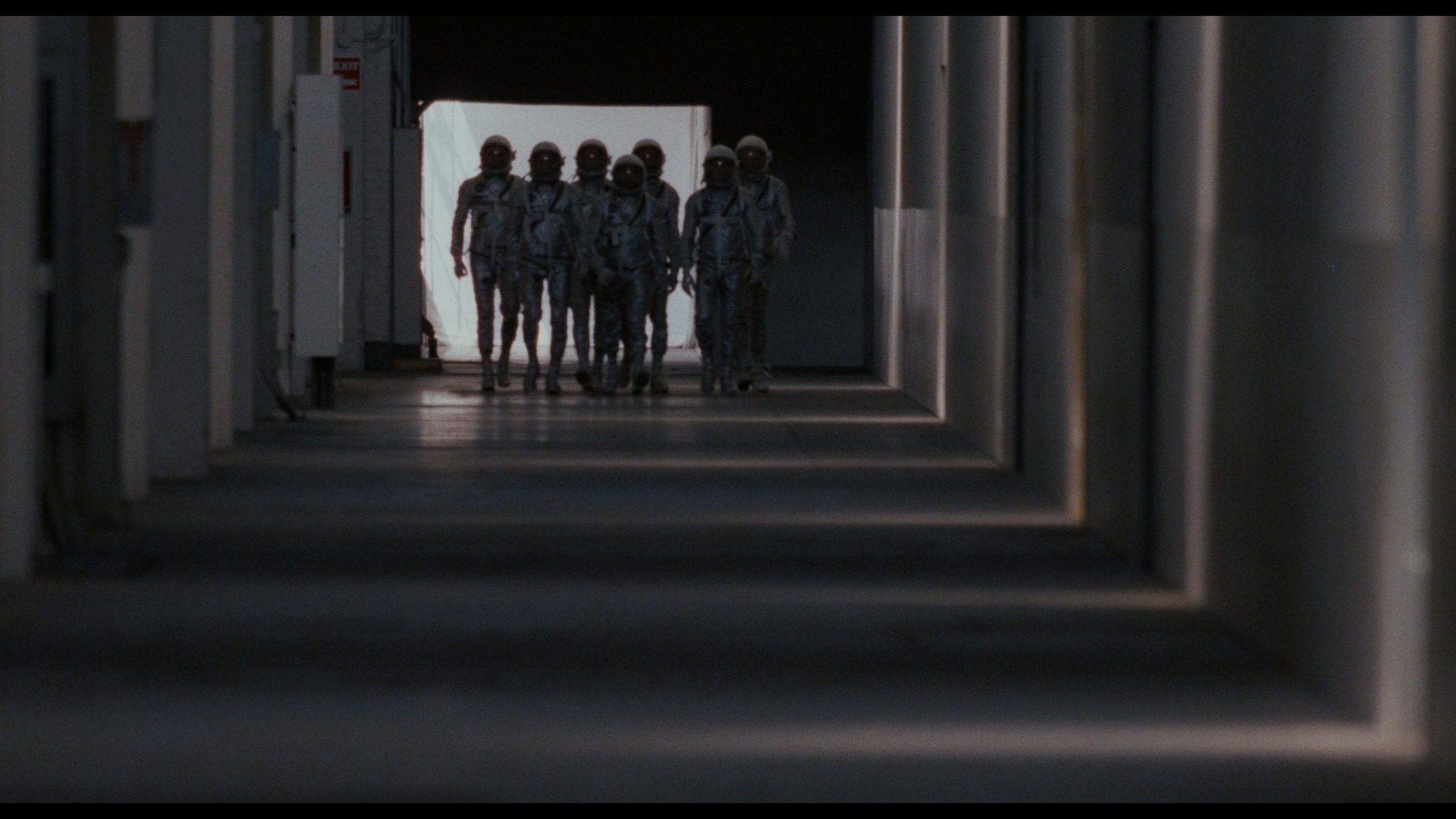
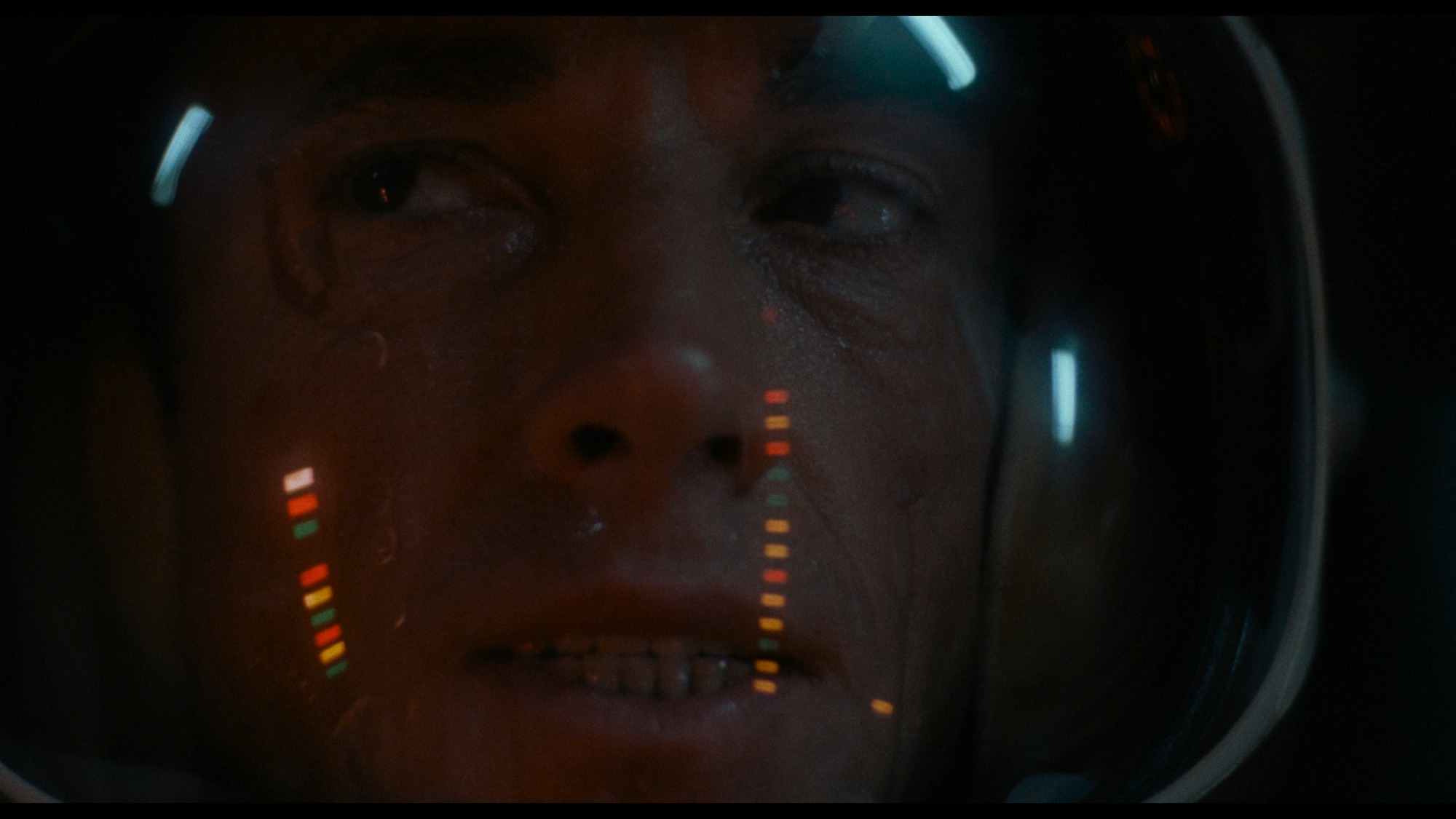
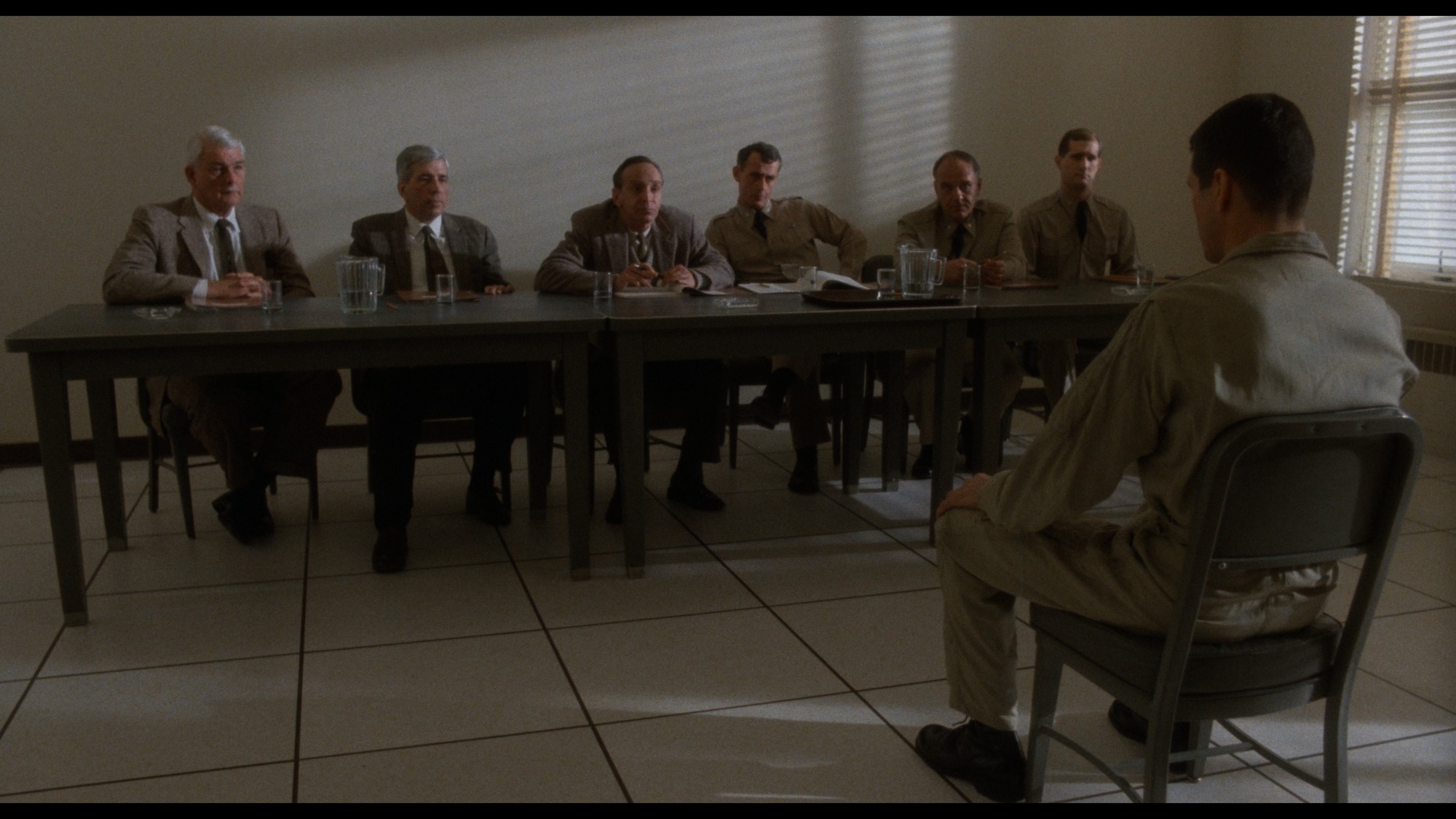
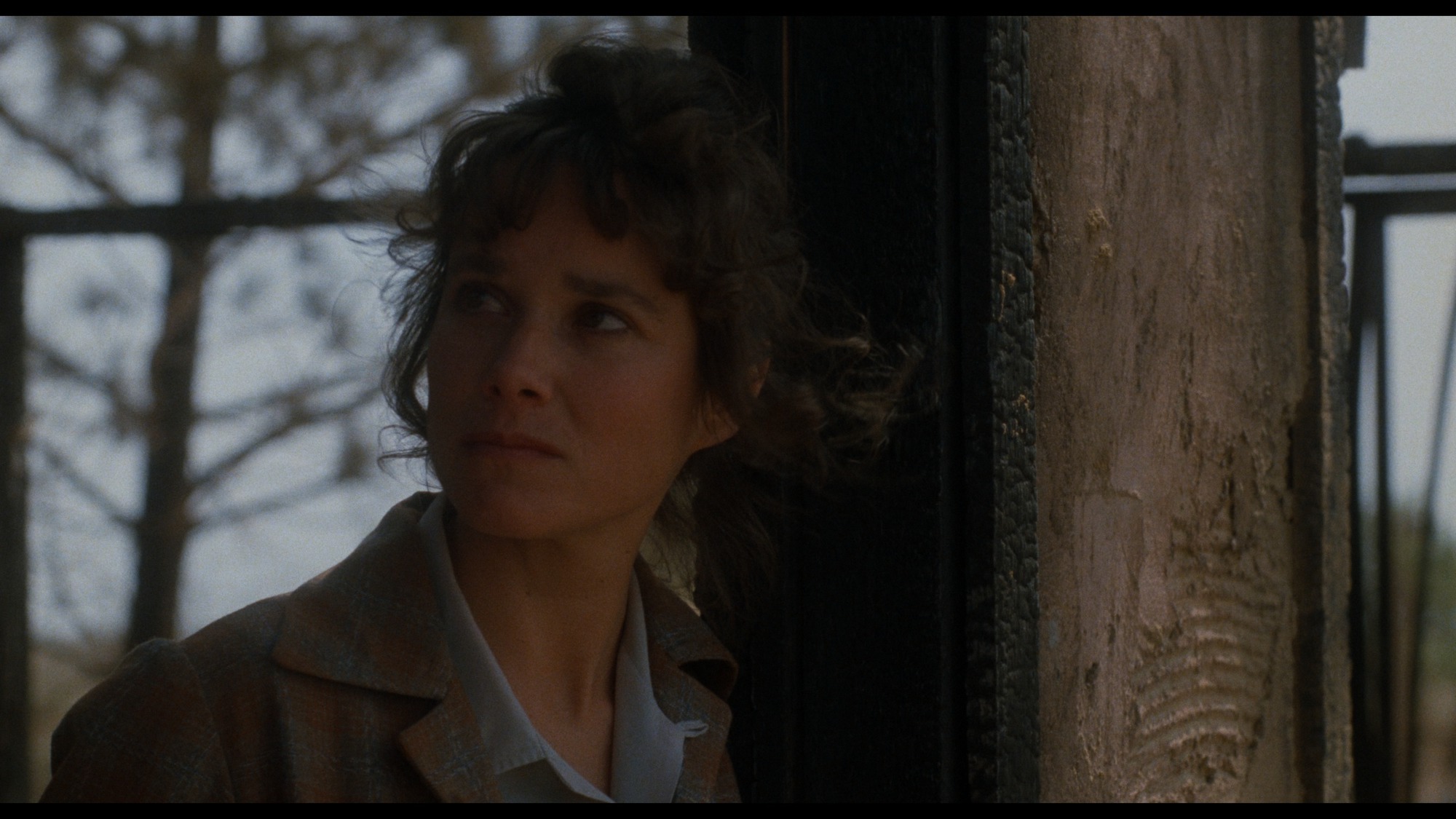
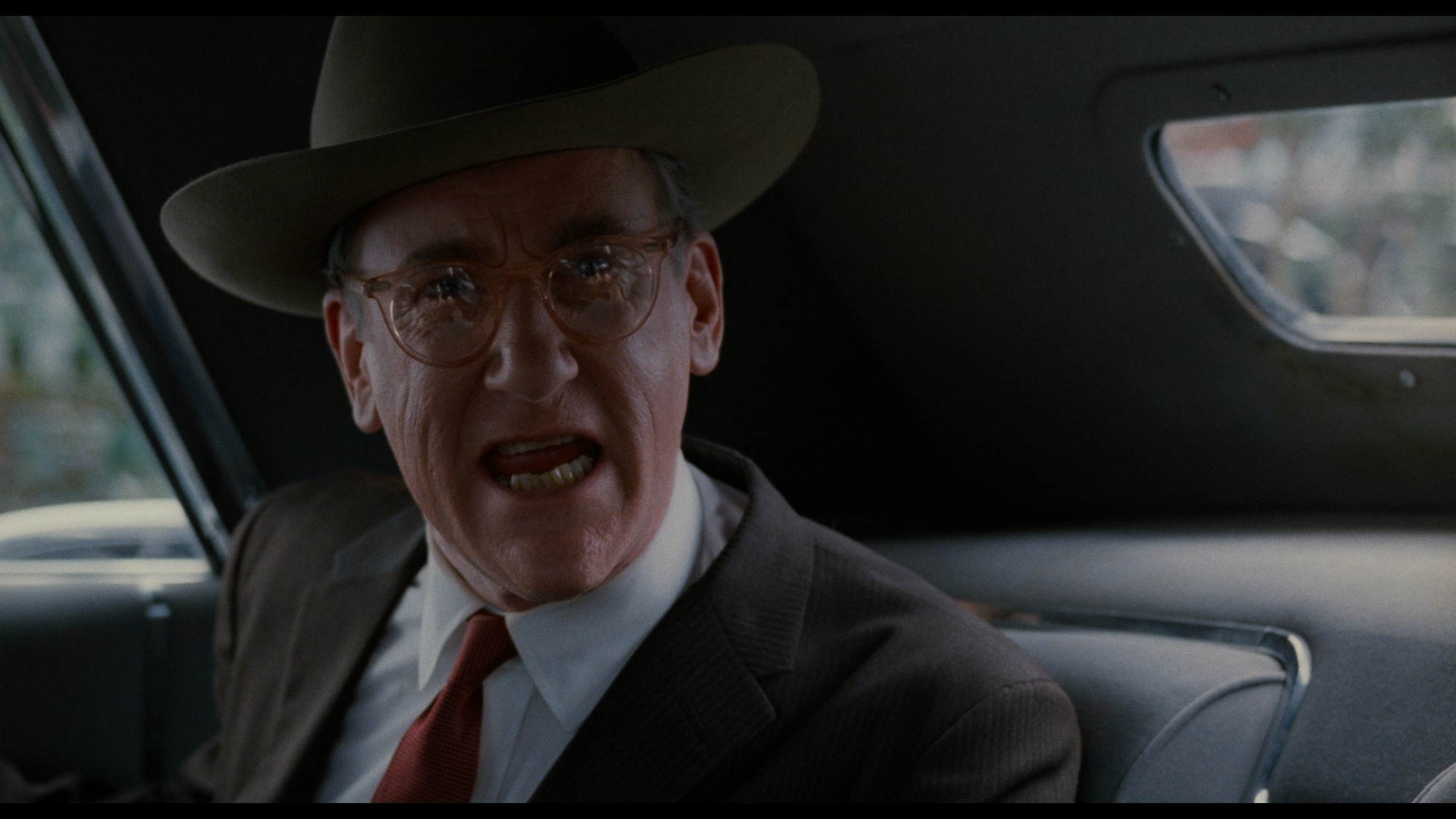
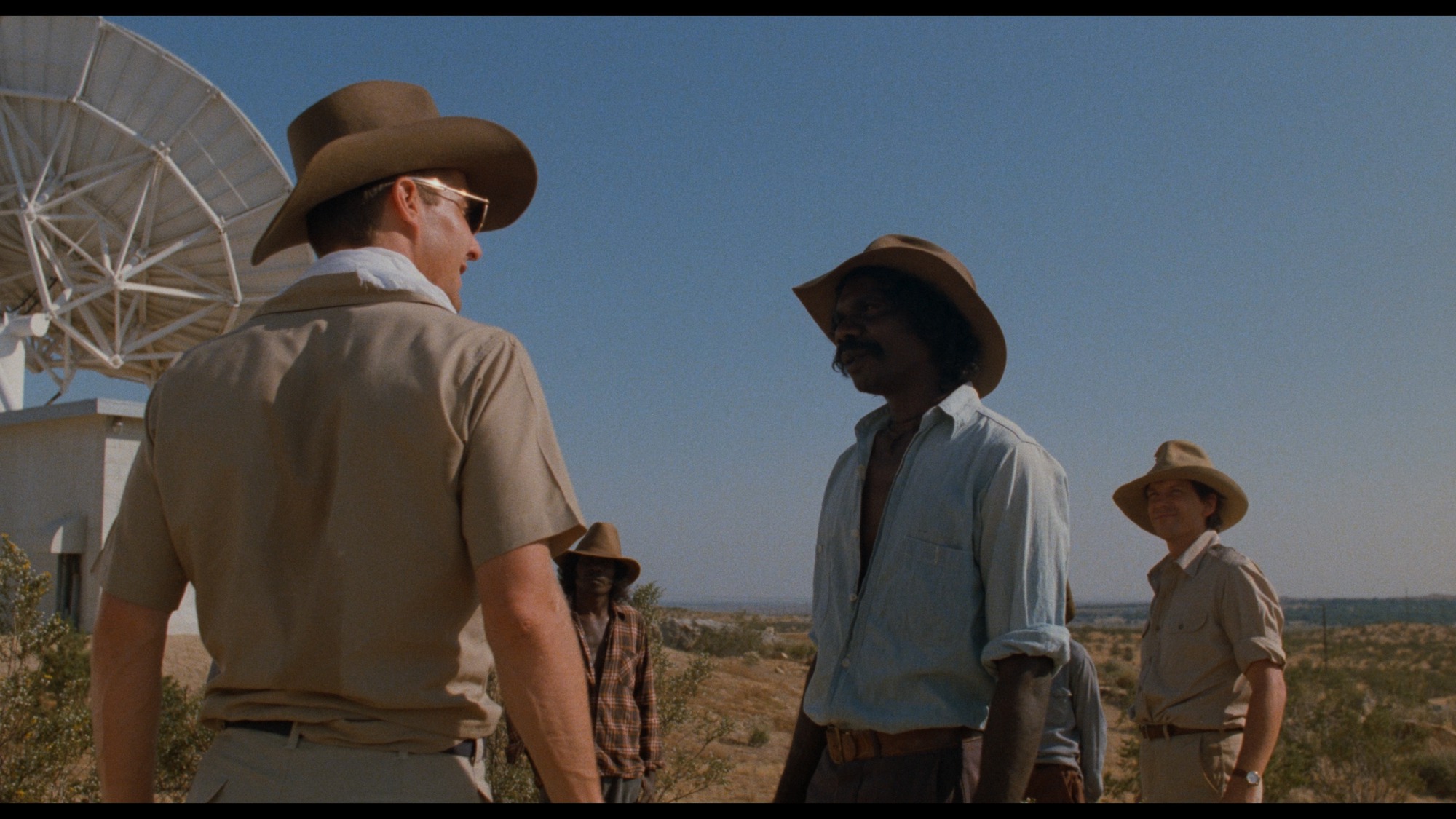
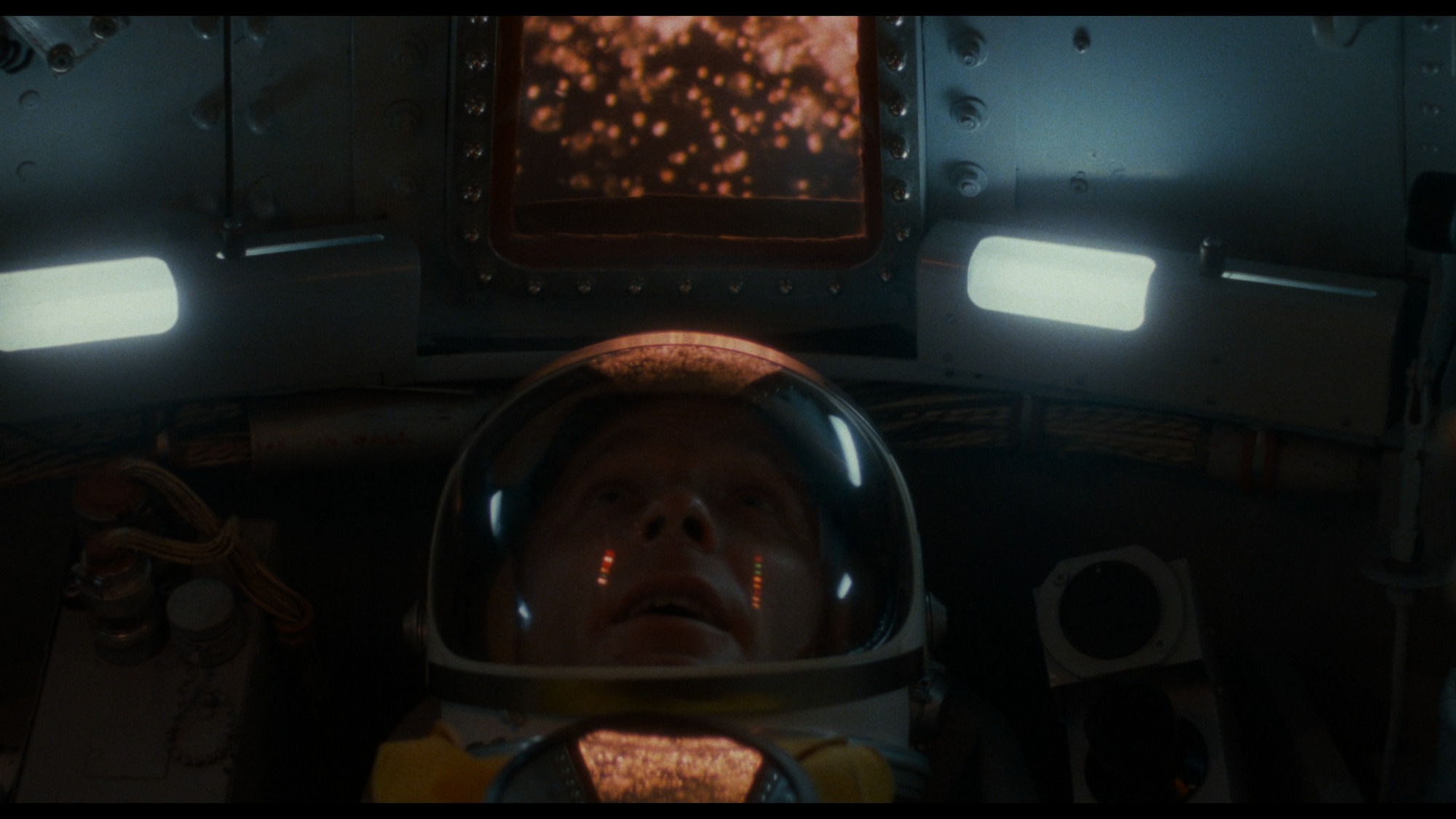
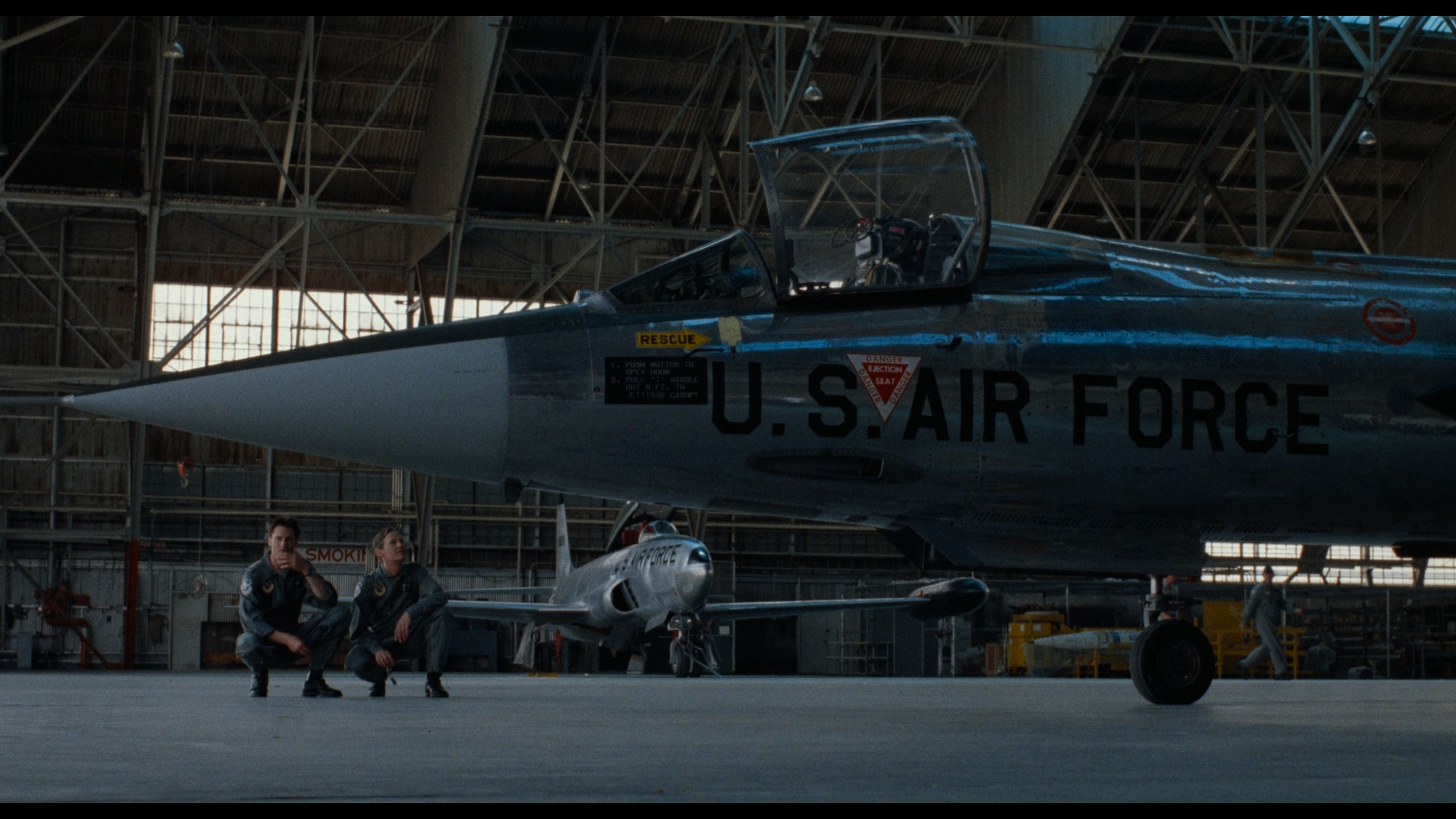
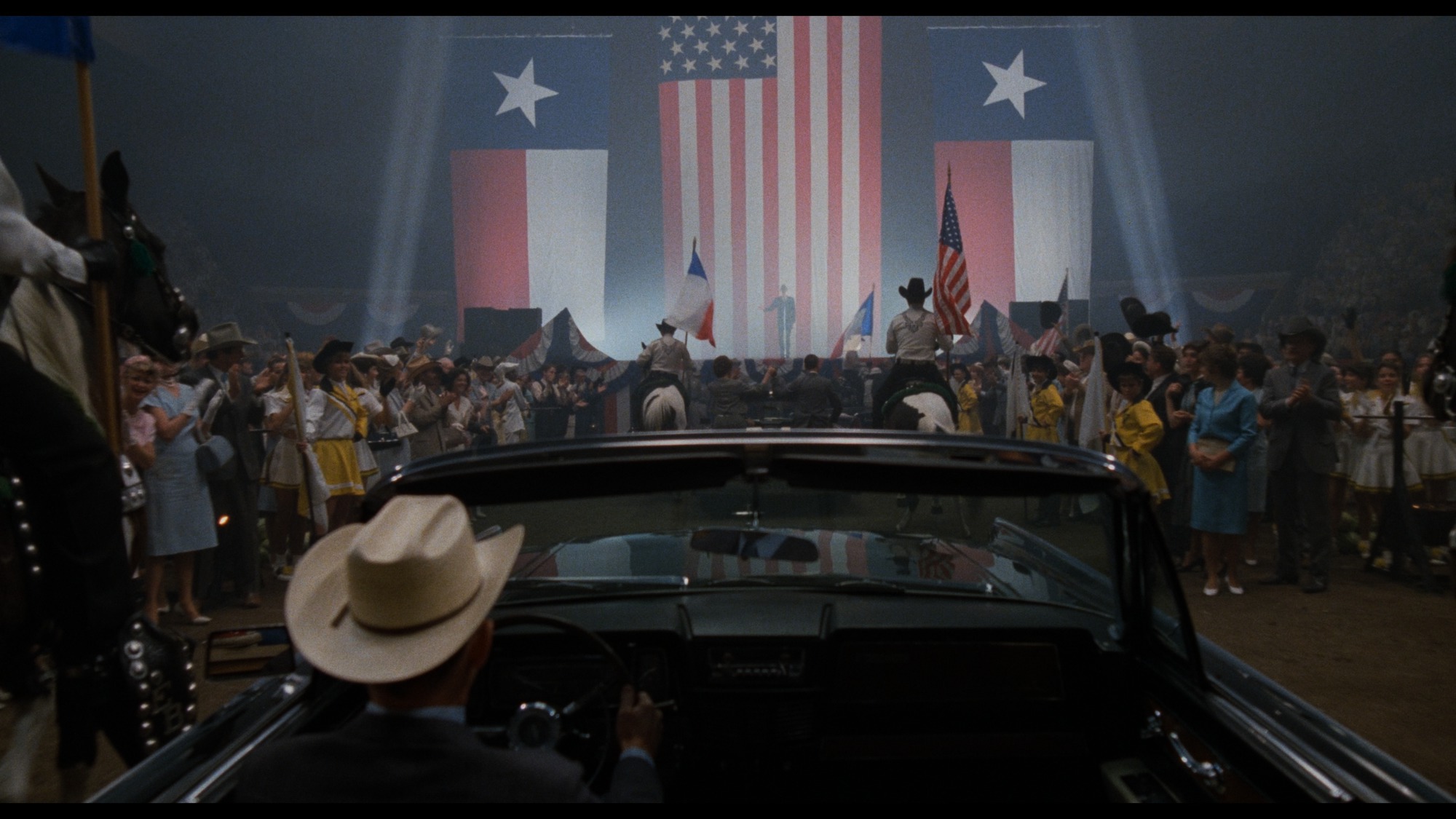
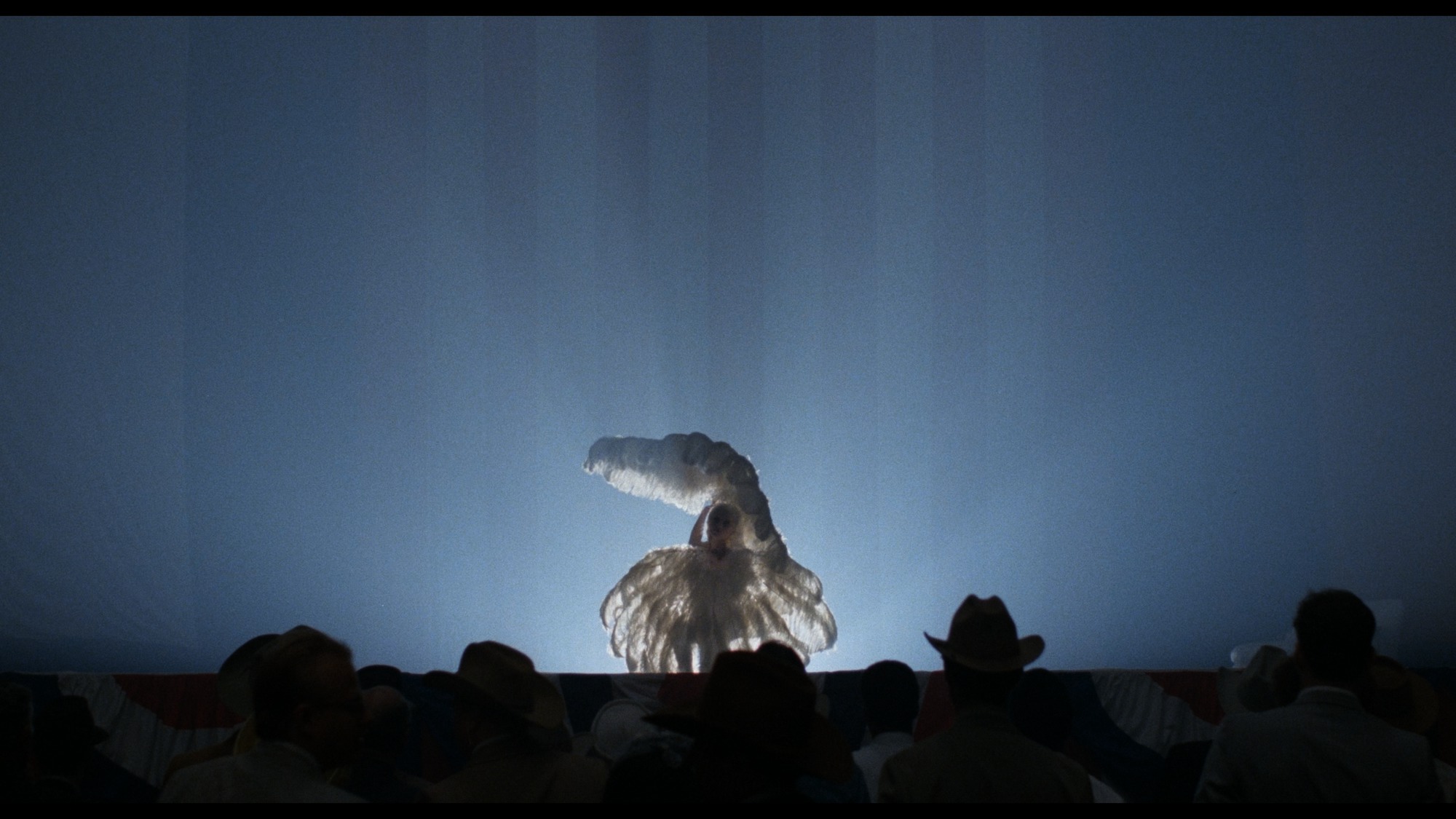
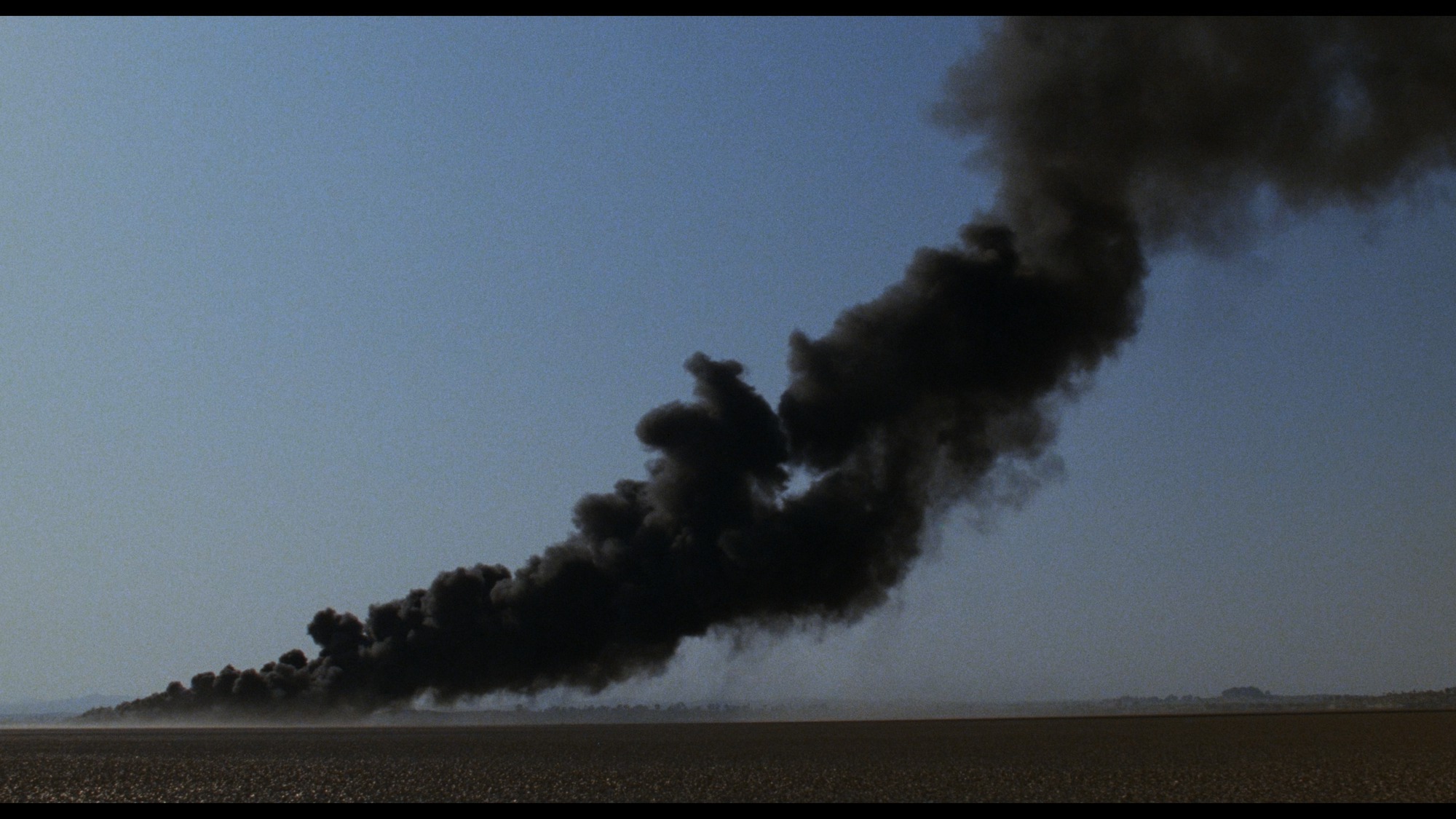
The film is very grainy, but it looks perfect here, the scan picking up every bit of detail present and the encode keeping everything natural-looking and free of artifacts. It’s incredibly sharp, with fine details popping wonderfully even in long shots. The wider dynamic range also does wonders, whether in the darker confines of the capsules or the dustier interiors of the bar where the pilots hang out, while light breaks through beautifully in several scenes. I also love the glints we get off the metallic surfaces of the jets and capsules, as well as the helmets and even the space suits. There’s a wonderful vibrancy to it all.
And then there’s the color grading, which looks far more film-like as well. I have no doubt there will be complaints about it (and I have a clear idea of what some reviews will say when comparing it negatively to extremely dated video masters made for dated displays), but again, this looks like something achieved through a photochemical process rather than someone randomly messing with digital knobs; it's a long way from the video look of the old presentation, with the richer shadows enhancing things further.
With the restoration also removing damage both major and minor (outside of what’s present in archival footage), this really looks incredible, delivering basically what I had been hoping for.
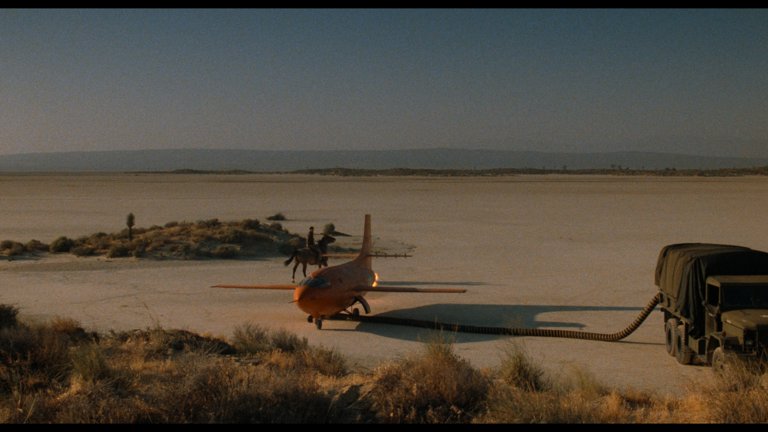
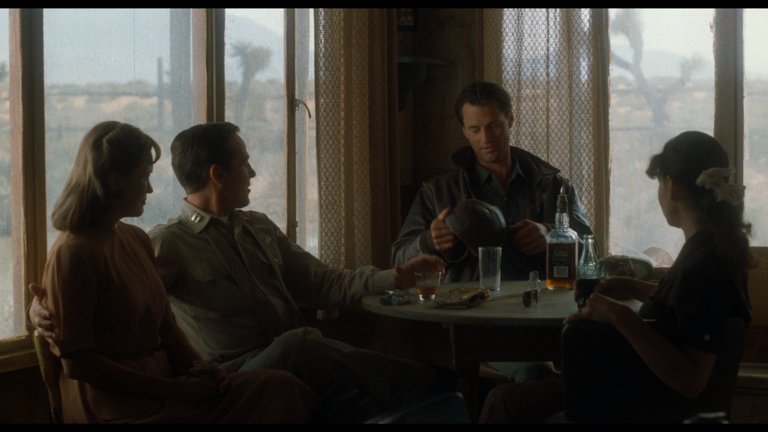
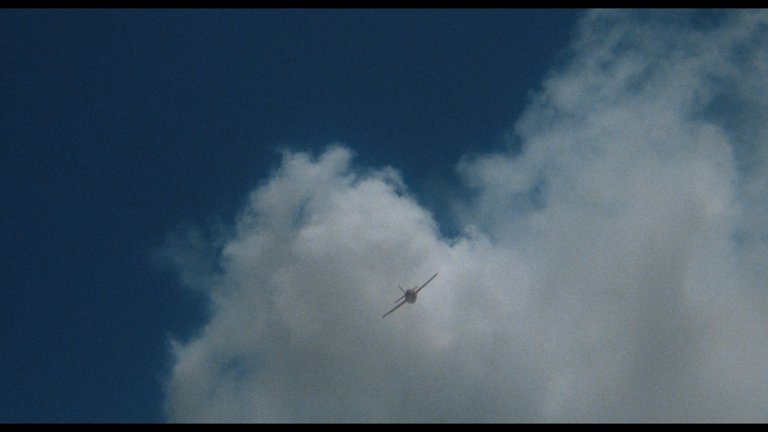
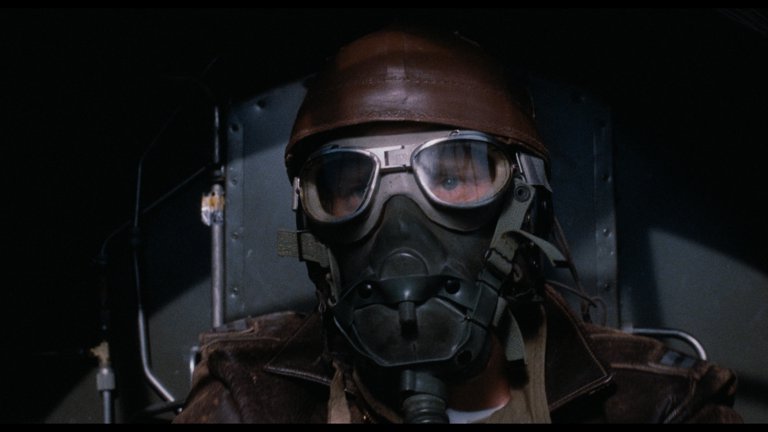
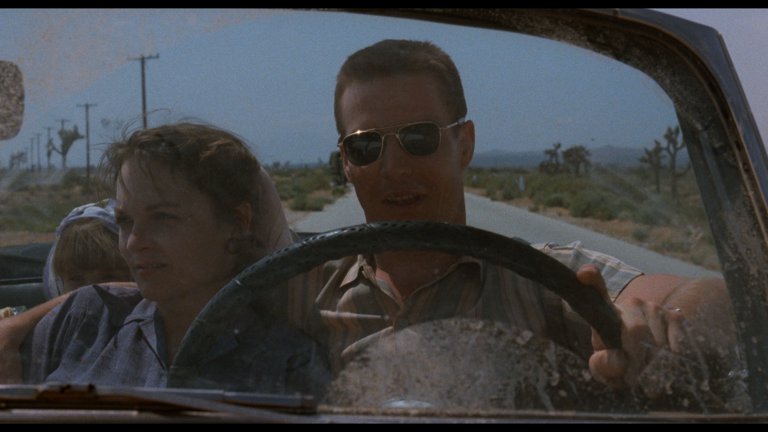
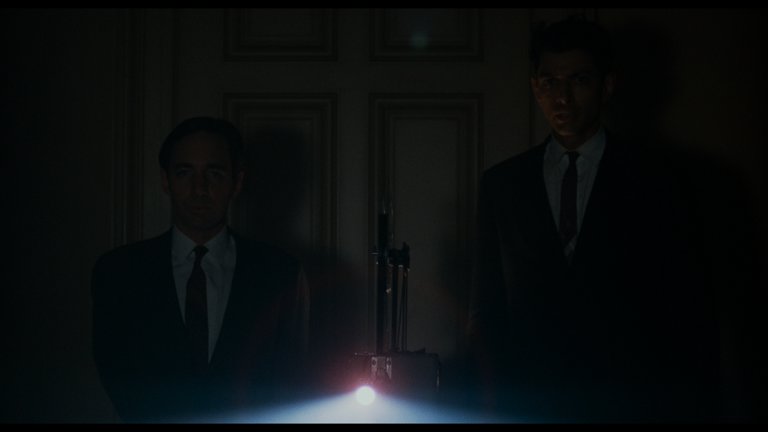
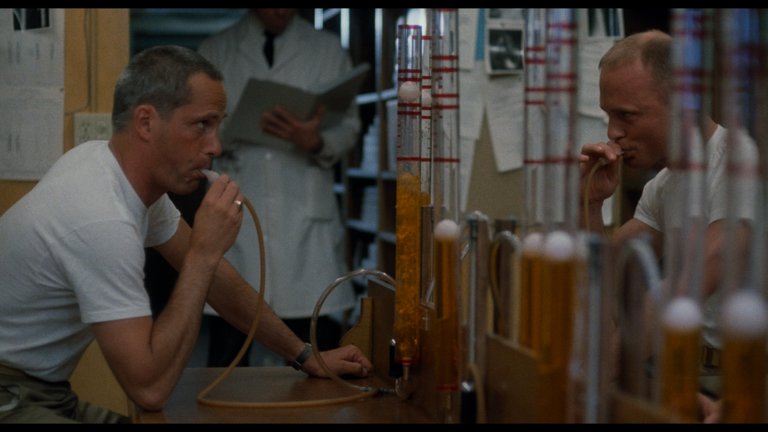
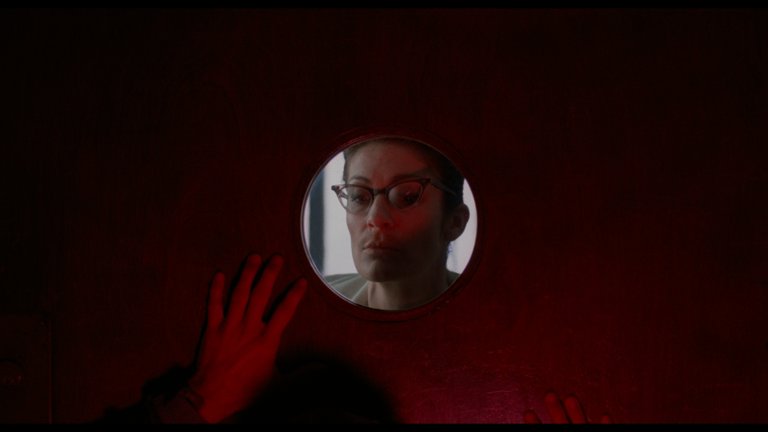
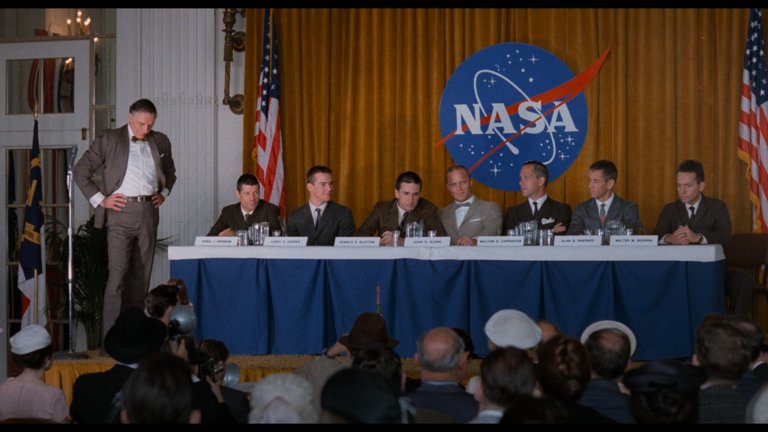
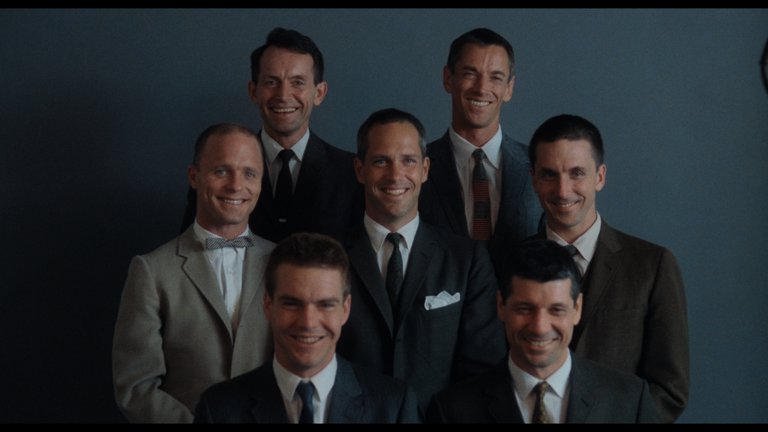
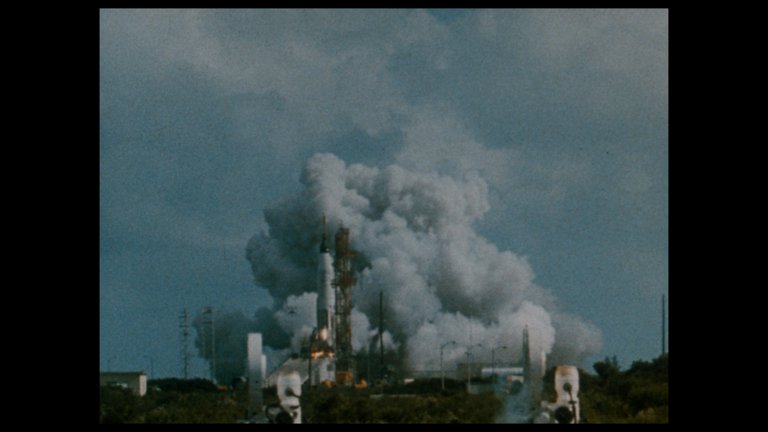
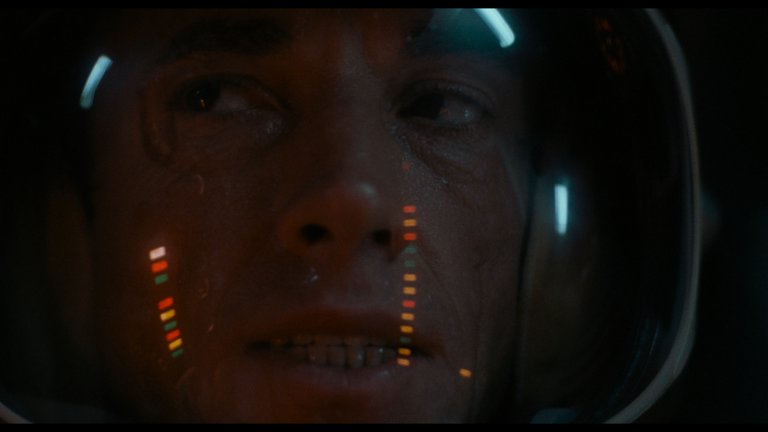
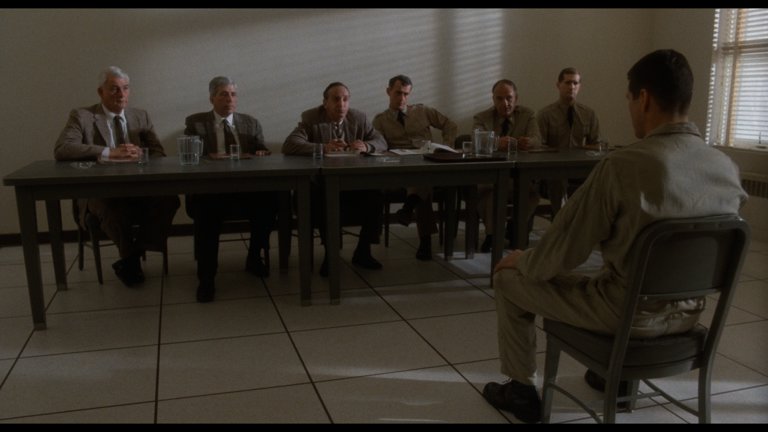
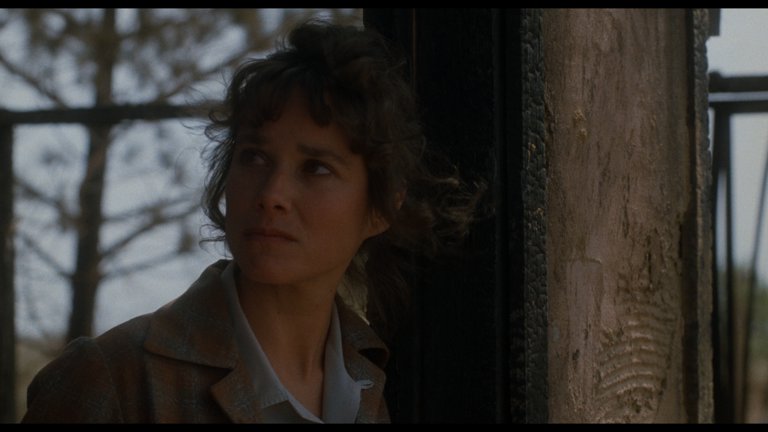
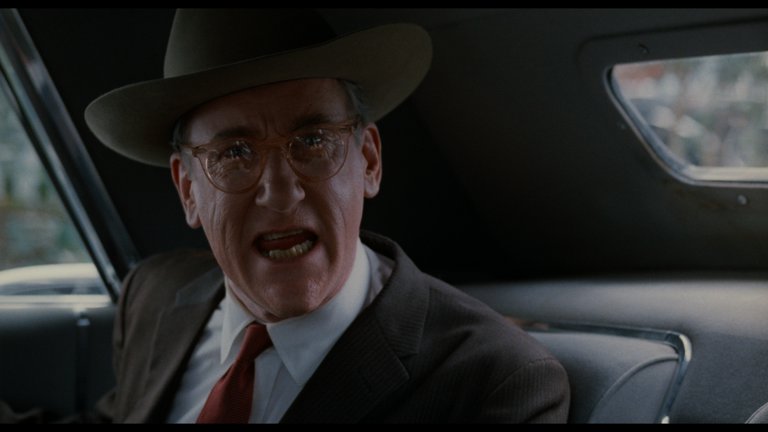
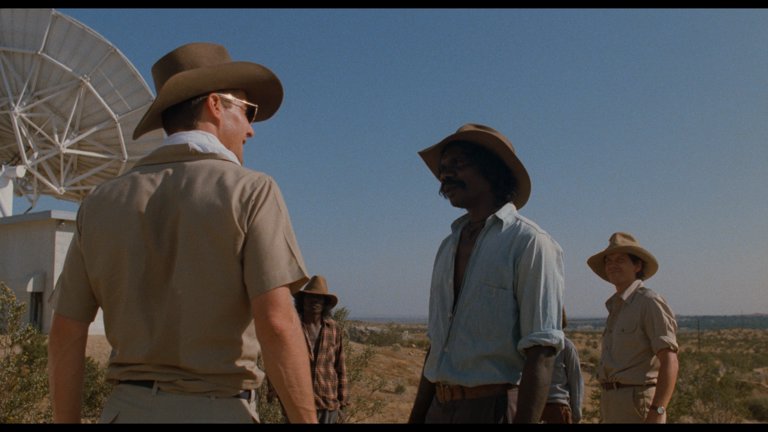
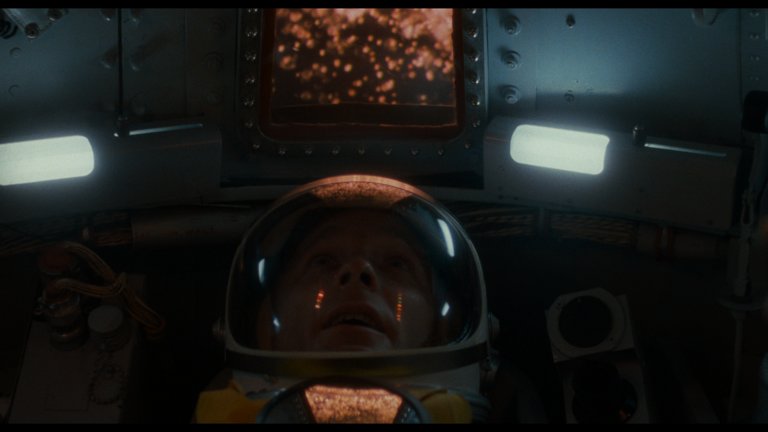
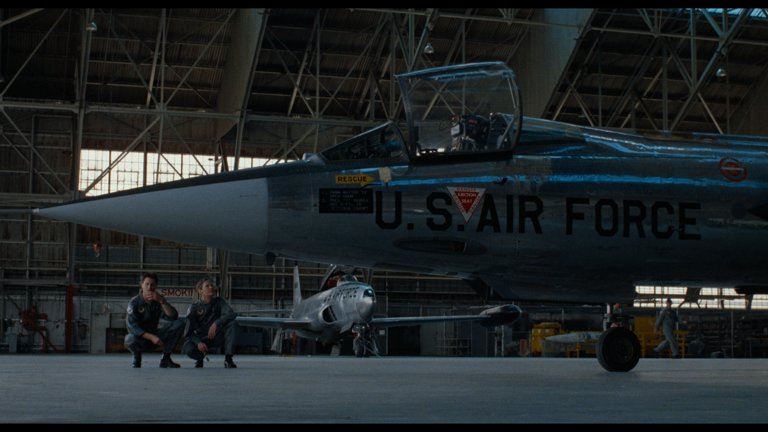
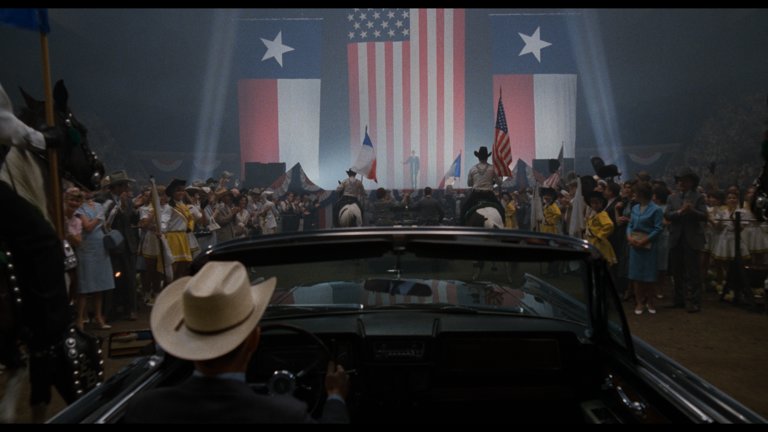
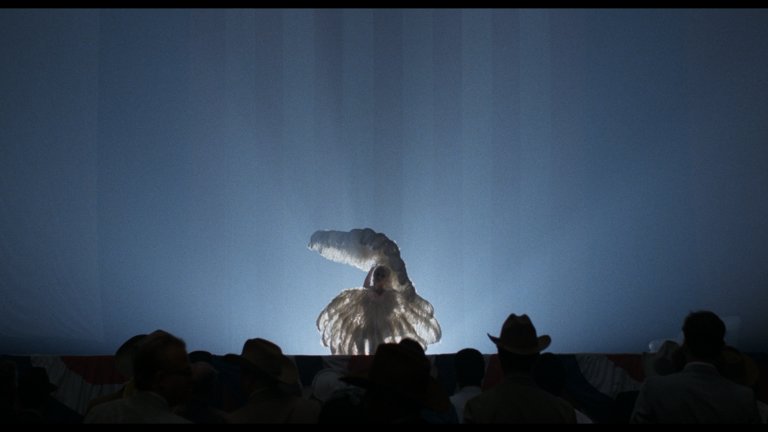
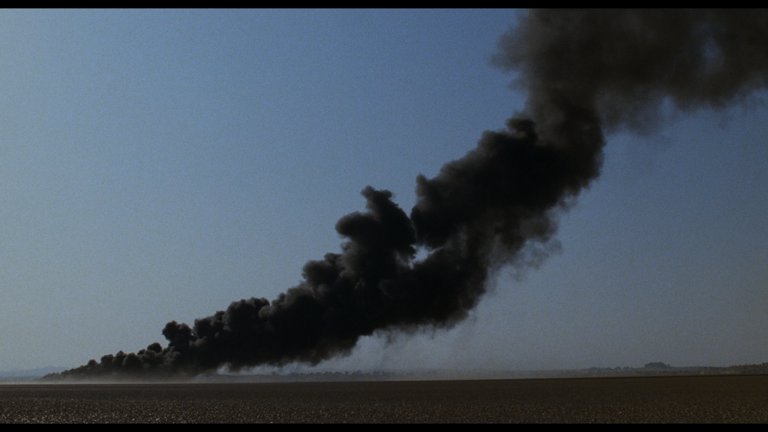
The Right Stuff - Screen Captures
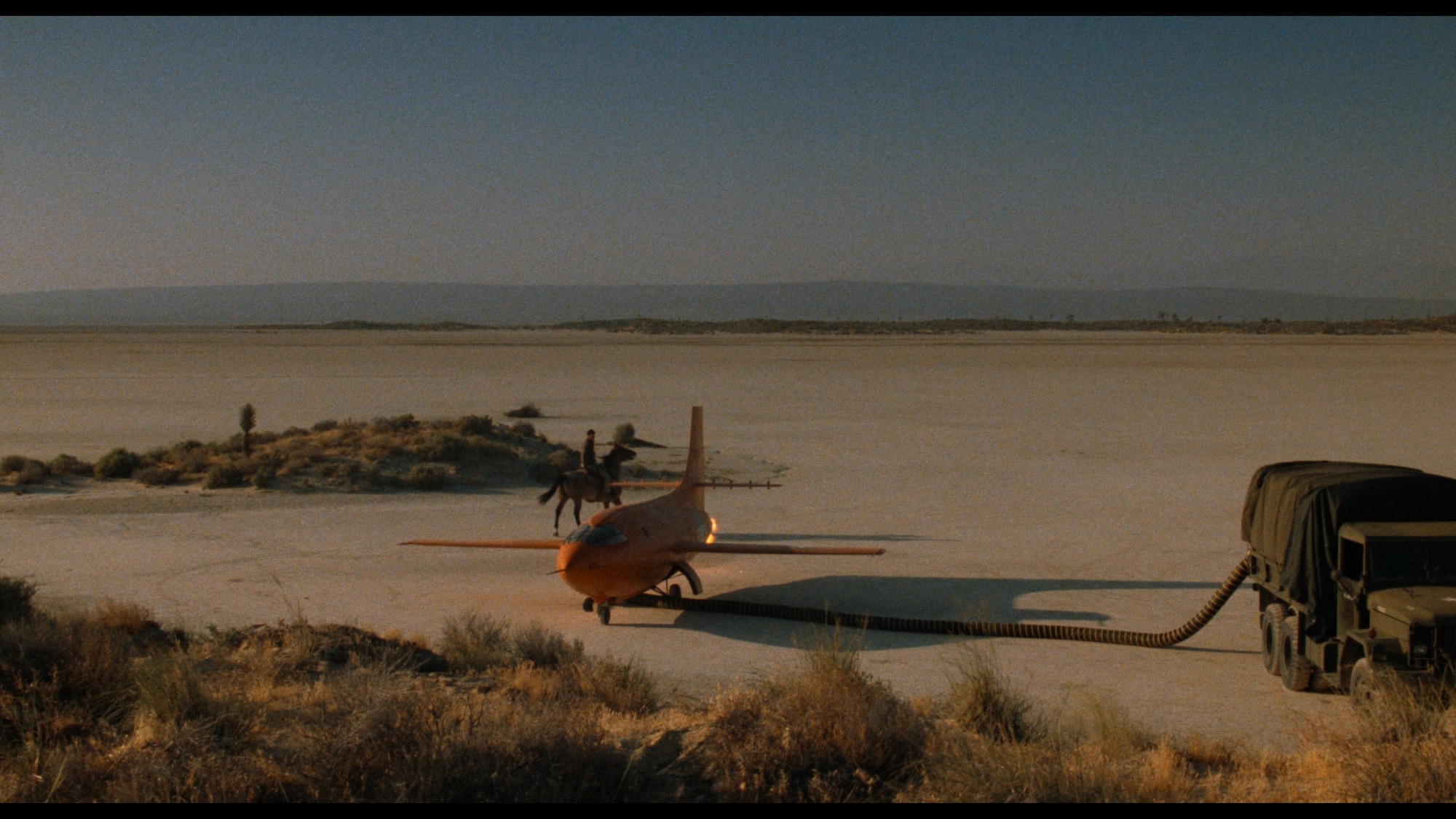
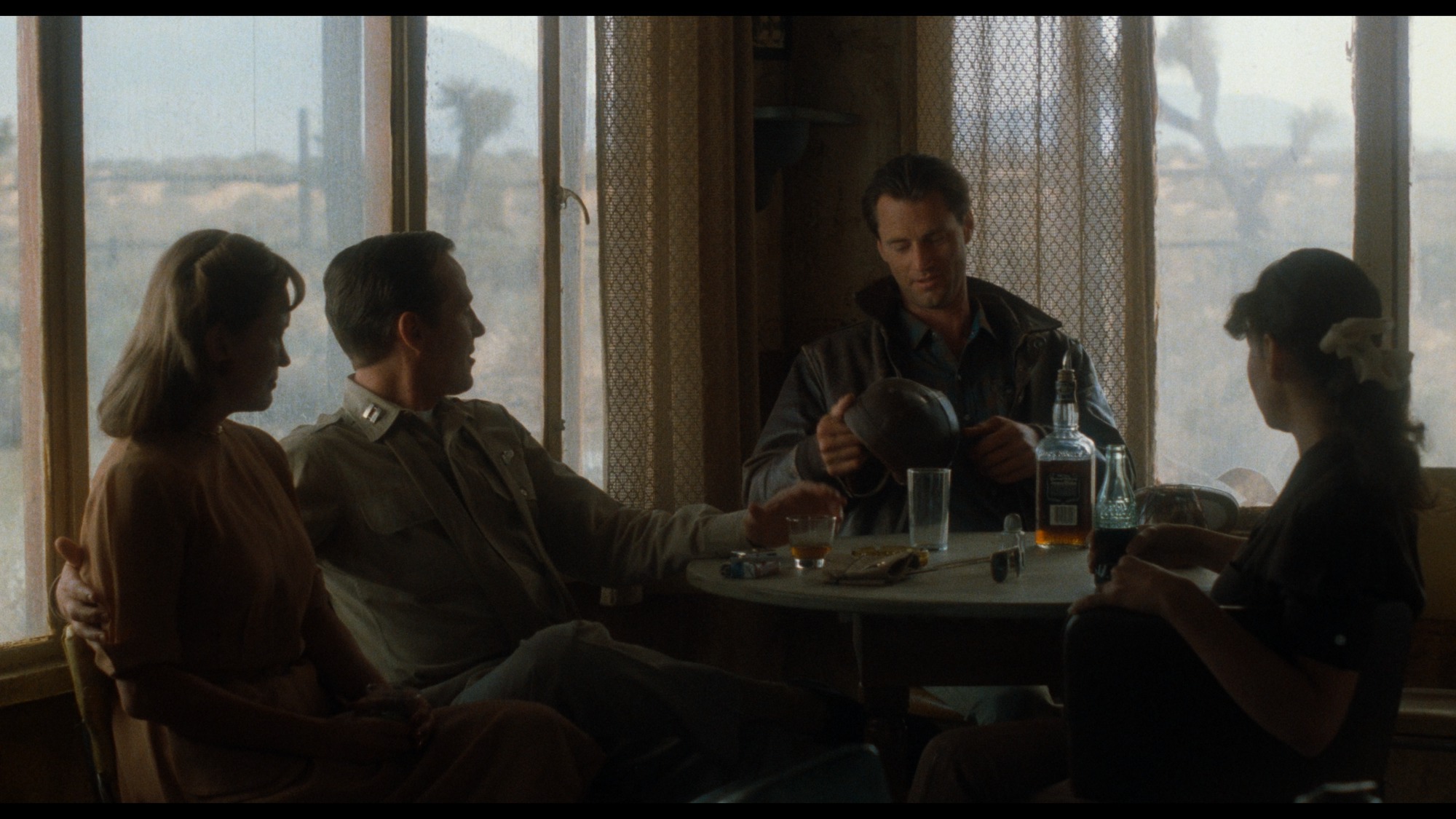
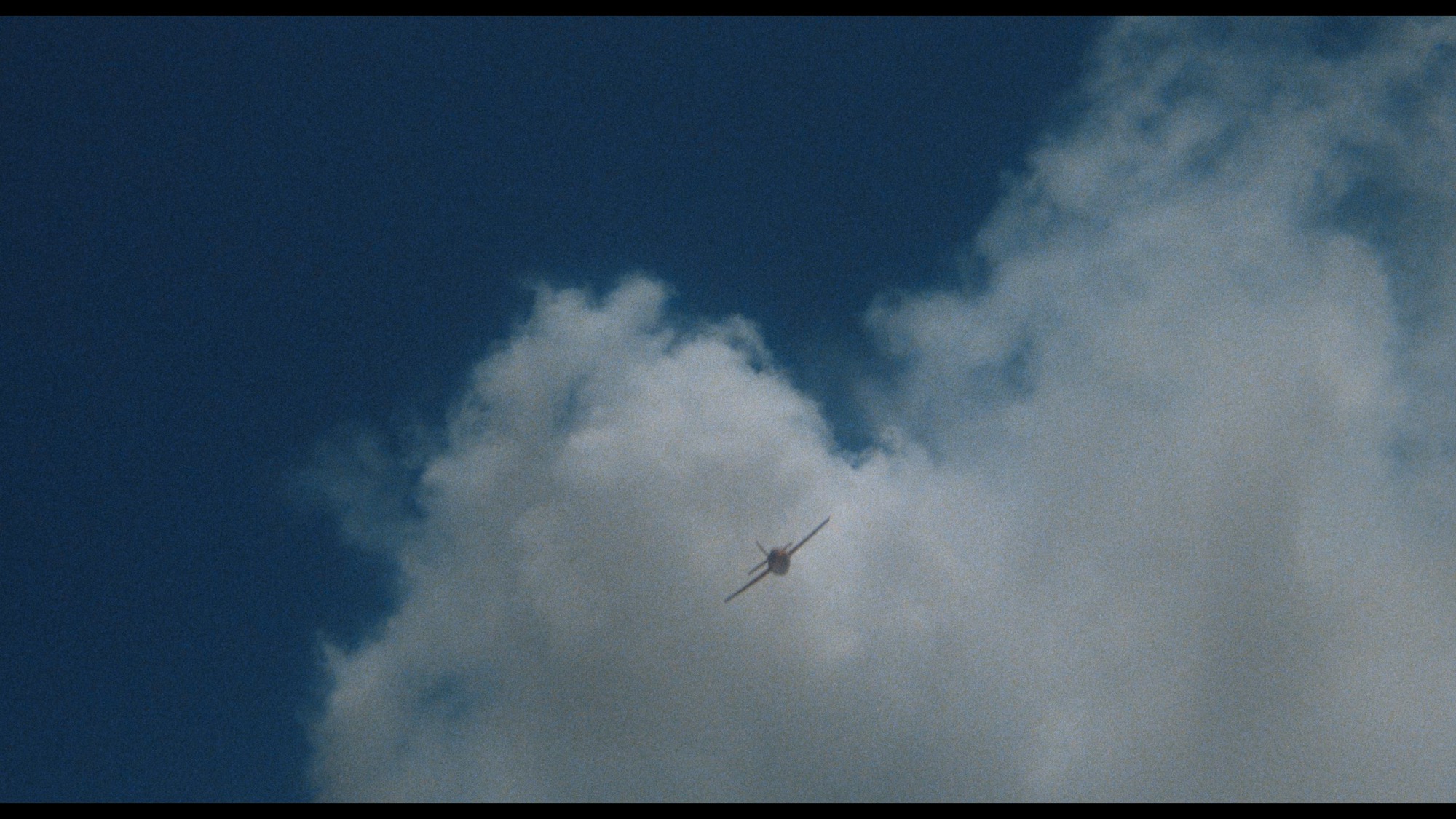
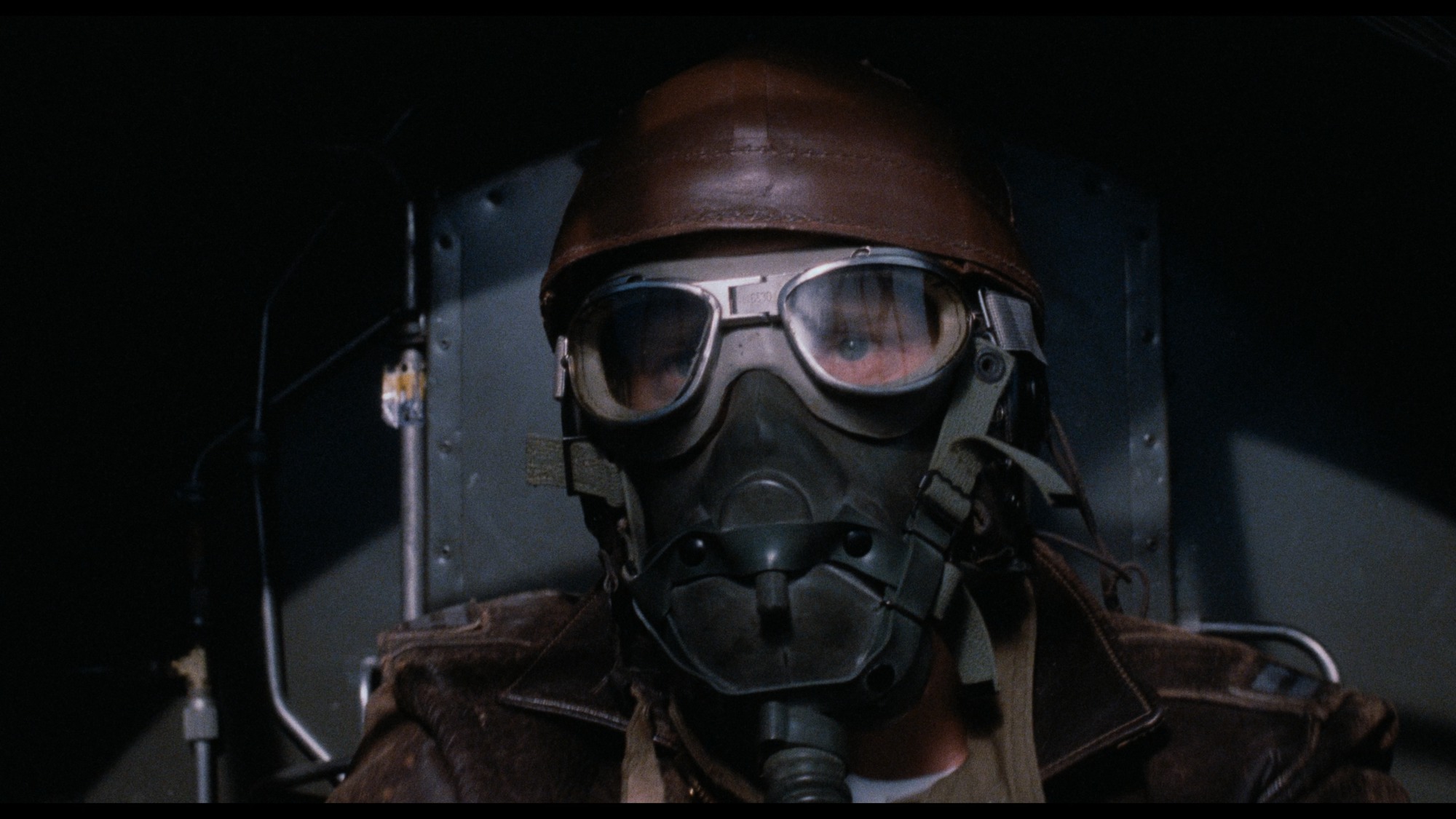
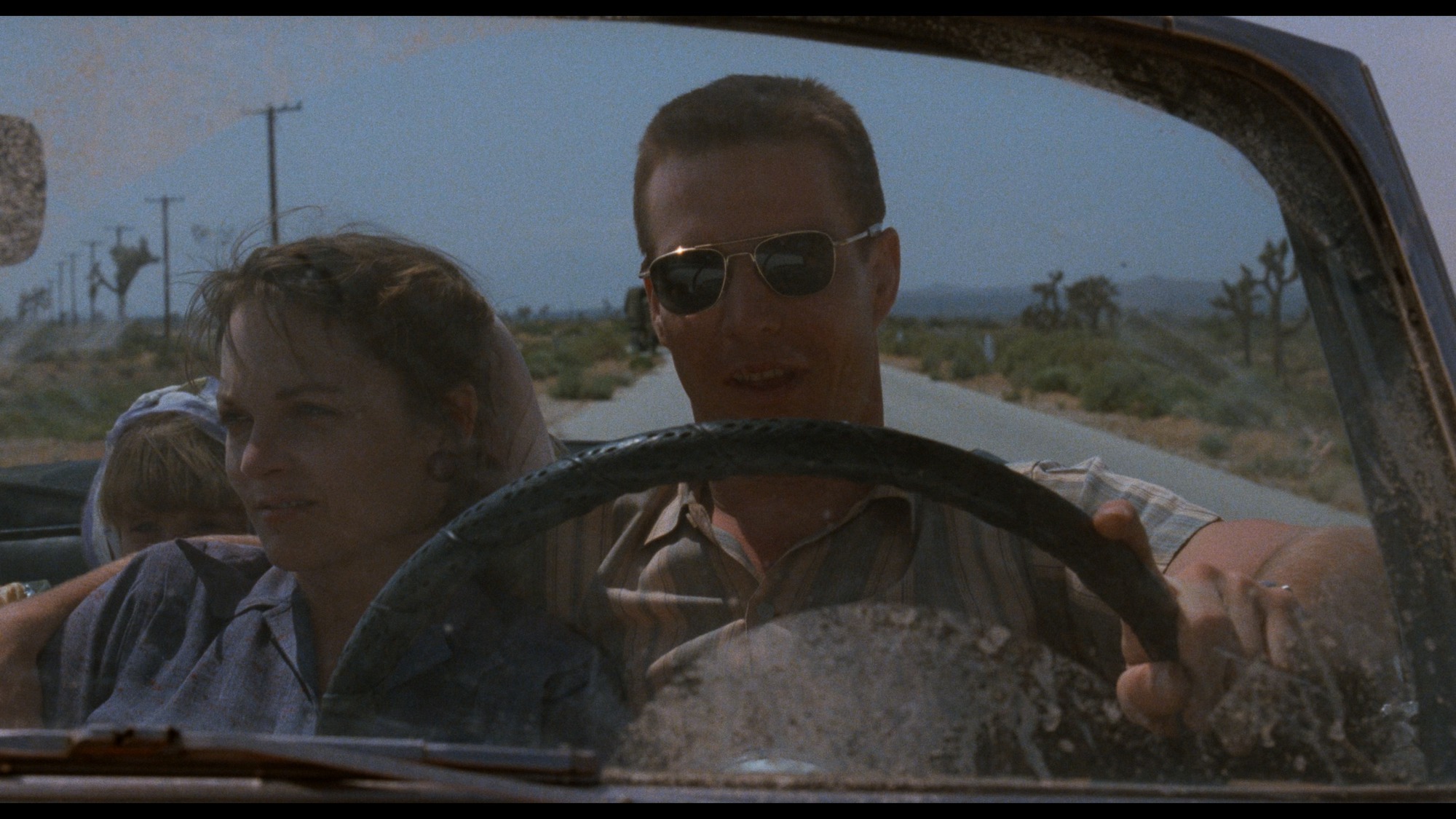
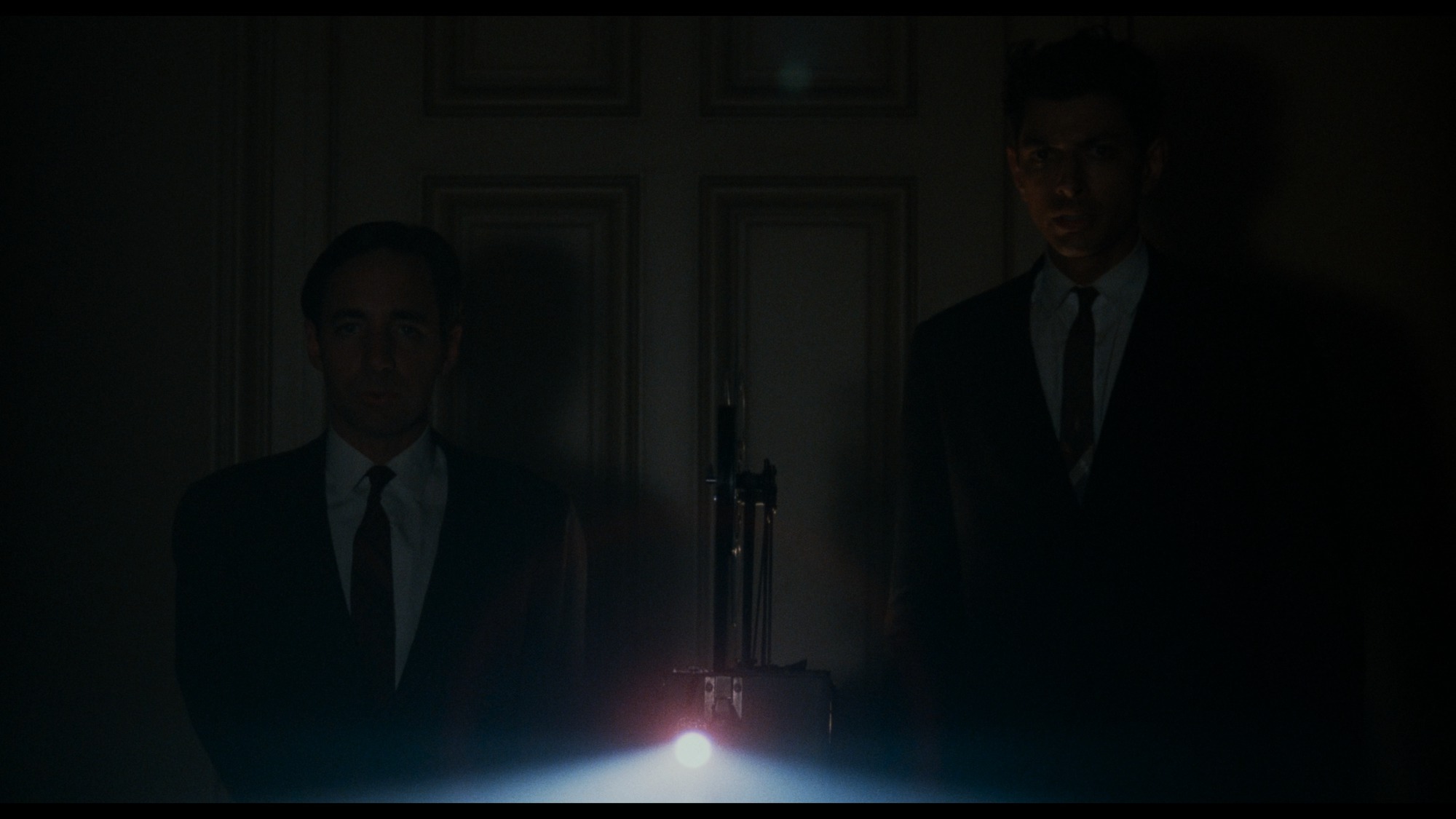
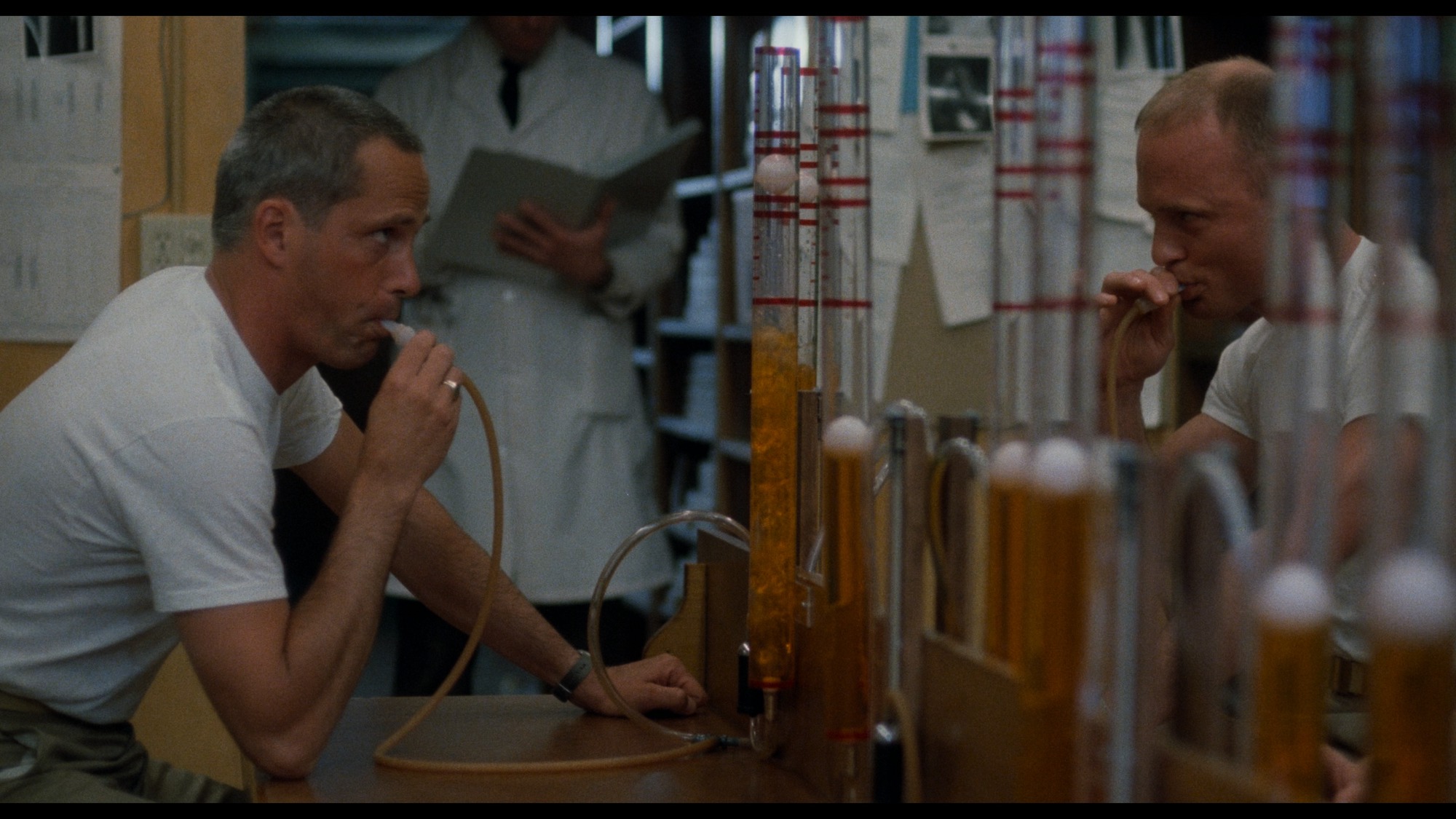
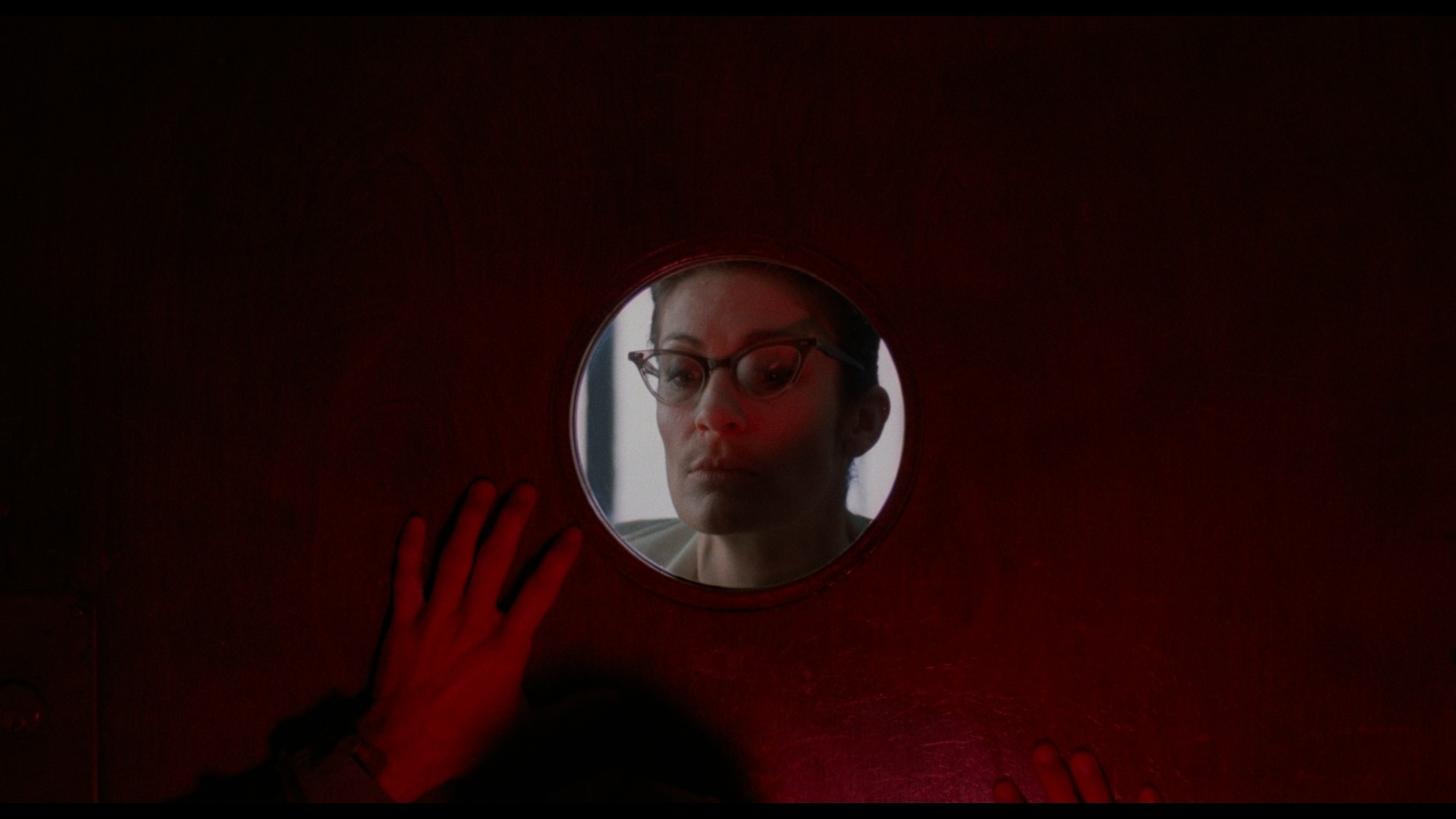
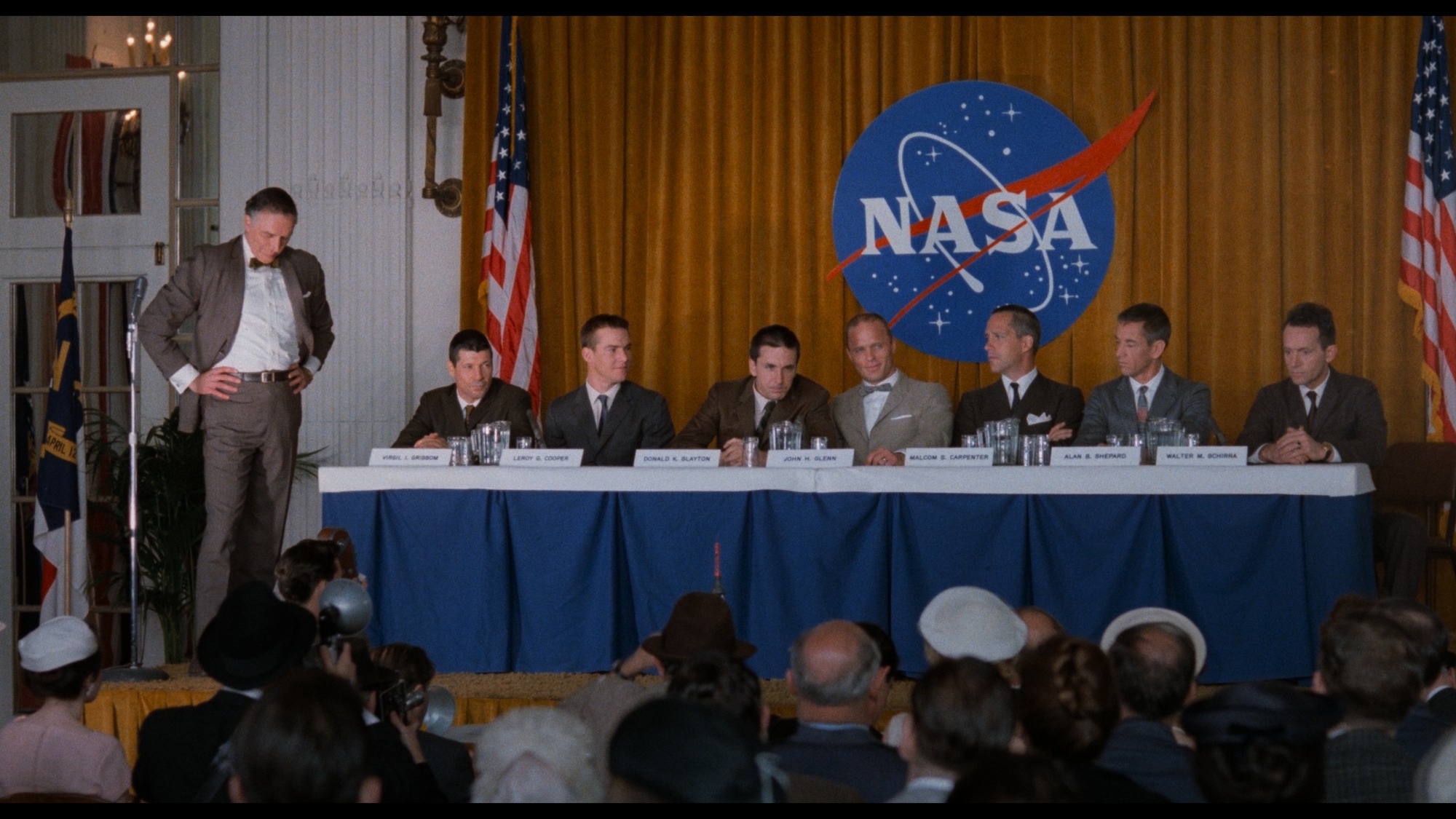
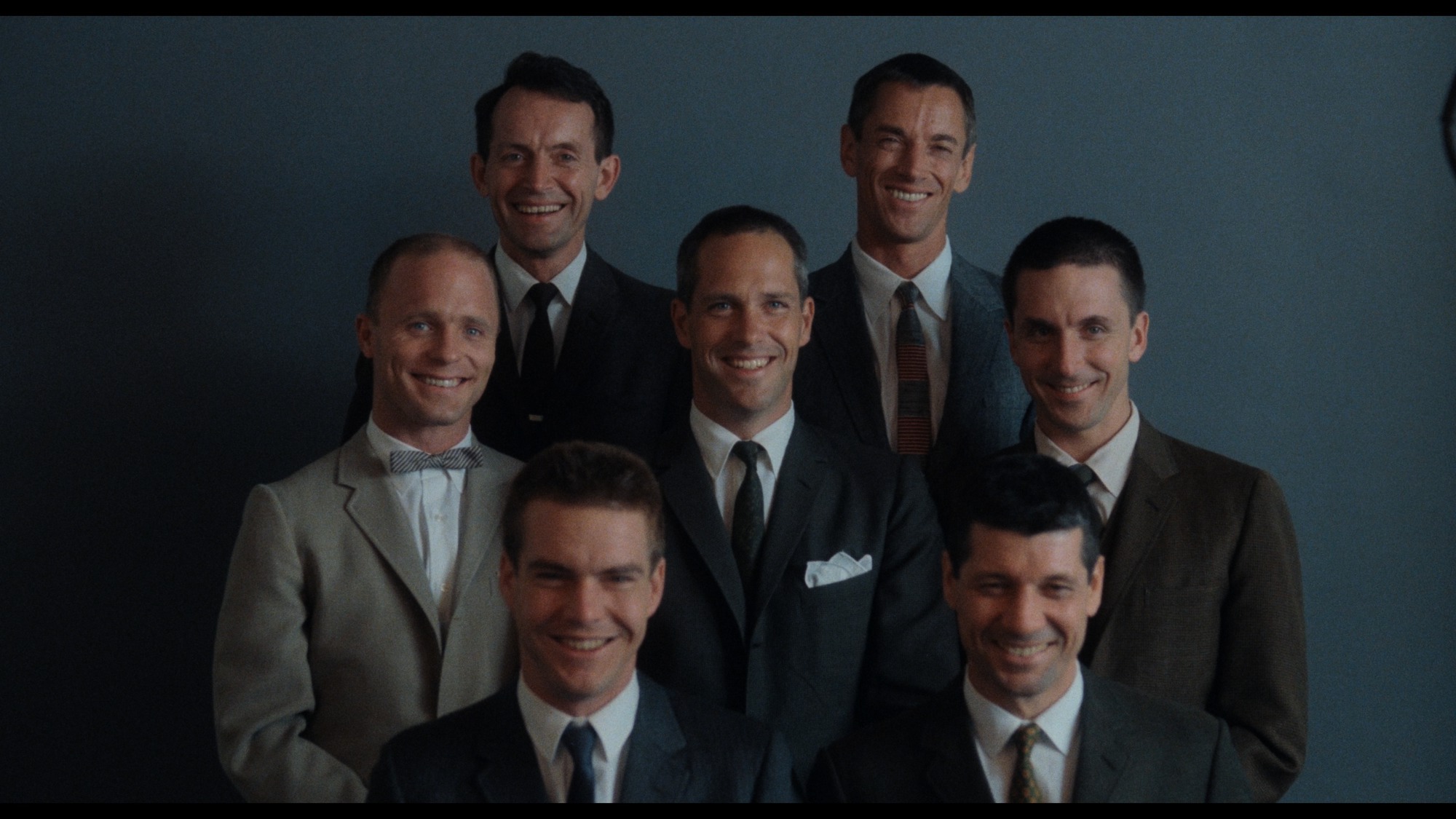
Audio 9/10
Criterion includes three audio options: the original 2.0 surround soundtrack, a 5.1 presentation representing the original 70mm six-channel track, and the remastered 5.1 surround track from previous home video releases, all presented in DTS-HD MA. I listened to the 2.0 and 70mm tracks and sampled the remastered one.
They all appear to be valid options, and which one to go with will probably come down to personal preference. The film features a fairly active mix, and all three seem to handle it effectively. Dialogue is sharp and clear, with fantastic range and depth, and the film’s score is wonderfully bombastic and exhilarating when needed, like when our astronauts do their strut down the hall, the music effectively surrounding the viewer. But it’s the test pilot and rocket sequences that really show off the mixes, particularly when jets are flying overhead. The low end also rumbles beautifully during these moments in the 5.1 presentations, which also direct effect approriately to the surrounds.
Yet despite all of them being more than adequate, I’ll more than likely stick with the 70mm presentation. It’s quite dynamic, and dialogue sounds sharper compared to the remastered 5.1 track, which I suspect is the same mix used for the DVD, though I cannot confirm that. That said, the music and some of those jet effects are probably a bit punchier in the remastered version.
But yes, there really isn’t a bad option here as they all sound very good.
Extras 8/10
I still remember excitedly picking up Warner’s 2-disc DVD way back in the summer of 2003. It looked to be packed with features, promising commentaries and in-depth documentaries, only for it to turn out to be one of the more mediocre 2-disc releases from Warner Bros. at the time, in my opinion at least. That was particularly surprising considering how much the film had grown in stature over the preceding couple of decades.
I was especially annoyed by the “commentaries,” featuring the crew on one and the cast on the other, with Chuck Yeager also appearing. What wasn’t clarified (at least beforehand) was that both were select-scene commentaries, presented on the second disc as two separate video features running 25 minutes each, and playing over the same scenes. Criterion ports them over to the second Blu-ray here, as-is, upscaled from standard-definition, and while there is some interesting content, they’re still basically useless. These have to have been assembled from interviews, despite the comments being scene-specific most of the time, because I have a hard time believing they were able to get everyone they did and then only have them speak for maybe a few minutes each.
As mentioned, they’re divided into two tracks: a filmmaker one featuring Kaufman, co-producers Irwin Winkler and Robert Chartoff, cinematographer Caleb Deschanel, visual effects supervisor Gary Gutierrez, and composer Bill Conti; and a cast one featuring Ed Harris, Dennis Quaid, Fred Ward, Barbara Hershey, Veronica Cartwright, Pamela Reed, Donald Moffat, David Clennon, Jeff Goldblum, and Harry Shearer, alongside pilot and technical consultant General Chuck Yeager himself. Sure, some historical background is offered, along with a little bit of detail about adapting Tom Wolfe’s book, the casting process, effects work, lighting, and editing, all appropriately edited over matching scenes, but it’s incredibly rushed. The actors also talk about the physical and emotional aspects of their roles, while Goldblum and Shearer explain how they developed their characters and contributed so much of the film’s comic relief. And still, even here, there’s so little overall.
It’s been 23 years, and I’m both amused and embarrassed by how I still hold a severe grudge against these two additions. Just let it go! you say, and I reply with a resounding No! They ultimately only scratch the surface of the film and its technical achievements, and having all of this talent at your disposal( particularly Shearer and Goldblum, who are always fun in the commentaries they’ve participated in) only to underutilize them to such an extreme degree is unforgivable. Yeah, I’m petty, but these are still two of the most disappointing features I’ve ever come across in my home video collecting life. Fifty minutes total over the same 25 minutes’ worth of clips for a 193-minute movie? Pffffft!
Now, after all that, the other archival features ported over from that edition do fare a little better, though they’re the standard type of material you’d get at the time. Realizing “The Right Stuff” and T-20 Years and Counting are the two primary featurettes Warner created for their original 2-disc DVD edition, running 21 and 11 minutes, respectively. Featuring most of the same cast and crew who appeared in those “commentaries,” along with author Tom Wolfe looking every bit his usual dapper self, the first featurette provides the backstory to the project—at least what the studio sanctioned at the time—from optioning the novel and casting to figuring out how to pull off the effects and recreate real-life events. The casting discussion is especially interesting since they wanted unknowns, which is particularly funny now considering how many would become stars or at least better known down the line, even Lance Henriksen back there in the background. The latter featurette examines the factors behind the film’s initial box-office failure, from its length to John Glenn’s presidential campaign and the perception that the film might be a campaign piece, before looking at how it finally found its audience on video and continued to grow in stature.
They’re good for what they are, and I guess if I’m being honest, they play nicely enough alongside those “commentaries,” but they again only touch the surface. A bit more interesting among the archival features is The Real Men with “The Right Stuff,” running 15 minutes and featuring interviews with Yeager and Mercury astronauts Scott Carpenter, Gordon Cooper, and Walter M. Schirra Jr., along with a brief appearance by Wolfe. The four share stories about the flight tests, the training program, and the medical tests (the doctors “probed every hole”) along with other details that largely back up what’s depicted in the film. There’s also a defense of Gus Grissom concerning the hatch incident. Criterion then ports over the film’s trailer and 11 minutes’ worth of deleted scenes, including more of the chimp news footage, an alternate version of the hallway walk, an amusing scene of Quaid explaining to Ward how to handle the nurse, and a few other bits. These are still presented from standard-definition sources, upscaled here.
Not included are the interactive timeline covering the space program, which was probably one of the better features thanks to its actual NASA footage, and a PBS documentary about John Glenn, which was… fine. But alas, that was it for Warner’s release, which ultimately disappointed me after I’d spent so long looking forward to it.
Thankfully, Criterion comes in to save the day with their new special edition, building on that skimpy material to better explore the film’s technical aspects and production history. No, they still don’t give us an actual commentary, disappointingly, but they do dig up excerpts from an archival interview with director Philip Kaufman, filmed for the Academy Film Archive’s Visual History Program in 2014. It only runs 20 minutes, but Kaufman provides far more detail about the production, including information suspiciously absent from those Warner featurettes. Those seemed to suggest there was only a few minors passes at the script, but Kaufman explains that William Goldman took an initial pass, which Kaufman hated. He felt Goldman had little to no interest in exploring what “the right stuff” actually was, ignoring Yeager completely and turning the story into a flag-waving patriotic film that lost both the fun spirit of Wolfe’s book and its human qualities. He also discusses other casting possibilities, like Robert Duvall as Yeager, and gets further into his disappointment over the film’s association with politics at the time. It’s a really great discussion and already way better than all of those archival featurettes combined. Great addition.
Also great is an all-new interview with effects supervisor Gary Gutierrez, who was thrown into the effects work with little previous experience outside of title sequences and animation. He starts by explaining how he and Kaufman frantically assembled storyboards covering the whole film to present to Alan Ladd Jr., before moving on to the effects themselves. He covers both the design and technical aspects, including the model work and use of a computer-controlled motion-control camera. It appears he still has some of the models, and I must confess I’m surprised by how simple they are considering how incredible they look in the film, though maybe the editing (covered later) helped there. Again, far more in-depth than those archival features.
Criterion has also recorded a new conversation between sound designers Mark Berger and Randy Thom, who both worked on Apocalypse Now, running 19 minutes. I really liked this one, as the two begin with an overview of the film’s sound design before discussing specific scenes and how they built up the sounds for each. They cover the mystical quality they created for the sequence where Yeager first sees the test jet, Scott Glenn’s Alan Shepard needing to go to the bathroom, and how they collected and chose their sounds. It’s a really great discussion, wonderfully edited, too.
Finally, closing out the new video material is a terrific 19-minute conversation between Bobbie O’Steen and editor Stephen A. Rotter. O’Steen has done a number of these for Criterion, and they’ve all been quite good. This is another fascinating one, covering everything from staging scenes around existing NASA footage to incorporating effects work done in-camera without optical tricks. Rotter gets into some of the issues that came up and discusses how the editing shaped key moments, like the breaking of the sound barrier. Another insightful discussion about the art of film editing, and another really, really good addition.
Michael Sragow then provides a wonderful analysis and appreciation of the film in the included insert, offering the more academic slant. Ultimately, while I do wish there were more (like, oh, an actual commentary) Criterion’s new features still blow Warner’s older material out of the water. Still not my ideal special edition, I guess, but it’s a big step up.
Closing
A significant improvement over Warner’s previous editions, Criterion’s release adds some great new material exploring the film’s technical aspects, while the 4K presentation delivers an unbelievably gorgeous and filmic image.
BUY AT: