BUY AT:


See more details, packaging, or compare
Synopsis
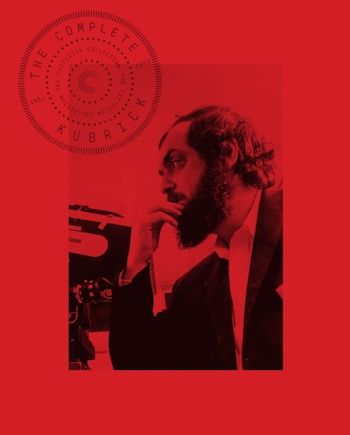
A titan of cinema whose influence extends across visual art, philosophy, politics, technology, fashion, and beyond, Stanley Kubrick created an unprecedented string of masterpieces, from Paths of Glory to Dr. Strangelove to 2001: A Space Odyssey, A Clockwork Orange, The Shining, and Eyes Wide Shut. Bending disparate genres to his will, he imbued his creations with a cuttingly ironic worldview and an iconographic, mesmerizingly precise visual style, probing the anxieties, enigmas, and horrors of the twentieth century with a coolly devastating eye. Tracing his evolution from independent maverick to Hollywood rebel to visionary transnational auteur whose every film from the mid-1960s on became a manifesto of a radically new sensibility, The Complete Kubrick brings together the entirety of a body of work that opened popular cinema up to new realms of moral profundity and metaphysical mystery.
Collected here for the first time are Kubrick’s thirteen features and three shorts, all restored in 4K, with their original soundtracks alongside the 5.1 mixes, restored and remastered; over twenty-five hours of interviews, documentaries, and behind-the-scenes materials; and deluxe packaging illustrated with rare photographs, artwork, and documents annotated by Kubrick himself, all housed in a singular box inspired by the director’s legendary archive.
Synopsis provided by the distributor.Picture 9/10
With The Complete Kubrick, the Criterion Collection presents one of their most ambitious sets to date, bringing together the complete works of Stanley Kubrick for the first time. All thirteen features and three shorts are presented in 4K UHD with Dolby Vision and in high definition, with the films and special features spread across 30 discs.
I cover each title individually (feel free to use the links or the navigation bars to jump to a specific film), but as a whole, Criterion has really outdone themselves here. Every film receives a sharp-looking 4K presentation, source materials permitting, and Fidelity in Motion handled the new encodes for all but two titles. The two in outliers in this case are titles Criterion had already previously released in 4K: Eyes Wide Shut, which Fidelity in Motion had already encoded, and Barry Lyndon, which was encoded by NexSpec.
Most of the presentations utilize pre-existing restorations that have appeared on previous releases. Criterion newly restored Lolita and the three shorts, Day of the Fight (presented in two versions), Flying Padre, and The Seafarers. Lolita looks fantastic and is probably one of the stronger presentations in the set, if by a small margin. The shorts ended up being the biggest surprise of the new restorations; minor imperfections in the source elements aside, all three look incredibly sharp, with rich grain and a surprising level of detail. I was even impressed by the colors featured in The Seafarers.
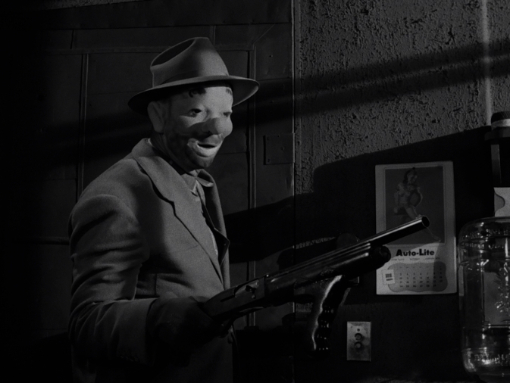
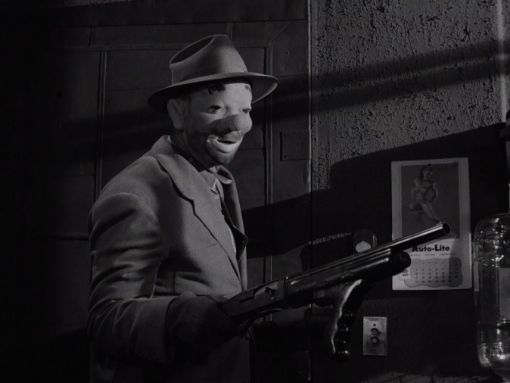
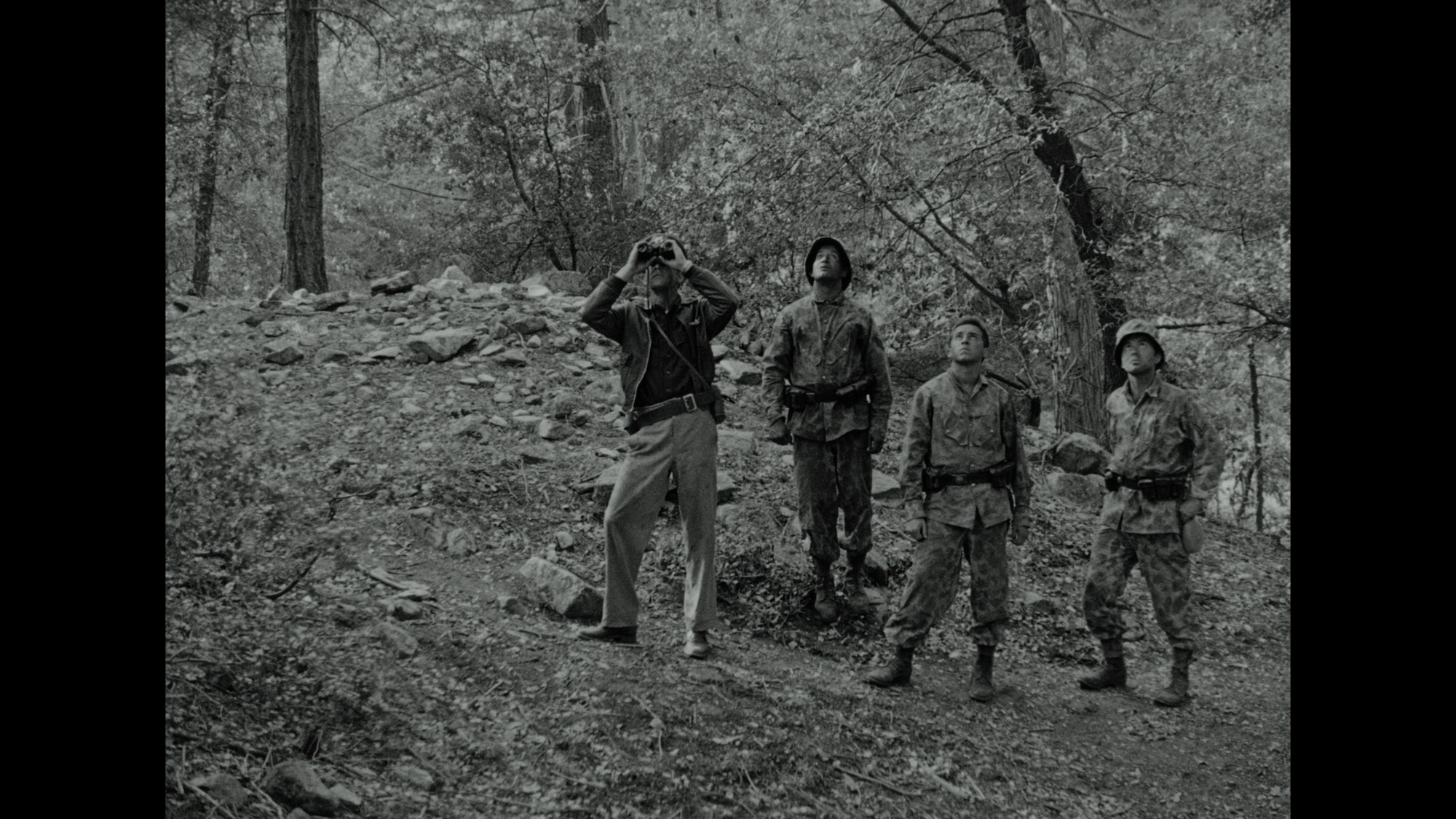
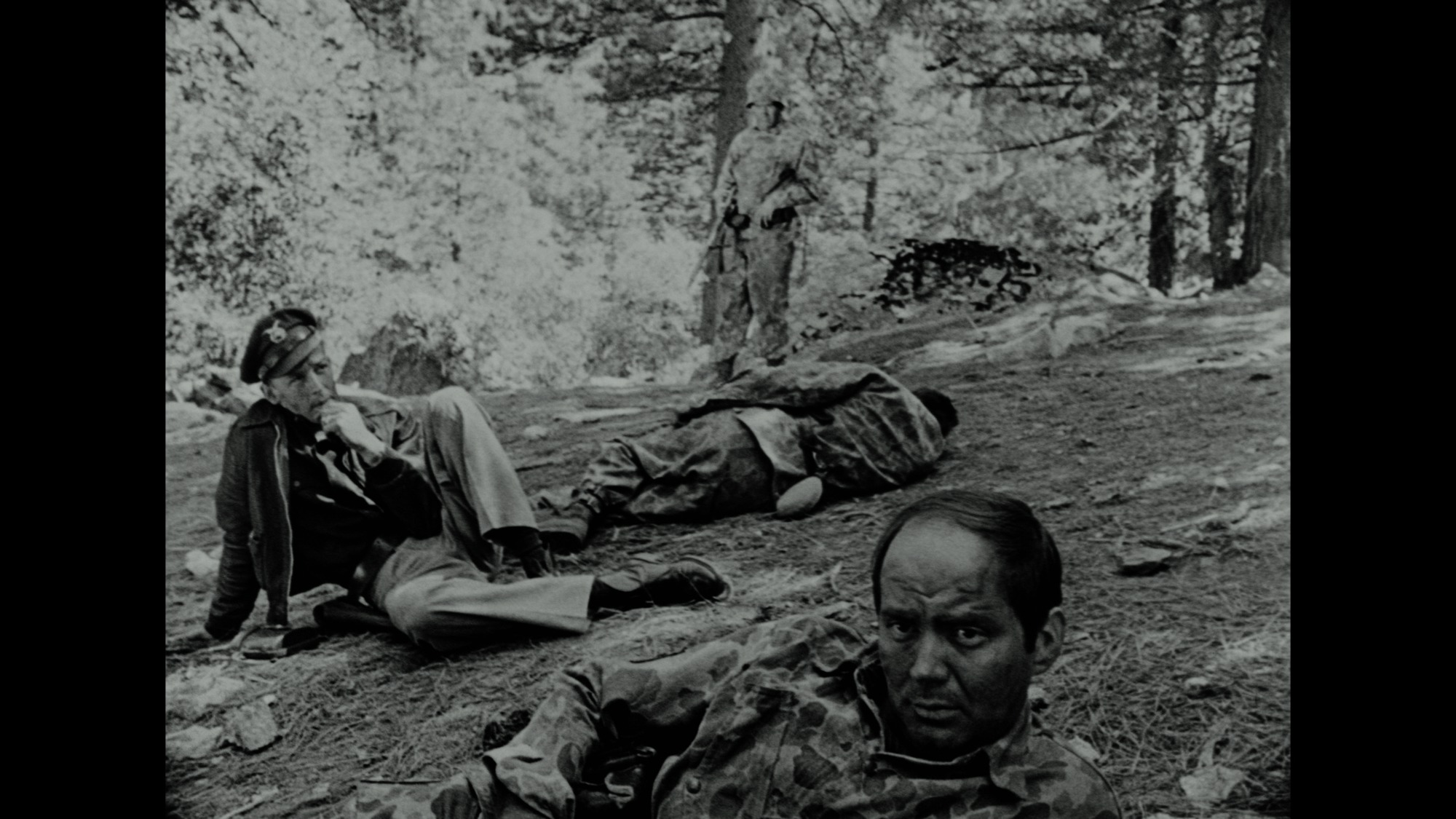
The earliest features, Fear and Desire (presented here in its premiere version only) and Killer’s Kiss, are unsurprisingly among the weaker presentations, though both look better than I expected, especially Fear and Desire. Criterion uses Kino’s restoration, and it’s a solid enough one. The materials still show some large marks, and the frame jitters much of the time, occasionally leading to an odd shimmer effect in the background, but it’s a minor distraction. The encode is otherwise solid, and at its best the image is incredibly sharp and very film-like.
Killer’s Kiss fares better, with a far more stable image. The remaining damage amounts to a few minor marks, and the image is quite clean, with a terrific level of detail most of the time. Grain looks good (as it does throughout the set), though it’s rendered a little differently here and in The Killing than it was on Kino’s own 4K releases, both now out of print. I thought Kino’s presentations looked pretty good, but going back to them after watching Criterion’s, the grain on those discs does look a little off. It has a harder, slightly pixelly look. At first I wondered if Criterion had filtered their presentations a bit or if Kino had applied some sharpening, but after going back and forth (quite a bit), I doubt either is the case as they look too similar in other areas. I’m still unsure what accounts for the difference, but I think I prefer Criterion’s grain, which looks more organic.
The two films starring Kirk Douglas, Paths of Glory and Spartacus, look much as they did on Kino’s and Universal’s respective 4K releases, which is perfectly fine since both already looked fantastic. I loved how the black-and-white photography comes across in Paths of Glory, particularly the way the light falls in some of the darker interiors. Spartacus was an absolute knockout for me. The restoration is incredibly clean, with rich shadows and wonderful highlights, especially in the reflections off the Roman armor. I was particularly taken by the colors, too, which look very much of that period in studio filmmaking.
The wider range afforded by HDR and Dolby Vision helps give the earlier black-and-white films a more photographic look, and the real standout in that respect may be Dr. Strangelove. The restoration is now a couple of decades old and was sourced from later-generation prints after the negatives were accidentally destroyed, so I foolishly assumed the upgrade over the Blu-ray would be modest, and I was very, very wrong. The improved resolution and new encode work wonders on their own, but it’s the wider range of grays that makes this one of the set’s more exceptional presentations. The war room shots are absolutely gorgeous, with those bright overhead lights cutting through the darkness. That alone makes it one of the best surprises in the set.
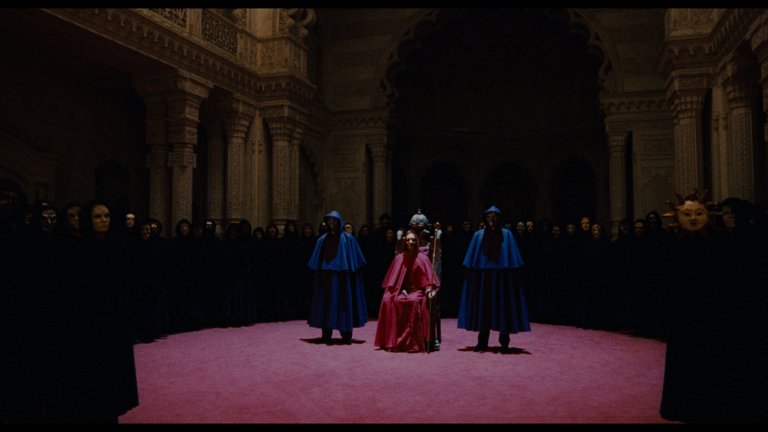
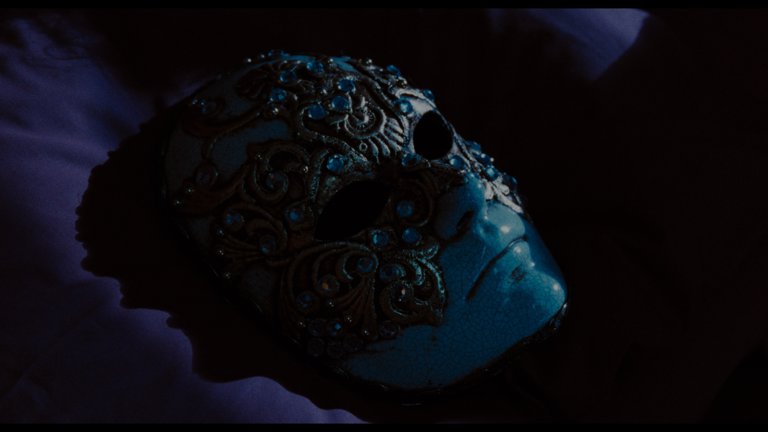
Criterion ports over their previous 4K discs for Eyes Wide Shut and Barry Lyndon with different disc art, and both look as good as they did before. Eyes Wide Shut is still an absolute stunner, one of the best 4K presentations I’ve seen in recent memory and probably the standout in the set. It’s so clean and so film-like, and the color grading, despite the online complaints lobbed at it when it was first released, looks much more like something achieved photochemically. The previous high-def presentations pushed magenta so far that some blues started to look violet. This looks incredible.
Barry Lyndon still looks pretty good, though its faults are a little more glaring after going through the rest of the set. To be fair to NexSpec, their encodes were getting better by this point, and this is a far cry from what happened with Walkabout. It’s an incredibly sharp presentation, and the grain looks clean and natural. Contrast and color are generally very good, and the candlelit sequences have a painterly quality that I really like. The highlights are where it falls a little short: detail clips in several shots, leaving the light coming through the windows looking blown out and flat.
It’s a shame Barry Lyndon didn’t get a new encode. It still looks good, but the encodes on the four Warner titles Criterion is bringing to 4K for the first time give you some idea of how much better it could have been. Those titles are 2001: A Space Odyssey, A Clockwork Orange, The Shining, and Full Metal Jacket.
Criterion uses the same restoration masters Warner used for their own 4K releases, so the four films don’t look that different compared to those prior presentations, but they’re all just about as good as I could hope for. 2001 looks pretty much the same as Warner’s release, resolving details beautifully right down to the film’s very fine grain. The blacks and colors are gorgeous, especially in the red room housing HAL’s memory core.
A Clockwork Orange and Full Metal Jacket offer modest improvements. Criterion corrects Full Metal Jacket’s aspect ratio from 1.78:1 to 1.85:1, and the colors may have been adjusted slightly as well. They look a little warmer to me, and I prefer them that way. The new encodes also seem to handle dust in the frame and film grain a hair better in some of the darker sequences of both films.
The Shining gets a bit more love, which was another nice surprise. Along with presenting both the North American and international cuts, Criterion reinstates the red Saul Bass Warner logo, corrects the aspect ratio from 1.78:1 to 1.85:1, and restores the closing credits to their original blue. The maze climax looks quite a bit cleaner than it did on Warner’s disc, with the intense lights and blowing snow coming across as a little more photographic, the encode improving things here. It’s a gorgeous presentation.
All in all, Criterion has taken a lot of care with the existing restorations and done terrific work on the new ones. For most of the films, these are the best presentations I’ve seen, and what struck me most going through the set was how consistently photographic they look.
Fear and Desire (1952) - Premiere Version: 7/10 Killer's Kiss (1955): 8/10 The Killing (1956): 9/10 Paths of Glory (1957): 9/10 Spartacus (1960): 10/10 Lolita (1962): 10/10 Dr. Strangelove, or: How I Learned to Stop Worrying and Love the Bomb (1964): 9/10 2001: A Space Odyssey (1968): 10/10 A Clockwork Orange (1971): 10/10 Barry Lyndon (1975): 9/10 The Shining (1980) - US Version: 10/10 Full Metal Jacket (1987): 10/10 Eyes Wide Shut (1999) - Unrated Version: 10/10
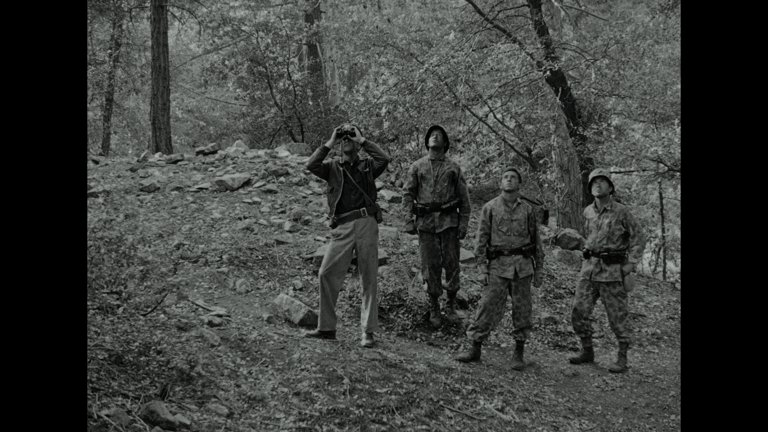
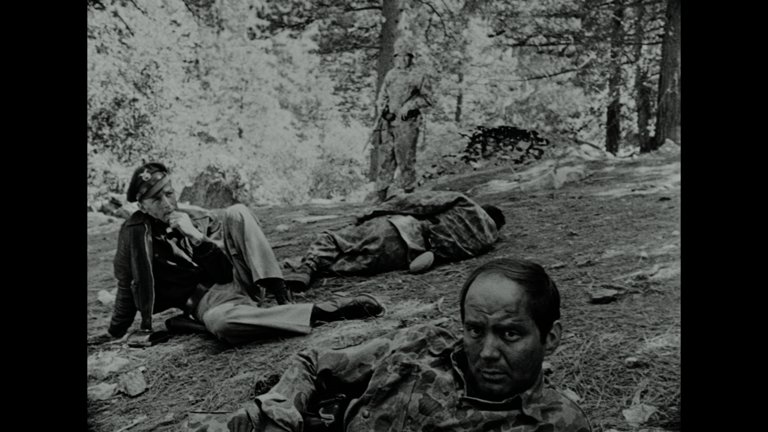
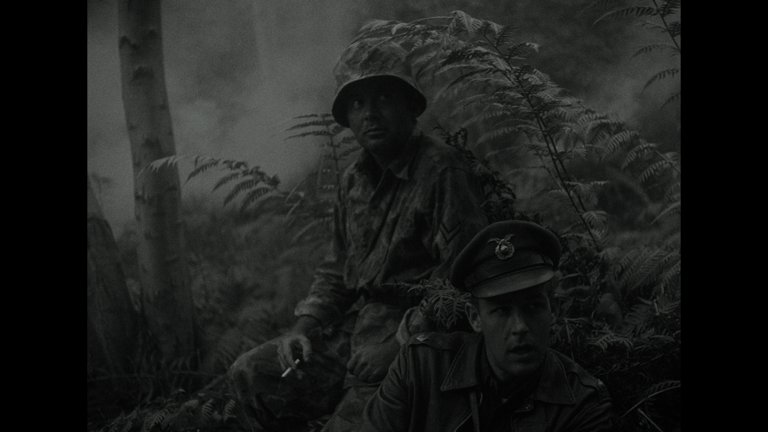
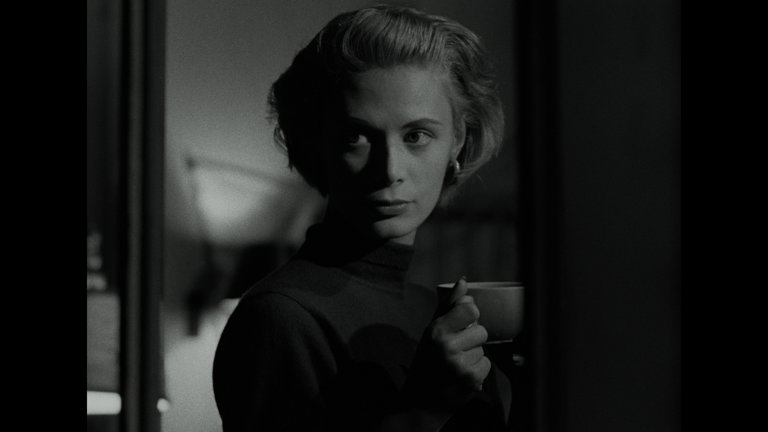
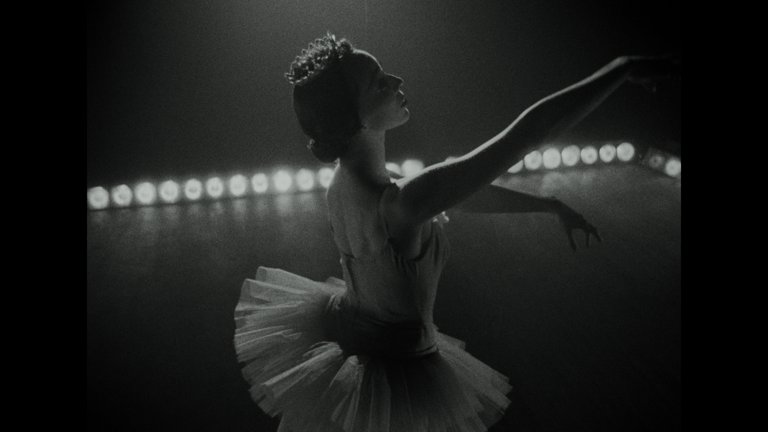
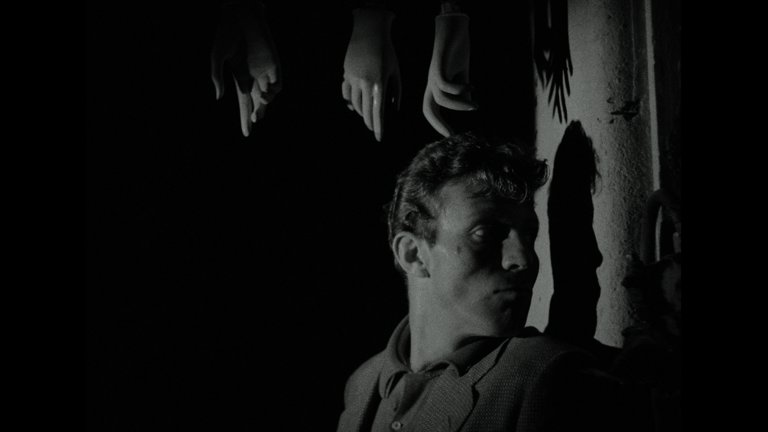
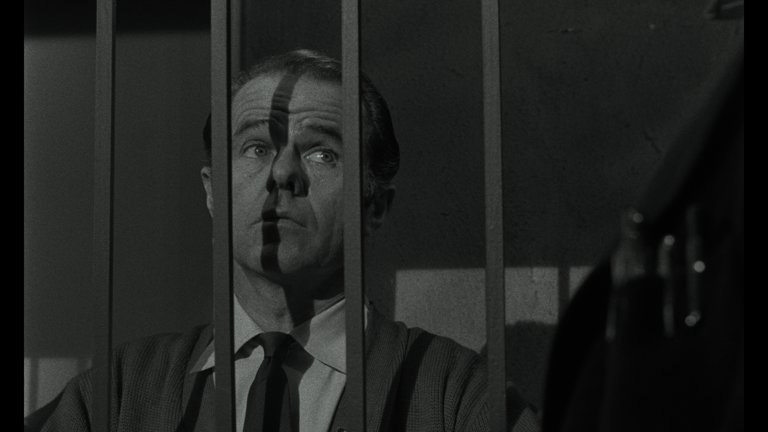
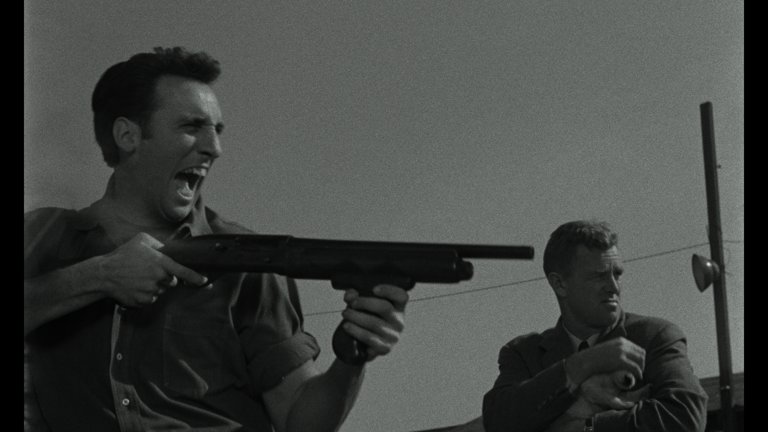
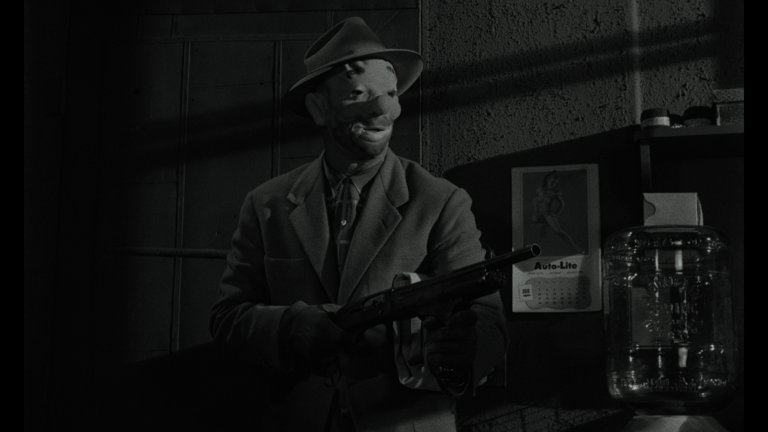
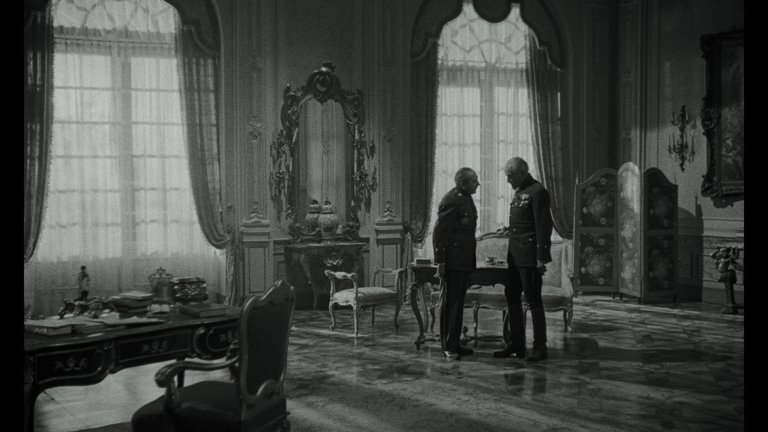
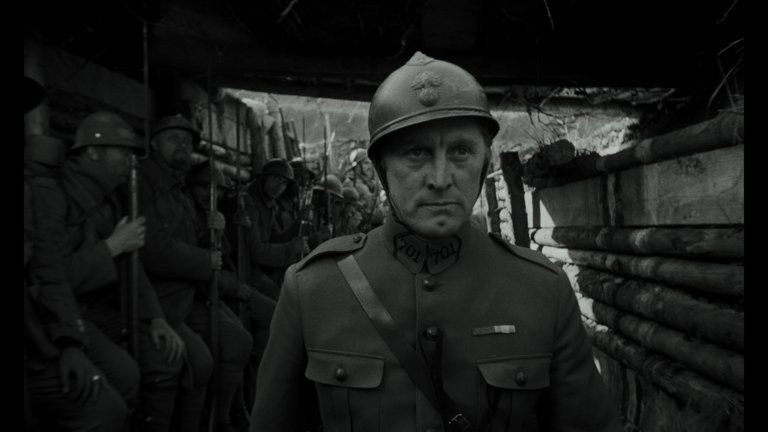
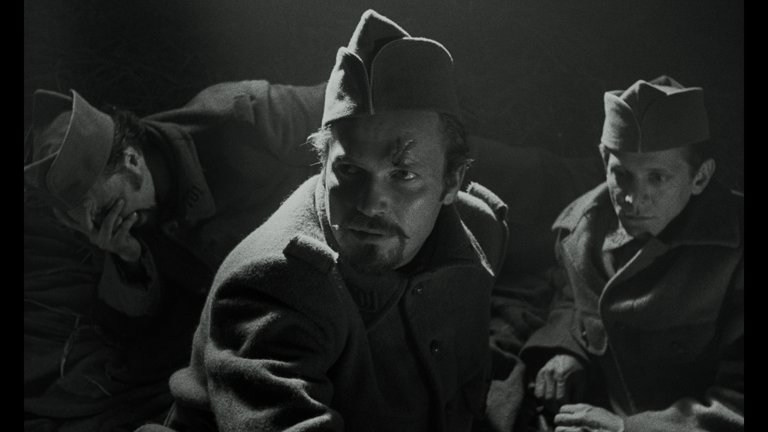
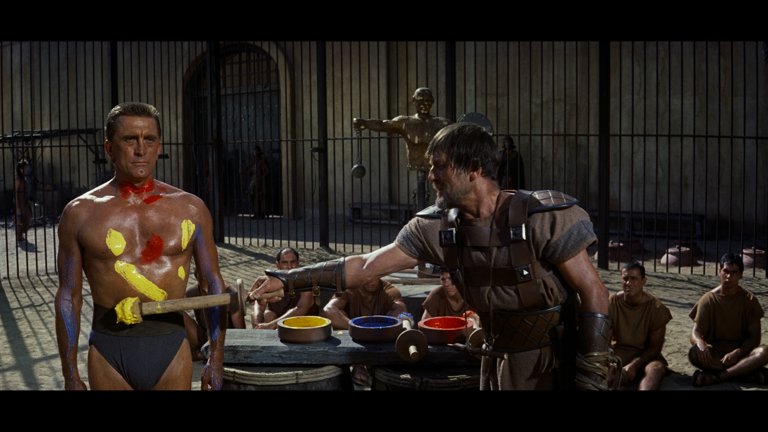
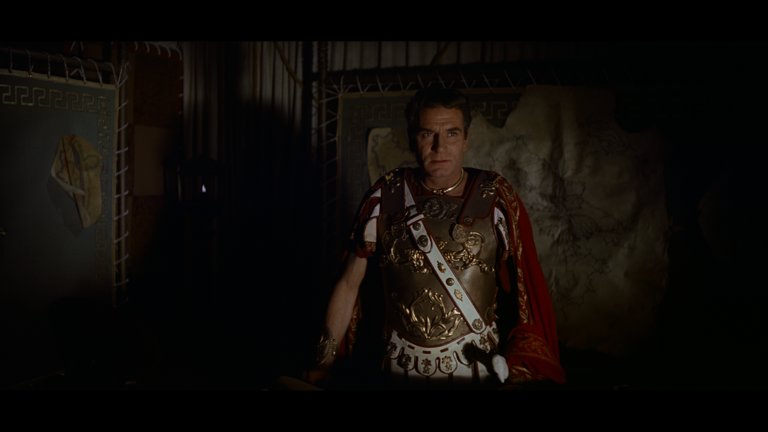
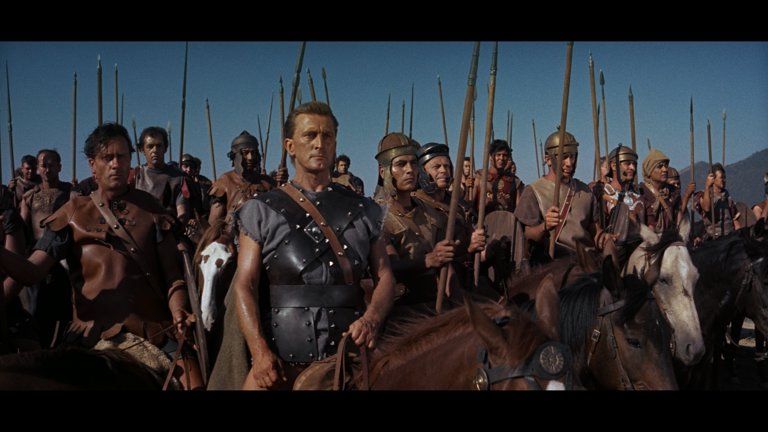
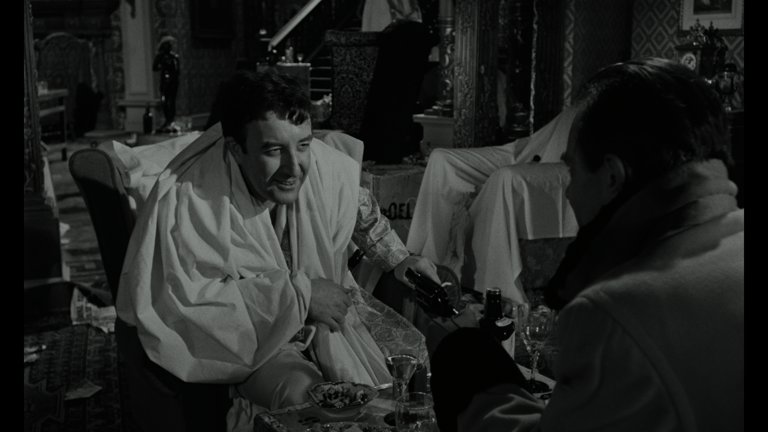
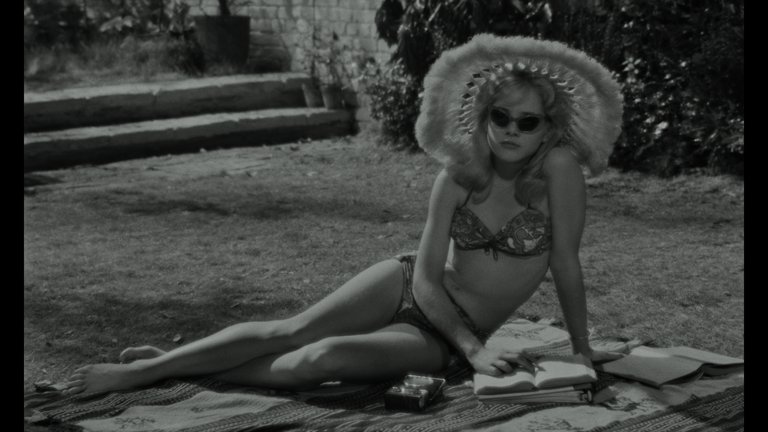
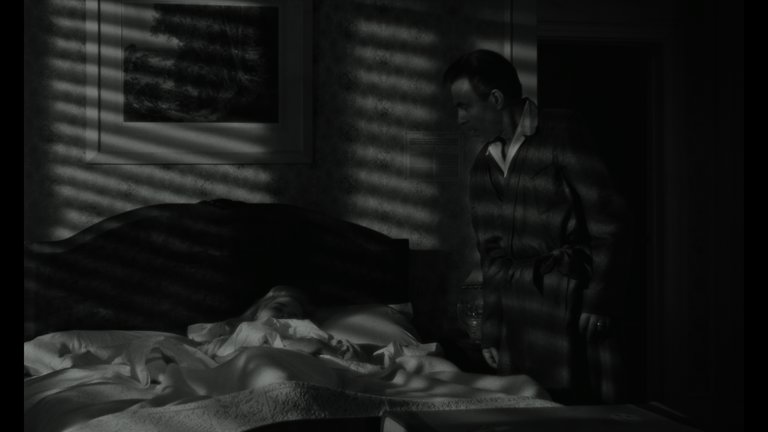
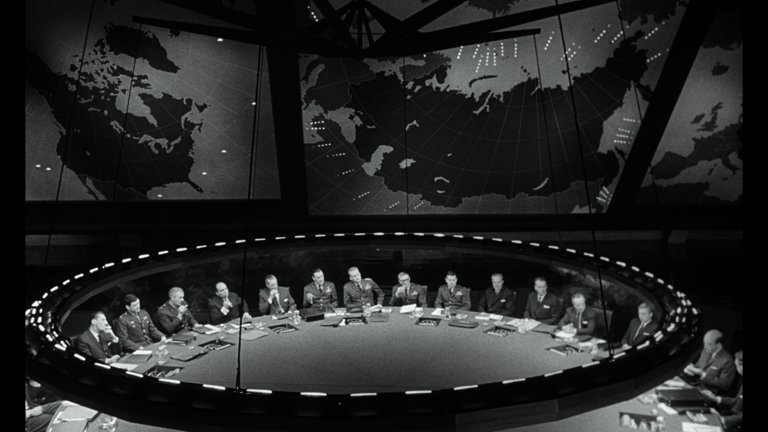
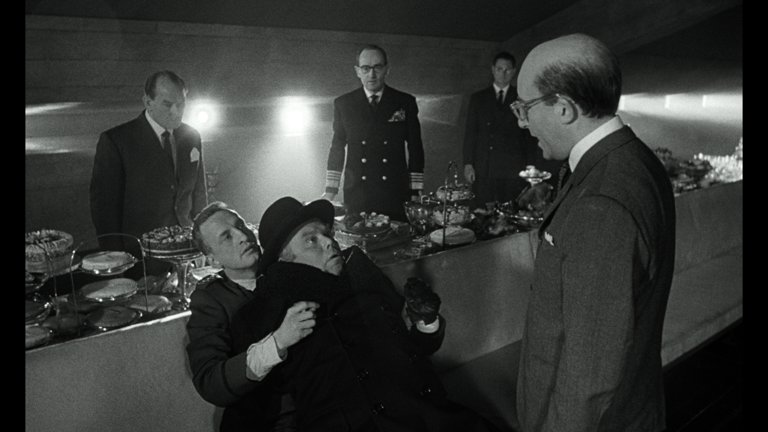
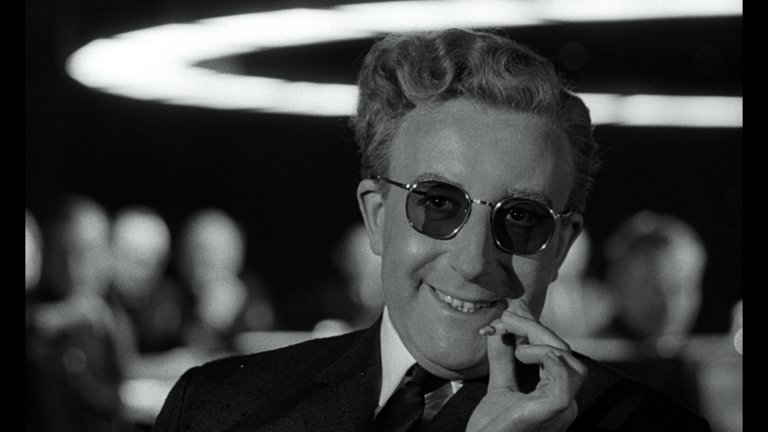
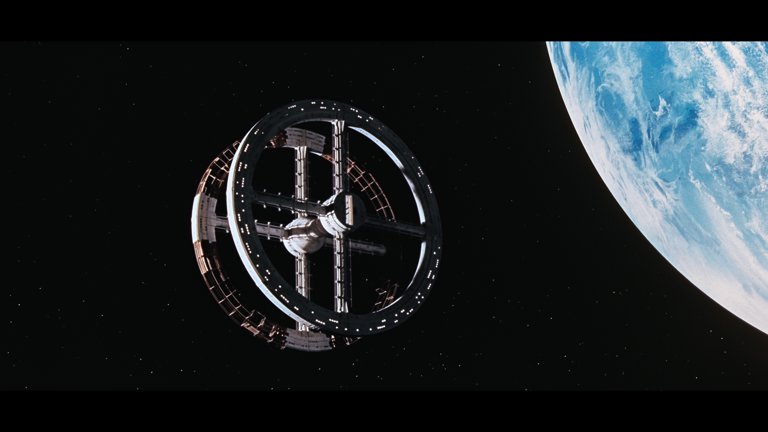
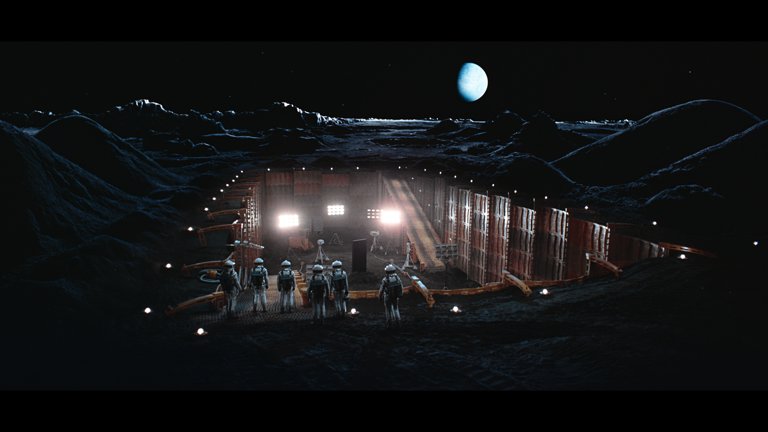
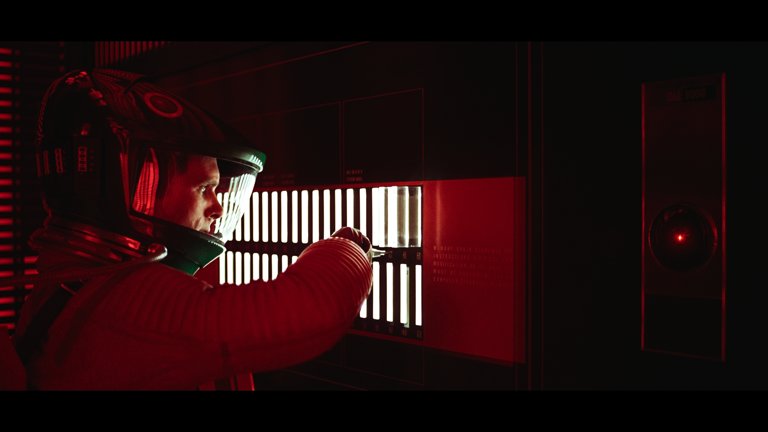
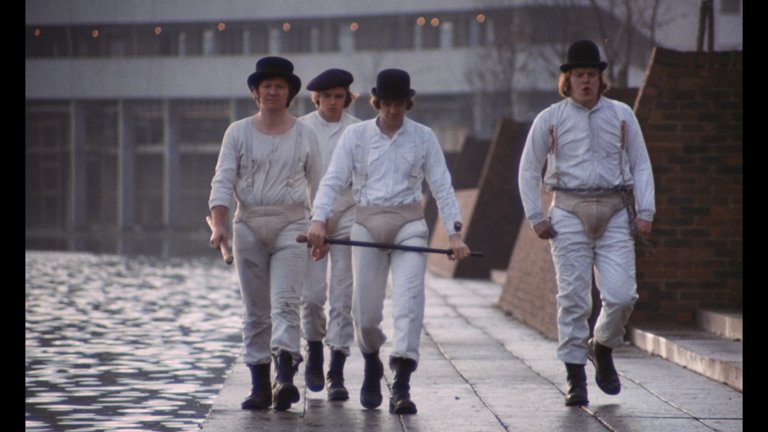
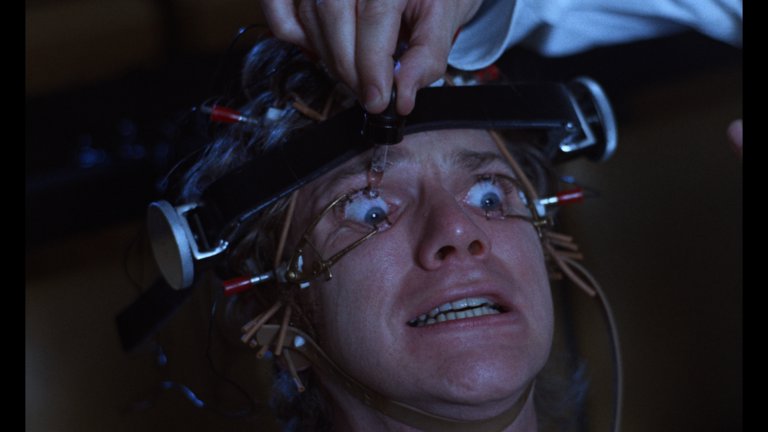
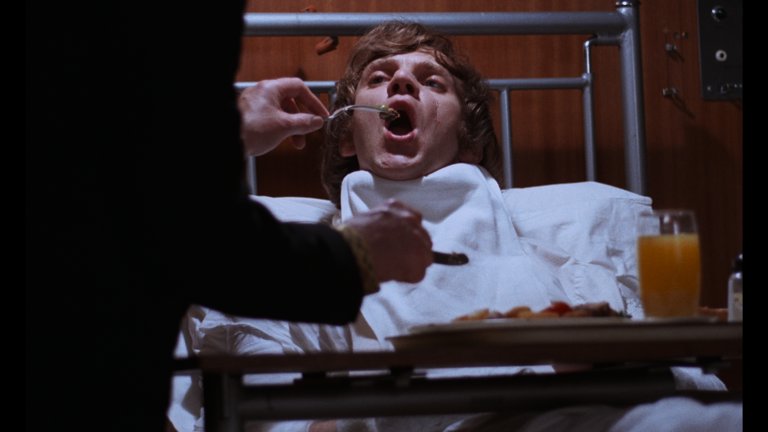
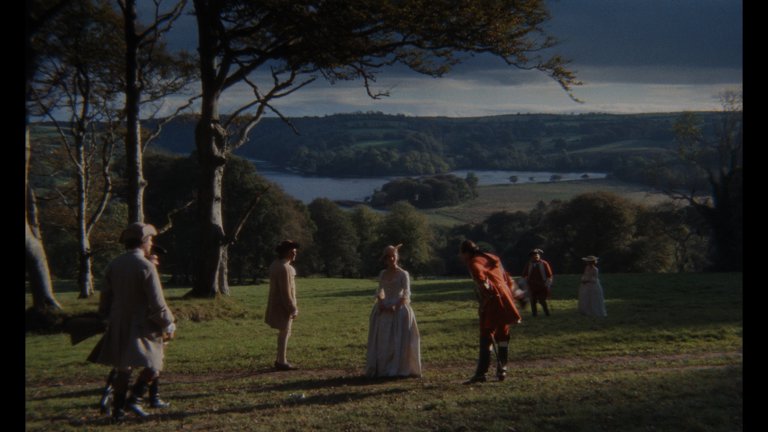
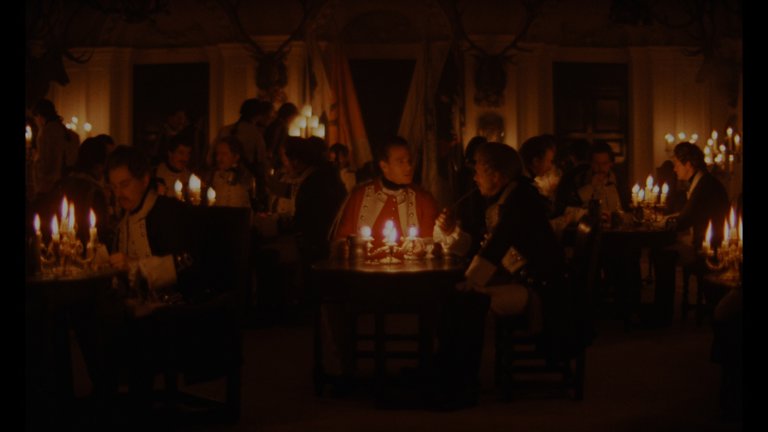
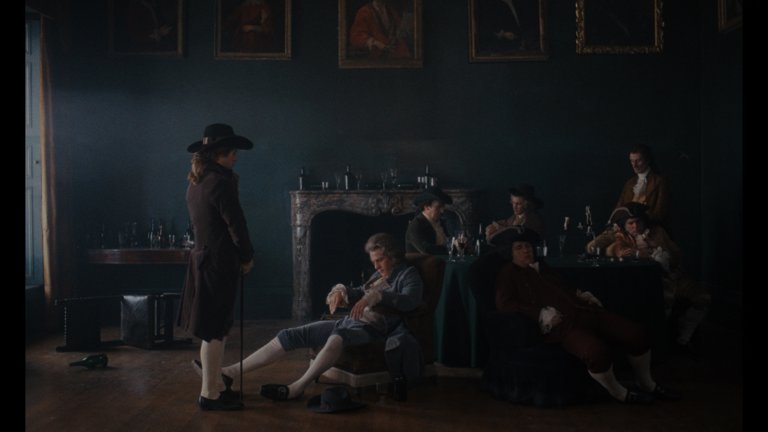
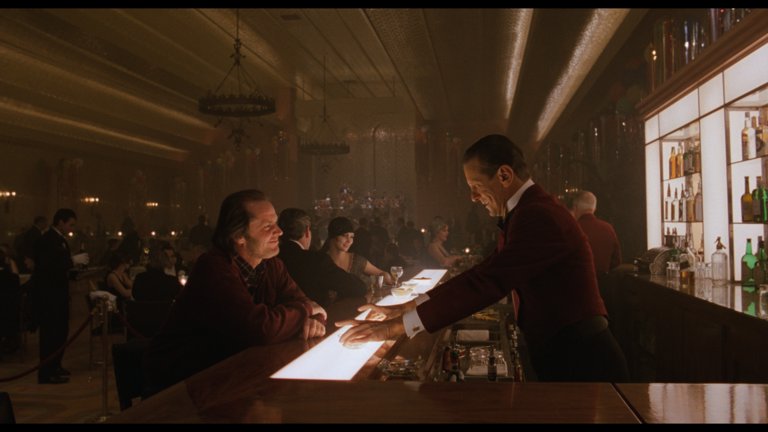
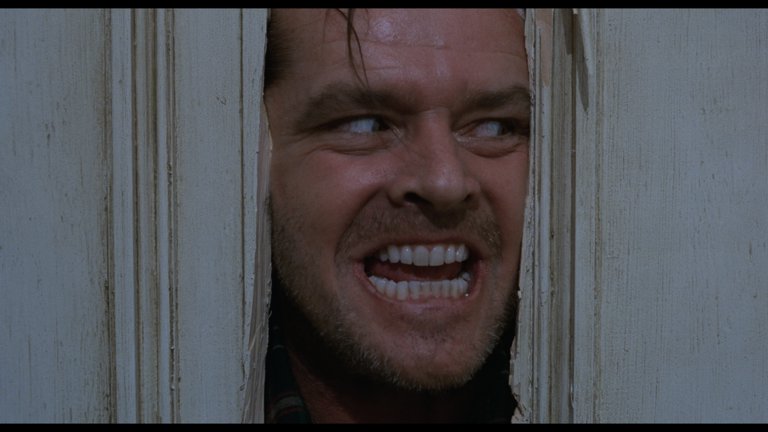
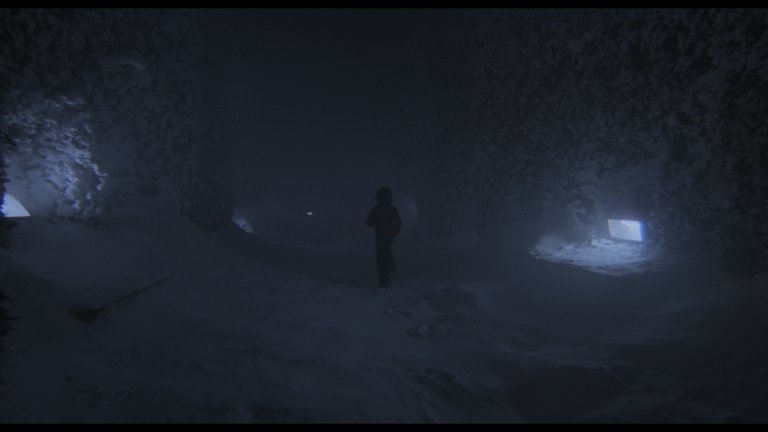
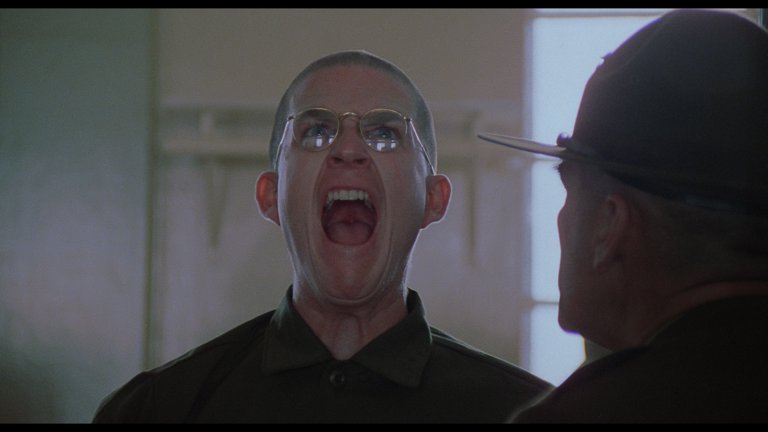
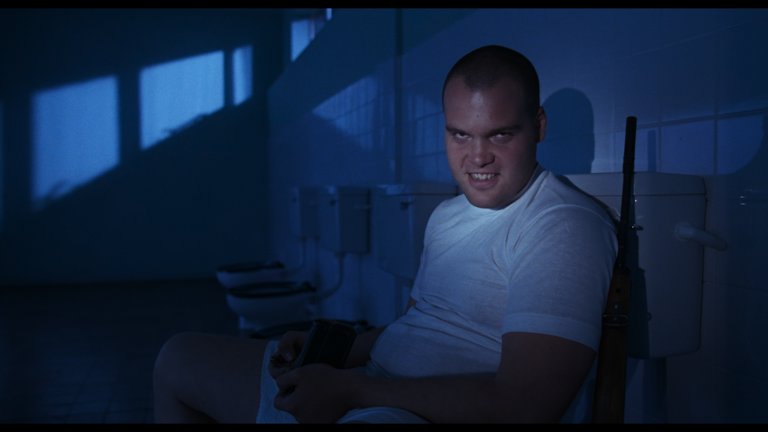
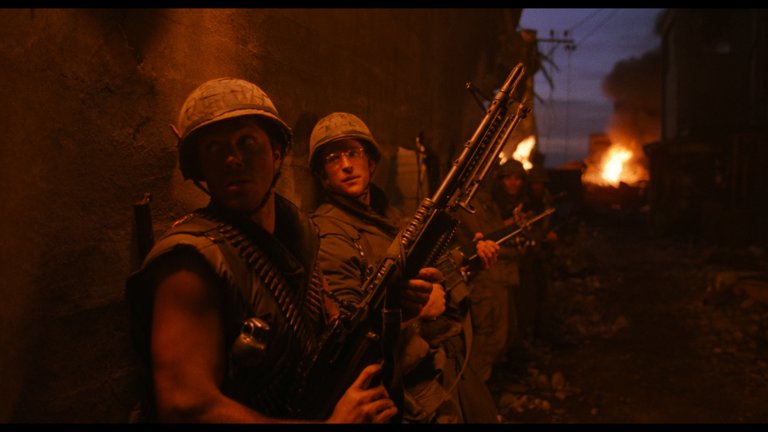
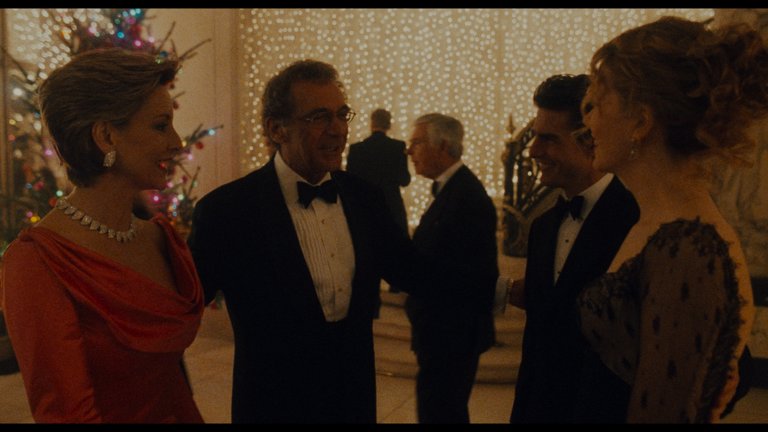
The Complete Kubrick - Screen Captures
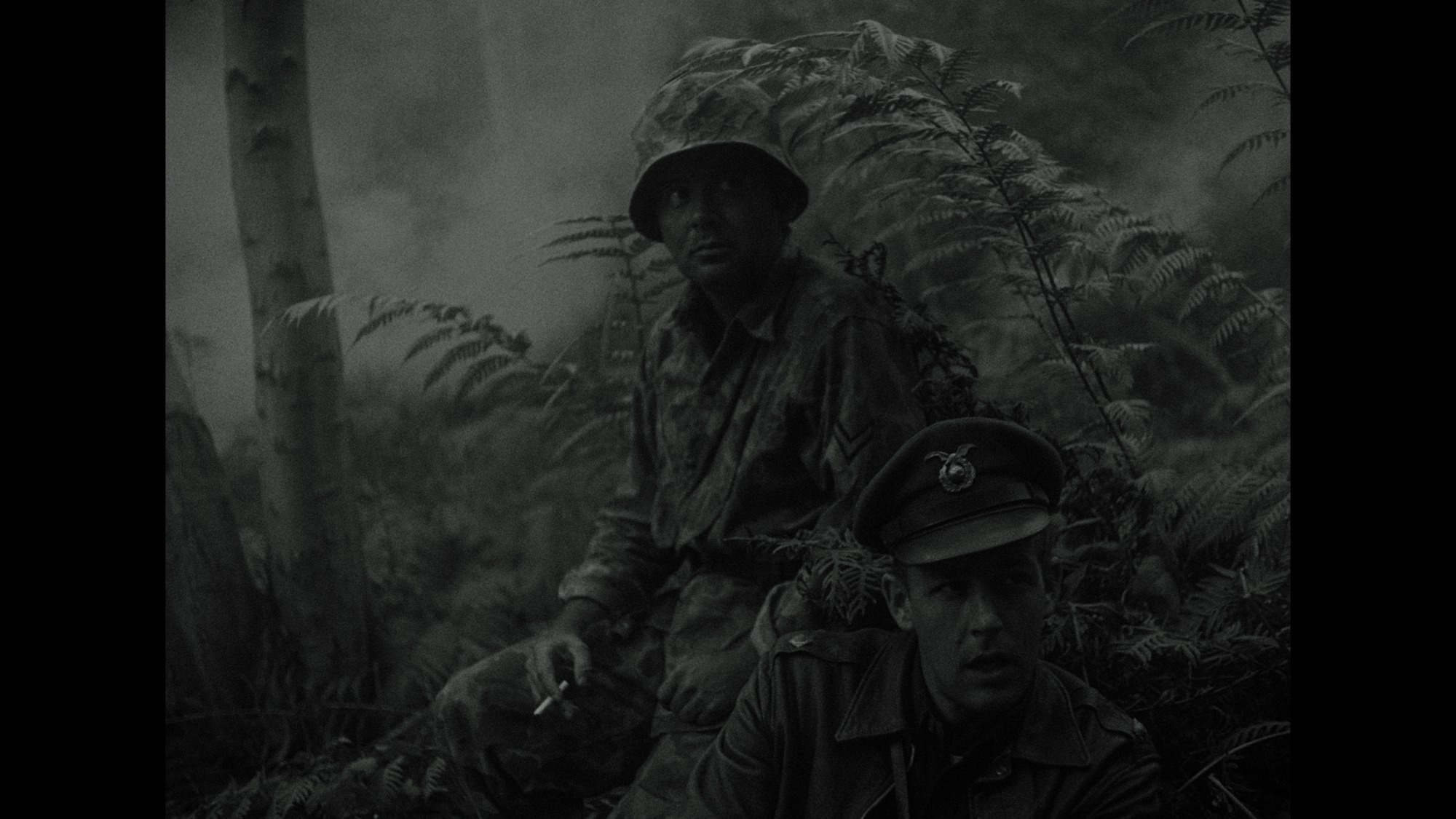
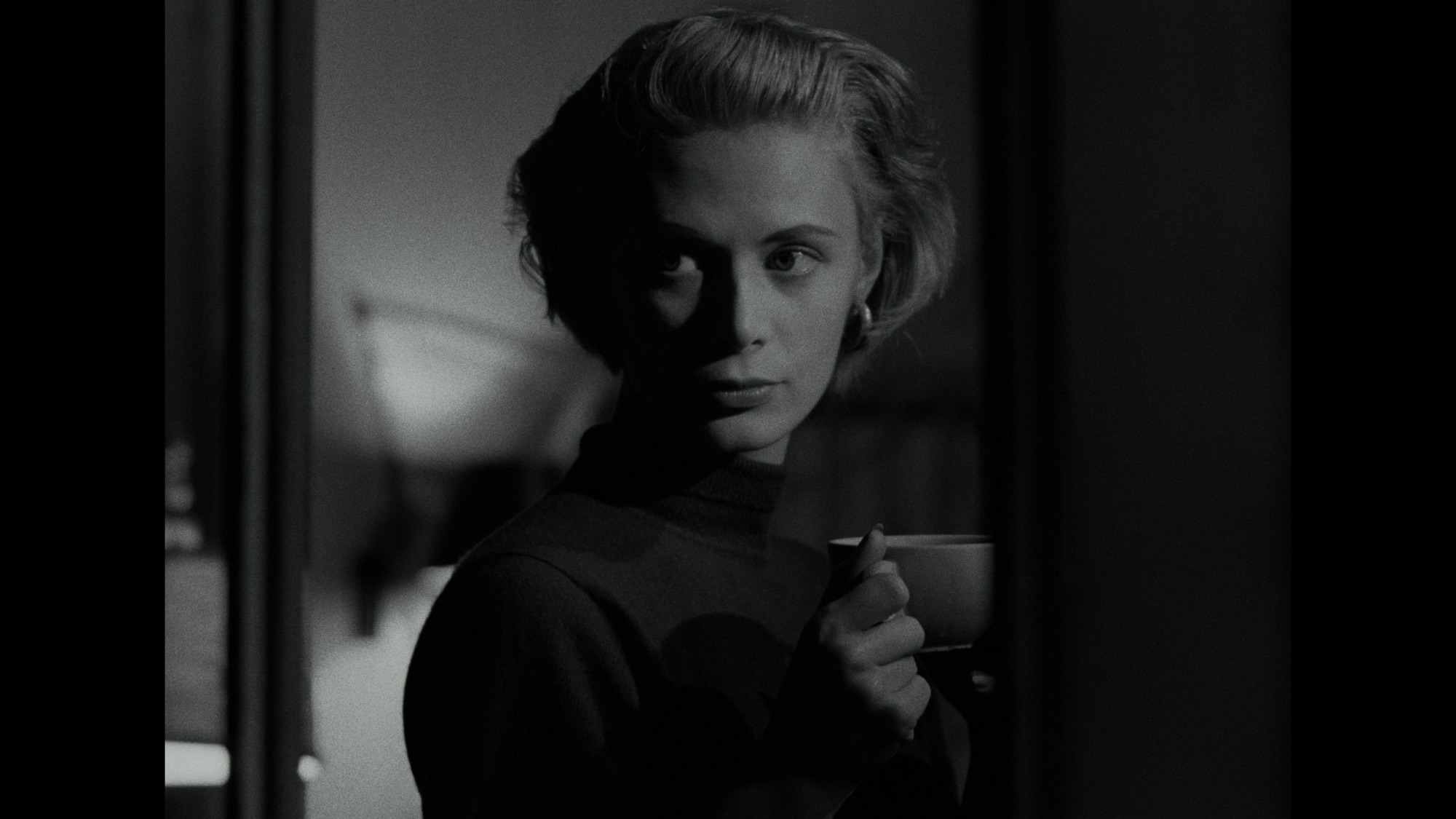
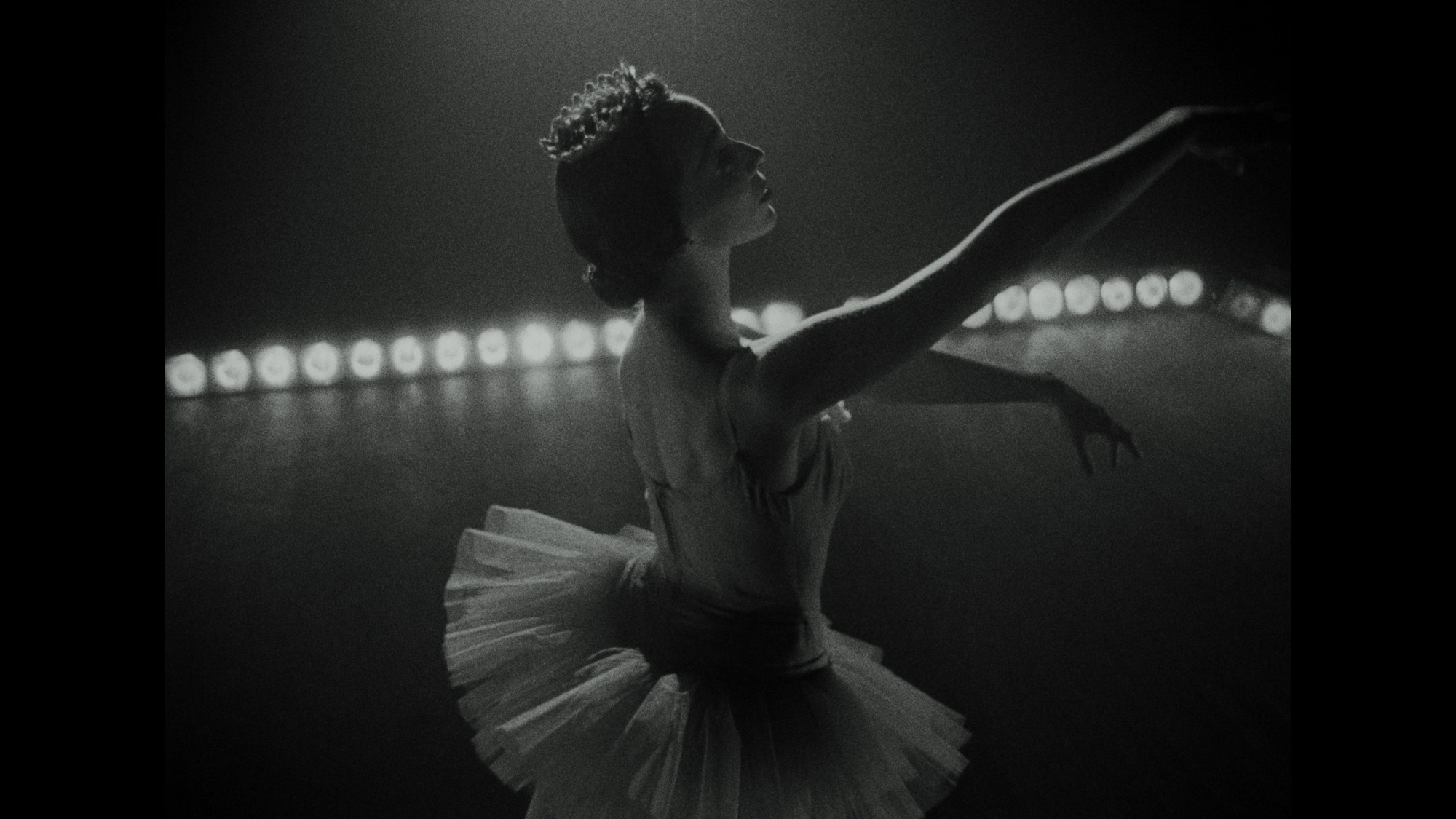
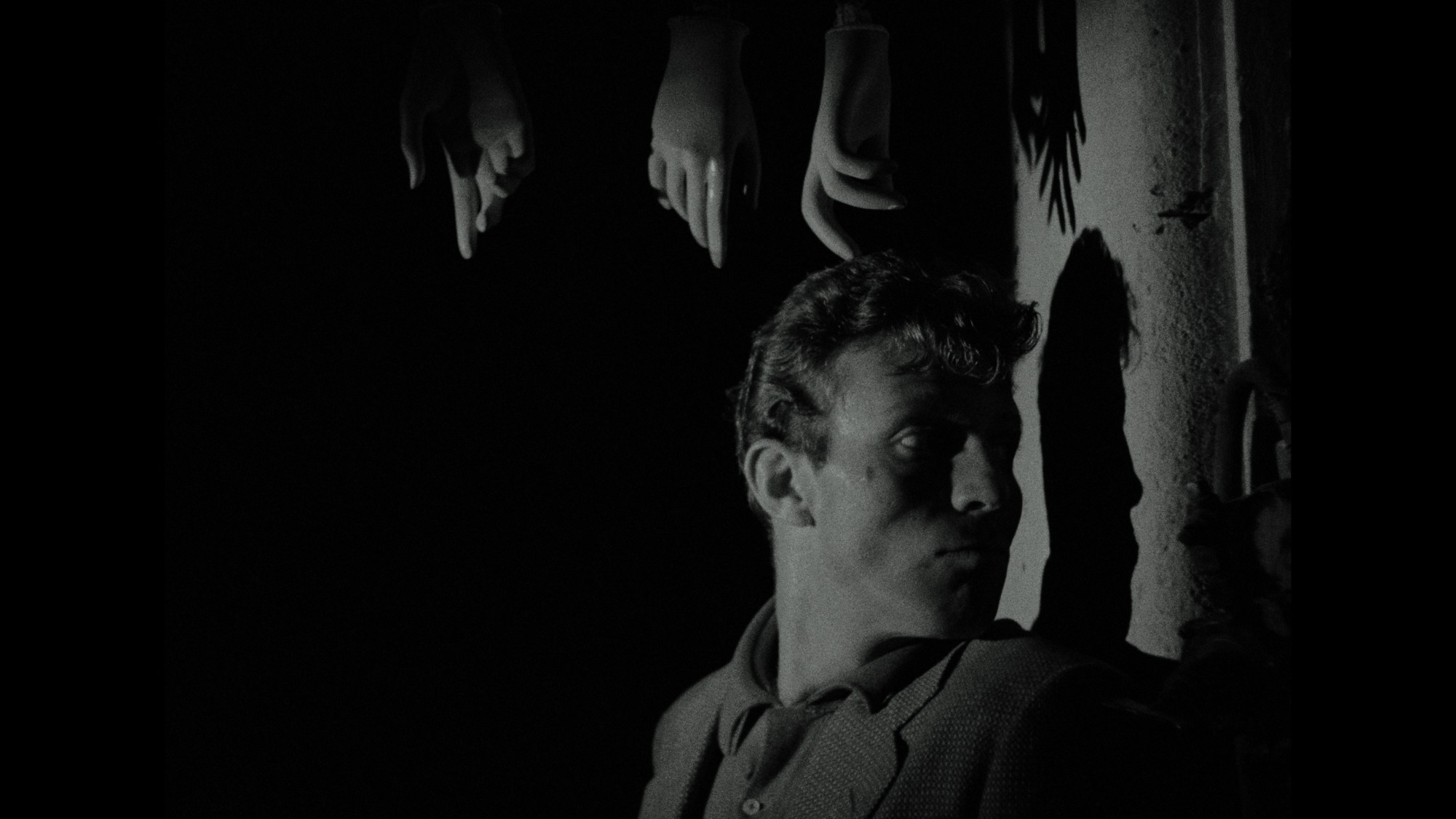
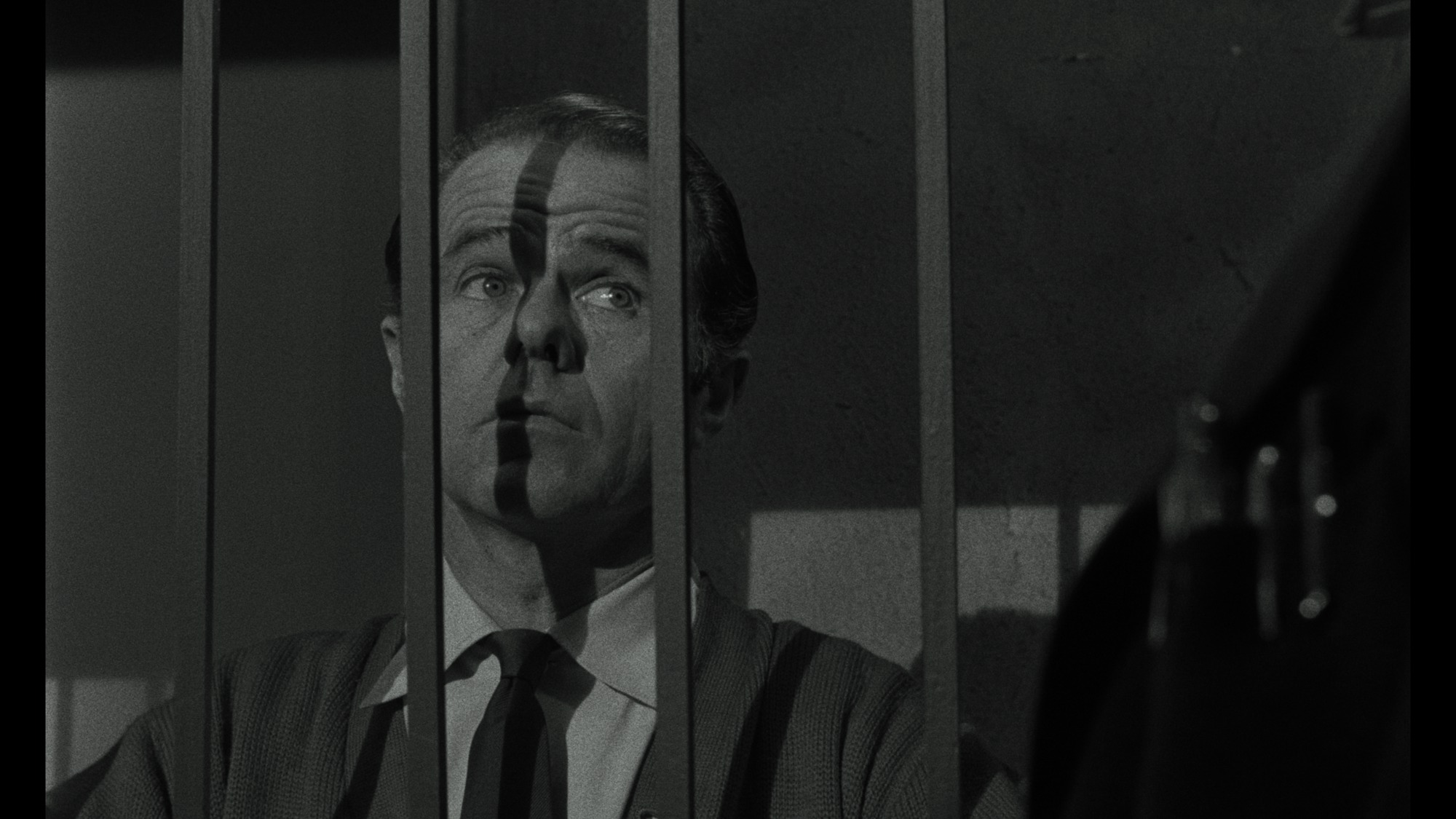
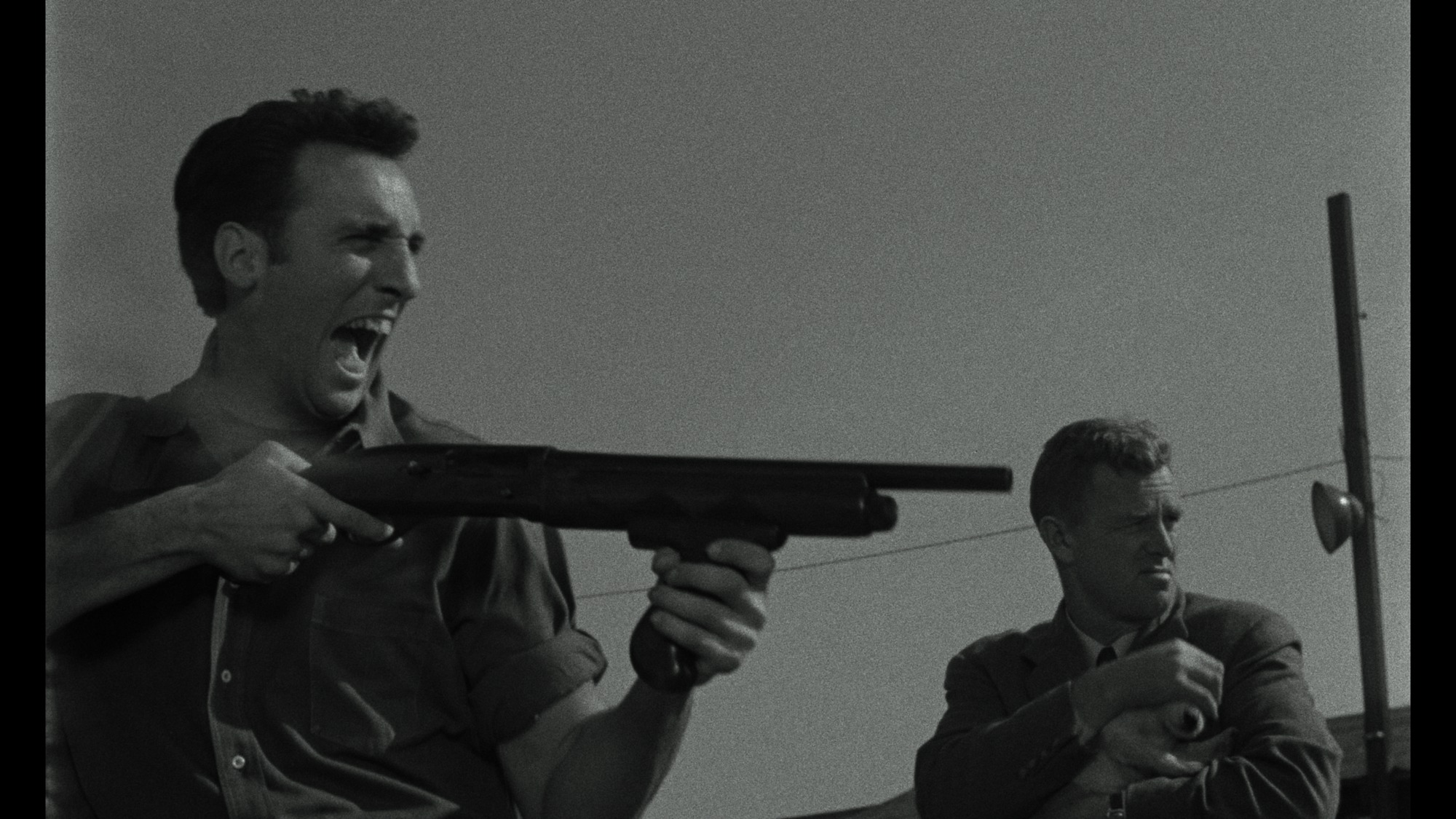
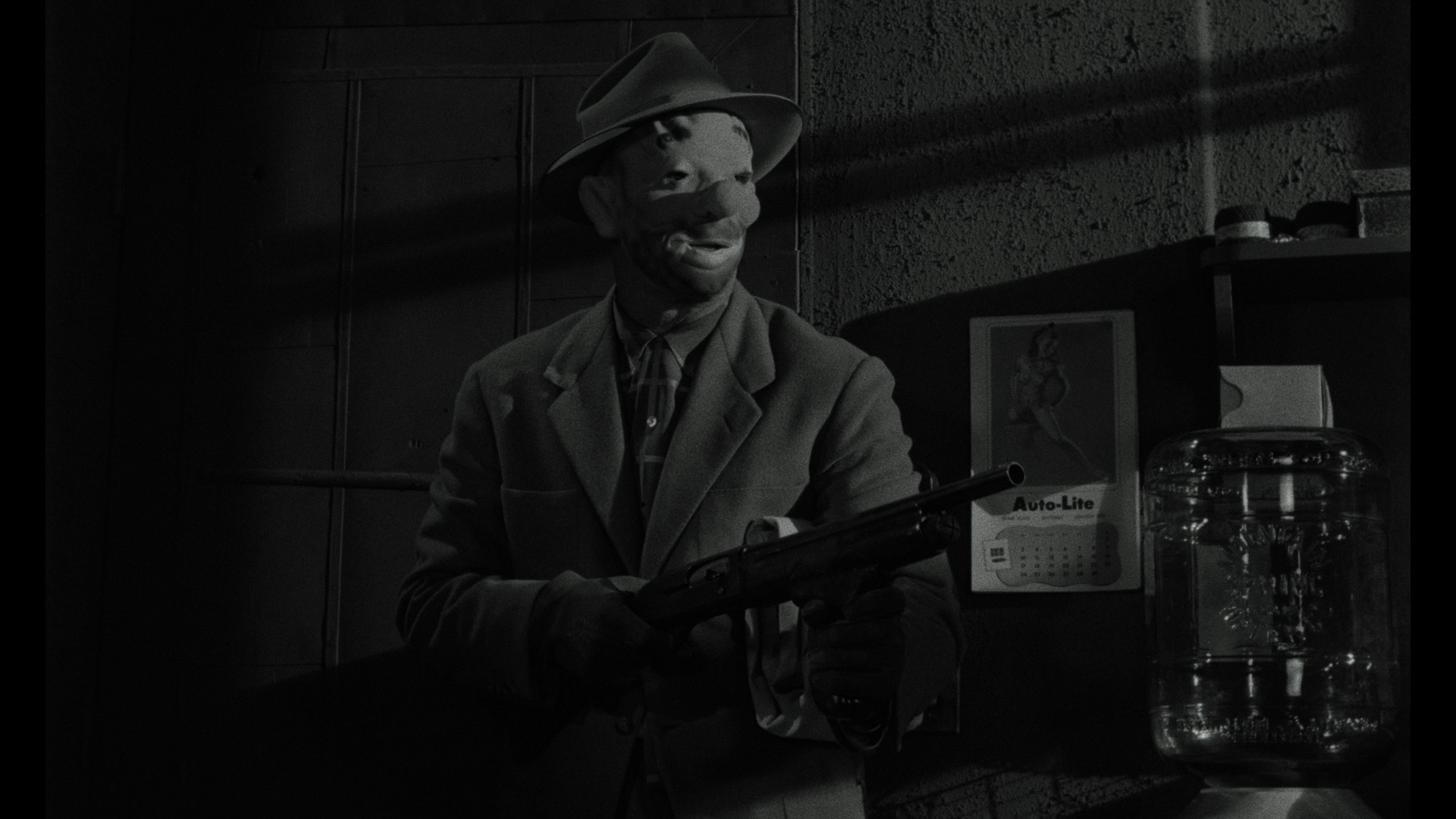
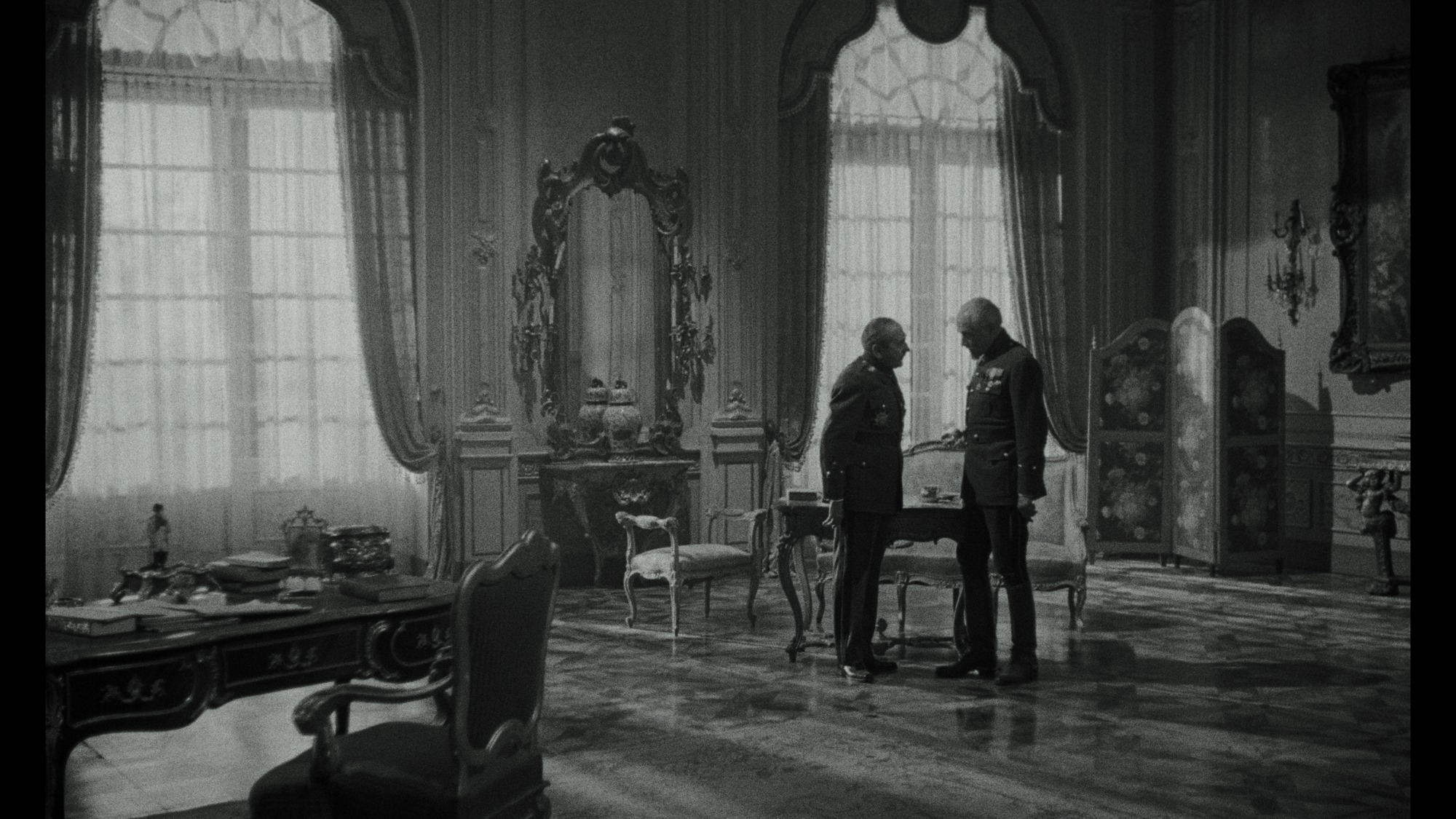
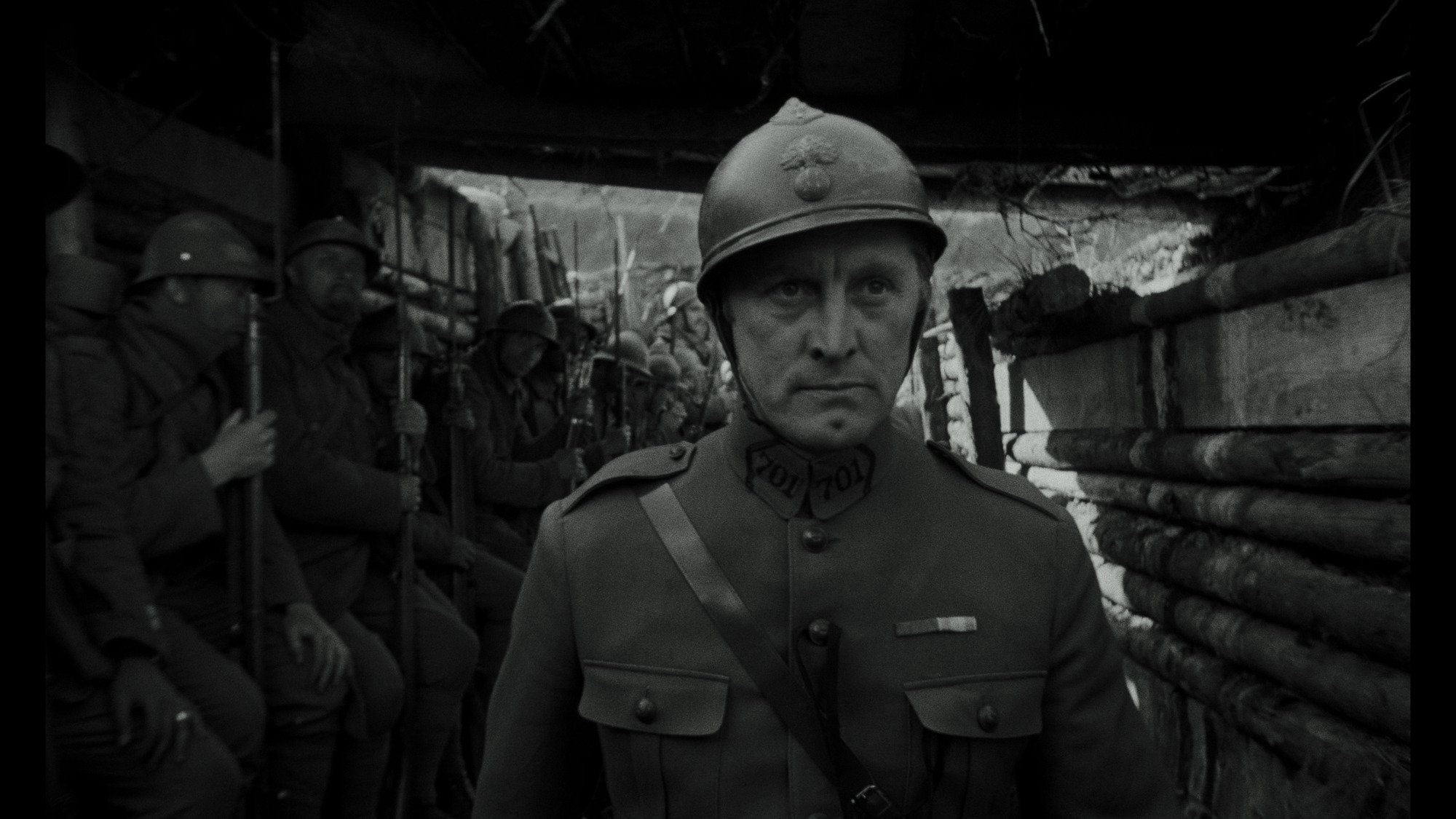
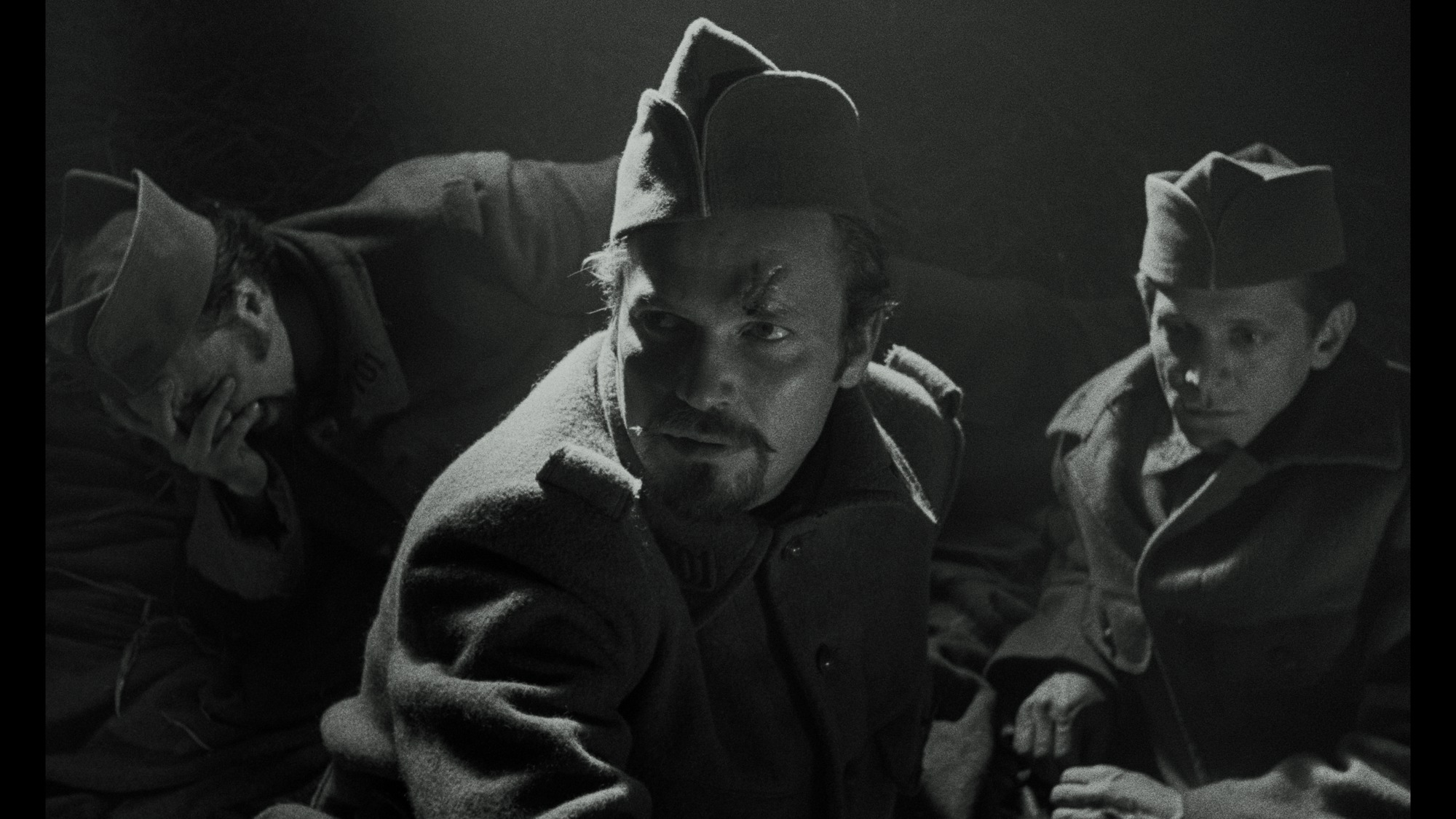
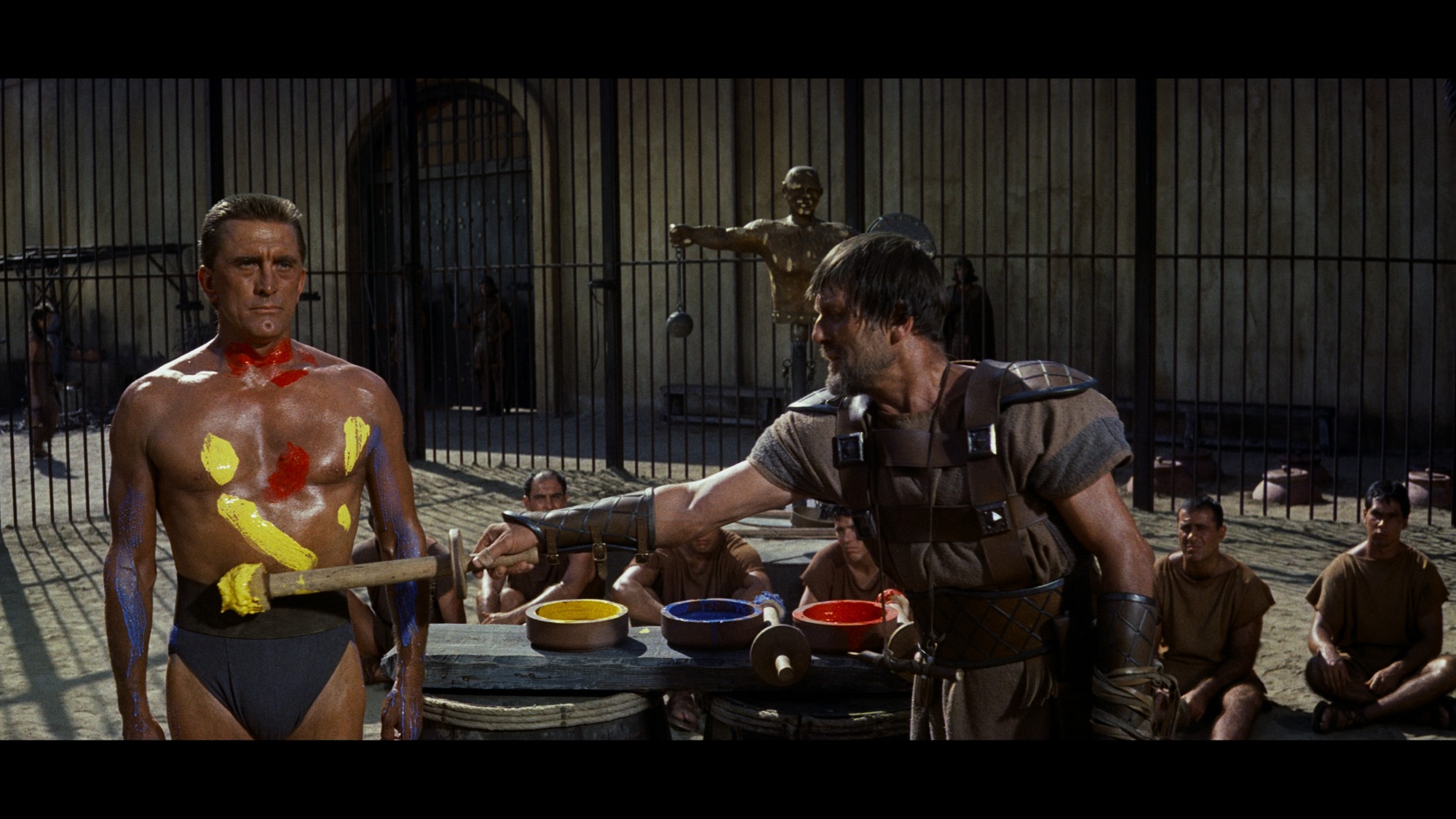
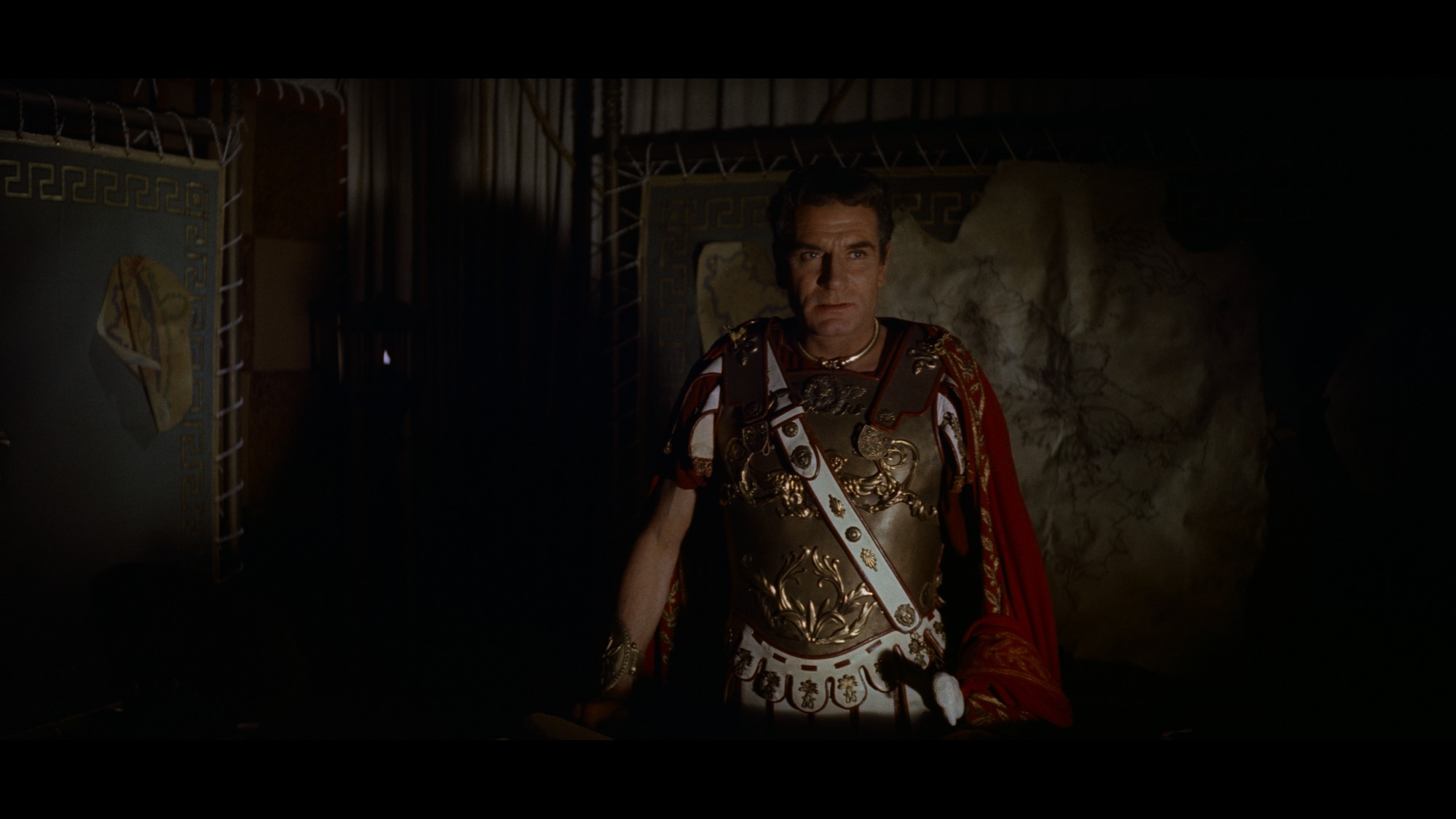
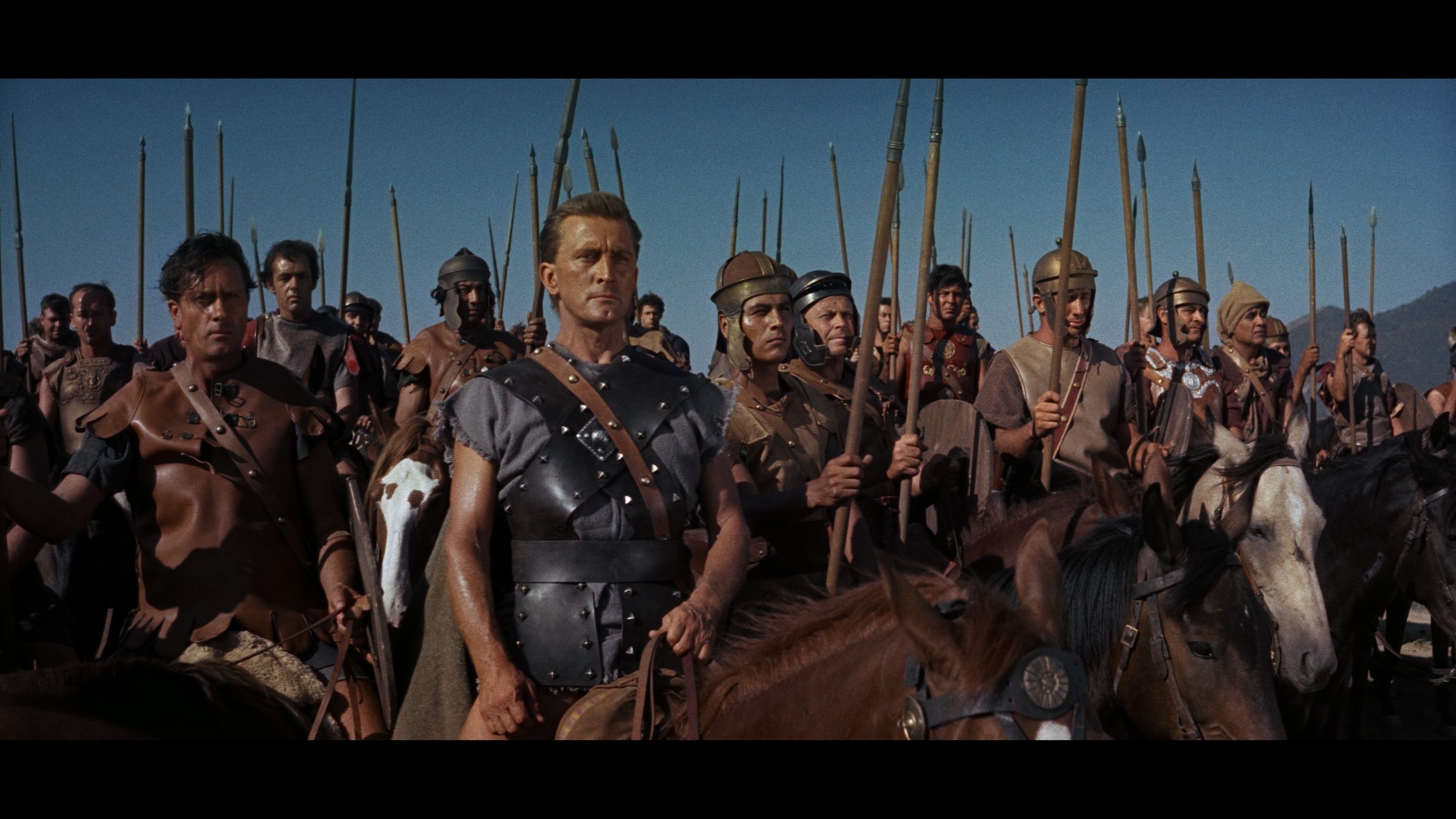
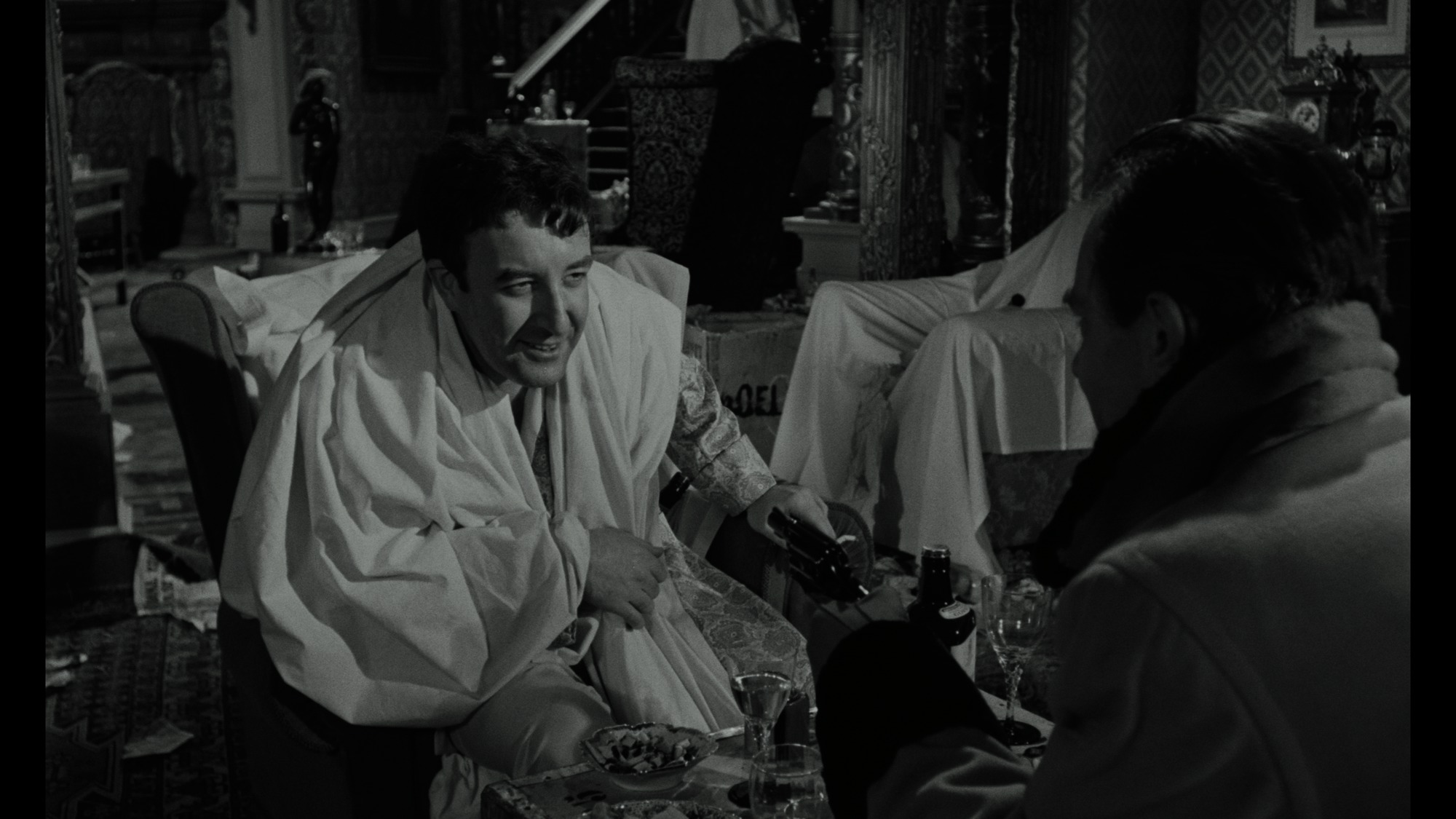
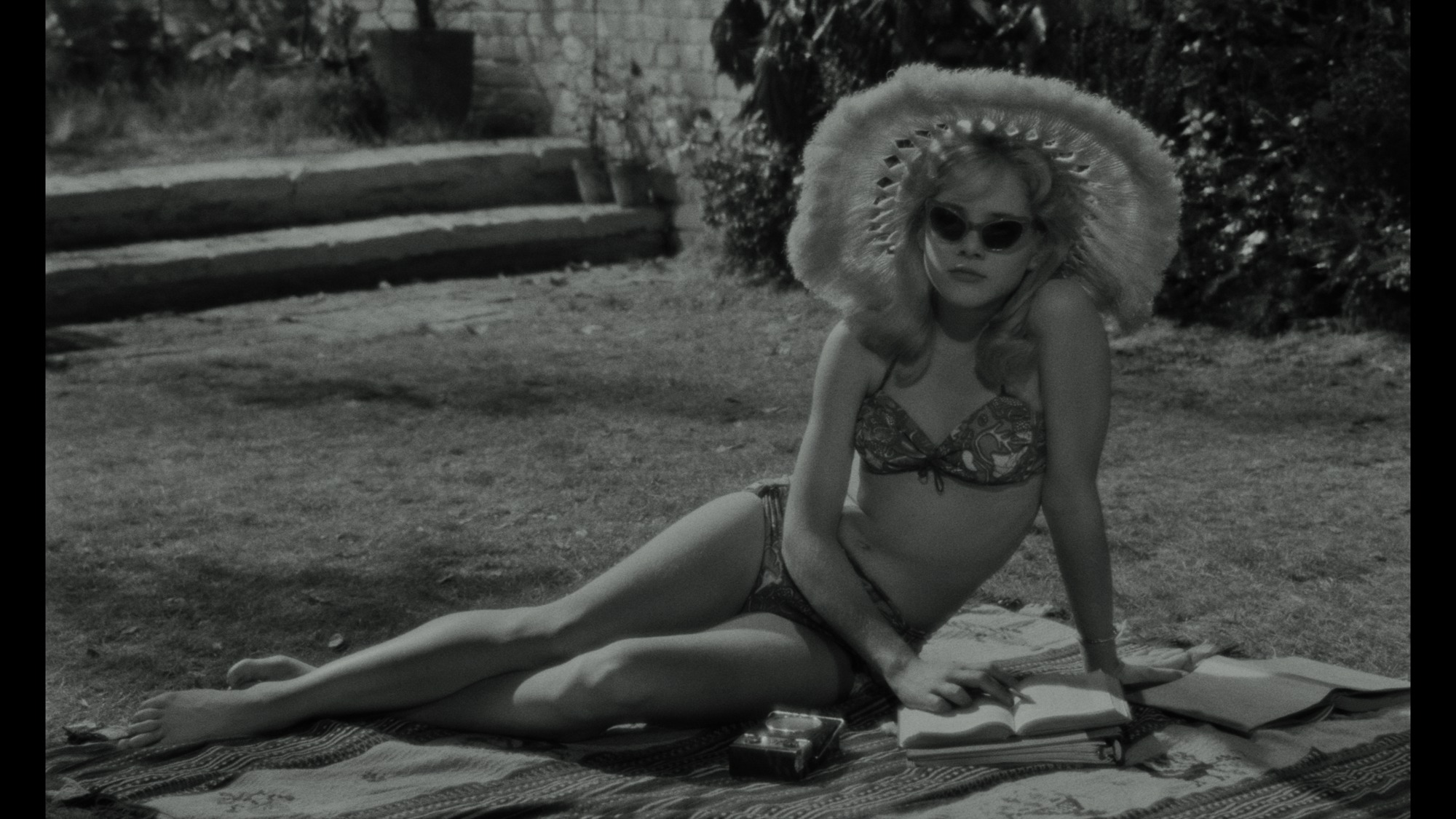
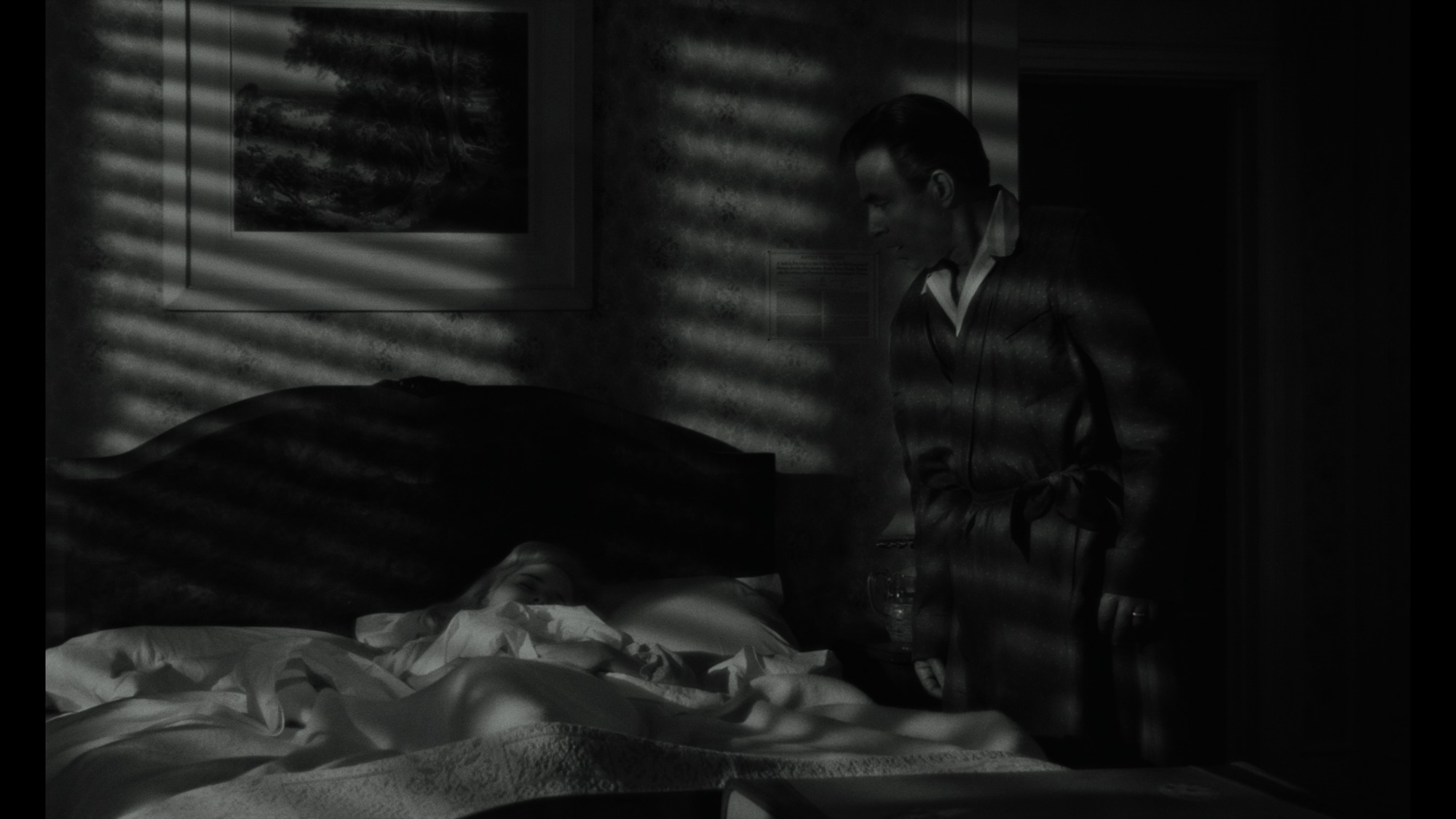
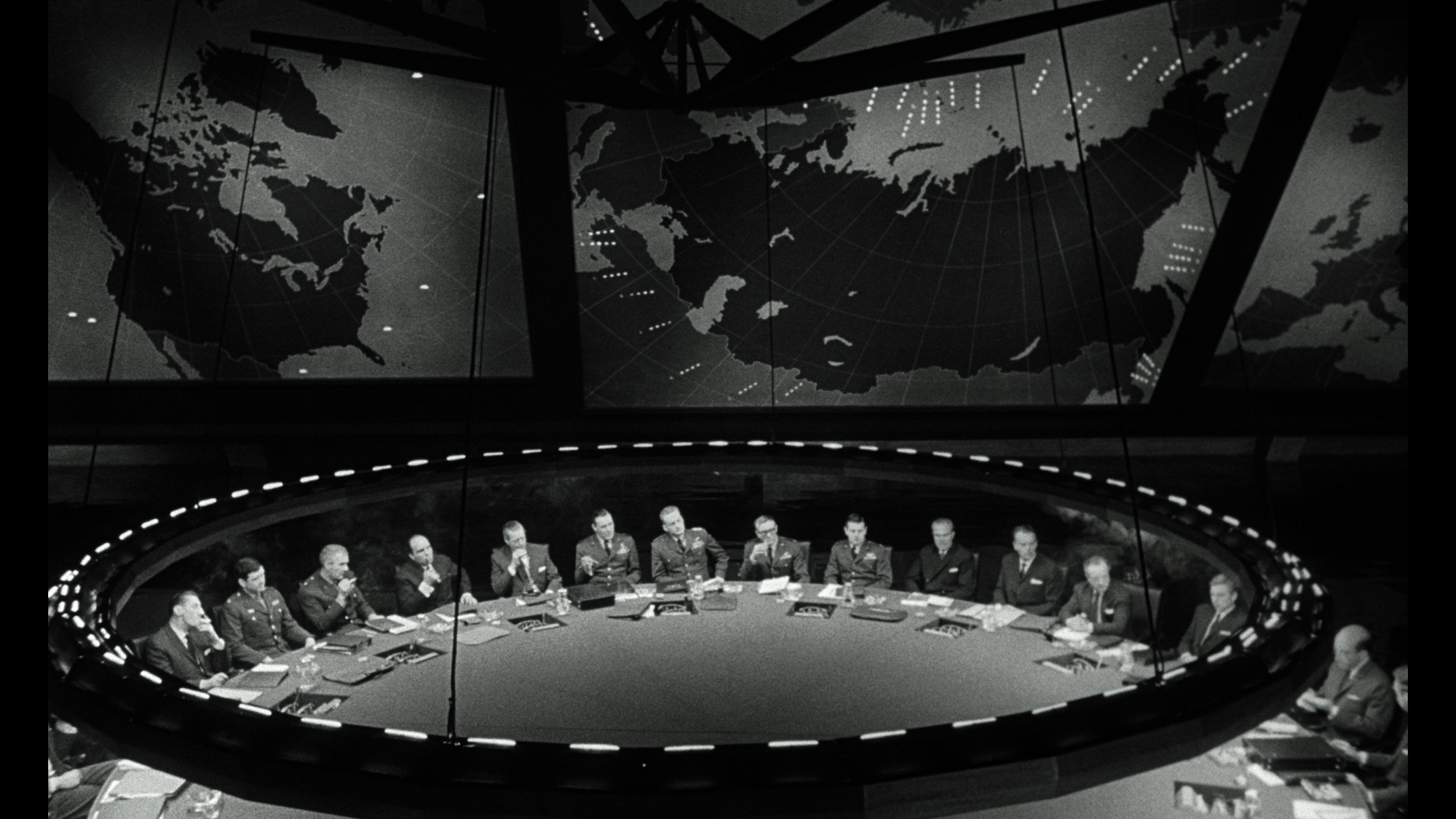
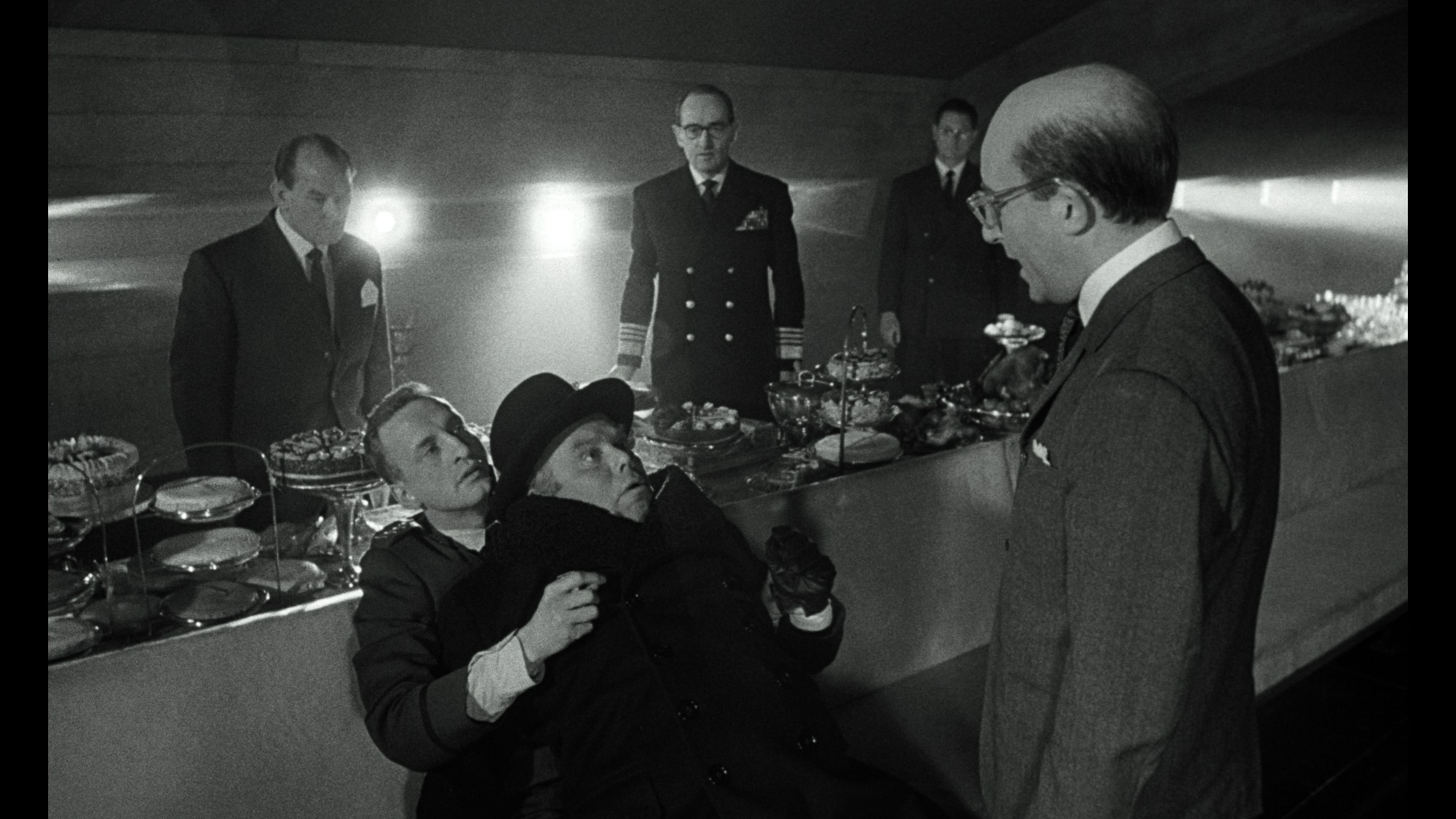
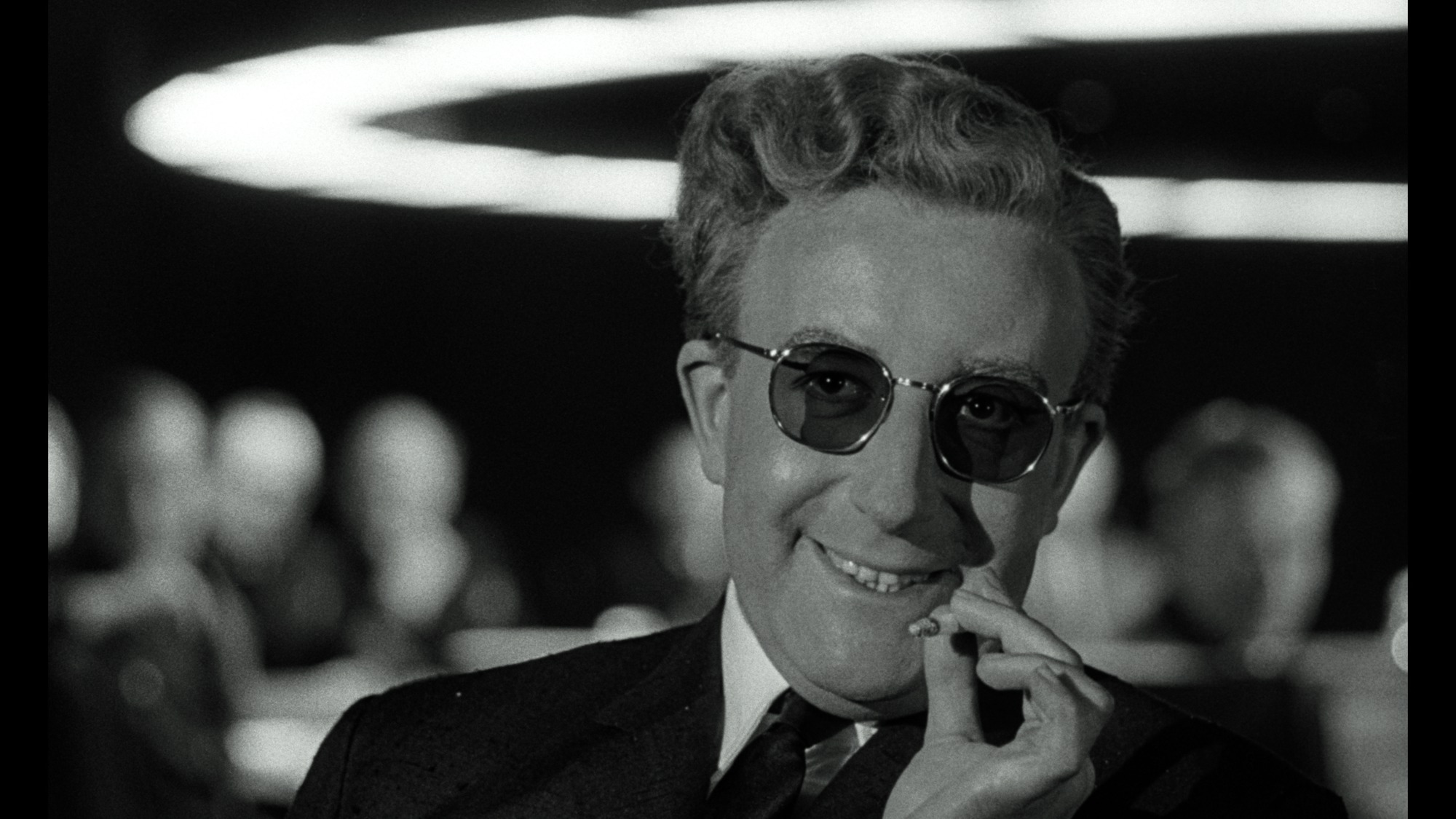
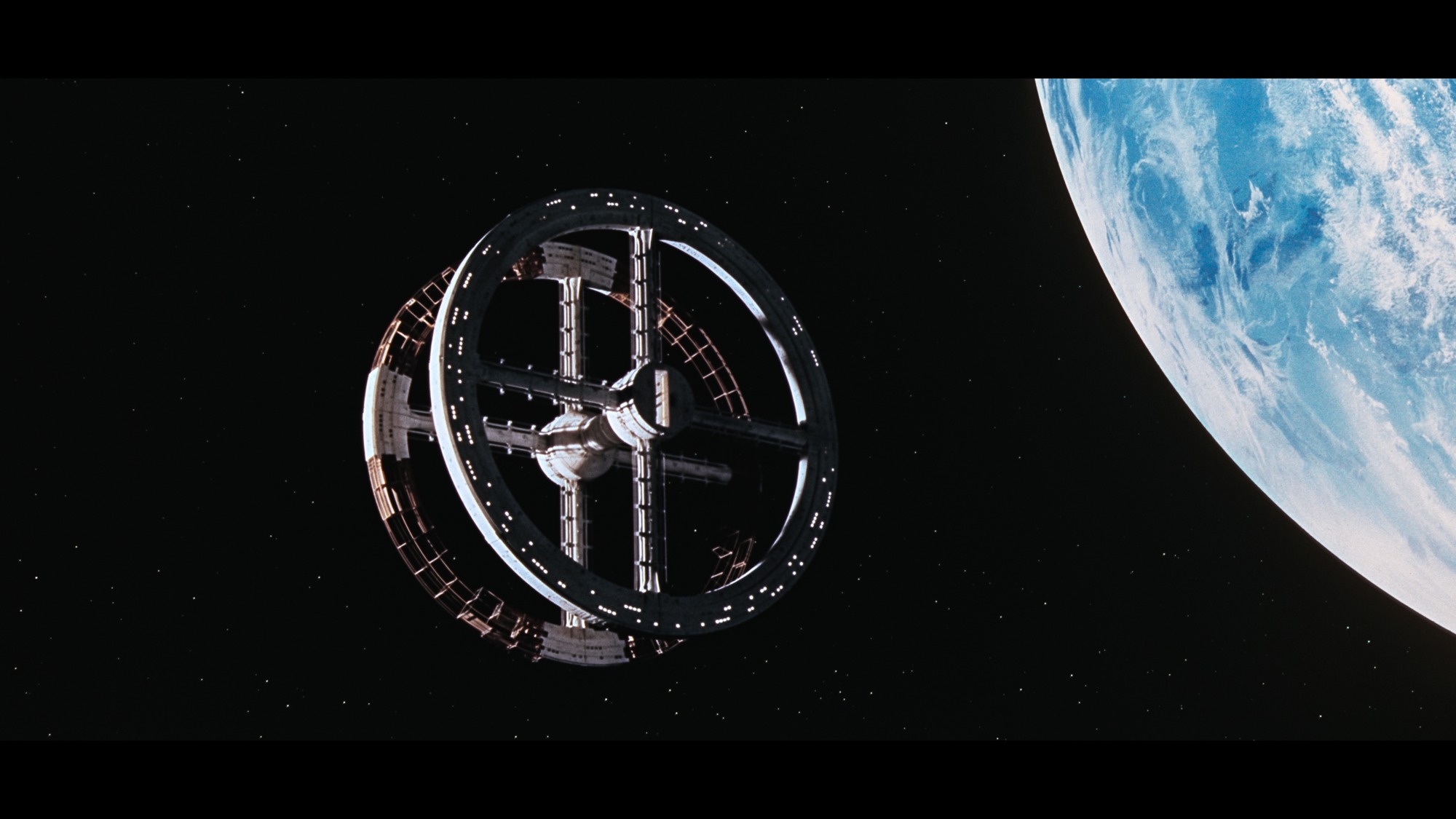
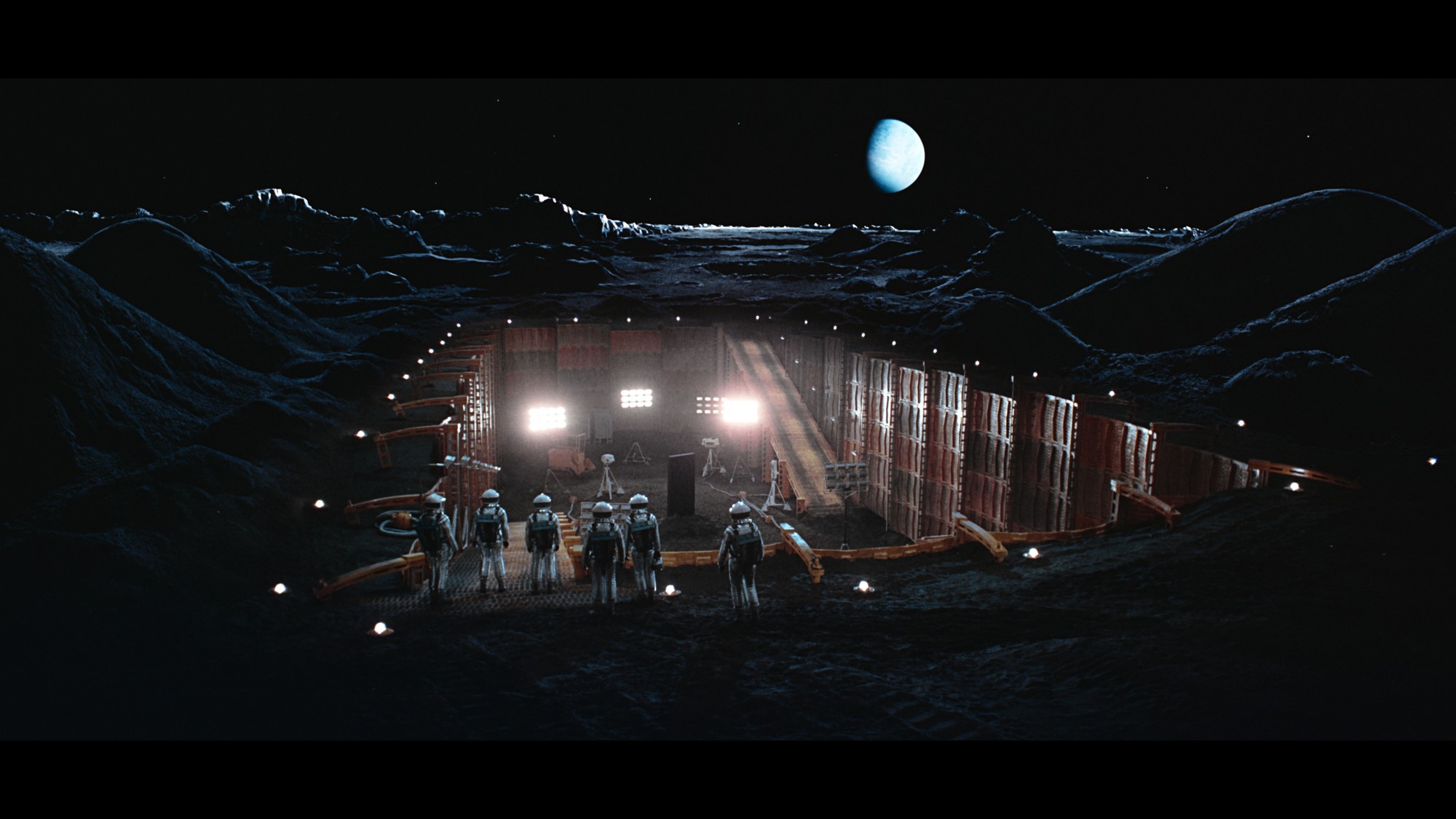
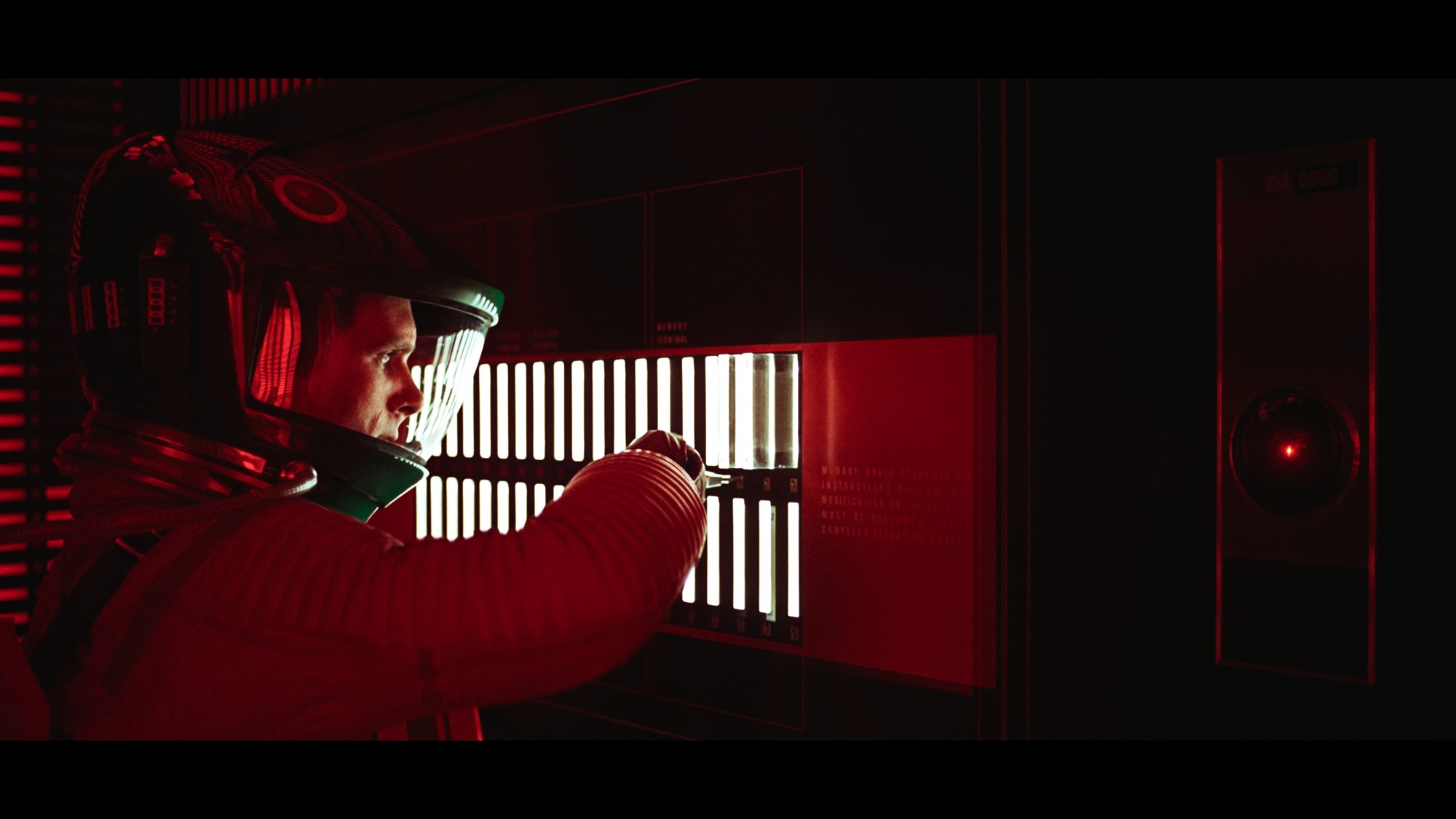
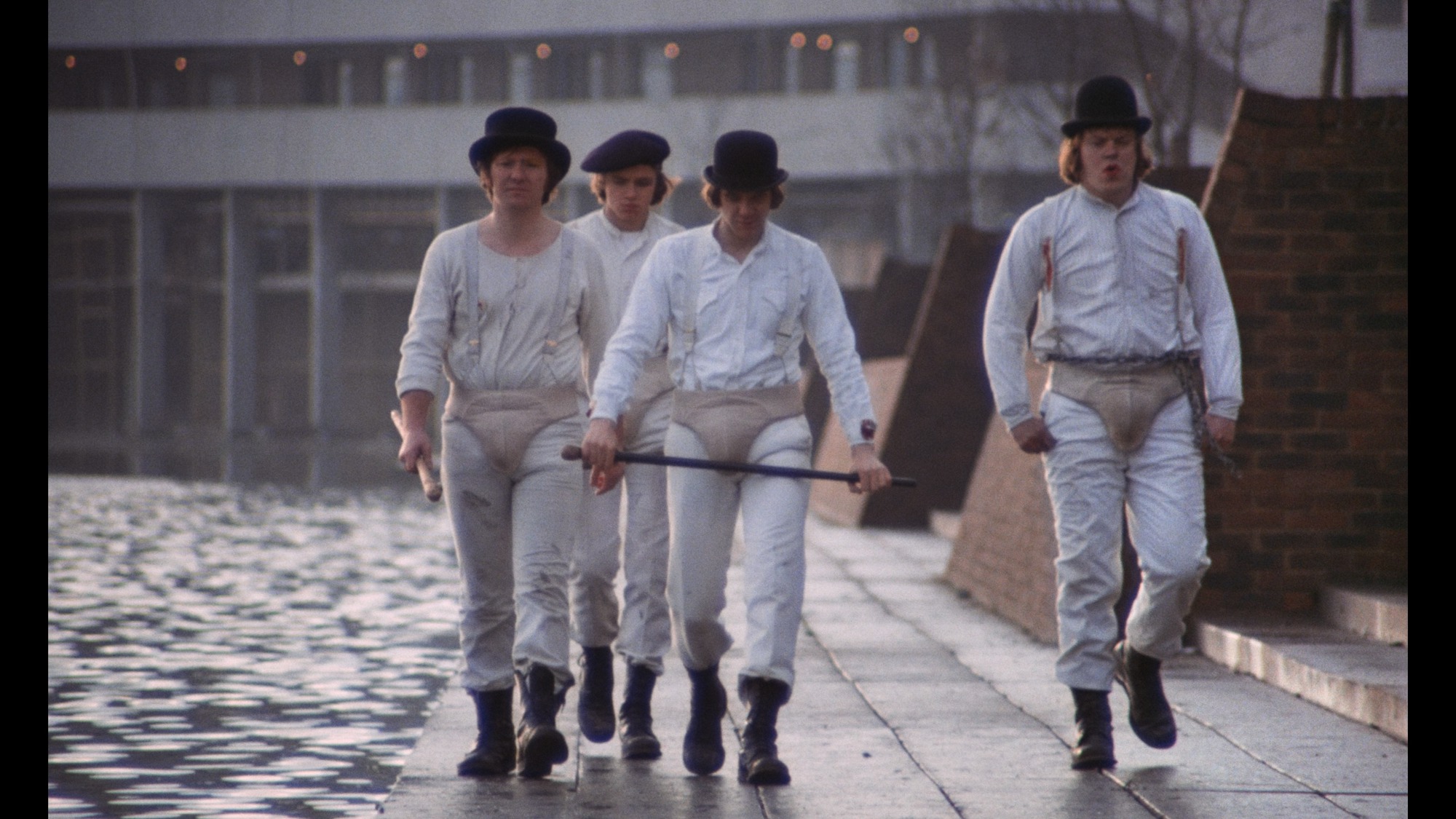
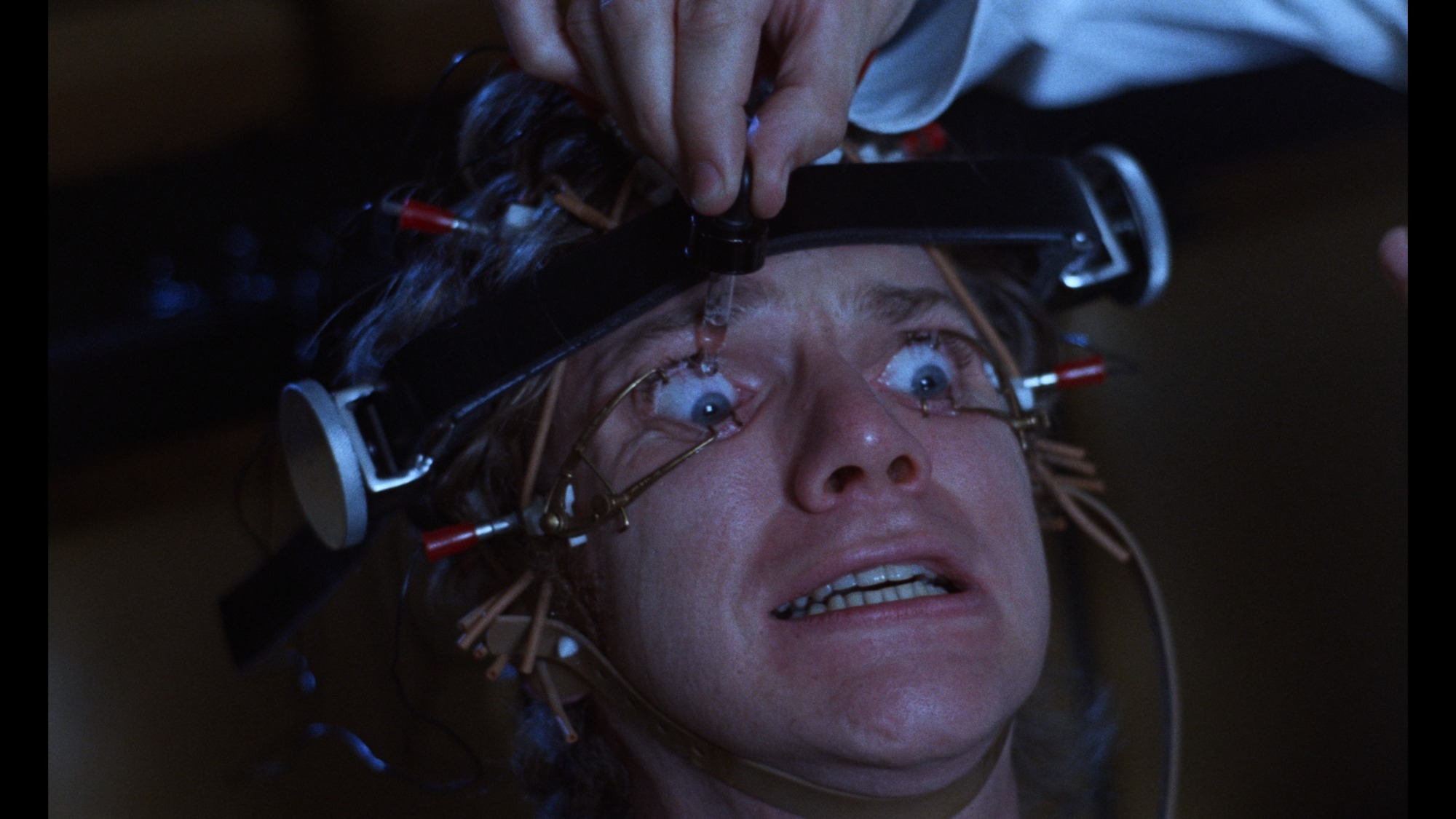
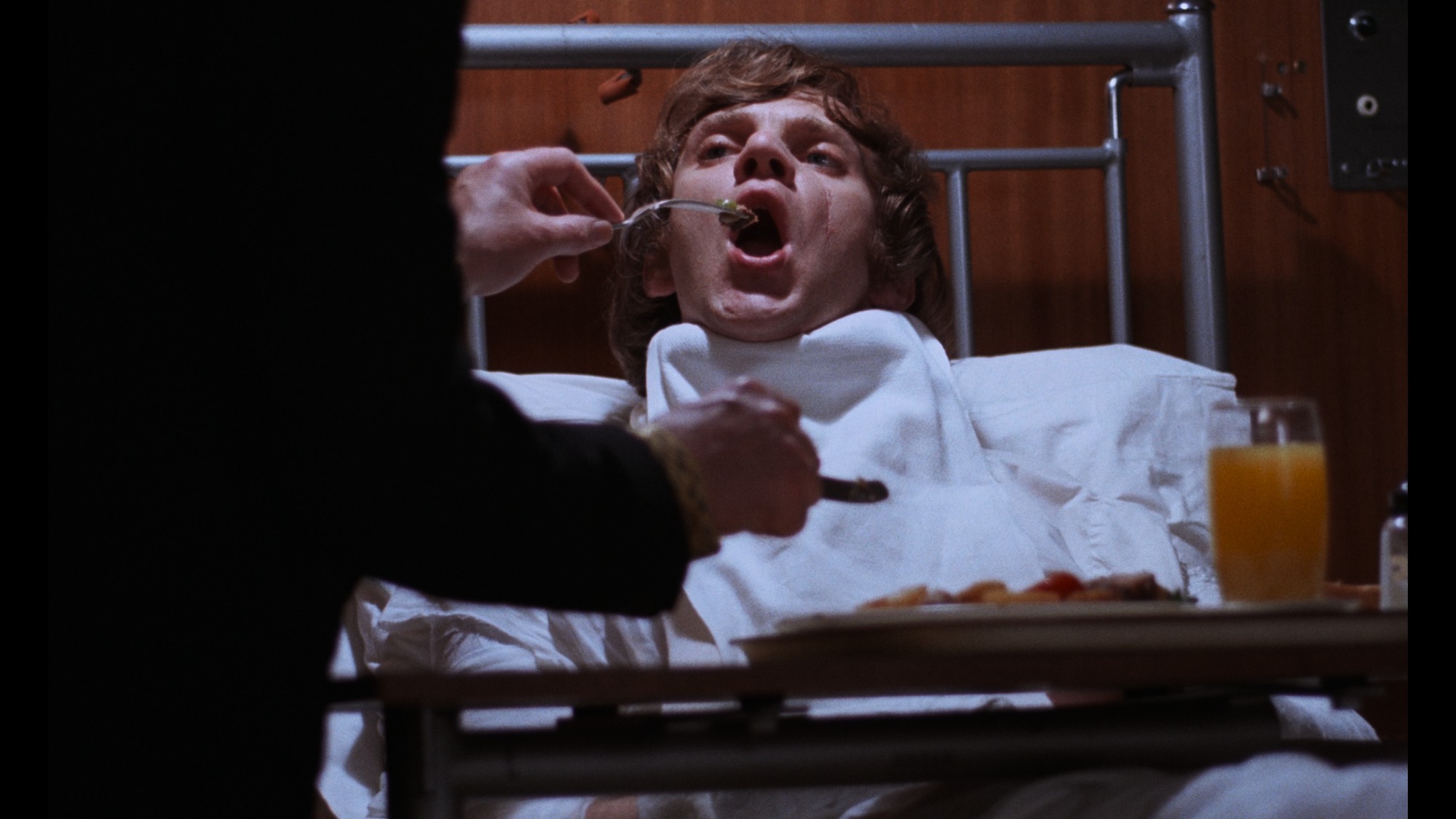
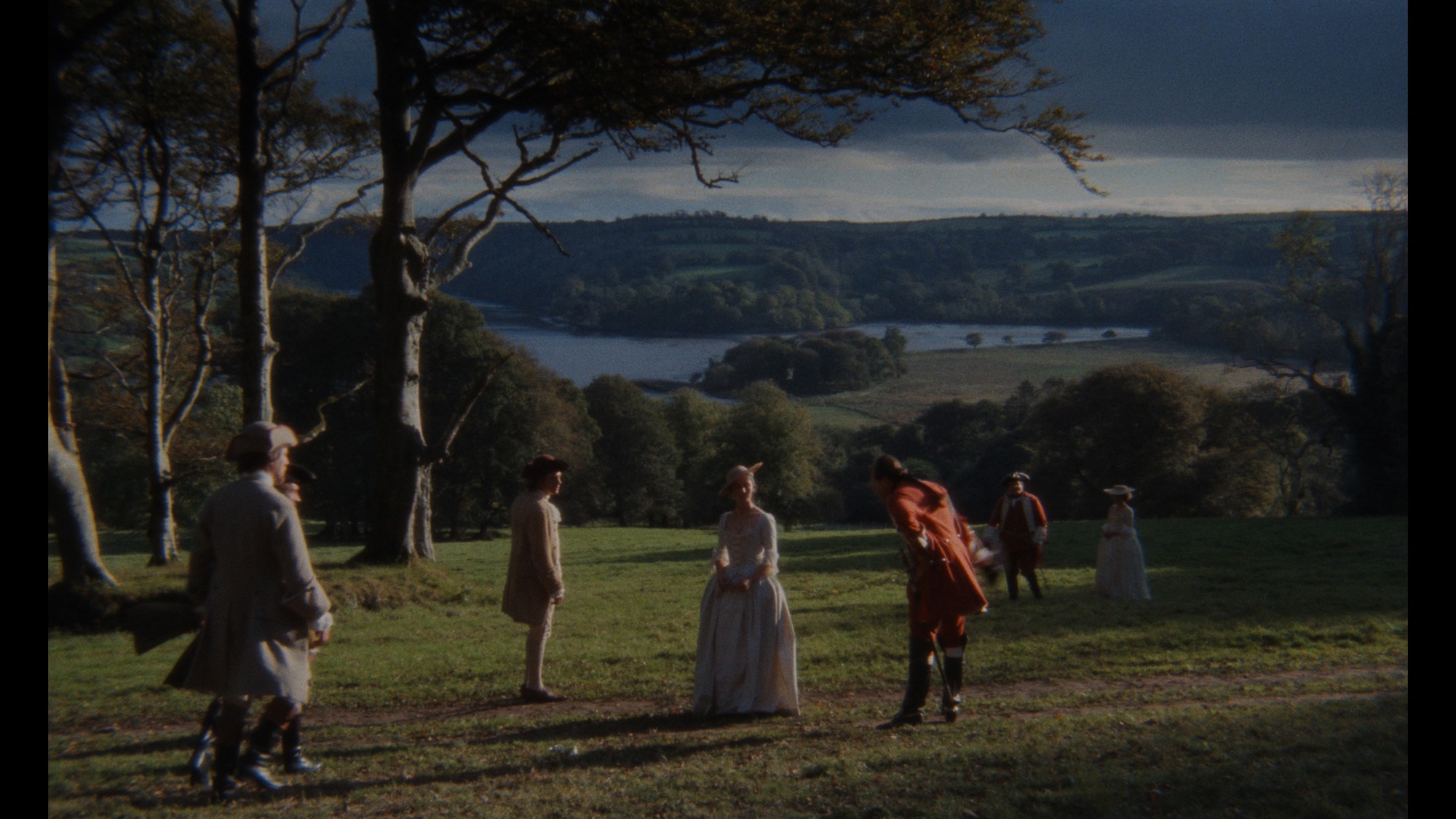
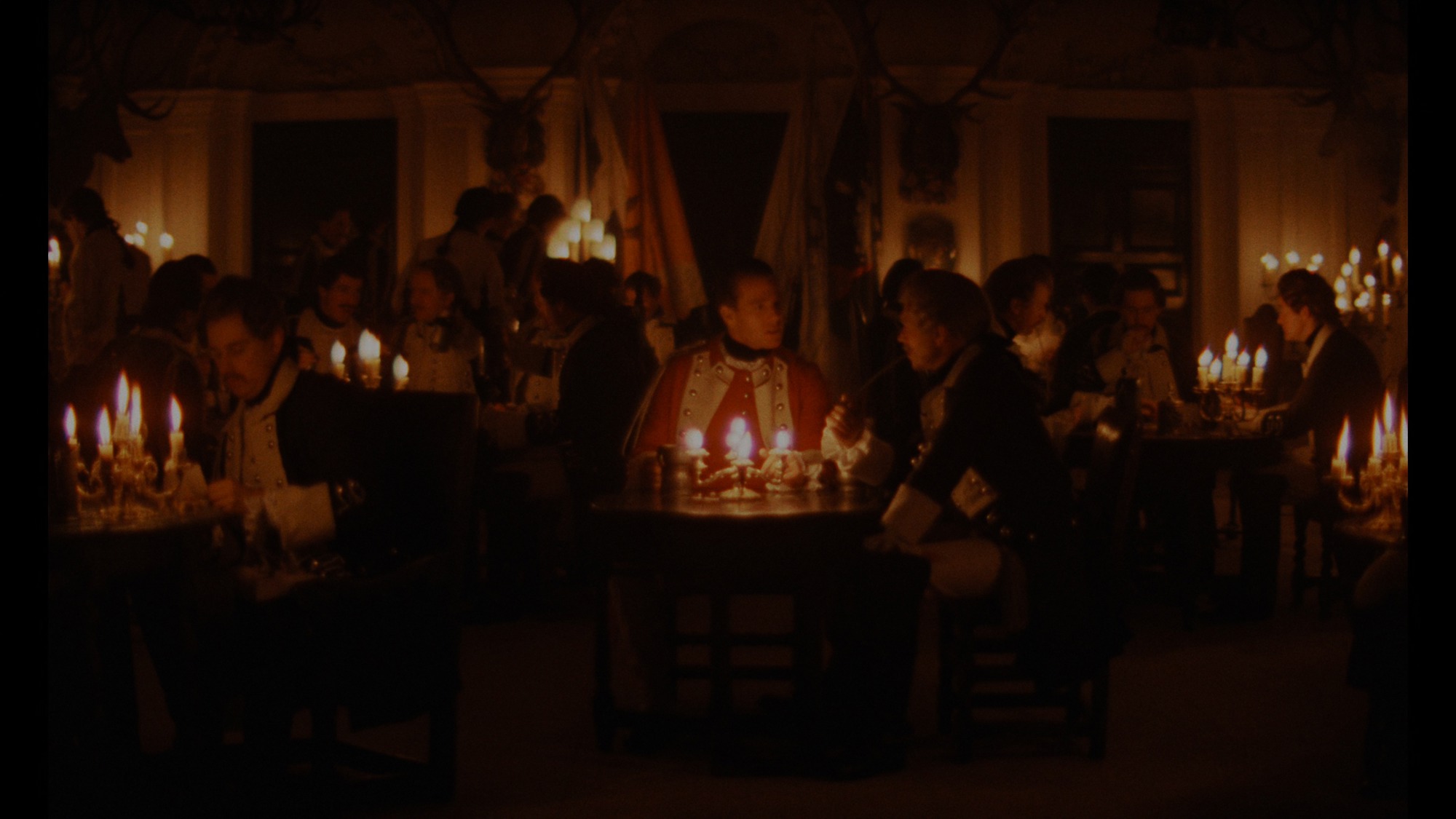

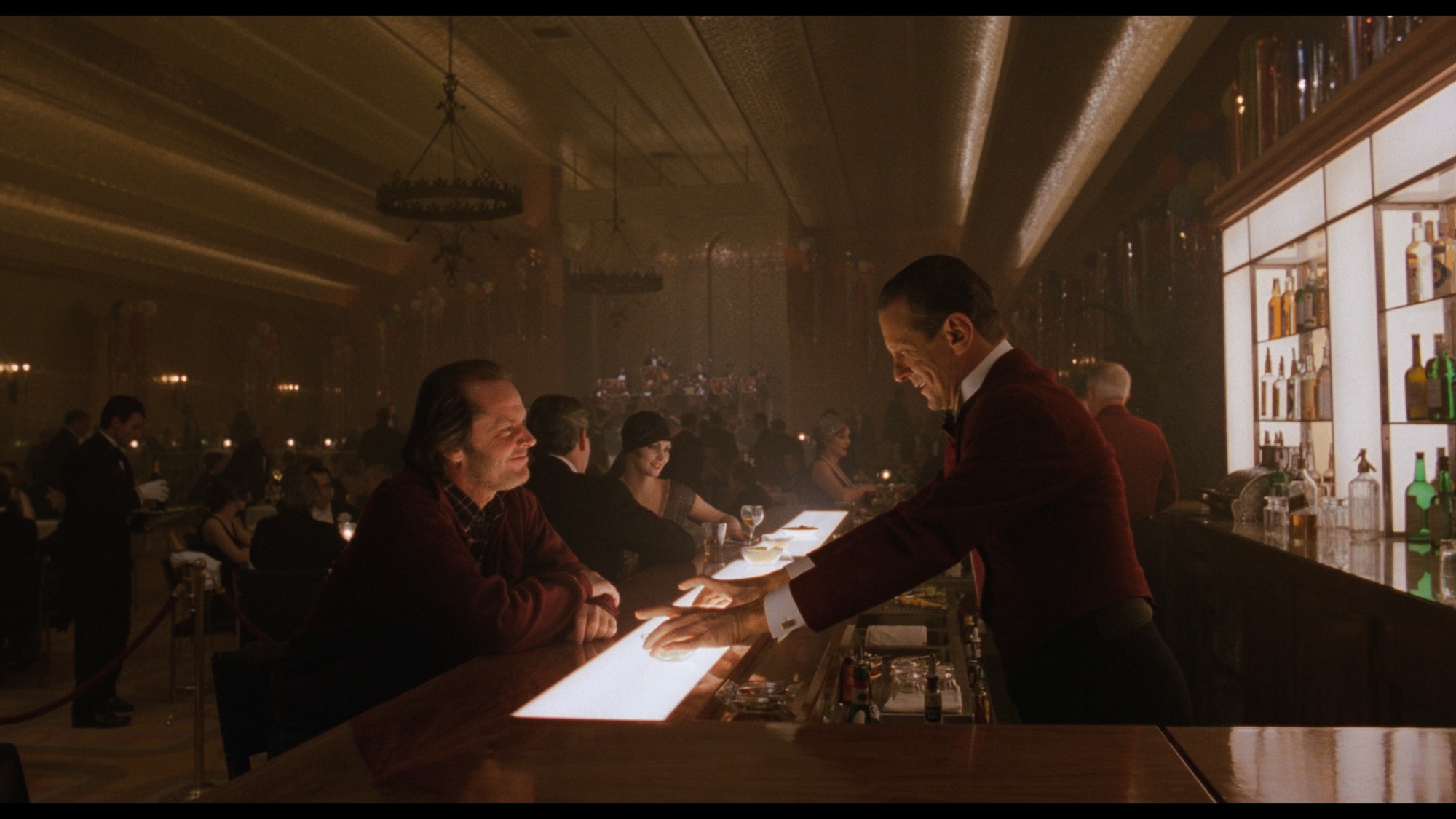
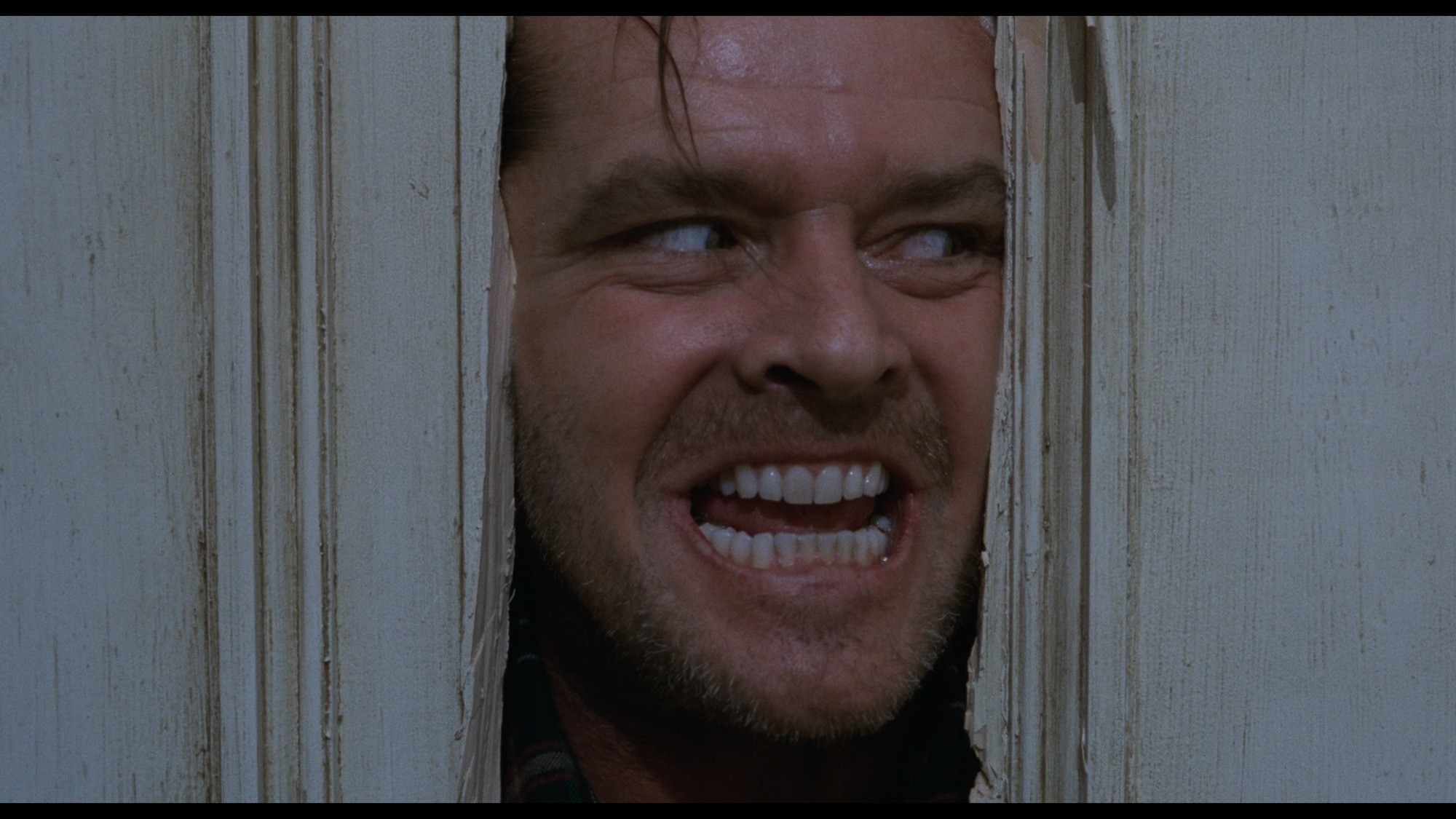
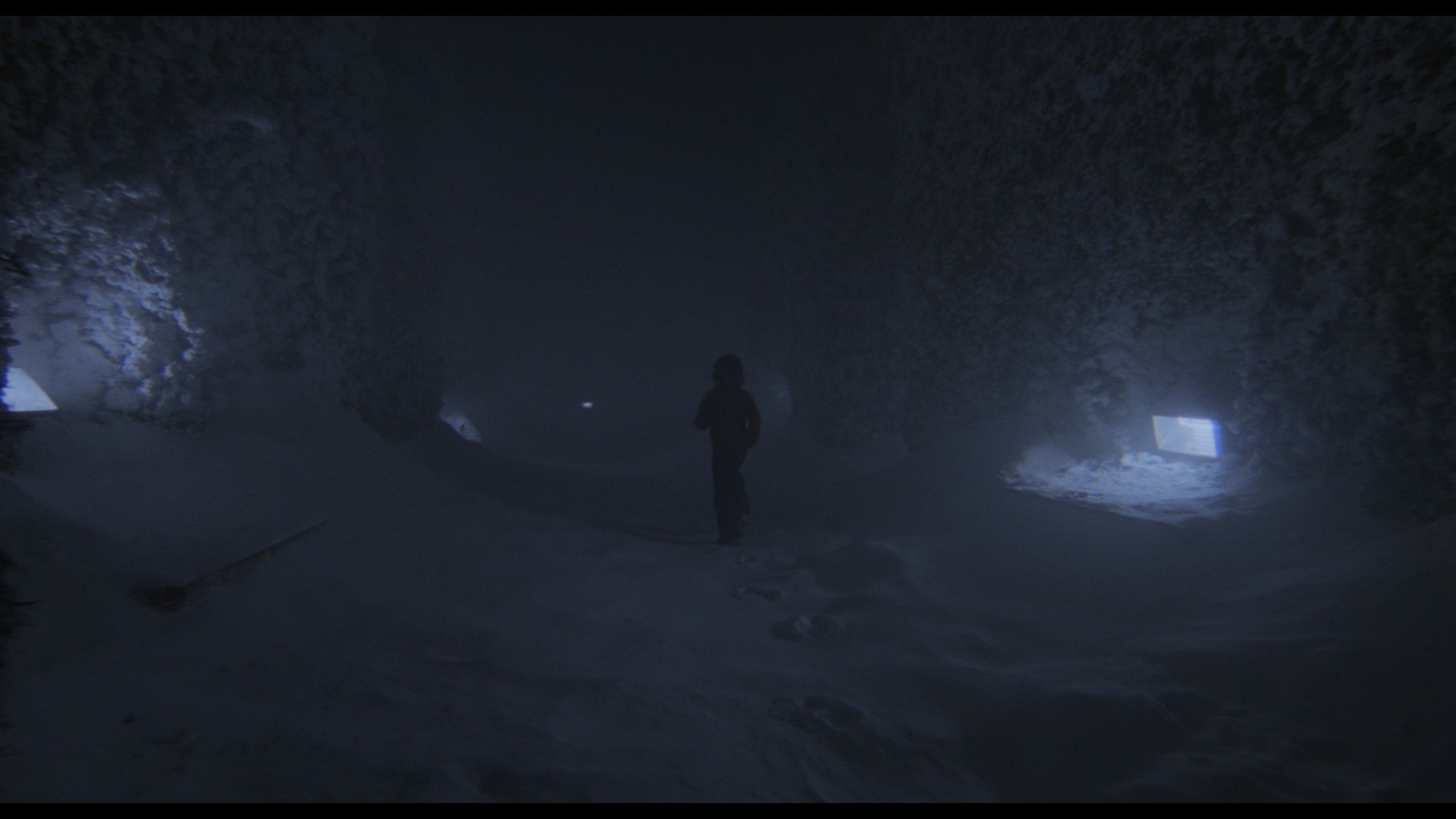
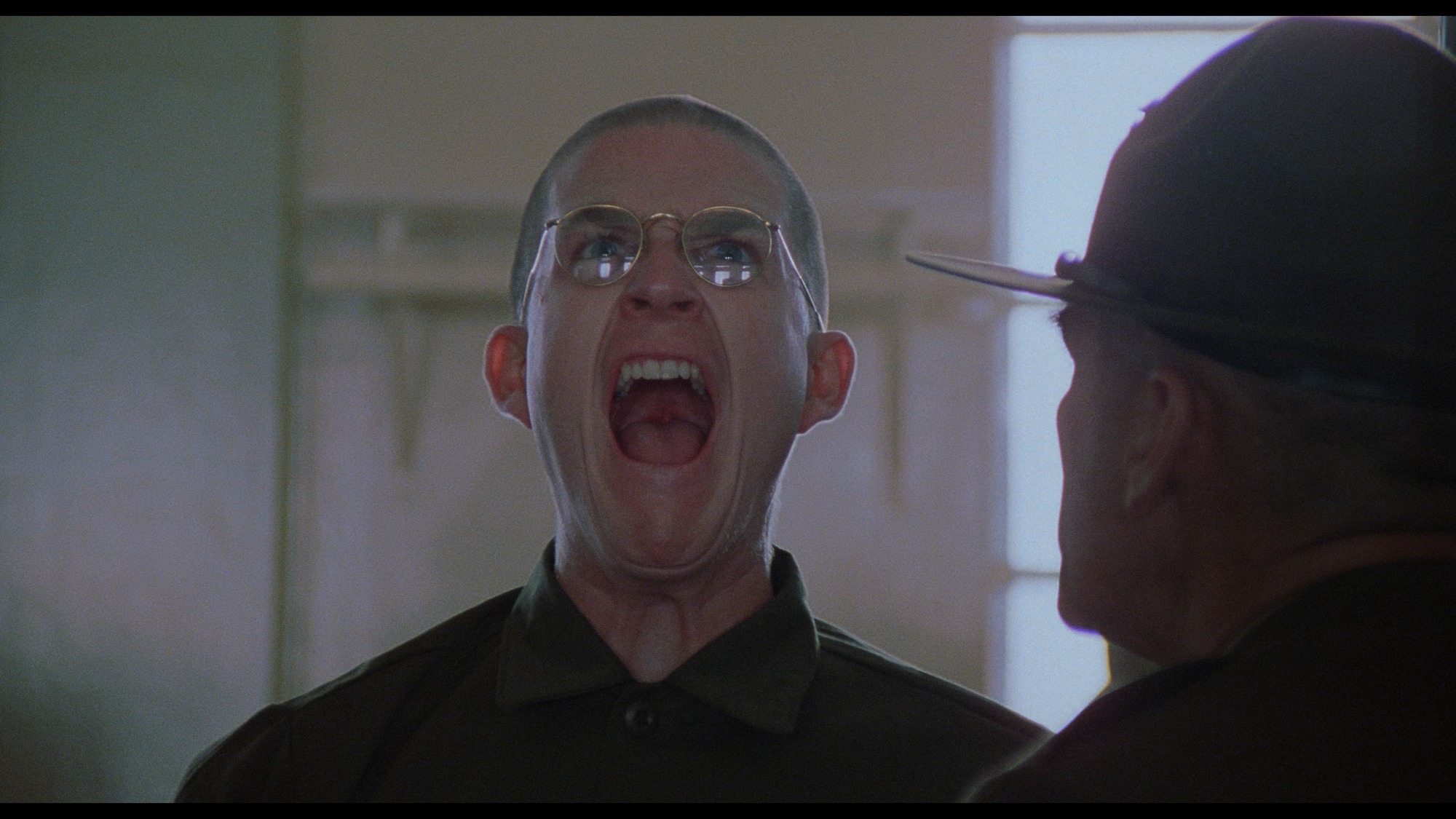
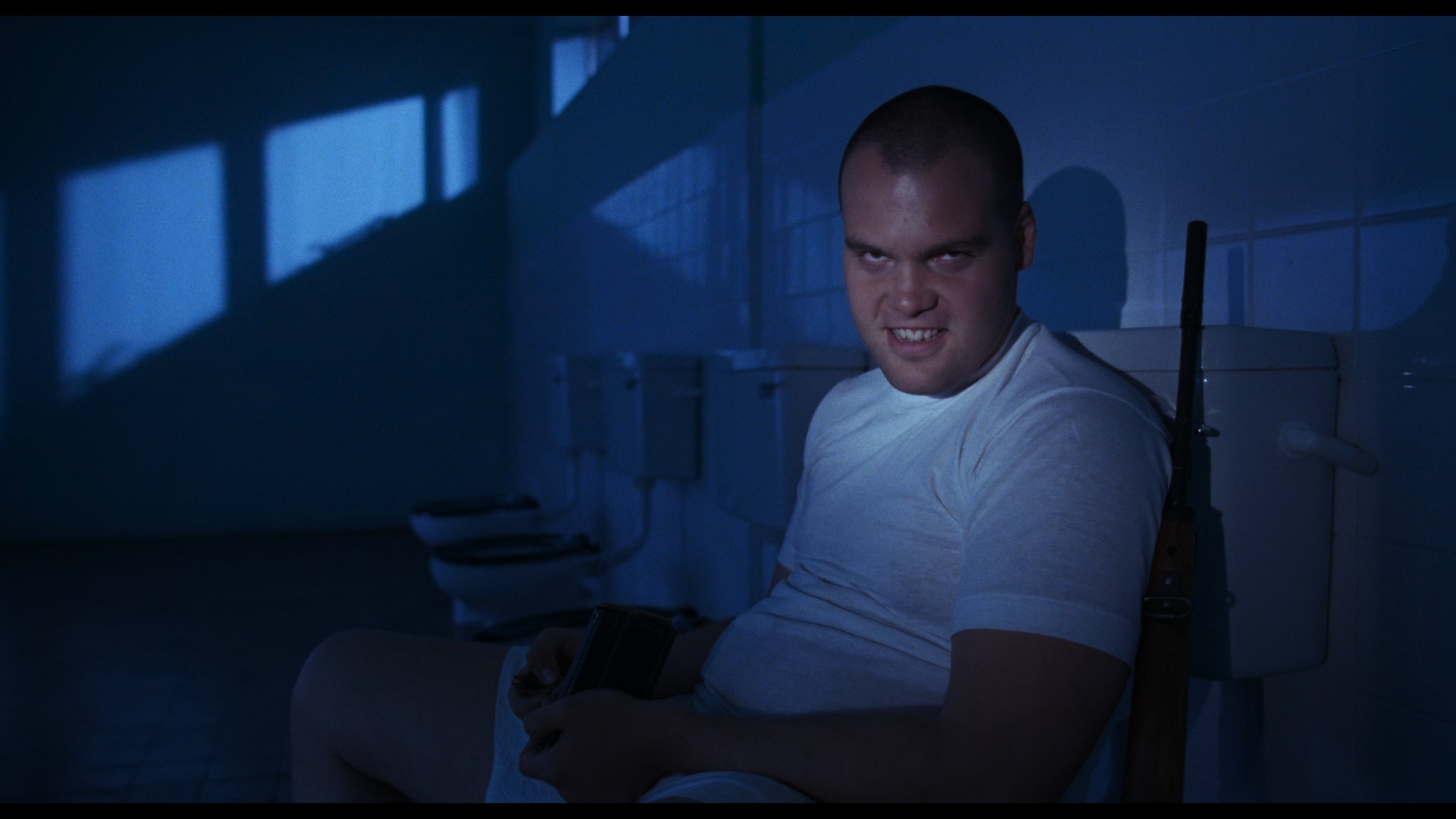
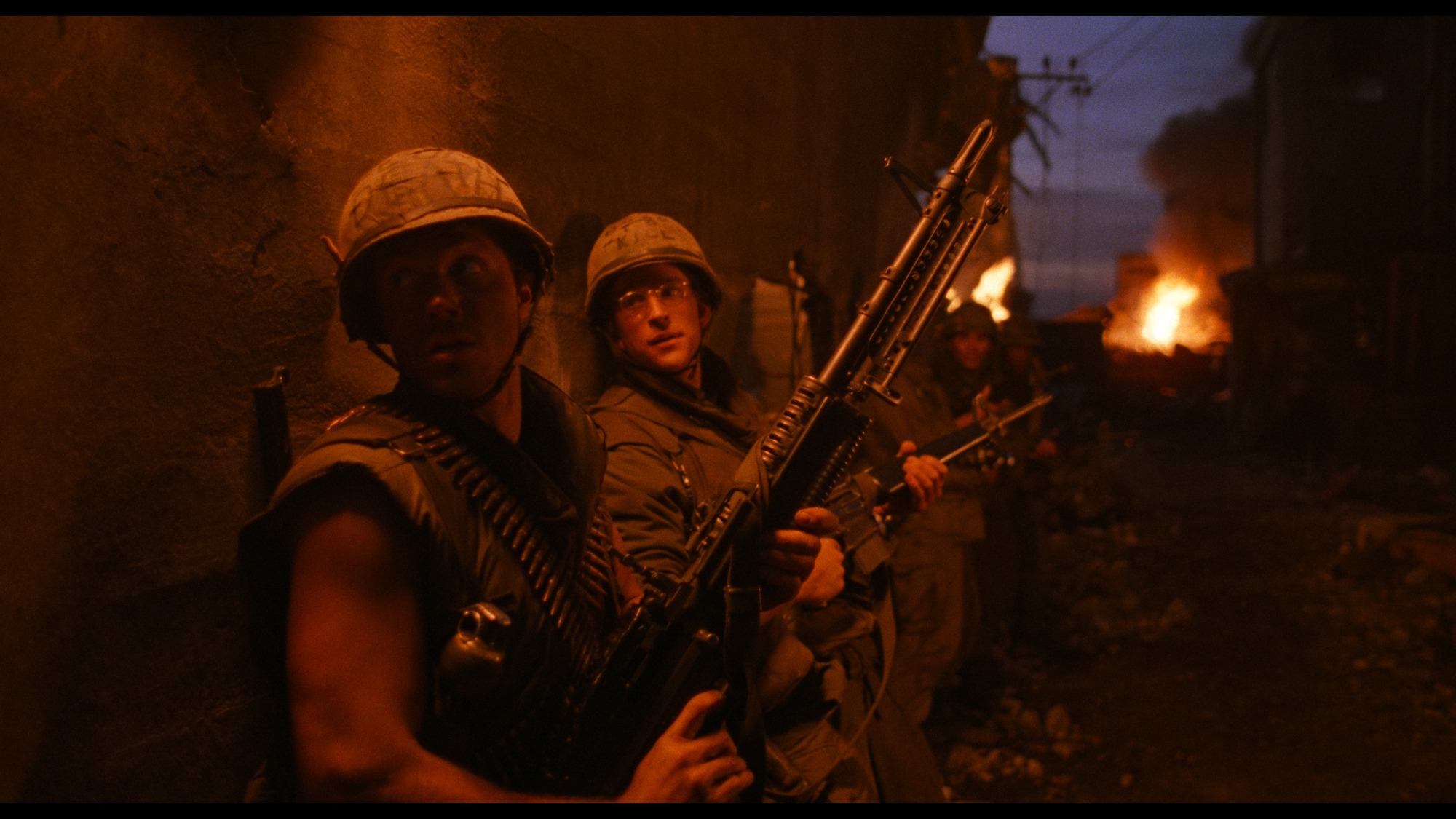
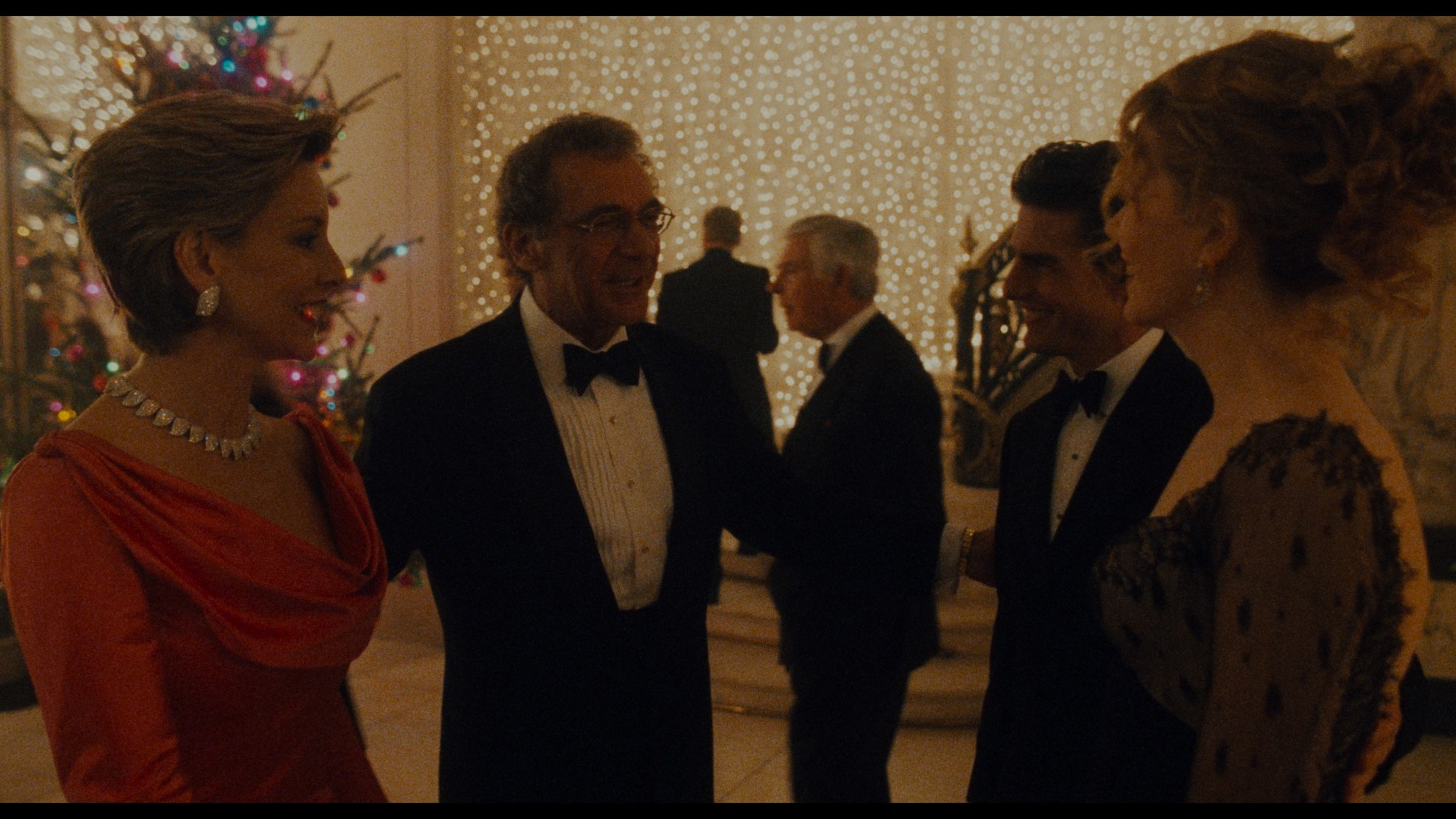
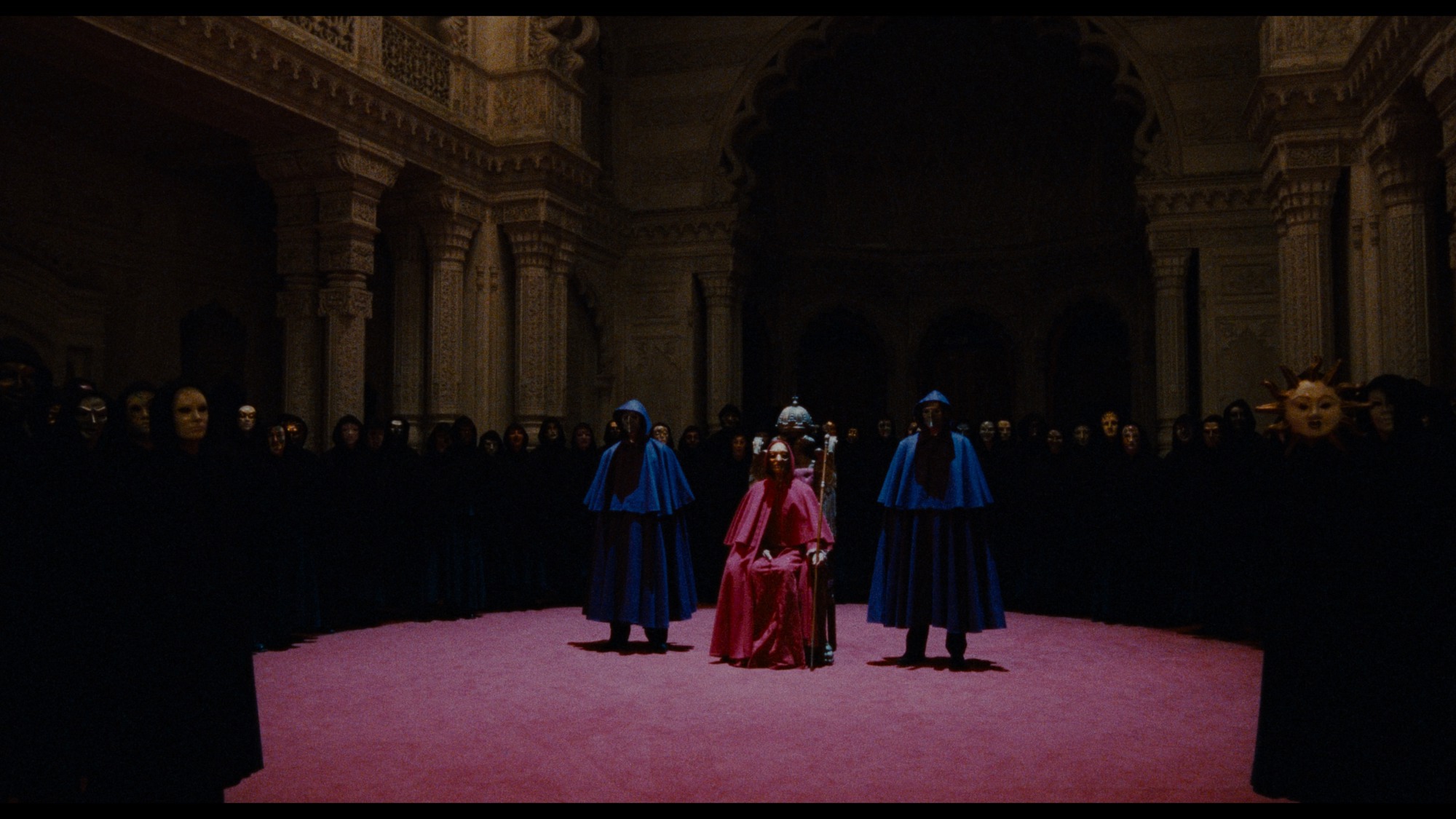
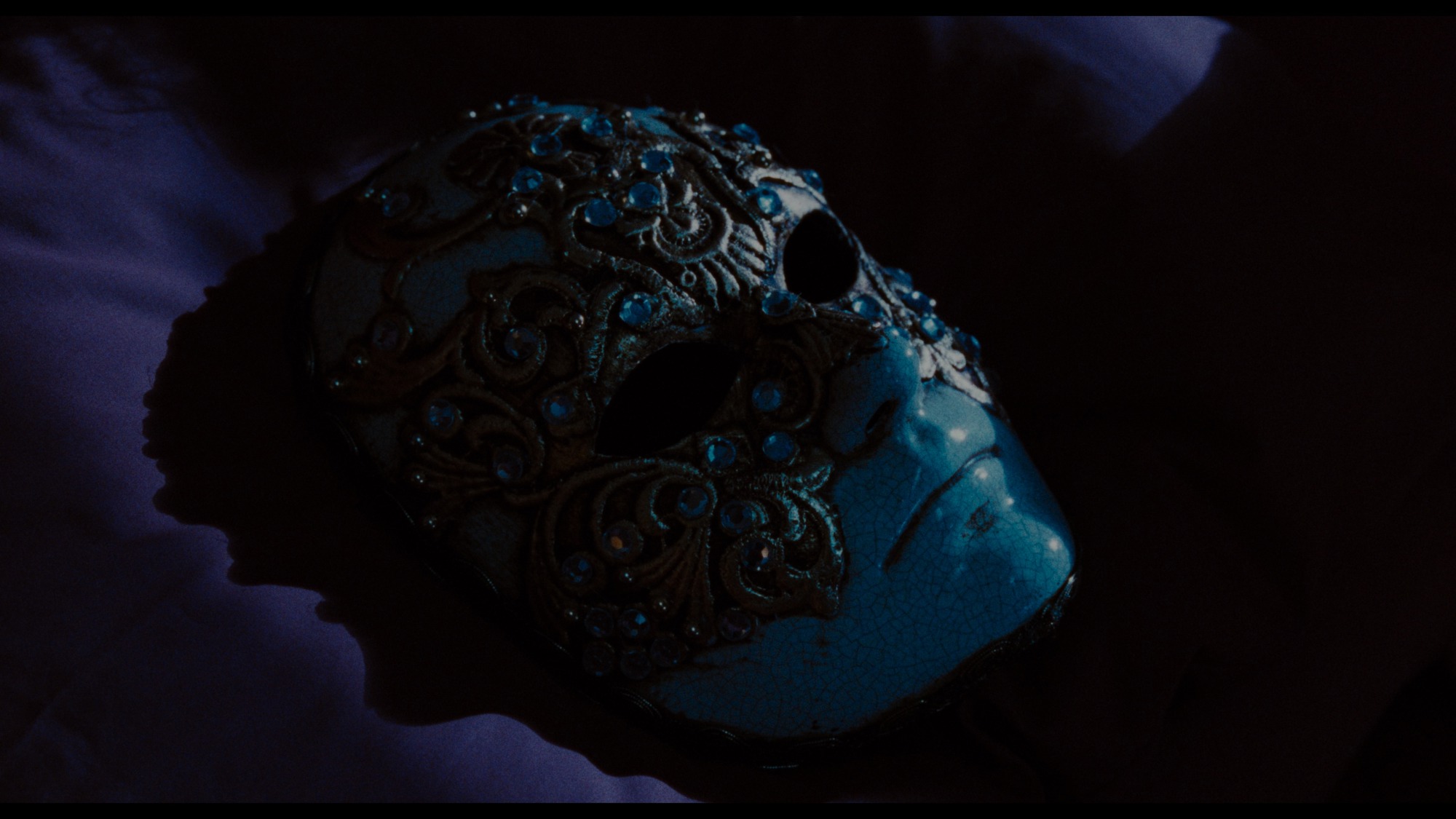
Audio 8/10
To my surprise, Criterion has gone all out with the audio here, offering a few options where possible. The early films, along with The Killing, Paths of Glory, and Lolita, come with lossless PCM mono tracks only. The tracks for the earlier films and shorts can sound a little flat, though they’re clean and free of distortion. I thought the other three had a little more range and sounded more dynamic overall.
Eyes Wide Shut and Spartacus each come with a single DTS-HD MA surround track, the former in 5.1 and the latter in 7.1. The Spartacus mix is still very much front-heavy, though the music and some ambient effects make their way to the rears. It’s a dynamic track, with dialogue about as sharp as can be. Eyes Wide Shut is one of the standouts, especially during the sequence at the manor, where the chanting in the background is especially effective.
The remaining films offer a few options, usually a lossless PCM mono track alongside a DTS-HD MA 5.1 remix. Those remixes are still essentially mono at heart, with some activity, primarily music, making its way to the surrounds. They sound fine and suit the films, though I generally preferred the original mono tracks. Dialogue sounded sharper and more natural to me, while it could sound a bit filtered on the remixes. The music usually sounded a little better through the remastered tracks, though.
2001 is a bit of an outlier. The film had a surround mix for its original 70mm roadshow engagements, and Criterion includes it here alongside the 1999 surround remaster and the original 35mm mono track. In this case, I preferred the original surround mix, mostly because the dialogue sounded a bit sharper and cleaner. Admittedly, the music probably sounded a bit more dynamic in the remastered track.
All in all, Criterion gives viewers plenty of options, including some tracks making their debut here, with all of them sounding quite good.
Fear and Desire: 6/10 Killer's Kiss: 6/10 The Killing: 7/10 Paths of Glory: 7/10 Spartacus: 8/10 Lolita: 7/10 Dr. Strangelove, or: How I Learned to Stop Worrying and Love the Bomb: 8/10 2001: A Space Odyssey: 9/10 A Clockwork Orange: 7/10 Barry Lyndon: 8/10 The Shining: 8/10 Full Metal Jacket: 8/10 Eyes Wide Shut: 9/10
Extras 10/10
As one would hope, Criterion packs this set with a lot of material, both newly added and ported over from previous editions. As with the video and audio, I get into more detail about each title’s supplements in the individual articles, which you can reach through the links plastered about here or through the navigation bars on the page. As a note beforehand, the included commentaries accompany both the 4K and high-def presentations of the films, while the video supplements are on the respective standard Blu-rays, with one exception.
Criterion carries over all the supplements from their previous Blu-ray and 4K editions of Killer’s Kiss, The Killing, Paths of Glory, Dr. Strangelove, Barry Lyndon, and Eyes Wide Shut. The only change is in how the material for The Killing and Killer’s Kiss is laid out. Criterion previously paired the films together on Blu-ray, so the supplements are now split between their respective discs.
Criterion carries over most of the material from their DVD edition of Spartacus, dropping several galleries and a demonstration that covered Robert Harris’s early ’90s restoration. The galleries are a sad loss, as there was some great material in there, but at least the audio commentary, one of my all-time favorites, has been ported over (and if you haven't listened to it you really need to).
Lolita makes its special-edition debut in this set, though I admit I was expecting a more lavish selection of features. There was room for more, but Criterion does include an engaging new discussion between Kevin Wynter and Jonathan Lethem about Kubrick’s approach to authorship, along with screen tests featuring James Mason and Sue Lyon and some archival interviews.
For the Warner titles making their Criterion 4K debuts, 2001, A Clockwork Orange, The Shining, and Full Metal Jacket, Criterion ports over most of the material from the Warner discs and goes out of their way to add quite a bit of their own. 2001 even gets a new commentary featuring Michael Benson, along with Universe, the short film that influenced Kubrick, and experimental films that helped pave the way for the Star Gate sequence, among several other things.
The one film that ends up receiving the most love, somewhat surprisingly, is The Shining. On top of a new commentary by Lee Unkrich, Criterion includes the international cut, which runs about 25 minutes shorter and makes both its North American home-video debut and its worldwide 4K debut here. They also throw in a handful of documentaries and Garrett Brown’s Steadicam demo reel, which Kubrick saw, leading him to contact Brown on The Shining. But the biggest surprise is how Vivian Kubrick’s documentary The Making of “The Shining” appears here. It’s appeared on various releases through the years, at least since 2001, but Criterion has newly restored it in 4K and presents it in full 4K on the disc with the international cut. And it looks fantastic!
Criterion also includes a bonus disc devoted to the filmmaker himself, with it most notably featuring Stanley Kubrick: A Life in Pictures, the 142-minute documentary first released on DVD in Warner’s remastered Kubrick set in 2001. Chances are most admirers of the filmmaker have already seen it, but it would have been a glaring omission if Criterion had left it out. Directed by Kubrick’s brother-in-law and longtime collaborator Jan Harlan, it works as both a celebration of the director’s work and a portrait of a man who could feel misunderstood by the public. It briefly covers his early life, even pulling in home movies, before going through his career film by film. It rushes through the early work, really only slowing down once it gets to Lolita. Harlan interviews plenty of people who worked with Kubrick, as well as admirers like Martin Scorsese and Woody Allen and friends like Steven Spielberg. He also looks at some of the disappointments Kubrick faced, including passion projects he never got off the ground, like Napoleon and The Aryan Papers.
Admittedly, a lot of this ground is already covered elsewhere in the set, though there are moments here I’m glad to have, like Malcolm McDowell recalling how disappointed he was that his friendship with Kubrick didn’t last beyond the filming of A Clockwork Orange. The documentary addresses some of Kubrick’s eccentricities, but I’m also sure it holds back in other areas. And while I would have liked maybe a little more along those lines, I do also love the little section about how much he cared for his cats. With some slight reservations aside I’ve always rather liked it, and for anyone just getting into his films, it’s a great place to start. Criterion presents it here as a high-definition upscale.
To accompany it, Criterion includes a 53-minute episode of The Charlie Rose Show from 2001, featuring Jan Harlan, Christiane Kubrick, and Martin Scorsese. They’re there primarily to talk about A Life in Pictures (with a copy of the 2001 remastered box set on the table for promotional purposes, I’m sure), but they share more stories about Kubrick and his work, even getting into why his projects could take so long. Scorsese talks more about the influence Kubrick’s films had on him and other filmmakers, trying to hit home the impact he has had. There are moments when Rose is being Rose and asks a question or two that make you wonder how much research he did going in, but everyone else keeps the conversation on track and it ends up going by quite quickly. It ends up being quite engaging.
Criterion then includes an eight-minute interview with Steven Spielberg that Warner carried on their DVD and Blu-ray editions of Eyes Wide Shut. Spielberg recalls first meeting Kubrick on the Overlook set while scouting soundstages at Elstree Studios for Raiders of the Lost Ark. He also remembers seeing The Shining and not caring for it much at first (a reaction that comes up with several of Kubrick’s films in A Life in Pictures) and when Kubrick asked him what he thought, he immediately knew Spielberg was beating around the bush, only trying to tell him what he liked about it. It’s a really good, affectionate interview, especially when Spielberg talks about how Kubrick’s films sit with you and how you keep coming back to them. From that, his feelings for The Shining would eventually change. I was initially surprised Criterion left it off their individual release of Eyes Wide Shut, so it’s nice to get it back here.
Closing out the disc supplements is the 72-minute documentary Kubrick by Kubrick. Director Gregory Monro draws primarily on audio interviews critic Michel Ciment recorded with Kubrick, mixing in archival television footage from around the release of the films. Ciment turns up in some of that footage, as do a very calm R. Lee Ermey and a Vincent D’Onofrio dressed very much for the late ’80s or early ’90s. Kubrick talks about his early life, including his work as a photographer for Look magazine, a subject barely touched on elsewhere in the set. He also explains what drew him to certain projects and gets into some of his influences, including those behind the character of Dr. Strangelove. I wasn’t completely sold on the heavy use of computer graphics to move from topic to topic, but I liked that Monro felt free to jump through Kubrick’s filmography and make connections betweenrecurring themes and ideas. It’s an essential inclusion simply because there are surprisingly few opportunities to hear Kubrick himself talk at this length about his work.
Then there’s the packaging. There have already been plenty of complaints about it online so I won't get too deep into it. I will say I actually quite like the idea behind the design, which makes the set look like a box pulled from Kubrick’s archive. It is, however, ridiculously large, and it’s a bit of a pain to dig out a disc when you get the inkling to watch one of his films. I’m also less fond of the sleeves, though I think I got off easy compared to some: a few discs were hard to get out the first time, but they’ve been easier to remove and put back since.
The set also comes with an 80-page booklet, featuring information about each film, several photographs, and examples of Kubrick’s design work and notes. There’s also a lengthy essay by Nathaniel Rich on Kubrick, his films, and his legacy. I was a little surprised we got only the one essay, and I would have liked to see Criterion carry over some of the essays from their individual releases. Still, it’s a good addition.
If the supplements disappoint in one area, it’s in how little attention they give Kubrick’s earliest films. Killer’s Kiss and Day of the Fight get a couple of features between them, while the other shorts get nothing specific to them and Fear and Desire gets very little. It comes up briefly (and I mean briefly) in A Life in Pictures, which shows a clip from the film, near-impossible to see when the documentary came out, and gives Paul Mazursky maybe a minute to talk about it. Kubrick discusses it briefly in Kubrick by Kubrick, mostly to explain why he didn’t care for it, calling it “amateurish” and “feeble.” It’s no secret he disliked the film, and I remember trying to track it down way-back-when and being told he’d actually destroyed it (before the internet, you always had to depend on those few people that you hoped knew their stuff). I’m hardly surprised it still receives the shaft here, but I still think an interview or a video essay that spent some time with it would have been welcome.
Even with that gap, this is by far the most comprehensive collection of supplements I’ve seen on a home video release devoted to Kubrick. There’s a lot of value here, especially in what Criterion has added to the Warner titles.
Closing
Easily one of Criterion’s most impressive releases. Packaging aside, it’s a lovingly assembled set, with terrific presentations of every film and a wealth of supplemental material that should keep Kubrick fans busy for quite a while.
BUY AT: