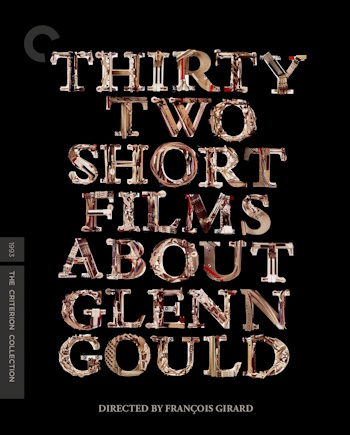
Thirty Two Short Films About Glenn Gould
BUY AT:


See more details, packaging, or compare
Synopsis
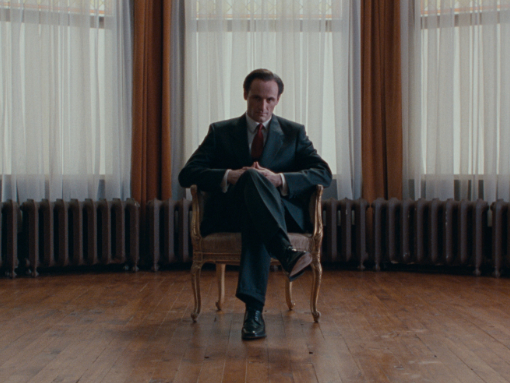
A rare film biography as boldly unconventional as its subject, writer-director François Girard’s visionary portrait of iconoclastic, world-renowned pianist Glenn Gould explodes the conventions of the form to illuminate the brilliant mind and innermost obsessions of a singular artist. Across thirty-two vignettes encompassing everything from dramatic sketches to documentary interviews to avant-garde animation, Thirty Two Short Films About Glenn Gould pieces together the story of Gould’s trajectory from child prodigy to celebrated concert pianist who turned his back on public performance to pursue his all-consuming fascination with recording technology. Led by a tour-de-force performance by Colm Feore and underscored by Gould’s landmark recordings of Bach’s Goldberg Variations, Girard’s film daringly deconstructs the enigma of genius.
Picture 9/10
Last released on DVD in the U.S. in 2001, The Criterion Collection delivers a much-needed—and much-deserved—upgrade for François Girard’s Thirty Two Short Films About Glenn Gould, bringing it to 4K UHD in its original aspect ratio of 1.85:1 on a dual-layer BD-66 disc. Presented in SDR with a 2160p/24hz ultra high-definition encode, the image is sourced from a new 4K restoration taken primarily from a 35mm interpositive. The release also includes a standard Blu-ray featuring the film in 1080p along with all of the edition’s video features.
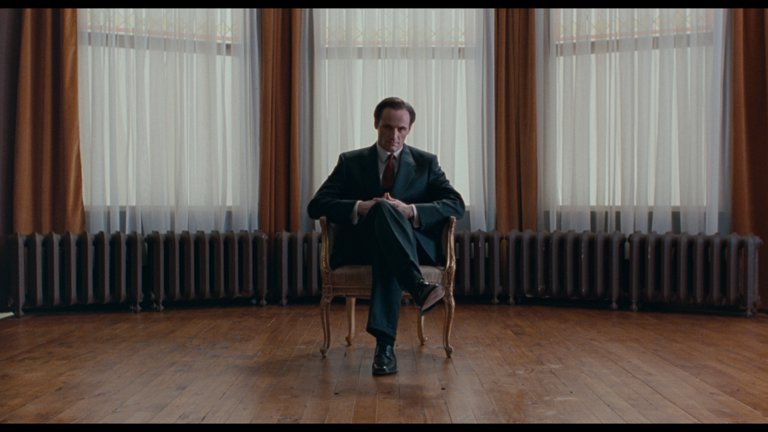
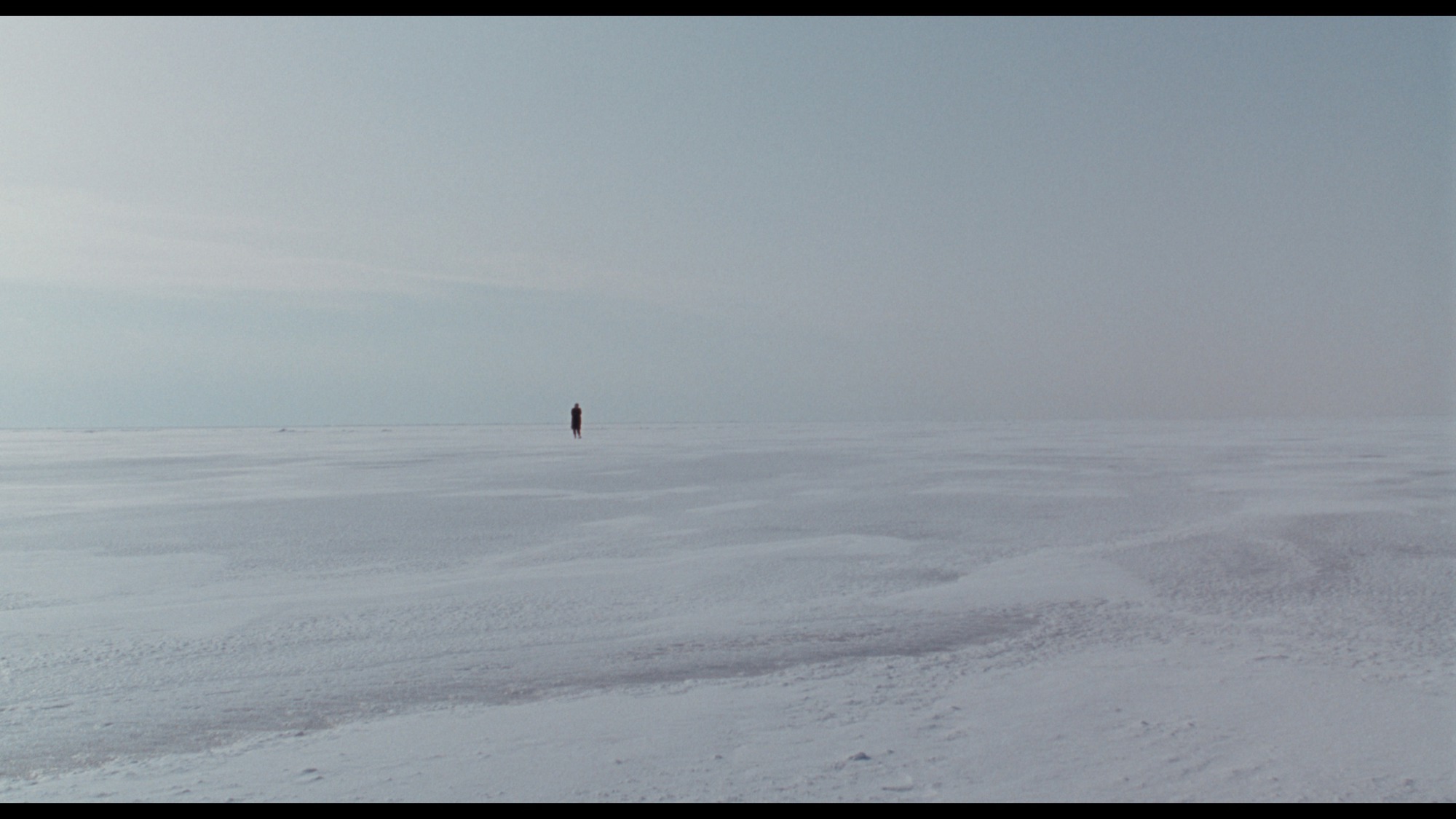
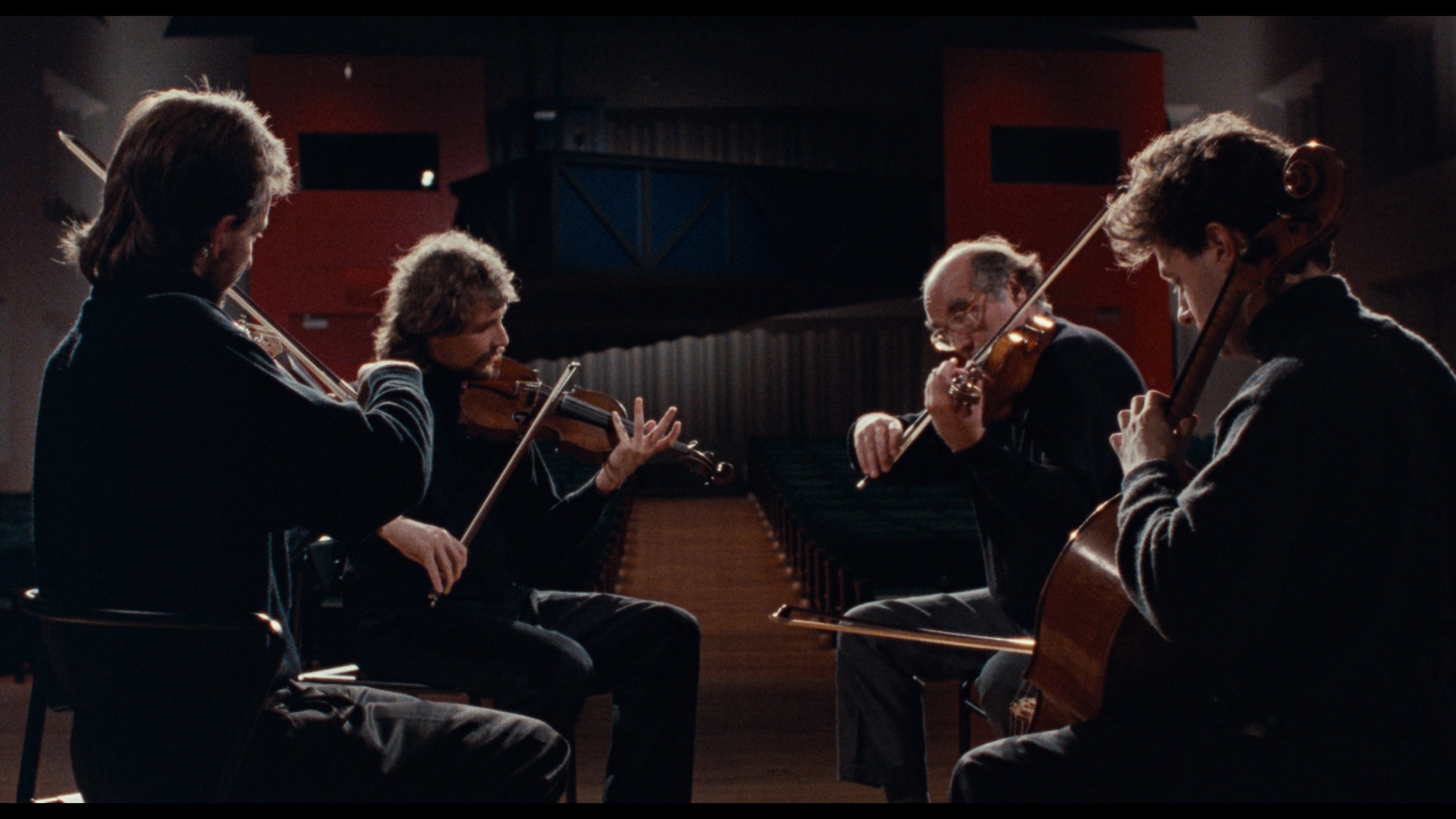
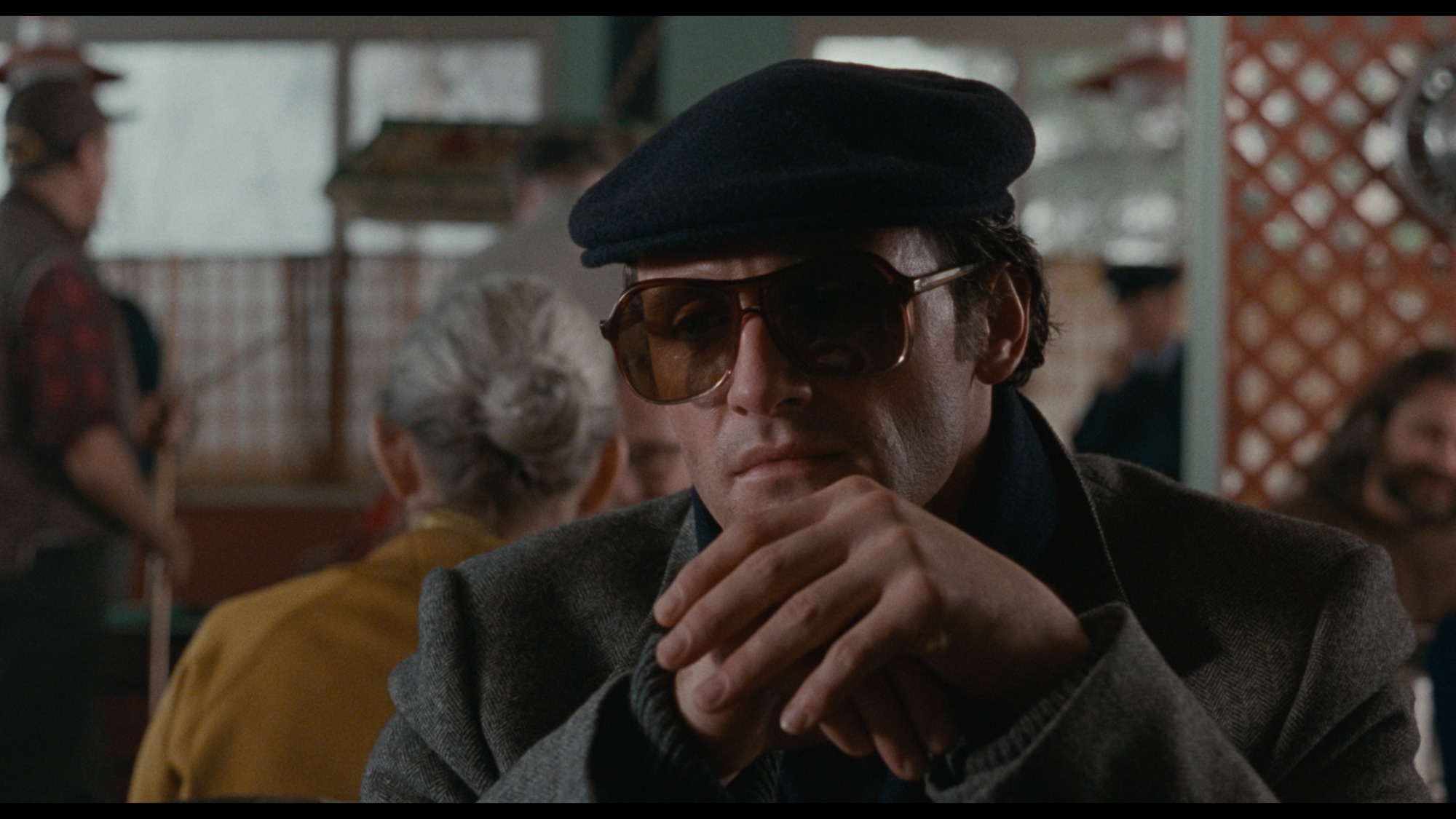
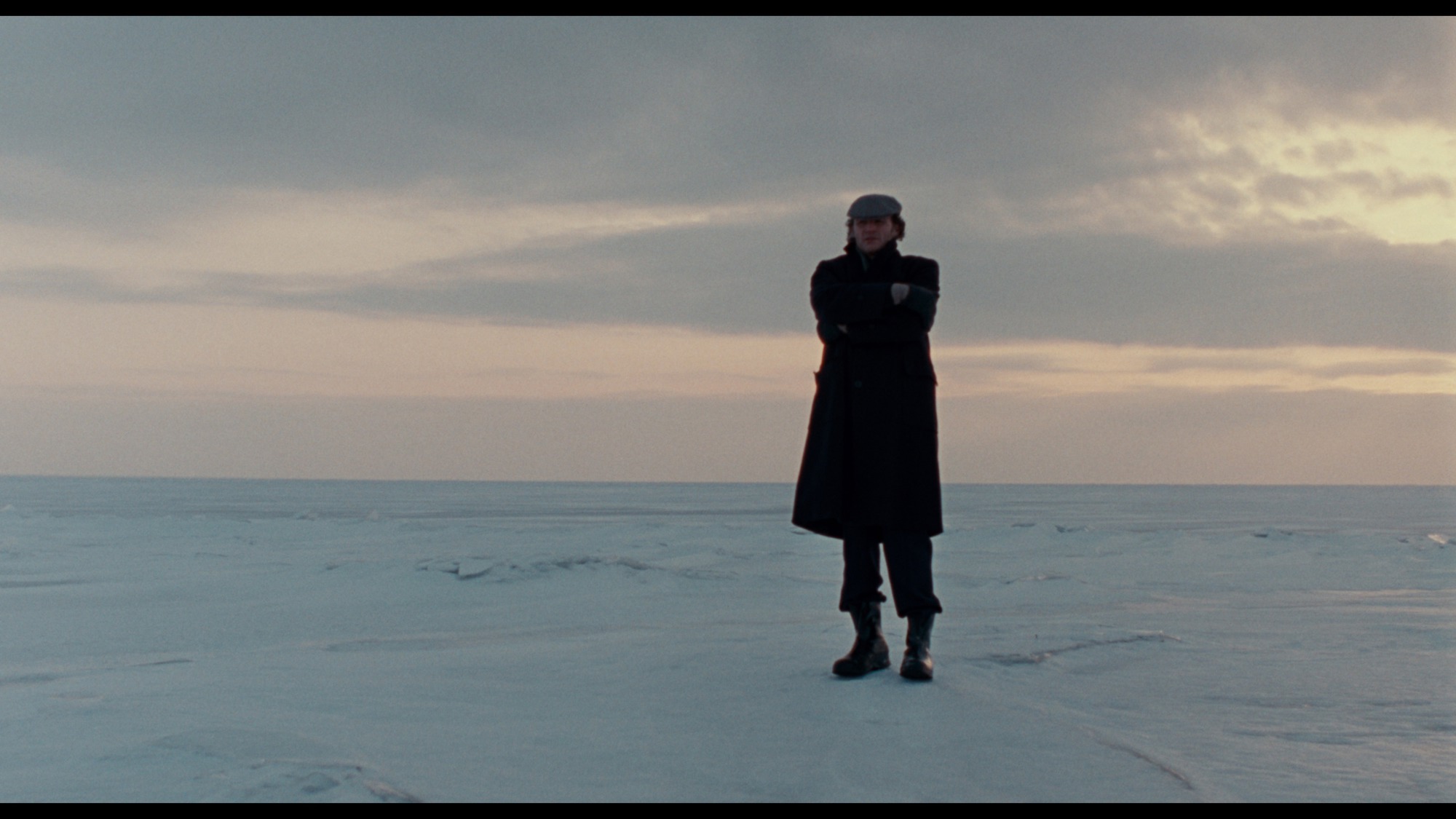
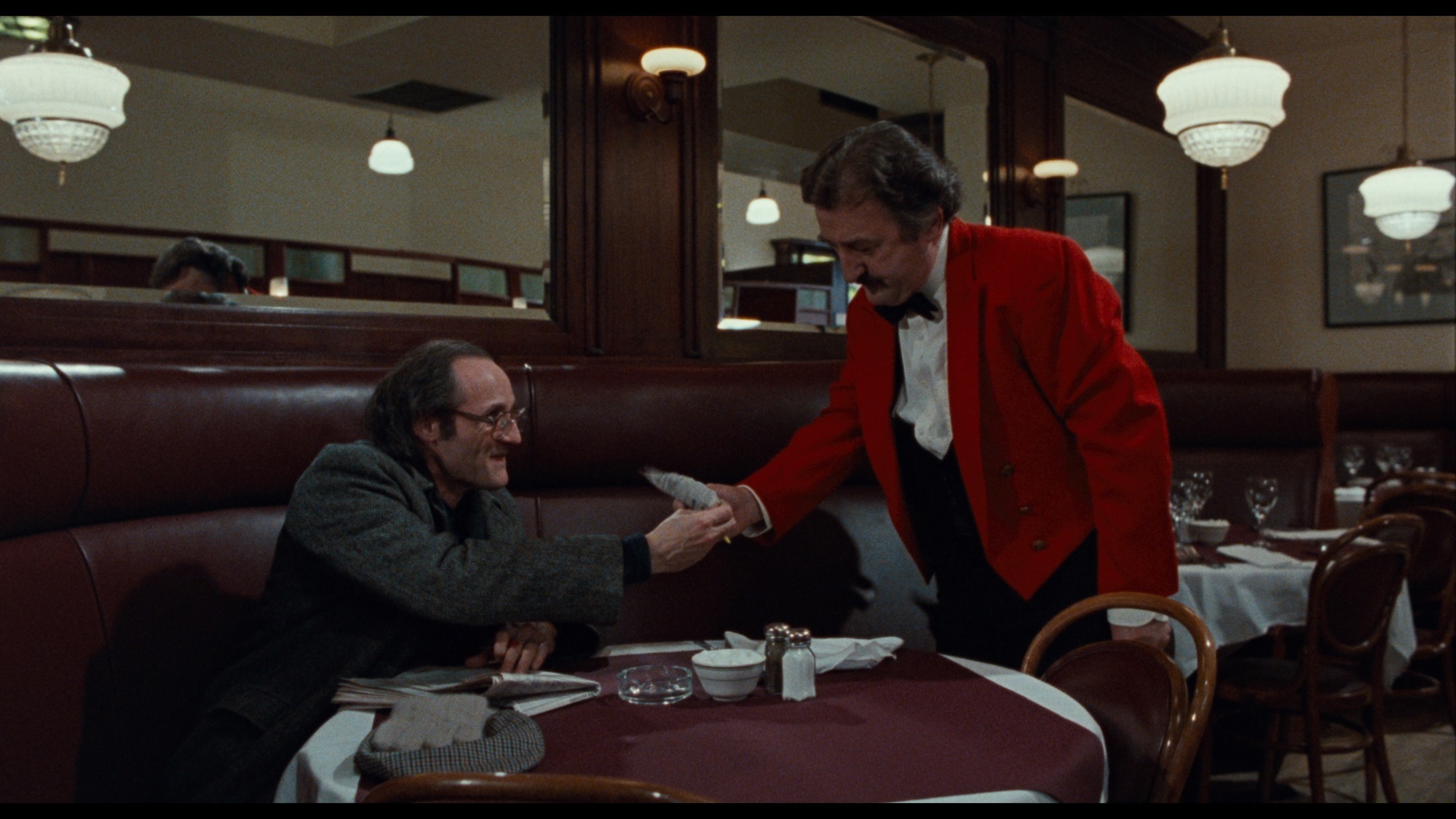
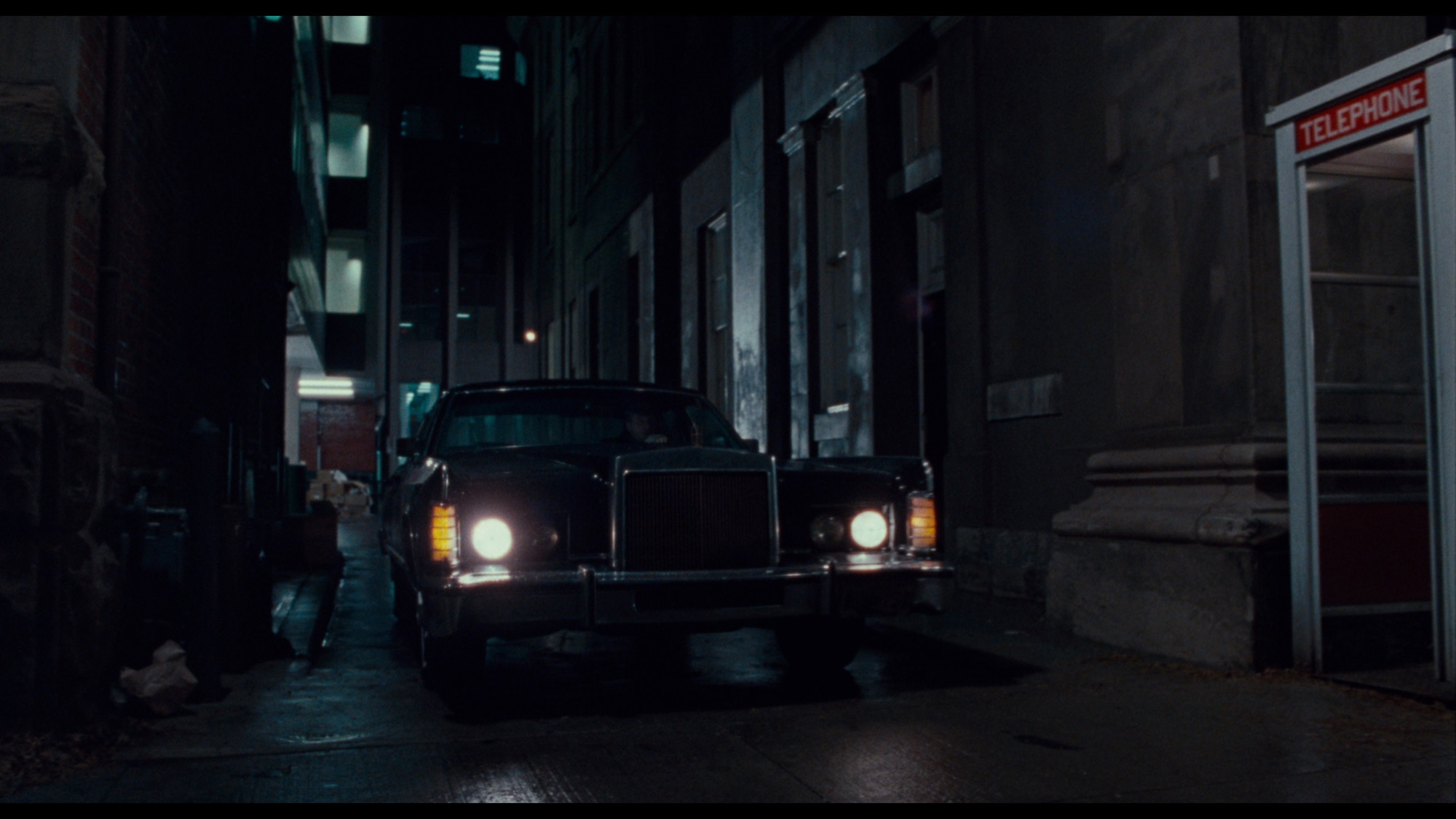
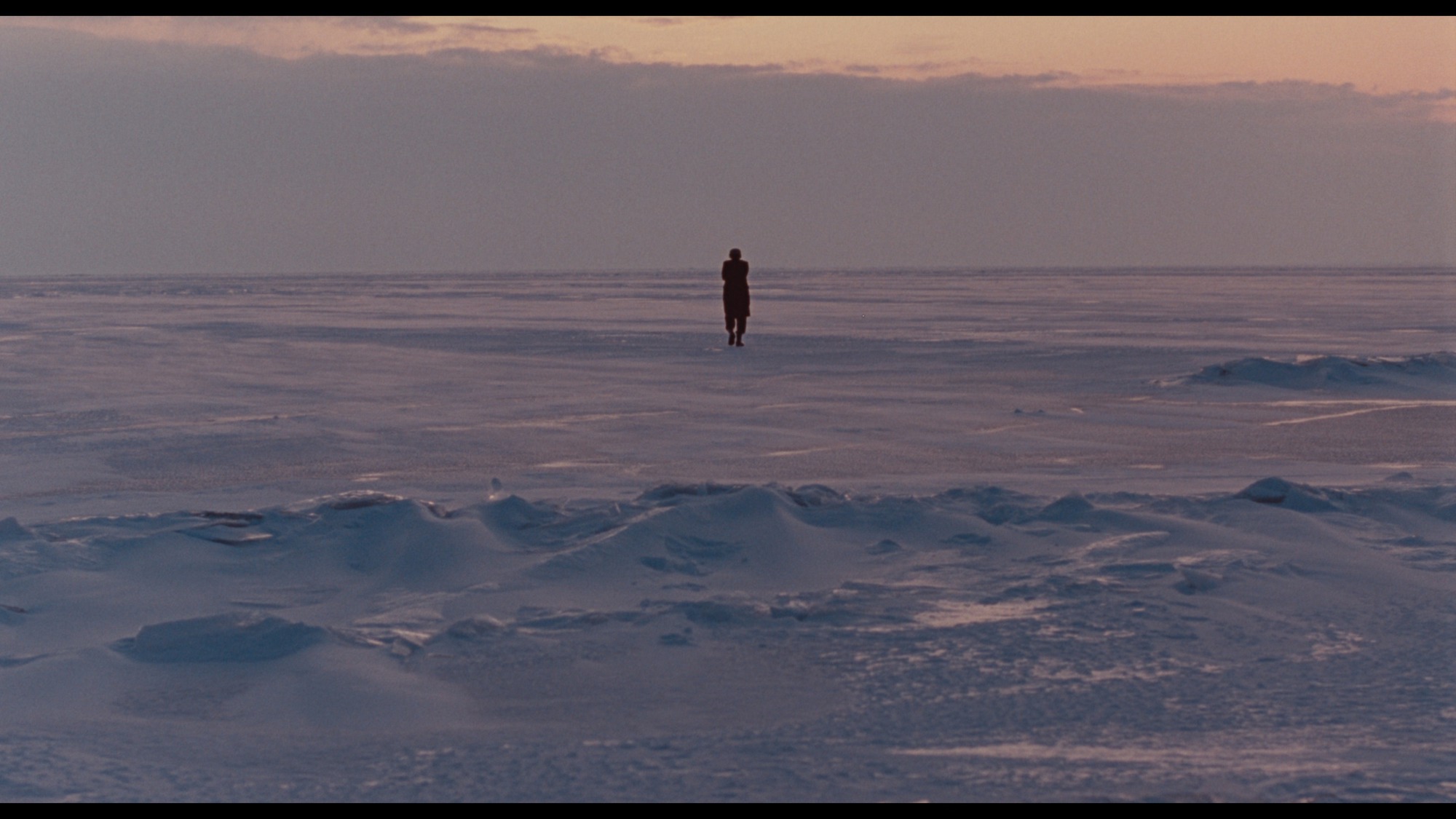
Having been available only through a mediocre standard-definition presentation for over two decades, it wouldn’t have taken much to deliver a noticeable improvement over the old DVD. Still, it should come as no surprise that this 4K edition goes well beyond that: it’s not just sharper, it’s dramatically more film-like. The new presentation renders detail in a far cleaner, more refined manner, right down to the fine grain structure, which is beautifully reproduced here. Even the ever-present snow exhibits more gradation and texture, a far cry from the flat white blobs we got before. The restoration work has also been thorough, cleaning the image up impressively.
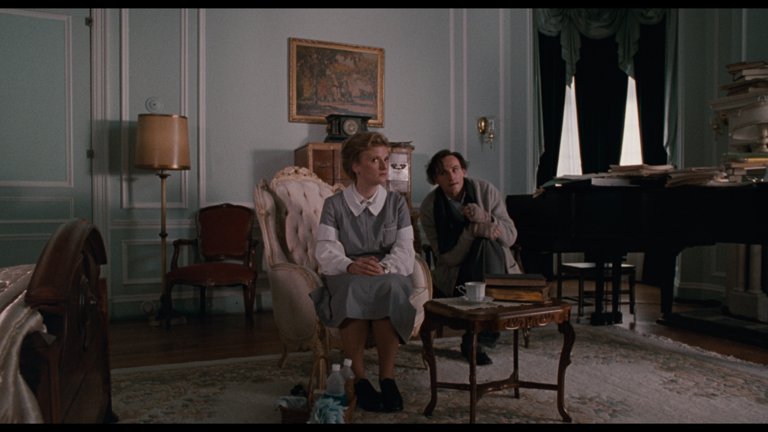
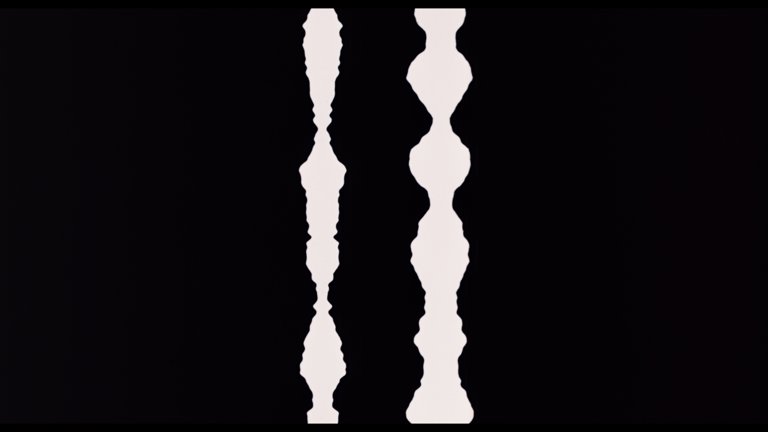
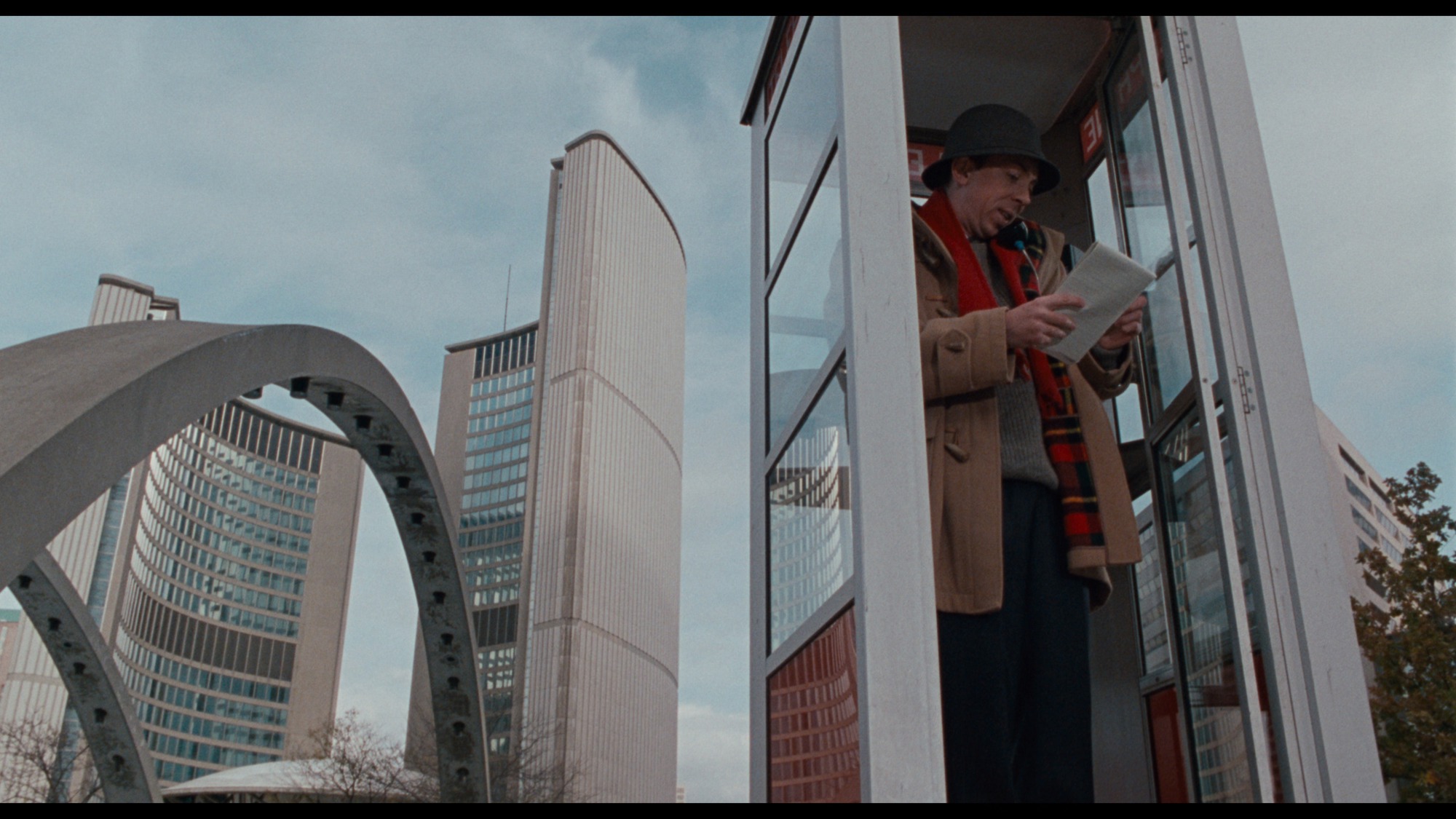
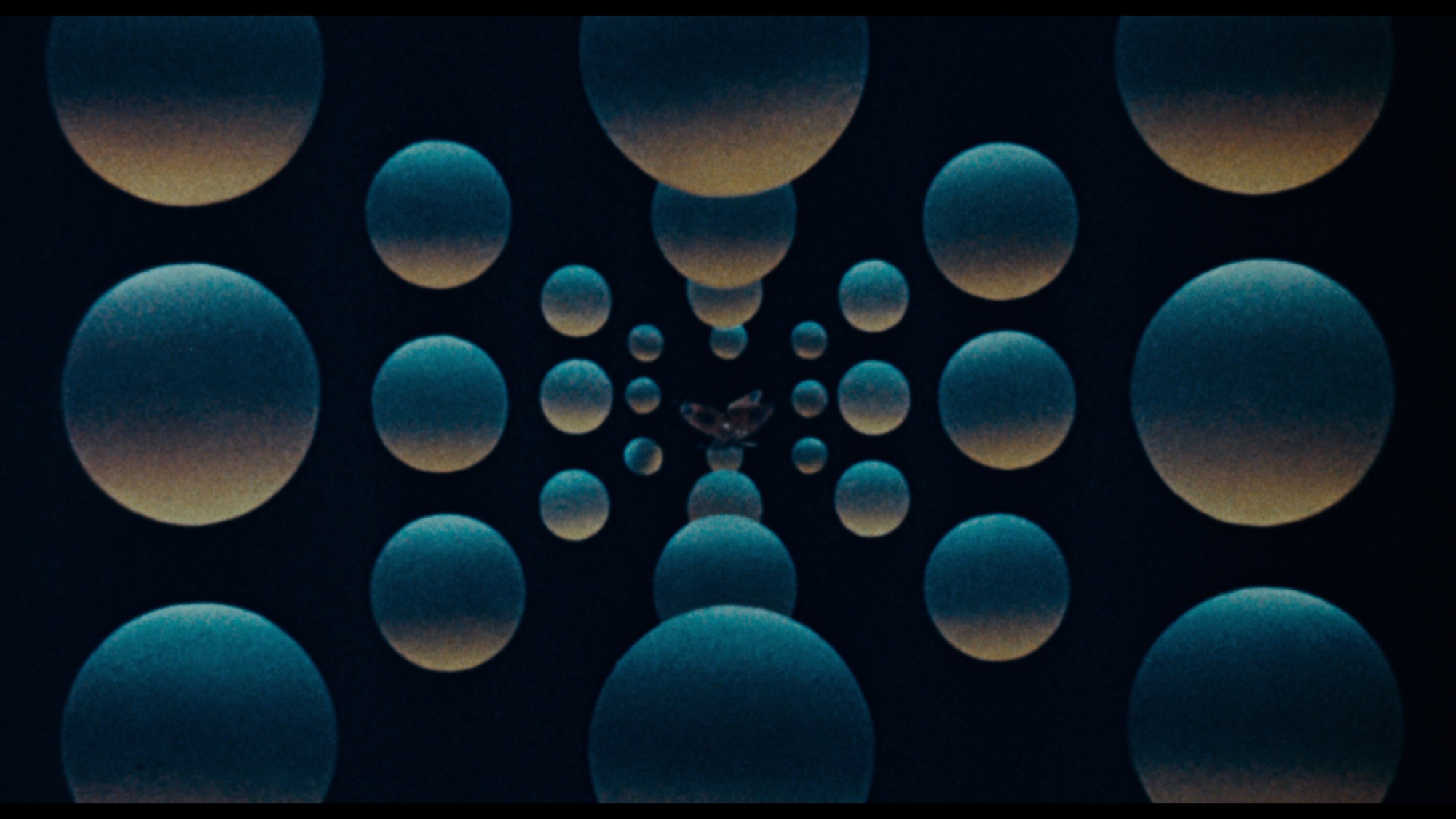
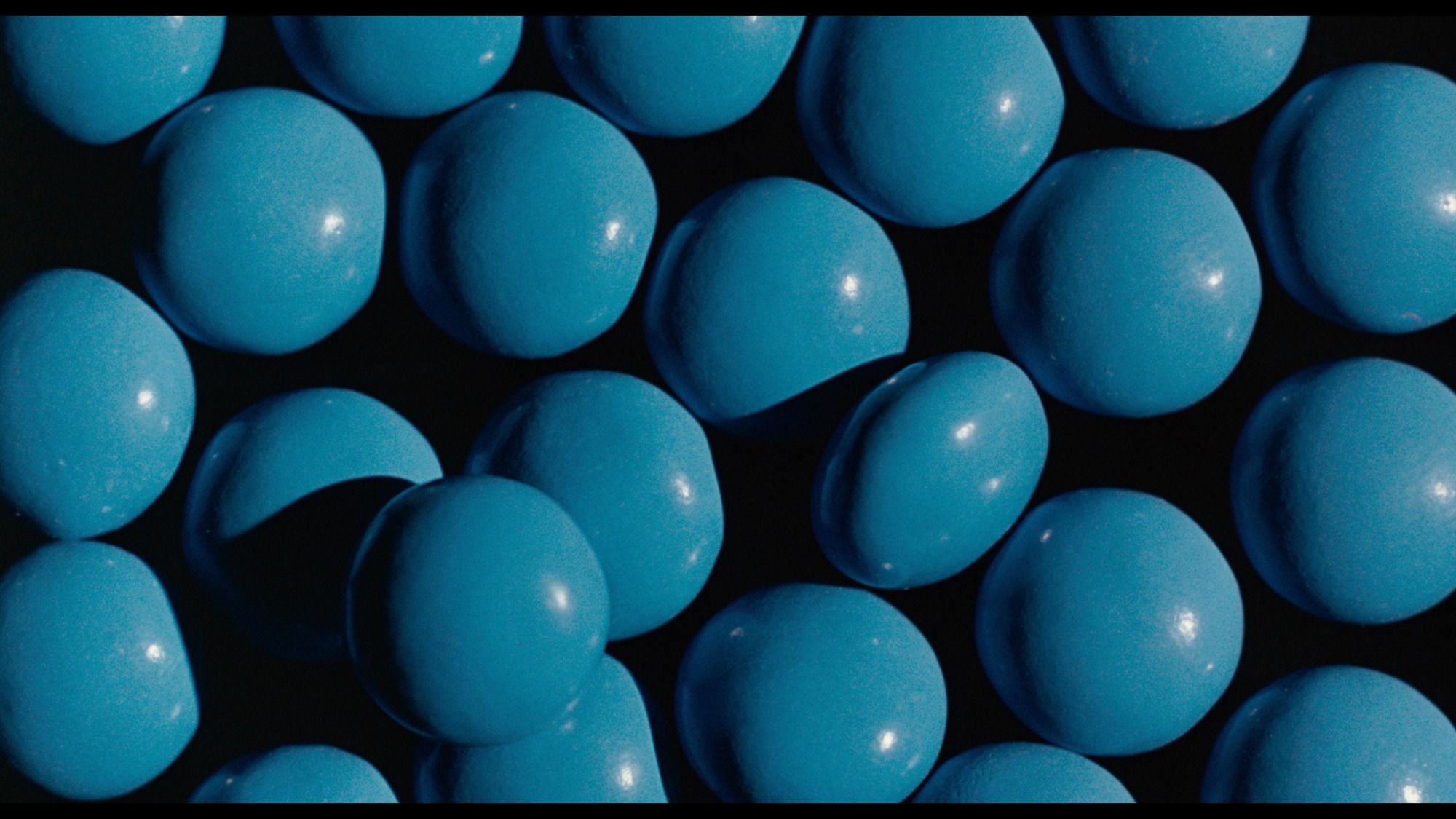
Stylistically, each “film” within the film can differ from the next, yet the image remains consistently stable and clear throughout. The only segment that visually stands apart is the insertion of Norman McLaren’s animation Spheres, which was understandably sourced from different materials.
[Correction: In my original draft, I mistakenly stated that this presentation featured HDR and Dolby Vision, which is not the case; it is SDR only. I’m not sure if I misread my settings or simply took a wrong note, but after double-checking the disc and my Panasonic UB820 player (which doesn’t allow HDR to be forced as far as I can see), I can confirm it’s a standard dynamic range presentation. That said, I’ve chosen to retain my original comments about light and shadow, as I still found the range quite impressive, even more so for an SDR presentation, and particularly in the scenes noted below.]
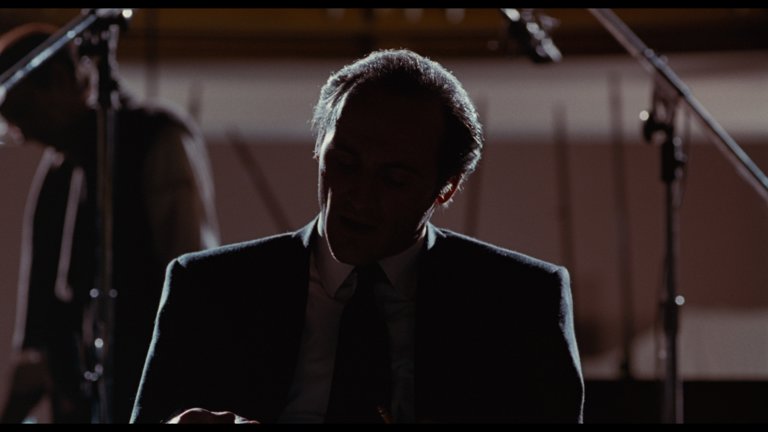
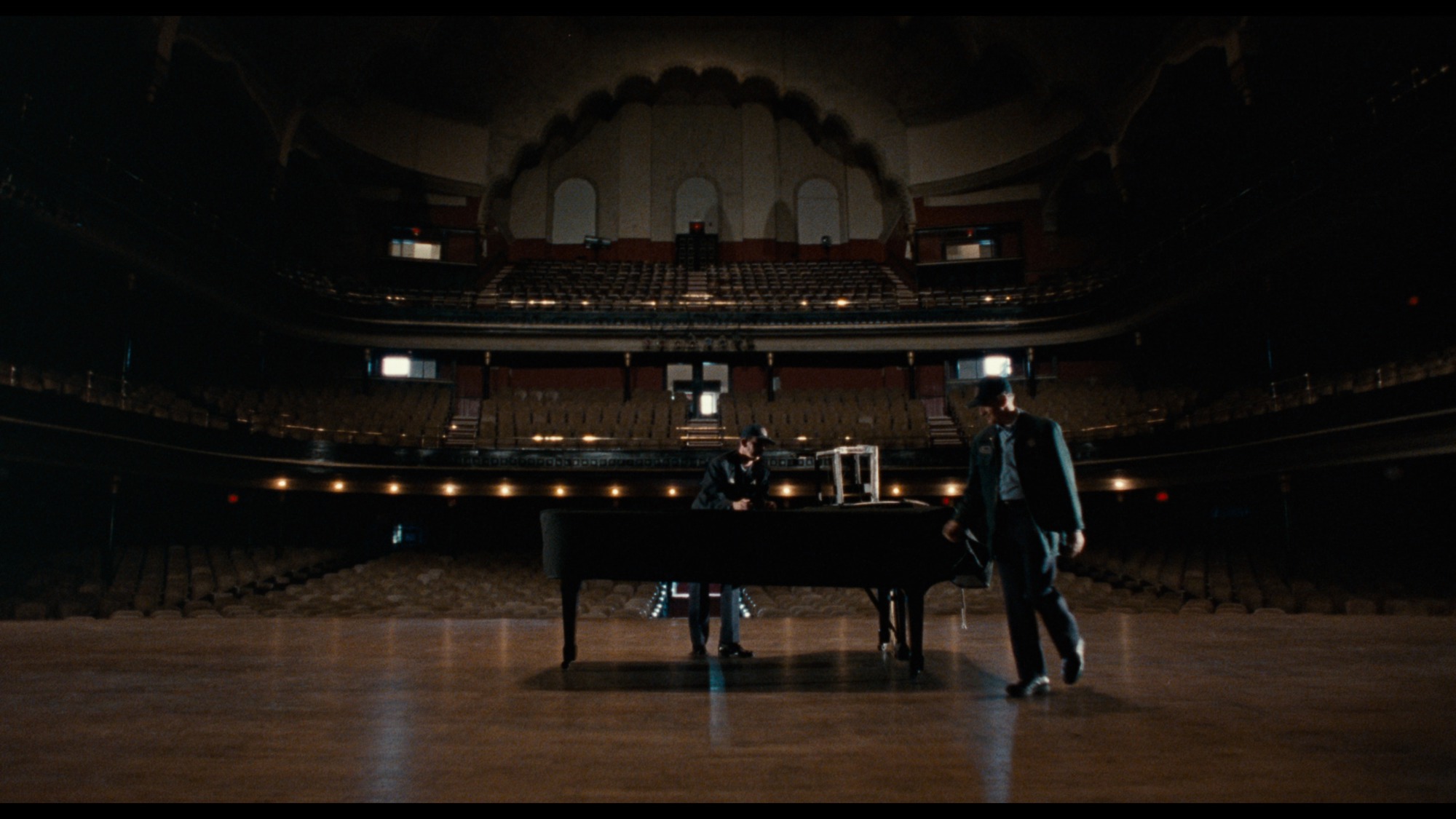
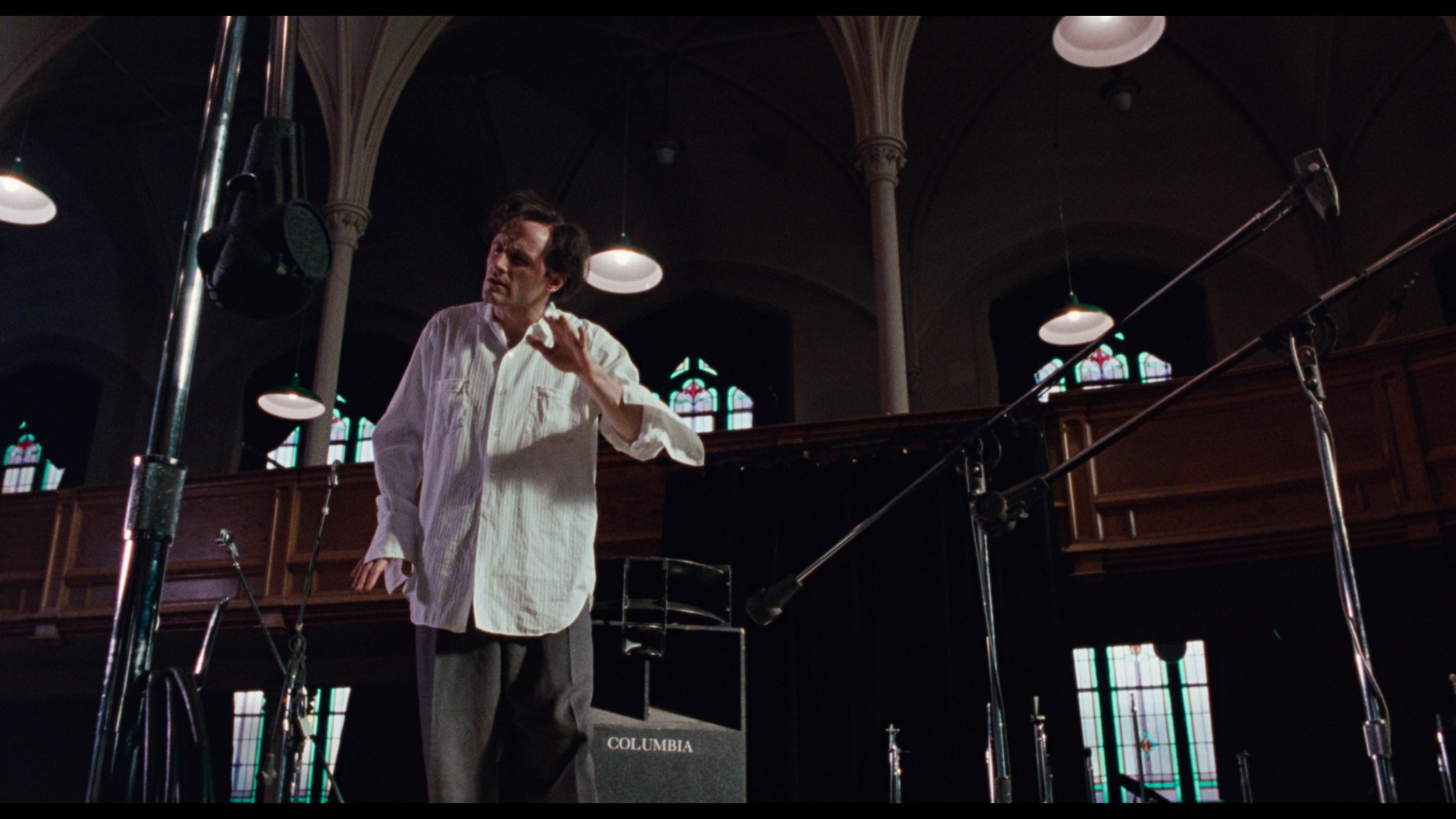
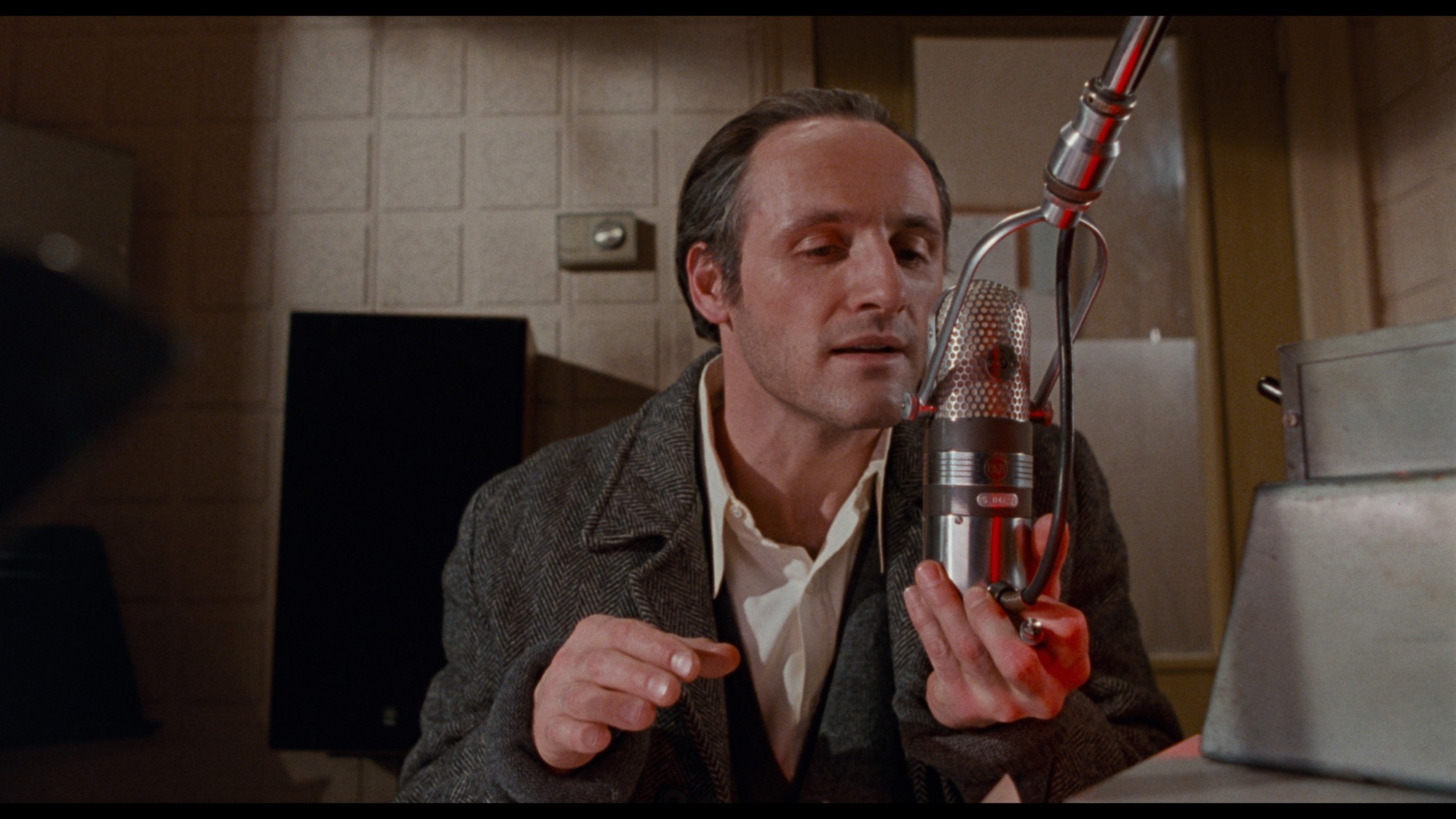
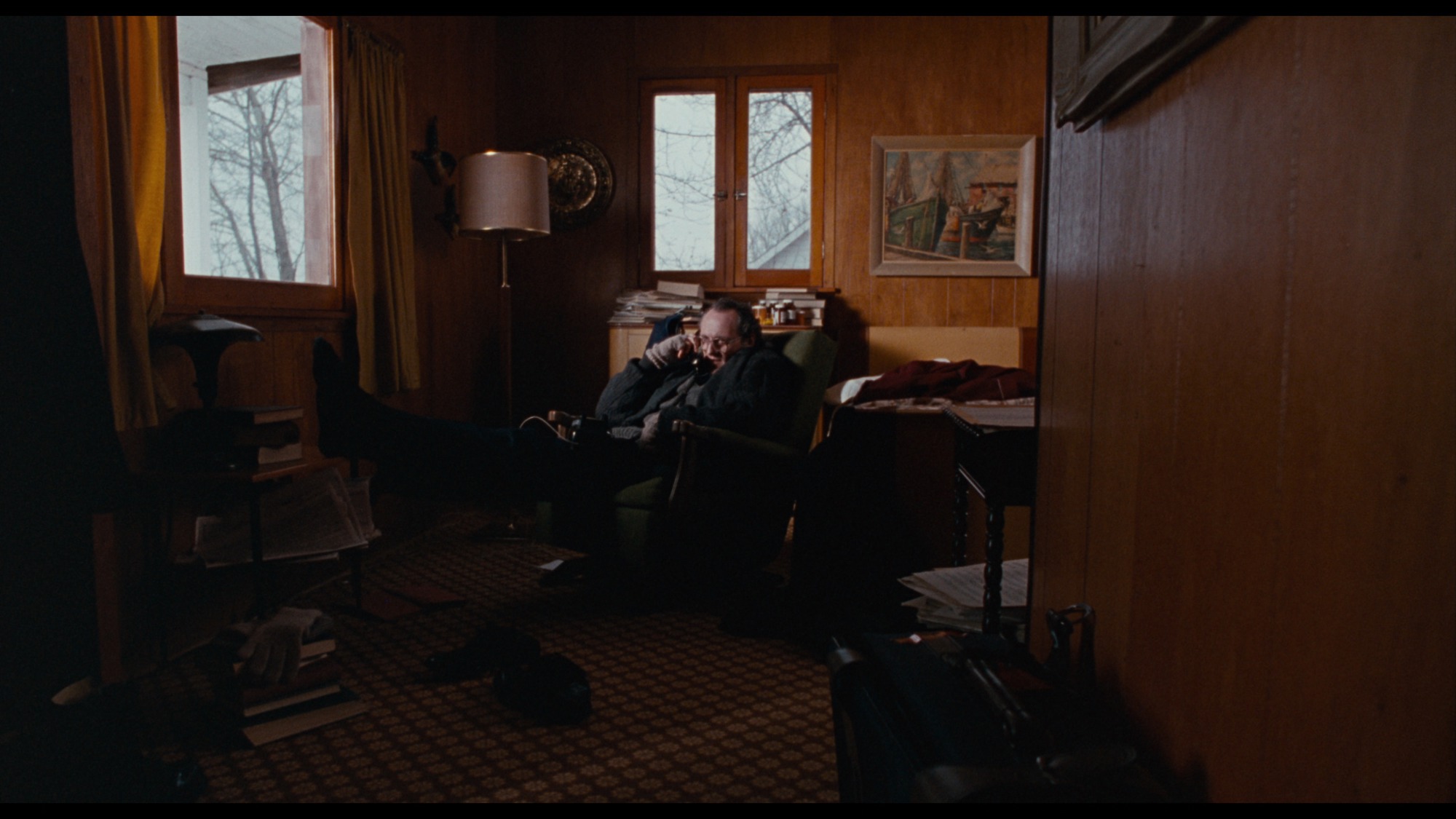
The handling of light and shadow is excellent, especially in the more dimly lit sequences. One standout is the segment where Gould interviews himself, with both versions of him shrouded in silhouette. Another is Passion According to Gould, where he listens to a studio playback; with the light mixing down through the darkened space as the camera moves around, it looks absolutely stunning. These moments lend the image a photographic quality that the old DVD couldn’t have had a hope in hell of capturing.
The encode is overall solid, though not without a couple of minor quirks. As I hinted at, grain is rendered naturally and cleanly, never looking like digital noise. The only hiccup comes in some highlight areas: a few instances show faint ringing around dark objects against bright backgrounds. This could partly stem from the original photography, creating a kind of halo effect, but closer inspection suggests the encode may be slightly amplifying it.
Still, that’s a minor nitpick. On the whole, this new presentation looks terrific, and considering Sony’s aging DVD was the only option for so long, this is a massive step up.
[The following was my original comment before adjusting it. Again, HDR is not available on this disc.]
The HDR application is subtle but effective. Brightness levels are kept modest (nothing blinding here) but the handling of light and shadow is excellent, especially in dimly lit scenes. One standout is the sequence where Gould interviews himself, with both versions of him shrouded in silhouette. Another is Passion According to Gould, where he listens to a studio playback; with the light mixing down through the dim studio as the camera moves around, it looks absolutely stunning. The HDR lends the image a photographic quality that the old DVD couldn’t have had a hope in hell of capturing.
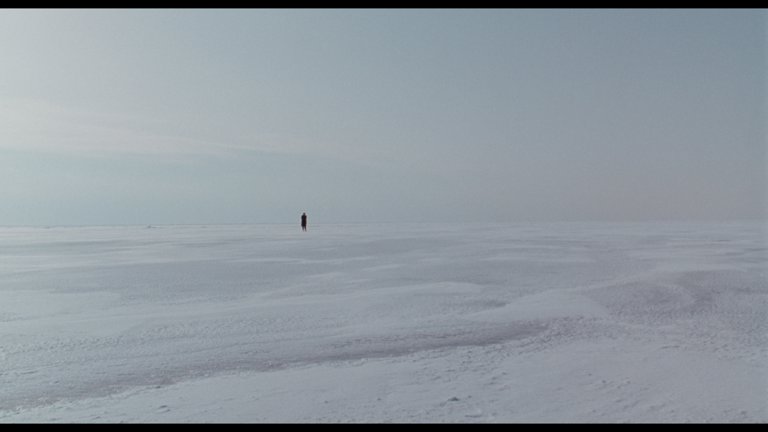
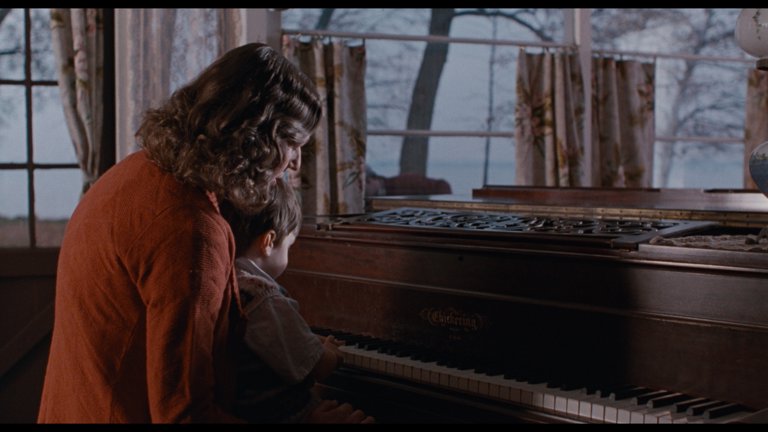
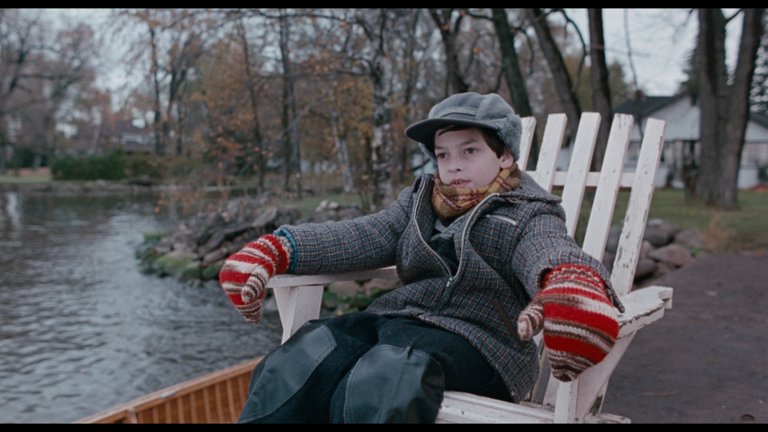
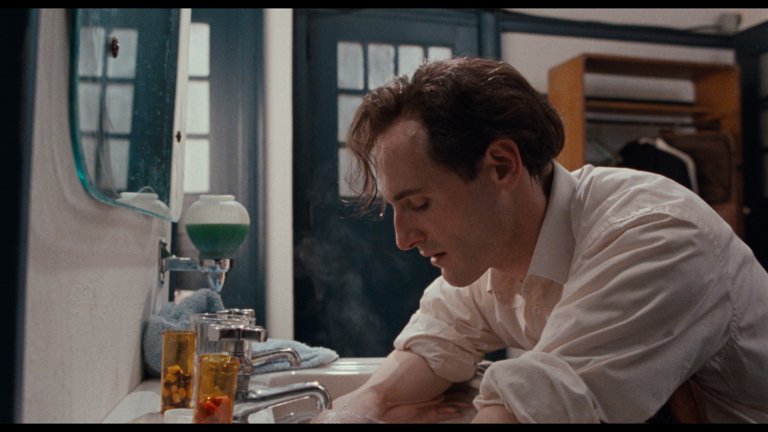
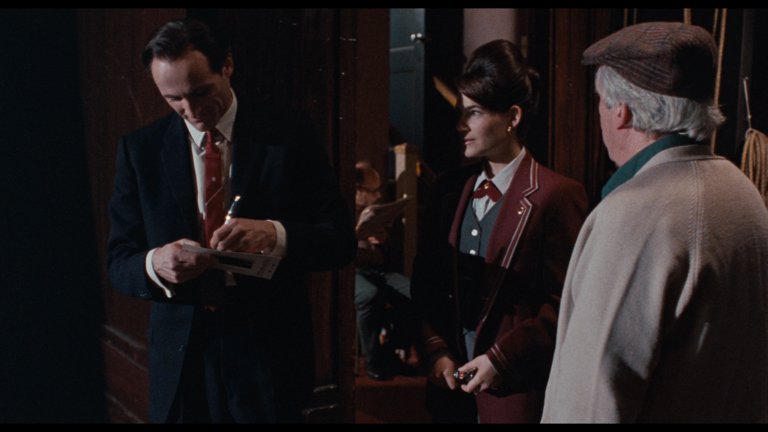
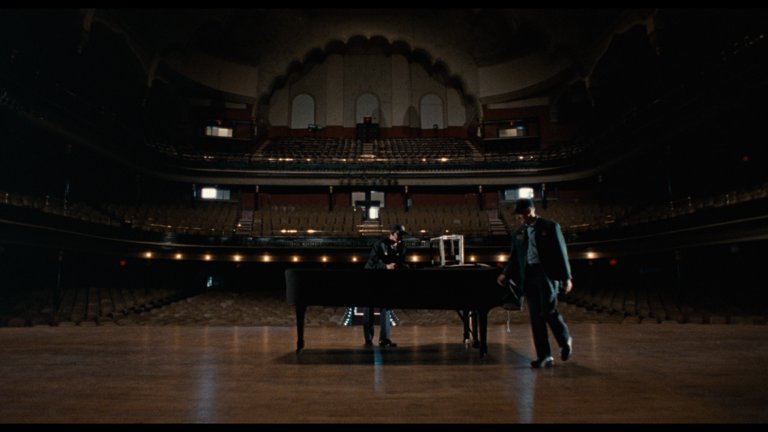
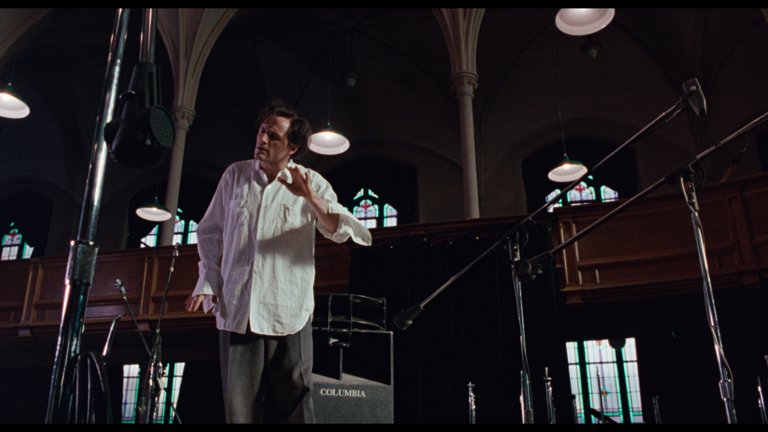
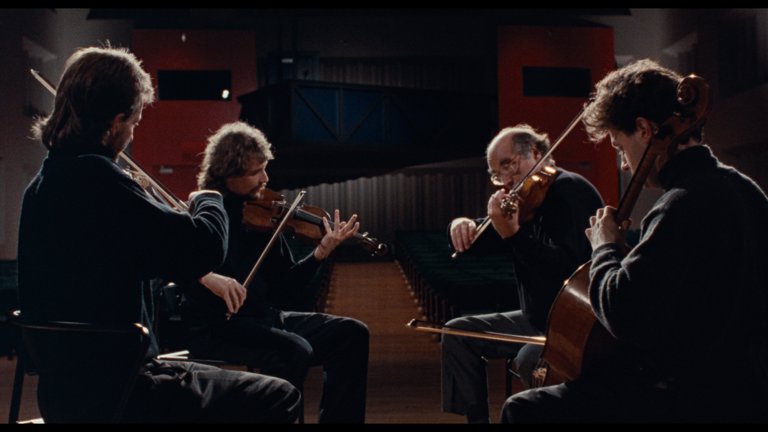
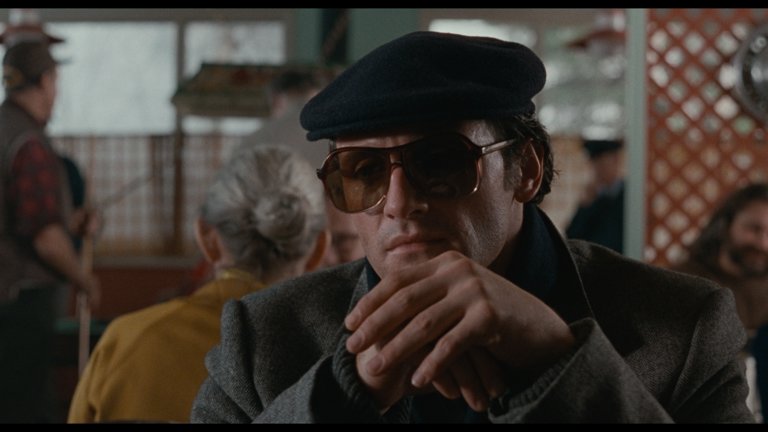
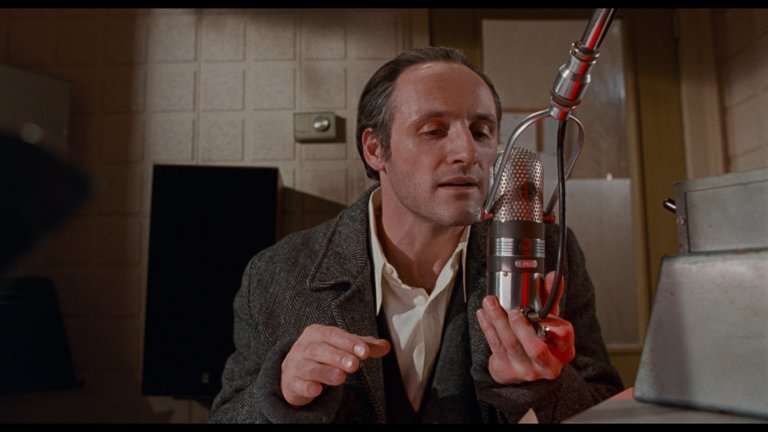
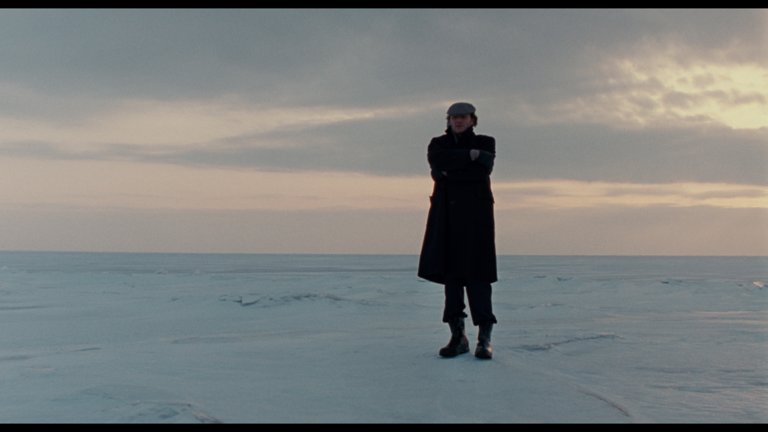
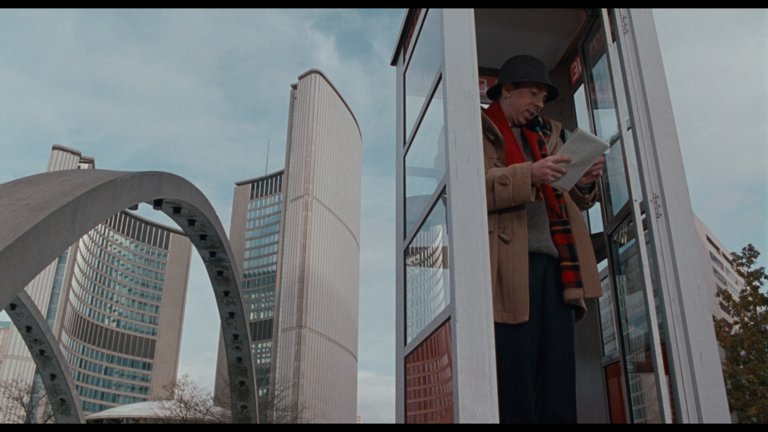
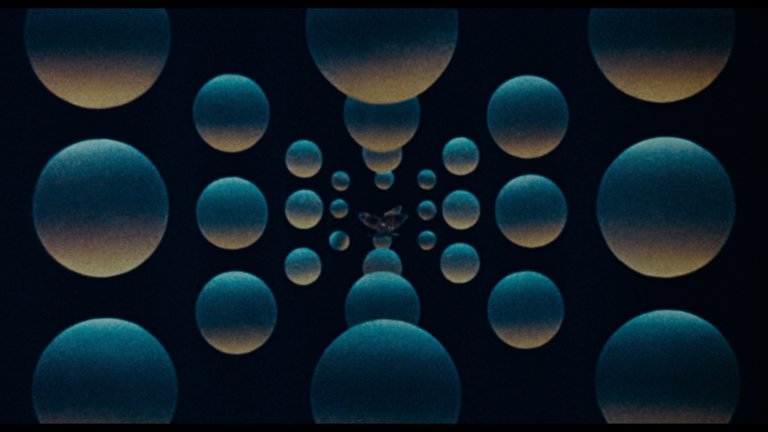
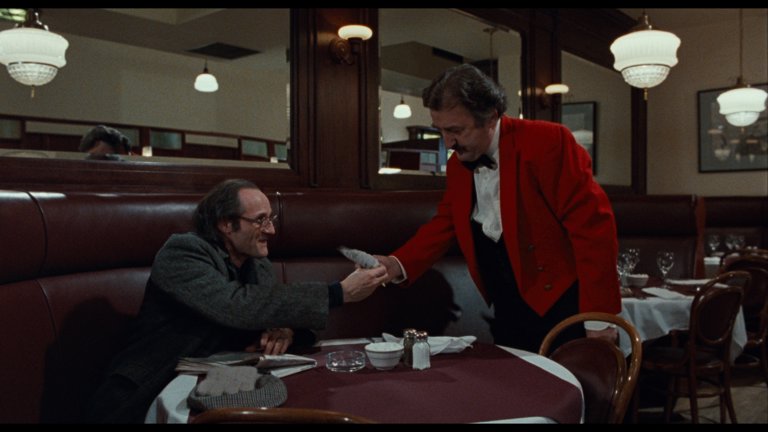
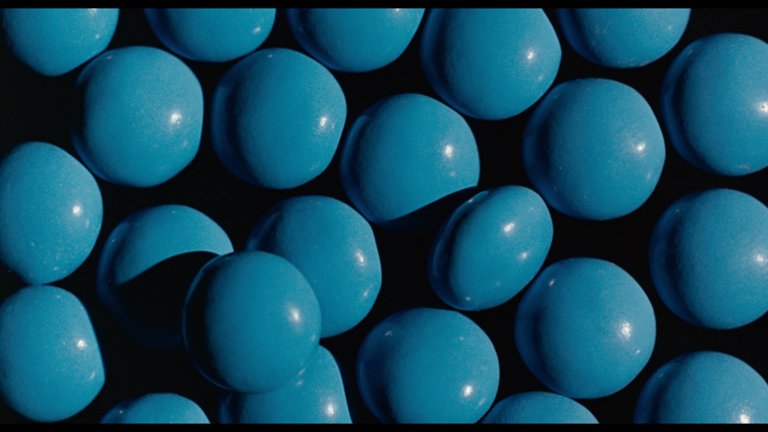
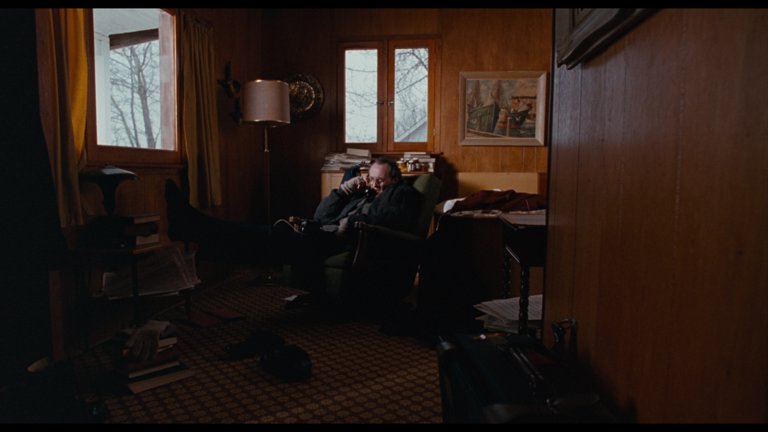
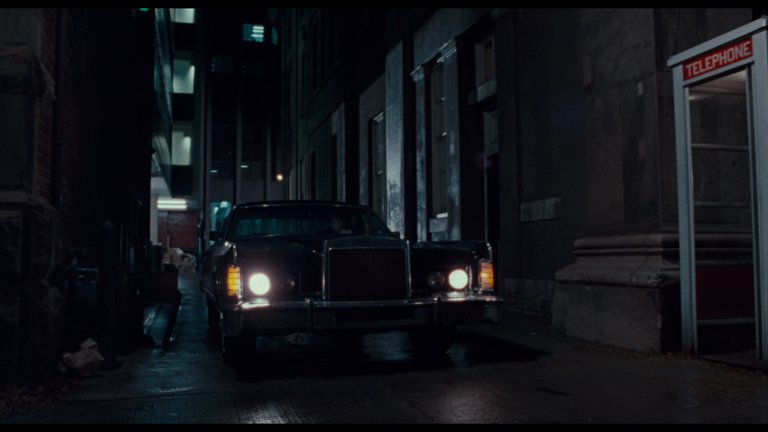
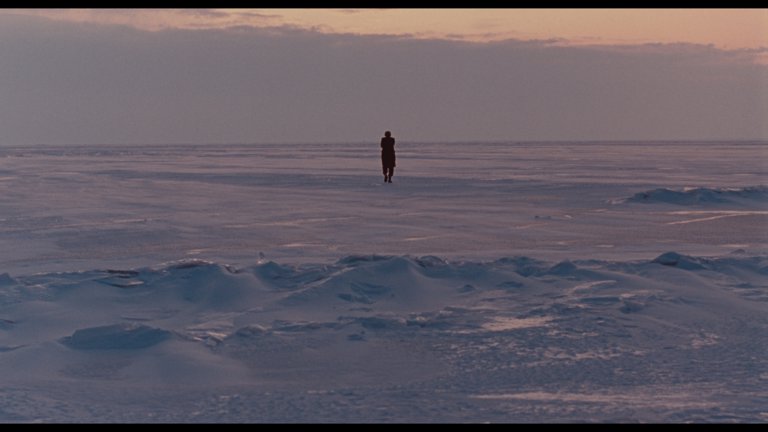
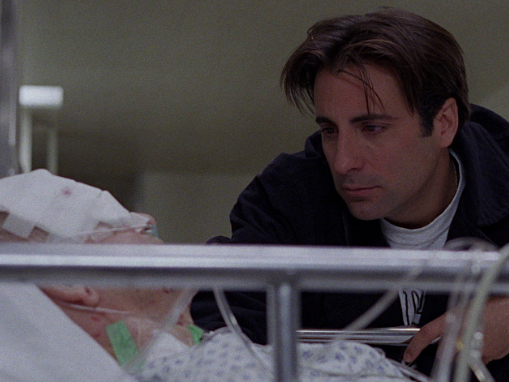
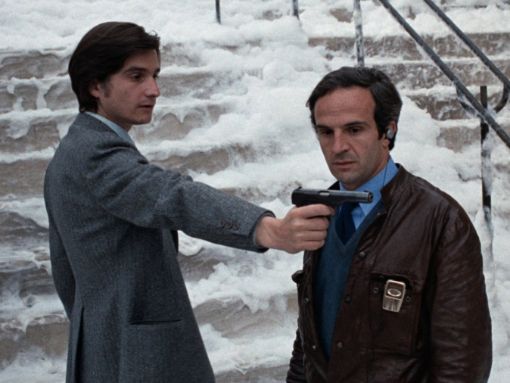
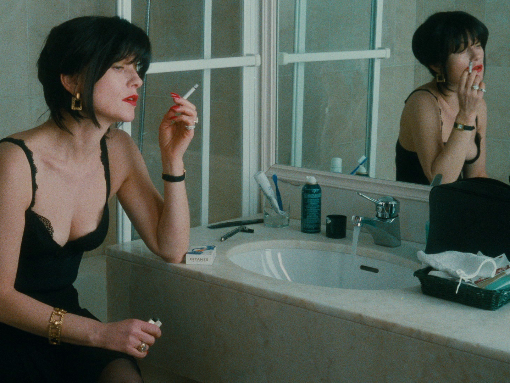
Thirty Two Short Films About Glenn Gould - Screen Captures
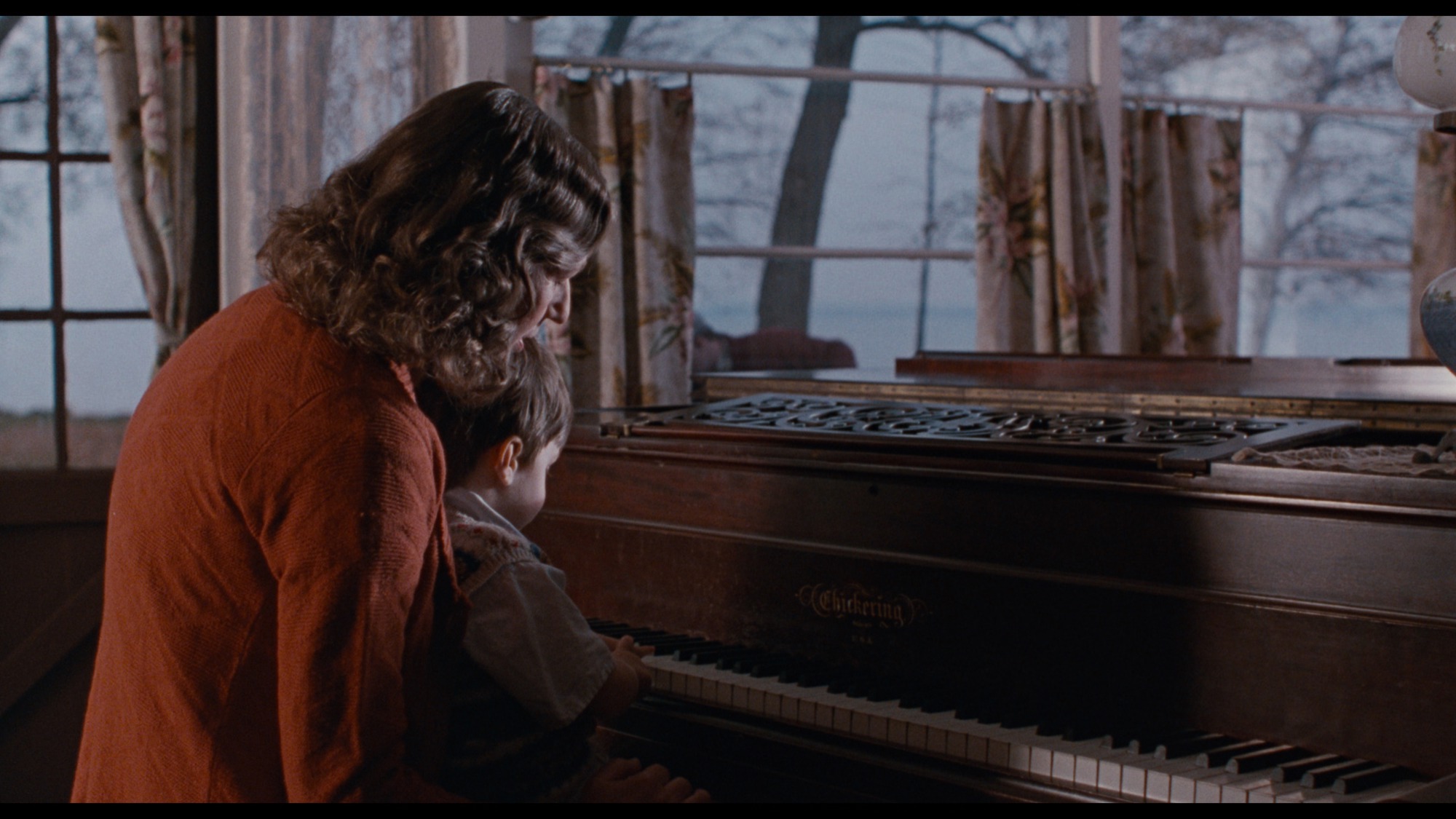
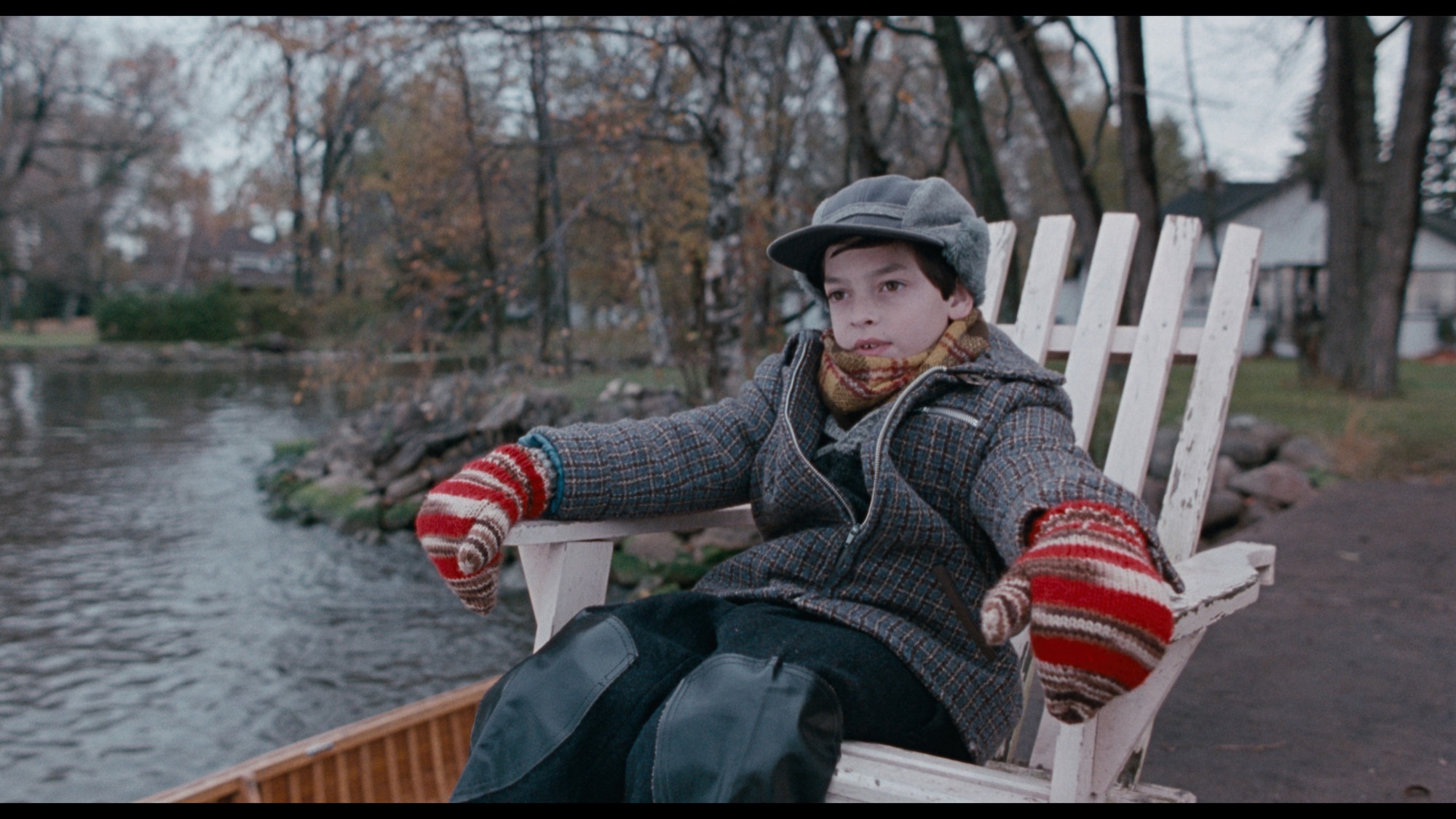
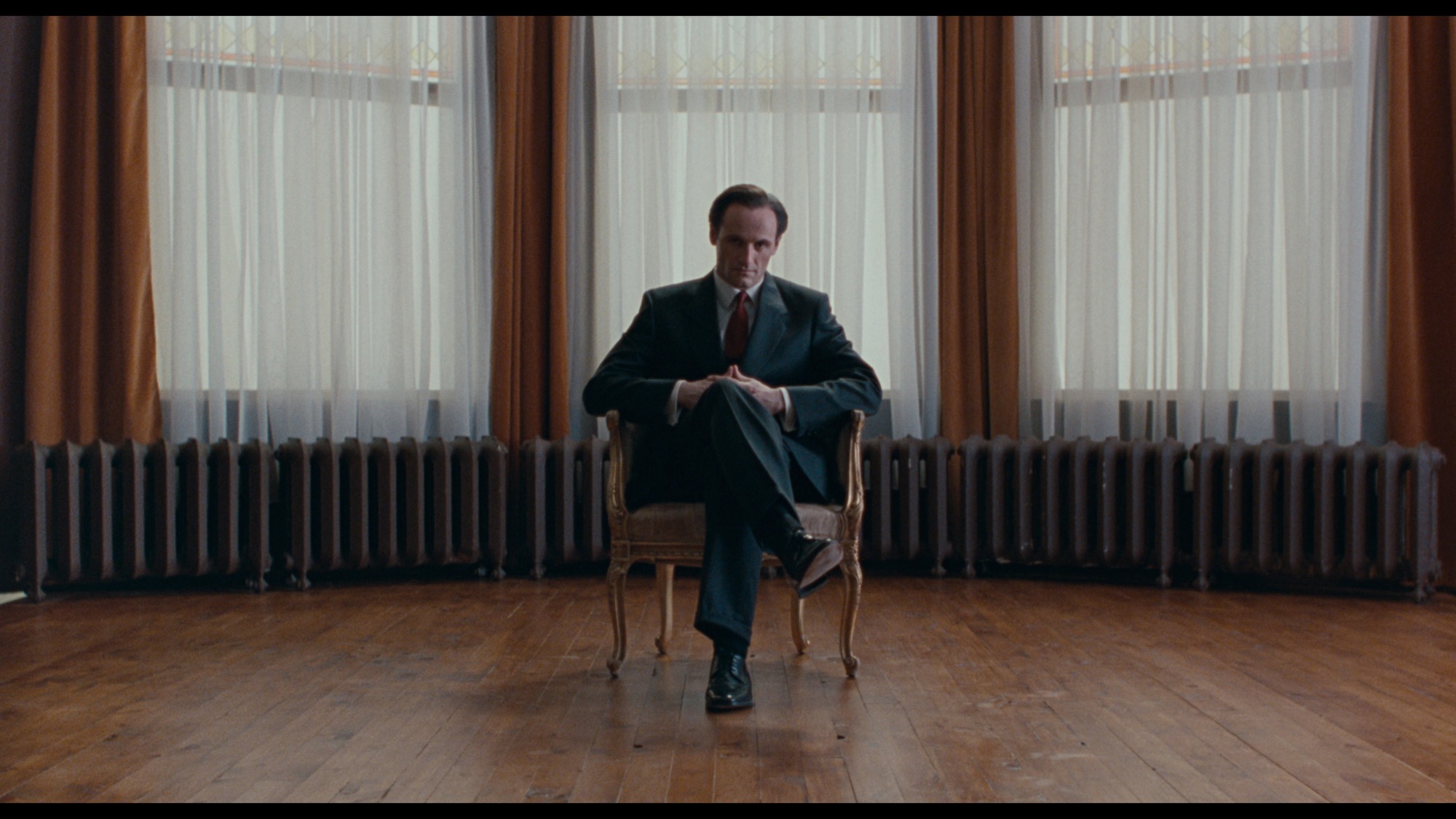
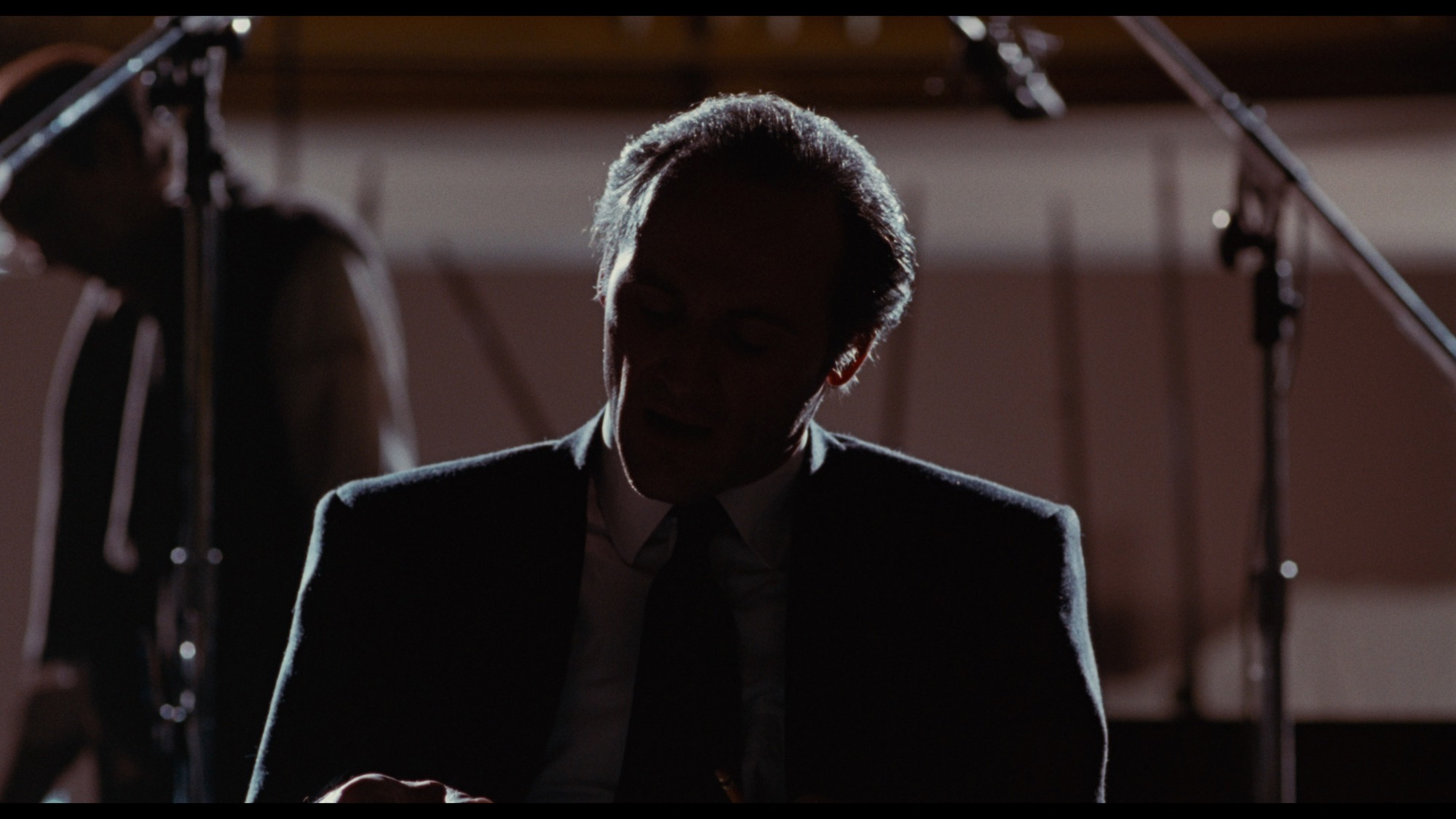
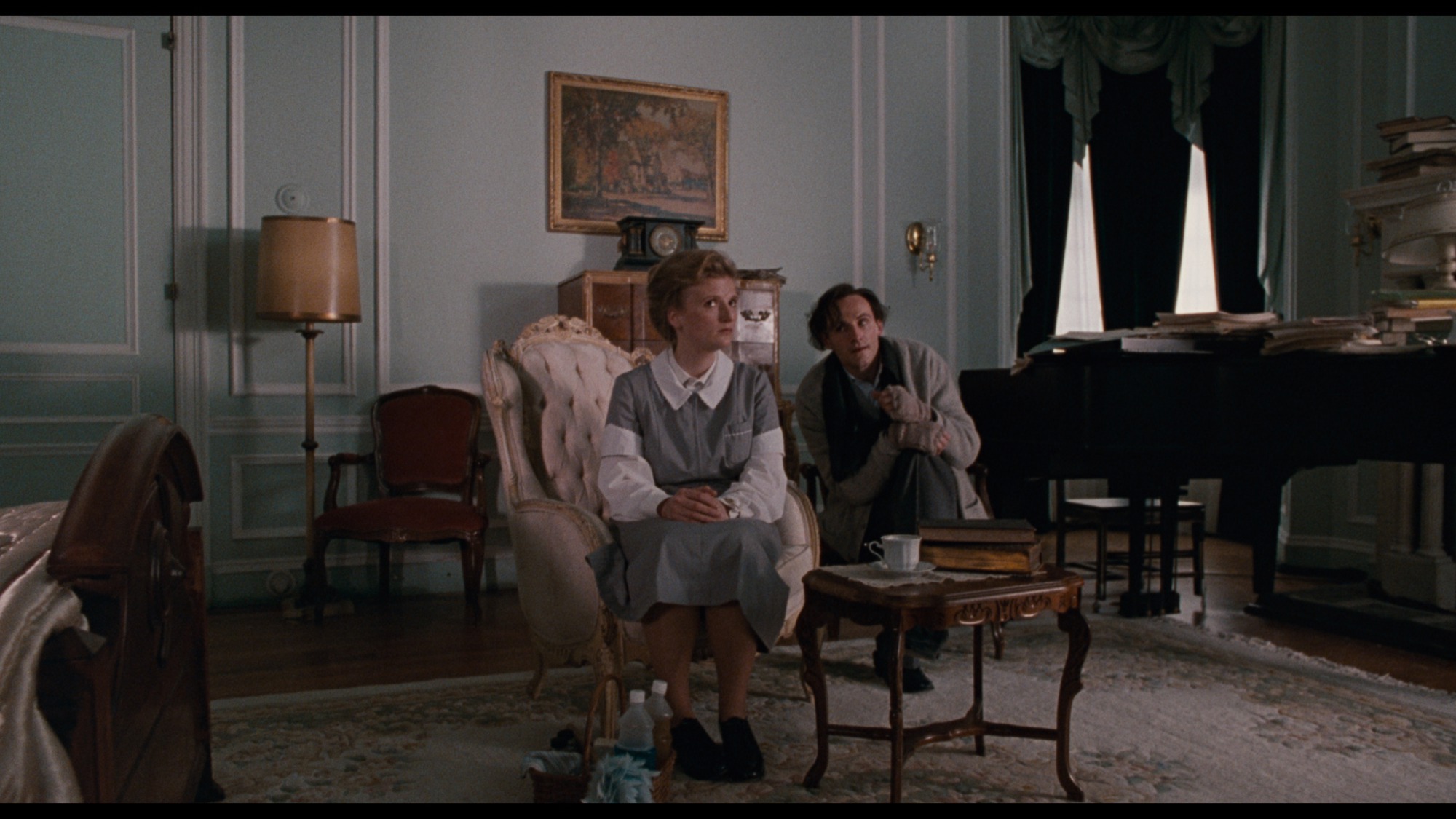
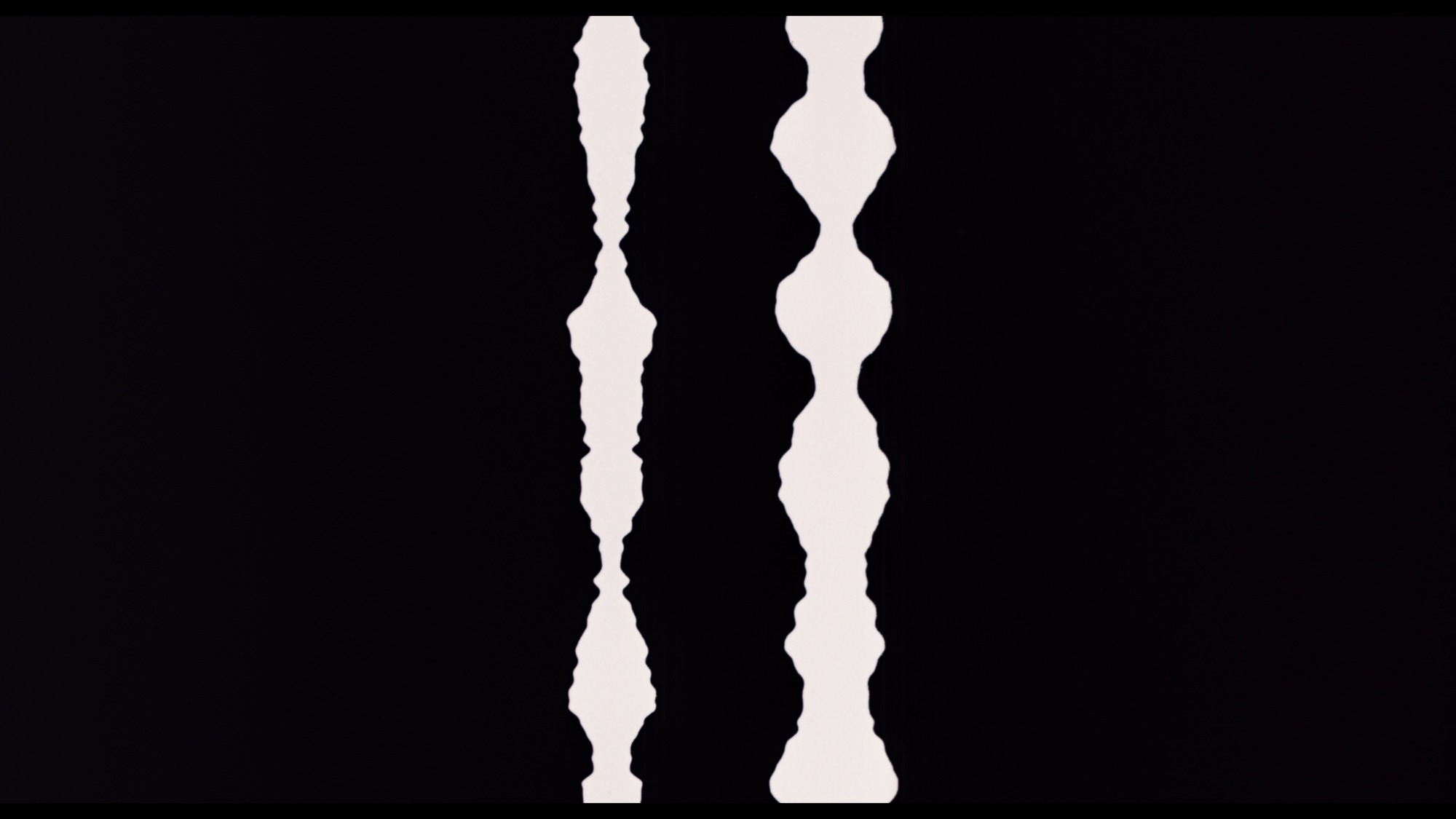
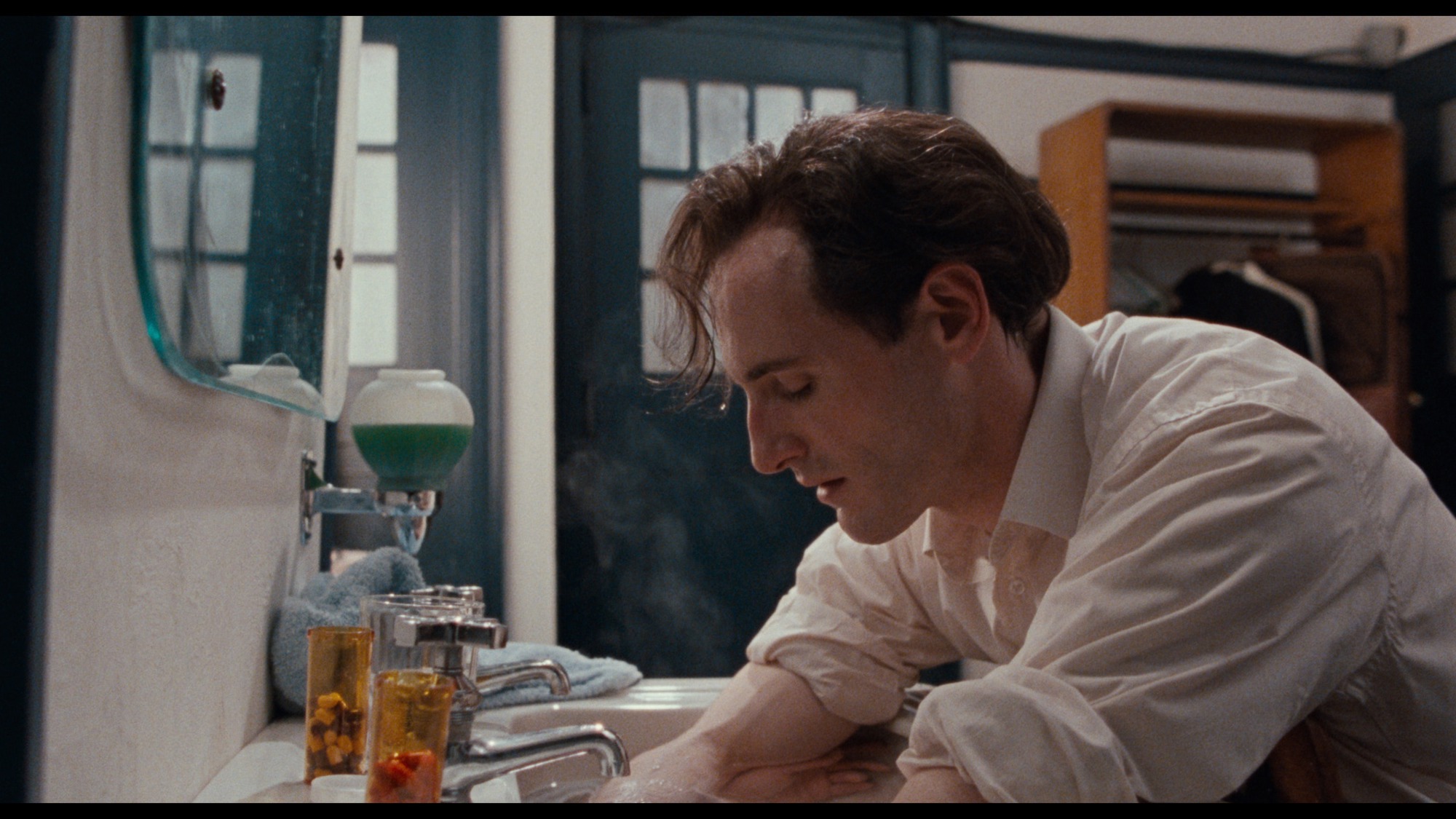
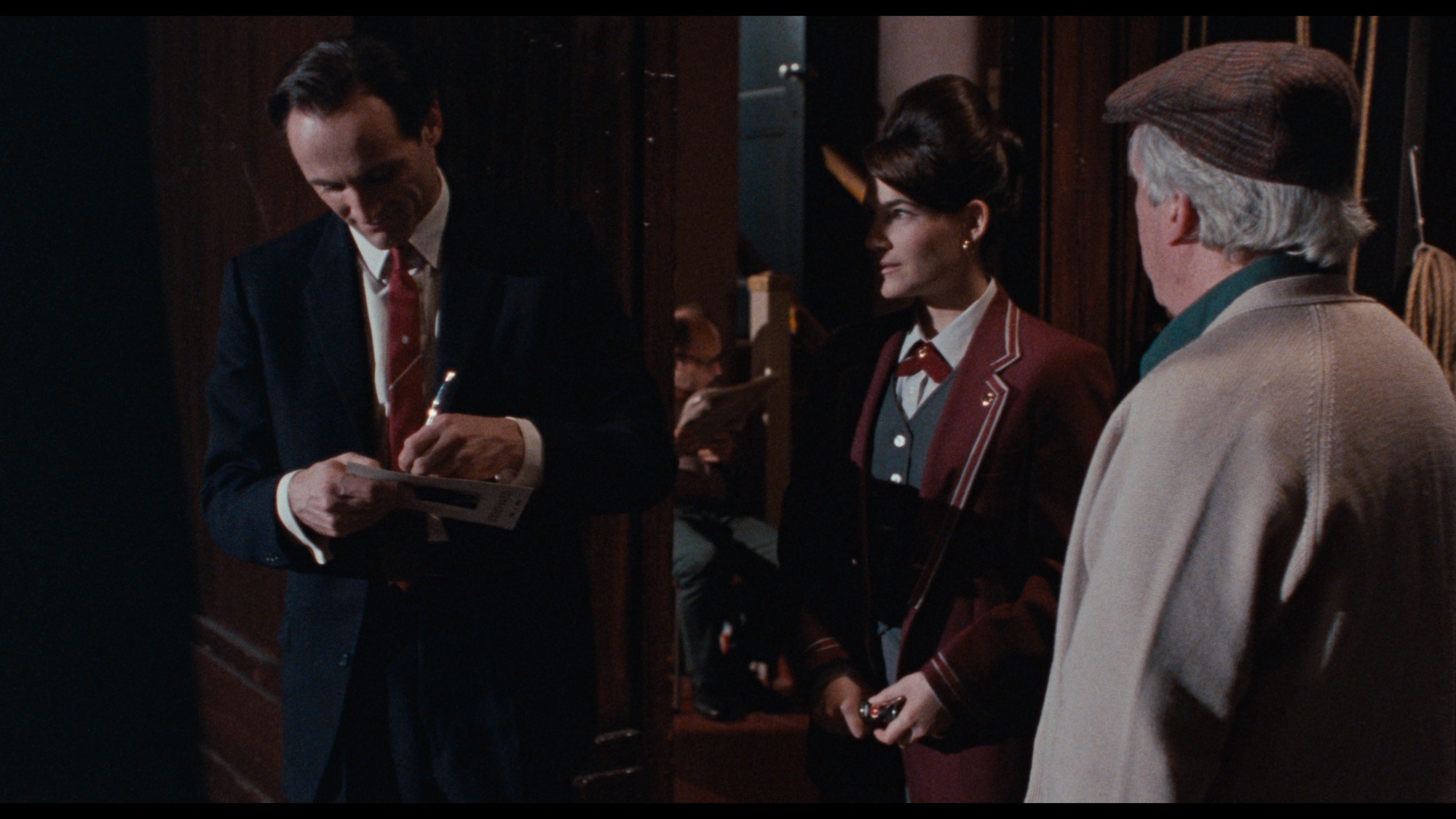
Audio 9/10
The film’s soundtrack is presented in DTS-HD MA 5.1 surround, and the mix is far more intricate than I would have initially expected. Dialogue and most sound effects are primarily anchored to the front channels, but the music and busier sequences make impressive use of the surround field, with thoughtful directionality and subtle but effective bass.
I was especially taken with the mix in the recording studio segment (Passion According to Gould), which envelopes Gould’s music around the viewer. The CD318 segment also stands out, capturing the piano’s qualities beautifully. Even more dialogue-driven pieces, like the interview segment and the one centered around Gould’s stock trades, feature nicely active soundscapes that extend into the surrounds without ever feeling overdone.
Throughout, the audio remains sharp and clean, with excellent dynamic range and clarity. It’s a marvelous-sounding track that I could see even Gould being happy with.
Extras 10/10
Despite the film’s pedigree and lasting impact—including influencing an episode of The Simpsons (a fact several participants here are quite proud of)—Thirty Two Short Films About Glenn Gould has never received a significant special edition outside of Canada (and even that one, as far as I could find, only included an interview). Criterion finally rights that wrong with a solid lineup of supplements, headlined by an excellent new audio commentary featuring director François Girard and co-writer/actor Don McKellar.
It’s a terrific track, with the two diving into their creative approach and what drew them to the project. Girard discusses the typical pitfalls of biopics and why he was determined to avoid them, opting instead for a structure resembling a musical suite, something deliberately “Gouldian.” He wanted viewers to be constantly aware they were watching a film, and even play with its technical aspects, much like Gould himself was fascinated by the intersection of art and technology. This approach freed both Girard and McKellar creatively, and it sounds like they had a great deal of fun treating each segment as its own self-contained short, different in style and tone from the others, but all serving their own unique purpose in the overall film's story.
They also cover casting, particularly the decision to go with Colm Feore. While Feore didn’t exactly resemble Gould, he perfectly captured his speech patterns, cadence, and even shared the same accent (and of course, he’s fantastic in the role). They touch on Gould’s history, Norman McLaren (when the Spheres animation comes up), and other important figures tied to the subject. There are even some surprising anecdotes, like Gould’s friendship with Barbra Streisand and early ideas of including her in the film (thankfully abandoned, as that would have been a huge distraction). It’s an energetic, passionate commentary, one of the best filmmaker tracks I’ve heard in a while, and I can’t recommend it highly enough. I’m so glad Criterion was able to have it recorded.
That energy carries over into a new 33-minute conversation between Girard and director Atom Egoyan. What’s fascinating here is Egoyan’s perspective on how Girard, being a French-Canadian, may have had an advantage when approaching Gould’s story, as he didn’t view him quite the same way English-Canadian audiences (especially Torontonians) did. This distance helped Girard avoid treating Gould as a sacred institution. The conversation eventually turns to the film’s structure, with Girard explaining how he had to narrow a long list of ideas down to the final 32, a number that loosely echoes Bach’s Goldberg Variations. Interestingly, McKellar first came on board simply as a translator for Girard, and that early collaboration eventually blossomed into a long-term creative partnership. Their discussion also touches on the cultural and structural differences between English and French Canadian cinema, making it an especially rich and insightful addition.
Criterion also includes a pair of archival interviews, starting with an 18-minute conversation with Colm Feore, filmed in 2012, possibly for a Canadian DVD release (though I couldn’t confirm that). Surprisingly, Feore delves into the production history more than some of the other features. He notes that Rhombus Media had been trying to make a film about Gould since 1979, and recounts how he came to be cast. He describes his research process, how he was first introduced to Gould’s work, and how he focused on capturing the spirit of Gould rather than doing a straight impersonation. At the time, Feore was also performing at Stratford (Canada), meaning he had to constantly travel back and forth for filming. Considering the geography, it’s incredible he wasn’t falling over from exhaustion.
It’s a great interview, as is a brief 10-minute one with producer Niv Fichman, recorded in 2008 on what looks like heavily compressed video. Fichman largely confirms earlier anecdotes: bringing McKellar onto the project, and how the film evolved from a TV concept into a theatrical release and critical success. He also shares an amusing story about following Gould as a kid while he was trying to take out his garbage, and expresses great pride in The Simpsons parodying the film, clear evidence, to him, of its cultural impact.
Of course, no release like this would be complete without focusing on Gould himself. To that end, Criterion includes two CBC documentaries from 1959: Glenn Gould: Off the Record and Glenn Gould: On the Record, both running 30 minutes. Off the Record is the more personal of the two, featuring an interview with Gould at his Lake Simcoe home where he talks about his preference for working in rural environments and his disdain for live performance, preferring the control that studio recording offers. The crew even visits nearby Orillia, where most residents seem blissfully unaware they’re living near a musical genius. Gould’s friend and producer Franz Kraemer also stops by for a conversation about composing.
On the Record is less intimate and focuses more on Gould at work in the studio. This is the footage that clearly inspired the segment Passion According to Gould, capturing Gould listening to playback and humming along, completely absorbed, though of course the film dramatizes this a bit more (he's nowhere near as animated here as depicted in the film). These two docs are particularly valuable for viewers outside of Canada, offering rare footage of Gould himself, showcasing the quirks referenced throughout the film (like the humming), and further elevating appreciation for Feore’s performance. They’re excellent inclusions.
The disc wraps with the film’s trailer, and the release comes with a poster insert featuring stills from each of the 32 films on one side and an essay by Michael Koresky on the other. Koresky explores the film’s structure and sequences, while offering helpful context about Gould for audiences outside of Canada or not familiar with the musician.
Overall, I was very impressed by the supplements Criterion has assembled here. Everything feels substantial and worthwhile, thoroughly exploring both the film and its subject. One of the better sets of features Criterion has put together in recent memory.
Closing
After decades of only having an underwhelming DVD in circulation, Thirty Two Short Films About Glenn Gould finally receives the release it deserves. Criterion’s new 4K edition is a significant leap in quality, delivering a crisp, film-like presentation thanks to the new 4K restoration. A wonderful edition overall.
BUY AT: