BUY AT:


See more details, packaging, or compare
Synopsis
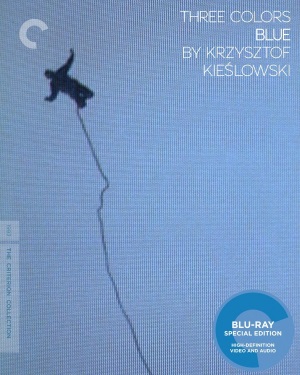
In the devastating first film of the Three Colors trilogy, Juliette Binoche gives a tour de force performance as Julie, a woman reeling from the tragic death of her husband and young daughter. But Blue is more than just a blistering study of grief; it’s also a tale of liberation, as Julie attempts to free herself from the past while confronting truths about the life of her late husband, a composer. Shot in sapphire tones by Sławomir Idziak, and set to an extraordinary operatic score by Zbigniew Preisner, Blue is an overwhelming sensory experience.
Picture 8/10
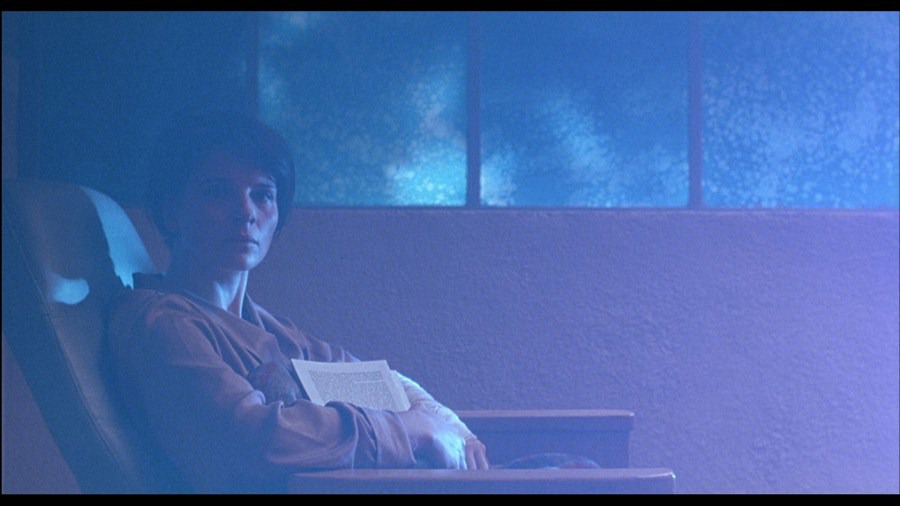
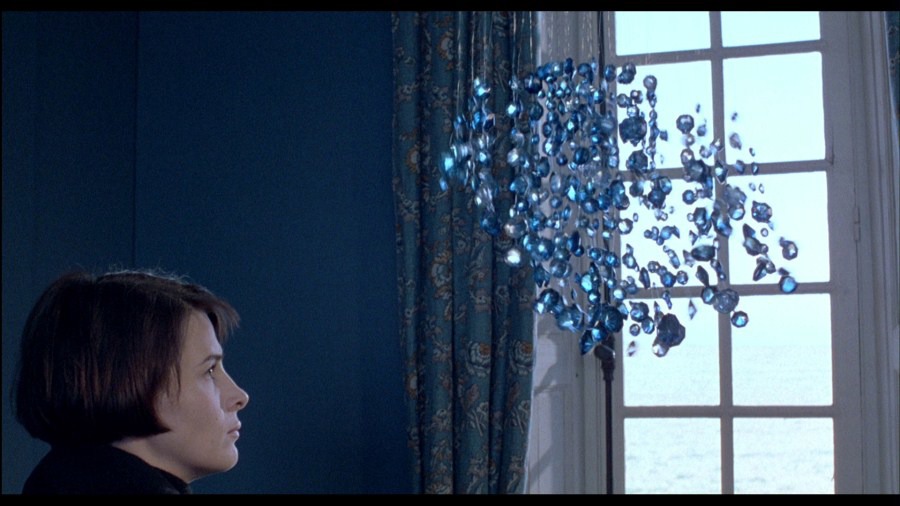
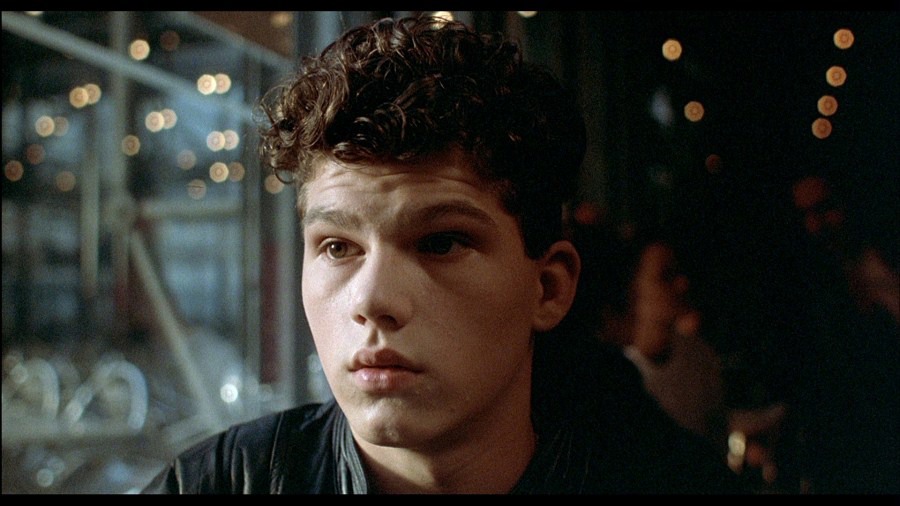
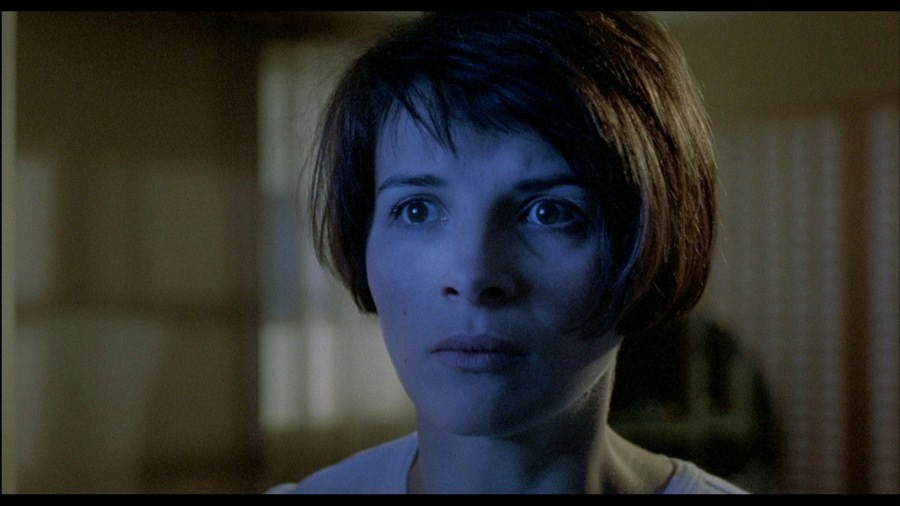
Krzysztof Kieslowski’s Blue, the first part of the director’s Three Colors trilogy, comes to Blu-ray from Criterion and is available exclusively in their Three Colors box set. The film is presented in its original aspect ratio of 1.85:1 on this dual-layer disc in a new 1080p/24hz digital transfer.
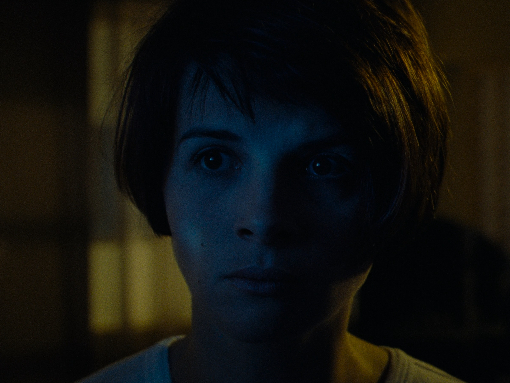
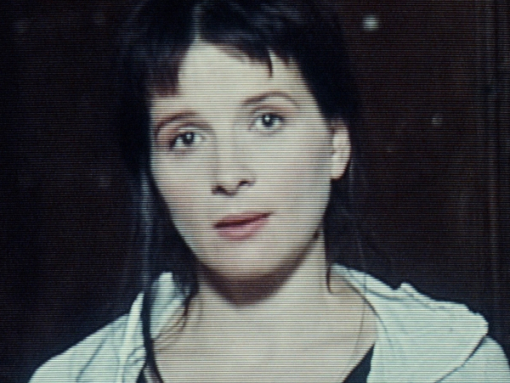
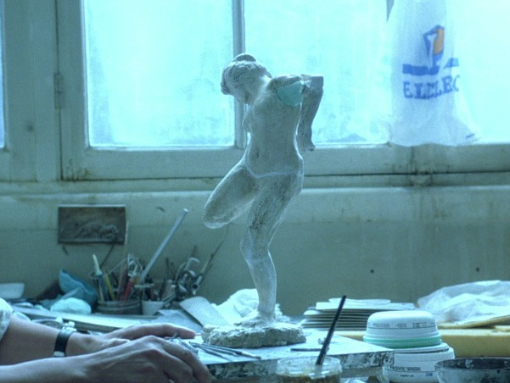
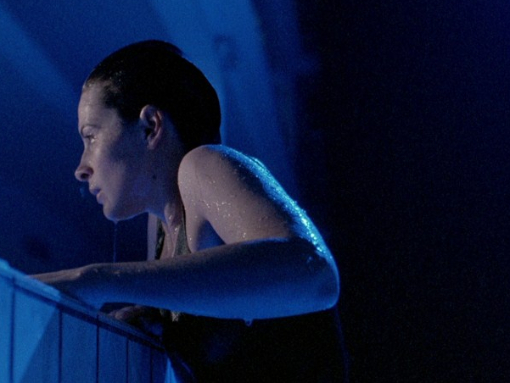
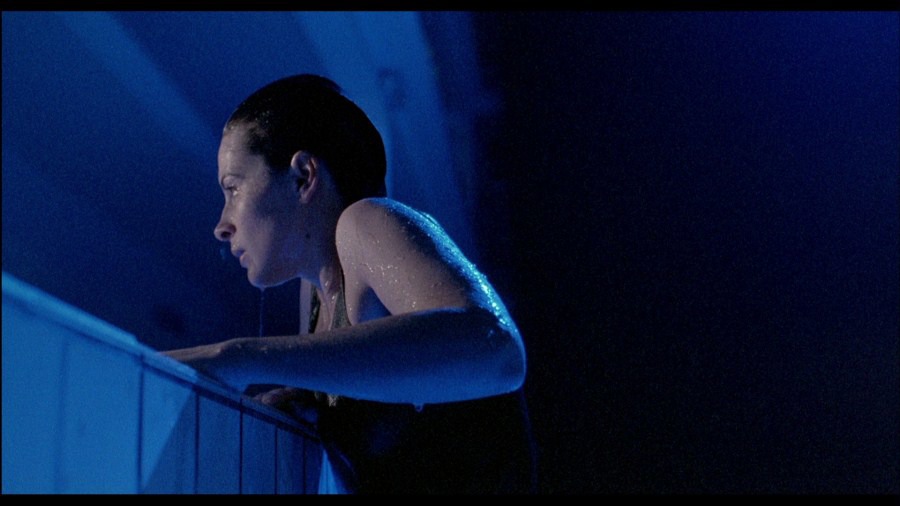
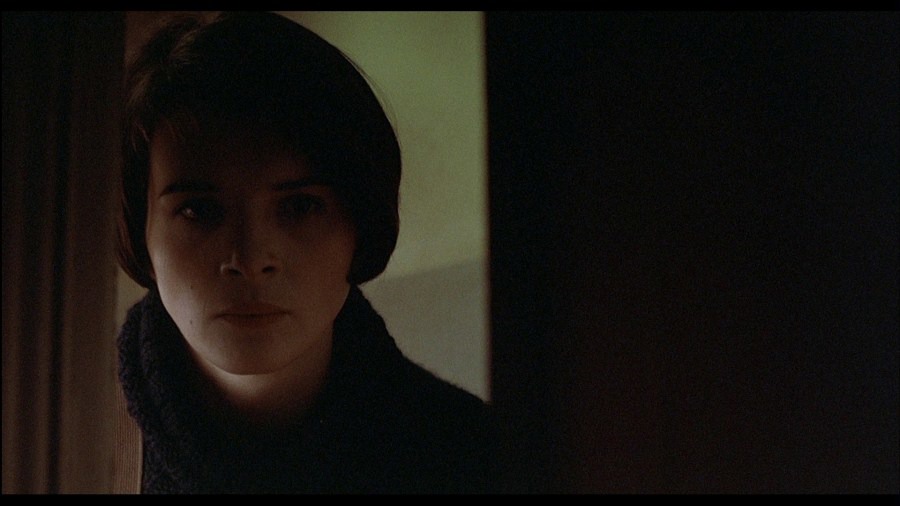
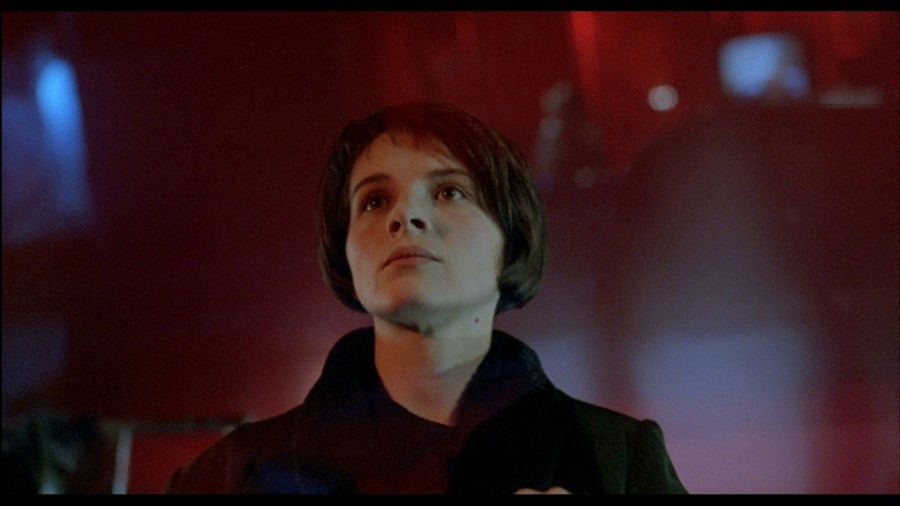
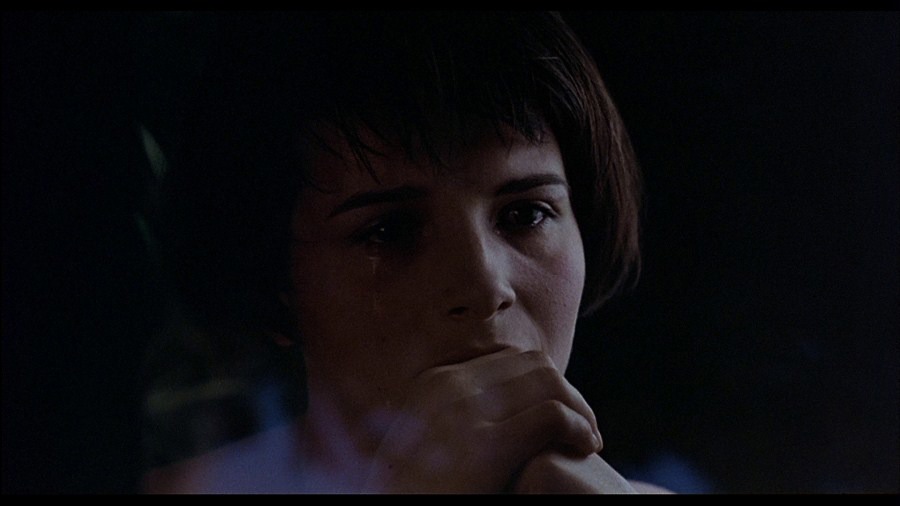
I was surprised by the amount of film grain present and it can get a bit heavy in spots. I’m not sure if this is because the transfer was made from a 35mm interpositive instead of a negative but the grain at least looks natural and never like noise. Past that the image holds up really well. The film can have a fairly muted look to it colour-wise, with paler skin tones, but the film’s always looked this way in all of the home video versions I’ve seen (I have never seen it theatrically.) But the blues in the film really pop with perfect rendering. The image also remains crisp and sharp throughout and I don’t recall an instance where the image goes soft, unless purposely done. Darker scenes also presented clear shadow details, and blacks, though a bit washed, hold up properly as well.
The print is in near-perfect condition with only a few minor blemishes. So overall, as expected, Criterion delivers a sharp, clean, and filmic image, and it’s certainly the best home video presentation I’ve come across for the film.
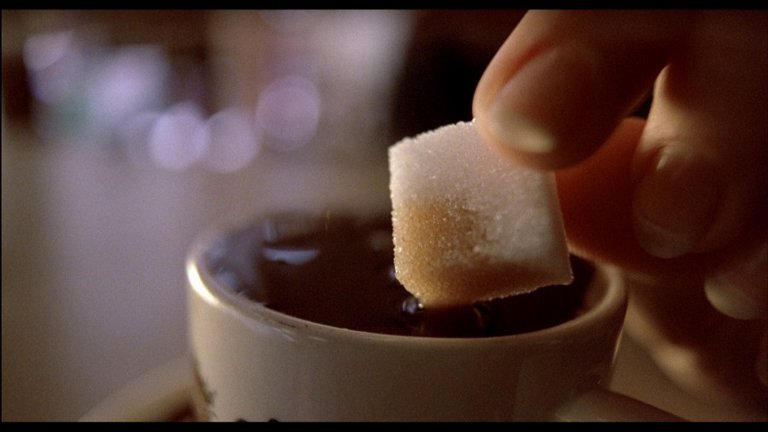
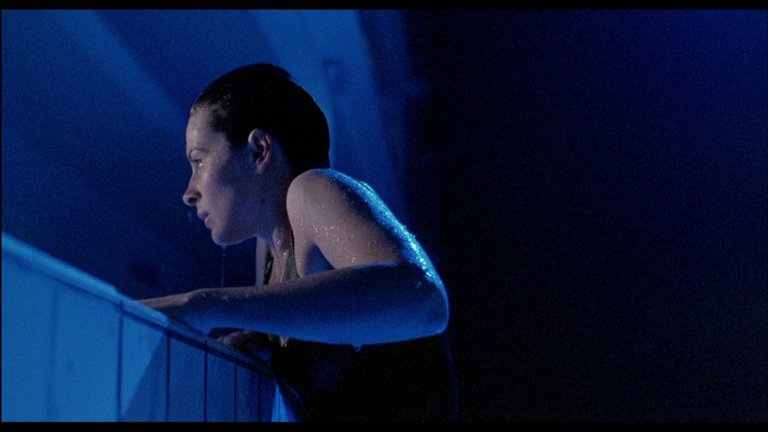
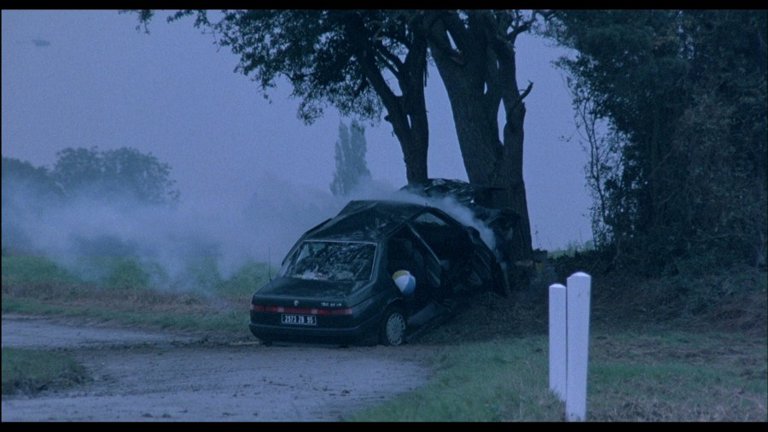
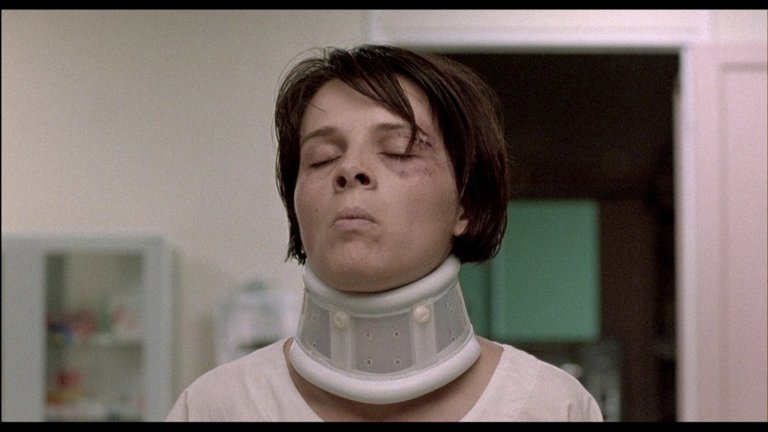
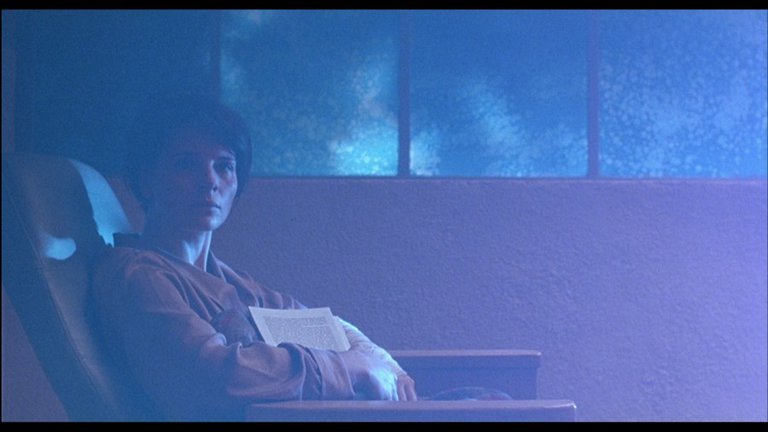
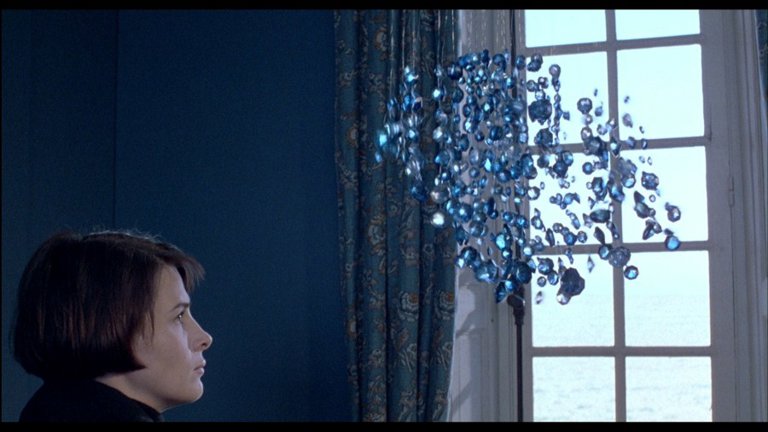
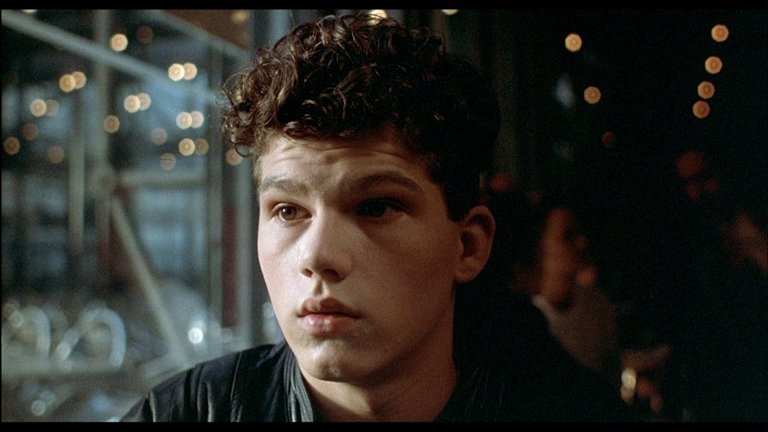
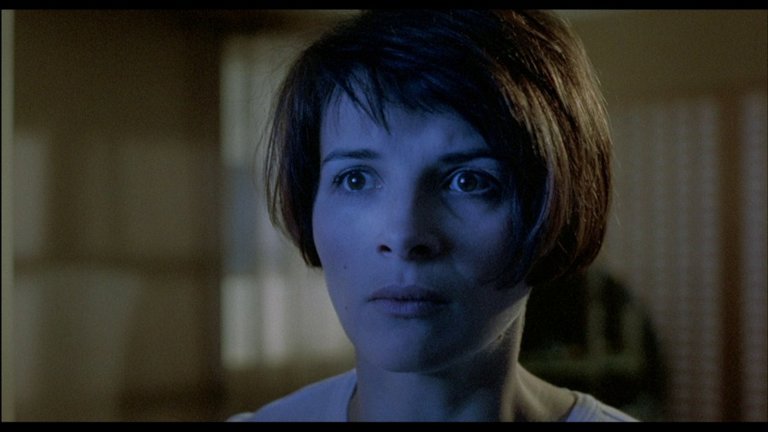
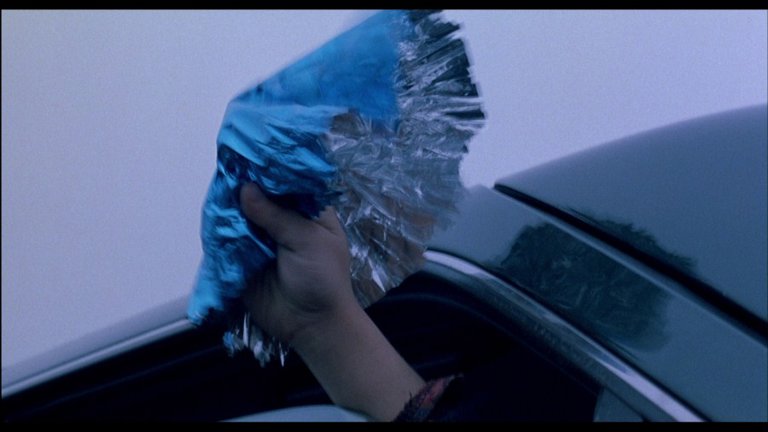
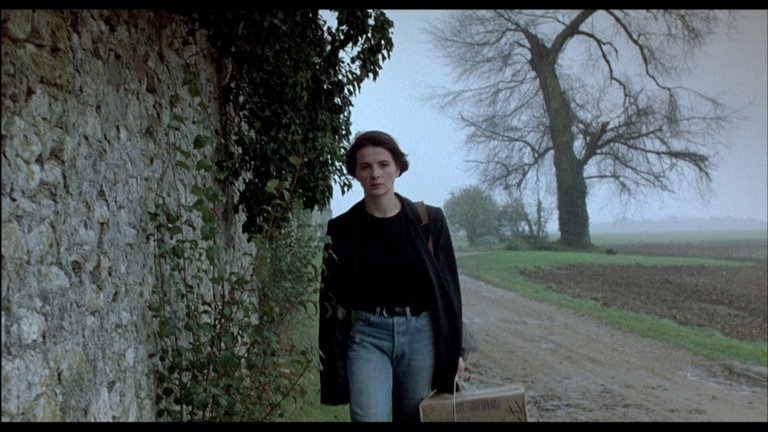
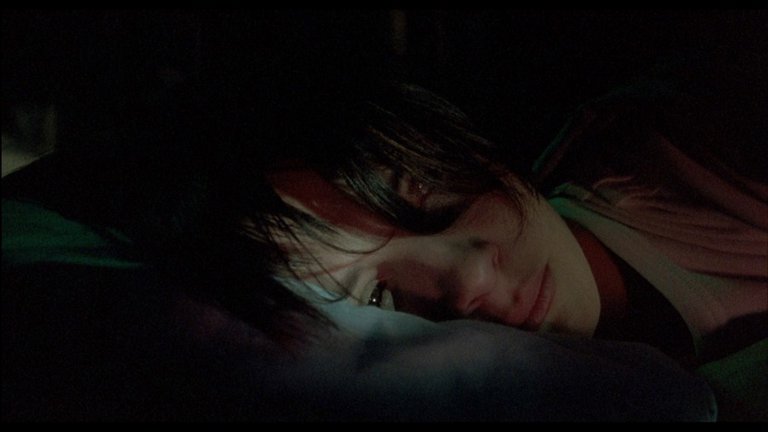
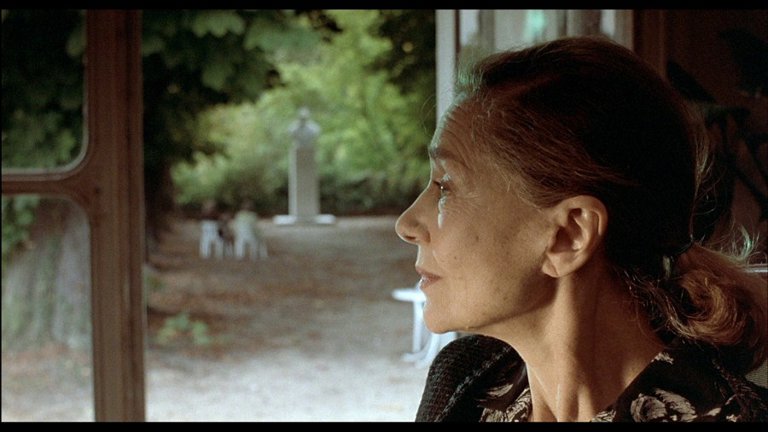
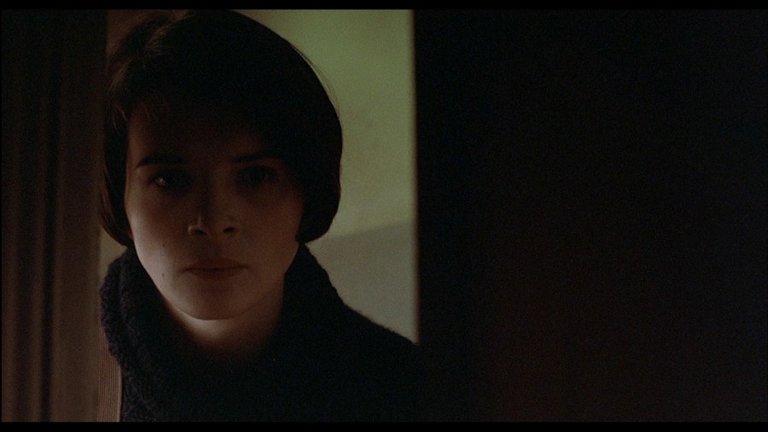
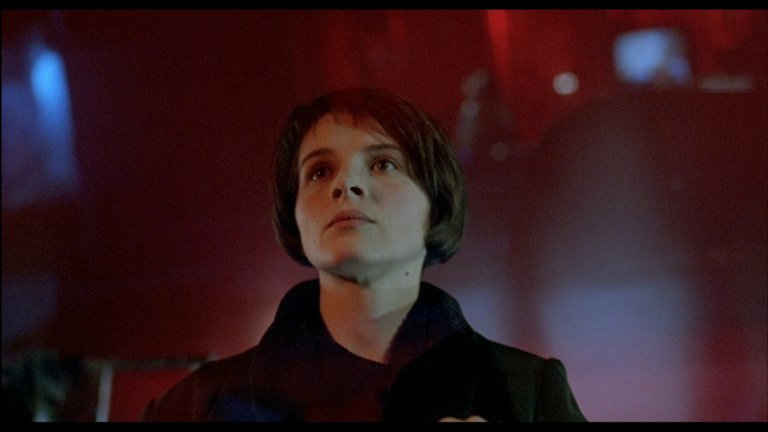
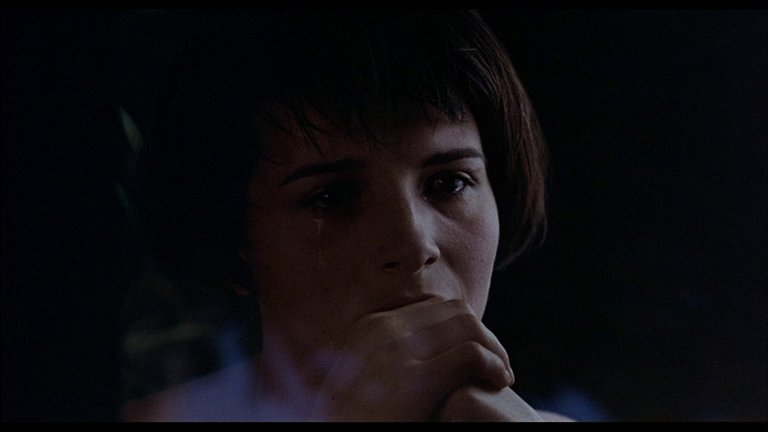
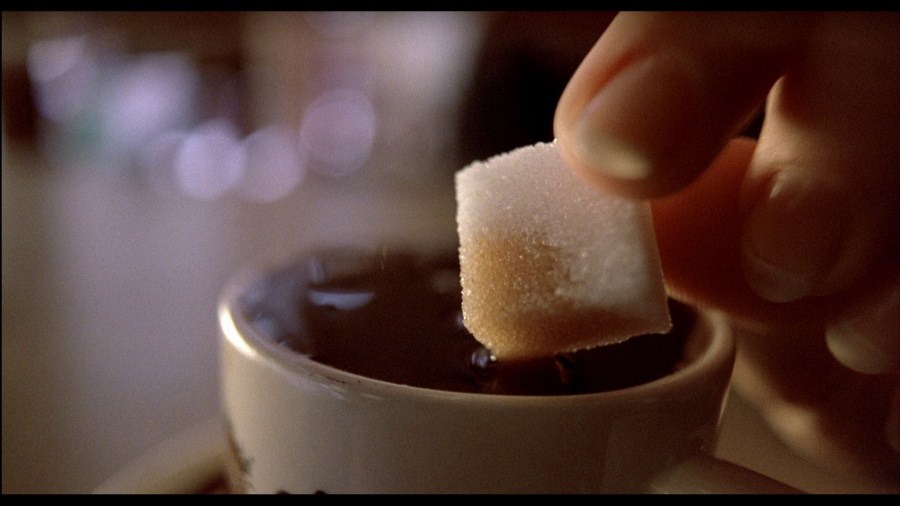
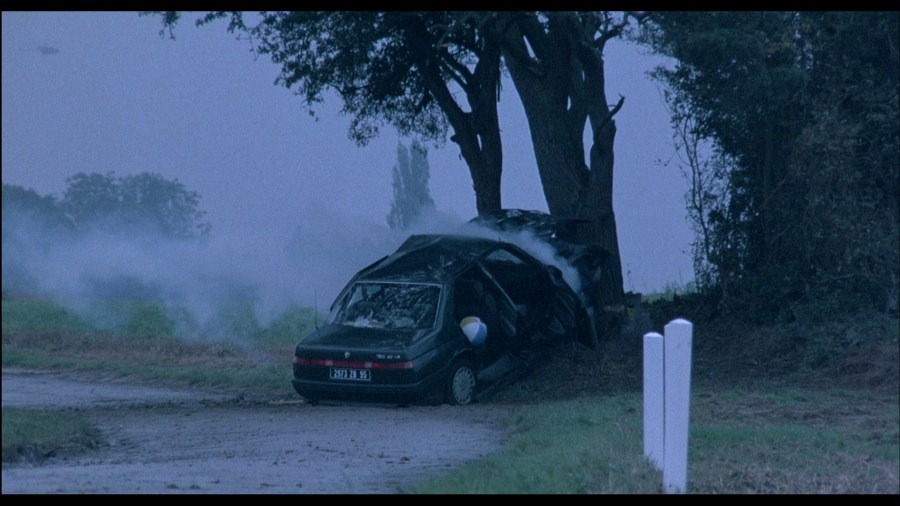
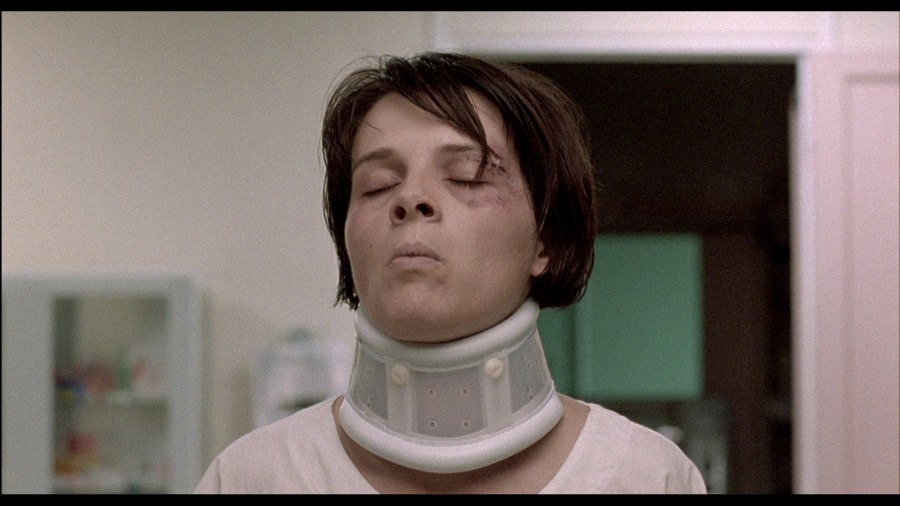
Three Colors: Blue - Screen Captures
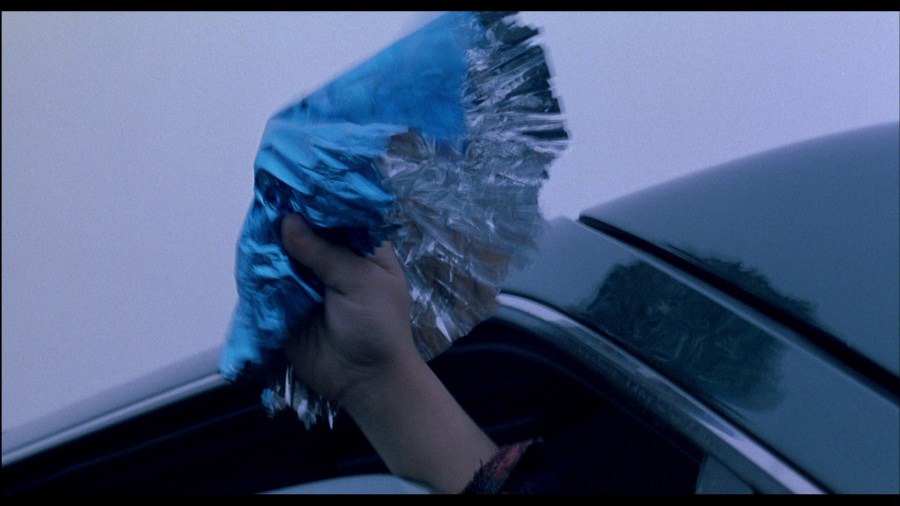
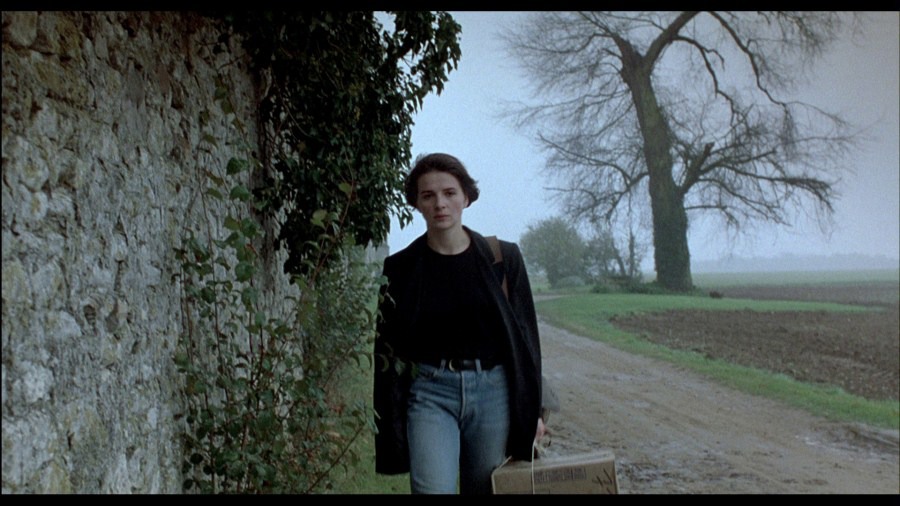
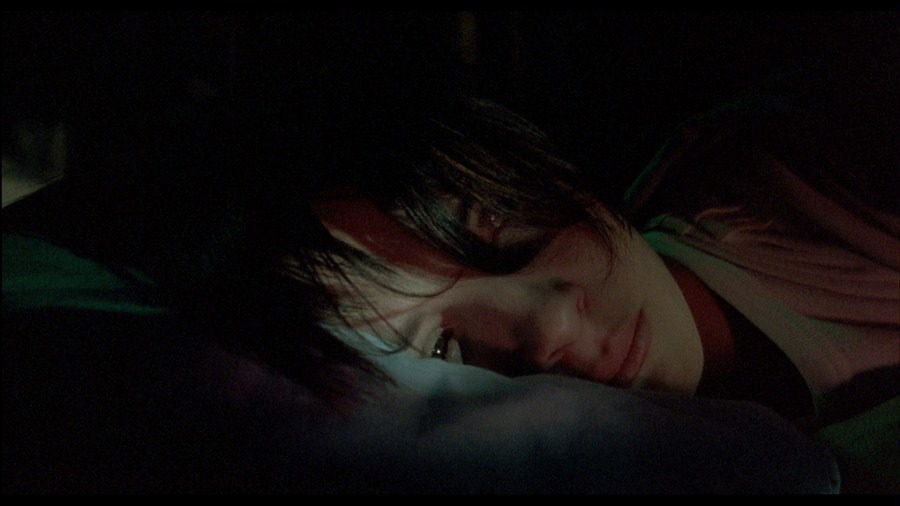
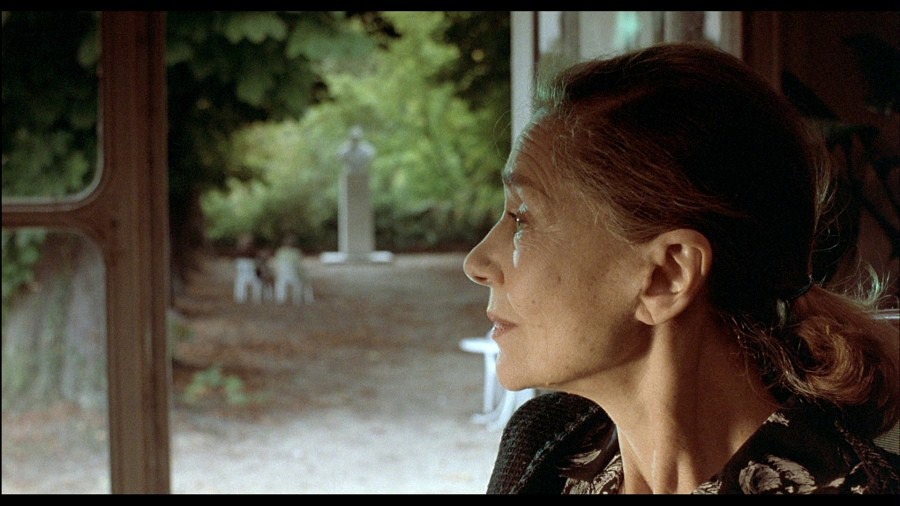
Audio 8/10
Krzysztof Kieslowski’s Blue, the first part of the director’s Three Colors trilogy, comes to Blu-ray from Criterion and is available exclusively in their Three Colors box set. The film is presented in its original aspect ratio of 1.85:1 on this dual-layer disc in a new 1080p/24hz digital transfer.
I was surprised by the amount of film grain present and it can get a bit heavy in spots. I’m not sure if this is because the transfer was made from a 35mm interpositive instead of a negative but the grain at least looks natural and never like noise. Past that the image holds up really well. The film can have a fairly muted look to it colour-wise, with paler skin tones, but the film’s always looked this way in all of the home video versions I’ve seen (I have never seen it theatrically.) But the blues in the film really pop with perfect rendering. The image also remains crisp and sharp throughout and I don’t recall an instance where the image goes soft, unless purposely done. Darker scenes also presented clear shadow details, and blacks, though a bit washed, hold up properly as well.
The print is in near-perfect condition with only a few minor blemishes. So overall, as expected, Criterion delivers a sharp, clean, and filmic image, and it’s certainly the best home video presentation I’ve come across for the film.
Extras 8/10
Each title in Criterion’s Three Colors box set gets their own supplements, mostly focused on the film on the disc. First on this disc is a video essay by scholar Annette Insdorf entitled On Blue, which runs 21-minutes. Insdorf actually did audio commentaries for all of the films for Miramax’s box set of the films. I’m a little puzzled as to why Criterion didn’t include them (I’m not sure who the commentaries were actually recorded for so it could be a licencing issue) but this must be their attempt to make up for it. At any rate it’s a decent enough presentation with Insdorf talking over some clips from the film covering the film’s visuals, its use of sound, and how the theme of “liberty” is presented. She even closes off with some notes on another trilogy Kieslowski had planned to do after Three Colors and how this film could have tied into it. As always she’s knowledgeable and covers some of the themes of the film thoughtfully, but it can be a little stuffy and sounds too much like she’s reading from notes, lacking in energy as a whole.
Following this is a 7-minute piece from 1994 called Kieslowski’s Cinema Lesson featuring the director at an editing suite breaking down a scene at the café with Binoche. Here he talks about his use of close-ups, emphasizing her character’s point of view, and then talks about the pains they went to in shooting the short shot of the sugar cube soaking up the coffee, which he needed to do in about 5-seconds (they apparently tried all sorts of cubes until they found a brand that would soak up the coffee in that time.) Though we get a lot of scholarly material on this disc, and in the set as a whole, surprisingly this short piece offers the most insight into the director’s process (the other discs also include similar features.)
Recorded in 2004, for another edition of the film I can only assume, Criterion presents a 25-minute select-scene audio commentary by Juliette Binoche. She talks over a few scenes though her discussion doesn’t necessarily have much to do with the sequences in question. She focuses primarily on working with Kieslowski, which involved some butting of heads, and how she played her character. She does talk a little about being offered the lead role in The Double Life of Veronique and how she was unable to do it at the time. She was then offered the role in Blue at the same time she was offered a role in Jurassic Park, and she admits she was a little conflicted, though ultimately she chose to work with Kieslowski (obviously.) She gets a little teary eyed when she talks about Kieslowski’s funeral but in all it’s a fairly entertaining track with a couple of funny moments. Kind of a shame she doesn’t talk over the whole film.
Criterion again records an interview with composer Zbigniew Preisner, who also recorded one for The Double Life of Veronique. For 21-minutes he again talks about his working relationship with Kieslowski and, while referencing the actual music sheets, talks about the score for each film in the Three Colors trilogy, talking about the different styles and tones, and how he came up with them. He even talks a little about a fictional composer they made up, Van den Budenmeyer, whose music (written by Preisner of course) appeared in one of the films of The Decalogue and then in films within the trilogy. I was expecting him to repeat himself here from the Veronique disc but he doesn’t and offers an interesting insight into the creative process of one of the most important aspects to the films.
Reflections on Blue is an older piece running about 17-minutes, and presents interviews with critic Geoff Andrew, actress Juliette Binoche, filmmaker Agnieszka Holland, cinematographer Slawomir Idziak, scholar Annette Insdorf, and editor Jacques Witta. Insdorf again talks about the theme of “liberty” in the film and how Kieslowski managed to make the film more personal instead of political, while others talk about various technical aspects. Idziak talks about the look of the film and some of the changes they made to the script to keep it visually interesting (originally Binoche’s character was supposed to be a jogger, but thinking a pool may look better Idziak suggested she be a swimmer instead.) Binoche talks a little about some of her more intense sequences like dragging her fist against the stone wall and then the scene where she violently eats a lollipop, and then Witta talks about the editing in the film and the use of the fade-ins and fade-outs that appear. Some minor repetition of material covered elsewhere but there’s some great insights found here involving the technical aspects of the film that make it worth viewing.
We then get another similar piece shot at the same time as the previous supplement. Called Kieslowski: The Early Years, the 15-minute segment again features Holland (who gets more face time this round,) Andre, Idziak, Insdorf, and then Irène Jacob. This 15-minute segment focuses more on his school days and early film career, with Insdorf providing most of the history. Holland recalls meeting Kieslowski in school and her friendship with him over the years, and then all play a part in suggesting how the political climate in Poland influenced his work even if his work isn’t overtly political. Though short it’s surprisingly in-depth and is another decent inclusion.
Criterion then includes two short student films. First we get the 5-and-a-half-minute student film The Tram, which Kieslowski made in school in 1966. This silent black and white piece focuses on a young man who boards a tram and begins a flirtation with a woman on board. Though it obviously isn’t as advanced in terms of editing and look as his later films, it still has some interesting use of close-ups and some very clean editing. The second film, The Face is another student film from the same year, though stars Kieslowski and was directed by his fellow classmate Piotr Studzinski. It’s a little heavy handed with some dizzying editing, but it’s interesting enough as Kieslowski’s “suffering artist” begins trashing all his self-portraits. Both are presented in 1080i (like all of the other features) and also look surprisingly good.
The disc then concludes with the 2-minute French theatrical trailer.
The disc itself doesn’t come with any booklet but the box set its contained in does come with a rather thick 79-page booklet, covering the films and the trilogy as a whole.
I’m not sure why Insdorf’s audio commentary from the Miramax/Buena Vista box set didn’t make it over, and there were some other features on there as well that didn’t make it, but the supplements gathered here are satisfying and offer a fairly thorough examination of Blue and to an extent the other films in the set.
Closing
Overall Criterion’s box set for Kieslowski’s Three Colors trilogy is a great release and even on its own Blue is a solid edition. It presents a very filmic and sharp presentation, a strong, even stunning surround track, and some solid scholarly tracks. An excellent edition for the film.
BUY AT: