Throne of Blood
BUY AT:


See more details, packaging, or compare
Synopsis
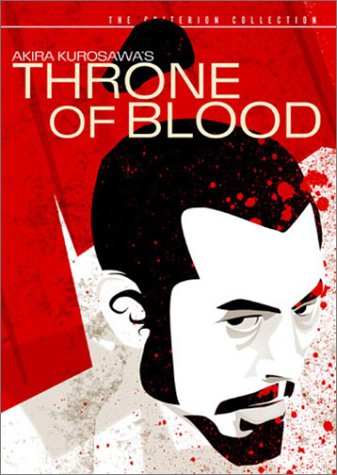
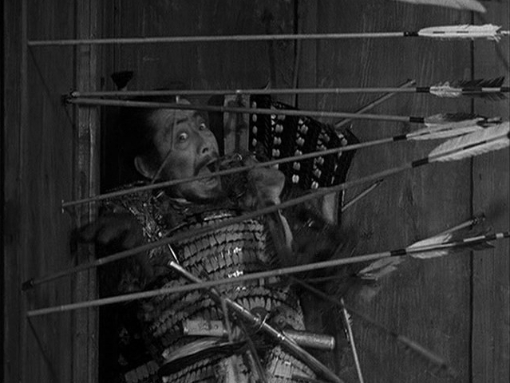
One of the most celebrated screen adaptations of Shakespeare into film, Akira Kurosawa's Throne of Blood re-imagines Macbeth in feudal Japan. Starring Kurosawa's longtime collaborator Toshiro Mifune and the legendary Isuzu Yamada as his ruthless wife, the film tells of a valiant warrior's savage rise to power and his ignominious fall. With Throne of Blood, Kurosawa fuses one of Shakespeare's greatest tragedies with the formal elements of Japanese Noh theater to make a Macbeth that is all his own-a classic tale of ambition and duplicity set against a ghostly landscape of fog and inescapable doom.
Picture 6/10
The Criterion Collection presents Throne of the Blood in it's original aspect ratio of 1.33:1 on this single-sided, dual-layered DVD. The image has not been enhanced for widescreen televisions.
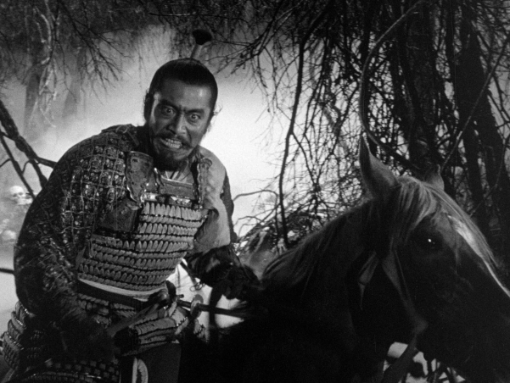
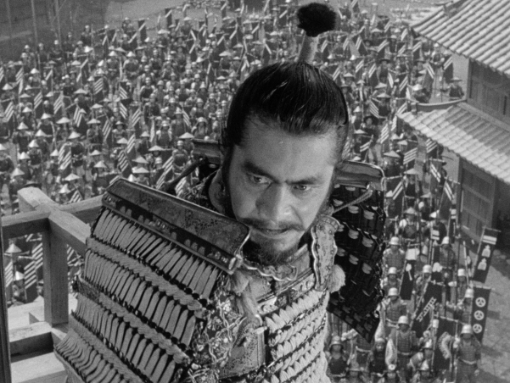
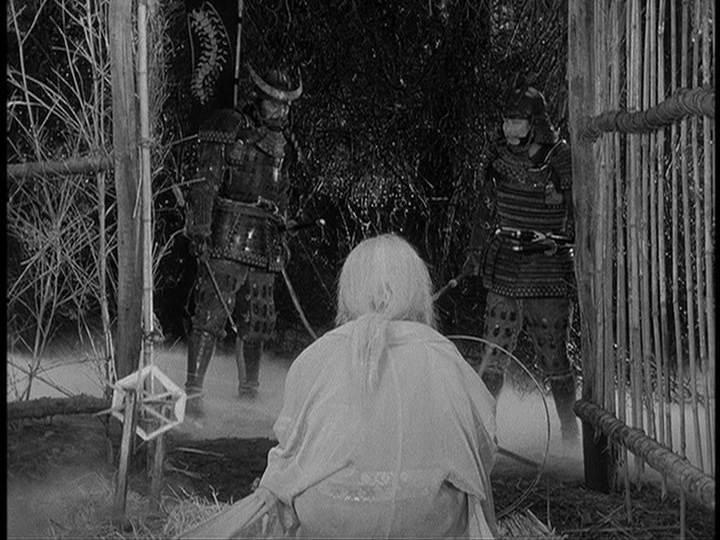
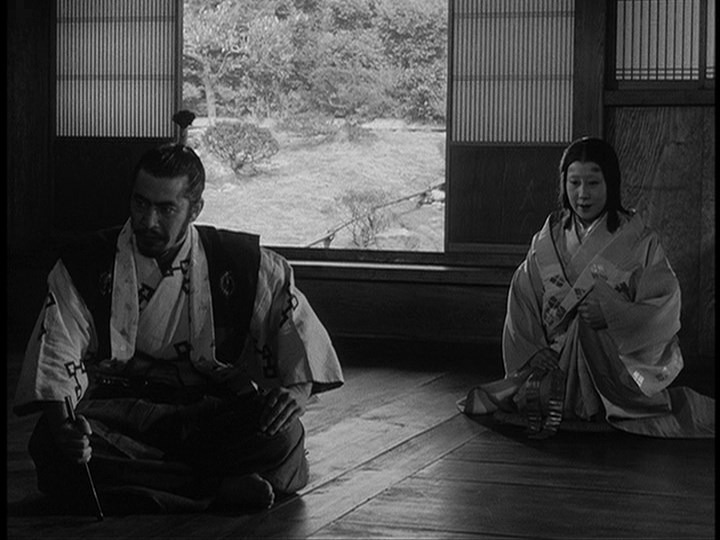
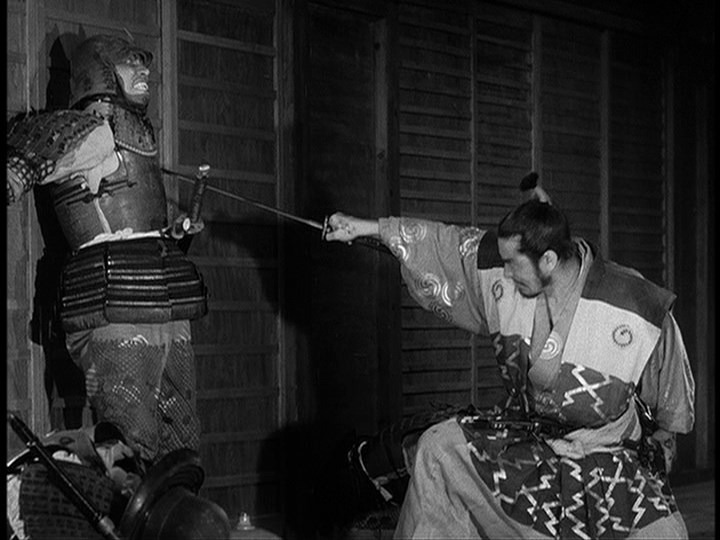
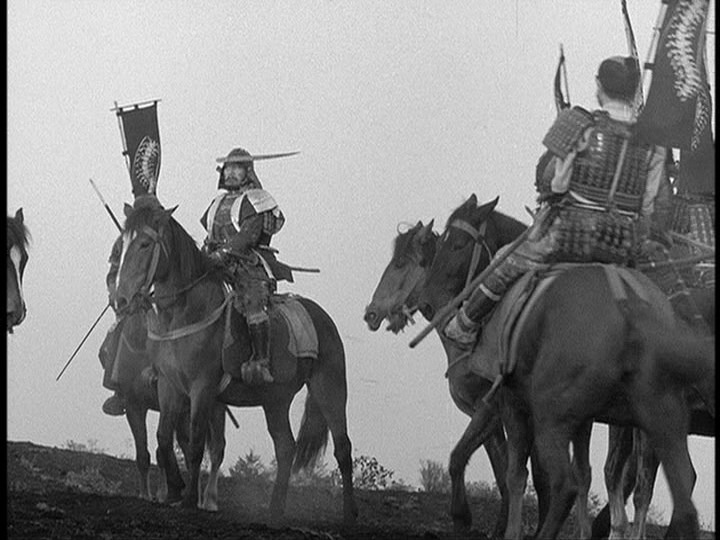
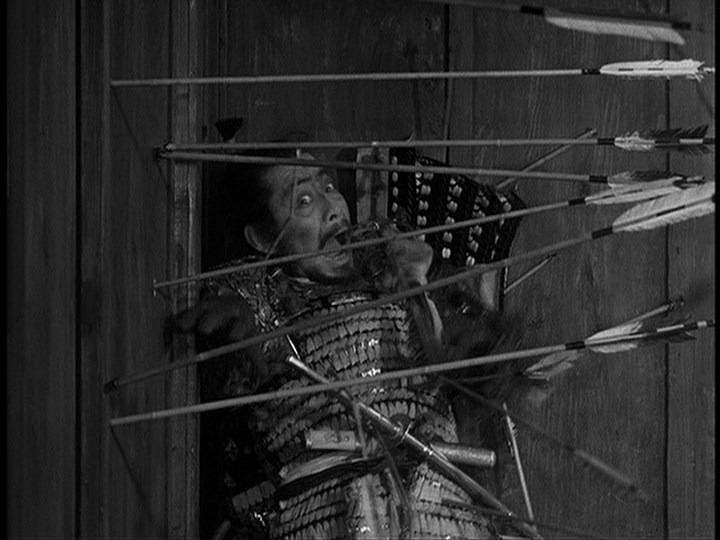
Detail is pretty good, good enough where you can still make out the intricate details on the body armour throughout, and everything is well-defined, even vegetation on the ground. Contrast is okay, but maybe boosted a tad too much: blacks are really deep and whites are probably a little too bright, but gray levels are nice at least.
Damage could be worse, though there are still a number of issues remaining: there are still a number of marks and bits of debris that pop up here and there, and there are plenty of scratches throughout. This is pretty much expected and as I mentioned before it could have been worse. Unfortunately the digital transfer itself suffers from some obvious compression and it can be a bit noisy. Fog that shows up throughout also displays some obvious artifacts and banding.
Overall it’s an okay presentation, certainly the best the film looked at the time, but it hasn’t aged all that well and its flaws are a little more obvious.
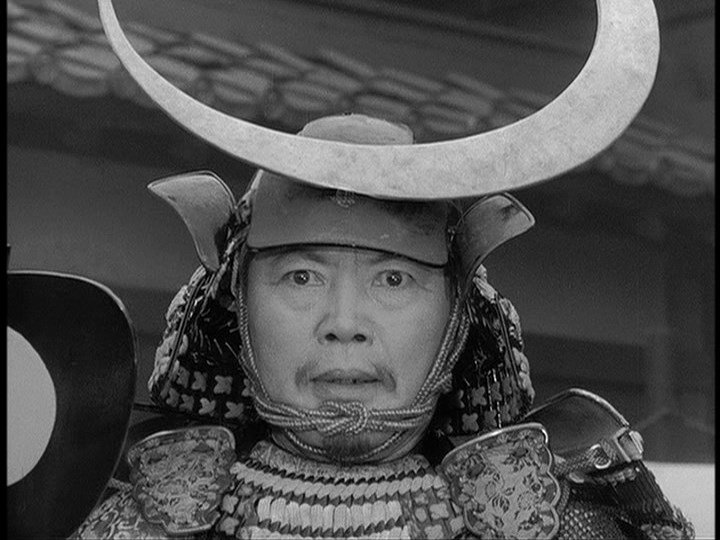
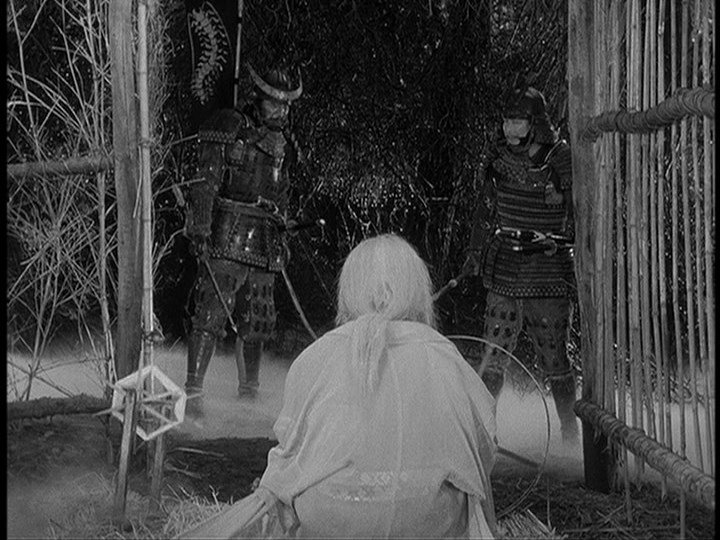
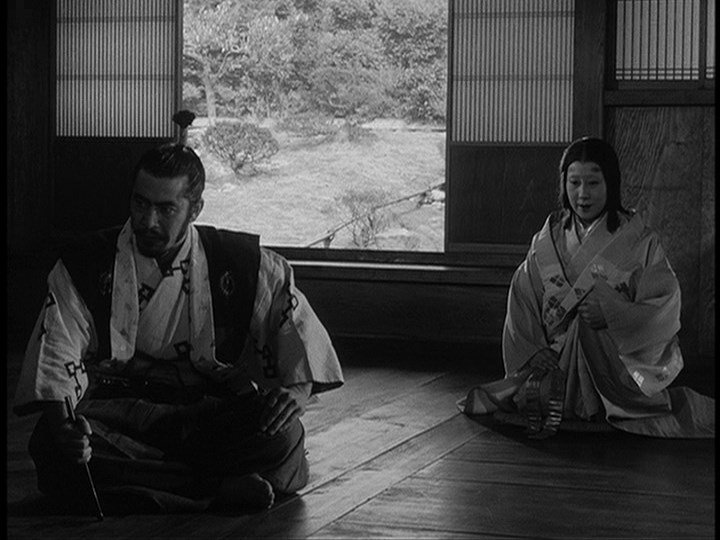
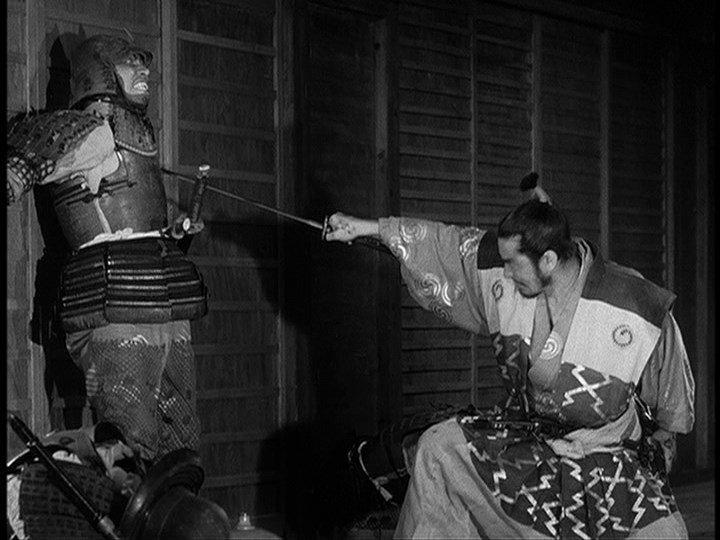
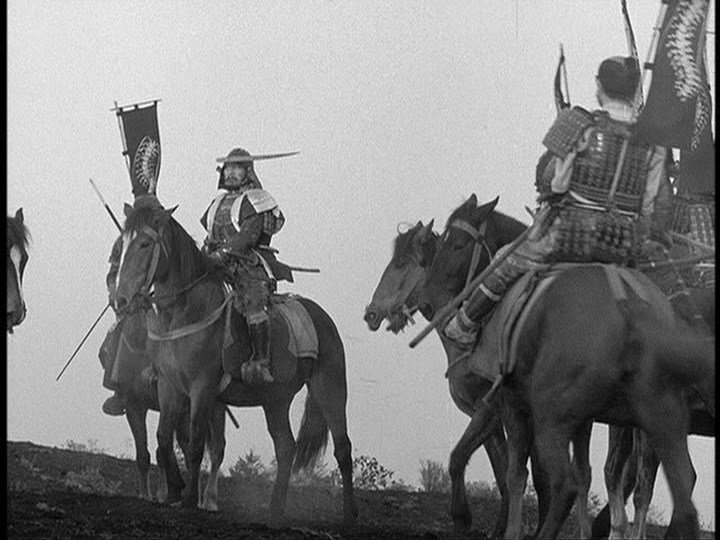
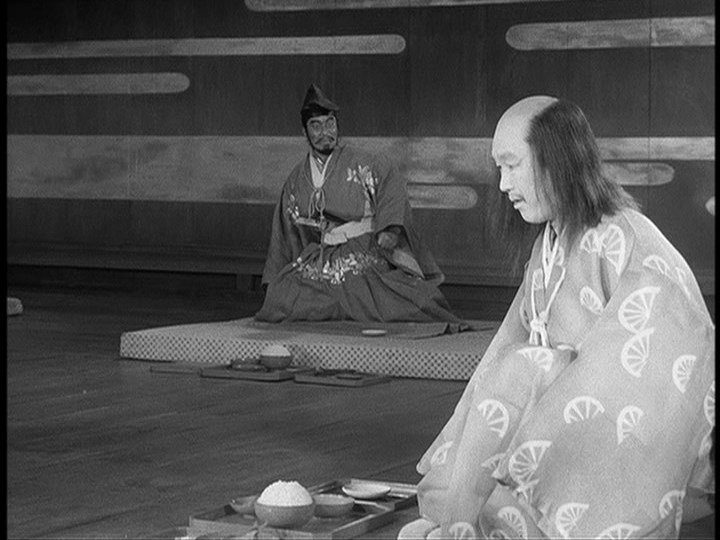
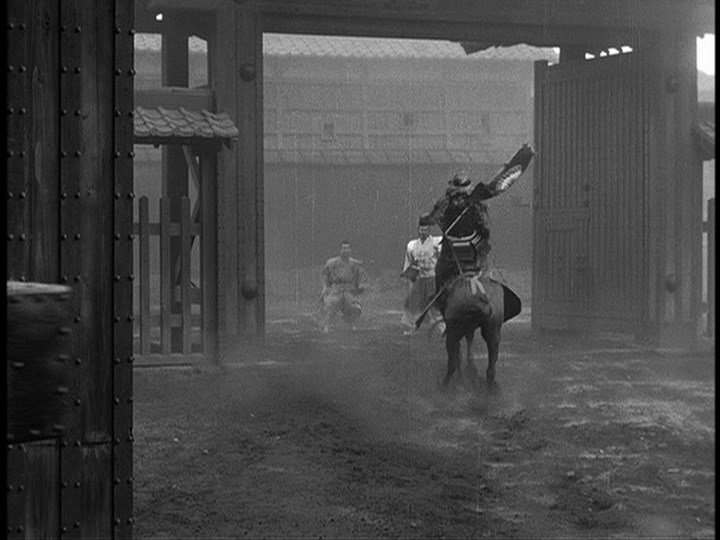
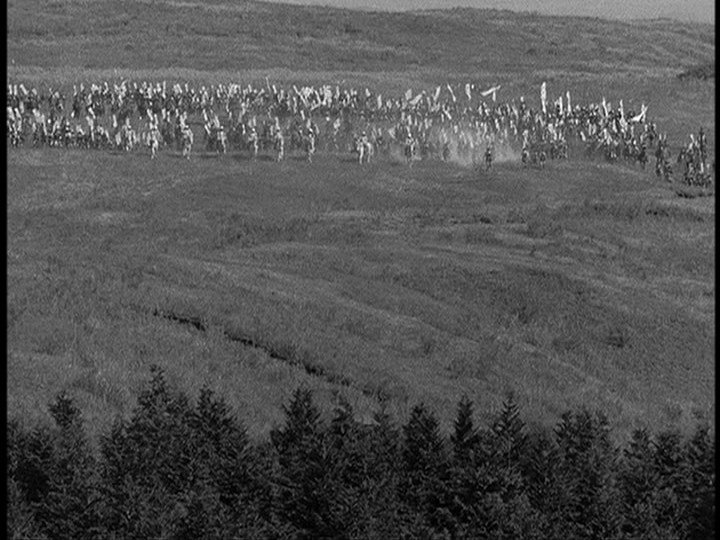
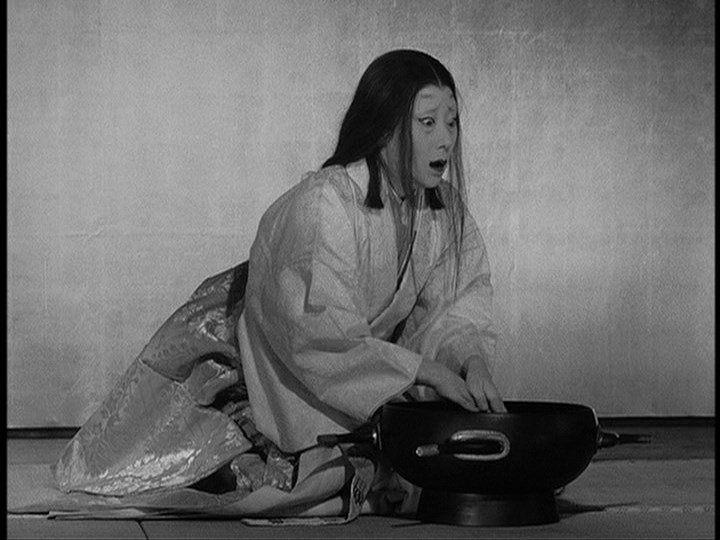
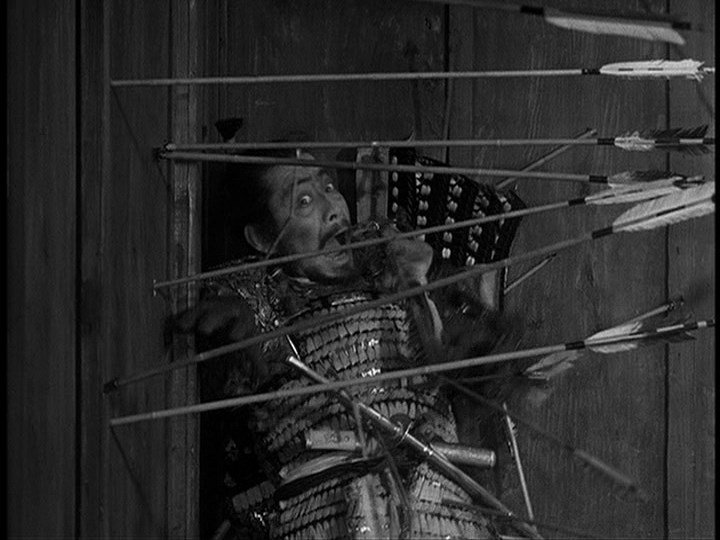
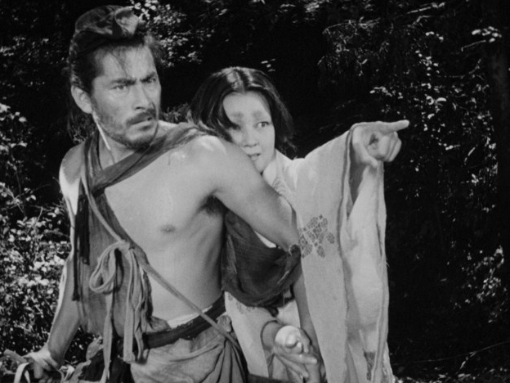
Throne of Blood - Screen Captures
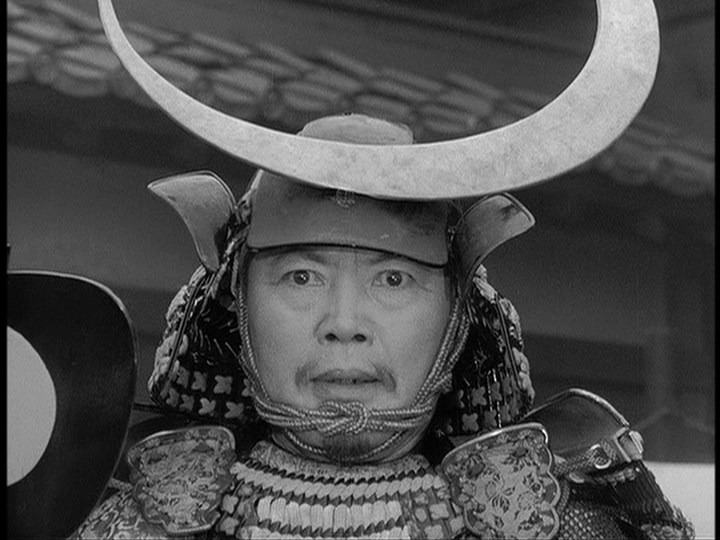
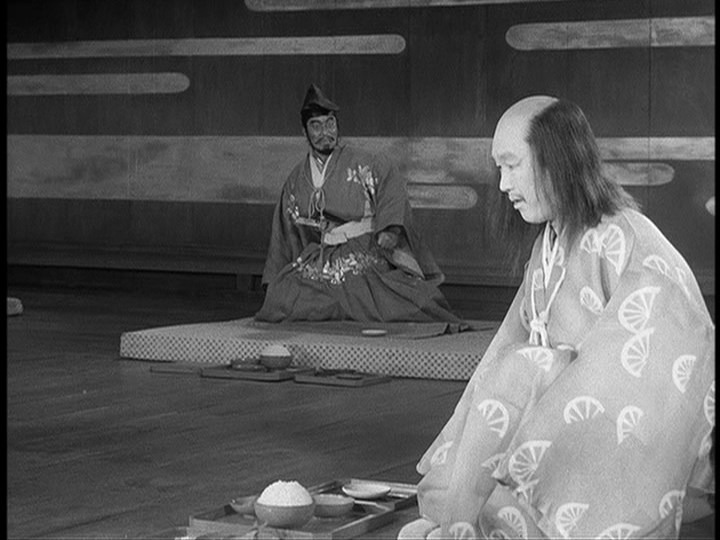
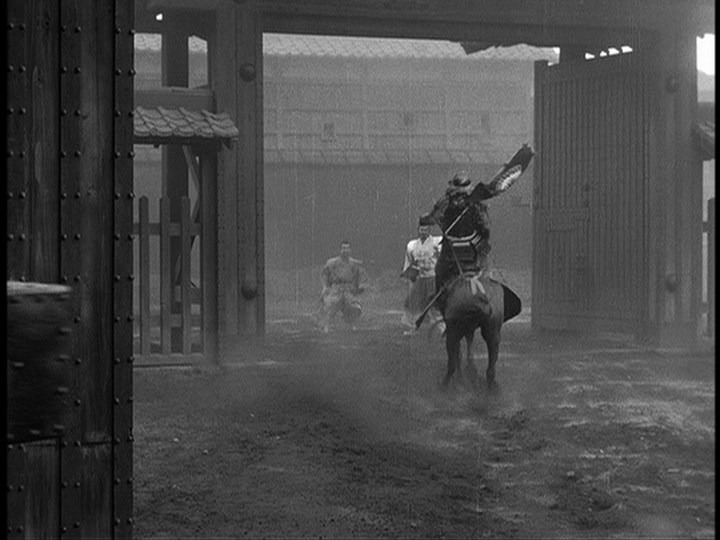
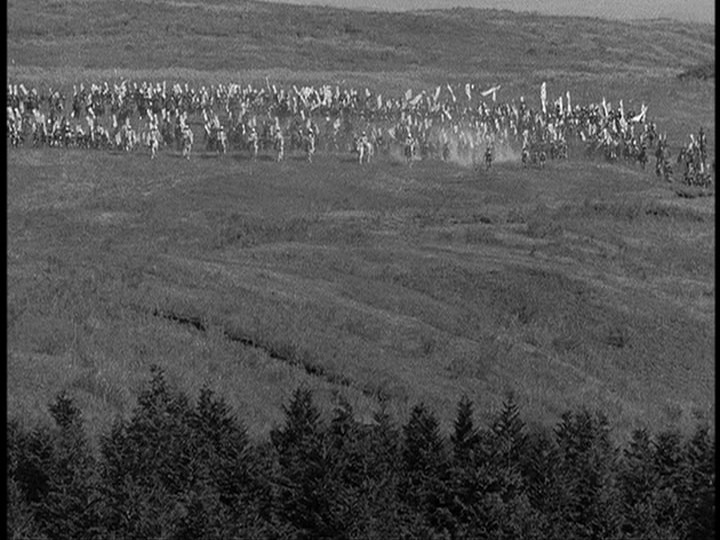
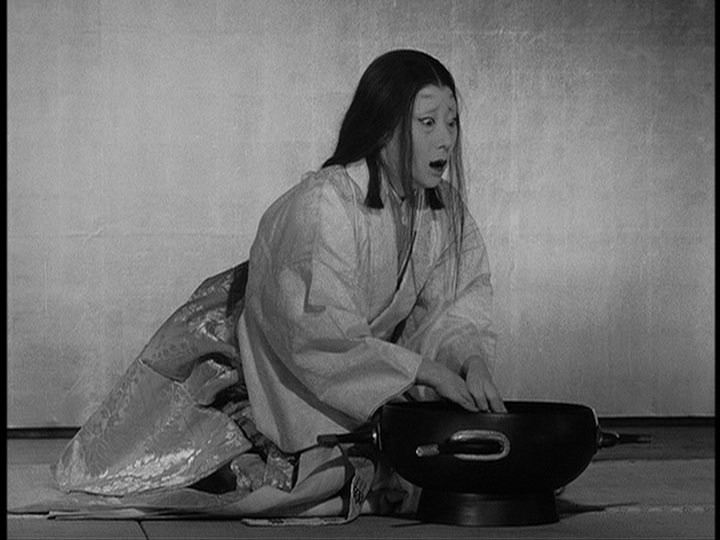
Audio 5/10
Unfortunately I wasn't as impressed with the Japanes Dolby Digital Mono track. The biggest culprit is harshness and edginess. Music, not so surprisingly, can sound very harsh on the ears. Dialogue sounds a little edgy and even a bit distorted at times.
There is a bit of a hiss to it at times, but it's really only evident during dialogue sequences. Range can be pretty good, though the higher or louder it gets that harshness I mentioned before becomes more evident. The track is still acceptable, but it has its share of problems.
Extras 5/10
Criterion's Kurosawa releases up to this point were usually sparse (Rashomon containing the most) and this one is really no different. But it does have some interesting elements to it.
The first feature is the option of two different subtitle translations, one by Linda Hoaglund and another by Donald Richie. To my understanding the Richie one is probably closer to older translations, while the Hoaglund one is a completely new translation. The Hoaglund one is the default and it’s meant to capture the more theatrical nature of the film. It's also quite stronger, sometimes more vicious. Richie's is also good as well but differs in that it is less stagey. It's actually fascinating to watch both versions because the movies end up being quite different, even though the same thing is being said 90% of the time, just in a different way. For example, Hoaglund has a samurai state an official has made a peace offering, while Richie's states he has offered to shave his head. Richie's translation usually gets more to the point, but I have to admit Hoaglund's is actually a bit of fun and does fit the tone of the film. Ultimately it will be up to the viewer.
Criterion then includes an audio commentary by Michael Jeck. I wasn’t entirely fond of his track for Criterion’s Seven Samurai release (his commentary has appeared on all of Criterion’s releases of that film) but this one works a little more for me. Jeck talks about every aspect of the film, from its production history to its set design and the members of the cast and crew. He gives little side notes and makes comparisons between the film and MacBeth. He also likes to mention possible symbolism in the film, but doesn't seem too concerned with it. With a number of anecdotes (including an amusing bit about a correspondence between Kurosawa and Laurence Olivier) he keeps the track going and everything he has to say is engaging. Well worth listening to. (I should mention that you should probably have the Richie subtitles up while listening to the commentary because Jeck's comments actually seem to refer to that translation.)
There is a rather large booklet that also comes with the set, which has a fairly good essay on the film by Stephen Prince, but you also get notes by both Linda Hoaglund and Donald Richie on translating the film, and then Richie even goes on a little more about translating films in general and the problems that can occur (no word really matching a word in another language, cultural differences, etc.). The booklet as a whole is a great read.
It’s disappointingly slim (and even the recent Blu-ray/DVD/Dual-Format upgrades only added one other feature) but they’re at least all well put together and worth going through.
Closing
At the time it was a decent edition for the film, but the transfer doesn’t hold up all that well now, and Criterion has released improved editions on Blu-ray and DVD. I would direct buyers to go for one of those.
BUY AT: