Trainspotting
BUY AT:



See more details, packaging, or compare
Synopsis
A jolt of adrenaline shot straight to the heart of 1990s British cinema, this darkly funny adaptation of Irvine Welsh’s novel was a major breakthrough for director Danny Boyle, producer Andrew Macdonald, and screenwriter John Hodge. With live-wire energy and stylistic verve, Trainspotting bounces across the life and times of Mark Renton (Ewan McGregor), a Scottish heroin addict who, along with his misfit mates, gets high, gets in trouble, gets clean, and gets high again, all in a bid to outrun the banality of modern existence. Kinetically cut to an iconic soundtrack of techno, rock, and Britpop, this indie phenomenon chooses life in all its ugly, beautiful, terrifying exhilaration.
Picture 8/10
Danny Boyle's Trainspotting marks its return to The Criterion Collection with a new 4K UHD edition featuring Dolby Vision on a triple-layer disc, presented in its original aspect ratio of 1.85:1. The 2160p/24hz ultra-high-definition encode comes from a brand new 4K restoration of the uncut version, meticulously scanned from the 35mm original camera negative. The release also includes a standard dual-layer Blu-ray with all the special features and a 1080p presentation sourced from the same 4K restoration.
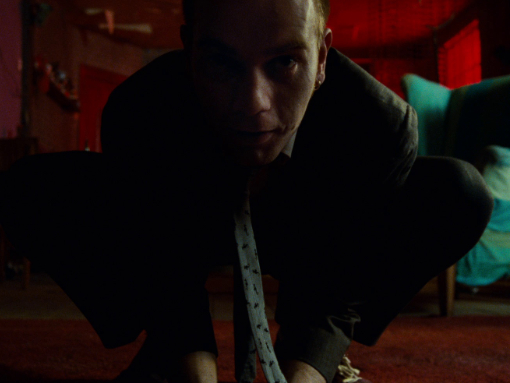
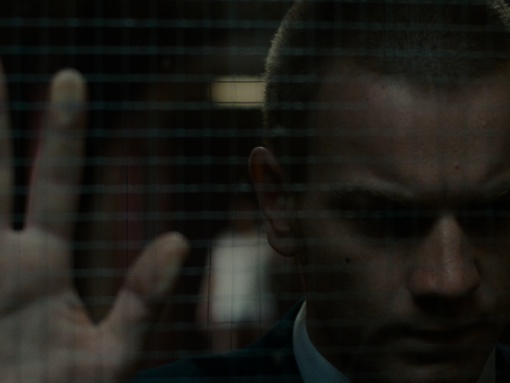
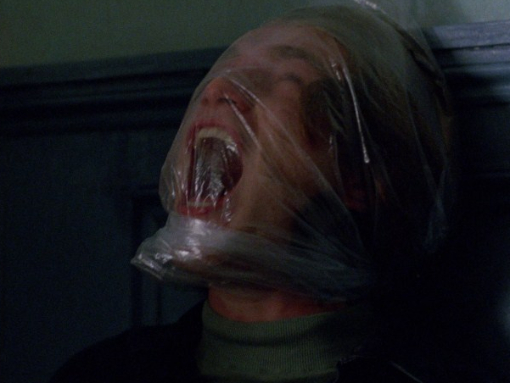
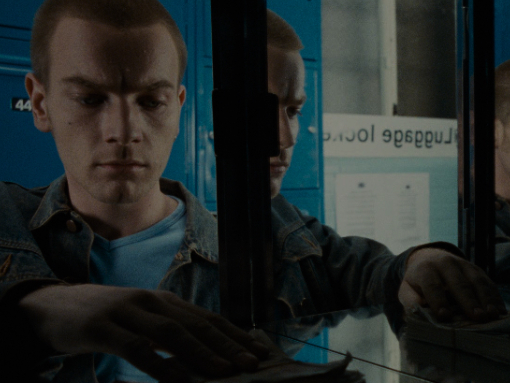
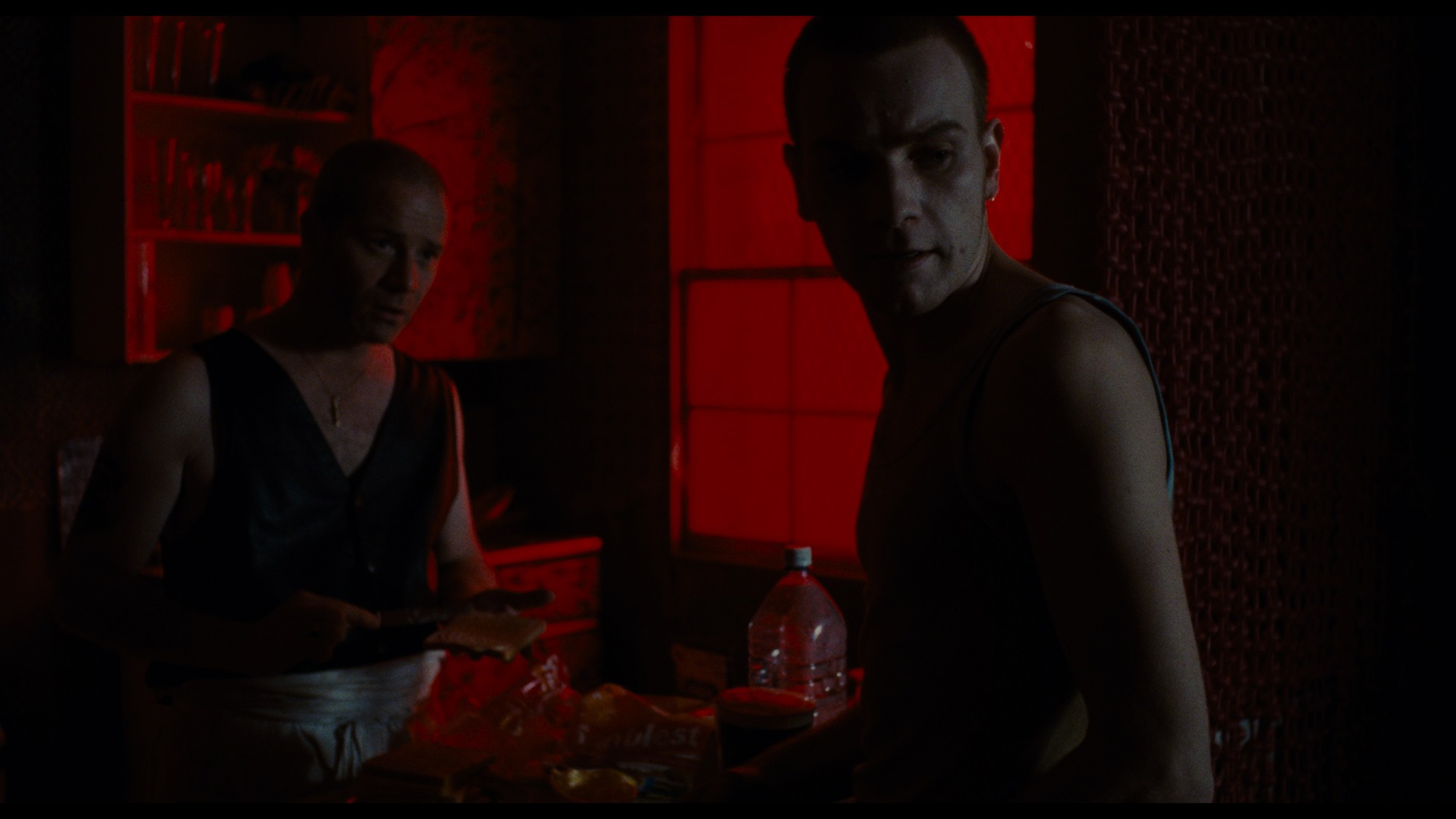
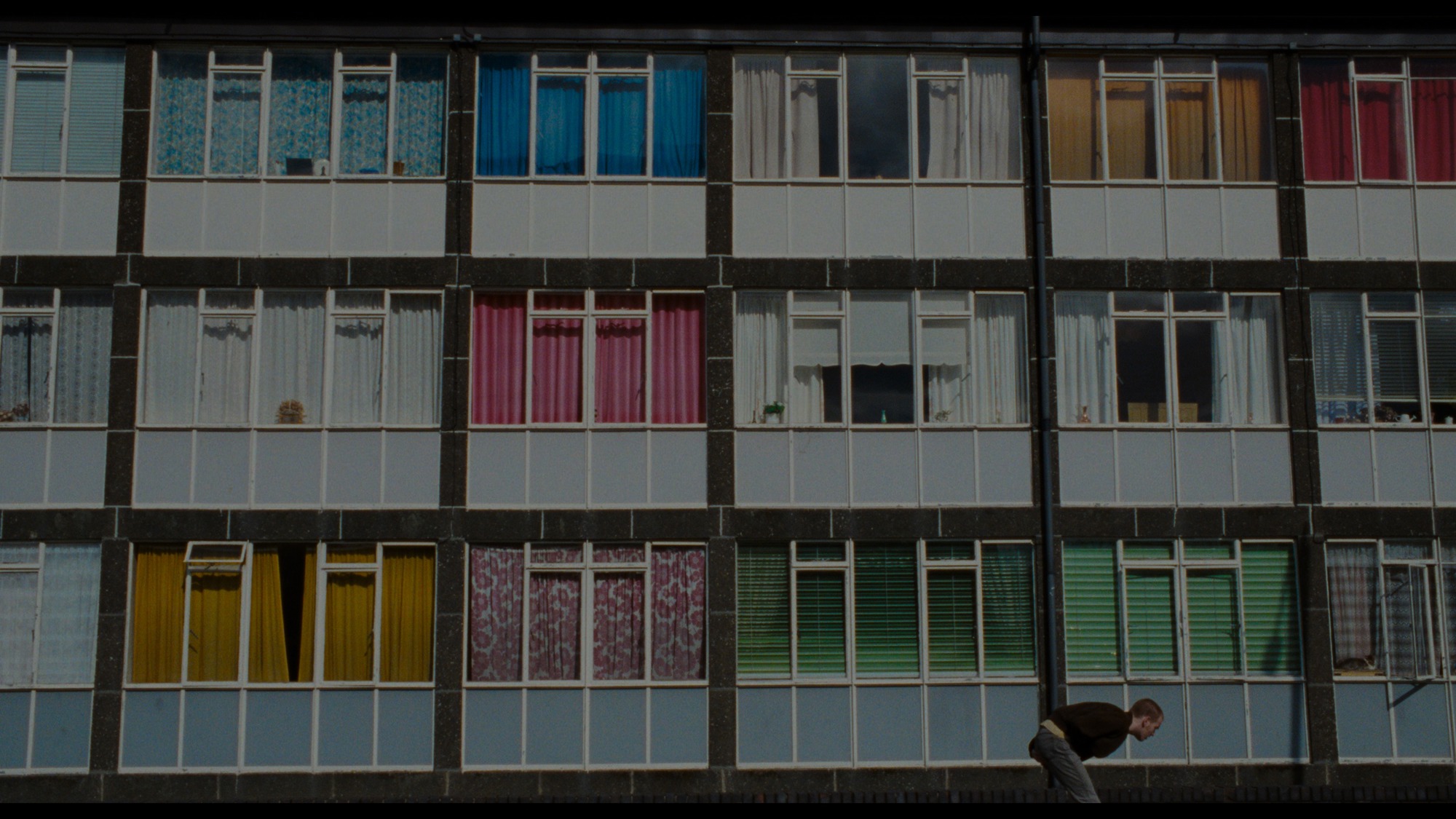
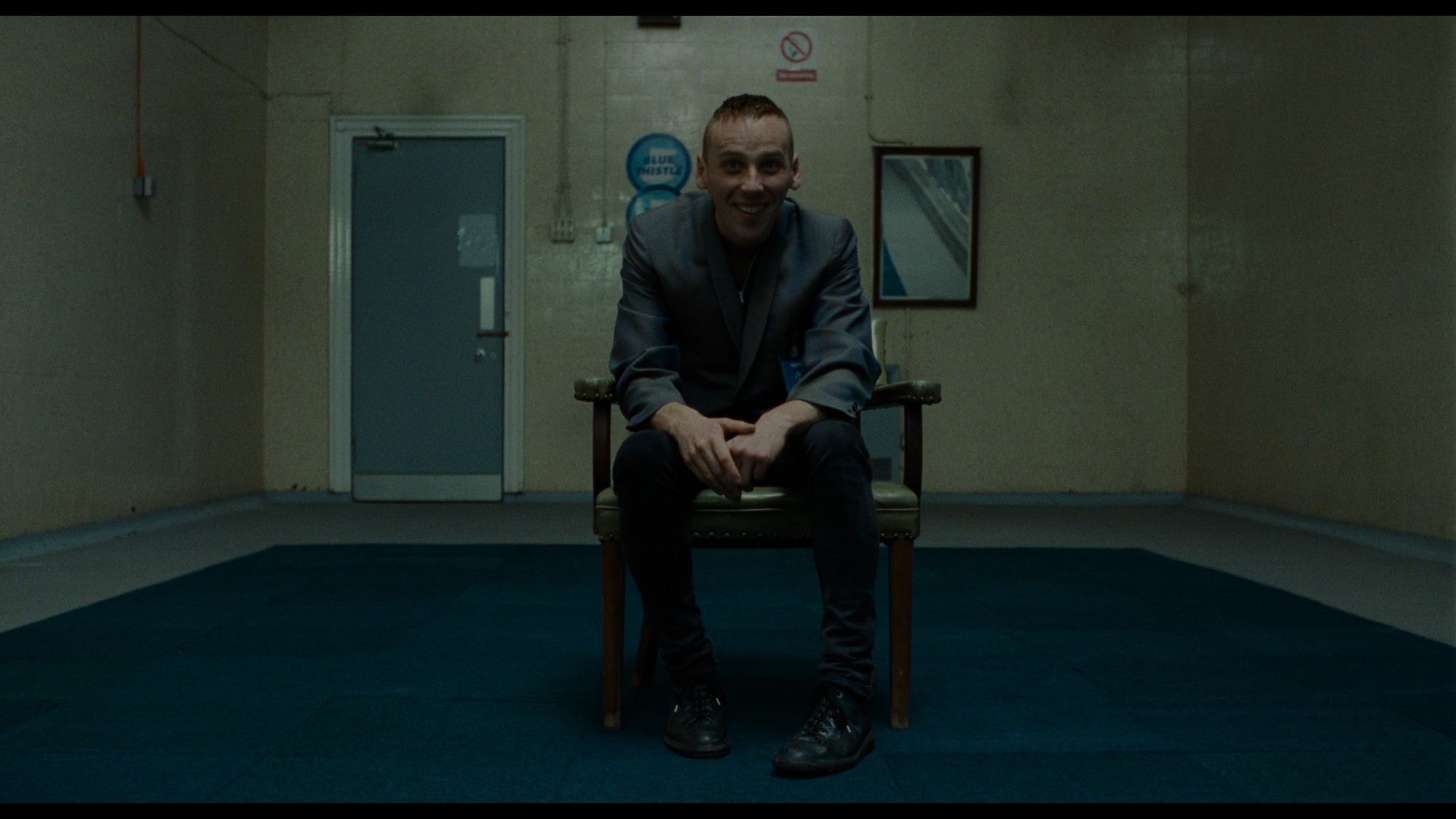
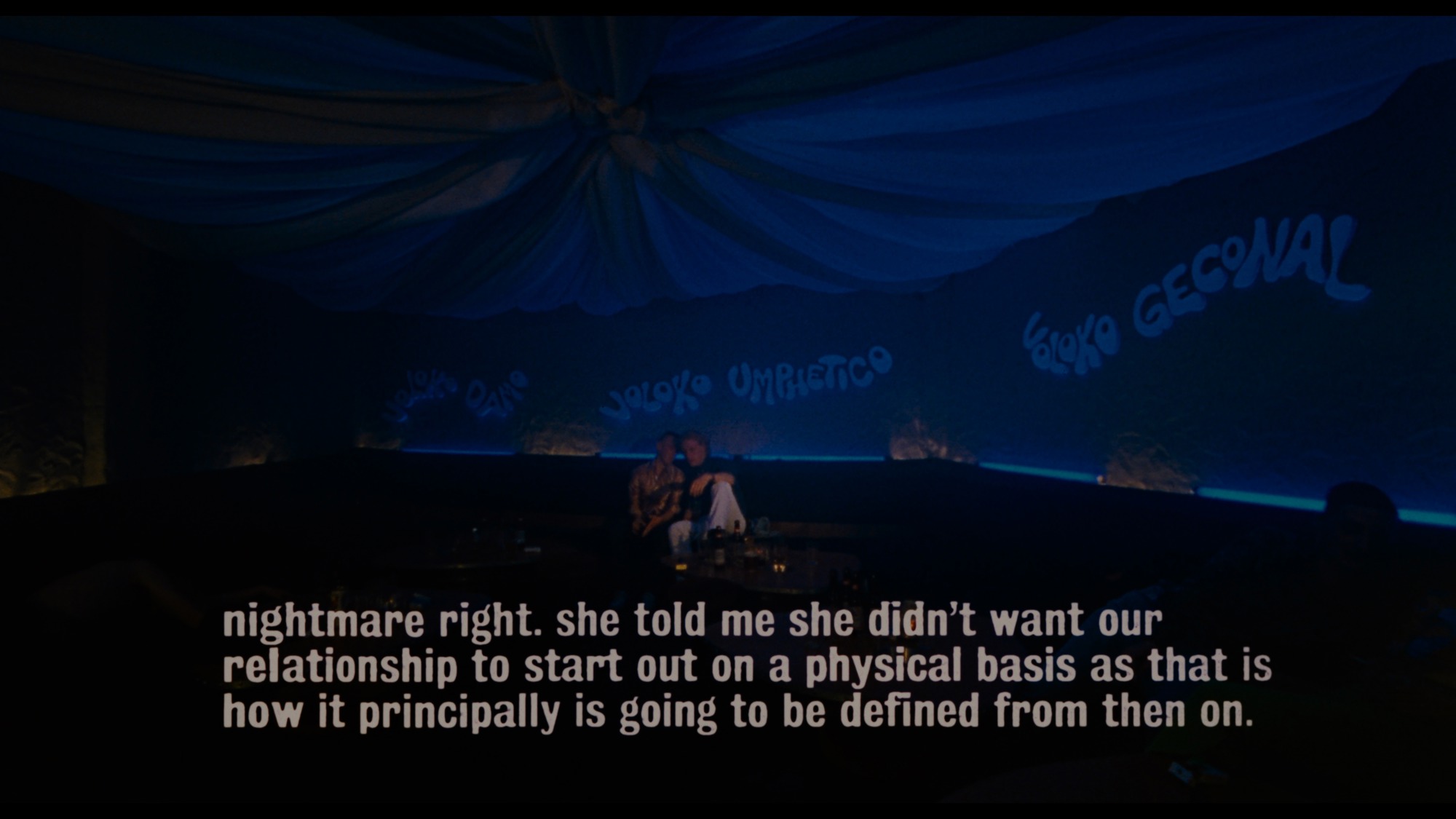
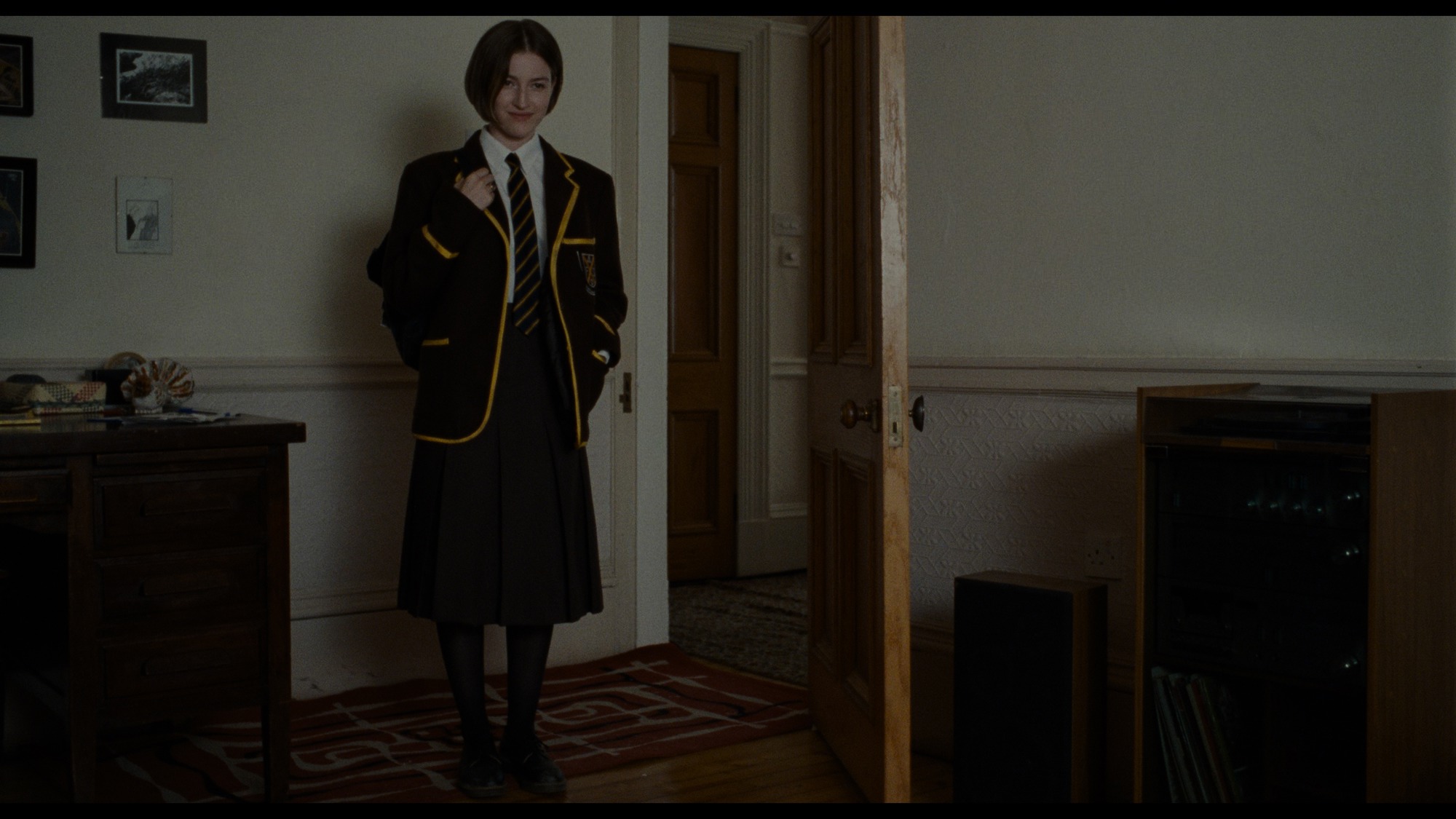
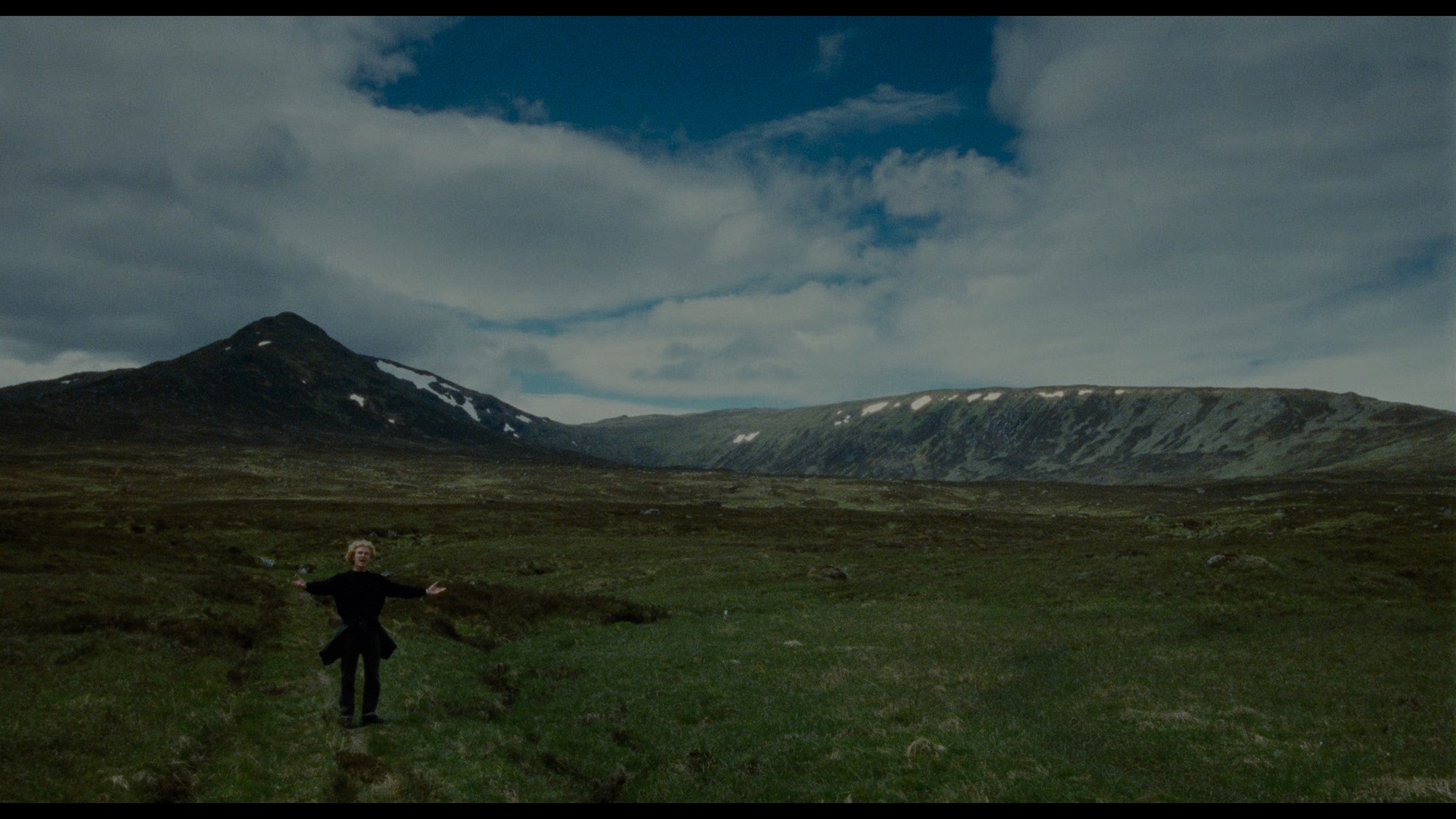
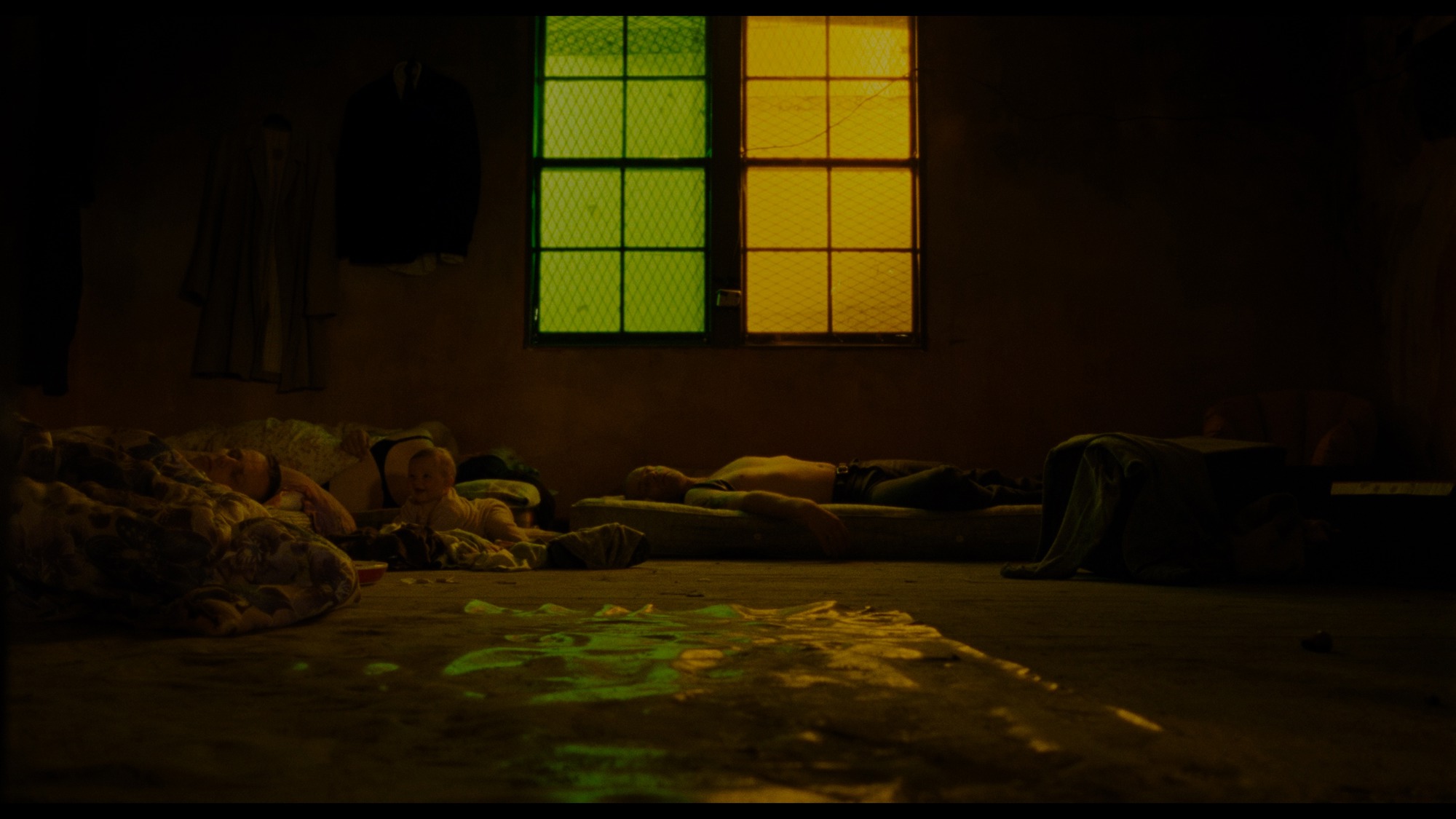
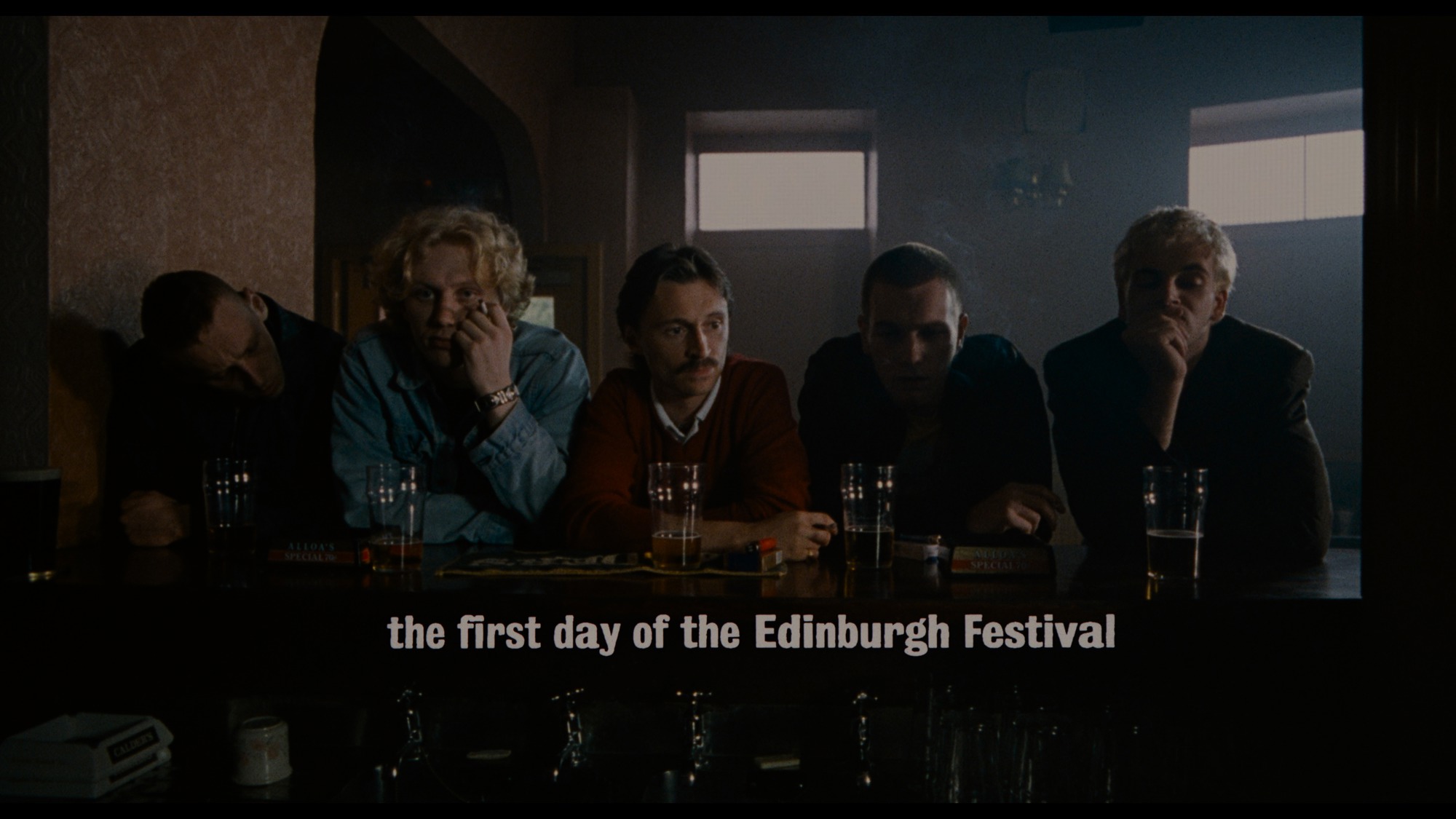
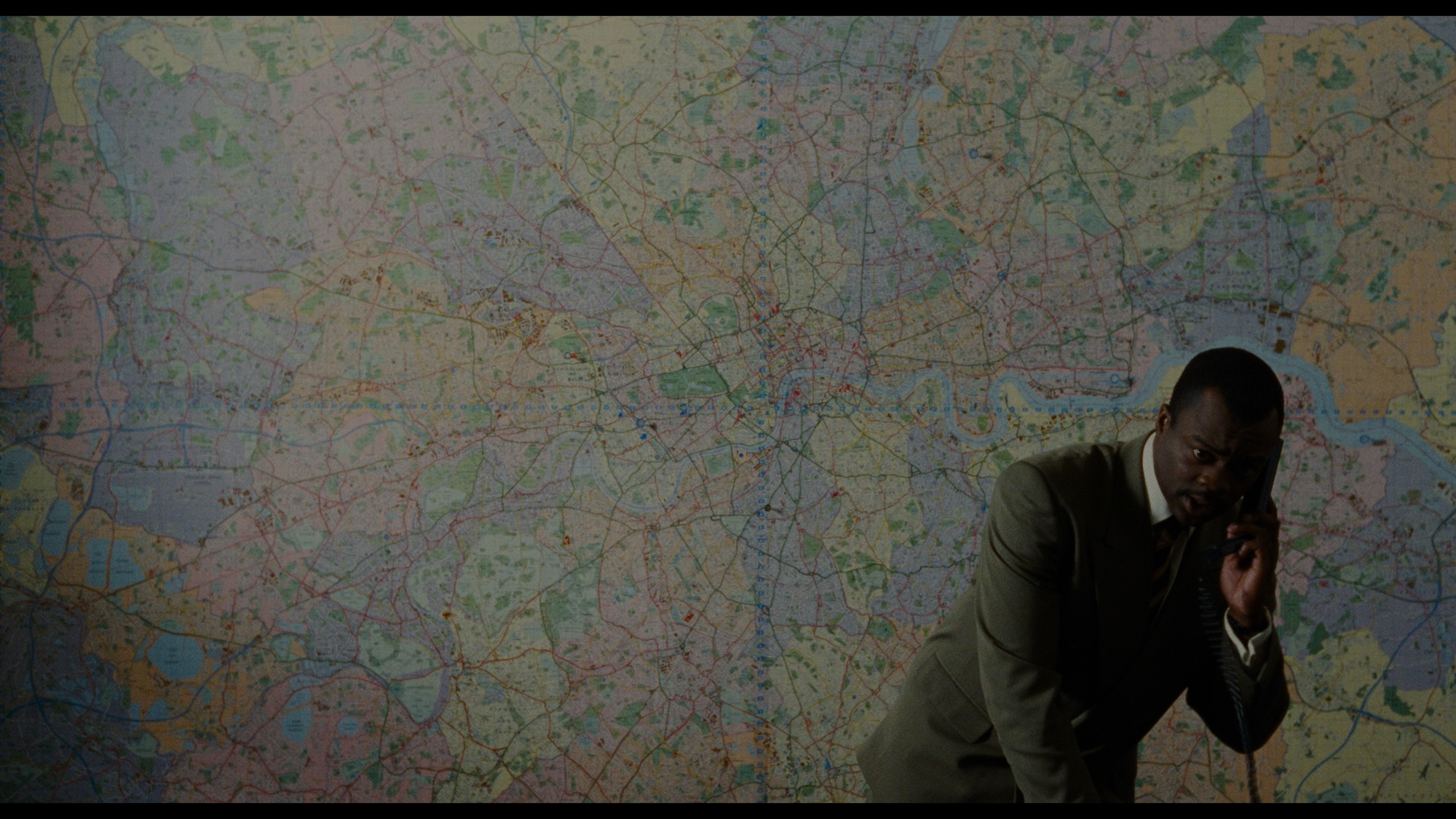
The overall presentation is strong, surpassing the previous Lionsgate Blu-ray edition by a significant margin. However, there are some noticeable drawbacks, with the most significant issue being a recurring problem seen in some of Criterion’s recent 4K presentations—the rendering of highlights and brighter areas of the frames. Macroblocking can occasionally be detected in these brighter areas, compromising finer details and making these sections appear blown out. While not as severe as in some other releases, such as Walkabout, it still rears its head, particularly those featuring windows and the London montage. Some of the provided SDR screen captures highlight these issues, though they are, at the very least, less prominent in motion.
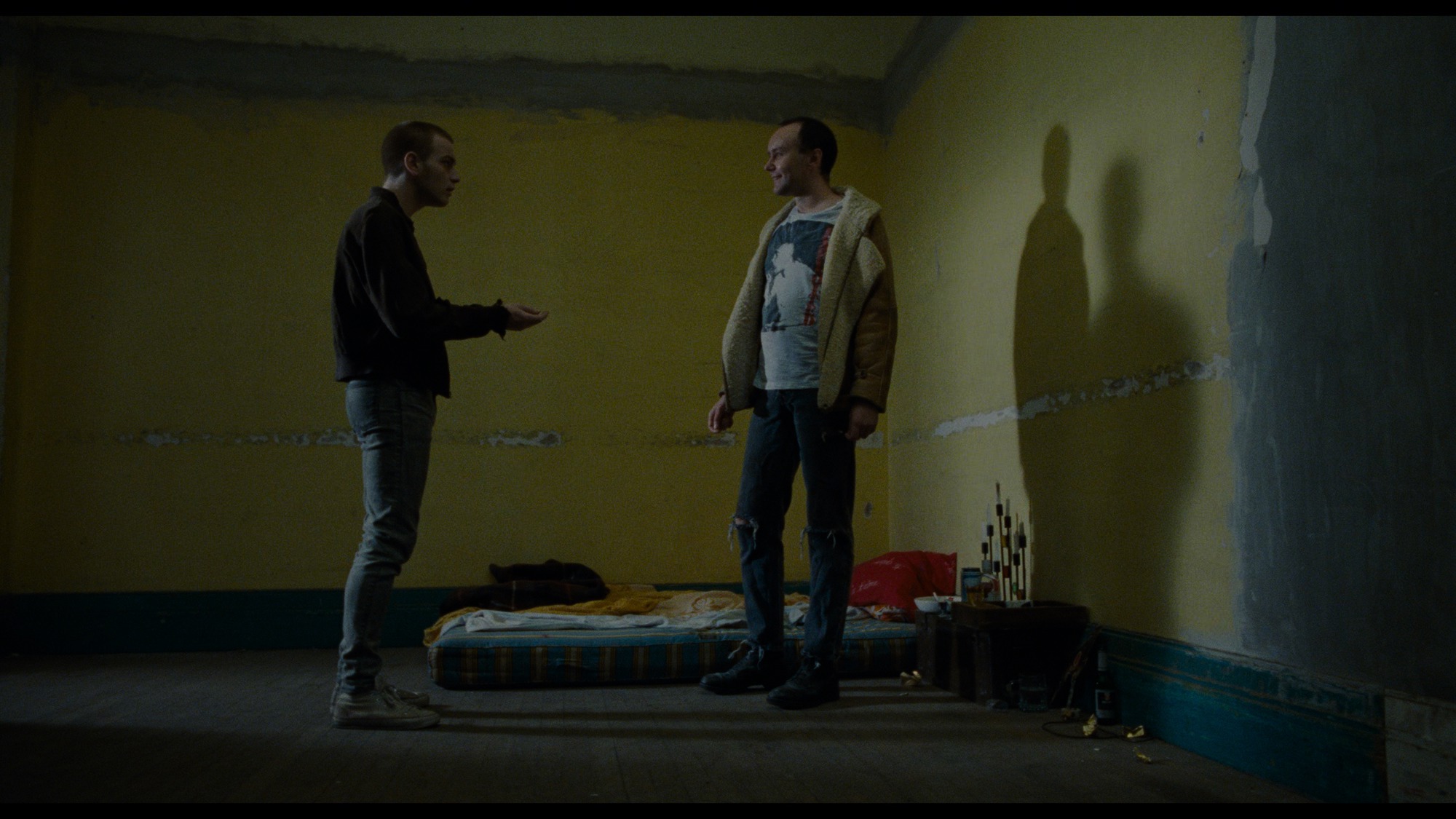
Despite these challenges, the overall encode remains healthy. Grain is faithfully rendered, providing a pleasing film-like appearance. Fine-object detail and textures are generally impressive, and the image is sharp on the whole, though some burned-in subtitles may appear slightly softer, possibly due to their sourcing.
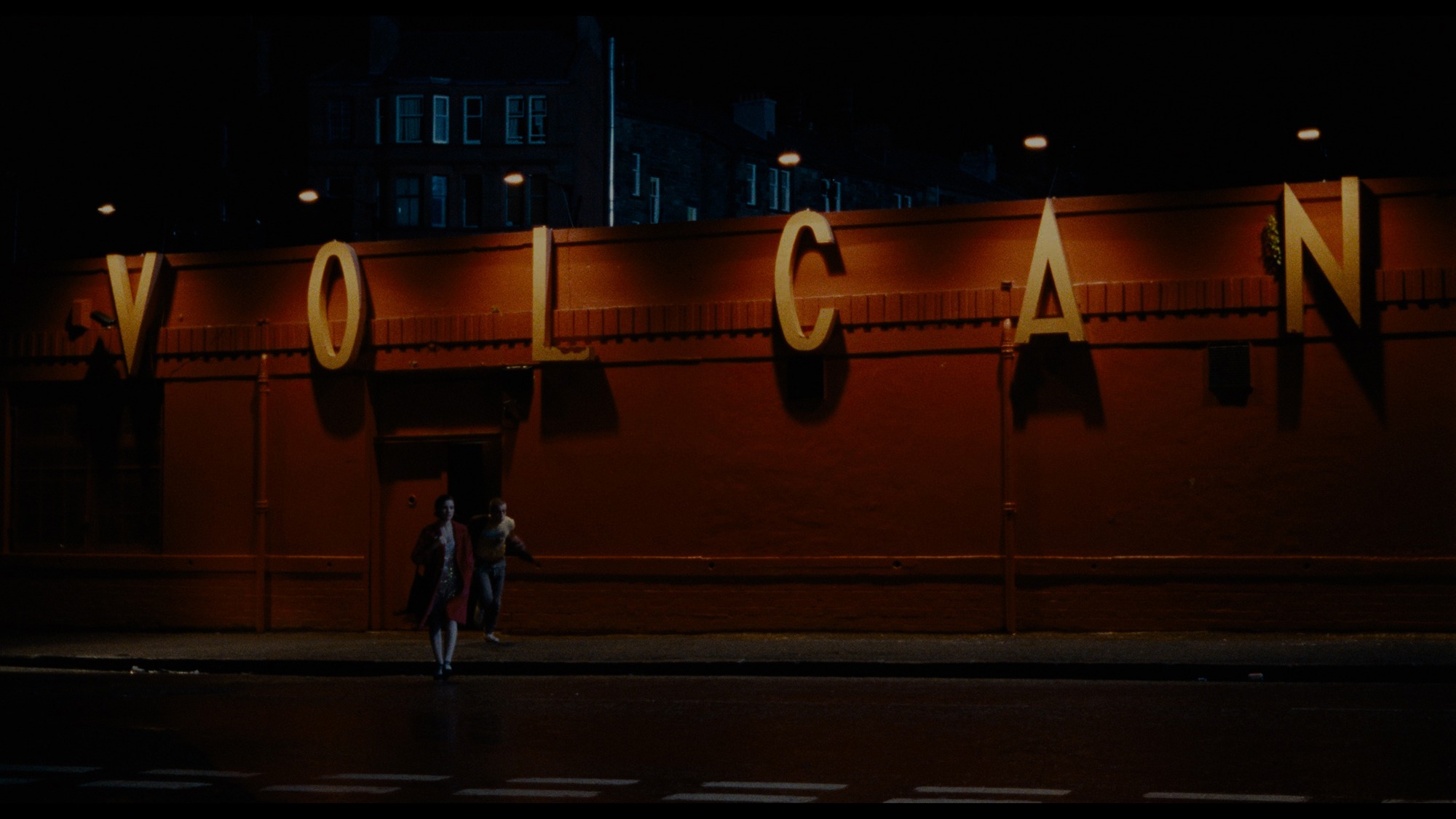
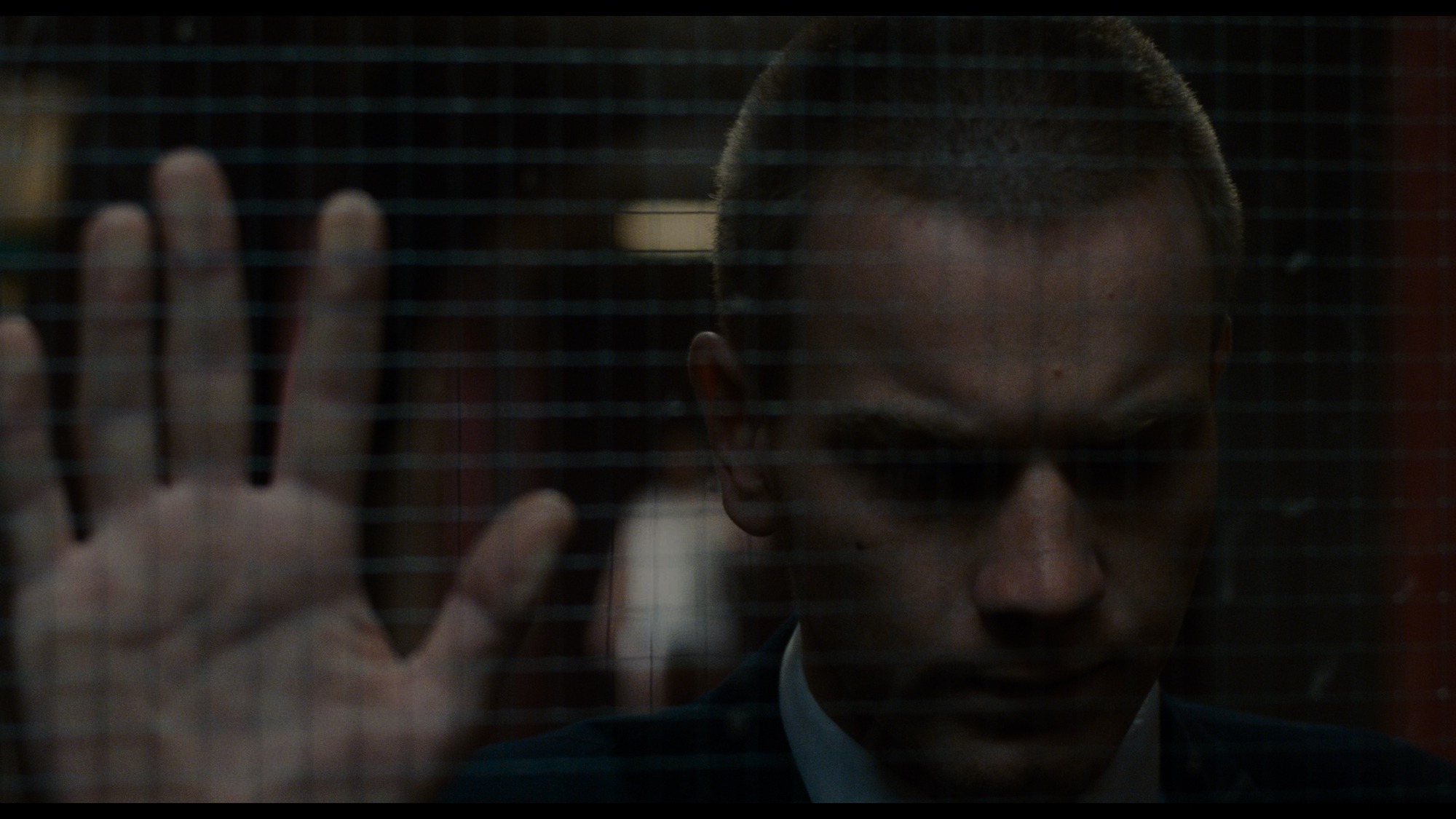
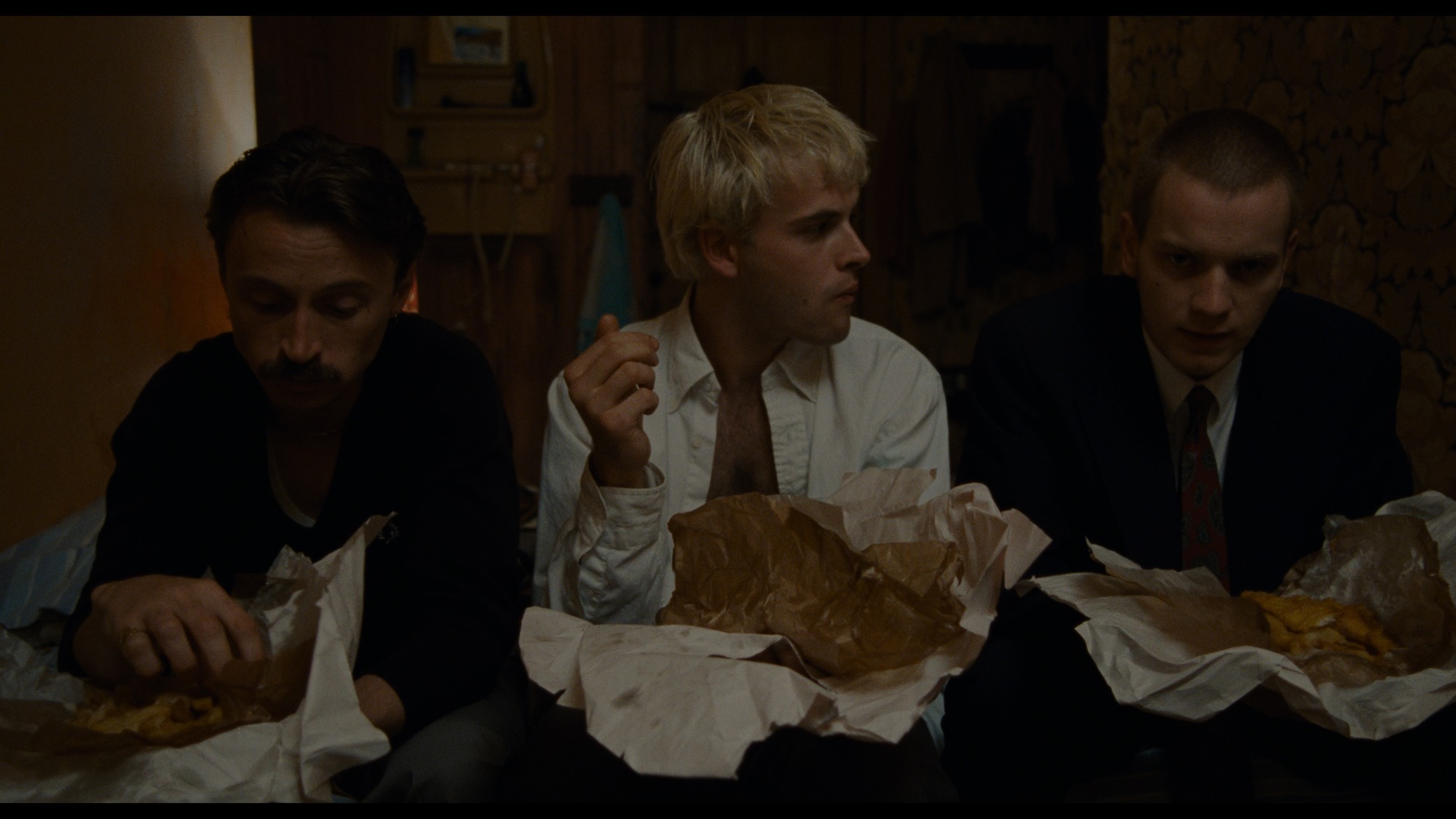
The color palette leans towards green compared to previous home video releases, pulling back on the inflated reds or magentas often found in older masters. While certain interior shots may push a stronger green hue, the shift is still not overpowering on the whole, and skin tones appear more natural and less hot than in prior releases. Still, this color shift contributes to a darker appearance, but it’s one that feels more fitting to the film while also aligning with the vision described by production designer Kave Quinn in a featured segment on the disc. Despite that, the film still showcases vibrant pops of color throughout, particularly reds and blues.
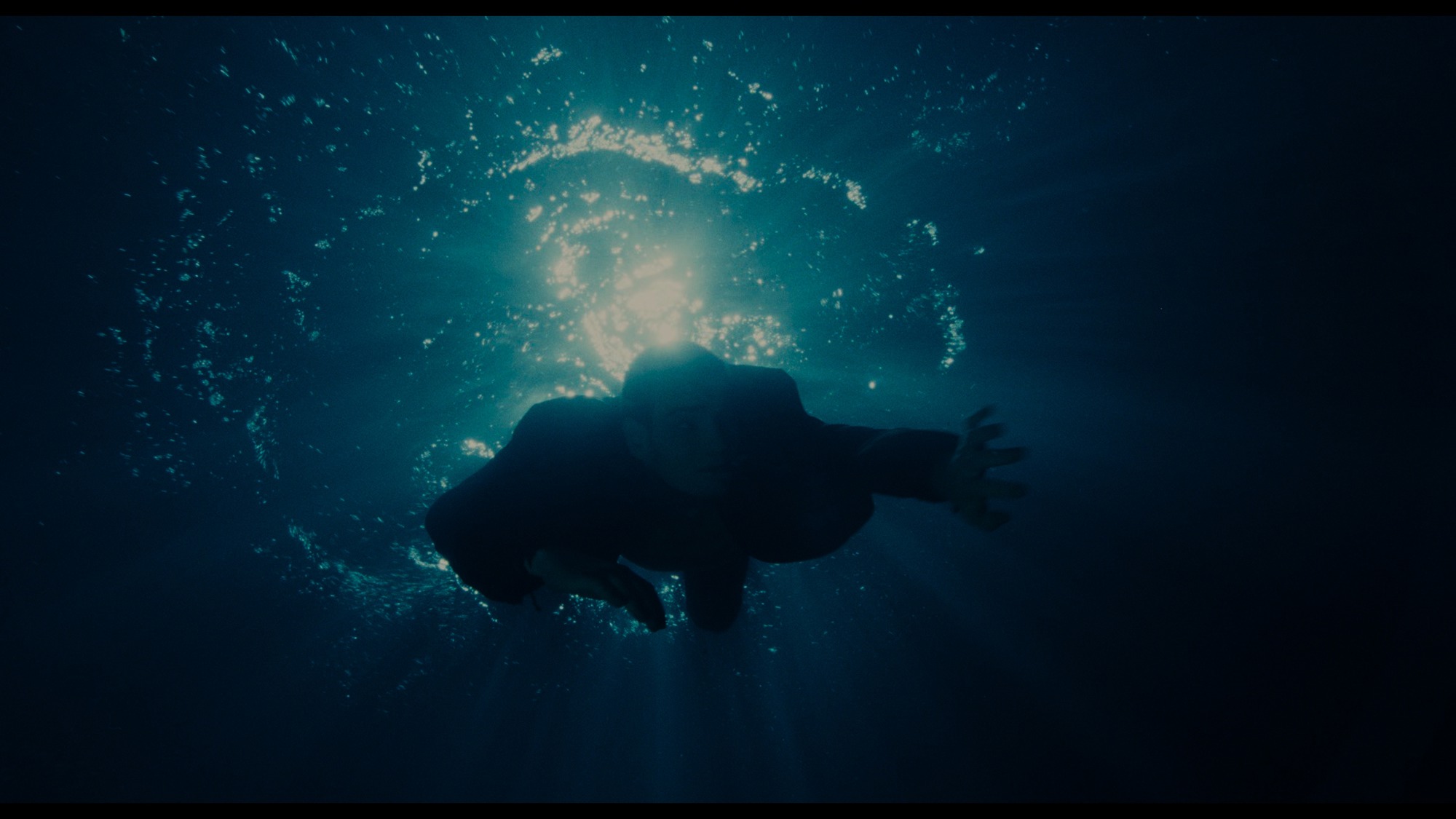
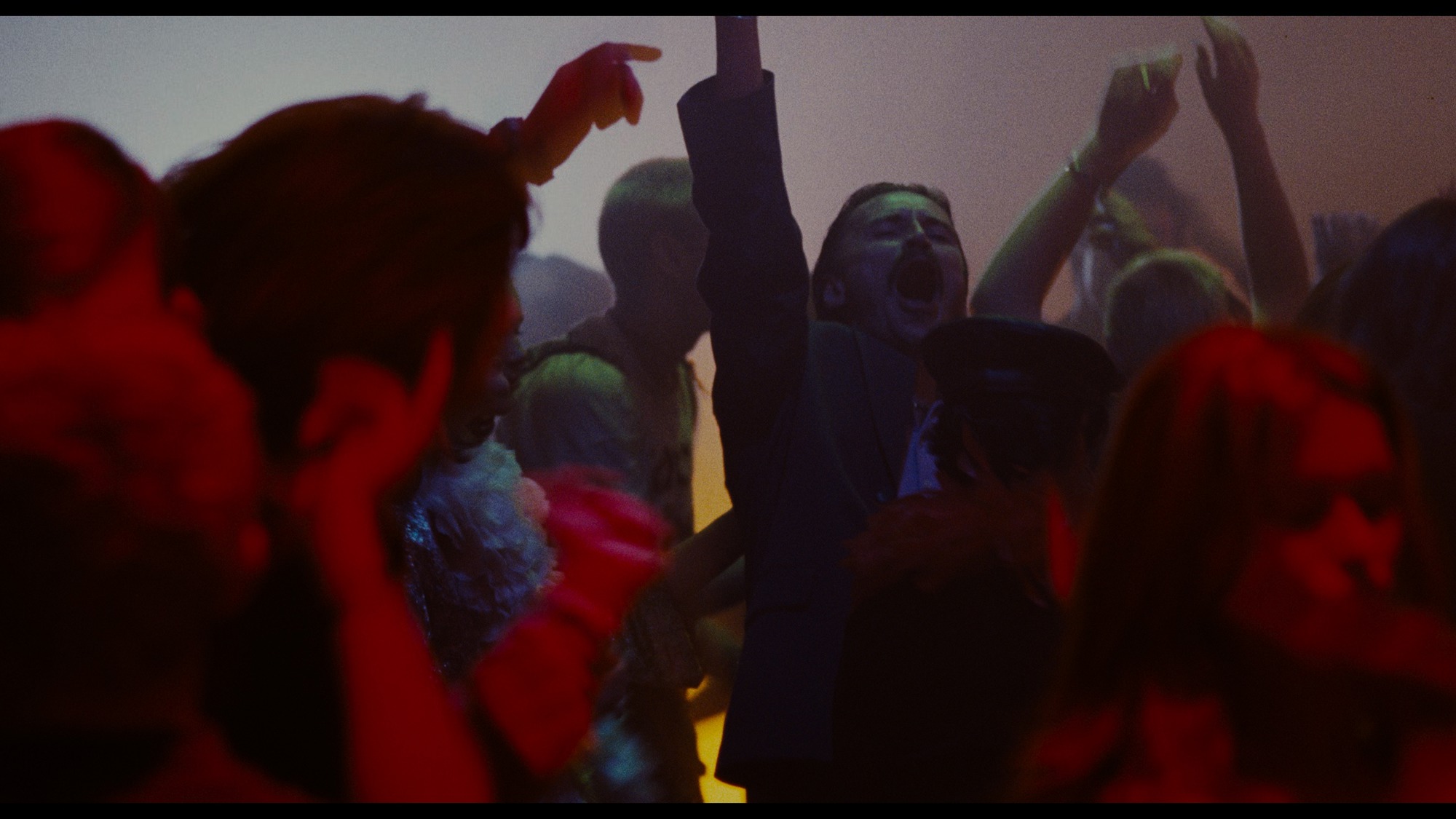
The inclusion of Dolby Vision and HDR further elevates the image, enhancing reds and blacks, especially. Smokey interiors and strobe effects in various club settings are exceptionally rendered, with clean gradations and preserved details in shadows.
While it's somewhat disappointing that Criterion inconsistently grapples with rendering highlights (it’s odd their recent edition of Lone Star doesn’t feature the same issue), the overall upgrade remains impressive. Despite these sporadic issues, this edition stands as a worthy upgrade.
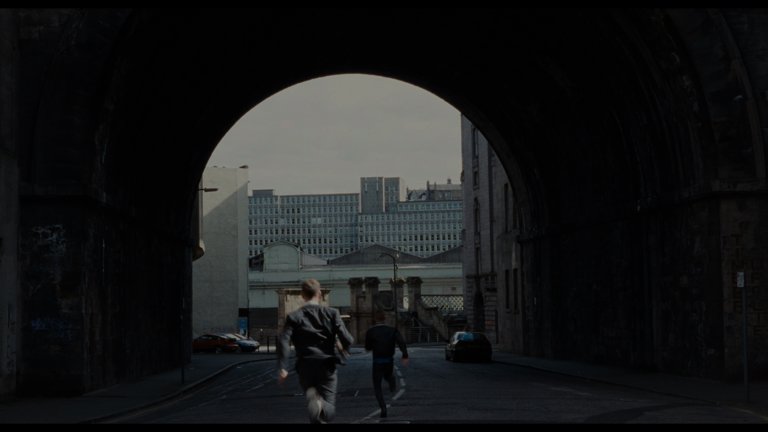
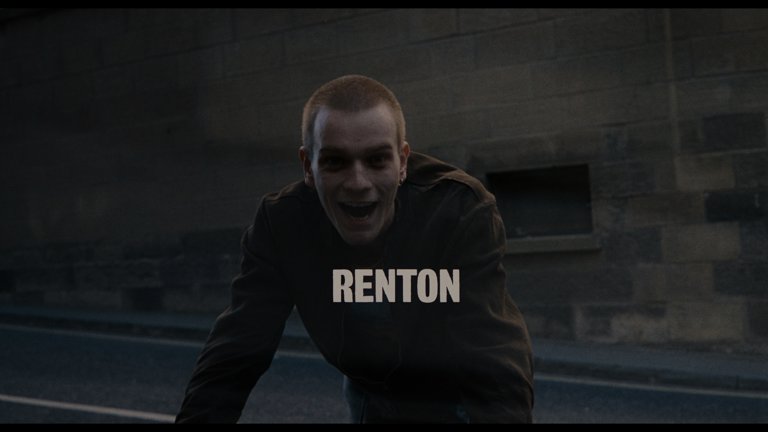
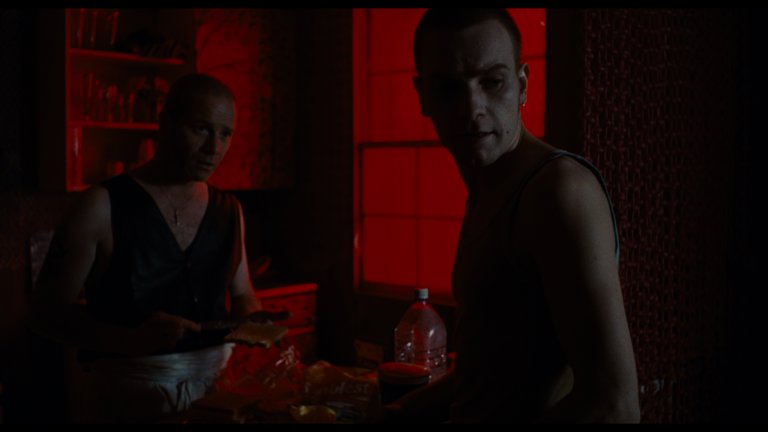
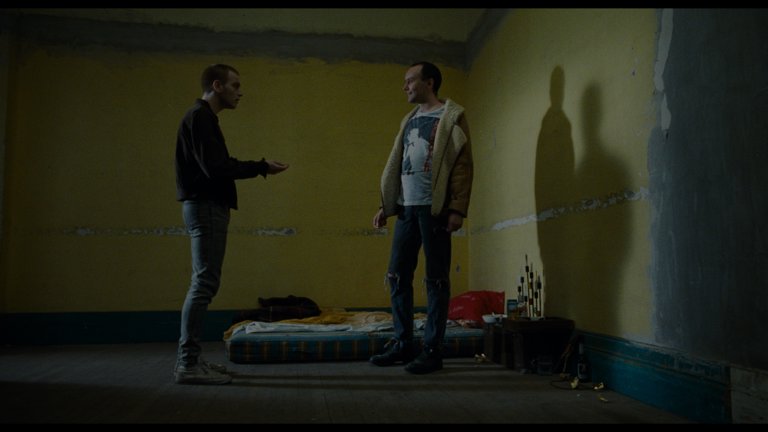
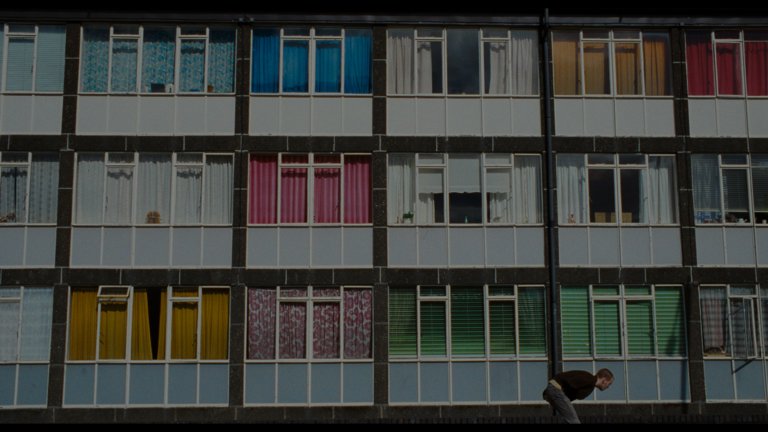
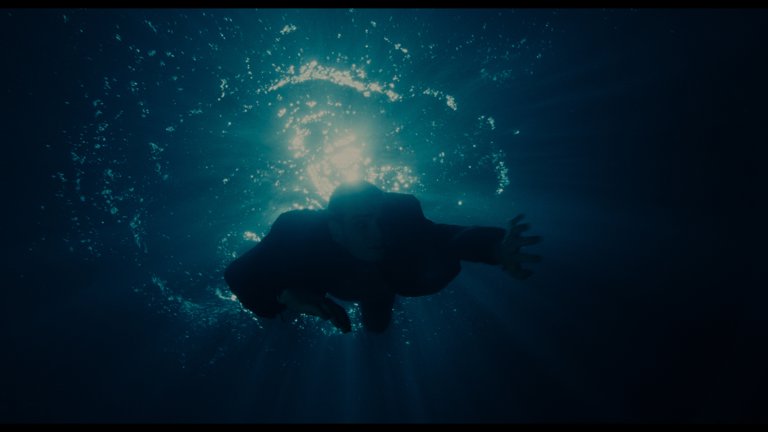
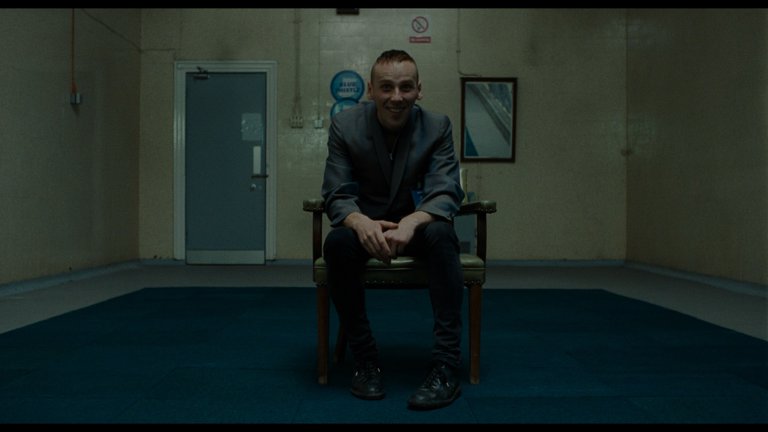
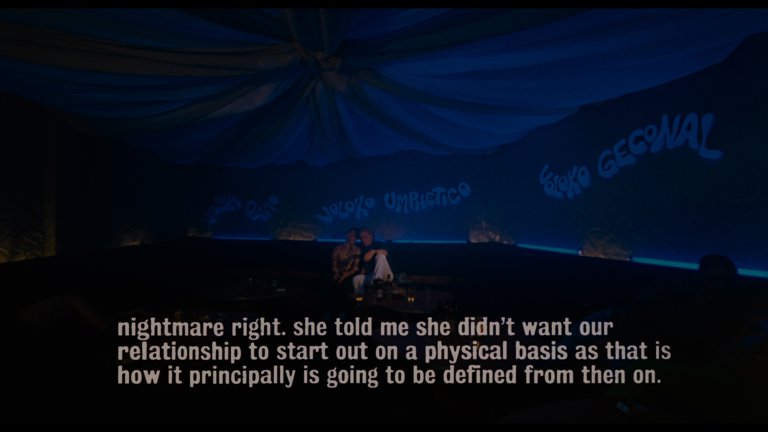
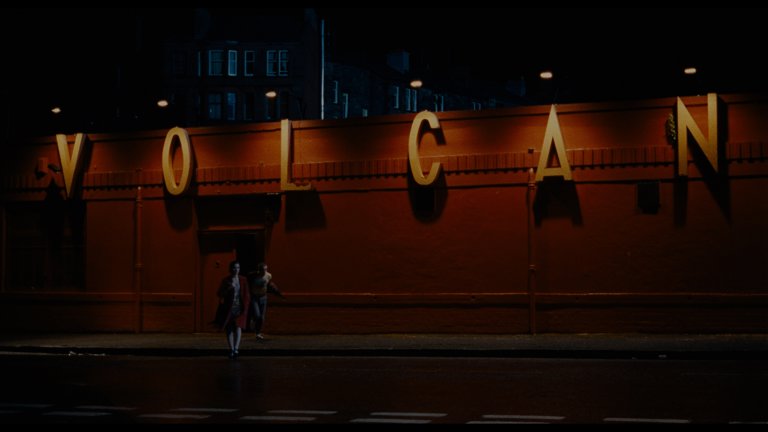
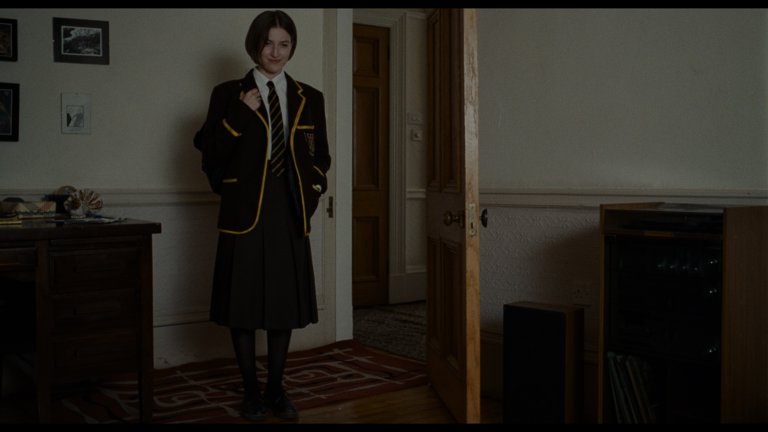
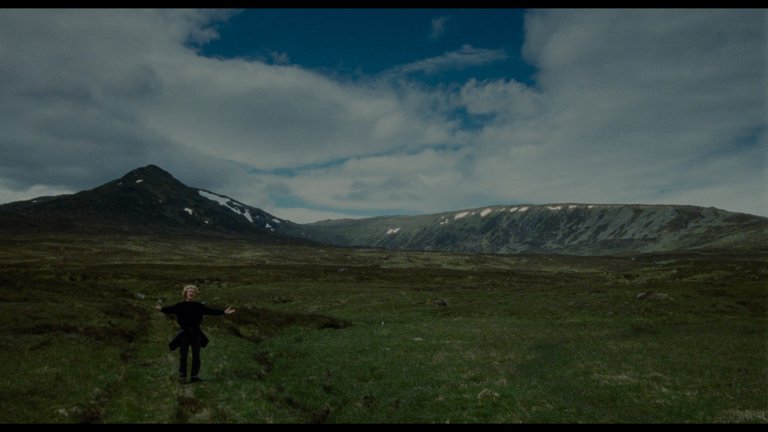
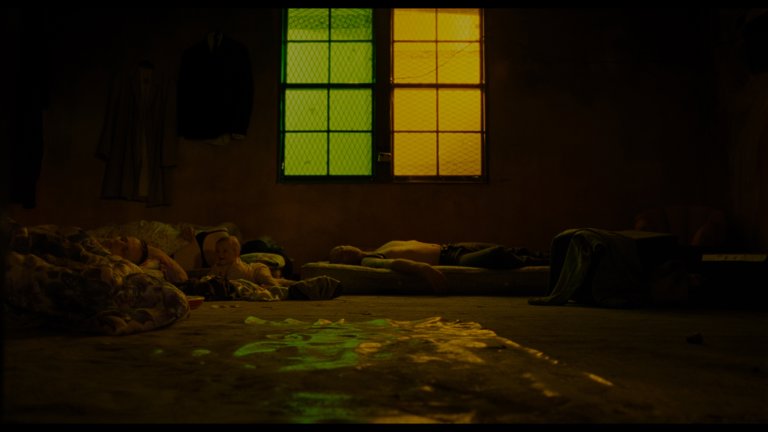
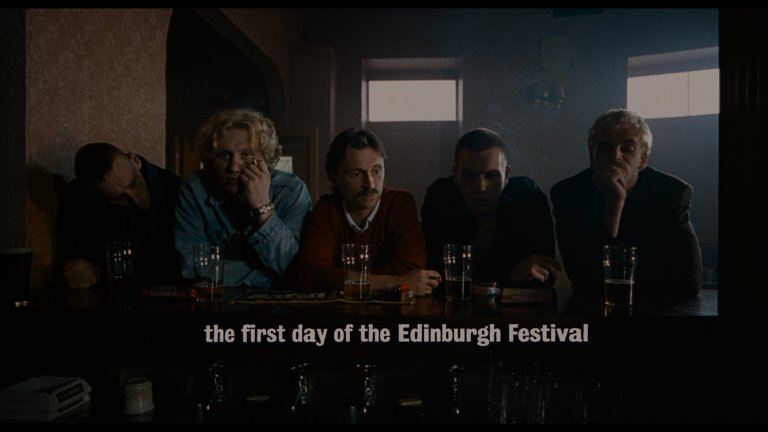
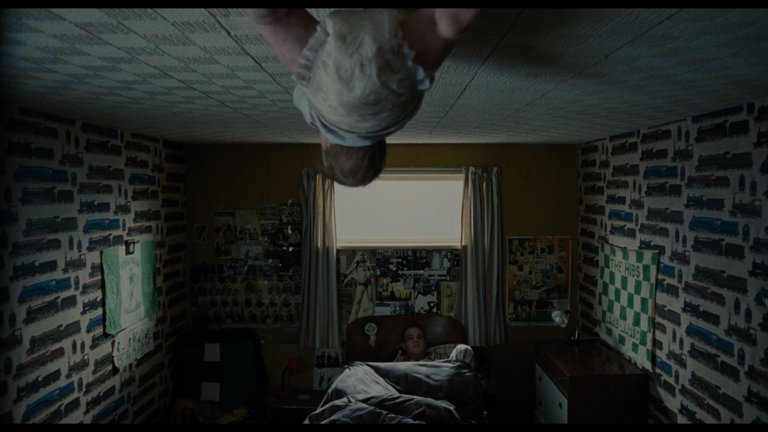
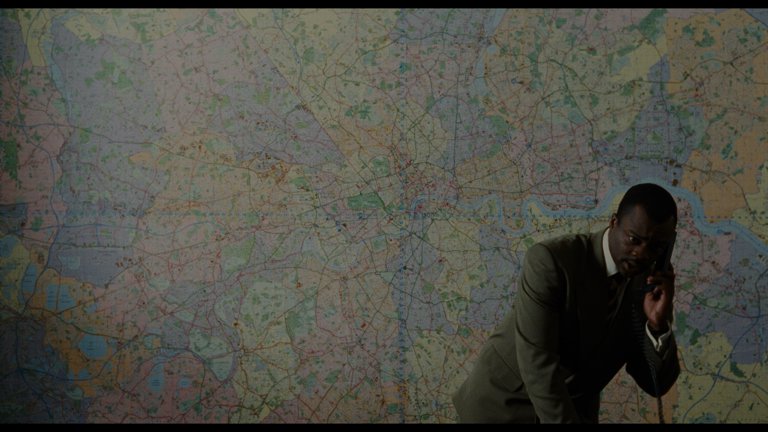
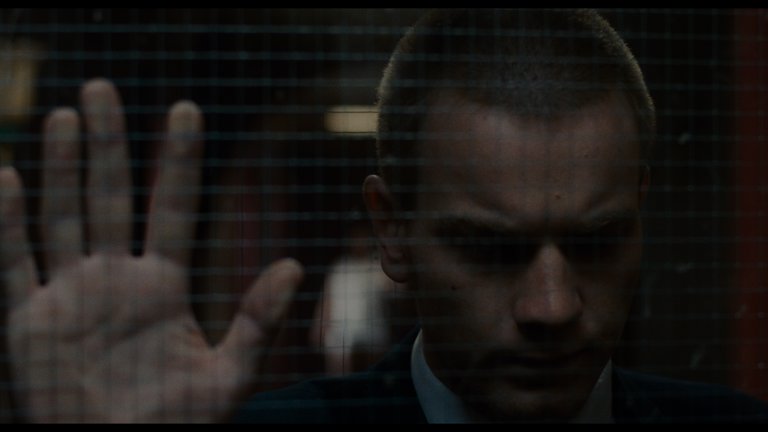
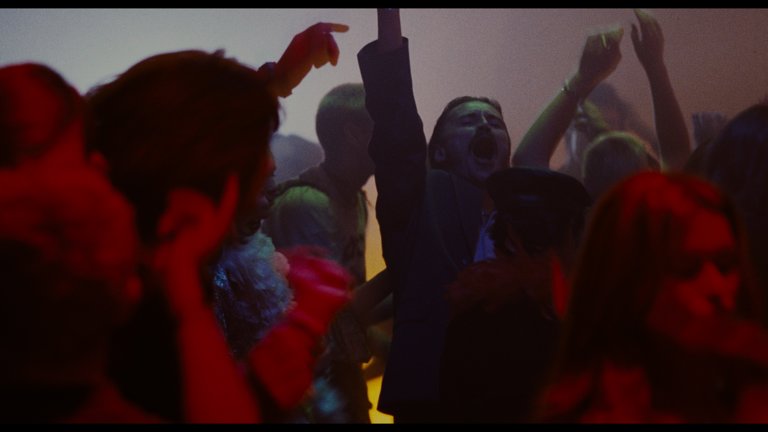
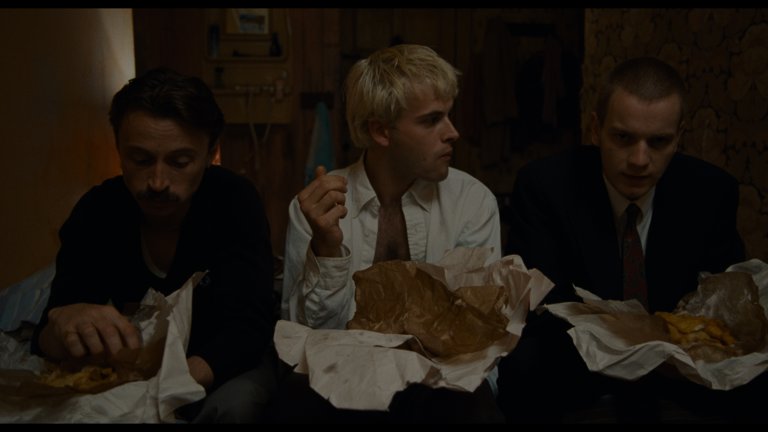
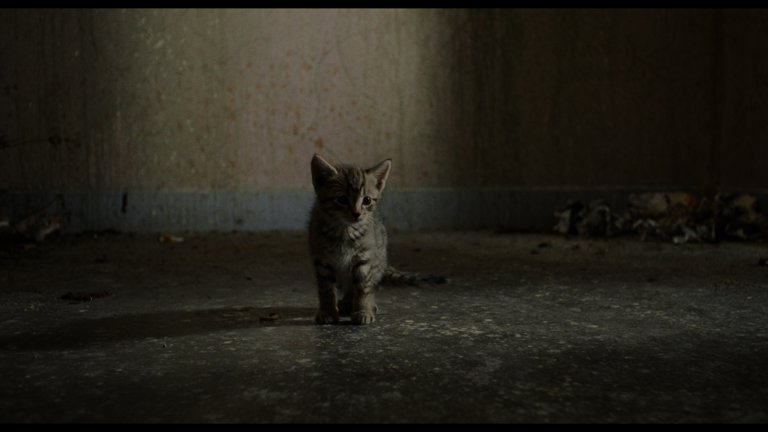
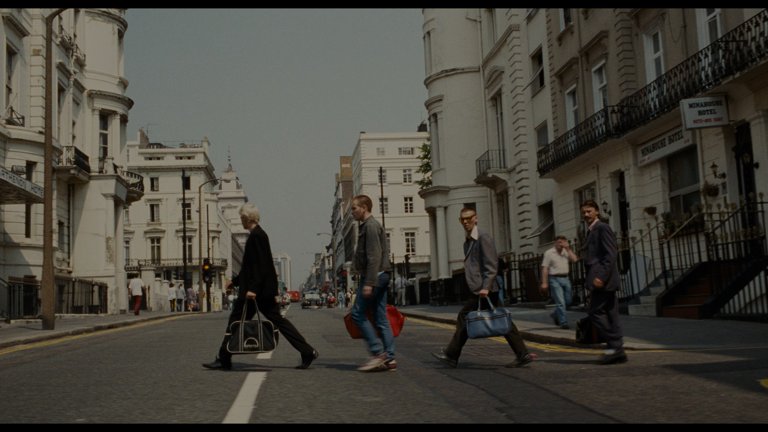
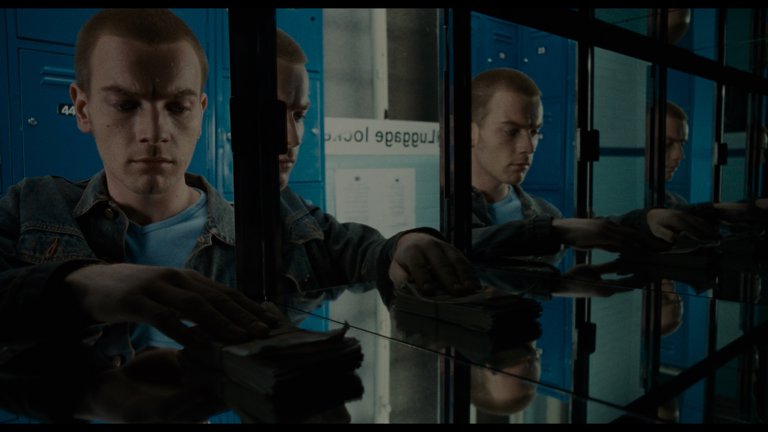
Trainspotting - Screen Captures
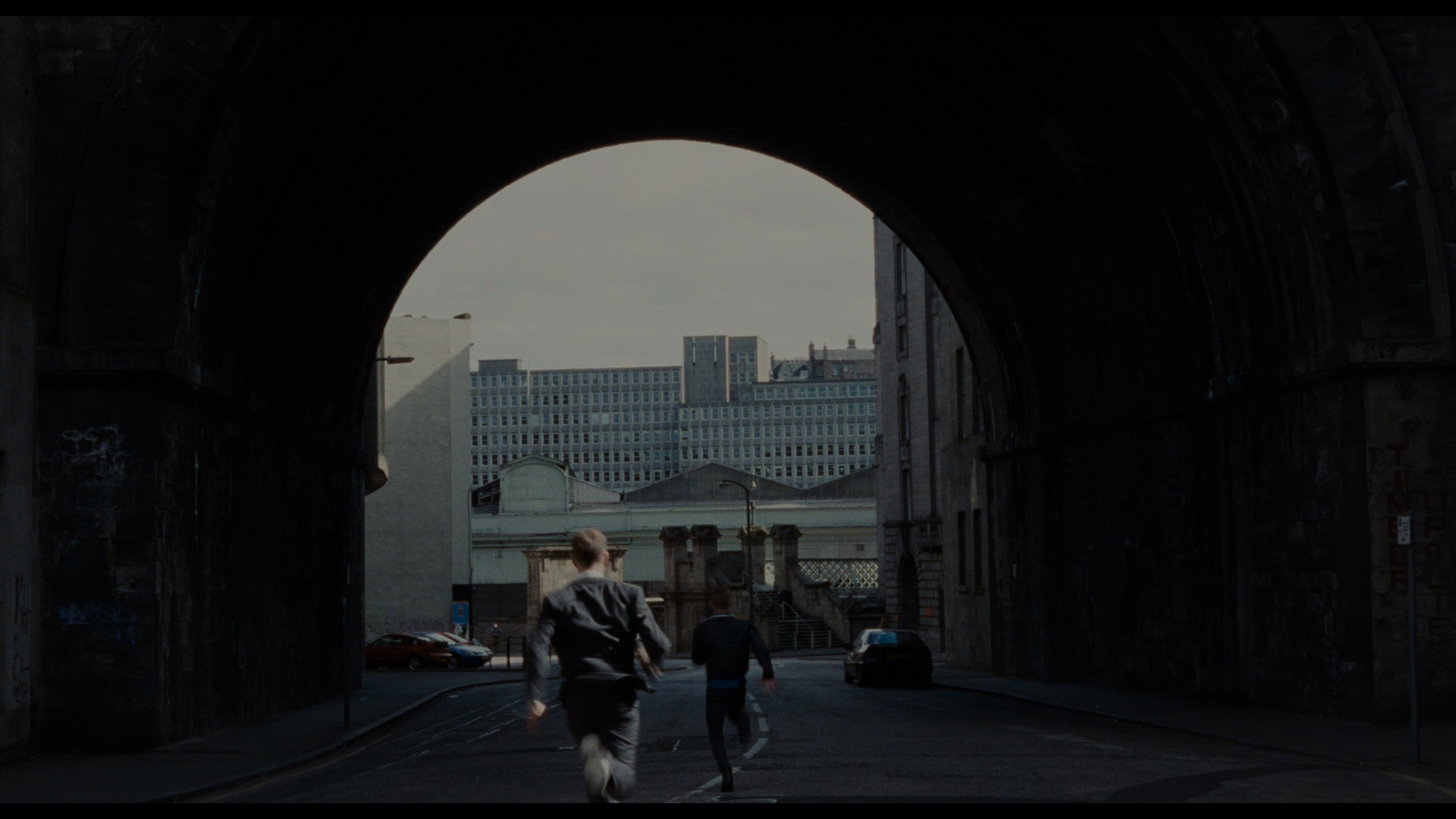
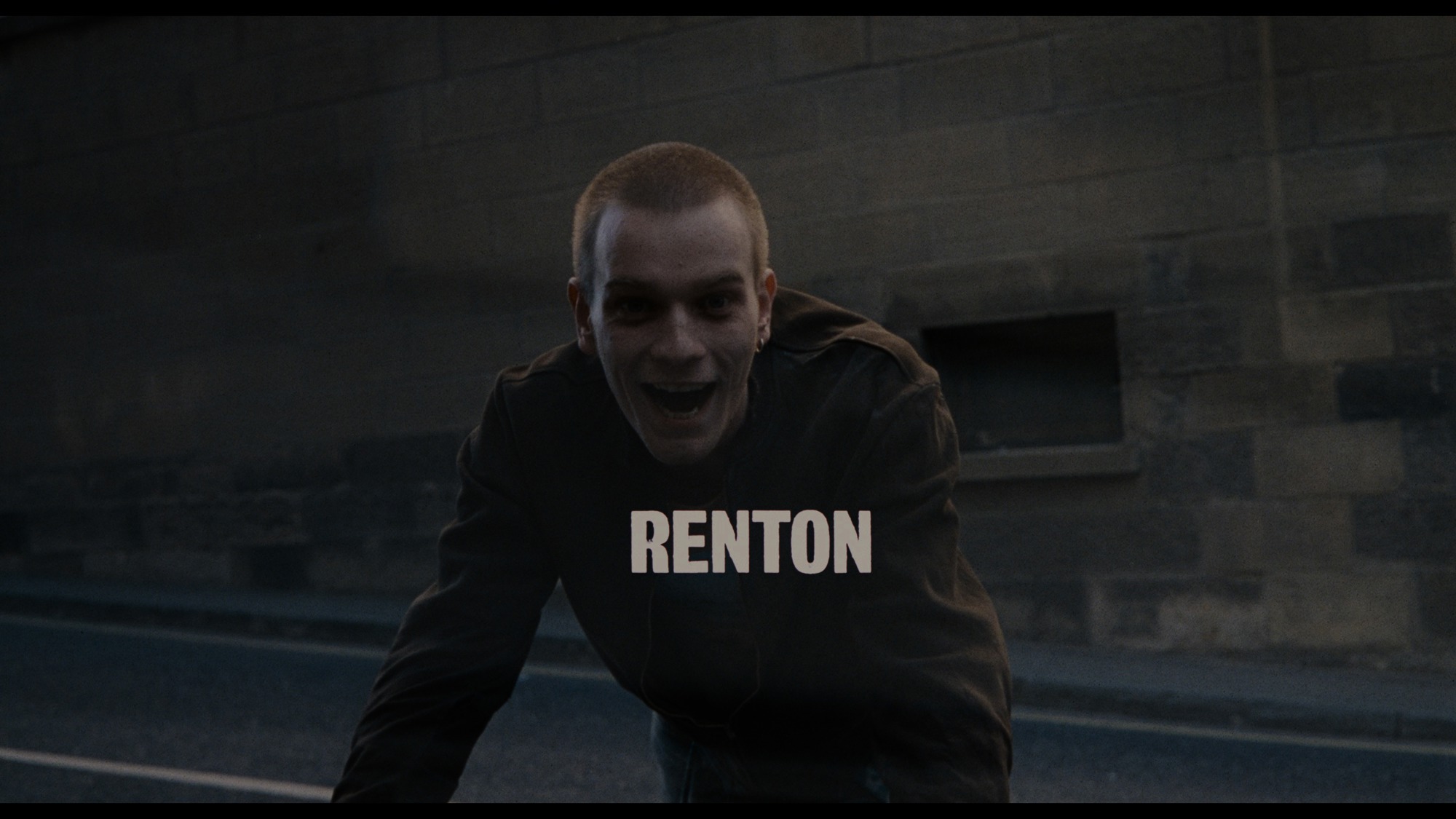
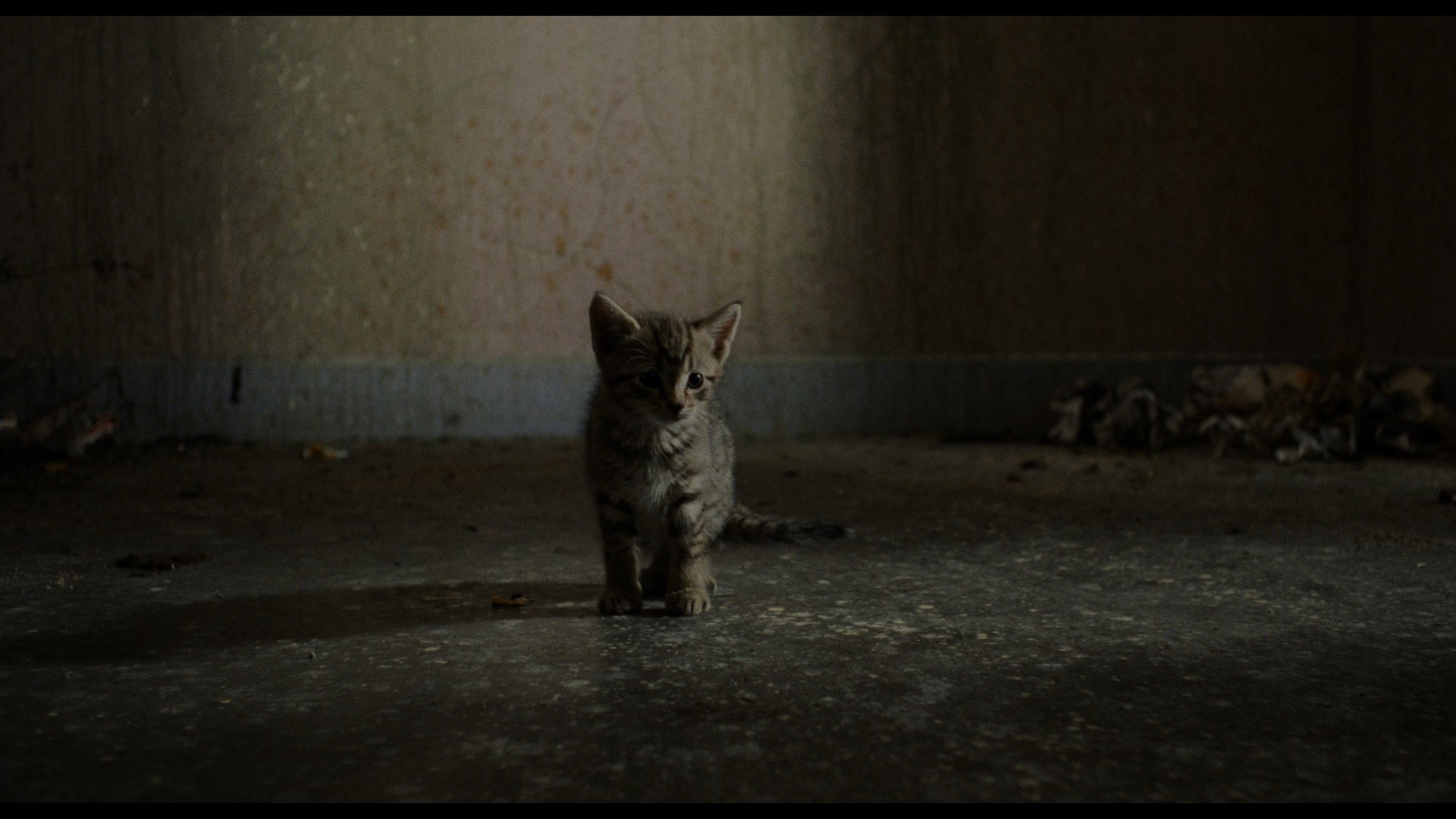
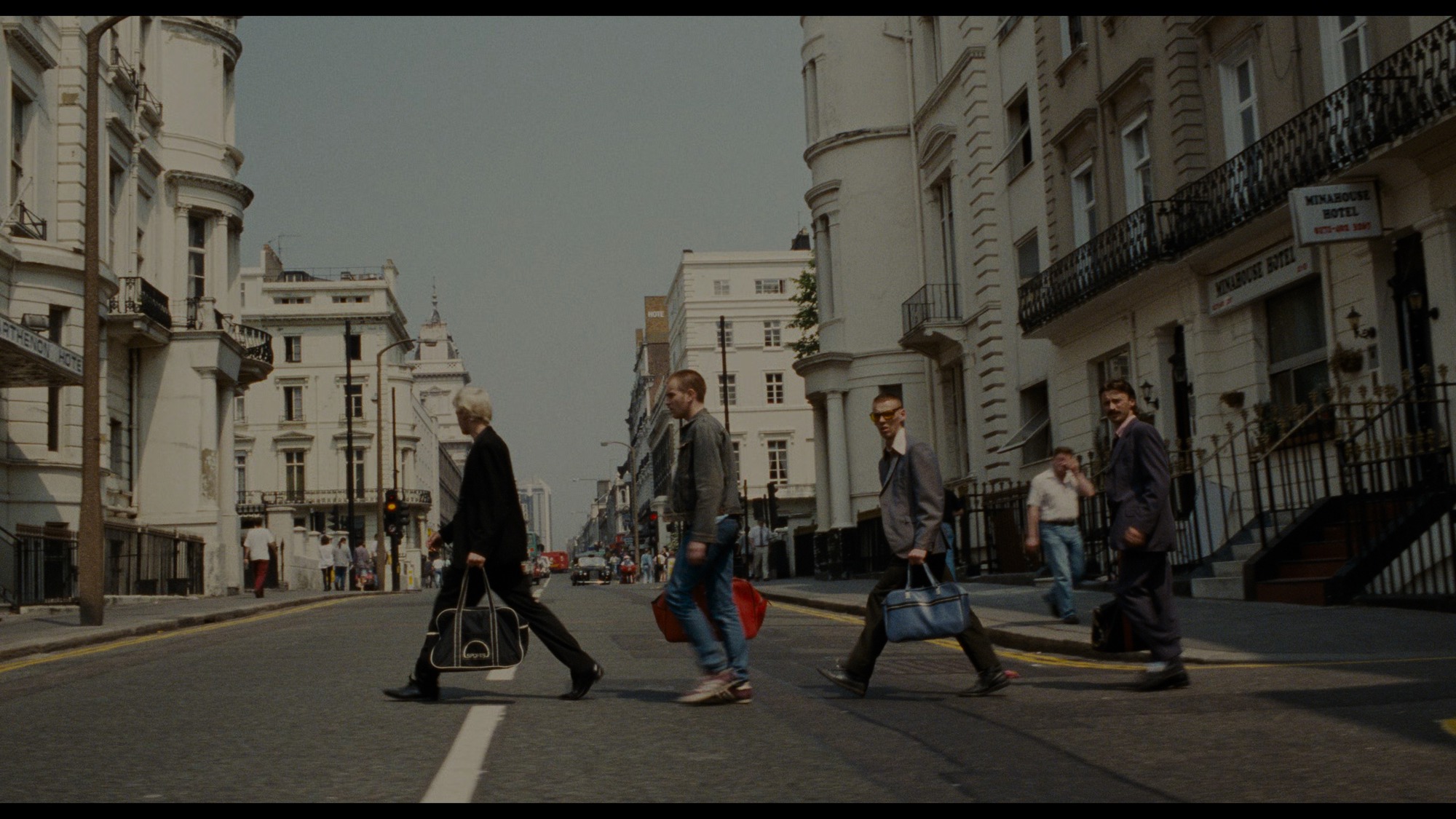
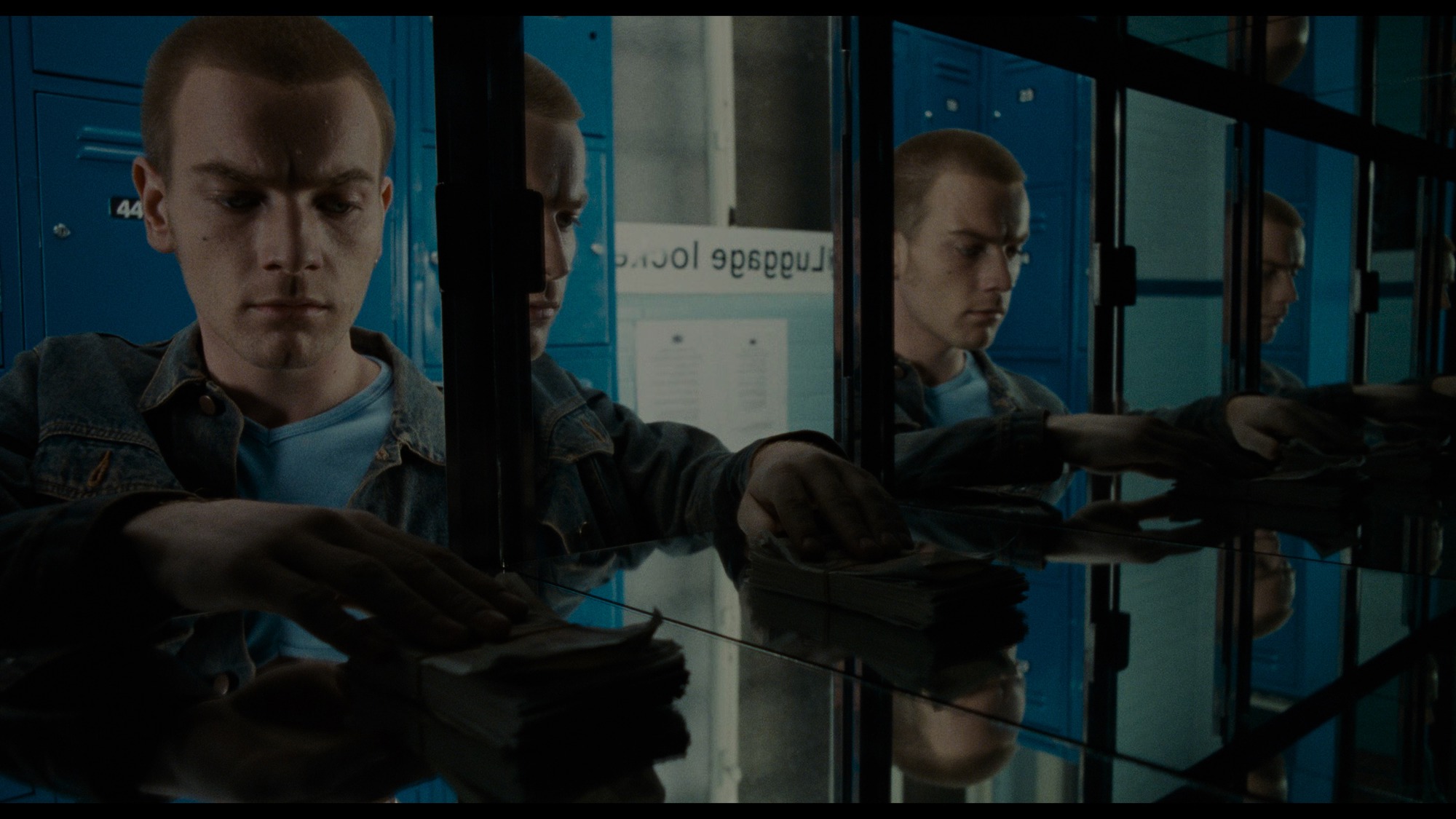
Audio 8/10
As with their LaserDisc edition, Criterion includes both the original 2.0 and remixed 5.1 surround soundtracks, both presented here in DTS-HD MA. The film's soundtrack is dynamic and lively, featuring a fantastic pop and techno music blend, and both soundtracks excel in reproducing the wide range between lows and highs. The dialogue is crisp and clear, with the overall audio free from noise, damage, and distortion.
Choosing between the two tracks comes down to personal preference. The 5.1 track offers a more immersive surround experience, especially noticeable in club scenes and Renton's surreal underwater journey, with decent bass that is never overbearing. The music mix is also slightly enhanced. On the other hand, I felt the 2.0 track delivered sharper and fuller dialogue.
Ultimately, both options prove effective and it will come down to personal preference as to which one to go with.
Extras 9/10
Criterion has assembled an extensive special edition for Trainspotting, blending new content with material carried over from their LaserDisc edition. The 1996 audio commentary featuring director Danny Boyle, producer Andrew Macdonald, screenwriter John Hodge, and actor Ewan McGregor, serves as an insightful exploration of the film's production. The track is a wide-ranging one, covering just about every facet of the production, though it’s probably at its most interesting when it focuses on the difficulties involved in adapting Irvine Welsh’s novel. As some may know, the book doesn’t focus on one specific character, instead giving roughly equal time to several characters through first-person narration while also juggling numerous storylines (and dialects!) The idea of taking a more Altman-esque approach did cross everyone’s minds, but it was ultimately decided to focus on Renton and build the film around a central narrative while still retaining the spirit of the novel. There is plenty of discussion around deciding what to keep and what to cut (even when doing so was painful), which naturally leads into talk about the arrangement of the narrative and the film’s editing, both of which needed to match the rhythm of the narration and soundtrack.
There’s also discussion around the film’s casting and some of the good fortune involved, from choosing Robert Carlyle instead of the much larger actor they originally envisioned for Begbie to discovering Kelly Macdonald. I was also surprised by how concerned they were about making the film more universal, fearing it would alienate audiences outside Scotland, and were clearly shocked by the film’s eventual success. There are also plenty of fun bits of trivia and side observations, including the suggestion that Keith Allen’s drug dealer character here is the same one he played in Shallow Grave.
Unlike some other commentaries Criterion produced for its LaserDisc editions, this one has remained readily available on numerous DVD and Blu-ray releases through the years. Still, it remains an entertaining and insightful track, well worth listening to if one hasn’t heard it before.
The video features are then found exclusively on the Blu-ray, starting with a new 19-minute piece entitled Designing the Look of the Film, featuring production designer Kave Quinn and costume designer Rachael Fleming. The segment plays more like a video essay, combining photos, behind-the-scenes home video footage, film clips, and other archival material as Quinn and Fleming discuss the research that informed the film’s look and how they recreated it. This includes the apartments, clubs, bars, and other locations seen throughout the film (even the “worst toilet in Scotland”), as well as the design of the costumes and wardrobe.
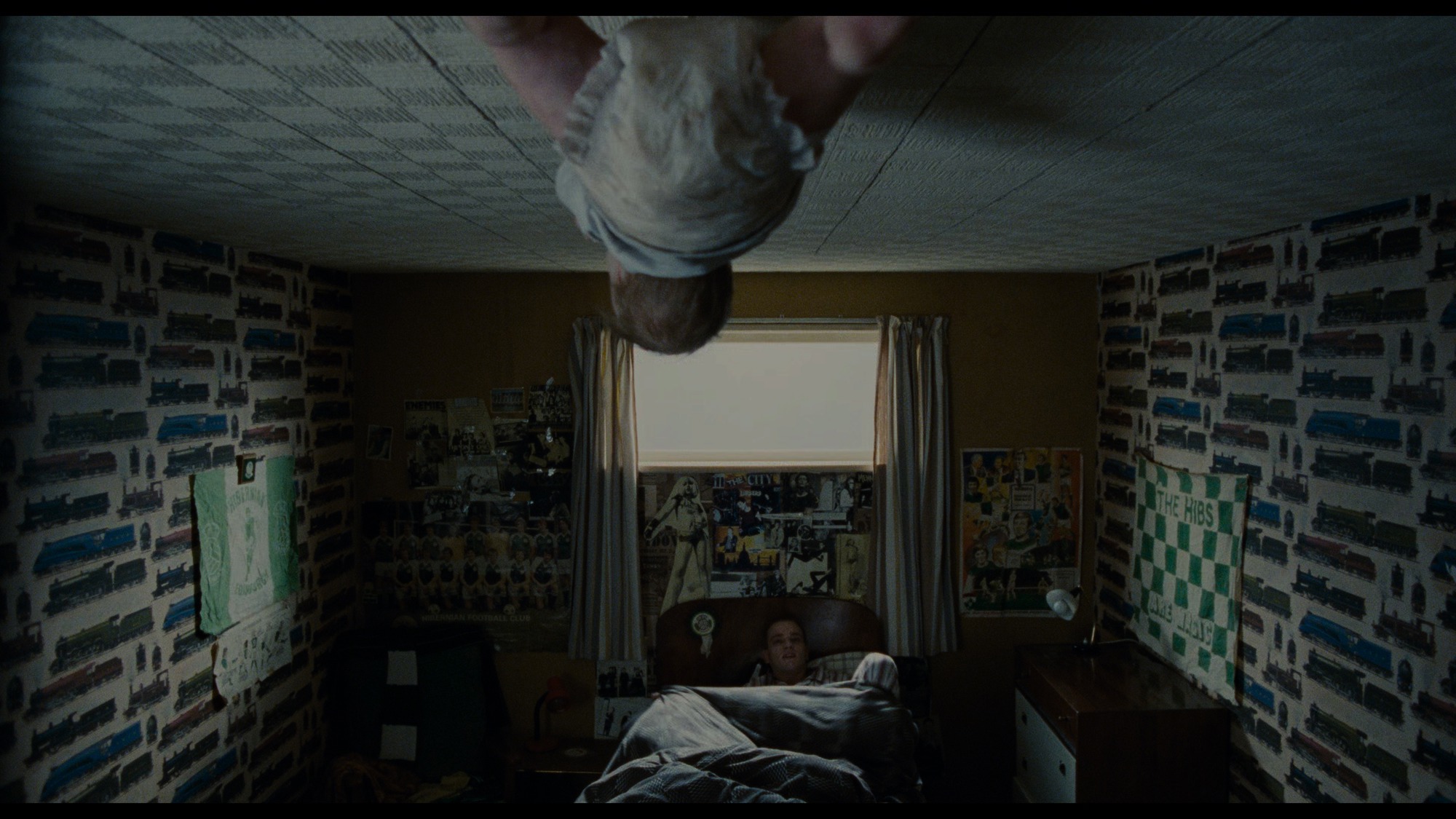
Photographs used as reference and production materials are shown throughout, including details such as the wallpaper in Renton’s childhood bedroom. Color was also an important consideration, and the two discuss the extensive testing required to ensure the desired palette survived through the film development process intact. It’s a wonderfully assembled piece loaded with some fantastic archival material.
Criterion then gathers together several musicians associated with the soundtrack, including Iggy Pop, Primal Scream’s Bobby Gillespie, Blur’s Damon Albarn, Pulp’s Jarvis Cocker, Leftfield’s Neil Barnes, and Underworld’s Rick Smith and Karl Hyde. Noel Gallagher also appears through a written statement, expressing his regret at not contributing (apparently the title was one of the things that turned him off). Iggy Pop, also through text, discusses Welsh’s novel and its importance, while the others, through audio interviews, explain how they became involved with the film. As a feature examining how these artists came to contribute to the soundtrack it works reasonably well, but it falls short of the deep-dive I would have expected for what was on of the more impactful soundtracks of the period, ultimately running a brief 12 minutes.
Off the Rails: The Making of Trainspotting is a newly assembled 45-minute documentary produced by Criterion, constructed from archival interviews conducted with the cast and crew around the time of the film’s production, release, and immediate aftermath, including excerpts from Irvine Welsh’s interview originally featured on Criterion’s LaserDisc. Like the commentary, it covers the film’s production, but expands upon many of the same topics, delving further into the screenplay’s development and the casting process. It also includes some excellent behind-the-scenes footage, including material showing the filming of the injection sequence, which utilized a fake arm. The documentary also touches on the film’s marketing campaign, test screenings in New York, and its out-of-competition premiere at Cannes.
It's a good documentary, wonderfully edited together creating a clear timeline for the production, though somewhat disappointingly it features very little from the cast themselves. That gap ends up being largely filled by the 2008 documentary Memories of Trainspotting, which runs 45 minutes. Covering some of the same ground, including the challenges of adapting the novel, it also features lengthier interviews with cast members including McGregor, Carlyle, Bremner, and Macdonald, who discuss their characters and experiences in far greater detail.
We also learn that Boyle had the cast watch a number of films to help establish the tone he was after, including A Clockwork Orange, The Lost Boys, and 2001: A Space Odyssey, the last of which Bremner admits left him somewhat confused as an influence. Discussion of a sequel also comes up, with the filmmakers noting that any follow-up would need to be substantially different from the original, which of course did happen eventually: T2: Trainspotting, drawing from Welsh’s Porno and additional material from Trainspotting the novel, would eventually arrive in 2017.
Also carried over from the LaserDisc (and numerous DVD and Blu-ray editions) are nine deleted scenes running approximately 10 minutes, accompanied by an optional commentary from the filmmakers. The commentary largely explains why the scenes were removed and, while I can’t say any of them were wrongly cut (some are repetitive while others would have slowed the pacing) they’re still fascinating to watch on their own. Highlights include an additional scene featuring Renton visiting Swanney in the hospital and another showing Renton attending his own job interview. The latter is funny, though after Spud’s interview scene it probably would have felt a little redundant.
The disc closes with the film’s teaser trailer—which has virtually nothing to do with the film itself and is the same teaser included on Criterion’s edition of Shallow Grave—along with the international trailer. Criterion also includes three minutes of outtakes from McGregor’s audio commentary recording session, found under “Reading” in the menu.
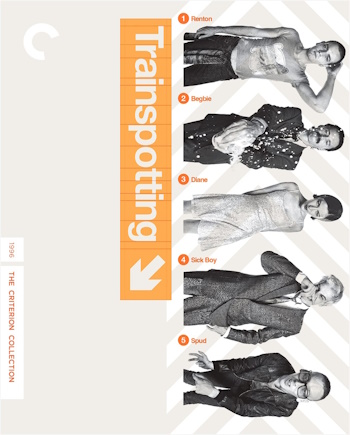
The release comes with a 36-page booklet featuring an essay by Graham Fuller and a reprint of Irvine Welsh's essay from the LaserDisc. While lacking a separate glossary-of-terms insert, as the LaserDisc did (providing “translations” to terms from the film for North American viewers), they have instead been scattered throughout the booklet on the outer margins. The 4K edition also features elaborate packaging with a glow-in-the-dark design, incorporating clever touches like "Choose 4K UHD" or "Choose Blu-ray" on the disc art. I like the look of it and find it a bit fun, but it makes things a bit cumbersome if one just simply wants to watch the film.
Despite the features being primarily archival in nature, the set provides a comprehensive and excellent collection covering the film's production and unexpected success.
Closing
Slight issues aside, Criterion’s new 4K edition delivers a significantly sharper presentation over all previous releases alongside a solid set of supplementary material. There’s room for improvement, but it should make fans happy,
BUY AT: