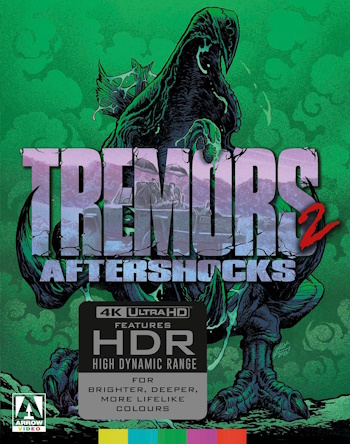
Tremors 2: Aftershocks
BUY AT:


See more details, packaging, or compare
Synopsis
Six years after Tremors first tunnelled its way into audiences’ affections, the original creative team returned for an equally edge-of-your-seat sequel that would pave the way for a long-running franchise by adding some new twists to everyone’s favorite slimy subterranean slitherers!
Earl Bassett (Fred Ward)’s celebrity after defeating the Graboid attack against the town of Perfection has proved short-lived, until he’s recruited by a Mexican oil company whose workers have found more than they bargained for under the soil. With the help of a scientist (Helen Shaver) and a new sidekick (Christopher Gartin) – not to mention the return of his gun-toting survivalist pal Burt Gummer (Michael Gross) – Earl is about to learn the Graboids have evolved and are deadlier than ever!
Reprising the same mix of nail-biting horror and rib-tickling humor that made the original film so beloved, Tremors 2: Aftershocks is back in a brand new 4K restoration that makes this creature feature pop like never before!
Picture 8/10
Arrow Video presents S.S. Wilson’s straight-to-video sequel Tremors 2: Aftershocks to 4K UHD, presenting the film in the 1.85:1 aspect ratio on a triple-layer disc. The 2160p/24hz ultra high-definition presentation is sourced from a new 4K restoration, taken from a scan of the original negatives, and presented with Dolby Vision.
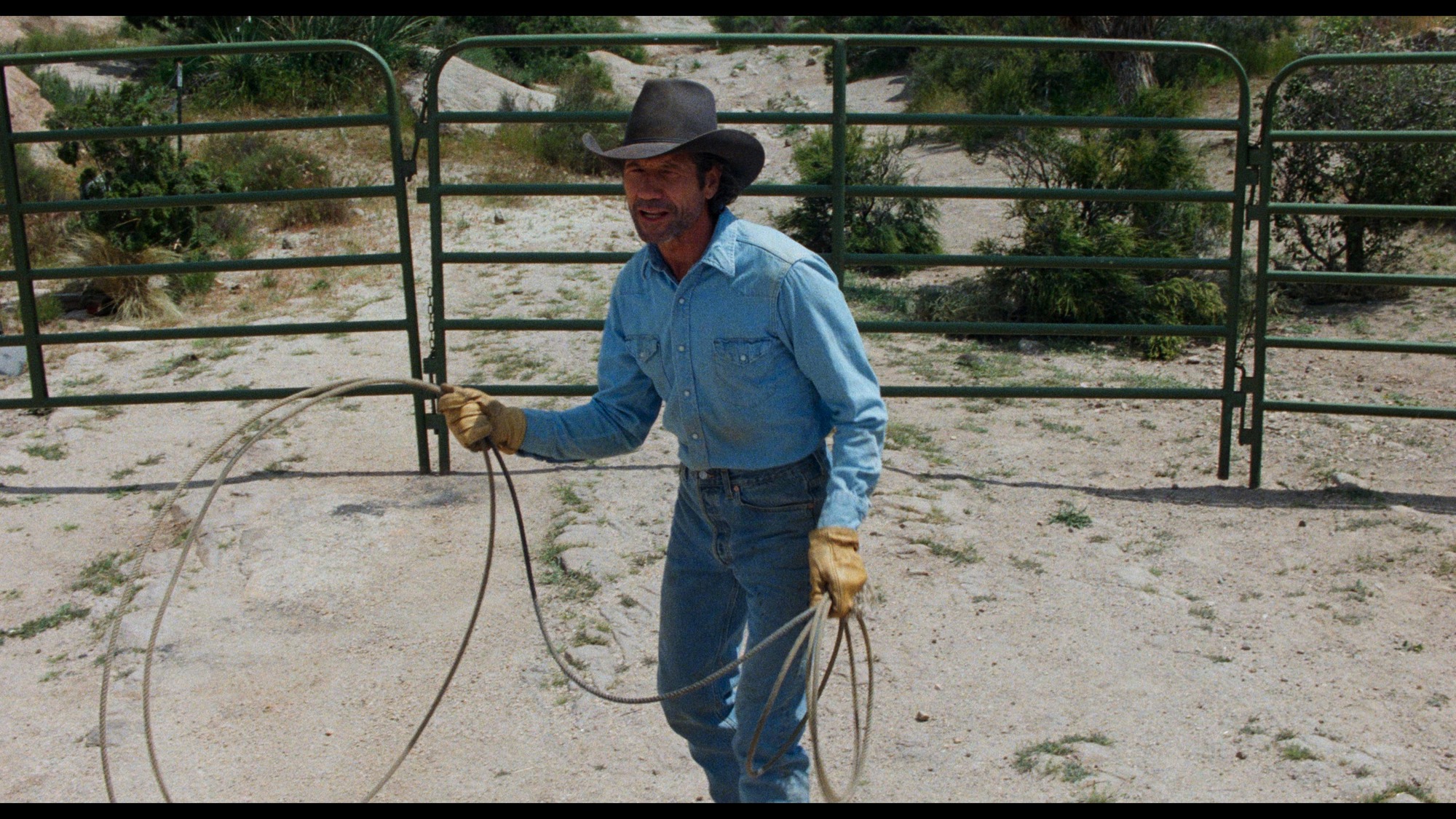
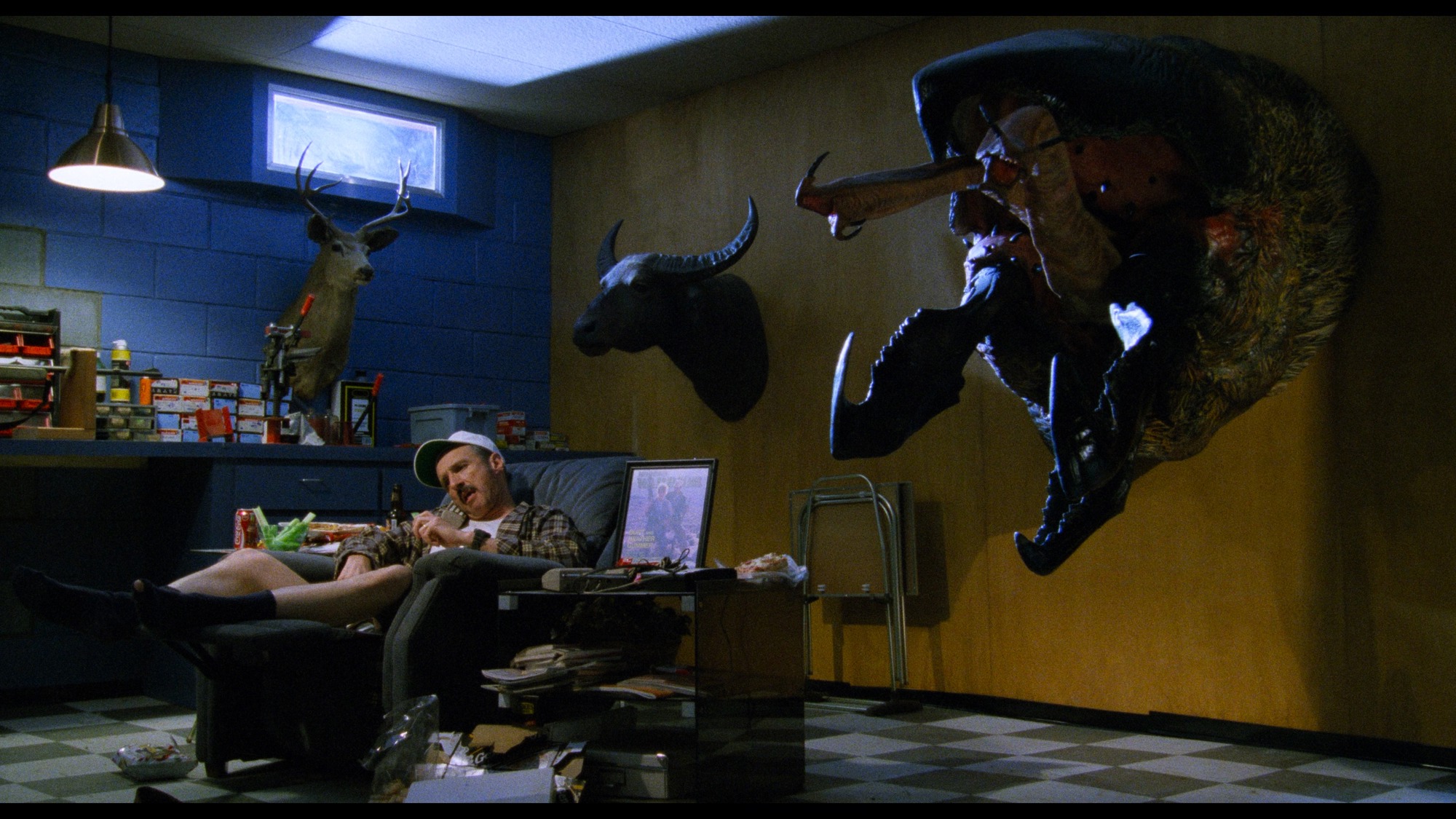
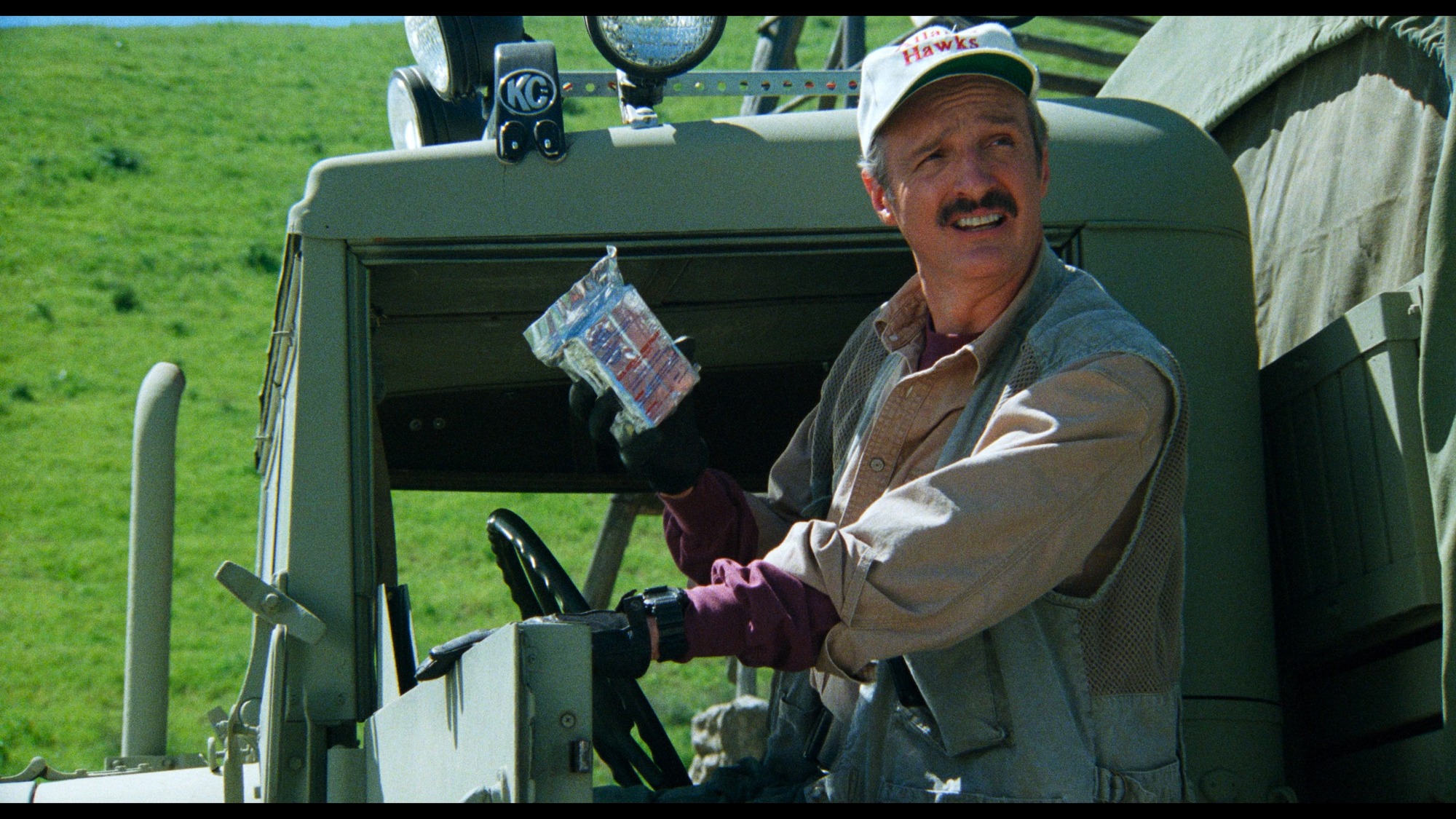
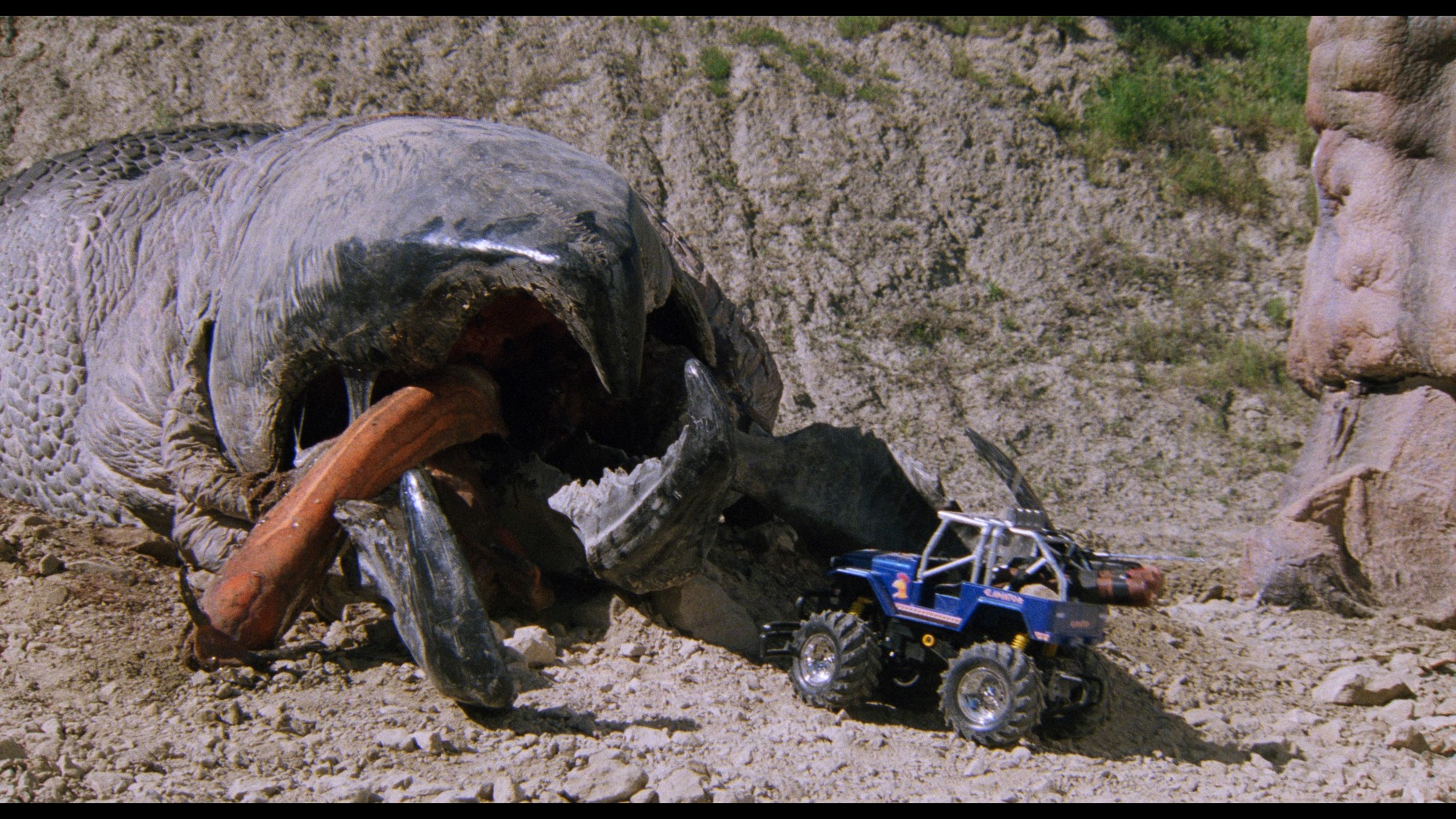
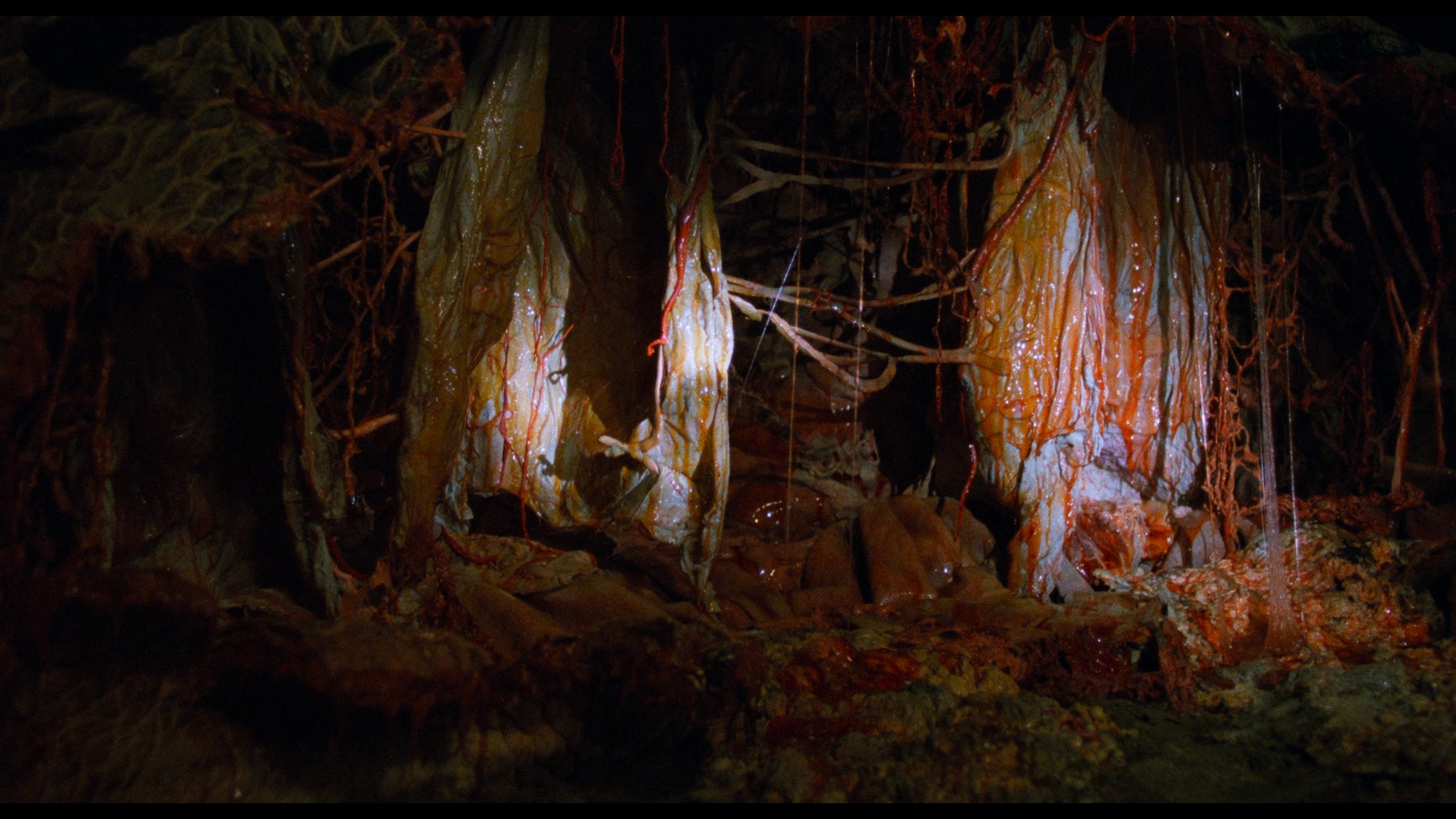
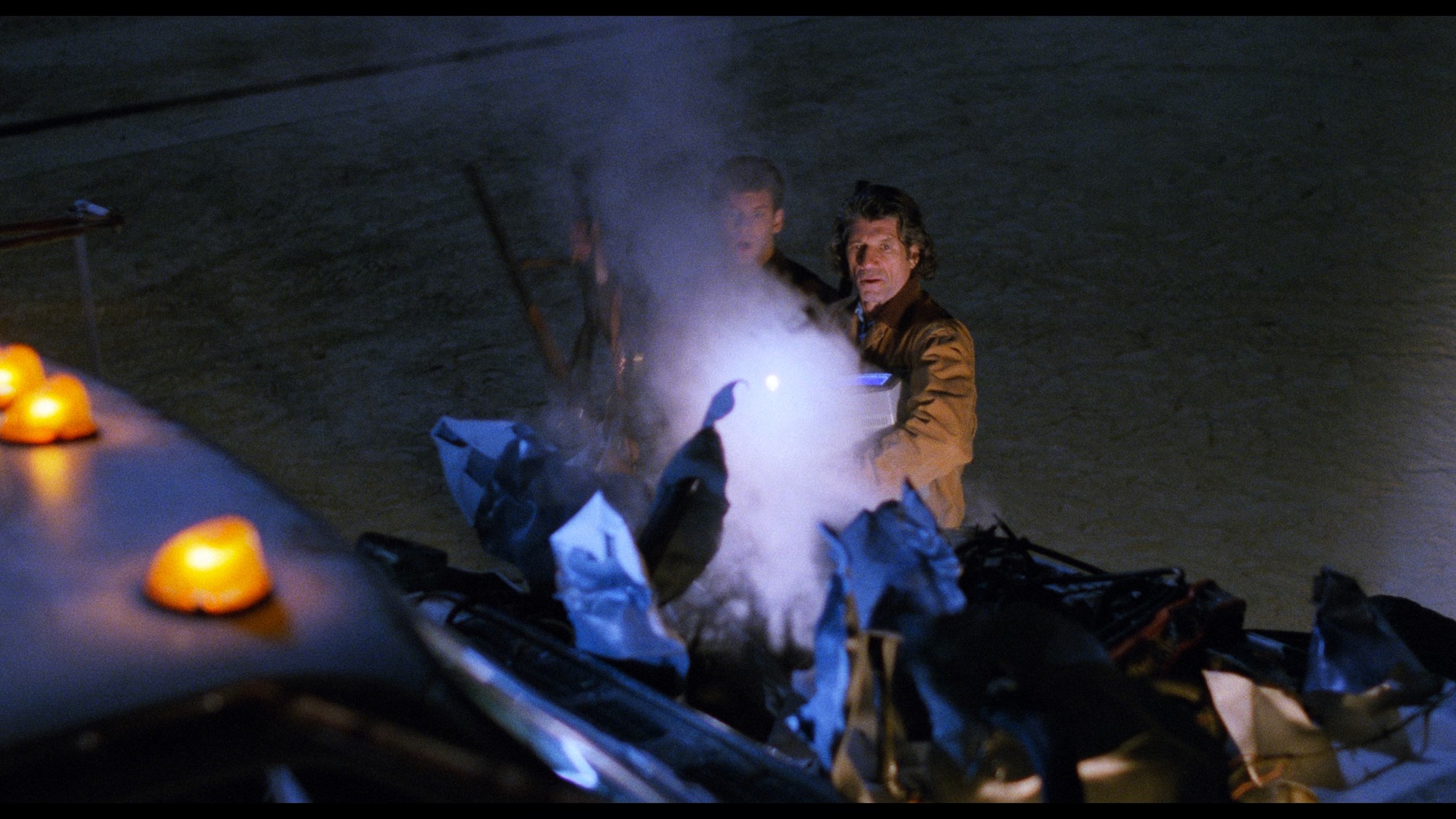
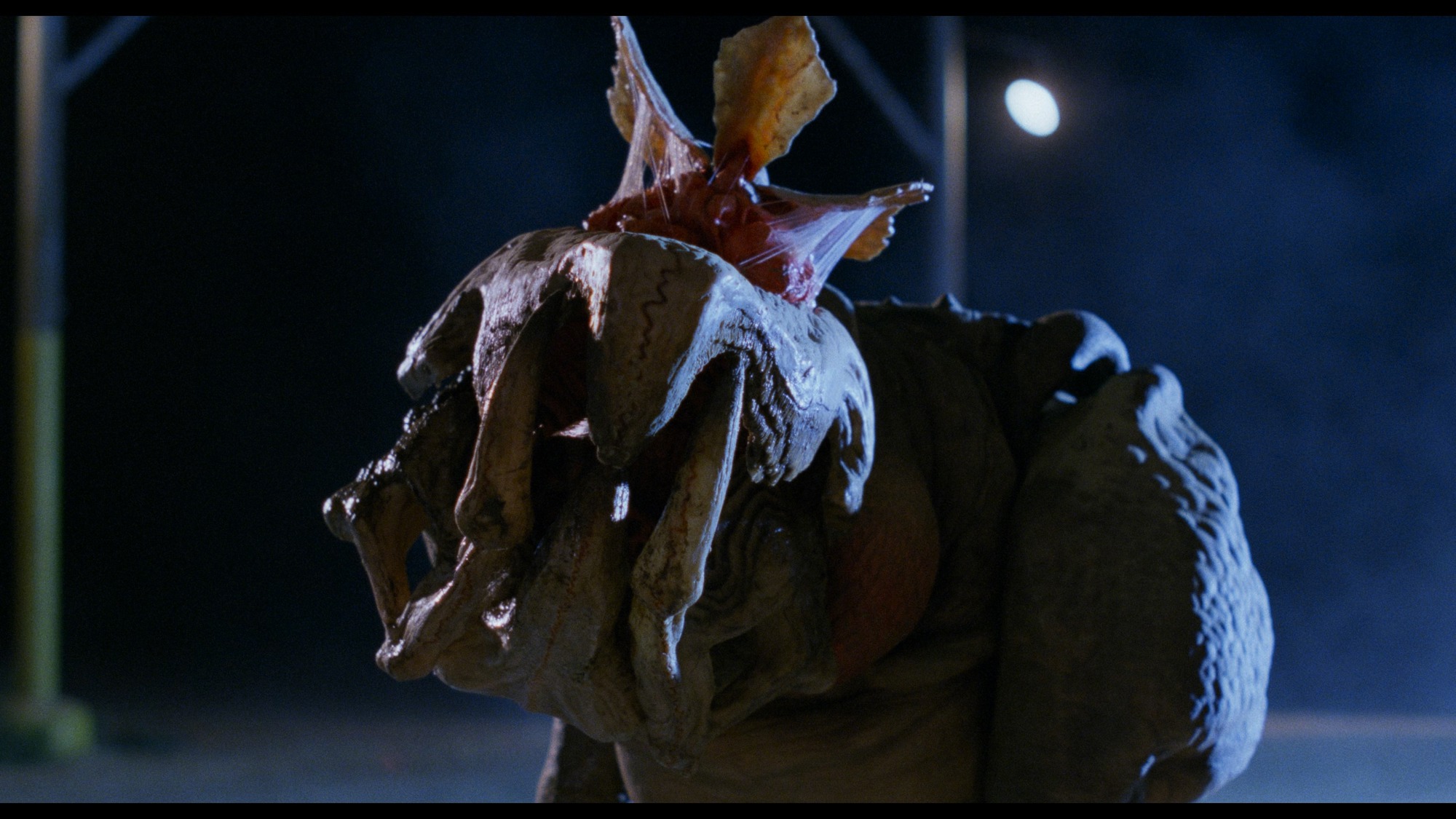
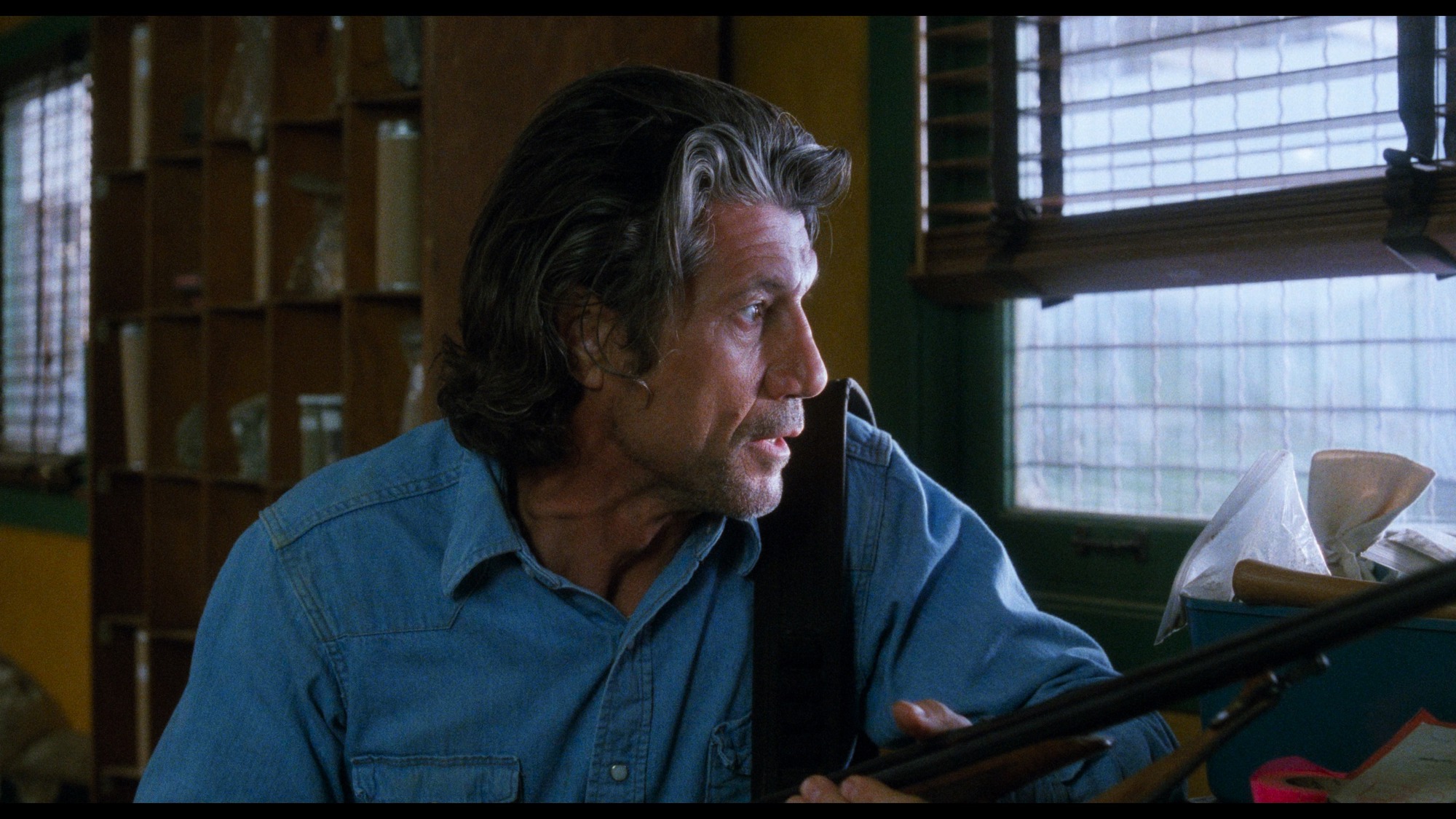
I wasn’t expecting this to look all that impressive considering the film’s straight-to-video roots, yet this has come out looking quite remarkable. There’s a beautiful film texture there now that has always been lacking, thanks to the significantly improved level of detail and a healthy amount of grain (rendered cleanly) that I don’t recall ever being present before, all of which can be certainly attributed to the new 4K scan and the improved resolution.
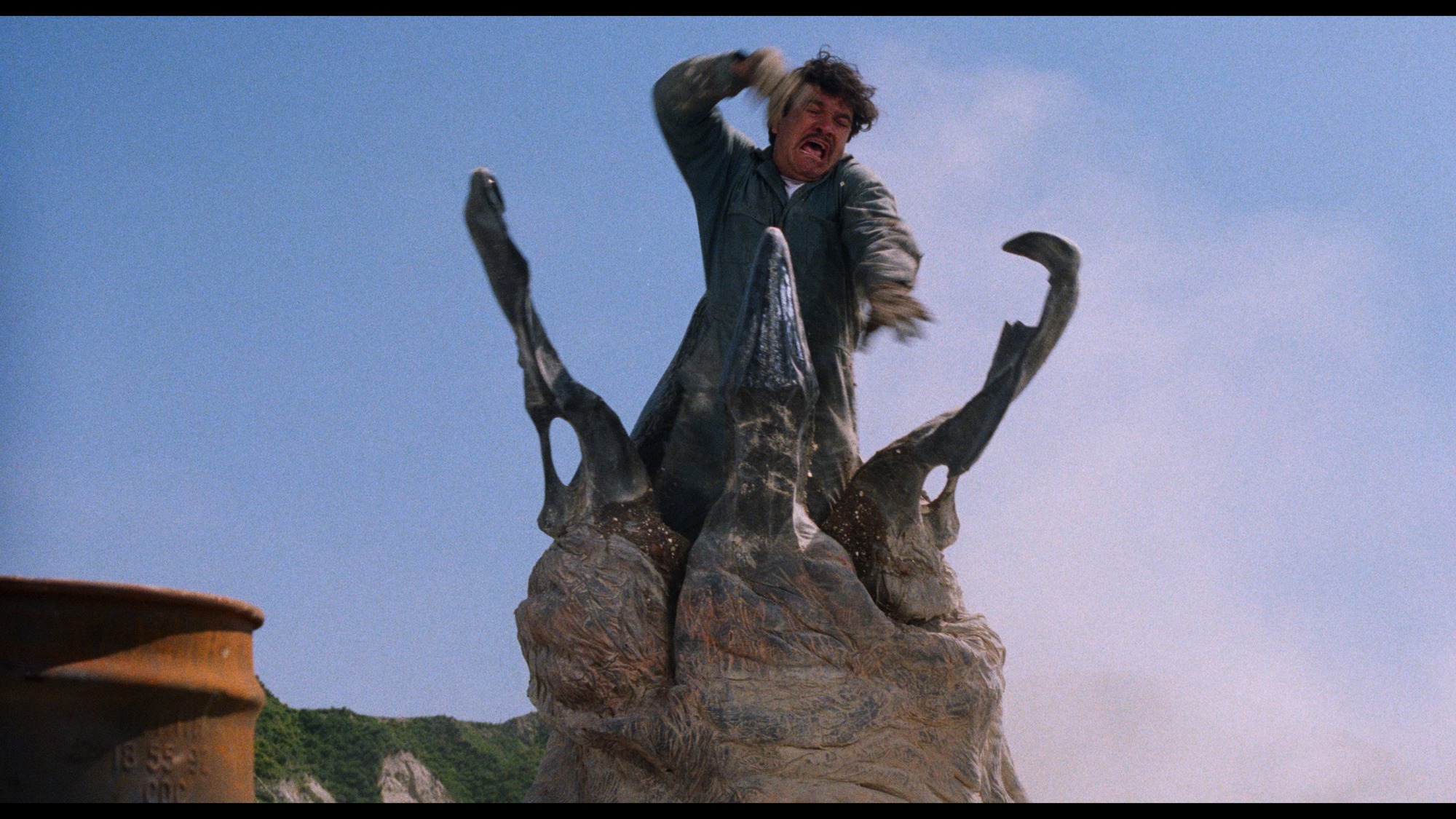
That said, the higher resolution manages to “harm” some aspects of the image, ultimately due to the lower budget and limited resources available for the production. The biggest problem that stands out is the already iffy CGI effects (again, because of budget constraints), which look even worse now. There are instances where it’s clear (thanks to a certain smudginess and jaggies in the diagonals) that some effects and shots were completed on high-resolution video and then transferred back to film (which director S.S. Wilson does cover briefly in the included commentary). These moments are very few but stick out when they pop up.
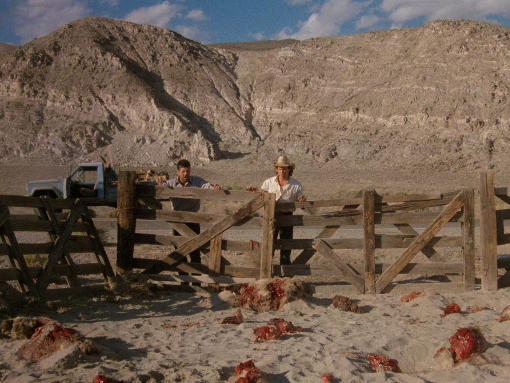
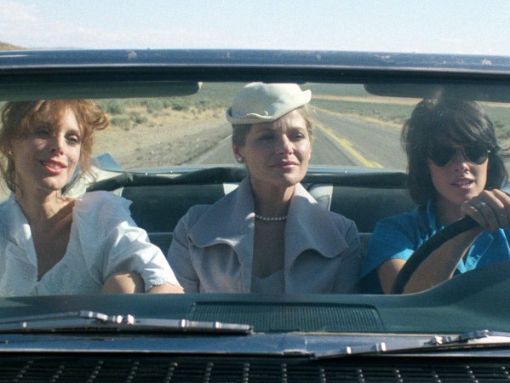
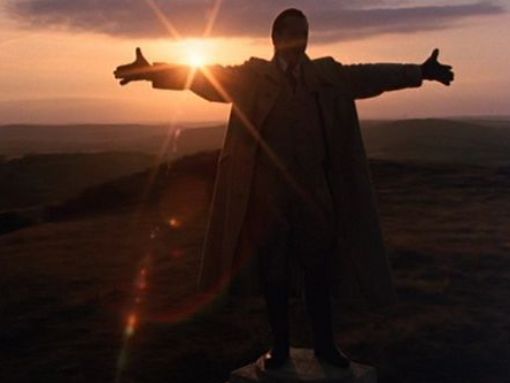
Outside of that, the restoration work has cleaned up the image, and damage is not a concern outside of minor specs and the occasional flicker. HDR and Dolby Vision also really give things a boost. The range in the earthy tones of the desert landscape is noticeably more expansive, while reds and greens receive the more notable boost. Black levels are rich and deep, with a wide range in the shadows. There is one moment, though, where things dim for a second and then brighten up again (a little after Michael Gross’ Burt says his famous “need to know information” line), though this could be natural to the scene's lighting.
Slight hiccups aside, this looks really good. I never thought I’d see the film like this, and the results are a welcome surprise.
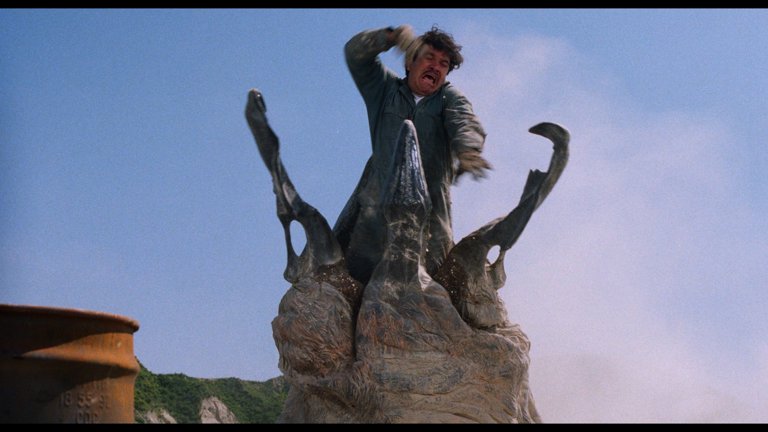
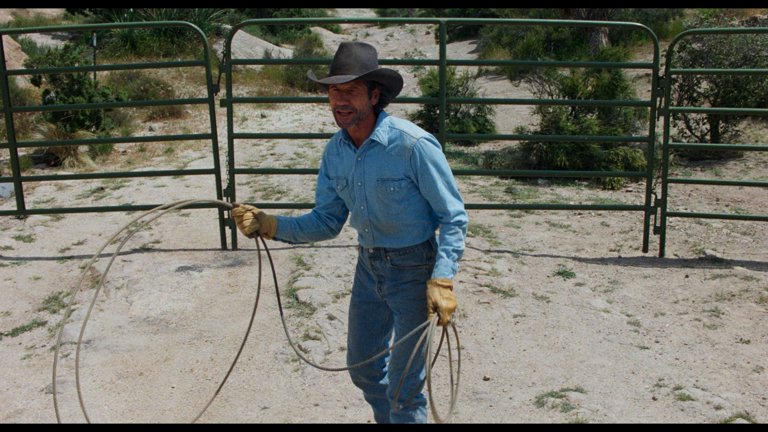
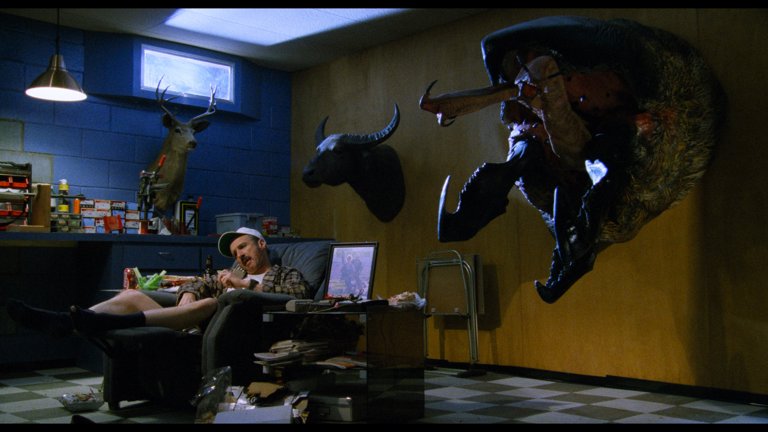
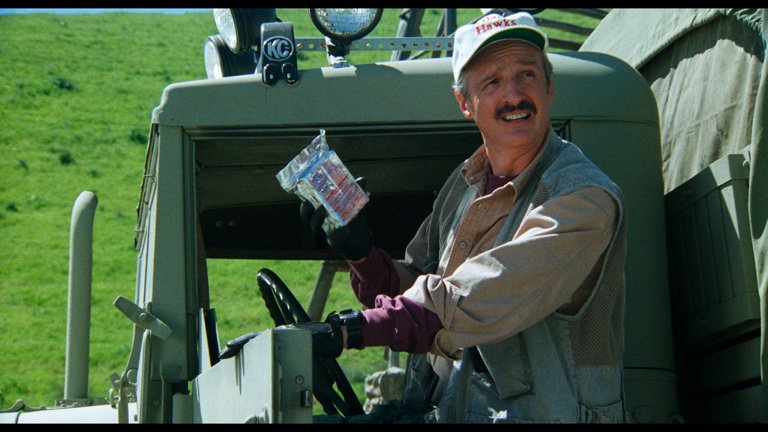
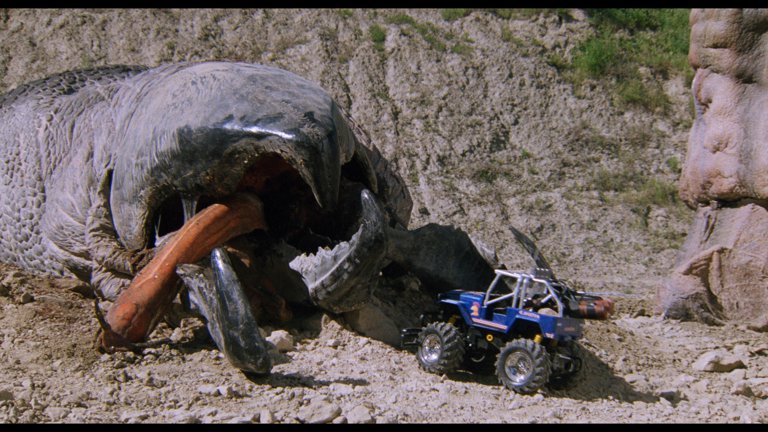
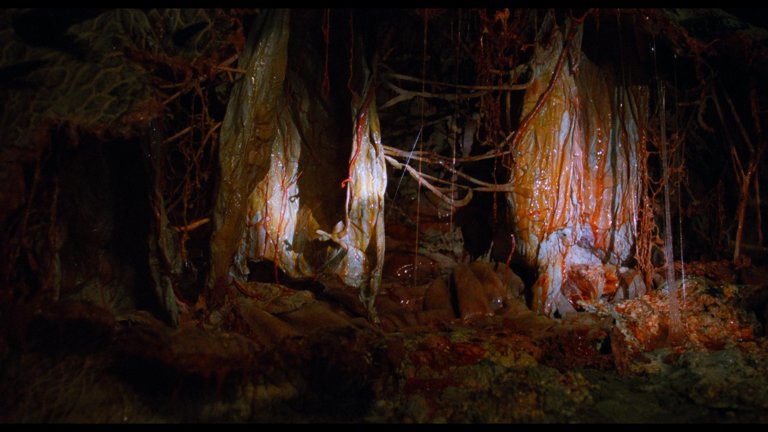
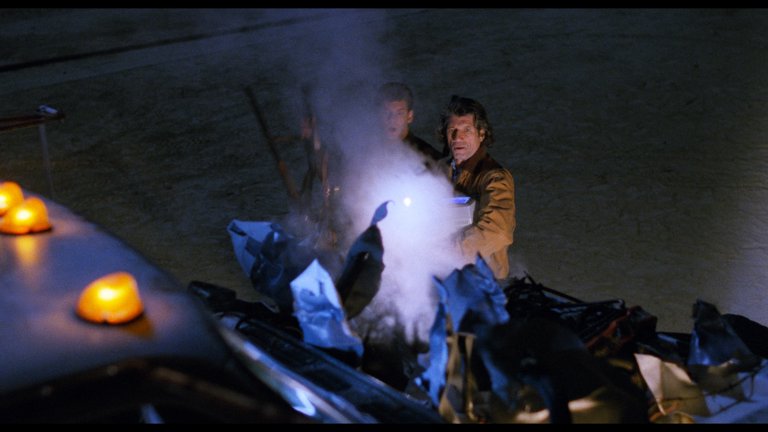
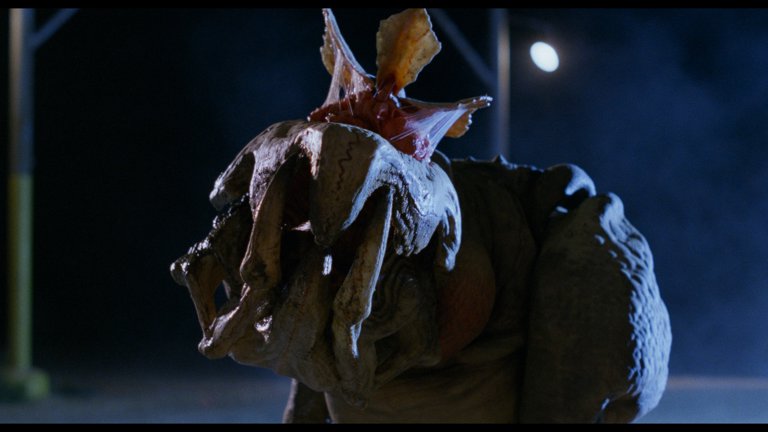
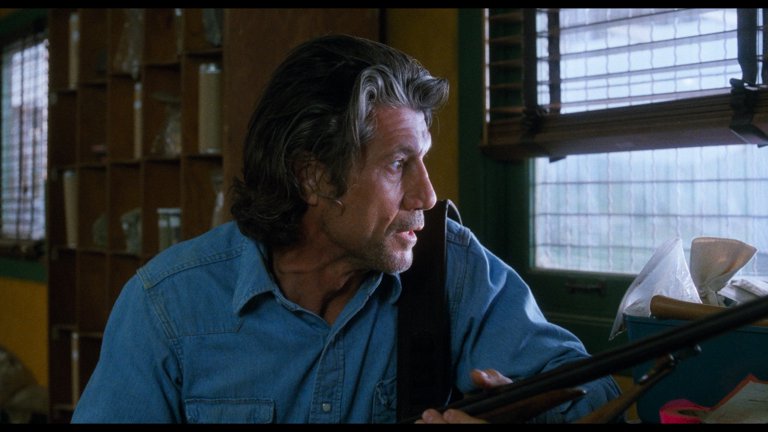
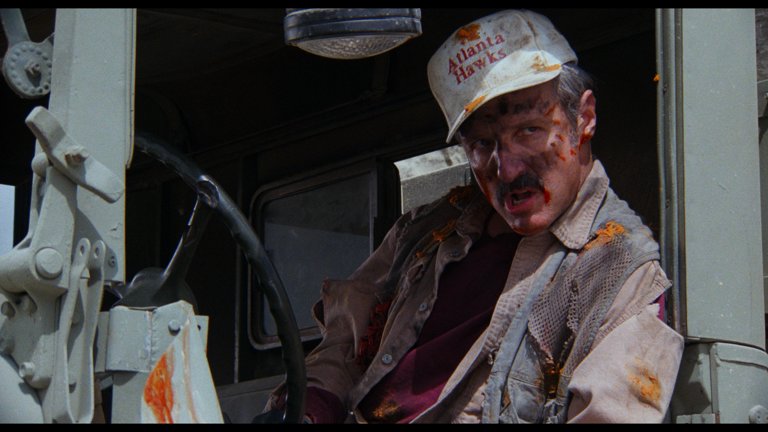
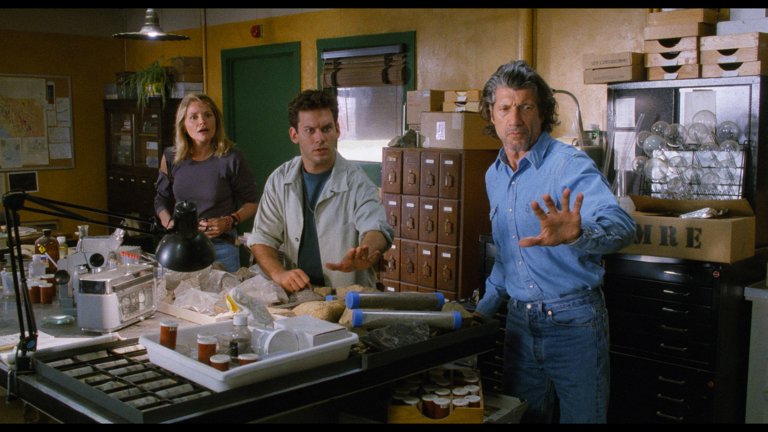
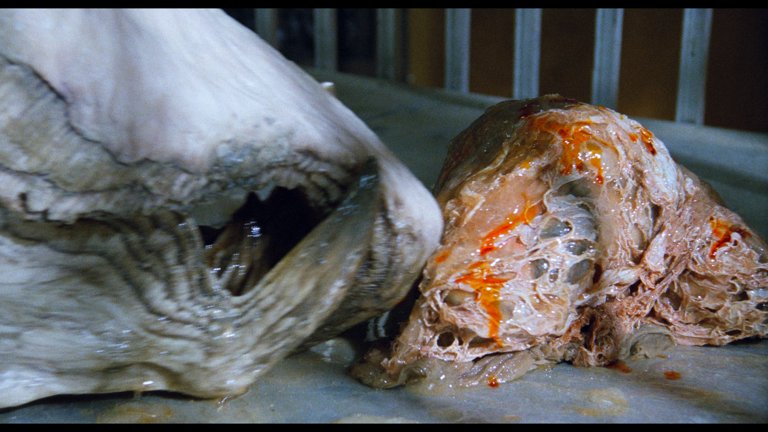
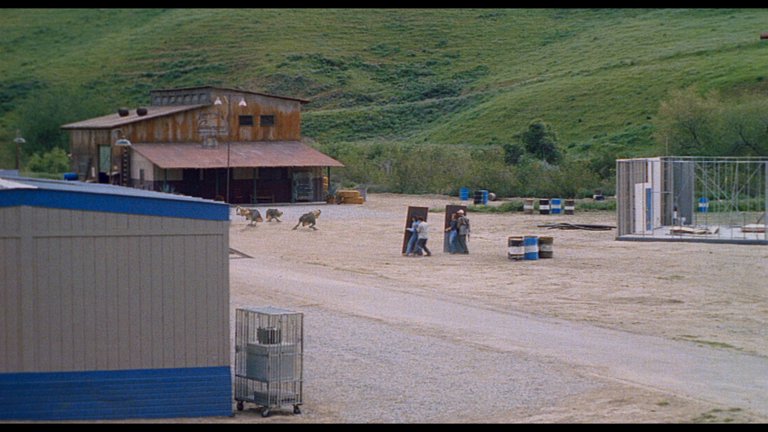
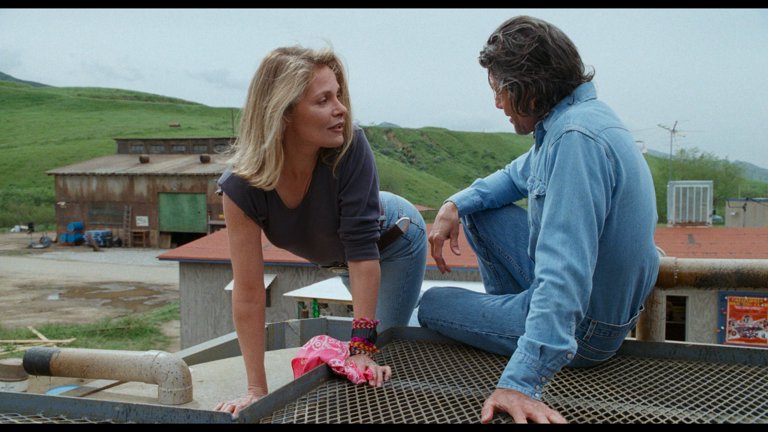
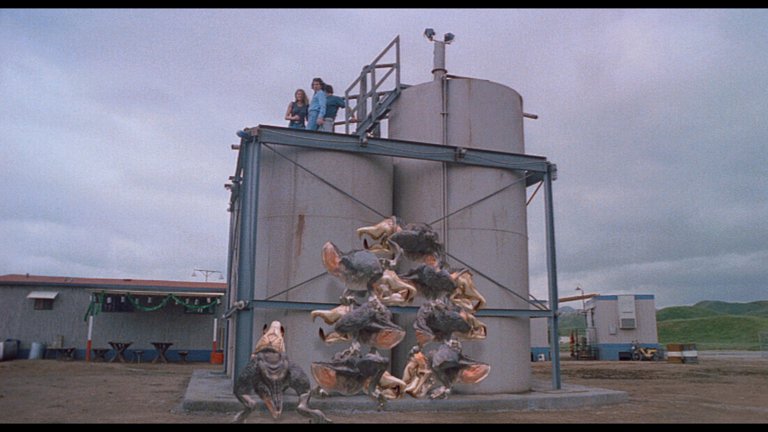
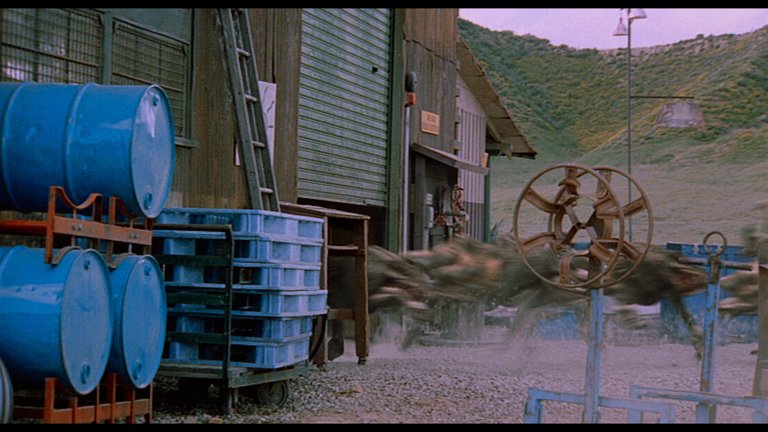
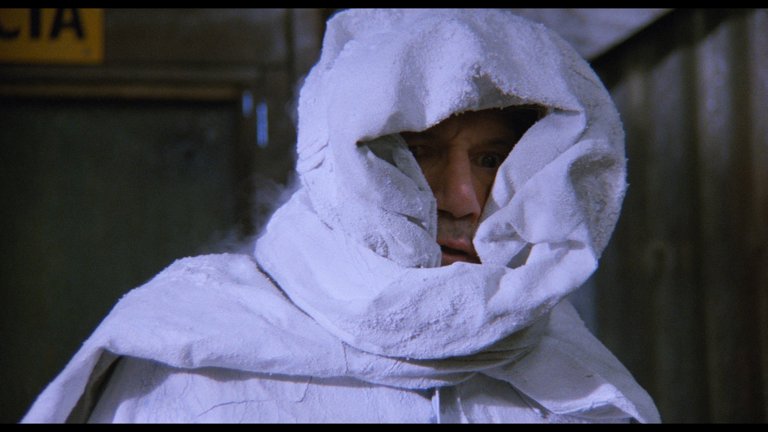
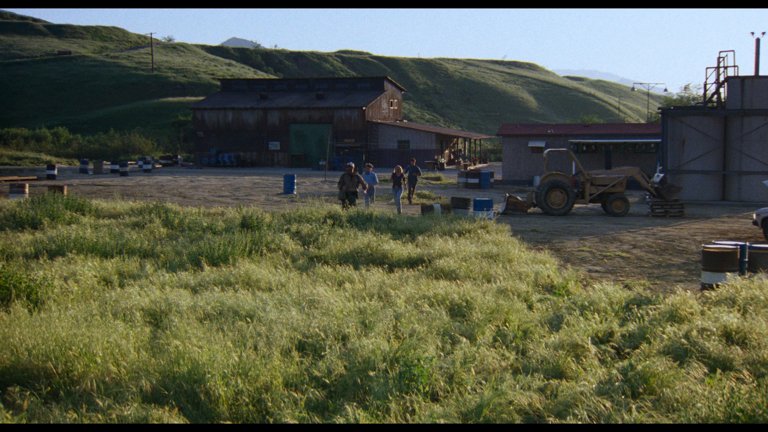
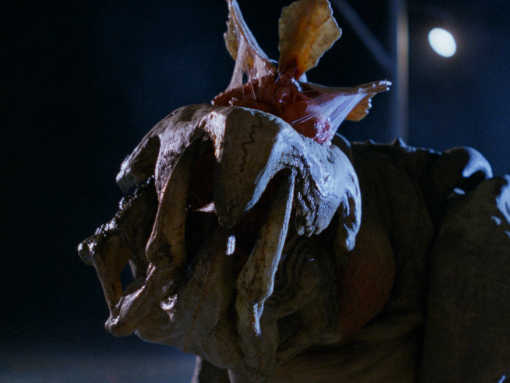
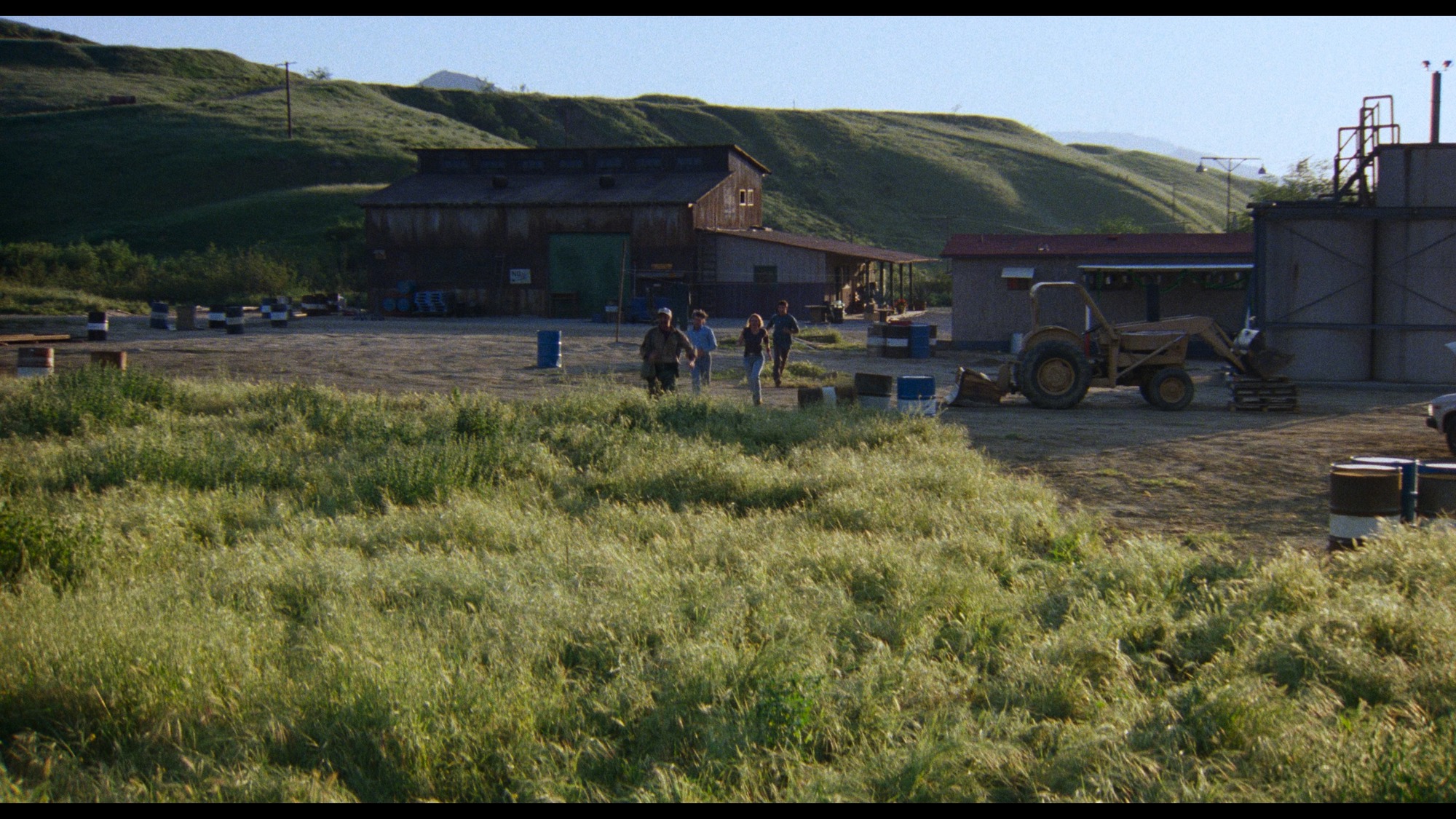
Tremors 2: Aftershocks - Screen Captures
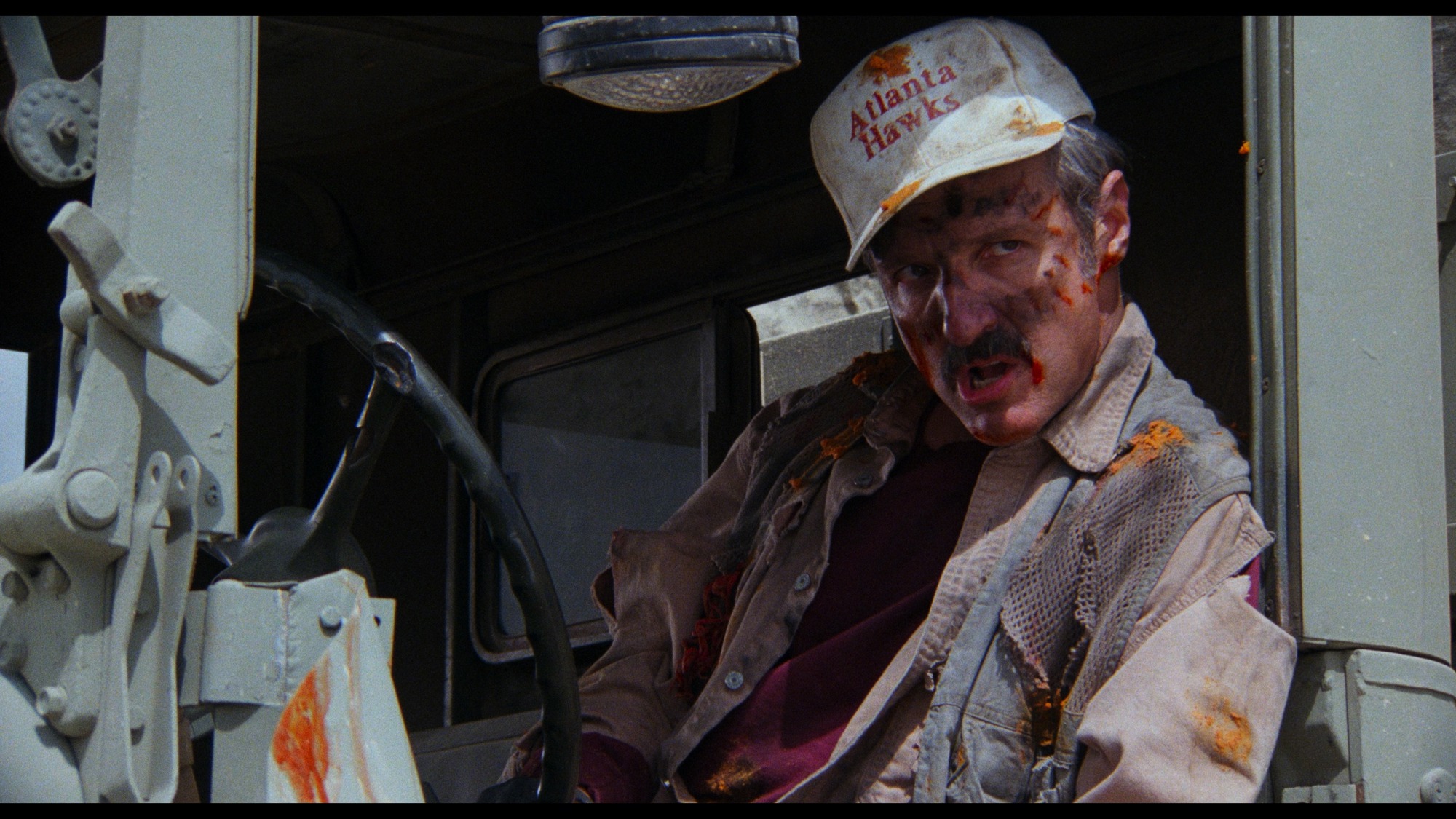
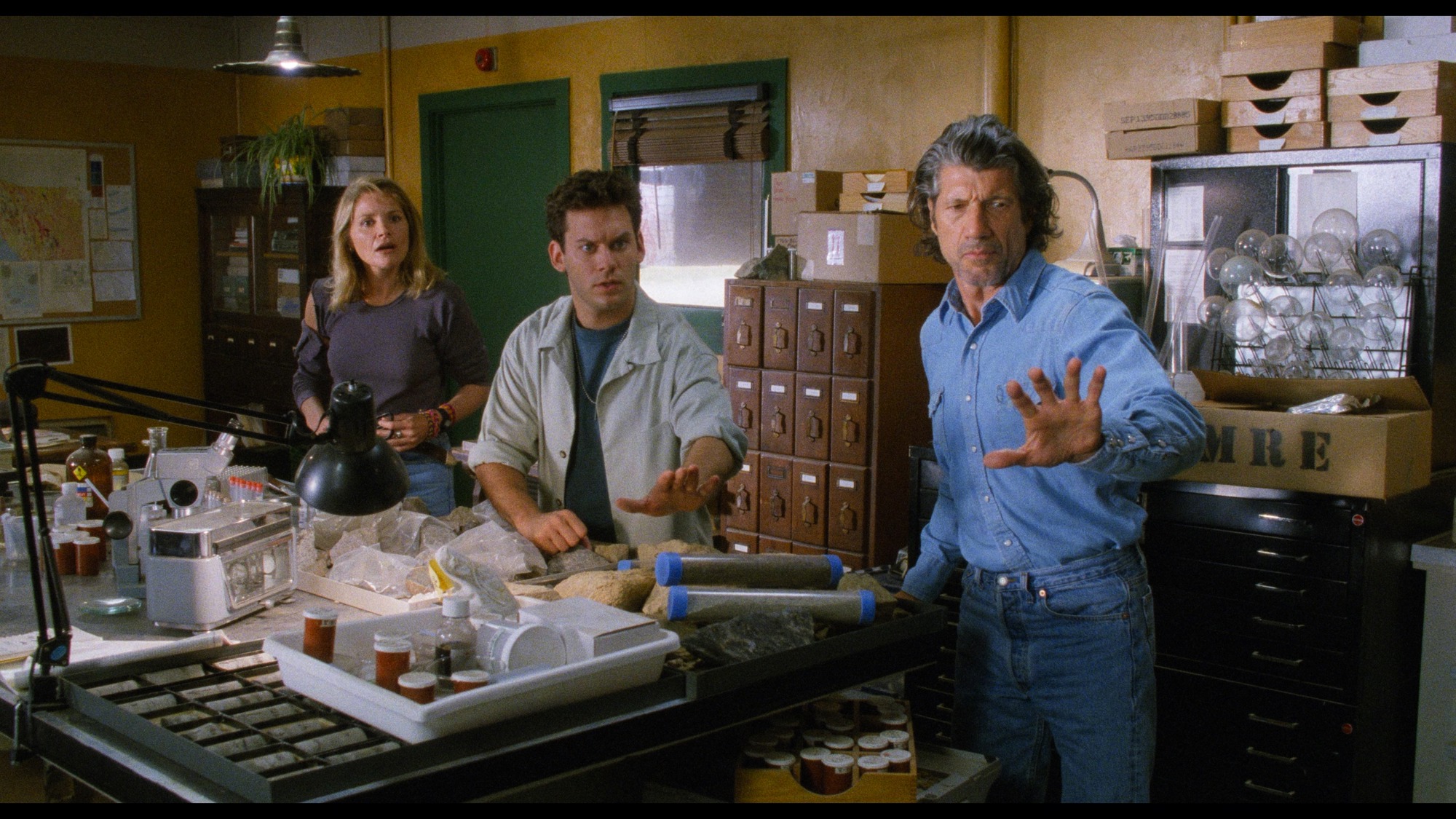
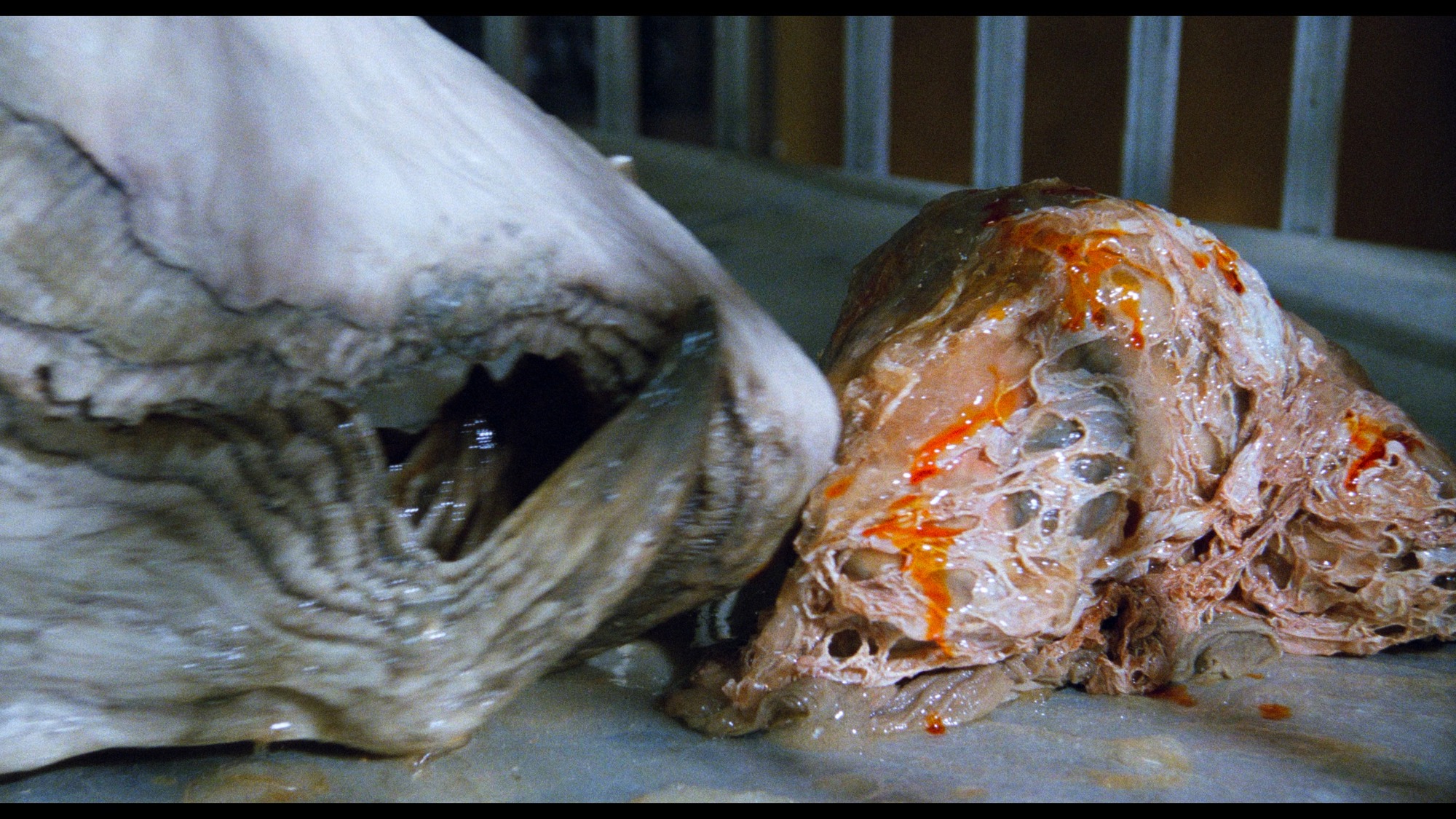
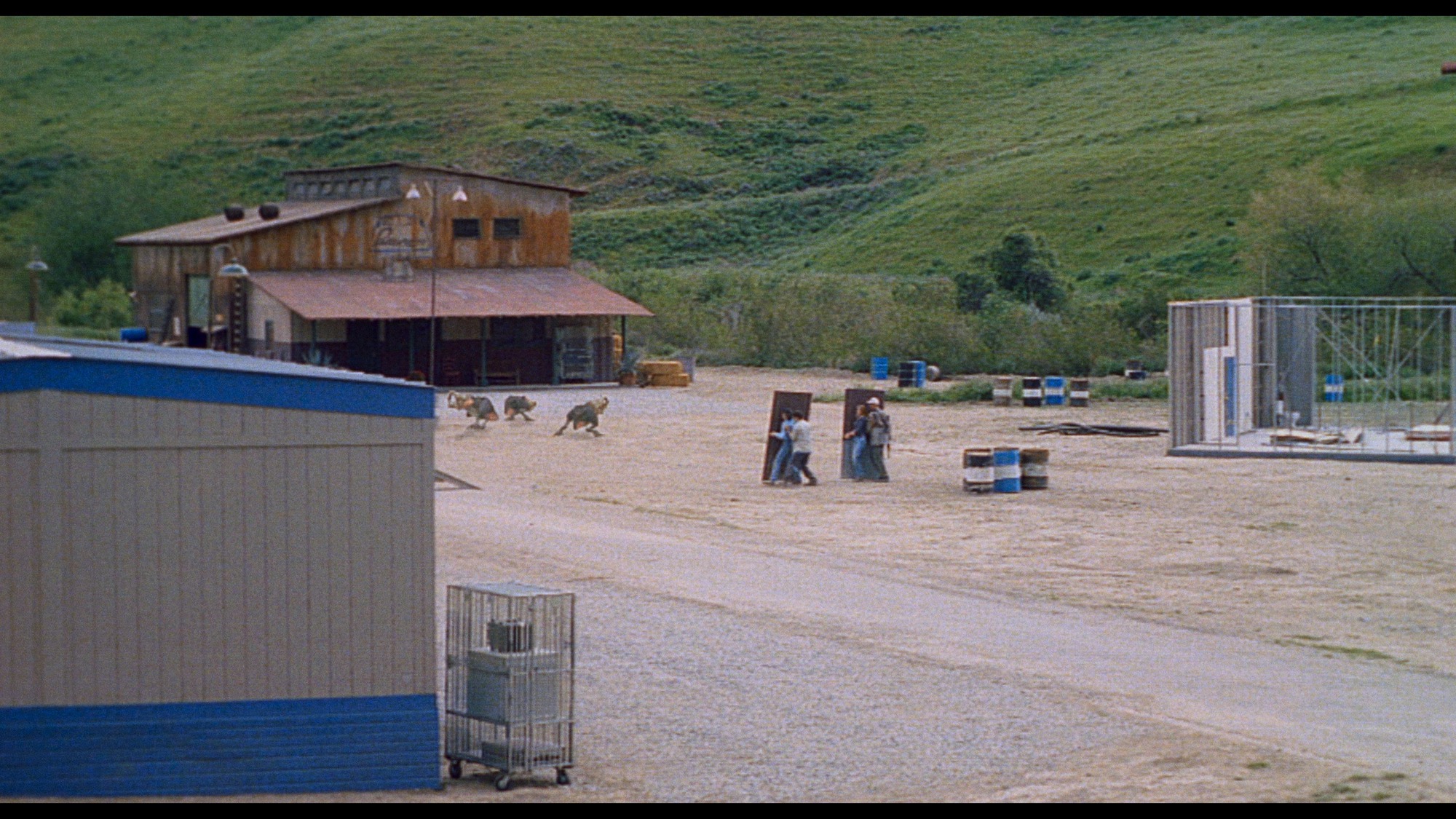
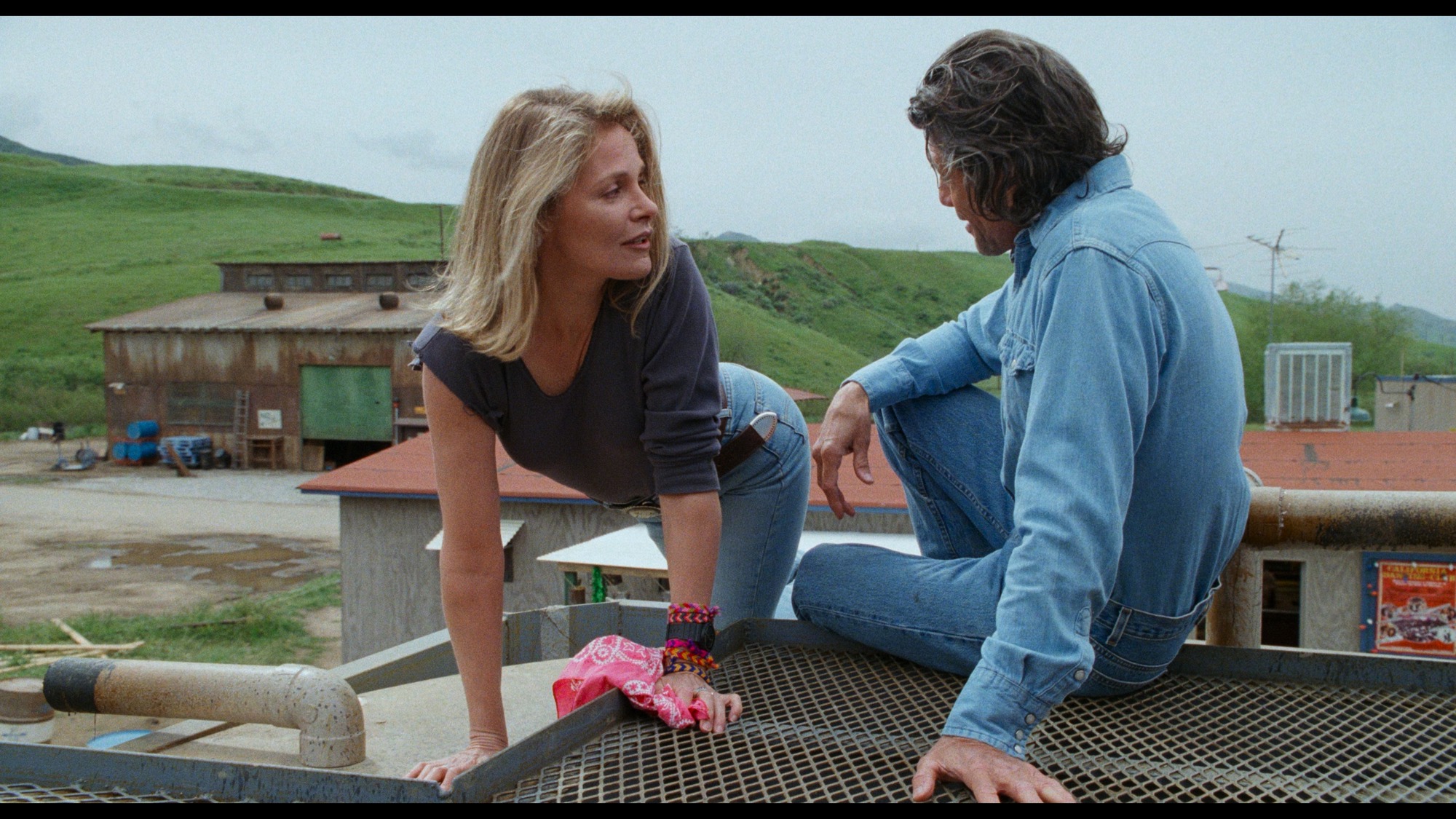
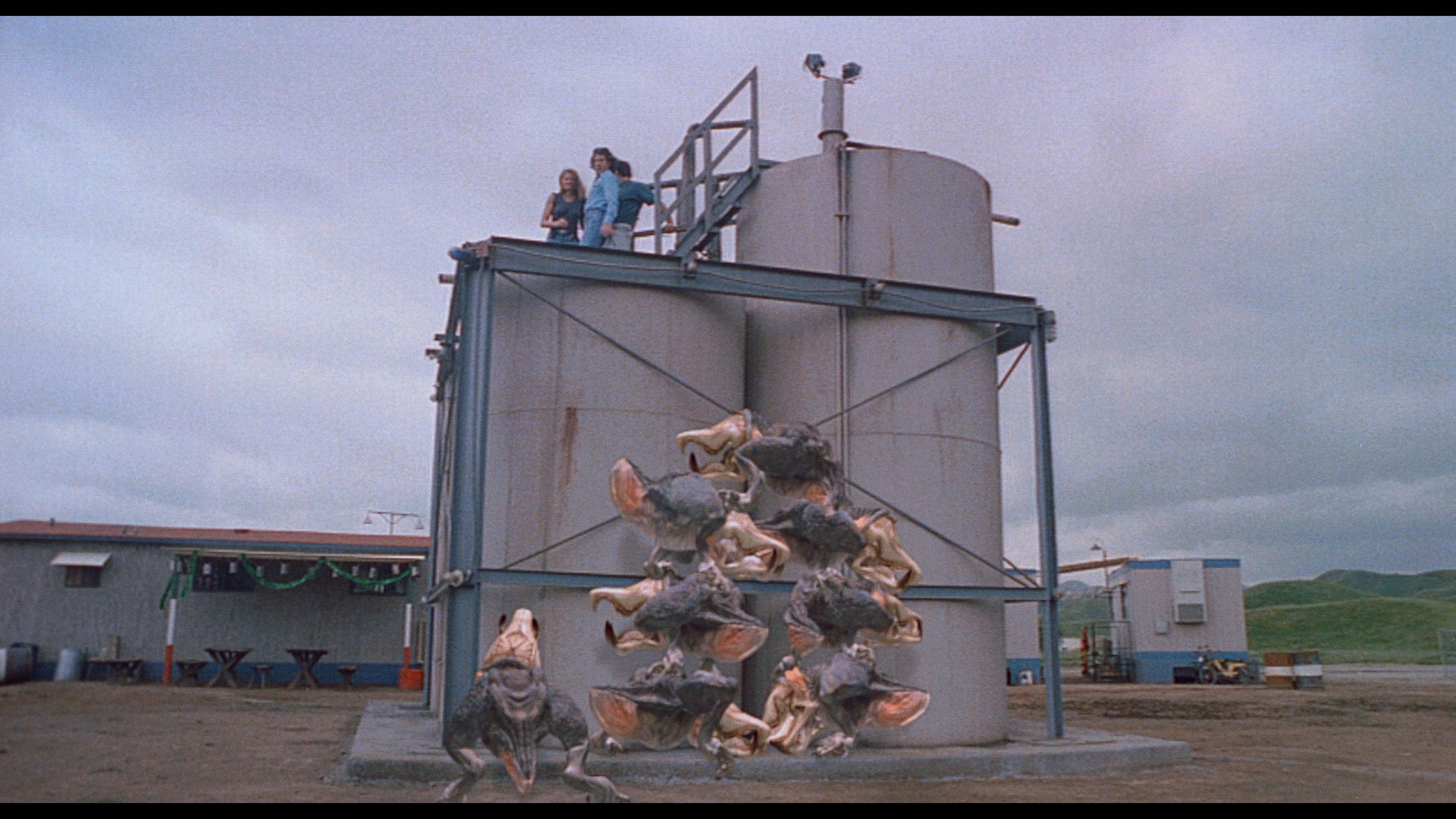
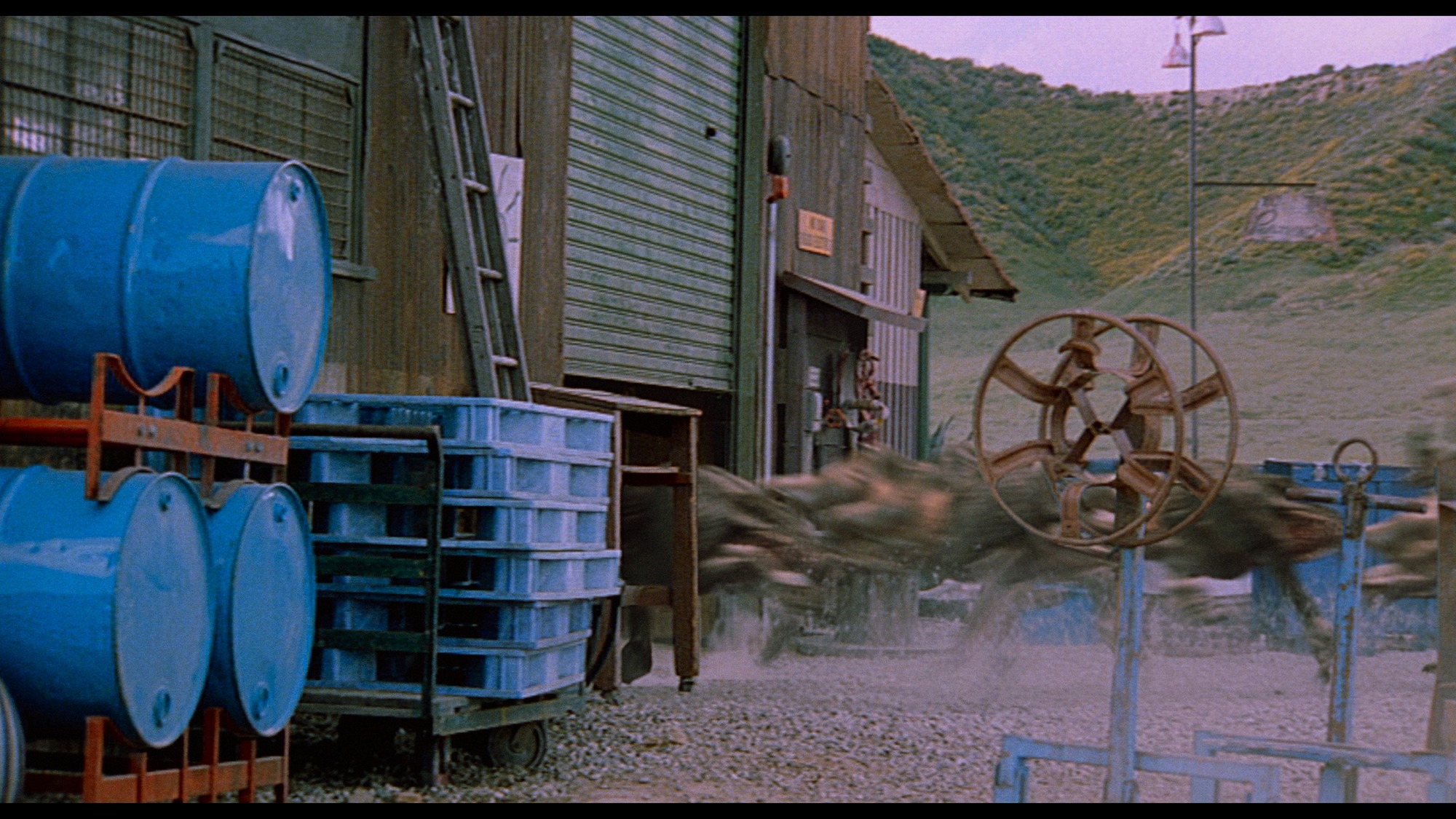
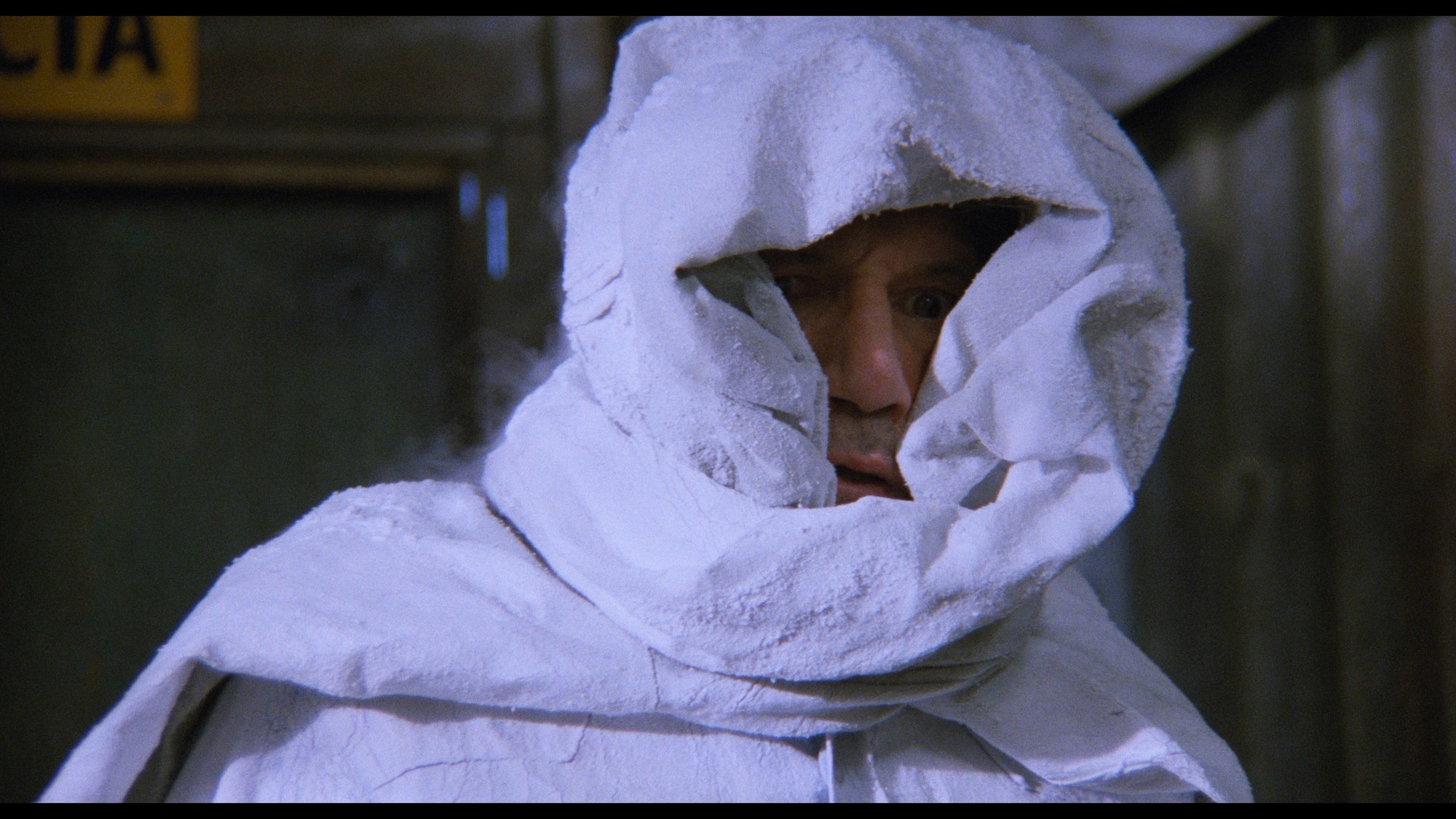
Audio 8/10
Arrow includes the original 2.0 stereo soundtrack in lossless PCM and a 5.1 surround soundtrack in DTS-HD MA. I only listened to the 5.1 surround presentation.
It’s ultimately fine for what it is. The range is very wide, and overall quality is excellent (voices are clear, explosions are sharp, as is the score), but the mix isn’t anything I would call special. Gunshots, explosions, and shrieks from the Shriekers are directed appropriately between the speakers, with noticeable direction, but it’s still fairly front-heavy and doesn’t do anything all that creative.
Extras 7/10
Arrow has thrown together a decent set of features, starting with two audio commentaries, the first featuring director S.S. Wilson and producer Nancy Roberts, the second with Jonathan Melville, the author of Seeking Perfection: The Unofficial Guide to Tremors.
Melville’s track is a little disappointing, though it could come down to my expectations. Unless Arrow is planning on releasing the other films (which is almost certainly possible), I guess I was expecting the track to be more about the series as a whole, and in that respect, there isn’t much here. The other films are only mentioned in passing. Still, as a track about the second film, it leaves much to be desired, filled with dead space and comments that go over what’s onscreen. One thing that often comes up in both tracks is the film’s original script, written to be a theatrical feature following the first film’s surprise success on video. Ultimately, that version was abandoned when both Kevin Bacon and Reba McIntire refused to return (though I’ll say that addressing her absence and leaving Burt being related to the “collapse of the Soviet Union” is one of the film’s funnier bits). The backstory around the film’s early development is covered in more depth and detail in the other track, but Melville directly references the original script at certain points and explains how these scenes and plotlines had been adjusted to what is presented in the finished product. The track overall is weak, but I did like these moments.
The Wilson/Roberts track proves more rewarding, with the two recorded separately and then edited together. This leads to a better flow and less dead space than the Melville track. This one is very technical and production-focused. Wilson even talks about how some of the film’s bigger effects were pulled off despite the limited budget (scale models play into much of it) and how CGI was incorporated. Overall, it’s very strong, but the most fascinating elements come about when Roberts and Wilson discuss Universal’s home video production department, which had just been ramping up straight-to-video films at the time. As mentioned, production on Tremors 2 had been scrapped after Bacon and McEntire dropped, but the production heads in home video saw value in the property and pushed to rework the sequel to fit a very conservative budget (about 22% of the original planned budget). The two explain the differences between home video productions and theatrical, from tight schedules to advertising. It’s a solid track in all, but their discussions around the nitty-gritty of making straight-to-video productions at one of the bigger studios proved endlessly fascinating.
Arrow has also recorded two new interviews, one with second unit director Peter Chesney and (surprisingly) effects supervisor Phill Tippett. Tippett’s contribution is disappointingly short at 7 minutes, but he gets a bit into his shift from practical model effects to CGI and what it was like working on effects for a film meant for the small screen. Chesney’s contribution runs 20 minutes, and he focuses on his second unit work, which consisted of many of the film’s practical effect sequences (like explosions) and setting up scenes for Tippett’s CGI effects. Of the two interviews, his ends up being the more in-depth one.
Arrow then includes some archival material, including a 9-minute promotional making-of featurette. 8-minutes’ worth of outtakes then follows, highlighting some effect shots and bloopers alongside some rough effects material. The disc then closes with a decent-sized gallery (featuring poster and video art, promotional swag like a heavy-duty flashlight, and photos of models, puppets, and sculptures) and trailers for this film and the original. The trailer for this film was, of course, created for video.
Arrow’s limited edition also comes with a double-sided poster (original art on one side, Arrow’s new art on the other), a foldout featuring the anatomy of the Shriekers, and a 58-page booklet, all in one of Arrow’s standard cardboard sleeves. The booklet first features an essay by Jonathan Melville (which more-or-less summarizes his commentary track and works better in a concise, printed form), followed by a wonderful and extensive piece written by Matty Budrewicz and Dave Wain on Universal’s direct-to-video (and made-for-TV) sequel business. It even features a list of titles going back to the dire The Jerk Too. A video feature on this would have been fantastic, but I did enjoy reading this essay.
Not surprisingly, the features are not as extensive as those for the first film, but I’m impressed at Arrow's work in this one despite its direct-to-video origins.
Closing
Despite its direct-to-video origins, Arrow has put in an impressive amount of effort for this sequel, giving it a decent set of supplements and an impressive 4K presentation.
BUY AT: