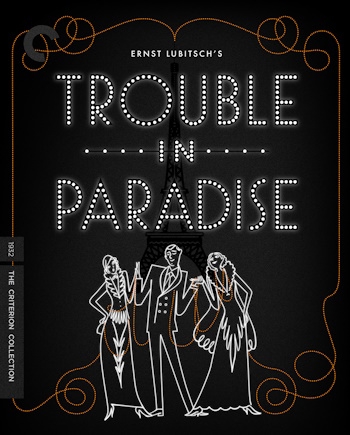
Trouble in Paradise

BUY AT:


See more details, packaging, or compare
Synopsis
Ernst Lubitsch’s famed touch is on exquisite display in this sexy pre-Code jewel, glittering with witty innuendo and elegant comic invention. It’s love at first swindle when high-society thief Gaston Monescu (Herbert Marshall) and pickpocket Lily Vautier (Miriam Hopkins) cross paths amid the canals of Venice while attempting to con each other—and then it’s off to Paris, where the pair meet their match in their latest mark, the très chic Madame Colet (Kay Francis), whose fabulous fortune is exceeded only by her powers of seduction. With its delightfully risqué dialogue, swoonworthy couture, and high deco style, Trouble in Paradise is a pinnacle of comic-romantic sophistication that fizzes like the finest champagne.
Picture 9/10
The Criterion Collection upgrades their DVD edition of Ernst Lubitsch’s Trouble in Paradise to 4K UHD, presenting the film on a dual-layer BD-66 disc in its original aspect ratio of 1.37:1. The 2160p/24hz ultra high-definition presentation is sourced from a new 4K restoration. The release also includes a standard Blu-ray featuring a 1080p presentation of the film and all video features.
The upgrade ends up being a welcome surprise—at least for me—largely because I had always been under the impression that the film’s surviving elements were in dire condition, to the point where even a high-definition release seemed unlikely. Criterion’s 2003 DVD, sourced from a 35mm preservation fine-grain, was ultimately acceptable but still fairly rough, with contrast being a particular issue, the image often looking too dark. It was also soft and a bit dupey, with detail levels, even for DVD, being nothing to write home about. When Eureka released the film through their Masters of Cinema line in 2012, they skipped a Blu-ray edition altogether, further suggesting the upgrade simply wasn’t viable. I had more or less accepted that those DVDs were the best this film was ever going to look on home video, and had ruled out any sort of upgrade happening anytime soon.
So when not only a Blu-ray was announced, but a 4K(!) as well, I was thrilled, though still expecting something merely serviceable, perhaps along the lines of Criterion’s release of Howard Hawks’ Scarface. That’s not the case at all, though; not even close. The presentation looks remarkable, genuinely gorgeous from start to finish, and I'm more than thrilled with the results.
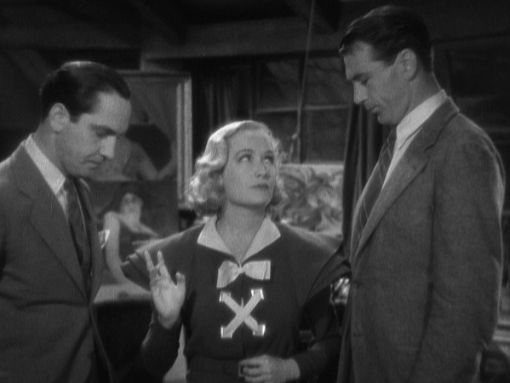
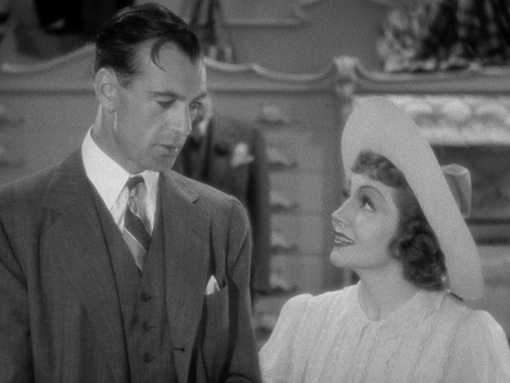
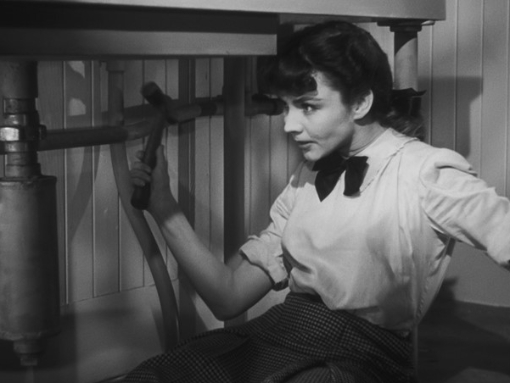
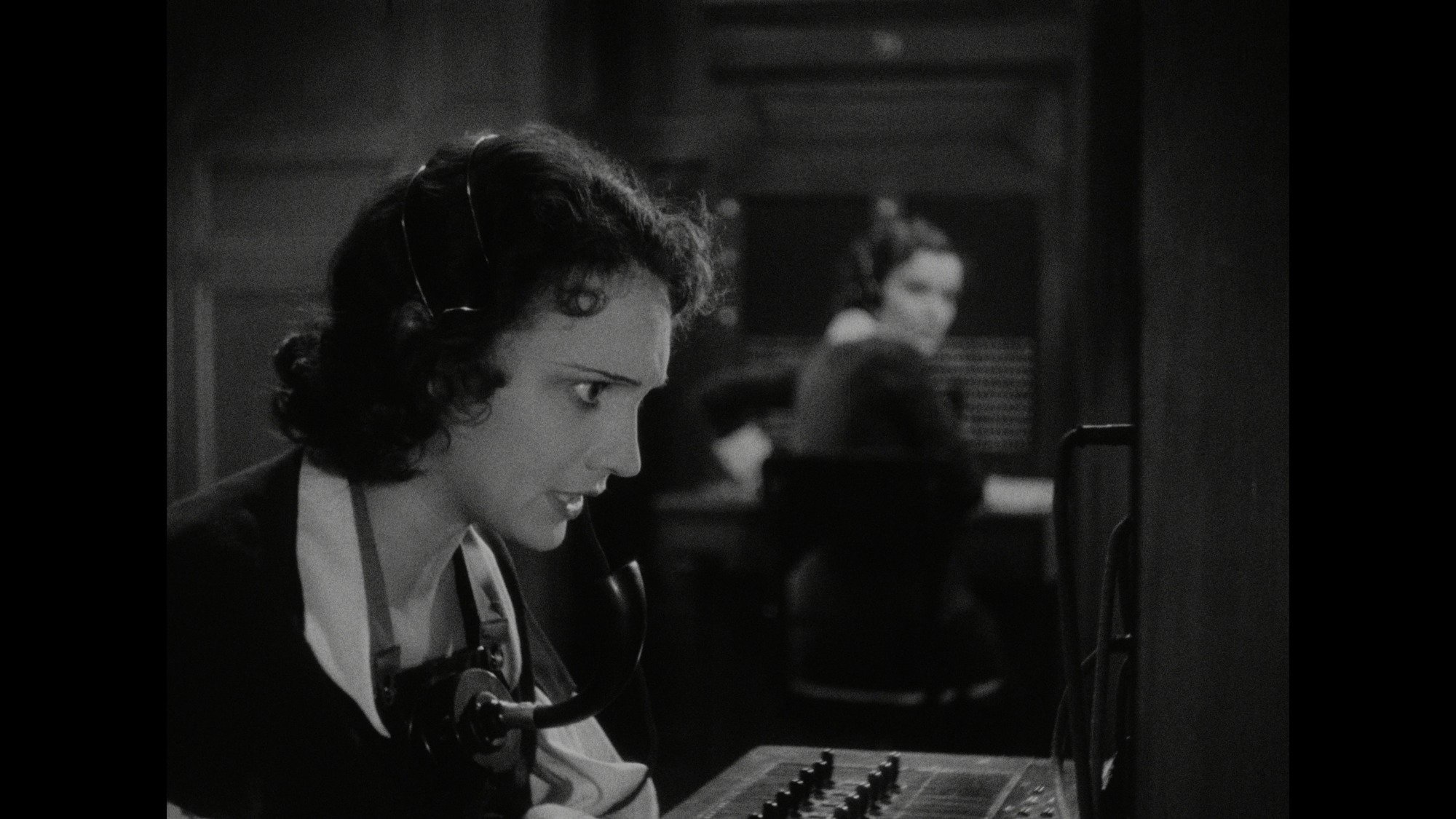
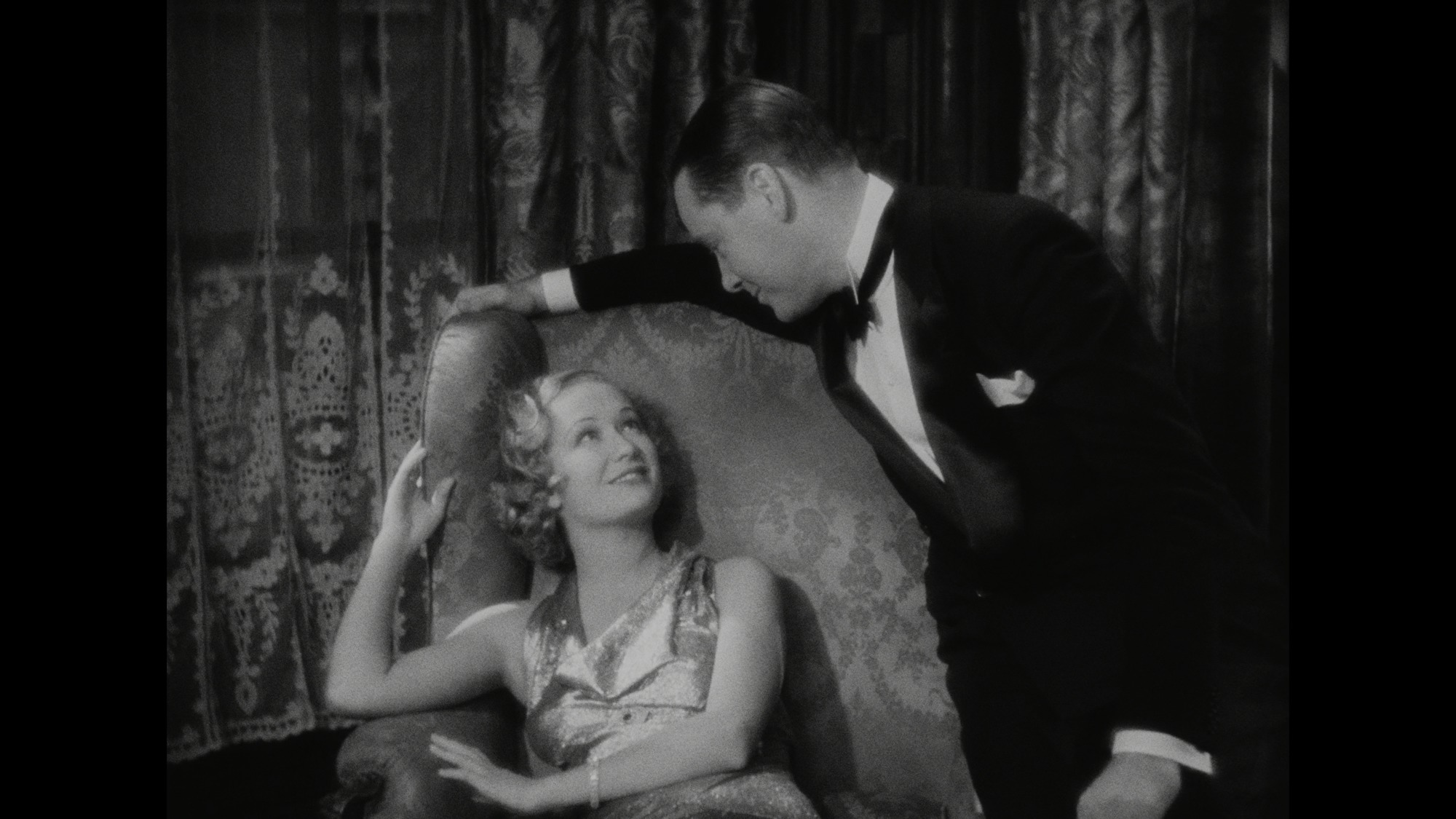
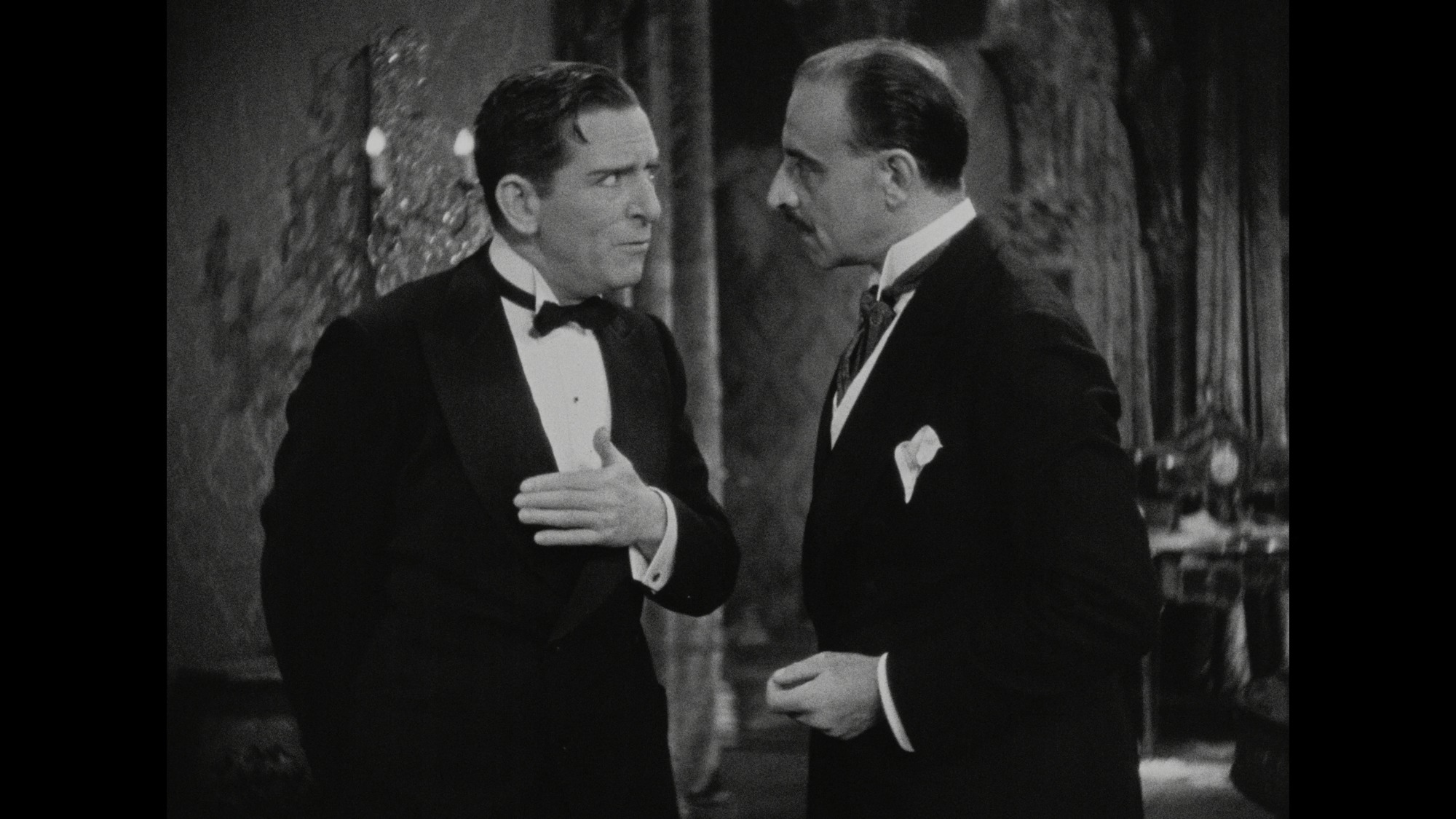
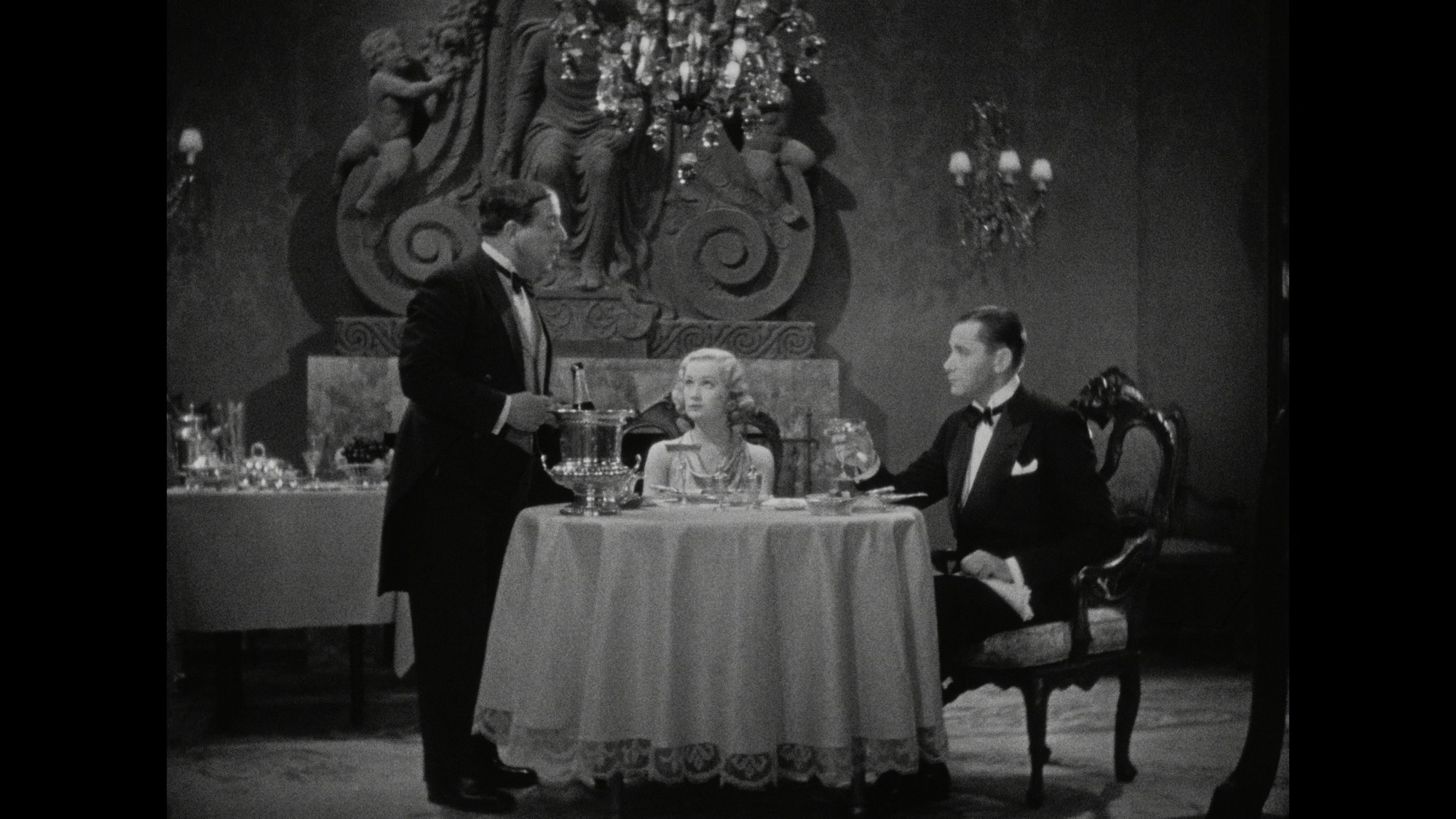
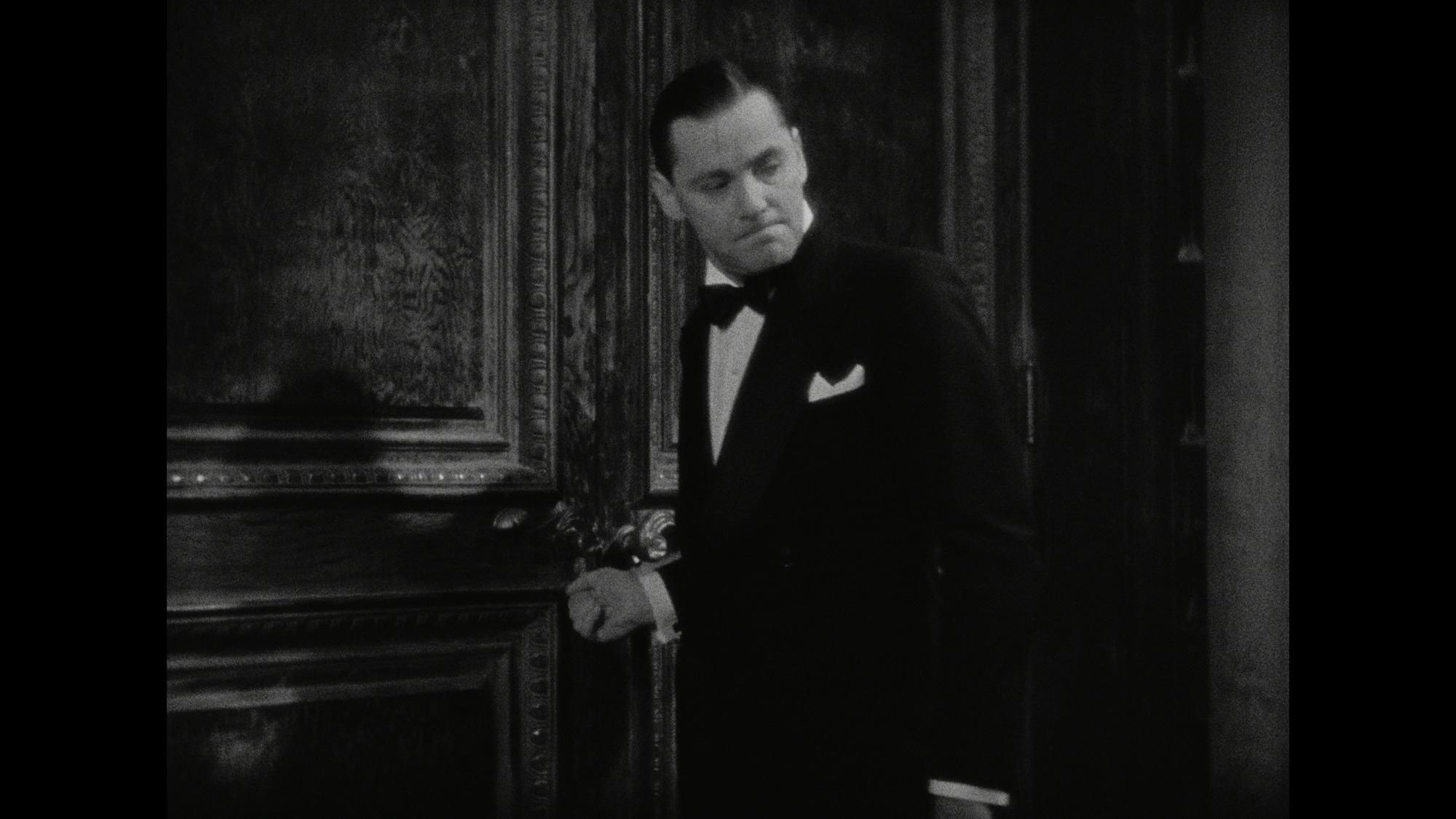
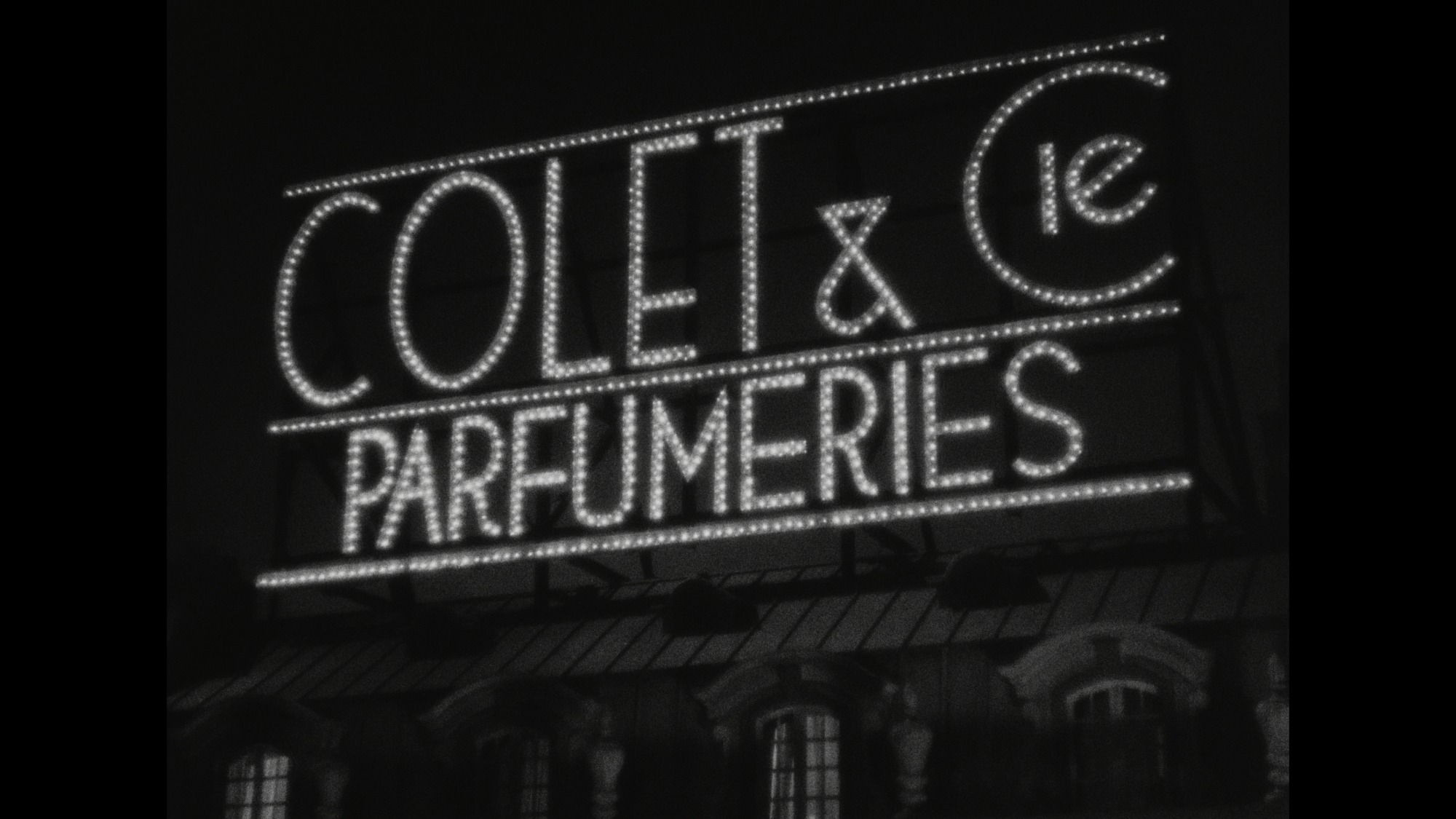
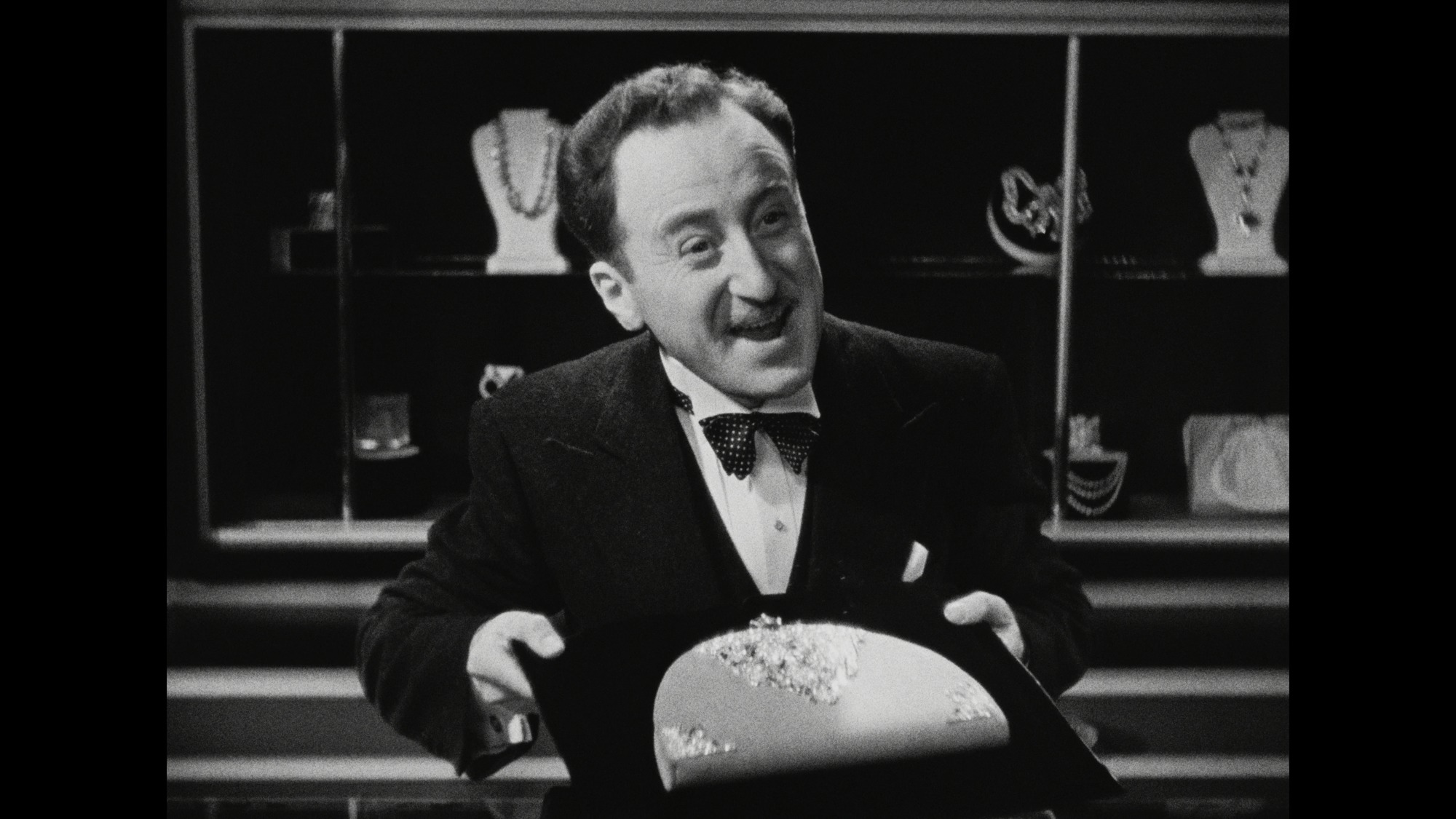
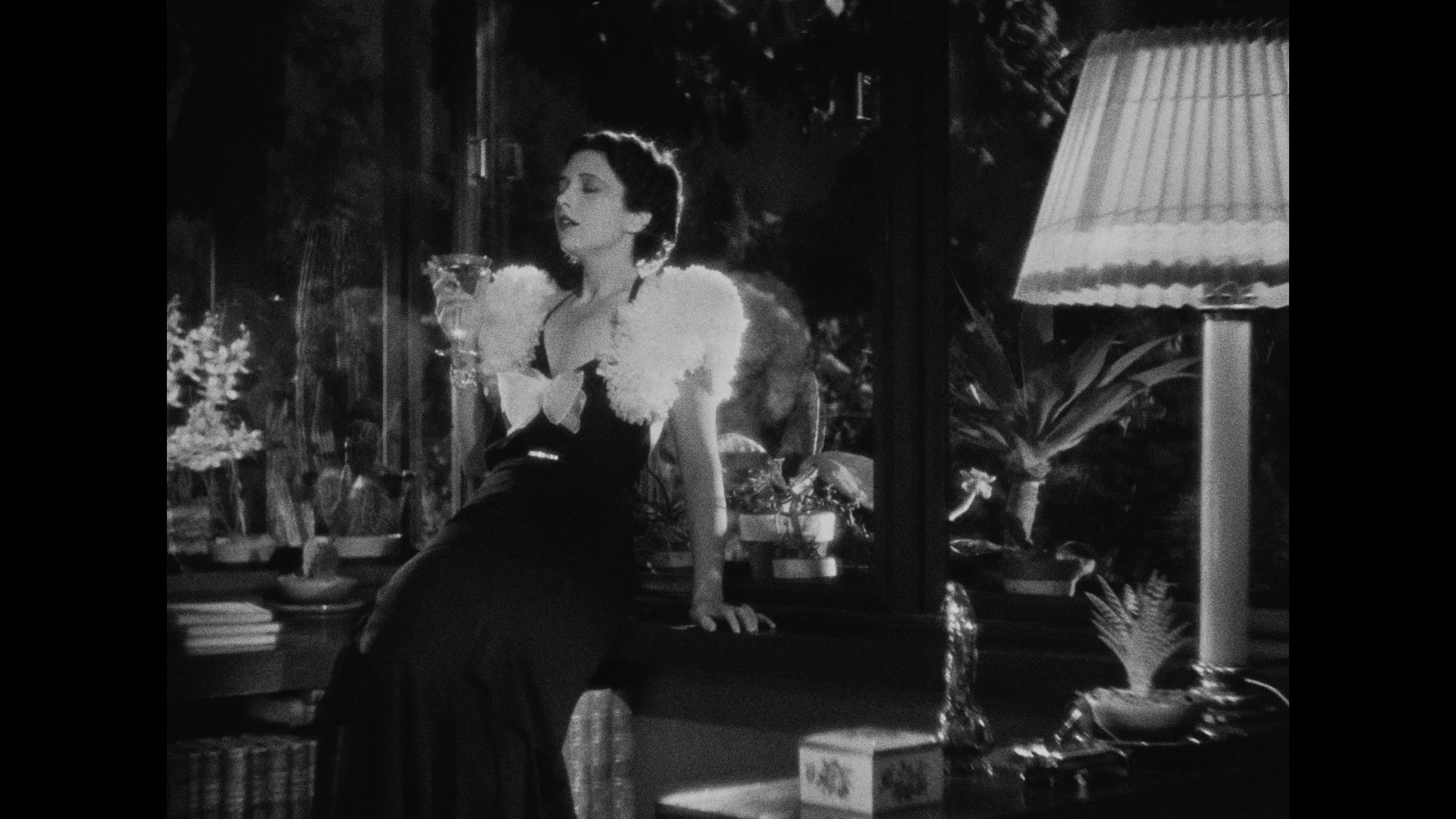
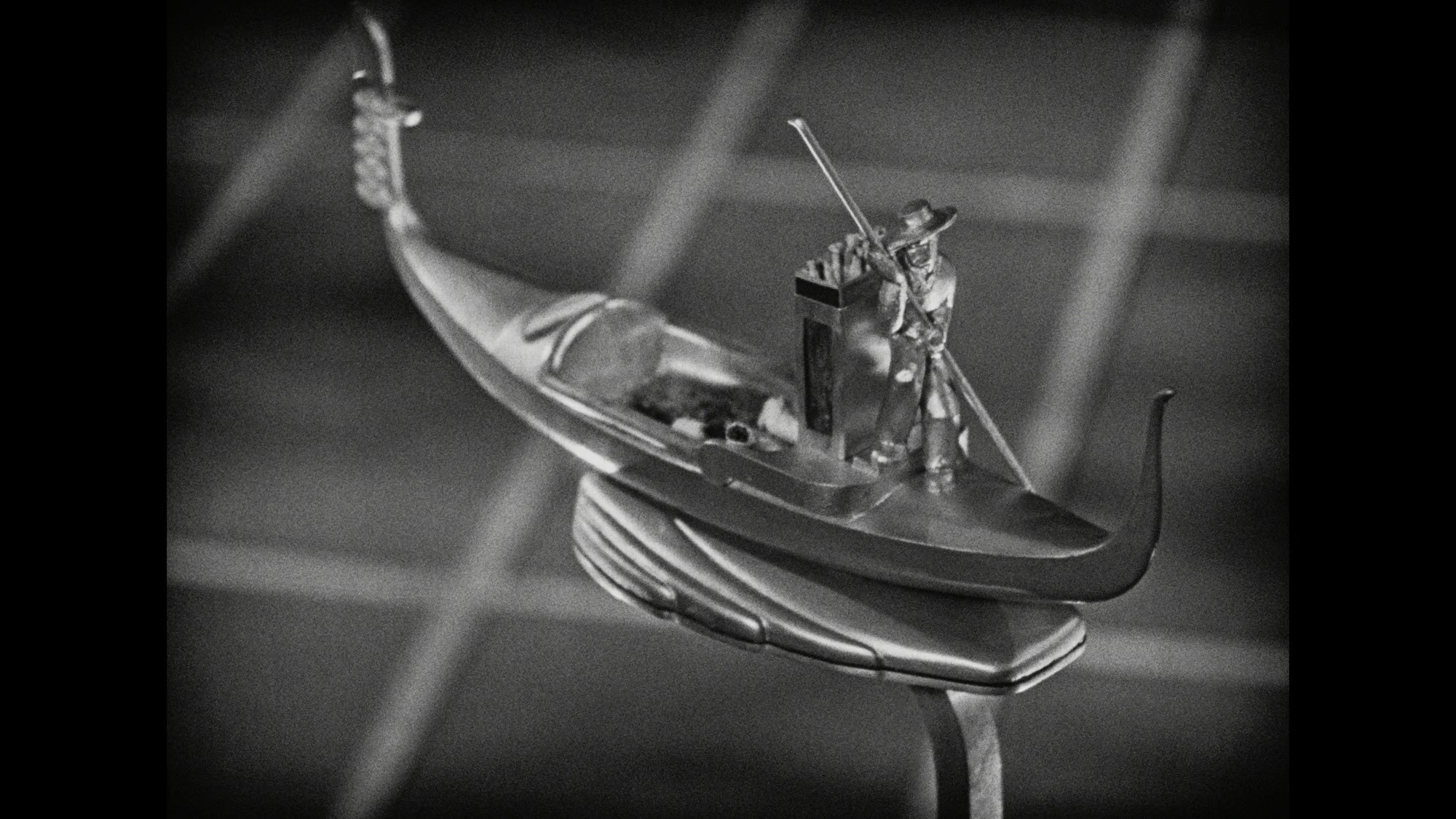
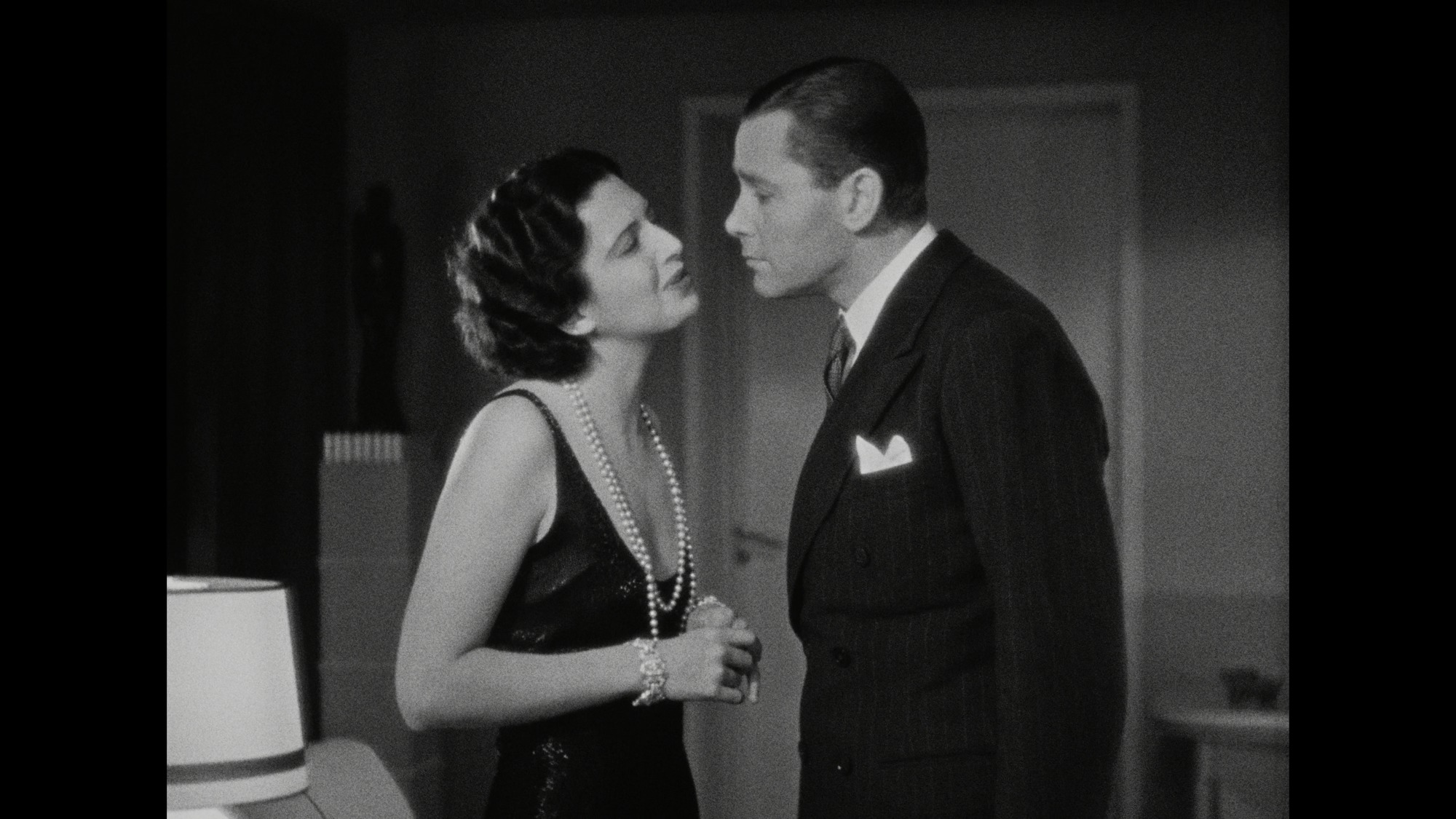
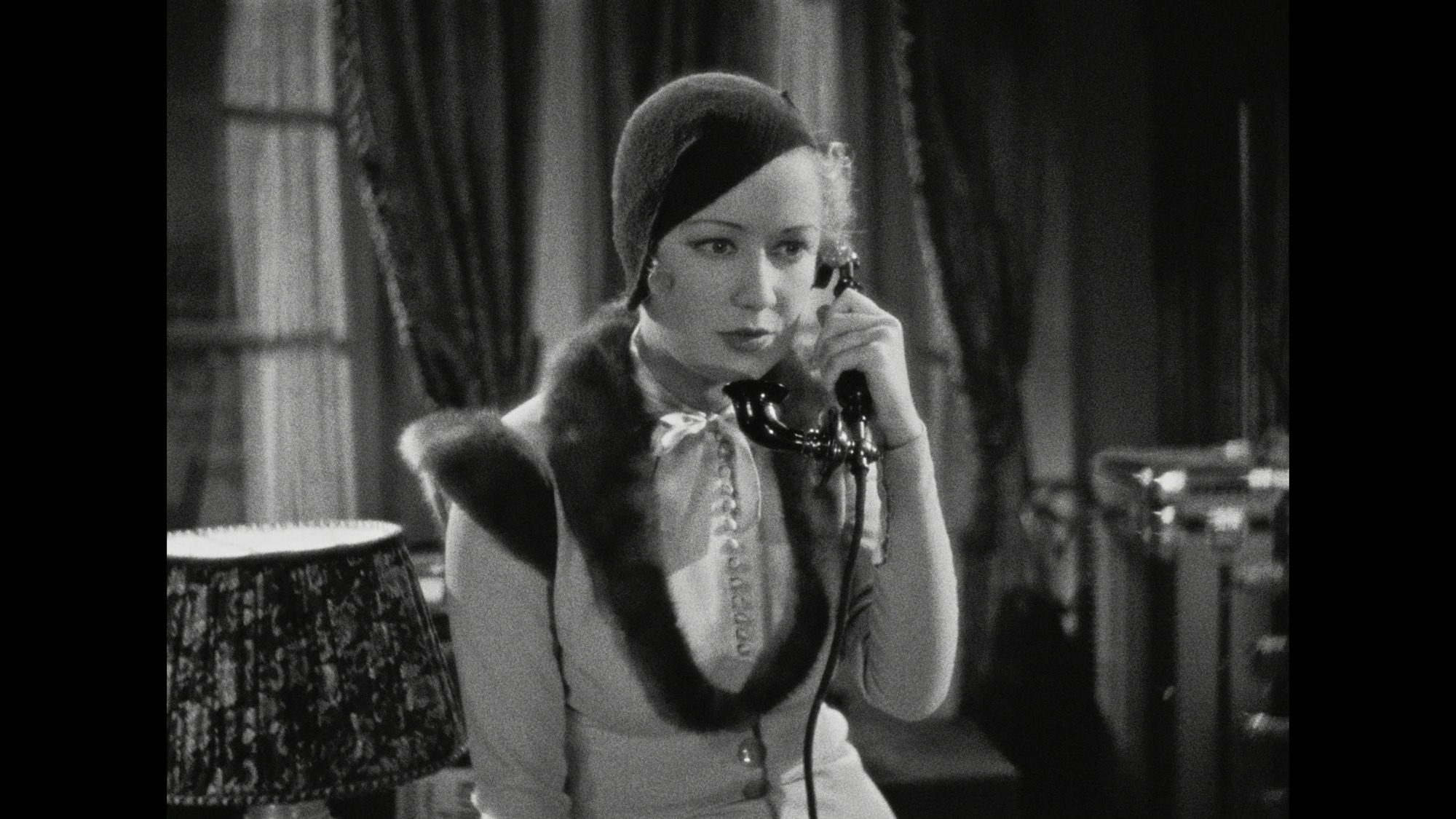
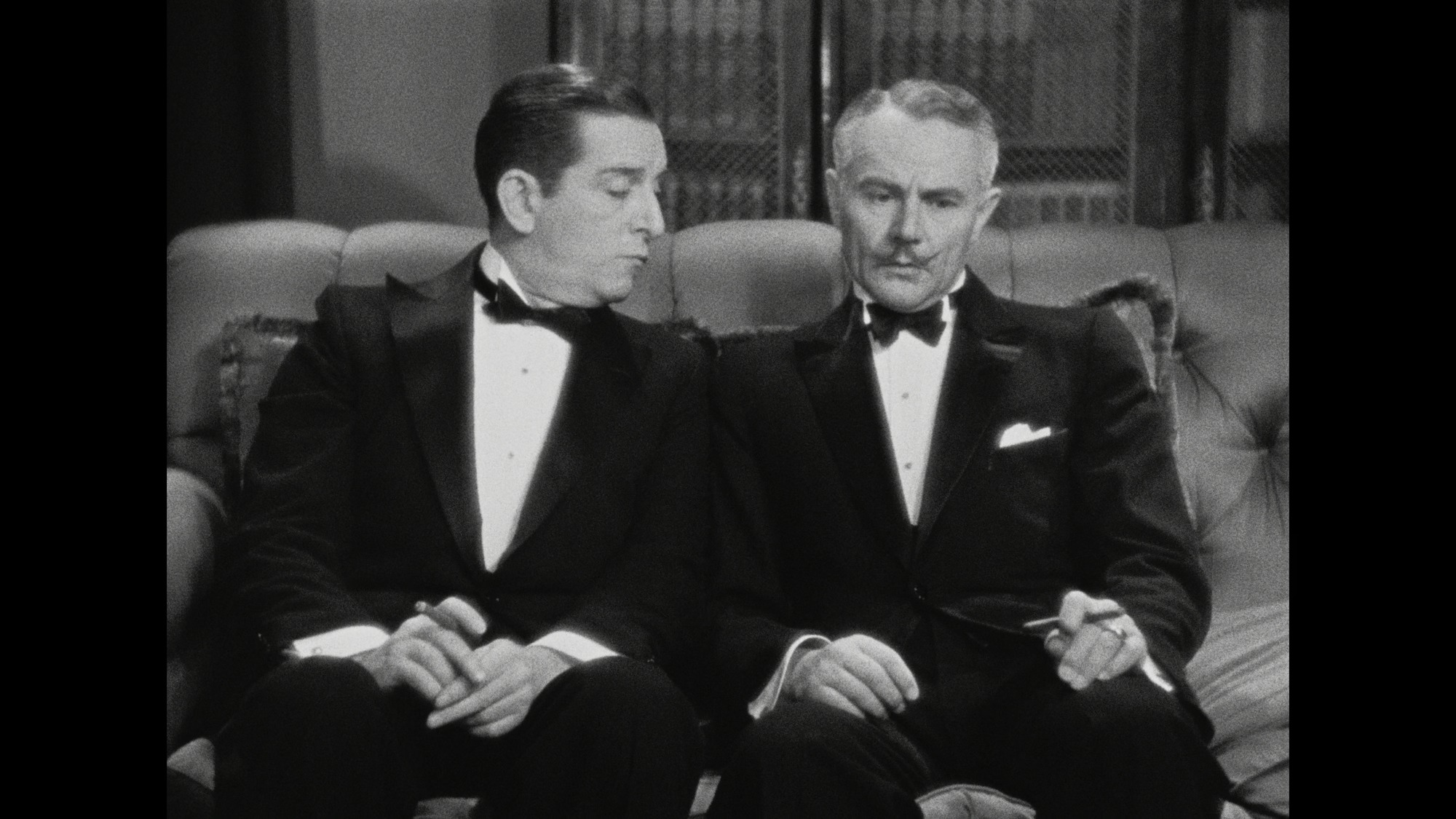
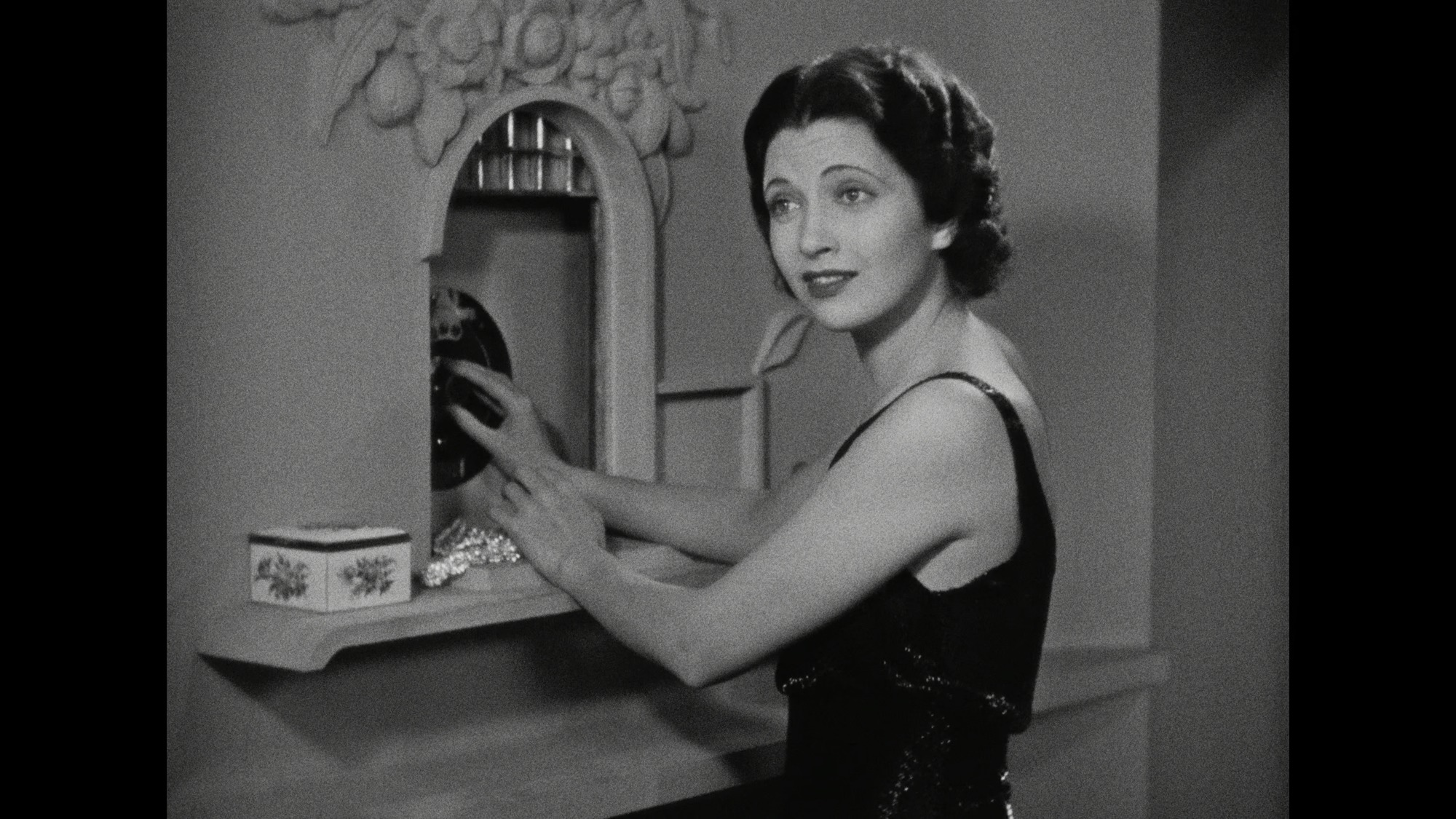
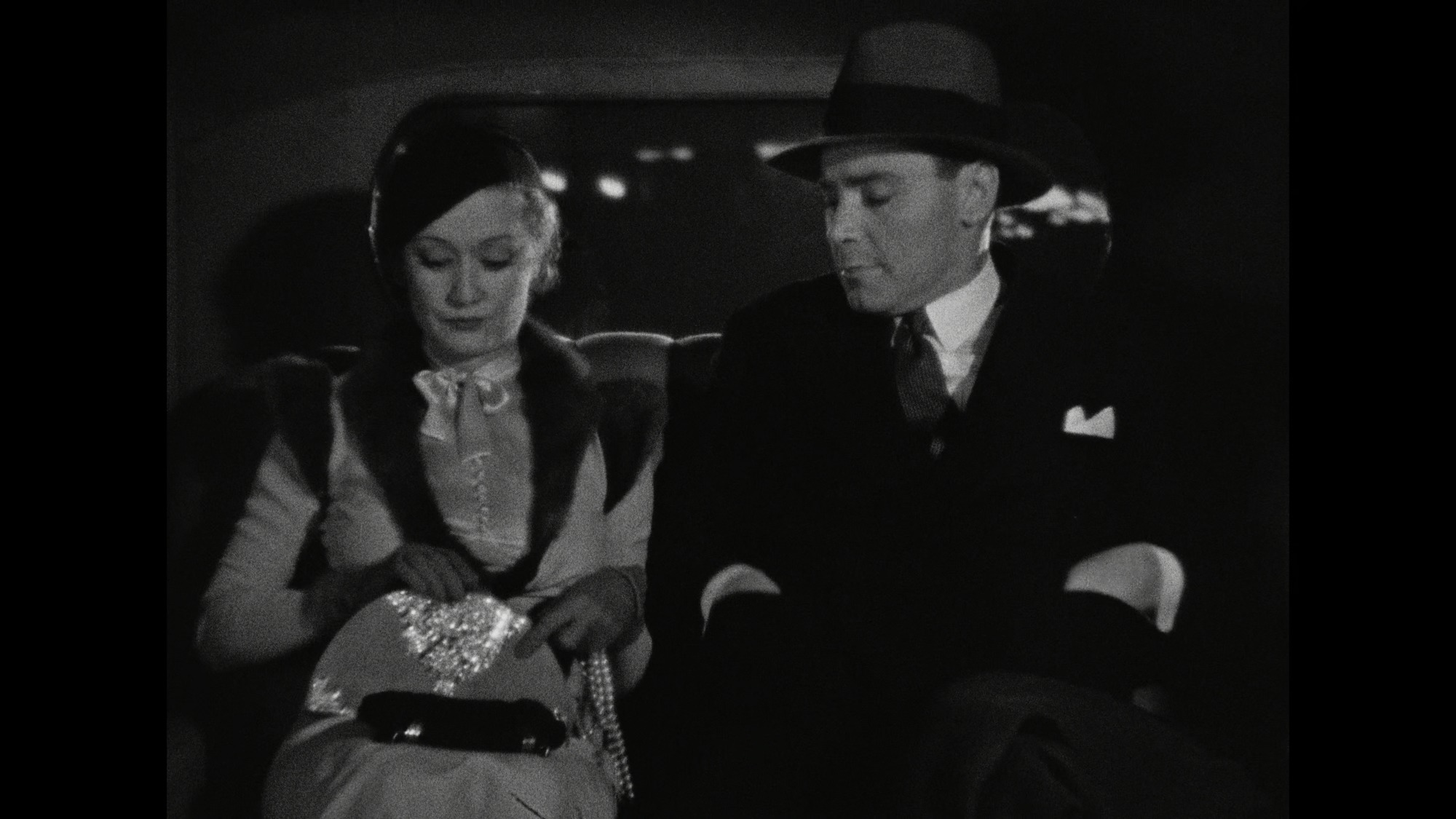
The new 4K restoration pulls from multiple sources, including a 35mm composite duplicate negative provided by Universal, but most importantly a 35mm nitrate print from the UCLA Film & Television Archive. While still not the original negative, the nitrate element should be closer generationally, retaining finer detail and richer contrast, and that comes through clearly in the final presentation. The most dramatic improvement over Criterion’s DVD is the contrast and overall grayscale range. Even the opening nighttime shots along the Venice canals are far richer and easier to see, with a noticeably wider dynamic range that brings out shadow detail and depth that simply wasn’t visible before. This carries through the entire presentation. Grayscale is beautifully rendered, with smooth gradations, rich blacks, and clean whites that never bloom or clip detail (you can clearly make out details in the white shawls that appear). The image finally has a proper photographic quality that hasn’t been present on previous home video editions. Even without HDR, the range looks fantastic.
Sharpness also sees a notable boost, though this still isn’t a razor-sharp presentation. There can still be a slight haze at times, but detail levels are far beyond what the DVD could handle, and the grain structure looks absolutely lovely. It can appear thick and heavy, but it’s rendered naturally and consistently, with Criterion’s encode handling it effortlessly. The included Blu-ray also looks quite good, though the 4K presentation benefits from the added resolution, giving the image just that extra kick.
Restoration work is also impressive. Some minor marks remain, but compared to the DVD this is a substantial improvement, with the image appearing far more stable overall. I was genuinely surprised by how clean everything looks, especially given the sources. In the end, this looks shockingly good, easily one of the more pleasant surprises I’ve had. I expected something merely decent, yet instead, this has turned out stunning. Well worth the wait.
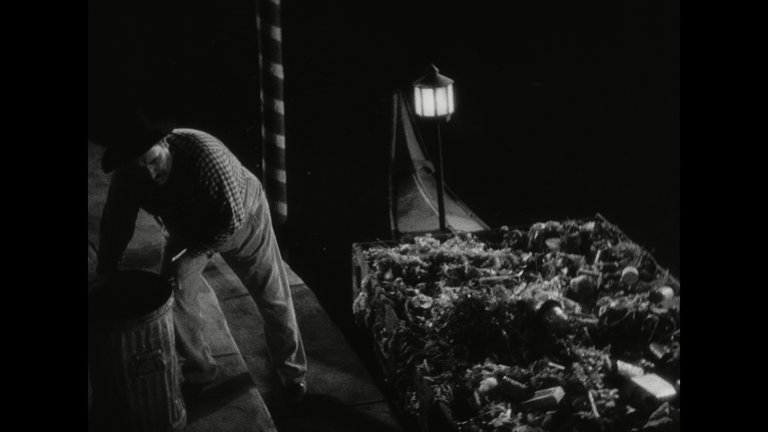
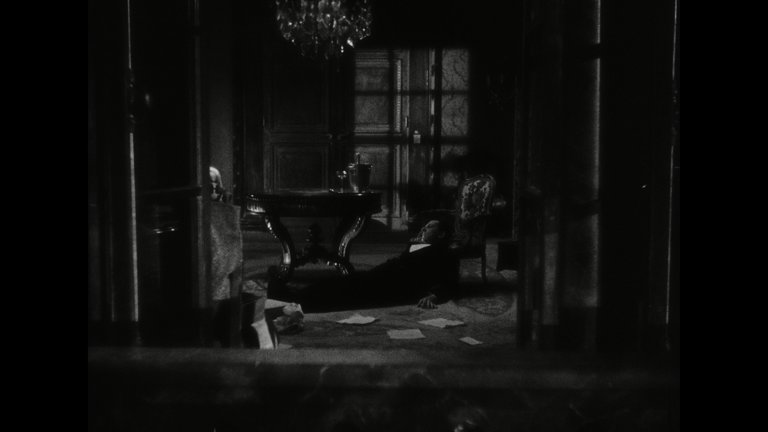
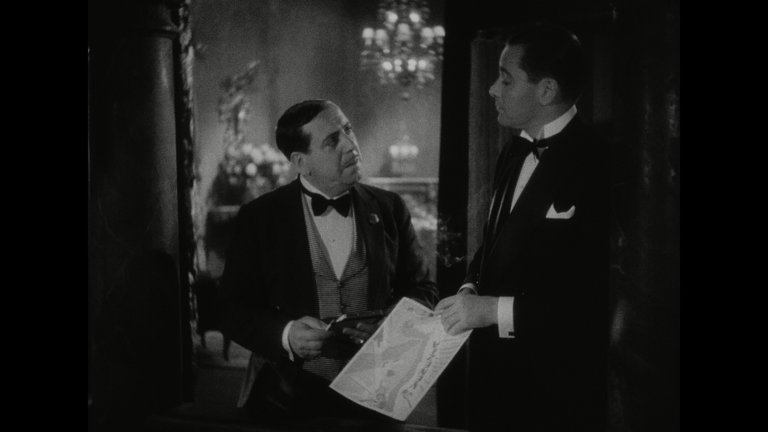
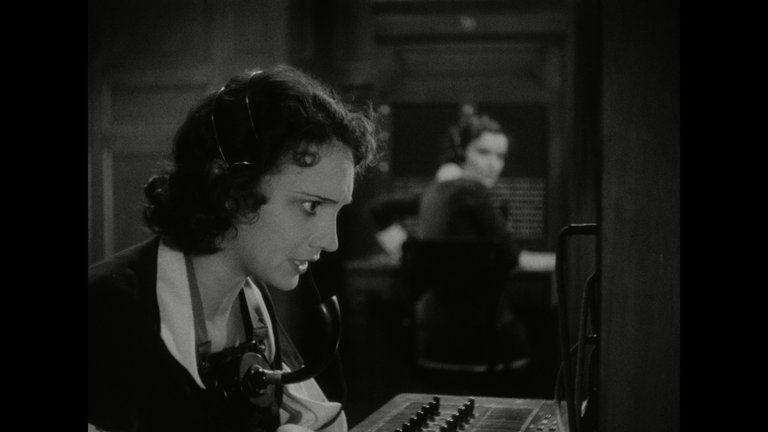
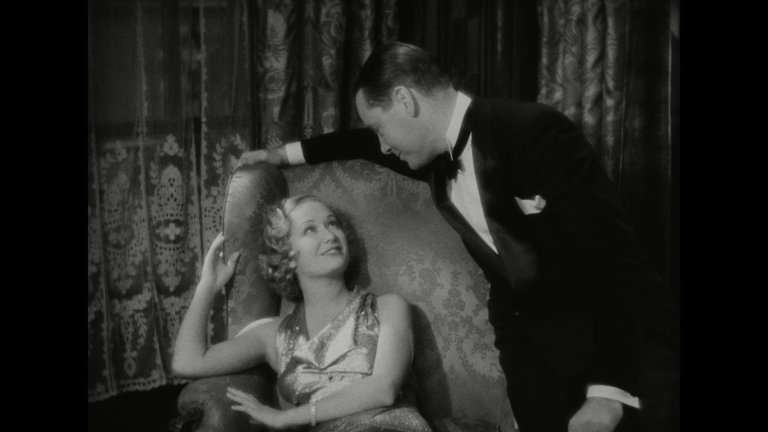
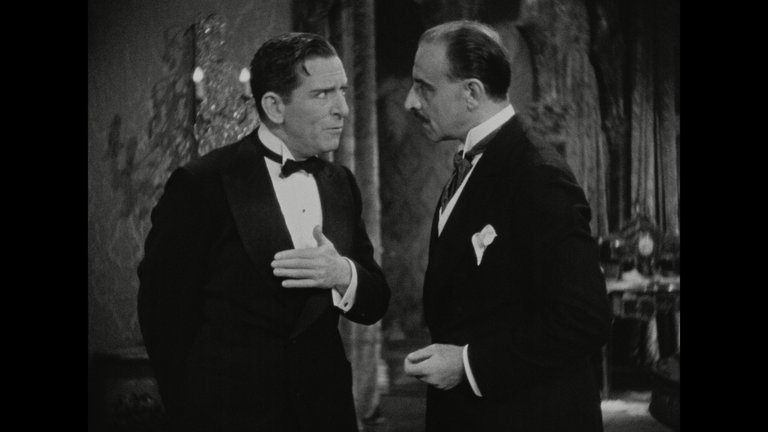
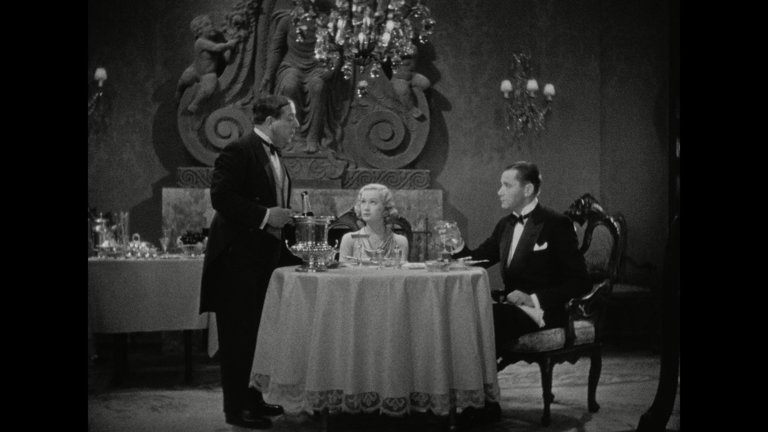
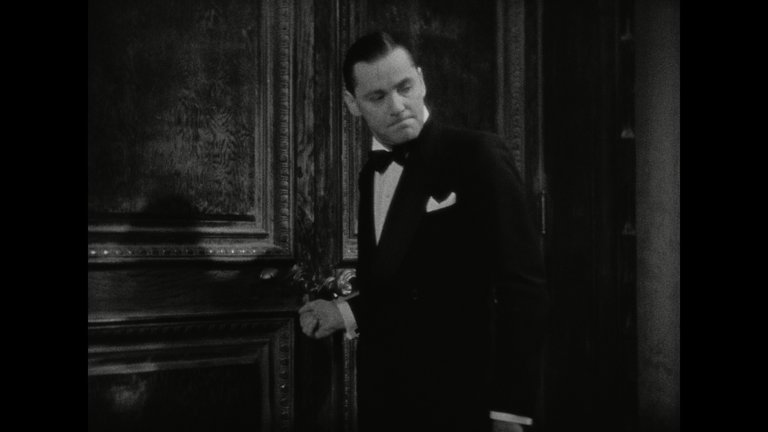
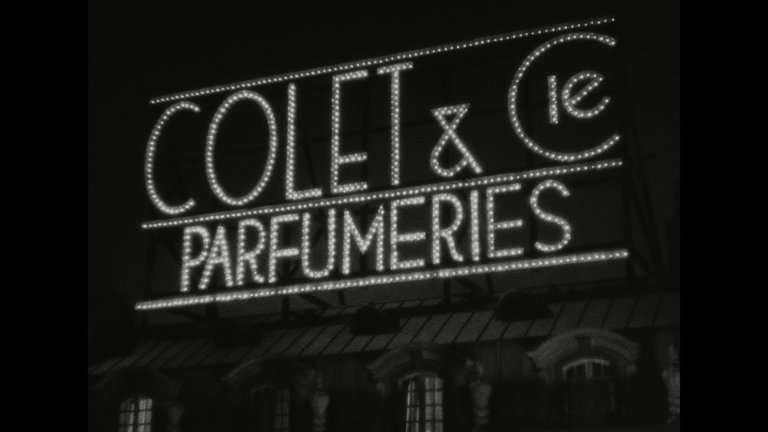
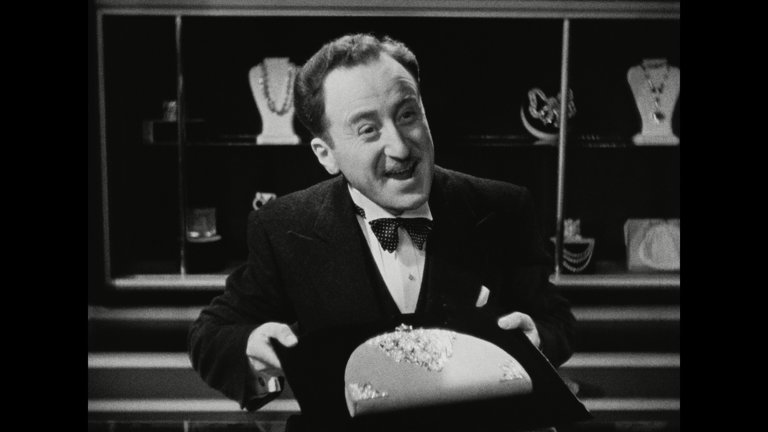
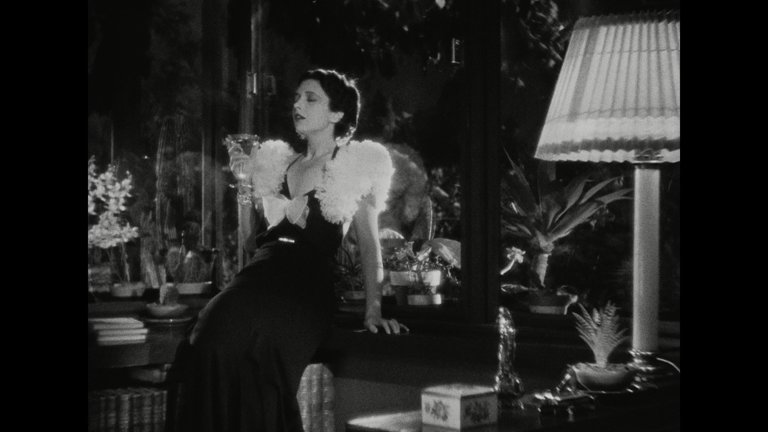
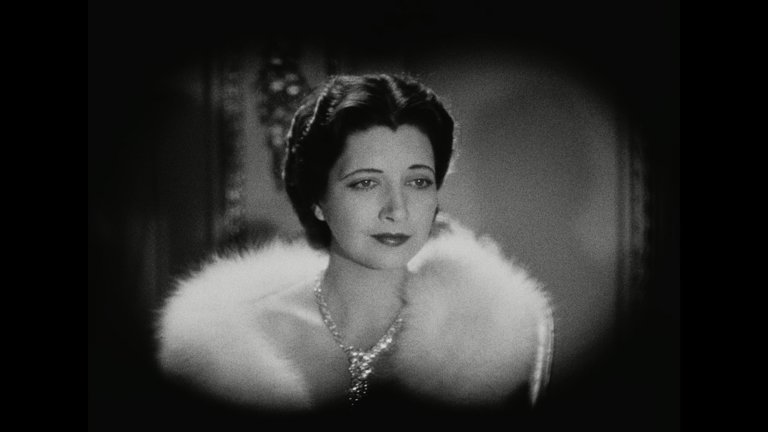
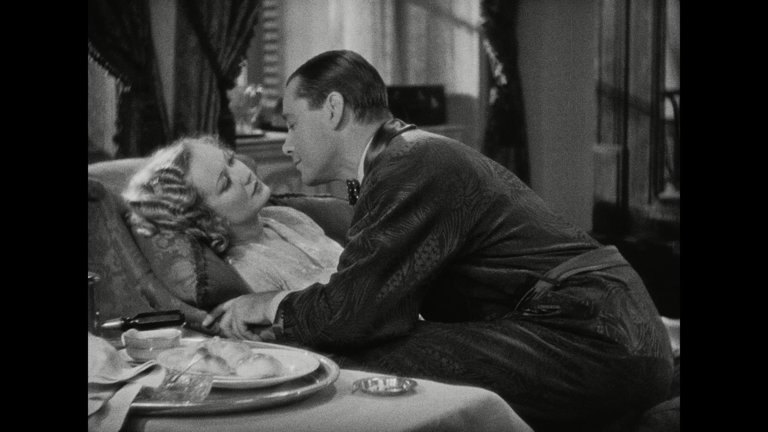
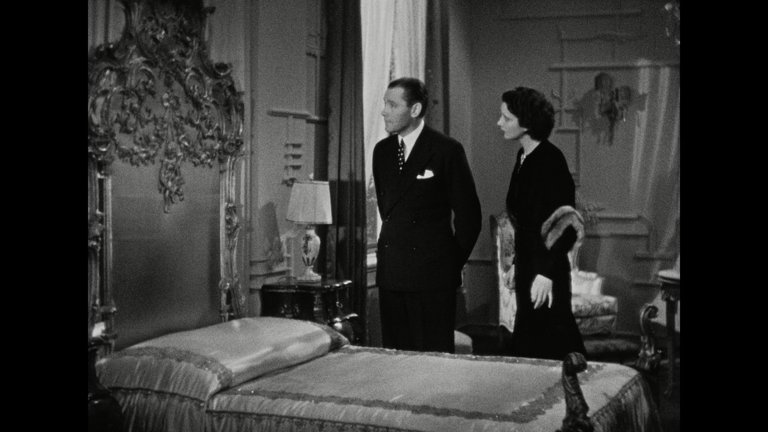
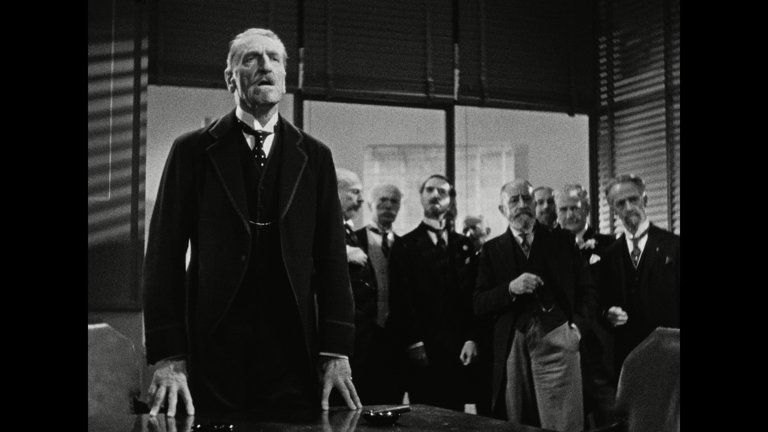
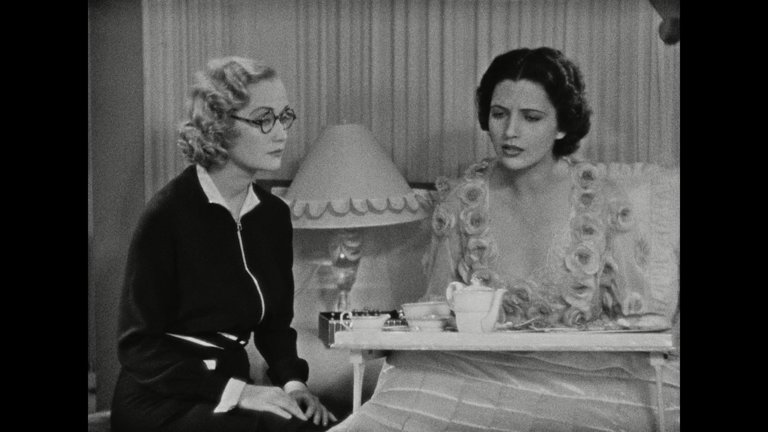
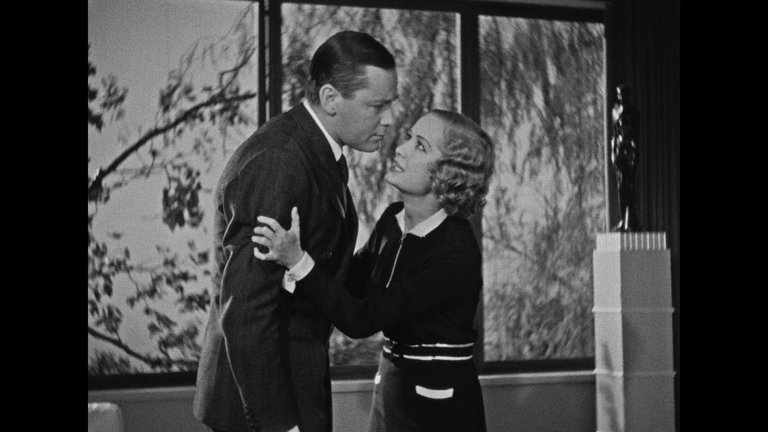
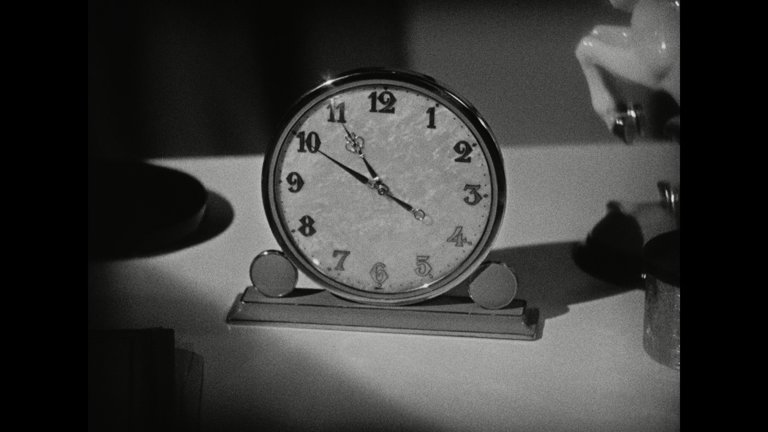
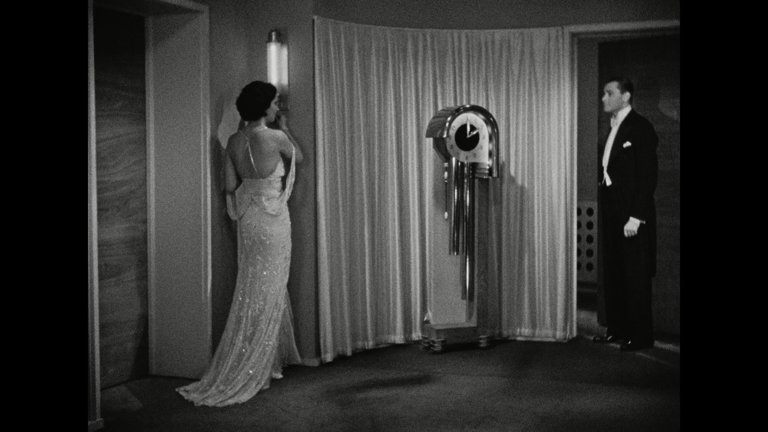
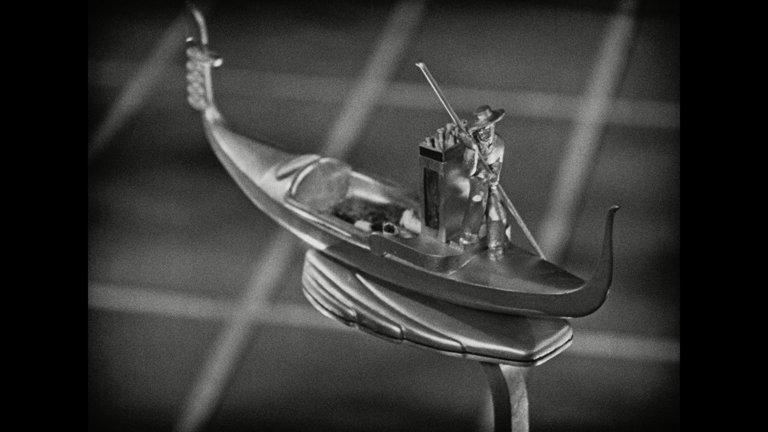
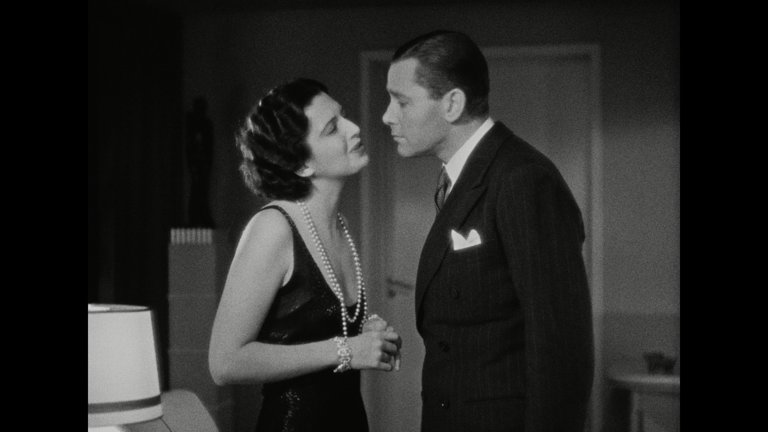
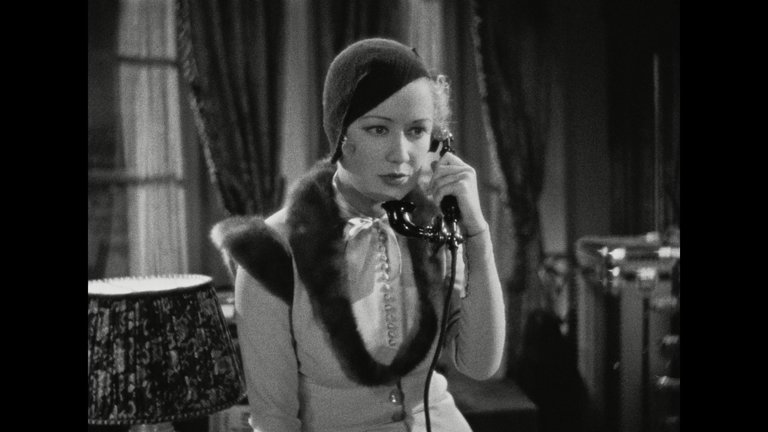
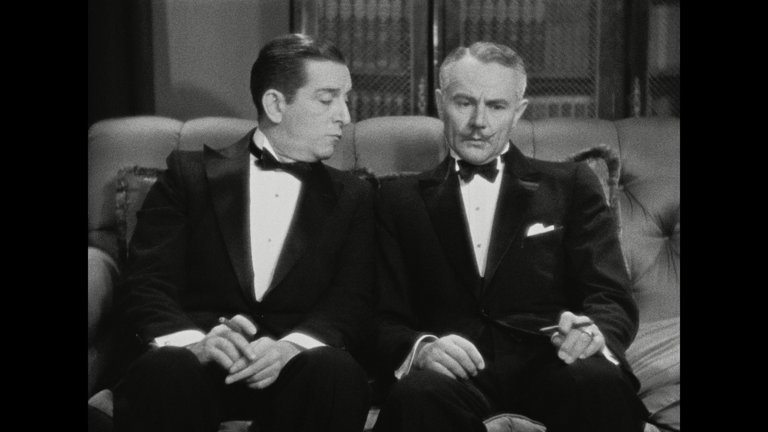
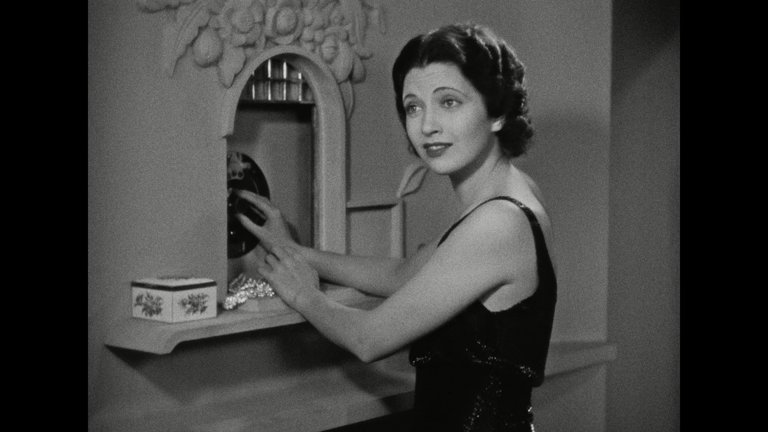
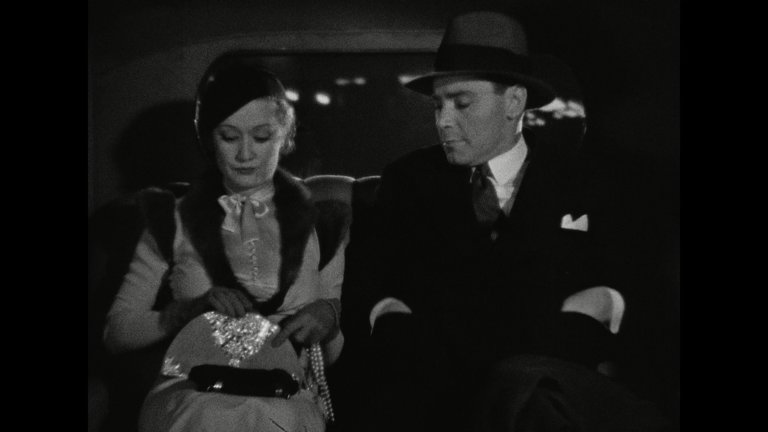
Trouble in Paradise - Screen Captures
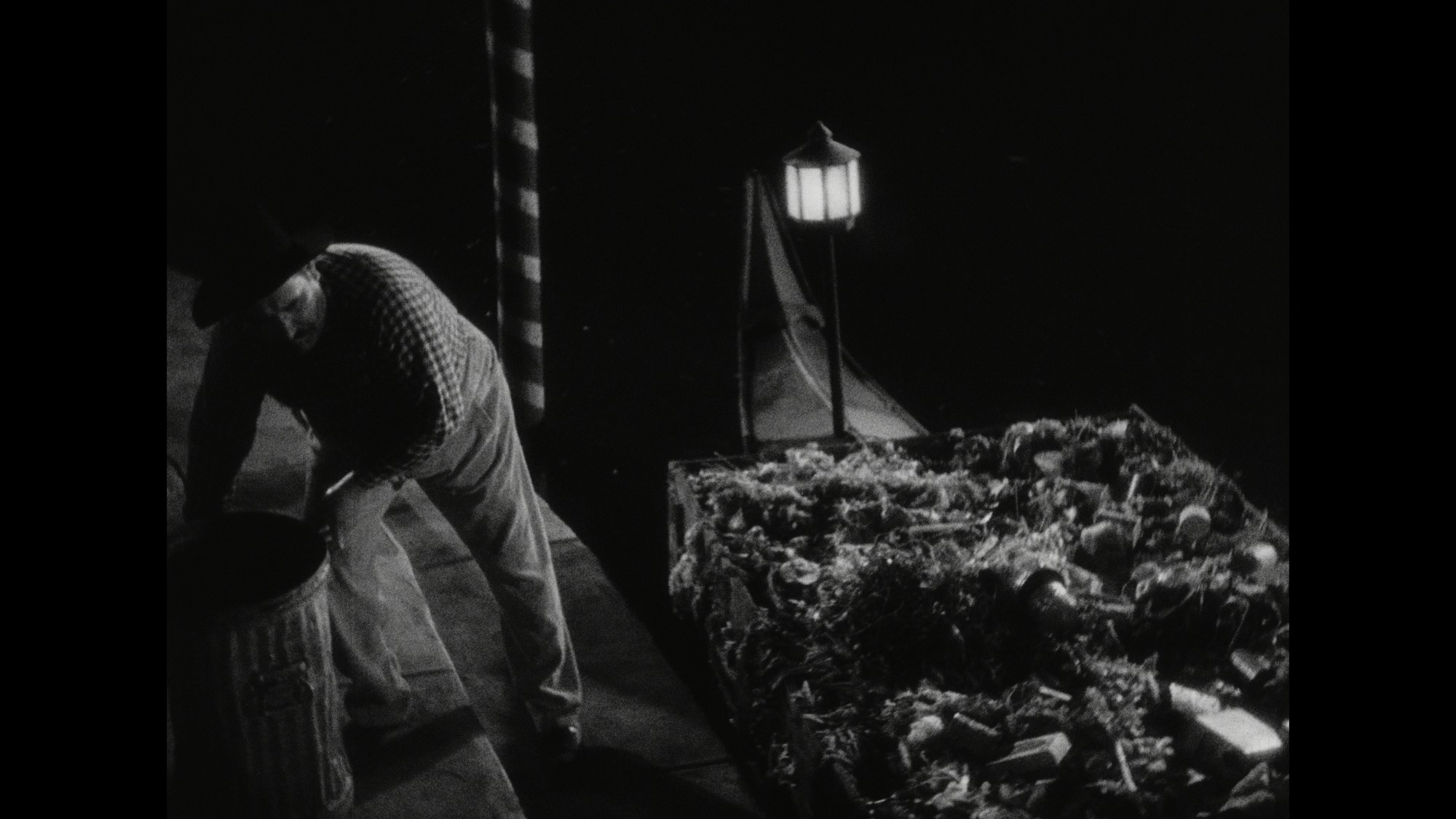
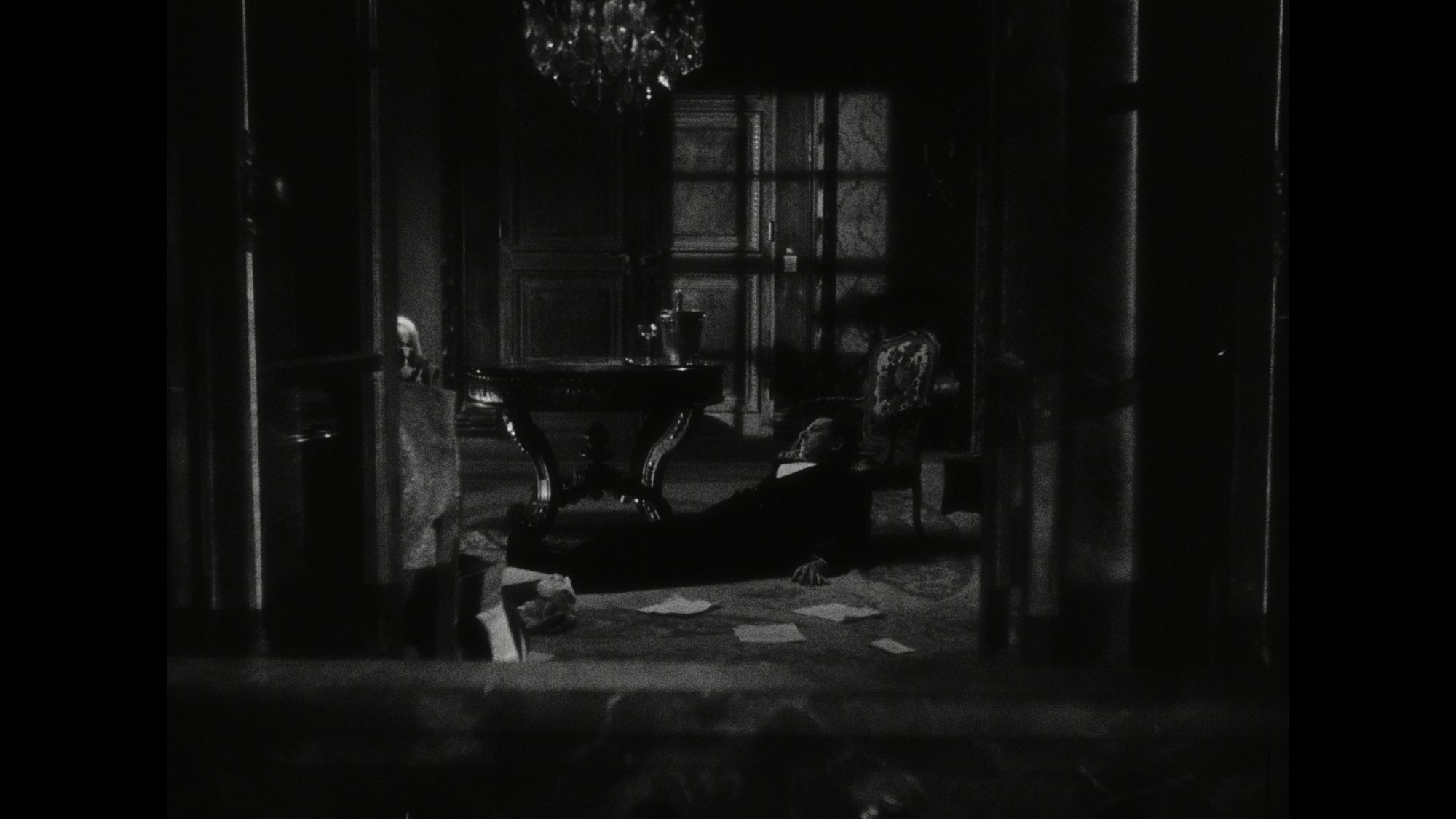
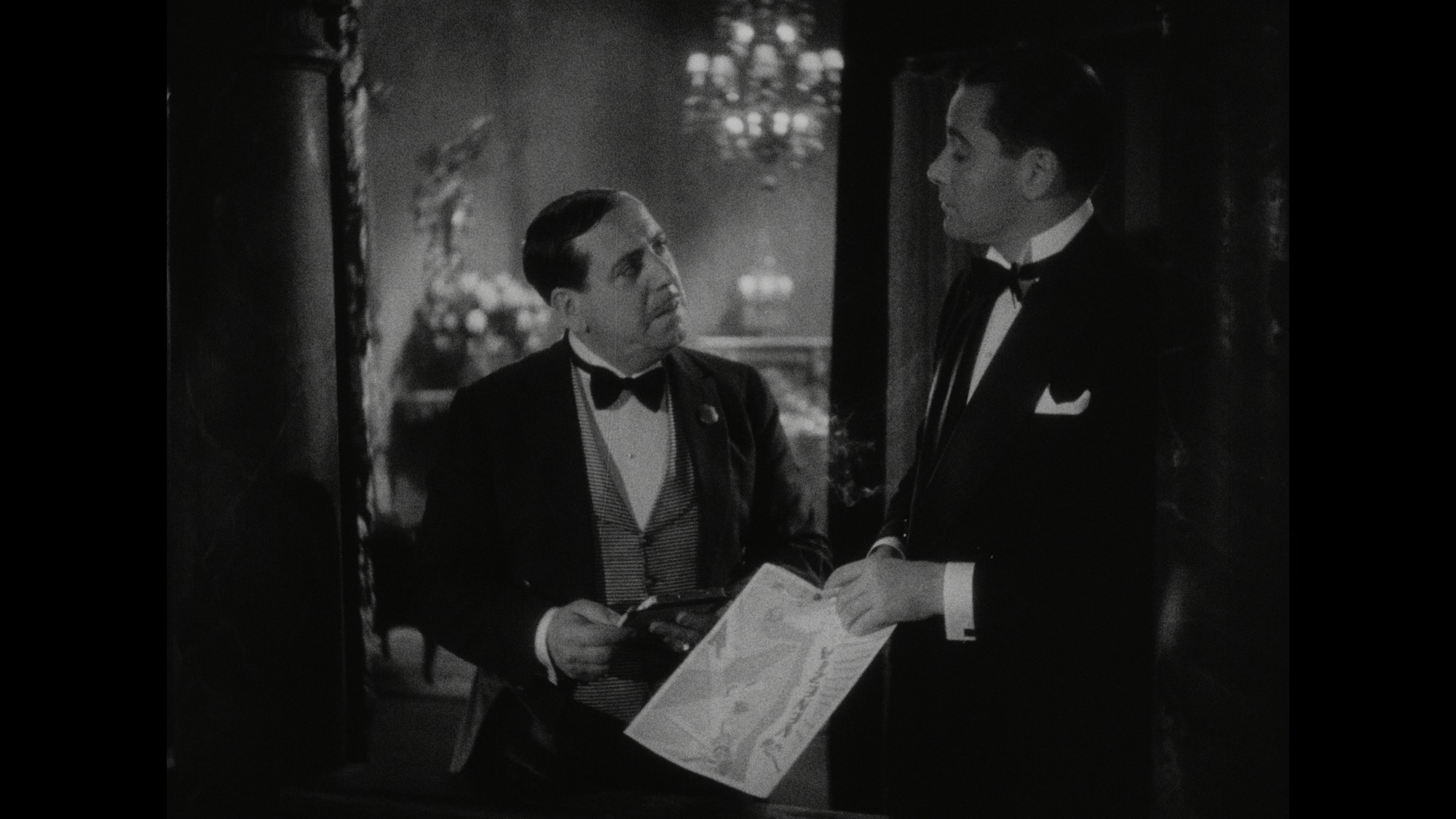
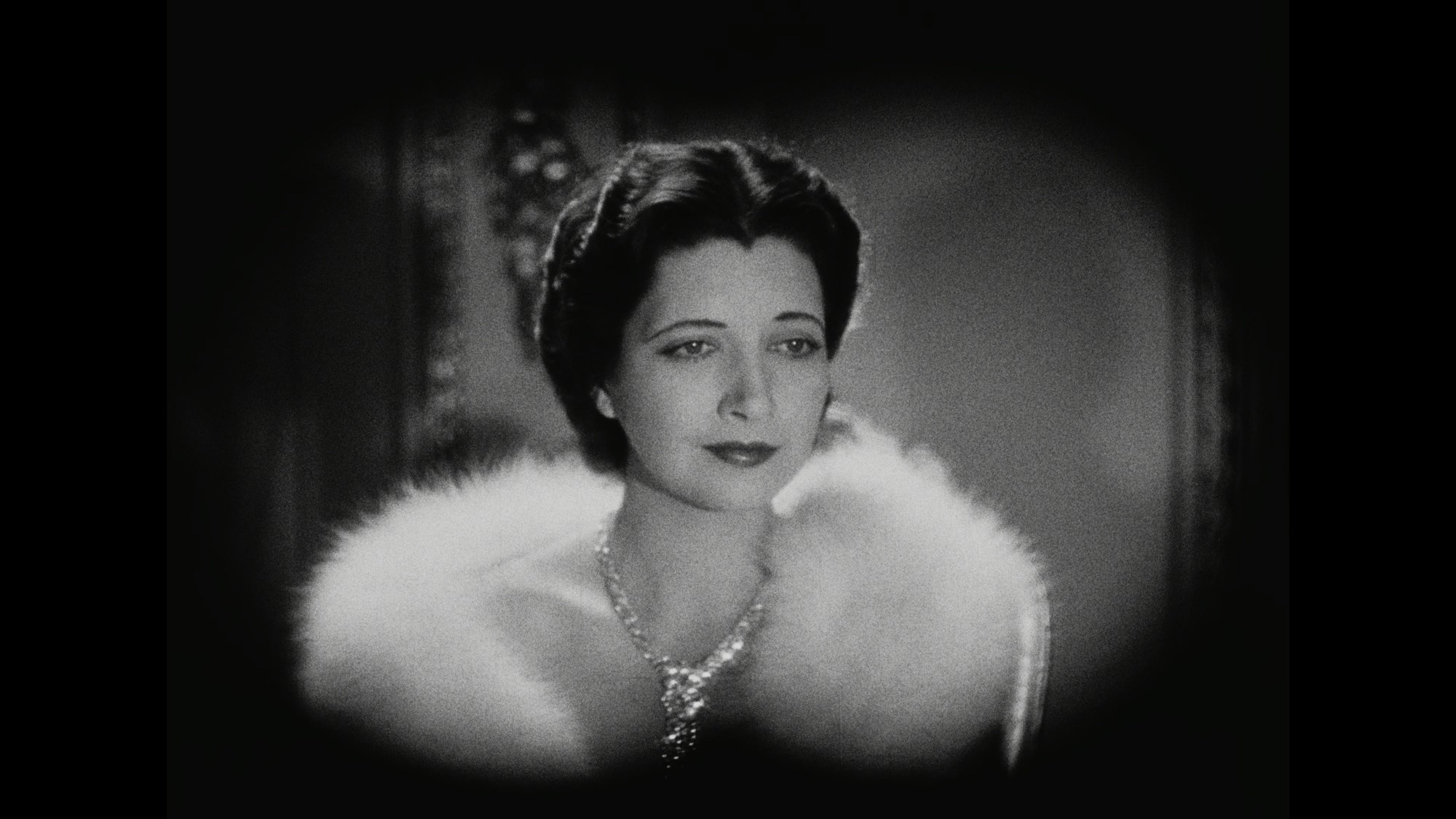
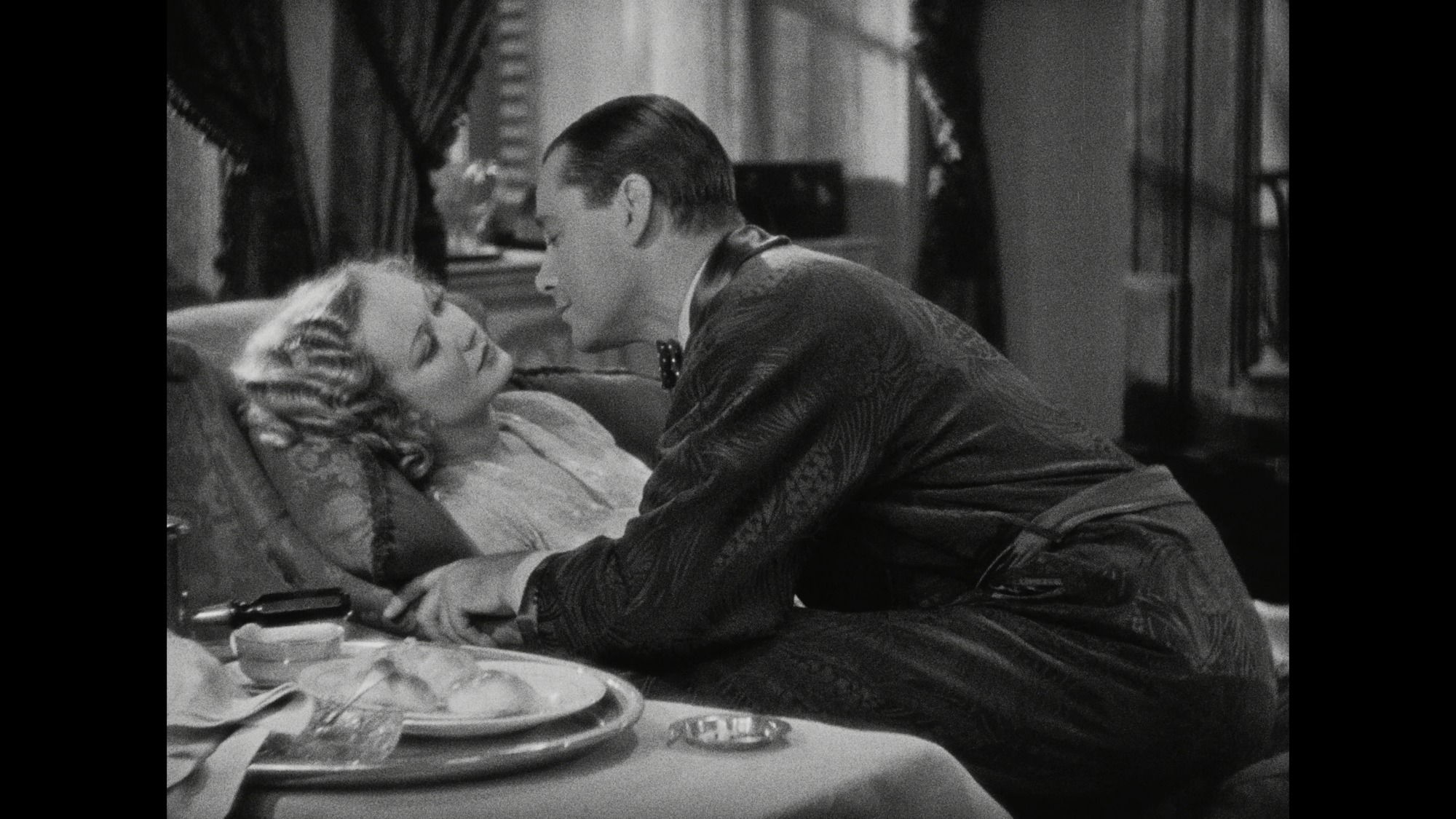
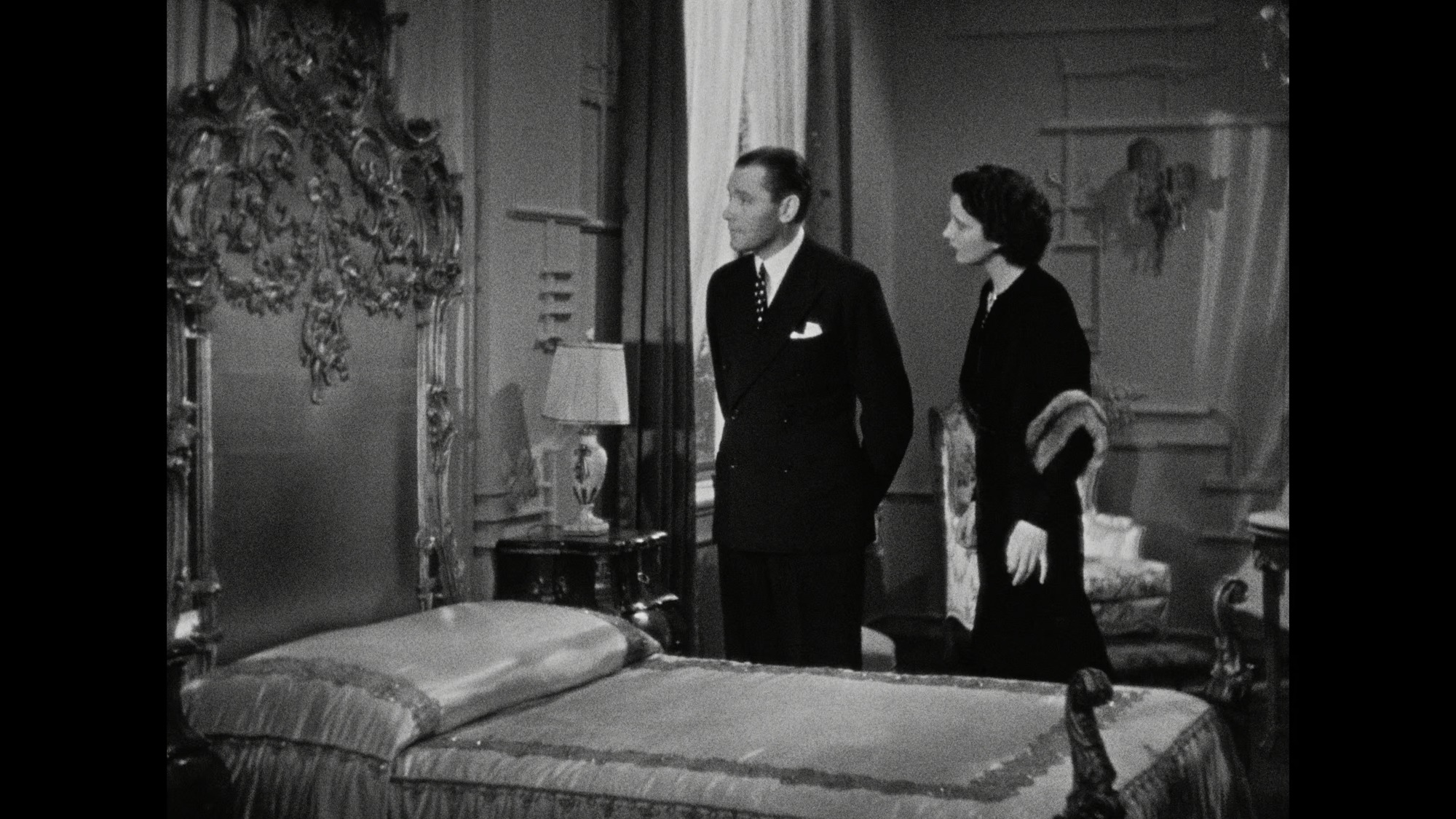
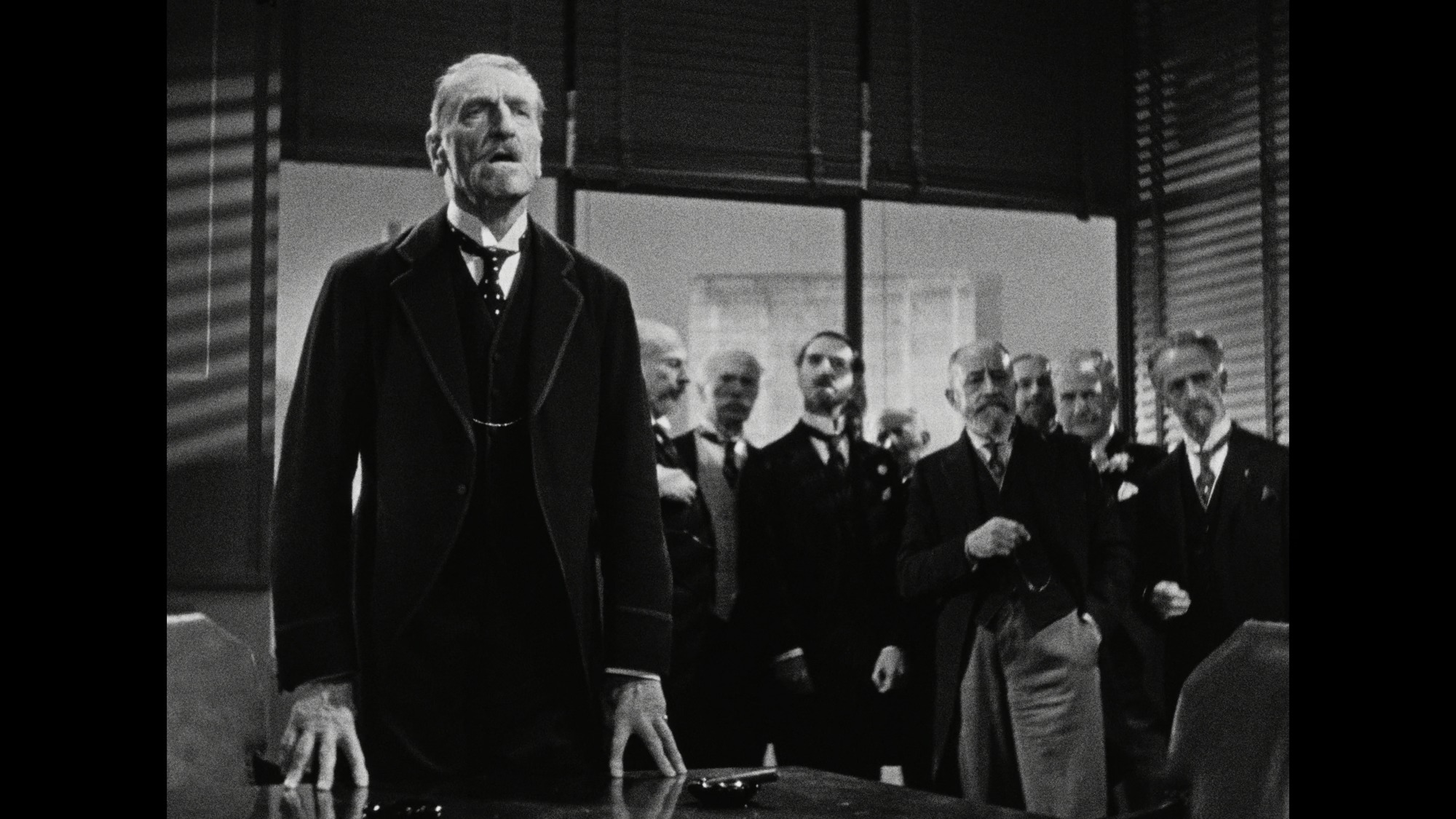
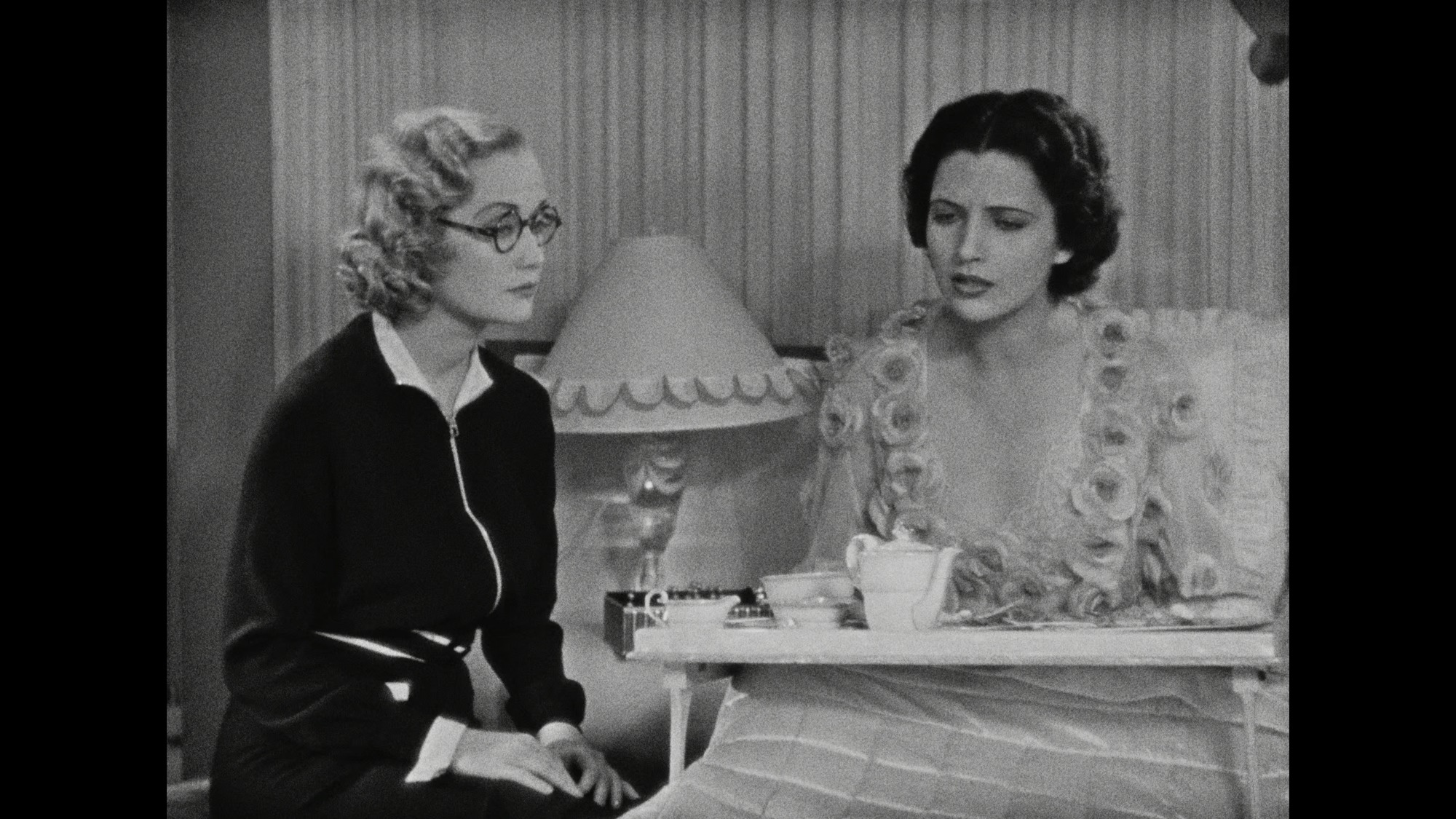
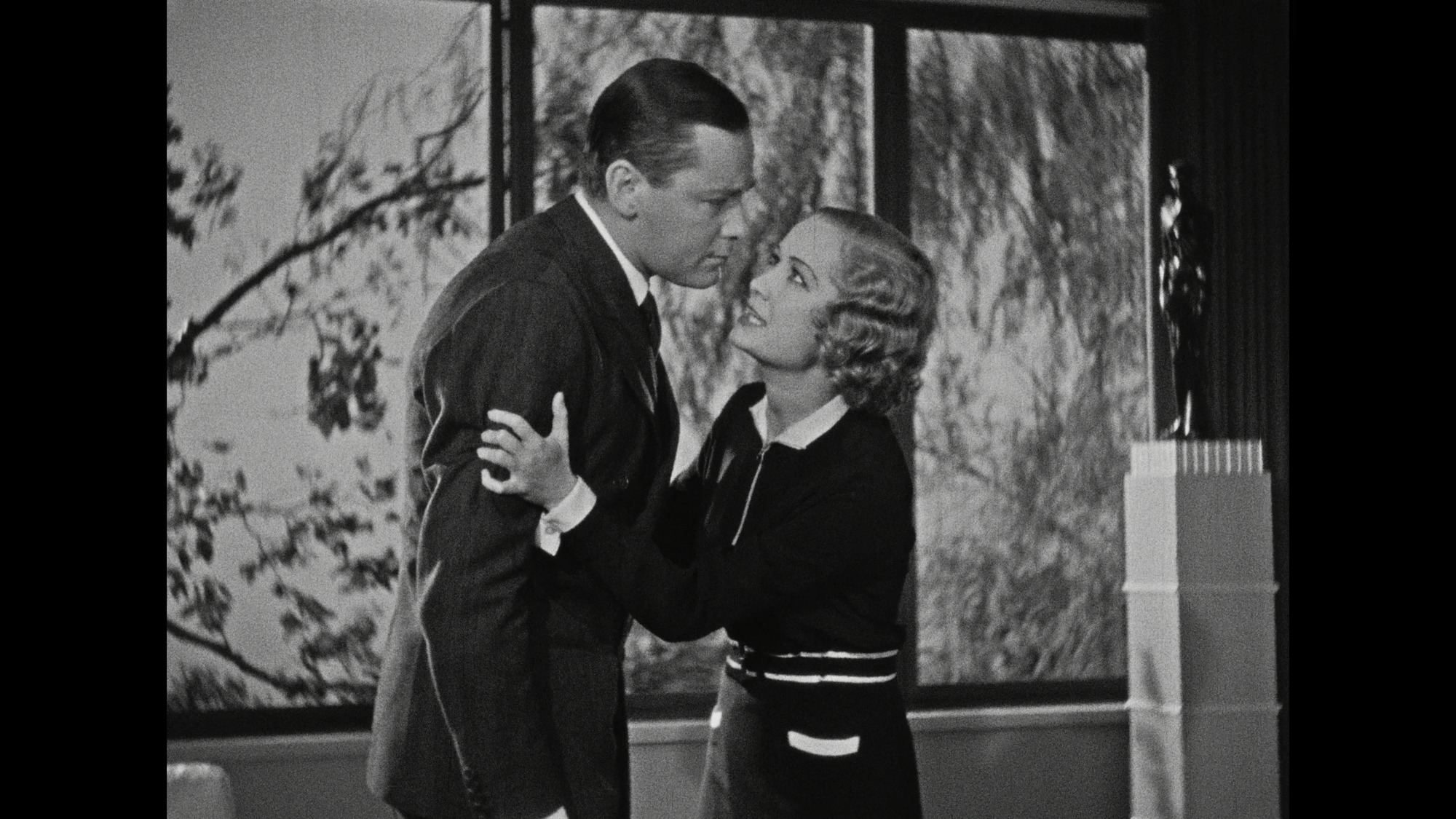
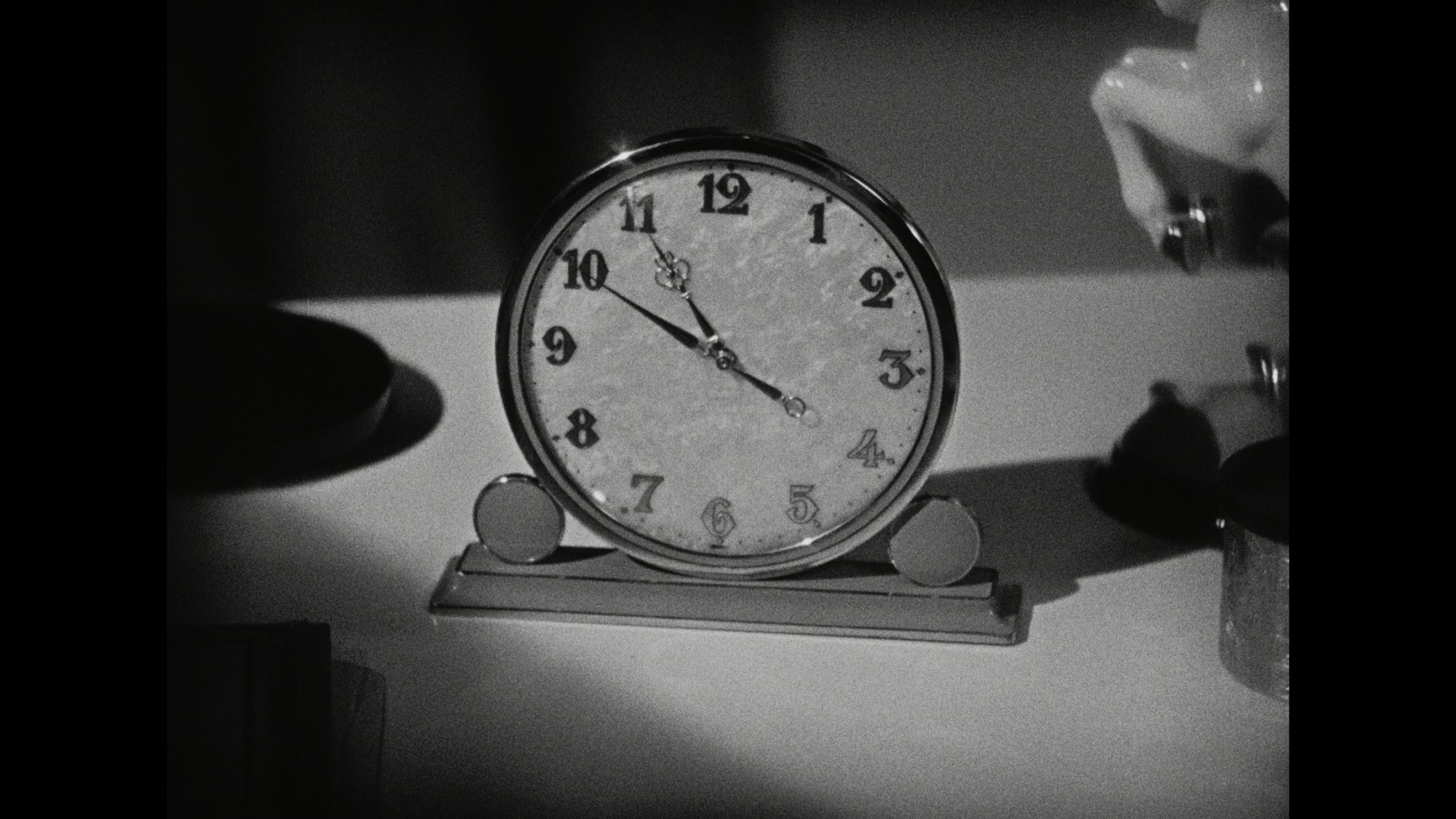
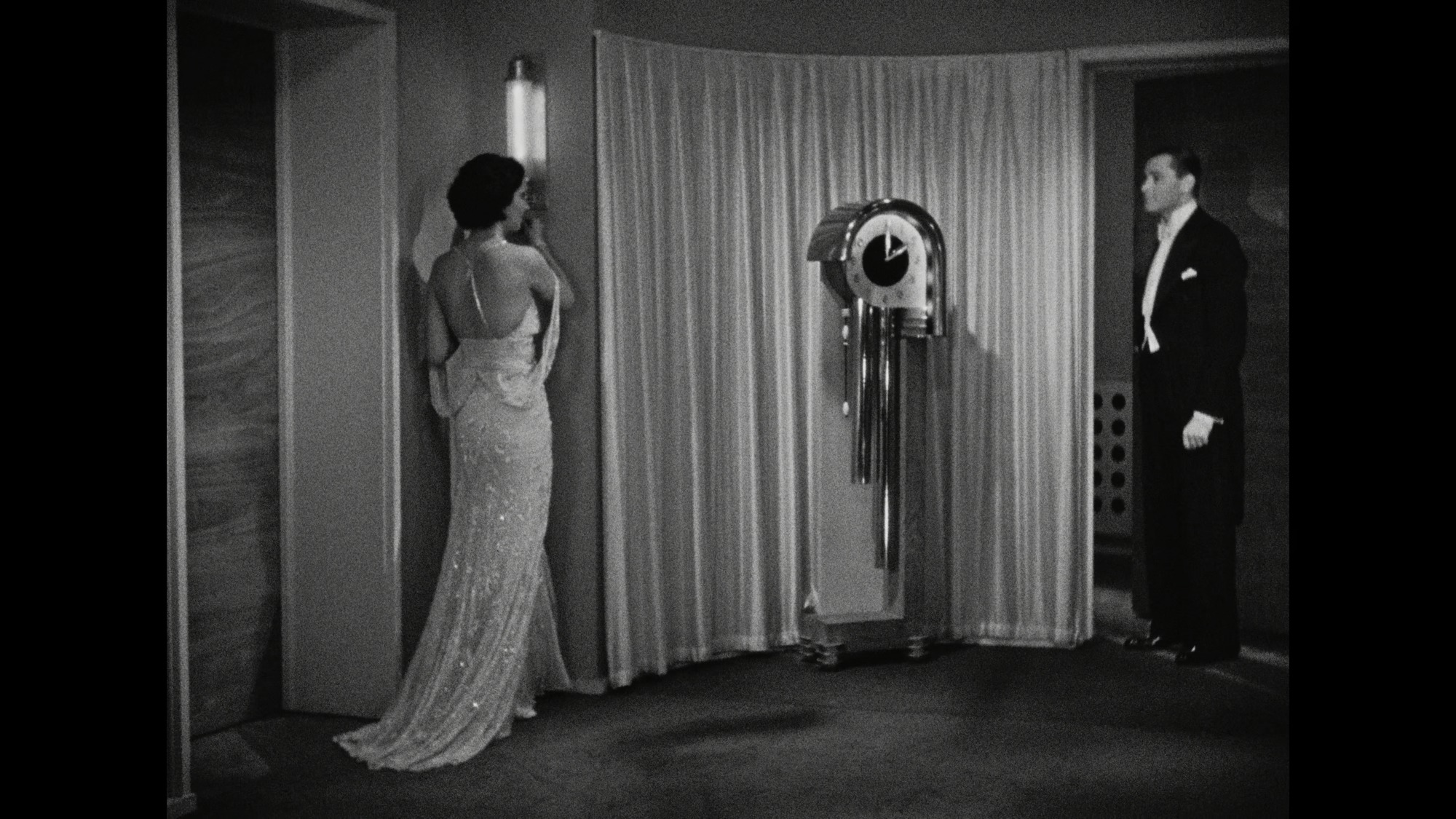
Audio 6/10
Even the audio proves to be a welcome surprise. Presented in single-channel lossless PCM, the monaural soundtrack can sound a bit rough around the edges, showing its age, but it remains surprisingly clear with respectable range and fidelity. The film’s music, in particular, reaches some solid highs without introducing any severe distortion, and dialogue is easy to hear. All things considered, it sounds very good.
Extras 7/10
Disappointingly, Criterion doesn’t port everything over from their DVD, though a couple of features do make the jump, including Peter Bogdanovich’s 11-minute introduction. Here, Bogdanovich offers some background on Ernst Lubitsch, noting that at the time (in 2002) he wasn’t as widely recognized as some of his contemporaries who had also emigrated to the States, like Billy Wilder, Fritz Lang, and F. W. Murnau. Thankfully, thanks in part to labels like Criterion and Masters of Cinema, Lubitsch seems to have since regained his place. Criterion and others would get more into his work in later editions covering his films, but for those new to Lubitsch this ends up being a solid primer.
Also included is an audio commentary by Lubitsch biographer Scott Eyman (recorded for the 2003 DVD), who builds off much of what Bogdanovich sets up. Eyman spends a fair amount of time covering Lubitsch’s background, from his work in Germany to his move to the United States, before getting into the production of the film itself, from its writing through to its release and the issues it later faced with the Hays Code (despite premiering before strict enforcement). He also delves into what’s often referred to as the “Lubitsch Touch,” highlighting moments that best represent it, from gestures and dialogue to scene construction, framing, and editing. He even touches on the film’s sound design and use of music. There’s a lot covered here, and Eyman manages to move smoothly from one topic to the next across the film’s brisk 82-minute runtime.
New to this edition is a visual essay by David Cairns, 10 Touches in Trouble, where Cairns digs deeper into Lubitsch’s style, particularly that more "continental" sensibility that felt distinct at the time, often implying rather than explicitly showing. He suggests this comes from Lubitsch’s hands-on approach, with the director shaping nearly every aspect of his films, not just the script or production design, but even performances, the director reportedly acting out roles for his cast. Moving through ten key points, Cairns breaks down specific scenes and moments to illustrate how this approach shows up on screen. It’s another of his typically excellent essays: well-researched, thoughtfully constructed, and highly entertaining; it's film school without you really realizing it.
An excellent essay on the film and Lubitsch by Farran Smith Nehme is also included in the insert, replacing Armond White’s piece from the DVD. But unfortunately, things more or less stop there. Missing from the earlier release (aside from White’s essay and a reprinted article also found in that insert) is a gallery featuring appreciations of Lubitsch from various filmmakers and critics. Some of that spirit comes through in Cairns’ essay, but I still think it would have been worth carrying that material over.
More puzzling omissions include the 1940 Screen Guild Theatre radio adaptation and Lubitsch’s 1917 silent film The Merry Jail. Why these are absent is unclear, though the latter is especially surprising, as one would assume rights wouldn’t be an issue, particularly since Criterion had previously commissioned an original score for it. That may not be the case, of course, and maybe there were rights issues leading to its absence, but it’s still a notable exclusion.
All said, the material that is included is still quite good and worth exploring, though those who own the DVD may want to hold onto it for the missing features.
Closing
The new 4K presentation looks incredible, far surpassing any expectations I had going in. Despite some features not carrying over from Criterion’s DVD, this is still an easy upgrade, and easily one of the best surprises I've had so far this year.
BUY AT: