WALL·E
BUY AT:


See more details, packaging, or compare
Synopsis
A high-water mark of digital animation, this prescient vision of a dystopian future is packaged within a dazzling pop-science-fiction love story, making for an urgent fable for our troubled millennium. It’s the twenty-ninth century, and humans have long since fled Earth for outer space, leaving WALL•E, the last functioning trash-compacting robot, to go about the work of cleaning up a pollution-choked planet, one piece of garbage at a time. When he meets EVE, a fellow automaton sent to detect plant life, the pair are launched on an intergalactic quest to return humanity to Earth. Transporting us simultaneously back to cinema’s silent origins and forward light-years into the future, WALL•E is a soaring ode to the power of love and art to heal a dying world.
Picture 9/10
The Criterion Collection makes its first foray into Disney-Pixar territory with a 4K UHD edition of Andrew Stanton’s WALL·E, presenting the film in a 2160p/24hz ultra high-definition encode with Dolby Vision and HDR10+ in its original aspect ratio of 2.39:1. The 4K presentation comes on a dual-layer disc (the film file is just under 44GB), while a separate dual-layer Blu-ray offers a 1080p high-definition version. Notably, Criterion has opted not to release a standalone Blu-ray edition.
For those hoping this would be a new transfer, there’s some disappointment: this appears to be sourced from the same 2K digital master used for previous Disney releases. Comparing Criterion’s Blu-ray to Disney’s reveals minimal differences. Criterion’s encode edges out Disney’s slightly in terms of compression artifacts, but otherwise, the two are remarkably similar. While this isn’t inherently bad (the previous editions already looked great), it may leave some wondering if this release is worth upgrading for.
Blu-ray Presentation
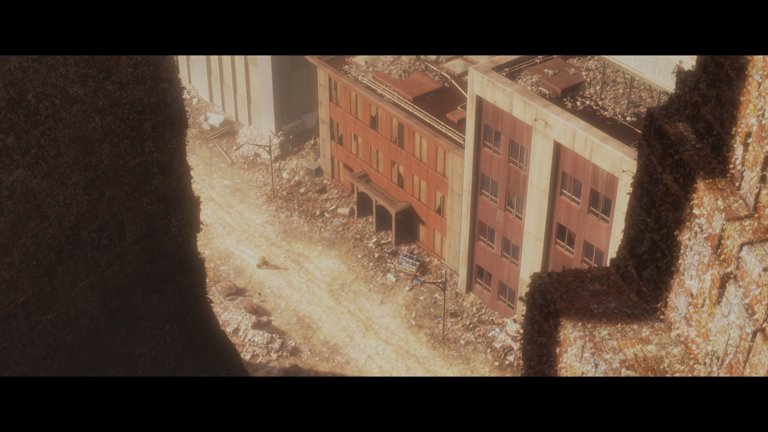
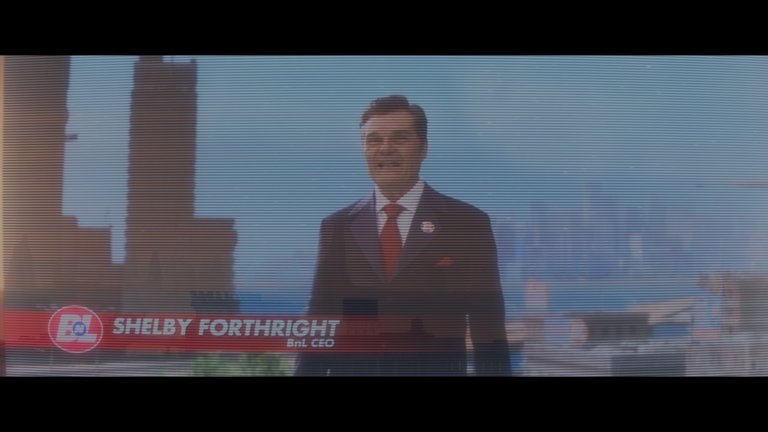
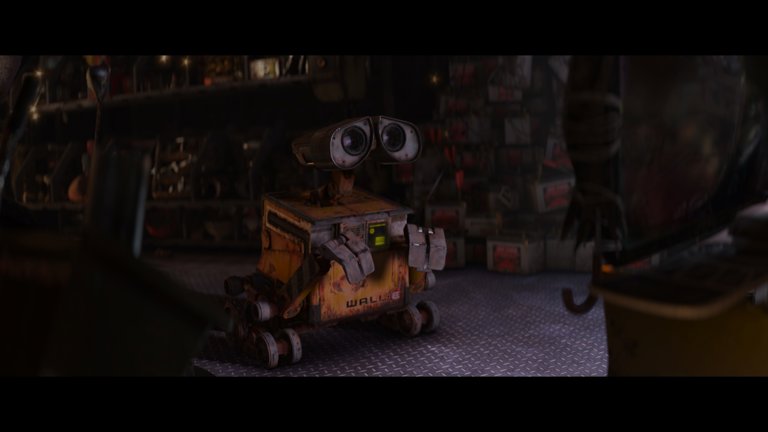
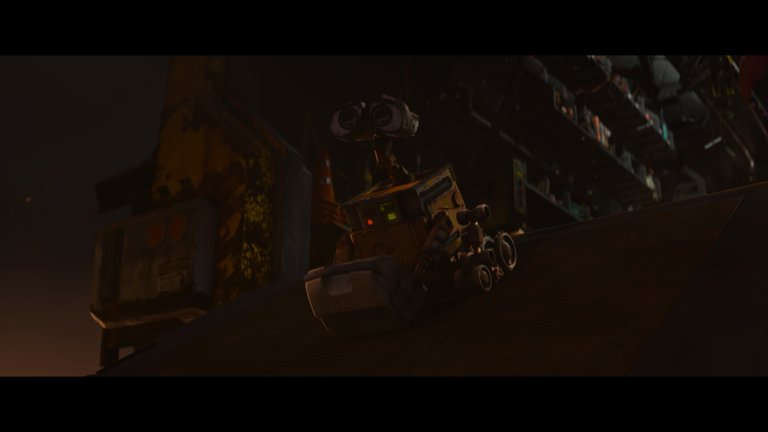
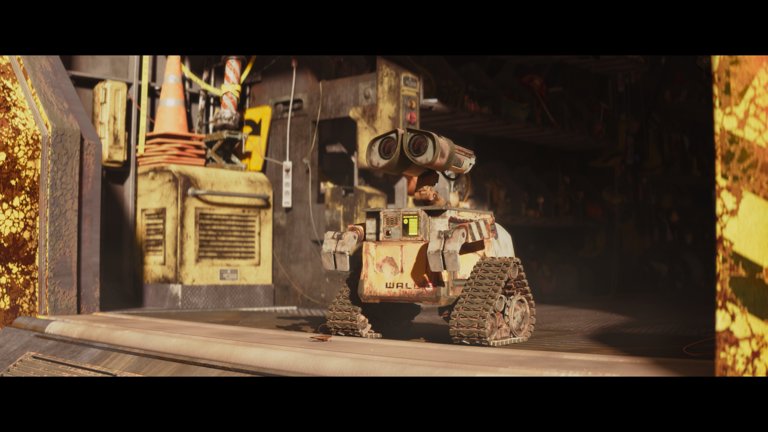
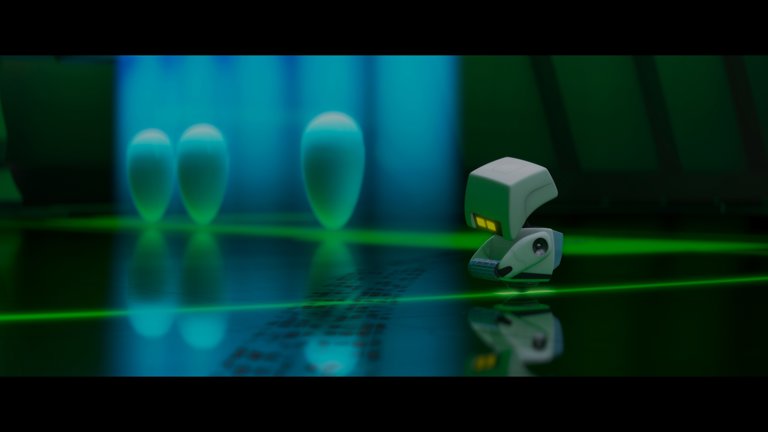
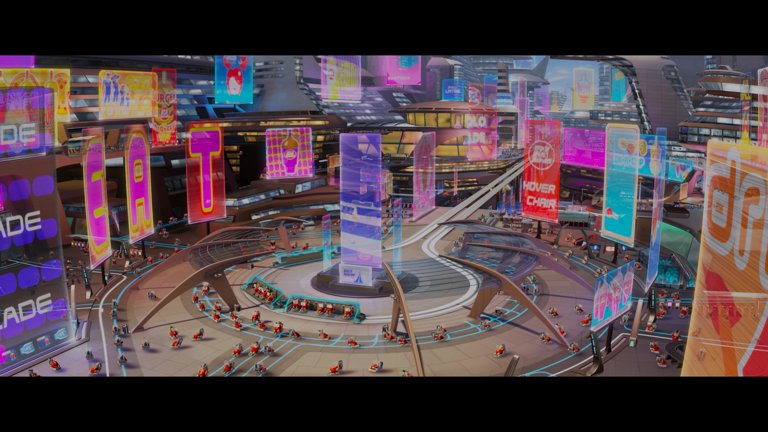
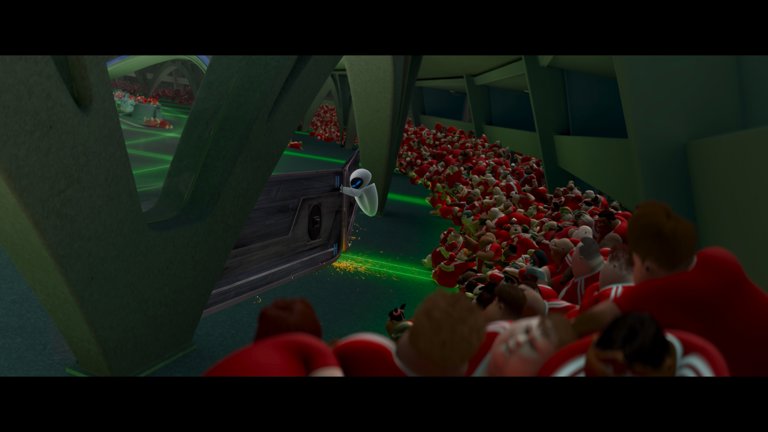
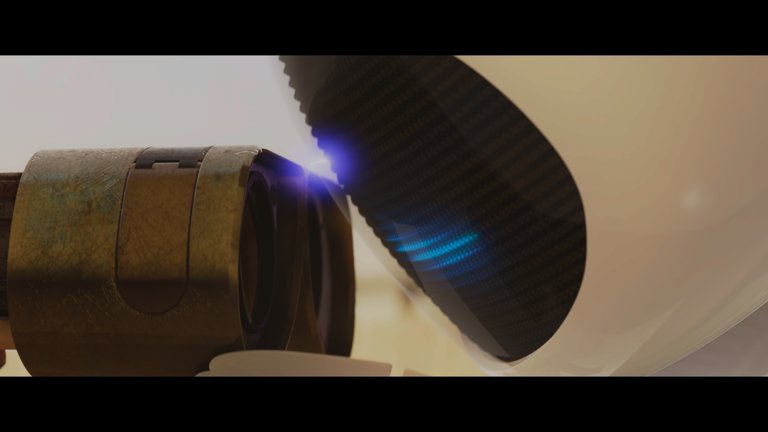
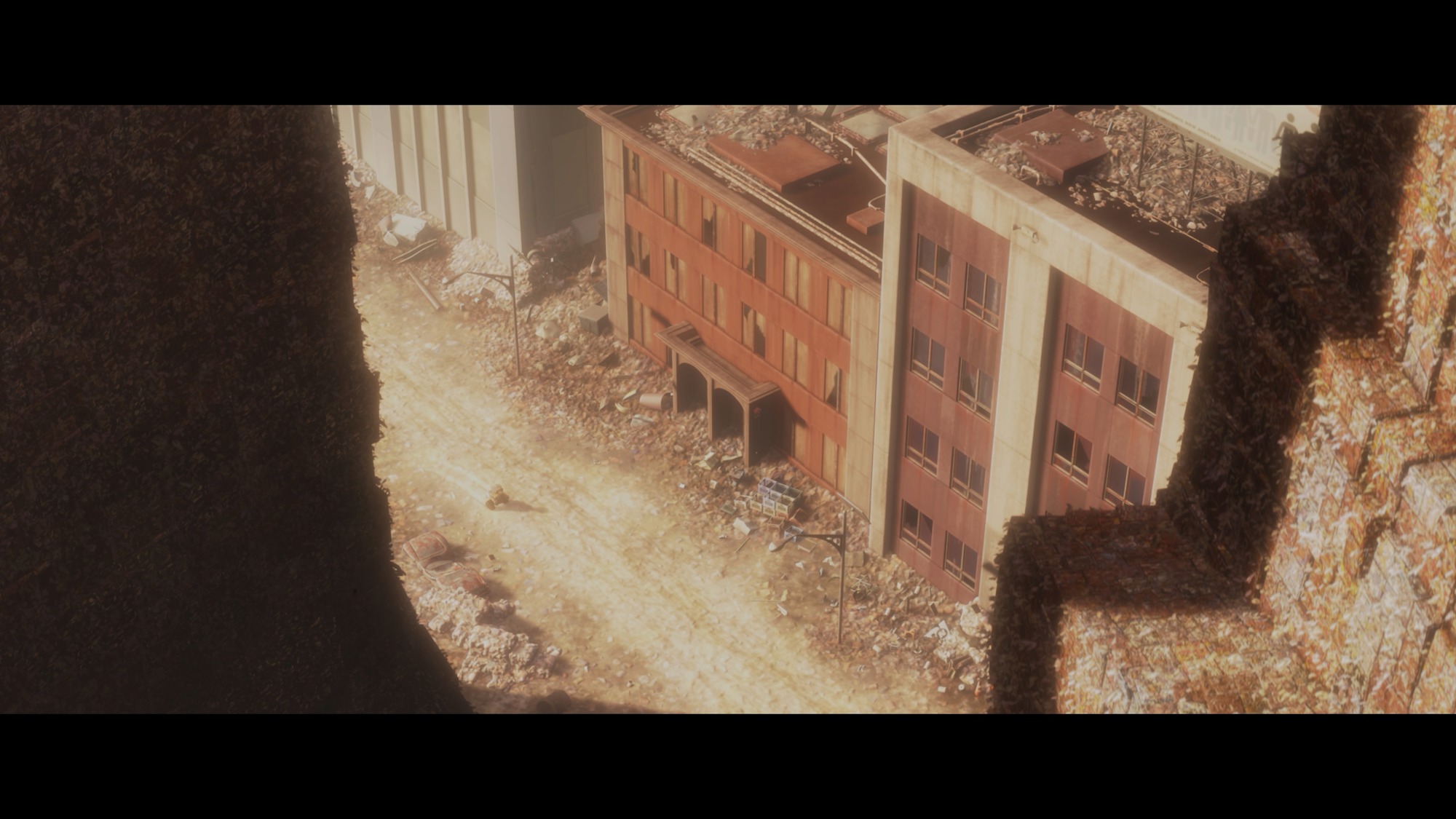
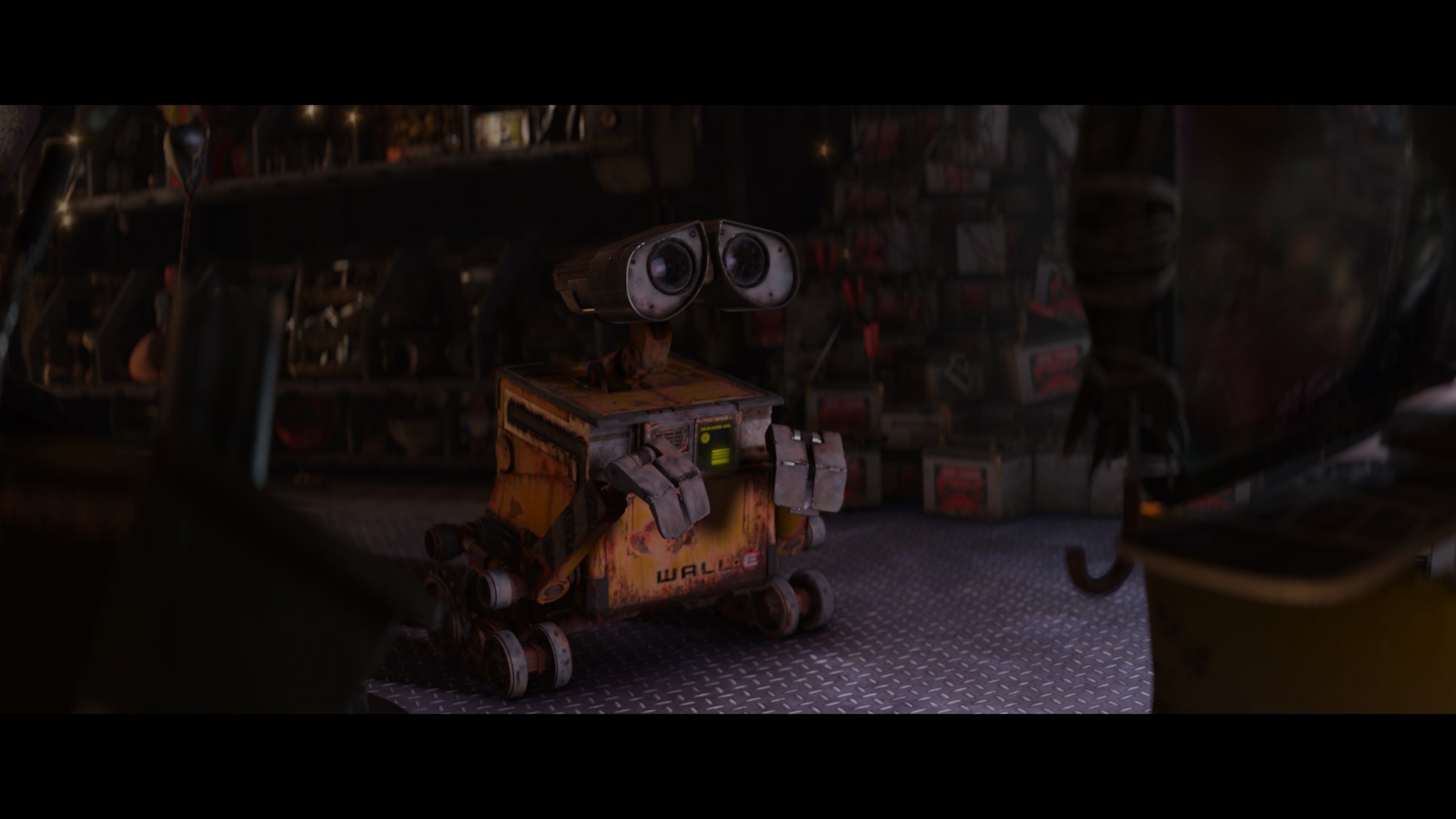
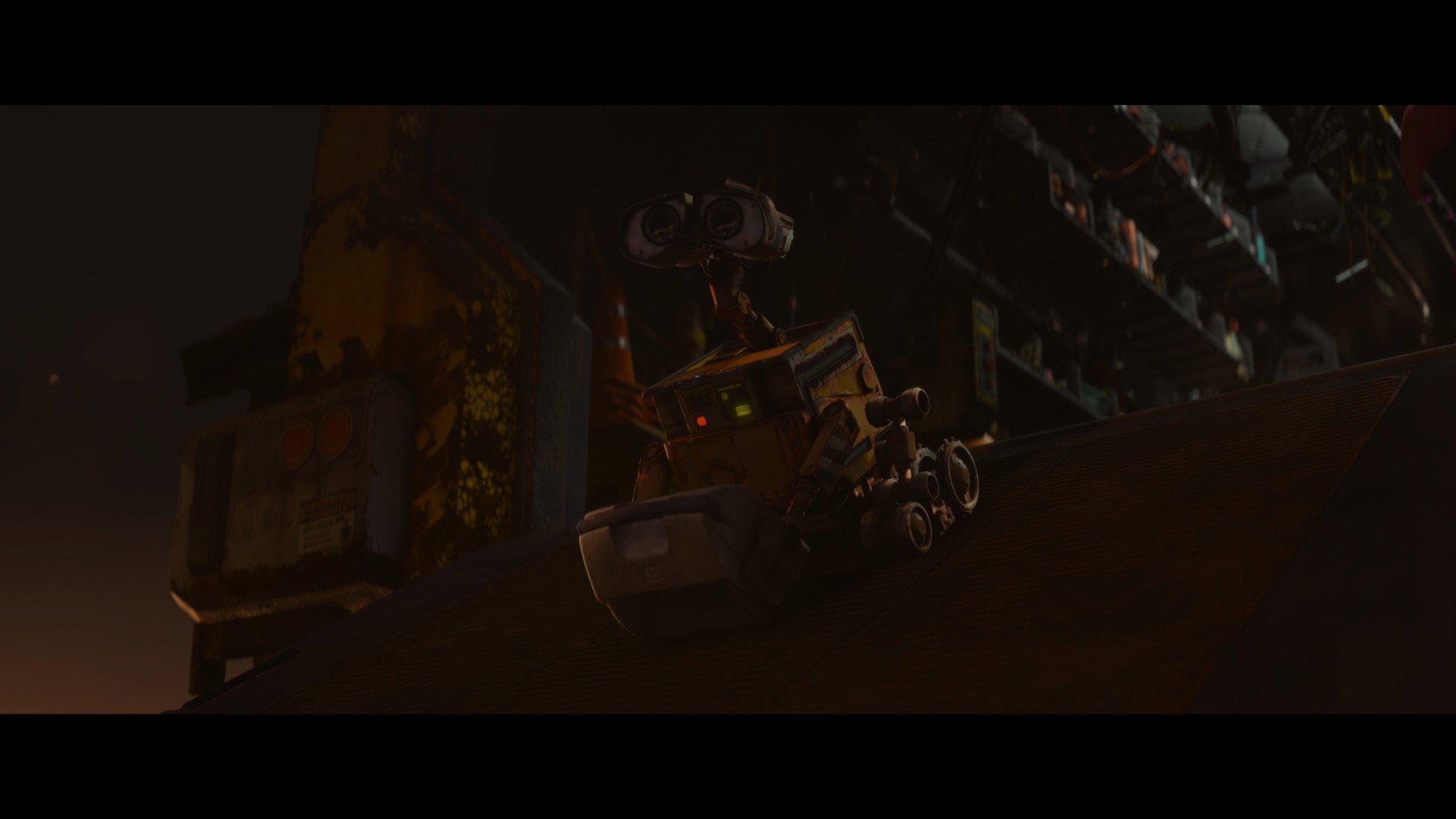
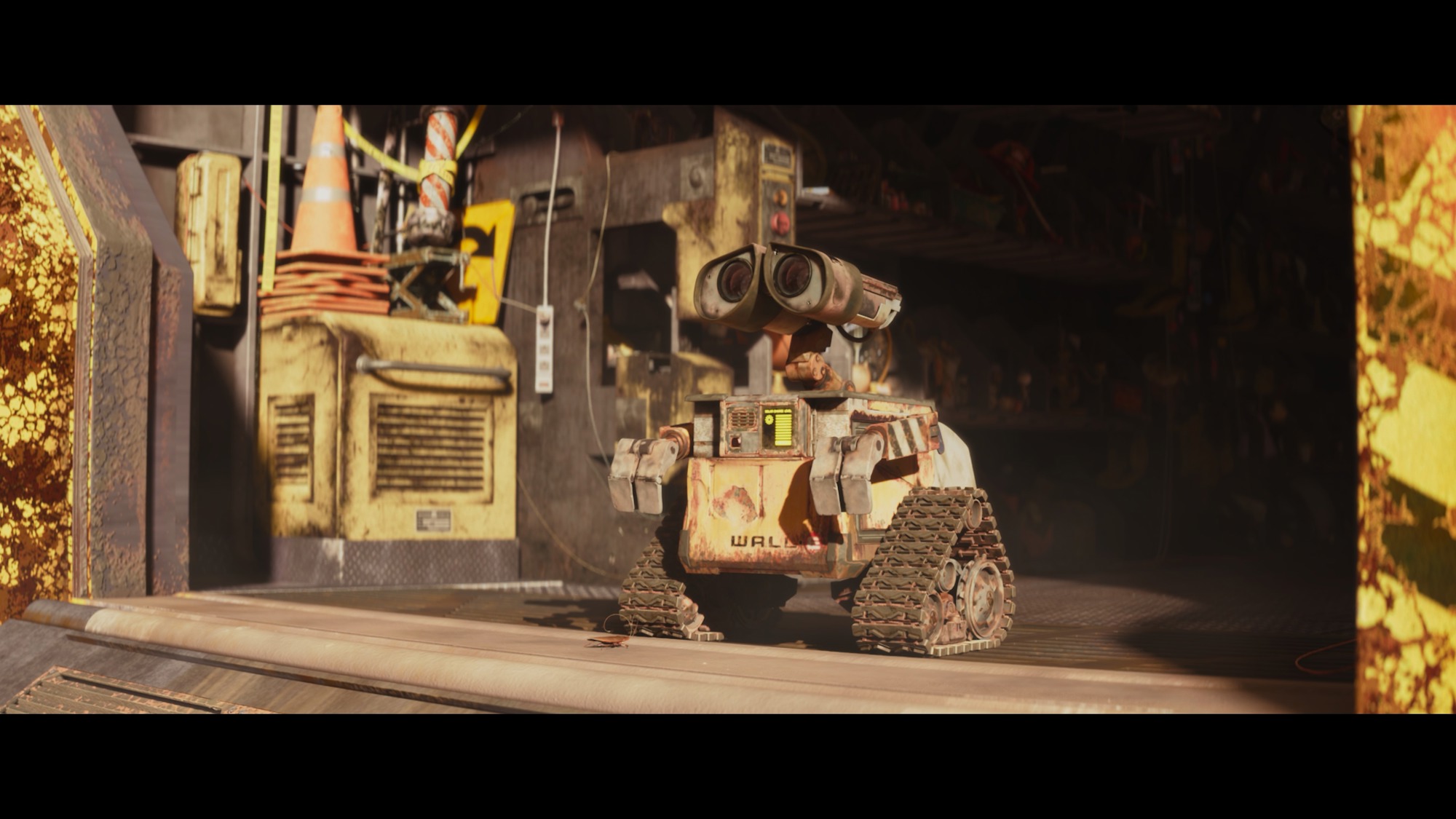
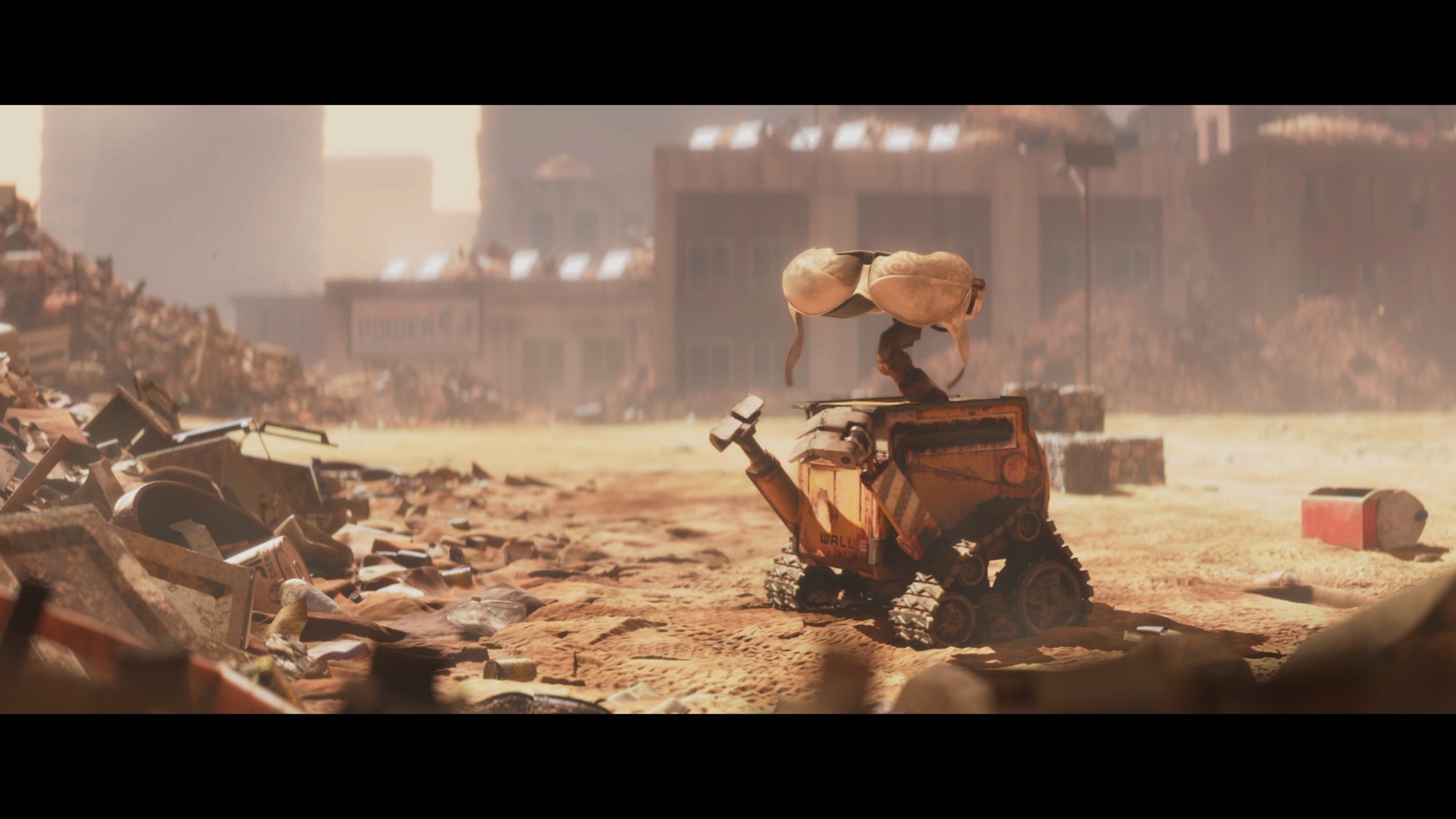
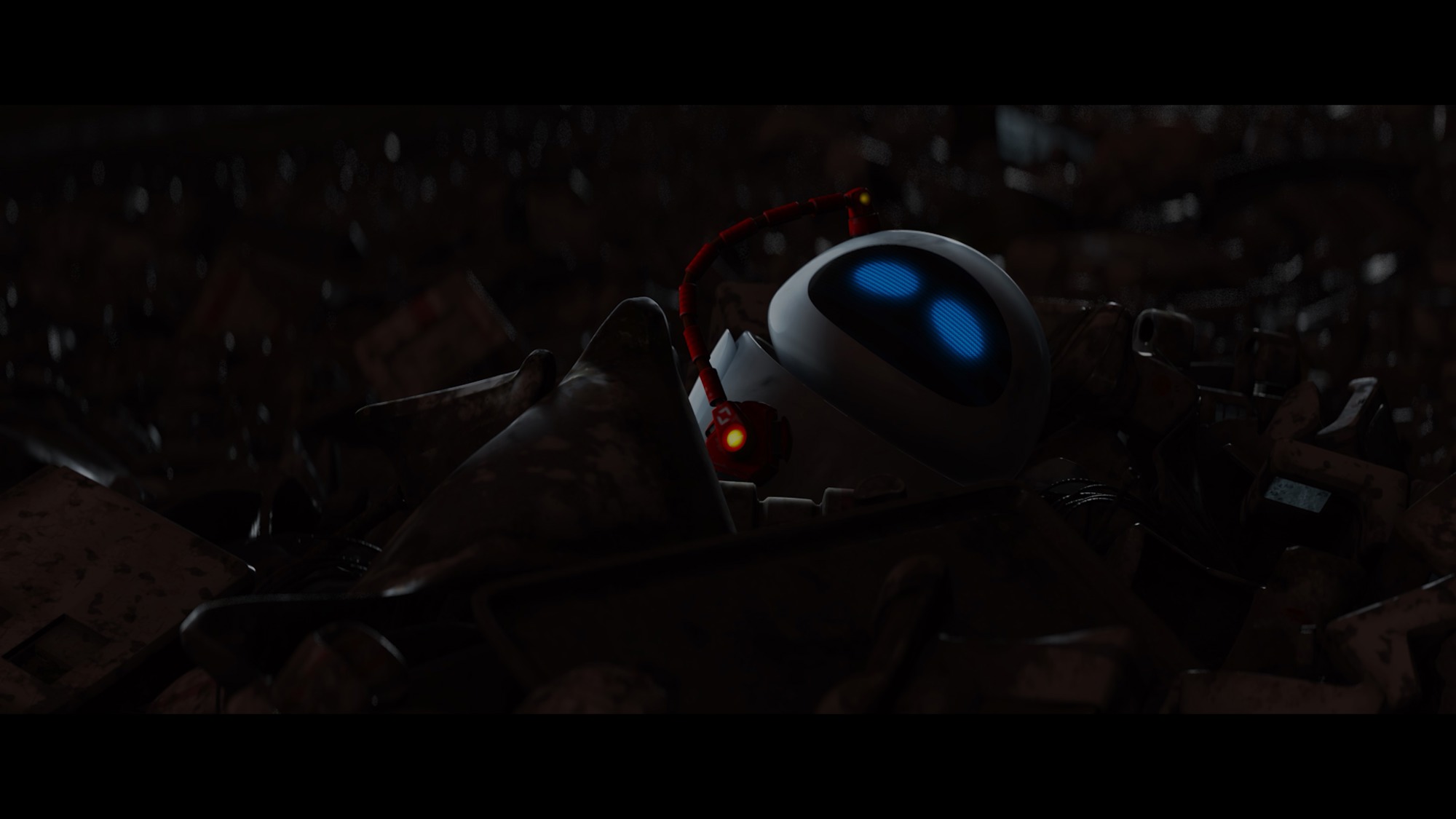
As with most computer-animated films, the Blu-ray looks sharp and clean, with exceptional detail. From the fine textures of the junk piles scattered across Earth to the subtle dings, rust patches, and mechanical details on WALL·E himself, the film continues to impress visually. Colors are vibrant, black levels are deep, and shadow detail is excellent, particularly in darker sequences like WALL·E’s shelter. Mild banding does appear in areas like skies and shadows, but this seems inherent to the original master. Overall, it’s a strong presentation.
4K UHD Presentation
The 4K UHD presentation benefits from improved compression, delivering a slightly cleaner image, but since it’s sourced from the same 2K master, detail and sharpness see no major improvement. Banding issues persist, likely a result of the source material. Black levels and color reproduction remain consistent with previous releases, though grading appears a touch darker here.
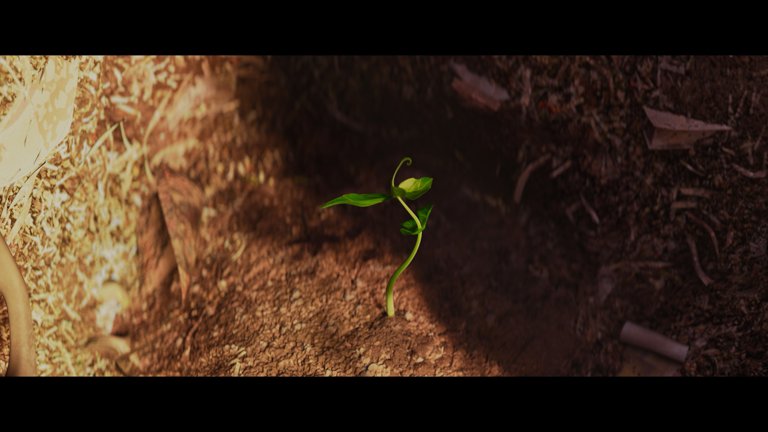
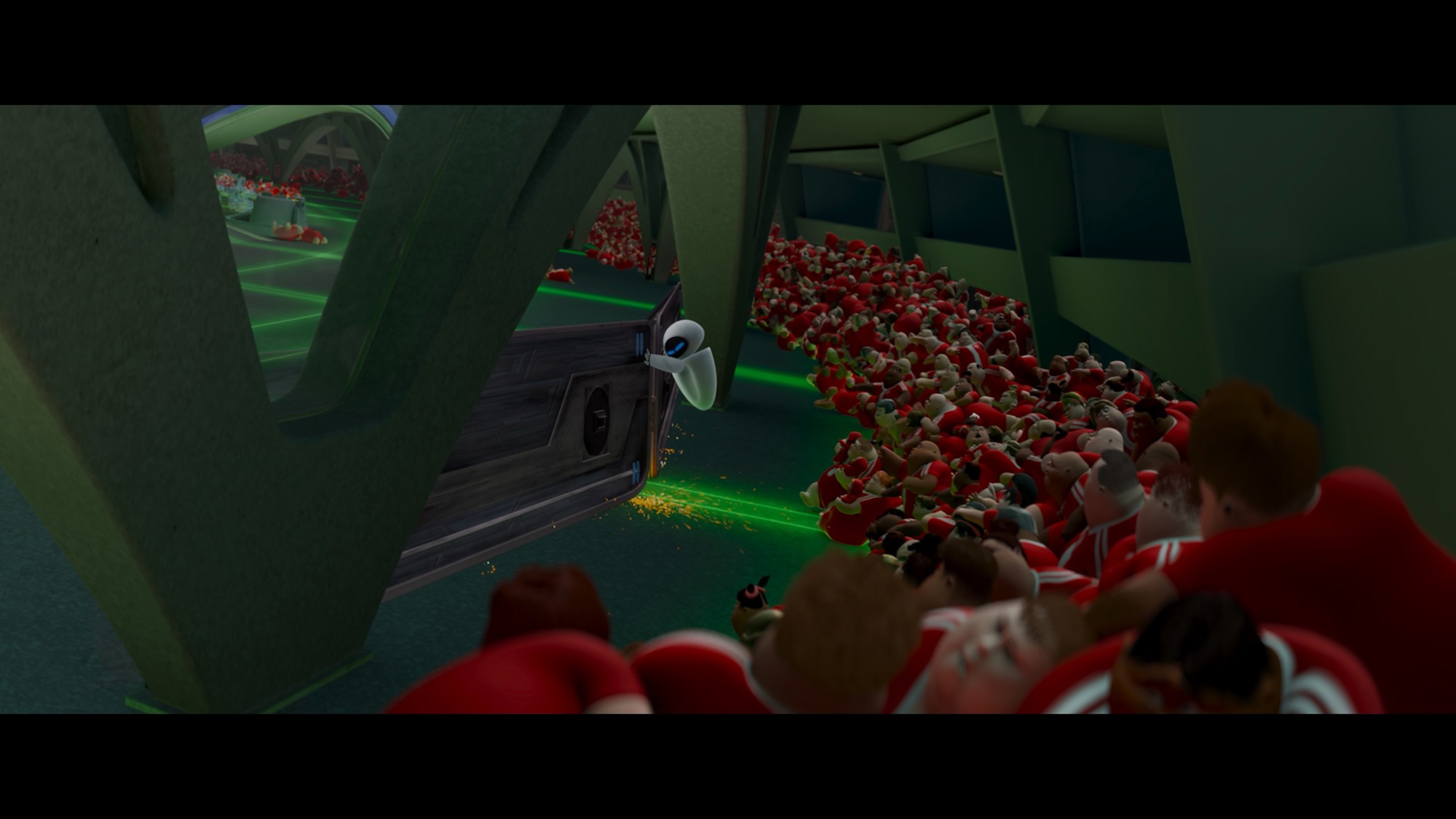
Where the 4K version truly shines is in its HDR implementation, particularly Dolby Vision. The base HDR10 layer doesn’t dramatically outshine Disney’s 4K version but still offers cleaner gradients (though banding is still evident) and impressive highlights, particularly in reflective surfaces and bright daytime scenes. For instance, the scorching brightness of Earth’s sunlight is effectively conveyed without overwhelming the image.
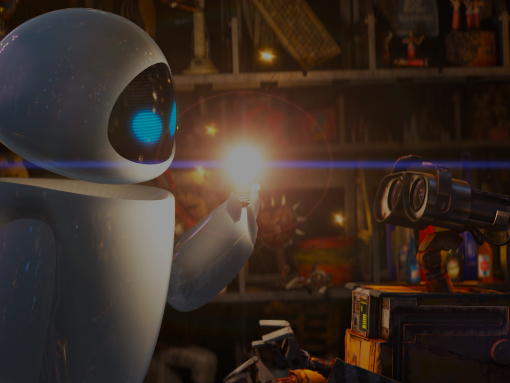
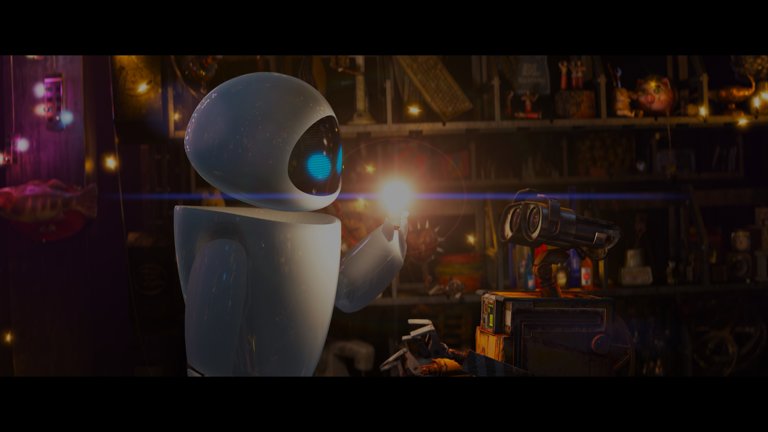
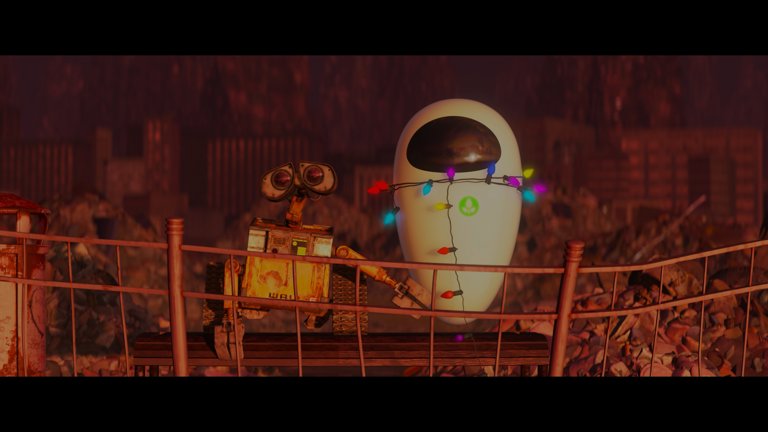
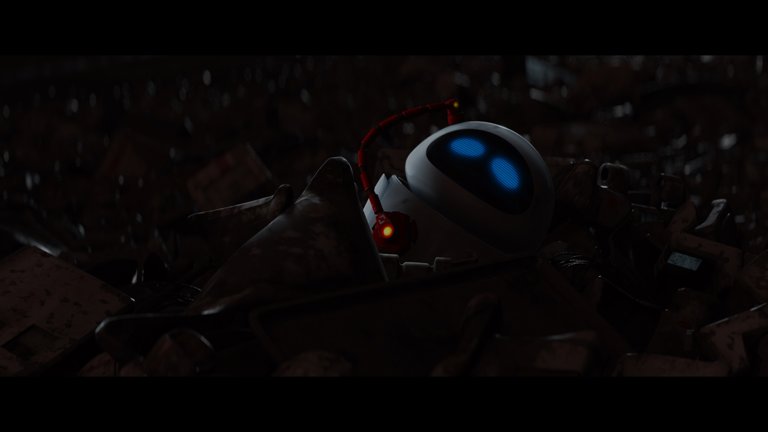
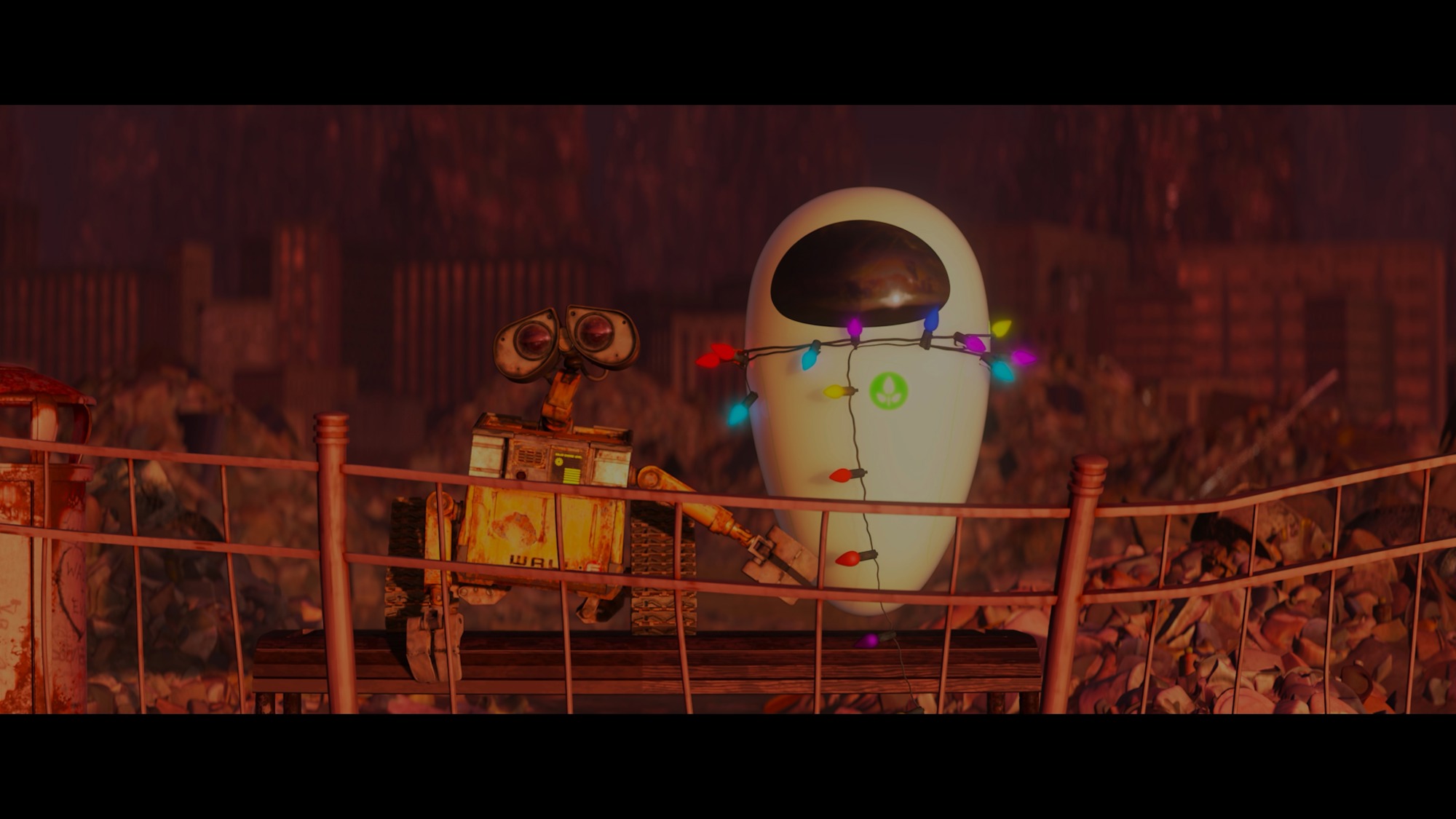
However, Dolby Vision provides a significant boost over the HDR10 layer, offering richer blacks, cleaner gradients, and more nuanced shadow detail. Early scenes, like WALL·E’s tour of his cluttered shelter, are particularly striking. When he turns on the string lights, the shadows in the background gain depth and clarity, while the lighting transitions naturally into darker areas. Moments like WALL·E cleaning his dustpan under an ominous gray sky stand out, with the subtle gradations in the clouds appearing far smoother and more foreboding. Banding is also no longer an issue.
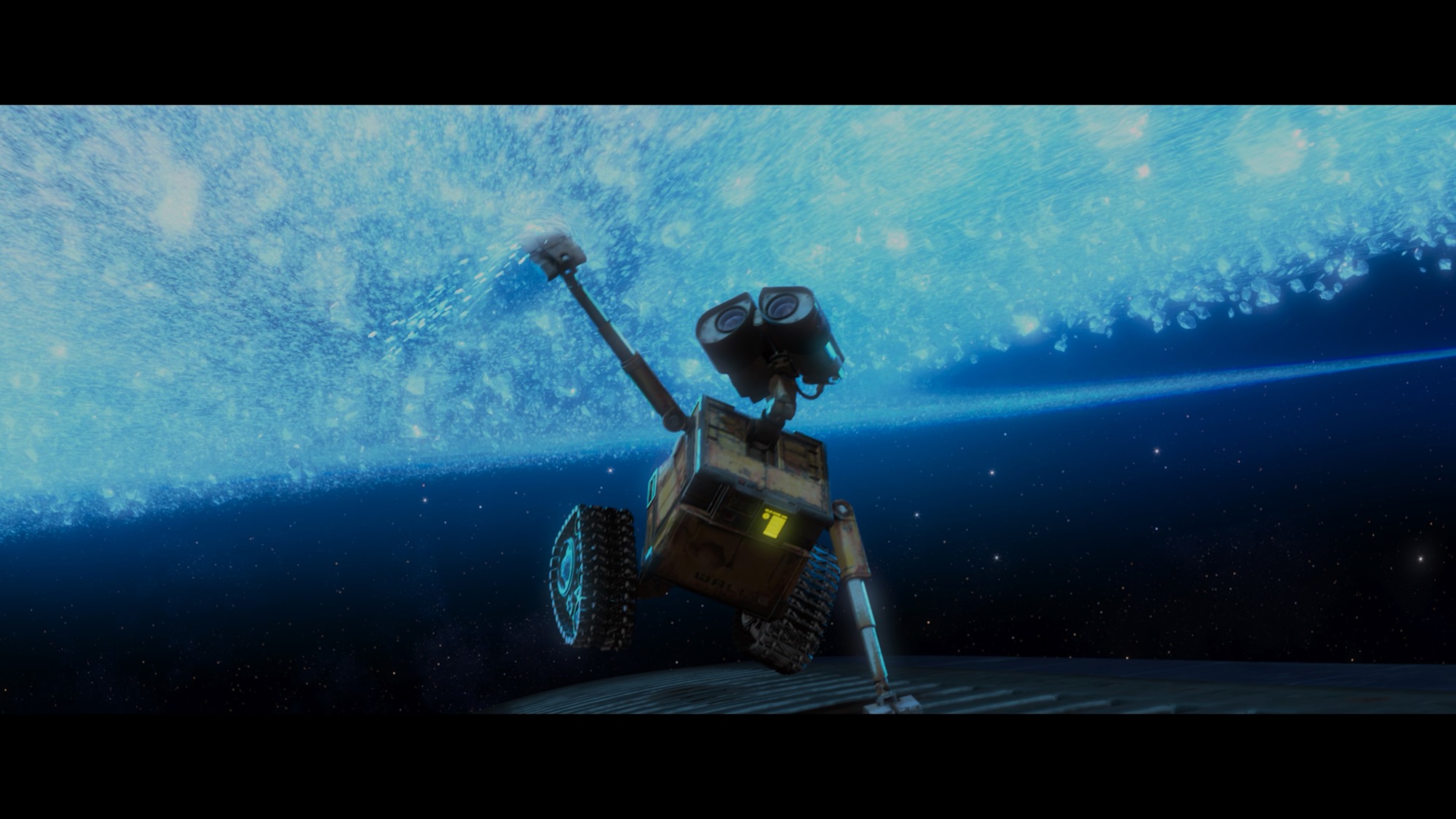
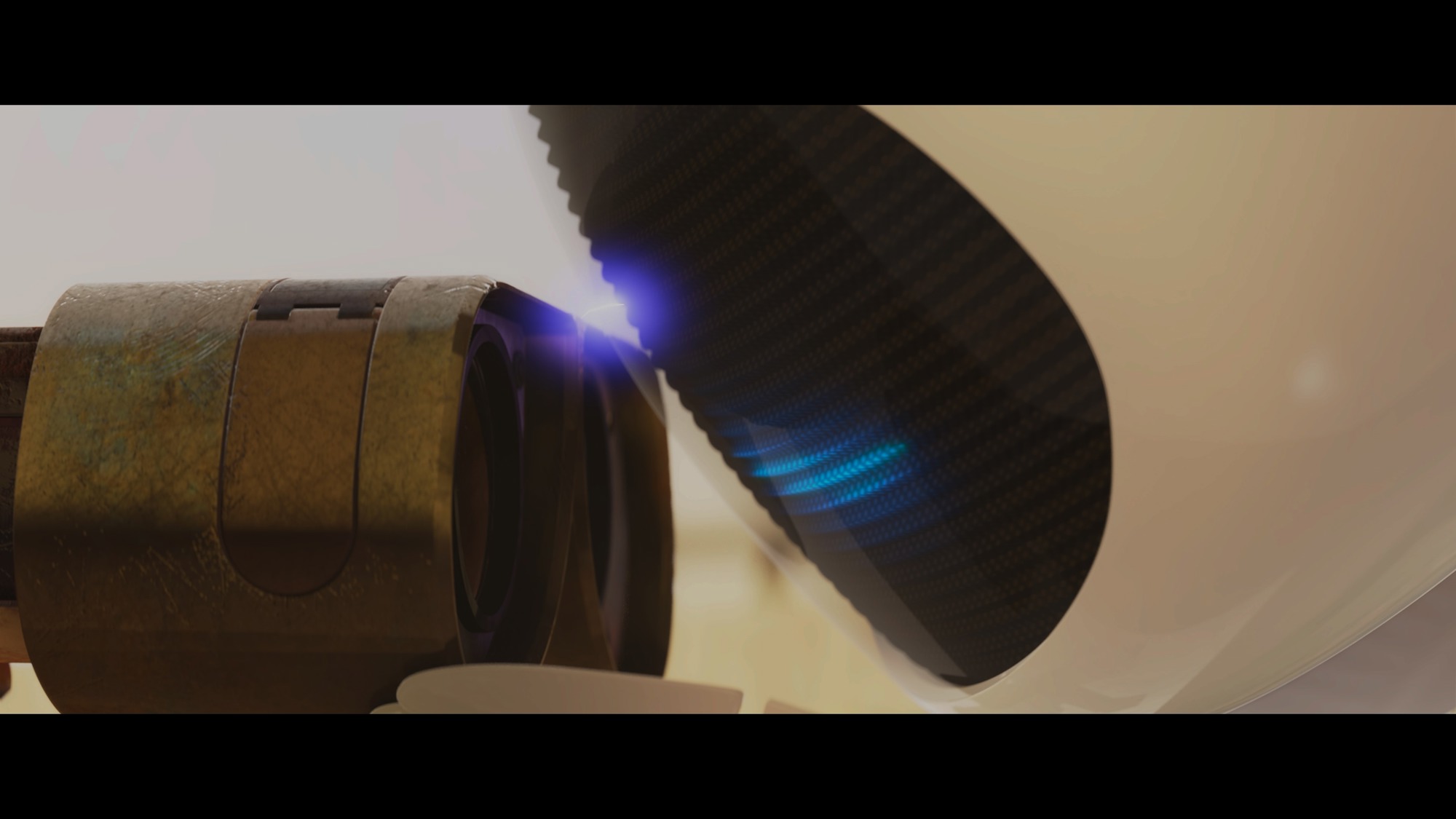
Reflections on metallic surfaces, such as WALL·E’s treasured toaster or the shimmering space dust during the zero-gravity sequence, look more natural and lifelike. Dolby Vision enhances the texture and depth of these elements, creating a more immersive visual experience. While the film’s textures and visual style have always been impressive, Dolby Vision manages to eke out subtle yet meaningful improvements that left me thoroughly impressed.
(The release also includes HDR10+, but my television does not support it and I cannot comment on it.)
Although Criterion’s WALL·E largely reuses Disney’s base presentation, the addition of Dolby Vision gives it a noticeable boost. The dynamic HDR elevates the film’s already stunning visuals, making this edition worth upgrading for fans who can take full advantage of the feature.





Audio 9/10
This edition offers a variety of soundtracks: a Dolby Atmos track, a DTS-HD MA 5.1 surround track, a 2.0 Dolby Digital stereo track, and a descriptive audio track. For this review, I focused on the Atmos and 5.1 surround tracks.
I’ll admit, I don’t often pick up on major differences between audio presentations across releases—Lost Highway being a notable exception—but I’d wager the soundtracks here are the same as those found on earlier editions. The DTS-HD MA 5.1 mix remains a solid option, with an effective use of the surround channels to immerse the viewer. Sound effects are directed seamlessly to the rear speakers, while the bass adds weight to key moments like rocket launches, which deliver an impressive punch. Smaller details, such as the movement of robots zipping around, are handled naturally, with smooth transitions between speakers. Dialogue is sharp, clear, and balanced perfectly with the score and effects, making for a satisfying mix overall.
The Dolby Atmos track, while a welcome addition, feels more like a modest remix than a dramatic upgrade over the 5.1 track. My setup is 5.1.2 with Atmos speakers in the front, which may limit how much I can fully appreciate Atmos soundtracks, but even compared to other standout Atmos mixes (like Criterion’s Roma), this one doesn’t leave much of an impression. There’s some added height in the more dynamic scenes—WALL•E chasing the rocket during its launch stands out—but these moments are sparse and not as engaging as they could be.
Overall, the Atmos track is fine but doesn’t elevate the experience significantly over the already strong 5.1 mix. Both tracks deliver clear, effective audio, but the Atmos mix feels more like a minor enhancement than a must-hear upgrade.
Extras 10/10
The presentation looks and sounds great yet doesn’t improve much over previous editions, outside of the benefits offered up by Dolby Vision. Where I think this edition really shines, surpassing my expectations by a great margin I should add, is in the area of special features. Disney was usually good when it came to features, always trying to offer an extensive look into all of the work that went into their animated films, even into the more tedious elements. But it was usually surface level content that focused more on the technical aspects, feeling a little Disney-fied to boot. Criterion’s edition ports over most of the materials from Disney’s previous editions, but (with the extensive participation director Andrew Stanton) their new material comes at the film from a perspective targeted more towards cinephiles, with some additional content around technical details that had only mentioned in passing or overlooked all together.
Judging by his work and then what can be gleaned from interviews and such through the years it’s very clear that Stanton is a big film buff, a personality trait that I am 100% sure is not unique to him at Pixar, but his sensibilities do seem to be rooted more in arthouse cinema and classic Hollywood (which also lumps in early 80’s blockbusters). There are hints of that to be found in his audio commentary ported from the Disney editions and recorded in 2008, where a handful of films come up (outside of Hello Dolly) in reference to the film's inspirations. Still, the track does end up focusing far more on the film’s lengthy development and the many hiccups they faced along the way than to get too deep into what inspired it. This includes the years of story development and drastic changes that would occur late into the game (the devolved humans were something else entirely early on), lengthy character designs, and the difficulty in giving the film more of a cinematic look, even trying to simulate how a camera would capture everything if it was actually there (I don’t recall it being mentioned in this track but Roger Deakins was brought in as a consultant). He even talks about some of the easy to overlook details, like when he mentions a shot from Hello Dolly where they zoomed in on the hand-holding; apparently they went right to the film elements to zoom in on that image, despite WALL•E watching the film on video (interestingly, they also intentionally left out the existence of any other film because they didn’t want people to question his taste in movies). He also does talk about the tough path he took to even get the film off the ground, there being a real (and legitimate) concern around a film that would have long sections without dialogue.
It’s a rather good track that even touches on the short film BURN-E (which he calls this story’s version of Rosencrantz and Guildenstern Are Dead), and I’ve always considered it one of the better Disney/Pixar tracks I have listened to. The second track ported over from the previous Disney releases, featuring character supervisor Bill Wise, coproducer Lindsey Collins, story artist Derek Thompson, and lead animator Angus MacLane, is sadly not as good despite the alternate perspectives provided around the some of the same topics Stanton covered in his. It was sold as a “Geek Track” on the Disney release and there can be a goofier feel to it but it still manages to not be as involving as Stanton's. A lot of the track gets into some of the research put in, from how cockroaches might survive in a world like this to traveling in space, and then the group also brings up the various sci-fi films that both influenced this film and/or are referenced in it. It’s fine, but the four can go on odd little tangents here and there, even if some of them can be interesting like a very brief talk around lens flare. It’s okay, but of the two the Stanton one is better.
As to their presentation here the tracks sound to have been carried over as-is from the Disney releases but Criterion has removed the picture-in-picture options that the Disney discs had for each. The group track had this weird feature where a black silhouette of the four on a couch would pop up on screen in places and I’m not entirely sure why, while Stanton’s track had behind-the-scenes footage, story boards, animatics, and more popping up as he talked about things, with the material usually being specific to what he was discussing. For example, when he talks about a “chair tank” they had access to in order to see how WALL•E’s treads would work on various terrains, footage of those tests would pop up on the Disney Blu-ray. While that latter aspect made more sense compared to the other track’s visual addition the lack of that material for Stanton’s track here is not that big of a deal as I’m pretty sure most of that ends up appearing elsewhere within the supplements in one form or another.
Both tracks are options for the 4K and high-definition versions. There are no other features to be found on the 4K disc, Criterion instead spreading the features over the other two dual-layer Blu-ray discs found in the set. The first standard Blu-ray disc, which also contains the film, is made up mostly of new content starting with a brand-new 24-minute interview with director Andrew Stanton. It’s here that Stanton gets most into his and the film’s cinematic influences, first recalling how he was exposed to arthouse cinema after getting a job as a teen at a small, local theater and seeing films he admits he would have been unlikely to see in any other capacity. Some of those films would directly influence WALL•E, and unsurprisingly silent cinema played a huge part, even though Stanton insists the opening sections of the film shouldn’t be considered “silent” since sound plays an important part (he likens it more to a foreign film without subtitles). It’s here Buster Keaton and Charlie Chaplin come up, City Lights receiving a special focus, but he also mentions newer films as influences, some of which aren’t surprises (The Red Balloon) and others that are (My Life as a Dog and Lost in Translation to name a couple).
Stanton’s love of film also probably helped get the film made after it was looking kind of sketchy. It’s mentioned elsewhere in the Disney features that there was a lot of uncertainty around the film, but I don’t think it ever came up what it was that pushed the film into receiving a green light. It sounds as though Steve Jobs had say around which projects would and wouldn’t get made so Stanton put together a presentation for Jobs to show what the film would be going for in terms of themes and feel, and this presentation consisted of scenes from other films edited together. The selection of films included less obvious ones like The Black Stallion, My Life as a Dog, Malena, Lost in Translation, and The Station Agent, and then more obvious films like Star Wars and Cast Away. It sounds like this is what may have actually helped push the film to production and I found it an interesting film-geeky way to go about it. It’s stuff like that and the obvious passion that Stanton has for film and filmmaking that make this a wonderful new inclusion.
Another excellent new inclusion is the 27-minute feature A Visit to the Pixar Living Archive, filmed and edited by Daniel Raim. The piece features Stanton first giving a brief tour of the new archives holding all physical materials (sketch pads, artwork, scripts, notes, etc.) around each one of Pixar’s films, with Stanton then going through some of the materials. Disney has done features that are similar but they usually come off a little cutesy and not particularly involving. I was expecting the same with this but this ends up being far more rewarding and closer to what Raim did with a similar archive feature on The Story of Temple Drake. Stanton digs out artwork and design sketches, ideas for gags, and talks extensively about them and the people that did the work (he’s especially taken by the work Jennifer Chang did for the shelves of “collectibles” that WALL•E has collected over the centuries). There are fun little items thrown in (like the cheap binoculars that inspired the title robot’s eyes) before this trip down memory lane leads to other stories around inspirations not stored in these boxes, like where he would watch how modern audiences would react to silent films, particularly comedies. This then all eventually leads to him talking about the sequence in the film he’s most proud of, still feeling it’s the best thing he has ever worked on. This could have easily been fluff but it’s an incredibly engaging and extensive look into the how they found the heart of the film. It’s really, really good.
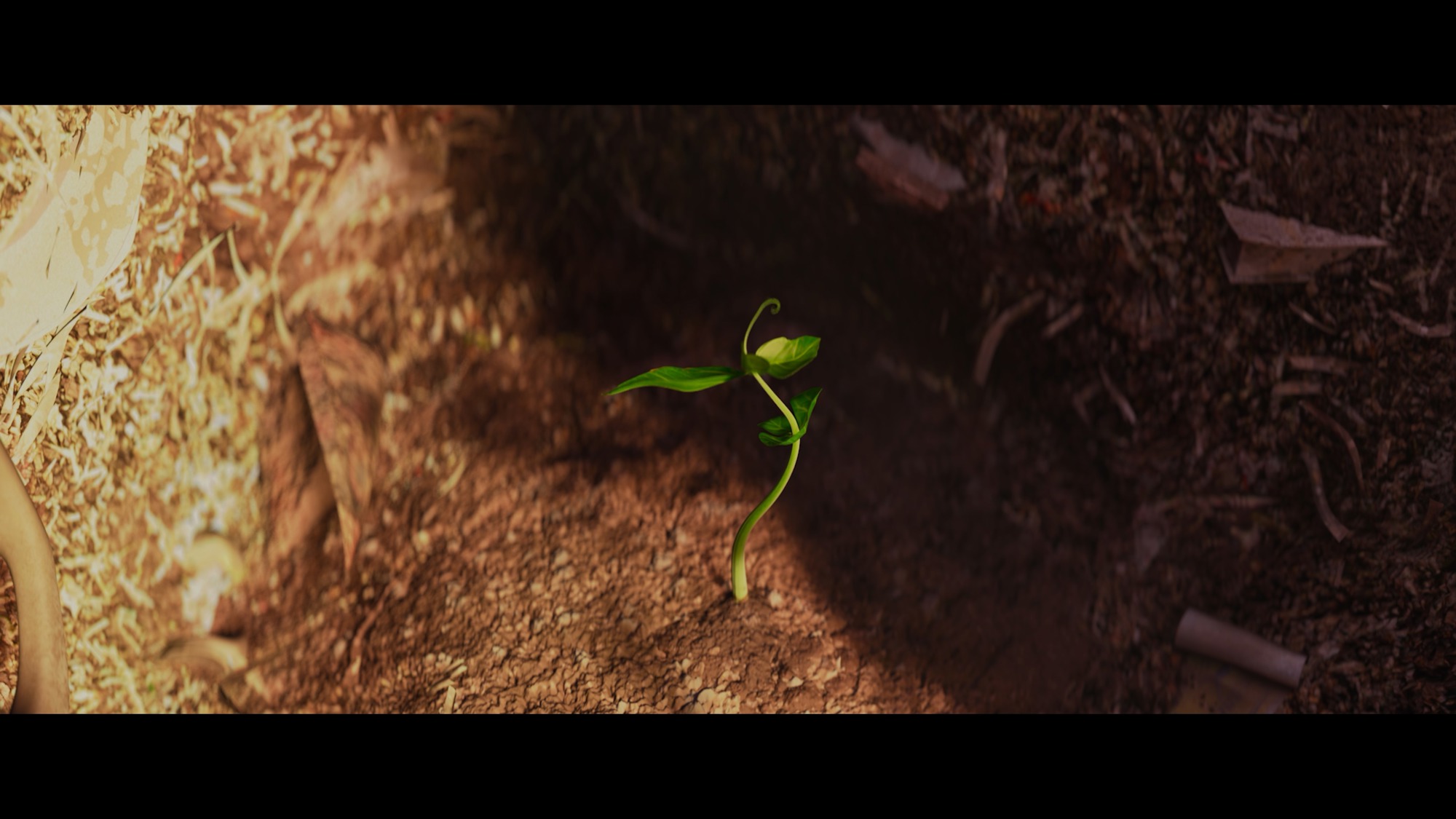
Also new to this edition is Anatomy of a Scene: The Plant, a 17-minute program featuring Stanton explaining how he likes to structure scenes, using the scene where WALL•E gives EVE a tour of his shelter as an example. Working at a computer/editing suite, Stanton breaks down the sequence and explains how he decided on perspectives, how to reveal areas in the scene, how to layer the gags, where to slow things down, speed things up, how to frame the scene and objects (creating the look of an anamorphic lens), and so on and so forth. He even explains how improvisation (of a sort) comes into it since there are certain moments that are impossible to storyboard and just happen as the film is being made. The segment really gets into the nitty-gritty of it all and Stanton keeps it engaging.
The disc then features four trailers, the first two more along the lines of teasers (using the Brazil theme from Terry Gilliam’s film) followed by a full trailer getting more into the story, and then a Superbowl trailer featuring Woody and Buzz (sounding to still be voiced by Tom Hanks and Tim Allen) talking about this WALL•E fella’. The disc also features the 88-minute The Pixar Story, directed by Leslie Iwerks and included on the previous releases. As expected from a documentary around a Disney-related subject there is some sugar-coating here (maybe more around Jobs’ involvement than anything to do with Disney to be fair) but as far as these types of documentaries go it does dig deep into the origins of Pixar and the long road to their string of hits, touching on all the disasters that popped up along the way with some dirt even coming to the surface. The documentary goes as far back as the very early origins of computer graphics and animation for film, and even covers John Lasseter’s early, disastrous time at Disney in the 80’s, where the studio, or at least its animation wing, were on shaky ground. It maybe ends on too sugary a note, giving the impression of only good times ahead, but it’s not bad, and if you have an interest in the history of Pixar and/or the history of computer animation you can do substantially worse.
The second dual-layer Blu-ray disc then features a lot of the older Disney features. This disc is divided into four sections: “Process,” “Prophecies,” “Robots,” and “Short Films.” “Process” consists mostly of the Disney, starting with the 14-minute The Perfect Lens. This one proves to be fairly interesting as they talk about making it look as though the film was filmed with an actual camera, meaning they had to simulate certain movements and effects. Roger Deakins was brought on to help them through this and he actually sits down (briefly) to talk about his contribution here. Lighting also gets touched on, and Deakins even set up a masterclass to show how he would light shots and objects so the crew could capture the same look in their film.
It would have been great if Criterion got Deakins or Stanton to sit and talk a little more about this because it’s rather fascinating how determined Stanton and crew were in making it look like there was physical camera capturing this, to the point where it looks like the focus is being pulled on the fly. It still kind of rushes through things but for what it is it’s still rather good. The same can be said about the next featurette, Building Worlds from the Sound Up, which features Criterion regular Ben Burtt, who not only worked on the sound for the film due to his work on Star Wars, but also technically did the voice for the little trash-compacting robot himself. This feature of course covers how the sounds for this film were created but it gets really fun when Burtt and others talk about the history of sound design in animation and even demo some of the devices they made to create the sounds they wanted. It runs 19-minutes.
The next two Disney produced features (also from 2008) don’t look to have even been included on their previous editions. Trash Planet provides a look into the work and layers that went into creating the trash covered world WALL•E inhabits, each person either creating the objects that would be added to the library, or adding shading and texture, lighting or more. It’s quick but is edited well to show the various layers that go into a single quick sequence in the film. WALL•E’s Truck Tour then goes over the thought process and design work that went into WALL•E’s collection of junk. In a rather dark turn, there was a point where needles were going to be everywhere. Jennifer Chang, whose work Stanton specifically pointed out in one new feature, also appears here to talk about her designs, though the audio sadly cuts out and distorts for a couple of seconds (at least on my copy).
The 7-minute WALL•E and EVE is another that did appear on the old discs, and it of course focuses on the planning that went into both robots so that they made sense on screen. WALL•E’s design proved a bit more difficult since he was a rather “janky” machine that looks like he’s made from spare parts, so they had to make sure there was “truth to [the] materials” to make sure it made sense. They also built a little maquette to make sure that when the robot folds up after finishing his day it made sense and would actually work.
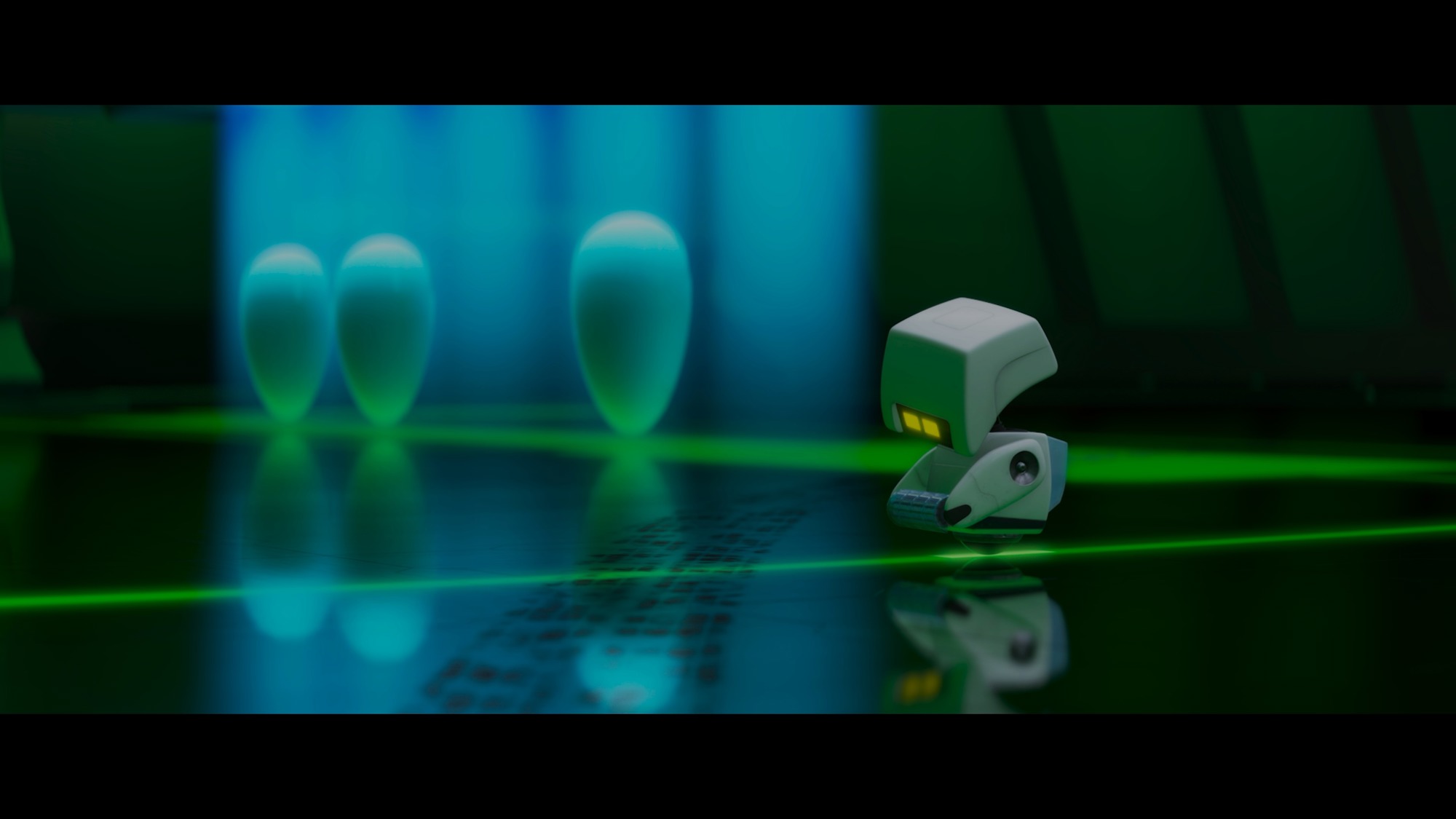
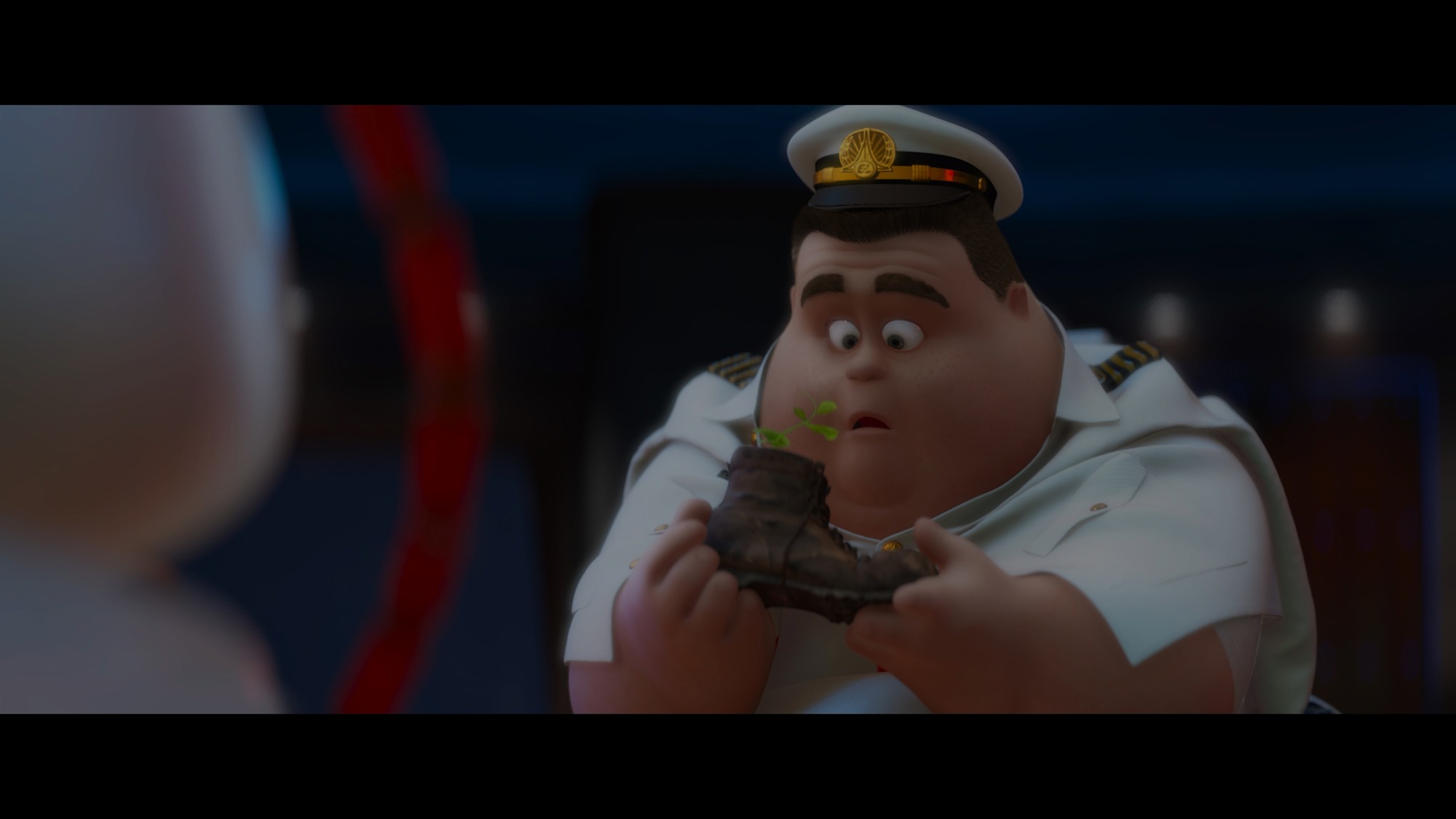
Another 6-minute featurette extends on that, Robo-Everything giving a quick overview on the other robots that appear in the film, all designed to do specific tasks. Even the futuristic “humans” that appear in the last section of the film went through some intense planning and that all gets covered in the 8-minute Captains Log: The Evolution of Humans. This was covered in the commentaries as well but the original concepts behind the humans in the film went down a completely different road and you get to see all of the designs and test animations here (even light tests on models!) The focus of this feature ends up being directed more towards the captain of the Axiom, who was also originally planned to be an even, uh, less-smart character, something that Stanton wasn’t fond of and decided to change.
Go Live is another Disney produced feature that didn’t appear on any other release and I’m not sure why. It only runs 3-minutes but looks at the filming of the live-action sequences in the film, even getting Fred Willard to sit for a very brief interview. It’s mentioned that nothing groundbreaking was really done here (they literally filmed actors in front of green screens) but it was apparently a lot of fun to do. Geek-O-Rama then spends 5-minutes looking at what I guess is the nerdy atmosphere within Pixar. The feature also presents footage of members of the crew playing with that aforementioned tank chair. As far as I can see it was not on any of the previous editions either.
The last two (both from previous editions) then go over Thomas Newman’s score (Notes on a Score) and how a scene is constructed from script to final render (Life of a Shot), using an early scene featuring WALL•E compacting trash. Neither offers anything surprising but are interesting to view, running 11-minutes and 5-minutes respectively.
The latter one mentions something called Color Scripts, a topic that comes up in other supplements but usually in passing. These are expanded upon in a brand-new feature created for this release called Ralph•E: The Art of the Color Script. This 11-minute feature appears to be comprised of unused footage shot by Raim for the Archive feature and presents Stanton showing production designer Ralph Eggleston’s Color Scripts while explaining what they are and why they are significant during the planning phase of any animated film. These long strips (that look to be about 10 times as wide as they are high) are made up as one single panel to represent a sequence or moment in the film, Stanton describing them as being akin to reading a “line of music.” The director really gushes over these, and not only in how they do play an important part in the development process, but he praises them as works of art. It ends up being a touching tribute to Eggleston’s work that also comes off incredibly personal: Eggleston sadly passed away this past year.
Criterion has also produced another special feature around the production process behind the film, this one called Directing Animation: 12 Scenes and running 19-minutes. The program is comprised of excerpts from video footage shot during creative meetings featuring Stanton and his crew talking through ideas and concepts around a number of scenes. These scenes range from what the food court should be to how the human’s hair should look. There's even a better look at that WALL•E maquette. Disney always used this type of footage in their own features, but this all feels rawer and I like that Criterion just lets the footage play out instead of feeling the need to put in quick cuts as Disney would have probably done.
This section of the disc also offers up four deleted scenes, all of which have been ported over from the Disney releases alongside comments made by Stanton. Three of the sequences are sourced from animatics, cut out or altered early in the development process. One of these scenes would have explained earlier why the ship’s robots were trying to rid the ship of the plant EVE brought back. The fourth sequence was almost completed and is a scene Stanton talks about in the commentary: it’s an alternate version of the sequence in the garbage airlock, where WALL•E’s and EVE’s roles were reversed. Stanton addresses why this was changed and why it ended up being altered so late into development, though basically repeated from his comments on the commentary.
“Prophecies” only offers up a couple of features, all of which more-or-less aim to point out what the film got wrong or right about where the world was going. “WALL•E” A to Z is a short 13-minute program featuring Stanton and coscriptwriter Jim Reardon (over a Zoom call) going through various aspects of the film alphabetically: “A” is for “apocalypse,” “B” is for “Buy N Large” (a catch all for the power of corporations), “I” is for iPod, so on and so on. Throughout the supplements Stanton mentions he wasn’t making any sort of political statement on climate change, which had become an incredibly hot topic at the time of the film’s release, but he acknowledges here it was all based on things he and his team had been noticing through the years. The feature isn’t especially thorough, and of the new ones it may be the weakest, but it has it’s amusing moments, including a couple of stories around Steve Jobs. For example, when they were going over the plot point that this massive corporation was going to fly everyone off of the planet Jobs couldn’t wrap his head around the business model the company would be following to do such a thing. Basically he couldn't figure out where the profit was coming from.
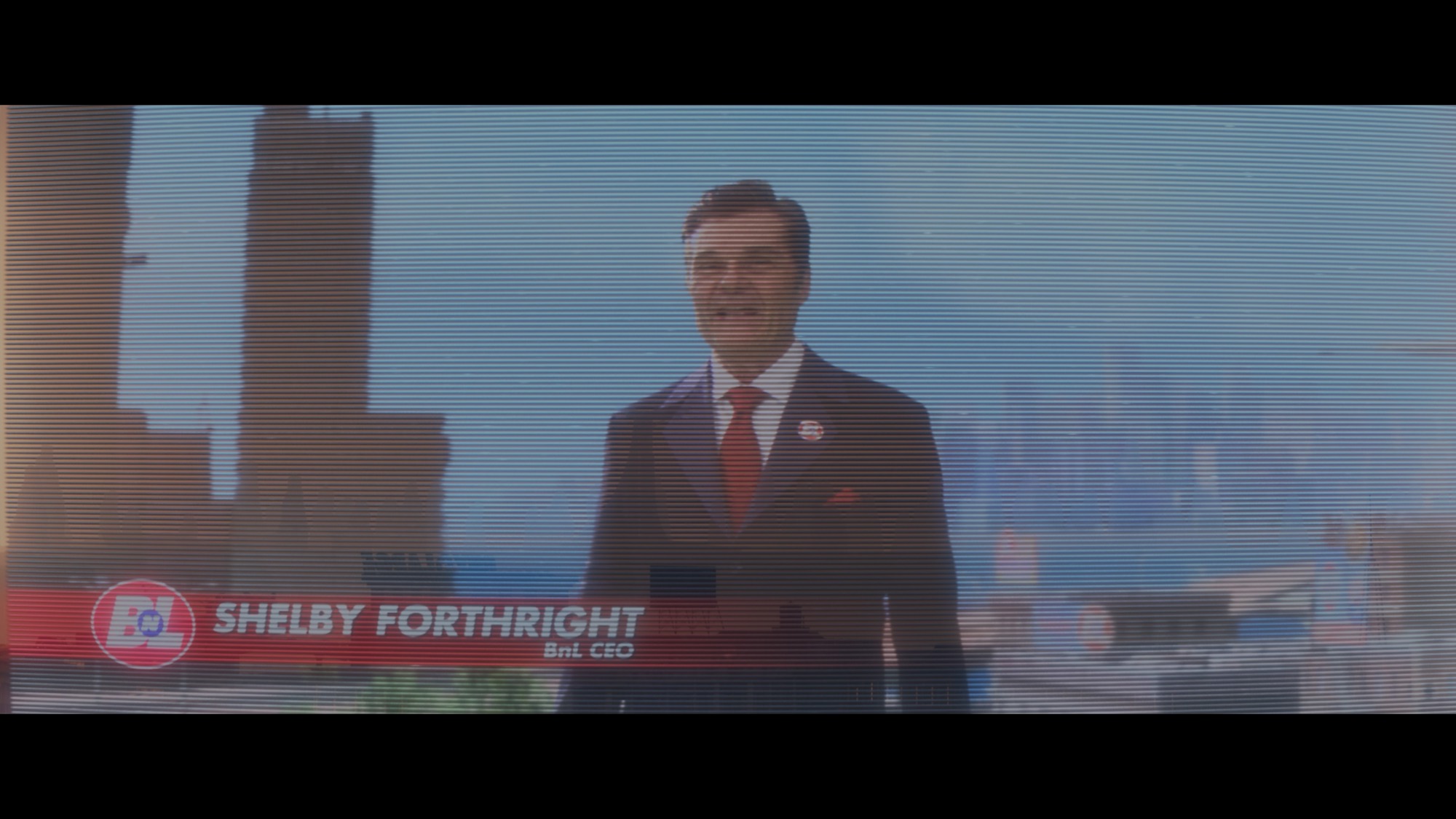
The second feature is just a collection of five animated Buy N Large public service announcements, which are all clearly satirical. The funniest one is probably the message for the Board of Directors, which was maybe made in response to Jobs not understanding how an undertaking such as saving humanity would be profitable. They can be all viewed separately or played together, and were also available on previous editions.
“Robots” consists of three features, all from previous editions. Meet the Robots is a 9-minute video presentation around all of (or most of) the robots in the film. They are presented as a 3D model with specifications and such listed at the side. WALL•E is described as having an “illogical interest in musicals.” This was presented as a gallery on previous editions, where you selected the robot to view the video around. Criterion just presents them all in one single video.
WALL•E’s Treasures and Trinkets appears to be a 5-minute test animation involving WALL•E and other robots moving around through a white space with various little effects being thrown in (like balls exploding all over the place). “Lots of Bots” Read-Along Storybook is one of those silly little features that Disney would create for their releases and were clearly targeted for children. The feature is animated storybook with lines like “WALL•E—little, old, and dusty. Dirty, dented, slightly rusty.” It’s cute but that’s about it. It runs 3-minutes.
The section for “Short Films” proves a bit interesting, despite the lack of an obvious inclusion. BURN•E has been carried over, which is a 7-minute short focusing on the welding robot and his experience during the climax of the film. Stanton, as I mentioned, described the film as WALL•E’s Rosencrantz and Guildenstern Are Dead, which is apt if not entirely accurate. It’s a cute short but rushed. And, despite not including the picture-in-picture options for the commentaries Criterion has carried over the picture-in-picture storyboards for this film, which can be turned on and off.
New to this edition is Stanton’s student short (made in 1987 at the California Institute of the Arts) A Story, which also comes with an introduction by the filmmaker. As Stanton explains it, the short is supposed to be an “irreverent commentary” on Saturday morning cartoons, and involves a child being pulled into one of these animated cartoons through his television, and this moment does lead to a rather good laugh. It’s an amusing little short with a rather funny ending. I also like how he opens and closes it similar to what early Disney features did, with the opening and closing of a book. It runs 7-minutes with the introduction and the film, running about 4-minutes itself, appears to have come from a 4K scan.
Inexplicably the short Presto is missing, which is the short that opened the film in theaters and was also included on all previous editions. Maybe Criterion would have had to pay a larger licensing fee to include it, but it is a shame that it’s missing because I'm a rather big fan of it.
On top of that and the picture-in-picture options for the commentary this release also doesn’t carry over the galleries, a promotional spot for the film’s website, and then something called the Axiom Arcade, which offered a couple of 8-bit inspired games that replicated stuff like Asteroid or Burger Time. This was a cute feature but I found the controls on the remote cumbersome. I recall that if you played it through something like a PS3 and used the controller it worked better, but not by much. It’s not a surprise these aren’t here but outside of Presto I can’t say I missed any of it.
Some of the gallery stuff is covered in the included 37-page booklet at the very least. The “scrapbook” section offers up designs, storyboards, numerous artwork along with excerpts from versions of the script and the numerous notes that I’m sure a stacked in that vault we got to see in the features. There’s also a nice essay around the charms and appeal of the film written by Sam Wasson, who also gets into the film influences (he also hates the term “family film” because he once watched The Piano Teacher with his family, and the fact that film can get referenced in a release for a Disney film is pretty awesome). It’s a really nice booklet.
Not all of the material is gold, clearly, but the supplements on the whole are very passionate, Stanton proud of it and all of the work everyone he worked with put into it. He even takes plenty of moments to single out various team members and point out their work. I think if you really love the film you’ll find it a joy to go through everything here.
Closing
Whatever one’s feelings around Criterion releasing this film there’s no denying the work they have put into their edition. The presentation doesn’t differ much compared to previous ones (unless one has Dolby Vision enabled) but the passion that went into making the film is better on display through the new features. It's an excellent release and I was quite taken by it.
BUY AT: