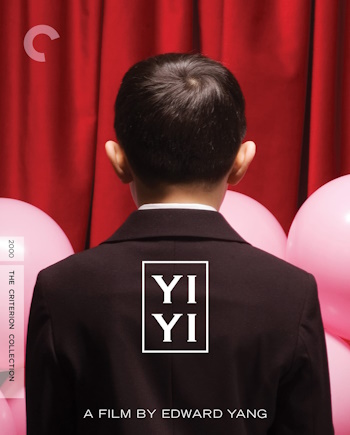
Yi Yi
BUY AT:


See more details, packaging, or compare
Synopsis
The extraordinary, internationally embraced Yi Yi, directed by the late Taiwanese master Edward Yang, follows a middle-class family in Taipei over the course of one year, beginning with a wedding and ending with a funeral. Whether chronicling middle-aged father NJ’s tentative flirtations with an old flame or precocious young son Yang-Yang’s attempts at capturing reality with his beloved camera, the filmmaker deftly imbues every gorgeous frame with a compassionate clarity. Warm, sprawling, and dazzling, this intimate epic is one of the undisputed masterworks of the twenty-first century.
Picture 9/10
The Criterion Collection updates their edition of Edward Yang’s Yi Yi to 4K UHD, presenting the film on a triple-layer disc in its original aspect ratio of 1.85:1. The SDR 2160p/24Hz ultra high-definition presentation is sourced from a new 4K restoration, taken from a scan of the original camera negative. A standard dual-layer Blu-ray is also included, featuring a 1080p presentation of the film from the previous restoration, along with the disc’s video-based supplements.
It had been a while since I last revisited the Blu-ray, and in my memory it looked passable; dated, certainly, but at least serviceable. Going back to it now, however, I was honestly stunned by how god-awful it actually is. The image is heavily digital in appearance further saddled with a washed out color grade and weak compression. I had remembered it as a clear step up from the DVD, but viewed today it barely clears that bar.
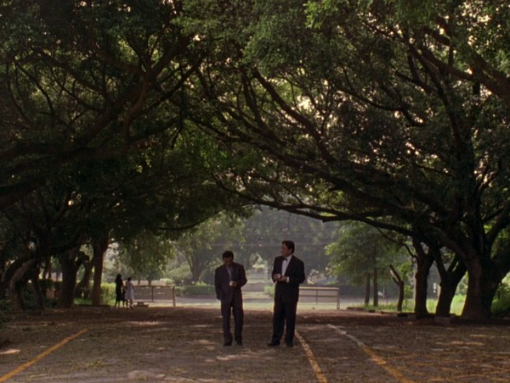
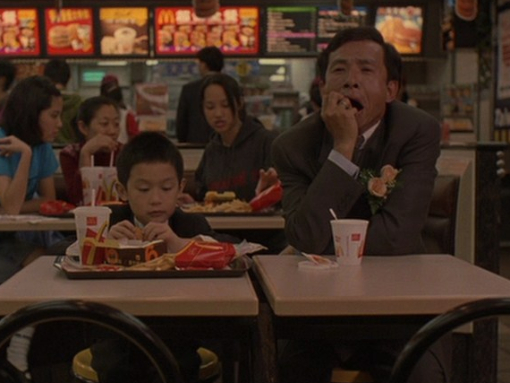
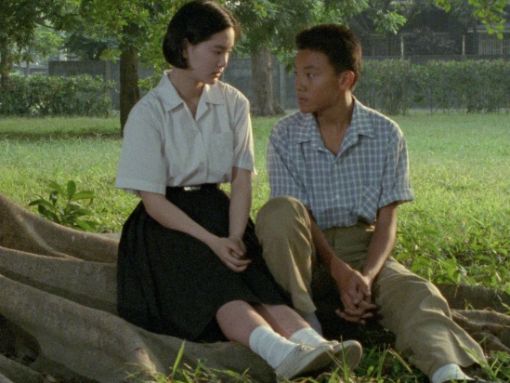
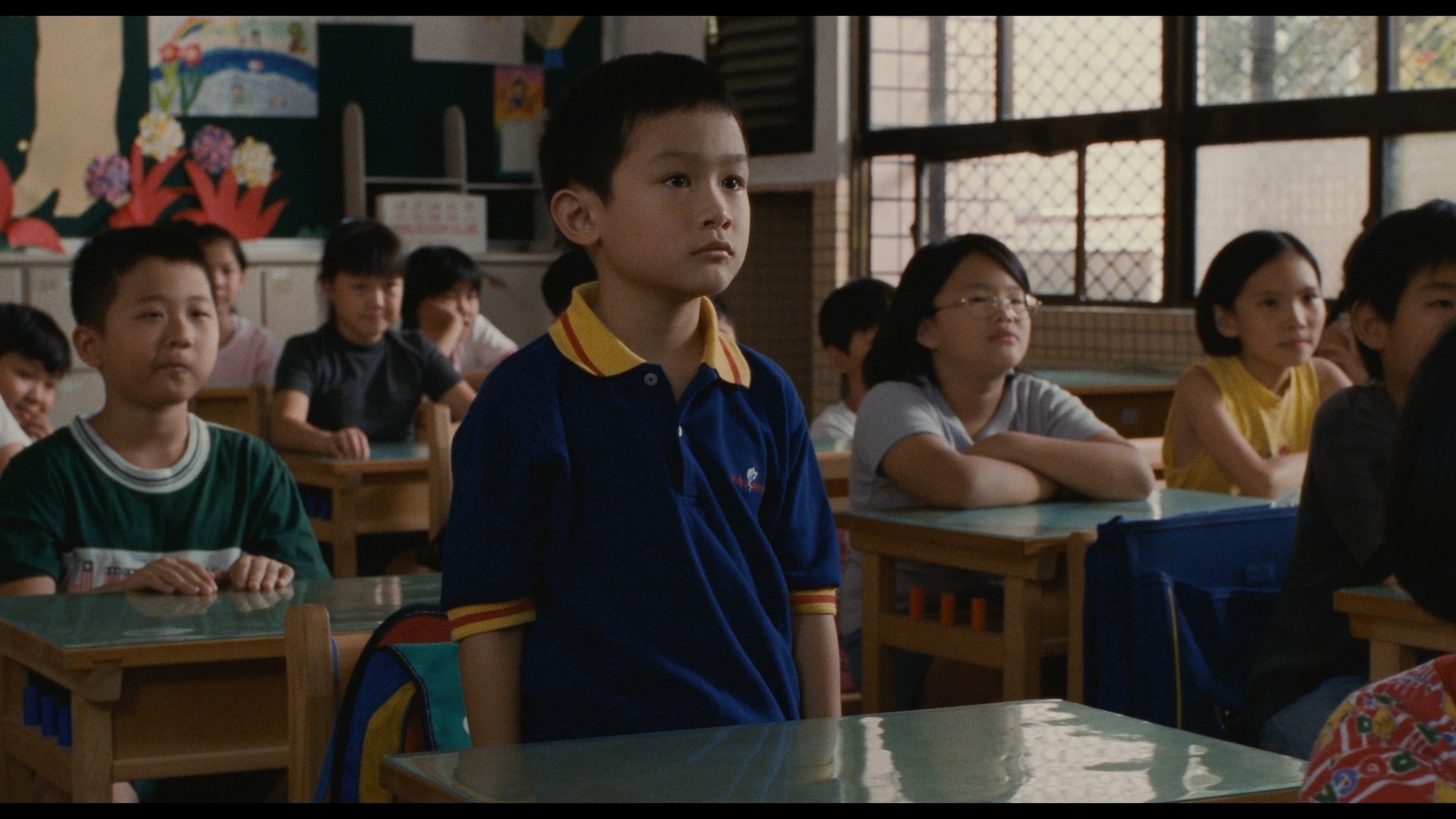
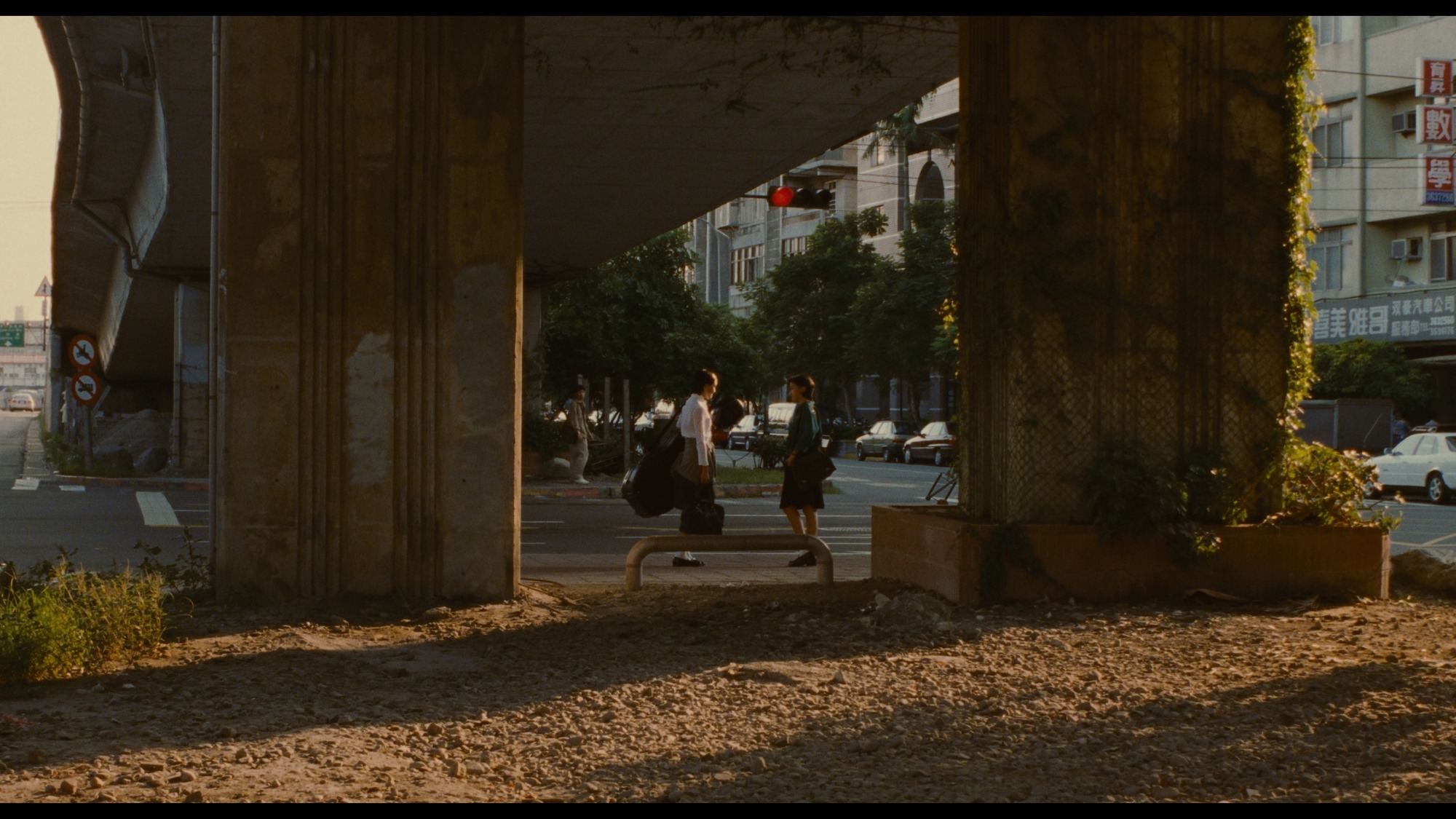
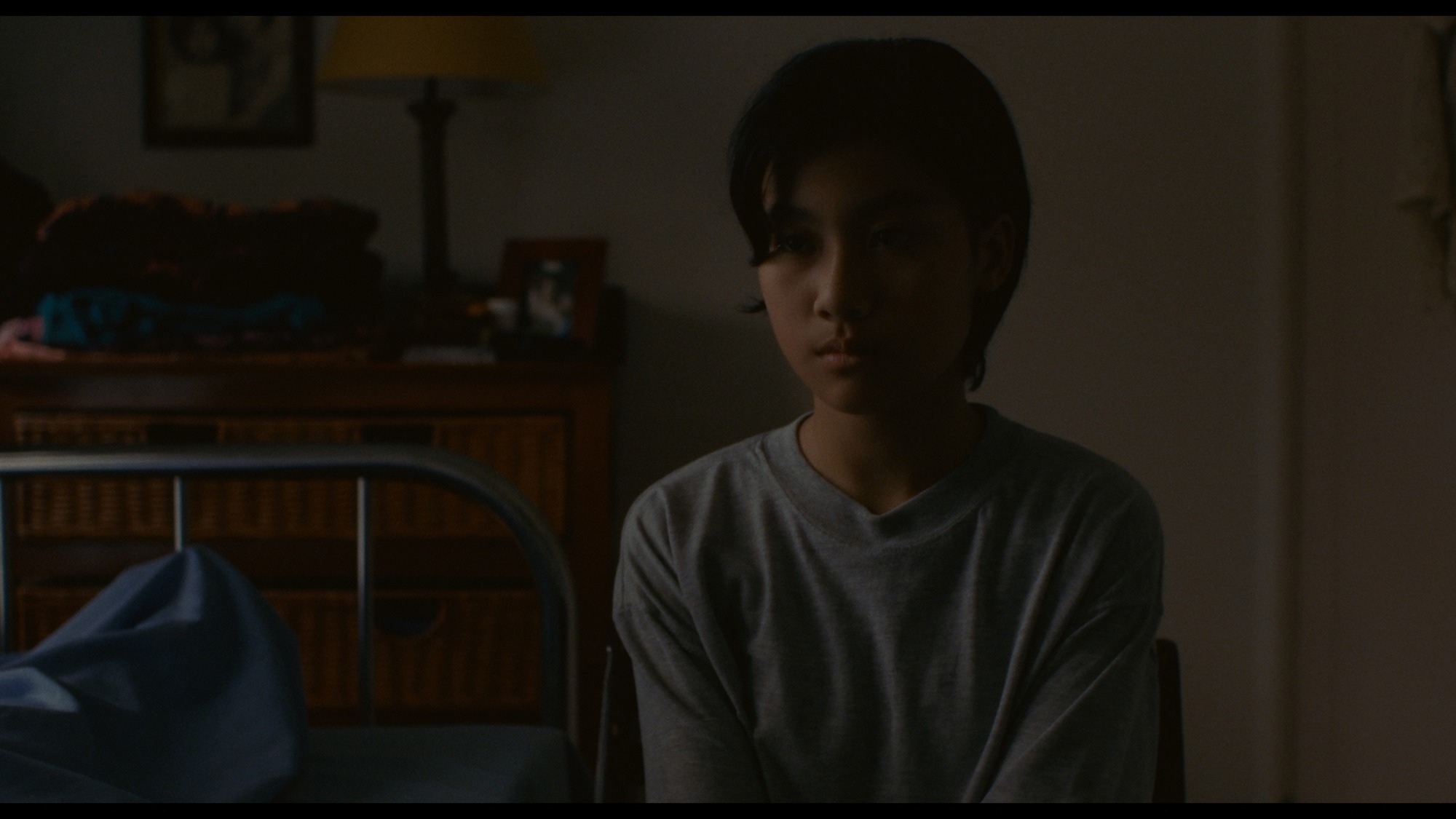
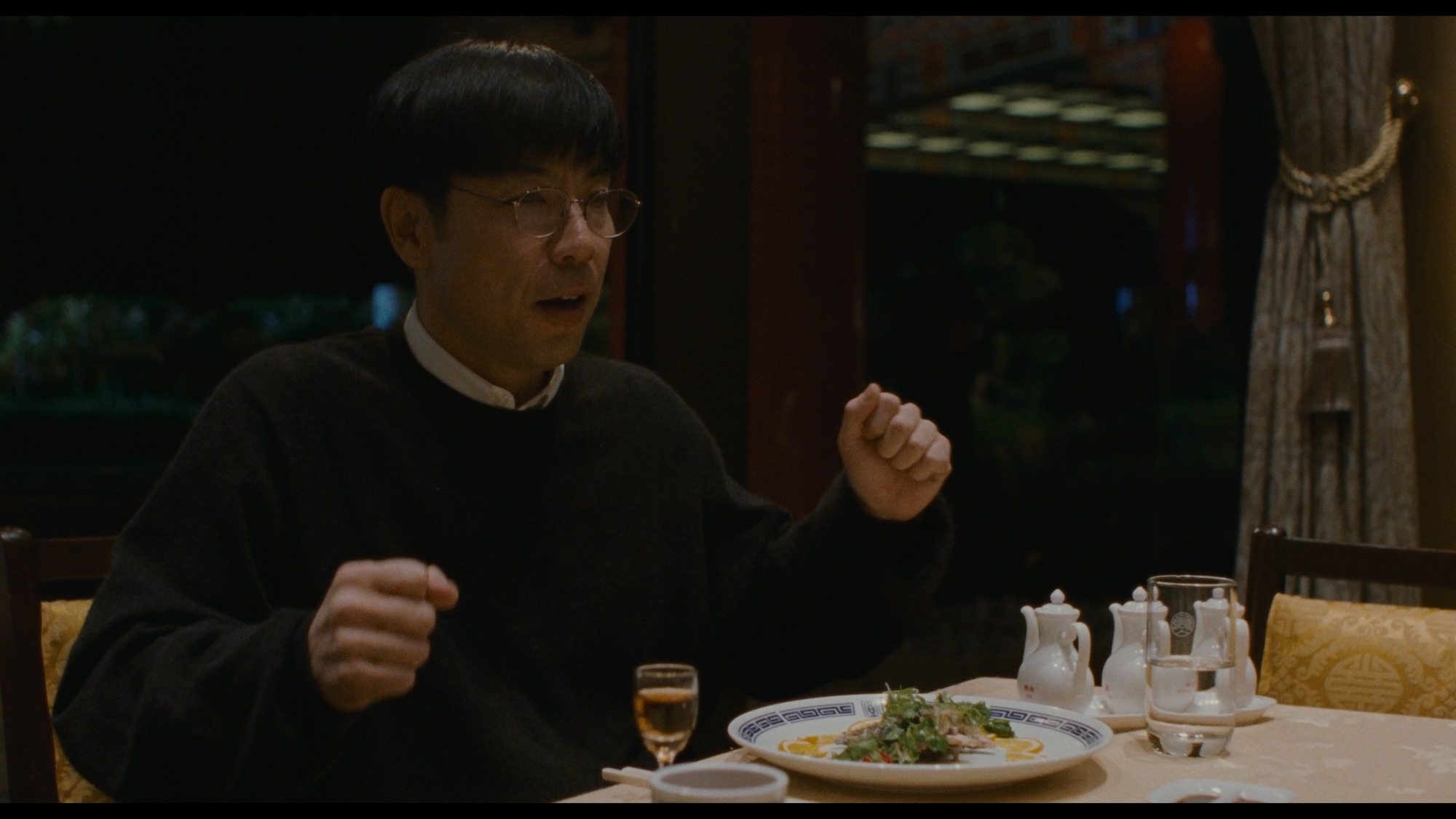
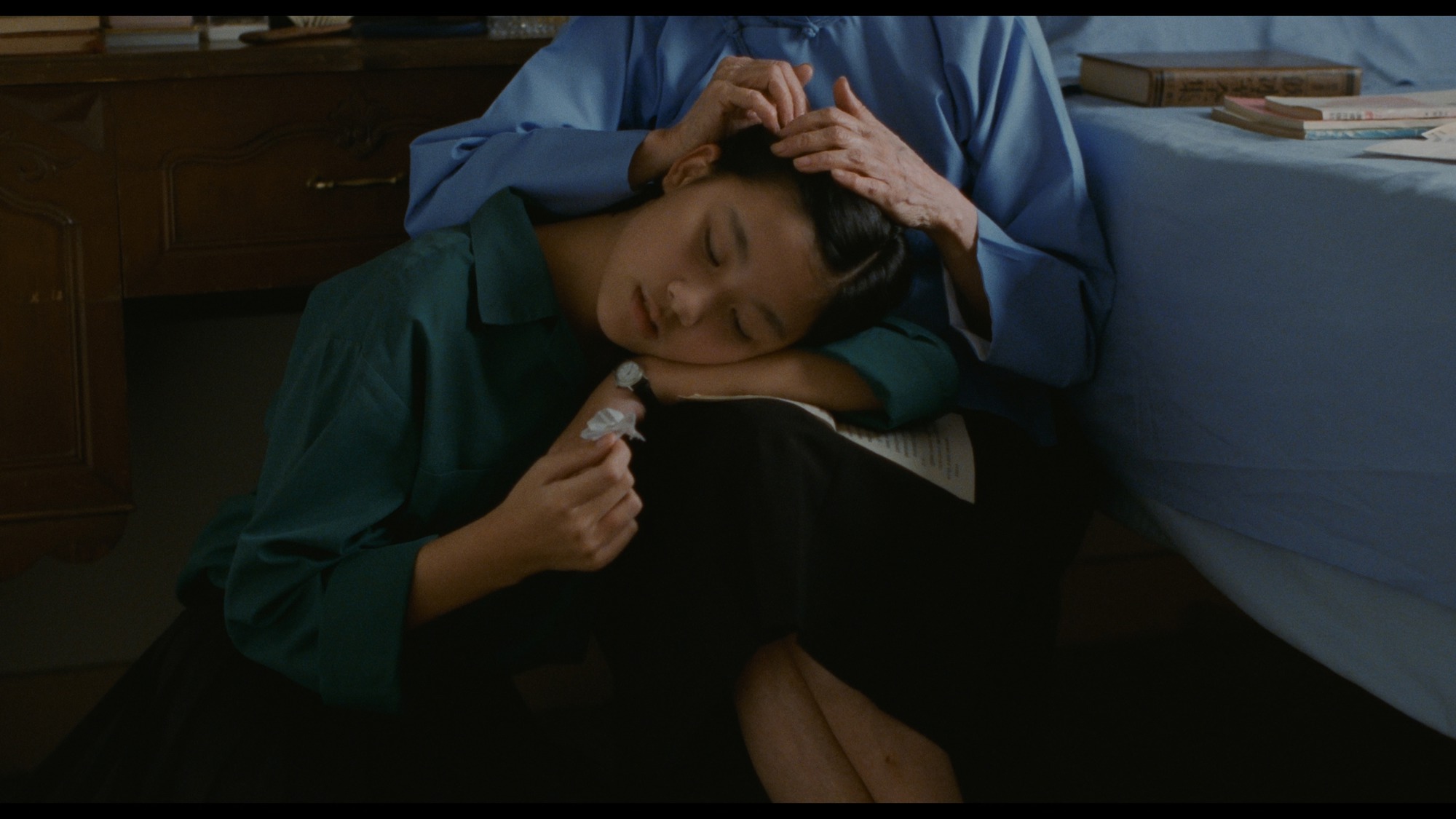
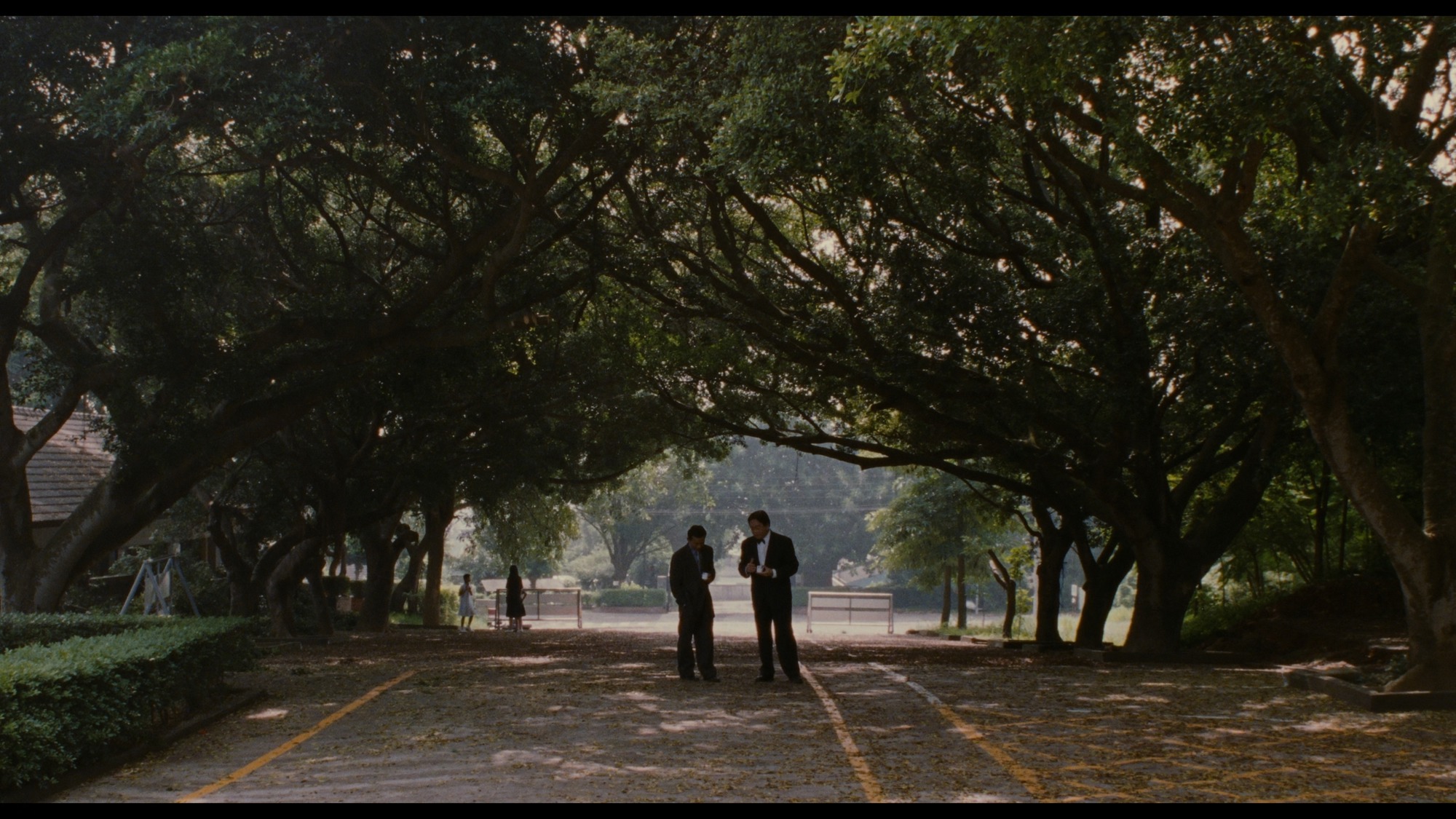
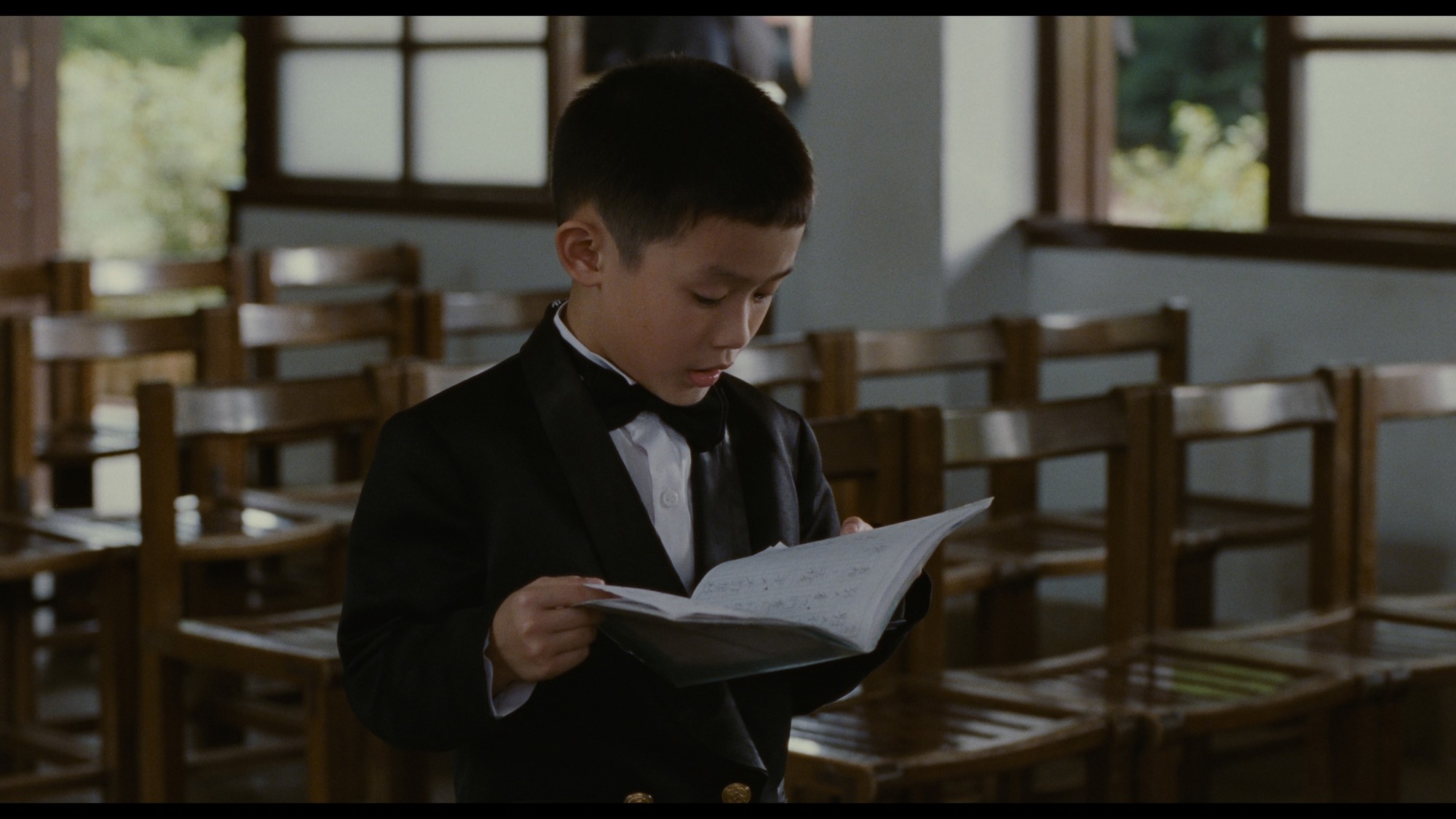
By comparison, the 4K presentation is a gargantuan leap forward. The new transfer offers a far cleaner, more film-like image that does a significantly better job translating the fine grain structure, while also resolving far more detail across the frame. Textures and subtle patterns are rendered far clearer, shimmering and aliasing artifacts are nowhere to be found, and there’s nothing here that reads as overtly digital. This is further aided by the wider contrast and dynamic range, even without the benefit of HDR. While a proper HDR grade almost certainly would have elevated the image even further, the presentation is still markedly more expansive, pulling out richer shadow detail and a far more nuanced rendering of the film’s smokier or foggier interiors and exteriors. The bar sequence where Mr. Ota shows off his piano skills, in particular, looks dramatically more dynamic and photographic here, which looks horrifically flat on the old Blu-ray.
The color grading also differs substantially, and very much for the better. The old Blu-ray suffers from a severe magenta push, common for the era, but especially craptastic in this case, and the image often appears flat and washed out, more in line with a DVD presentation of the early 2000s than a proper high-def master. Whites would skew violet, and skin tones veer unnaturally pink. Here, in this new 4K presentation, skin tones look far more natural, whites finally look white, and the image gains an overall richness that was completely missing before, especially in the reds. Black levels are deeper and more stable, which in turn helps pull additional detail from darker scenes, while highlights remain crisp without clipping, again most evident in the bar interior.
All told, this is a major upgrade over the Blu-ray. Yi Yi has never looked anywhere near this good on home video, and this new 4K presentation is simply gorgeous.
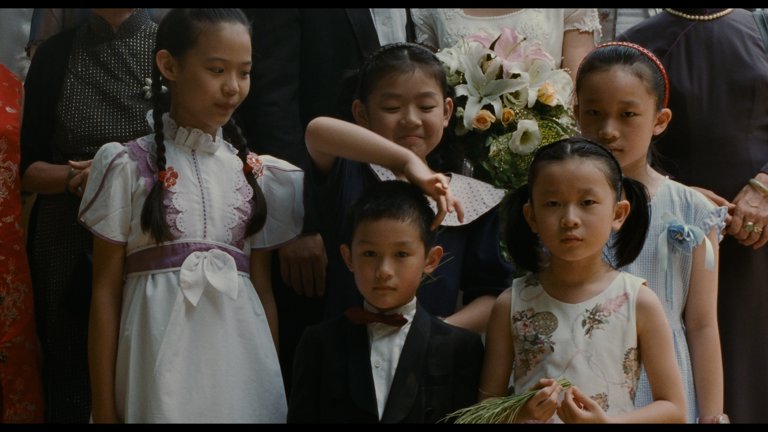
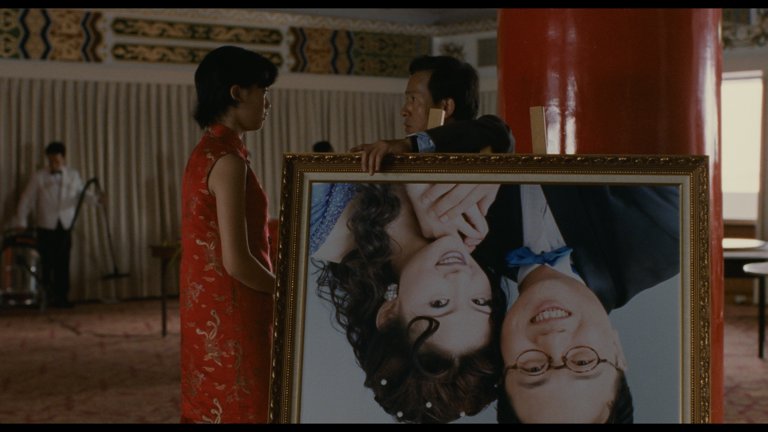
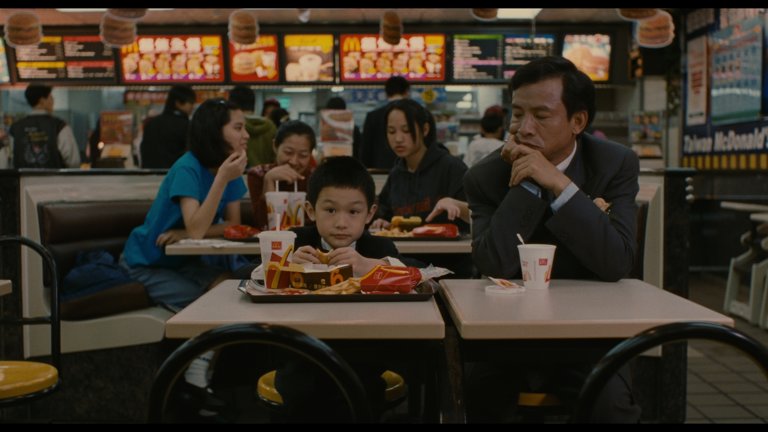
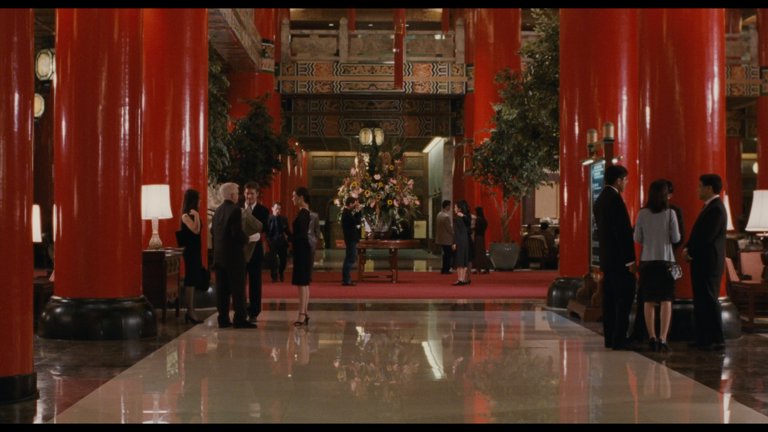
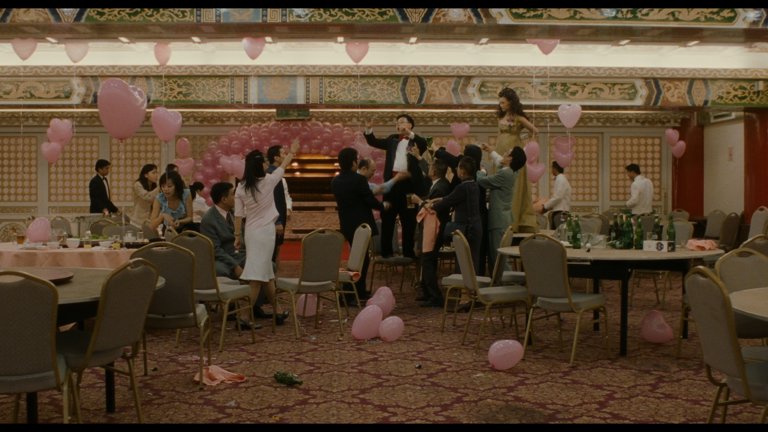
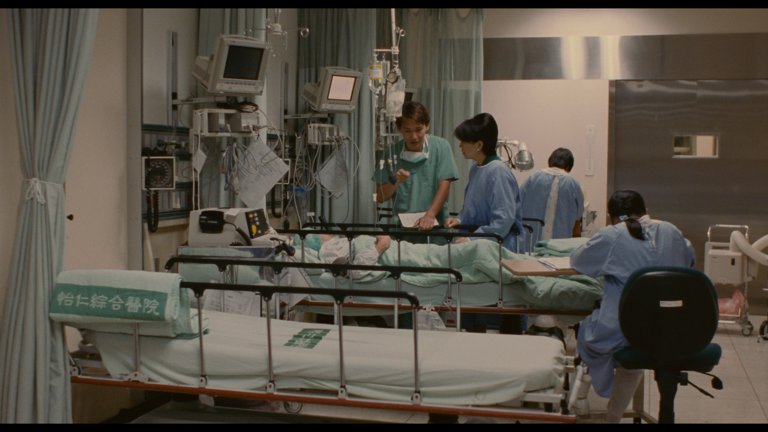
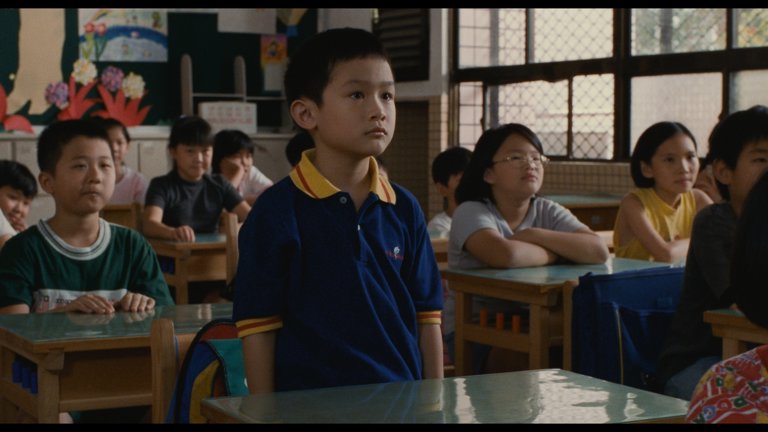
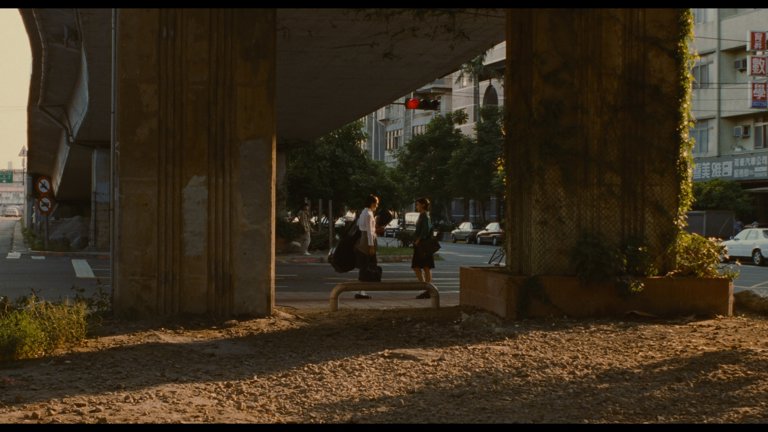
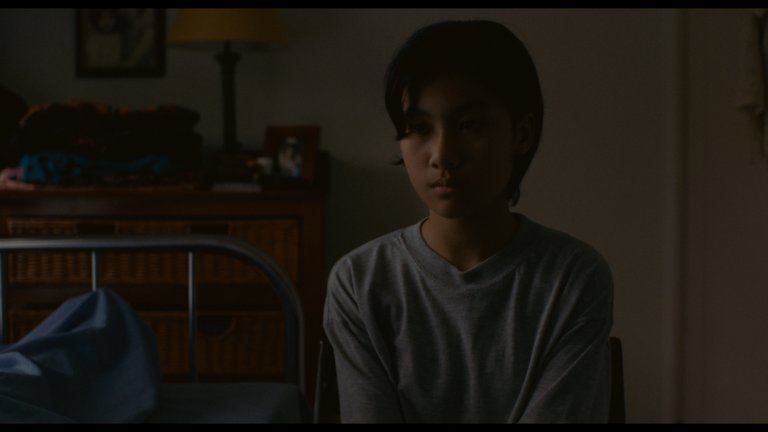
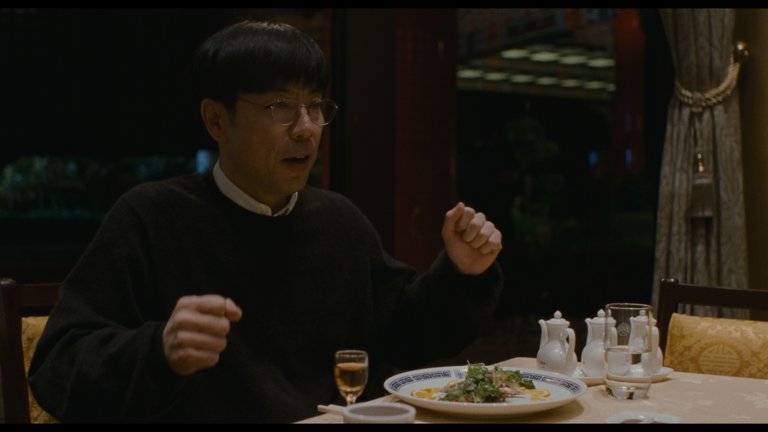
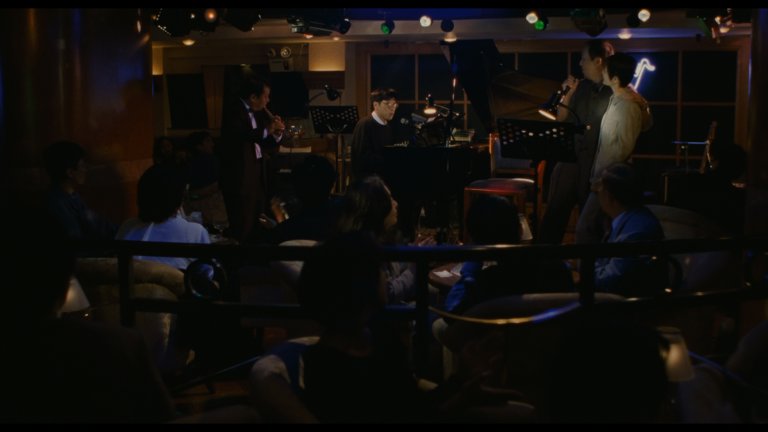
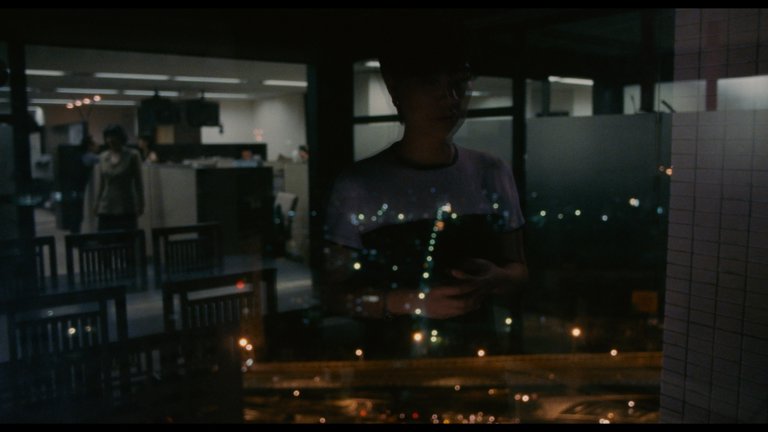
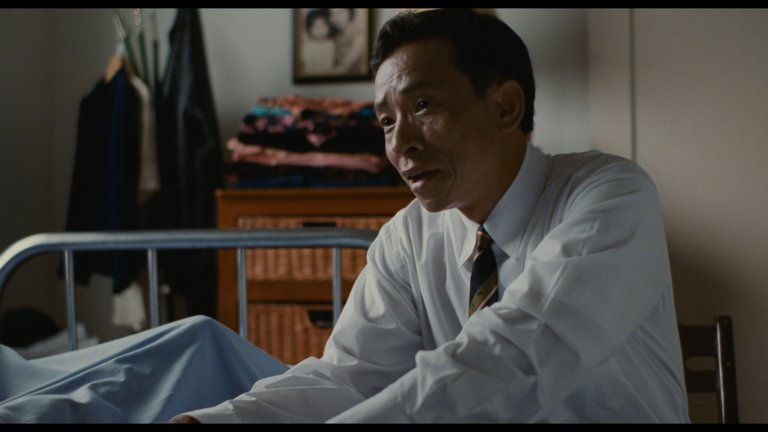
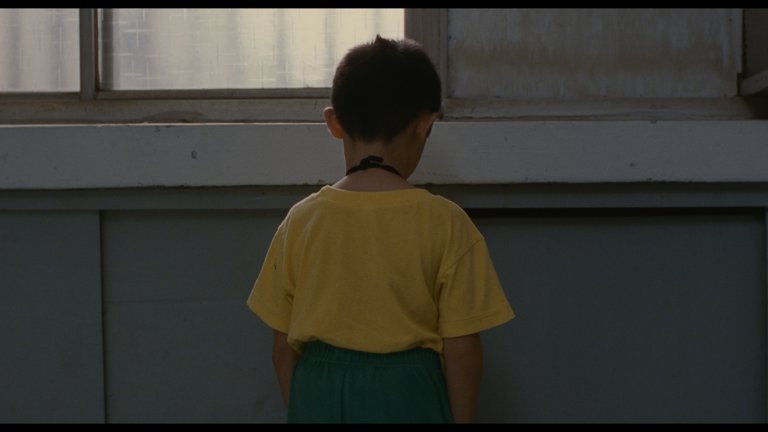
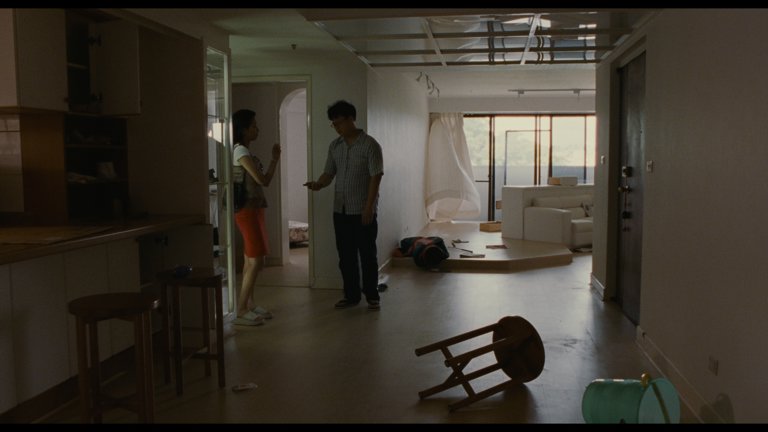
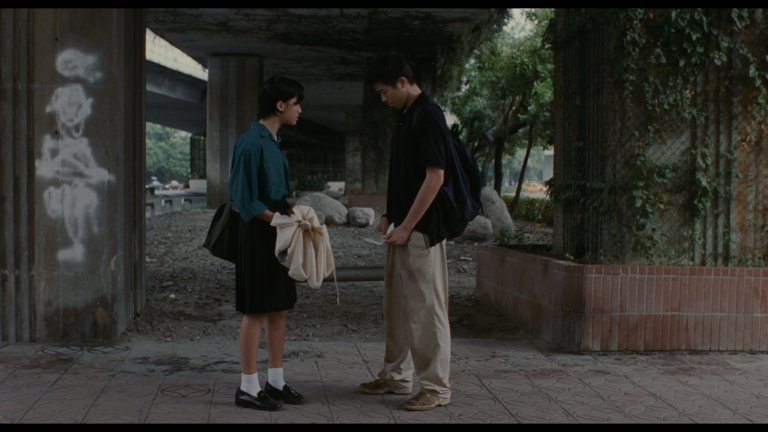
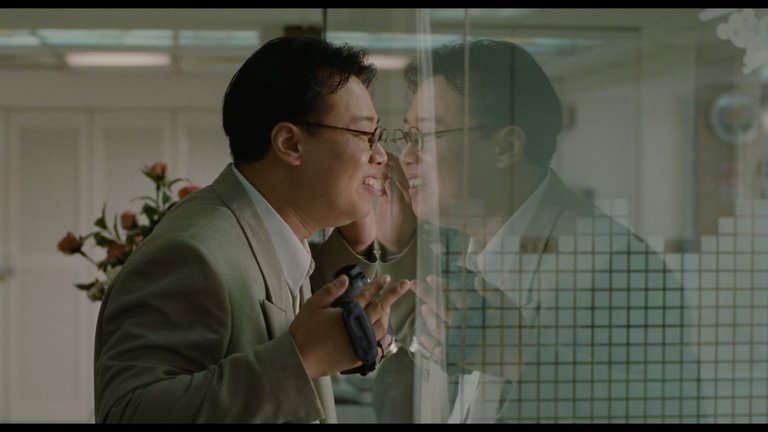
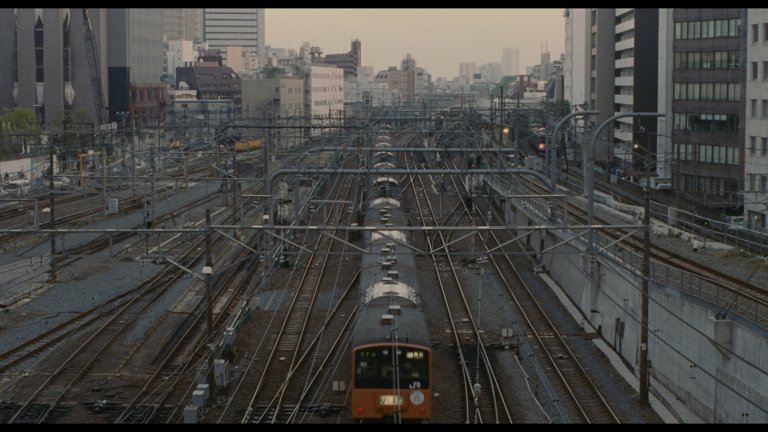
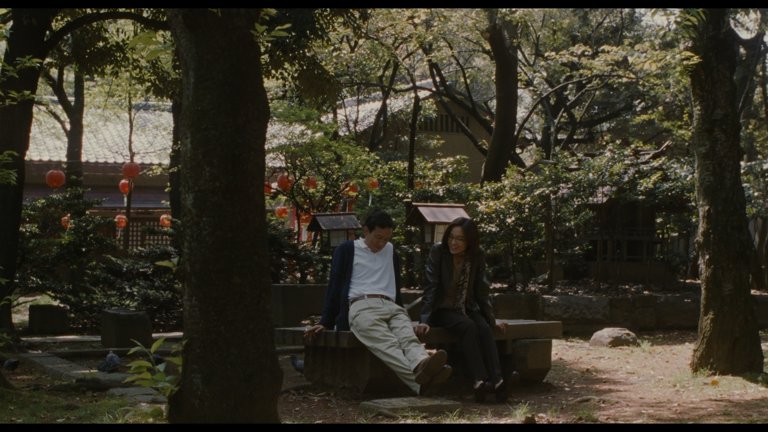
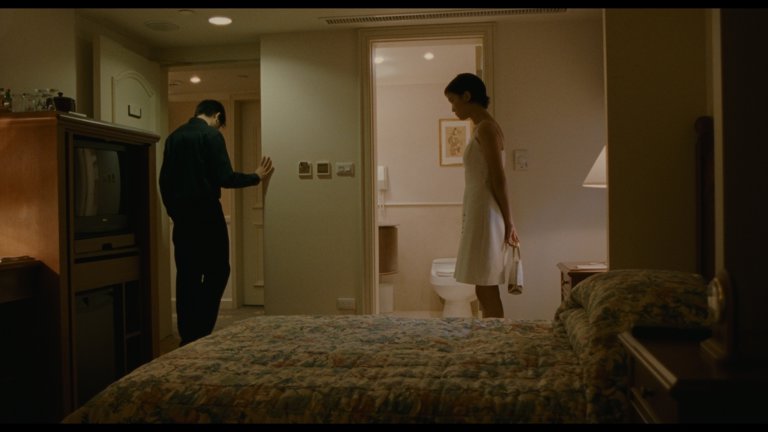
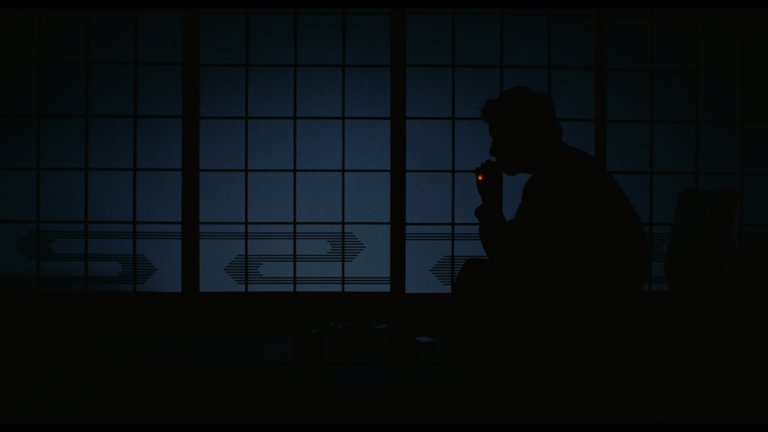
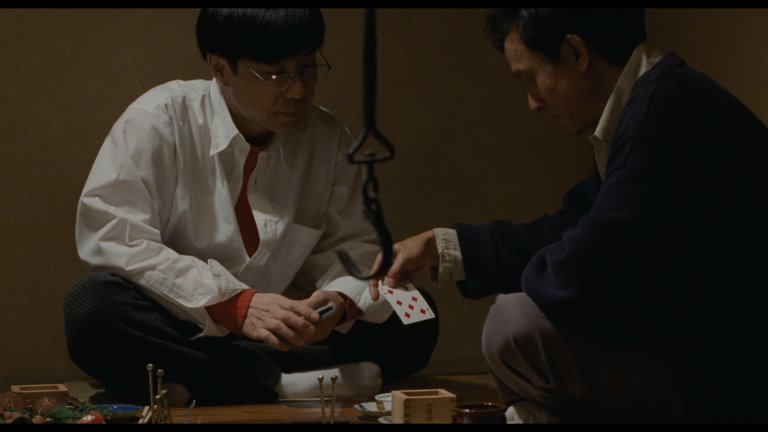
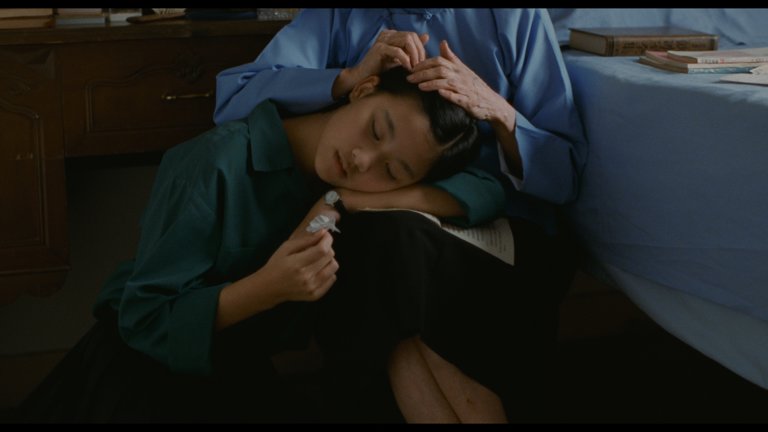
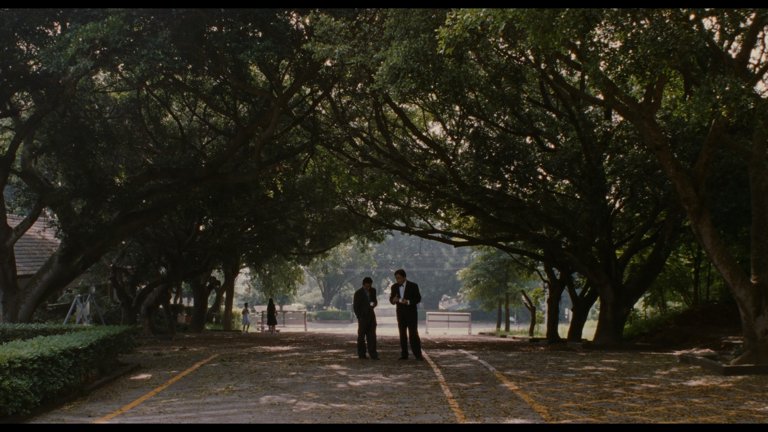
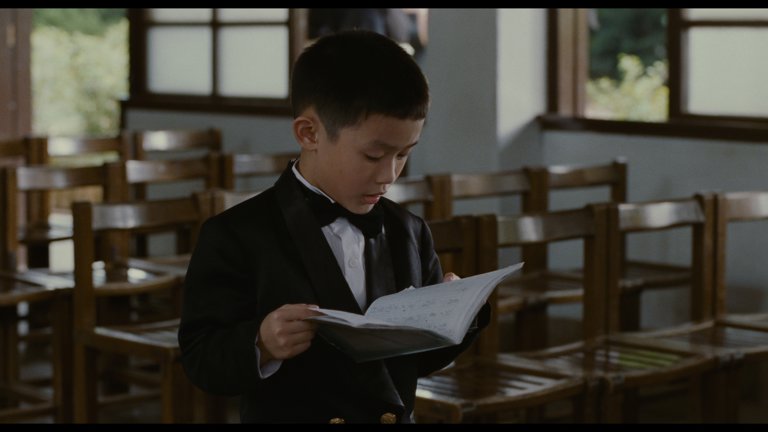
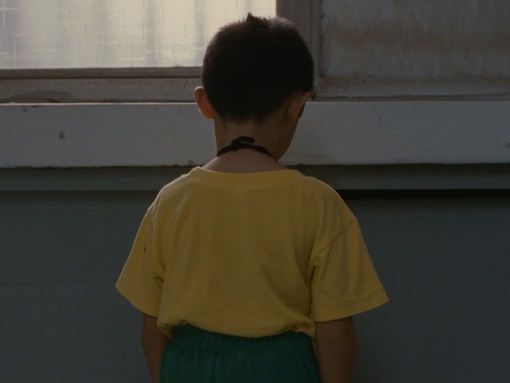
Yi Yi - Screen Captures
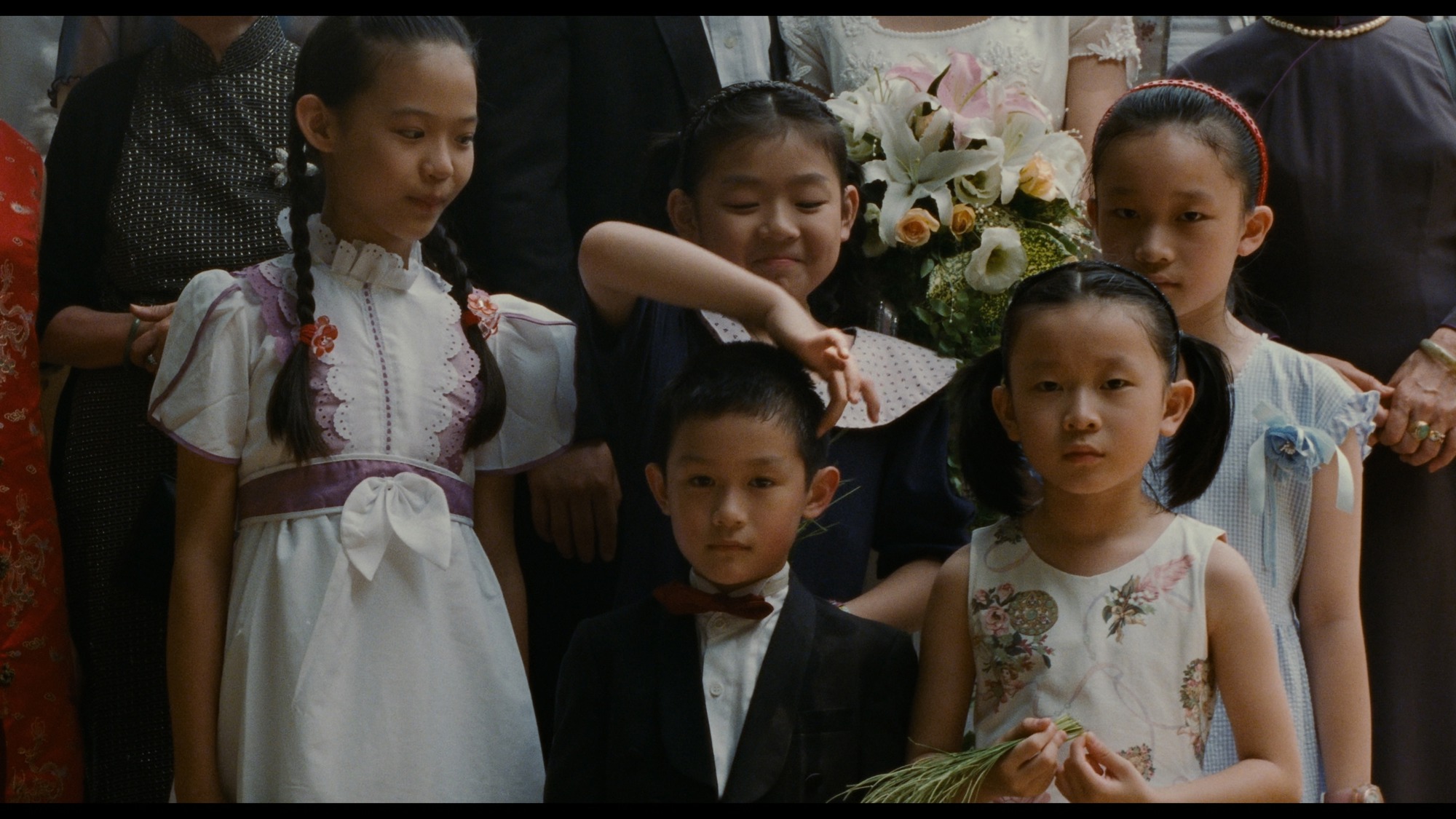
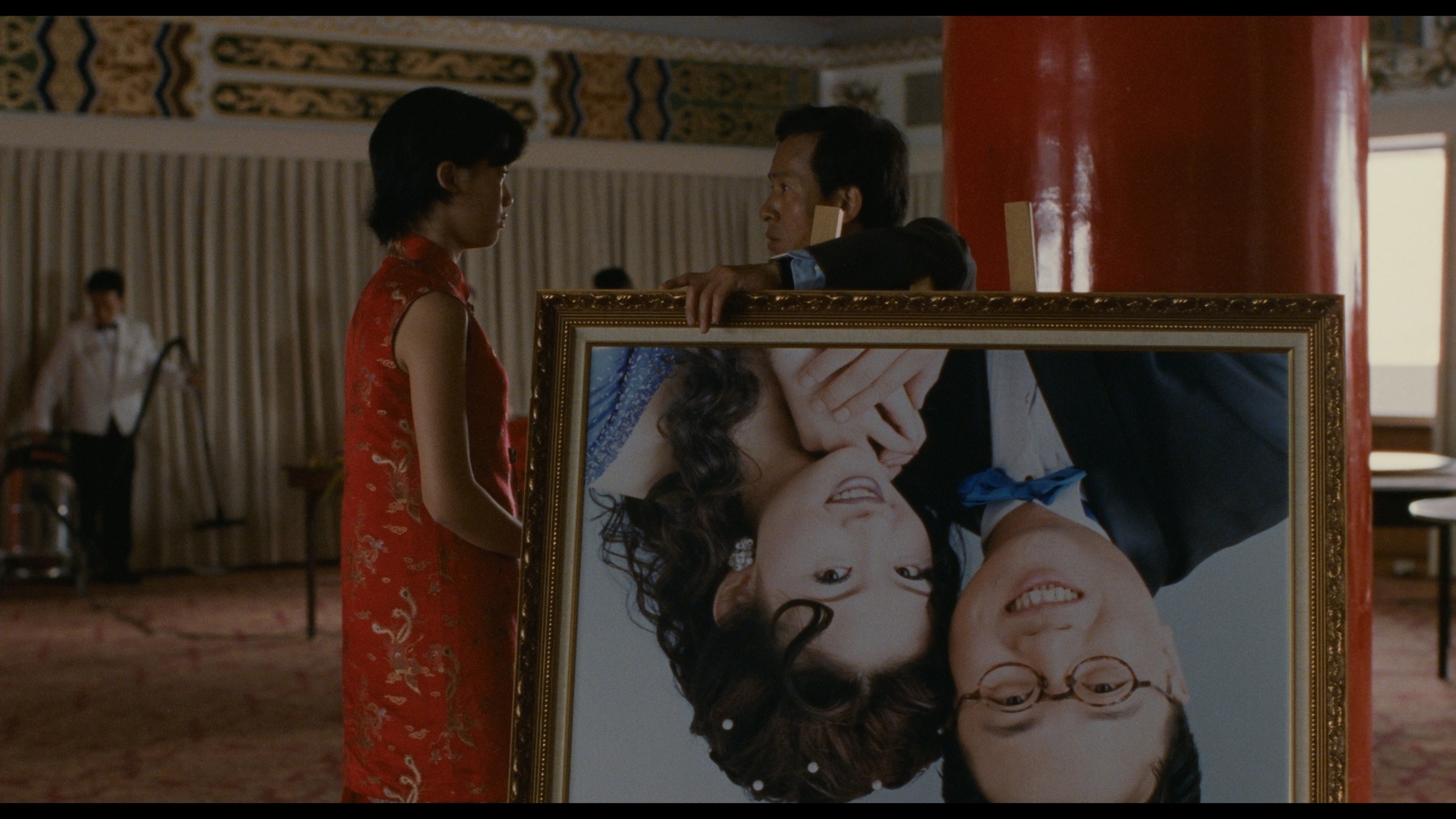
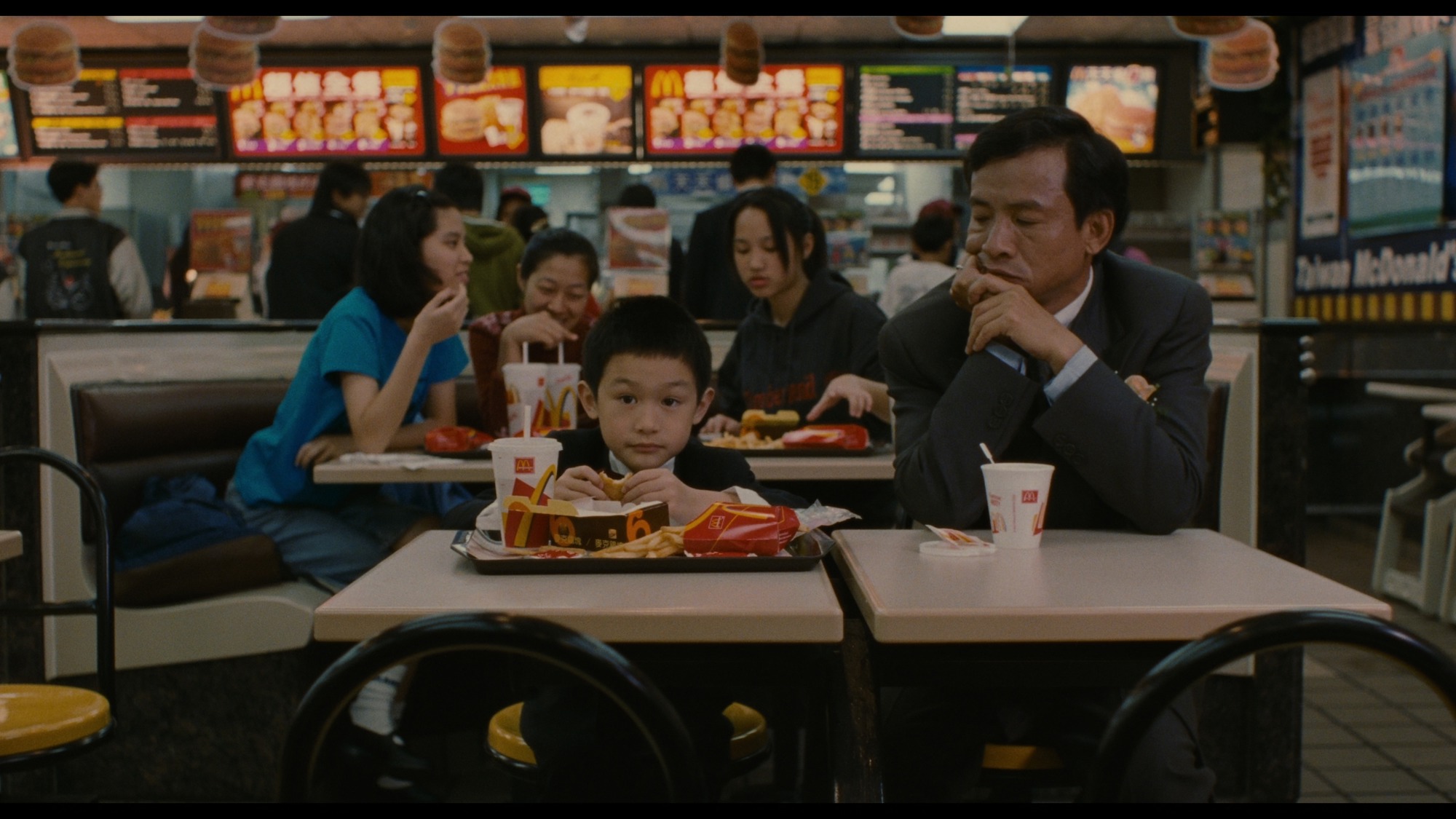
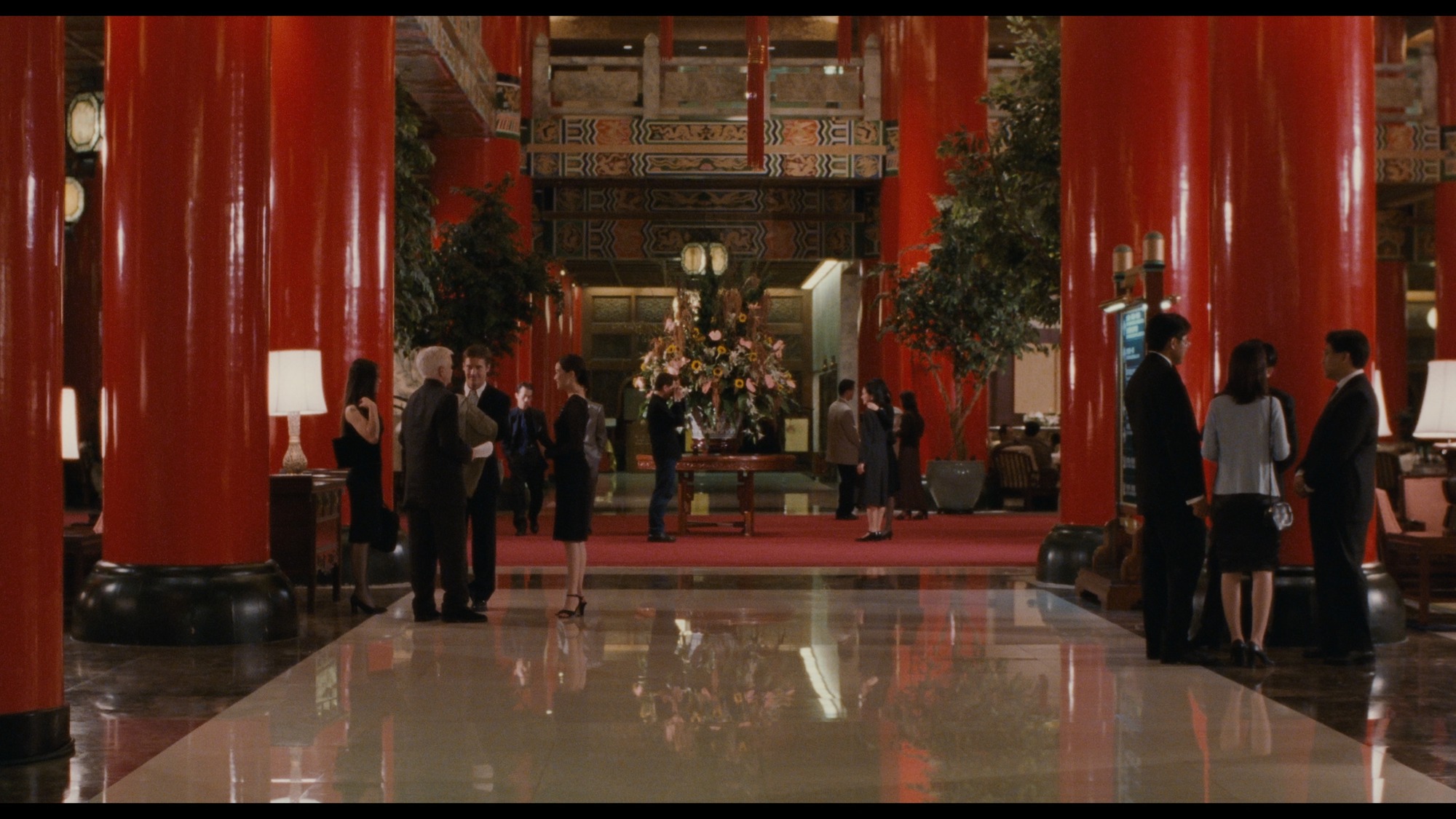
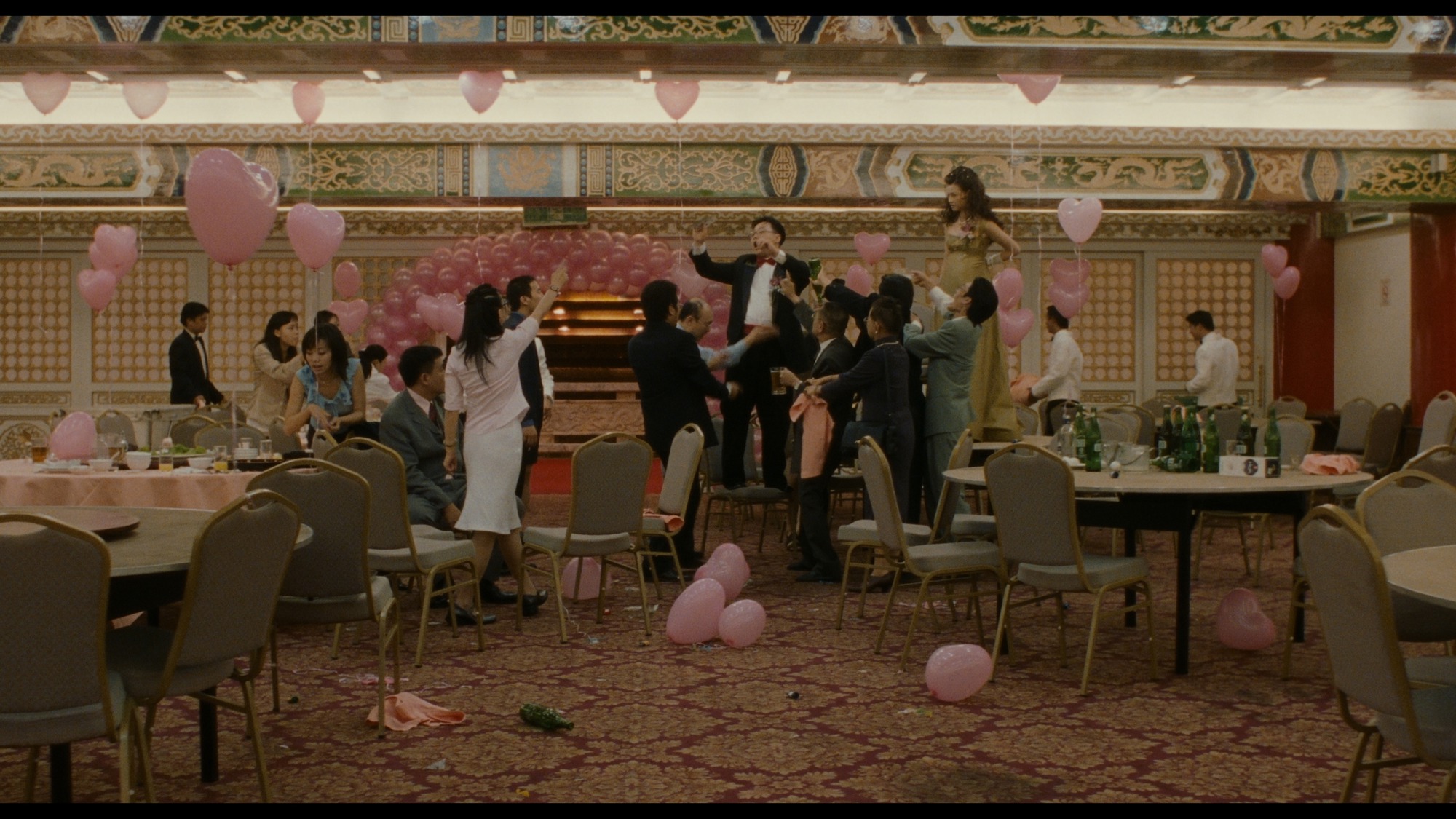
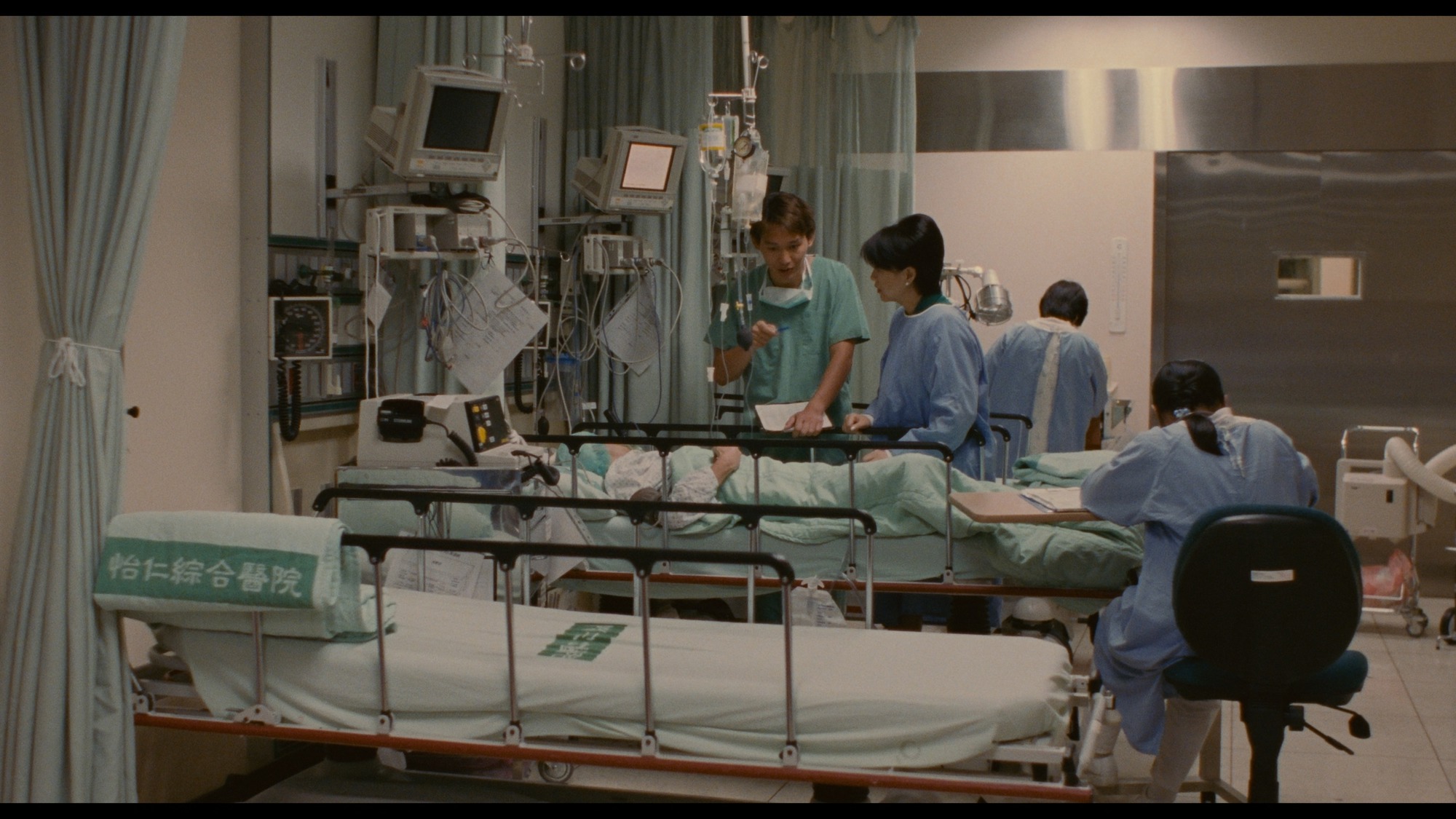
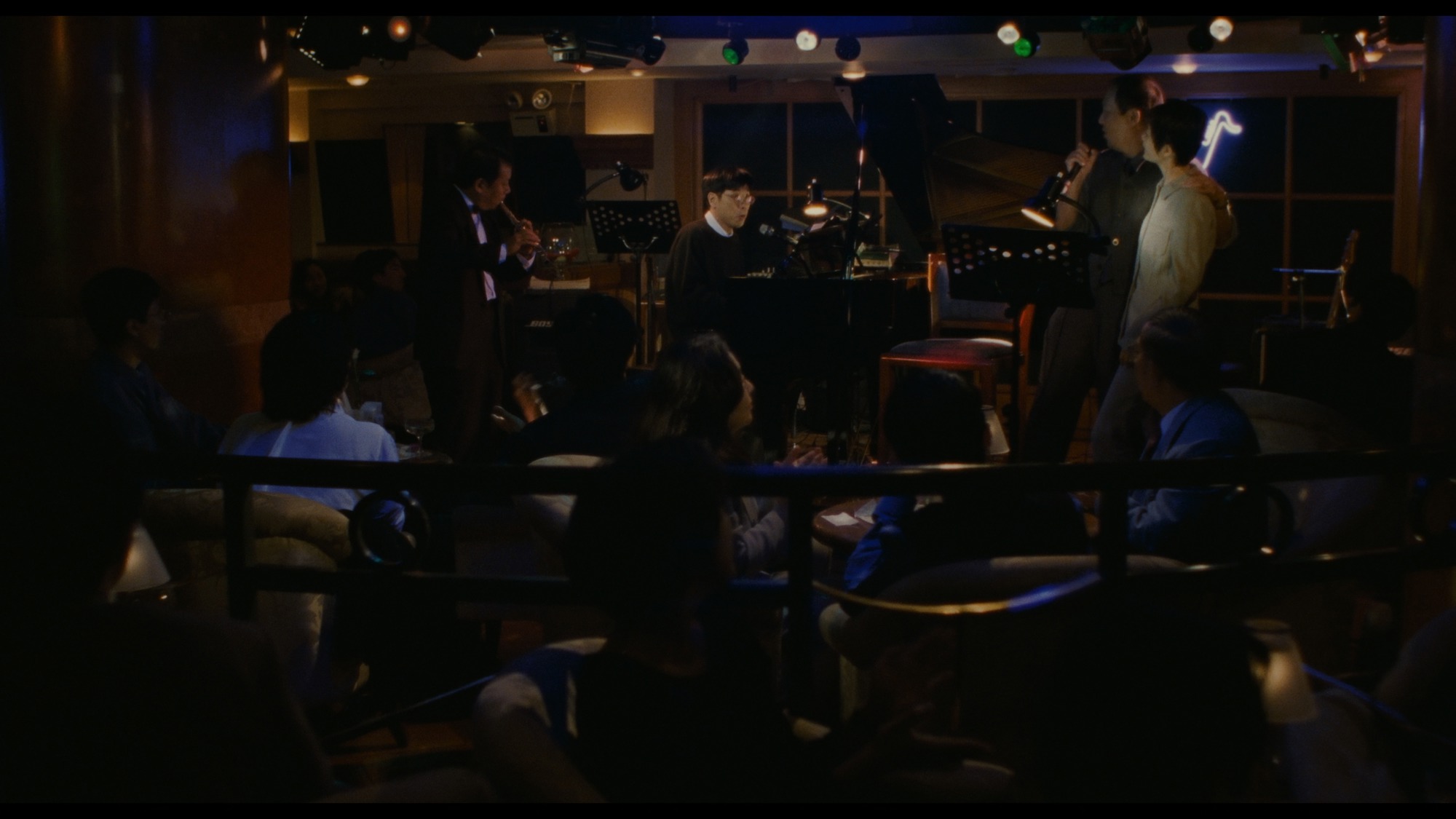
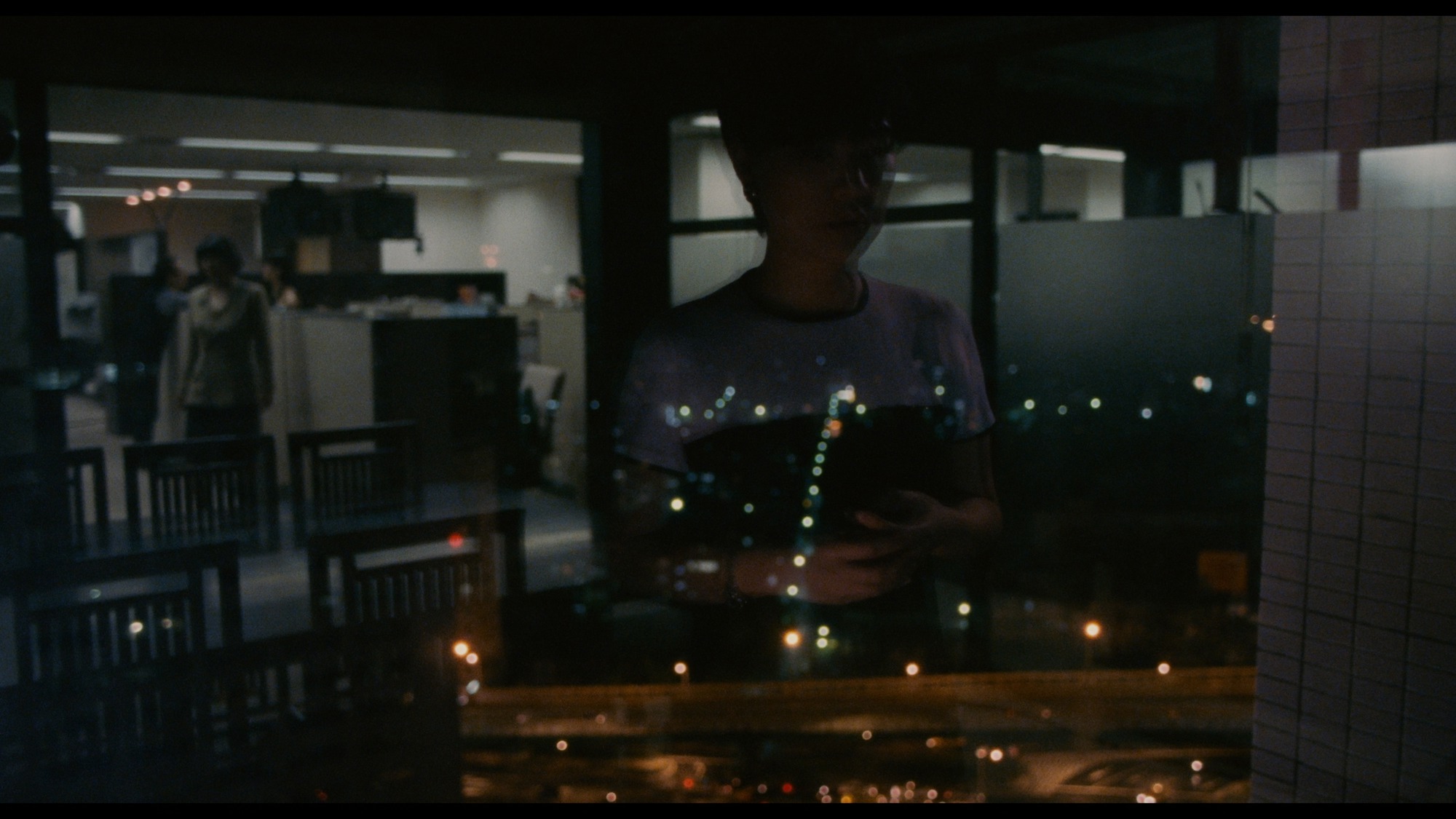
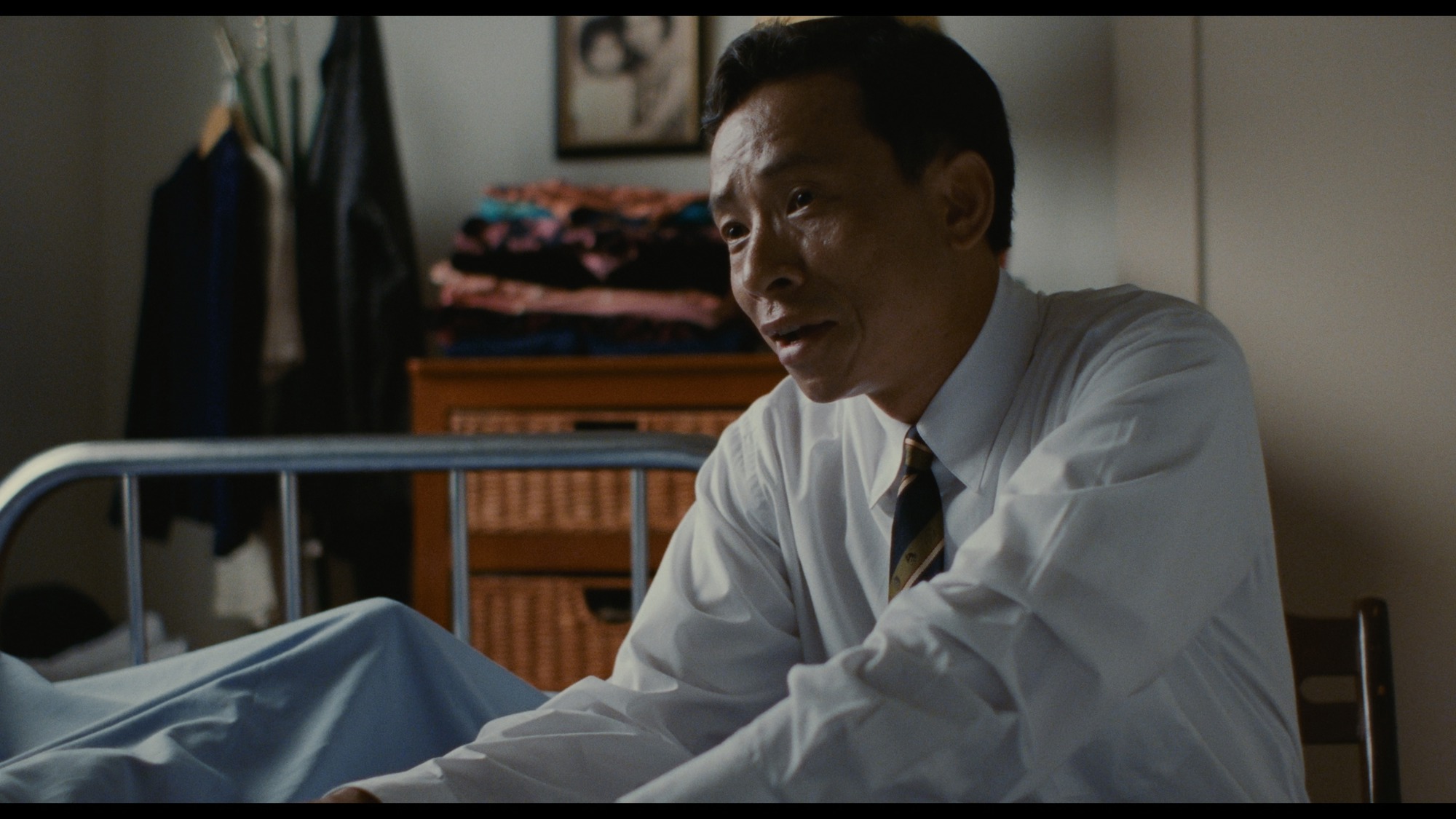
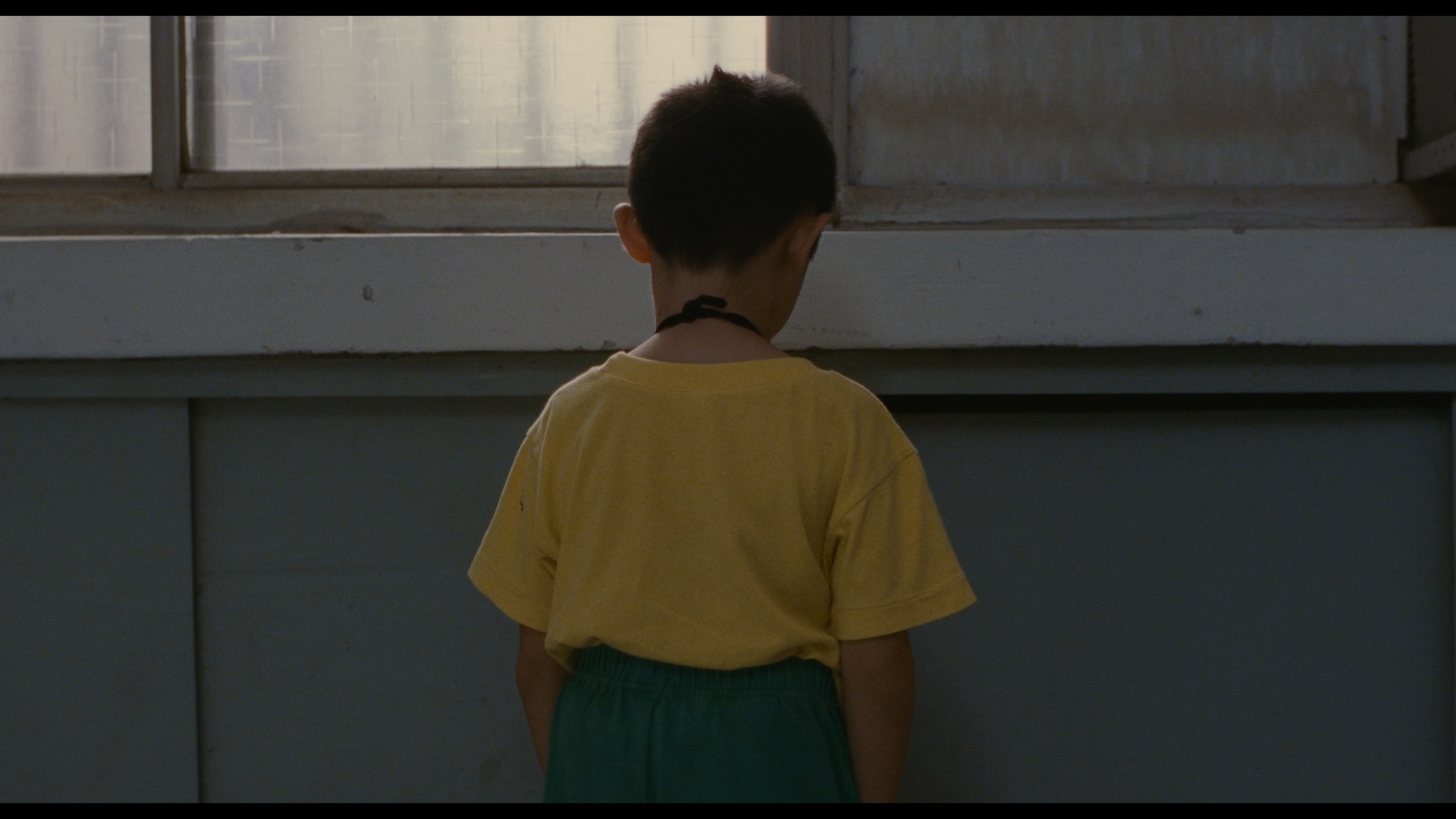
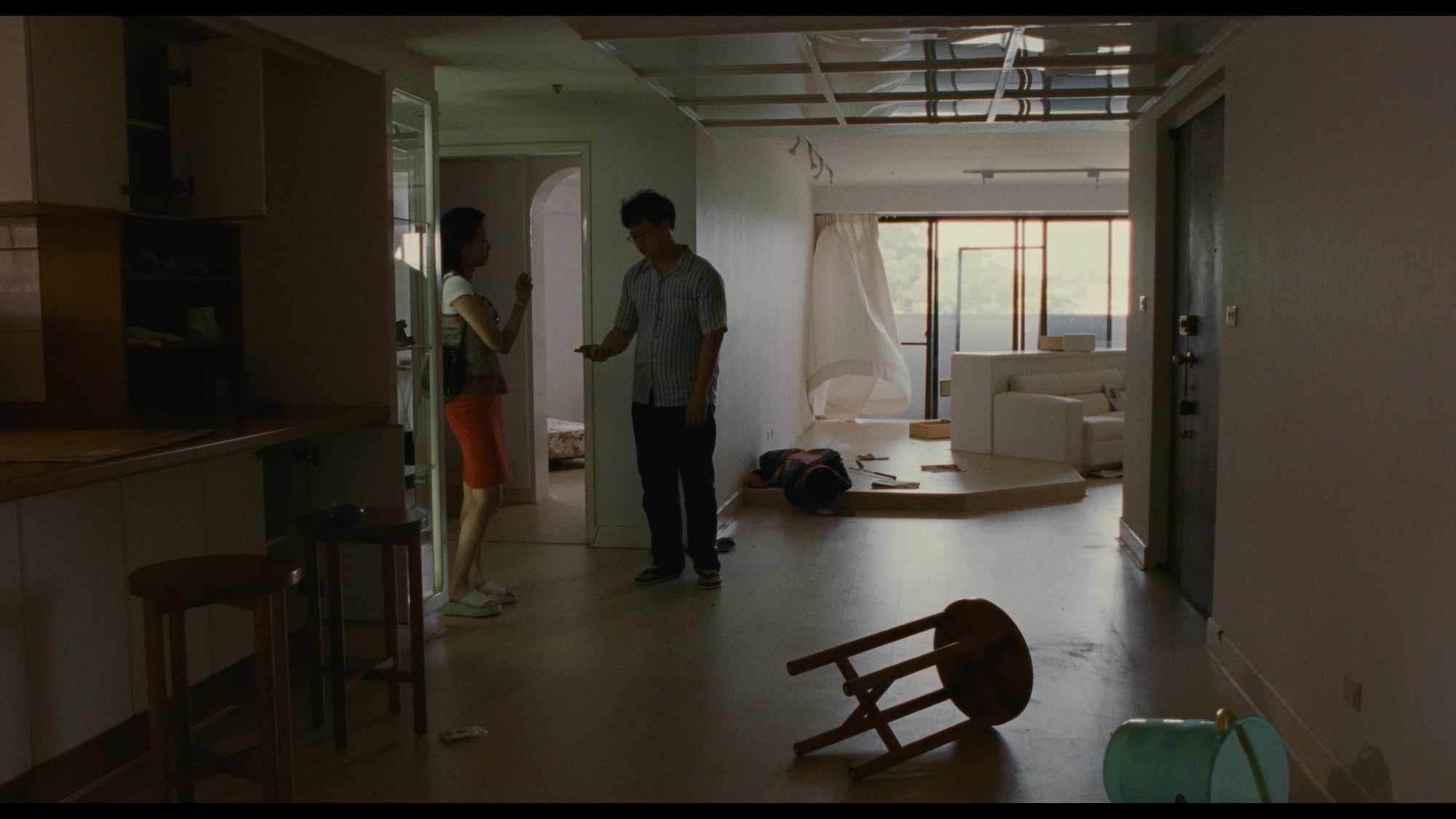
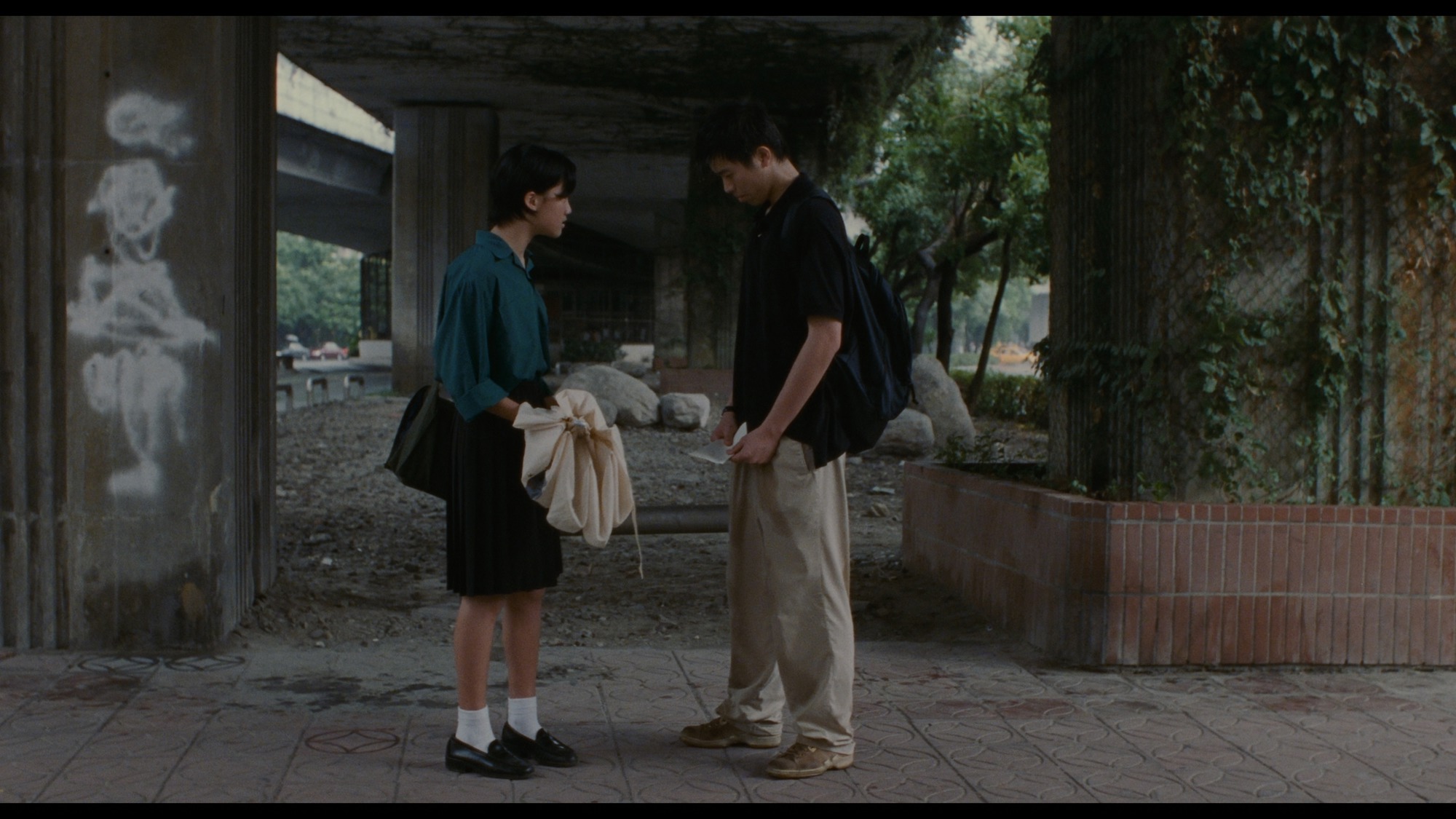
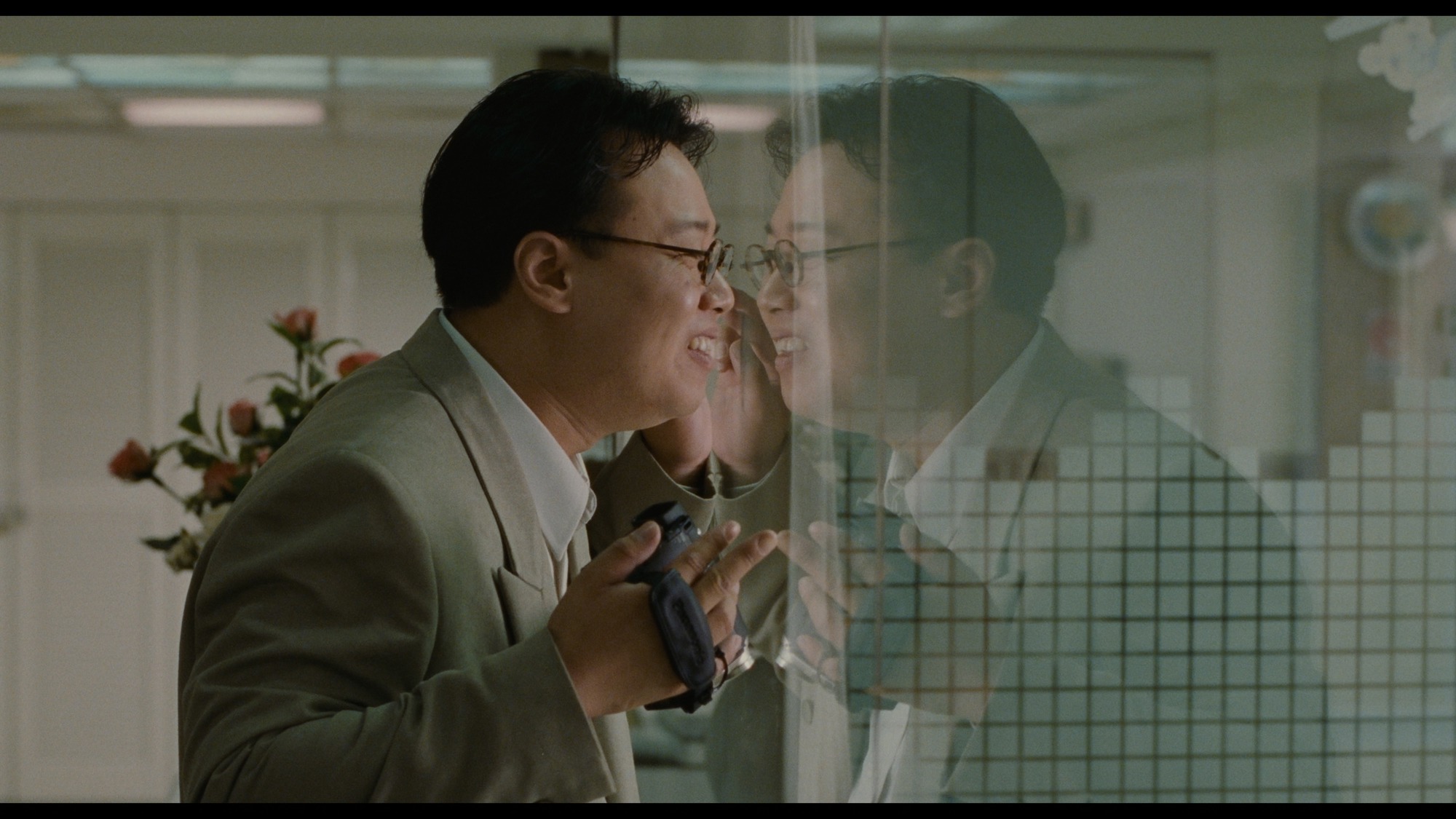
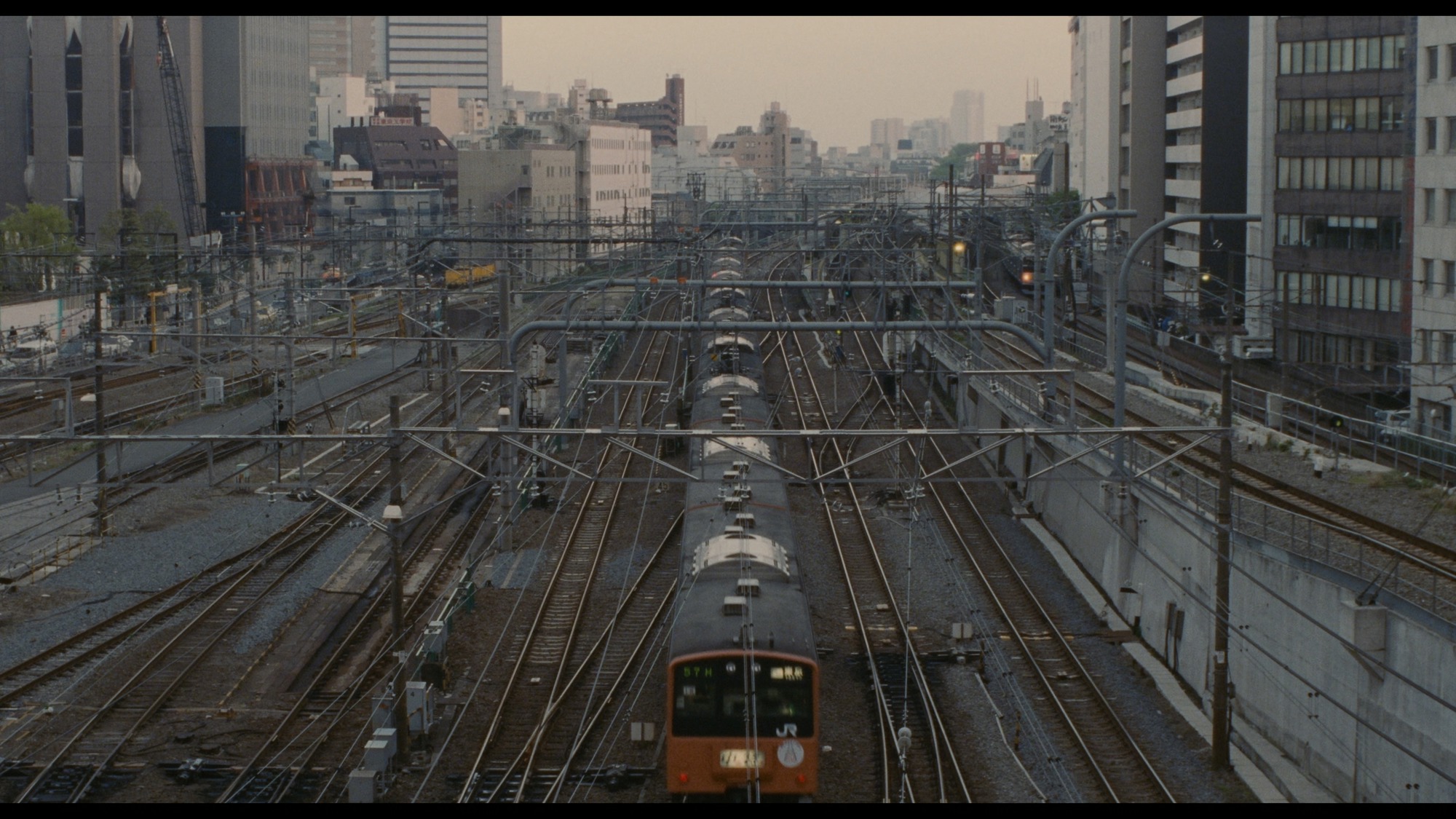
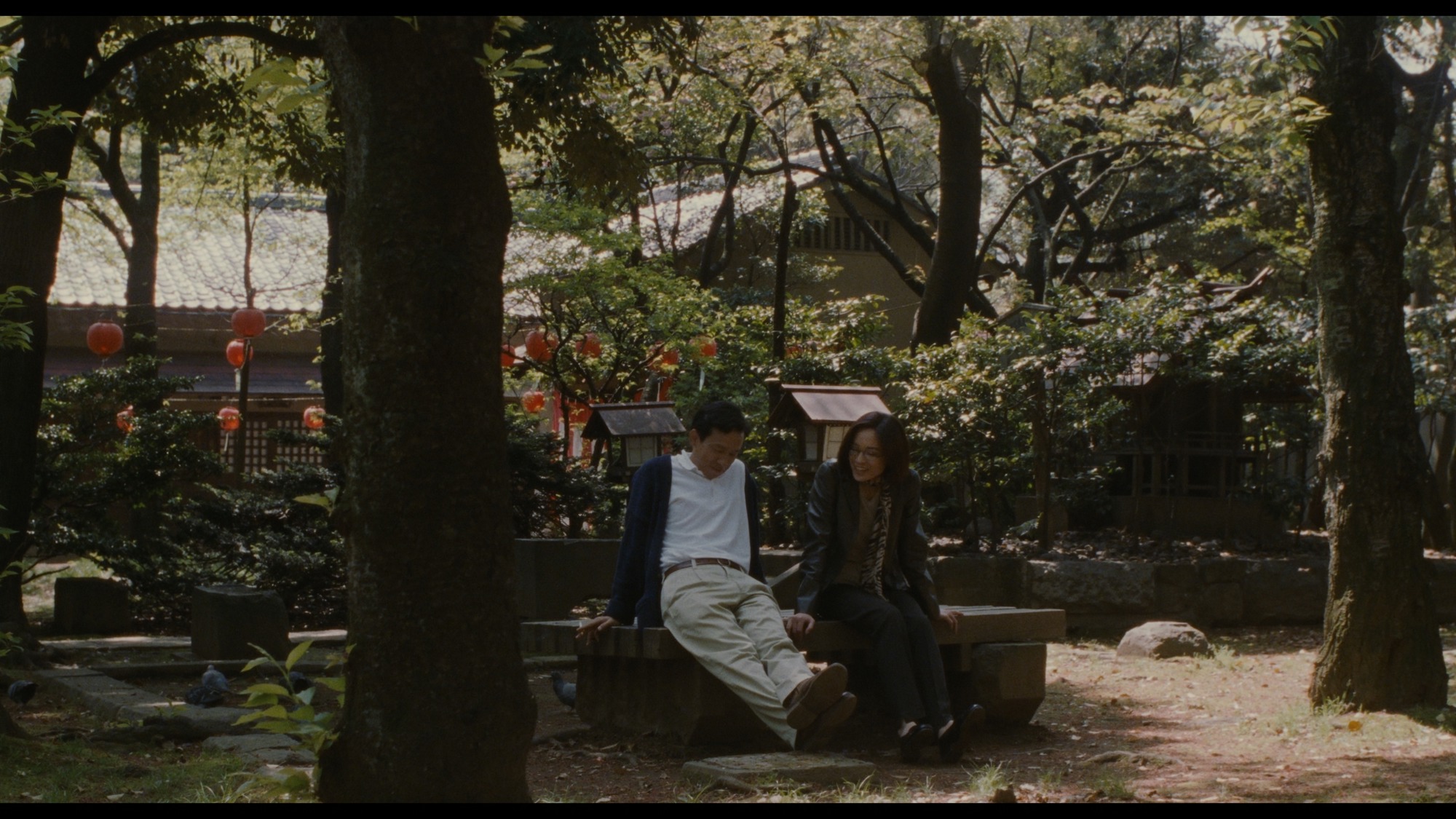
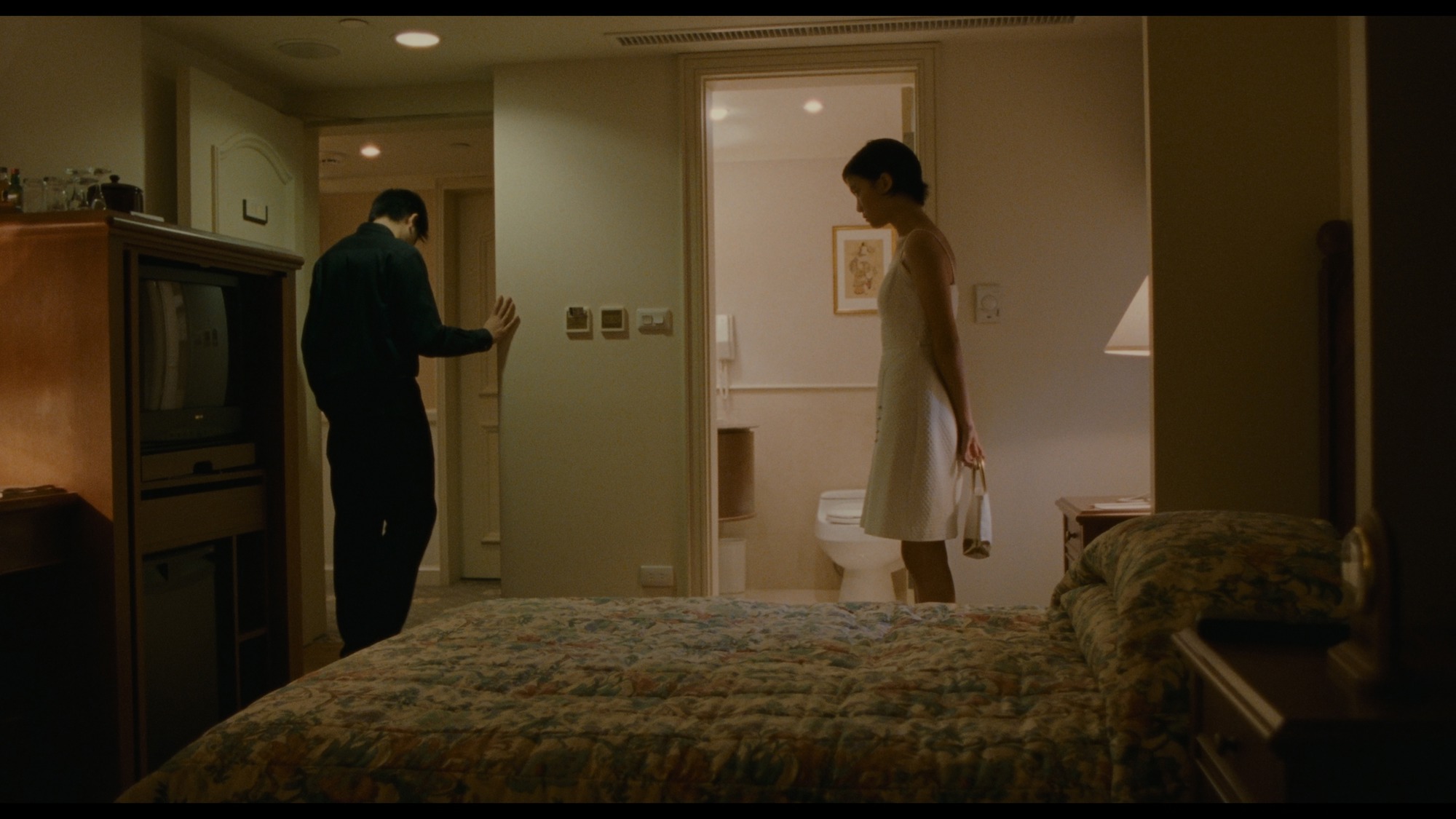
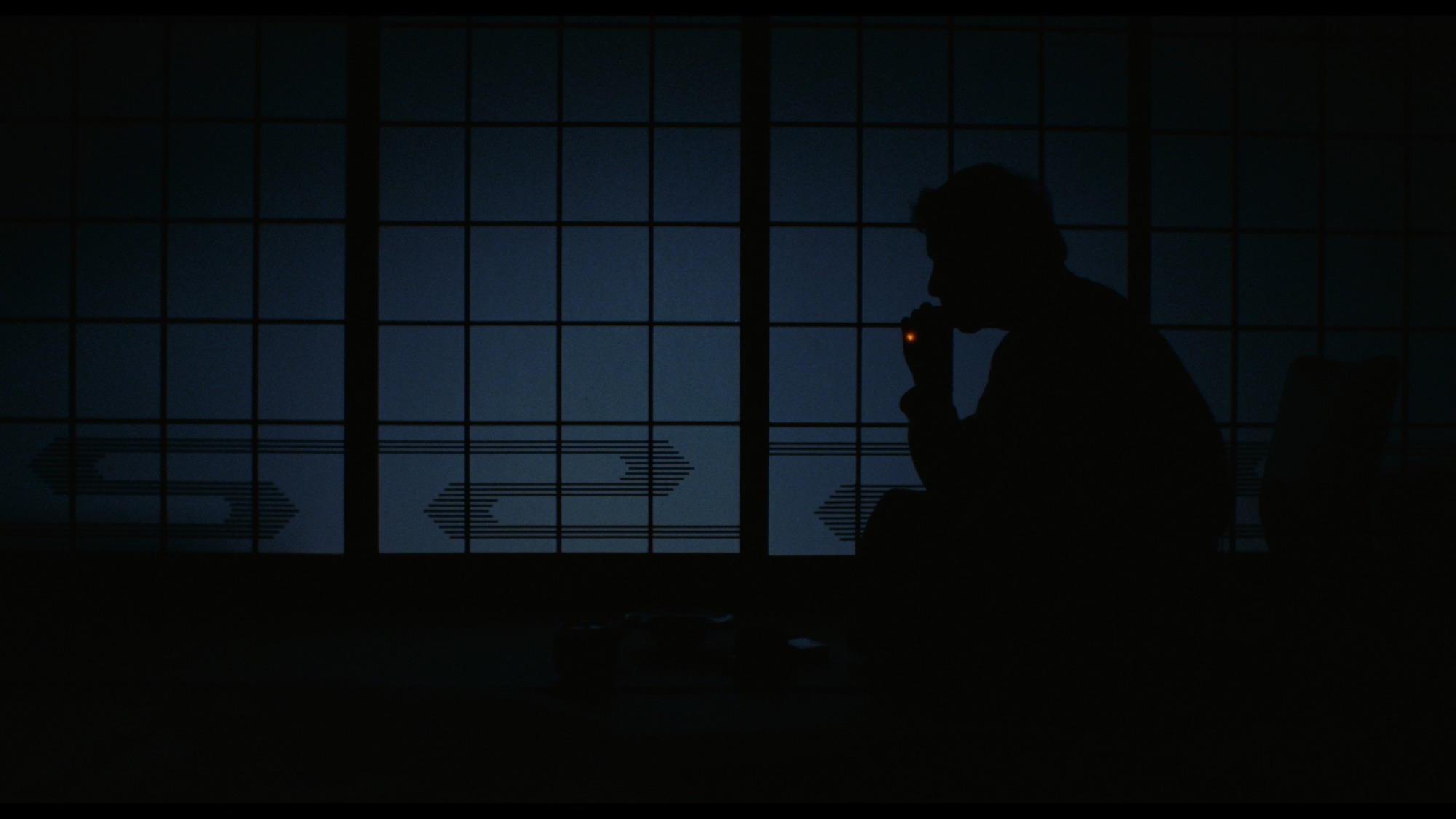
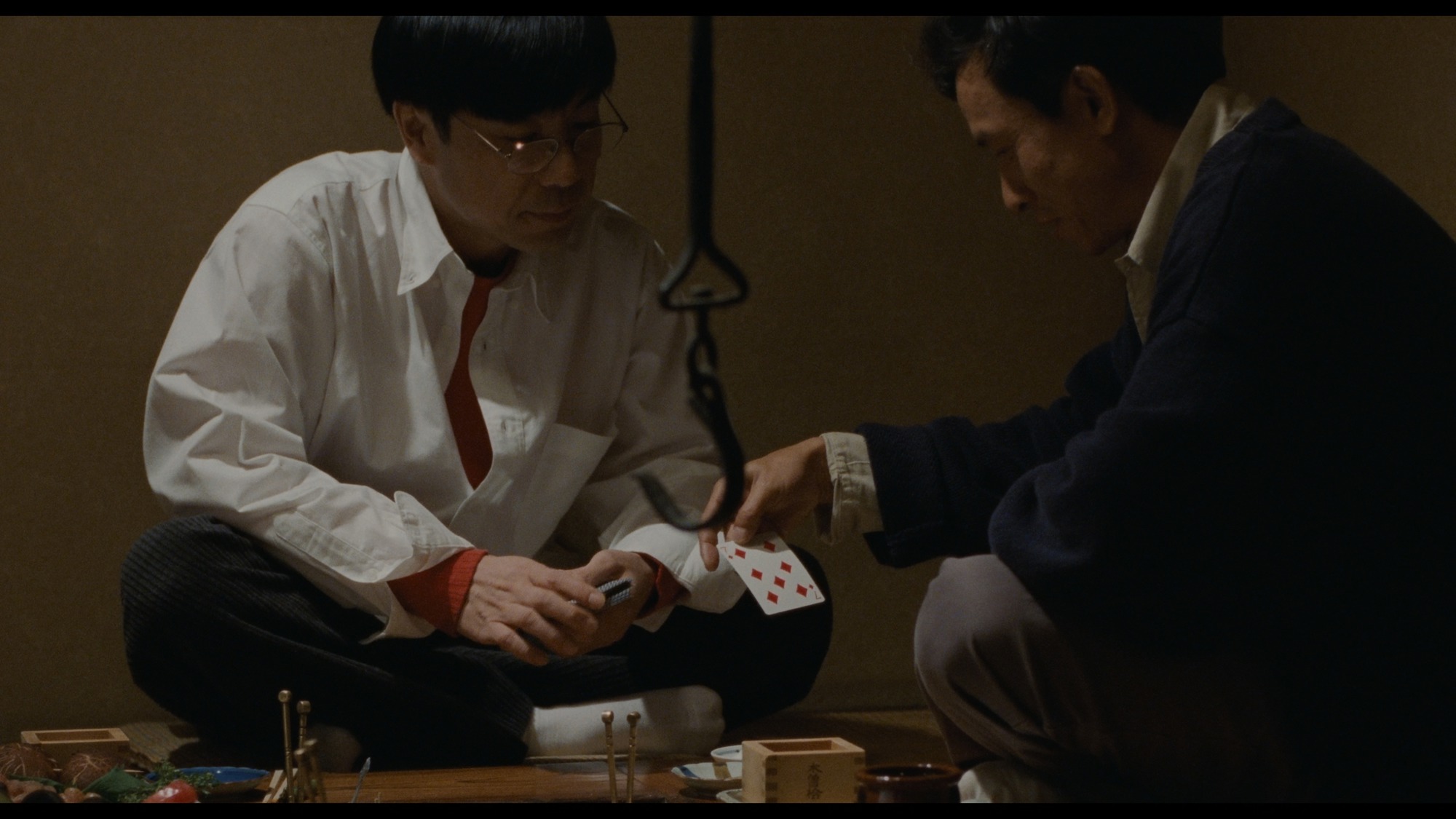
Audio 8/10
For the 4K edition, Criterion includes the original 2.0 surround soundtrack alongside a new 5.0 surround mix, both presented in DTS-HD MA, with the latter housed in a 5.1 container. The inclusion of the 5.0 track is a legitimate surprise, and not at all what I was expecting. The original 2.0 surround presentation was—and still is—a solid mix, but this new track, without ever overdoing things or drawing attention to itself, manages to enhance the film in subtle but surprisingly meaningful ways.
Dialogue is cleanly rendered with excellent fidelity and a respectable amount of range, even if nothing here is especially loud. Outside of a couple of moments (particularly one near the end) there isn’t much in the way of raised voices. Where the remix really distinguishes itself, though, is in the environmental sound design. The 2.0 track already did a good job incorporating city ambience and busy interiors, but this presentation takes things to eleven, for lack of a better euphemism. Bustling city streets in both Taipei and Tokyo are spread beautifully across the channels, as are the murmur and movement of crowds in various group settings. Restaurants, hotel lobbies, banquet halls, and Mr. Ota killing it at the piano in the bar all carry a natural sense of space and presence that the 2.0 mix simply could never achieve. I was also impressed by how smaller background details are placed throughout the soundstage, like that gentle chirping of a door chime in one apartment.
Overall, it’s a surprisingly effective and immersive new mix, and one that feels entirely appropriate for the film. It’s a genuine upgrade, and not something I ever would have expected going in.
Extras 8/10
Disappointingly, Criterion has chosen not to update the supplements at all for the 4K edition, instead simply porting over the Blu-ray from their 2011 release; it’s essentially the exact same disc, though I will say I did gain more of an appreciation for one feature in particular.
Still, as a result of nothing new, things once again begin with the audio commentary featuring film scholar Tony Rayns and director Edward Yang, originally recorded for the 2006 DVD and included here on both the Blu-ray and 4K discs. While Rayns is present to offer his own observations on the film and Yang’s work more broadly, I still think he's primarily here, at least in part, as a facilitator, gently coaxing Yang along. That said, Yang is surprisingly talkative throughout and still takes up the bulk of the nearly 3-hour runtime. Rayns frequently prompts him with questions, ranging from the technical to story and character motivations, and Yang responds freely, offering thoughtful explanations for his creative choices and overall insights into his approach to filmmaking.
The two also touch on the state and history of Taiwanese cinema (at the time), the film’s cast, Yang’s earlier work, and even reminisce about their own personal trips to Japan. It’s an excellent track, and I have to admit that while I enjoyed it when I first heard it years ago, I don’t think I fully appreciated just how remarkable it is that Criterion managed to get Yang to participate on this, speaking so openly not only about Yi Yi but about his ideas around filmmaking as a whole, especially given that he would pass away only a year later. It really is a terrific conversation between the two, and I genuinely feel horrible for having undervalued it before (something that has led to me drastically changing my grade this time around).
The only other substantial supplement, found on the Blu-ray, remains the 15-minute interview with Tony Rayns on his own. Here, he expands on the history of Taiwanese cinema, from its early use as a propaganda tool in the 1950s through to the resurgence of the 1980s with the New Taiwanese Cinema movement. Rayns discusses a number of key figures, including Yang and, perhaps to an even greater extent, Hou Hsiao-hsien. It’s still a solid crash course, though Rayns explores this material in far greater depth elsewhere, most notably in his (still amazing) commentary for A Brighter Summer Day.
The disc rounds out with the film’s trailer, while the included booklet is a direct carryover from previous editions. It features an excellent essay by Kent Jones, along with a short selection of notes from Edward Yang on the film’s title and casting, some of which overlaps with material discussed in the commentary.
While I still wish Criterion had taken the opportunity to expand on the New Taiwanese Cinema movement or add anything new at all, I can’t deny that I came away with a much deeper appreciation for the commentary this time around. Even on its own, it remains a genuinely invaluable inclusion.
Closing
The supplements remain unchanged, but the new 4K presentation delivers an astonishing improvement over the severely dated high-definition master. It’s an absolutely worthwhile upgrade, even for those who already own the Blu-ray.
BUY AT: