
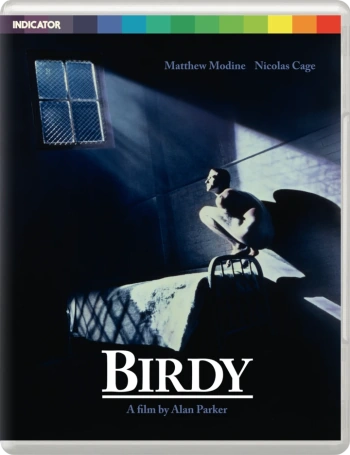



Based on the acclaimed, ‘unfilmable’ novel by William Wharton, about a boy who dreams of flying, Alan Parker’s elliptical, ethereal film is just as vividly poetic as its source.
Birdy is story of two unlikely boyhood friends, the confident and popular Al (Nicolas Cage – Wild at Heart, Leaving Las Vegas) and Birdy (Matthew Modine – Full Metal Jacket, Stranger Things), awkward, withdrawn, and obsessed with birds. The advent of the war in Vietnam shatters their youth, and they both return irrevocably changed – one physically traumatised, the other emotionally fractured.
This unique and affecting film from director Alan Parker (Midnight Express, Angel Heart), features skilful, highly committed central performances from young stars Modine and Cage (who allegedly had teeth removed for his gruelling role), and a wonderful score by Peter Gabriel. Birdy is a great unsung gem of 1980s cinema, and is presented here in a brand-new, director-approved 2K restoration.
Streaming Options









Release Information:
Technical Specifications
Supplements
- New and exclusive audio commentary with Alan Parker and the BFI’s Justin Johnson
- The Abstraction of War (2019, 25 mins): actor Matthew Modine fondly remembers the experience of working with the cast and crew of Birdy
- Learning to Fly (2019, 14 mins): screenwriters Jack Behr and Sandy Kroopf reflect on the challenges of adapting an ‘unfilmable’ novel
- Peter Gabriel on Making the Music for ‘Birdy’ (2000, 7 mins): archival interview with the acclaimed composer
- Bird Watching (2019, 17 mins): a personal appreciation of the work of author William Wharton by filmmaker Keith Gordon
- No Hard Feelings (1976, 55 mins): Parker’s early film, which follows a troubled young man in wartime London
- Original theatrical trailer
- Image galleries: promotional and publicity material, and a selection of rare items from Matthew Modine’s personal collection
- Limited edition exclusive 48-page booklet with a new essay by Frank Collins, an extensive account of the making of the film by Alan Parker, an overview of critical responses, Jeff Billington on No Hard Feelings, and film credits