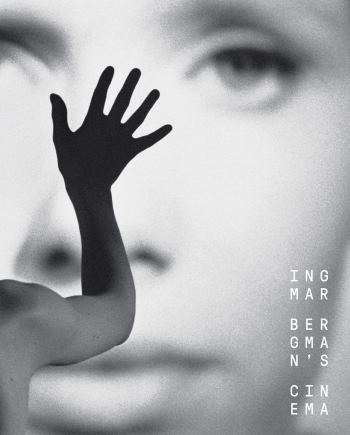
Ingmar Bergman’s Cinema
Disc 10, Shame / The Passion of Anna
BUY AT:


See more details, packaging, or compare
Synopsis
In honor of Ingmar Bergman’s one-hundredth birthday, the Criterion Collection is proud to present the most comprehensive collection of his films ever released on home video. One of the most revelatory voices to emerge from the postwar explosion of international art-house cinema, Bergman was a master storyteller who startled the world with his stark intensity and naked pursuit of the most profound metaphysical and spiritual questions. The struggles of faith and morality, the nature of dreams, and the agonies and ecstasies of human relationships—Bergman explored these subjects in films ranging from comedies whose lightness and complexity belie their brooding hearts to groundbreaking formal experiments and excruciatingly intimate explorations of family life.
Arranged as a film festival with opening and closing nights bookending double features and centerpieces, this selection spans six decades and thirty-nine films—including such celebrated classics as The Seventh Seal, Persona, and Fanny and Alexander alongside previously unavailable works like Dreams, The Rite, and Brink of Life. Accompanied by a 248-page book with essays on each program, as well as by more than thirty hours of supplemental features, Ingmar Bergman’s Cinema traces themes and images across Bergman’s career, blazing trails through the master’s unequaled body of work for longtime fans and newcomers alike.
Picture 8/10
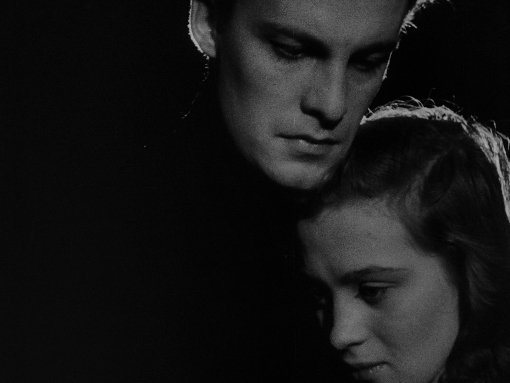
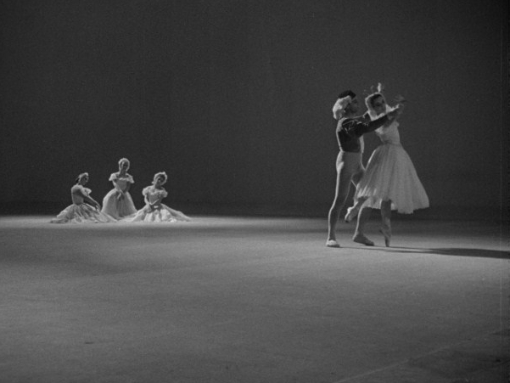
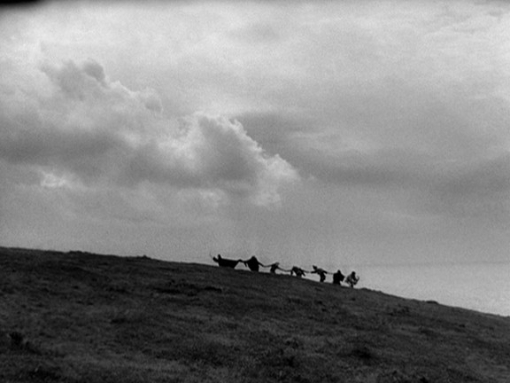
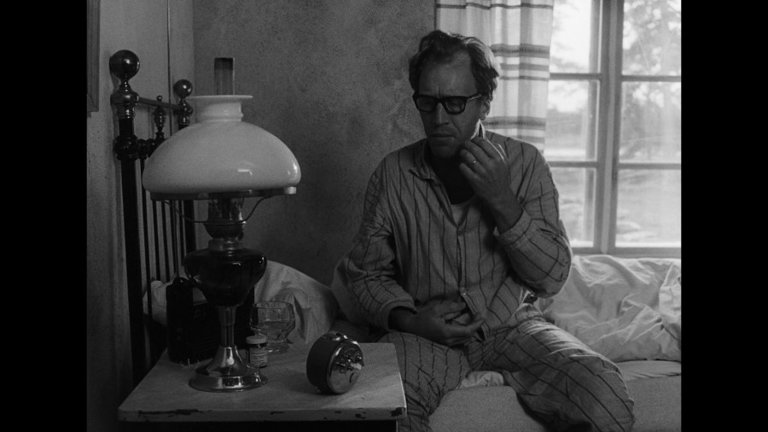
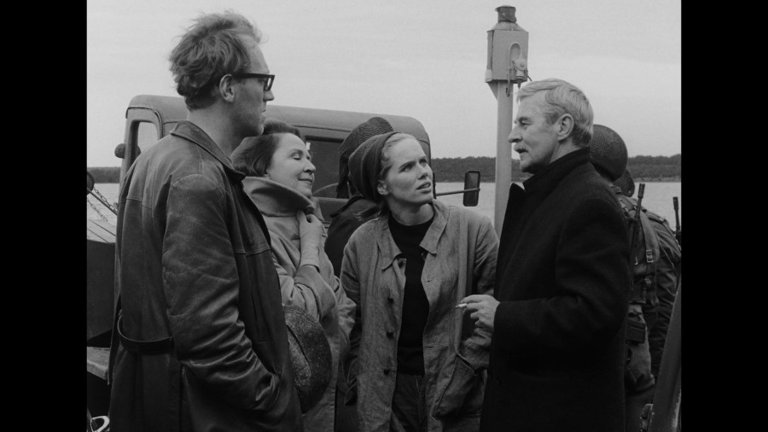
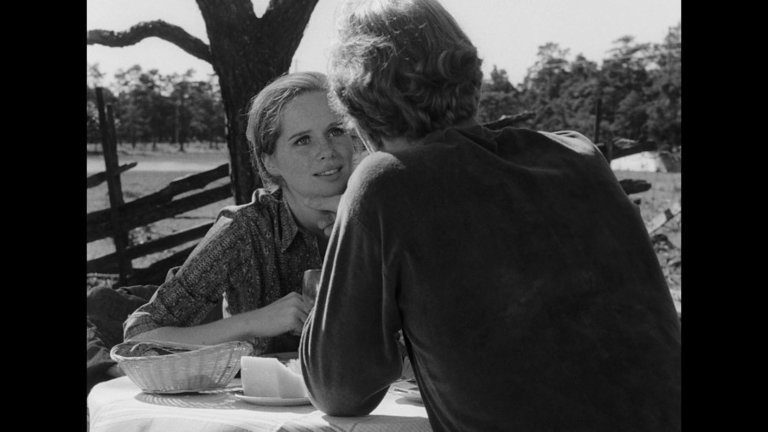
Disc 10 of Criterion’s deluxe set Ingmar Bergman’s Cinema presents two more films: Shame and The Passion of Anna. Both films have received new 2K restorations, Shame sourced from a 35mm interpositive and Passion sourced from the 35mm original camera negative. Each film is encoded at 1080p/24hz and presented, respectively, in the aspect ratios of 1.37:1 and 1.66:1.
The Shame found here uses the same master found on the recently released individual edition of the film. Out of pure laziness I will simply quote my review for that disc since I could not detect any discernable difference, despite the film now sharing the disc with another film:
Despite the lack of the original negative this manages to still come off looking spectacular. The level of detail in every shot is staggering, from the run-down conditions of the farm house in the background, to the close-ups of the dirt covered faces of the actors. Every little detail is sharp and crisp, pretty much leaping off of the screen, and I don’t recall the image ever faltering in this regard. Even smoky scenes come off clear, with the smoke looking to be rendered smoothly without banding. Film grain likewise is rendered perfectly, even remaining clean and natural during some of the darker shots that present a heavier grain level.
The restoration has also thoroughly removed specs, dirt, lines, scratches, et al. I didn’t notice a single blemish here. Contrast is also brilliantly presented, with decent whites, strong, rich blacks, and terrific grays with smooth transitions in between.
On top of that, even though it is also sharing space with another film here, I didn’t notice any issues with compression.
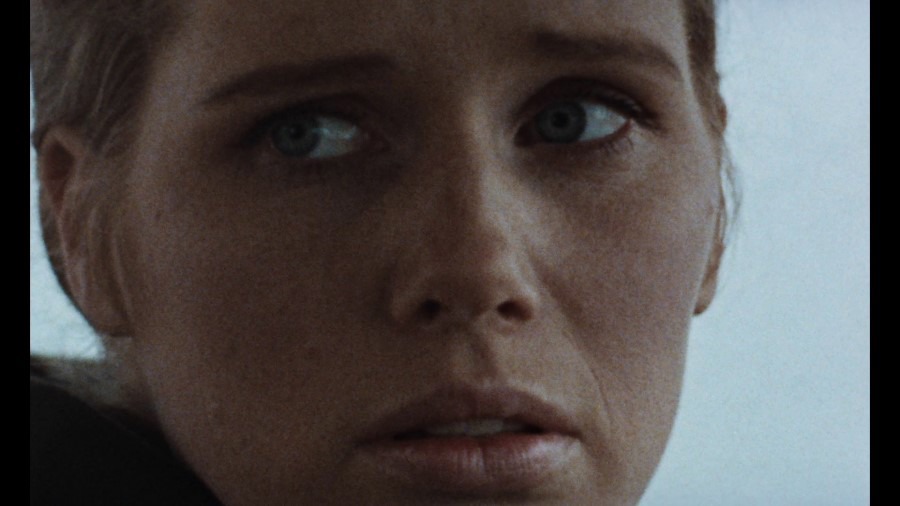
The Passion of Anna also manages to impress. The colour film (with a sharp looking high-contrast black-and-white sequence) does have a fairly drab colour palette, but I still though saturation was excellent, with some decent reds, oranges and greens, and black levels are pretty inky without crushing out detail. Film grain can look a little noisy in a couple of darker shots but it otherwise looks phenomenal, clean and natural, and this helps to serve the general sharpness of the image. Detail levels are high, even in longer shots and the image never goes soft or fuzzy. Textures look great, depth is excellent, and the image does look like a projected film.
I noticed a few slight blemishes scattered about but that’s about it, the restoration work cleaning up just about everything. Overall both films look absolutely phenomenal and are two more stand-outs in the set.
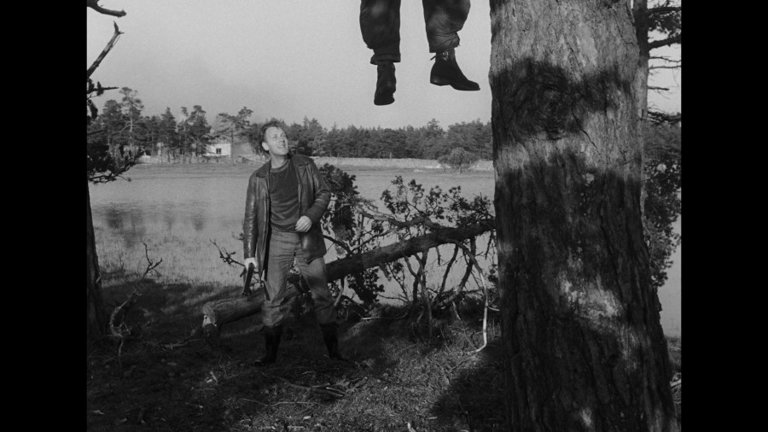
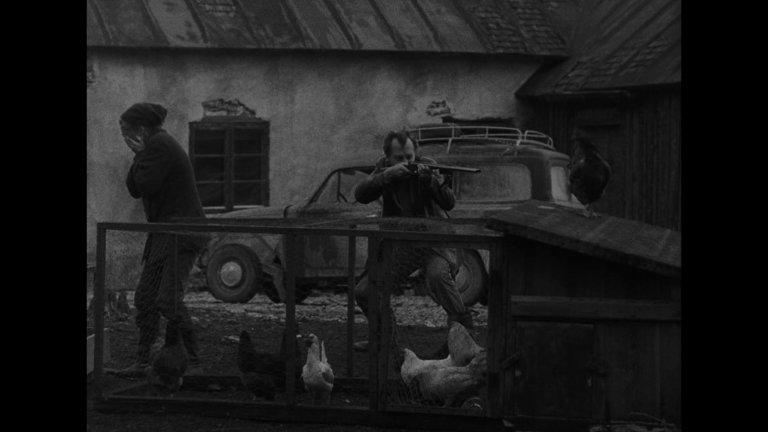
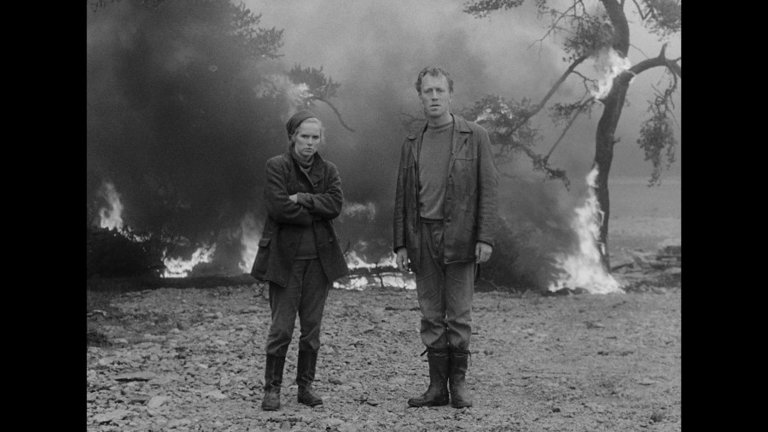
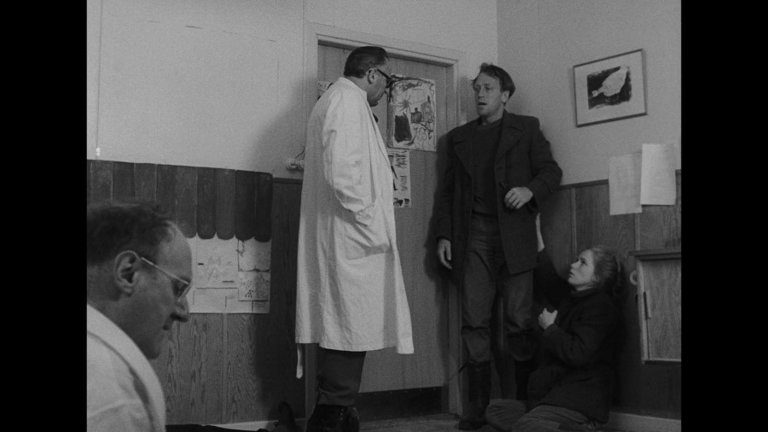
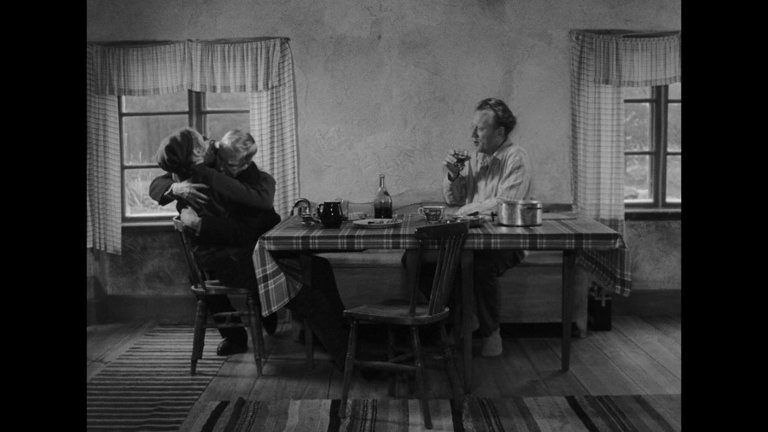
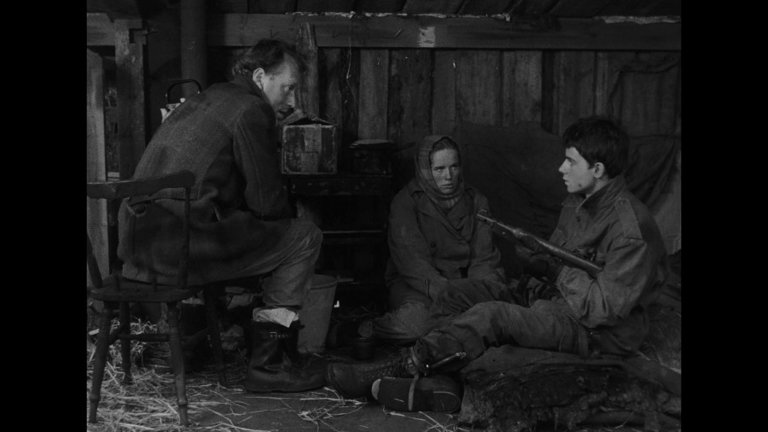
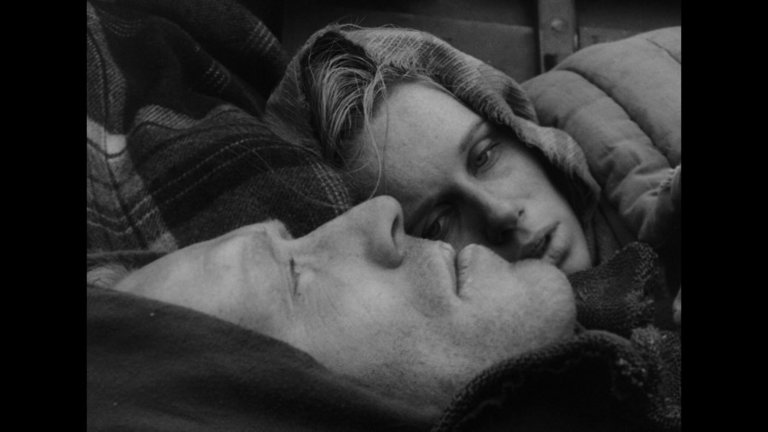
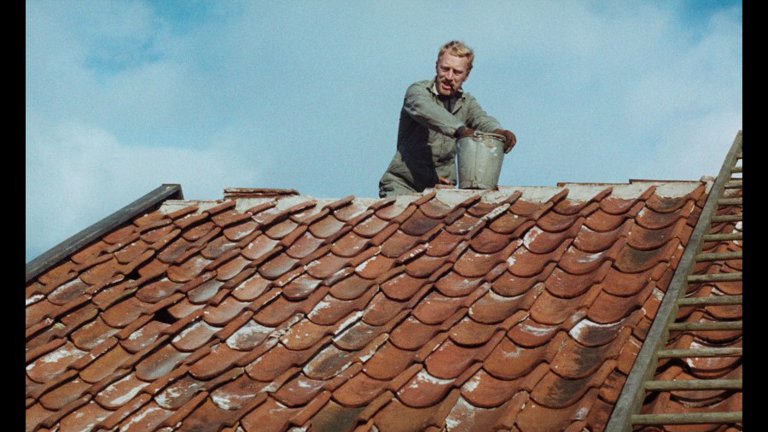
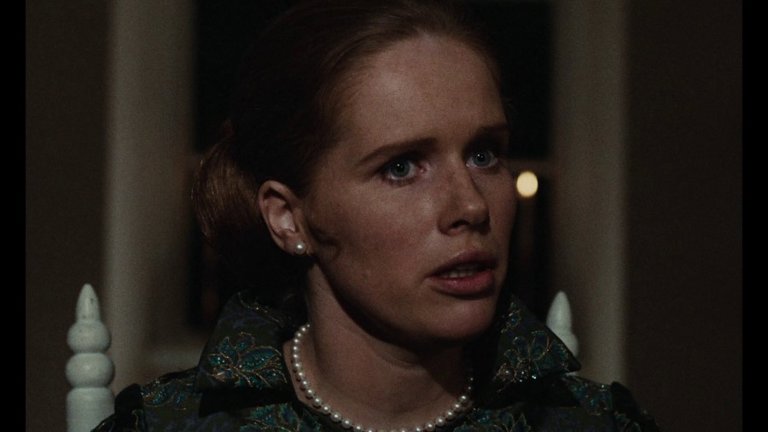
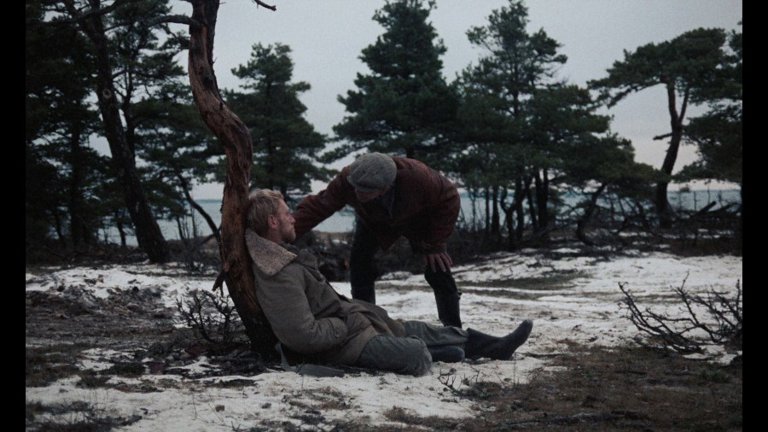
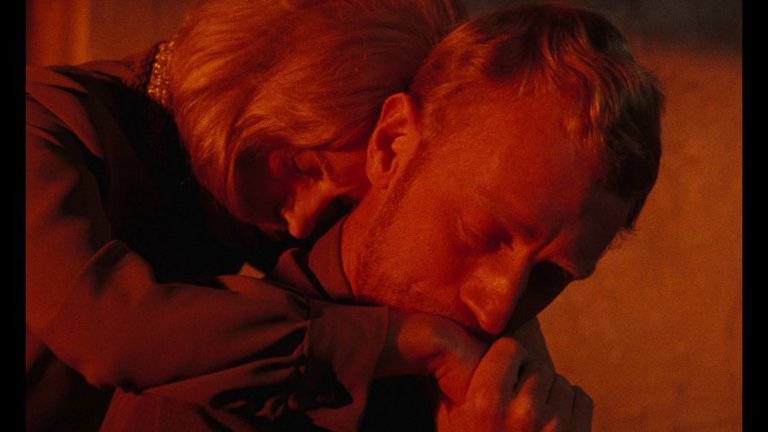
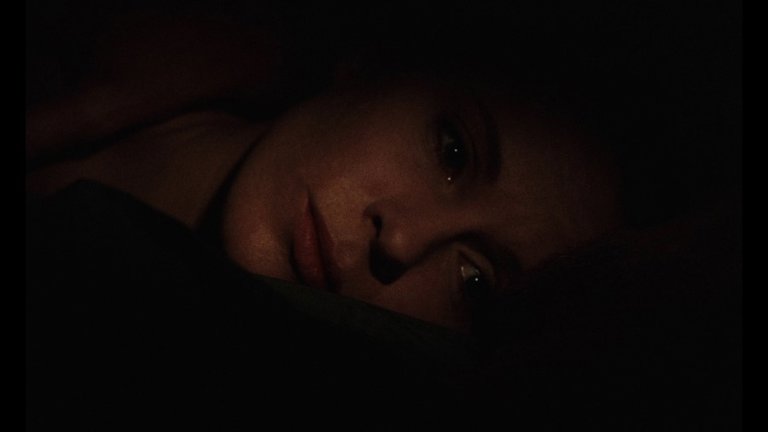
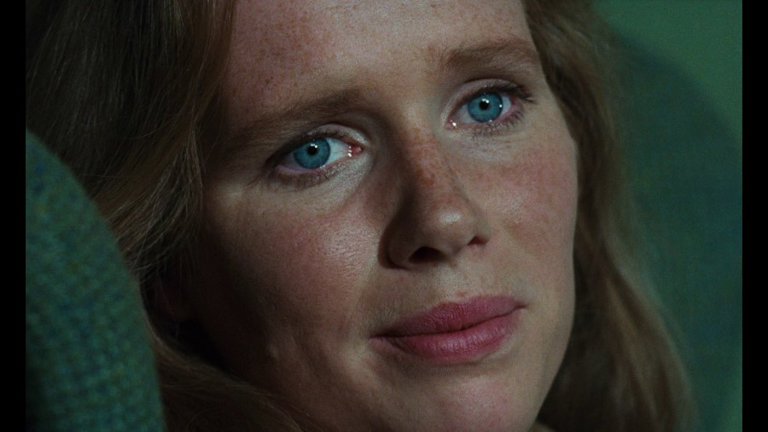
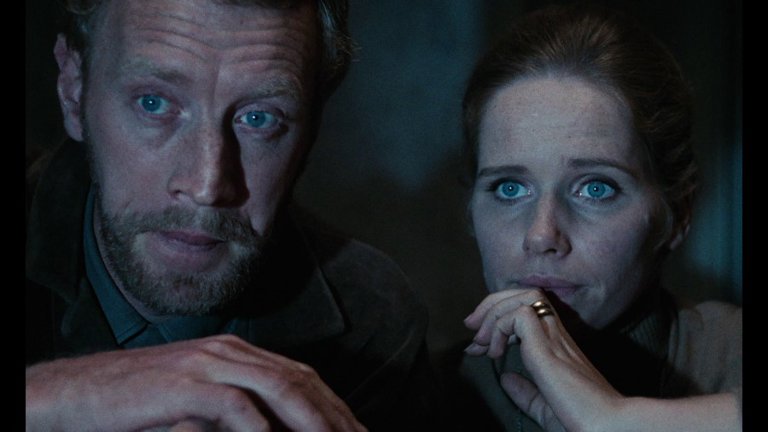
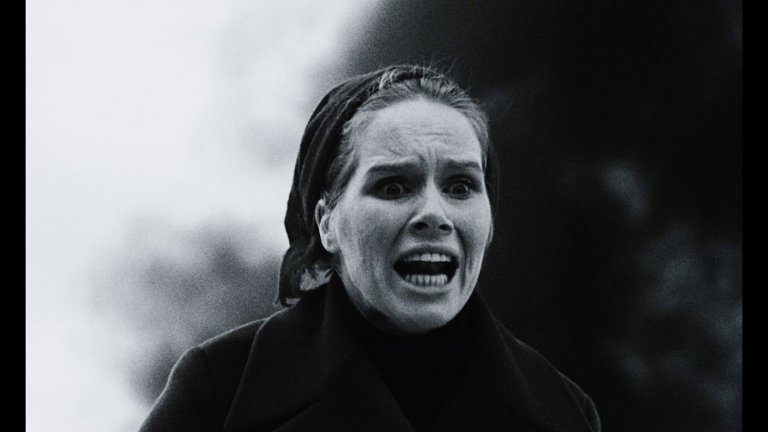
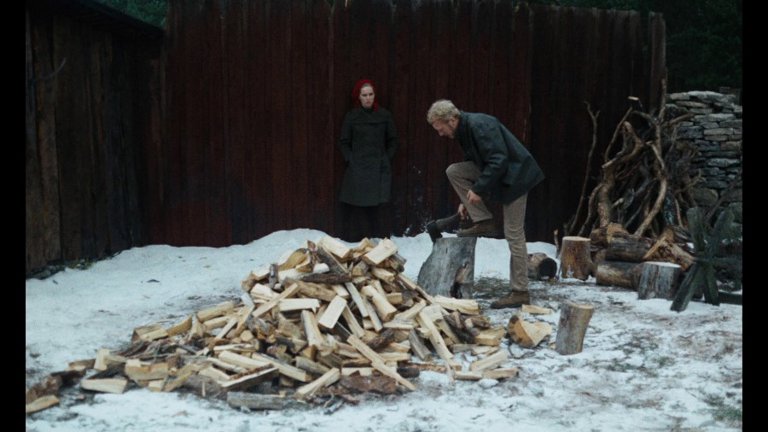
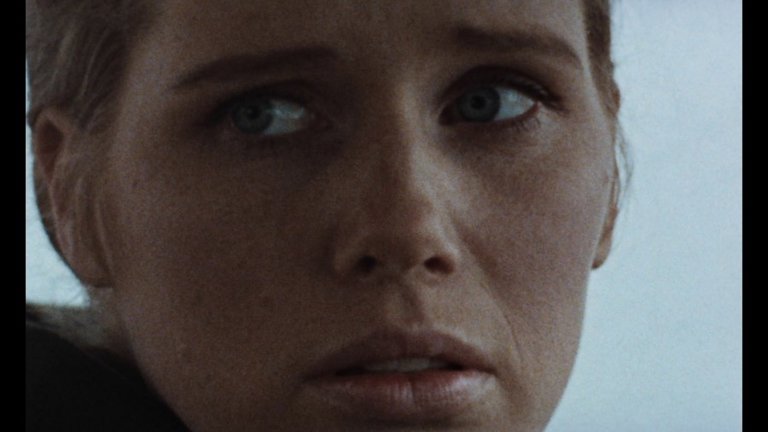
Ingmar Bergman’s Cinema - Screen Captures
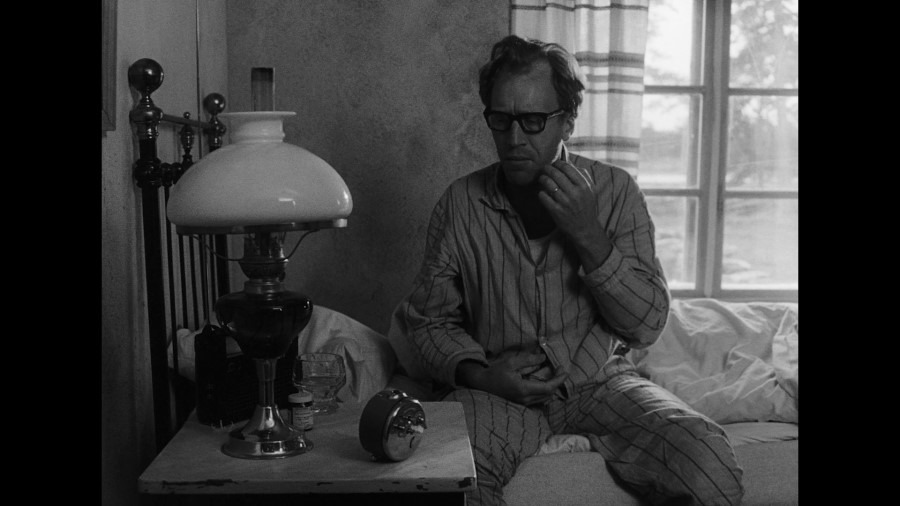
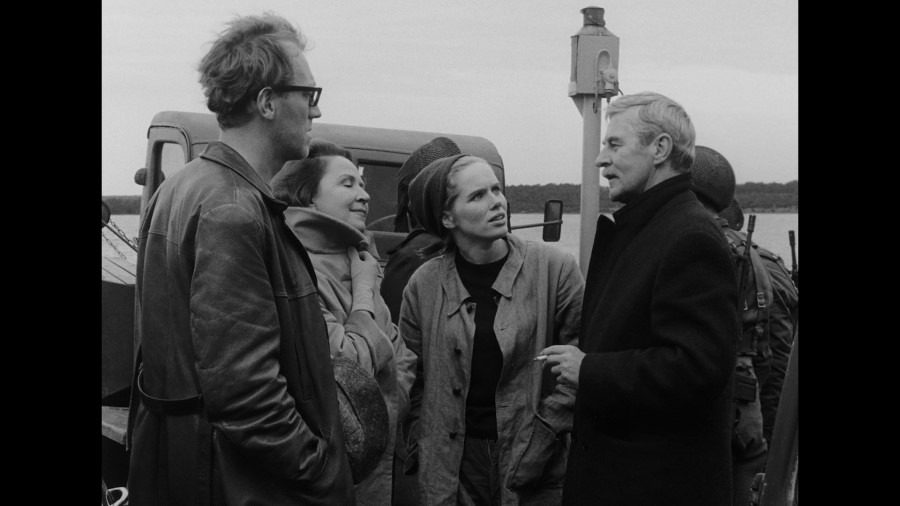
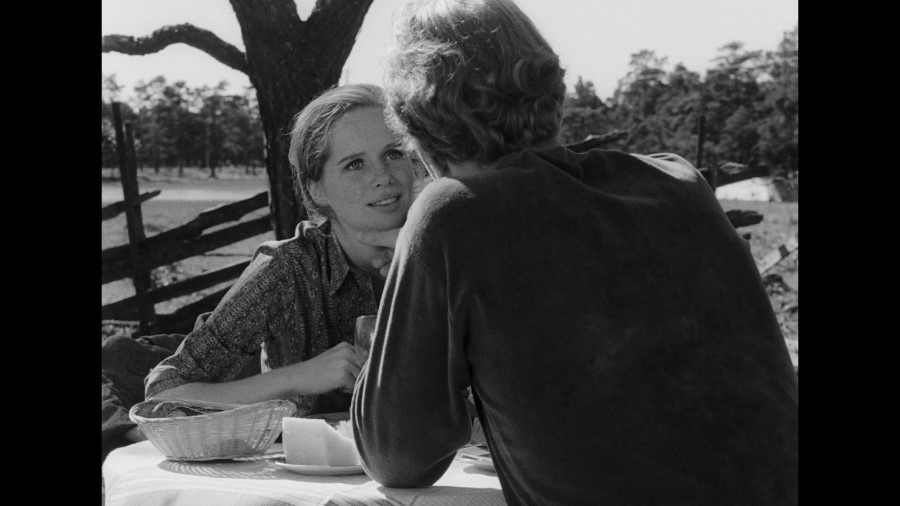
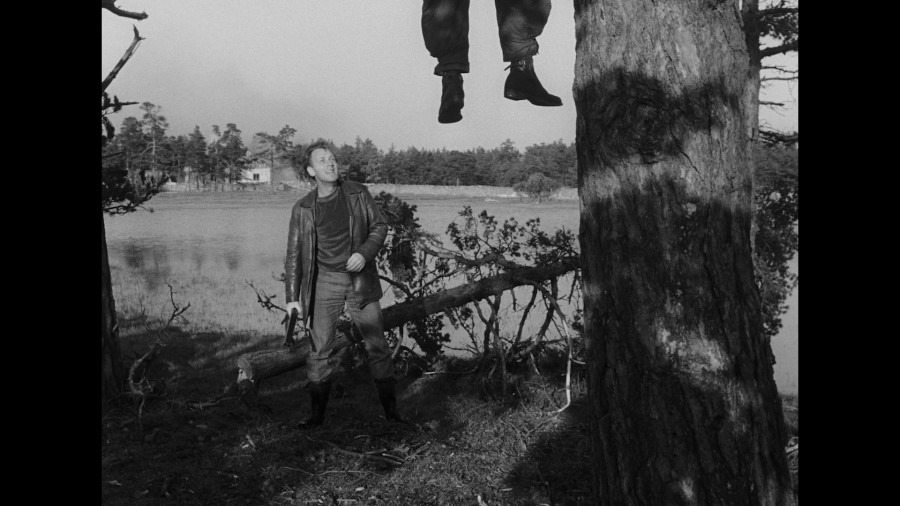
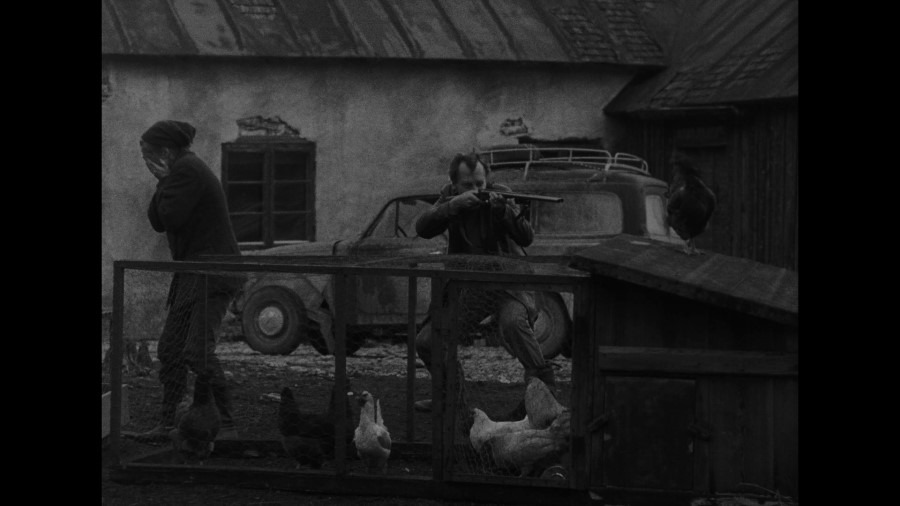
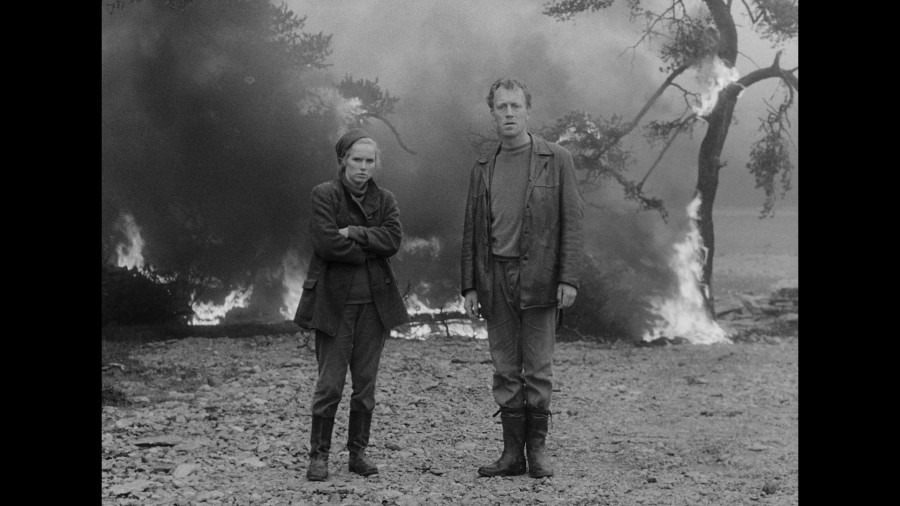
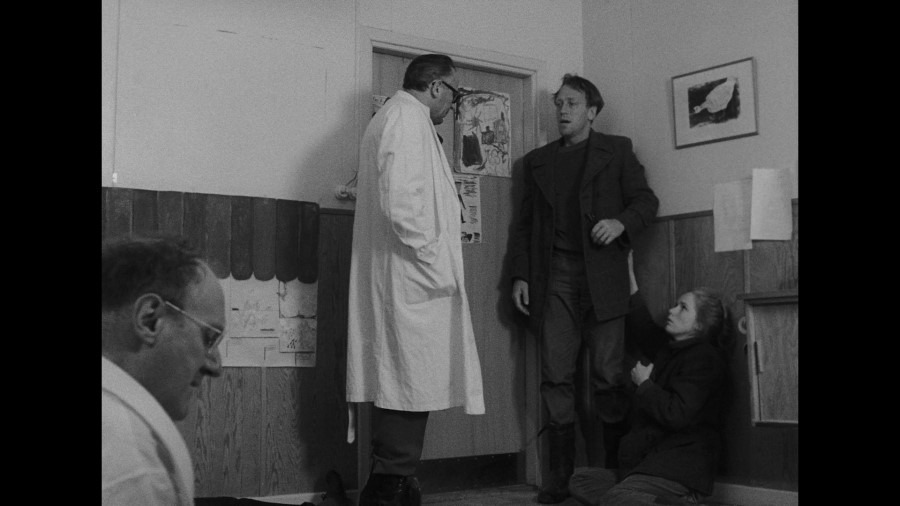
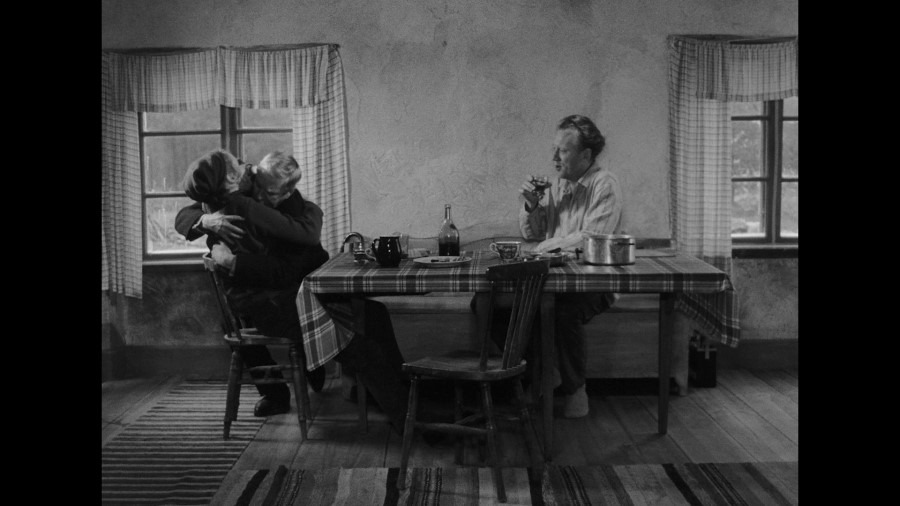
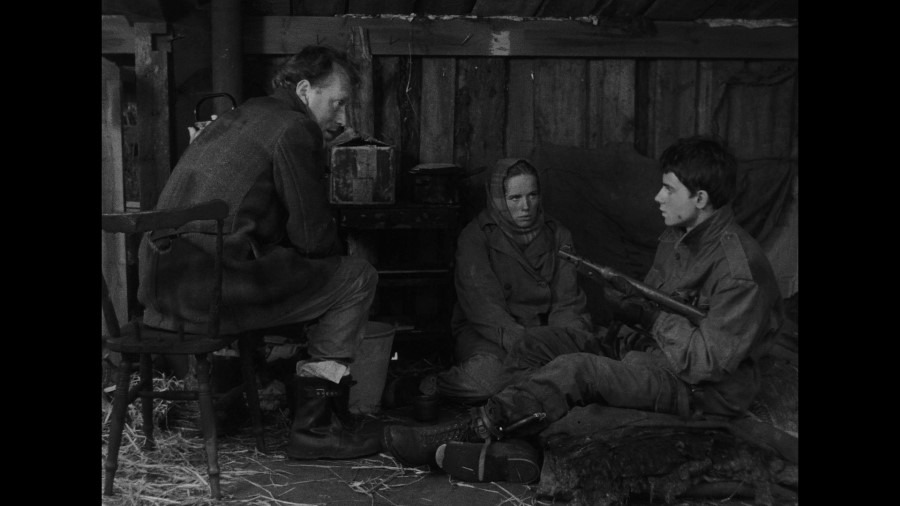
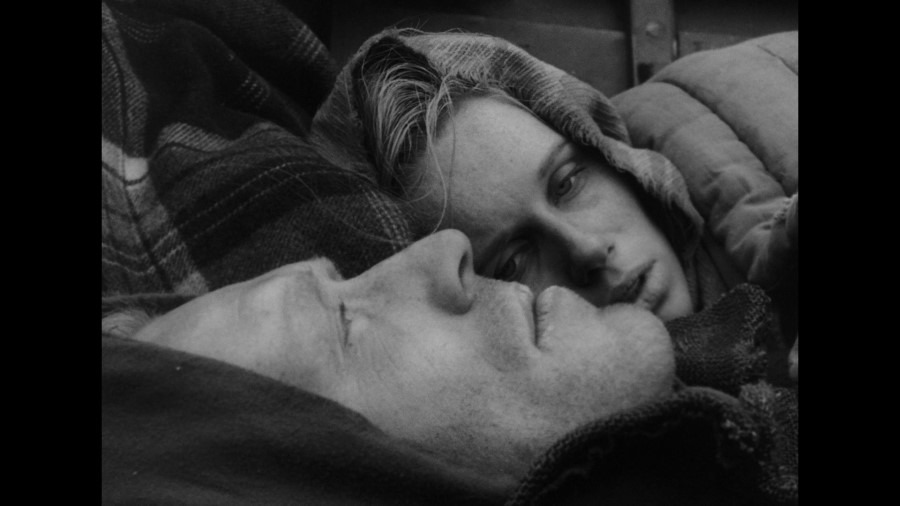
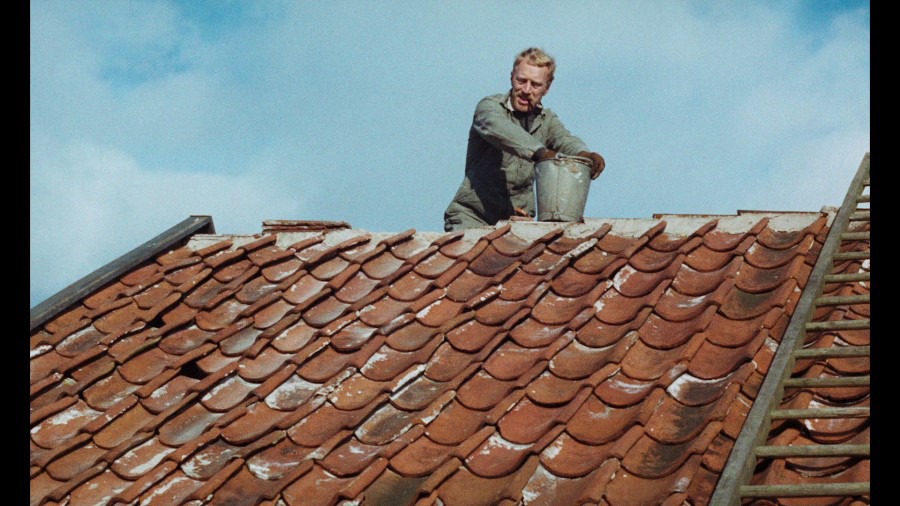
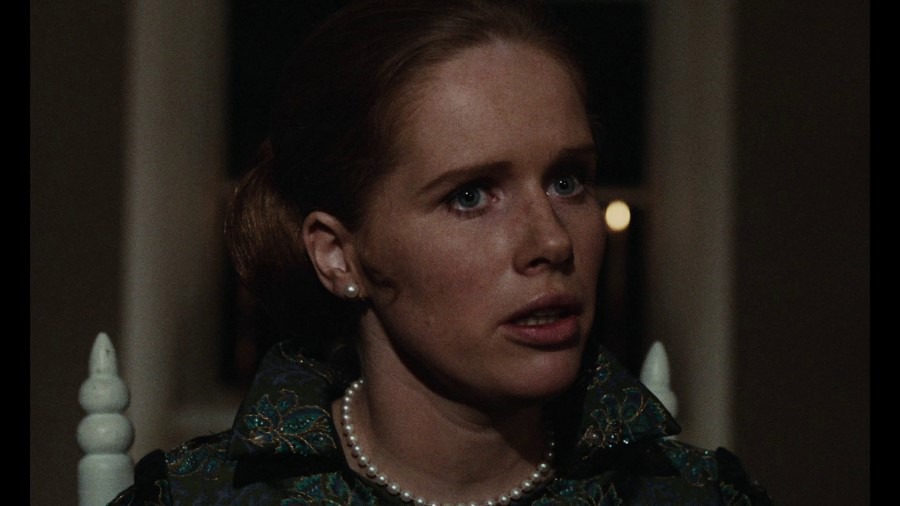
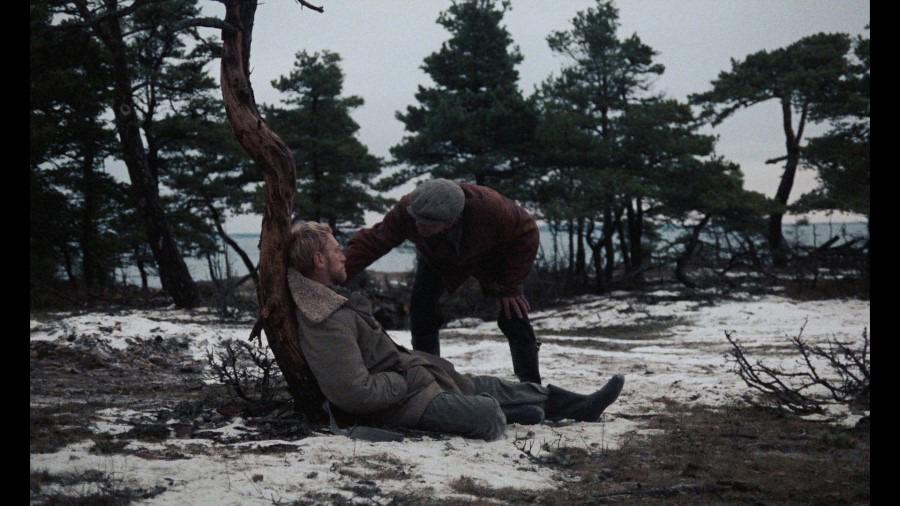
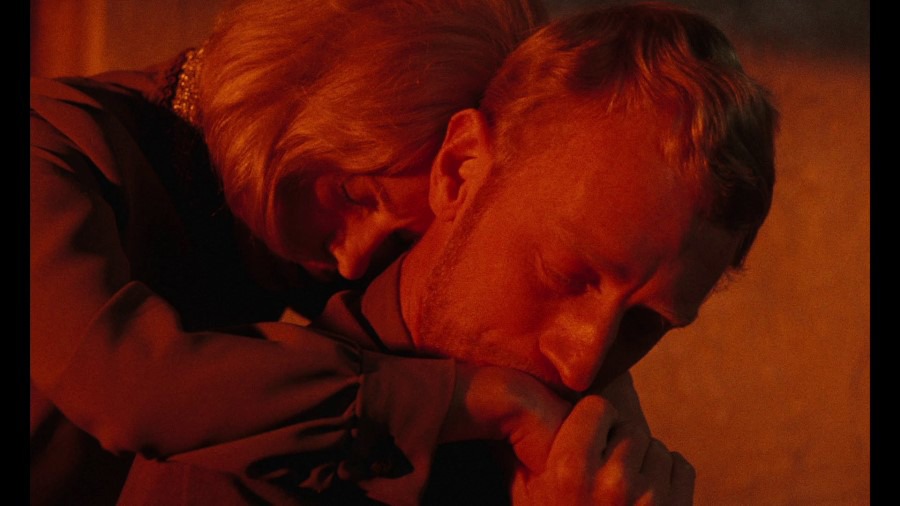
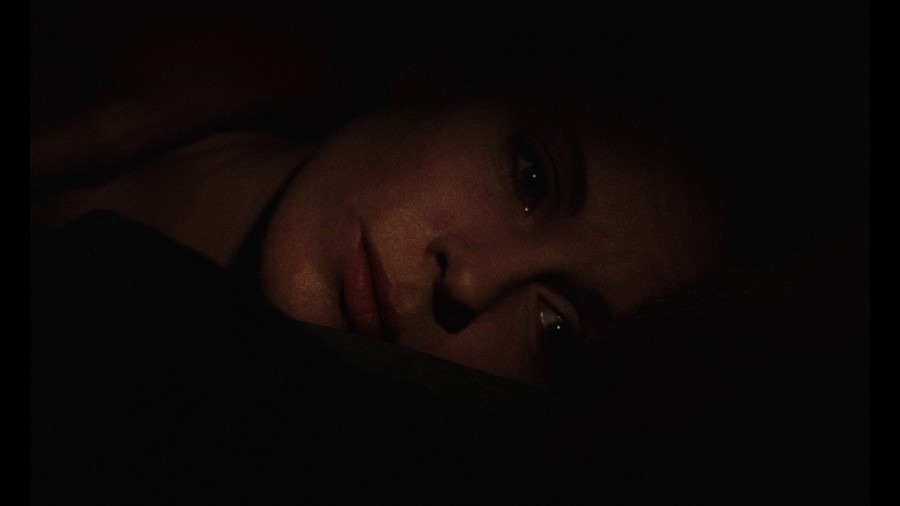
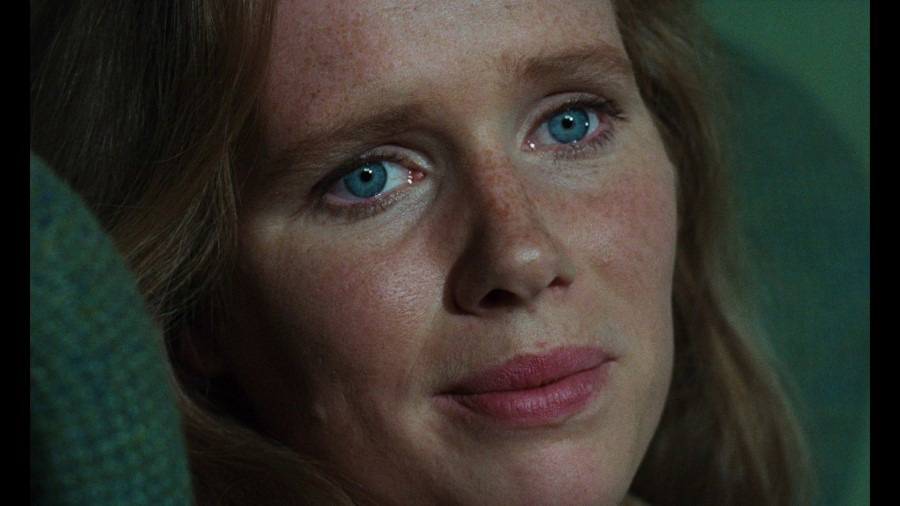
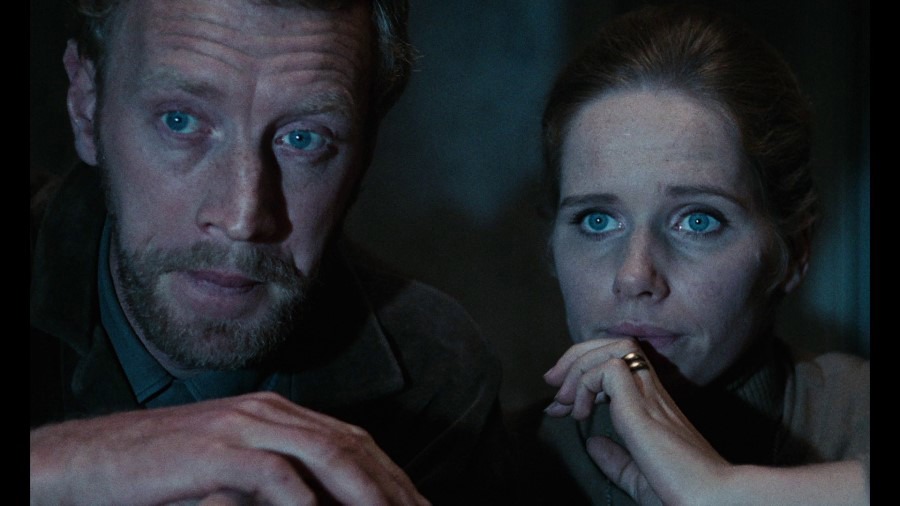
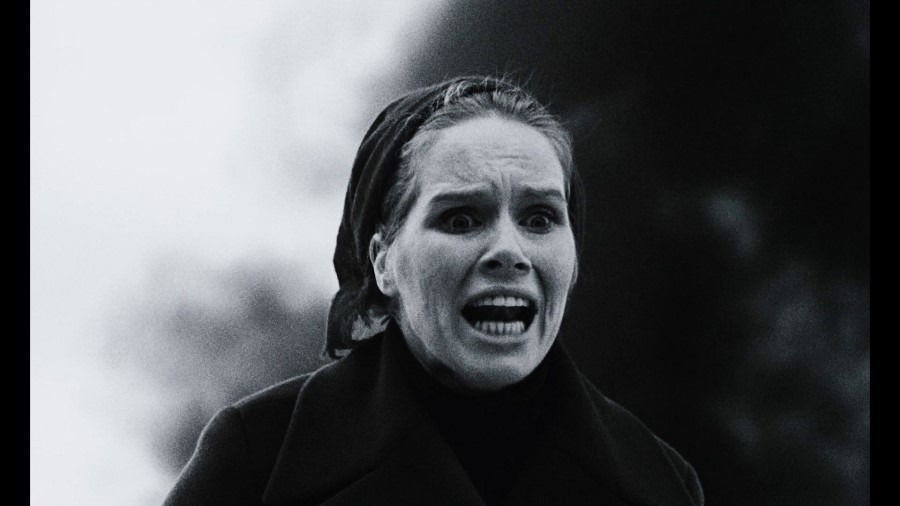
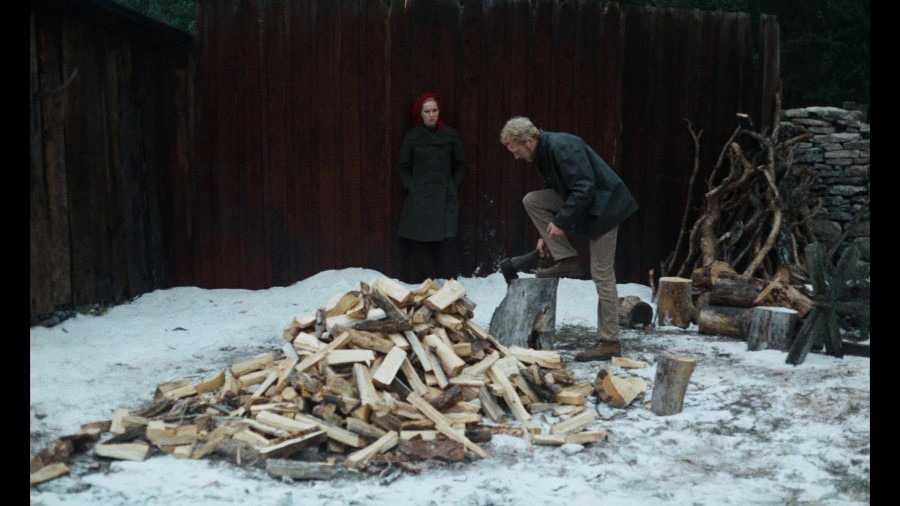
Audio 6/10
Both of the films found on this disc offer lossless PCM 1.0 mono presentations. The Passion of Anna is a fairly standard mono presentation: dialogue sounds clean, as does music, but it’s all fairly flat and one note, despite a couple of louder moments. It’s fine, lacks any damage or severe noise, but it ultimately is what it is.
Shame, on the other hand, manages to be a little livelier. The film is probably the most action packed film I’ve seen from Bergman, not only featuring gunfire but explosions as well! Much to my surprise the track manages to come off far more dynamic and fidelity is half decent. Dialogue is strong enough, maybe still a bit one note, but overall the track is quite surprising.
Shame: 7/10 The Passion of Anna: 6/10
Extras 7/10
Shame ends up receiving all of the special features, The Passion of Anna receiving nothing, except for a couple of mentions throughout Shame’s features. Things start with a news item featuring a story on the film’s production, which aired in 1967 on September 9th. The 5-minute segment goes over the production and features the interviewer asking Bergman on whether the conflict in Vietnam influenced the film in any way, along with his reasons for not using music. This is followed by a 15-minute interview with Bergman from a 1968 episode of a show called “Forum,” where the director talks about the film, war and how it effects people and the arts, and the apolitical nature of the protagonists in the film. Together the two interviews give an idea of what influenced Bergman and what he was hoping to say with the film.
Liv Ullmann next provides a new interview for this release, talking here about “the Fårö Island years” of Bergman’s career. She talks about how their personal relationship developed, her leaving her husband to be with Bergman on the island, and then the films they made during this period: Hour of the Wolf, Persona, Shame, and The Passion of Anna. She explains what she remembers about how Bergman developed the films, what influenced him, how he developed them, and how one would influence the next film (or dreams and nightmares to be a bit more correct). It’s a great, rather personal interview, Ullmann being very open about her relationship with Bergman, and what it was like to work with him on a film when the two of them had this more intimate relationship off set. Ullmann’s interviews are always wonderful and this is no different.
The biggest feature on here is a 72-minute program made for New York’s public access station WNET in 1968, called An Introduction to Ingmar Bergman, which, through various clips and interviews with Bergman, Ullmann, and Max von Sydow, goes over Bergman’s career up to Shame, while also showcasing some behind-the-scenes footage. For those already familiar with Bergman’s work and career it probably won’t offer anything significantly new, but if anyone is looking for a decent primer and introduction to the director and his work, they can do a lot worse.
The set’s included 247-page booklet presents an essay by Michael Sragow covering both films. It’s very similar to what Sragow provided for the individual edition of Shame, but the one here has more about The Passion of Anna and even Hour of the Wolf. Sadly, it’s the only material that covers Anna, which is screaming for more of a special edition. Hopefully Criterion will revisit it sometime in the near-future.
Closing
Only Shame is given a set of supplemental features. But at the very least both films offer incredible looking digital presentations.
BUY AT: