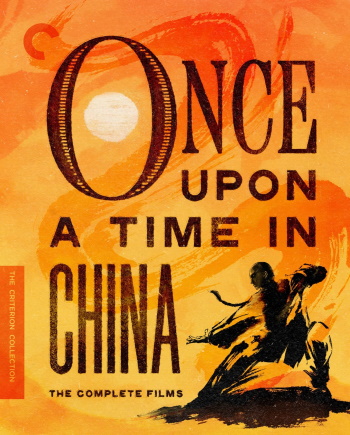
Once Upon a Time in China: The Complete Films
Once Upon a Time in China V
BUY AT:


See more details, packaging, or compare
Synopsis
One of the pinnacles of Hong Kong cinema’s 1990s golden age, the Once Upon a Time in China series set a new standard for martial-arts spectacle and launched action star Jet Li to international fame. It brings to vivid life the colorful world of China in the late nineteenth century, an era of immense cultural and technological change, as Western imperialism clashed with tradition and public order was upended by the threats of foreign espionage and rising nationalism. Against this turbulent backdrop, one man—the real-life martial-arts master, physician, and folk hero Wong Fei-hung—emerges as a noble protector of Chinese values as the country hurtles toward modernity. Conceived by Hong Kong New Wave leader Tsui Hark, this epic cycle is not only a dazzling showcase for some of the most astonishing action set pieces ever committed to film but also a rousing celebration of Chinese identity, history, and culture.
Picture 7/10
Tsui Hark’s Once Upon a Time in China V appears on the fifth dual-layer in Criterion’s box set Once Upon a Time in China: The Complete Films. It is presented in the aspect ratio of around 2.39:1 and has been encoded at 1080p/24hz.
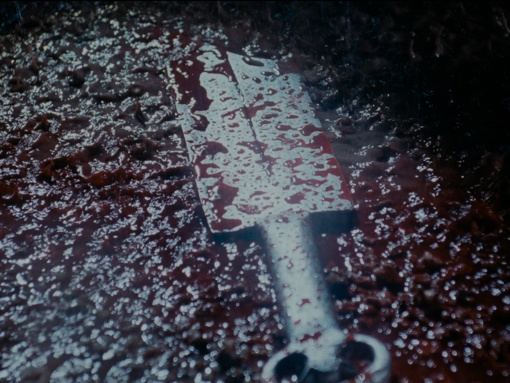
As with the previous film in the set the restoration was conducted by Warner Bros. in 2K, scanned from a 35mm interpositive. Though the presentation is technically better than what IV offered, it’s still one of the set’s weaker ones, coming down to general clarity and definition; while the image overall is sharp enough, the finer details rarely pop. Materials appear to be playing most into that as grain is rendered well, lending a photographic look, there’s just this slight haze around most objects onscreen, at least in long shots. Highlights manage to look nice and sharp, though, an early nighttime fight scene in the rain looking especially good.
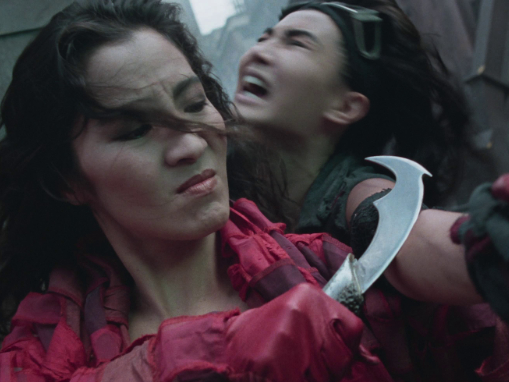
As with the previous film colours come out looking terrific, bolder than what the first three films offered, delivering sharp blues, reds, and greens. Black levels also hold up nicely, looking deep and inky without eating up shadow detail. This also aids in the sharp rendering of that nighttime fight scene in the rain. Motion is also smooth, aiding those quick fight scenes, and I didn’t make note of any severe digital artifacts appearing on screen.
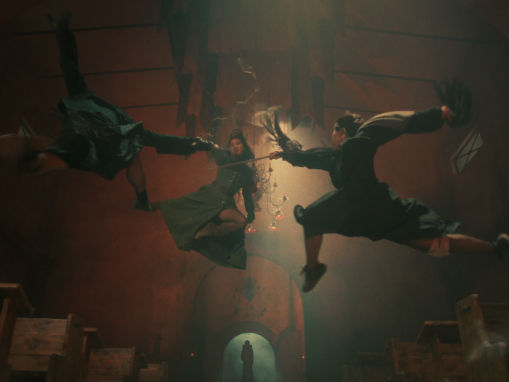
The restoration appears to have been a bit more thorough compared to the previous film, which was littered with scratches and marks. Damage is still present, I should point out, in the form of tiny marks, scratches, and tram lines (along with small splices), it just all ends up being less visible this time around. The early portions of the fight scene near the end are the only instances I recall the damage being especially noticeable.
As with the fourth film, the presentation is a decent one, and probably better than anything available before, it just clearly hasn’t been given the same amount of love as the first three films, and probably, at best, just received a good scan, remaster, and "default" clean-up.
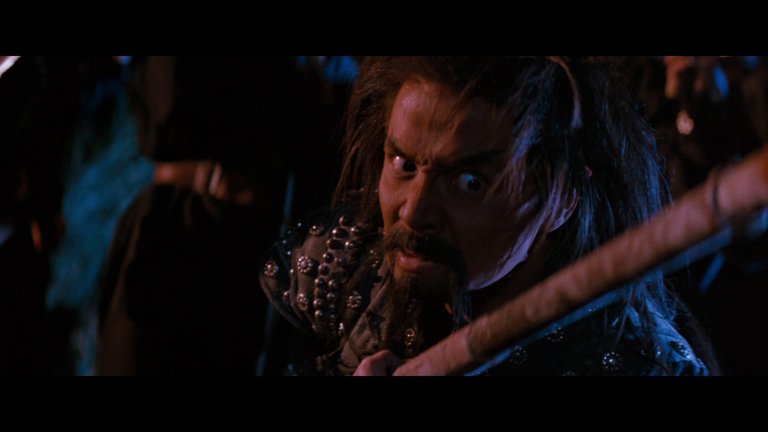
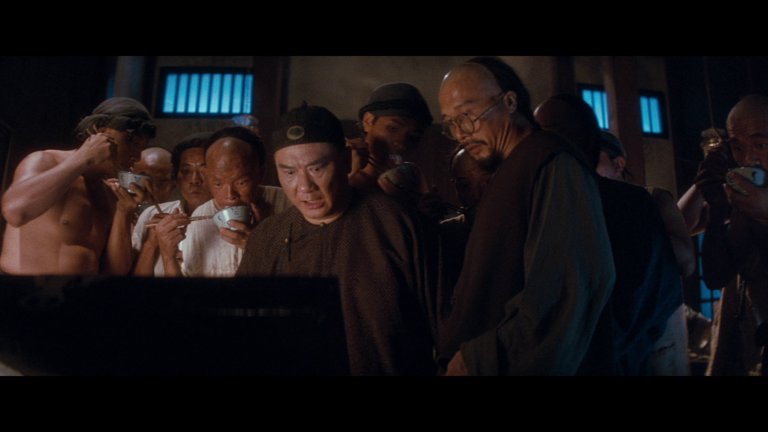
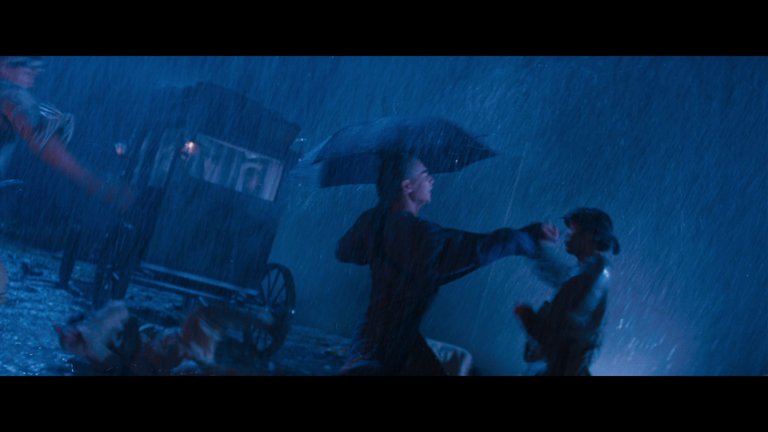
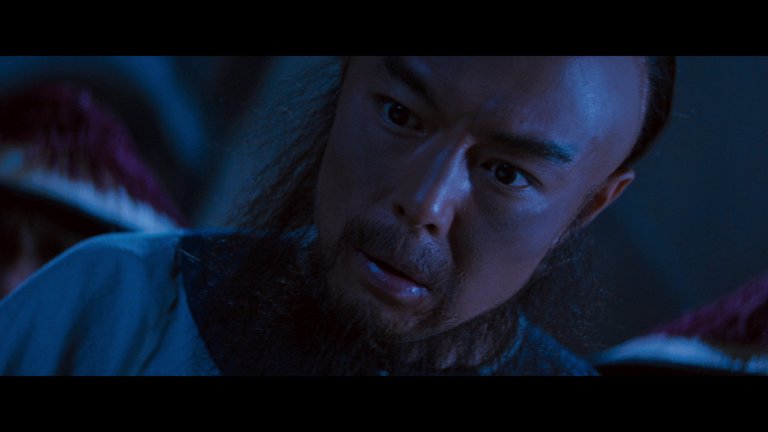
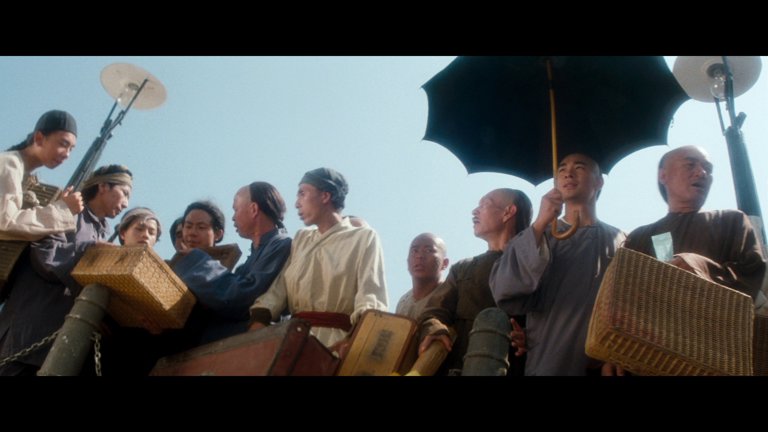
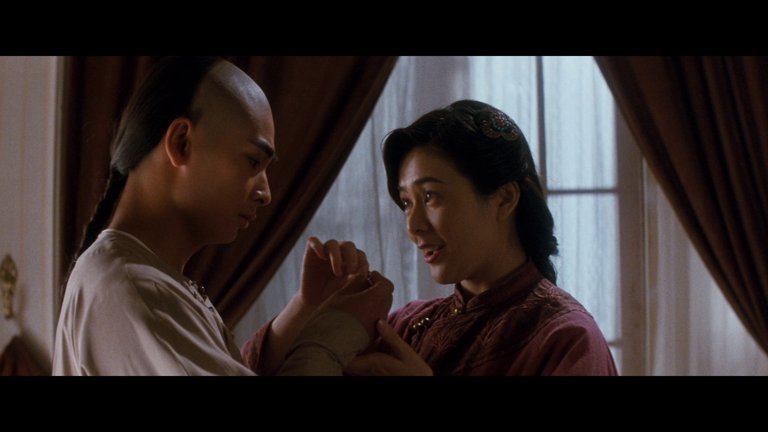
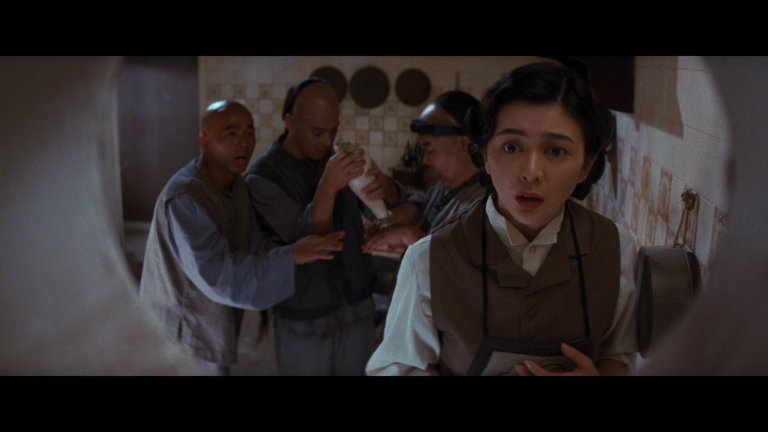
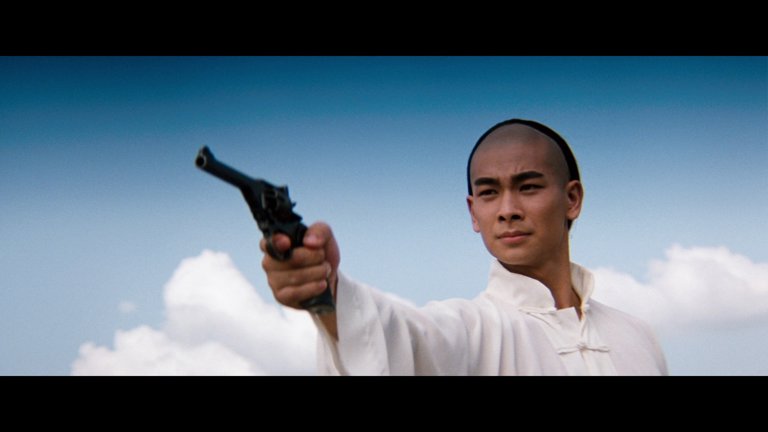
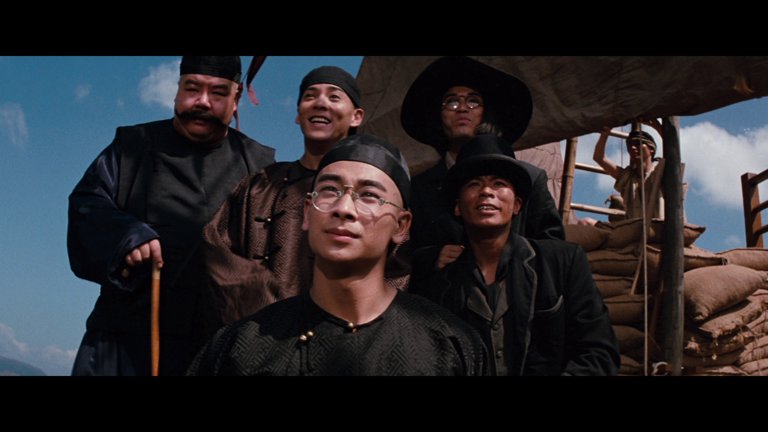
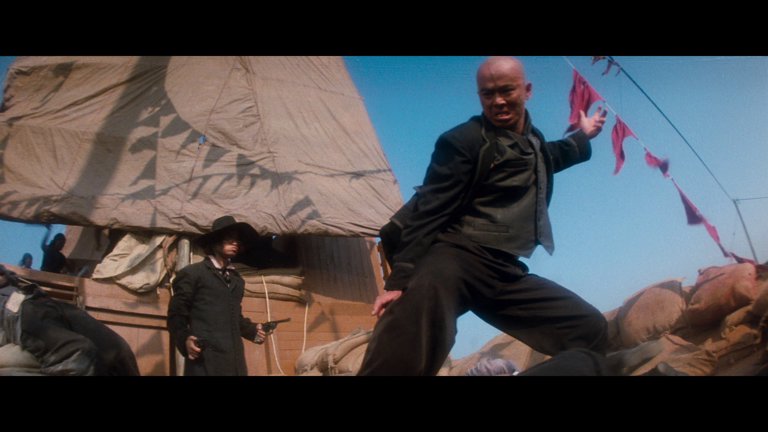
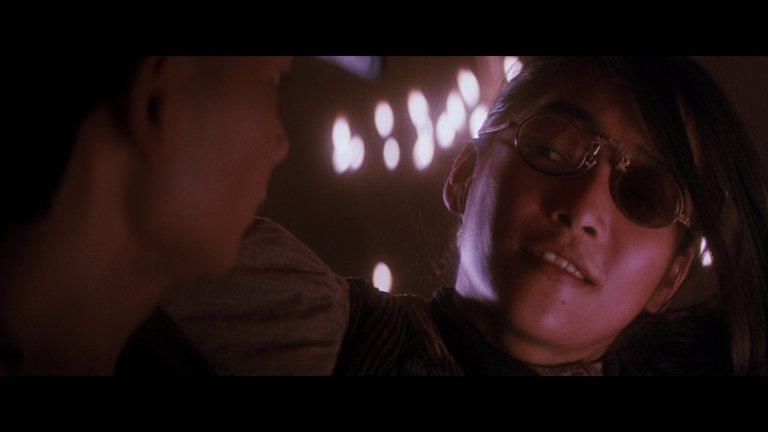
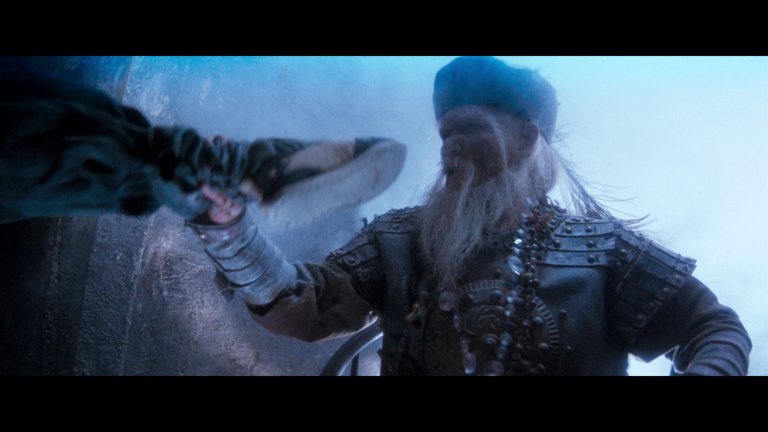
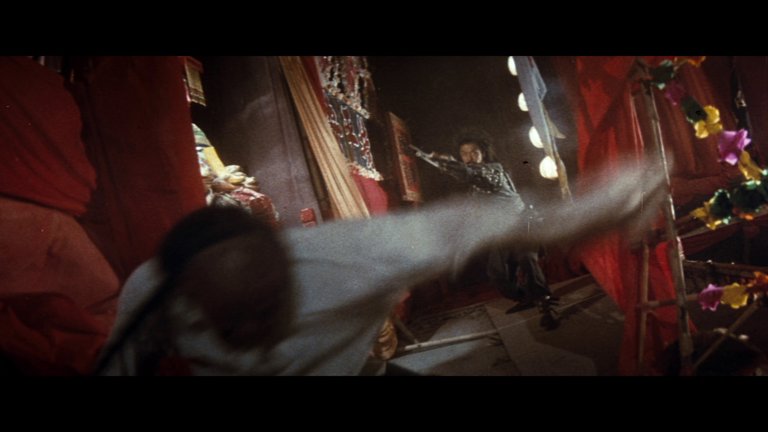
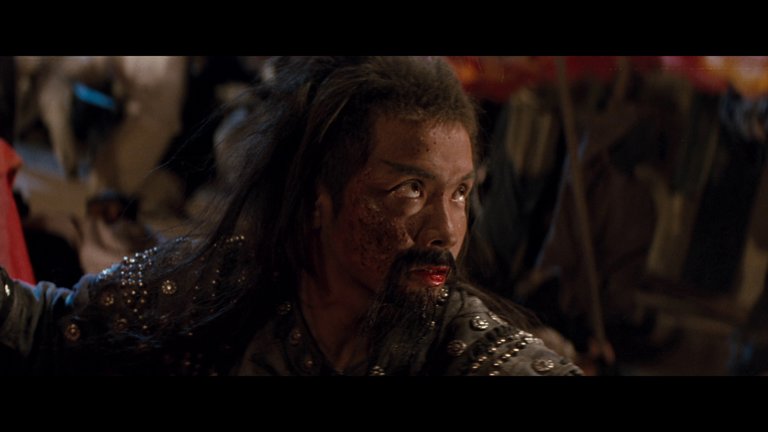
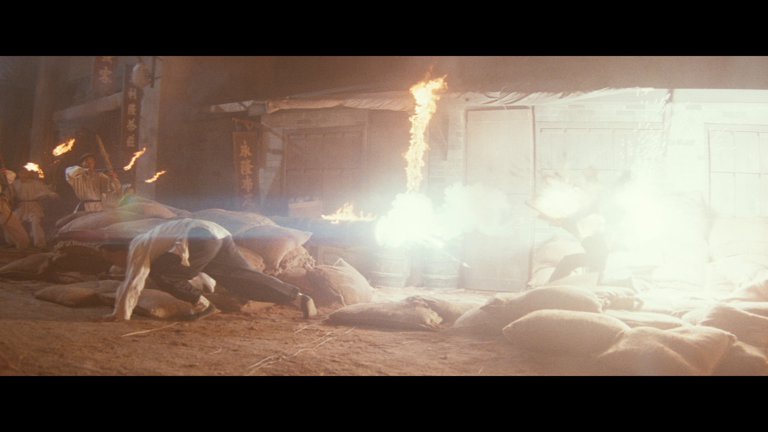
Once Upon a Time in China: The Complete Films - Screen Captures
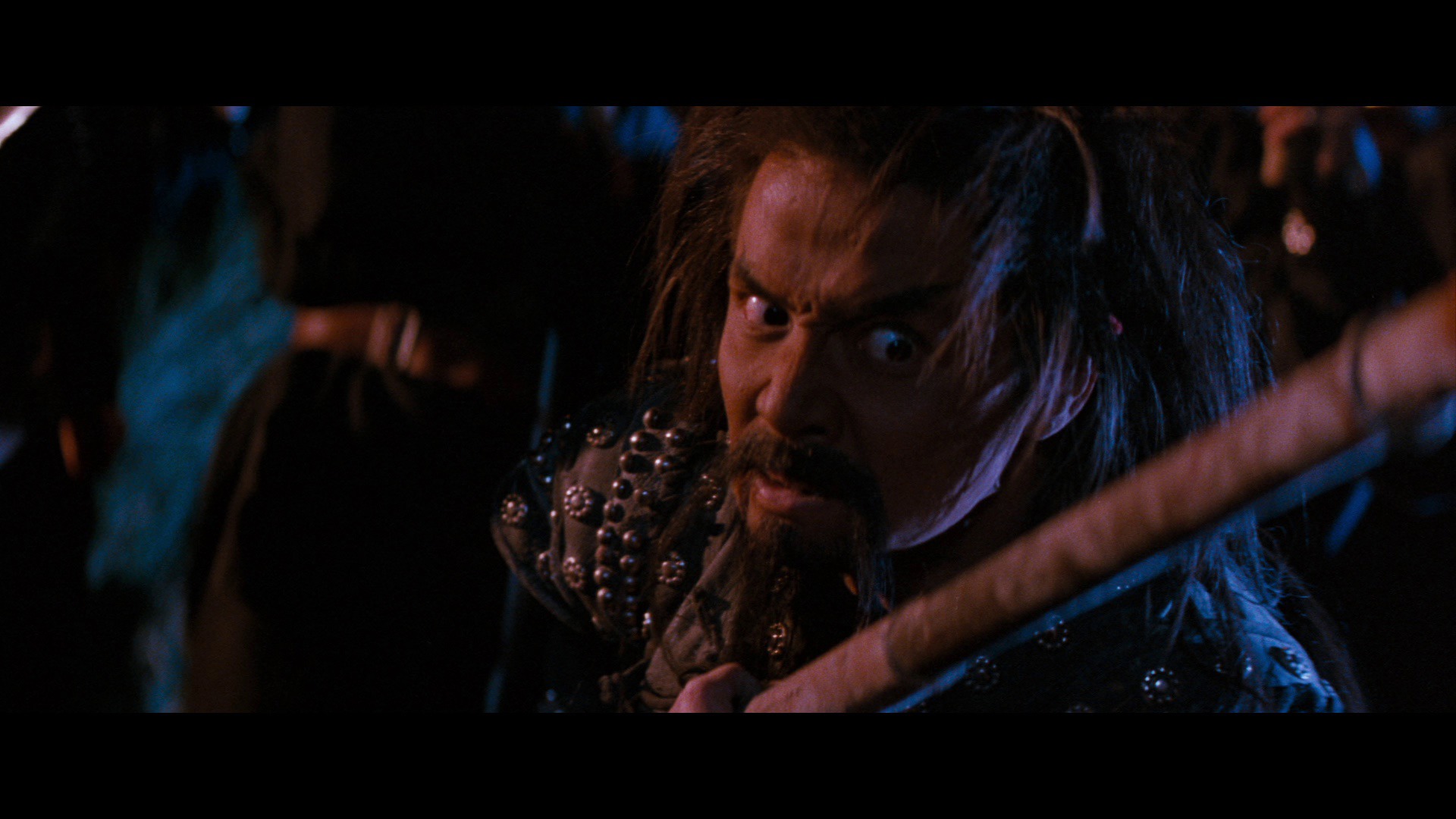
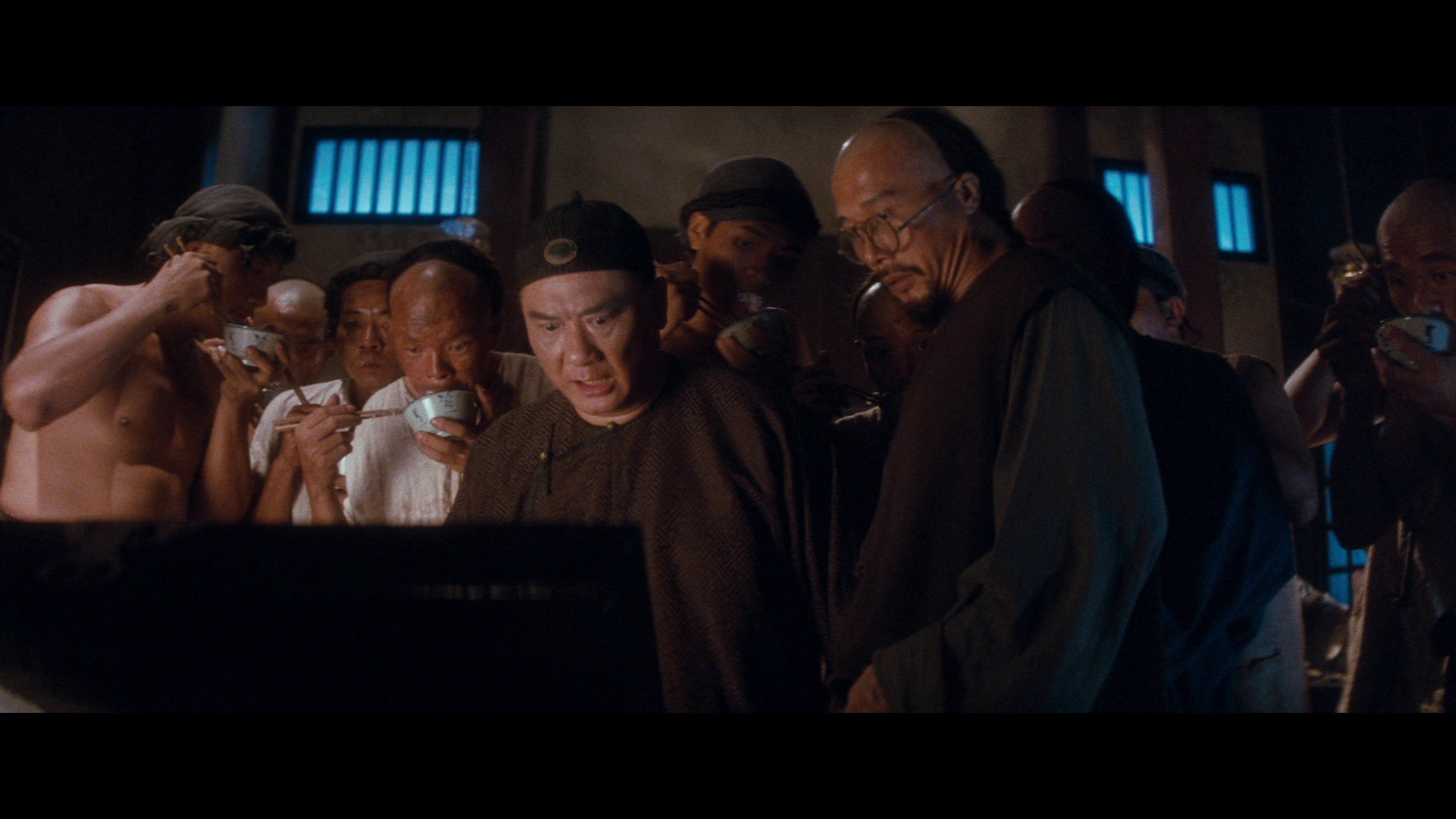
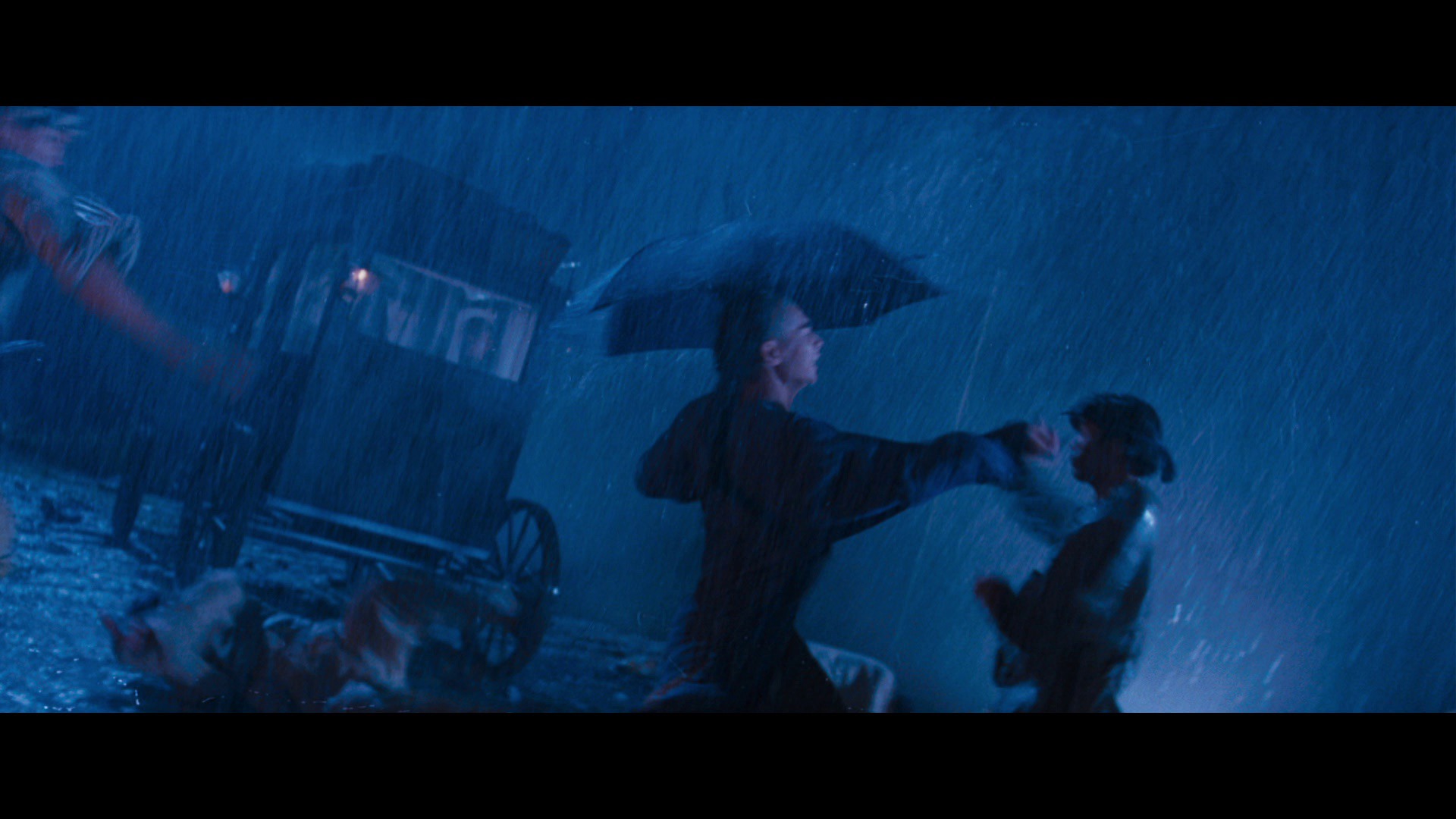
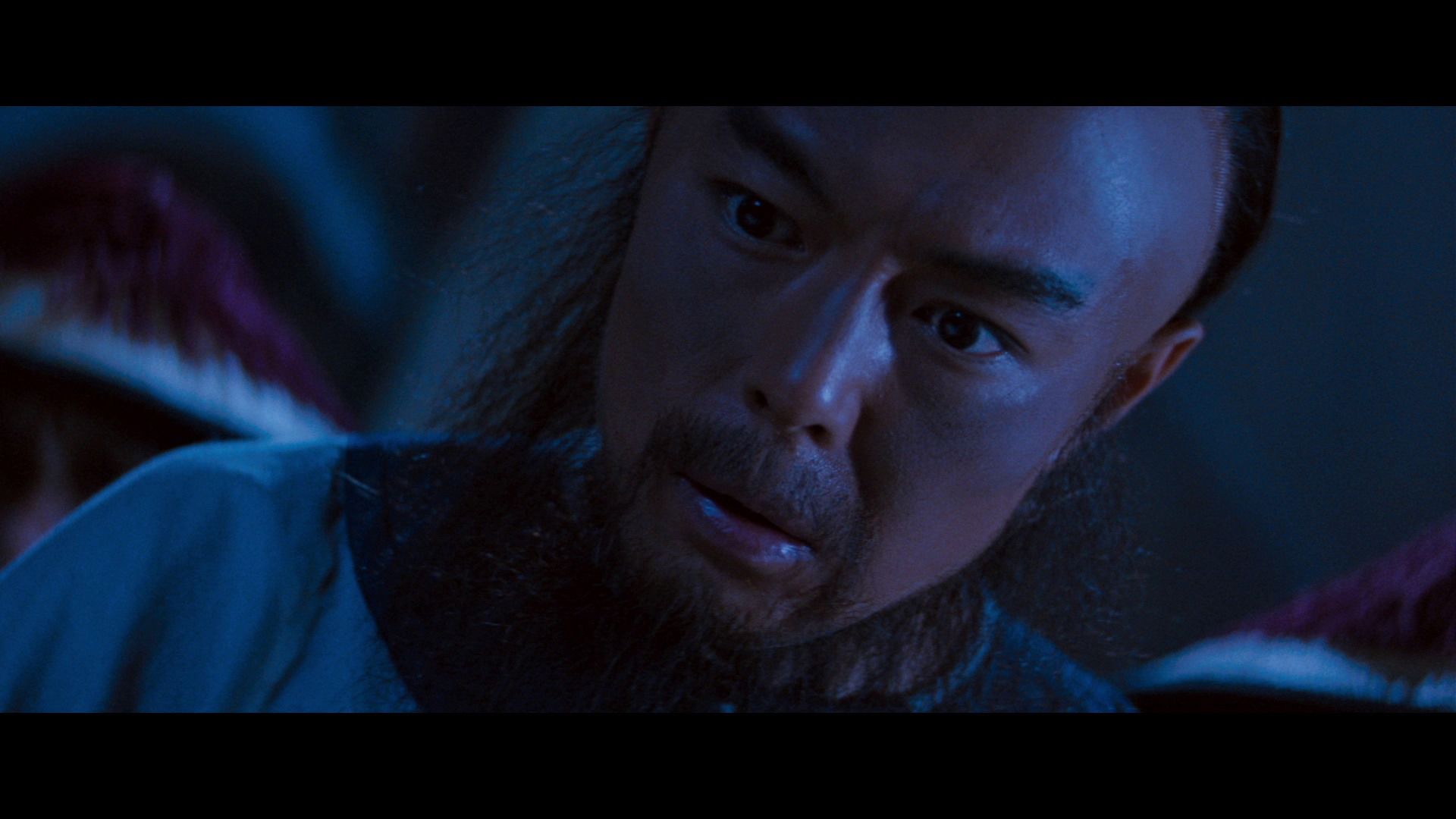
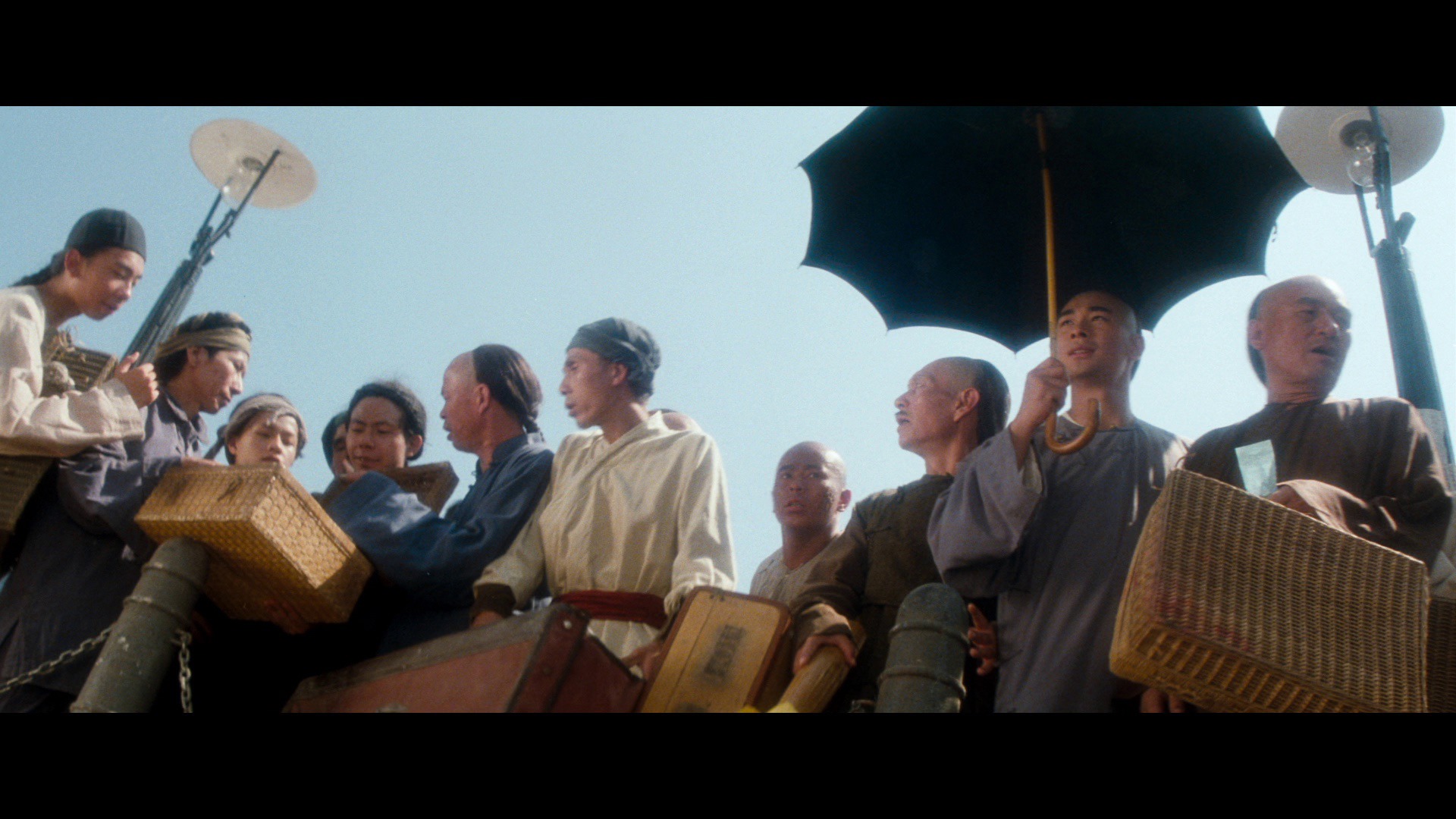
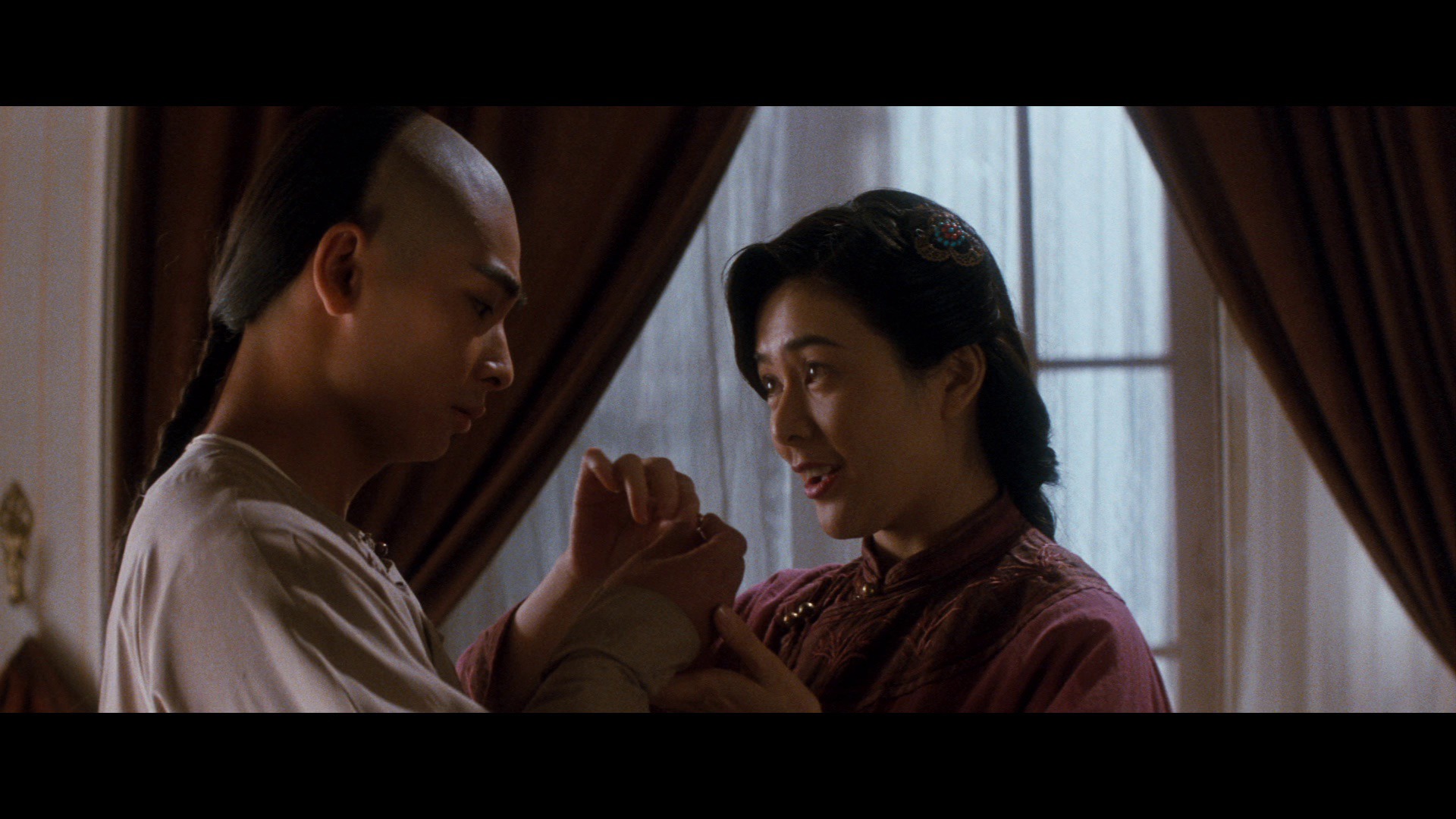
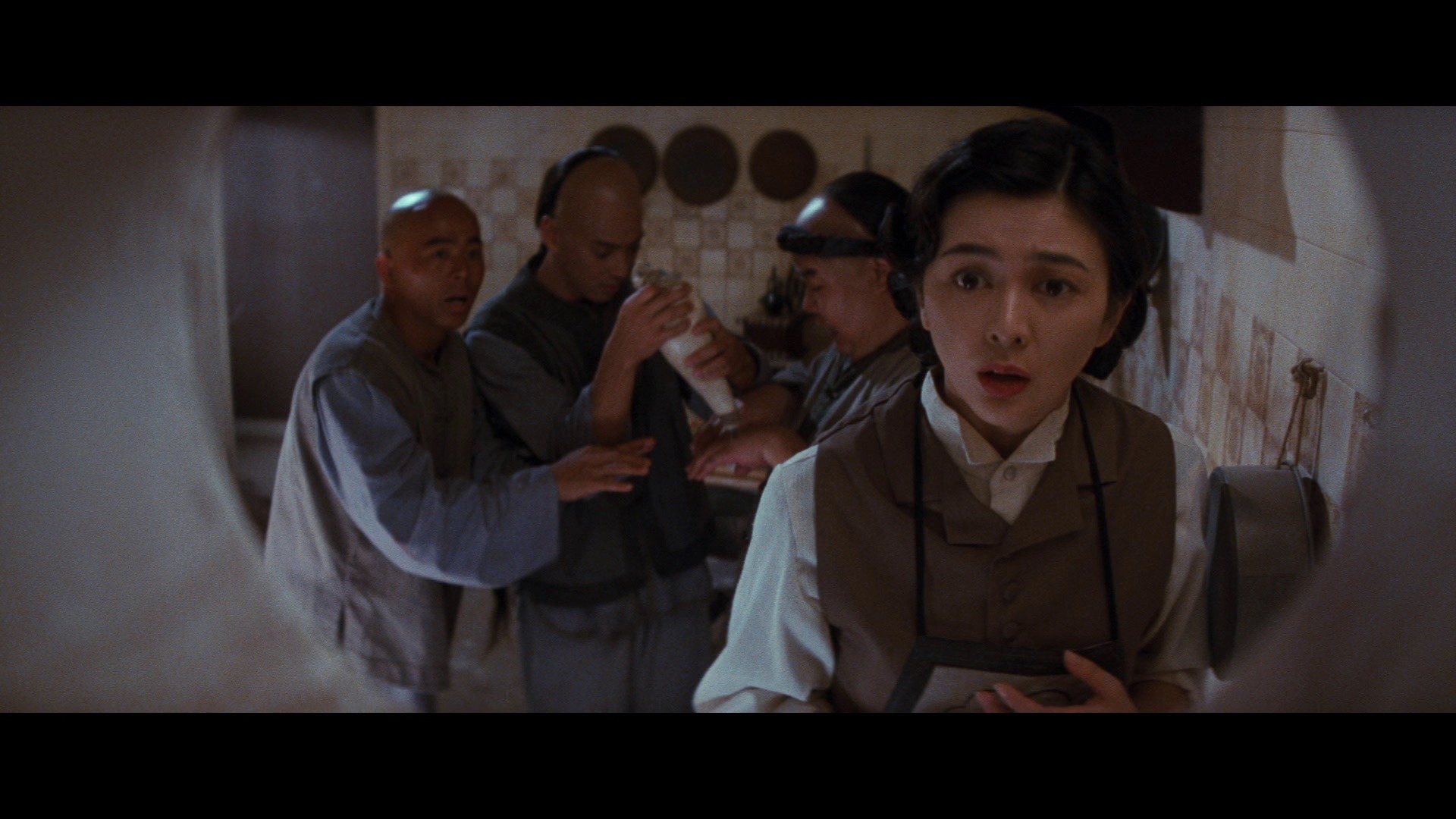
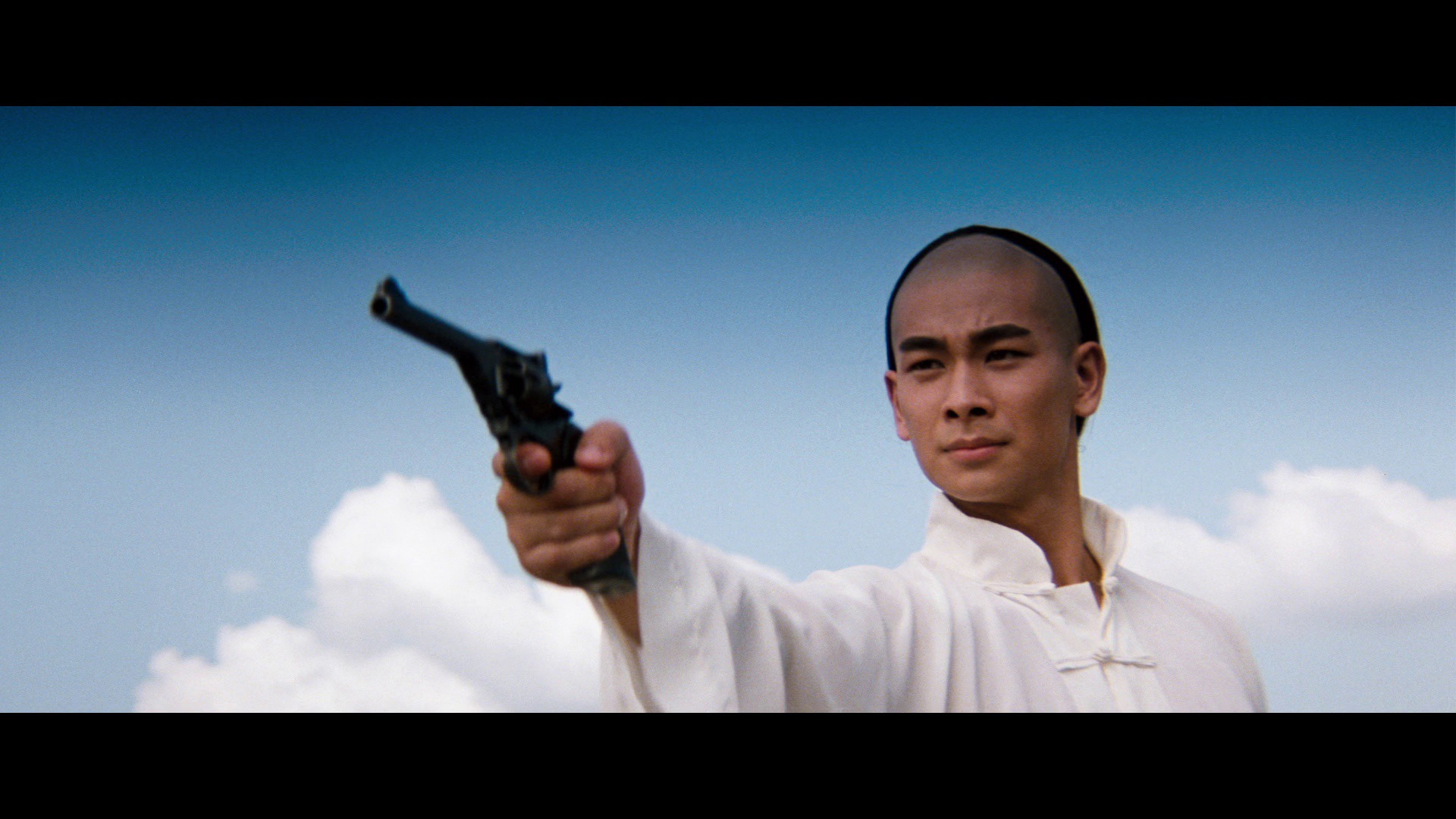
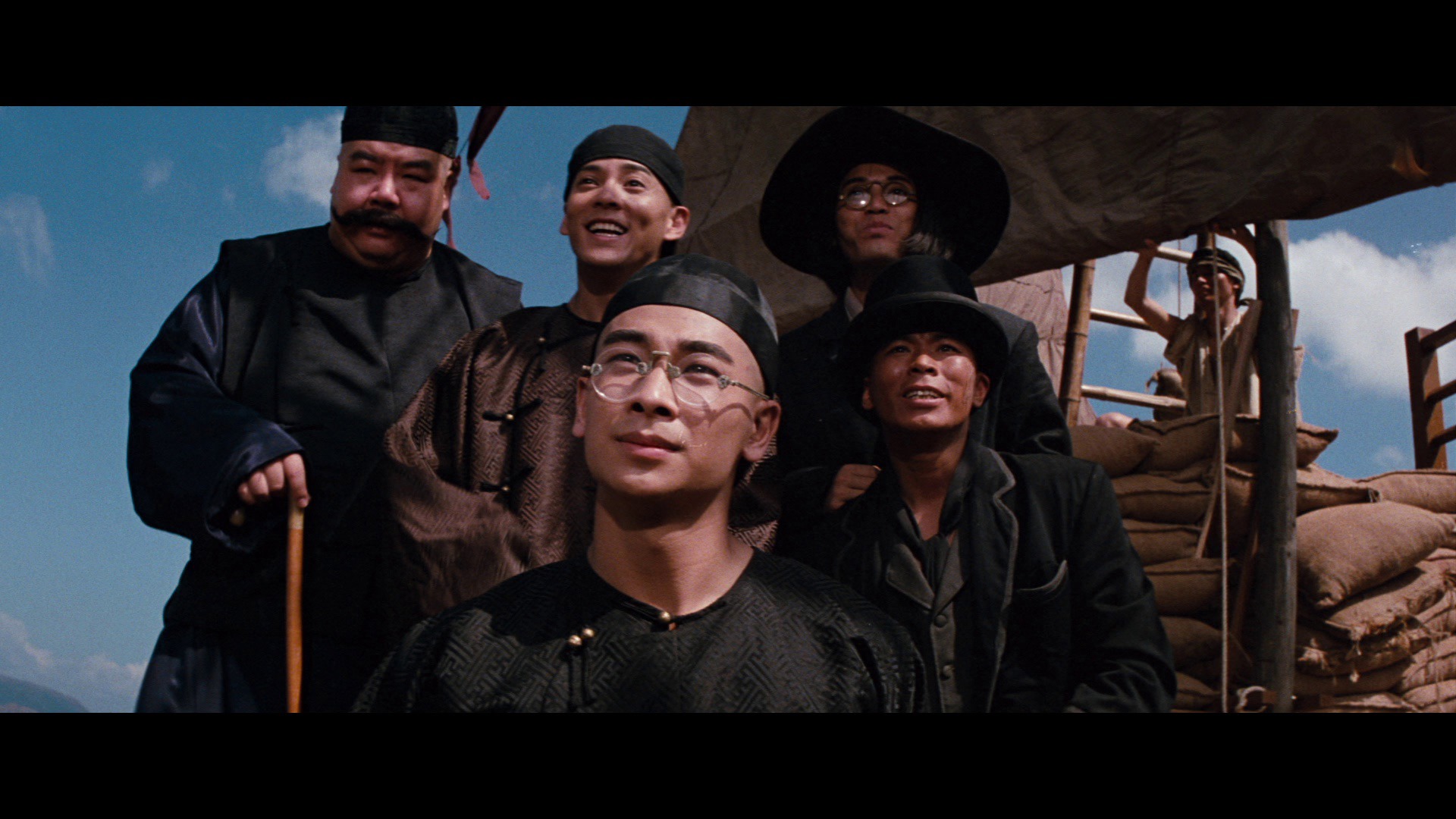
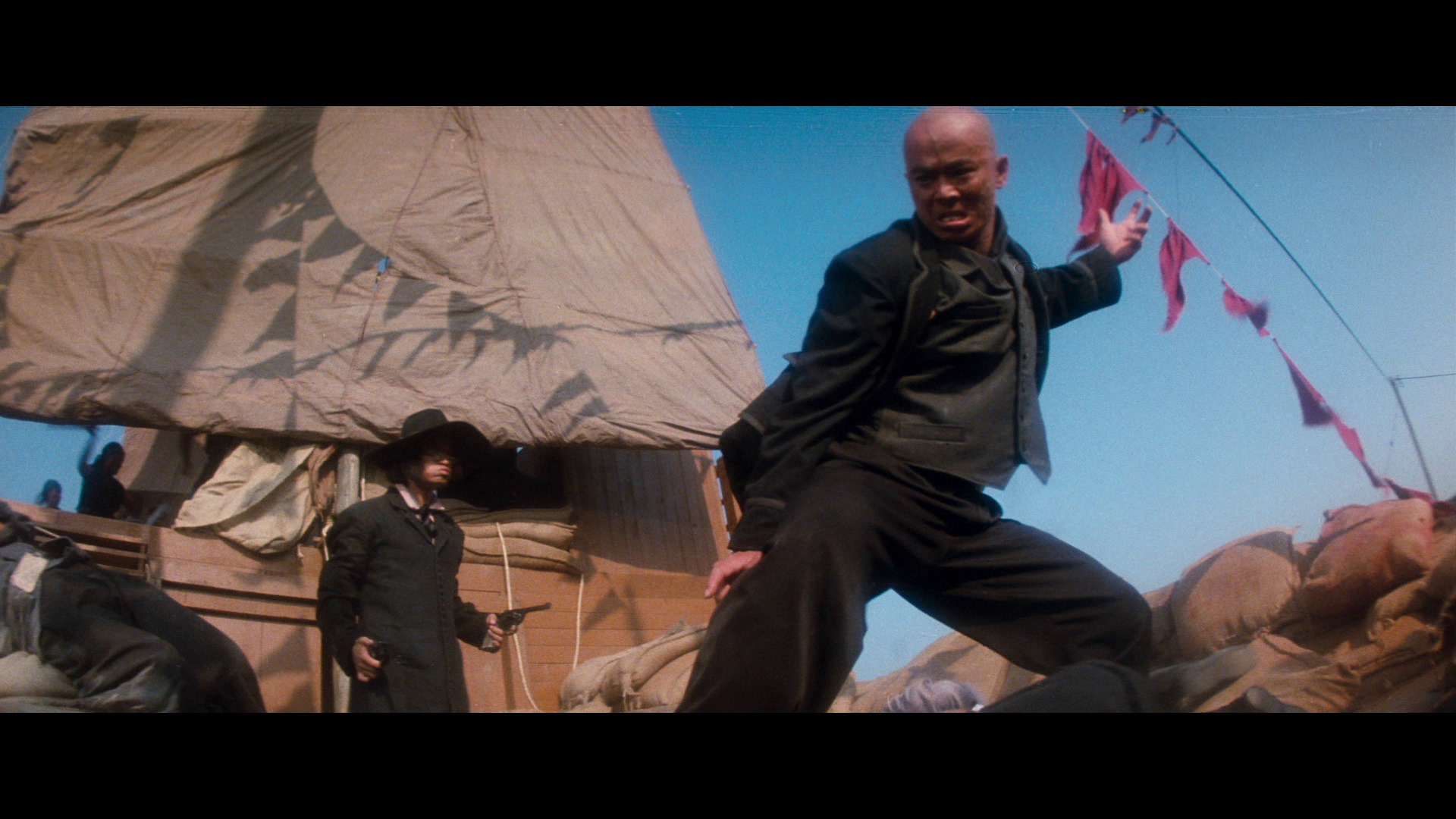
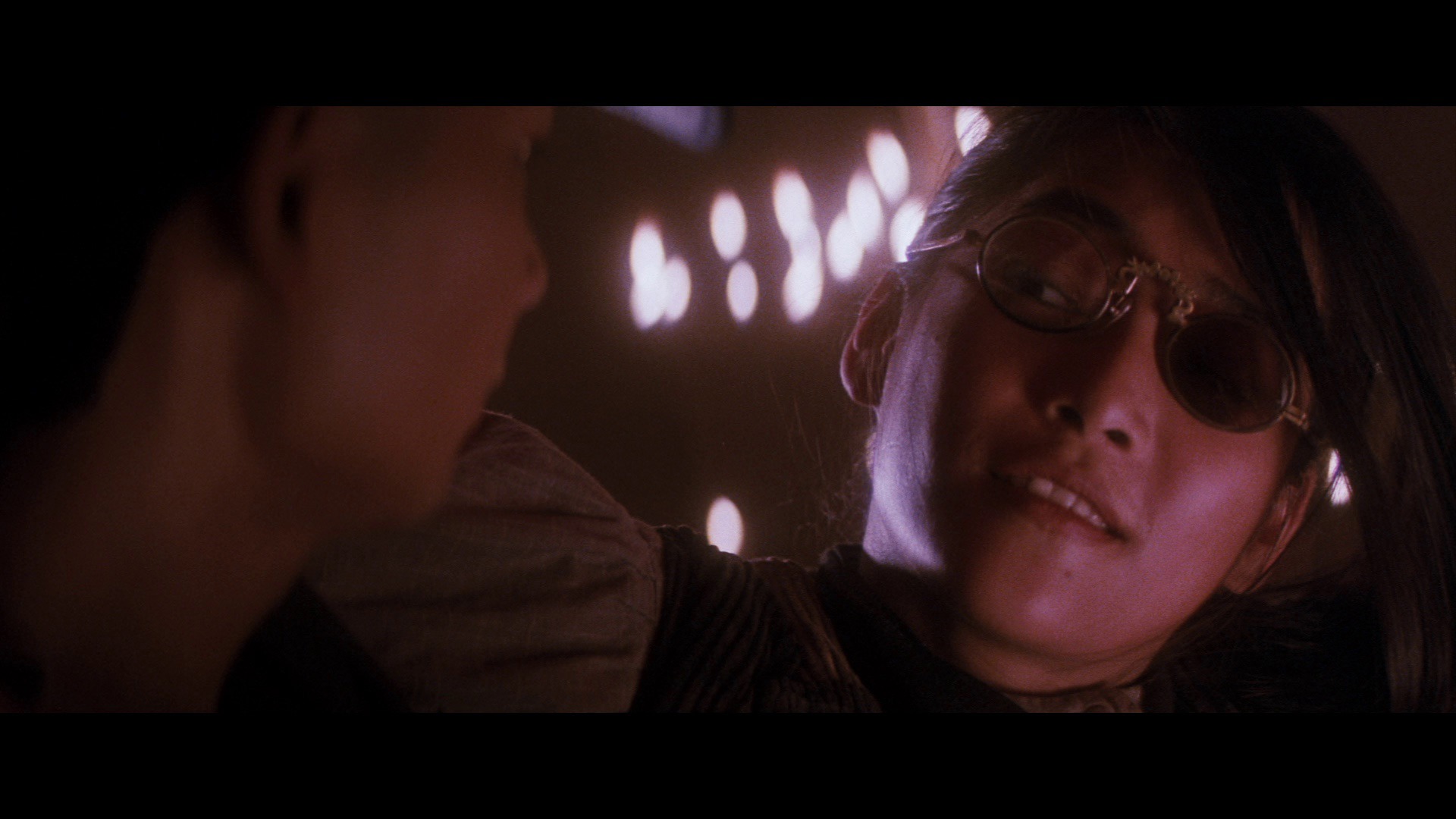
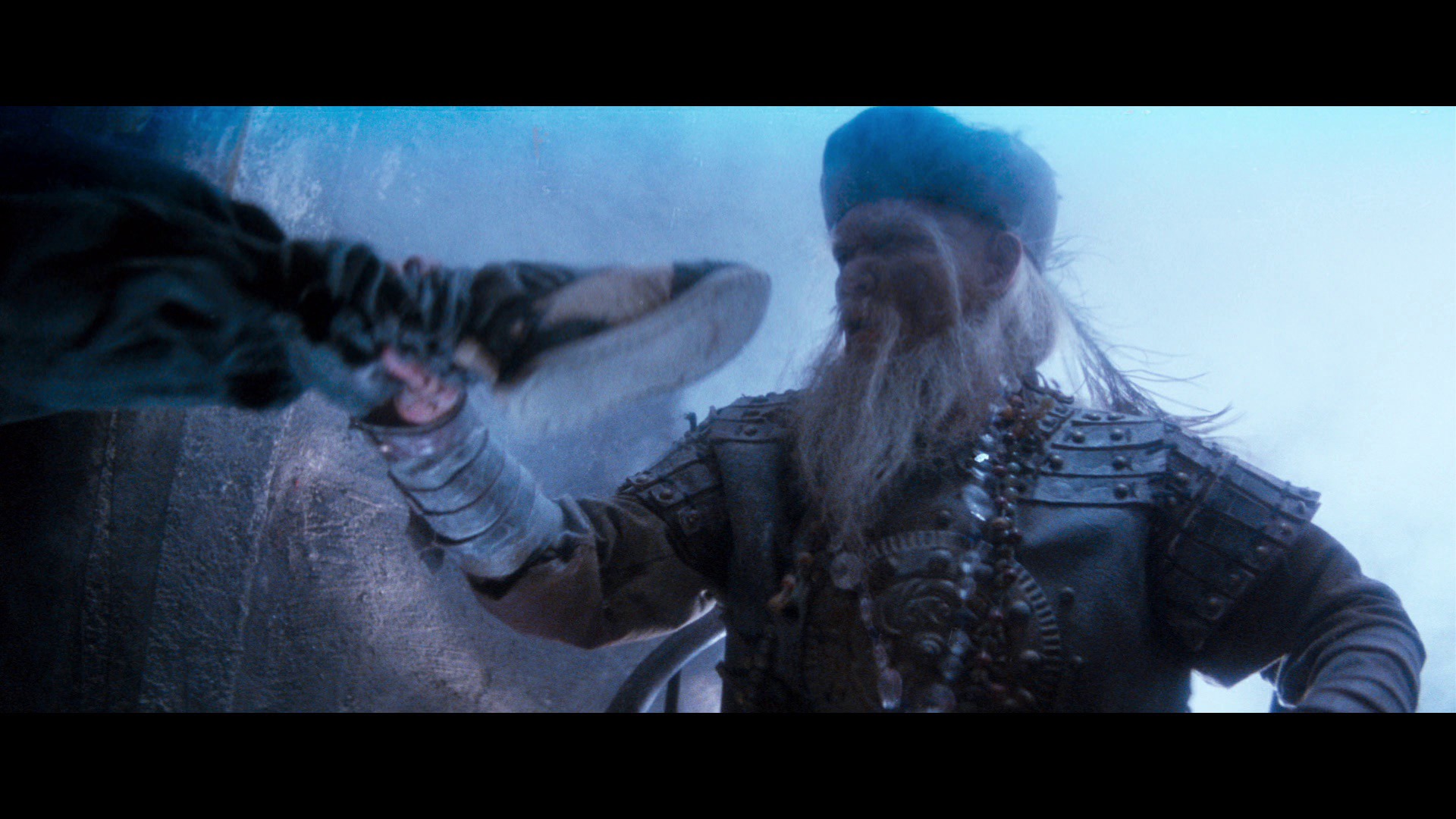
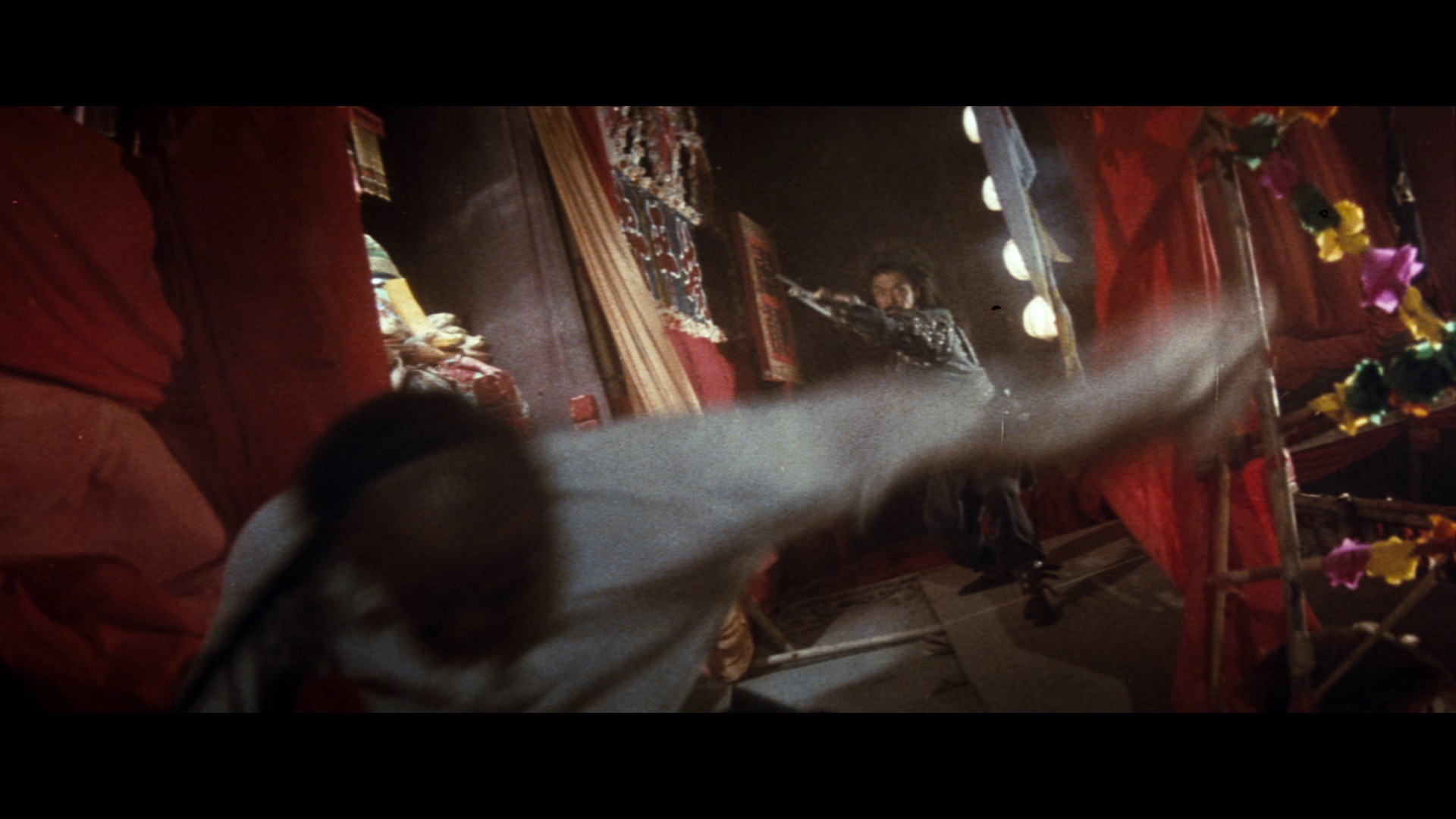
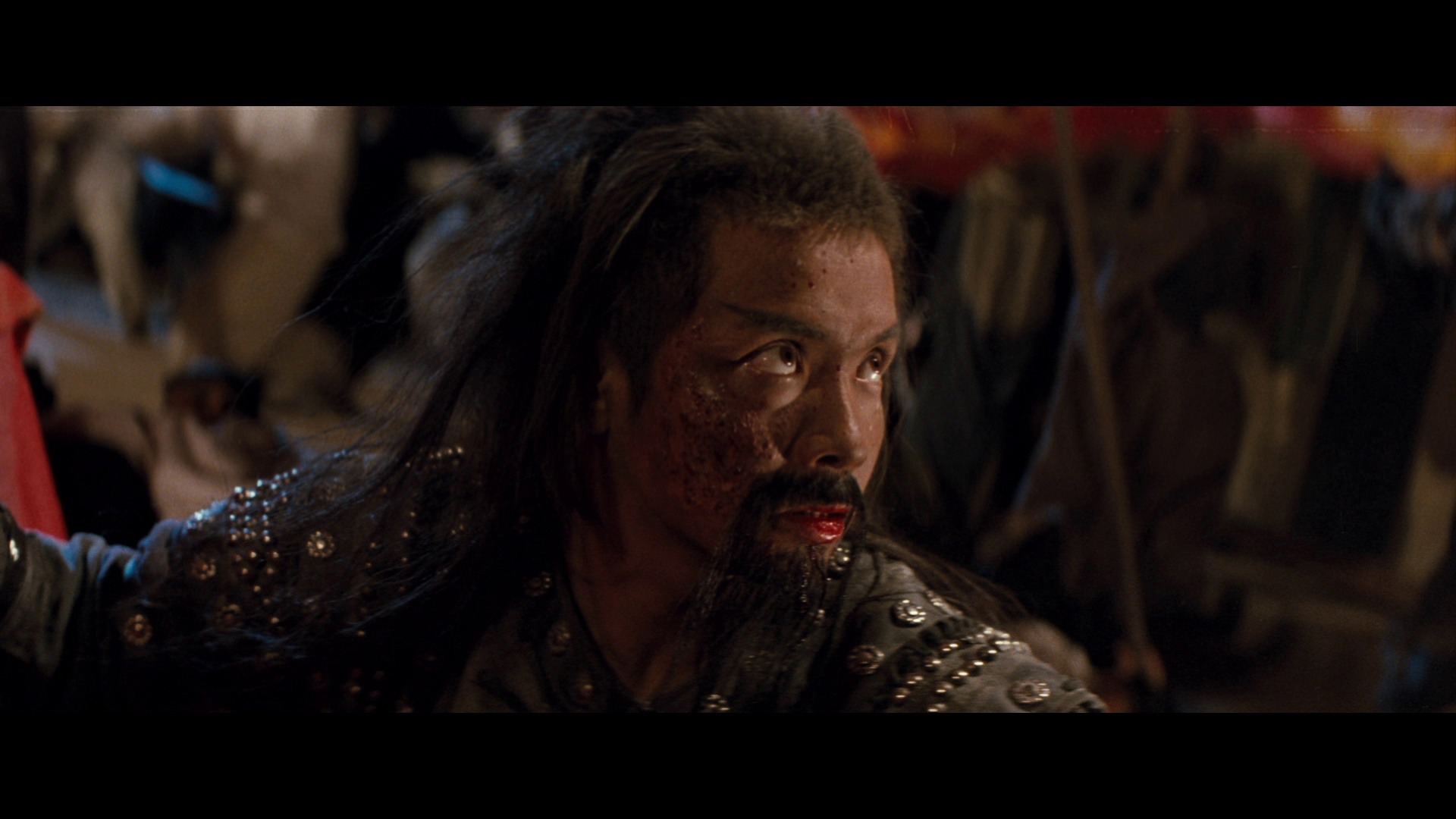
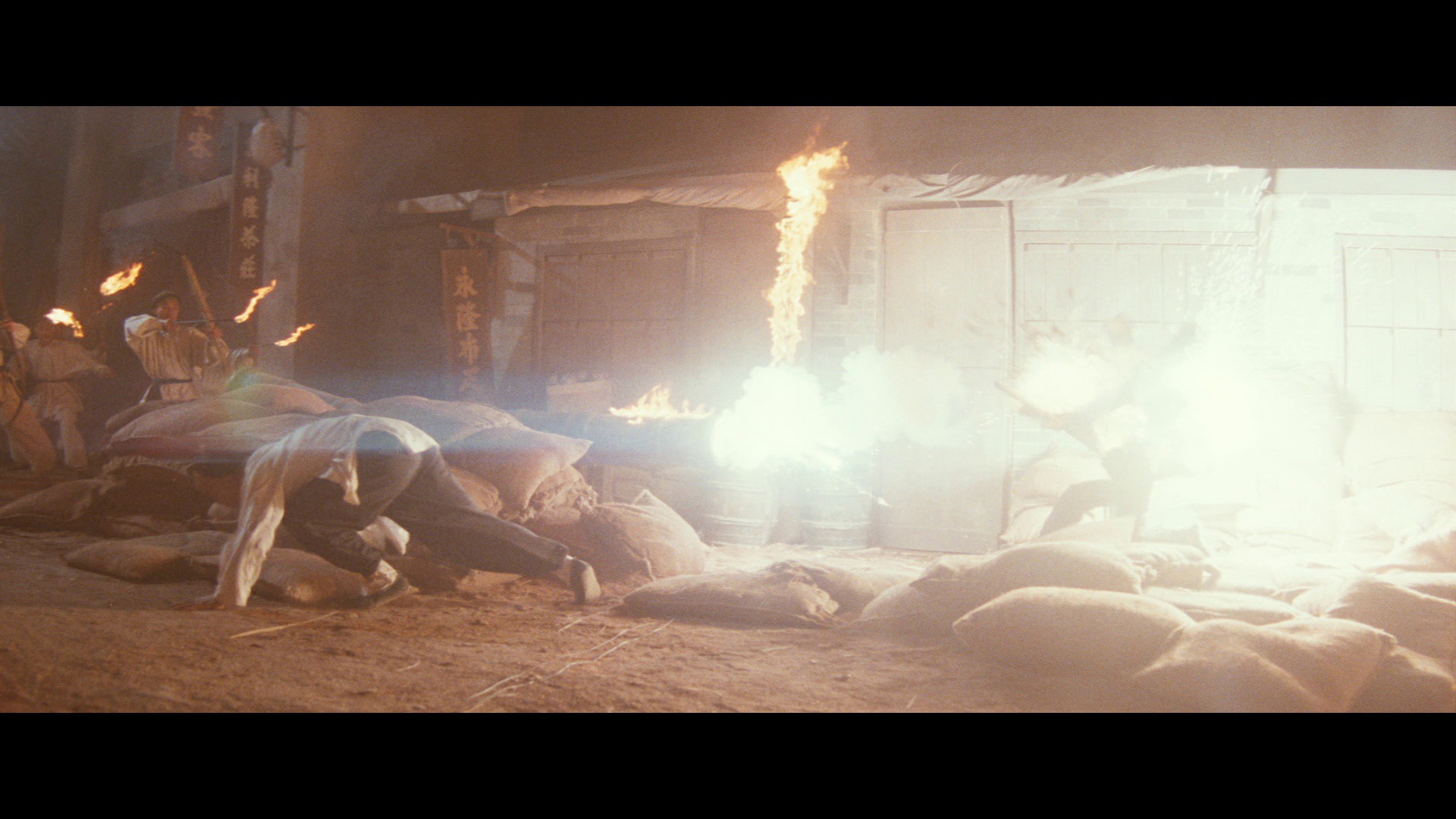
Audio 6/10
The fifth film only comes with a lossless PCM 1.0 monaural soundtrack. Range is limited and dialogue is a bit flat, but the distortion present in the mono tracks for the first three films isn’t here. Music and effects also sound pretty sharp.
Extras 3/10
As they did with the disc for the fourth film Criterion only provides a couple of supplements, such as an unrestored trailer for the film, along with a new interview featuring Film Workshop cofounder, Nansun Shi. Sadly, it only runs 10-minutes in length, but she makes the short runtime matter, covering her work with Cinema City before starting Film Workshop with Tsui Hark, with the intent of taking Hong Kong filmmaking in a different direction. It sounds like a big inspiration for her was going to Cannes in the early 80’s and seeing all of these technically polished and tightly edited films dealing with a wide variety of subjects, something she never saw in Hong Kong. She then explains here (aided by onscreen text) the goals that were set out, making films that would have some sort of impact, but with the hope of balancing art and commerce, because they clearly needed to stay in business, too. I almost wish there was more about the company and its output here, maybe even a documentary, but Nansun still offers a concise yet detailed overview of it. Humourously, there are several pictures scattered throughout the interview that feature Nansun with co-workers and filmmakers with everyone smiling or laughing… except for Tsui, who always looks dead serious, even when he’s making a fun pose.
Disappointingly there’s nothing else on the disc. The last two films, which have been hard to attain in North America, don’t receive any material specific to them here or elsewhere in the set, and I feel that's a rather big oversight. It might have been worthwhile to provide more information into why they’ve fallen to the wayside or even provide analysis specific to them, good or bad. Rayn’s comment on the first disc, which pretty much amount to “I’ve got nothing against them,” is all there is.
Closing
Another latter film gets overlooked, with no supplementary material specific to it. But after being unavailable in North America, it at least gets a rather nice presentation.
BUY AT: