BUY AT:


See more details, packaging, or compare
Synopsis
The Who’s classic rock opera Quadrophenia was the basis for this invigorating coming-of-age movie and depiction of the defiant, drug-fueled mod subculture of early 1960s London. Our antihero is Jimmy (Phil Daniels), a teenager dissatisfied with family, work, and love. He spends his time knocking around with his clothes-obsessed, pill-popping, scooter-driving fellow mods, a group whose antipathy for the motorcycle-riding rockers leads to a climactic riot in Brighton. Director Franc Roddam’s rough-edged film is a quintessential chronicle of youthful rebellion and turmoil, with Pete Townshend’s brilliant songs (including “I’ve Had Enough,” “5:15,” and “Love Reign O’er Me”) providing emotional support, and featuring Sting and Ray Winstone in early roles.
Picture 9/10
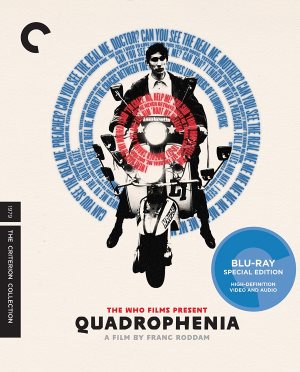
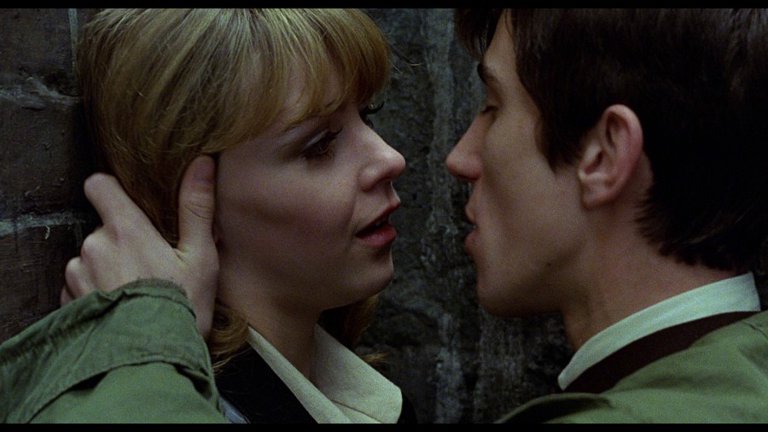
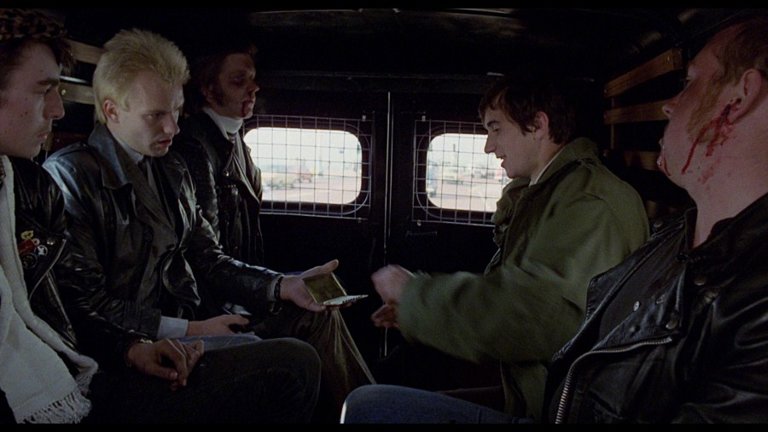
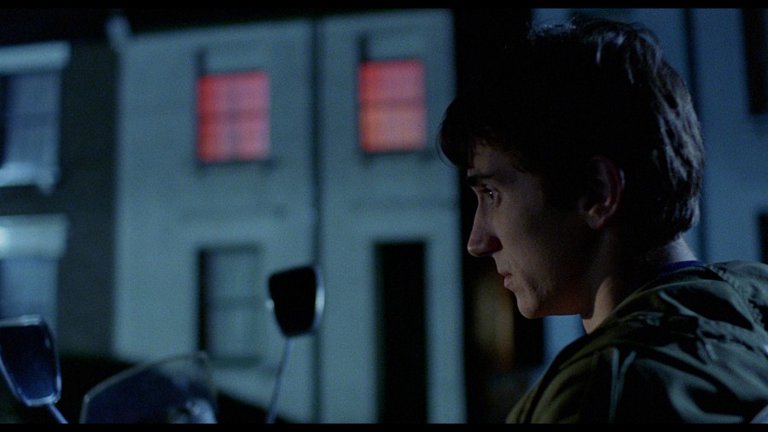
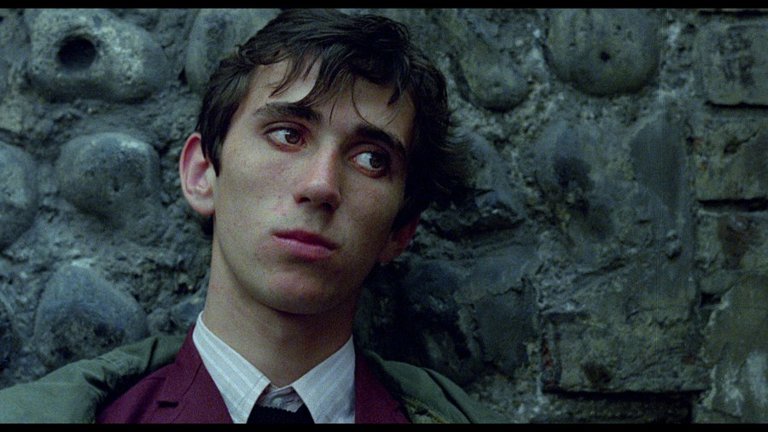
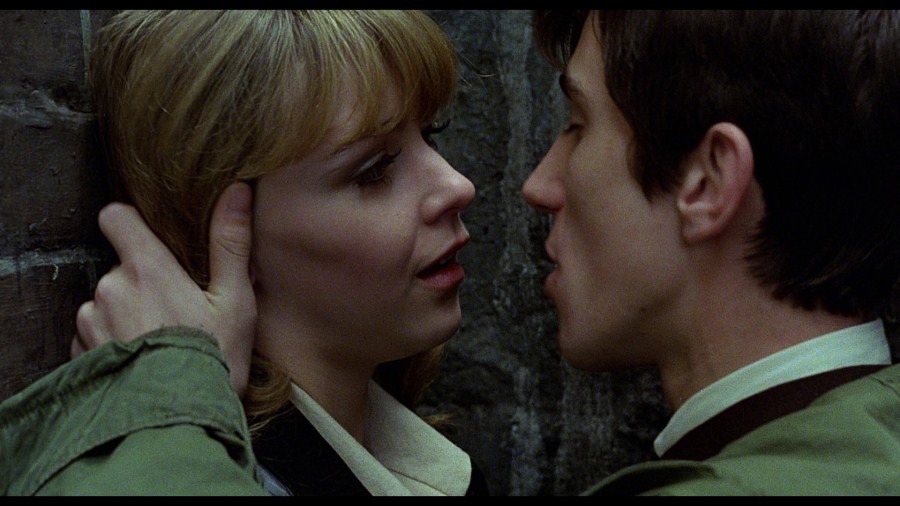
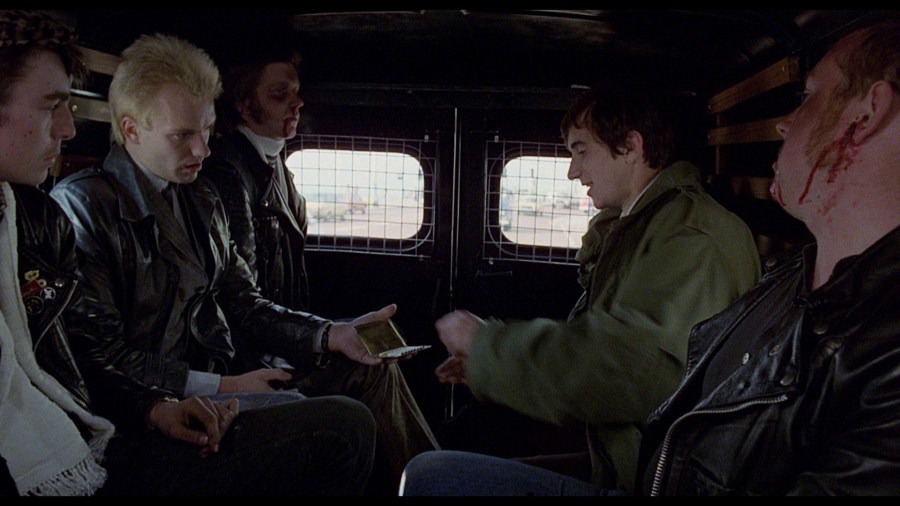
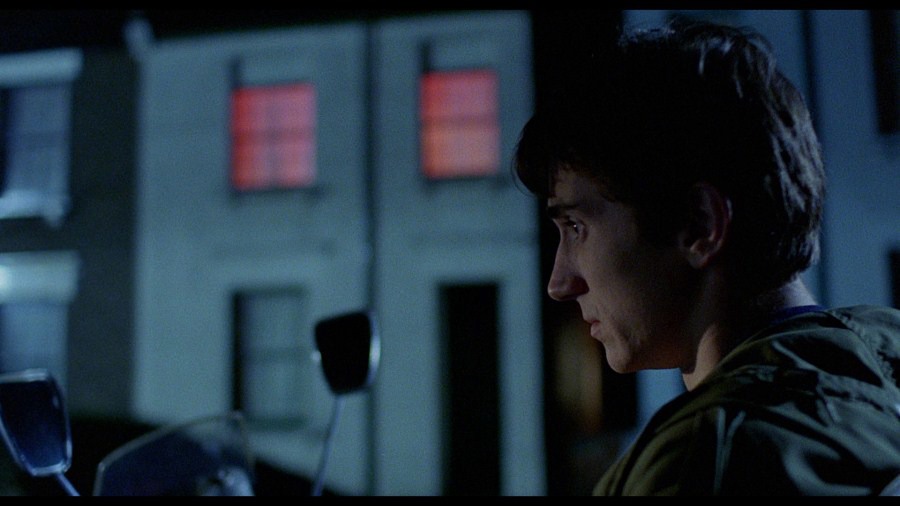
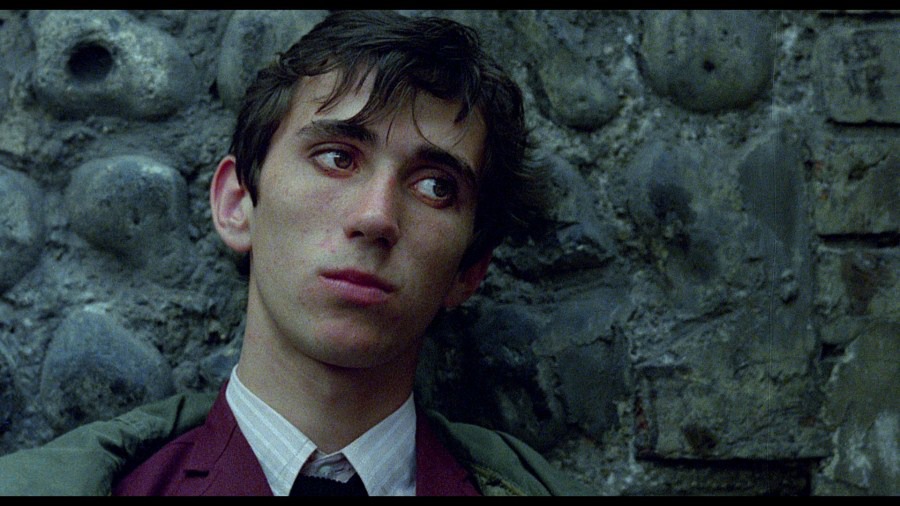
Franc Roddam’s Quadrophenia, based on The Who’s rock opera, comes to Blu-ray from Criterion, presented in its original aspect ratio of 1.85:1 on this dual-layer disc in a new 1080p/24hz high-definition transfer.
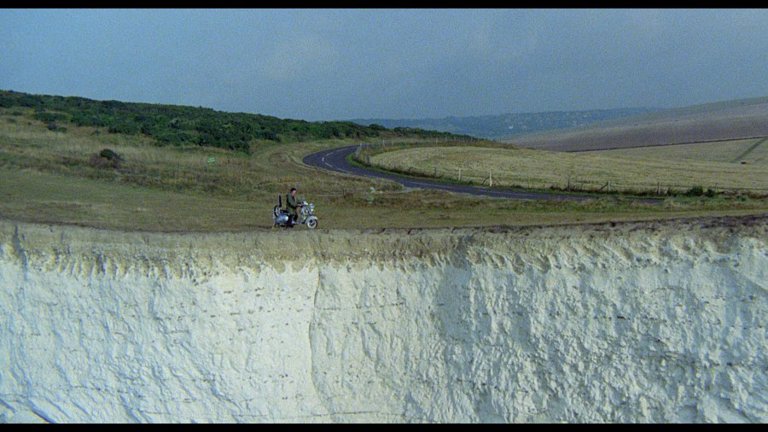
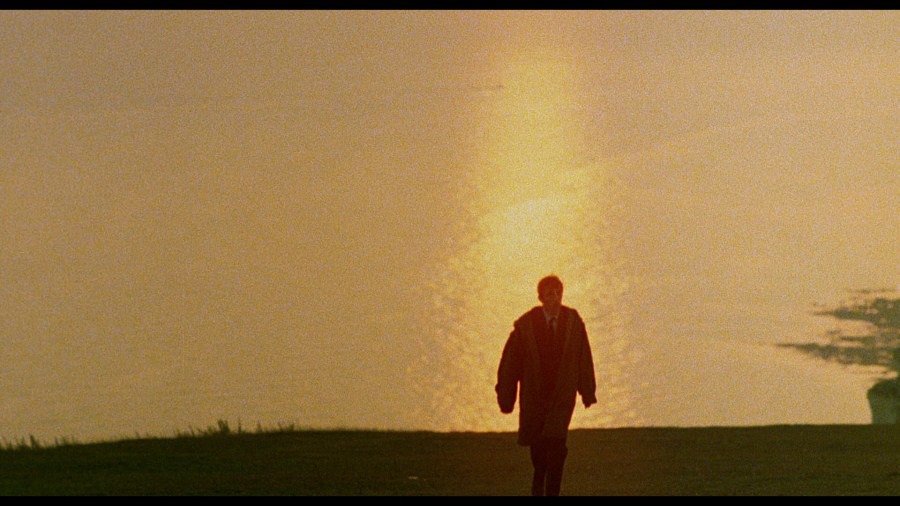
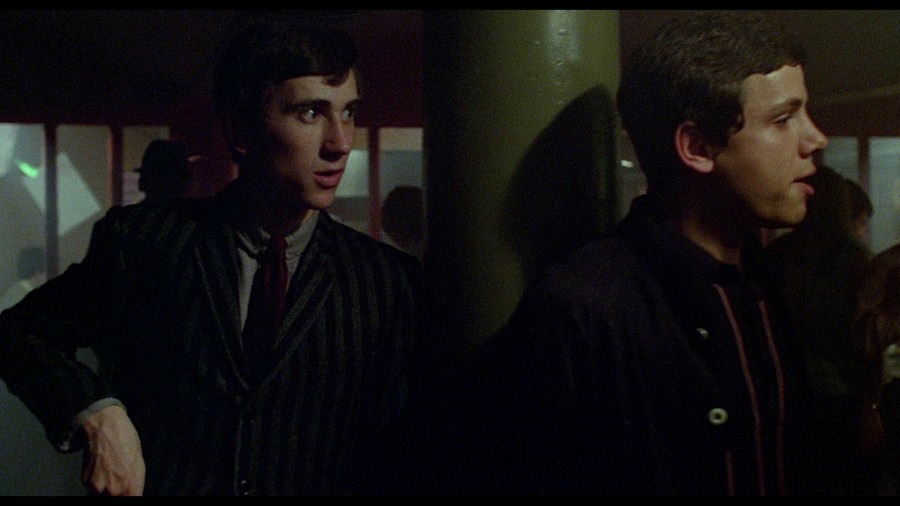
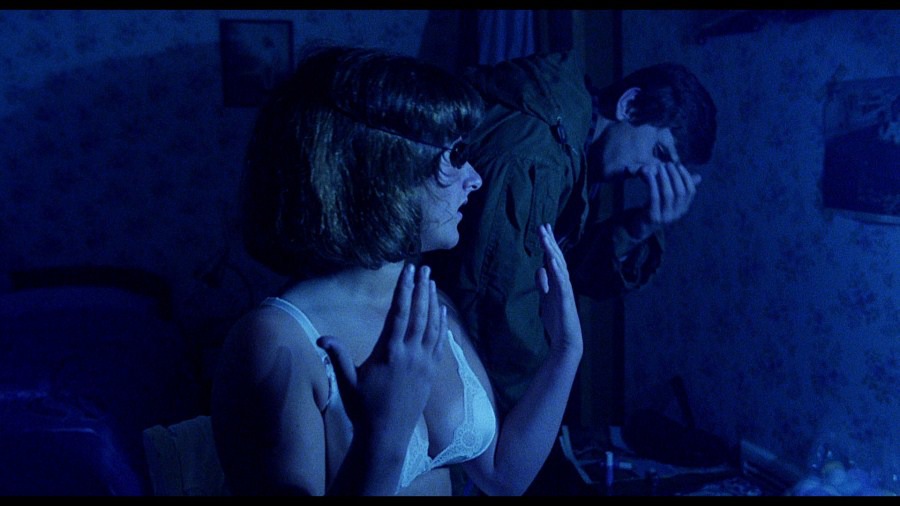
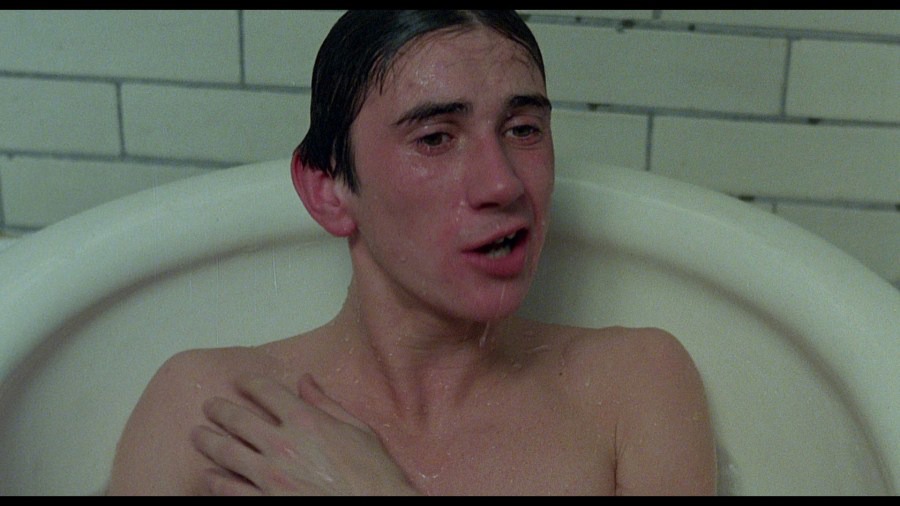
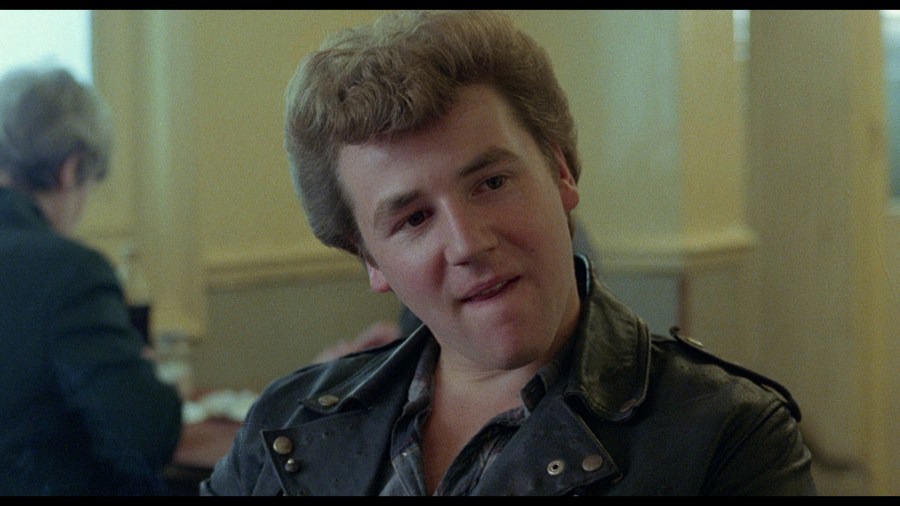
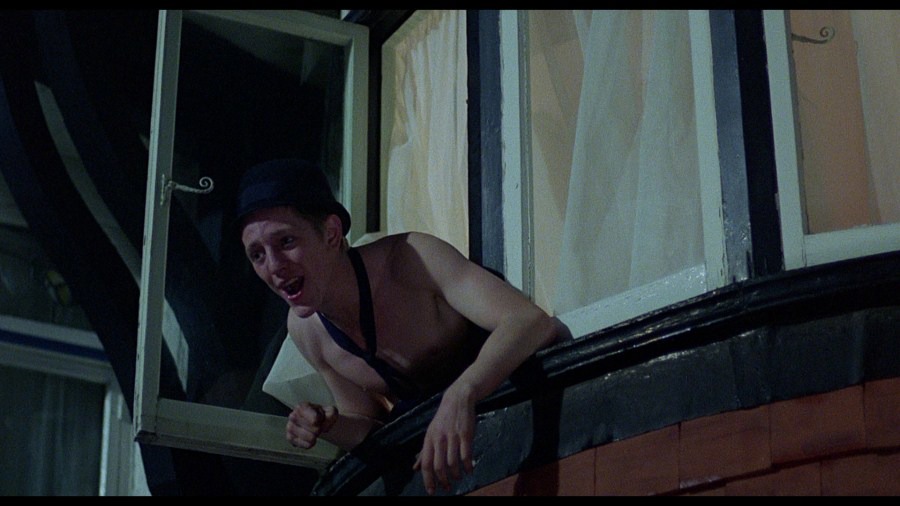
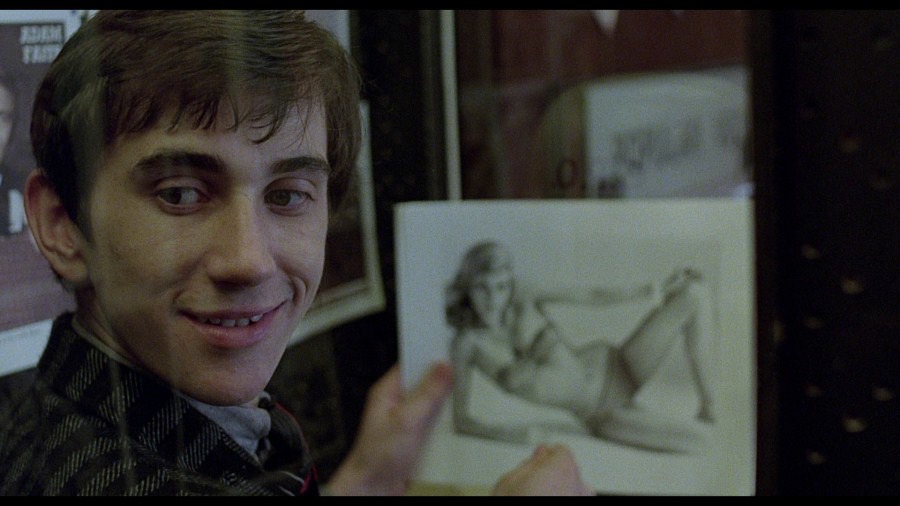
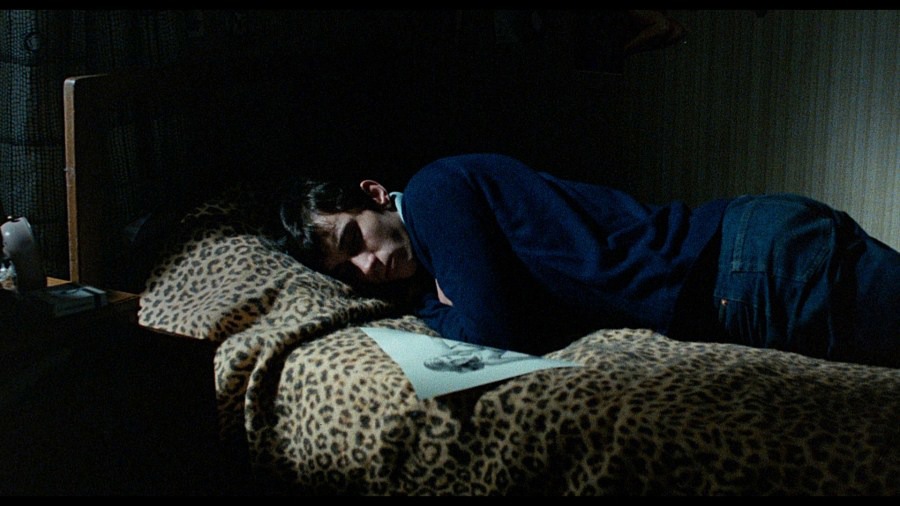
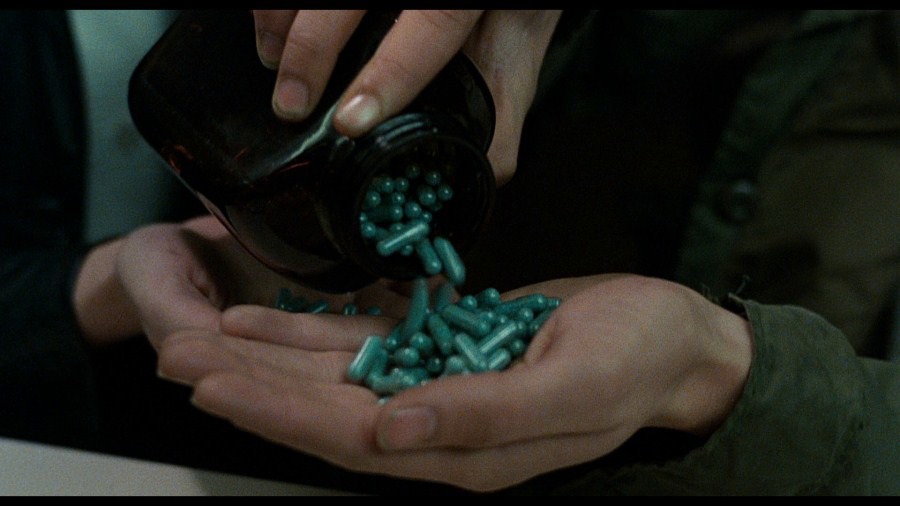
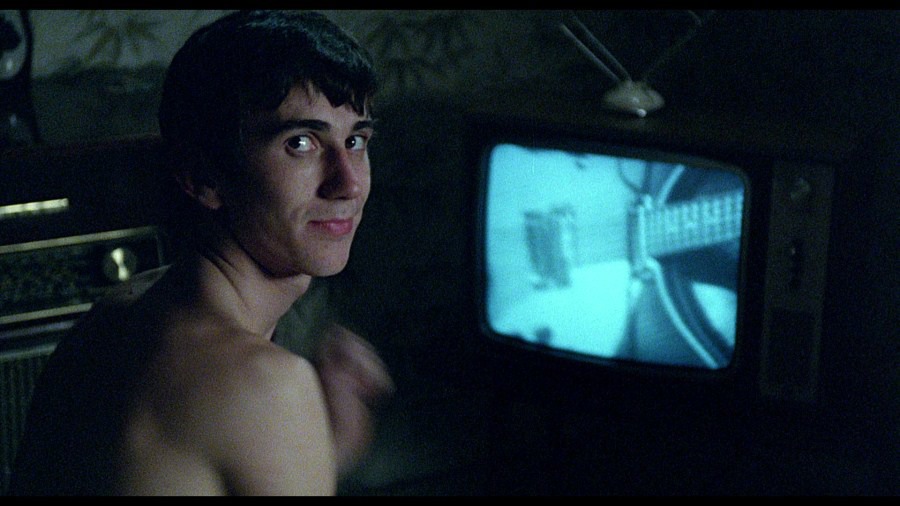
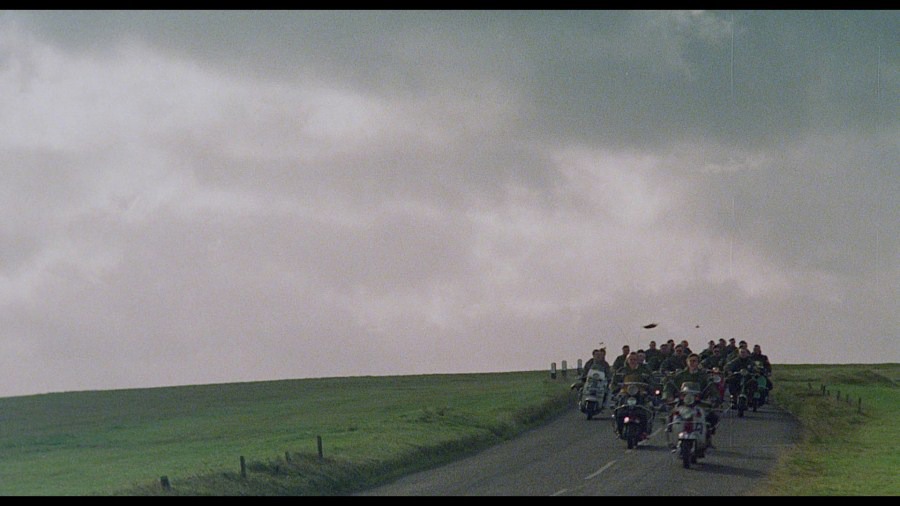
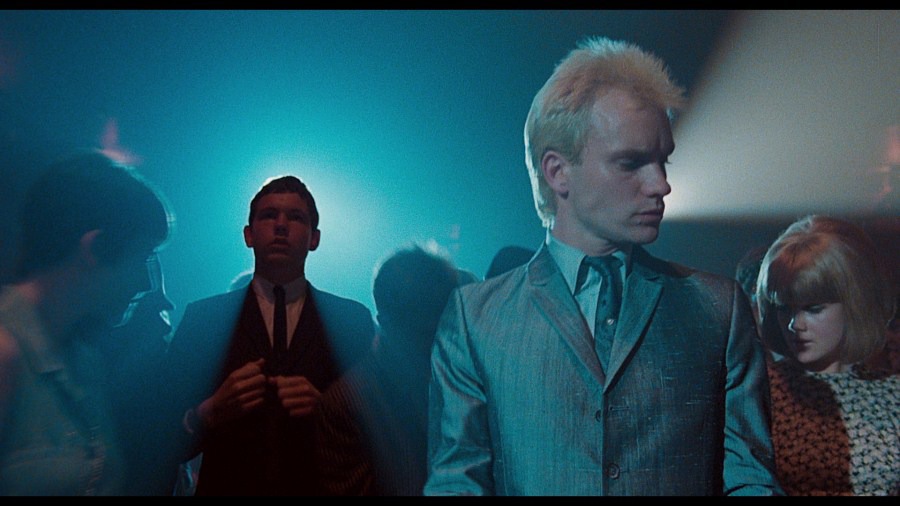
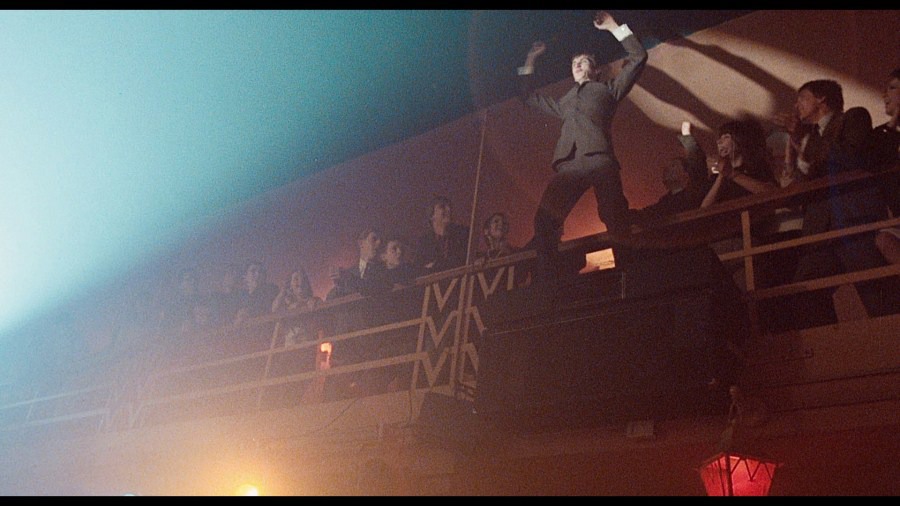
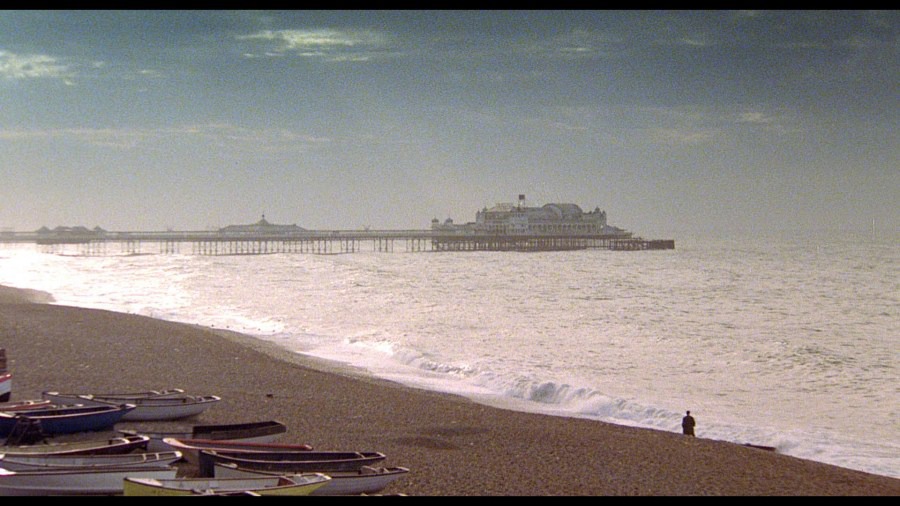
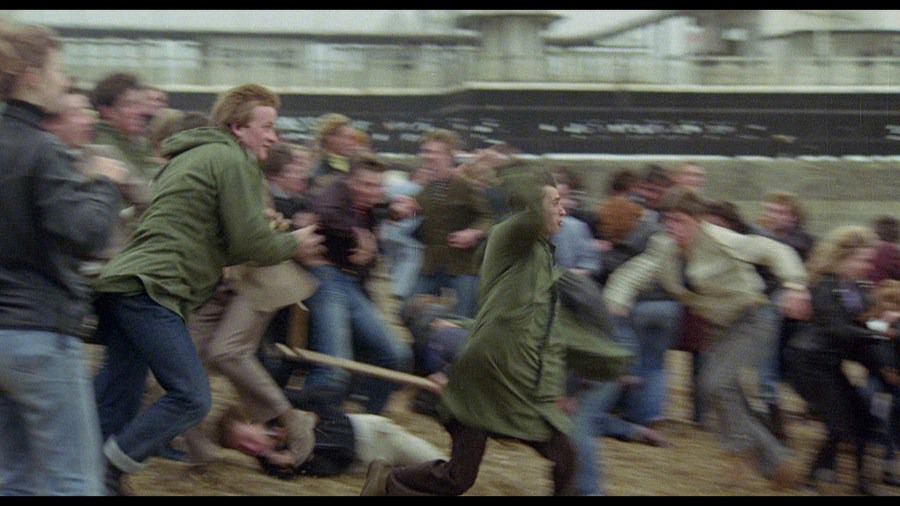
The opening shot, of a sunset along a cliff, is a stunner and a good indicator of what’s to come. The oranges present in the sky reflected by the water are vibrant, edges are sharp and clear, and details pop. Film grain is noticeable and maybe a bit heavy, but it looks natural and doesn’t impede. The rest of the film looks about the same, presenting bright colours with perfect saturation, a nice sense of depth, and excellent levels of detail. The darker scenes present some crushing in the blacks but these scenes are still easy to see.
The film is grainy but again the grain structure looks naturally and nothing like noise and the print presents very little damage, the most noticeable issues being very fine scratches. A couple of finer patterns present some minor shimmering effects but the transfer otherwise doesn’t show any artifacts. In all this is very filmic presentation, one that actually caught me by surprise.
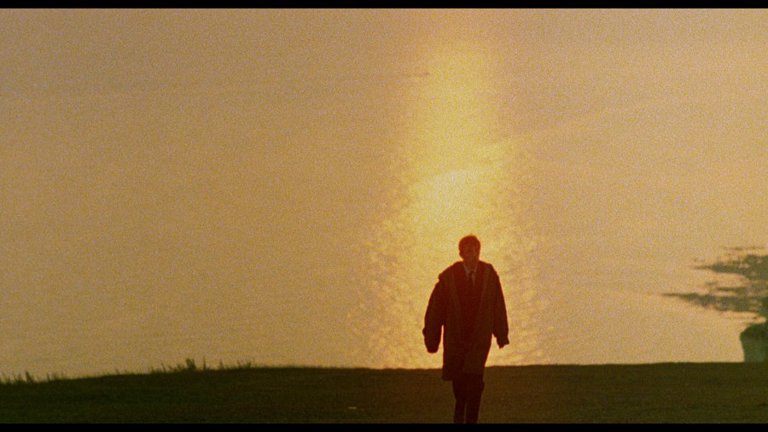
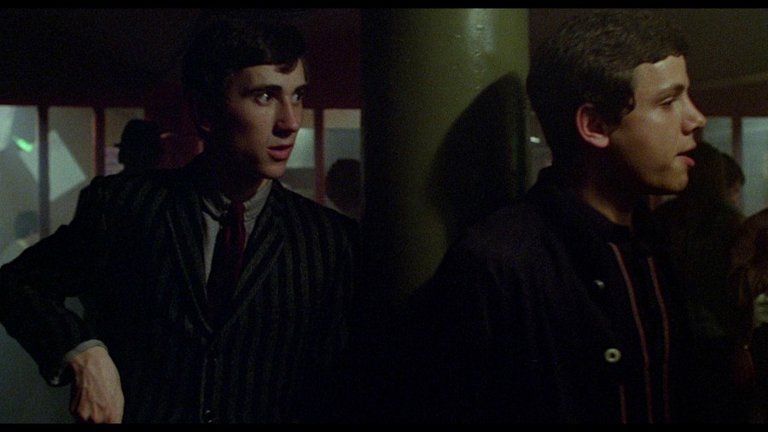
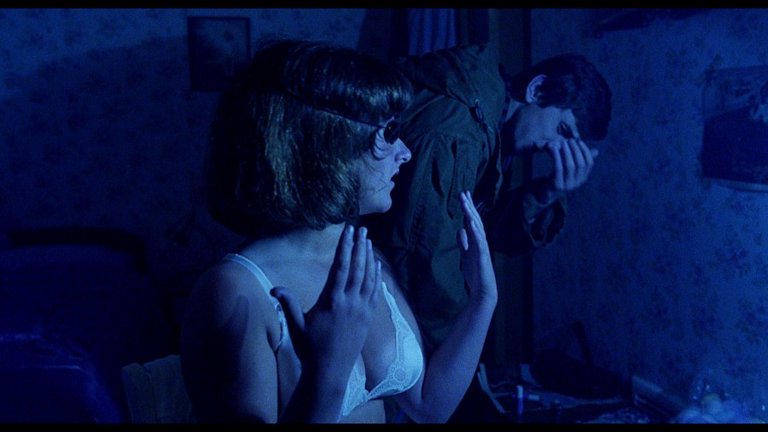
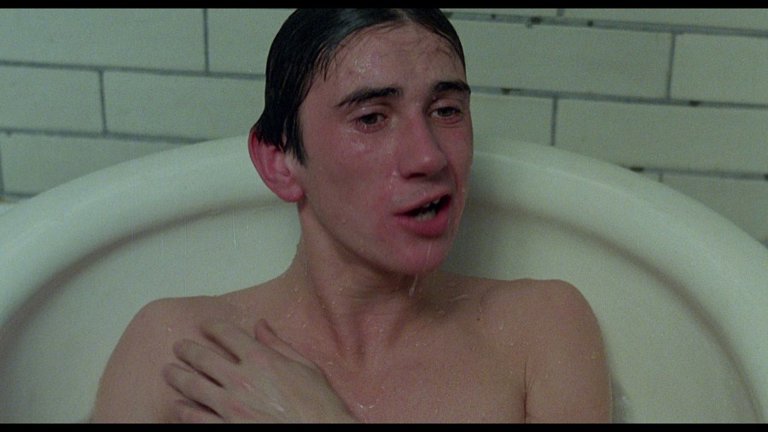
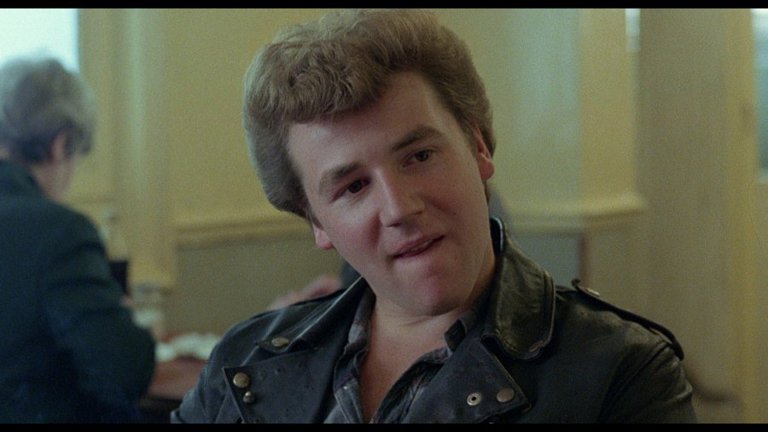
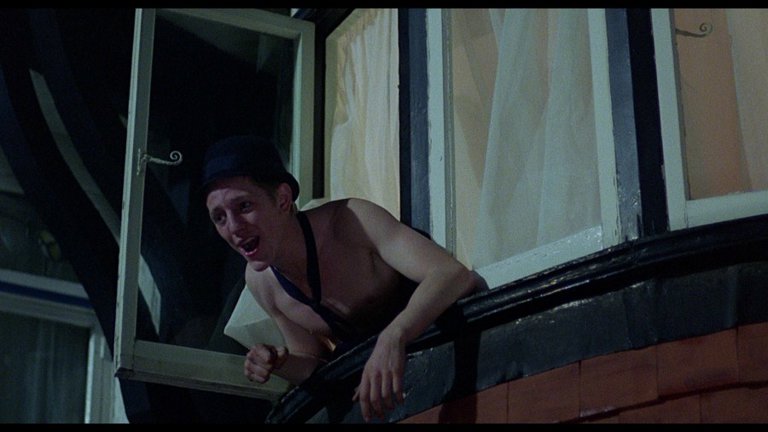
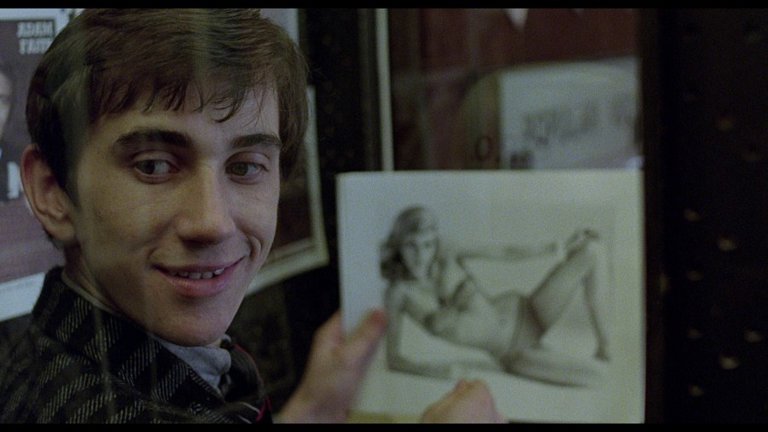
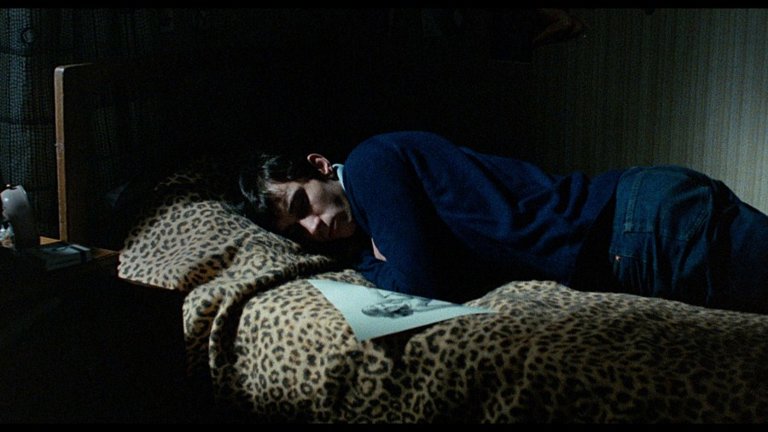
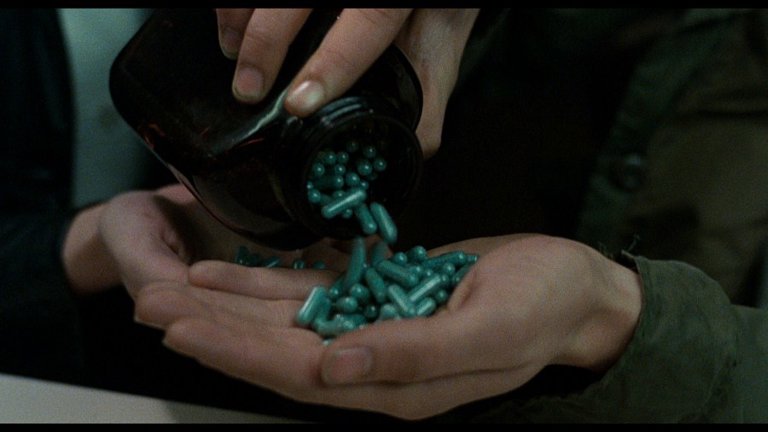
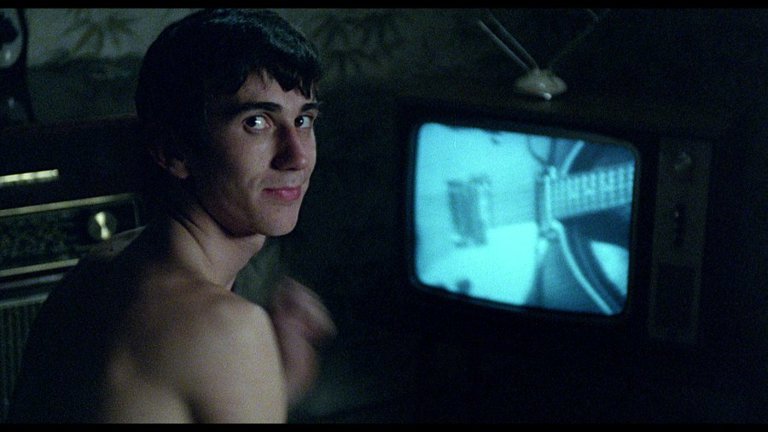
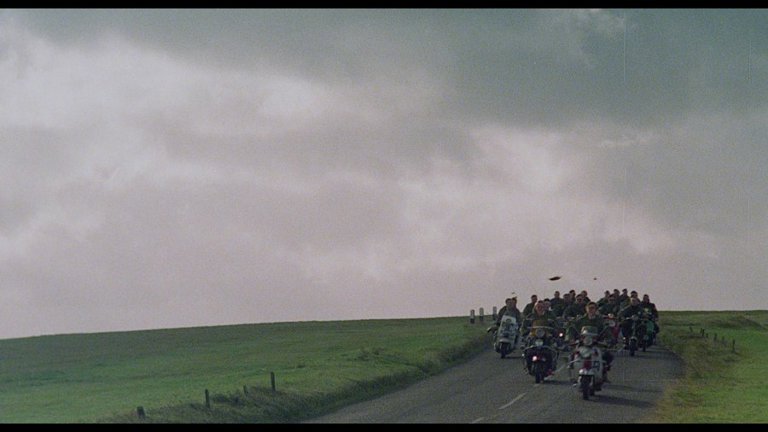
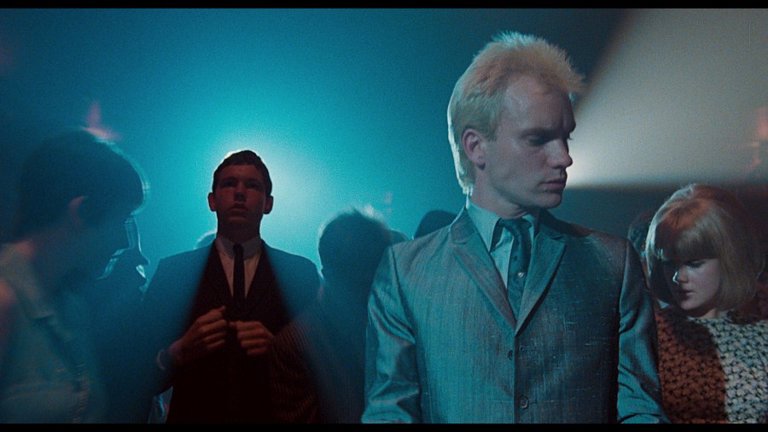
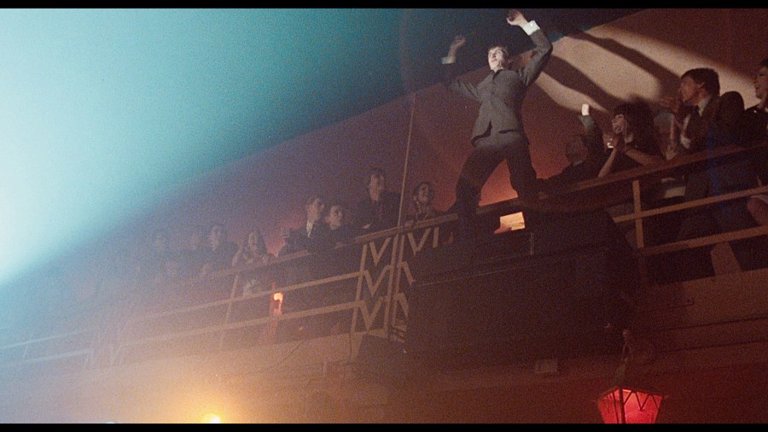
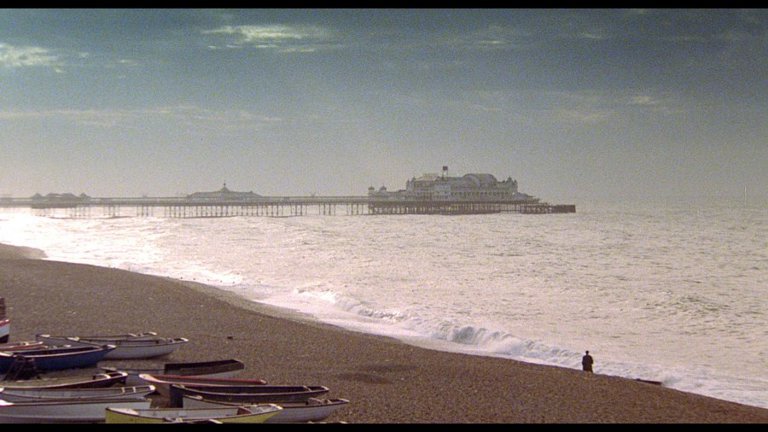
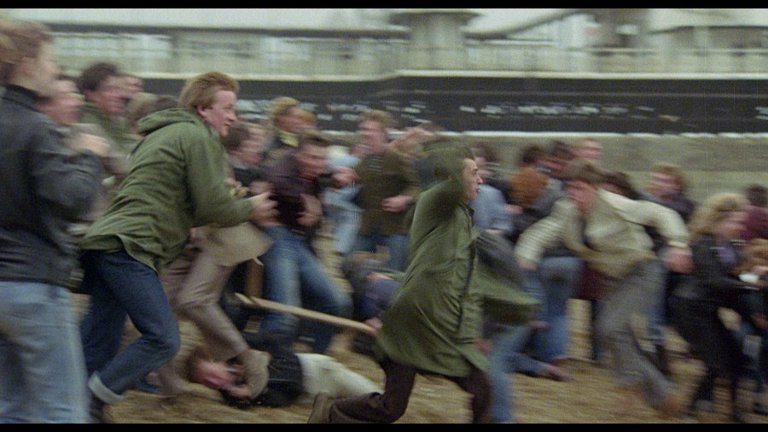
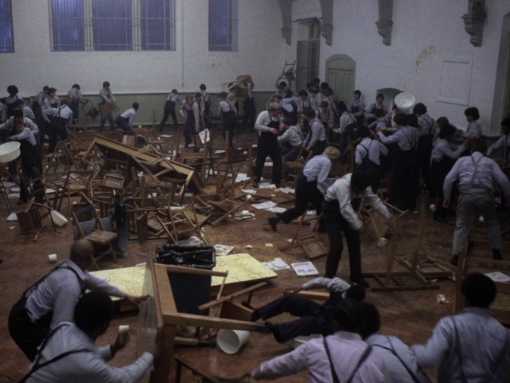
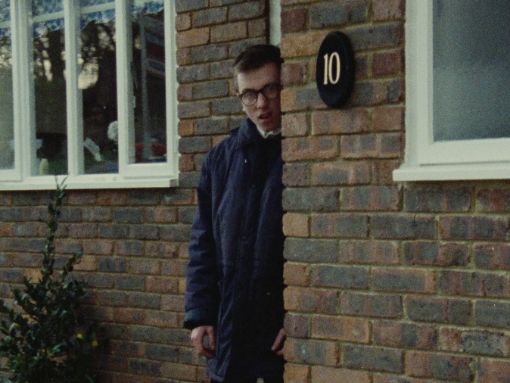
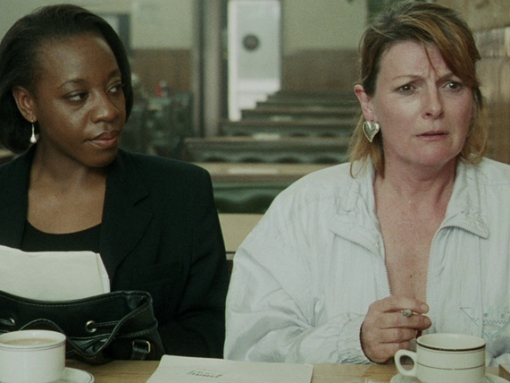
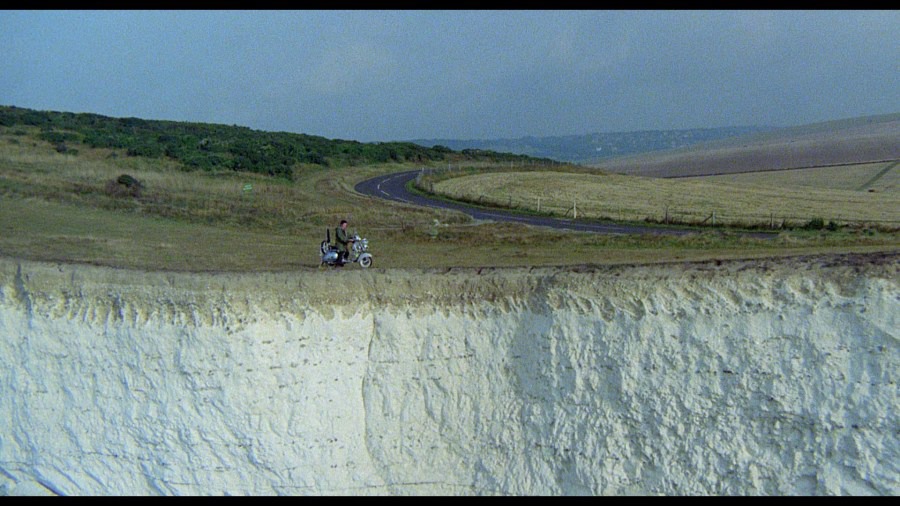
Quadrophenia - Screen Captures
Audio 9/10
Criterion presents the film’s original stereo track (linear PCM) along with a newly remastered 5.1 DTS-HD MA surround track, created exclusively for this release. For the purists the stereo track sounds fine enough. Dialogue is clear and articulate (depending on how you handle the accents) and the music that appears sounds fine as well. But it has an undeniably flat sound to it, a limitation from the age I’m sure.
The new 5.1 remix has been recreated from scratch, according to the notes and supplements, and presents a fuller, far more engrossing experience. Dialogue, which is probably a step up in quality comes primarily from the center speaker but sound effects move between the other speakers. The waves crashing at the beginning probably present the best example of this: where the stereo track of course limits them to the front, the surround presentation has them move from the front speakers to the rears, almost like they’re moving right around the viewer. The waves are also far more powerful and sound a fair bit more realistic.
The Who’s music has also been completely remixed. As Bob Pridden, The Who’s sound engineer, explains in one of the supplements, the album for Quadrophenia was originally conceived for Quadrophonic sound but for certain reasons was never released as such. Here the music has been remixed more or less as it was originally intended and it takes full advantage of the surround environment with various instruments appearing in the different channels. The sound quality has also greatly improved, with more range and fidelity. The music does stand out a bit in comparison to the rest of the track, which can sound a little more its age, particularly the dialogue, but in all I’m more than fond of this track.
It will come down to preference but there’s no denying the new 5.1 remix sounds great, the music itself sounding absolutely stunning.
Extras 8/10
We get a fairly decent selection of supplements for this new edition, starting with an audio commentary by director Franc Roddam and director of photography Brian Tufano. It’s a fairly standard production track with Roddam taking the reins most of the time. He covers how the production came together, goes over casting (surprisingly he didn’t like Phil Daniels at first,) financing, rehearsals, and the look, and he does, more-or-less, confirm what happens to the hero at the end. He also offers some decent anecdotes, like one involving how he was questioned by police because he happened to film at a hotel that was bombed by the IRA afterwards. Tufano talks a little about the look but the most interesting section from him comes near the end where he talks about doing the digital restoration that was used for this Blu-ray. It’s about what you would expect but Roddam keeps it entertaining and lively while offering up great facts and stories about the making of the film.
Moving on to video features Criterion has dug up what appears to be the first episode of a BBC program called Talking Pictures, which happens to be about Quadrophenia. Shown on television in 1979 just before the release of the picture the piece acts like a sort of behind-the-scenes look into the making of the film. It covers the look of the film, including the sets, hair, costumes, and even the choreography of any scenes involving dancing. It also includes interviews with members of the cast and crew including director Roddam, Who member Roger Daltrey, who is at try-outs to find a band to appear in the film, and an overly confident Sting (despite what Sting may say here Roddam, in the commentary, mentions how Sting could not properly perform the Mod dances.) It also offers a look at the actors and goes over the Mod/Rocker cultures presented in the film. Though there isn’t much of anything that may come as a surprise it’s a solid inclusion with some great interviews. It runs about 26-minutes.
Criterion next tries to offer some historical context by delivering features about the Mod and Rocker movements in England, oddly delivered through two French television programs. The first is an 8-minute segment from a program called Sept jours du monde, which aired in 1964. The episode segment offers a sort of primer on the Mod and Rockers for those unfamiliar with the groups. It has interviews with people from either side and gets their views on the other group.
A lengthier segment from a program called Seize millions de jeunes, running 34-minutes, was apparently aimed more at young viewers when it appeared on French television in 1965. The piece looks specifically at the Mod movement and what it stood for, the music, the clothes, and of course the drugs. We get interviews with a couple people in the group, who talk about the lifestyle and how it can affect those around them. We also, ironically, get an interview with Pete Townshend and get plenty of footage of The Who performing. On top of this we also get an explanation as to how the group came to be.
Criterion then includes a couple of new interviews recorded for this release. First is an interview with producer and Who manager Bill Curbishley. In the 14-minute segment Curbishely talks about the band’s move to film, getting into detail about Tommy and then how Quadrophenia came to be the next album to be turned into a film. He goes over the details on how the production came together, including how they found Roddam, and then gets into casting (apparently Johnny Rotten was approached to play the part of Jimmy but he didn’t want to help in bringing “Townshend’s fantasies” to life.) It’s a fine enough interview offering another look at the production.
The Who’s sound engineer Bob Pridden talks about the new sound mix created for this release and the amount of effort that went into it, going all the way back to the source recordings. We also get a number of “before and after” comparisons, comparing not only the audio between the original theatrical version and the remix (and the differences are astounding, even when it’s only presented in Dolby Digital 5.1 as it is here) but also comparing the picture quality. The feature runs 8-minutes.
The disc then concludes with two theatrical trailers.
The lengthy booklet comes with a long essay by Howard Hampton, who writes about the film itself, which is followed by an article written by Irish Jack in 1985 about being a Mod. The booklet then concludes with the Quadrophenia story written by Townshend as it appeared in the liner notes for the album.
It’s a shame Criterion couldn’t get new interviews with Townshend and/or Daltrey but that’s probably asking for too much. I’m also surprised there wasn’t a music-only track or more about the original album. But as it is Criterion delivers some strong supplements covering the making of the film, the time period in which it takes place, and the restoration that appears on this disc.
Closing
A fantastic edition, Criterion’s Blu-ray of Quadrophenia delivers in the audio and video department that should please all fans of the film or Who fans in general. Top on the decent supplements and the disc is a must-have.
BUY AT: