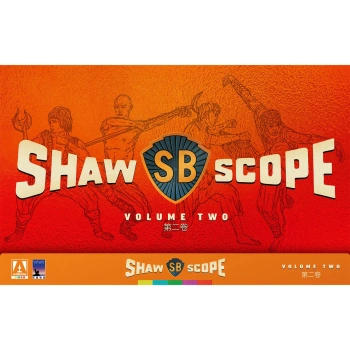
Shawscope: Volume Two
Invincible Shaolin | The Kid with the Golden Arm
BUY AT:



See more details, packaging, or compare
Synopsis
Picking up where Volume One left off, this sophomore collection of Hong Kong cinema classics draws together many of the best films from the final years of the Shaw Brothers studio, proving that while the end was nigh, these merchants of martial arts mayhem weren’t going to go out without a fight! Armed with stunning special features and ravishing new restorations, this boxset is even bigger and bolder than the last one.
We begin with kung fu master Lau Kar-leung’s instant classic The 36th Chamber of Shaolin, in which his adoptive brother Gordon Liu achieved overnight stardom as the young man who unexpectedly finds spiritual enlightenment on the path to vengeance; Lau and Liu followed the original with two comically inventive sequels, Return to the 36th Chamber and Disciples of the 36th Chamber, both included here. Already established as a genius at blending dazzling action with physical comedy, Lau himself plays the lead role in the hilarious Mad Monkey Kung Fu, coupled here with Lo Mar’s underrated Five Superfighters. Next, we once again meet Chang Cheh’s basher boy band the Venom Mob in no less than four of their best-loved team-ups: Invincible Shaolin, The Kid with the Golden Arm, Magnificent Ruffians and culminating in the all-star Ten Tigers of Kwangtung, co-starring Ti Lung and Fu Sheng.
After Lau brings us perhaps his best high-kicking comedy with My Young Auntie, a playful star vehicle for his real-life muse Kara Hui, we see Shaw Brothers fully embracing Eighties excess in our strangest double feature yet: Wong Jing’s breathtakingly wild shoot-‘em-up Mercenaries from Hong Kong, and Kuei Chih-hung’s spectacularly unhinged black magic meltdown The Boxer’s Omen. Last but certainly not least, Lau Kar-leung directs the last major Shaw production, Martial Arts of Shaolin, filmed in mainland China with a hot new talent named Jet Li in the lead role; it is paired in this set with The Bare-Footed Kid,
Picture 9/10
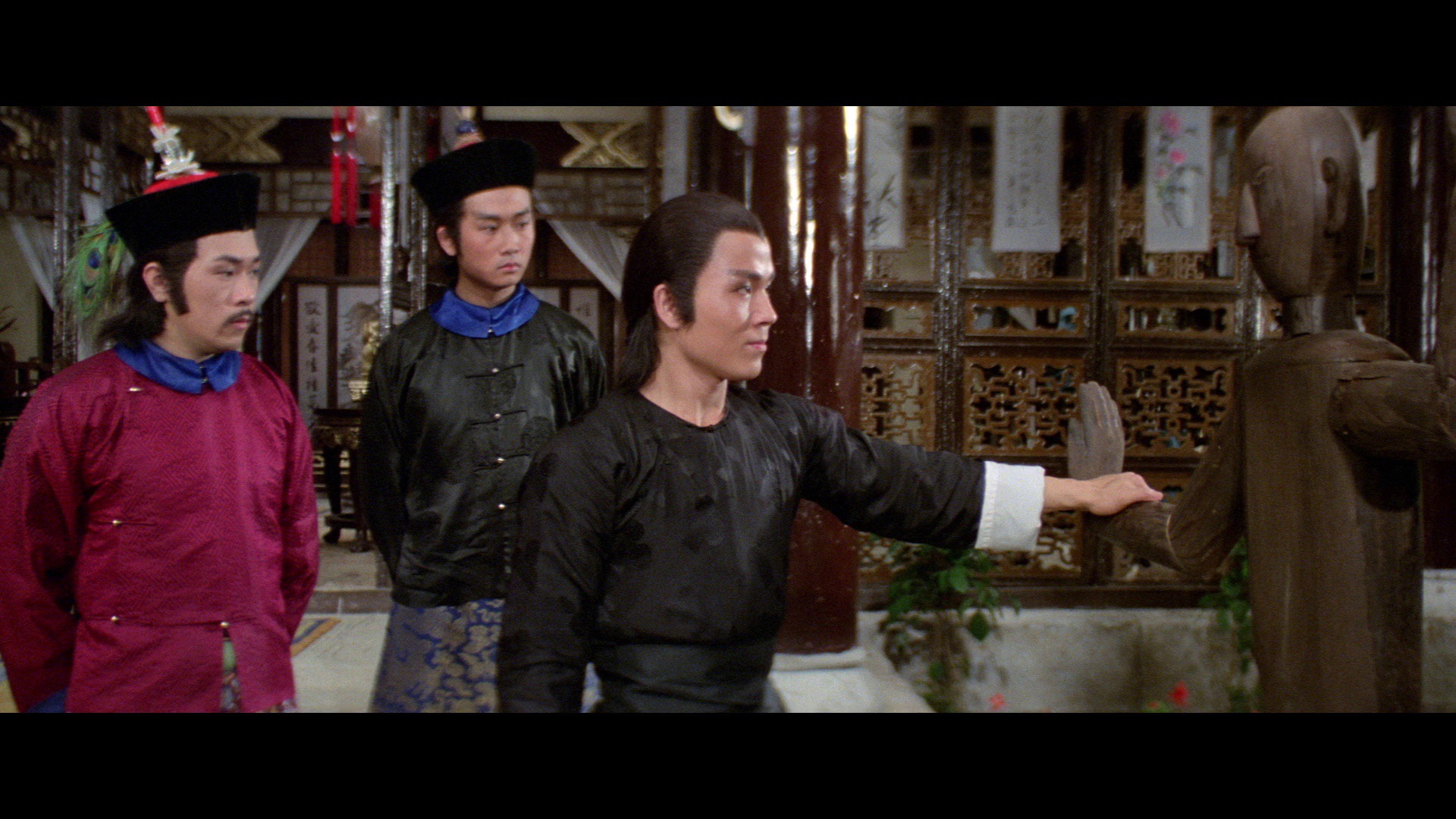
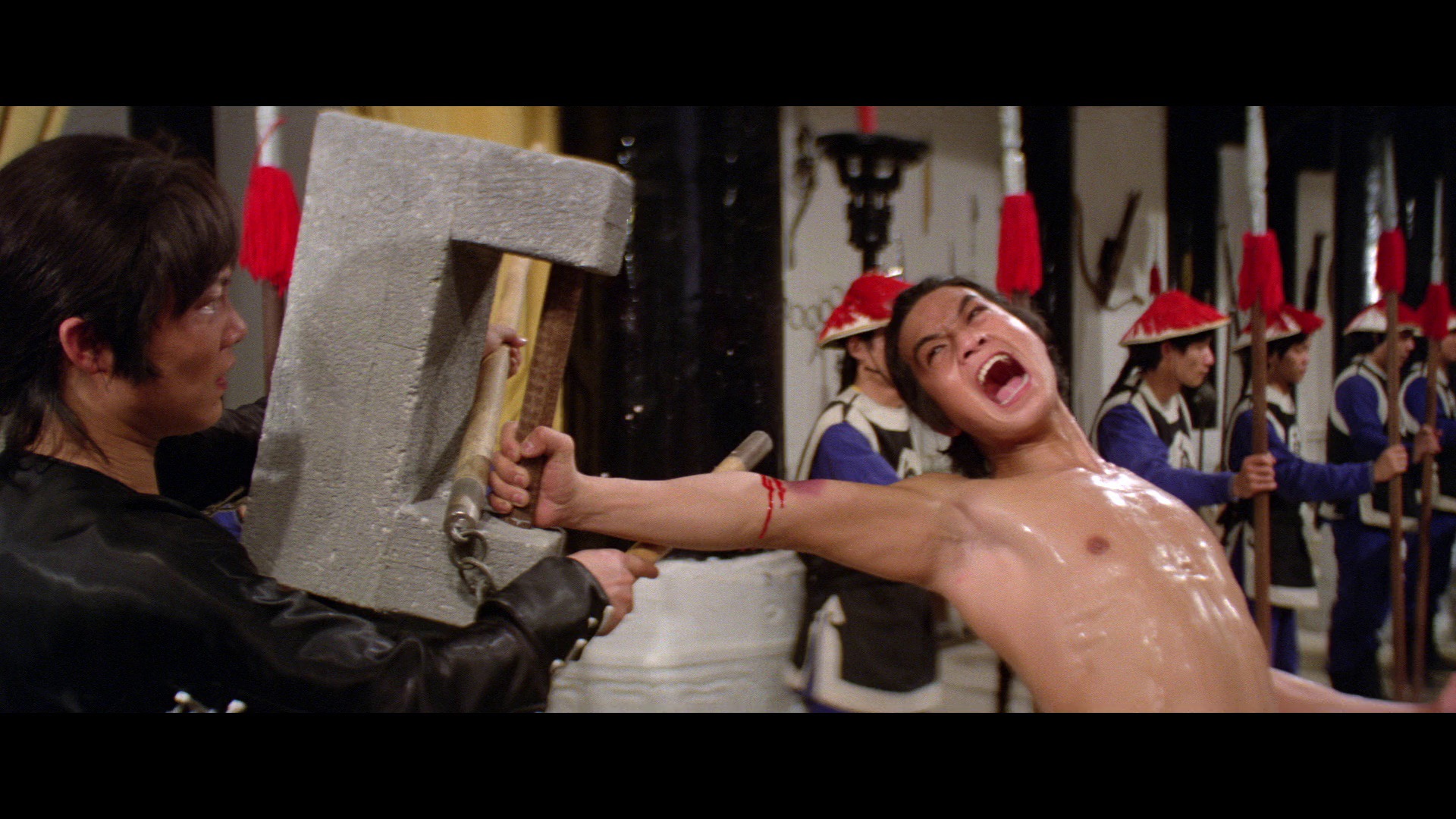
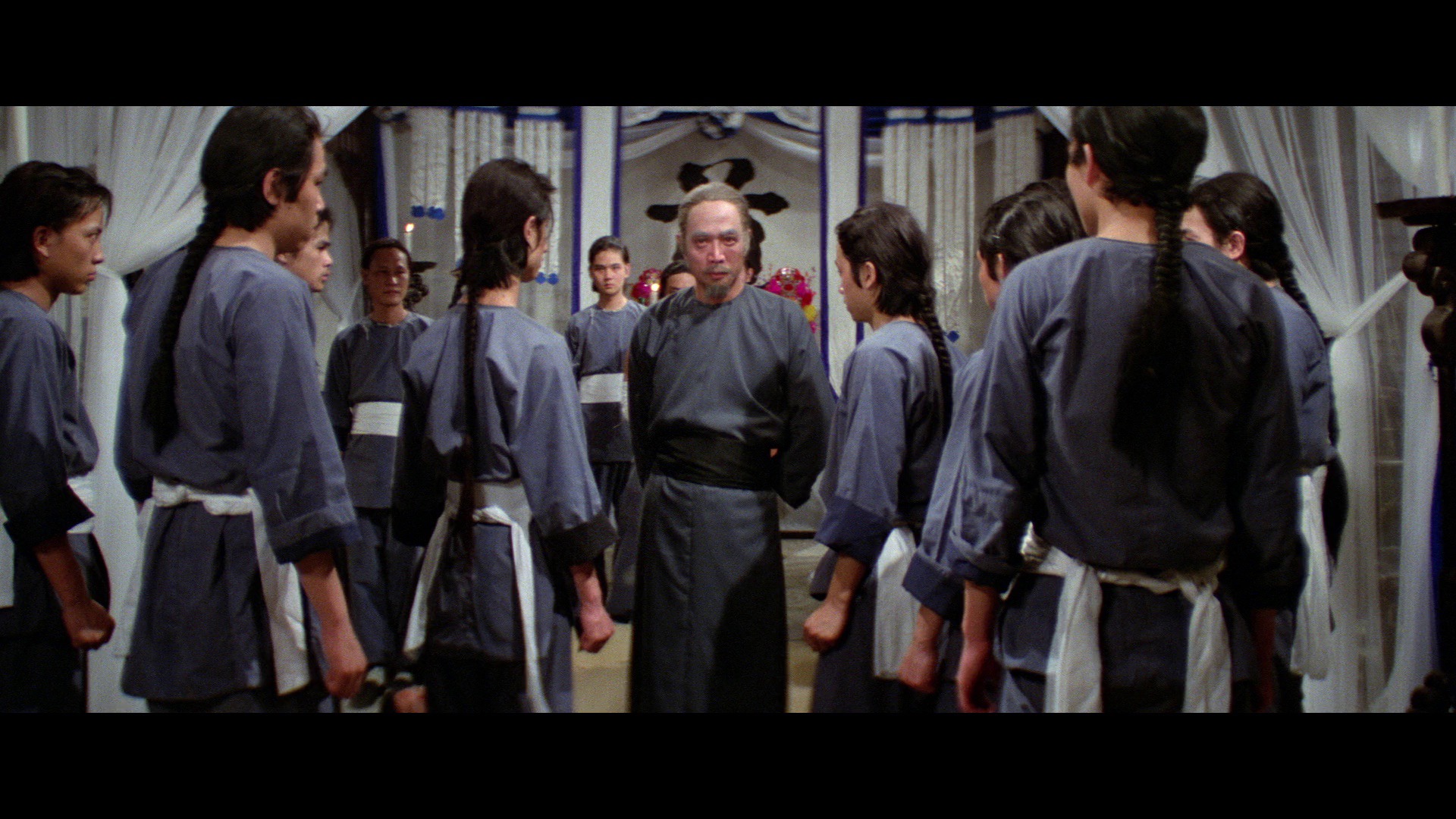
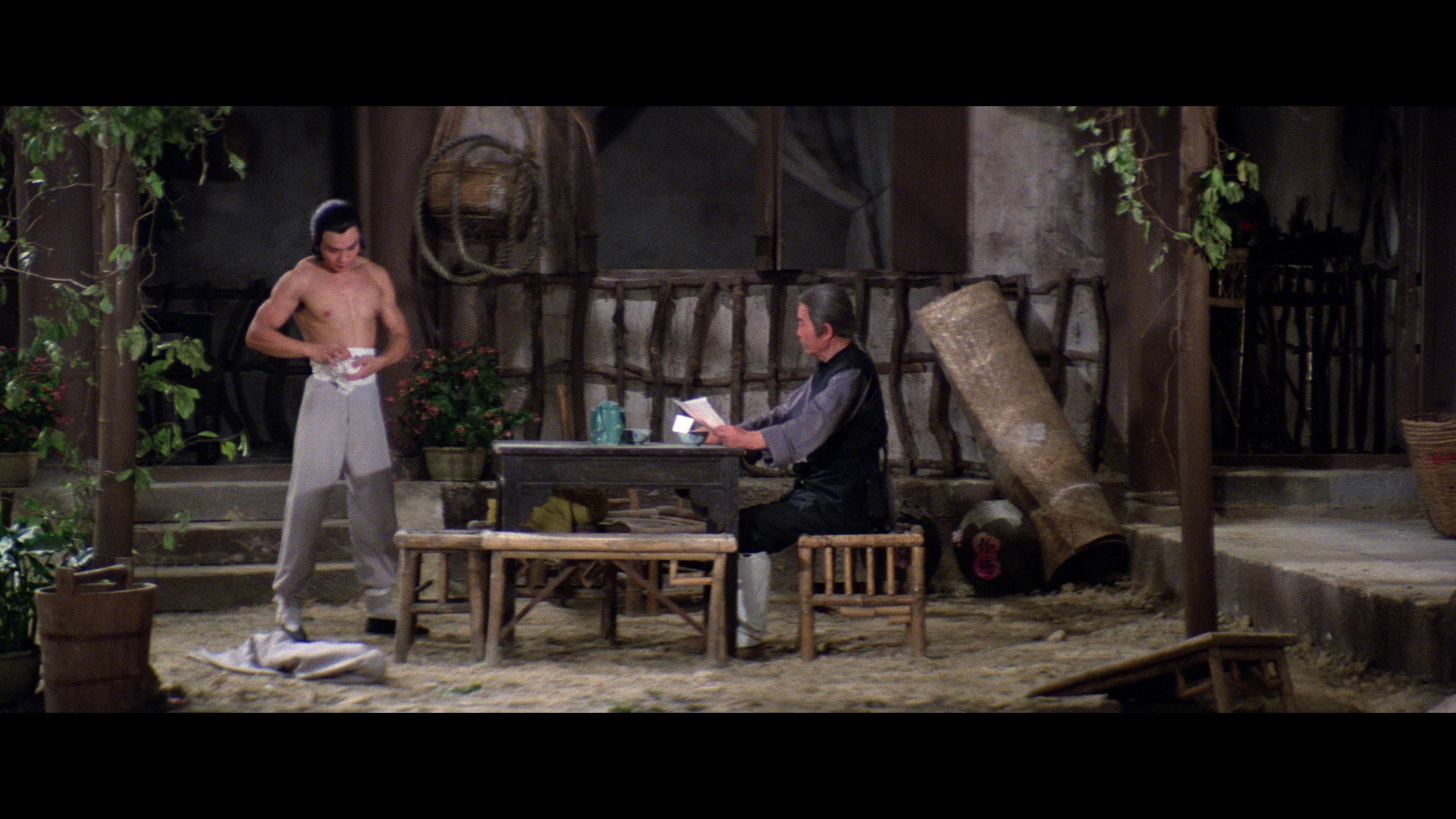
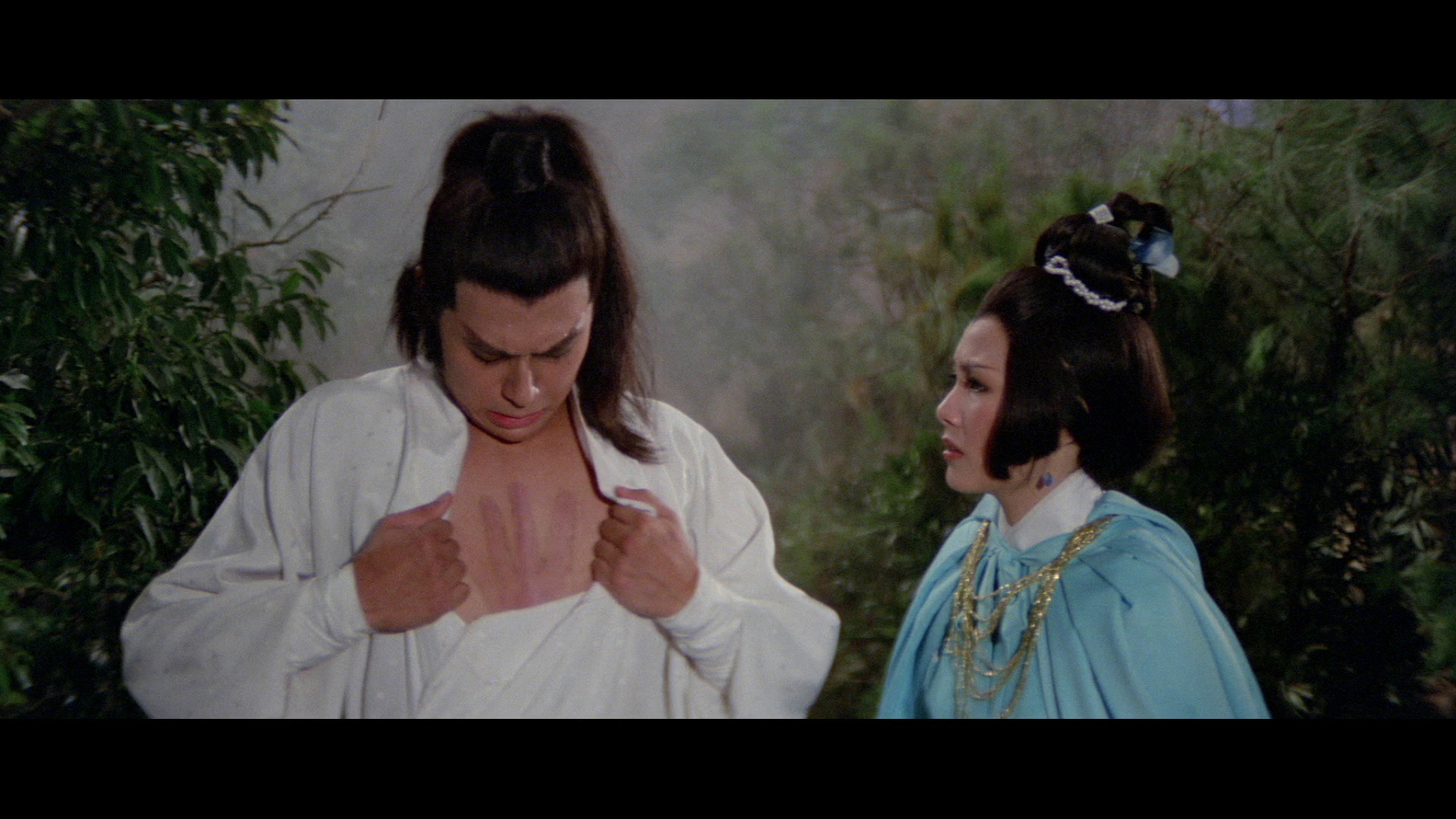
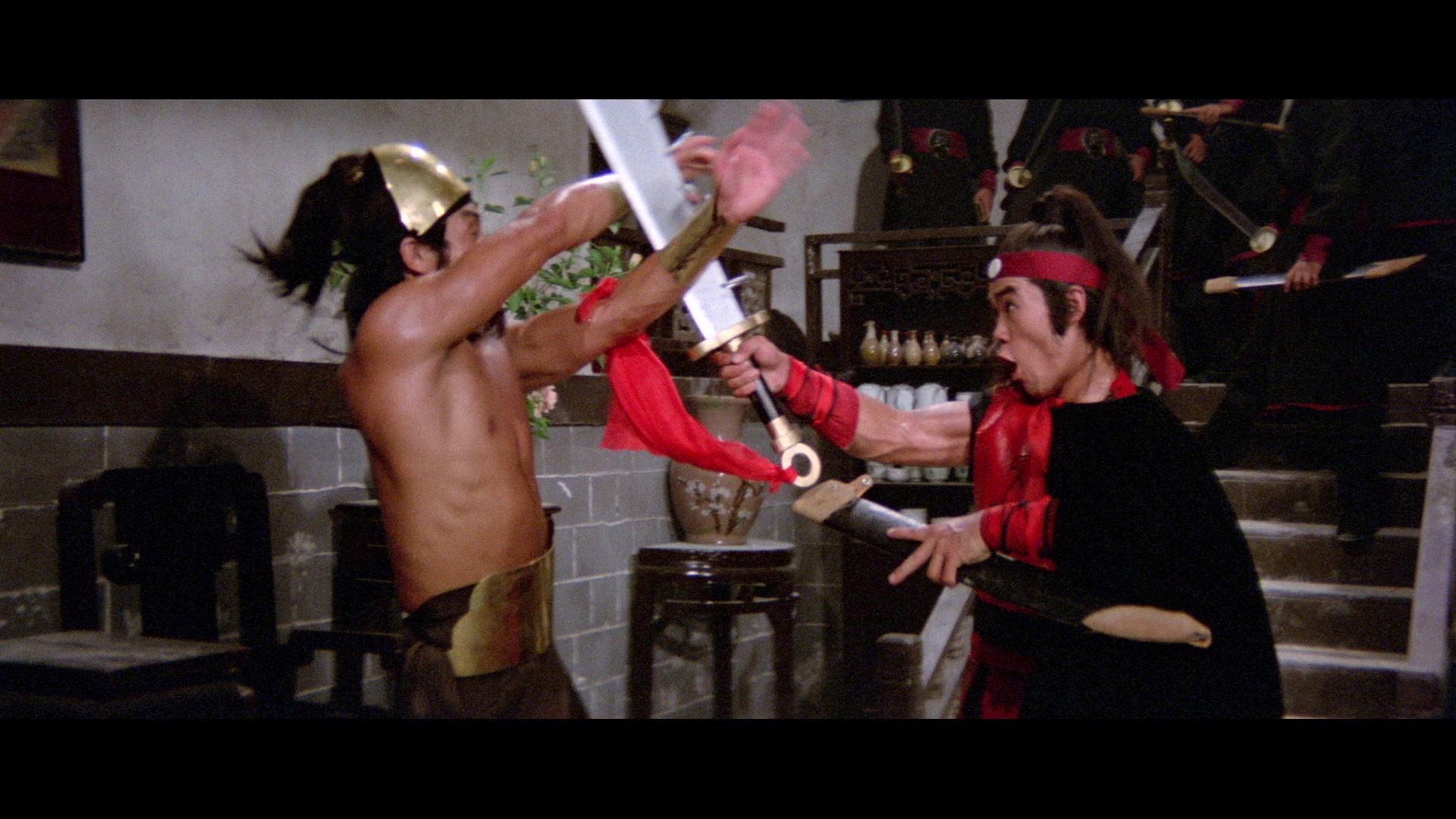
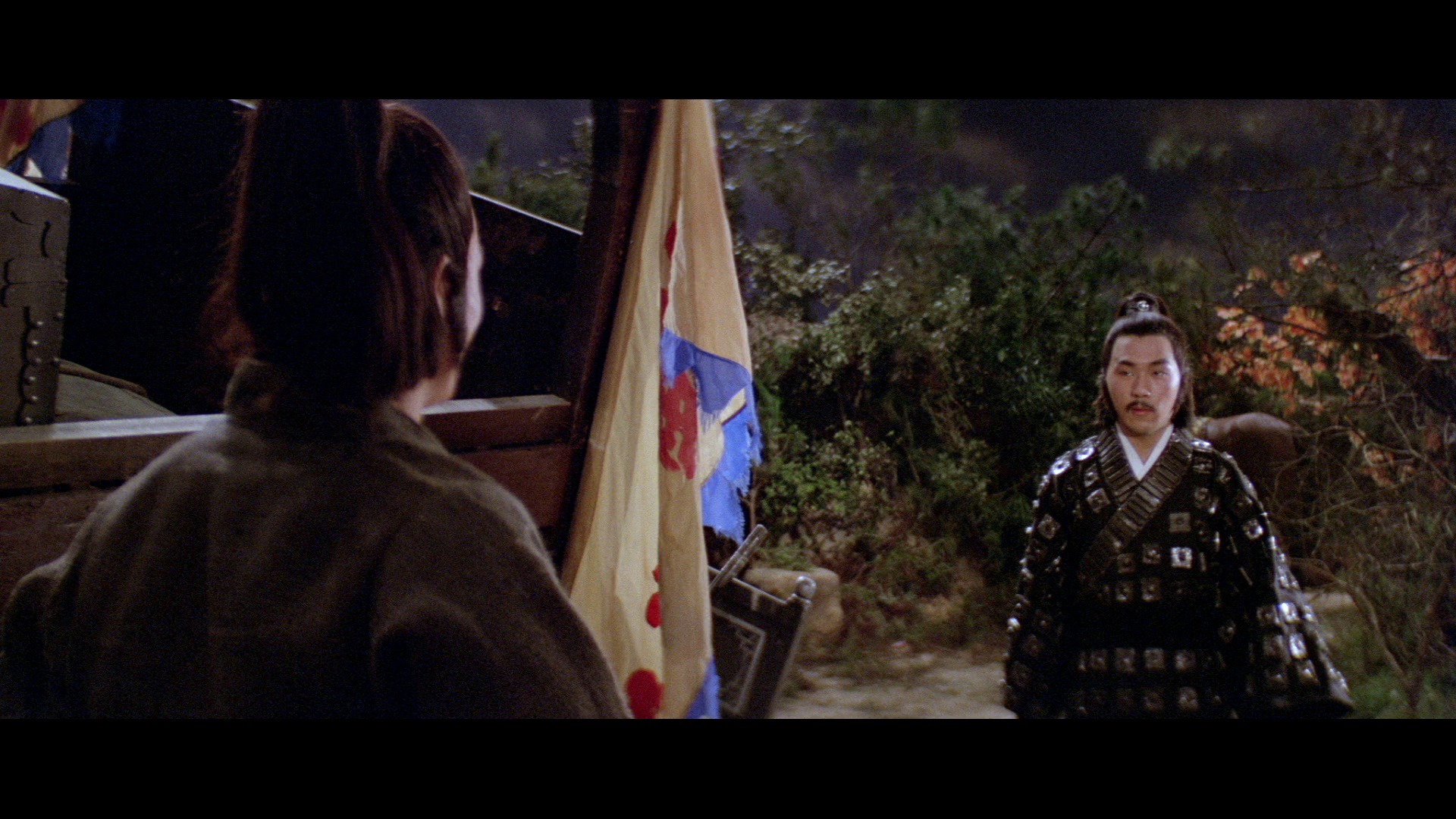
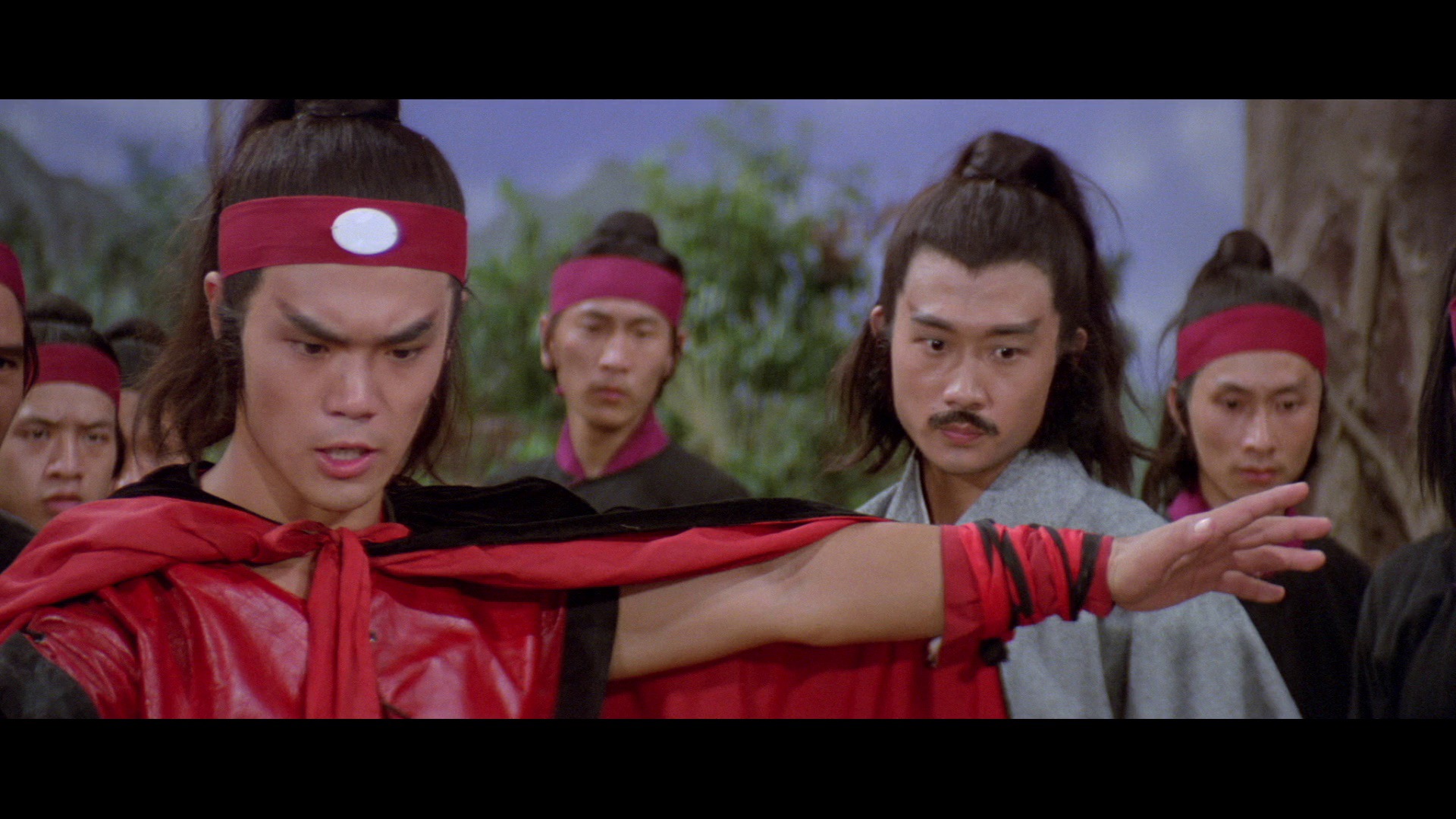
The fourth disc in Arrow’s Shawscope Volume Two presents two films by Chang Cheh featuring the director’s “Venom Mob”: Invincible Shaolin and The Kid with the Golden Arm. Each film has received a new 2K restoration performed by Arrow Films working with L’Immagine Ritrovata and are presented here on a dual-layer disc with 1080p/24hz high-definition encodes in the aspect ratio of 2.35:1. The restorations were primarily sourced from the 35mm original camera negatives.
As with each of Arrow’s new 2K restorations found throughout this set both presentations look incredible and are only held back by the original source materials to varying degrees. Invincible Shaolin has a few blurrier shots and some general wear along the sides but outside of these very minor issues that are inherent to the photography or materials (with the expected distortion from the camera lens popping up at times) there’s really nothing to report, no scratches or severe marks. Golden Arm does come out looking a bit better only because I don’t recall anything noteworthy with the photography outside of, again, some shots featuring distortion on the edges of the screen due to the lens. The image for the latter film rarely goes out of focus and the photography stays crisp and sharp through most of the film’s running time.
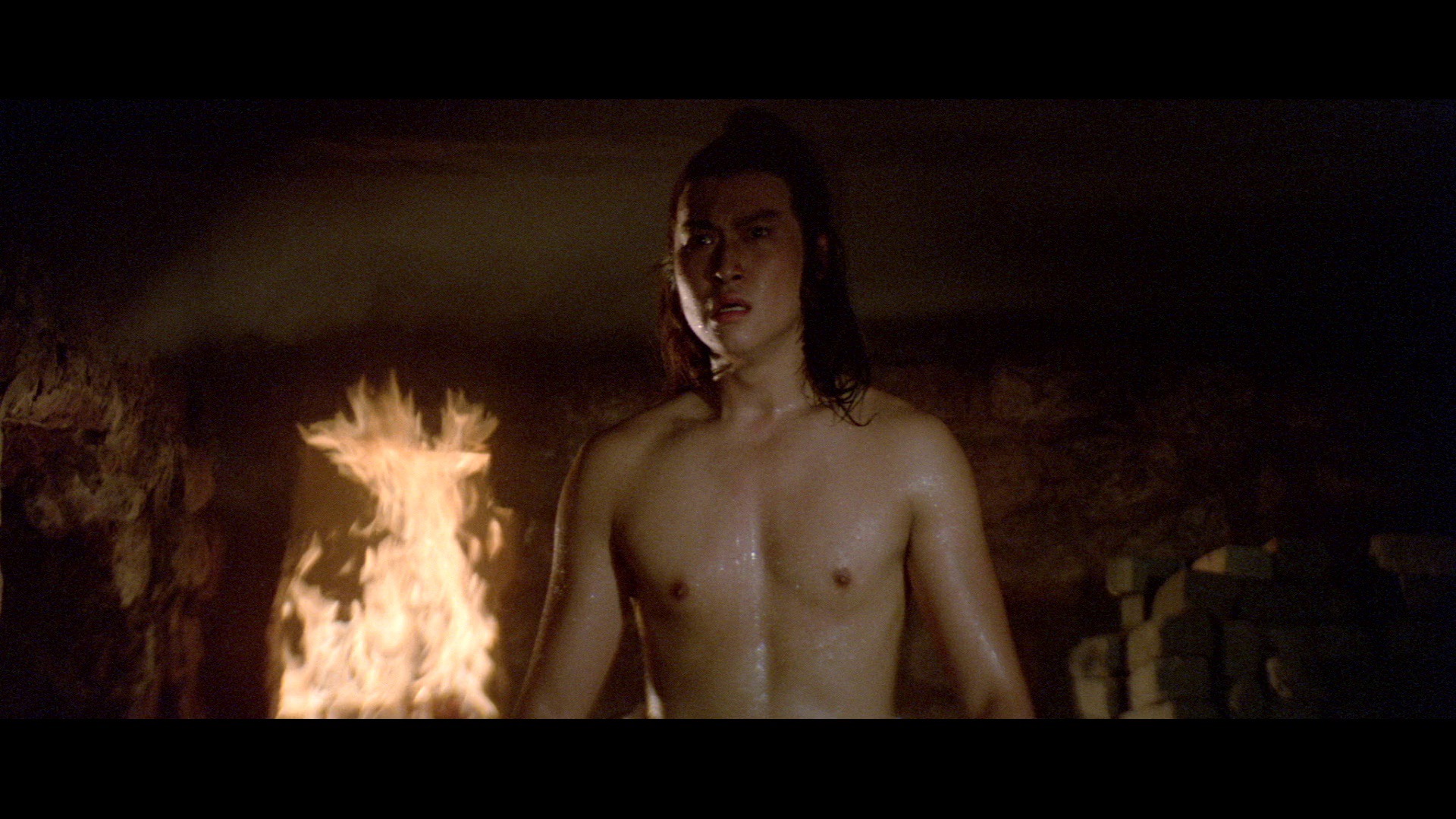
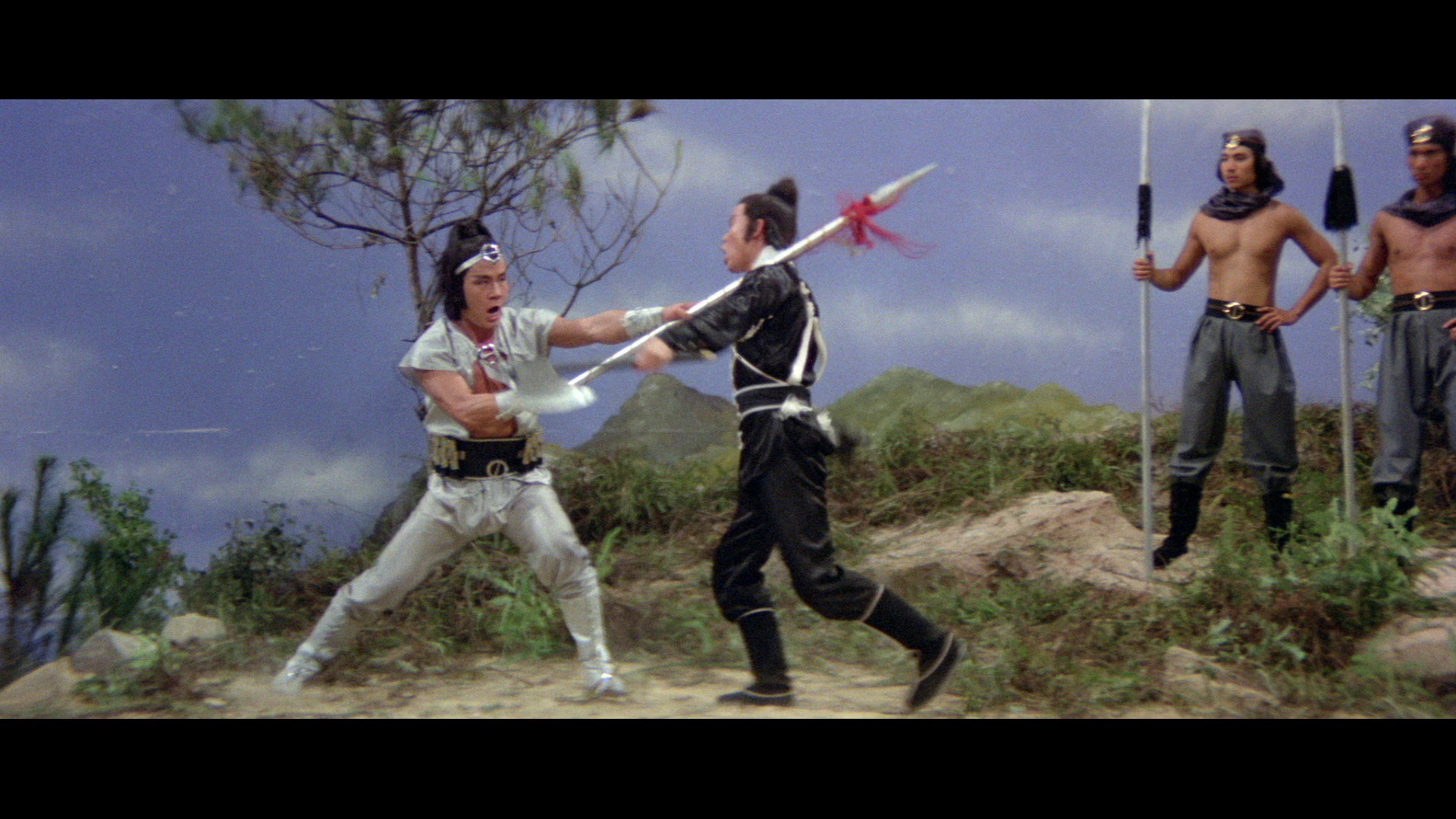
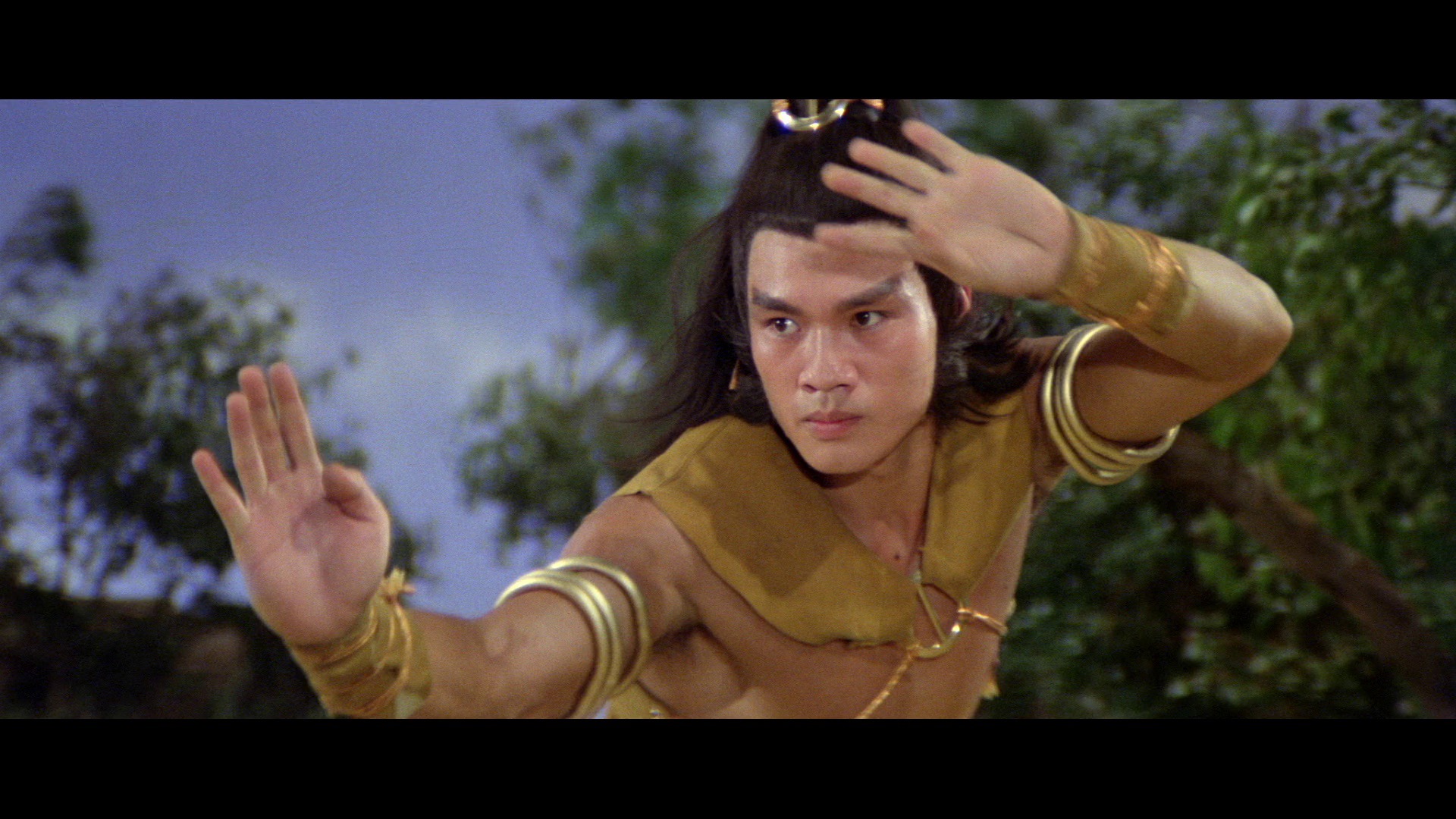
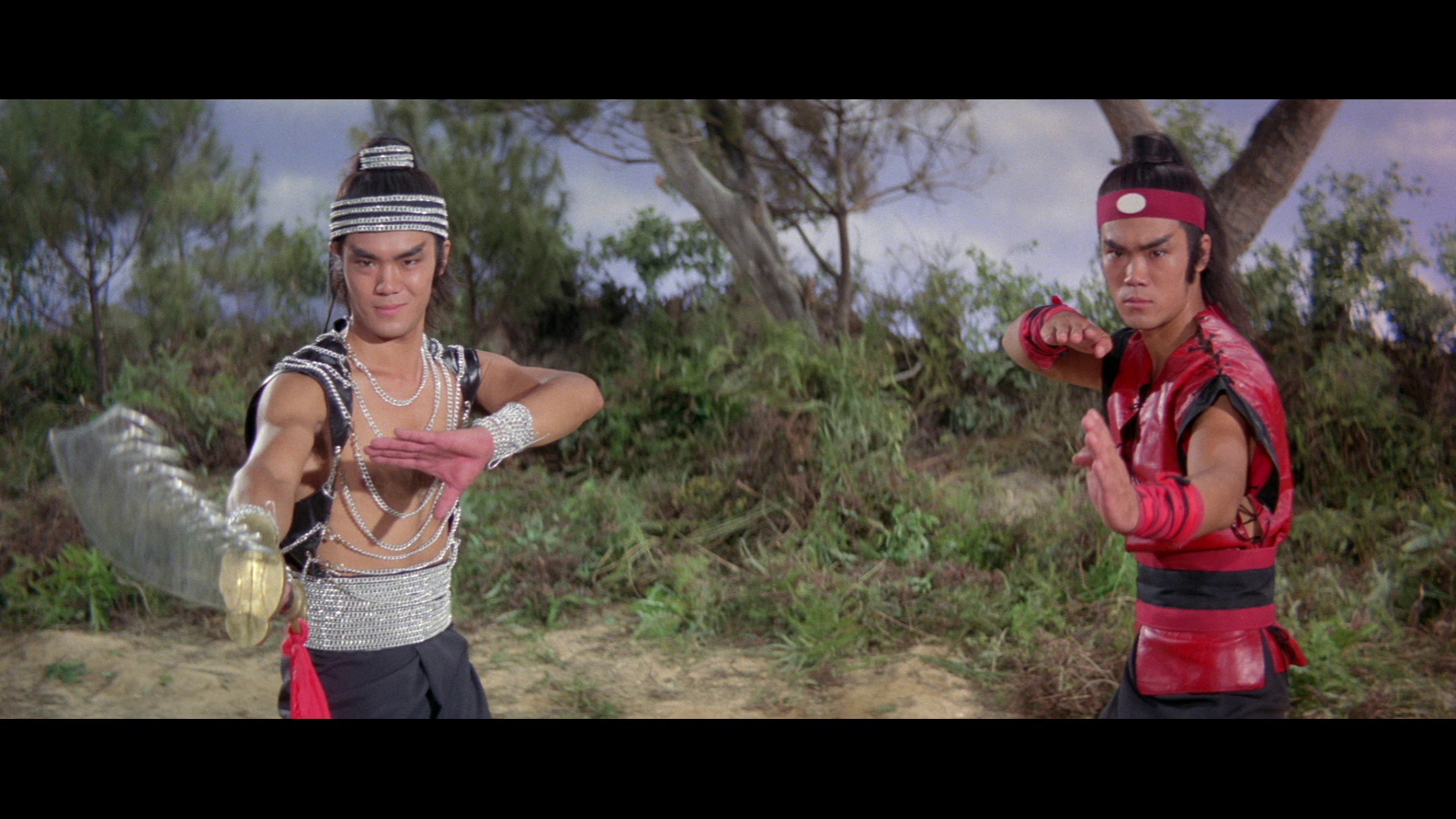
None of that would matter of course if the digital presentations themselves were lackluster and I’m happy to say that’s very much not the case. The scans have captured every detail right down the grain and Arrow’s encodes render it out all beautifully. That grain looks clean and natural leading to all details and textures within the image popping out clearly, where the source materials and photography allow of course. This improved clarity does have the unintended consequence of exposing details that were never meant to be seen, like where the glue has been applied for the actors’ wigs and fake facial hair or where the blue “sky” in the background seems to feature the type of imperfections you’d expect from hastily installed drywall. Still, I’ll take that over a blurry, hard-to-see video image any day and it can be just astounding how clear things can appear in both films.
Colours lean warm but, like the other presentations in the set, don’t come out looking too yellow, whites simply looking like a warm white. The overall colours schemes for each film aren’t what I would call “showy” but each one renders the colours superbly while also throwing in terrific pops of red, blue, green, violet and more, Golden Arm opening with a very colourful credit sequence. The reds can get especially bold at times and I didn’t notice any issues witch blocky patterns or noise. Black levels come out looking deep and inky with range being surprisingly wide in the shadows, helping expose details in some of the darker shots. Light also blends nicely into the darkness thanks to the clean gradients.
Not too surprising considering how the new restorations have been turning out across both sets, but I found these ones to look particularly good overall, with The Kid with the Golden Arm possibly being one of the standouts in this set.
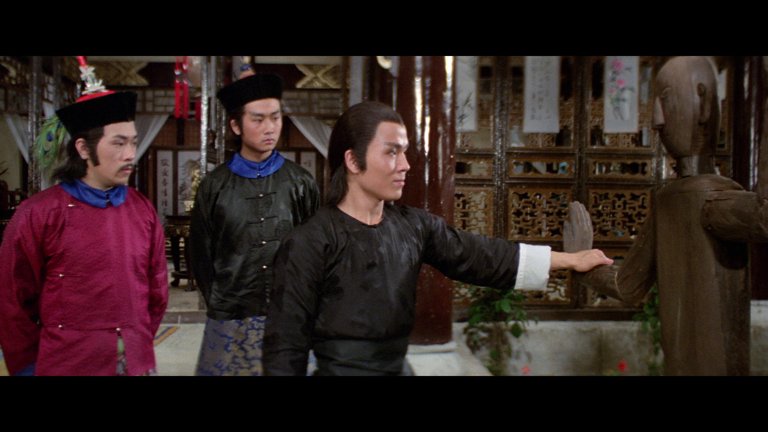
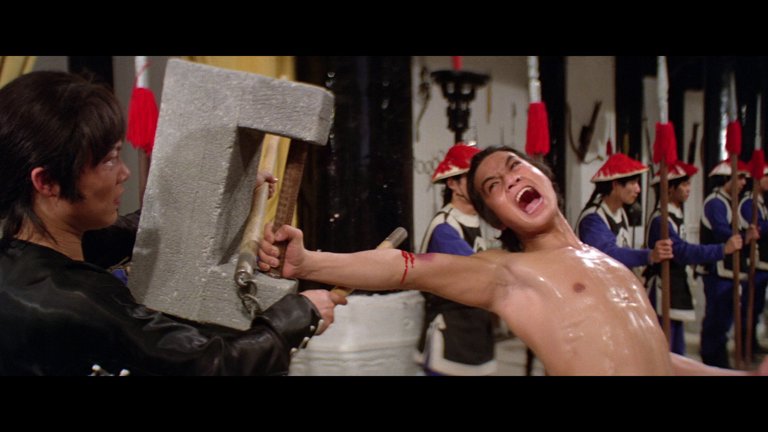
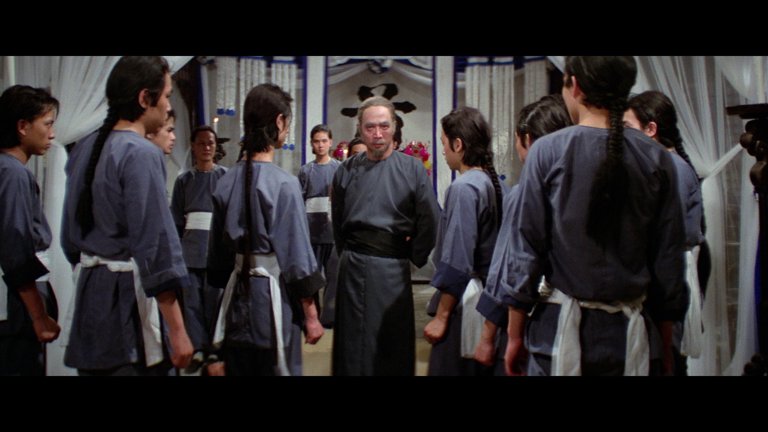
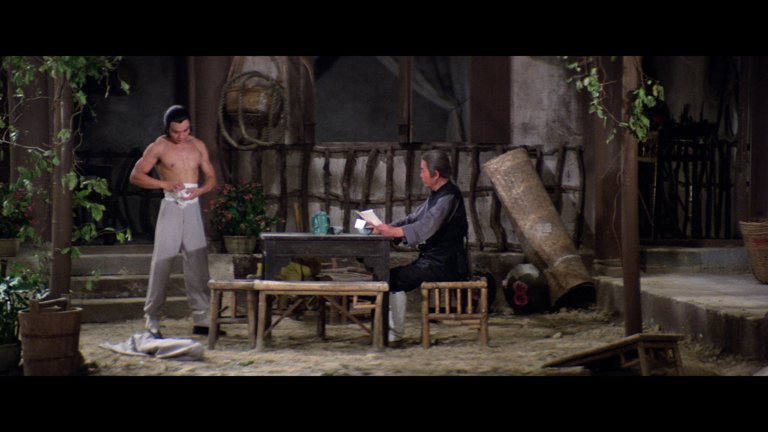
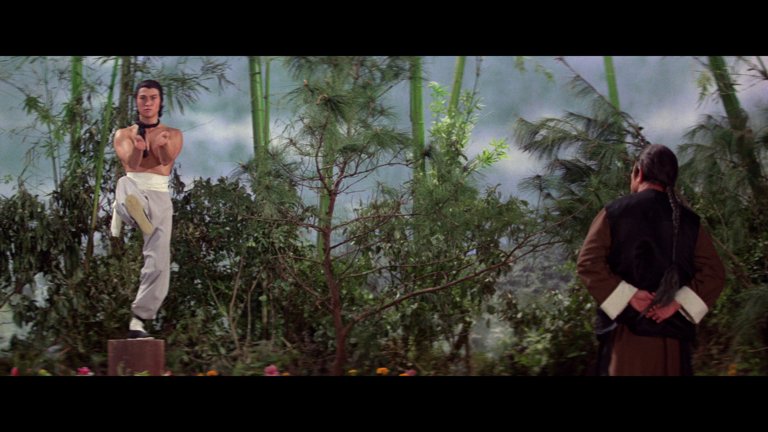
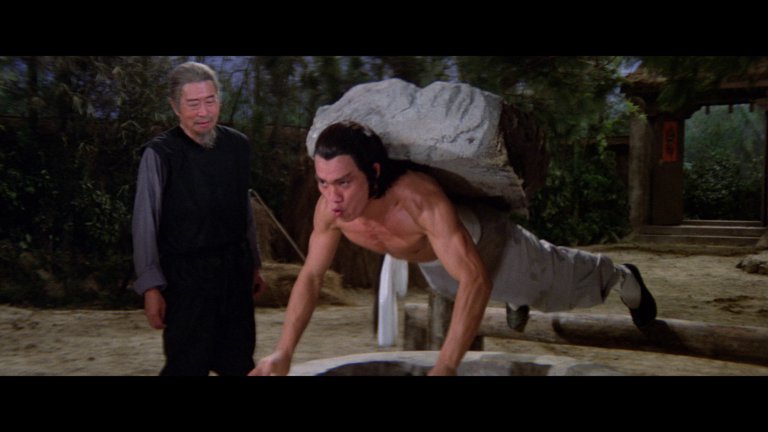
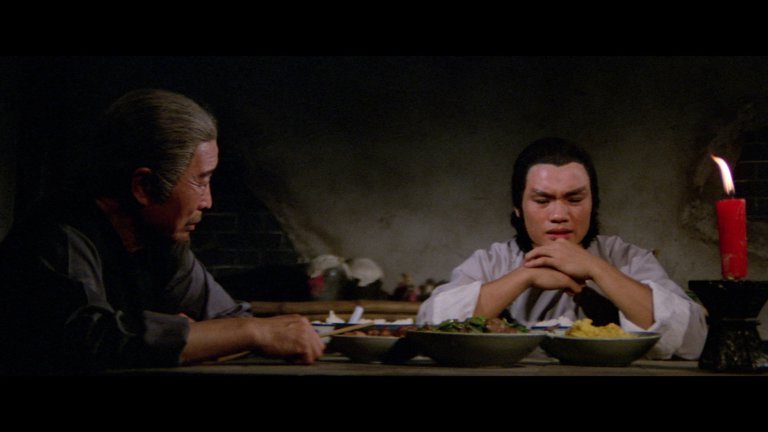
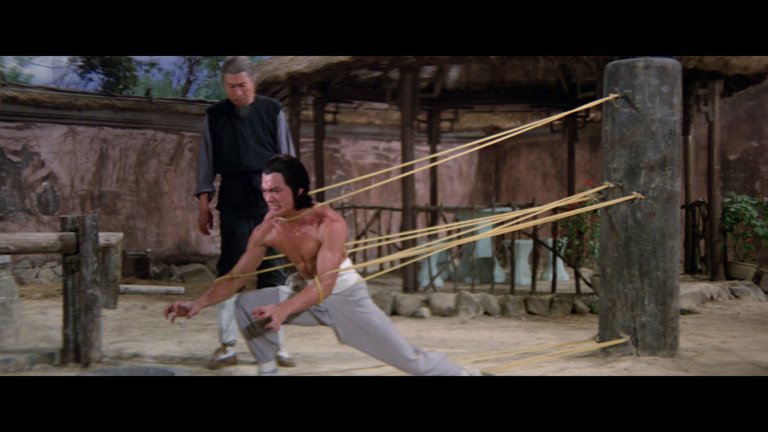
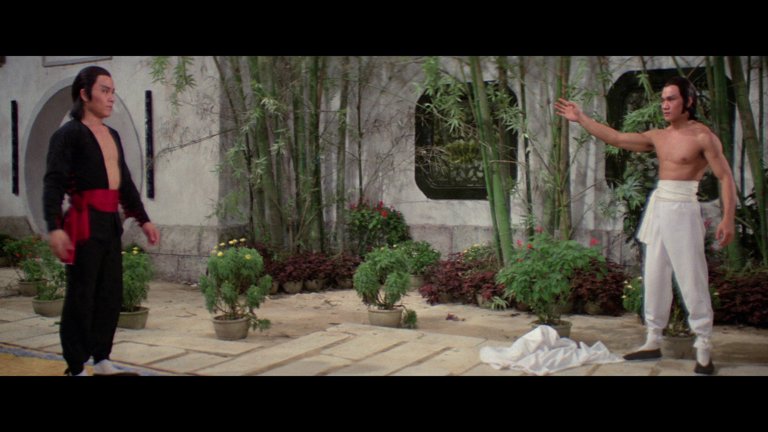
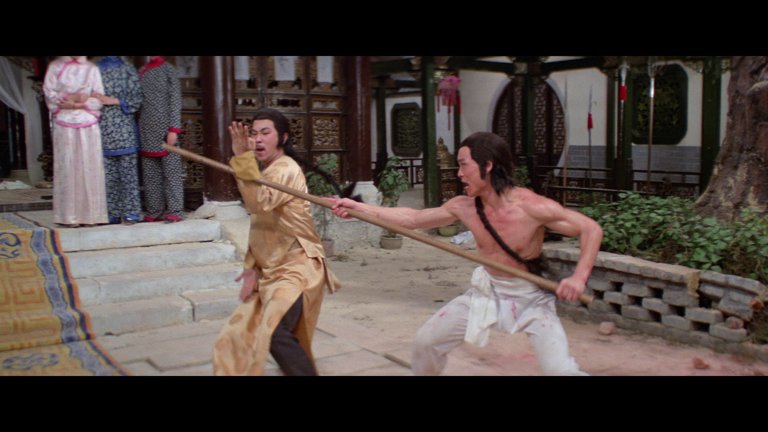
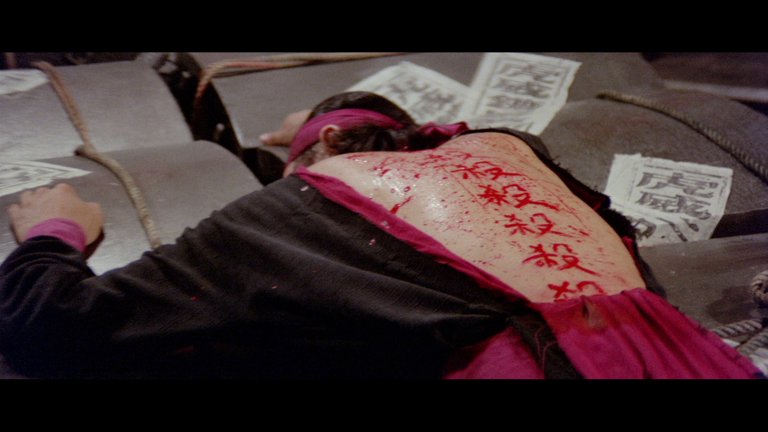
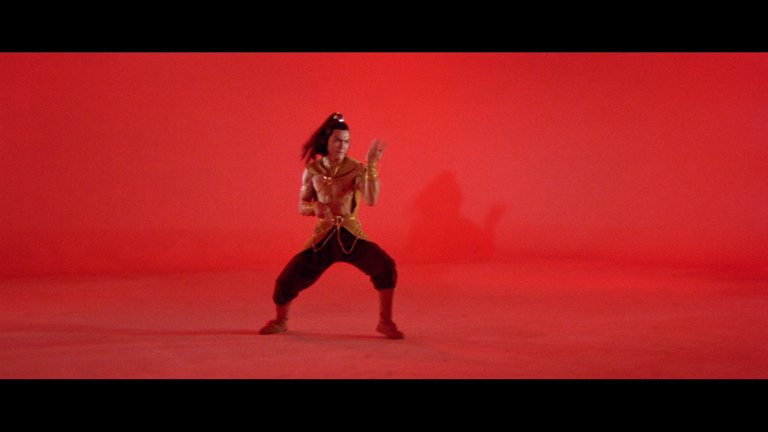
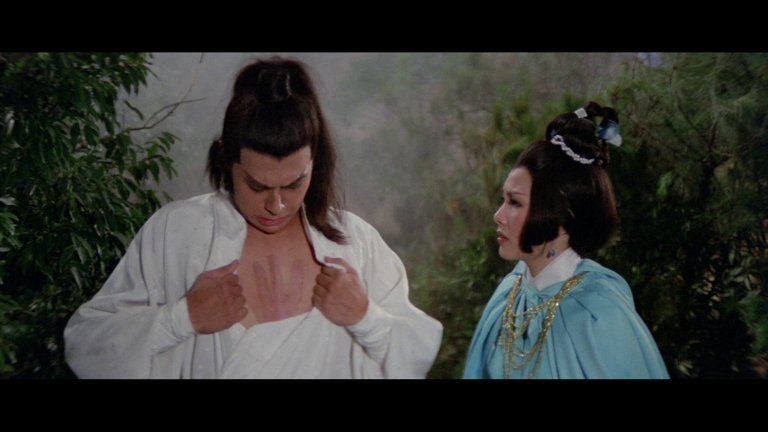
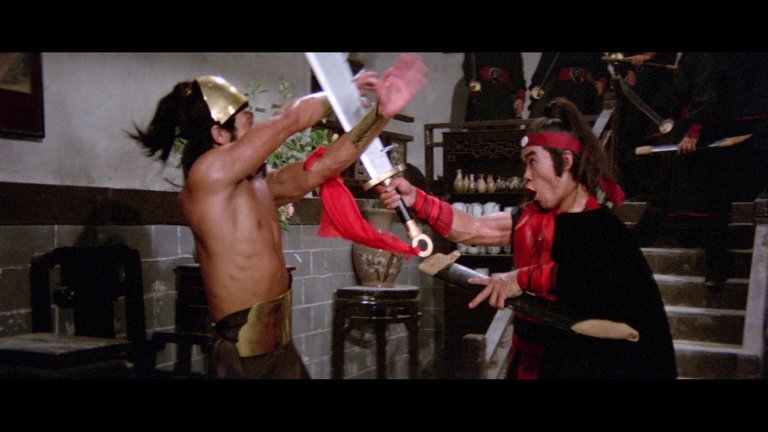
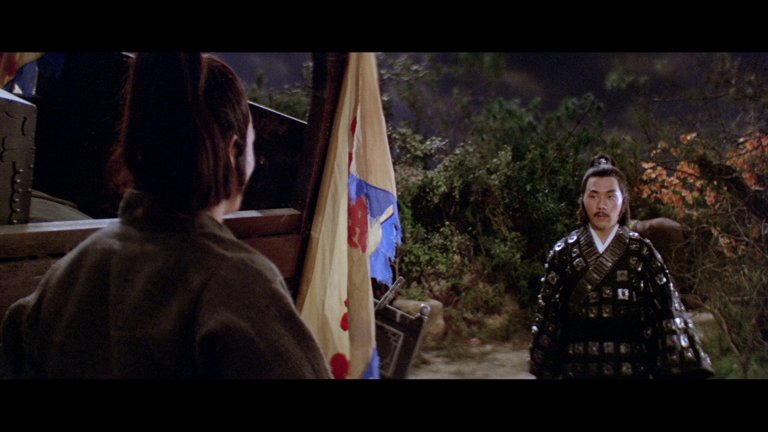
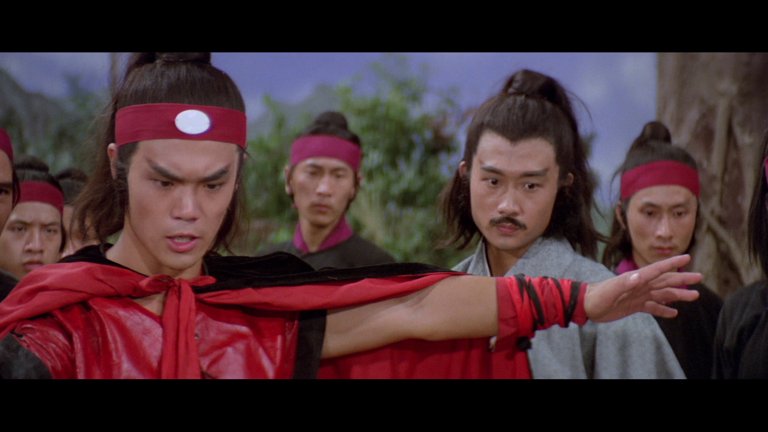
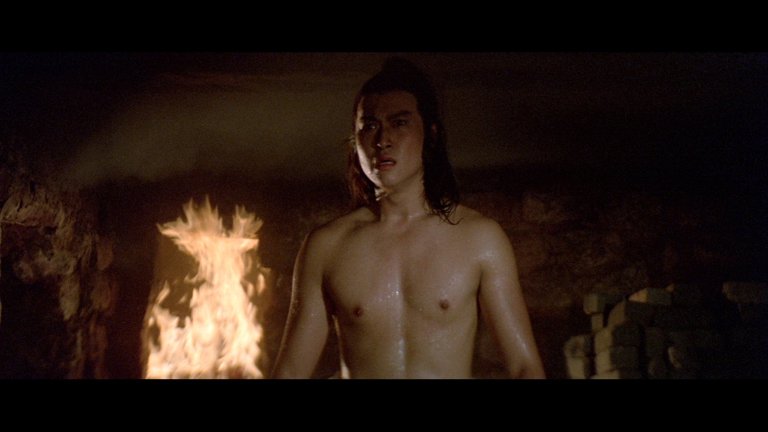
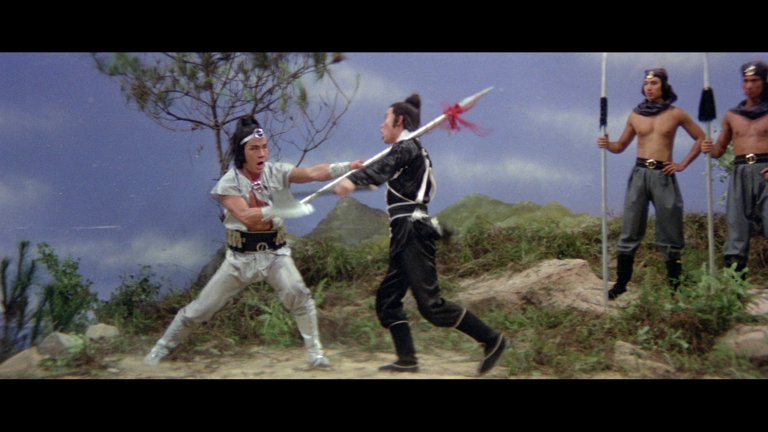
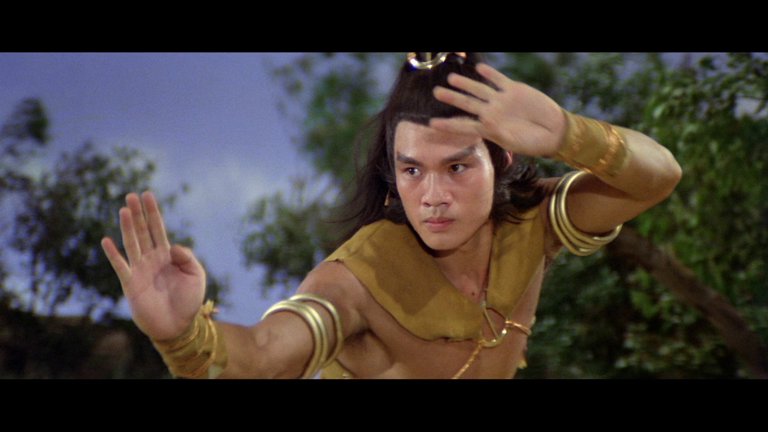
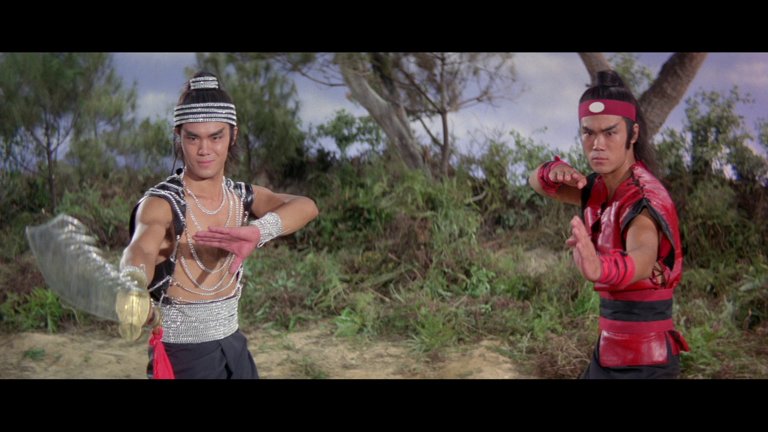
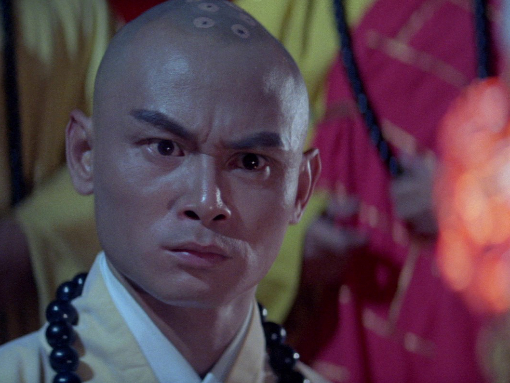
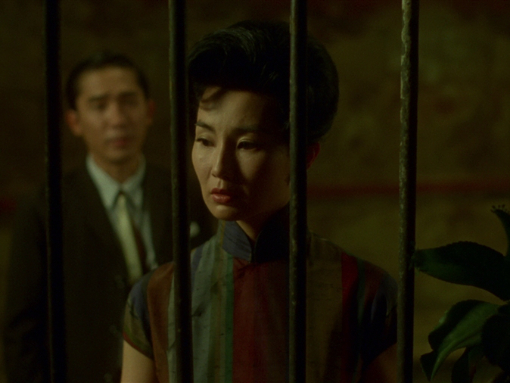
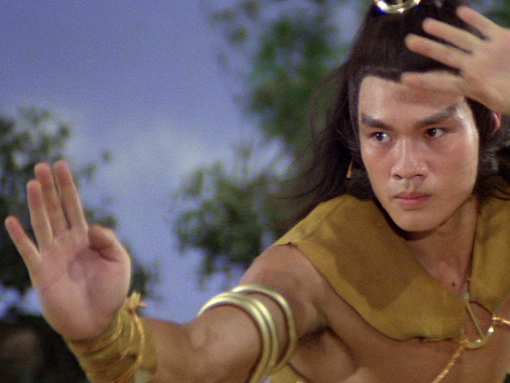
Shawscope: Volume Two - Screen Captures
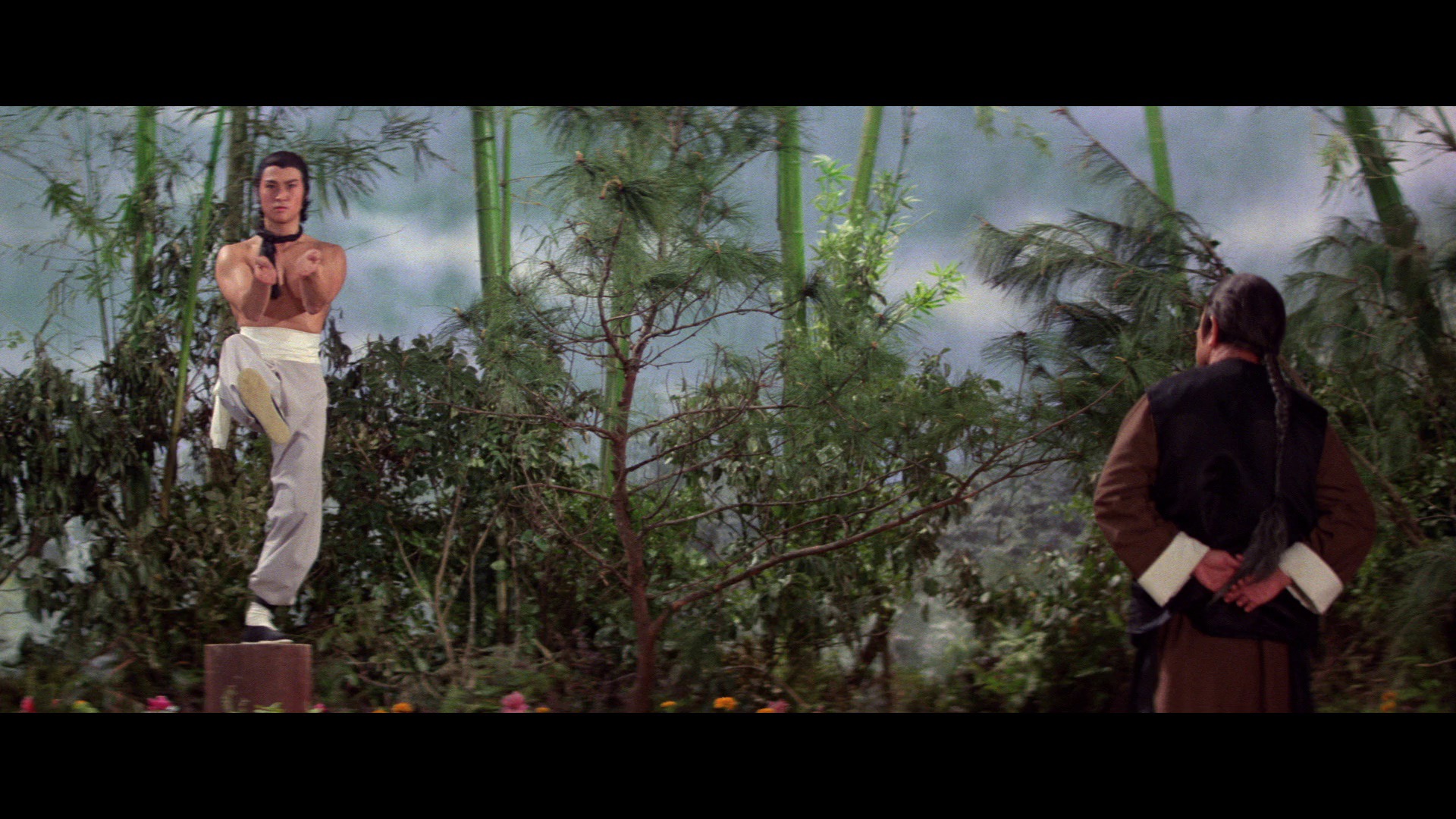
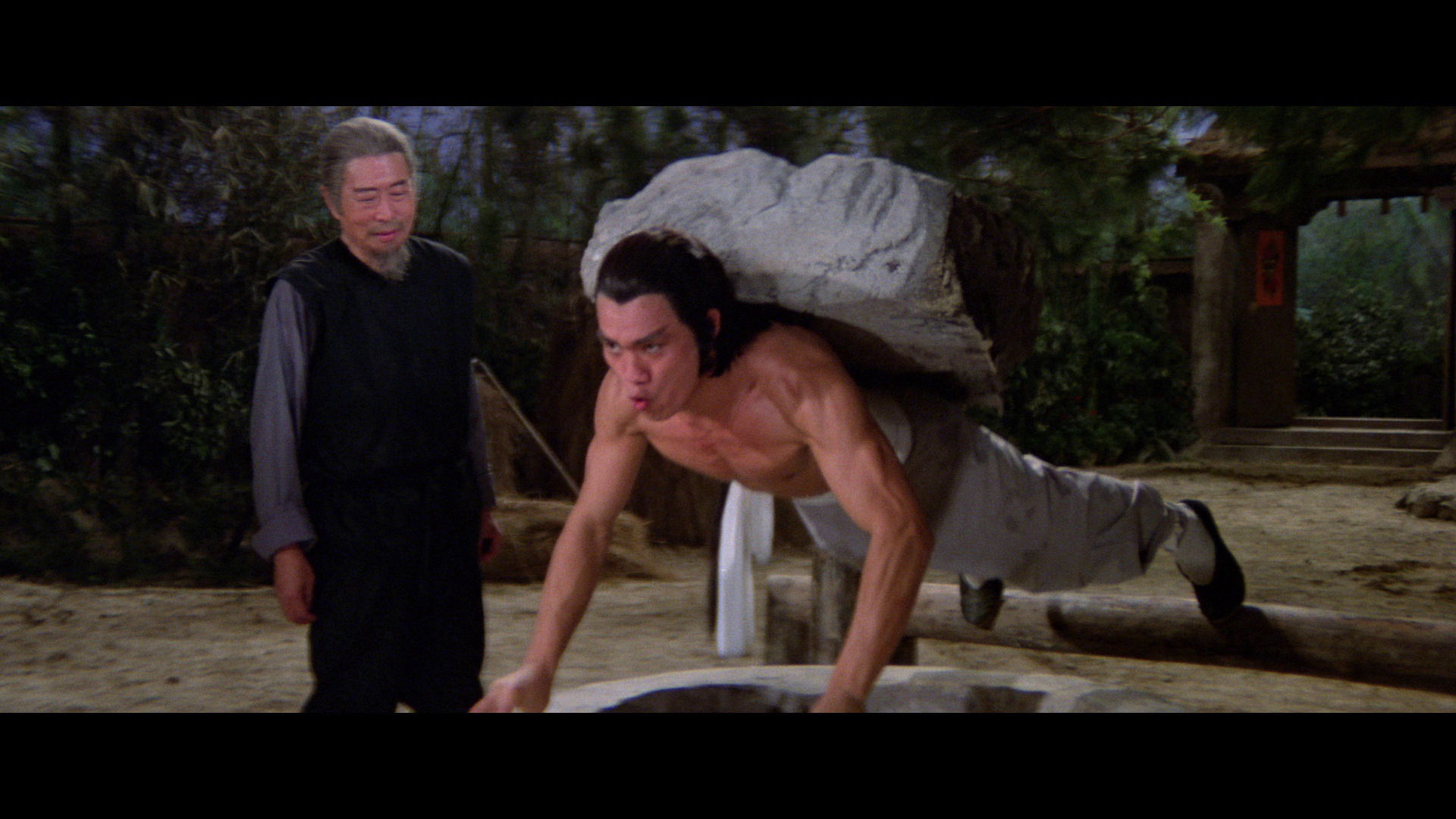
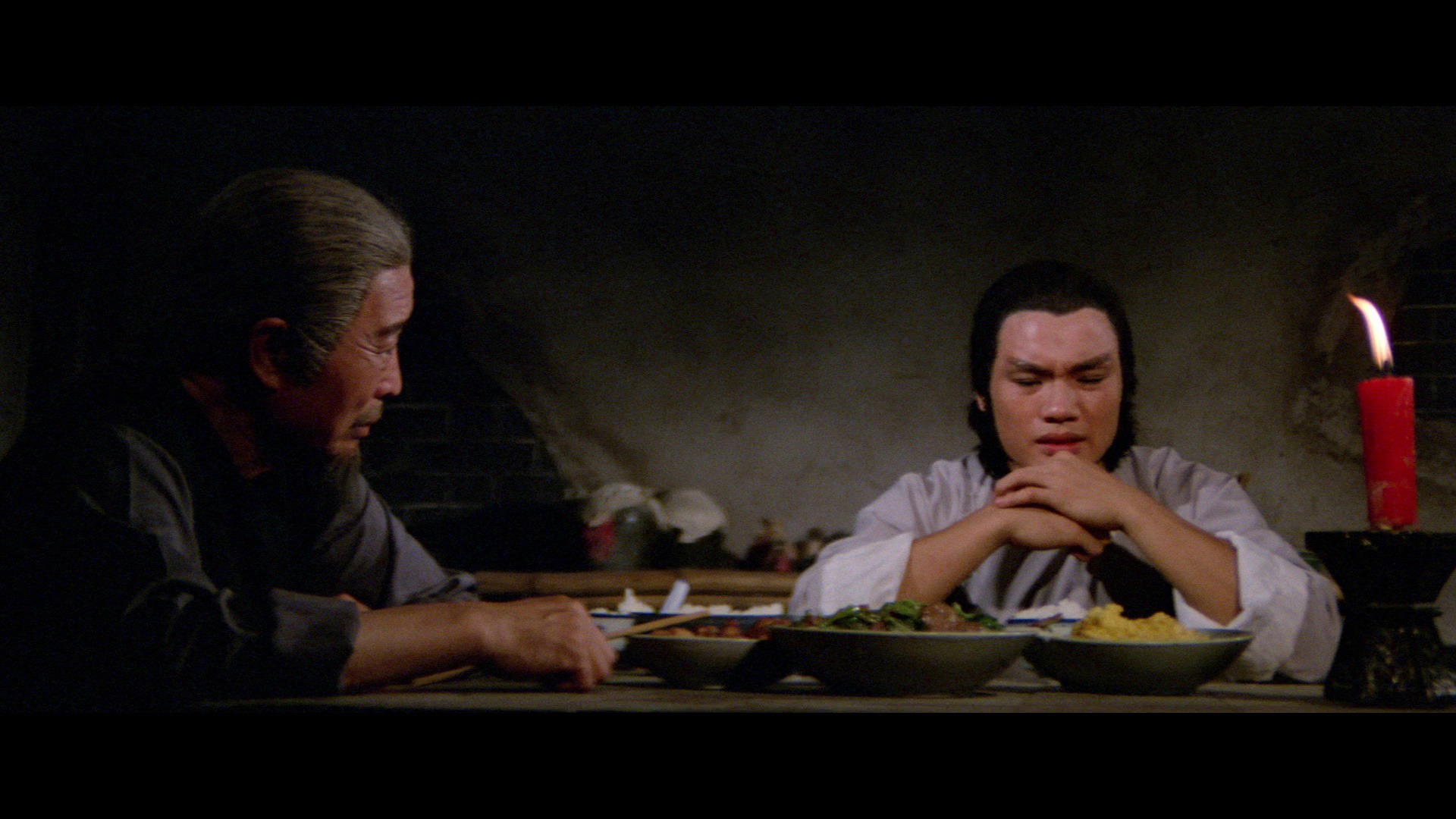
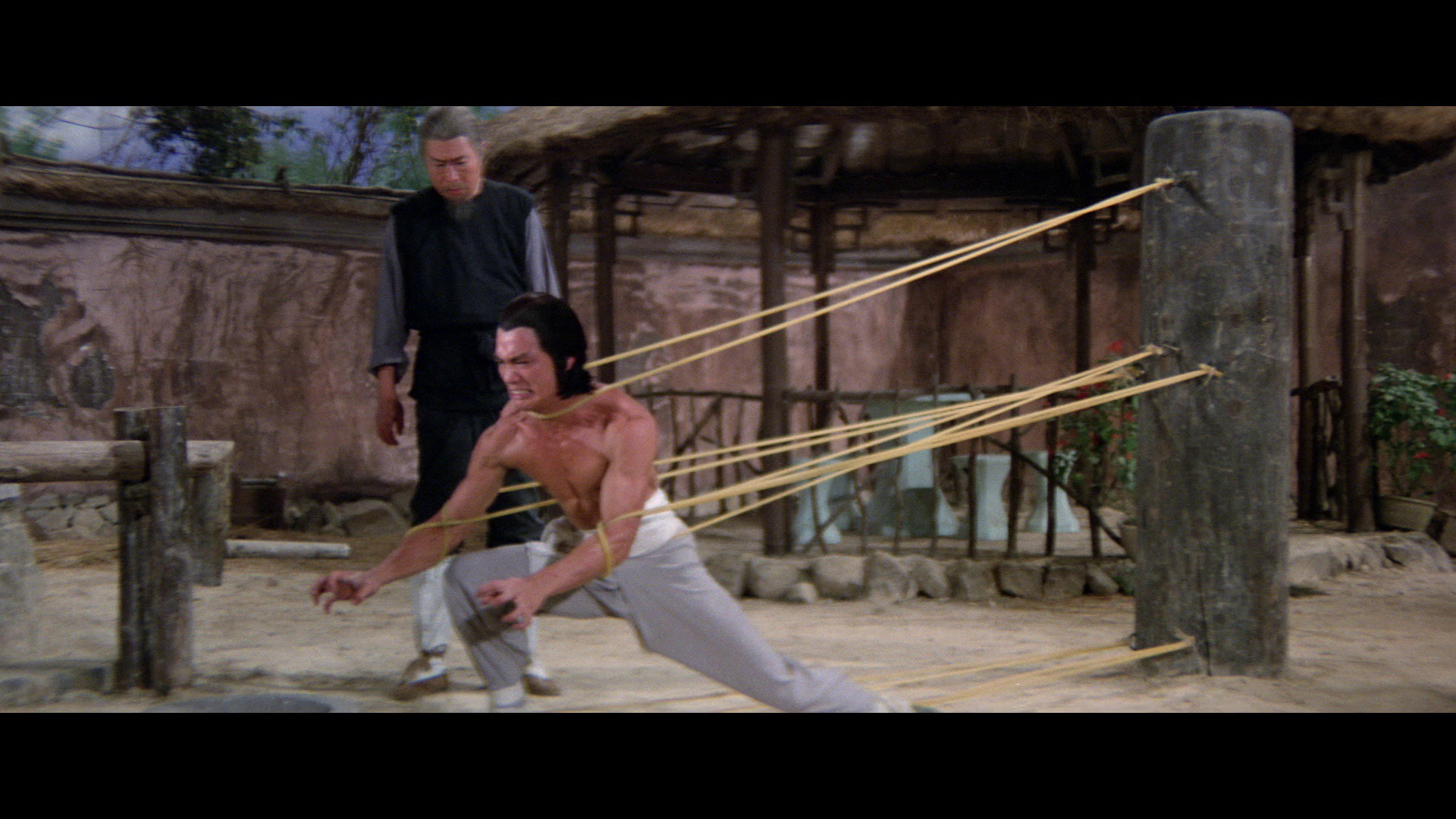
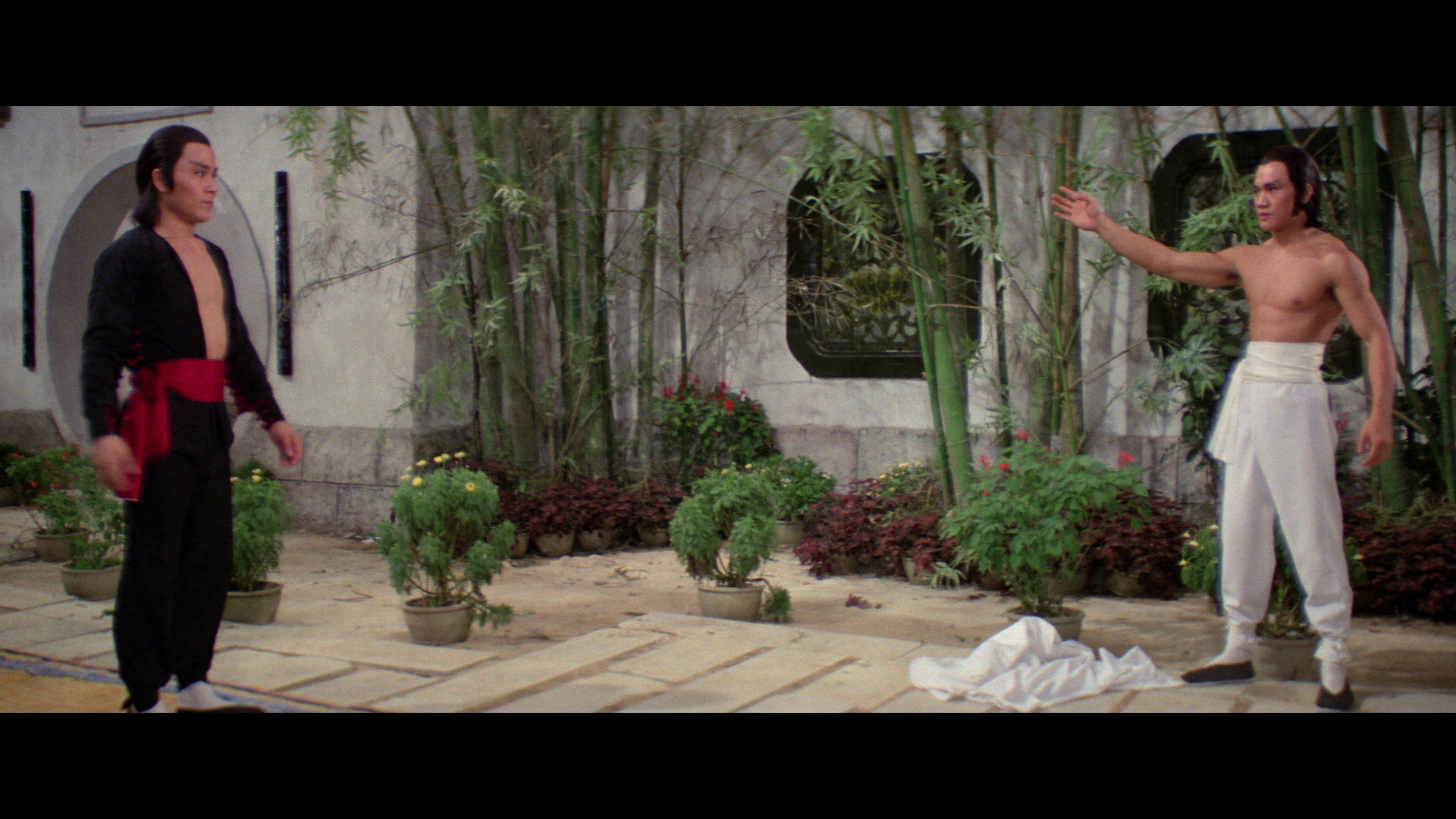
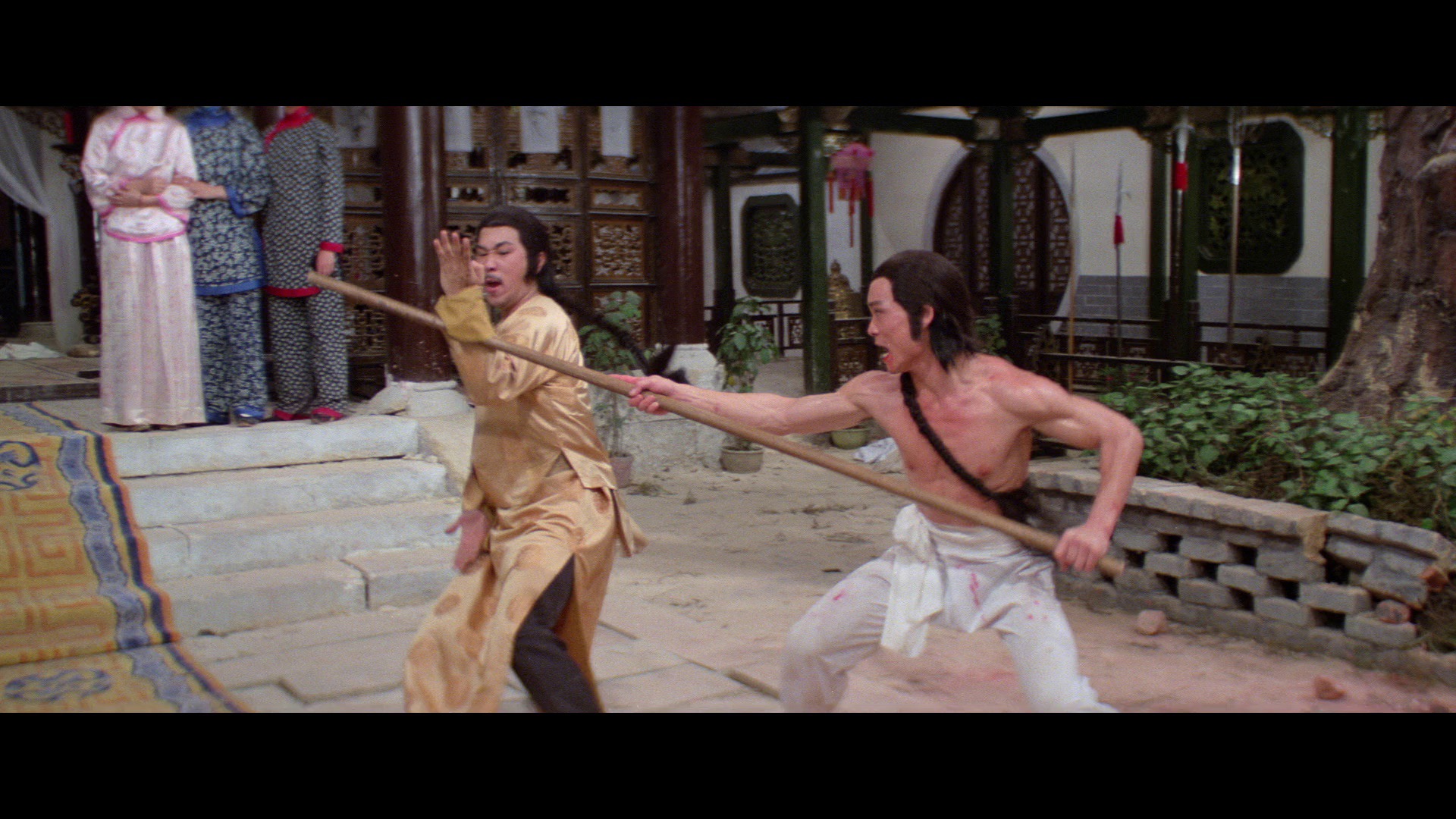
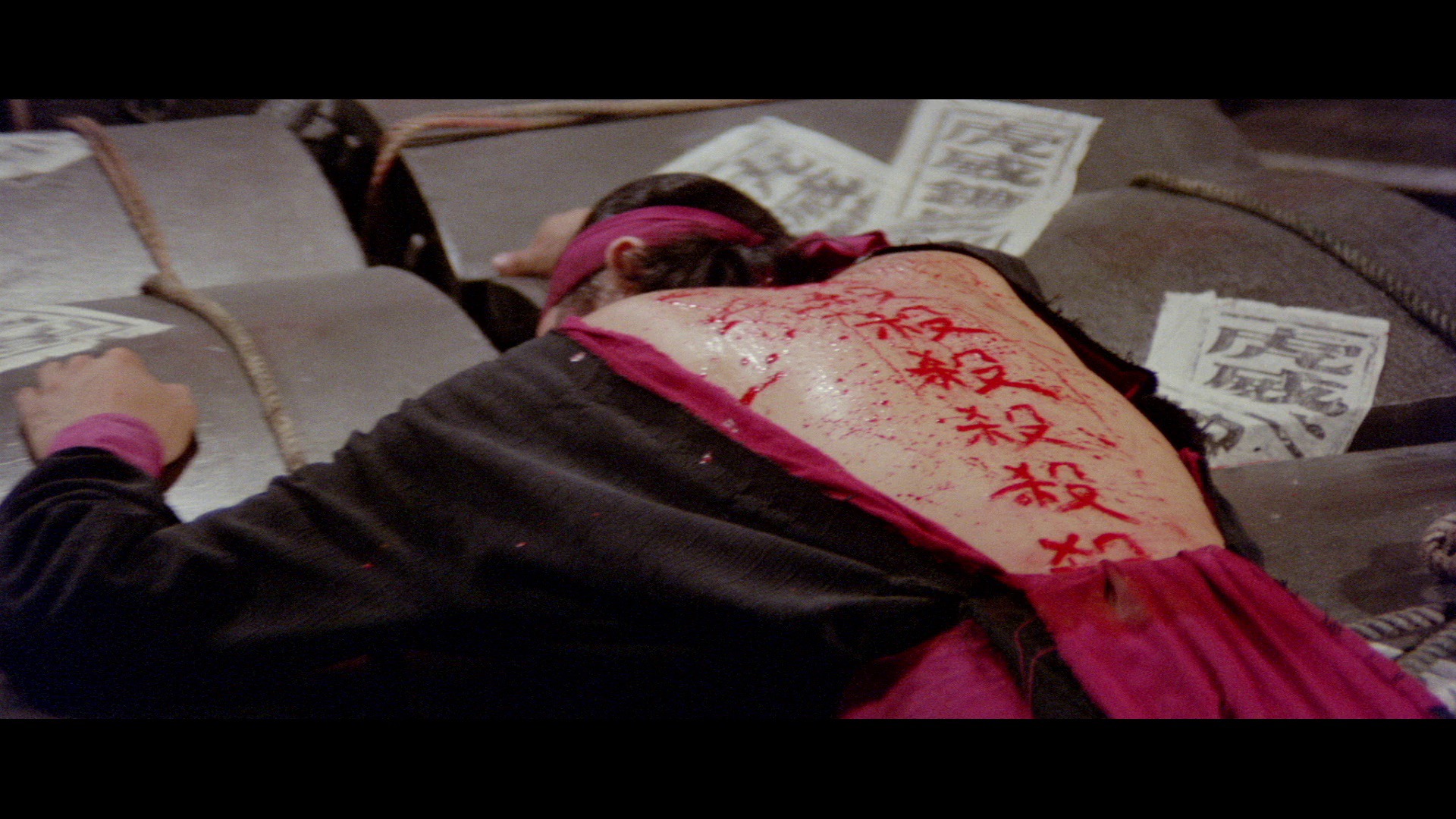
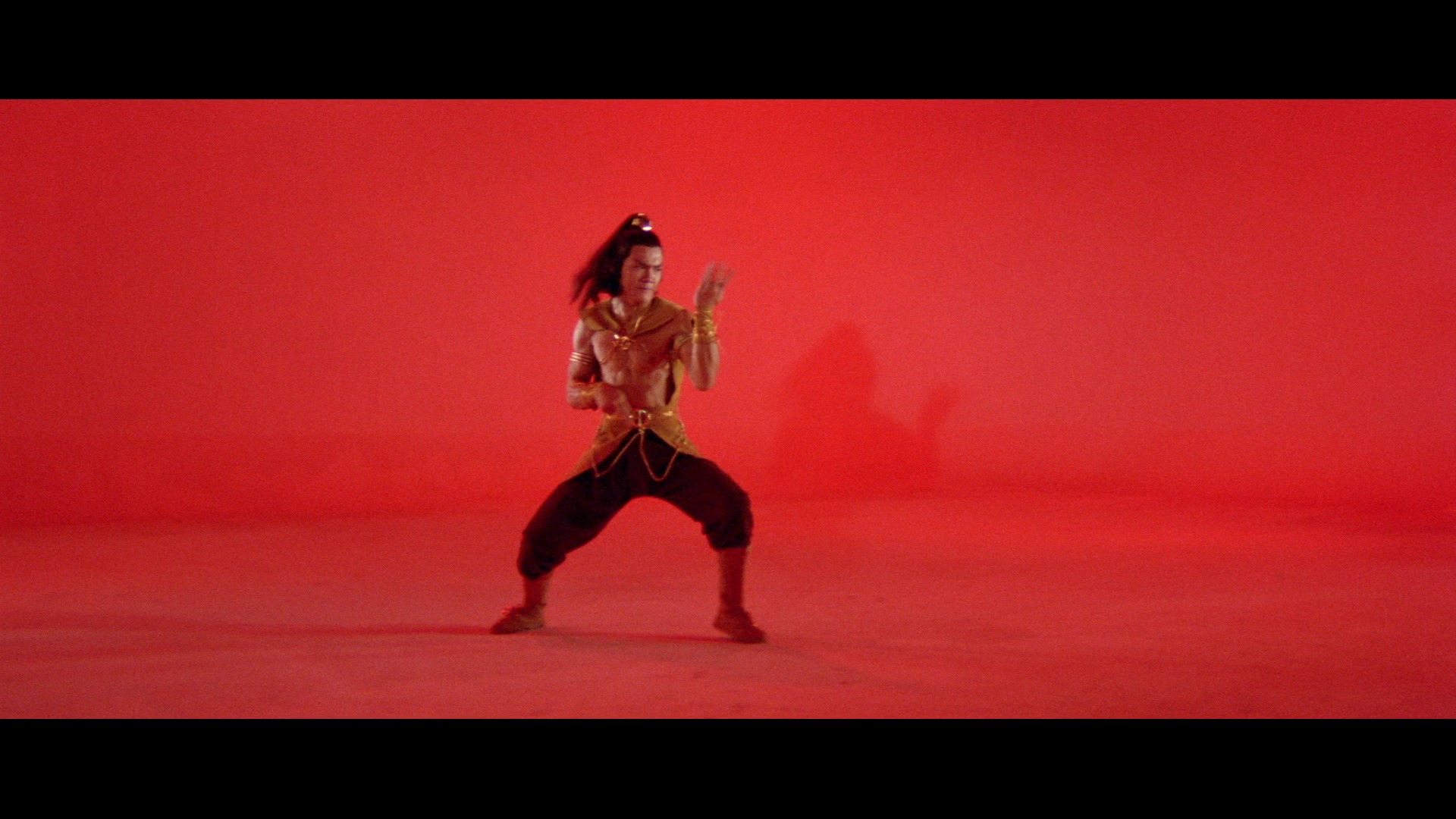
Audio 6/10
Both films feature Mandarin and English soundtracks with Invincible Shaolin also featuring a Cantonese one. Each one is presented in DTS-HD MA 1.0 monaural.
The English tracks for each are-what-they-are: they’re clearly dubbed and can sound a bit canned and distorted, but they’re ultimately fine. The other tracks show signs of dubbing in places but come off less “detached” from visuals at least. Distortion can be evident in some of the music cues or in some of the sound effects but it’s a minimal issue. They have all been cleaned up with no obvious signs of damage, no drops, pops or heavy crackle present. All in all, they’re about what I would have expected and depending on one’s preference I don't feel you can go wrong with any of them.
Extras 6/10
Arrow throws in a handful of features here, spreading them across the supplement menus for each film. The Kid with the Golden Arm comes with an alternate version that represents what was found on various home video releases. This alternate version doesn’t add or remove anything, with Arrow’s notes explaining how the original negative features fight scenes with a handful of shots in the wrong order, breaking continuity. These sequences were corrected for home video and that is the alternate version presented here, Arrow choosing to present the version represented in the negative as the main feature. They both use the same restoration and are presented via seamless branching and look of the same quality so there should be no concern as to which one you choose to view. (The alternate version is only available through the supplement menu for The Kid with the Golden Arm.)
Golden Arm then presents three alternate opening credits. One is textless while the other two are both in English. The two English credits look the same though each present different fonts for the title. The textless credits appear to be from a newer restoration while the two English ones are sourced from video, the latter possibly from an EP/SLP recording.
Both menus then present a 24-minute archival interview featuring action choreographer/stunt man Robert Tai, recorded in 2003. As expected he talks about his background, which includes training at an opera school in Taiwan, and explains how Chang Cheh discovered him and brought him on board at Shaw studios, with Tai eventually working his way up to an action coordinator. He talks about his work with the director (and briefly about his own work as a director) but is also asked to share his thoughts on the action sequences created by Lau Kar-leung and Tong Kai, Tai explaining how they all did very different things compared to what he and Cheh were doing. It’s a great interview but his insights around these different styles prove to be the most enlightening.
Both films then include the same new video essay created by Terrence J. Brady. Entitled Poison Clan Rocks the World it focuses on Chang Cheh and his “Venom Mob,” a group of actors/performers he used across a number of films, each of these films even sharing a lot of similarities in terms of character in story between one another. The name appears to be borne from their first grouping for The Five Venoms (aka The 5 Deadly Venoms) and the 26-minute essay thoroughly goes over each of the films (that includes the films on this disc with the films on the next disc in the set, Magnificent Ruffians and Ten Tigers of Kwangtung) and each of the performers, covering when they would have first “joined” or eventually left. He also talks about tensions that had built up during Magnificent Ruffians and sound to have carried over to Ten Tigers of Kwangtung, mentioned in the commentary for that film. It’s a thorough essay and I’m a little surprised it wasn't originally paired with The Five Venoms and Crippled Avengers on the previous set.
Each film then includes an image gallery for their respective films, displaying photos, lobby cards, posters, DVD and VHS cover art, and even programs. Trailer galleries then close things off, each presenting digital trailers (advertising Celestial’s then-new restorations) and Hong Kong trailers, Invincible Shaolin also featuring an English-language version. Sadly, the Hong Kong trailer for Golden Arm is lost and Arrow was only able to obtain the audio for it (recorded on cassette from an actual screening) but they synch it as best they can with the US TV spot (also included separately) where the picture matches. When there is no picture the screen simply features a “Missing Video” message over a black background.
The disc may have a slimmer set of features compared to others in the set but I found the interview and the new essay to be very strong additions to the set as a whole.
Closing
A slim selection of features compared to other discs in the set, but the presentations are excellent.
BUY AT: