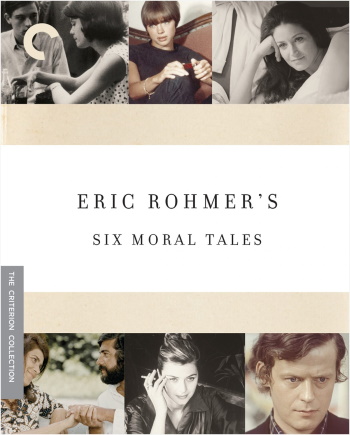
Six Moral Tales
VI. Love in the Afternoon
BUY AT:


See more details, packaging, or compare
Synopsis
The multifaceted, deeply personal work of Eric Rohmer has had an effect on cinema unlike any other. One of the founding critics of the history-making Cahiers du cinéma, Rohmer began translating his written manifestos to film in the 1960s, standing apart from his New Wave contemporaries with his patented brand of gently existential, hyperarticulate character studies set against vivid seasonal landscapes. This near genre unto itself was established with the audacious and wildly influential series Six Moral Tales. A succession of encounters between fragile men and the women who tempt them, Six Moral Tales unleashed on the film world a new voice, one that was at once sexy, philosophical, modern, daring, nonjudgmental, and liberating.
Picture 8/10
The final film in Eric Rohmer’s Six Moral Tales, Love in the Afternoon, is presented on the third disc of Criterion’s 3-disc set, sharing the disc with Claire’s Knee. The film is presented in its original aspect ratio of 1.37:1 with a 1080p/24hz high-definition encode. The new master has been created from a new 2K restoration, scanned from the 35mm original camera negative.
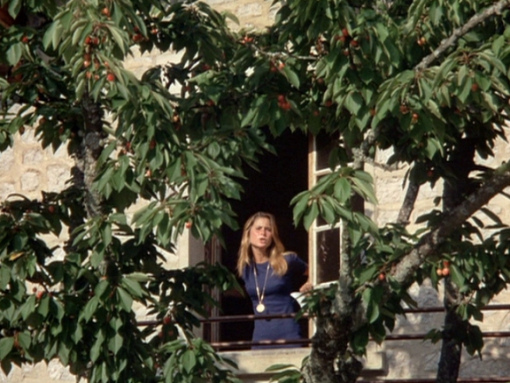
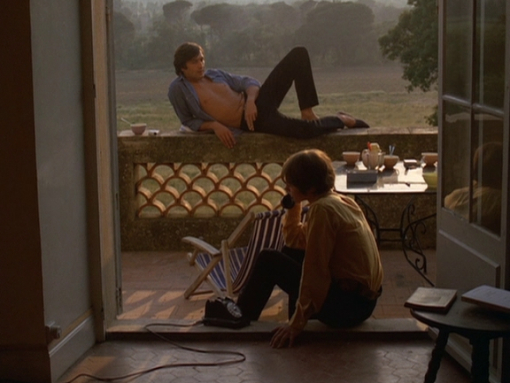
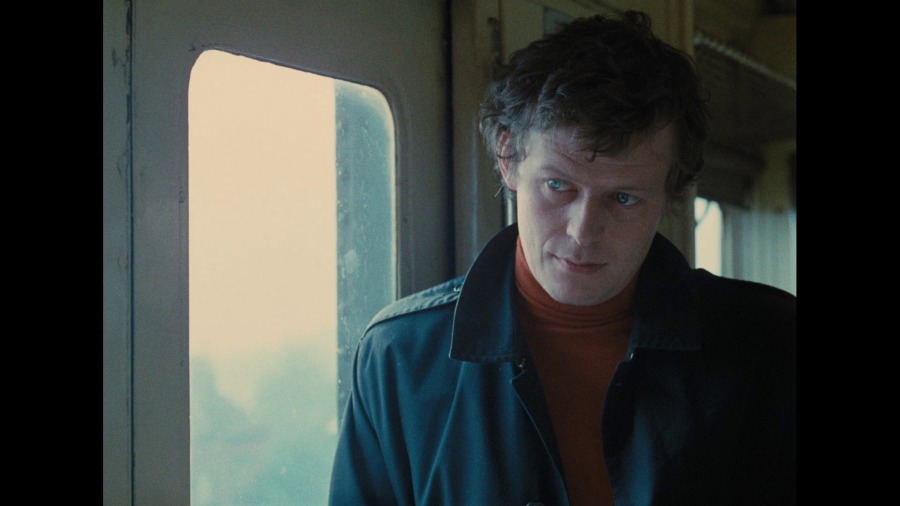
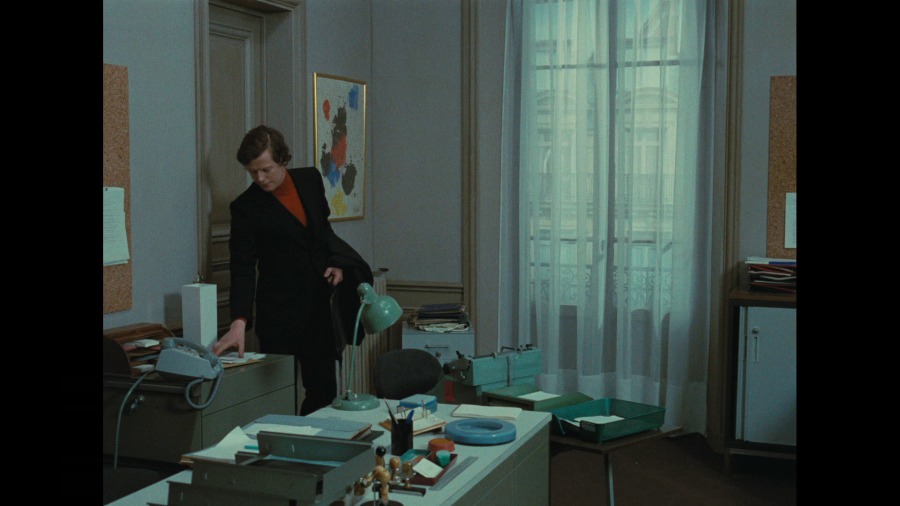
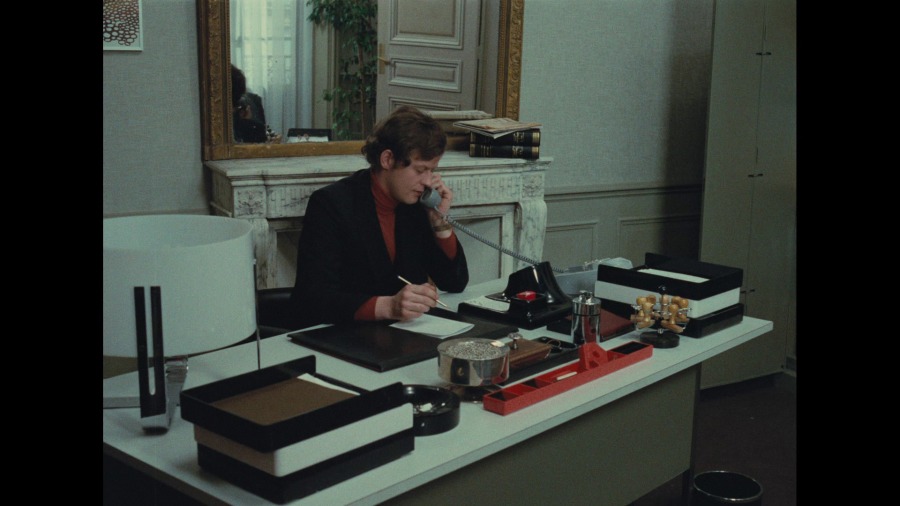
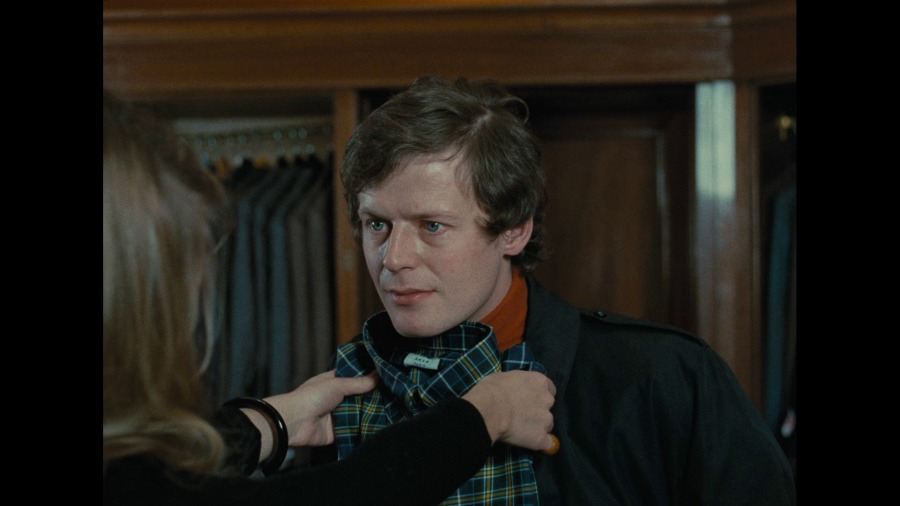
Similar to the previous edition in the DVD box set, this film probably offers the best-looking visual presentation of all of the films in the set. Like other colour films in the set the colours are questionable, yet, in this case, I feel they offer a bit of an improvement over the previous DVD. The colours on the DVD can have a real heavy yellow tint to them, to the point that skin tones are jaundiced. The Blu-ray ends up leaning more towards a teal a lot of the time, and this does offer improvements over the DVD: a purple sweater looks far better, interiors look a little more dynamic in their colours, reds in the titles look better, and skin tones look far less jaundiced. Still, some blacks can look off, crushing out details, and skies look yellow a lot of the time here, where they still looked blue on the DVD. There’s probably a happy medium to be found between the two editions, but having said that, on the whole, I think the colours do look better with this presentation, even if I still have some reservations.
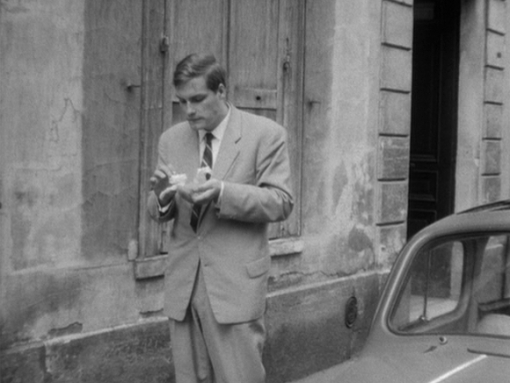
The image on the DVD (which was sourced from a restoration based off of an interpositive) was actually quite clear itself, but the presentation on this Blu-ray is significantly sharper, delivering the finer details and textures far better: patterns, fibers, hairs, and more are crystal clear, and film grain is rendered well, all leading to a significantly more photographic look. The print is in excellent shape, a couple of tram lines popping up, but there is one sequence close to the midway point of the film where it does look as though a source other than the negative has been used: the picture looks fuzzier, grain is muddled, and the colours look washed out. The same scene on the DVD also takes on a similar look.
Though I am a little iffy on the colours, the picture as a whole still provides a pretty significant upgrade over the DVD, providing a far sharper and cleaner image.
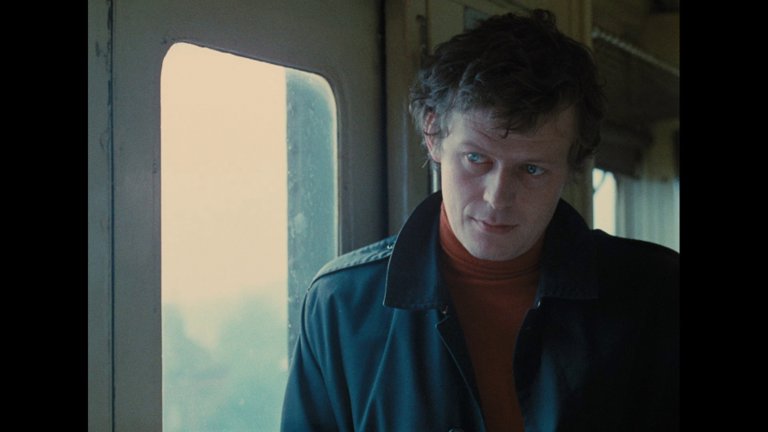
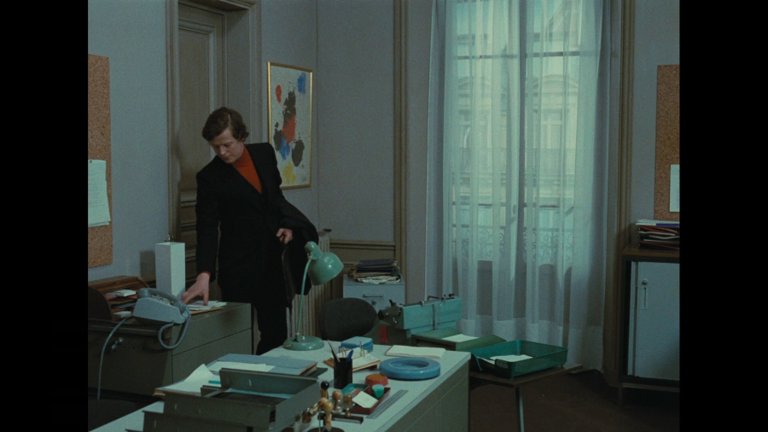
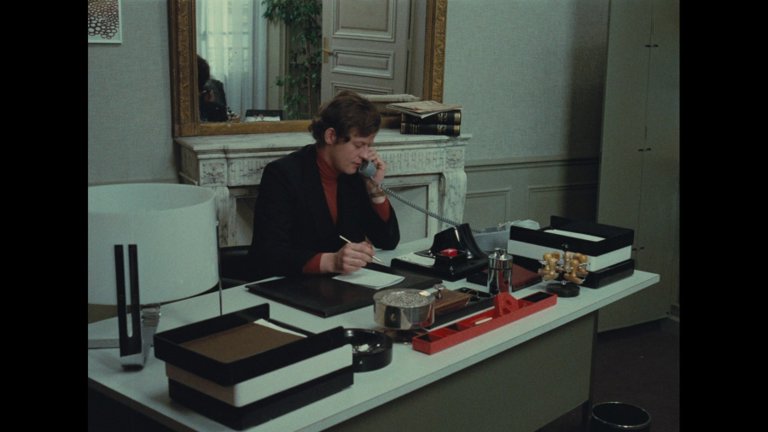
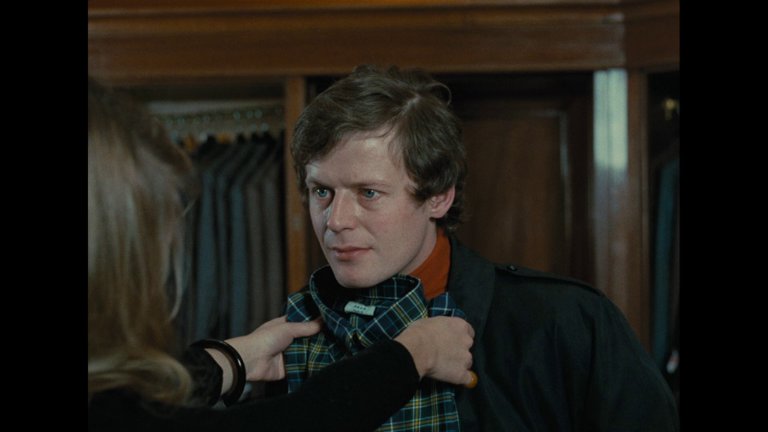
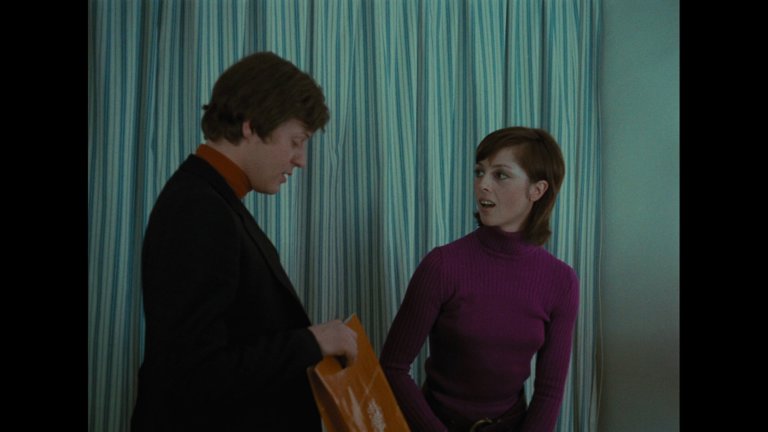
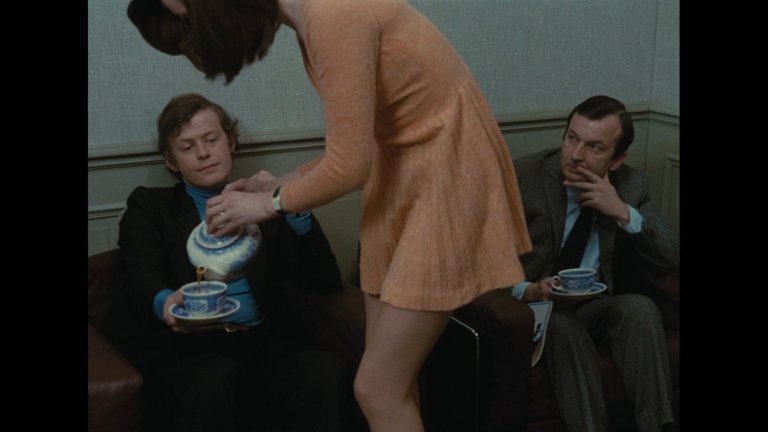
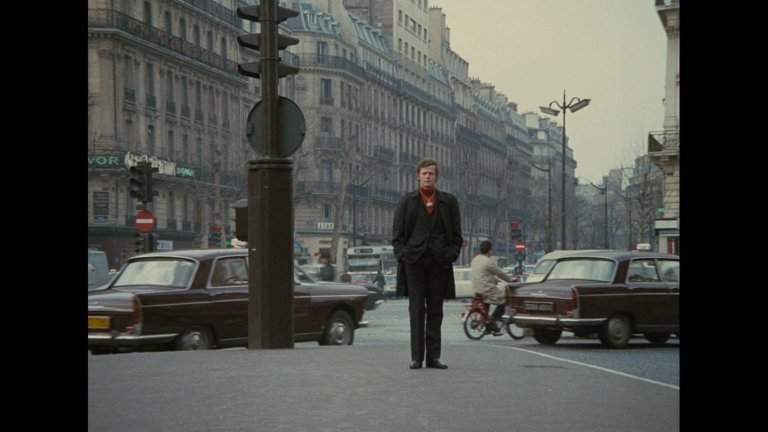
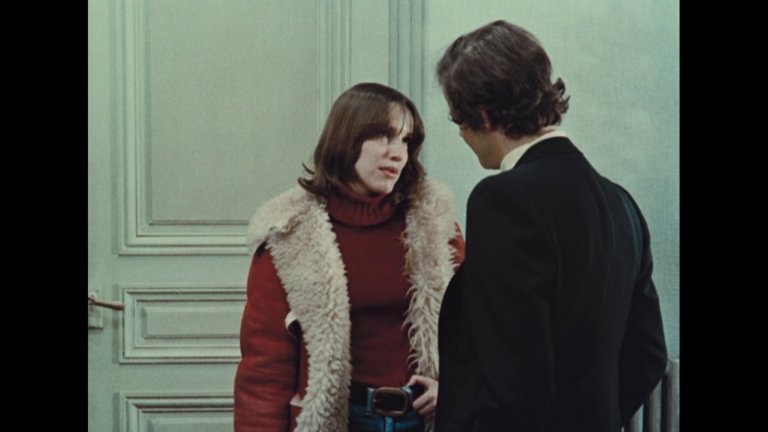
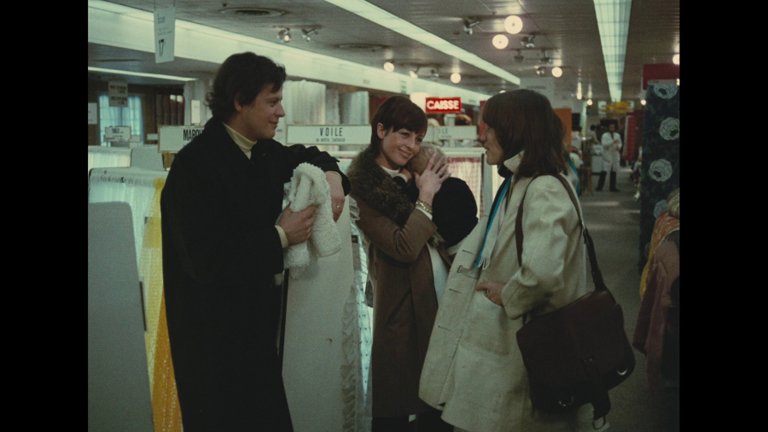
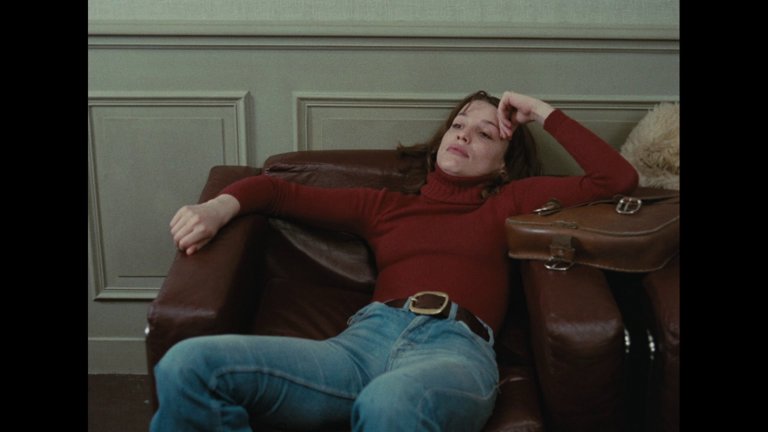
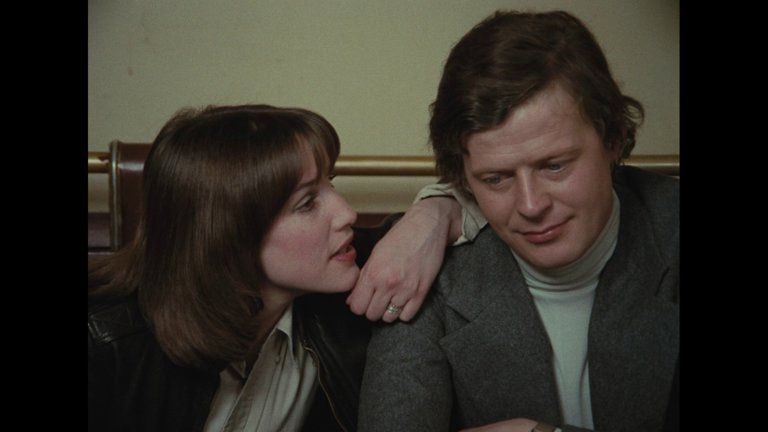
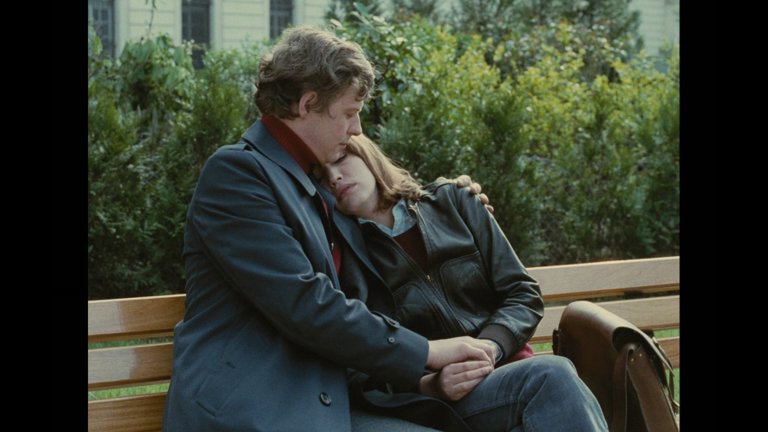
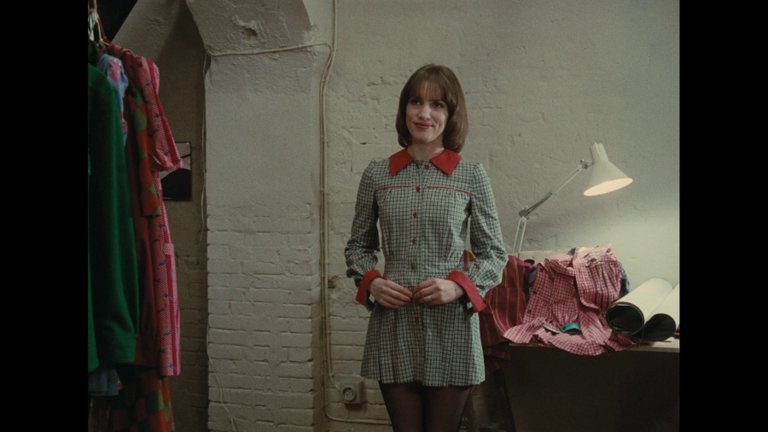
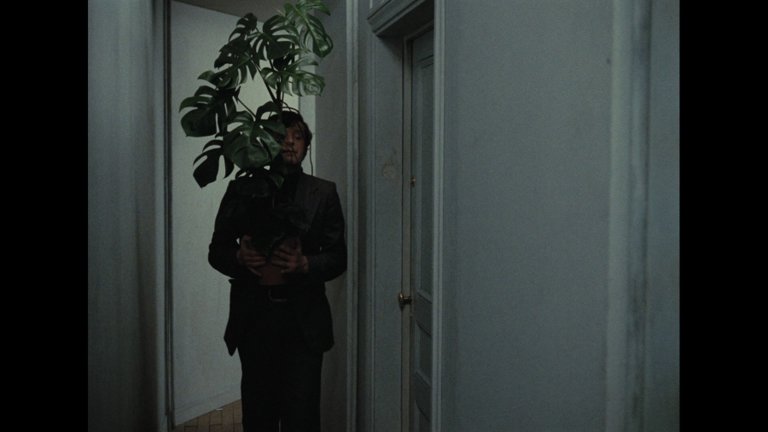
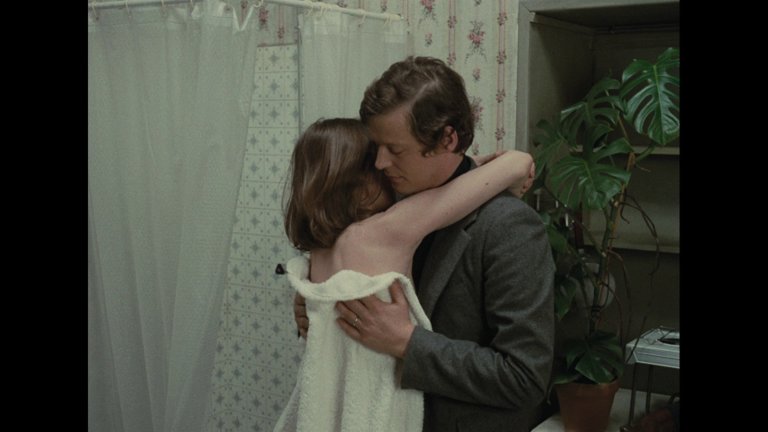
Six Moral Tales - Screen Captures
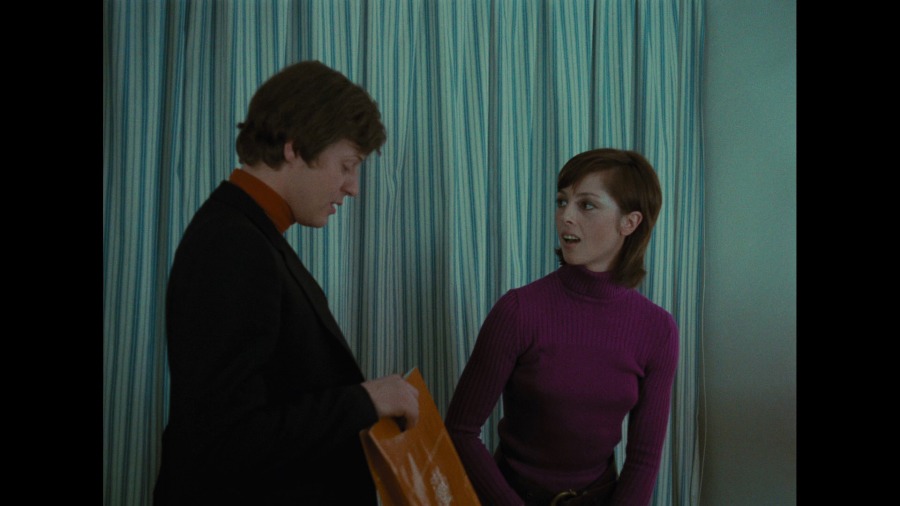
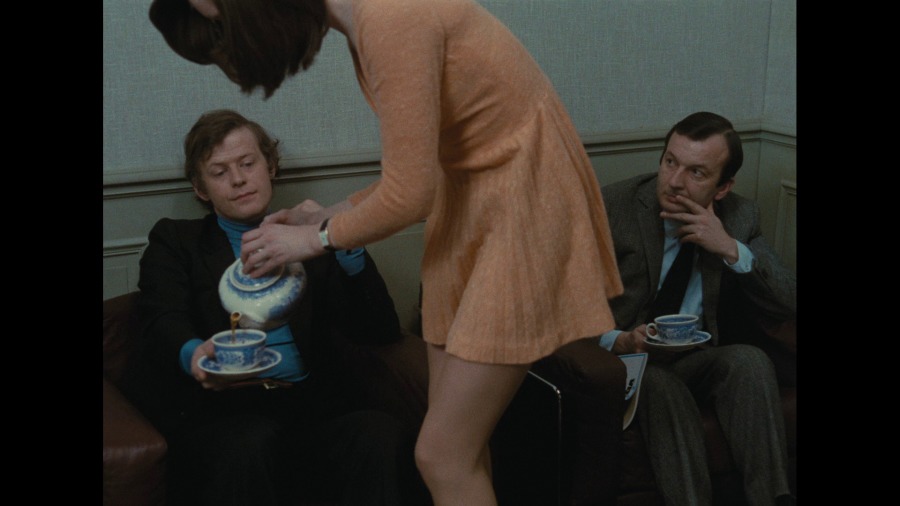
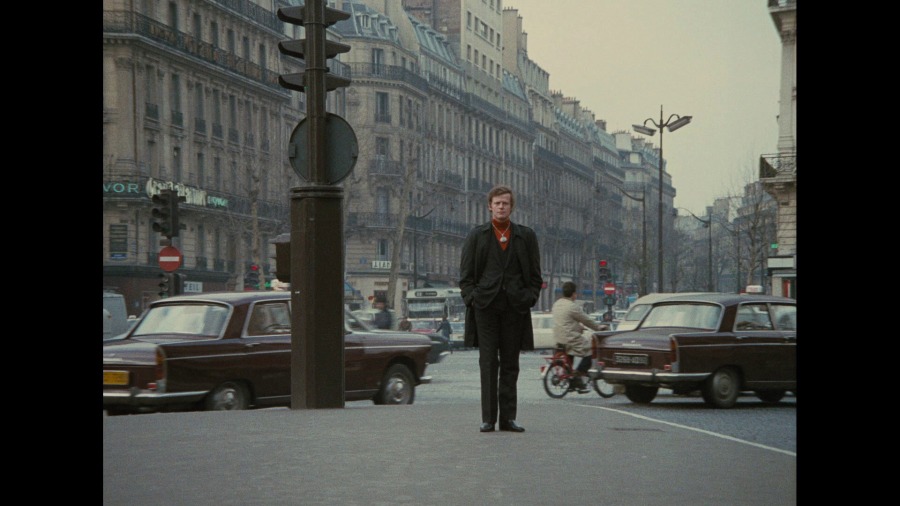
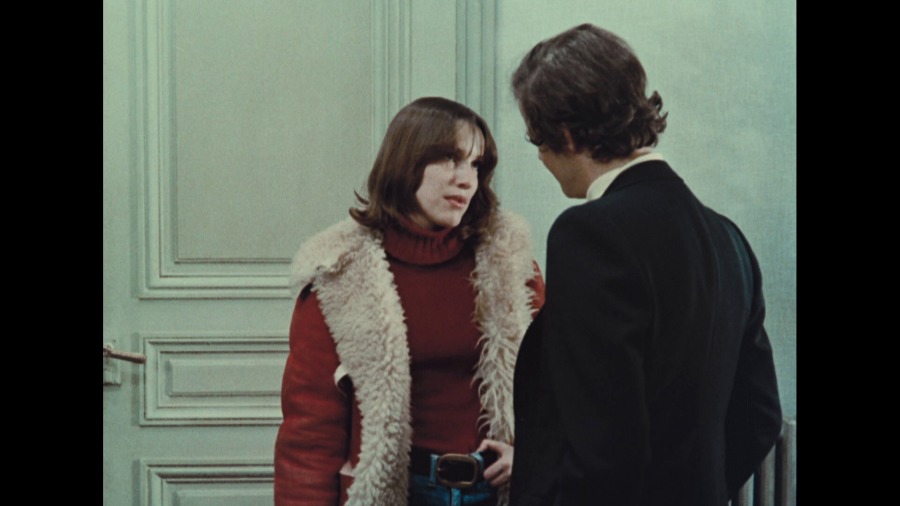
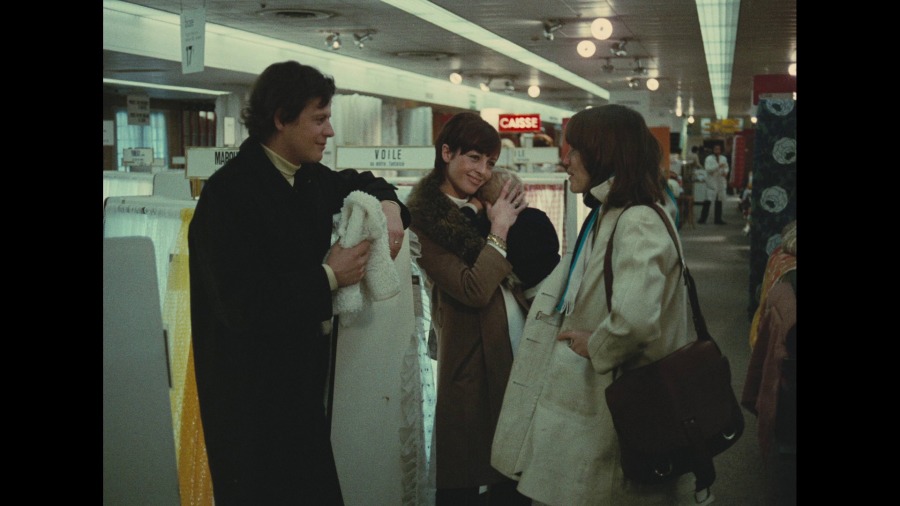
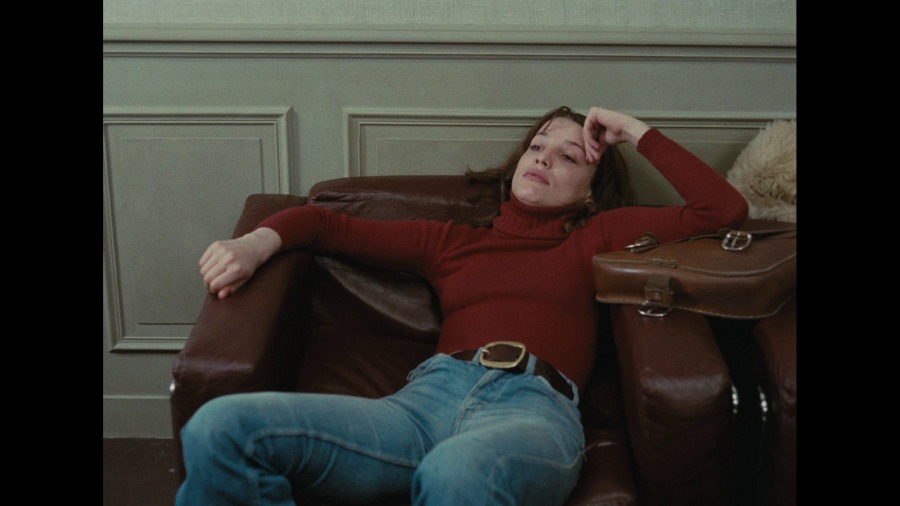
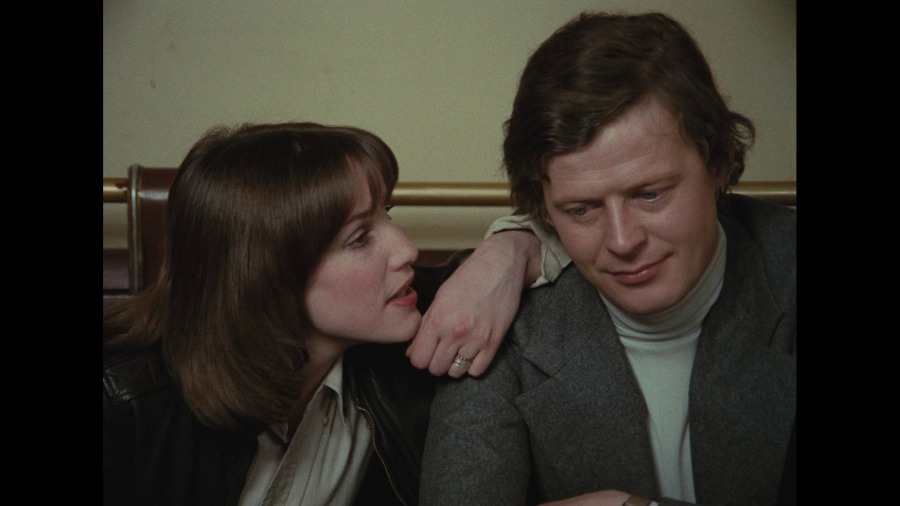
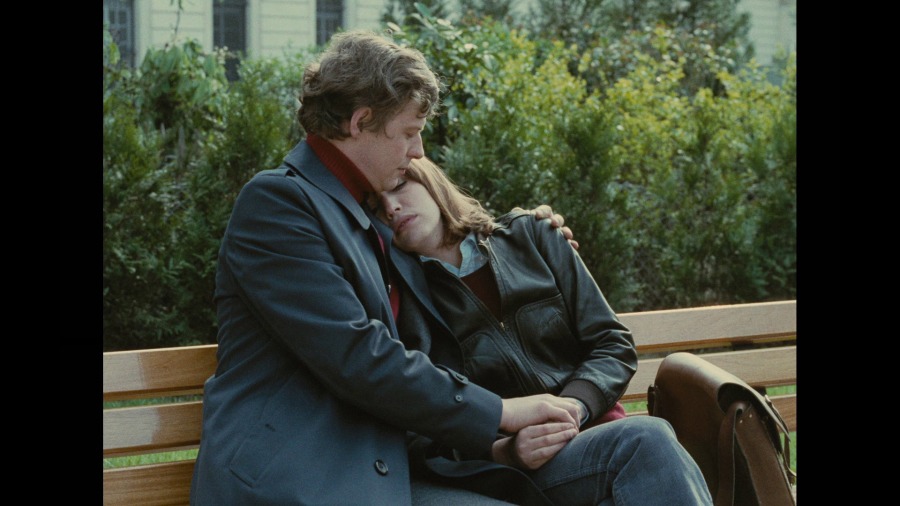
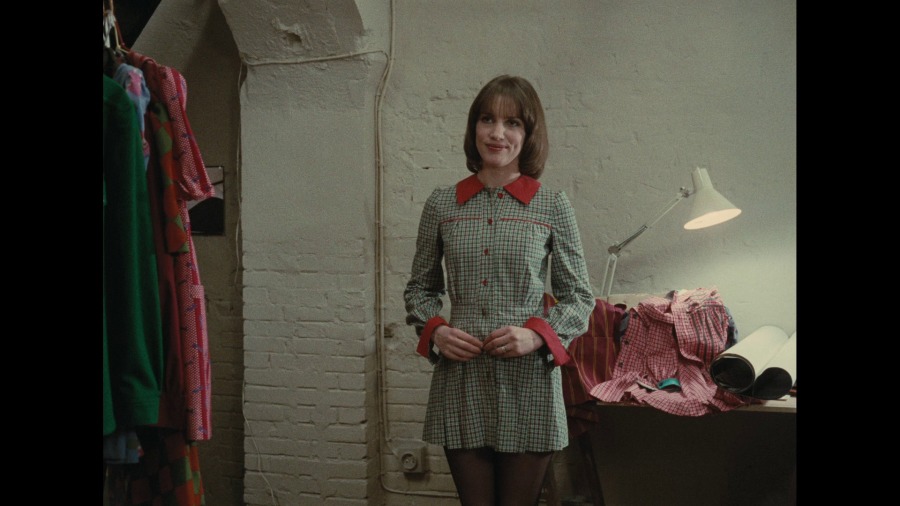
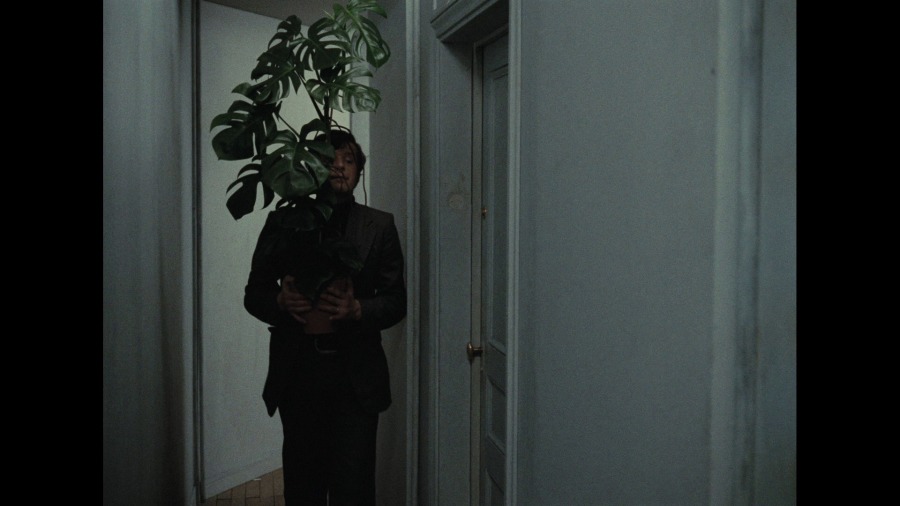
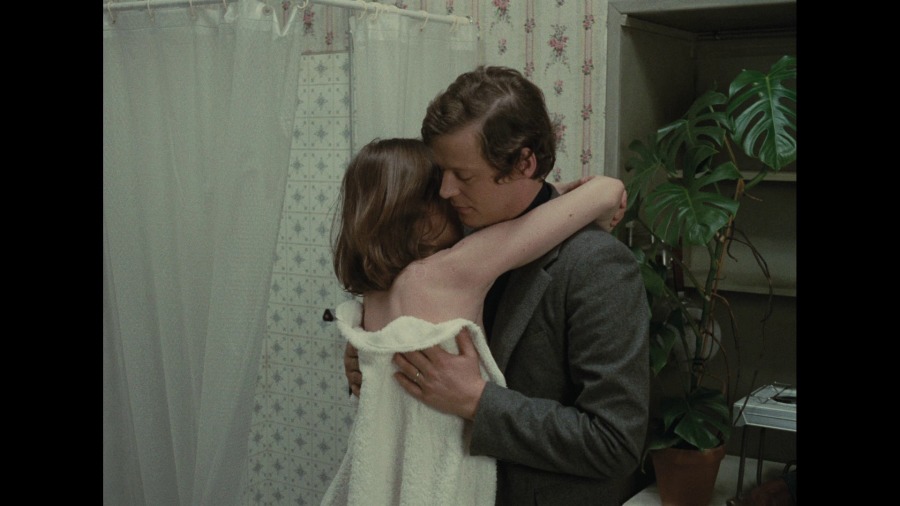
Audio 7/10
The film’s audio is presented in lossless 1.0 PCM mono. To my surprise the track shows some decent range and fidelity, with dialogue sounding crisp and clear. There are some scenes with some street noise in the background, and these effects are mixed a bit louder without coming off edgy or harsh. It’s an excellent sounding track.
Extras 4/10
Each film gets a small set of supplements with it and Criterion tacks on a couple here. They include Rohmer’s 18-minute short film Véronique and Her Dunce (upscaled standard-definition), which is an amusing little short about a tutor who has (much to her misfortune) been hired by a disinterested mother to help bring up the grades of her son in both math and French, to little avail. It’s very different from every other Rohmer film in this set, and fairly funny in its execution, particularly when the two characters clash (like when she’s trying to explain how to divide fractions). This is followed by a less than thrilling appreciation featuring Neil LaBute, where the director talks about what he admires most about the filmmaker. It’s fine but not terribly enlightening. Since the set was lacking a real analytical push (at least in the on-disc features) I was probably putting more hope in this one, and alas…
Things then close with the film’s theatrical trailer. Unfortunately one of the more underwhelming set of features in the set, but the short is at least fun.
Closing
The DVD’s presentation still looks strong, but the Blu-ray manages to offer a considerable improvement, even if I’m not entirely sold on the colours. Unfortunately the supplements are still just as weak.
BUY AT: