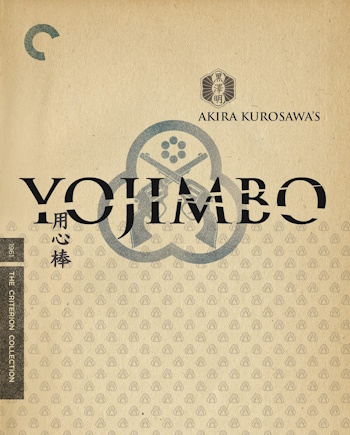
Yojimbo
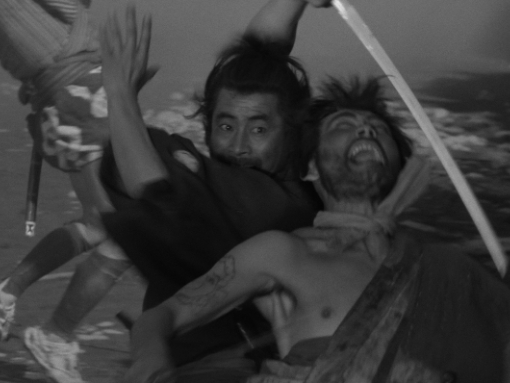
BUY AT:


See more details, packaging, or compare
Synopsis
The incomparable Toshiro Mifune stars in Akira Kurosawa’s visually stunning and darkly comic Yojimbo. To rid a terror-stricken village of corruption, wily masterless samurai Sanjuro turns a range war between two evil clans to his own advantage. Remade twice, by Sergio Leone and Walter Hill, this exhilarating genre-twister remains one of the most influential and entertaining films of all time.
Picture 8/10
The Criterion Collection upgrades their Blu-ray edition of Akira Kurosawa’s Yojimbo to 4K UHD, presenting the film in its original 2.39:1 aspect ratio on a triple-layer disc, sourced from a new 4K restoration performed by Toho. A standard dual-layer Blu-ray is also included, featuring a 1080p presentation (utilizing the older high-def master) alongside all of the release’s video features.
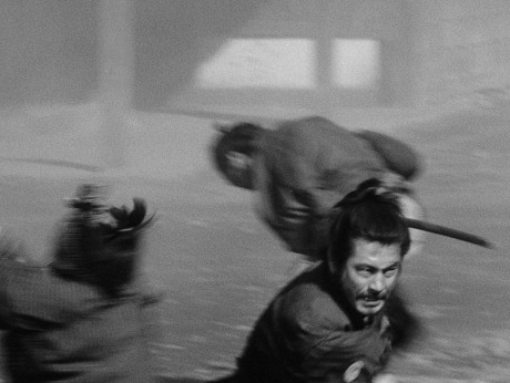
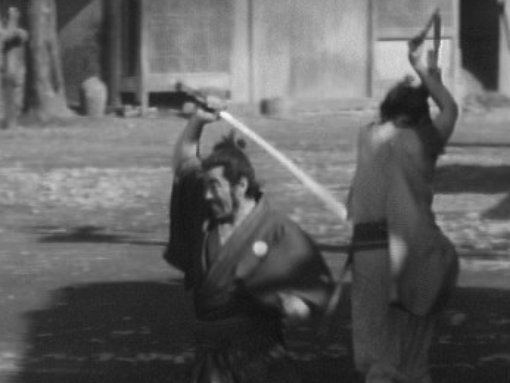
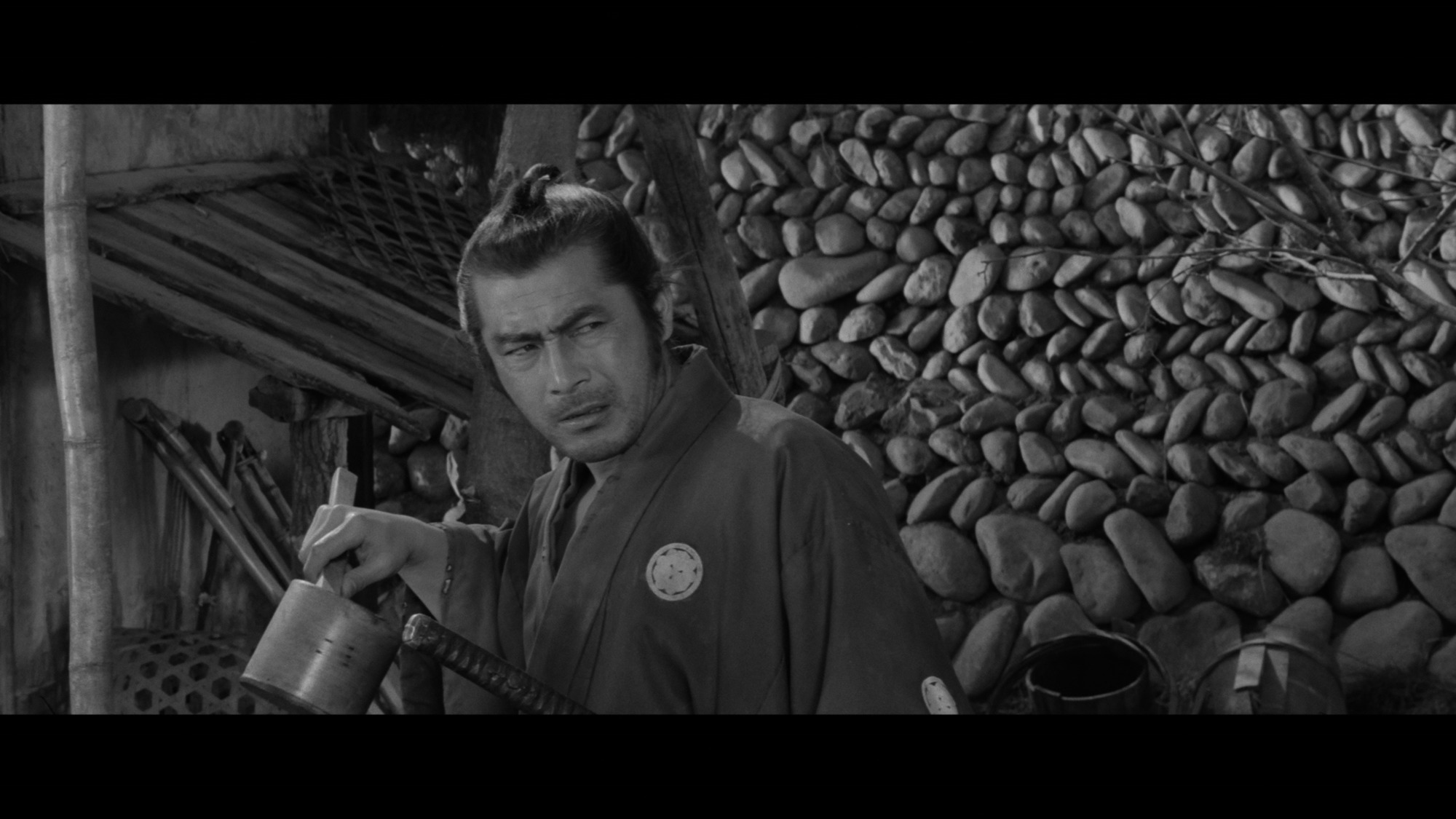
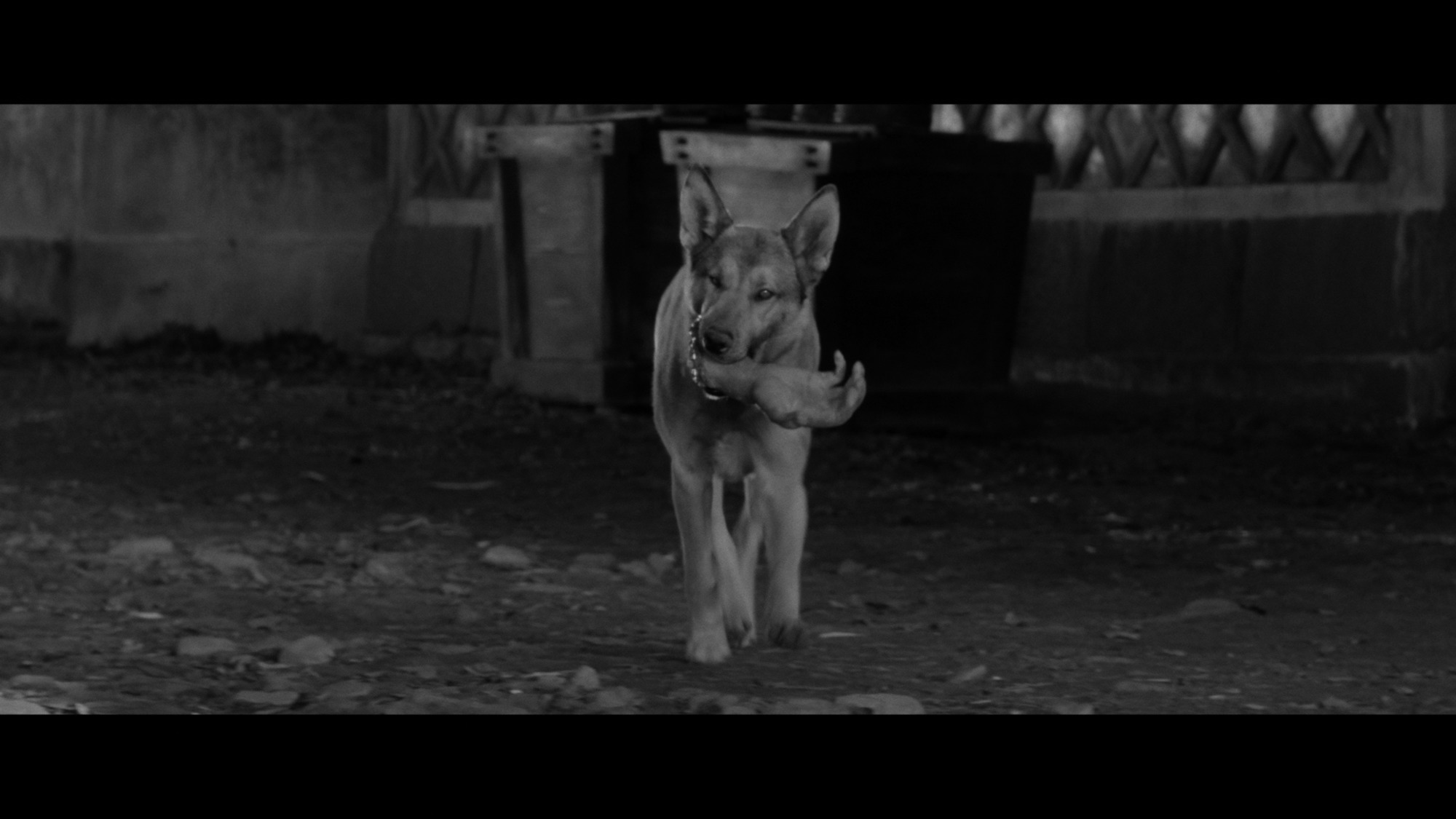
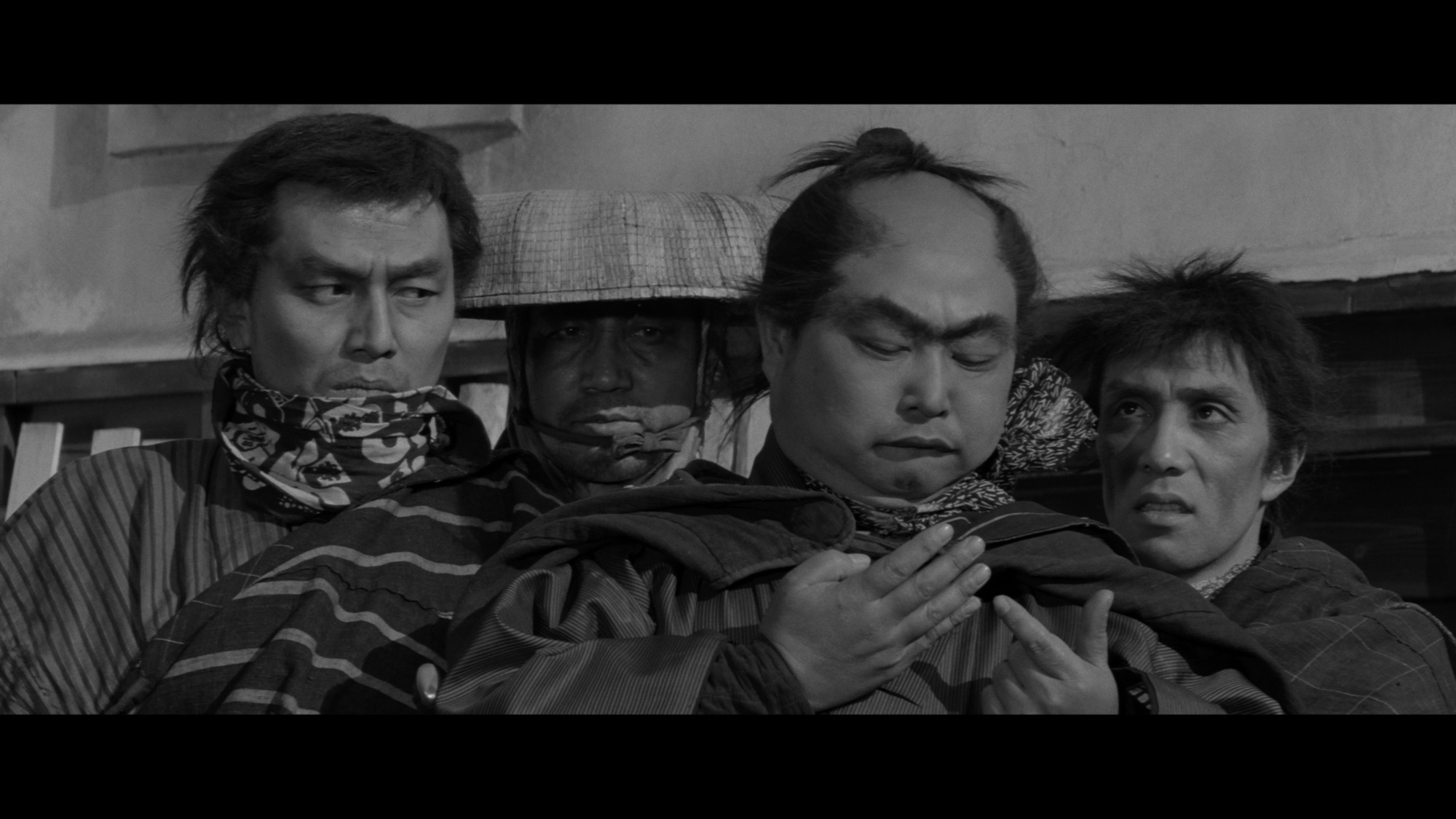
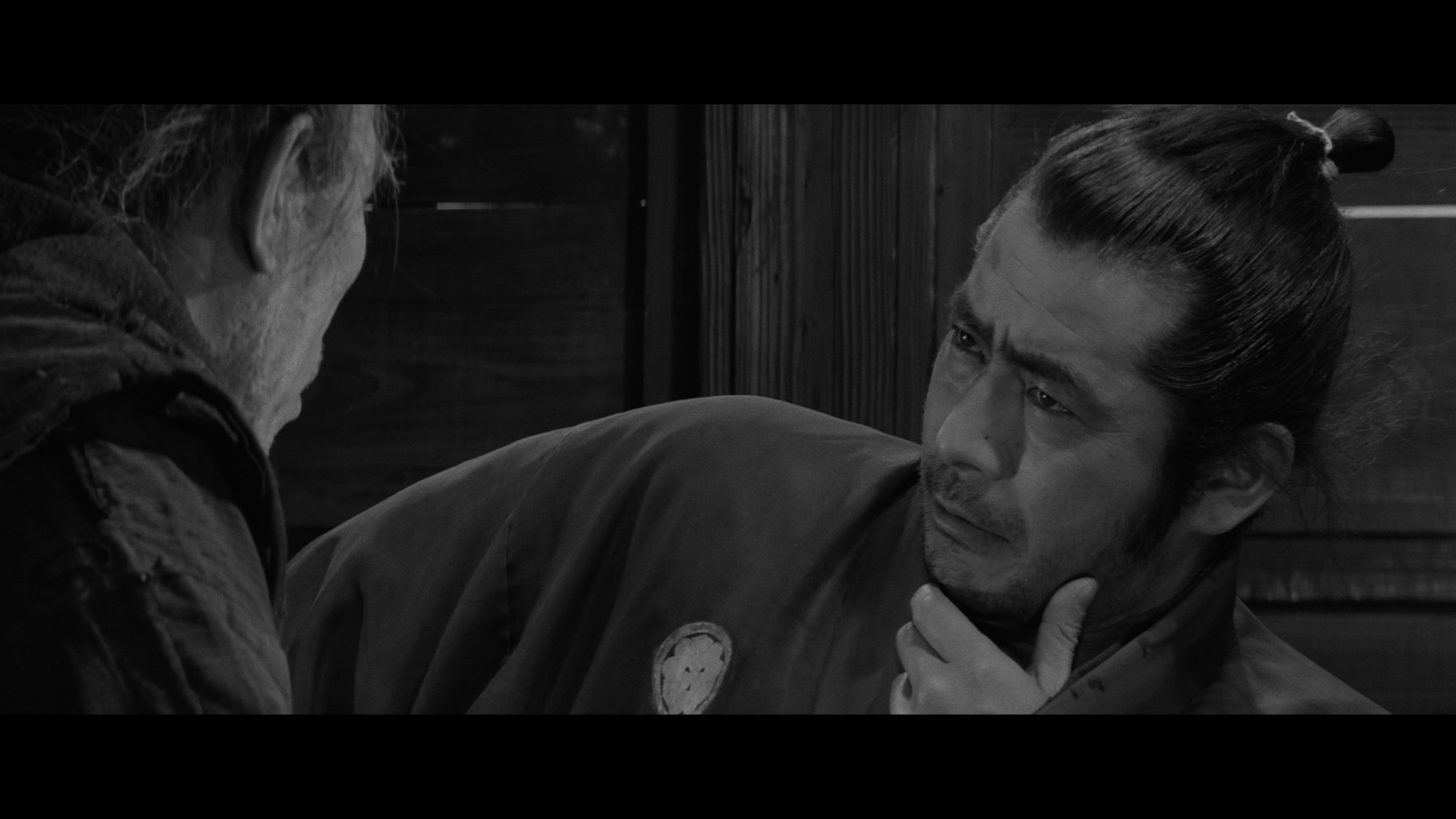
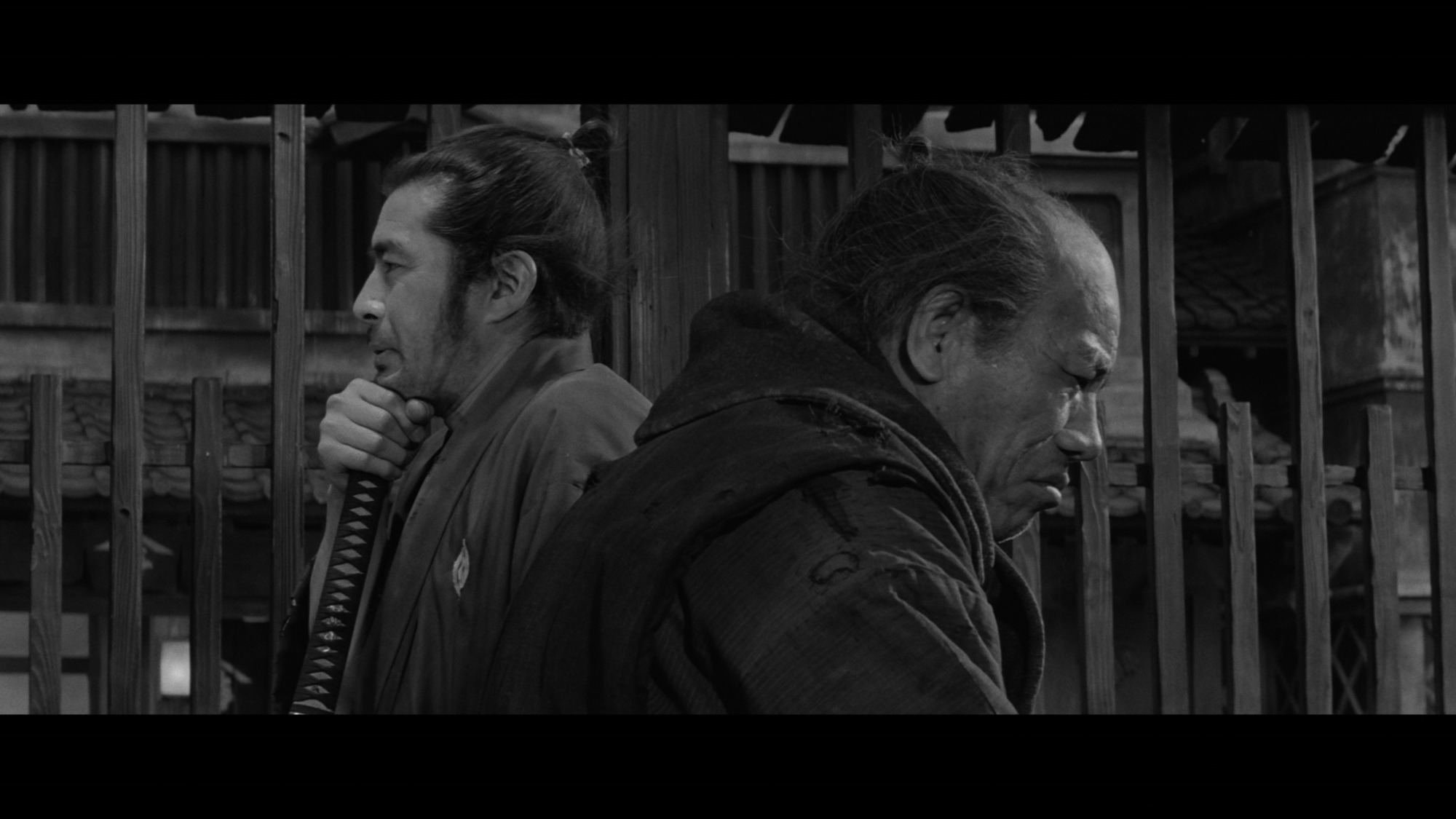
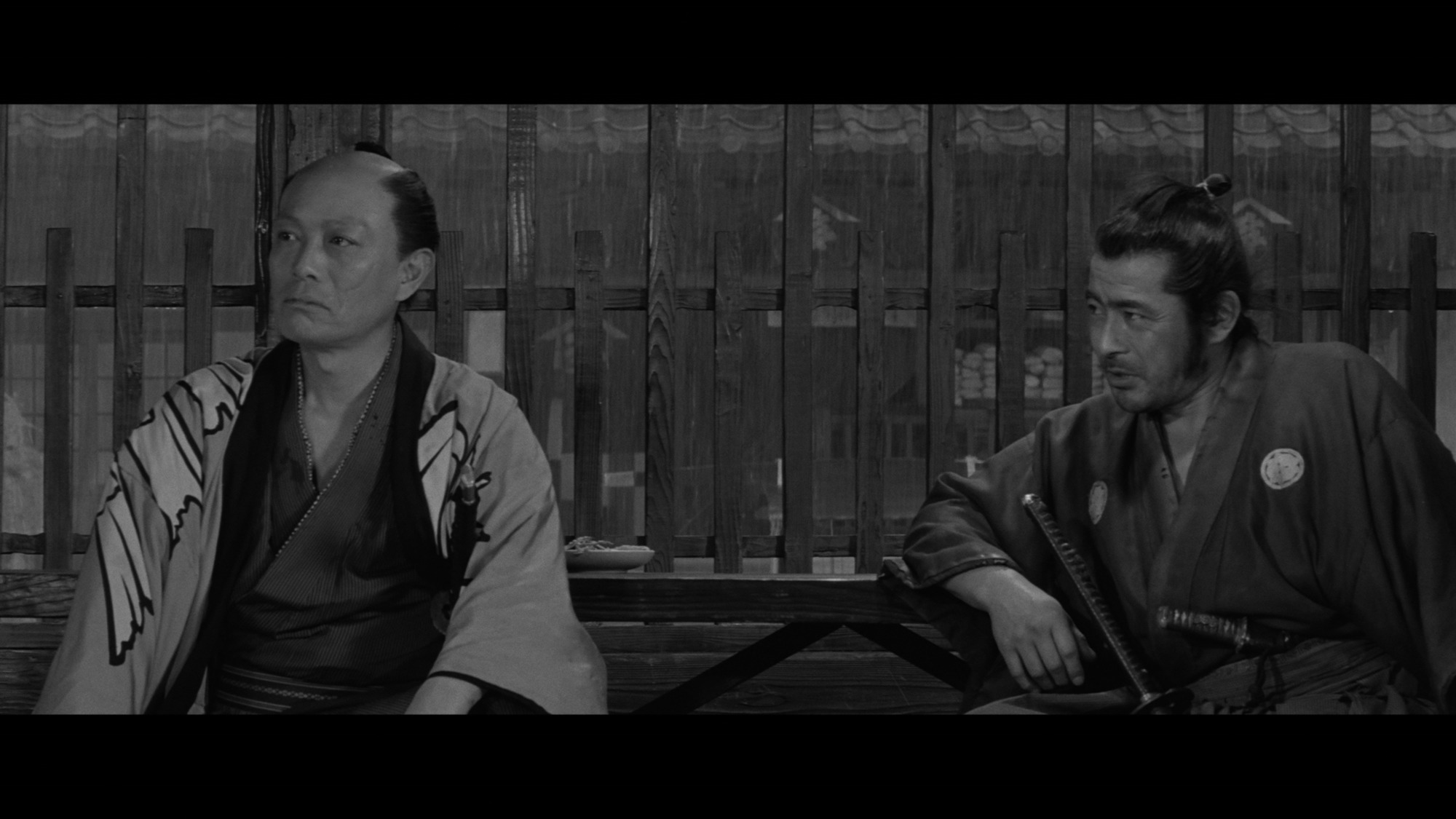
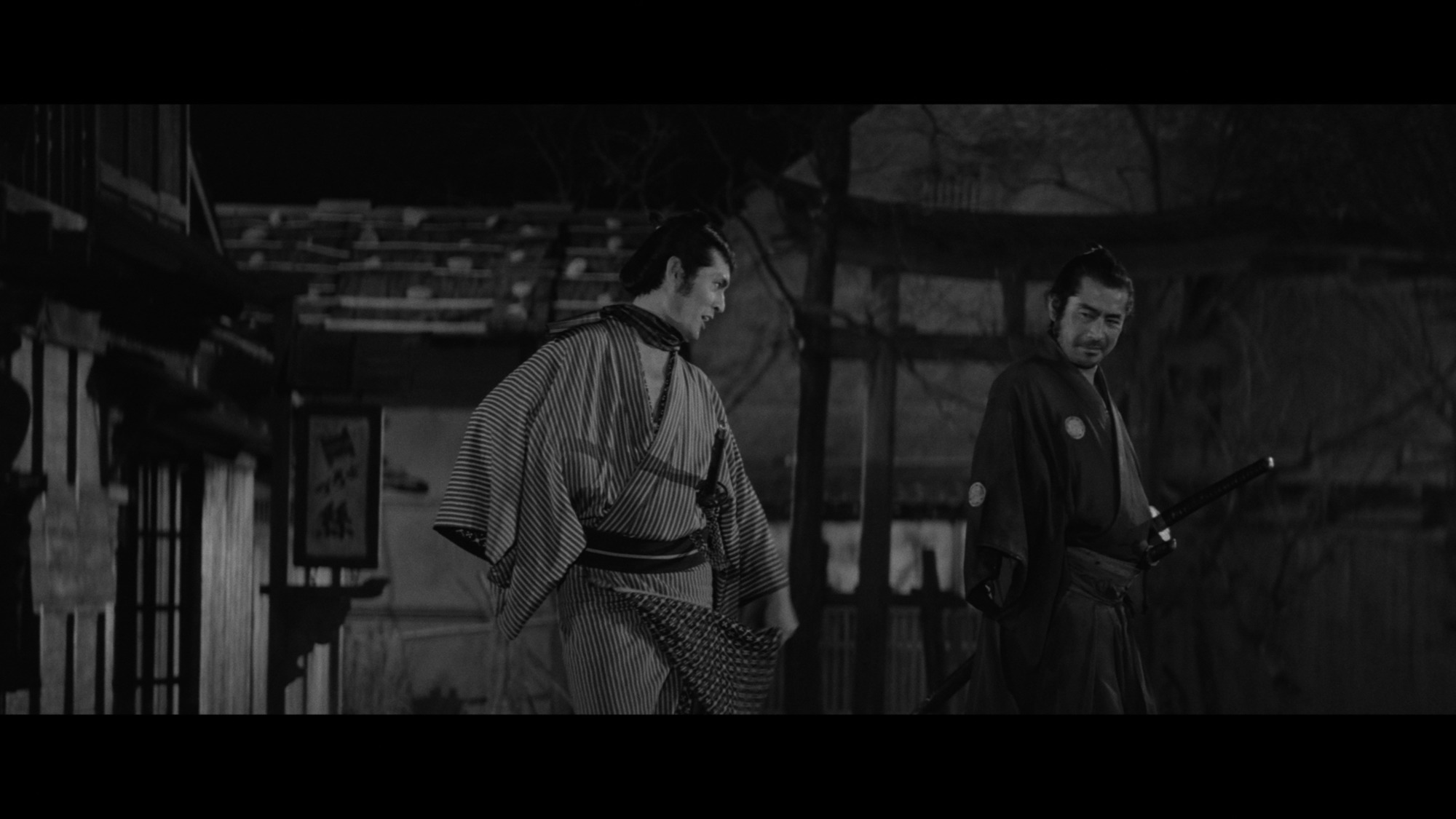
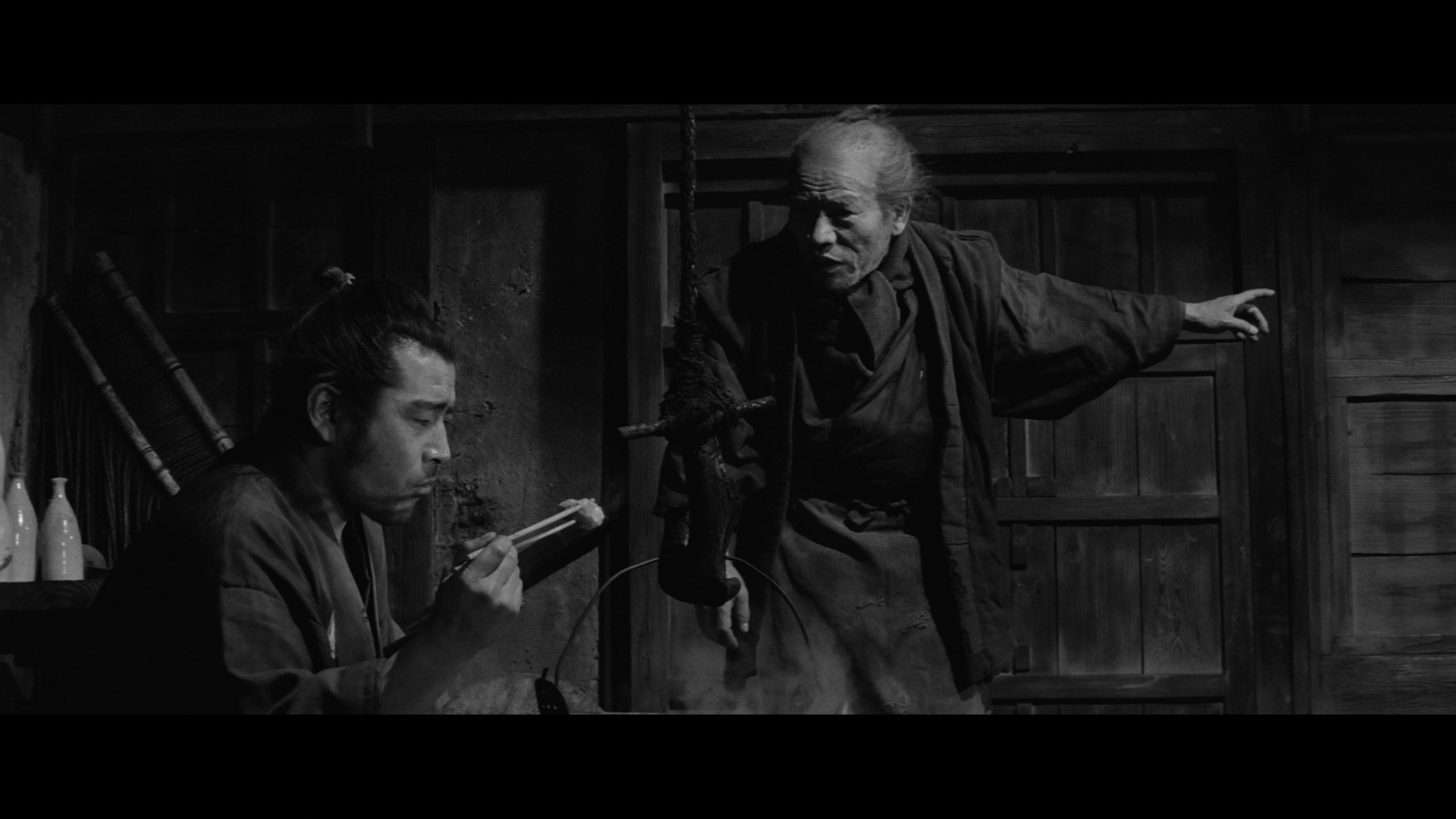
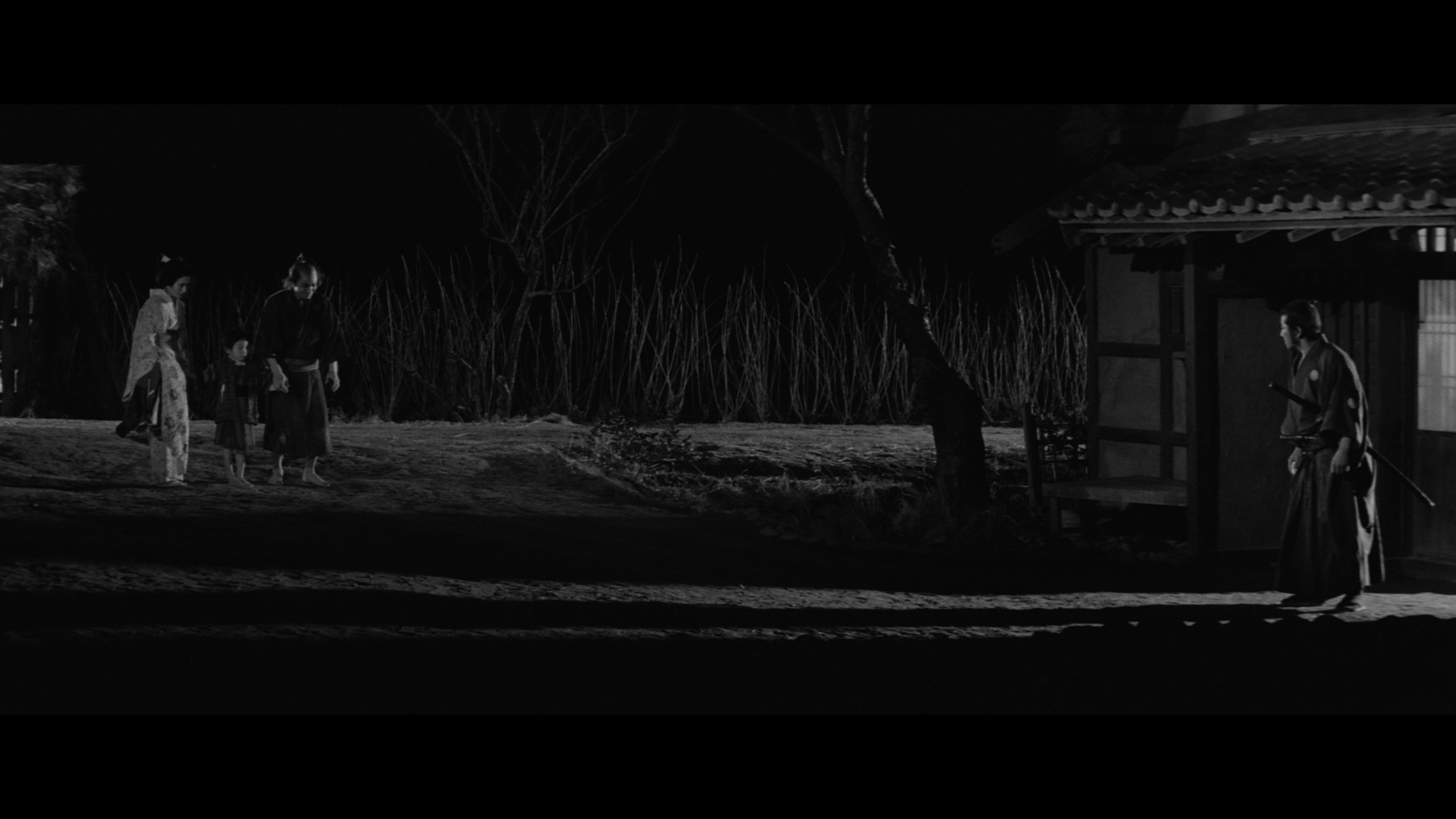
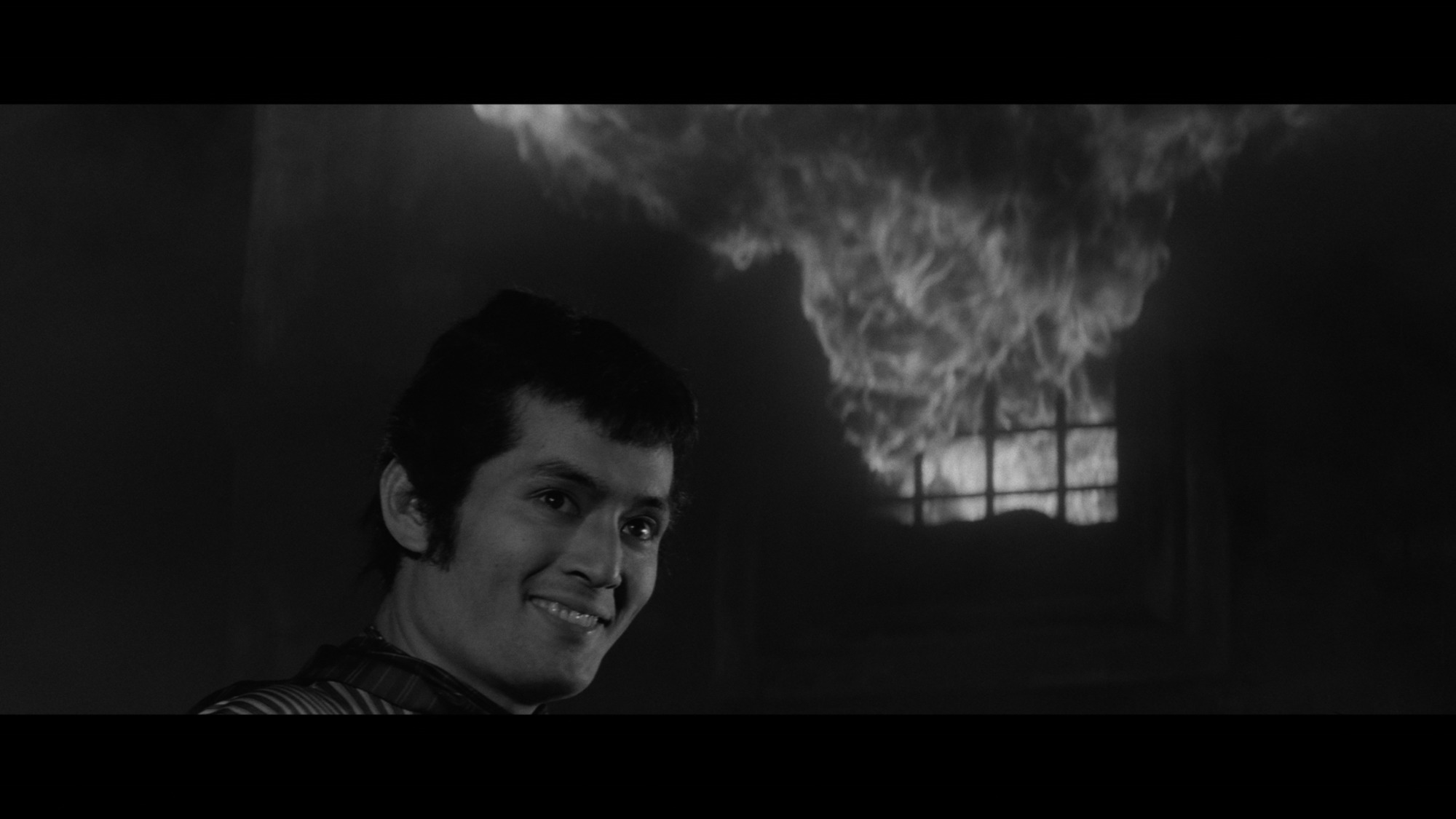
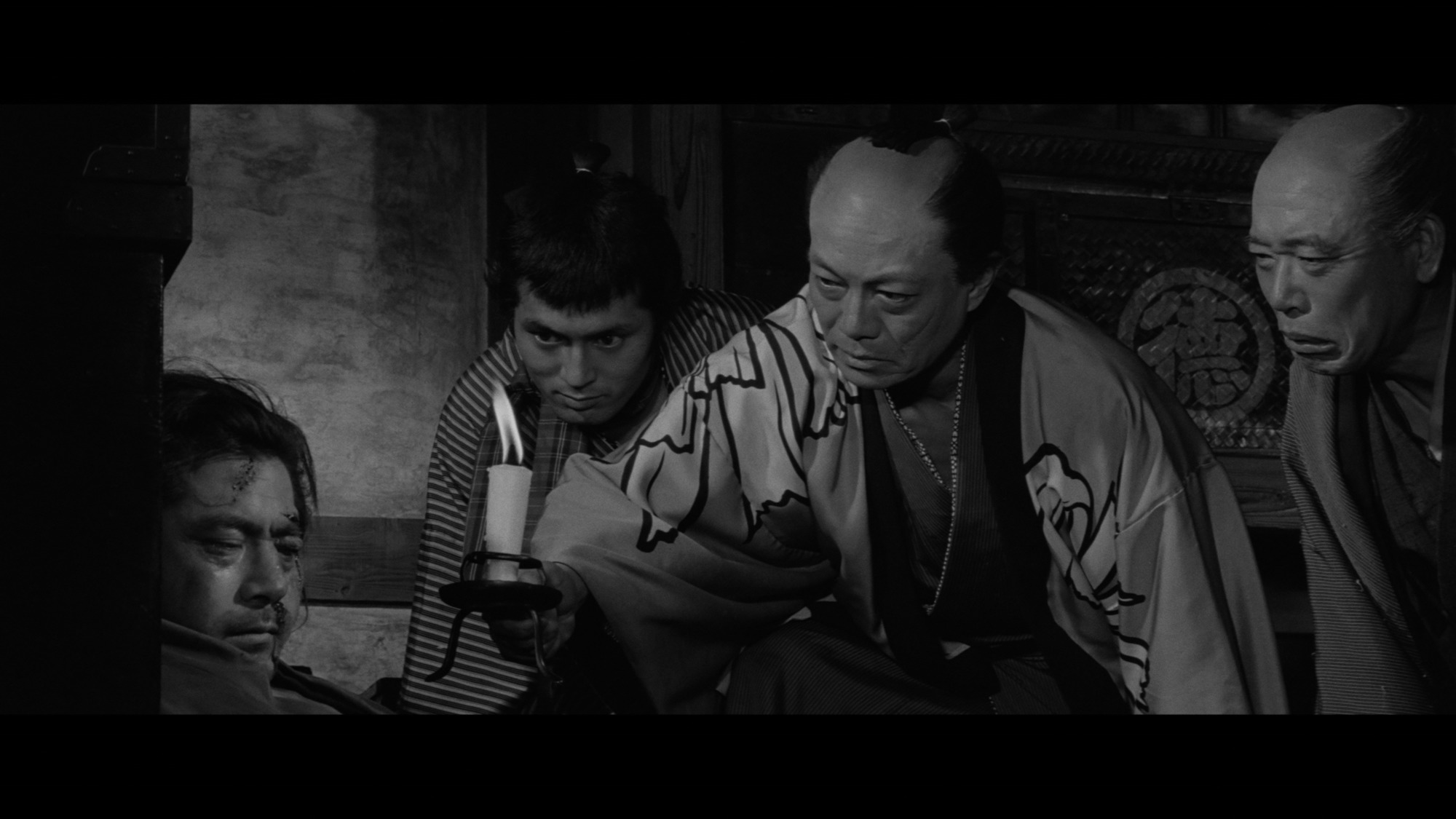
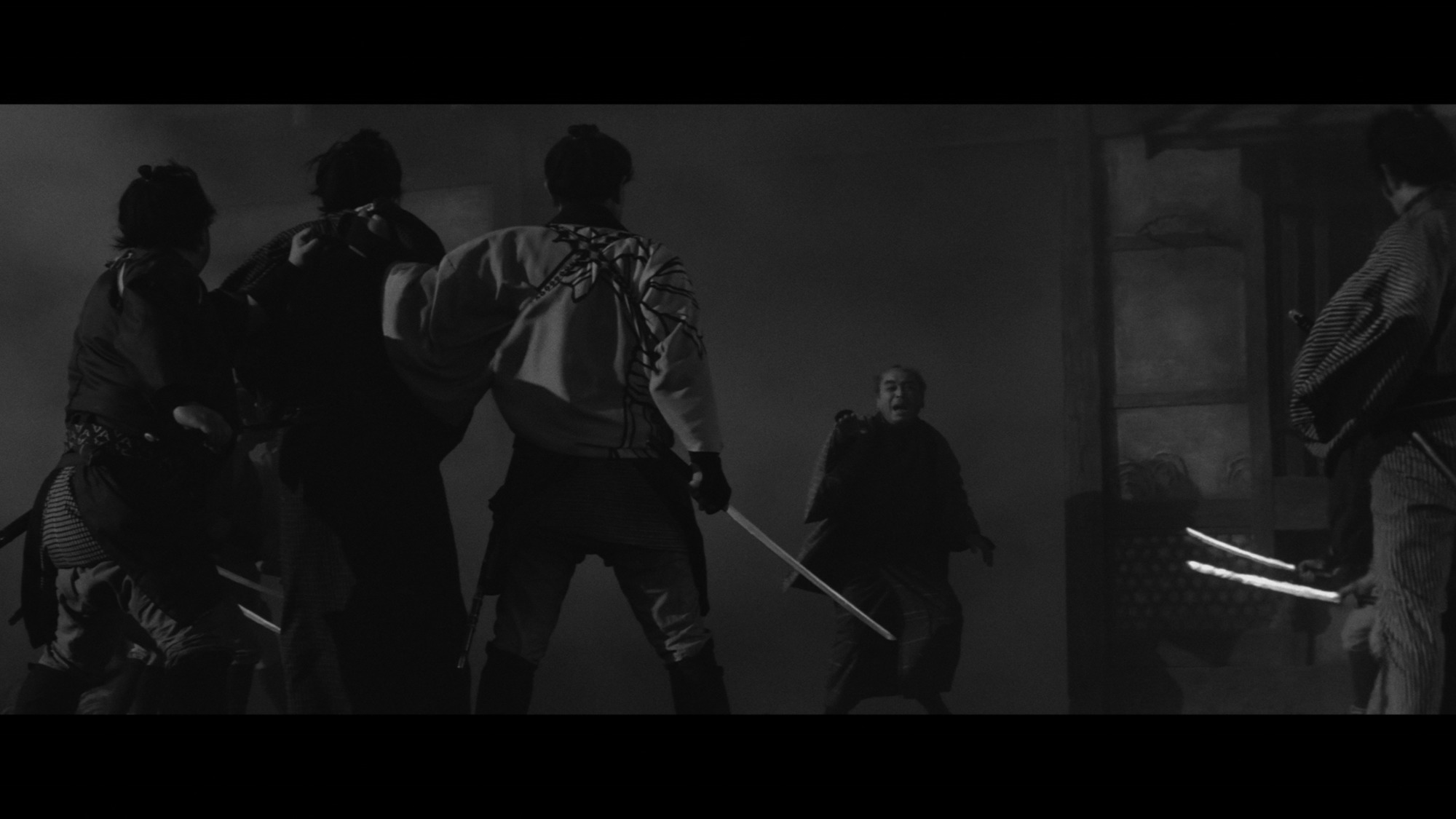
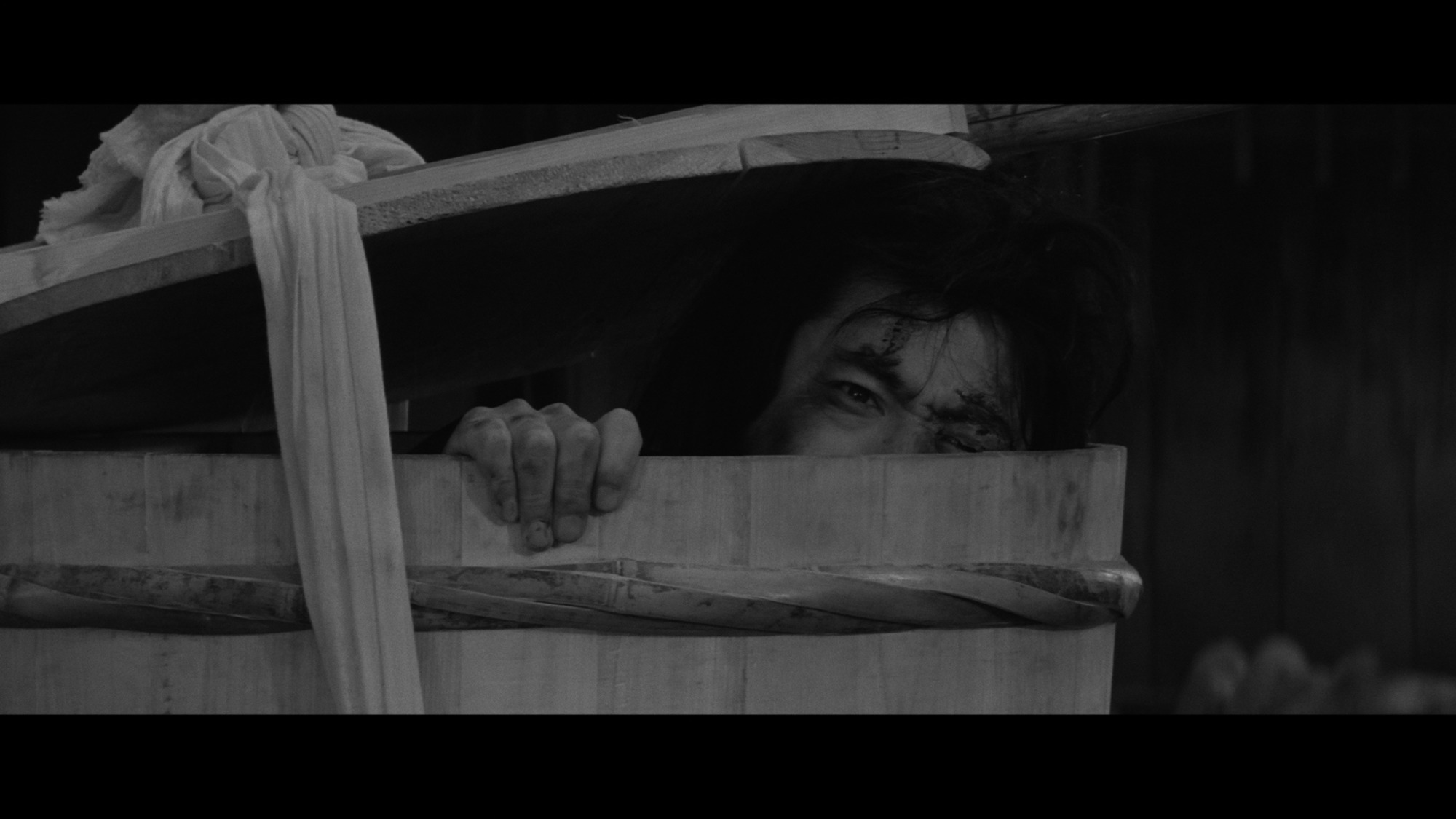
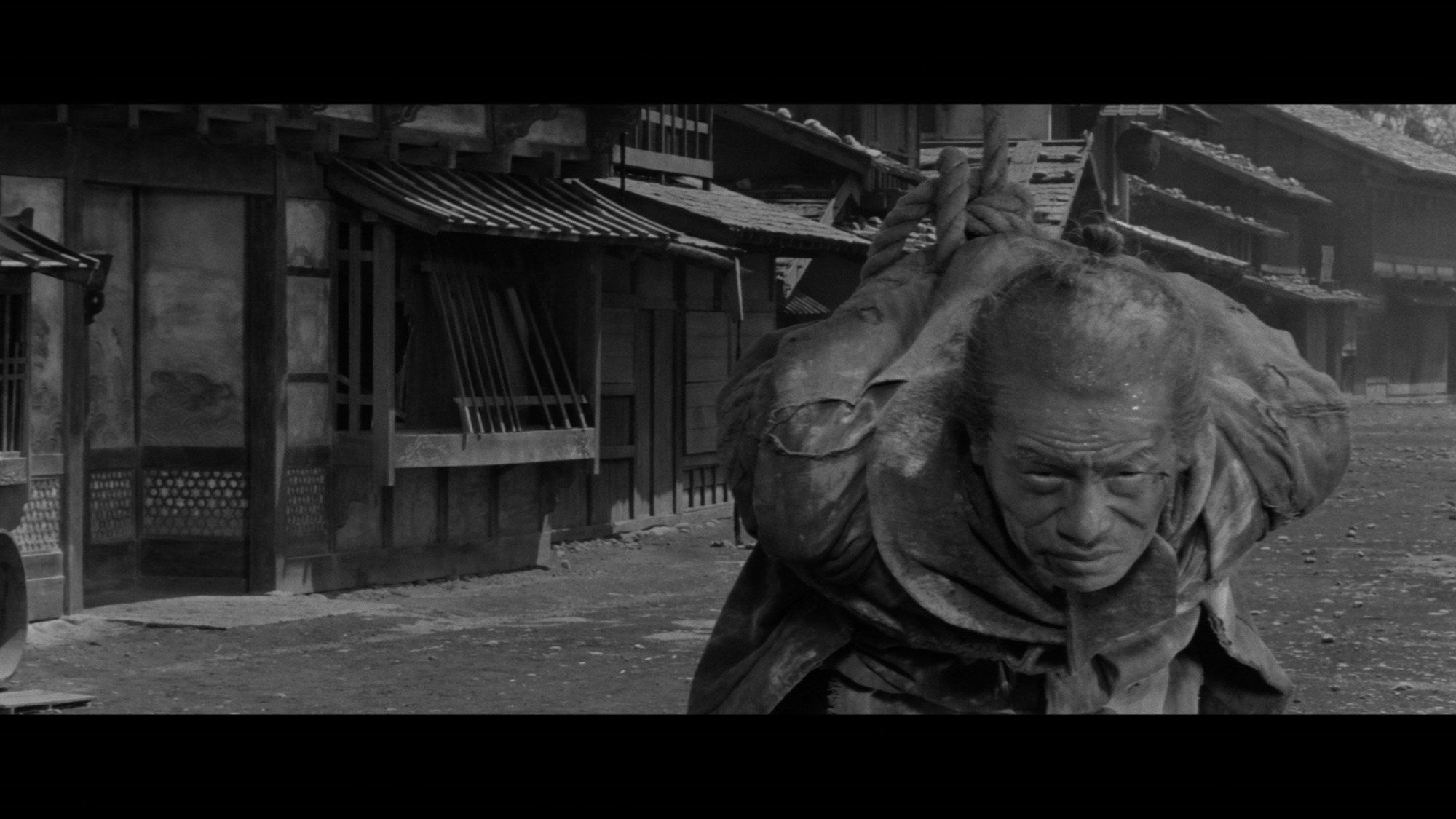
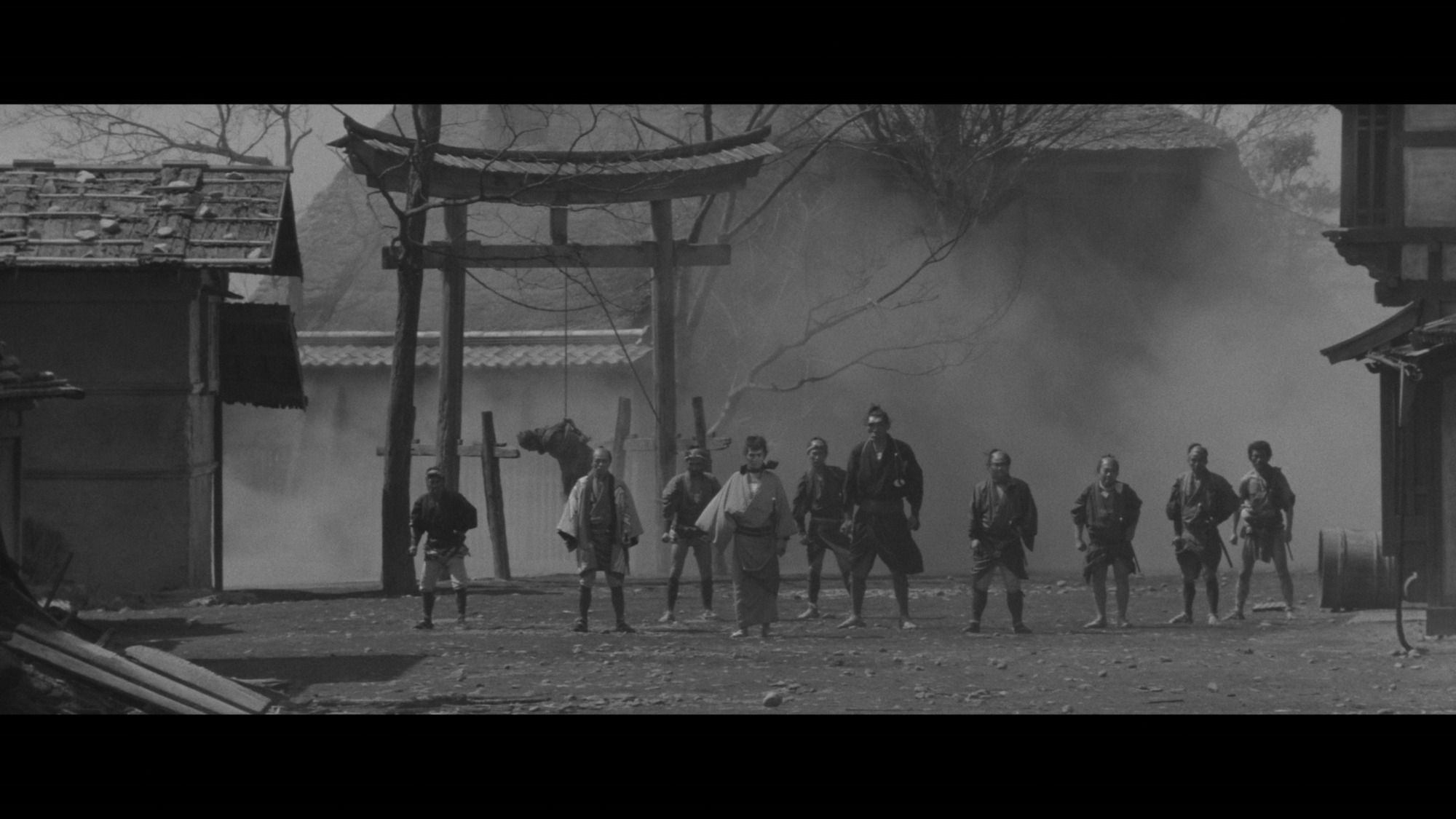
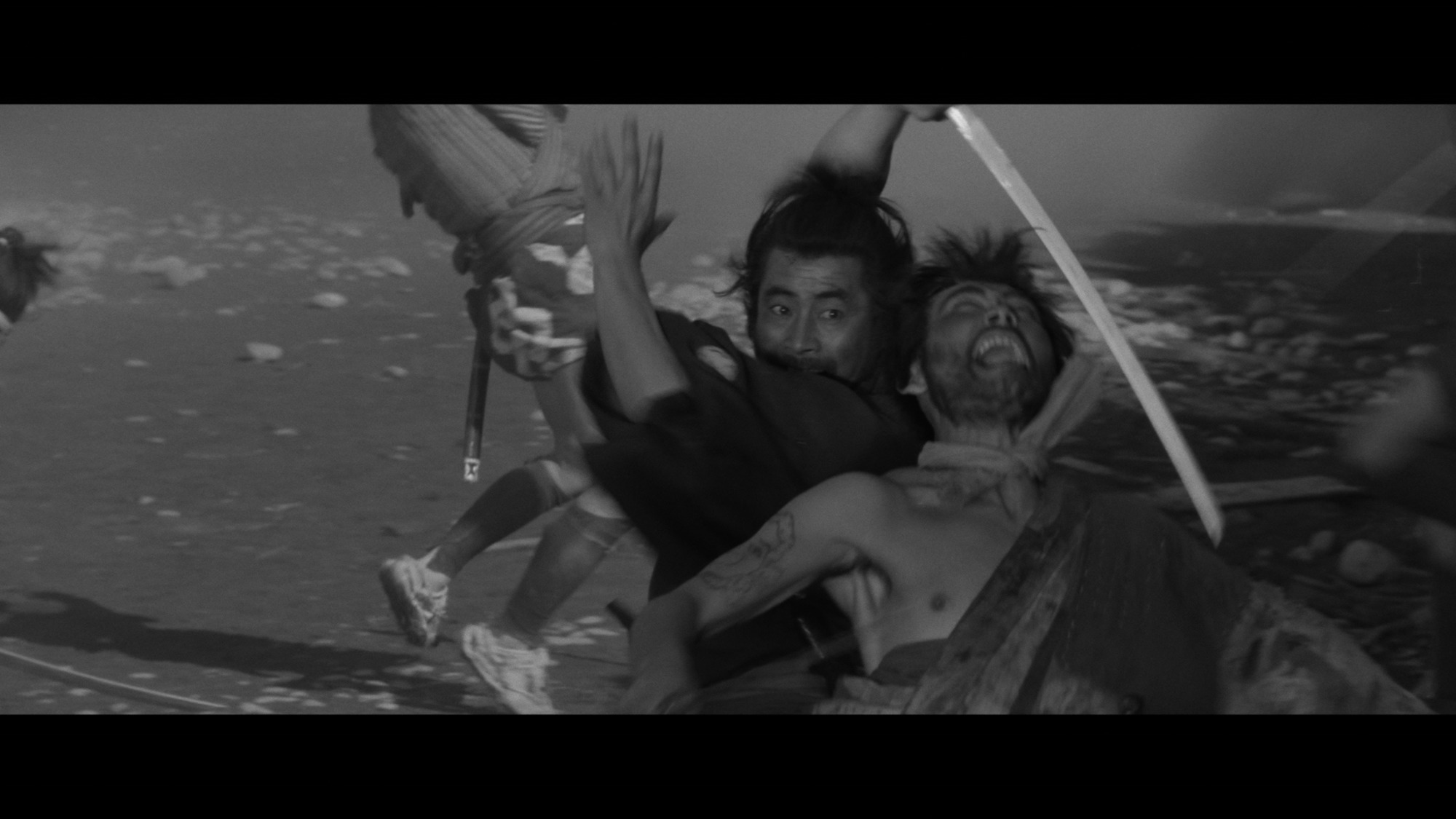
Criterion’s 4K UHD release of Yojimbo offers a significant upgrade over their previous Blu-ray, thanks to a new scan that sharpens the image considerably, revealing far more detail. The grayscale range is impressively wide, which further enhances those finer details, though this change isn’t without its caveats.
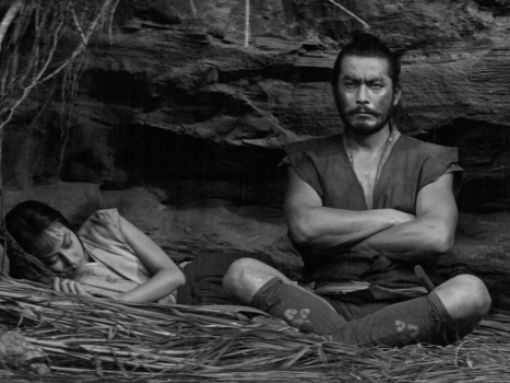
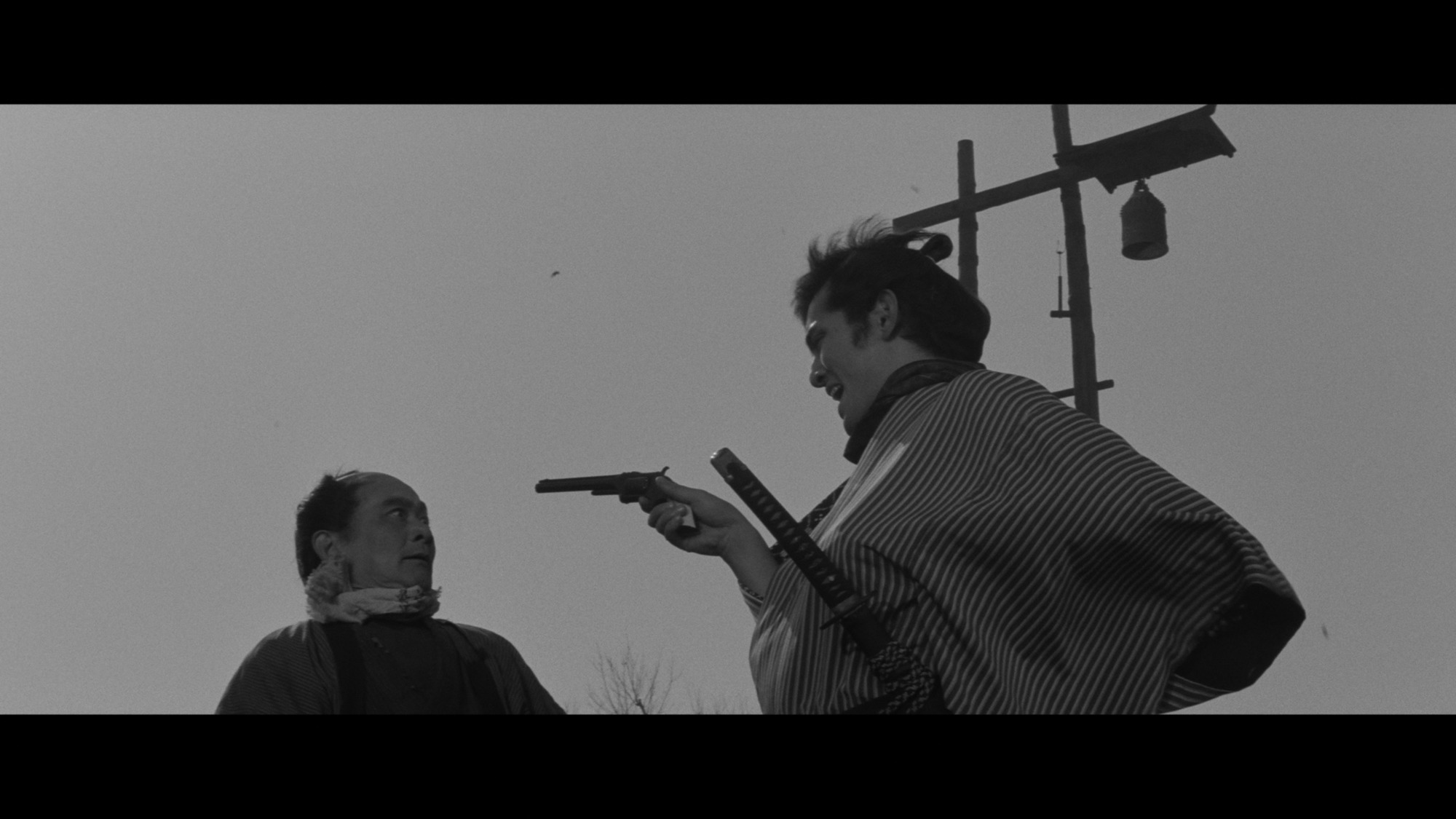
One notable shift is the lower contrast, which results in a far wider and more refined grayscale. This looks great, but it stood out since Criterion’s previous presentations opted for a higher-contrast look with heavier whites—an approach that also matched a theatrical screening I attended. I had grown so accustomed to that look that I felt a tinge of disappointment upon seeing the more monochromatic, darker, and somewhat flatter appearance here. Blacks are deep and shadow detail is impressive, but whites are subdued, almost rare. That said, this restraint does bring one advantage: highlights now retain more detail, such as the texture in clouds, which were often blown out in earlier versions.
Of course, I can’t say which grading is the “correct” or most faithful to the original, as I simply don’t know. All I do know is that I was used to the high-contrast appearance, and this version took me by surprise.
The presentation is limited to SDR, so it’s entirely possible that an HDR grade could have mitigated some of my misgivings (valid or misplaced). For example, the upcoming BFI edition in March, which features HDR, might push highlights and contrast into a range that feels more in line with prior presentations. However, given how much darker this version appears, it still likely won’t reach those same intensity levels.
Ultimately, it comes down to personal experience with the film, and in the end, this presentation still looks excellent. One other minor concern is that there’s some evidence of grain management, almost certainly applied by Toho. While film grain remains visible, it feels lighter than expected, and certain scenes appear smoother than I feel they probably should (could again be a me thing). Thankfully, it’s not overly aggressive and doesn’t impact finer details in any significant way.
On the whole, the restoration work is spectacular. Damage and debris have been cleaned up meticulously, leaving little to distract from the visual storytelling. While some of the presentation choices may be open to debate, Yojimbo’s 4K release delivers enough improvements to make it an essential upgrade for fans of the film.
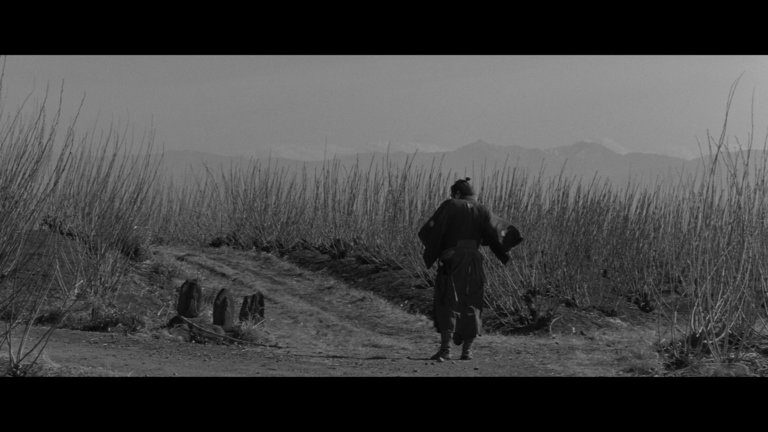
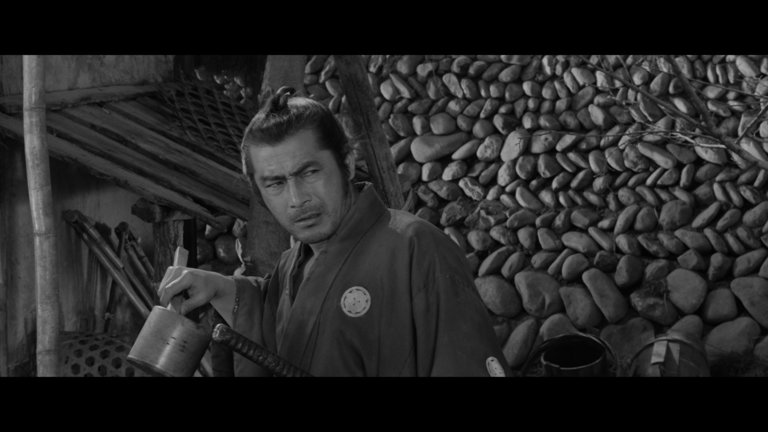
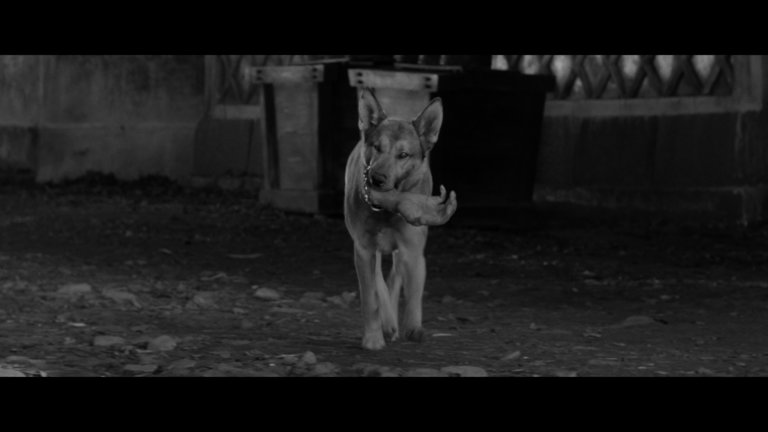
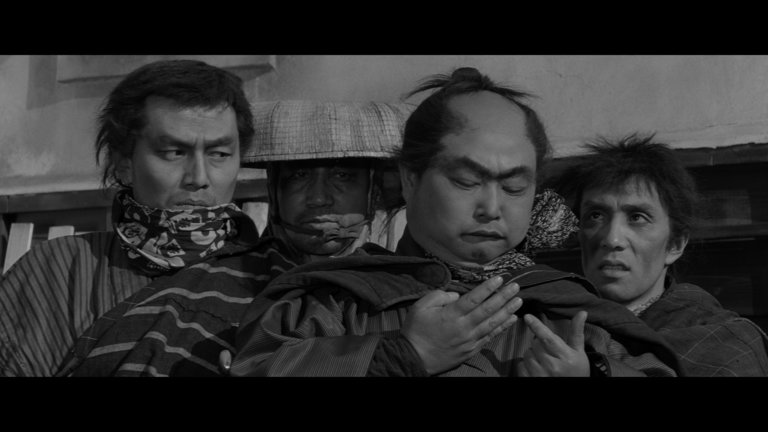
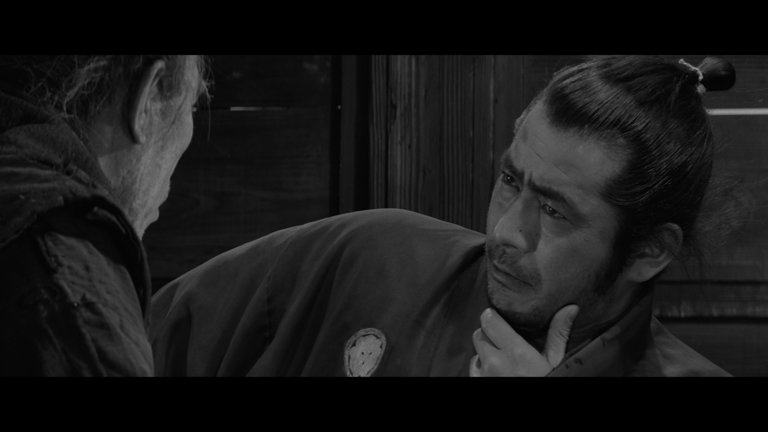
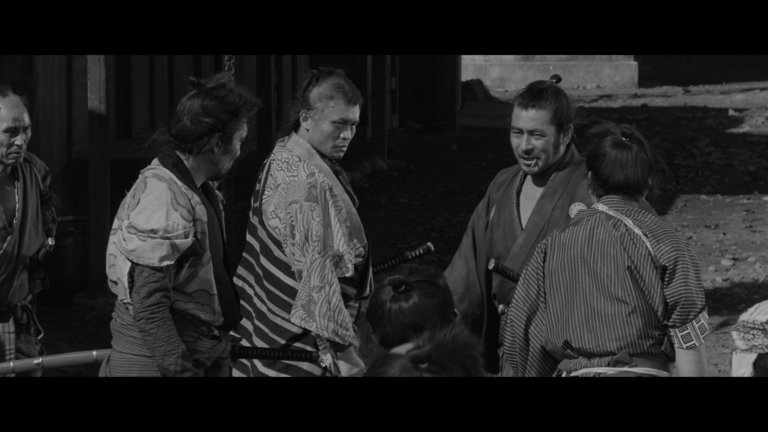
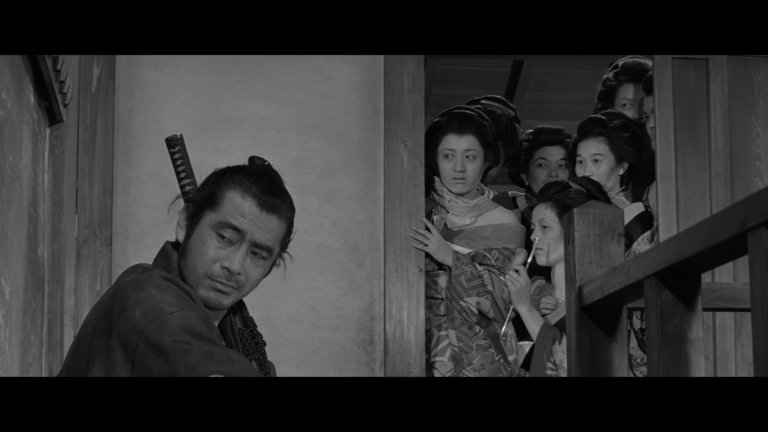
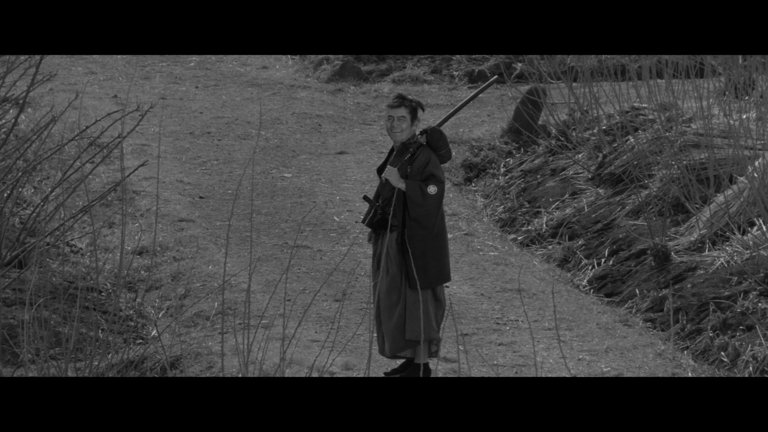
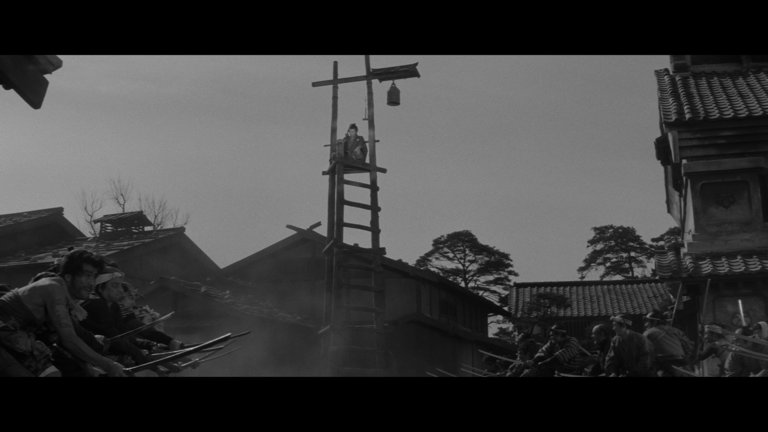
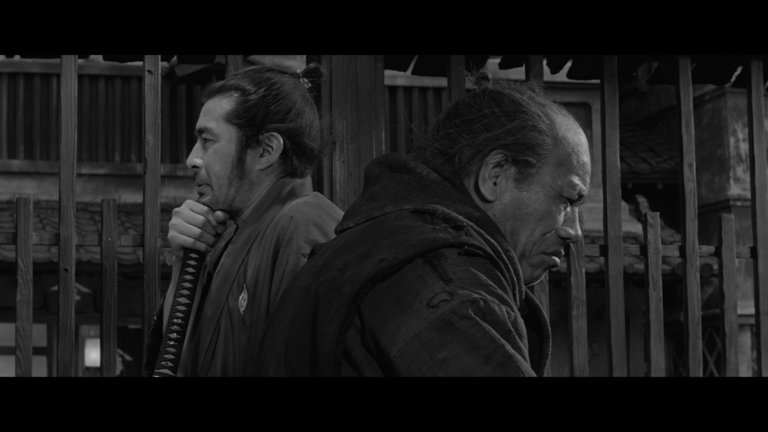
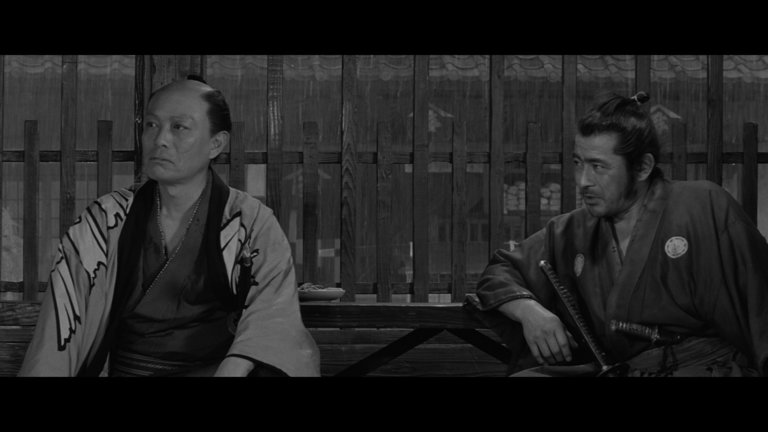
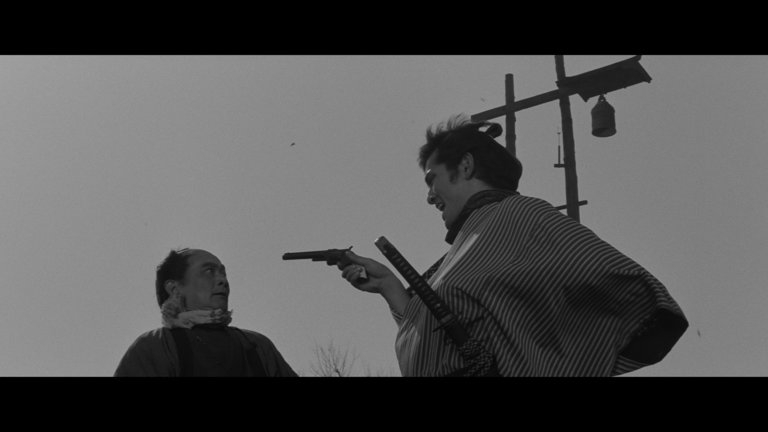
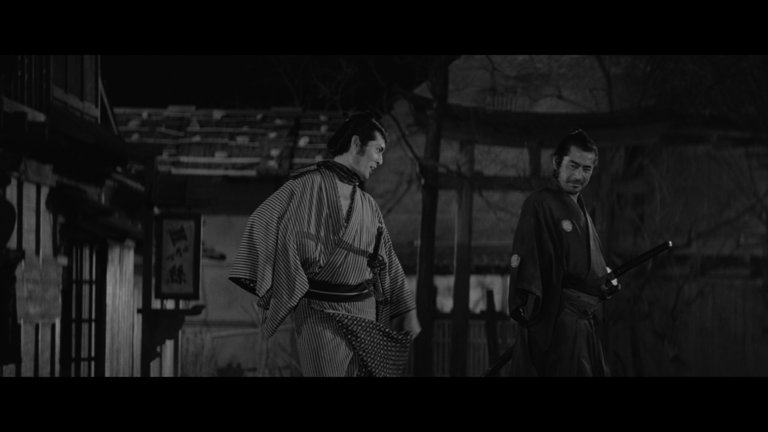
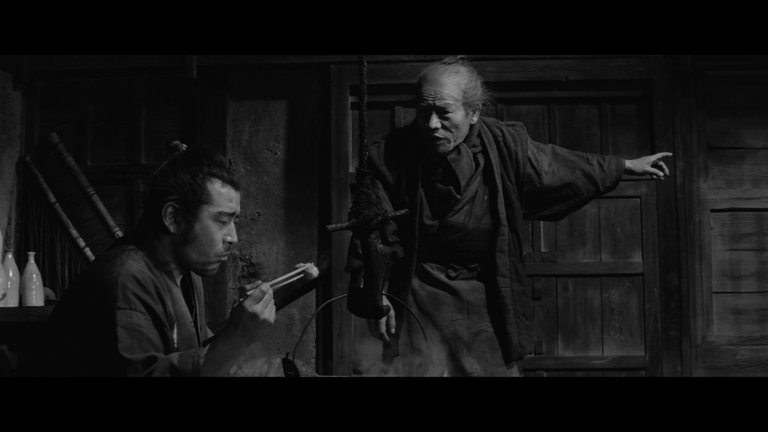
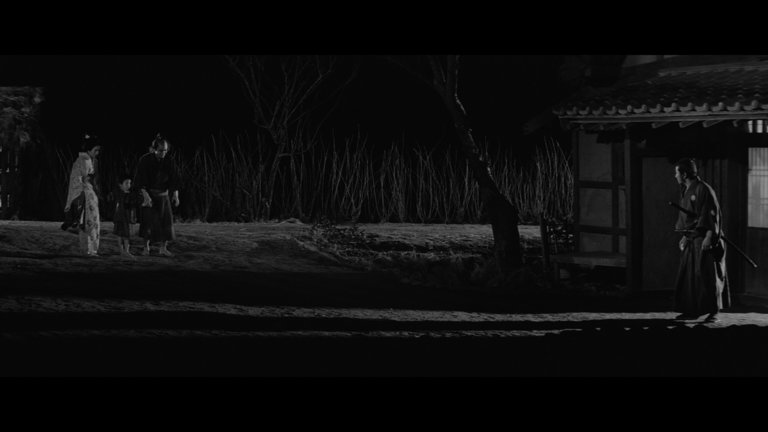
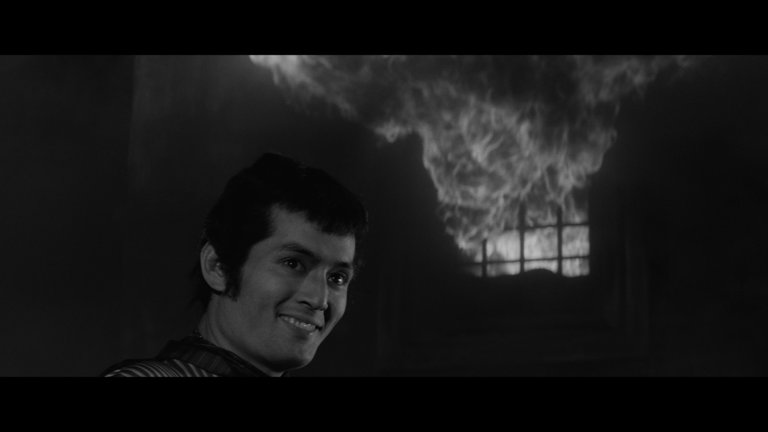
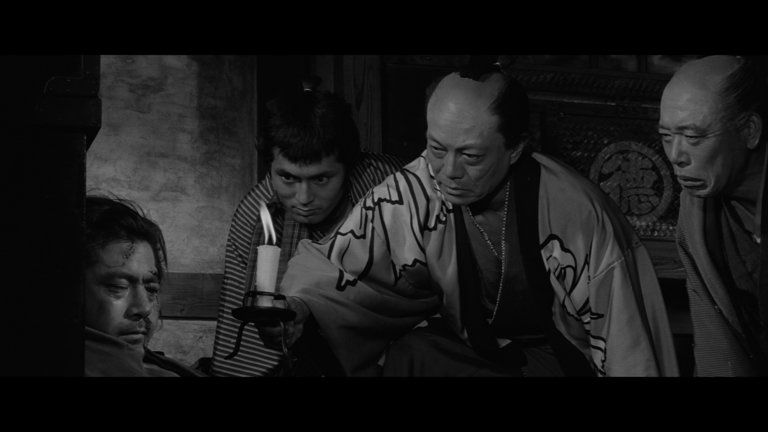
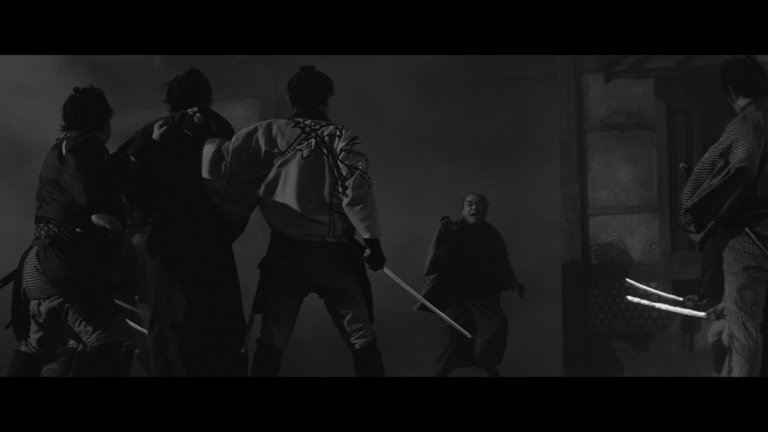
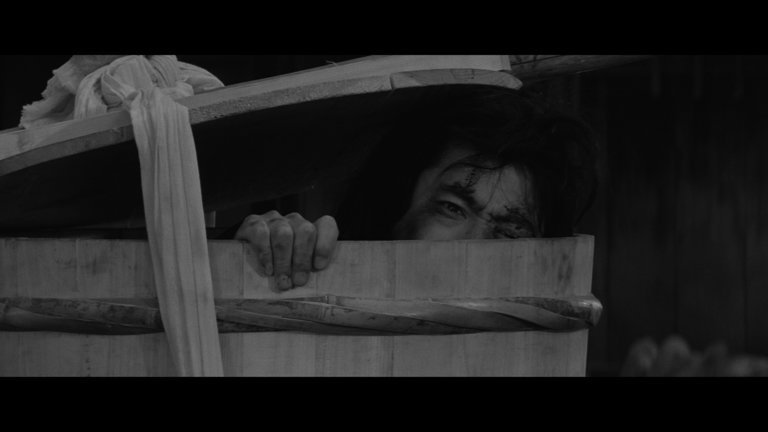
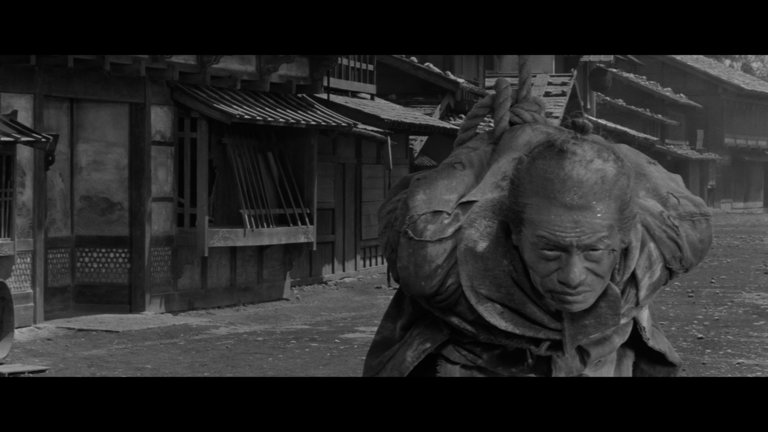
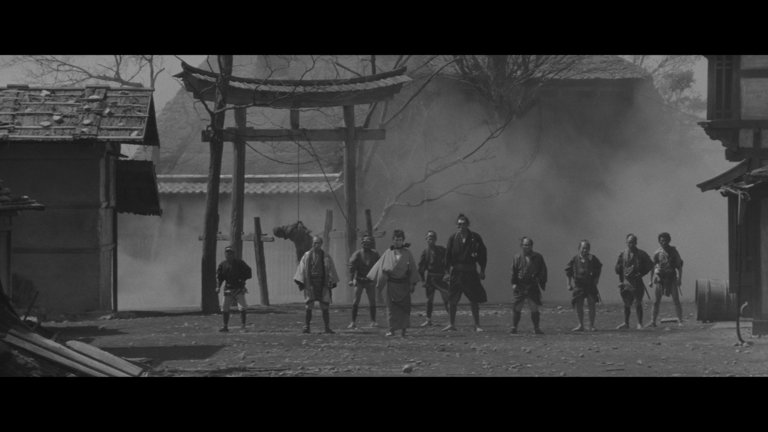
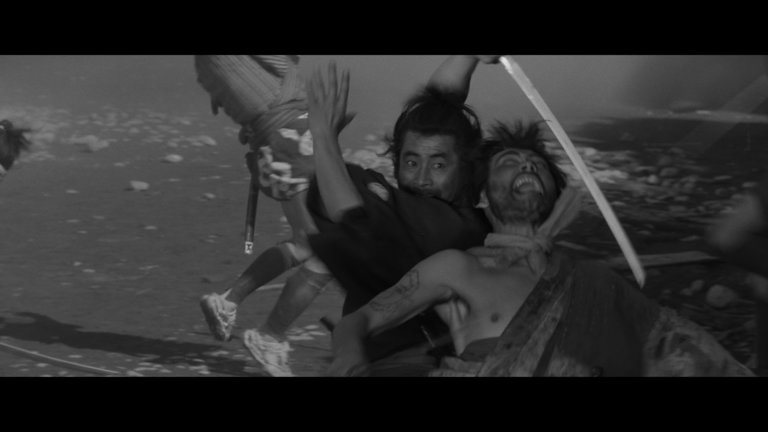
Yojimbo - Screen Captures
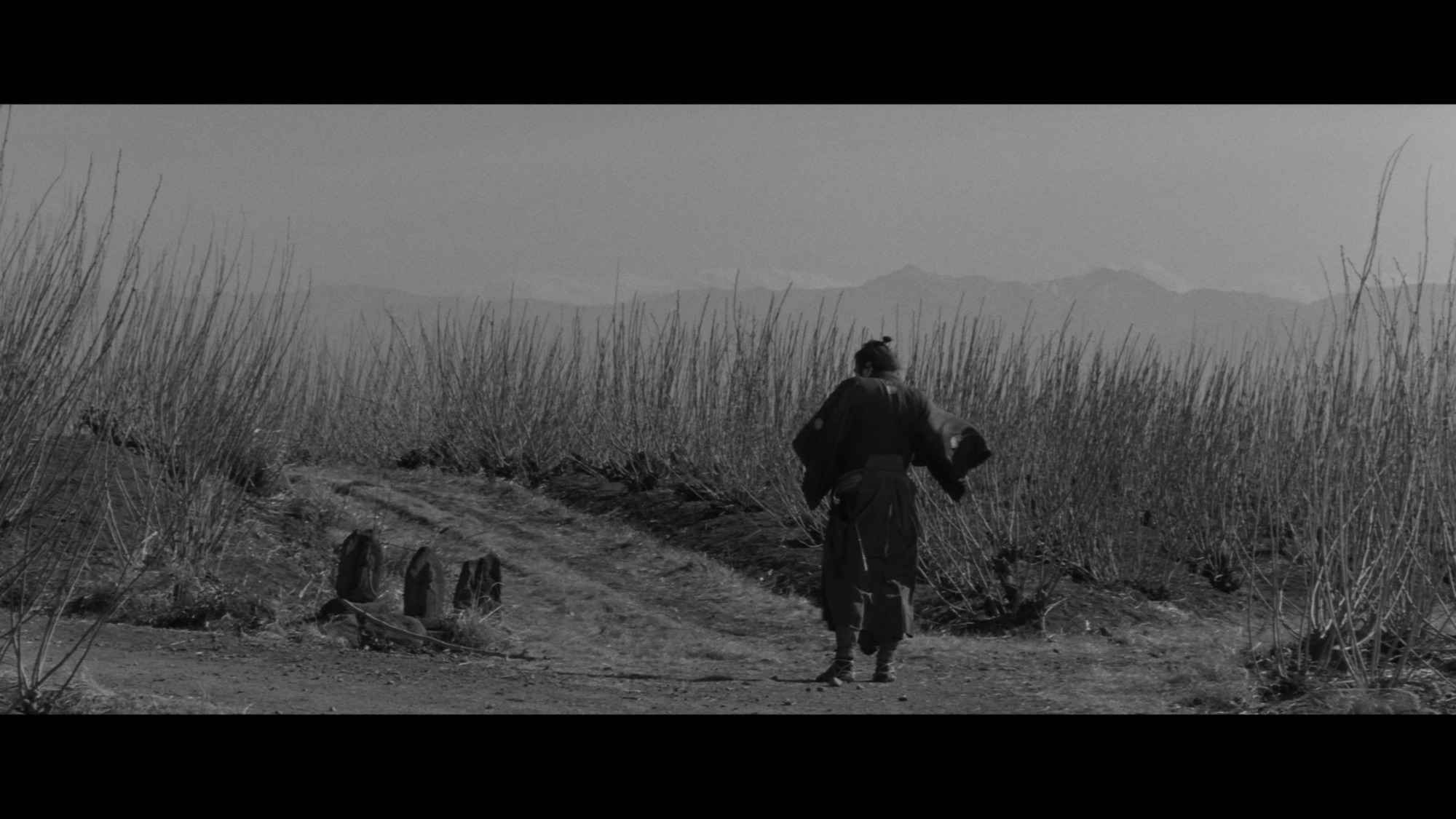
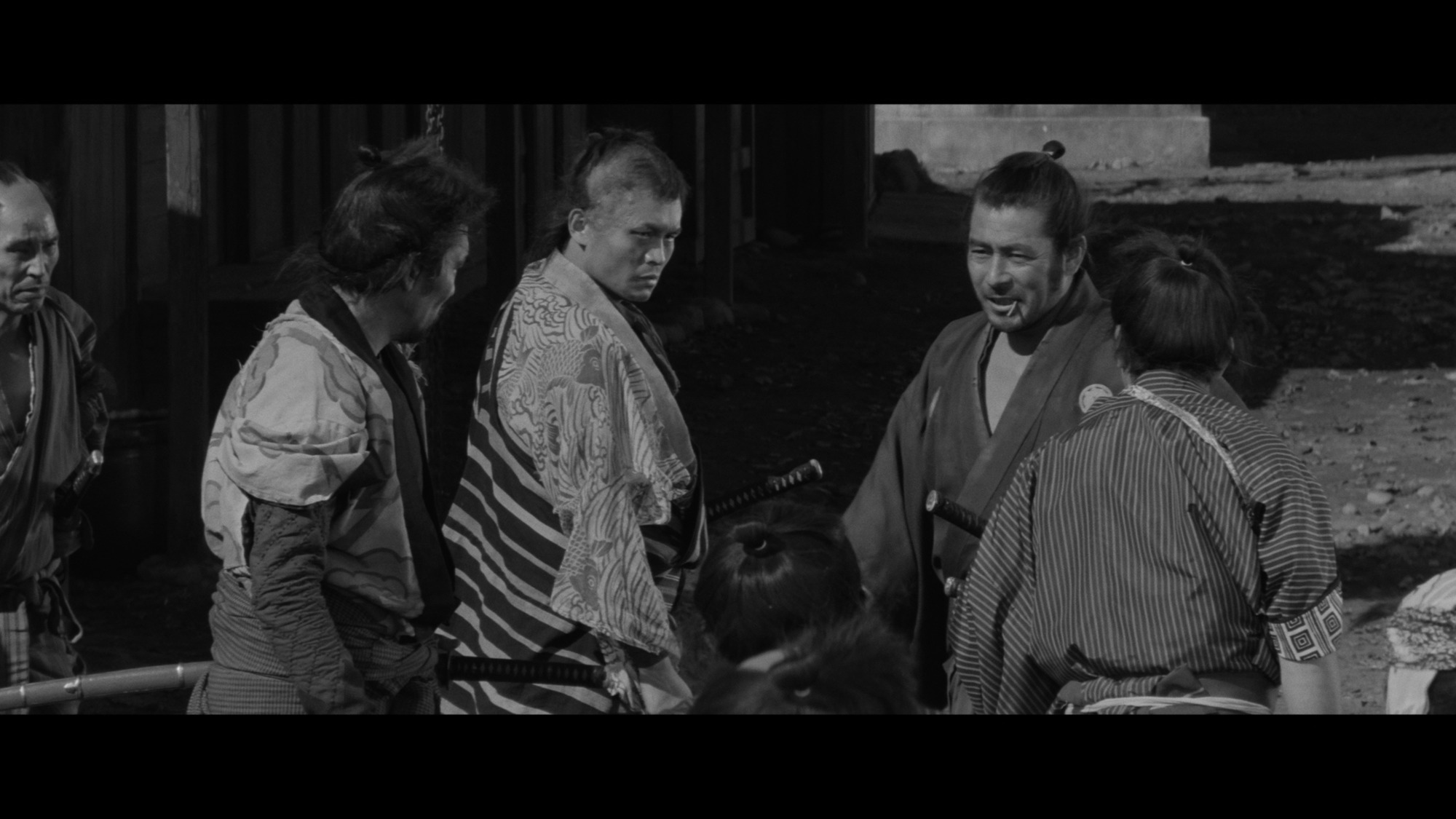
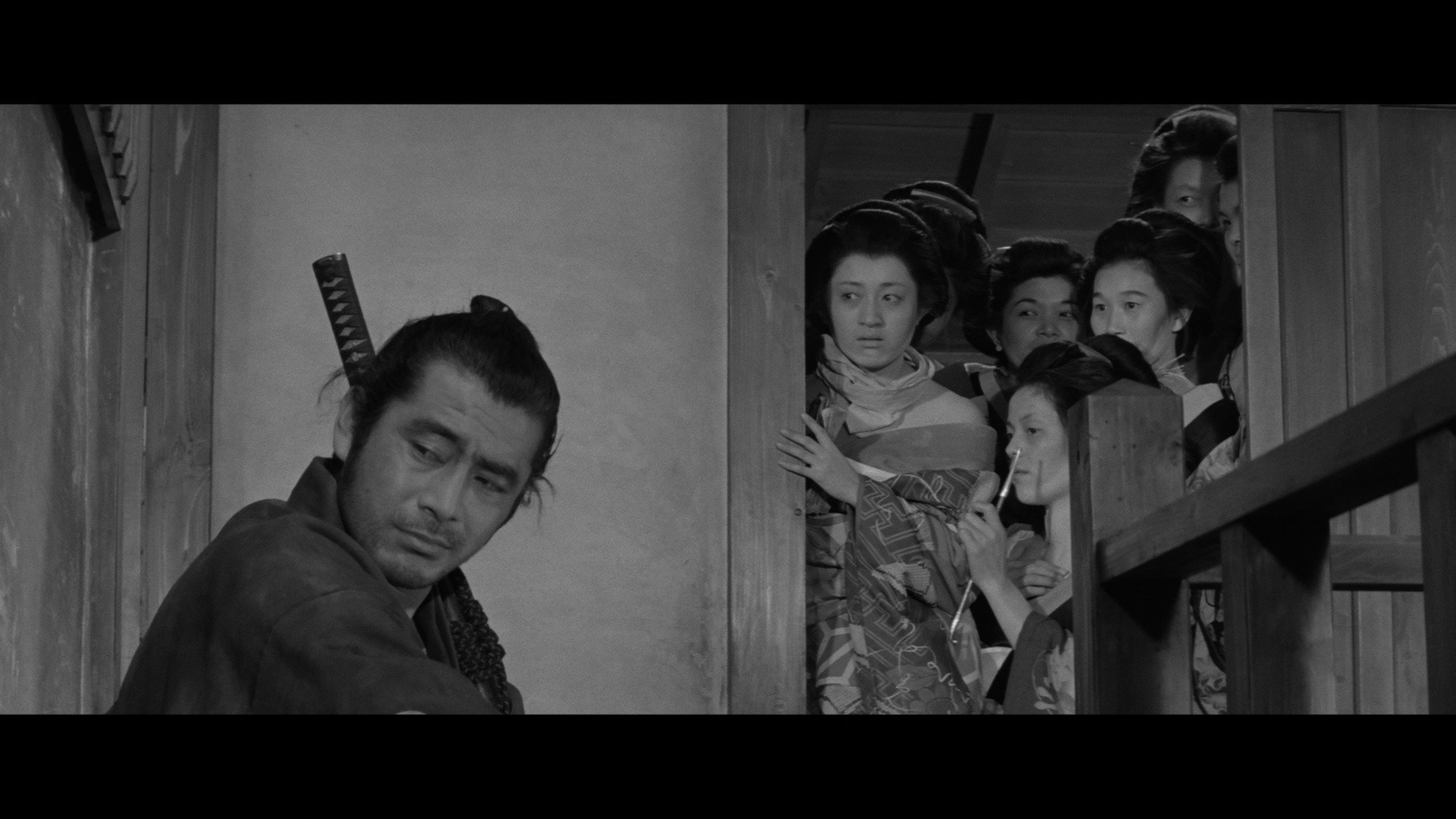
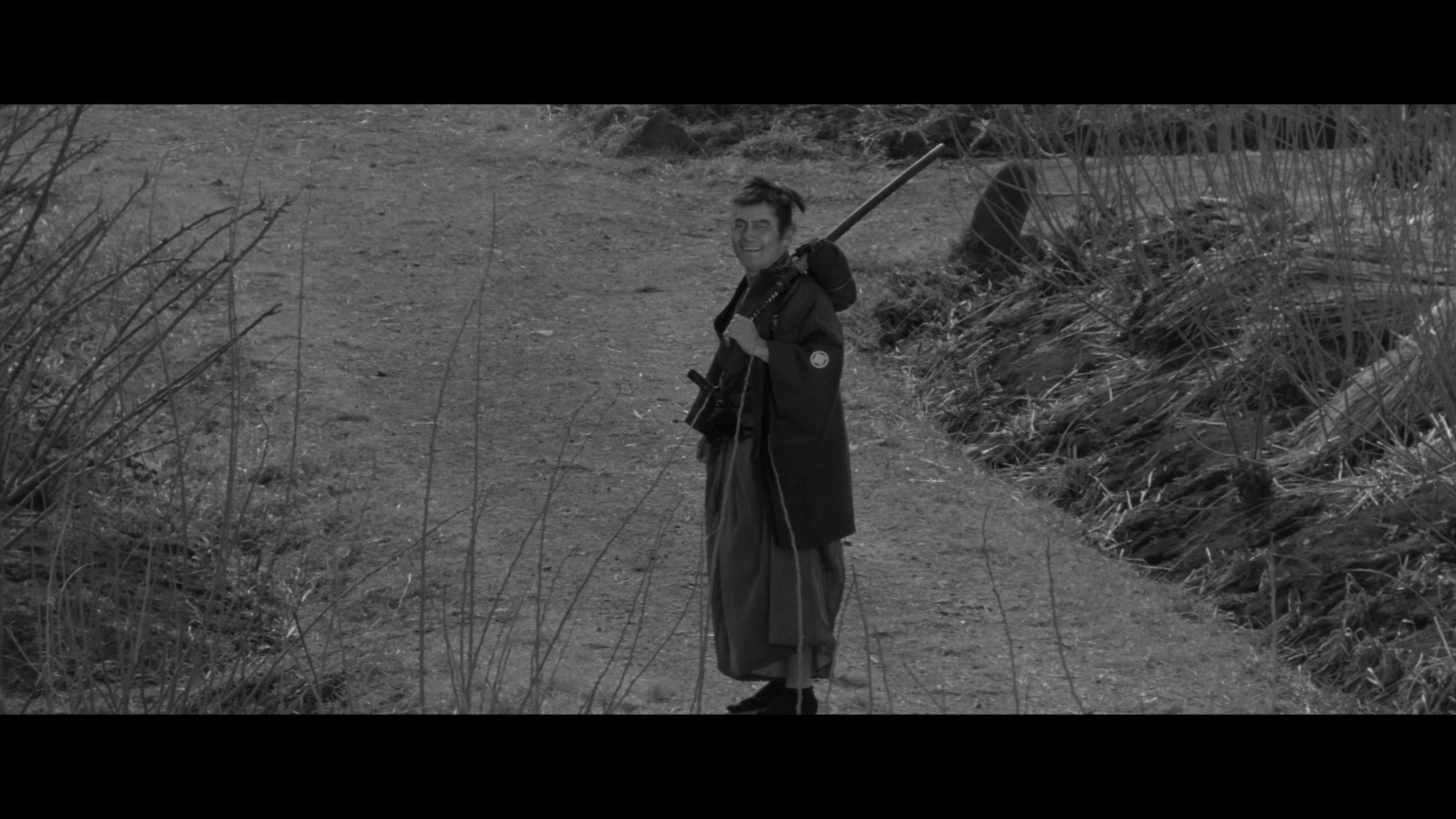
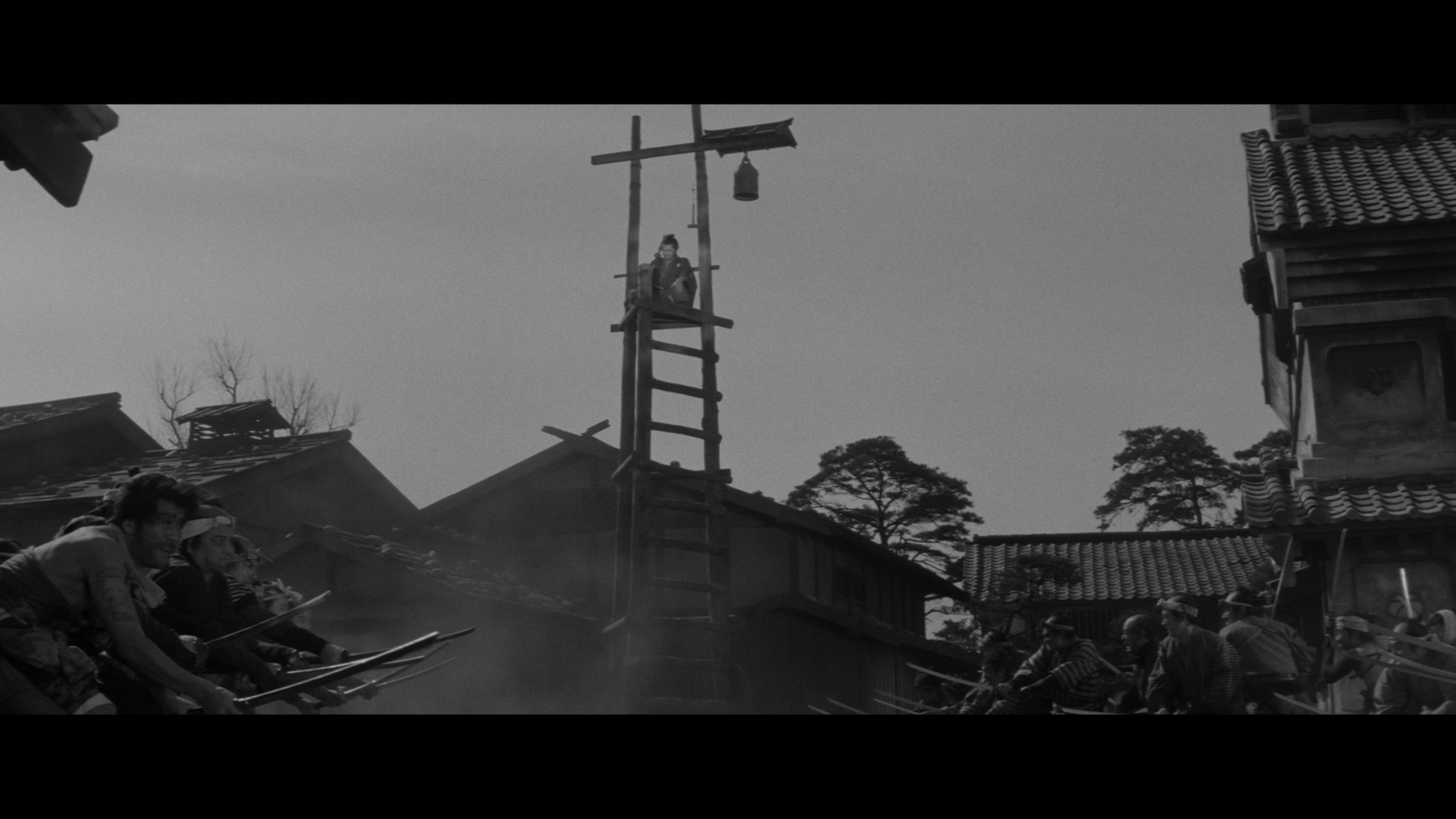
Audio 7/10
As with the Blu-ray edition, Criterion includes two Japanese audio tracks: the original mono, presented in lossless single-channel PCM, and the 3.0 Perspecta track, which is technically encoded as DTS-HD MA 5.1 but is confined to the three front channels (the rear channels remain inactive).
I expected Criterion to simply reuse the same audio tracks from the Blu-ray (as I suspect they did with their recent 4K release of Seven Samurai), but I have to say both tracks sound a little sharper and cleaner here. Admittedly, I could be deluding myself, but I felt the range was slightly wider, the audio a bit crisper, and perhaps less filtered overall. The Perspecta track, in particular, has a bit more punch, with greater depth in the action sequences and a well-spread presence across the front channels.
Both tracks are also clean, free of distortion or heavy damage. I still prefer the 3-channel presentation, but honestly, you can’t go wrong with either.
Extras 7/10
The 4K UHD edition of Yojimbo includes both a 4K disc and a standard Blu-ray. The Blu-ray is a direct port of Criterion’s 2010 release, meaning all the supplementary features remain unchanged. The primary attraction here—still—is the audio commentary by Stephen Prince, available on both the 4K and Blu-ray discs.
Prince has contributed several commentaries for Criterion, including tracks for other Kurosawa films, and his work on Straw Dogs remains one of my favorites. That’s why, when I revisited my original thoughts on his Yojimbo commentary from the Blu-ray release, I was surprised to see that I hadn’t cared much for it—or for the one he recorded for Sanjuro. Though I still wouldn’t rank it among his best, I found it far more rewarding this time around.
As he often does, Prince sets a goal at the start of the track: to prove that Yojimbo is much more than just "entertainment," as he feels it is sometimes dismissed. He certainly makes his case, breaking down Kurosawa’s framing and editing, the camerawork, and his use of widescreen to compose multi-layered action in a single shot—what Prince at one point refers to as “3-in-1” staging. He also explores Yojimbo’s noir influences, drawing connections to the works of Dashiell Hammett, particularly Red Harvest and The Glass Key (BFI’s Stray Dog release also touches on how crime novels influenced Kurosawa’s work).
Yes, the commentary is a bit drier than some of Prince’s others, but it’s full of interesting observations. Not sure what my issue was before, but I enjoyed it a lot more this time.
The second major feature is another episode from the Toho Masterworks series, Akira Kurosawa: It is Wonderful to Create. Running 45 minutes, it’s a strong “making-of” documentary featuring interviews with cast and crew alongside behind-the-scenes footage. It covers various aspects of the production, including the film’s score (which started as a test score), Kurosawa’s use of a telephoto lens (which heightened the speed and energy of Mifune’s movements), and short segments on stars Toshiro Mifune and Tatsuya Nakadai. As with other entries in the series, this one is excellent and well worth the time.
Rounding out the supplements are a theatrical trailer, a teaser trailer (which includes some behind-the-scenes footage), and a small photo gallery featuring a handful of images of Kurosawa on set.
The included booklet is the same as the one from the Blu-ray edition. It opens with a statement from Kurosawa, followed by an essay by Alexander Sesonske, which is essentially an updated version of what appeared in the 1999 DVD’s insert. The booklet concludes with reflections from key collaborators, including actor Tatsuya Nakadai, cinematographer Kazuo Miyagawa, and script supervisor Teruyo Nogami. Their recollections of Kurosawa, the shoot, and the final film make for an engaging read.
It’s still not a packed edition, but the material is strong—especially now that I have a greater appreciation for the commentary.
Closing
Slight hesitations aside, the new 4K presentation is a significant step up from the Blu-ray edition, with the features—though still slim—providing a solid overview of the film and its production.
BUY AT: