Sanjuro
BUY AT:


See more details, packaging, or compare
Synopsis
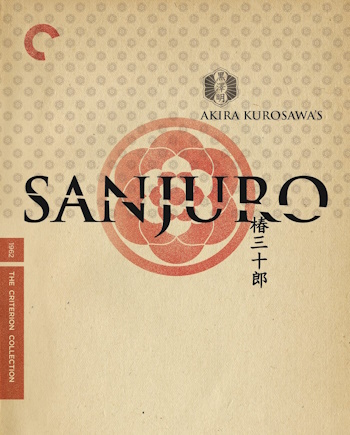
Toshiro Mifune swaggers and snarls to brilliant comic effect in Akira Kurosawa’s tightly paced, beautifully composed Sanjuro. In this sly companion piece to Yojimbo, jaded samurai Sanjuro helps an idealistic group of young warriors weed out their clan’s evil influences, and in the process turns their image of a “proper” samurai on its ear. Less brazen in tone than its predecessor but equally entertaining, this classic character’s return is a masterpiece in its own right.
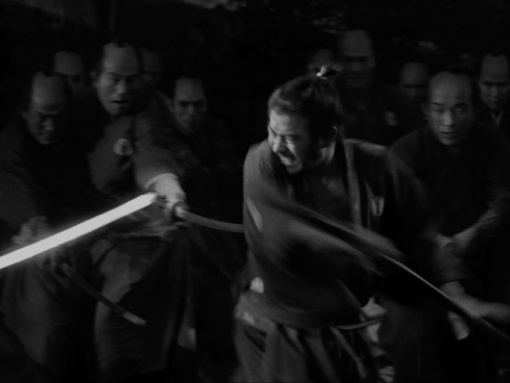
Picture 8/10
Paired with Yojimbo in a new box set, Criterion upgrades Akira Kurosawa’s Sanjuro to 4K UHD, presenting the film on a triple-layer disc in its 2.39:1 aspect ratio. The SDR 2160p/24Hz ultra high-definition encode is sourced from a new 4K restoration performed by Toho, taken from a scan of the 35mm original camera negative. A standard Blu-ray is also included, featuring all of the release’s special features along with a 1080p presentation of the film. The Blu-ray replicates the 2011 edition and uses the older restoration.
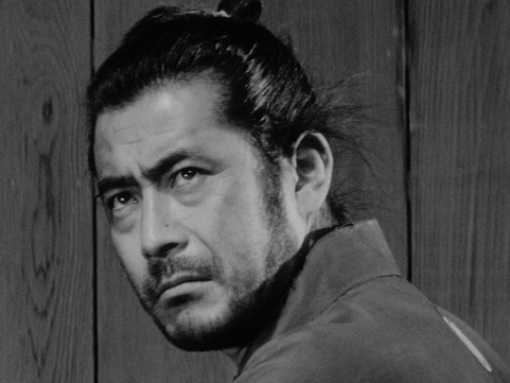
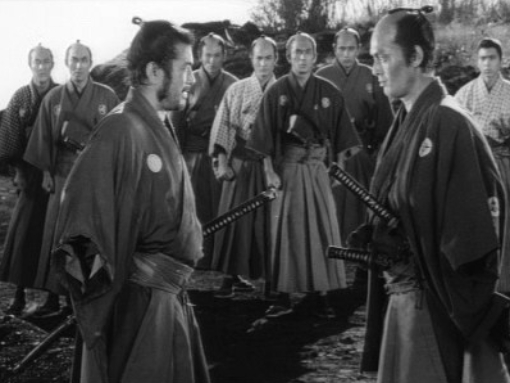
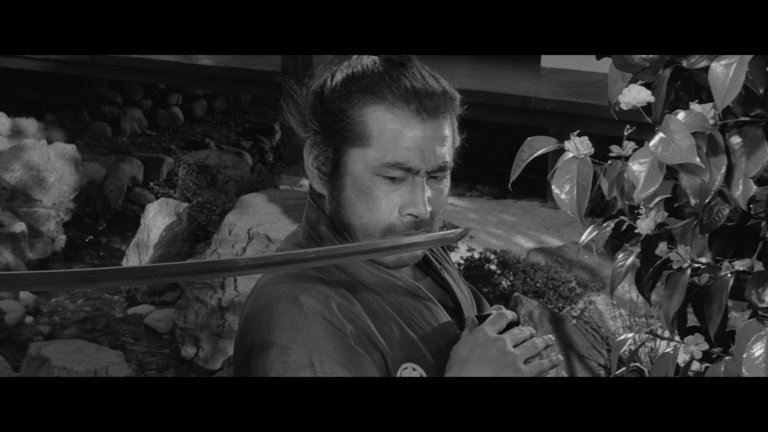
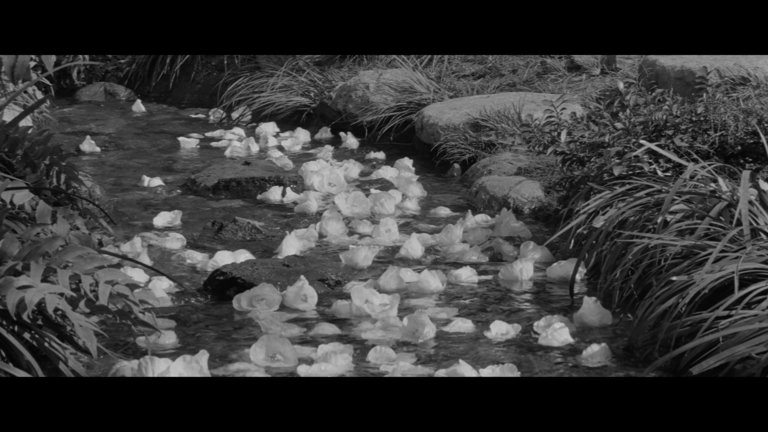
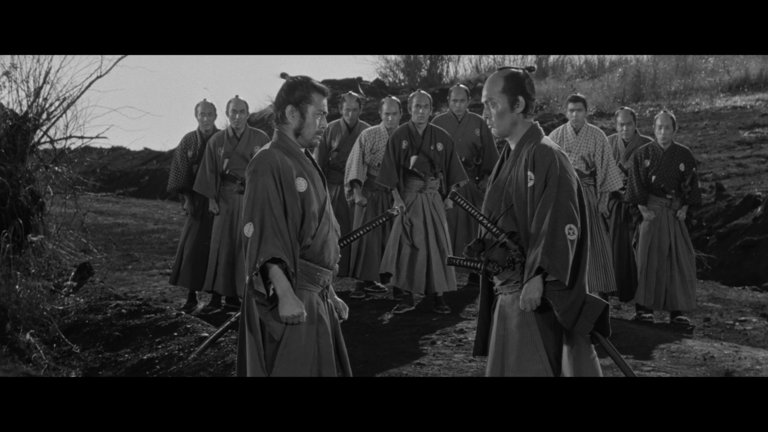
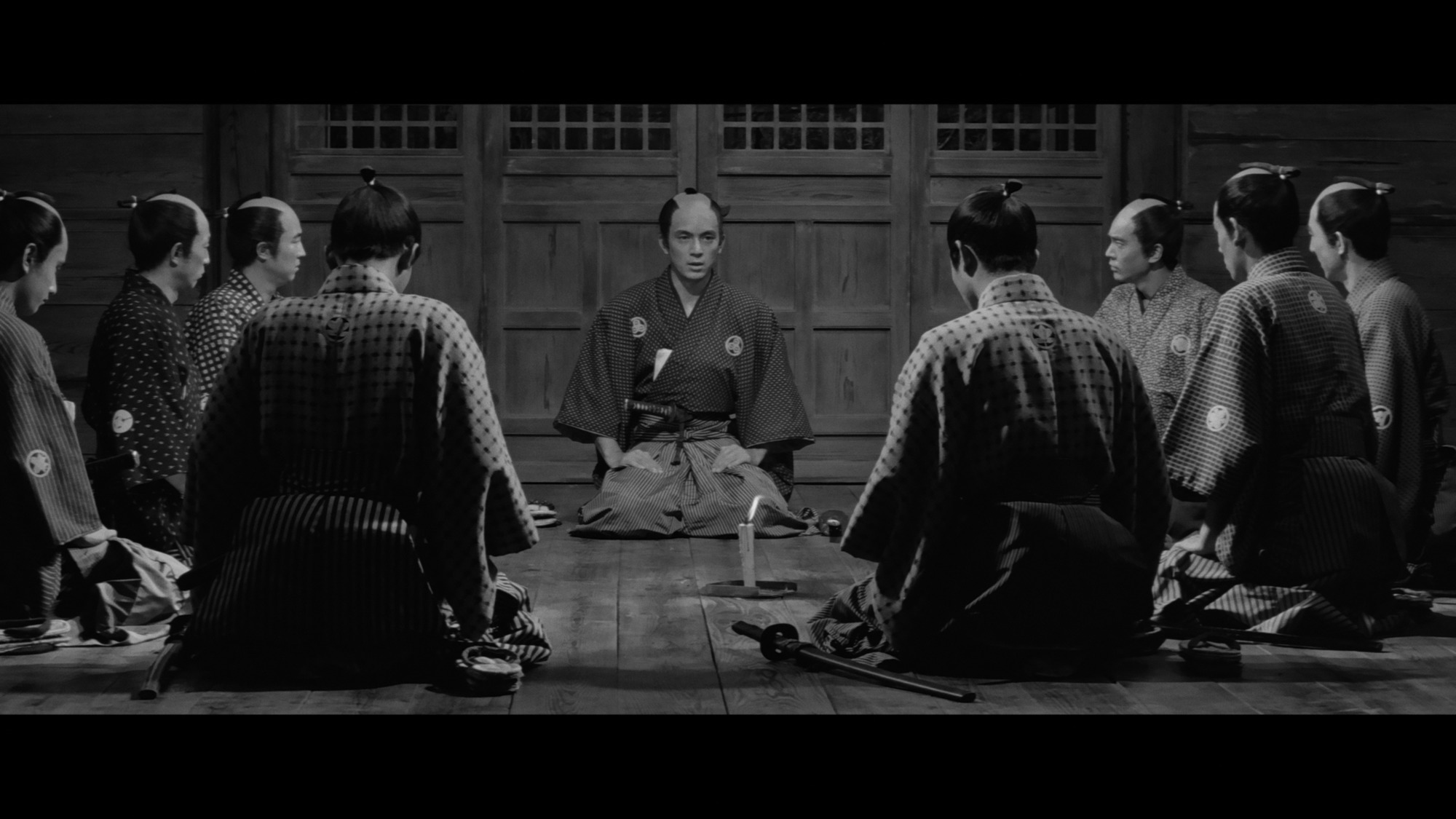
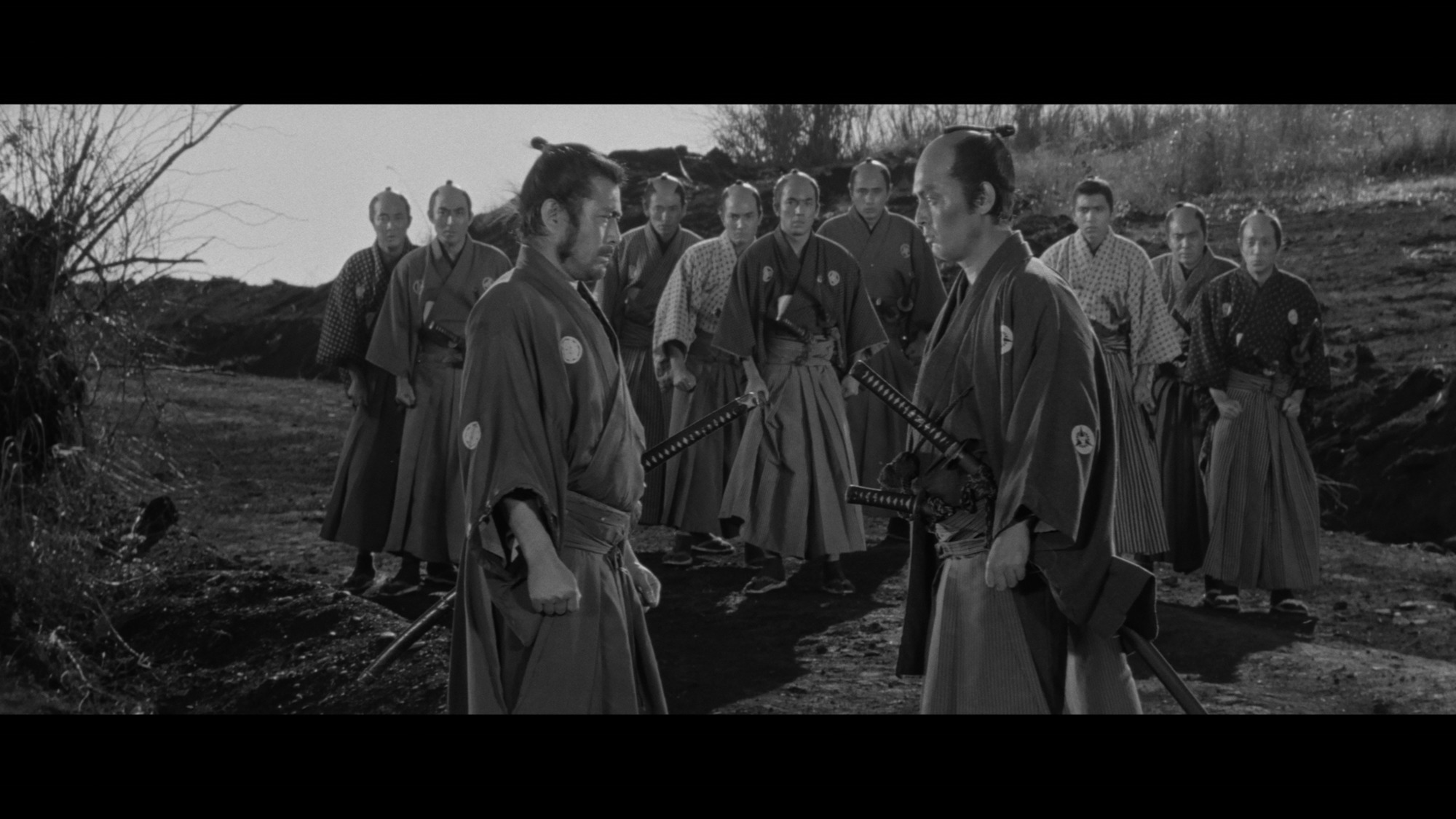
Much like Yojimbo, this new presentation delivers a significant upgrade over Criterion’s previous Blu-ray, improving clarity and finer details thanks to the new scan and precise rendering. Also similar to Yojimbo, this version moves away from the high-contrast look I’ve grown accustomed to over the years, opting instead for a broader grayscale range and a more even-handed grading. Admittedly, this does look great—the gradations in the grays are smooth and well-defined, enhancing the film’s photographic quality—but I do miss the intense whites of the previous presentation, as this one appears darker and flatter by comparison. That said, I can’t say for certain whether this grading is truer to the original intent or if the previous one was more accurate.
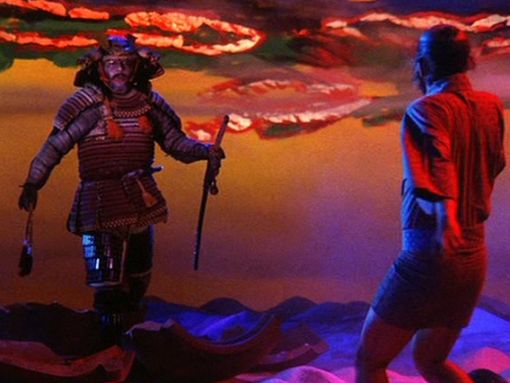
Again, HDR might have helped by giving the film a bit of a boost, potentially delivering a more "silver screen" look—something the upcoming BFI 4K release with HDR might confirm. As it stands, the SDR presentation does allow for greater detail in highlights, which are no longer blown out, and there’s more depth in shadows. Film grain is also more prominent and is generally rendered well, though, as with Yojimbo, there are moments where it appears to have been lightly filtered. That said, more print damage has been removed, and aside from a few minor marks, this is easily the cleanest I’ve ever seen the film.
Adjusting to the lower contrast and expanded grays took some time, but once I settled into the look, I found it to be an impressive upgrade. While the presentation may not perfectly align with past versions, it still represents a significant step up from the previous Blu-ray.
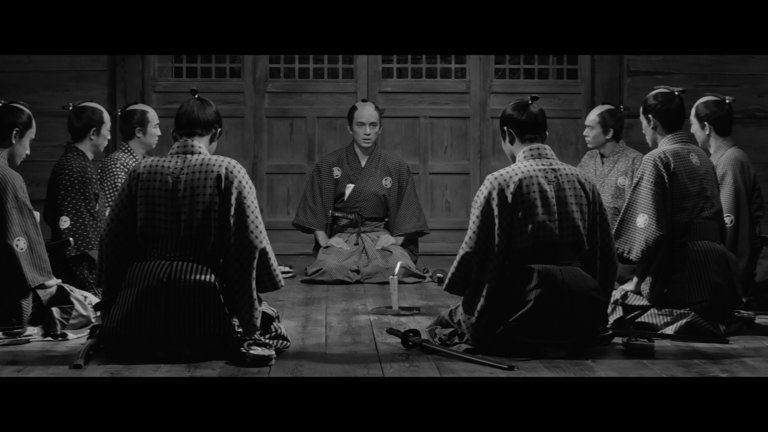
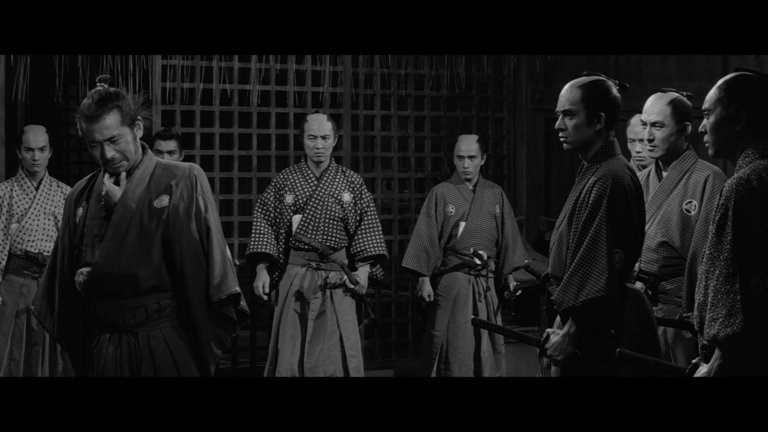
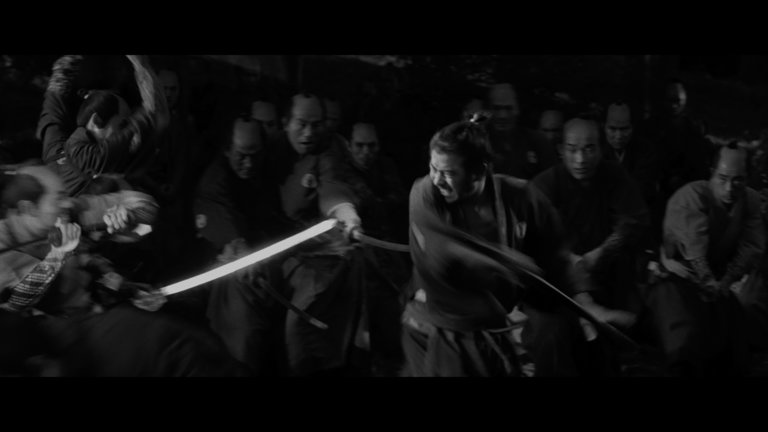
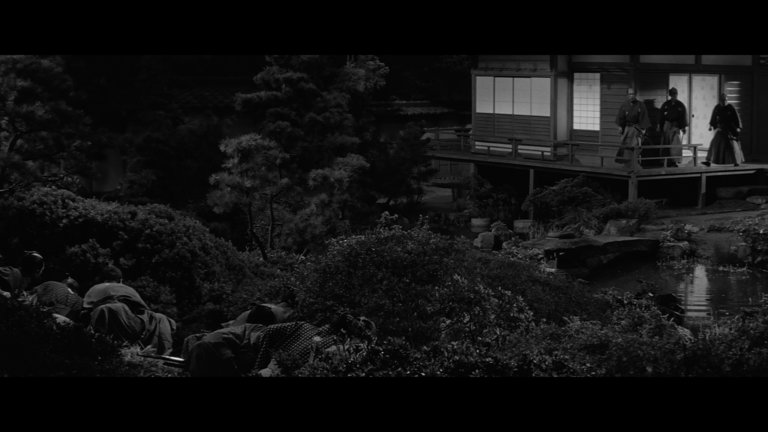
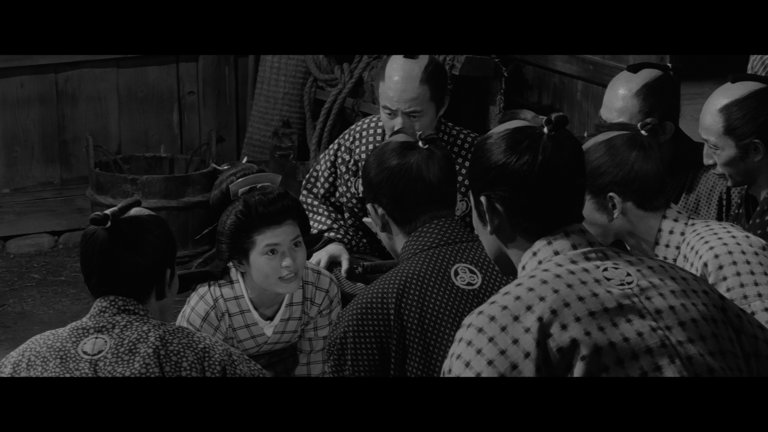
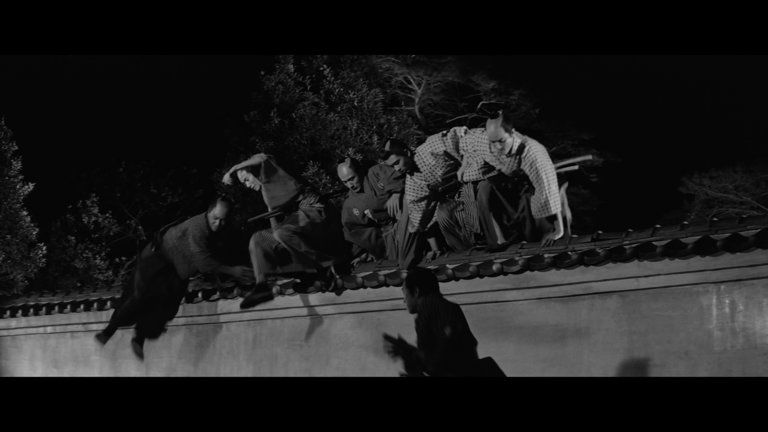
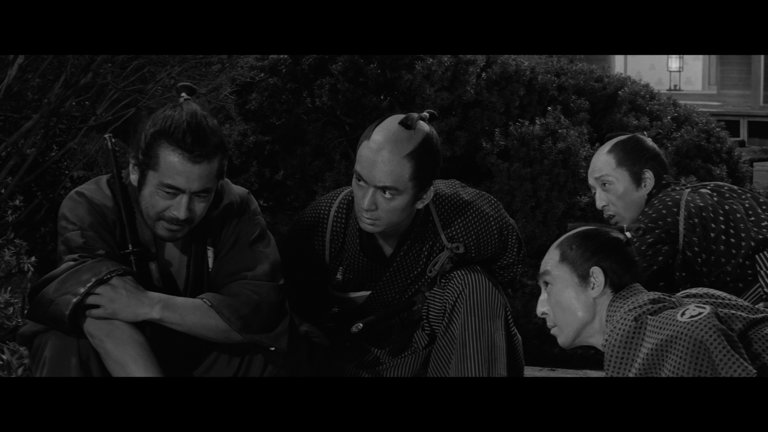
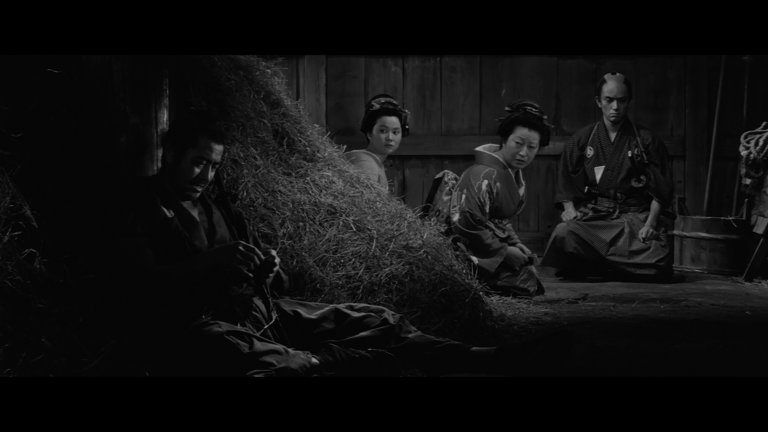
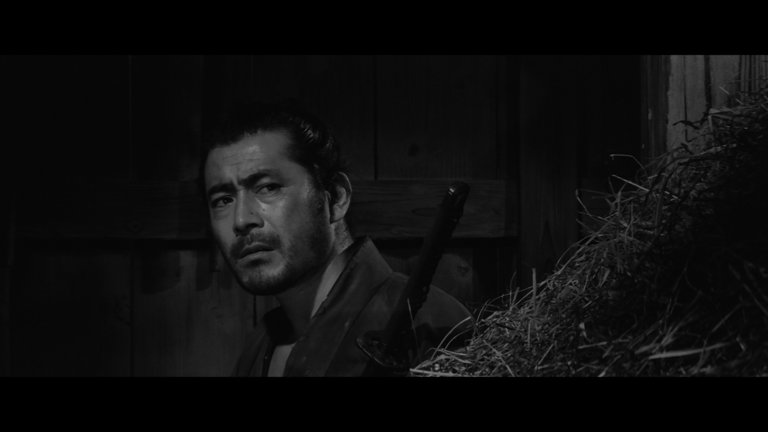
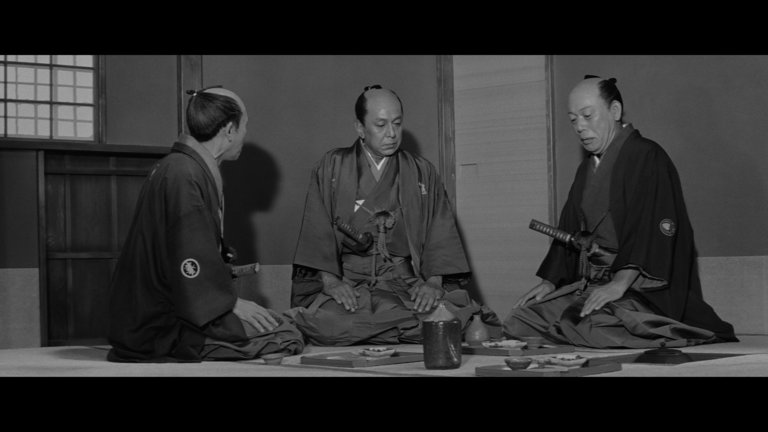
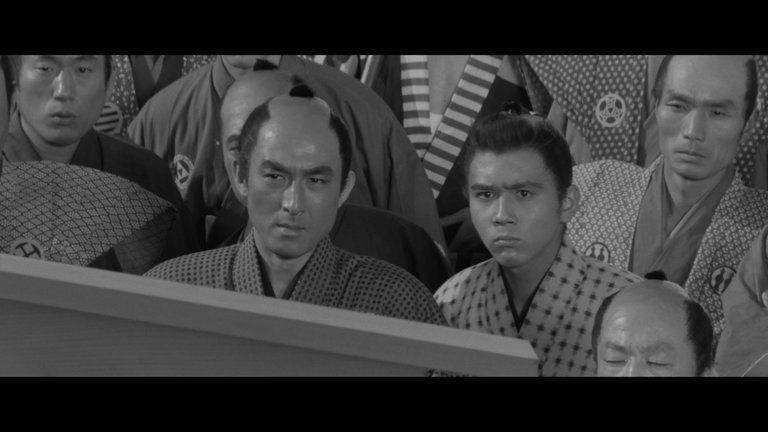
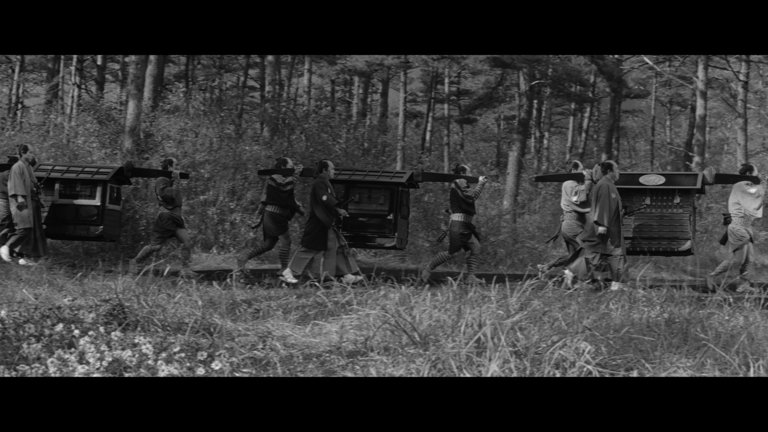
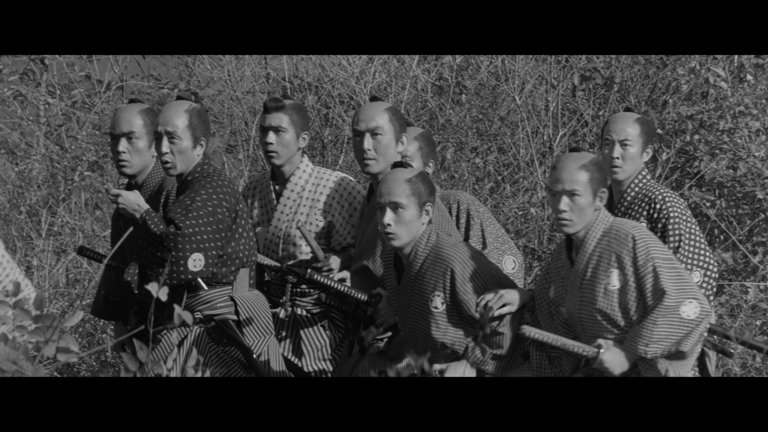
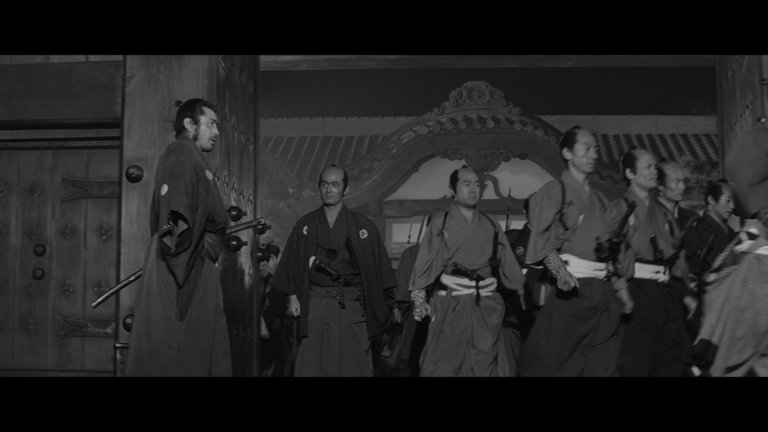
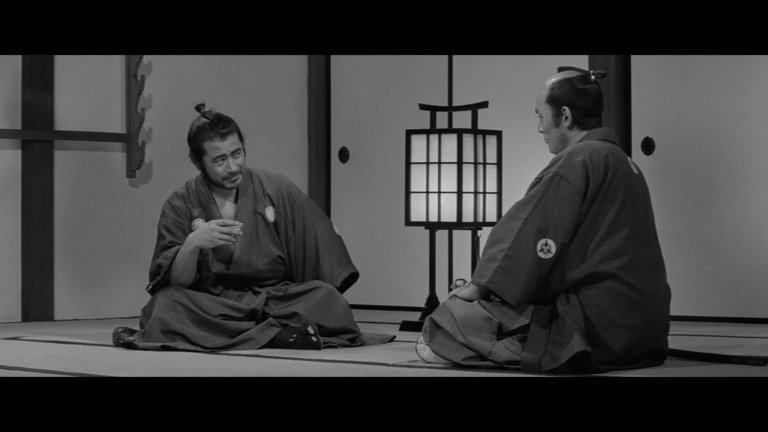
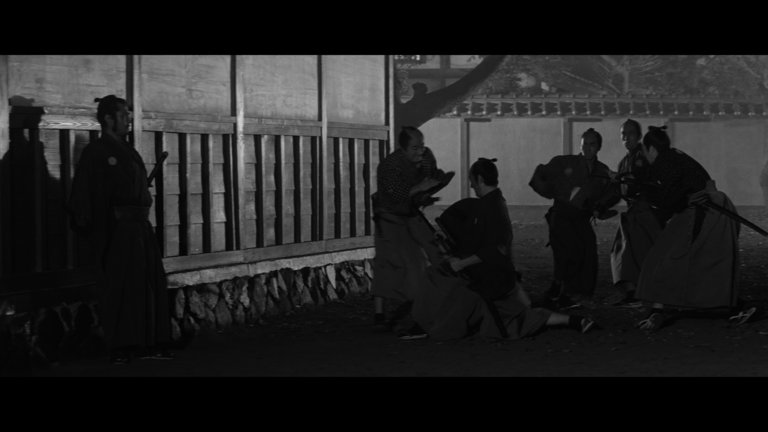
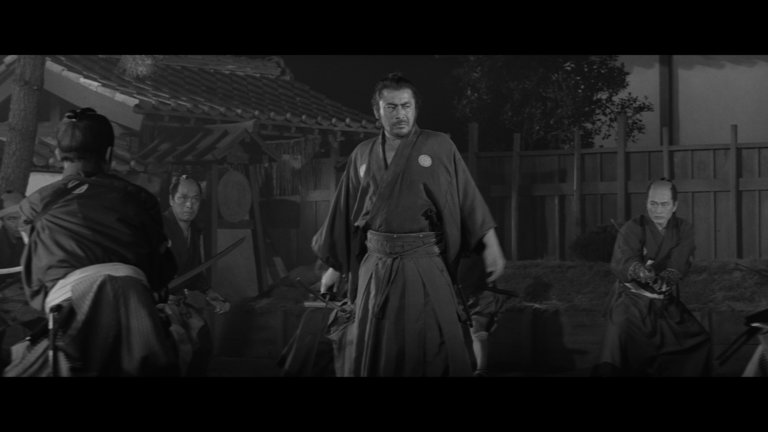
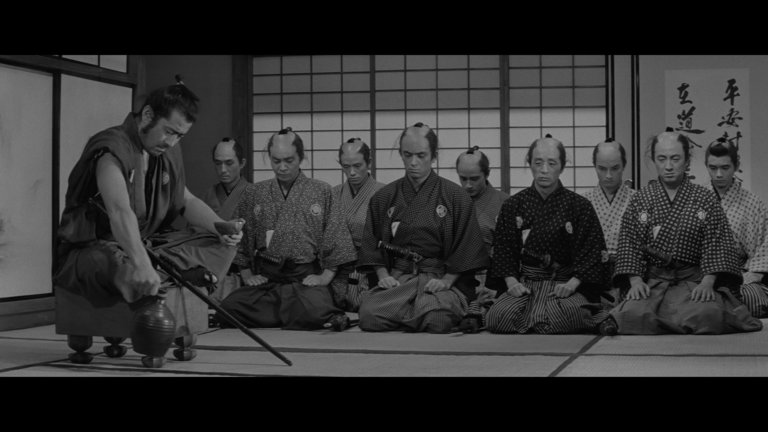
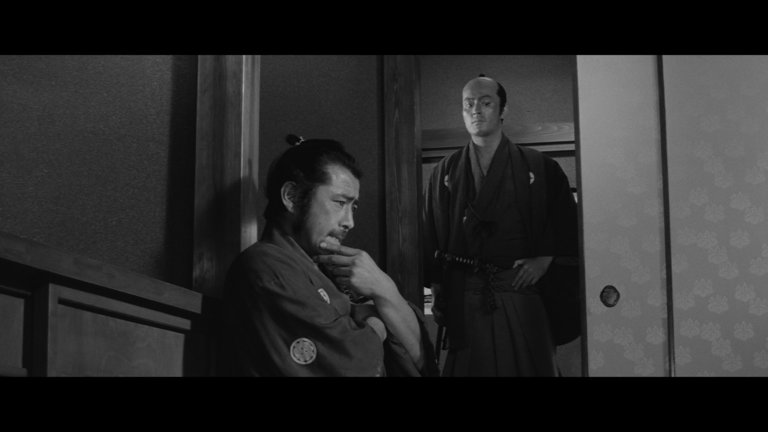
Sanjuro - Screen Captures
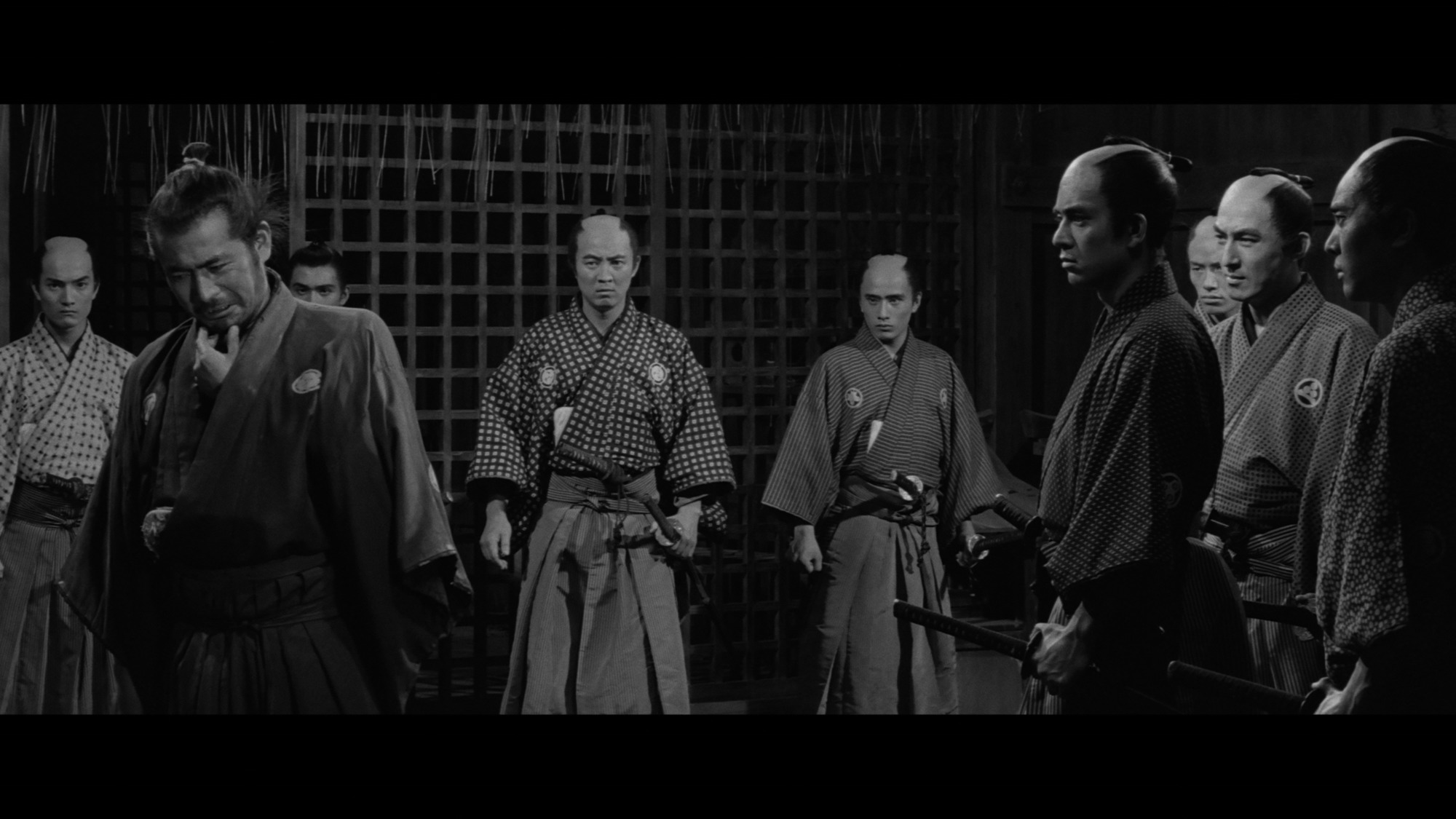
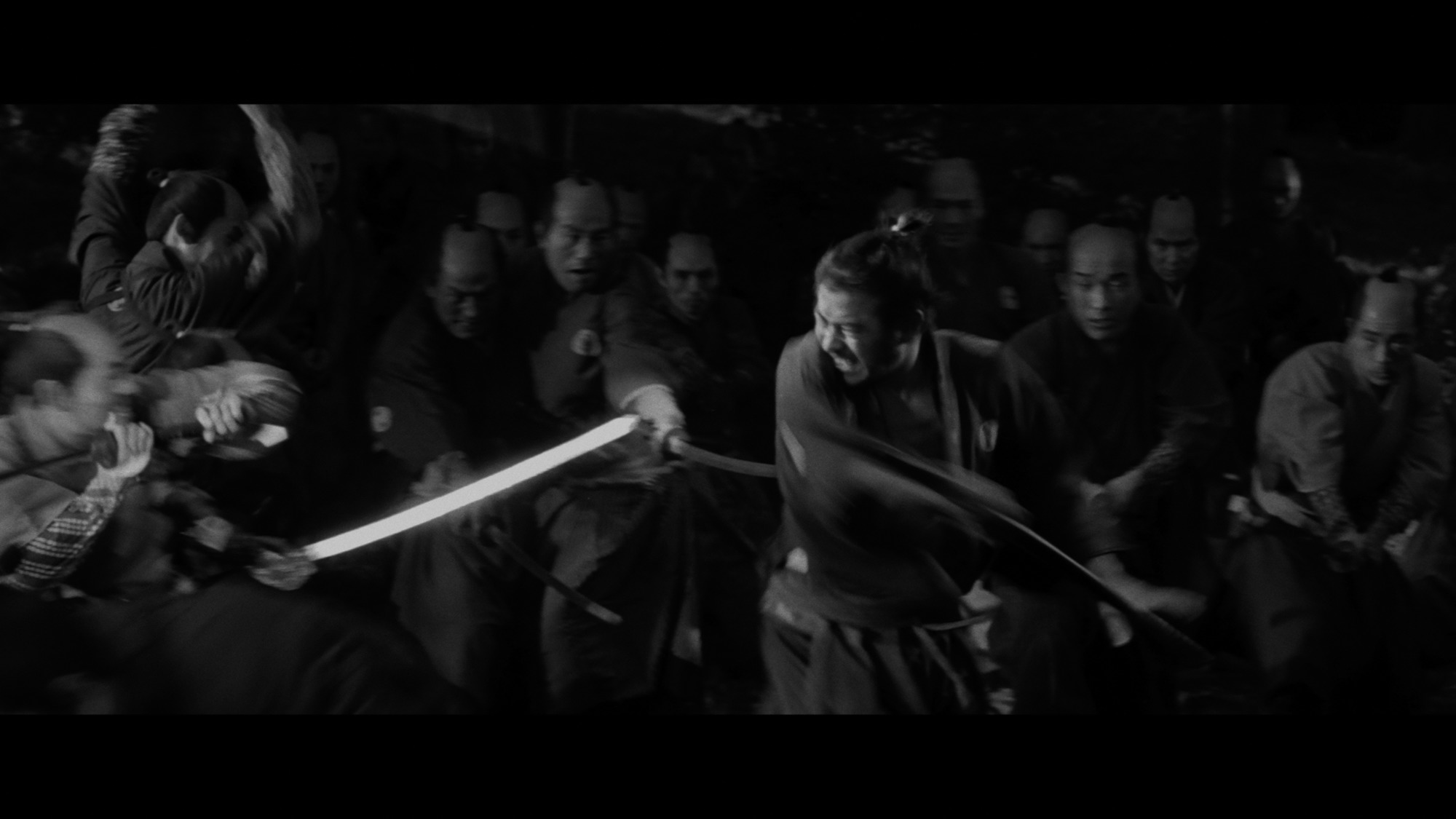
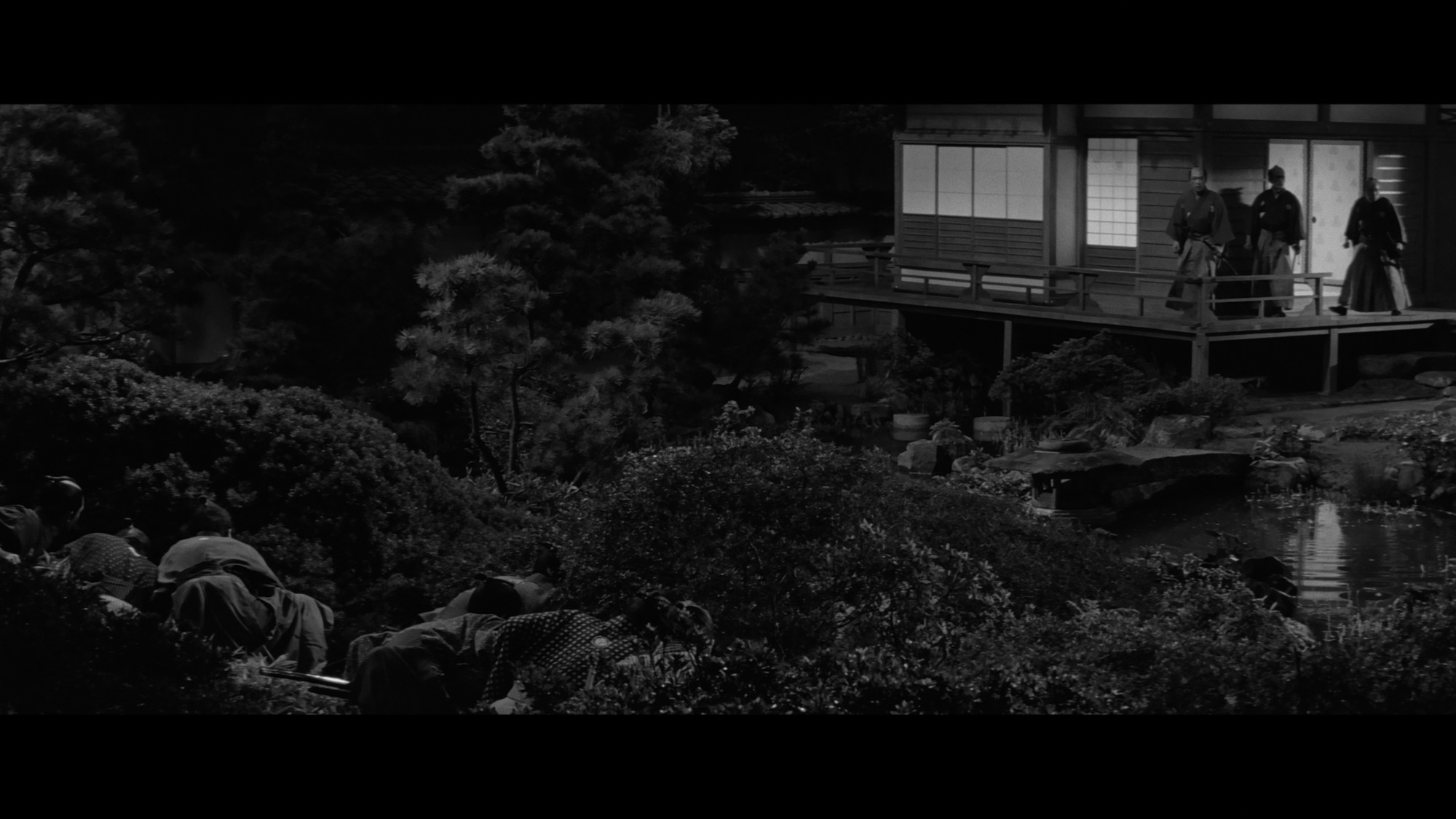
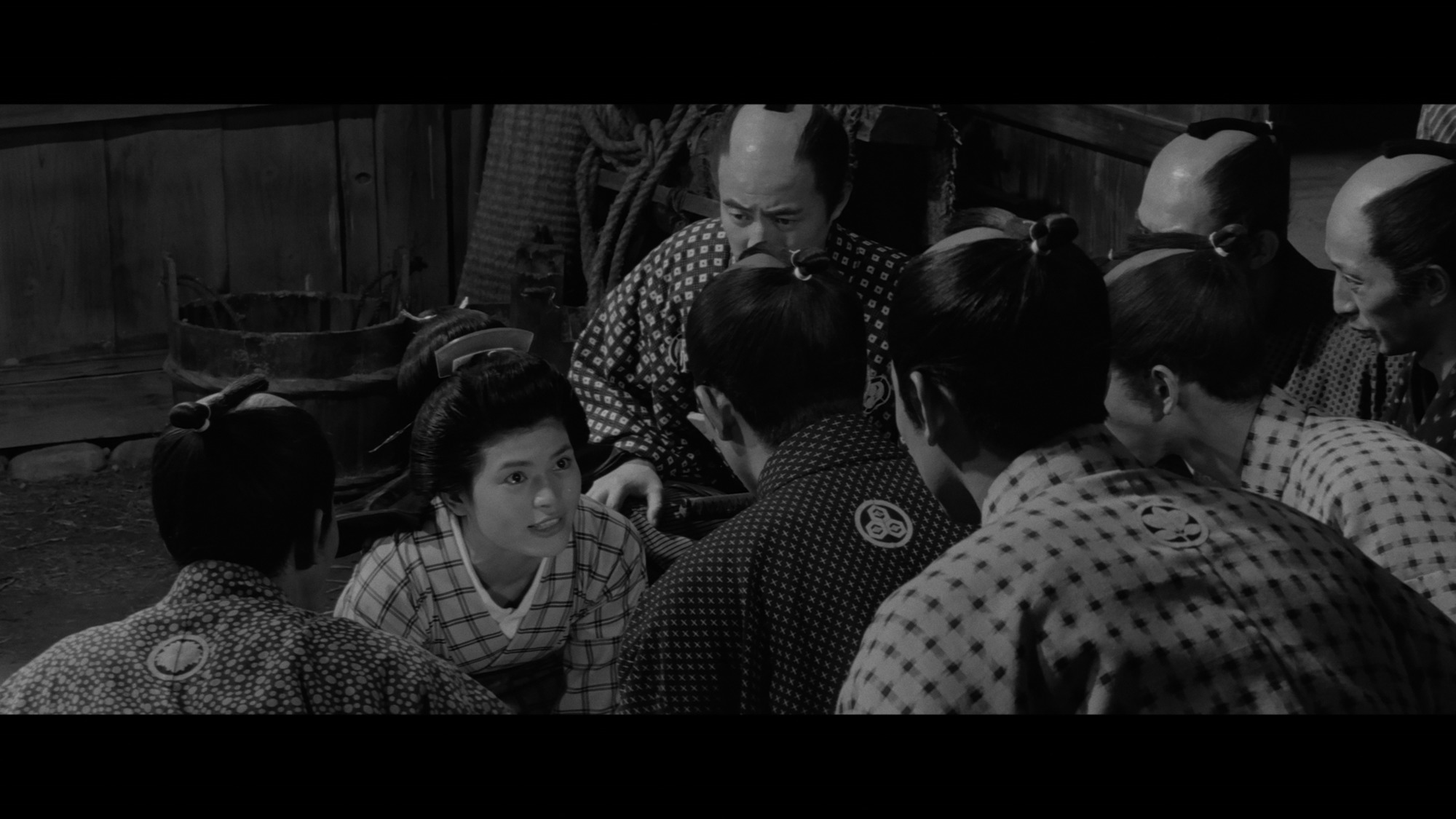
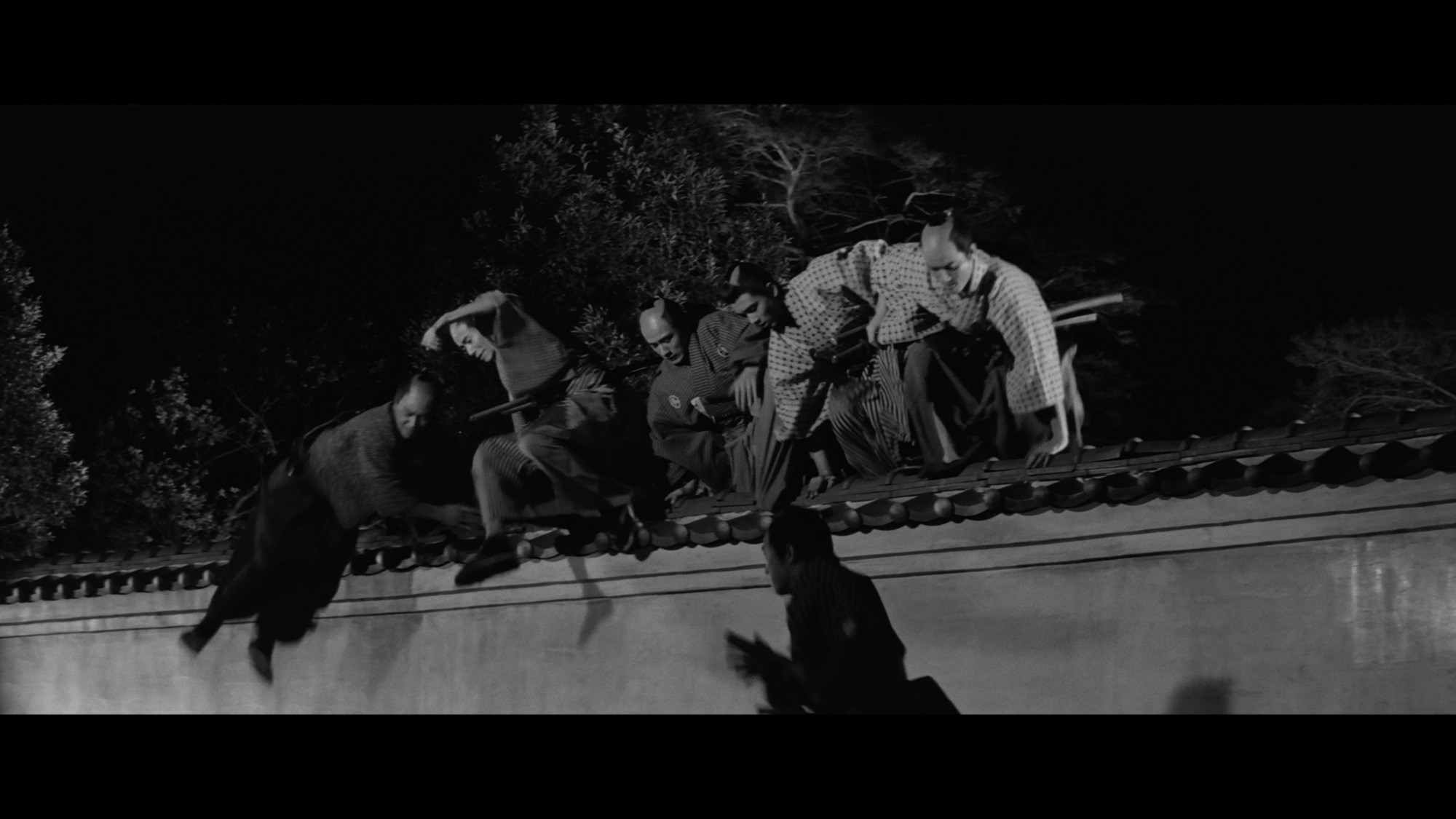
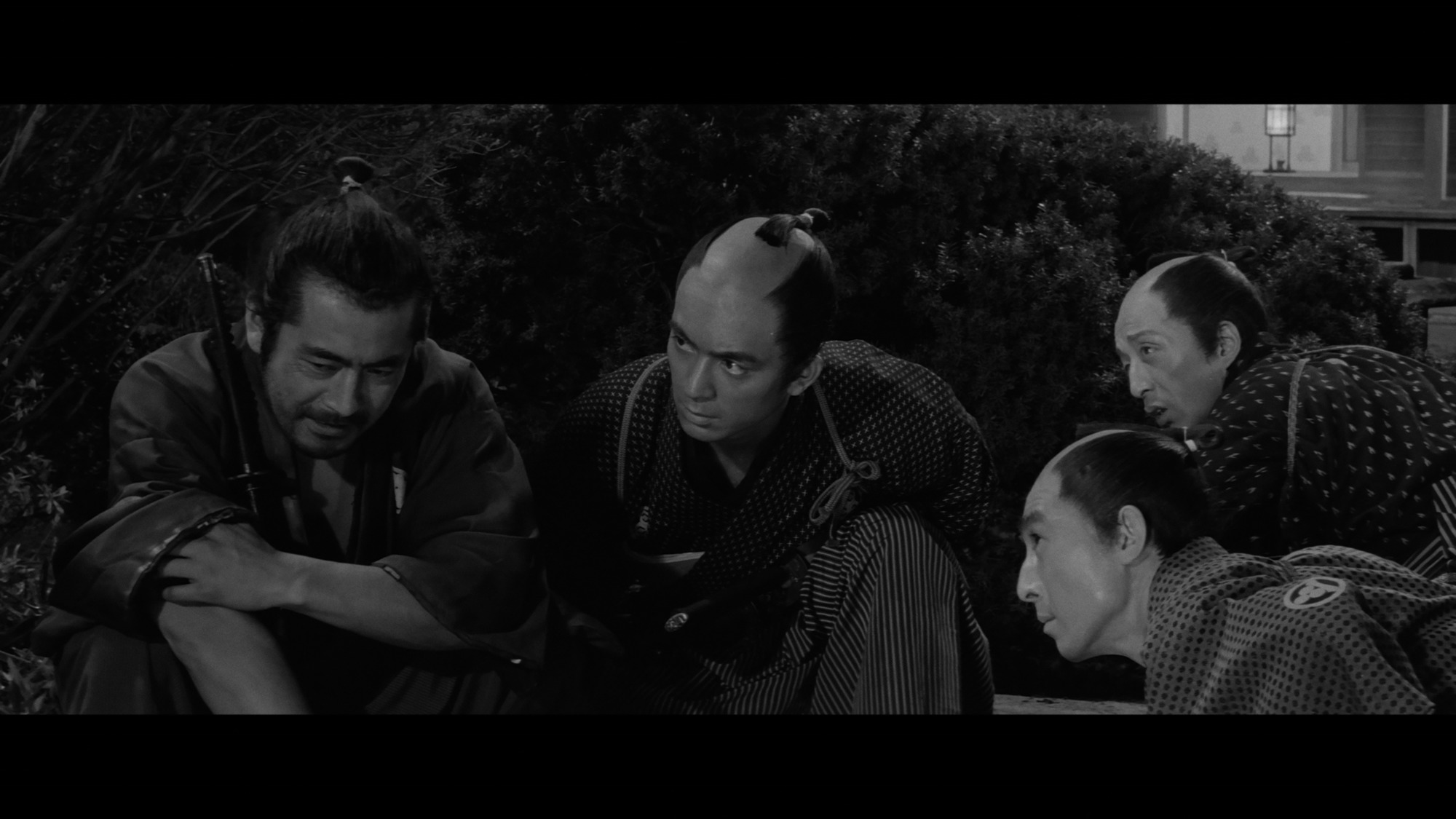
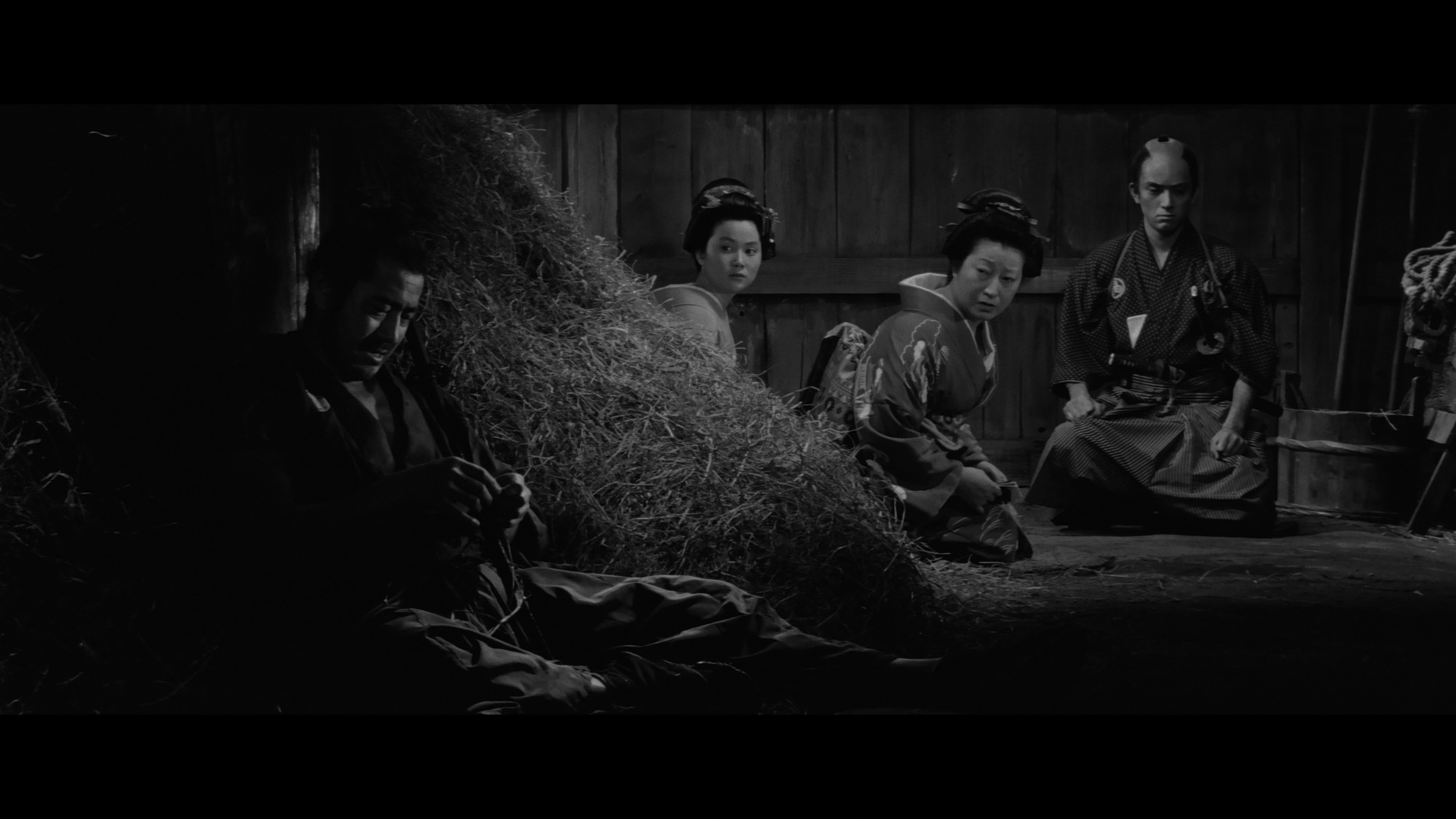
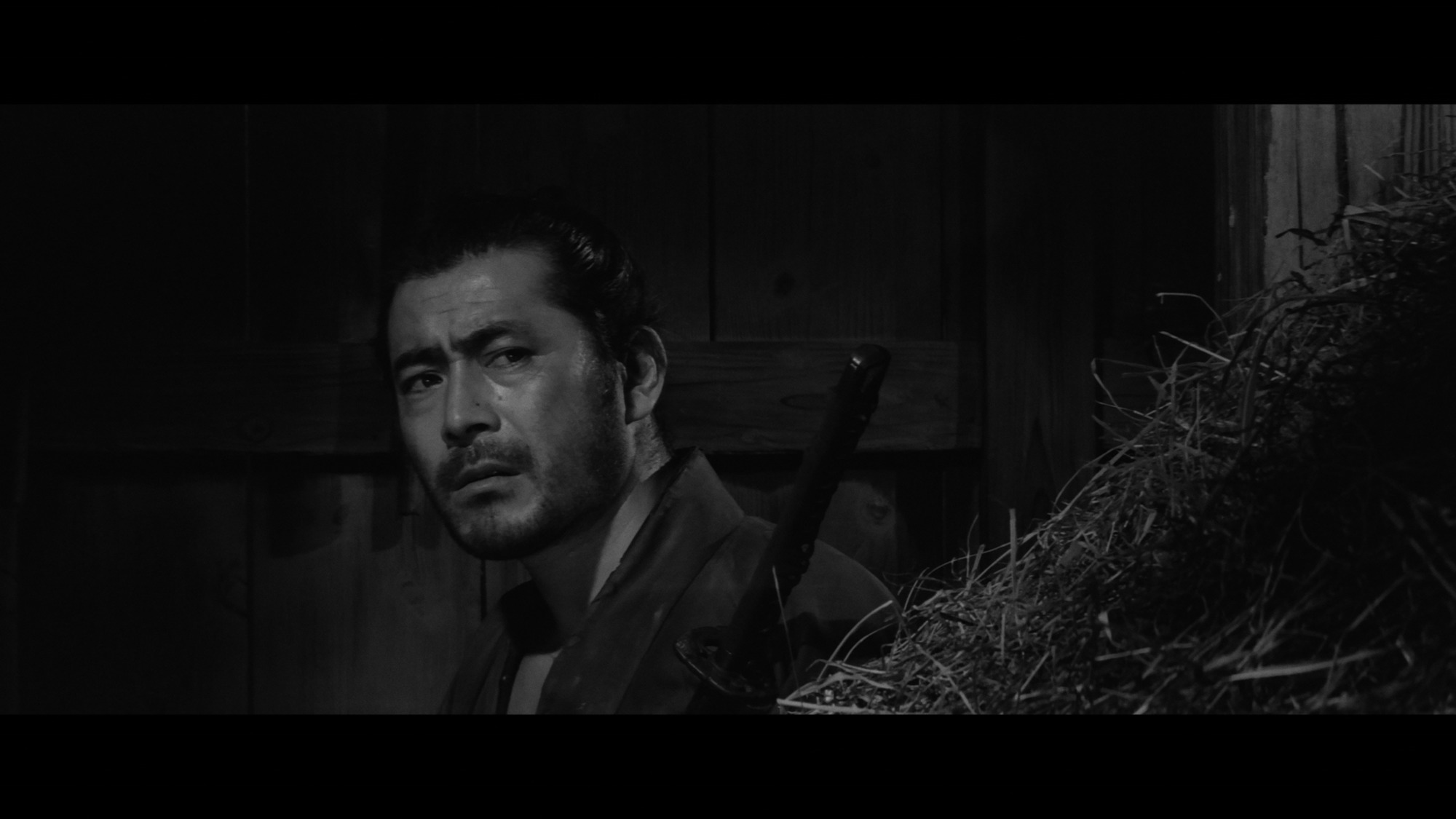
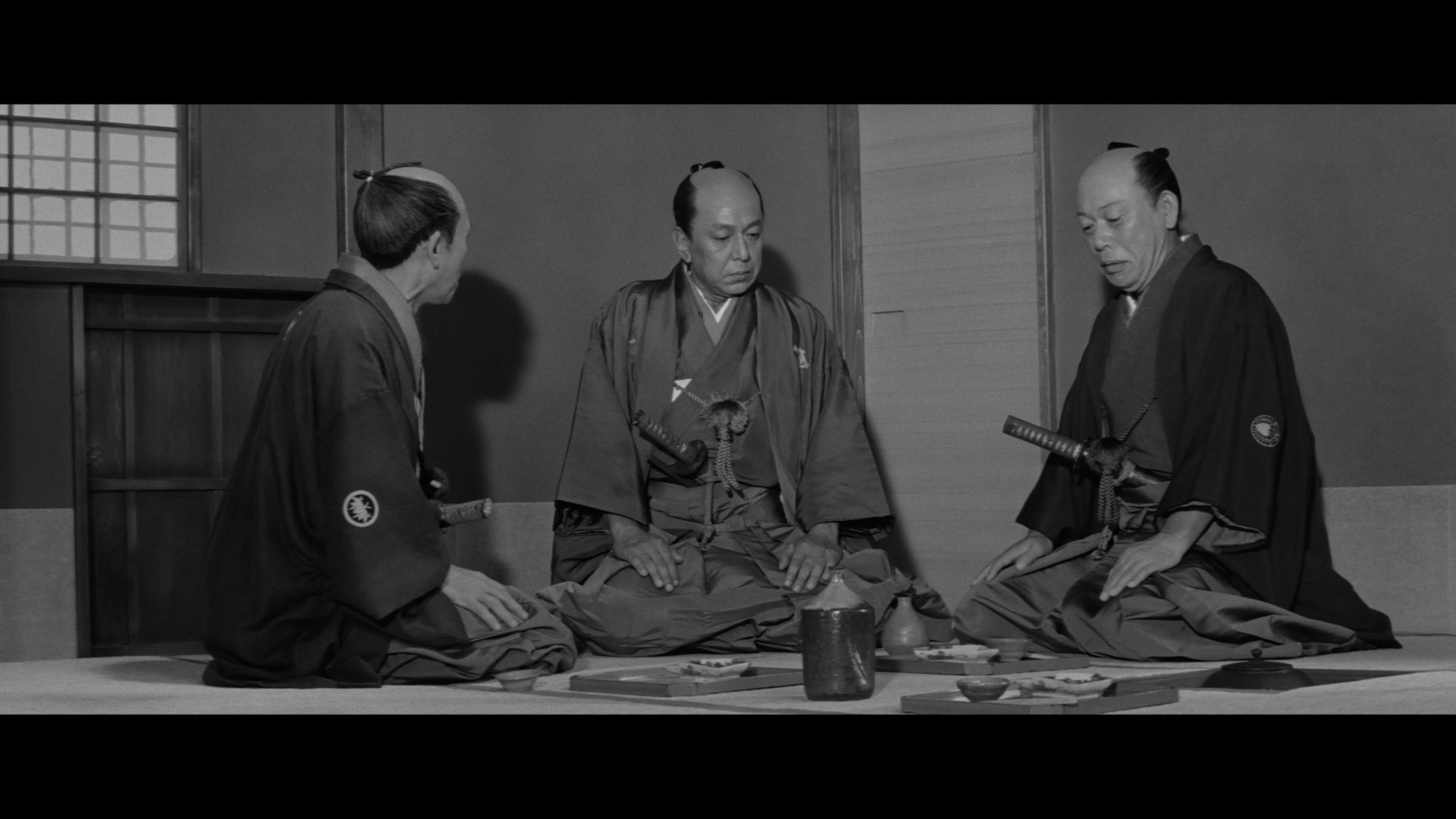
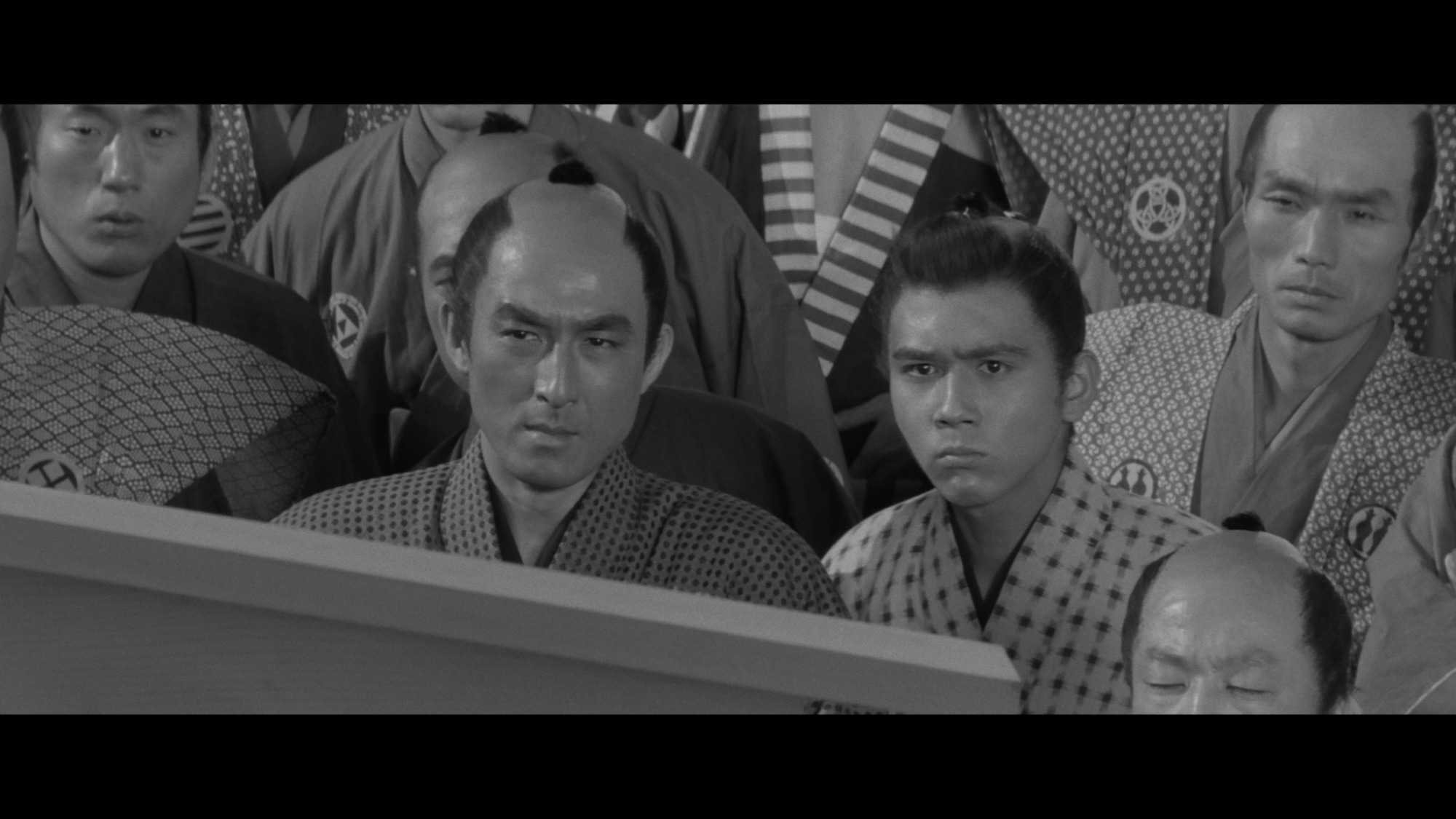
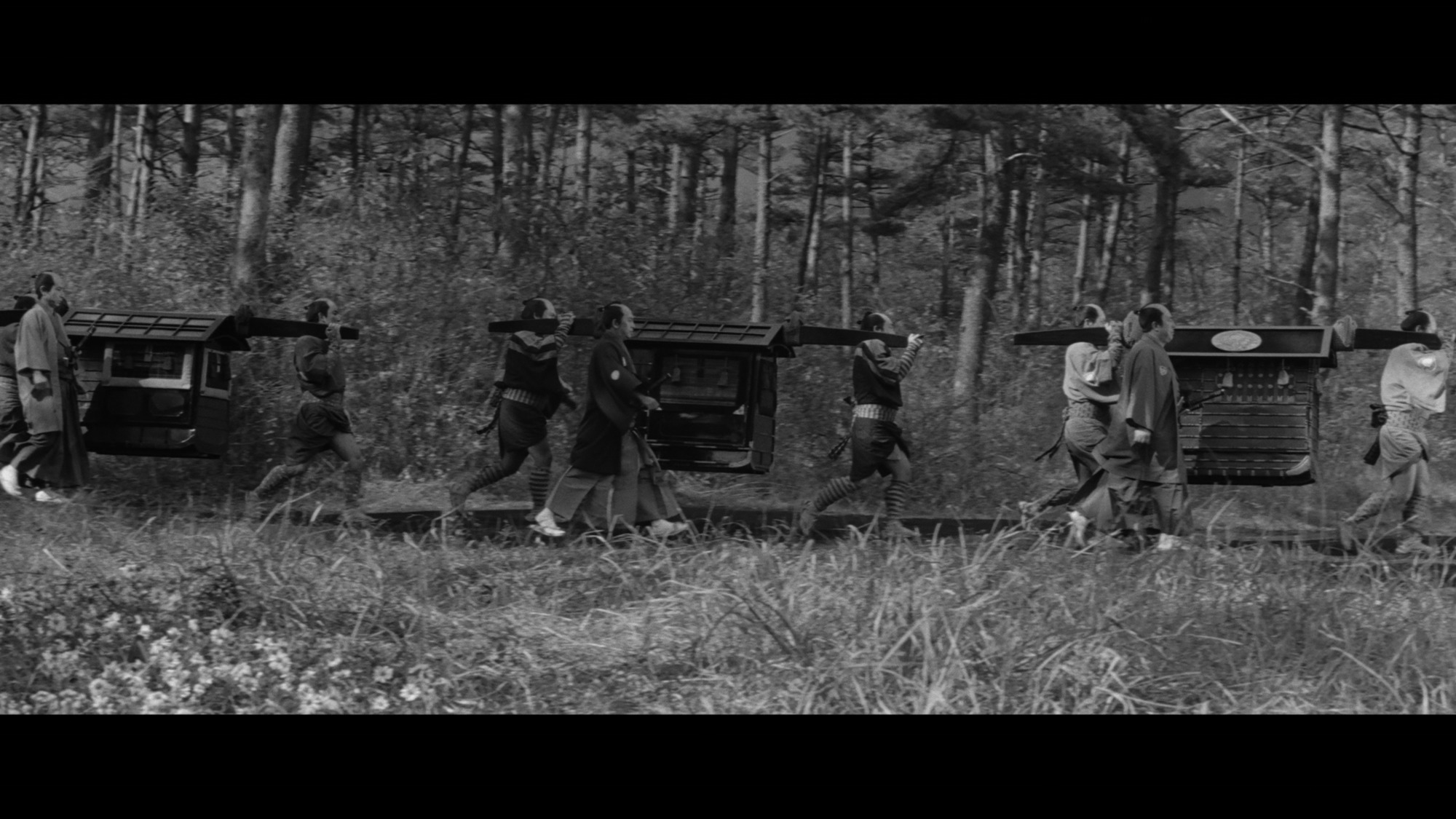
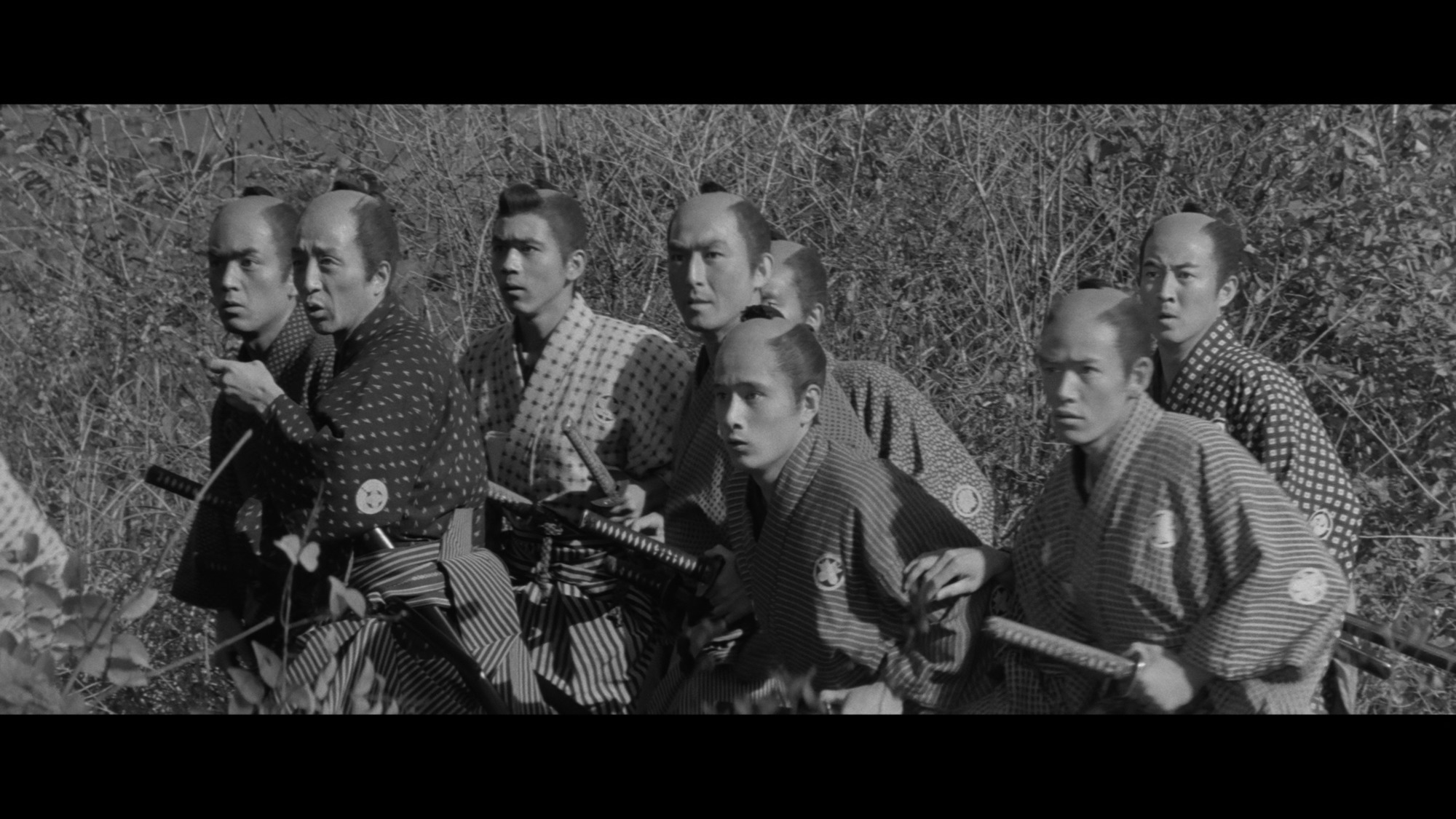
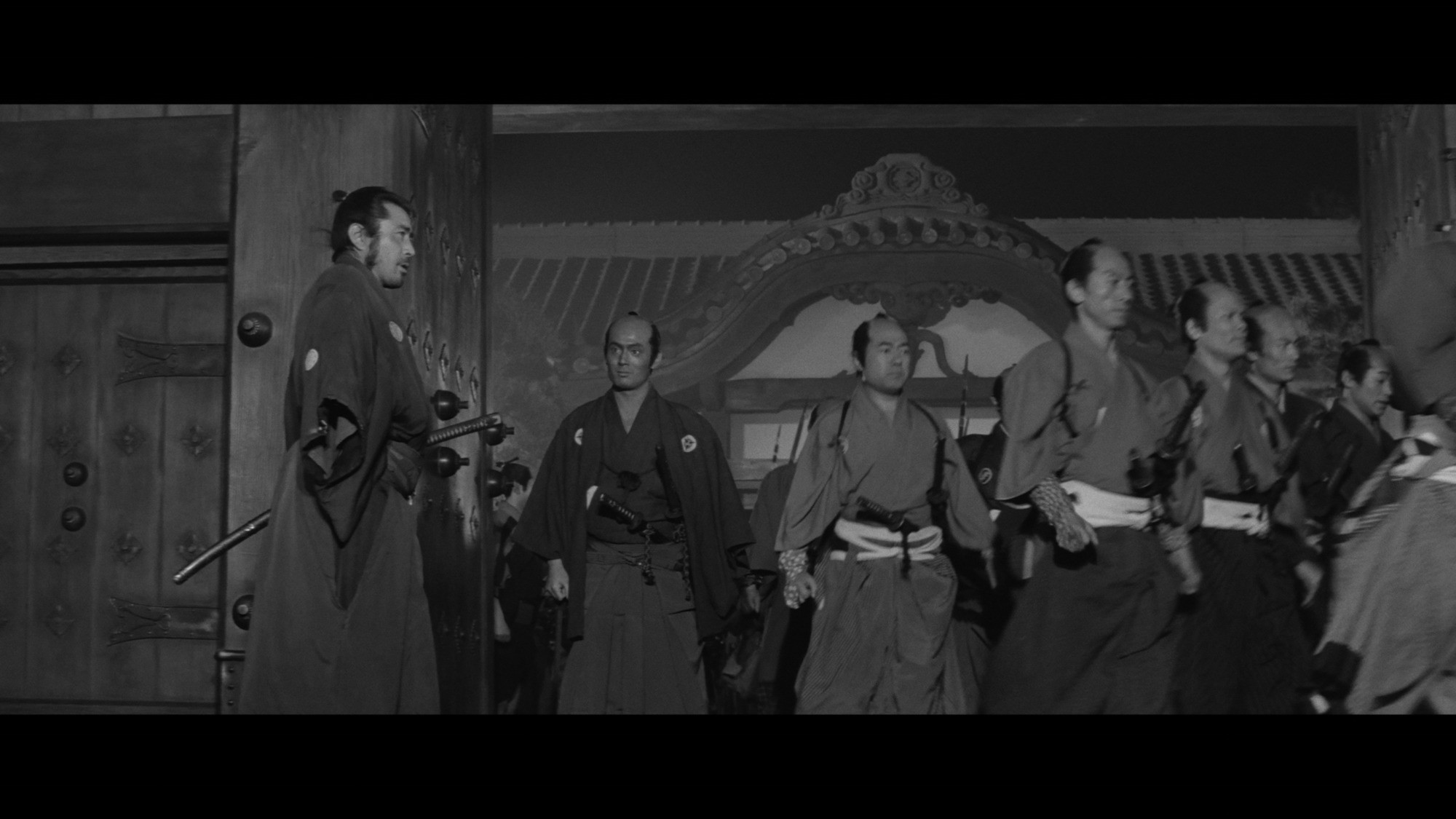
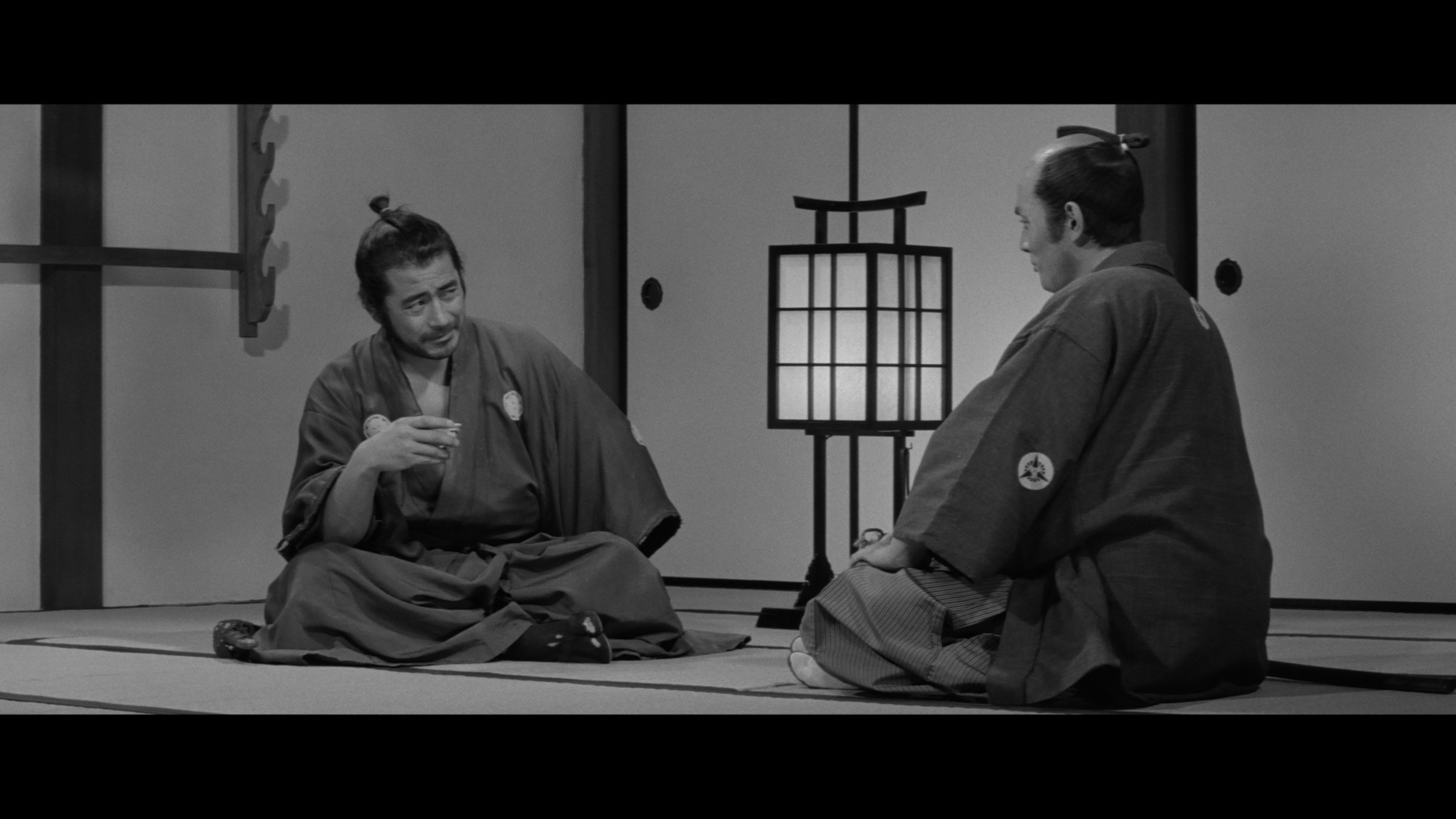
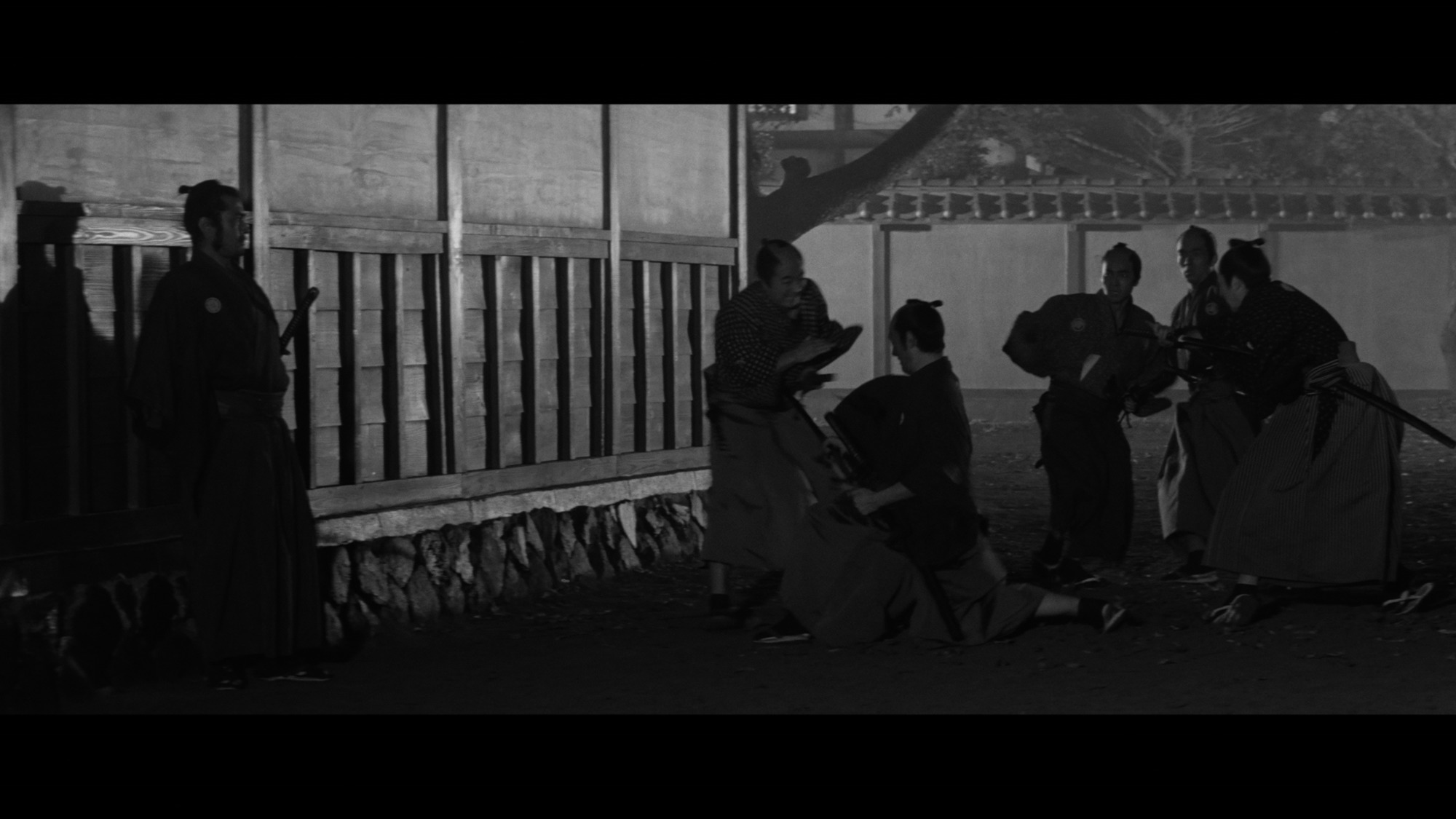
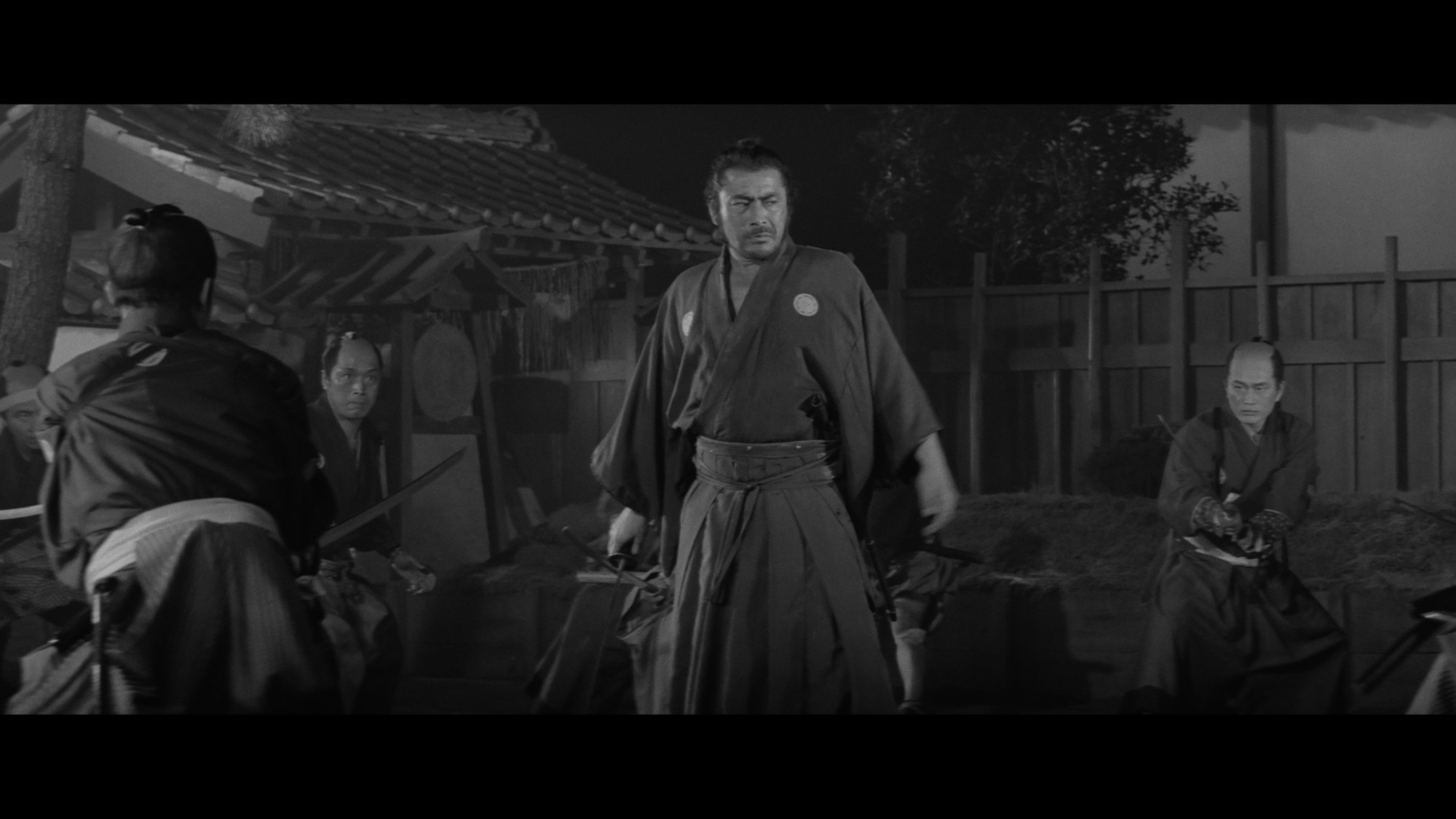
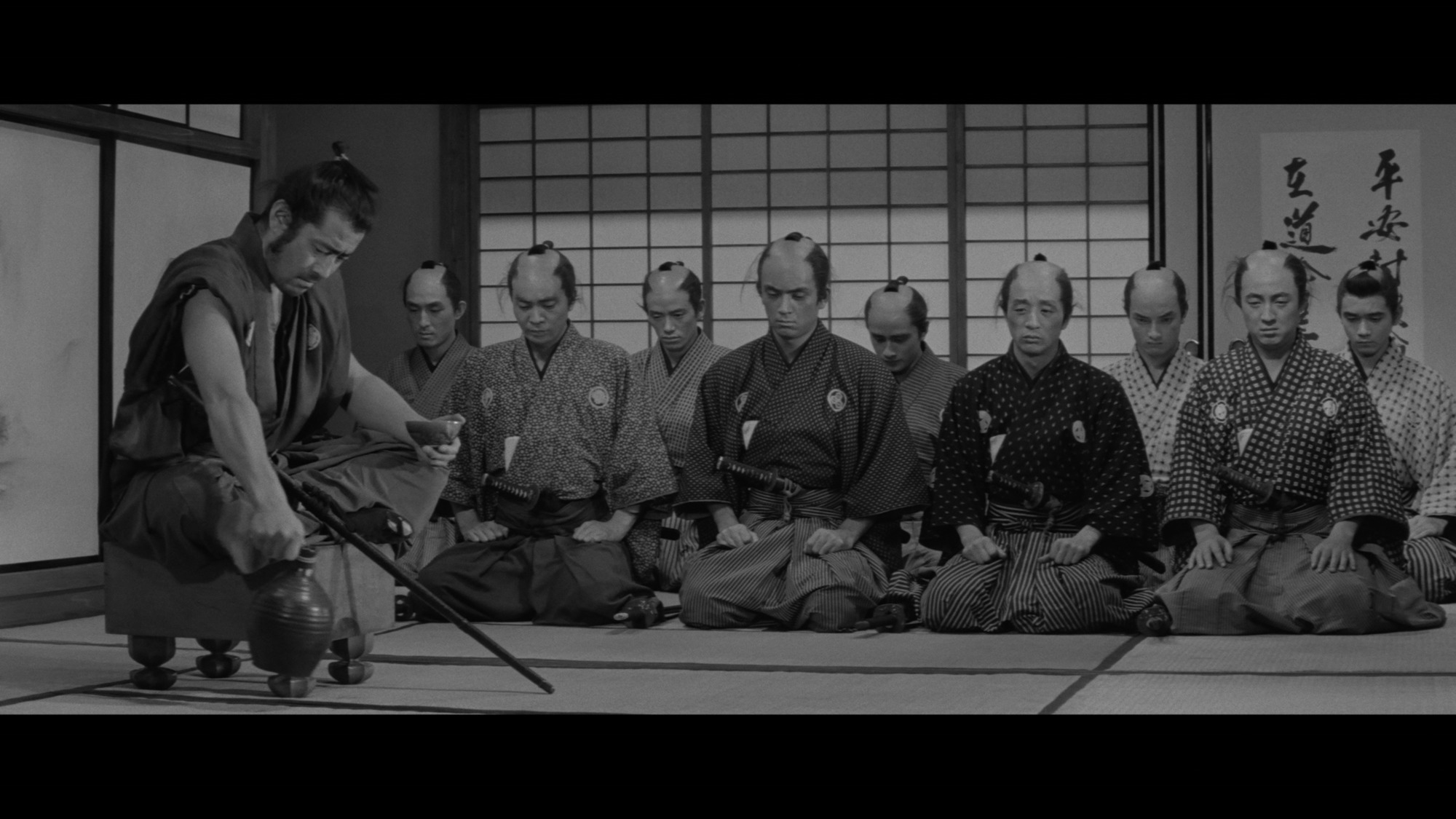
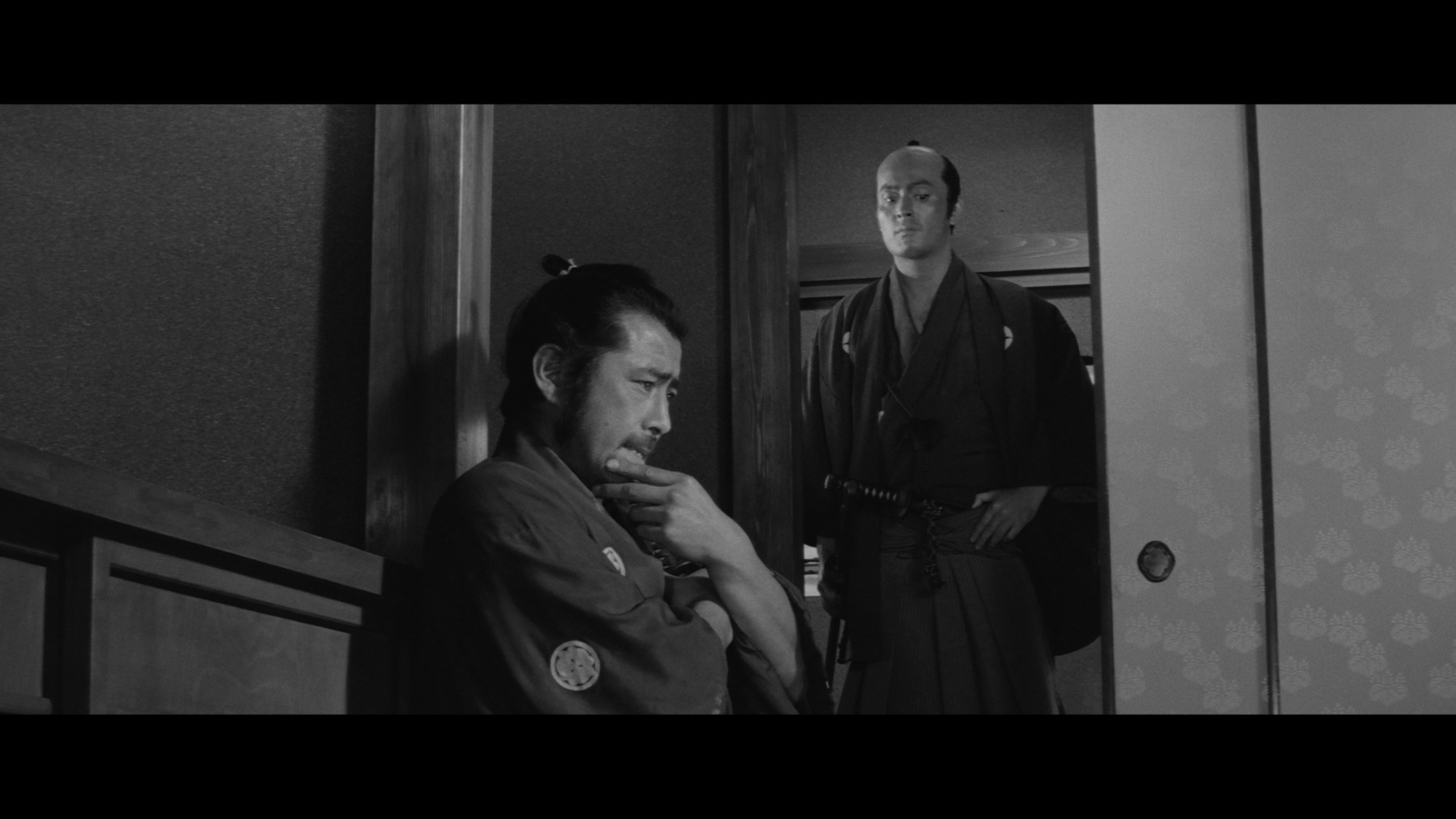
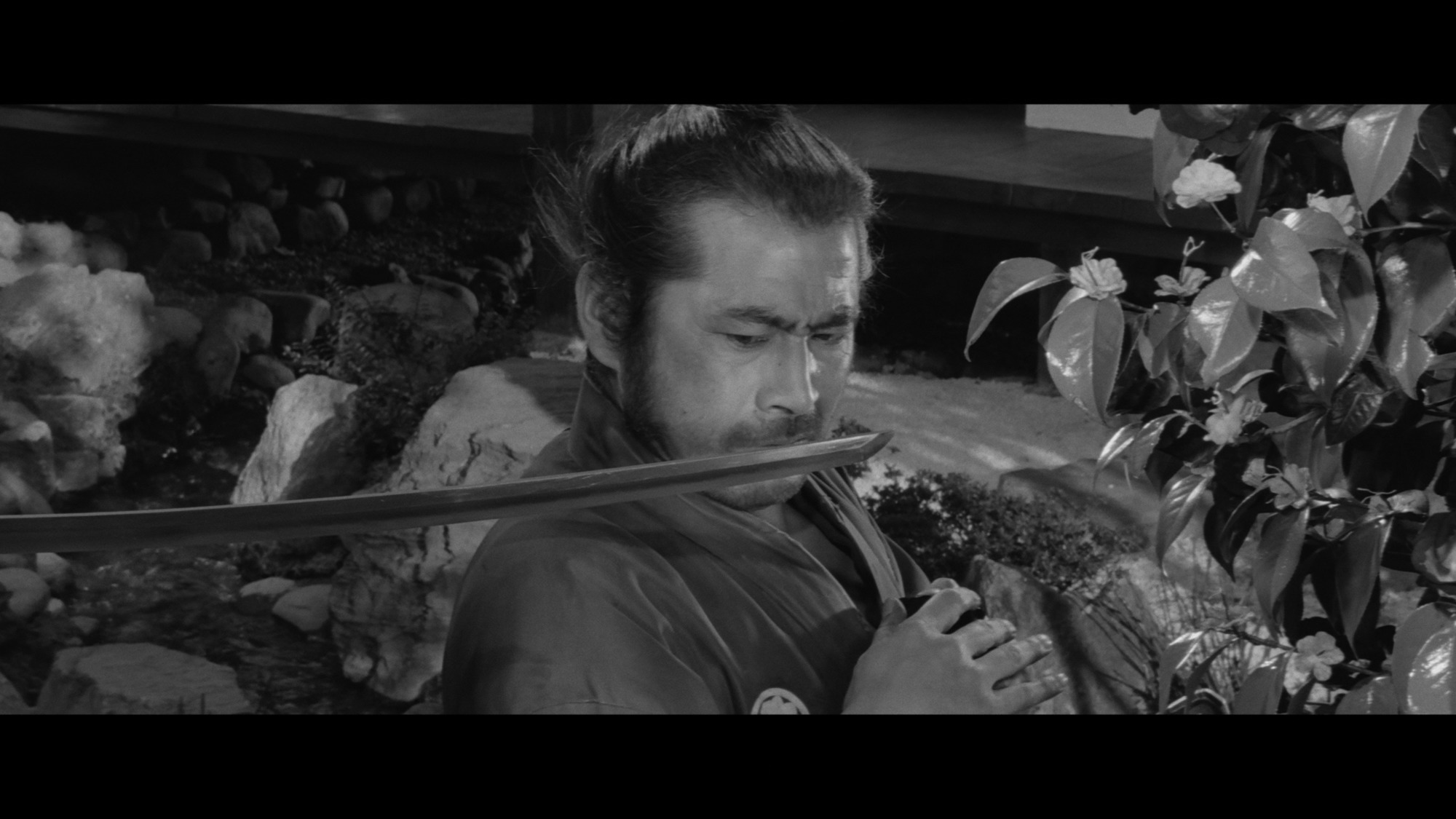
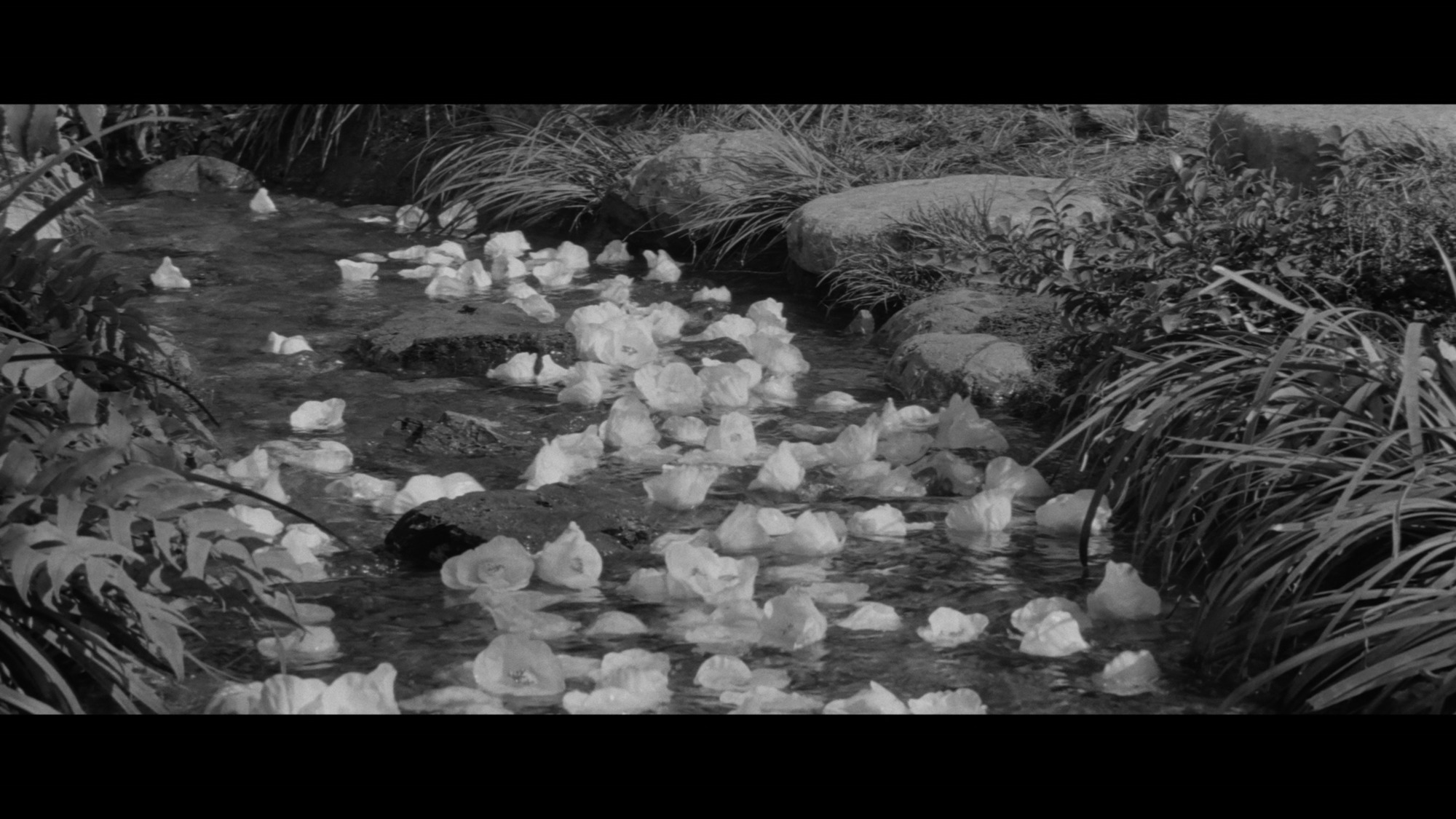
Audio 7/10
Like Yojimbo, Sanjuro comes with both a lossless PCM 1.0 monaural soundtrack and a recreation of the 3.0 Perspecta track, which is presented in a DTS-HD MA 5.1 container but directs audio solely to the three front speakers. And, again like Yojimbo, it sounds like both tracks have received new restorations.
Both tracks are sharper than those found on the previous Blu-ray edition, sounding less muddled with a decent range between highs and lows. The music can come across as a bit edgy at times, but overall, it’s well-balanced. Of the two, I probably preferred the 3.0 presentation, as it expands the soundfield and has a little more punch under the hood. That said, both tracks sound great, and no matter which one viewers go with, they should be more than satisfied.
Extras 7/10
The included Blu-ray is a direct port of the previous edition and contains all of the same supplements. This includes the audio commentary by Stephen Prince, which appears on both the 4K and Blu-ray discs (no other features are included on the 4K).
Prince has provided several commentaries for Kurosawa’s films, including Yojimbo, with a few ranking among my favorites. To my surprise, looking back at my past comments on his tracks for both Yojimbo and Sanjuro, it seems I didn’t care much for them at the time. I can’t really agree with my old self there—revisiting them, I found both quite enjoyable.
Prince covers the film’s production history, explaining how it evolved into a sequel to Yojimbo, before diving into comparisons between the two films—including the reuse of actors in different roles, the tonal differences in humor, and the debate over whether Mifune is playing two distinct characters. He also provides some historical context for the film’s setting (as he does for Yojimbo) and again examines Kurosawa’s pacing, cinematography, and framing. As with Yojimbo, I wouldn’t rank this among Prince’s best commentaries, but I apparently enjoyed it much more this time around.
The disc also features another episode from the Toho Masterworks series, Akira Kurosawa: It is Wonderful to Create. Running 35 minutes, this documentary offers a compelling behind-the-scenes look at Sanjuro through interviews with actors Keiju Kobayashi, Koshio Tsuchiya, Kunie Tanaka, and Tatsuya Nakadai, as well as cinematographers Takao Saito and Daisuke Kimura, script assistant Teruyo Nogami, and others—including archival footage of Kurosawa himself. The documentary covers how Kurosawa reworked an unrelated script into a sequel for Yojimbo, his obsessive attention to detail (such as his demand for thousands of camellia flowers), and even his initial desire to shoot the film in color, which he wouldn’t achieve until High and Low. There’s also an interesting segment demonstrating how the film’s sword-slashing sound effects were created.
But the real highlight of the documentary is its final third, which focuses entirely on Sanjuro’s climactic duel and the techniques that brought it to life. Hiroshi Kuze, son of the film’s swordplay coordinator, Ryu Kuze, provides a demonstration of the final move, which is further broken down through photos. There’s also an in-depth discussion of the final effect (avoiding spoilers here), with Nakadai offering an amusing recollection of the moment, revealing that his facial expression in the scene wasn’t entirely acting. It’s a fantastic segment and one of the best in the Wonderful to Create series.
The disc rounds things out with a theatrical trailer (featuring behind-the-scenes footage) and a teaser trailer showing Mifune and Nakadai walking through the studio lot. A small stills gallery follows, offering about ten images.
The included booklet adds some value, featuring Michael Sragow’s essay, a revised version of what he wrote for the 1999 DVD edition, along with reprints of interviews from a 2002 Japanese DVD release. These interviews, with production designer Yoshiro Muraki, actor Keiju Kobayashi, and script assistant Teruyo Nogami, are all worth reading.
And that’s about it. I enjoyed the content more this time around (Prince's commentary in particular), though it does still feel like a slim amount of material.
Closing
The title still offers a slim selection of supplements, but the 4K presentation is a notable upgrade.
BUY AT: