The Wes Anderson Archive: Ten Films, Twenty-Five Years
Rushmore
BUY AT:


See more details, packaging, or compare
Synopsis
Wes Anderson’s first ten features represent twenty-five years of irrepressible creativity, an ongoing ode to outsiders and quixotic dreamers, and a world unto themselves, graced with a mischievous wit and a current of existential melancholy that flows through every captivating frame. This momentous twenty-disc collector’s set includes new 4K masters of the films, over twenty-five hours of special features, and ten illustrated books, presented in a deluxe clothbound edition.
Picture 10/10
Continuing through Criterion’s latest director-focused box set, The Wes Anderson Archive, Anderson’s sophomore effort Rushmore receives a 4K upgrade, presented in its original aspect ratio of 2.40:1 on a triple-layer disc. The 2160p/24hz ultra high-definition presentation, graded in Dolby Vision, comes from a new 4K restoration sourced from a scan of the 35mm original camera negative. A standard Blu-ray is also included, featuring the same 1080p presentation and video supplements from Criterion’s 2011 edition, though with an updated menu that fits the design of the box set.
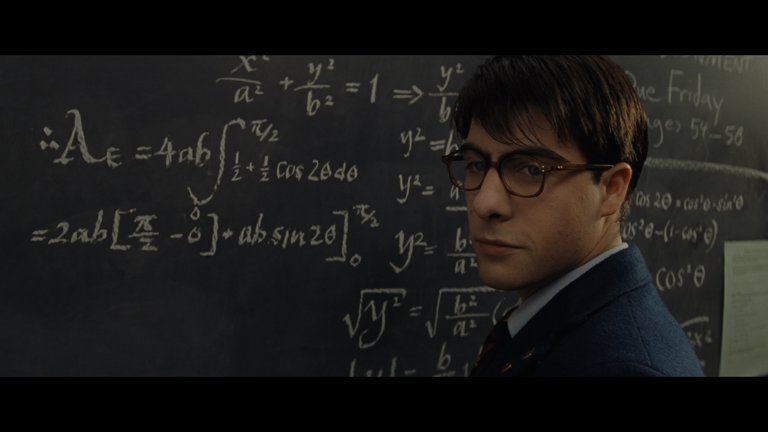
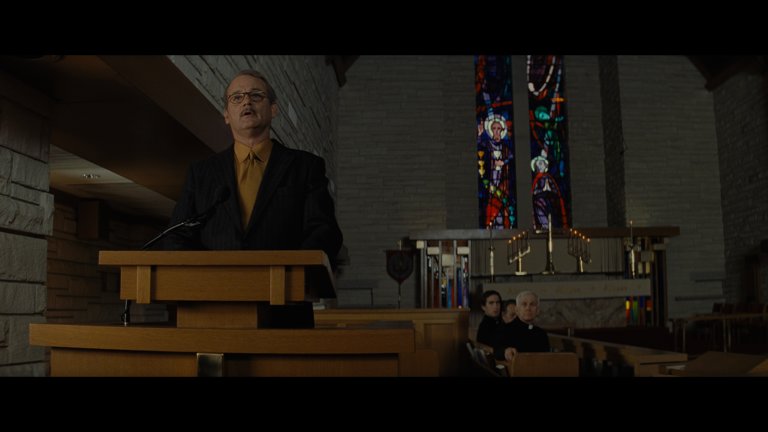
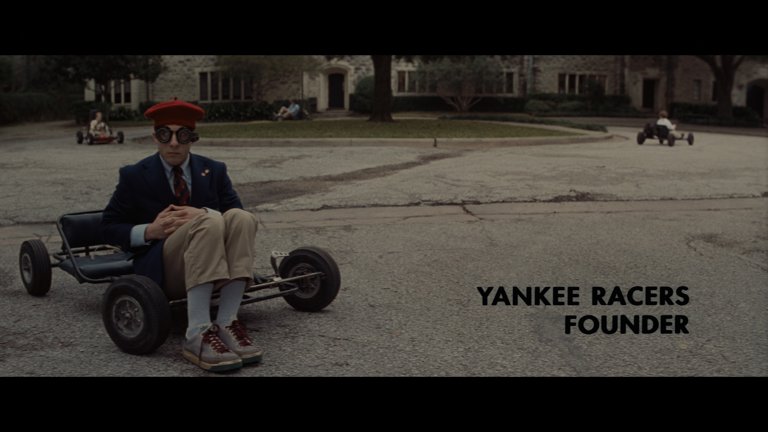
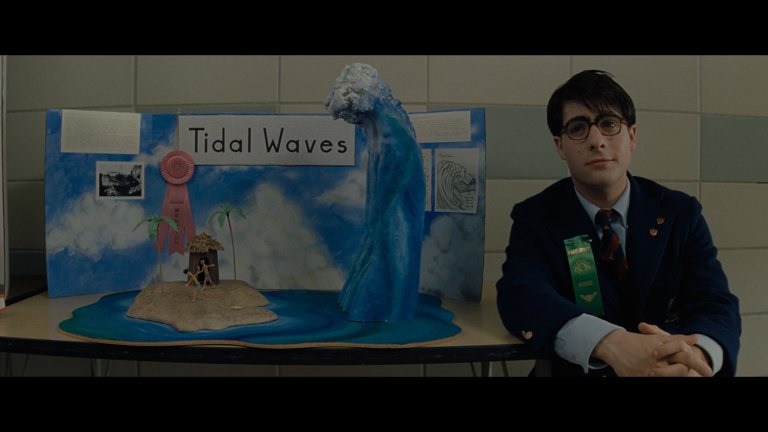
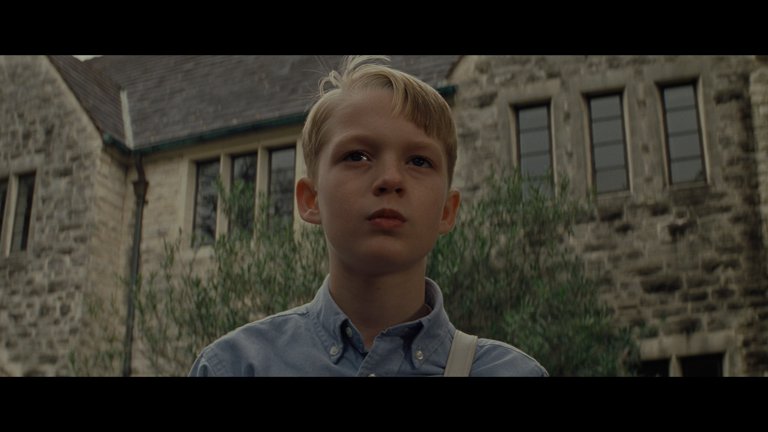
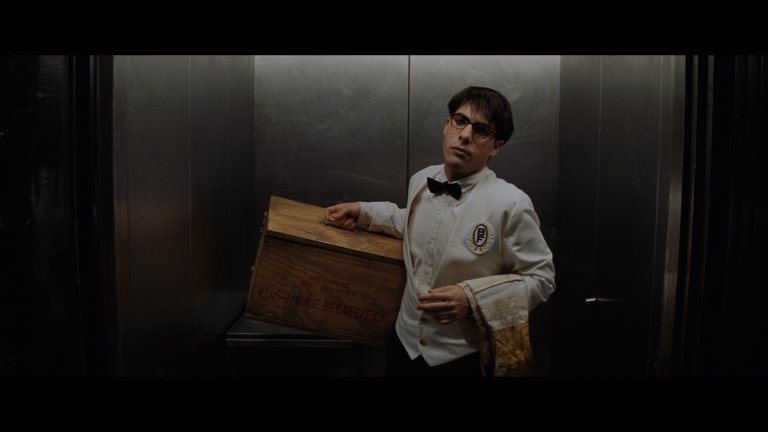
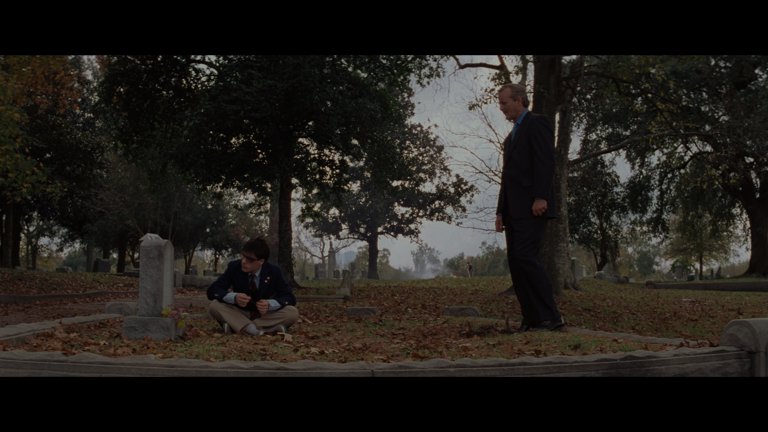
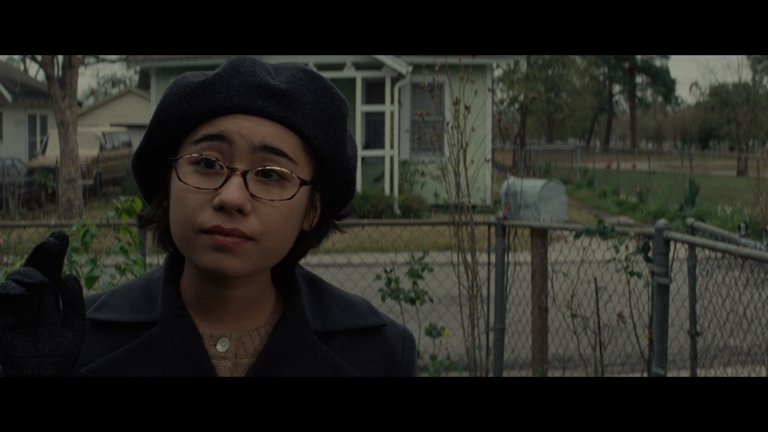
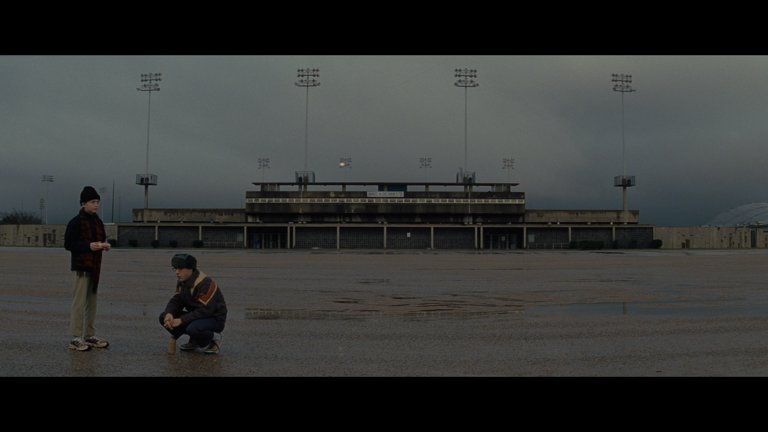
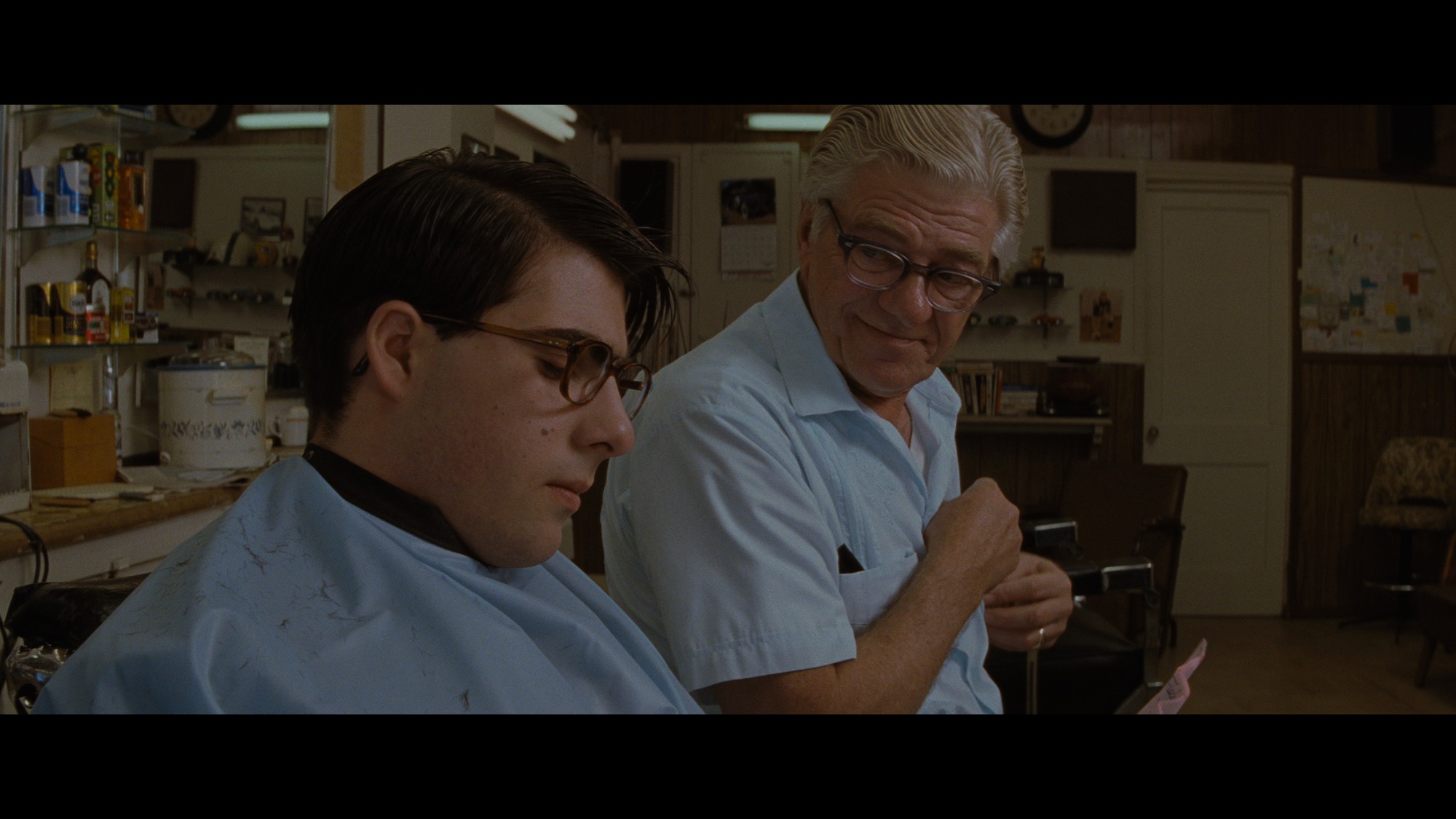
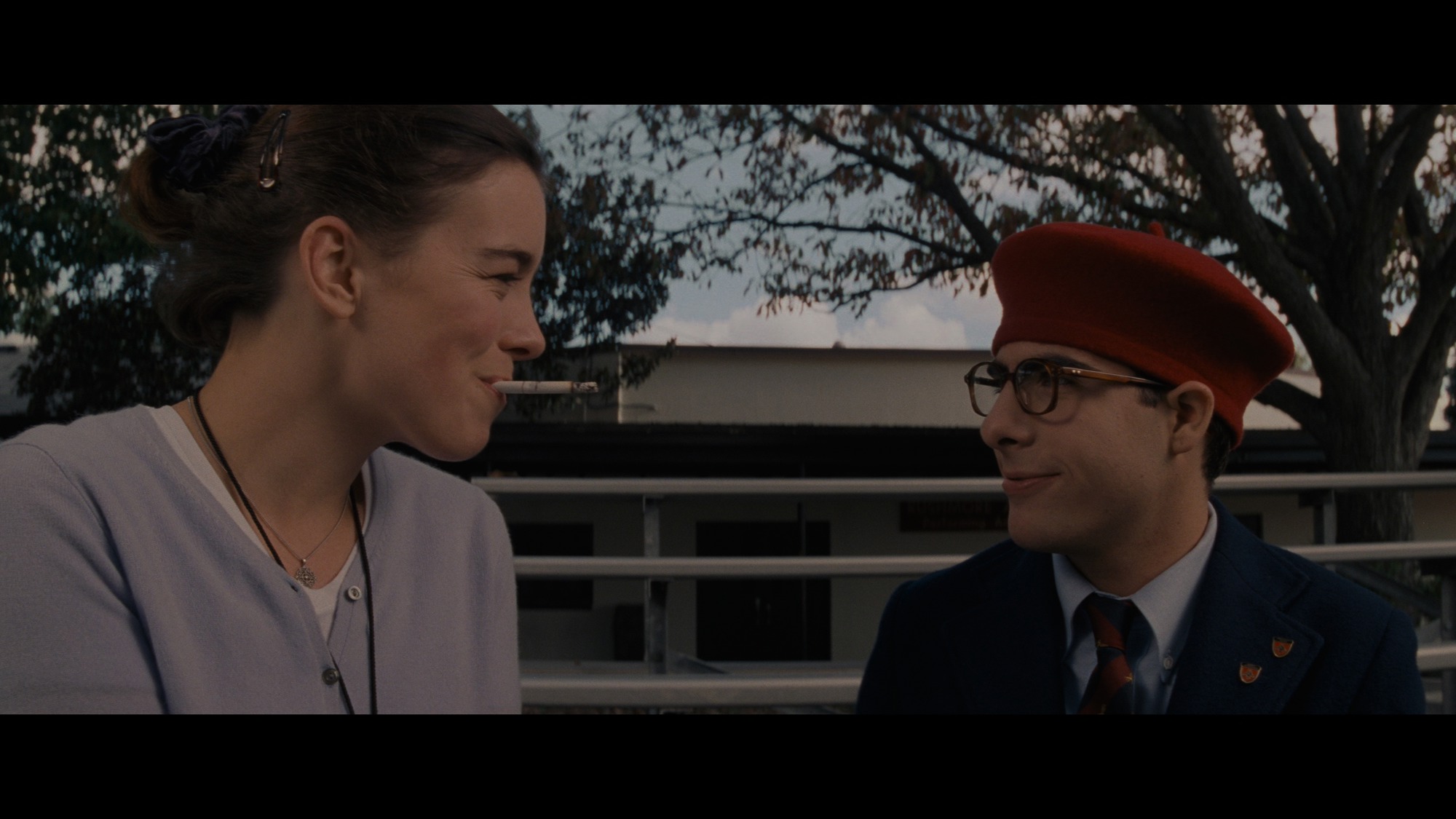
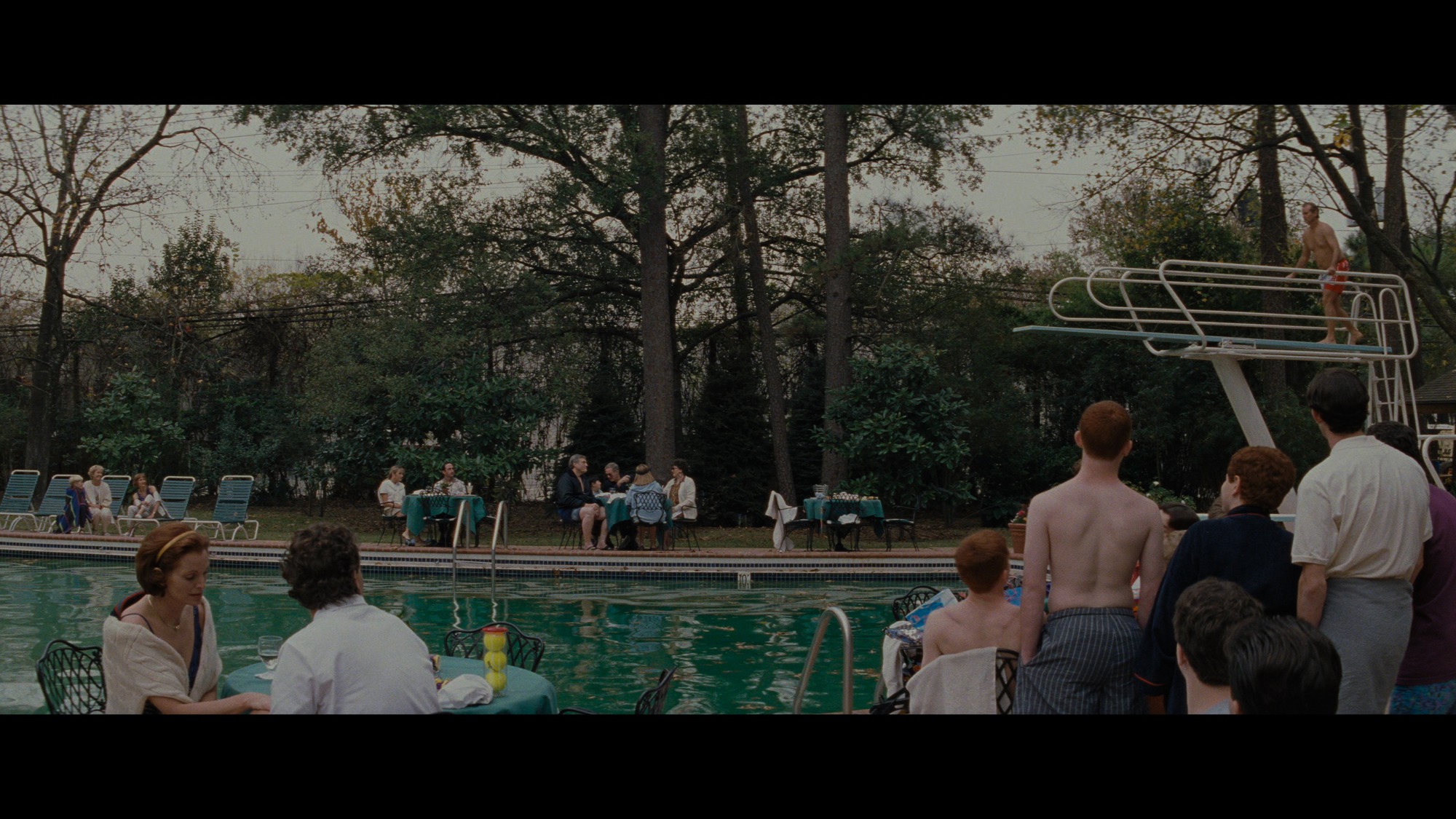
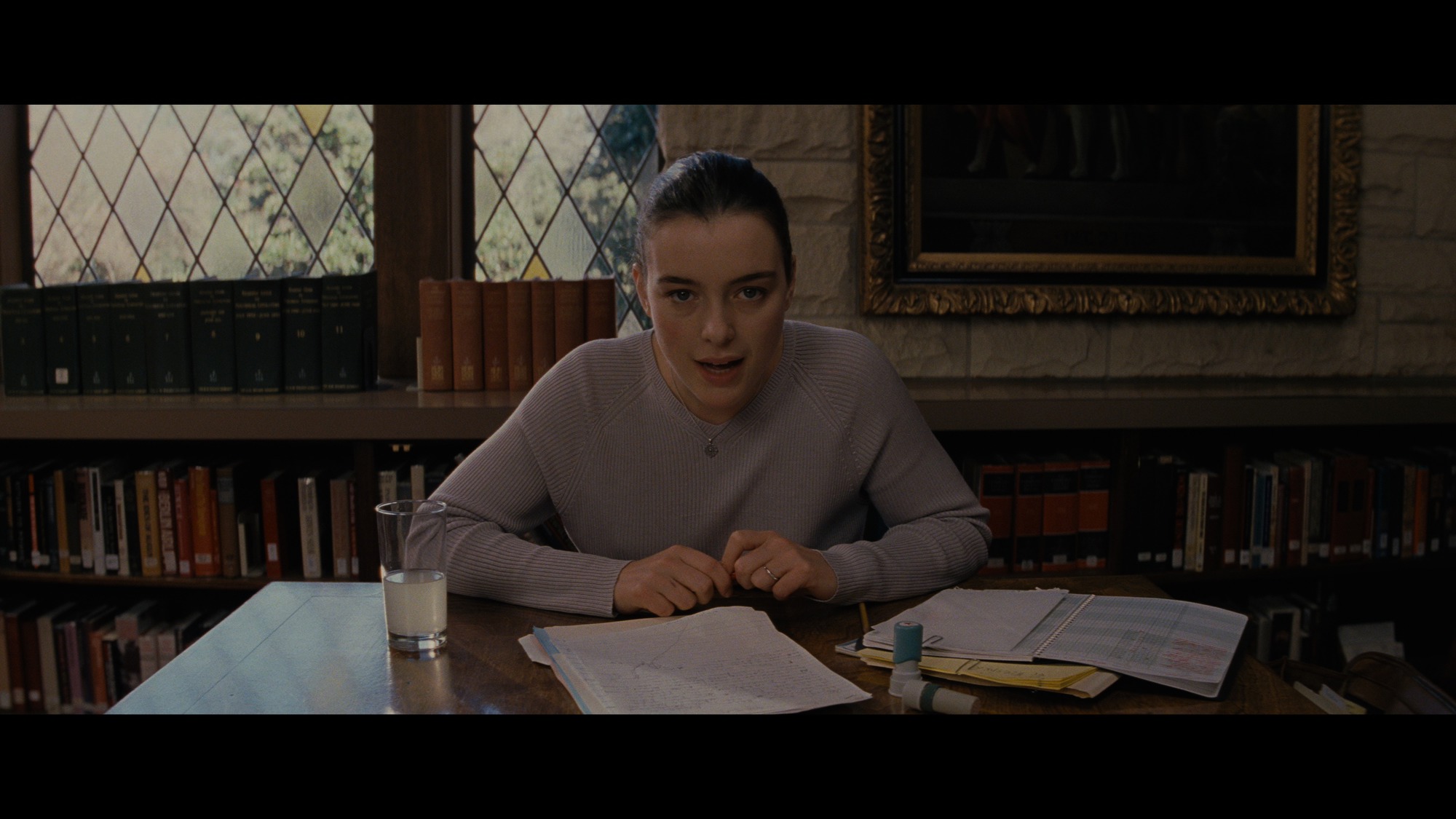
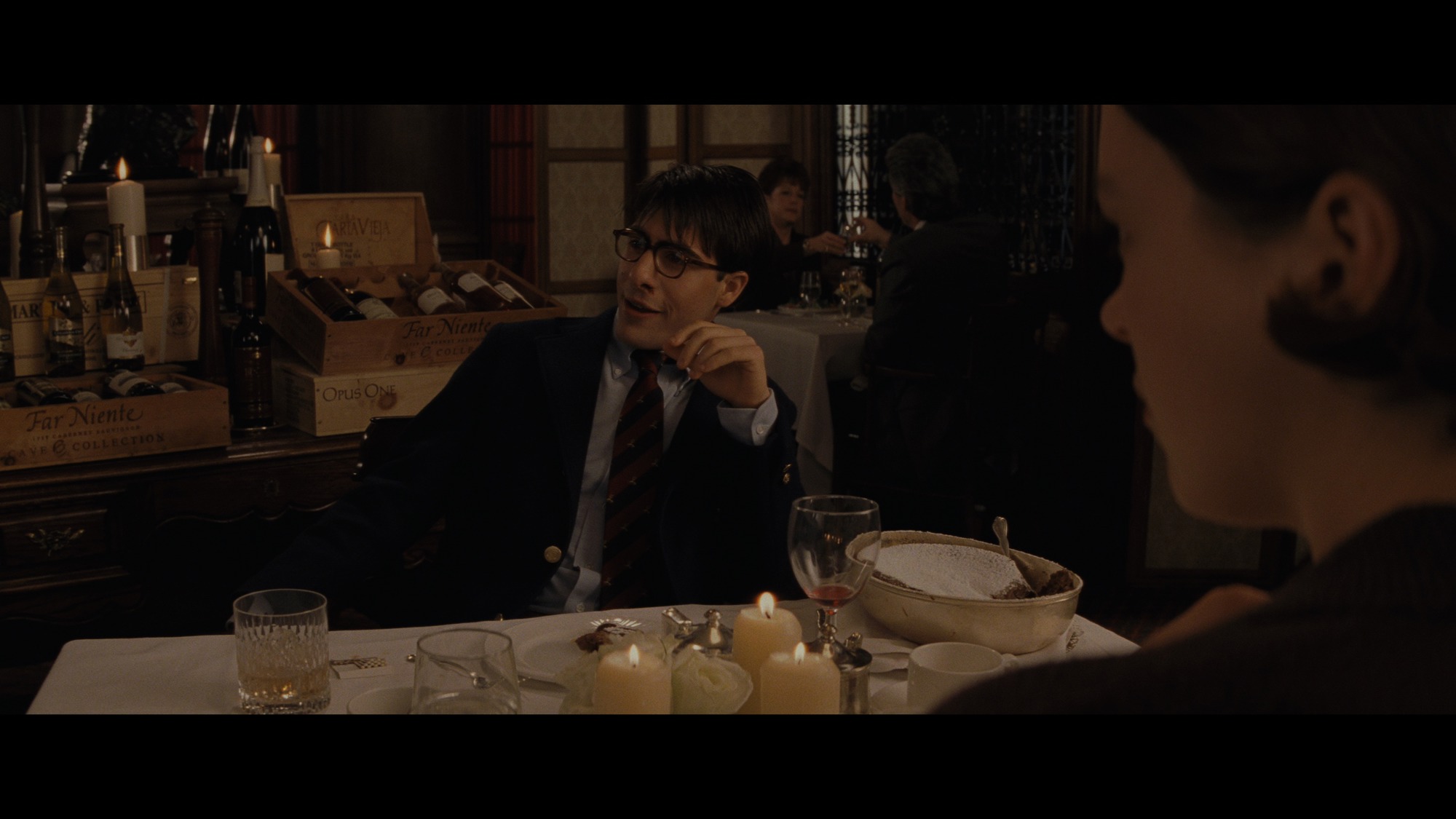
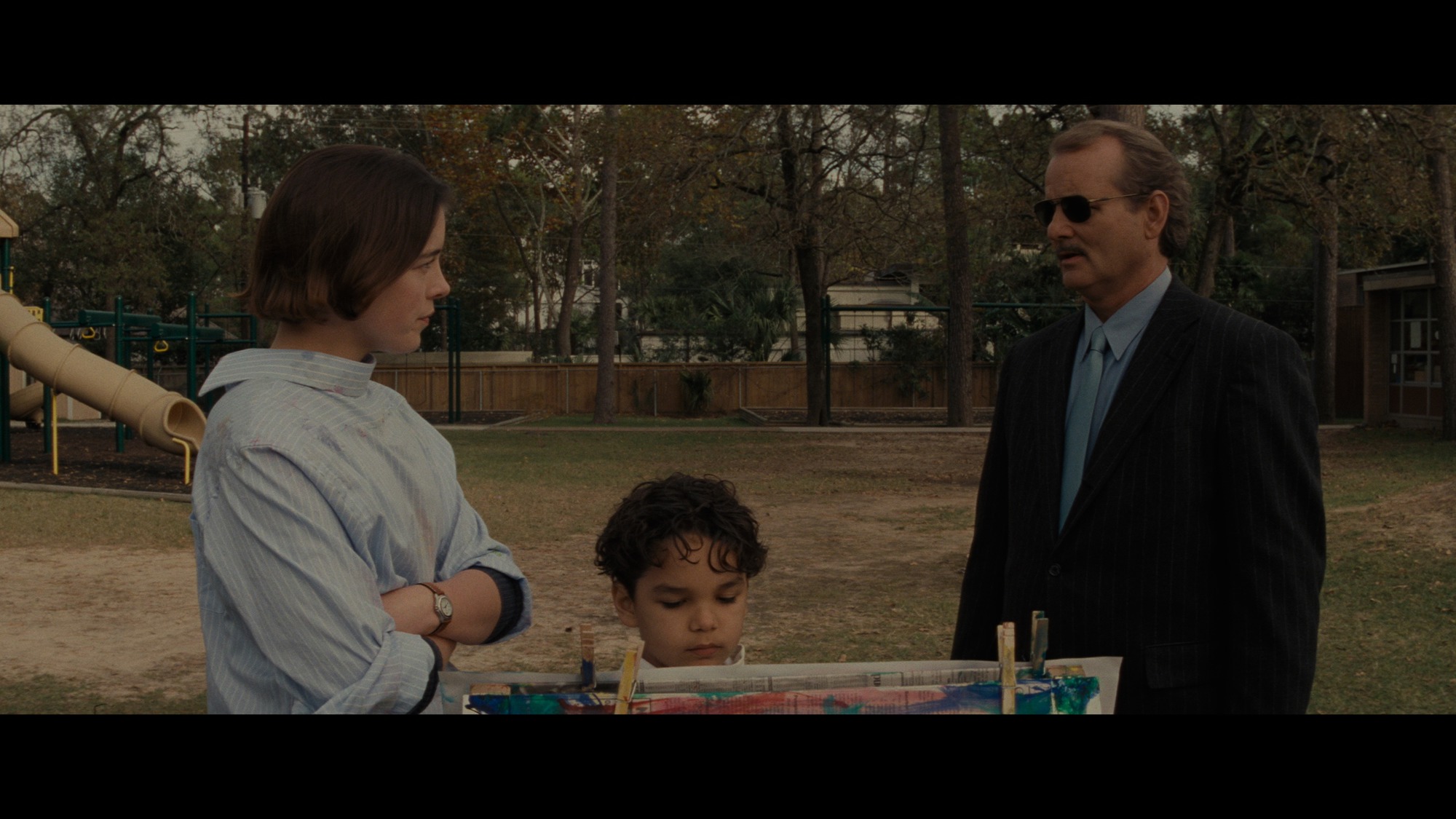
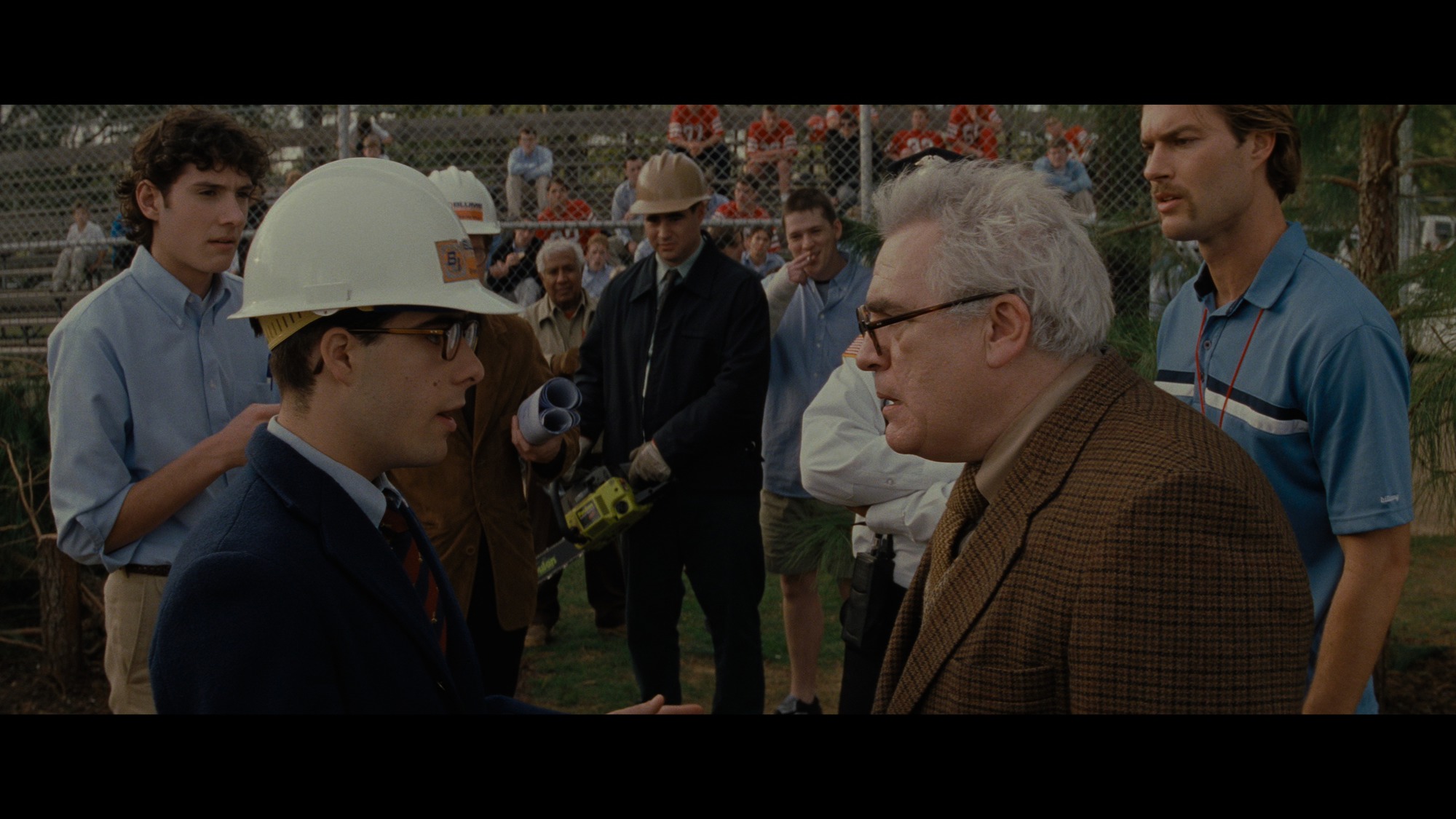
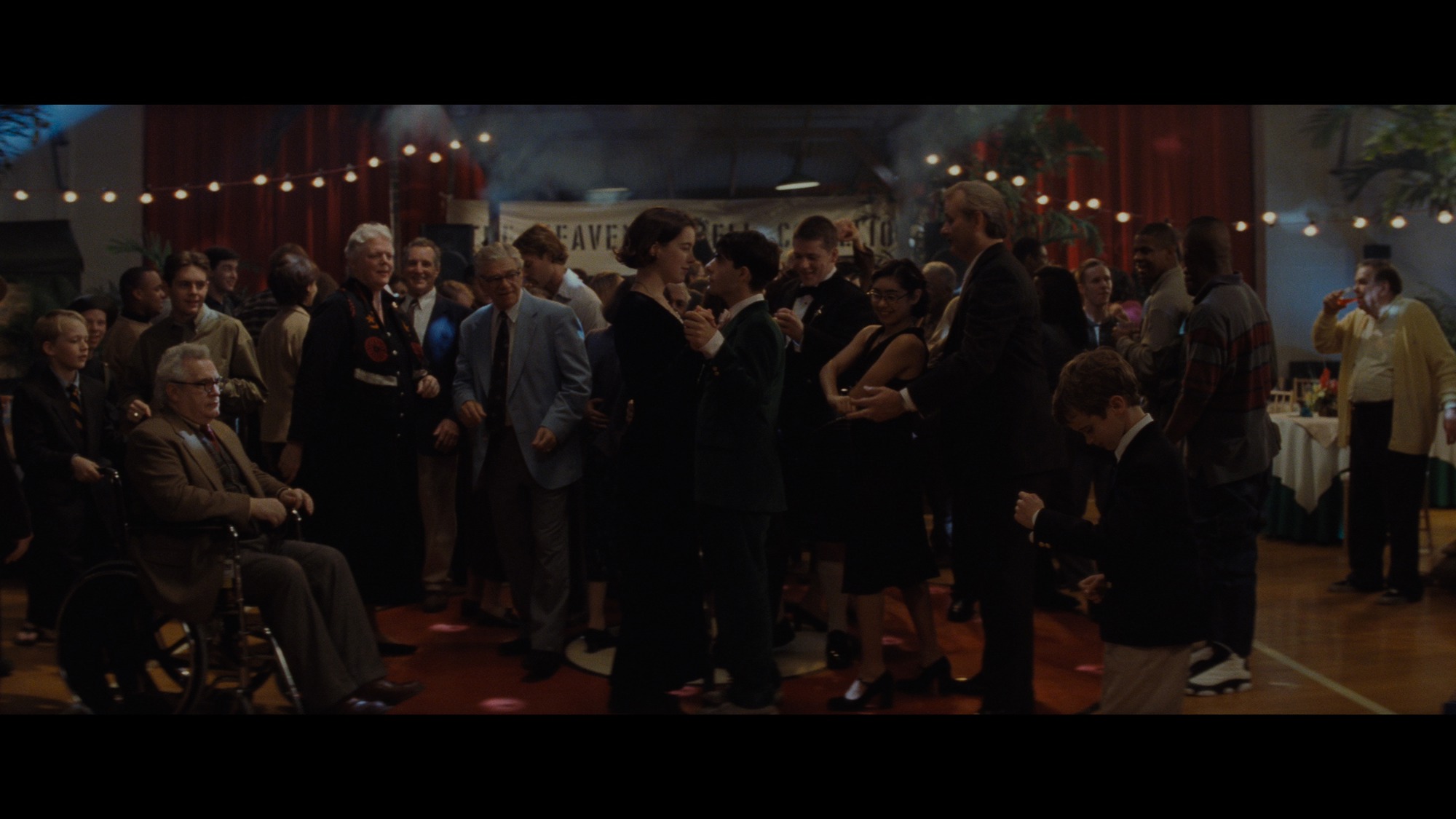
This may have been the one film in the collection I wasn’t expecting to see benefit dramatically from a 4K upgrade, but, to my absolute surprise, it might have indeed received the most significant one. The Blu-ray, dated aspects aside, has always looked pretty solid to me, even after all these years, yet the new 4K presentation improves on it in nearly every way: definition is markedly sharper, textures are more refined, and film grain is rendered with a much more natural, film-like quality. Colors also take on a wonderful new vibrancy, with bold blues and brilliant reds (like the stage curtains during the final play or Mrs. Calloway’s cherry-red car) really popping off the screen without ever feeling exaggerated.
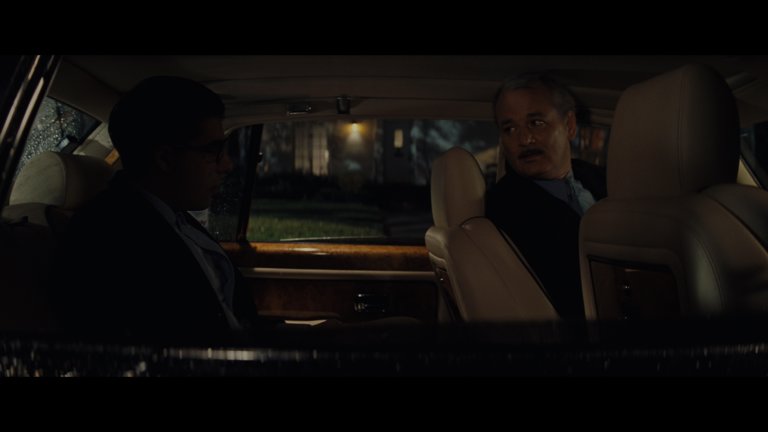
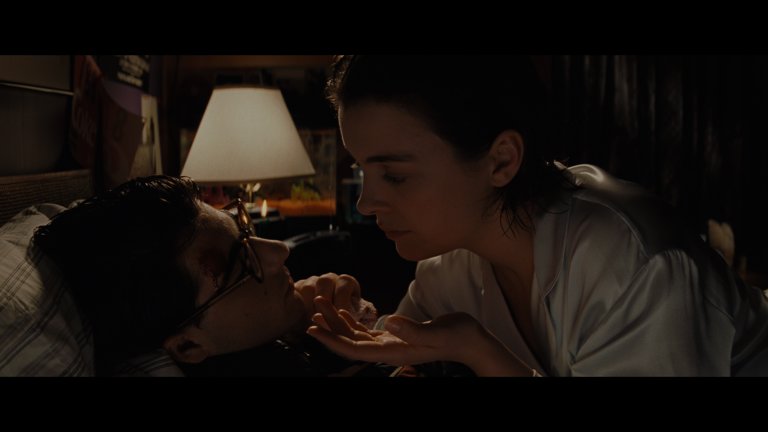
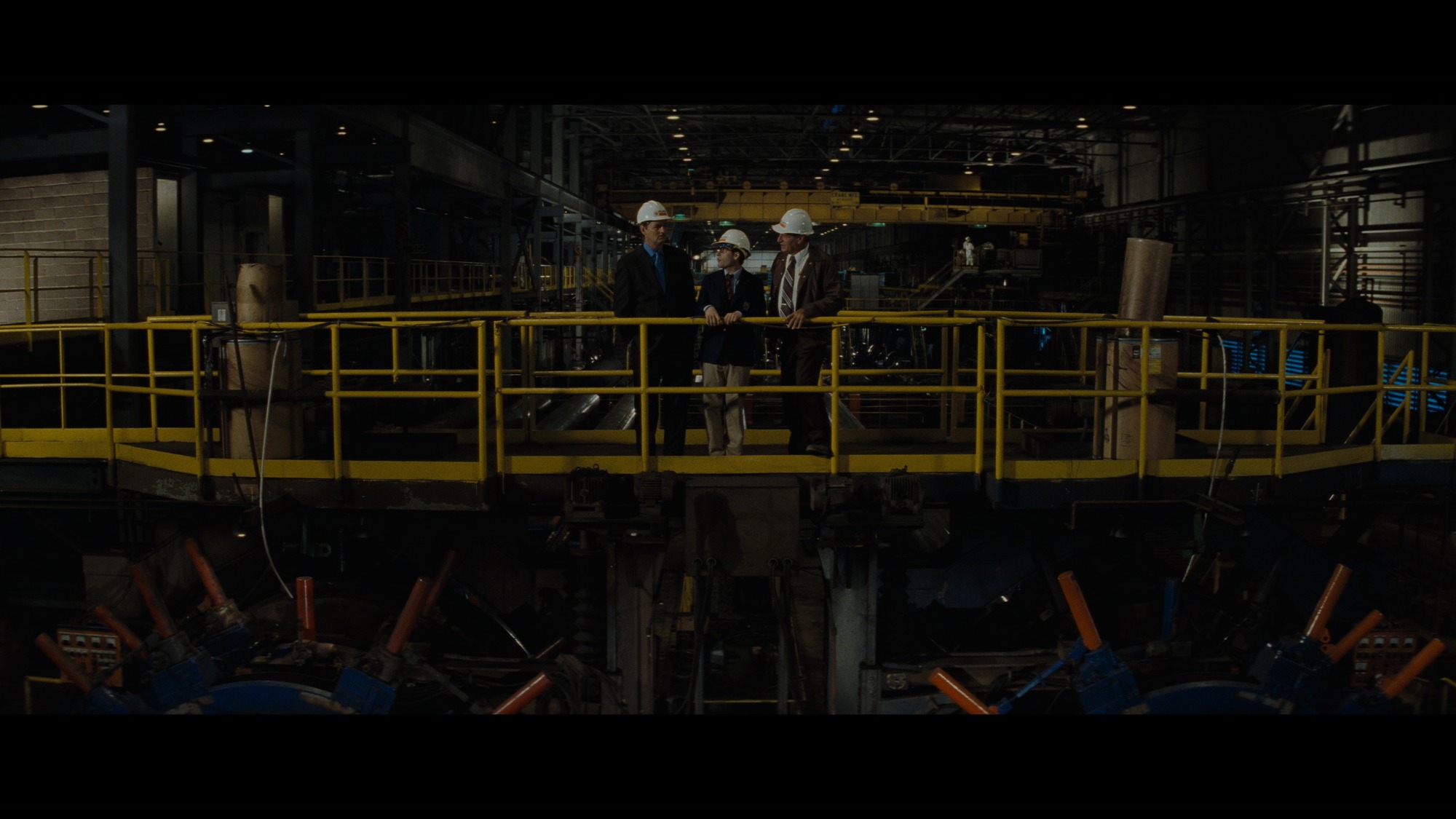
Where the new presentation shines brightest, though, is in its dynamic range. Thanks to HDR and Dolby Vision, the image carries a new sense of depth and nuance that’s striking. It’s remarkable how much a proper grading can transform a film, as seen recently with Withnail & I and Read My Lips, and Rushmore joins their company. Having only ever seen the film through Criterion’s earlier releases, I’d grown accustomed to its somewhat flatter look, definitely a limitation of the formats rather than the photography. But this new presentation adds so much more dimension throughout. The factory-floor scenes at Mr. Blume’s plant is especially stunning, with deep blacks, low light, and the sudden flare of sparks bouncing beautifully across the machinery. A nighttime confrontation in Blume’s car makes impressive use of shadows and silhouettes, while the dimly lit bedroom scene between Max and Ms. Cross looks stunning. Even the daylight scenes benefit, with highlights handled smoothly and naturally.
All told, Rushmore delivers the biggest and most pleasant surprise in The Wes Anderson Archive. Despite not being that old (in the grand scheme of things), this new restoration injects fresh life into the film, giving it a richness and depth I didn’t even realize was missing. It’s easily the best-looking title in the set, and (for that matter) one of Criterion’s more impressive 4K upgrades to date.
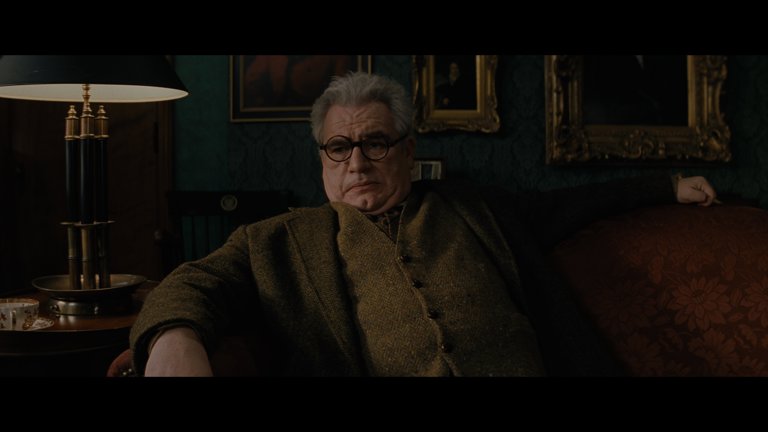
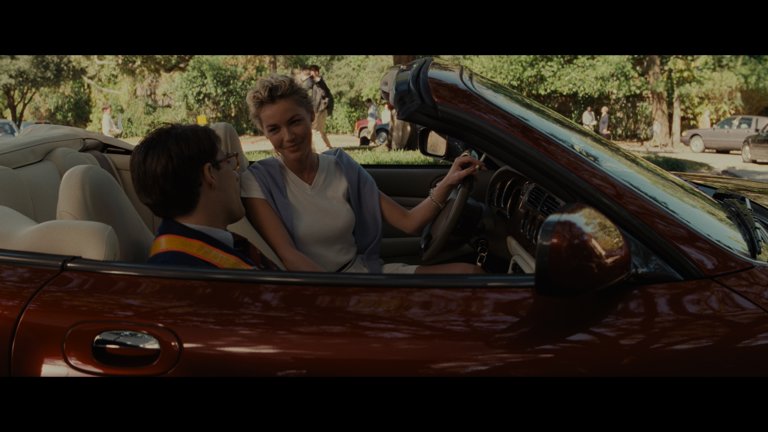
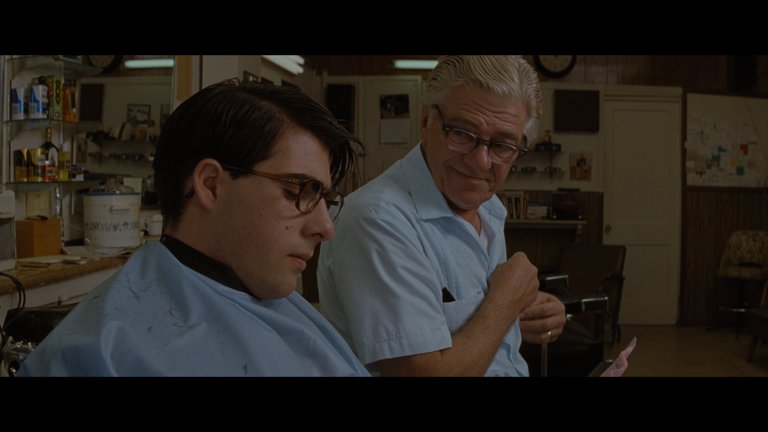
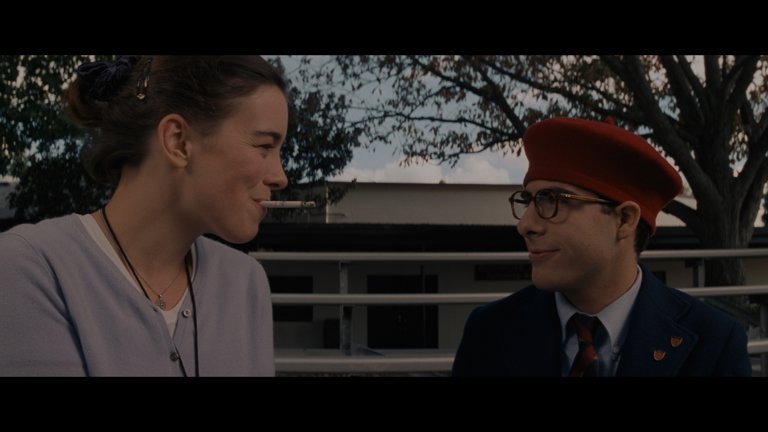
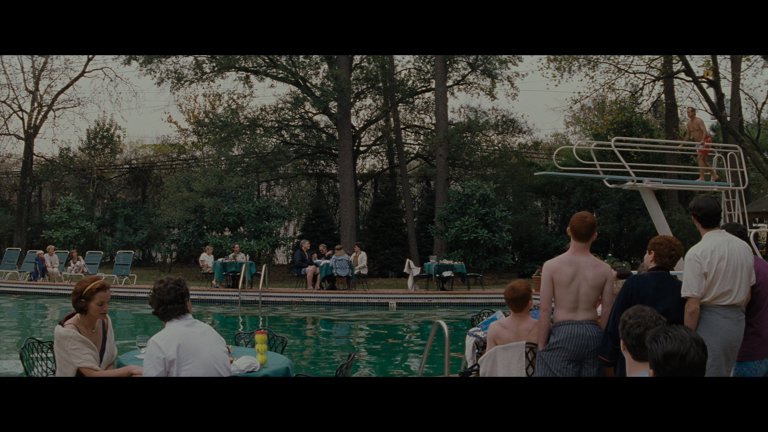
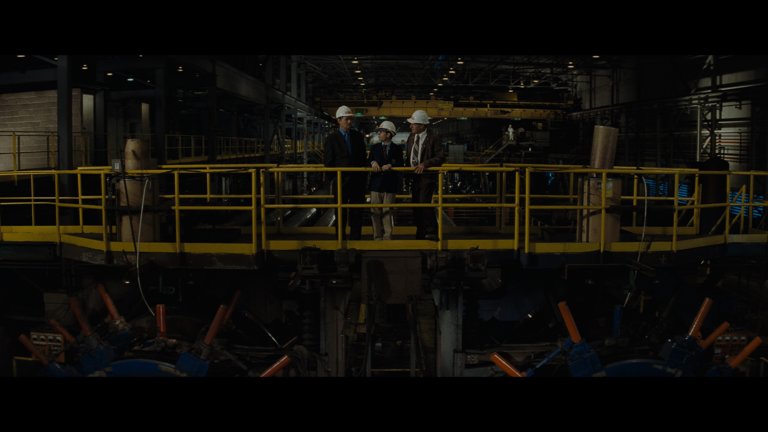
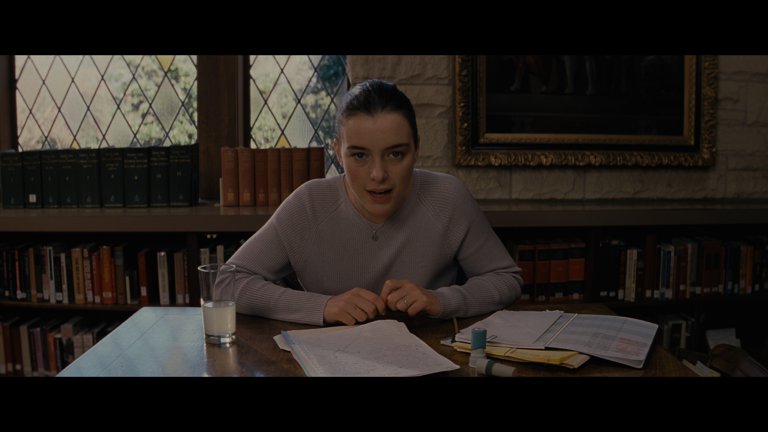
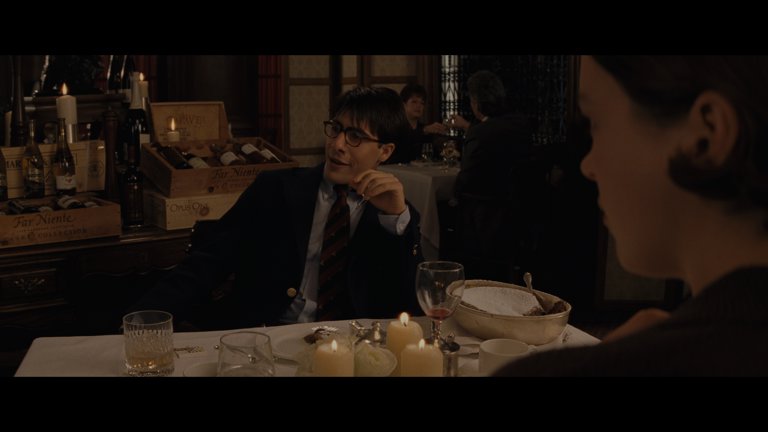
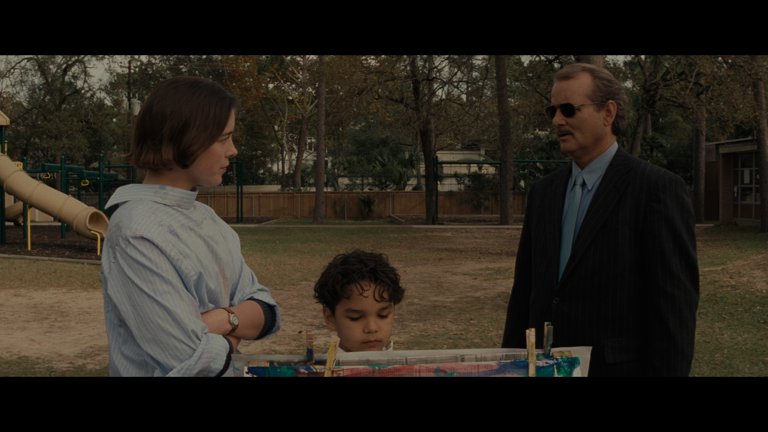
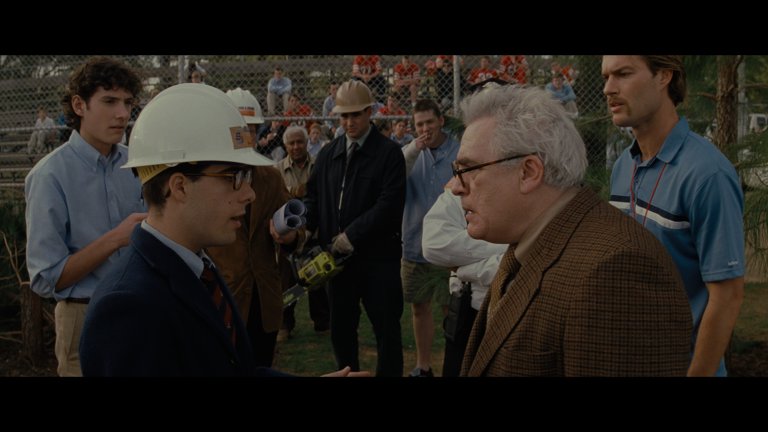
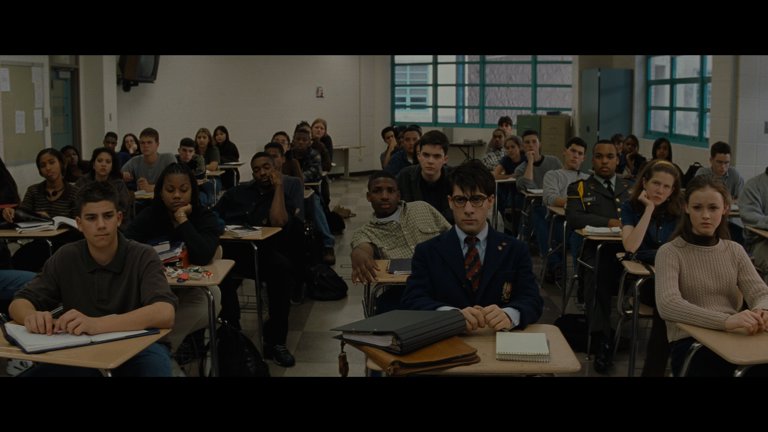
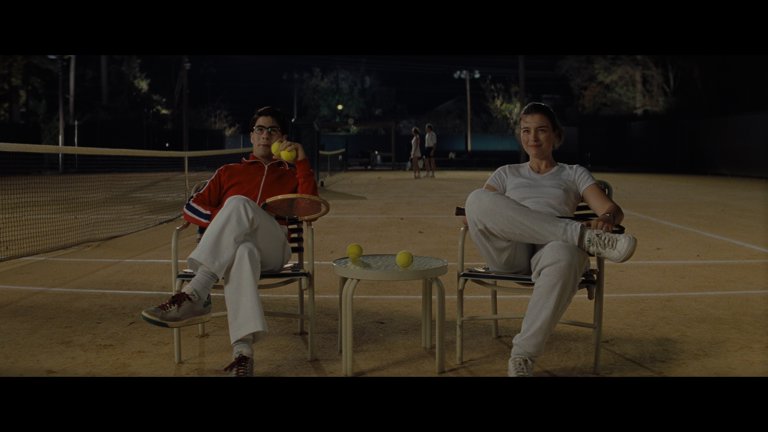
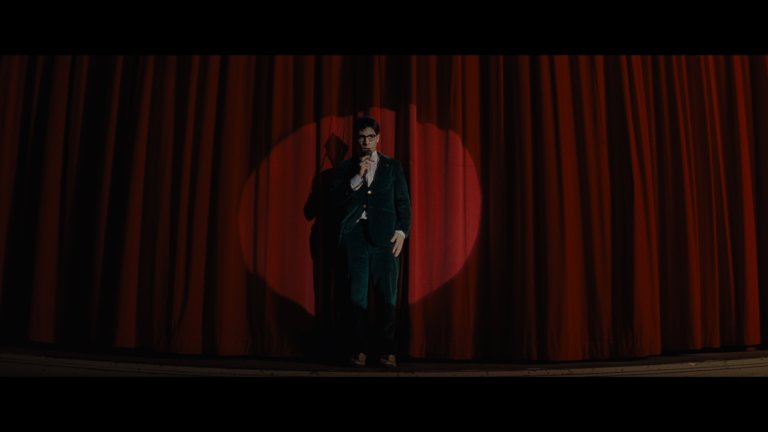
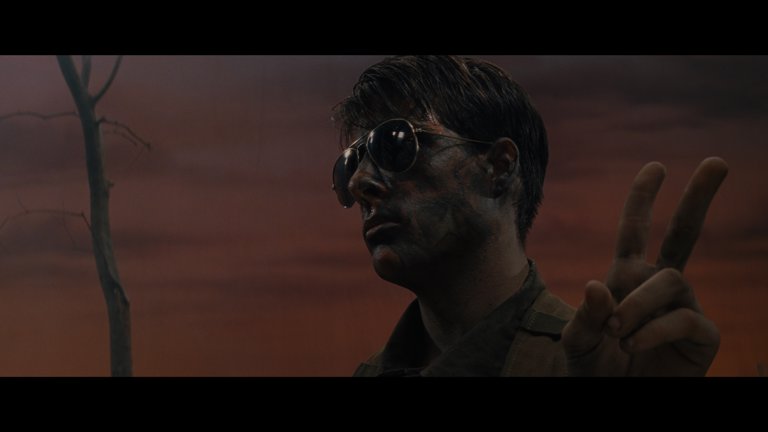
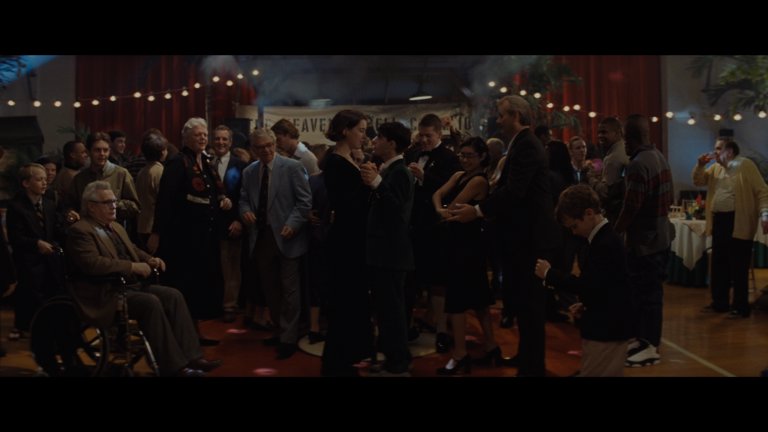
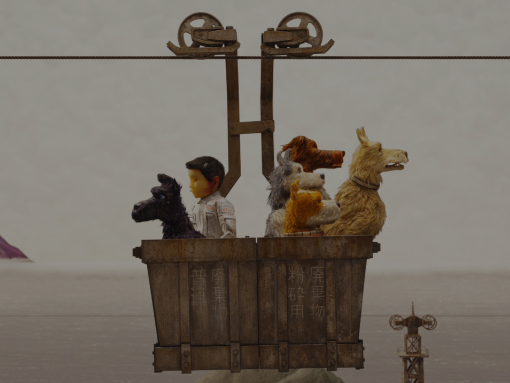
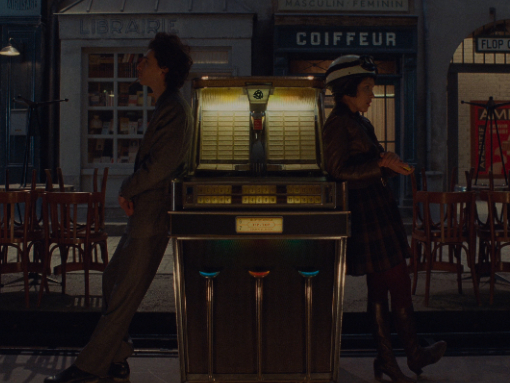
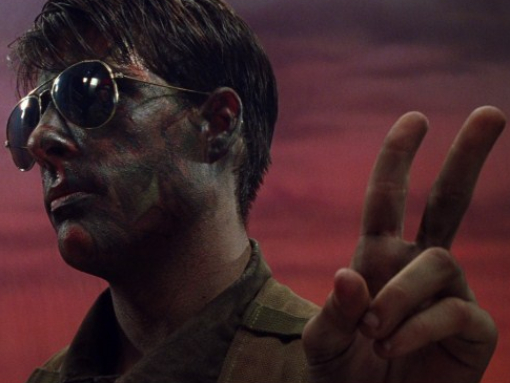
The Wes Anderson Archive: Ten Films, Twenty-Five Years - Screen Captures
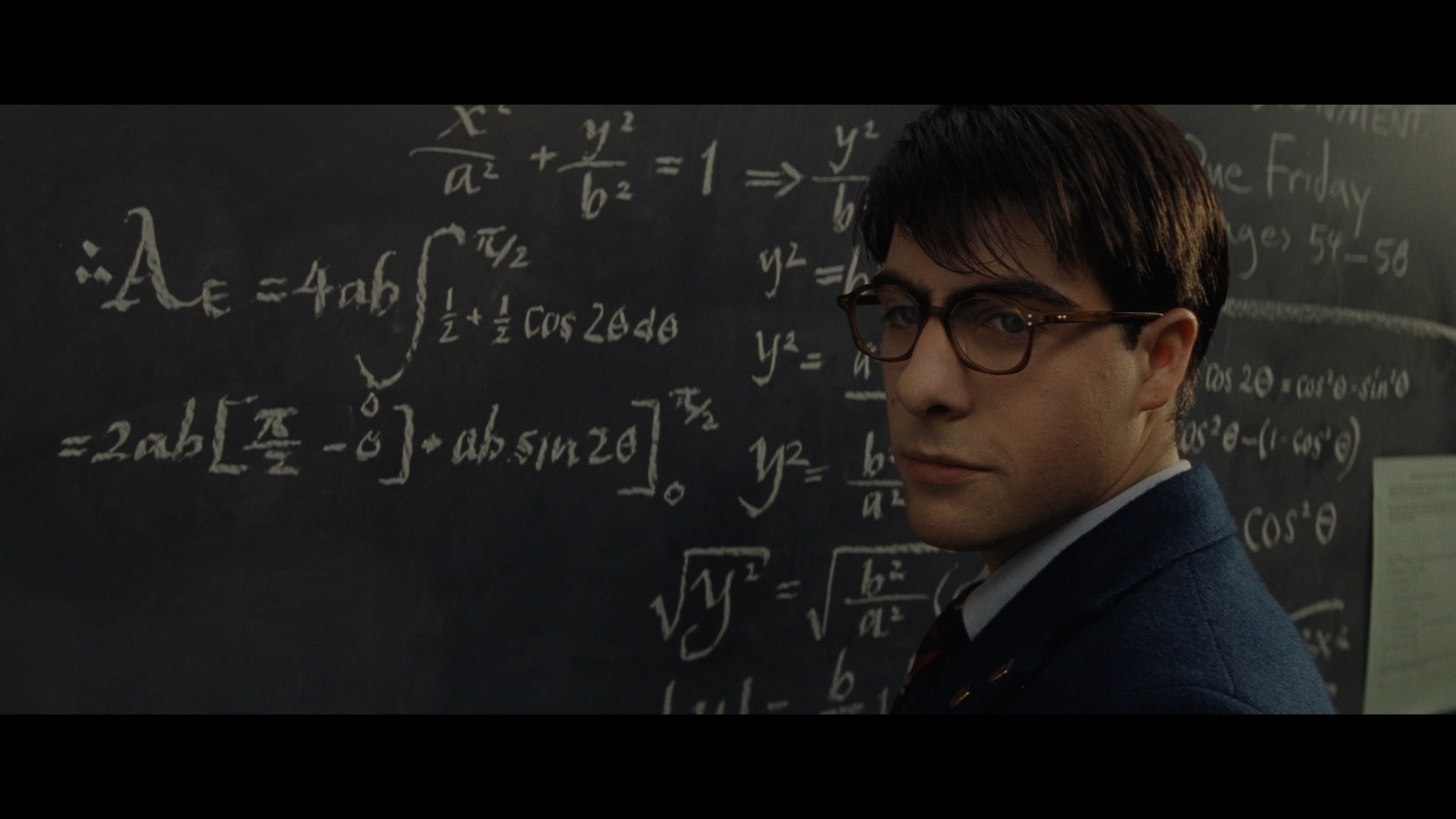
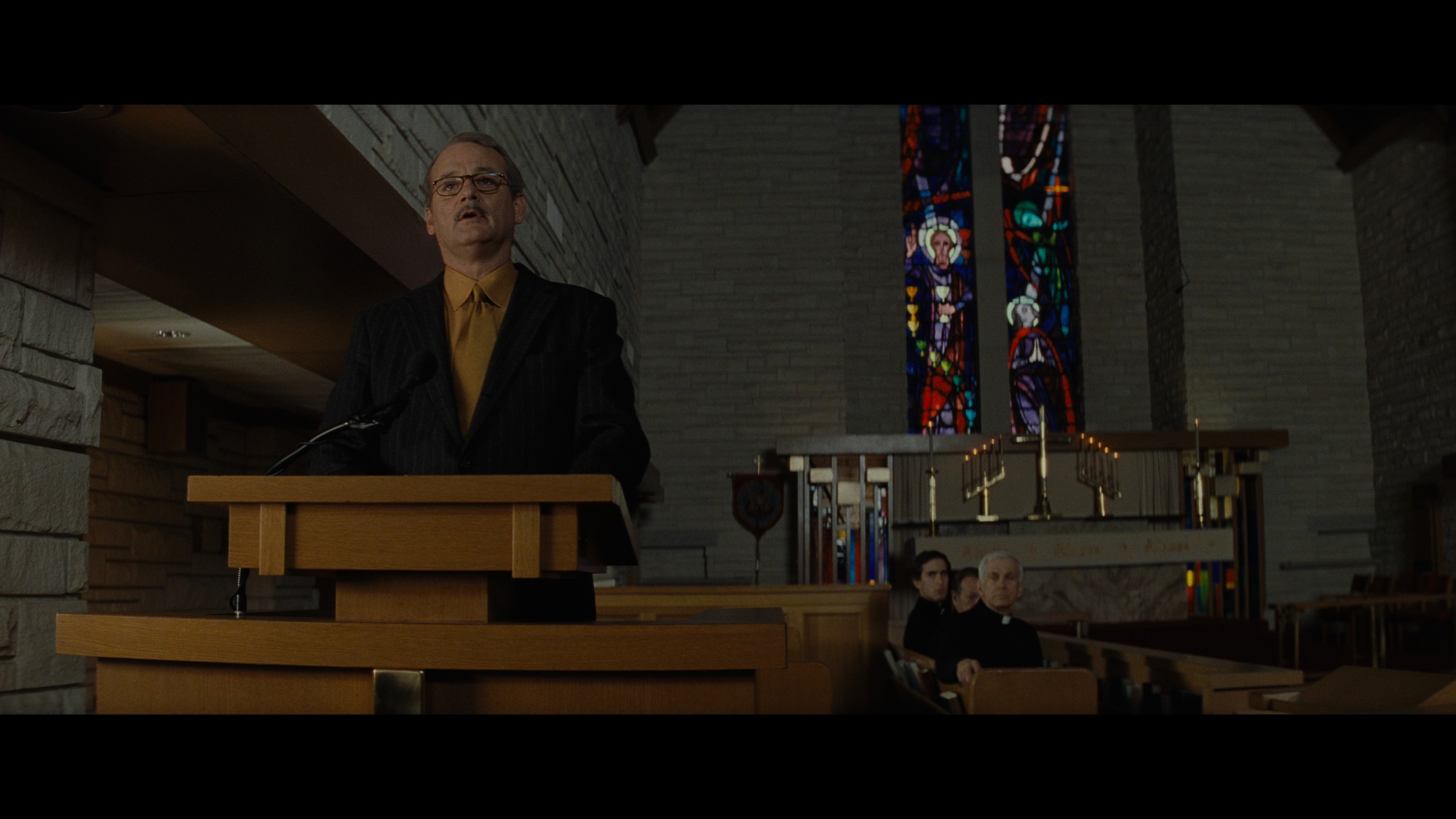
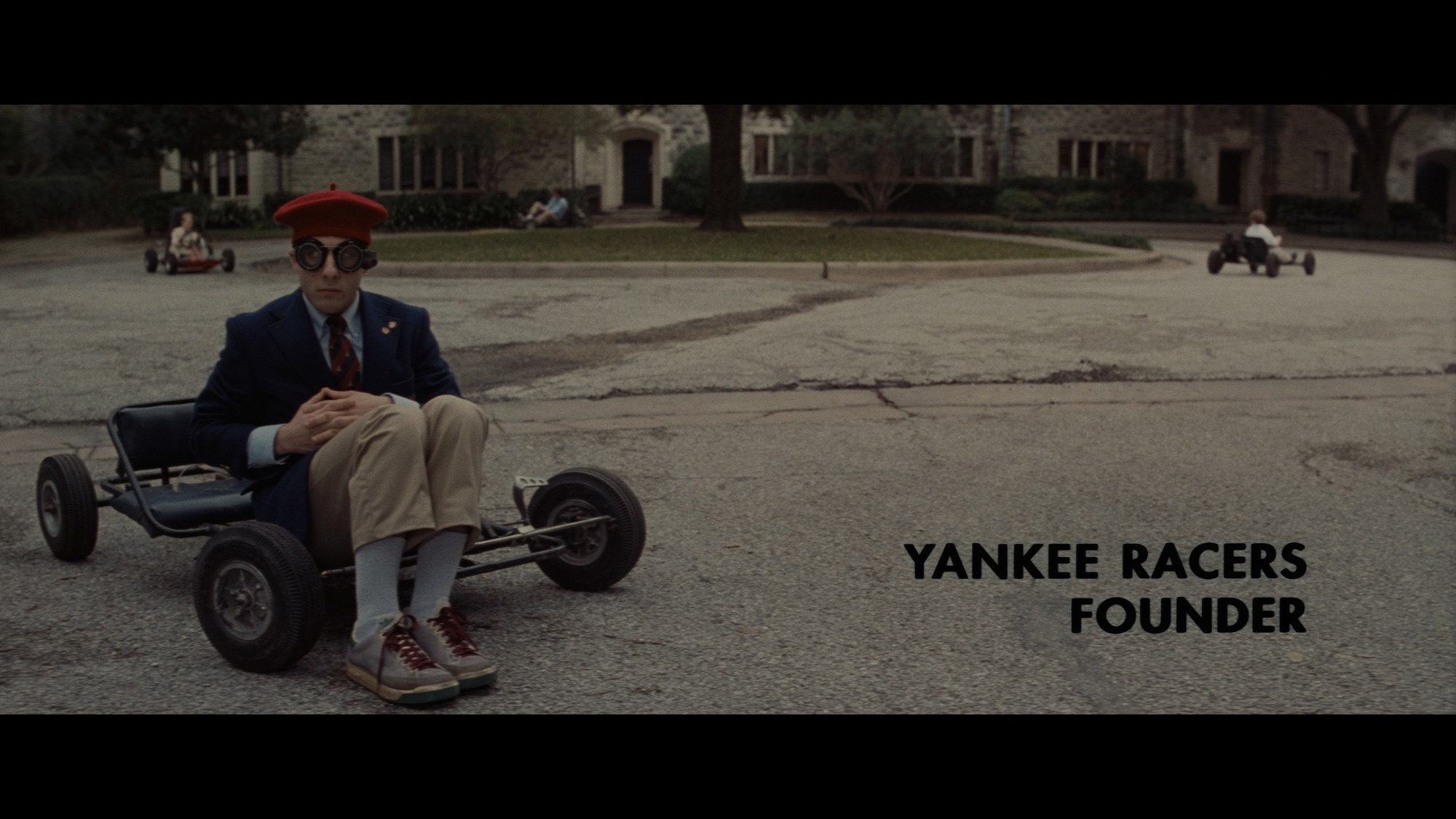
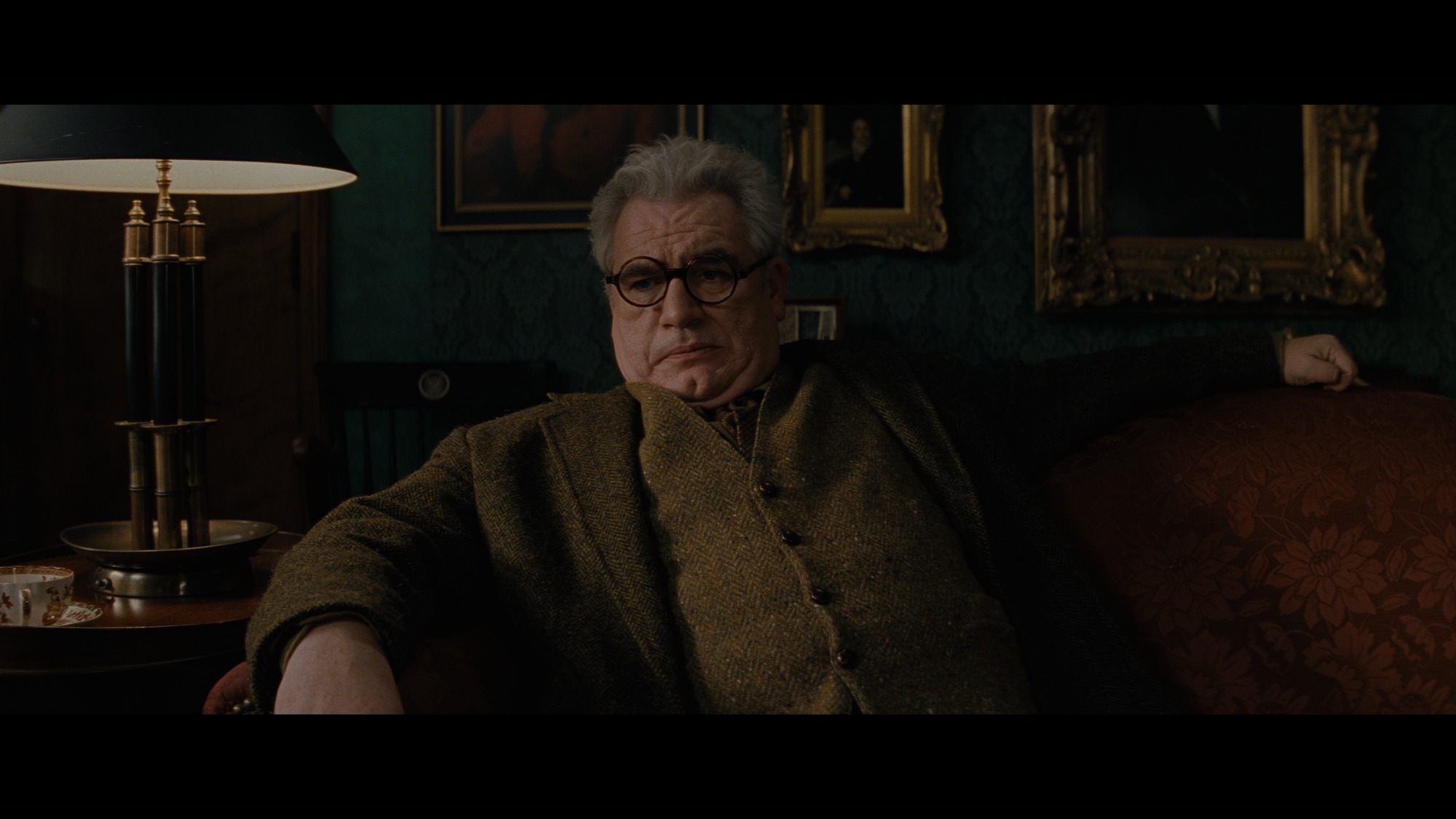
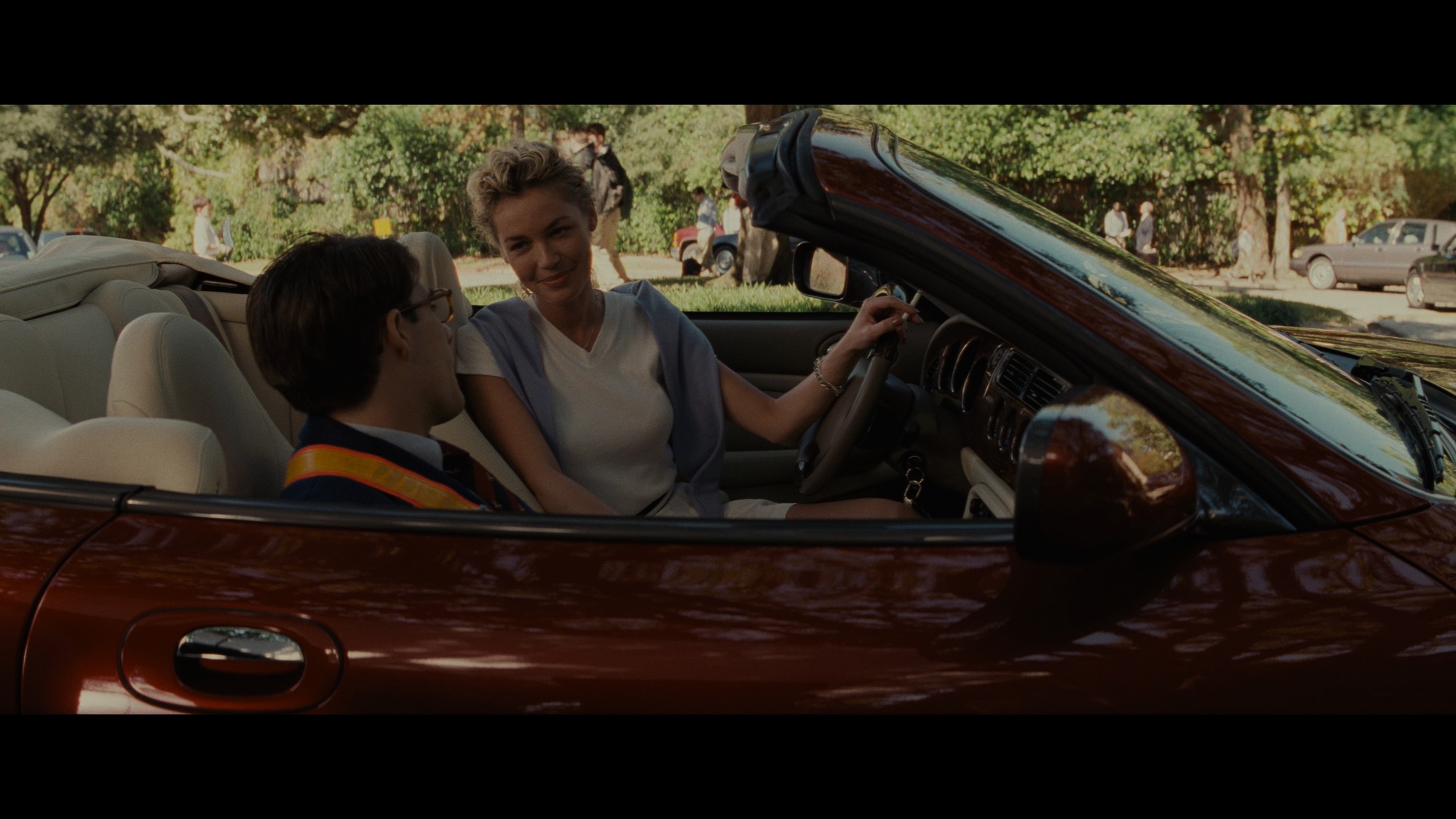
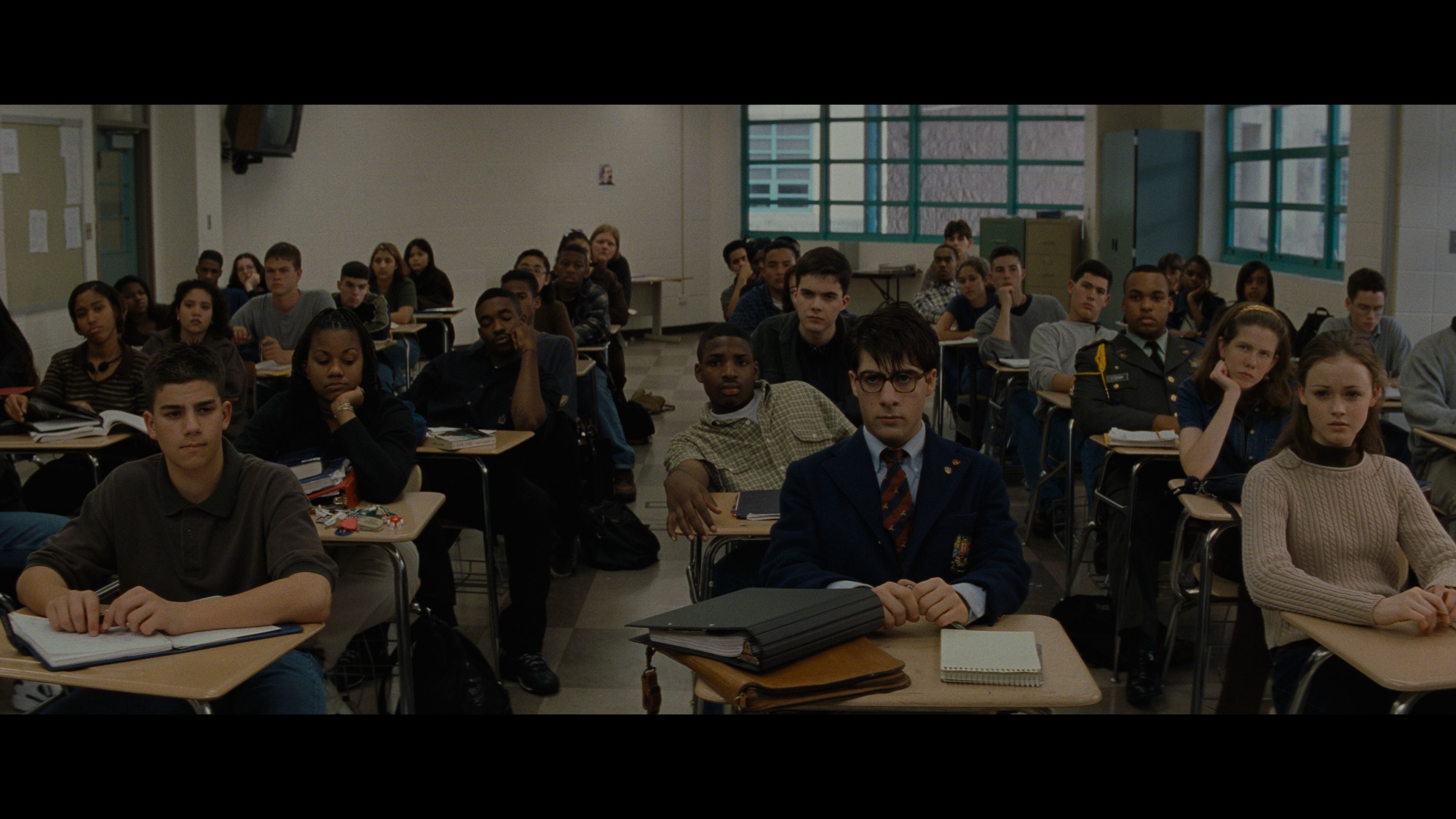
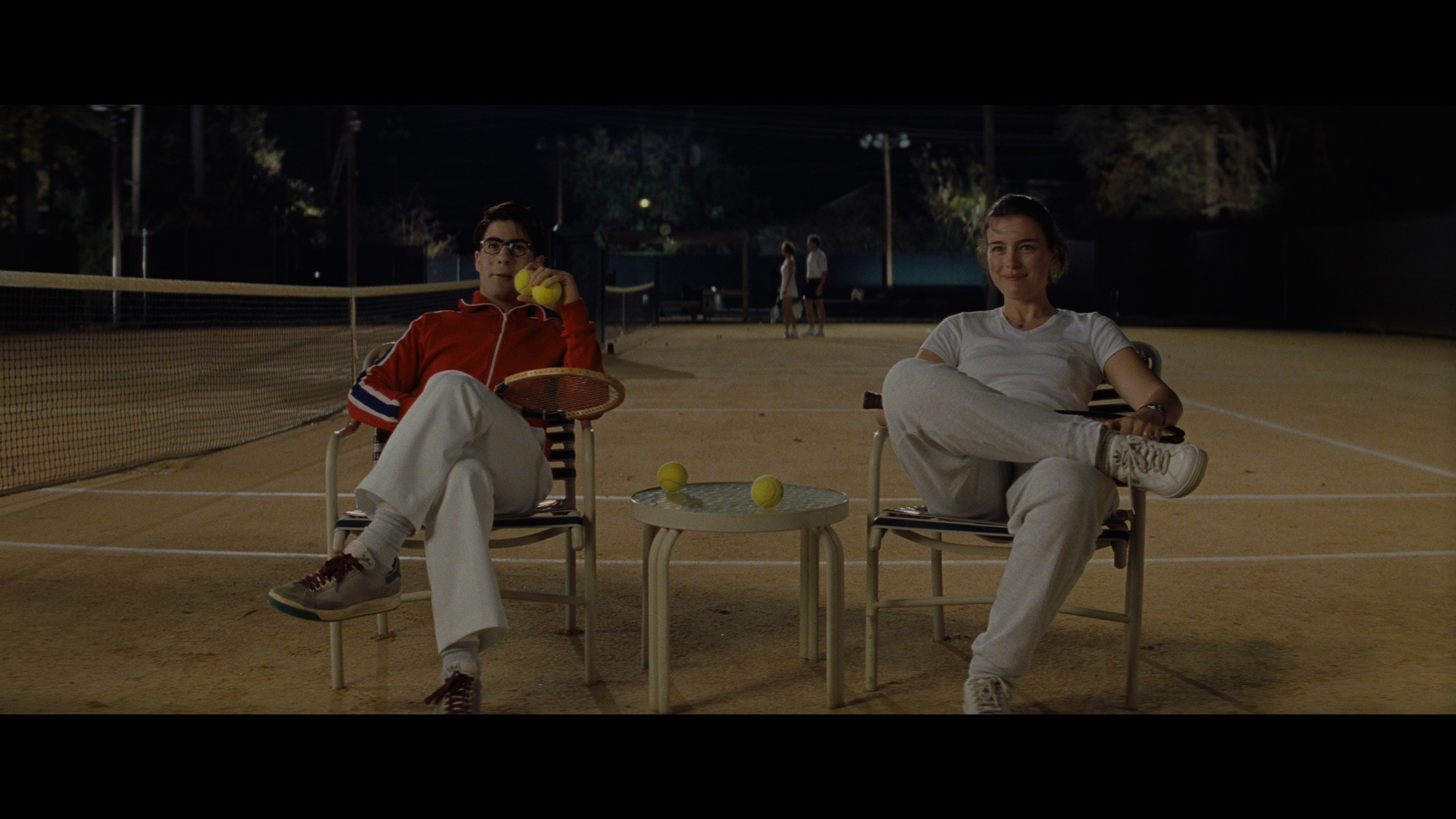
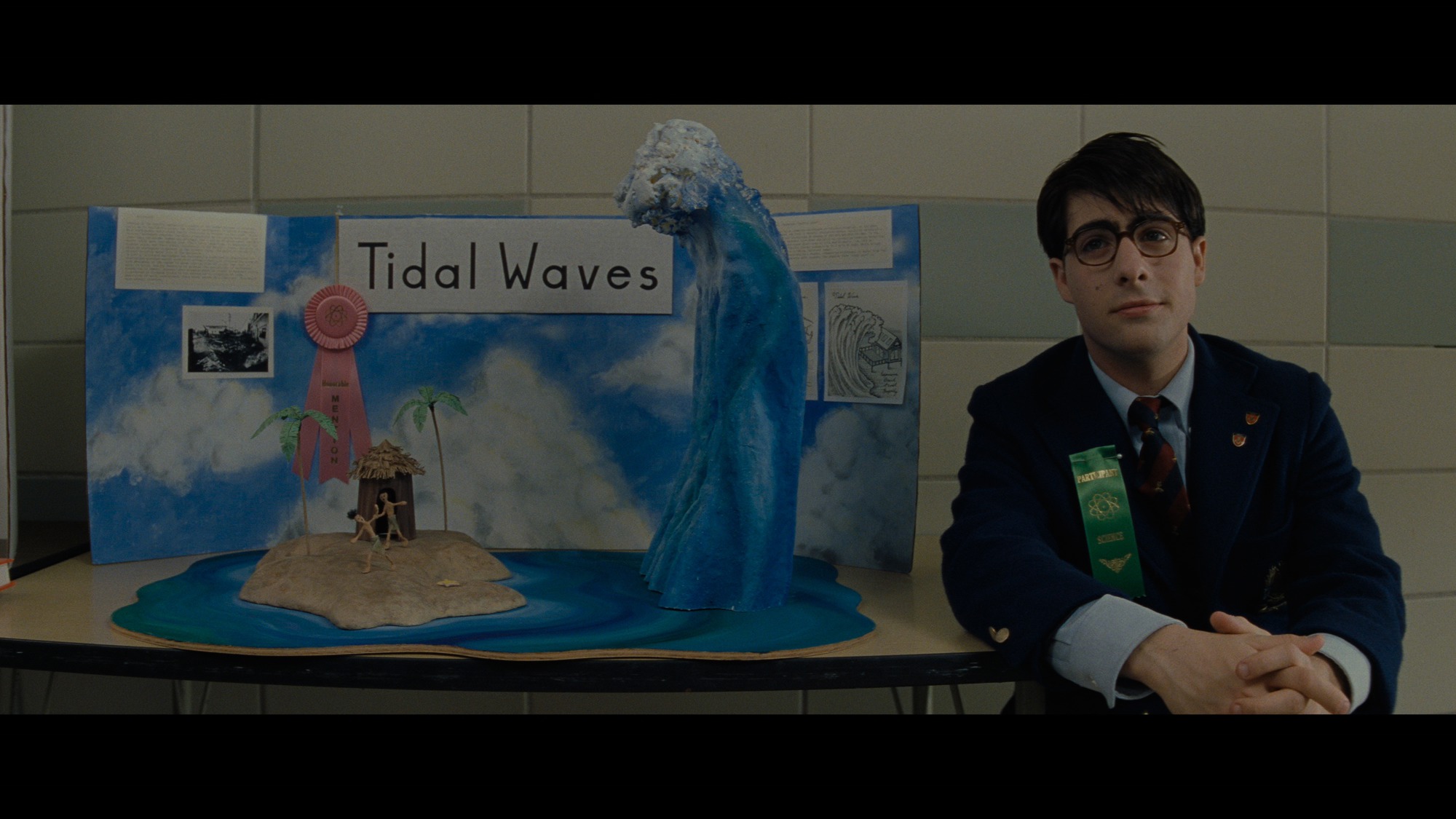
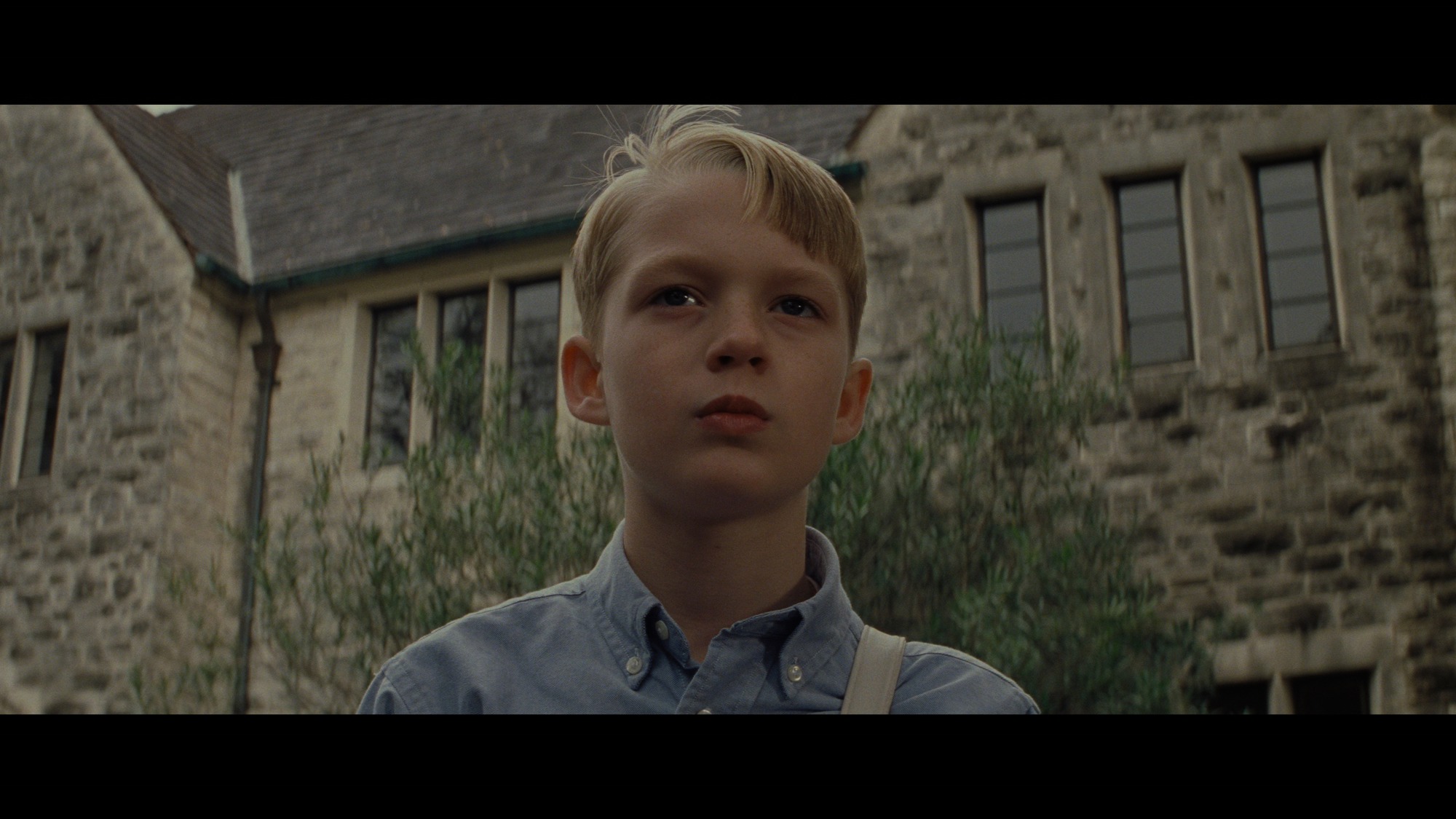
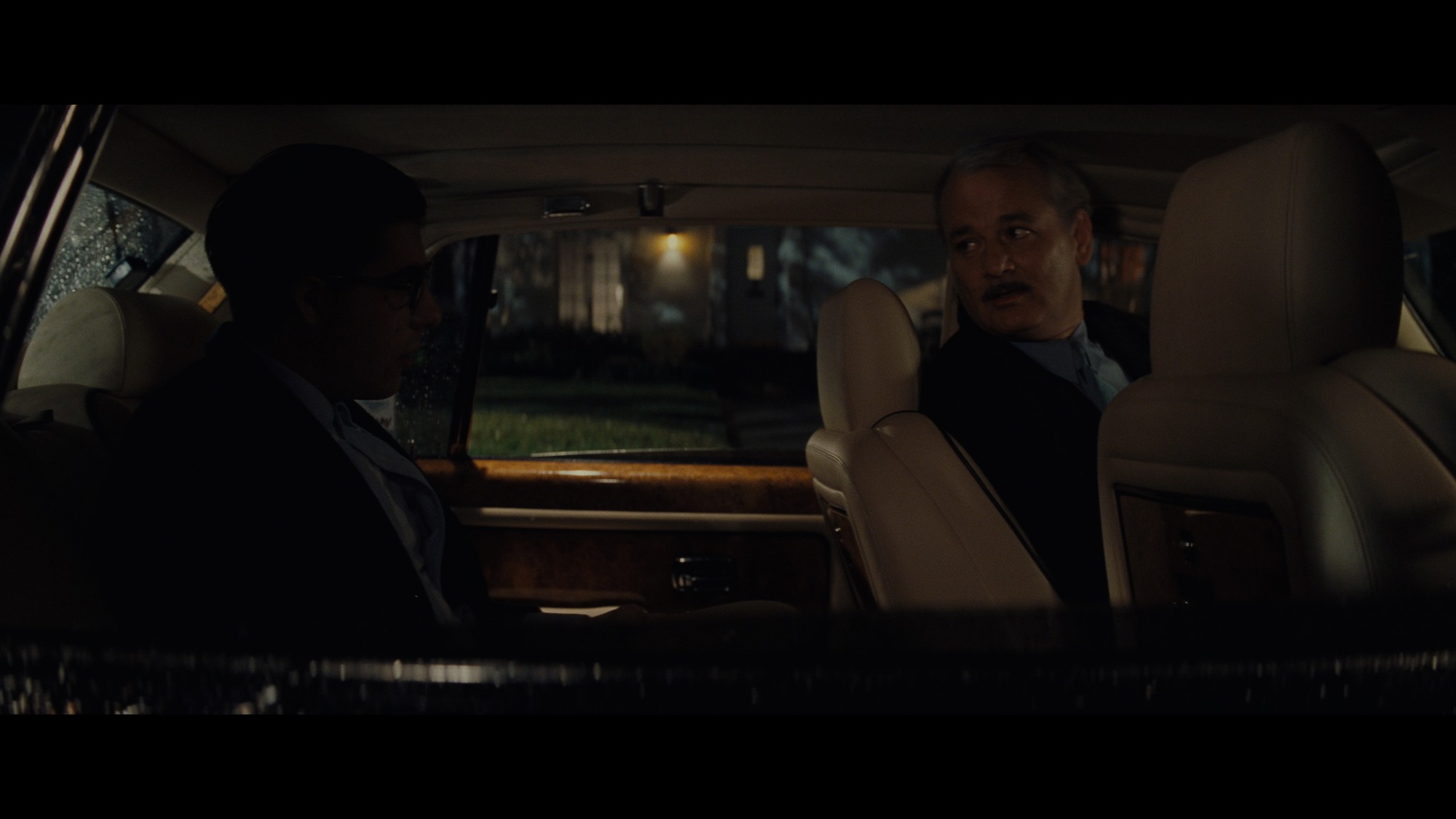
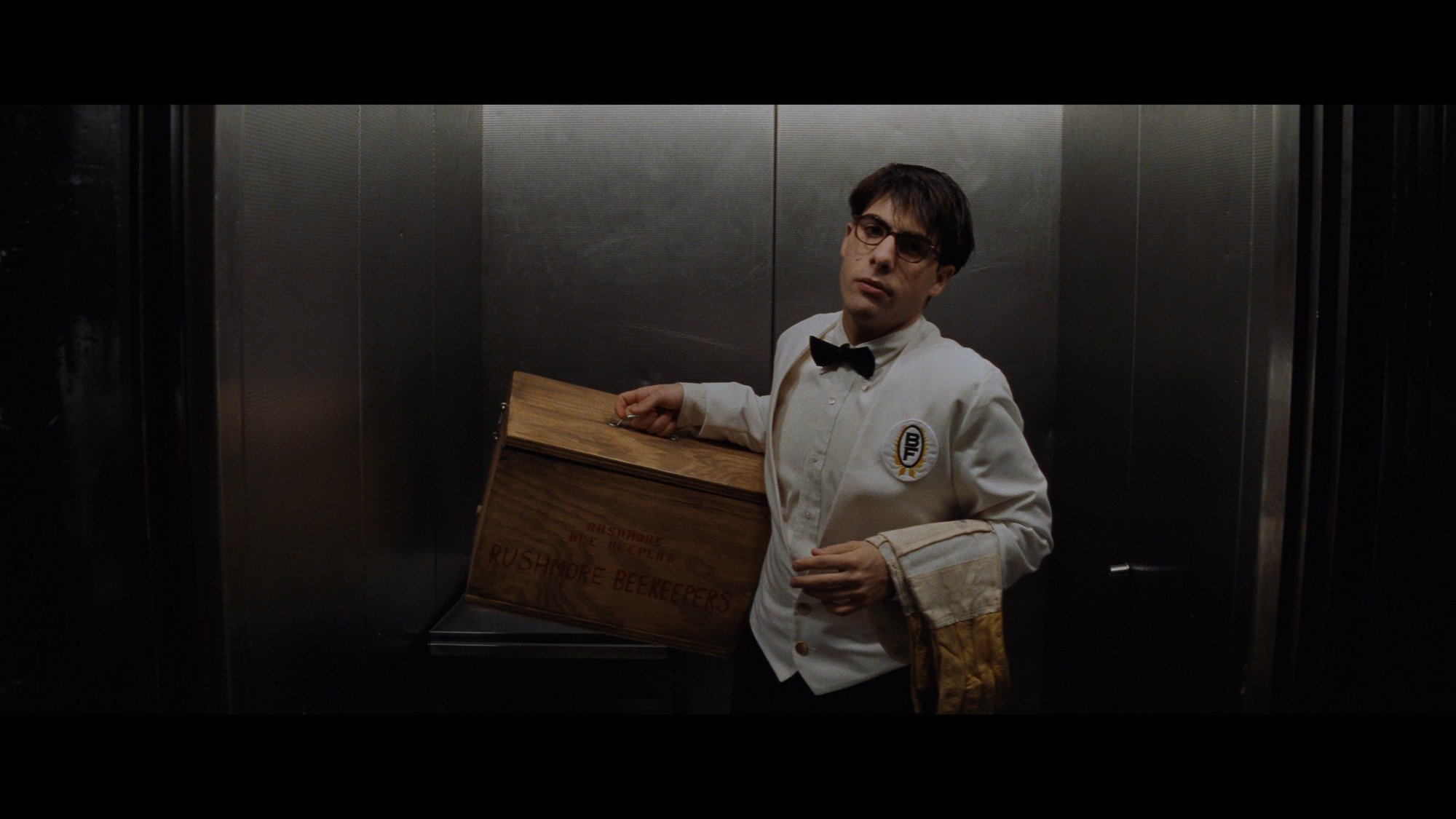
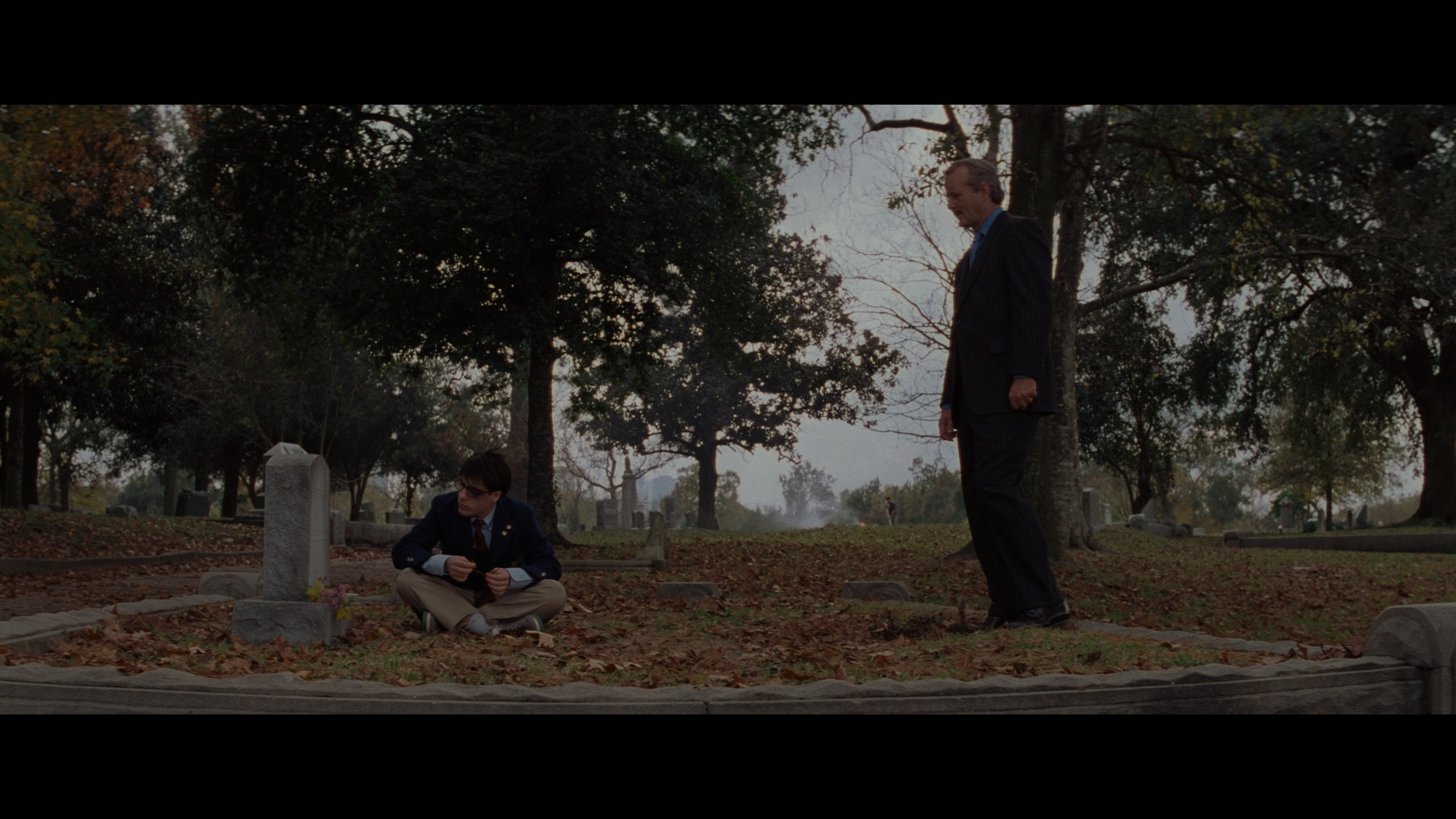
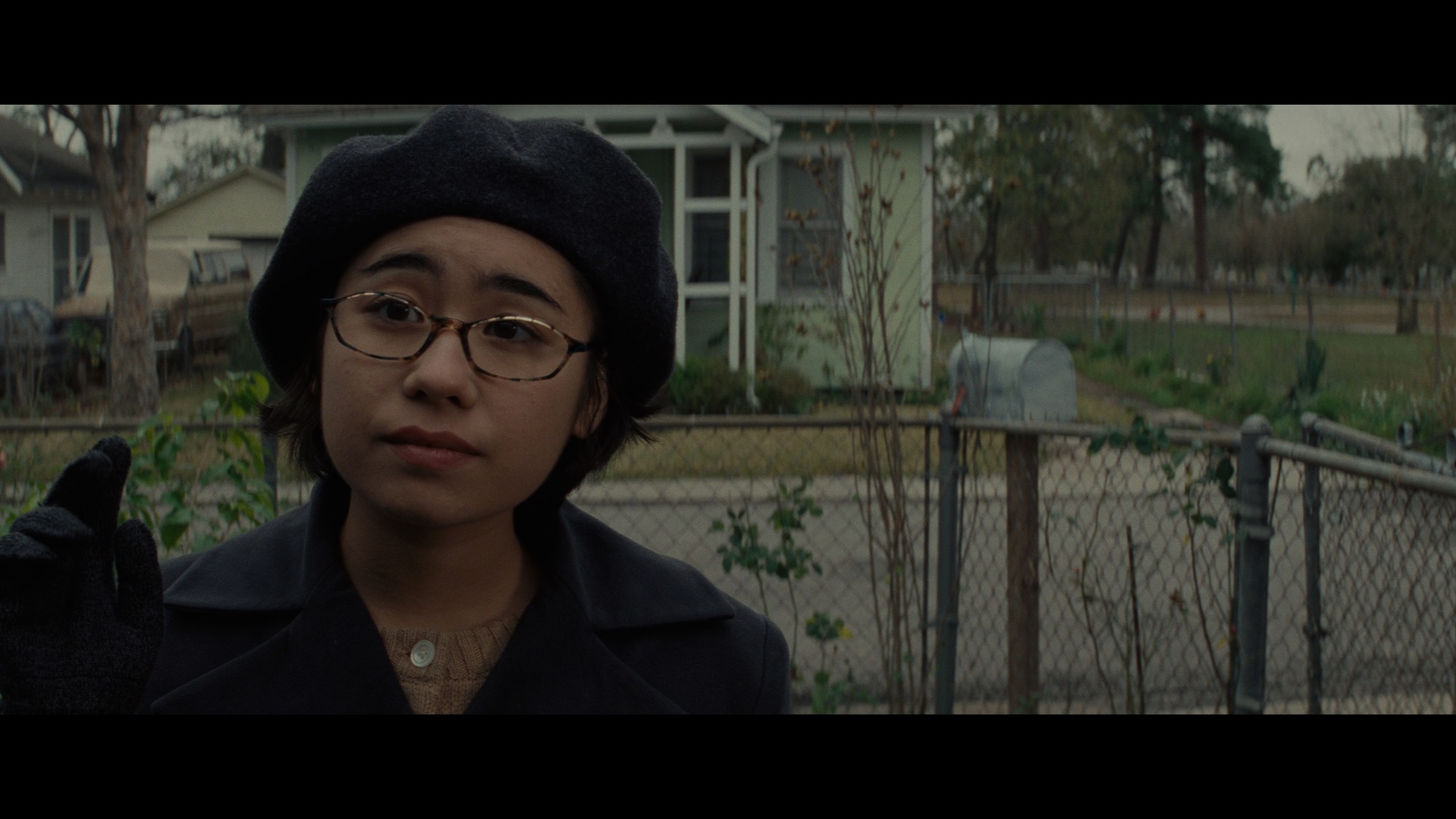
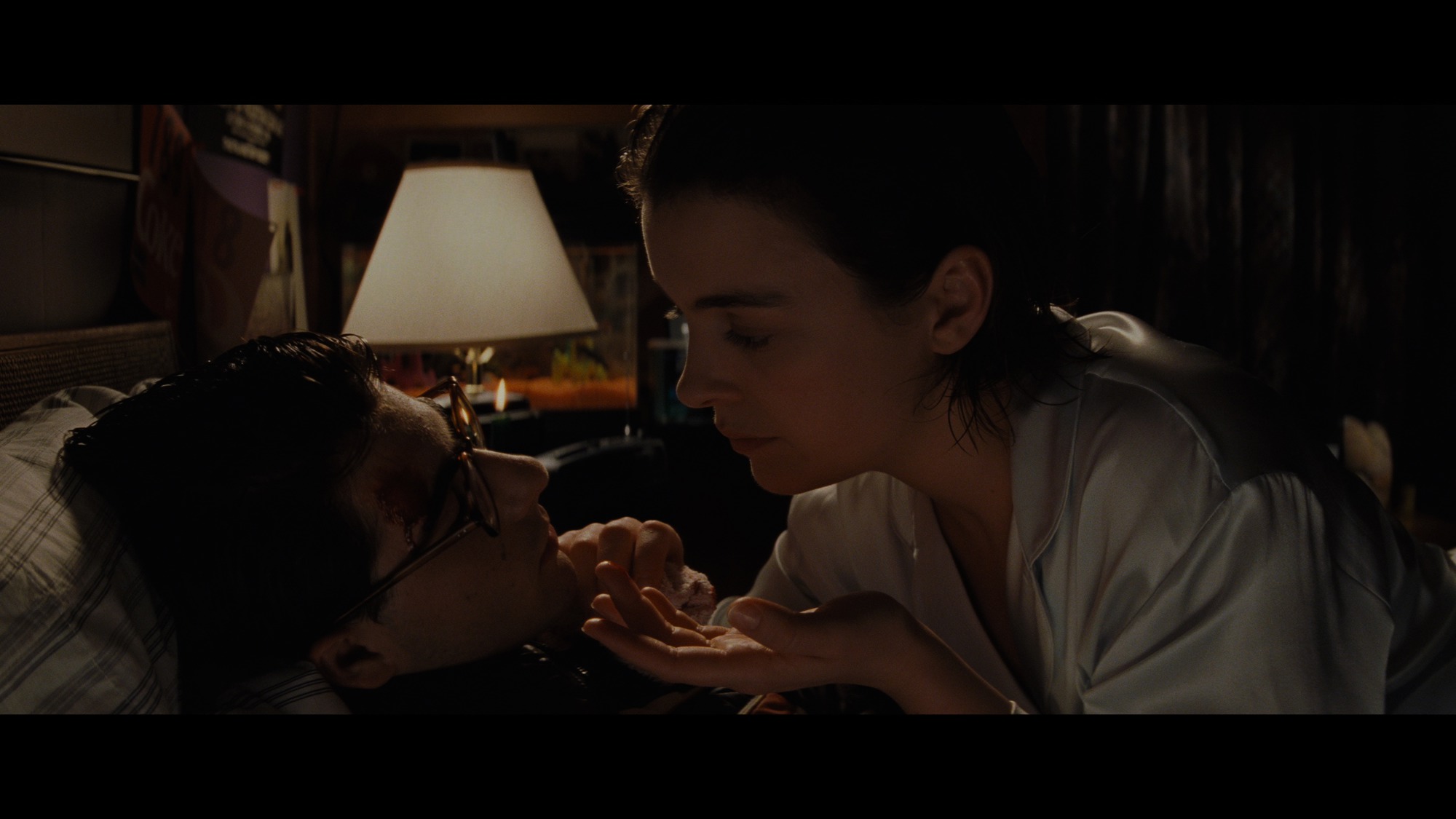
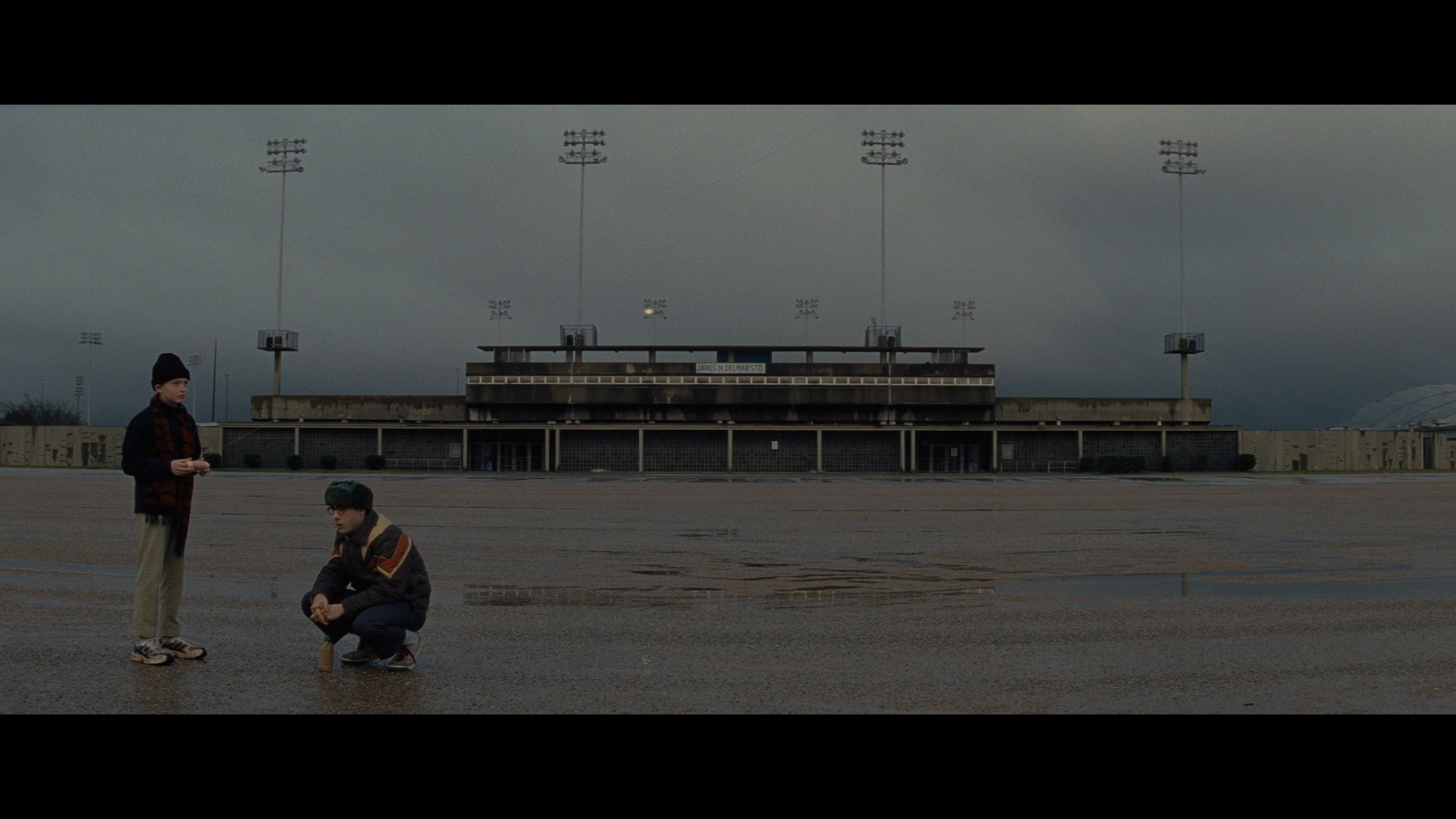
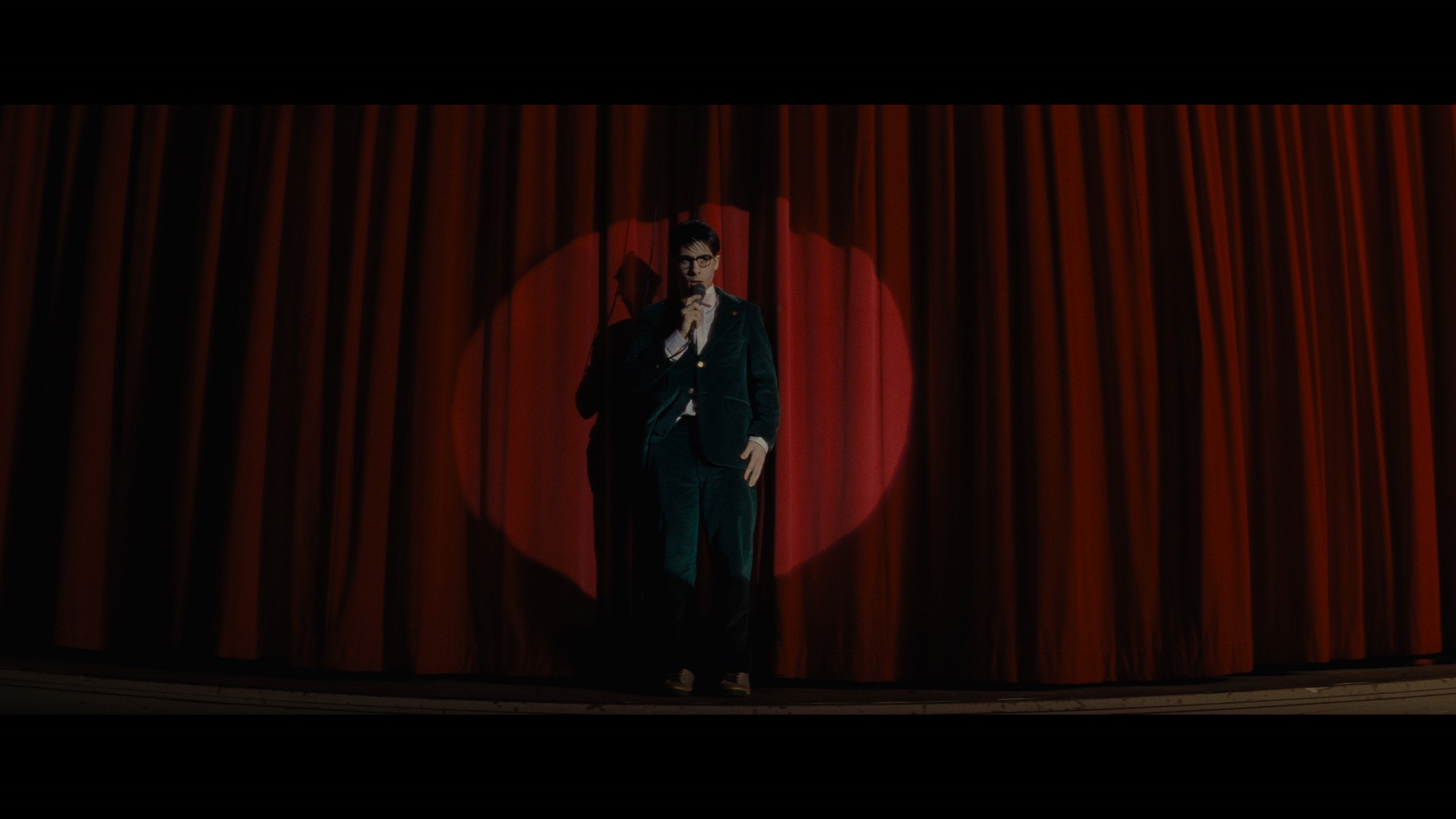
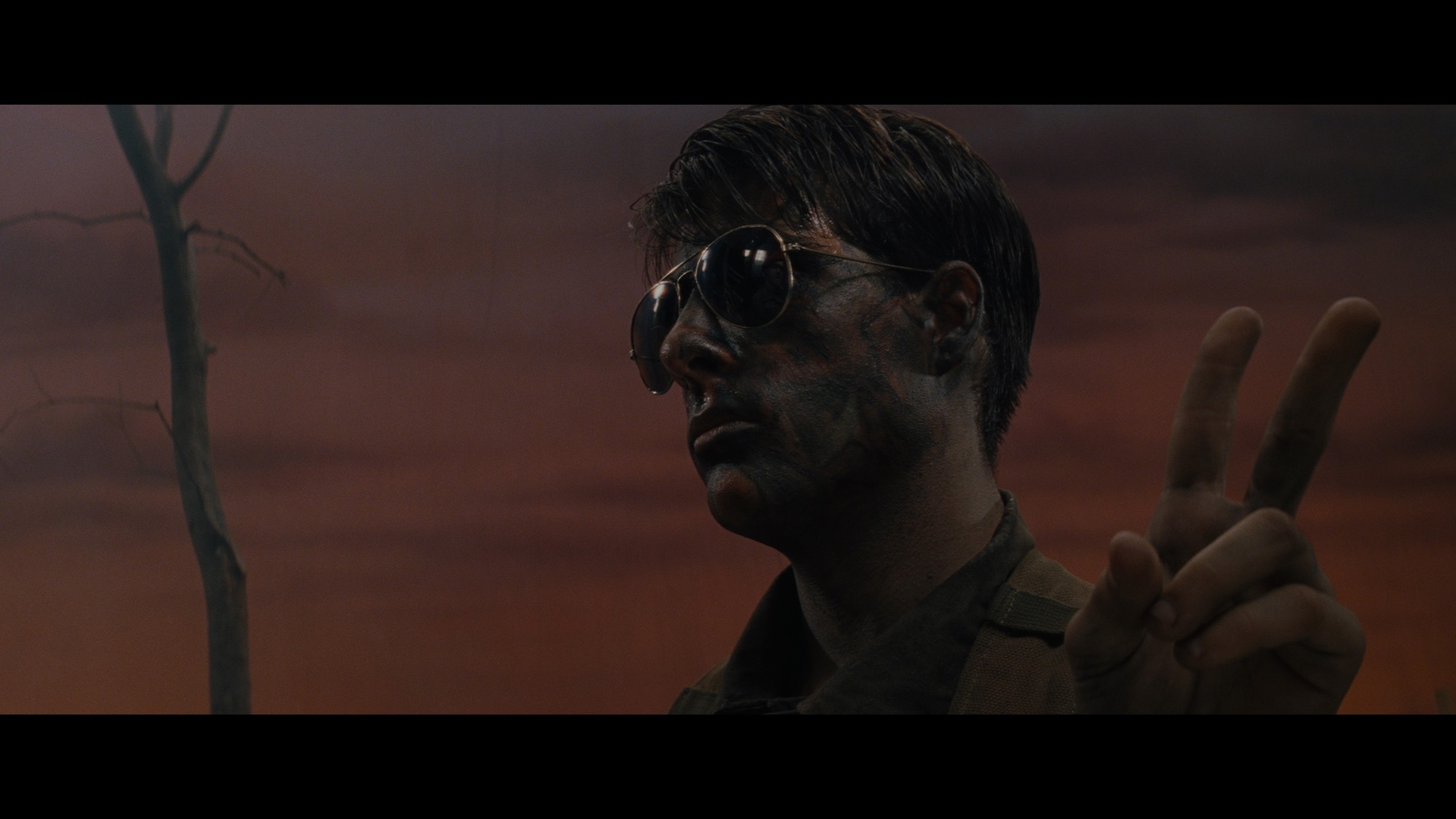
Audio 8/10
The 5.1 soundtrack—once again presented in DTS-HD MA—still sounds excellent. Outside of the film’s score and the British Invasion tracks, most of the soundfield (dialogue and general effects alike) remains anchored to the front channels, with the music occasionally spreading into the surrounds. Other elements, like the bursts of audience applause, also make their way to the rear speakers. Everything comes through clean and crisp, with impressive range and fidelity.
Where the track truly shines (as it always has) is during Max’s climactic “Heaven and Hell” play. The scene erupts with explosions, gunfire, screams, bursts of radio static, and even the roar of a helicopter, all swirling around the viewer for a wonderfully immersive moment. The overall effect feels a little sharper and fuller than it did on the Blu-ray, making for an especially fun and dynamic mix.
Extras 6/10
Sadly, Criterion simply ports over the supplementary material originally produced for the 2000 DVD release without adding anything new. Most of it still holds up well enough, but at this point, a retrospective or newly recorded discussion would have been very welcome.
The supplements begin (and appear on both the 4K and Blu-ray discs) with an audio commentary featuring director Wes Anderson, co-writer Owen Wilson, and actor Jason Schwartzman. Anderson and Wilson focus largely on their inspirations and approach to the characters, with Anderson recalling real-life experiences that fed into the story—like getting kicked out of school—and the films that influenced them. Schwartzman adds a number of amusing anecdotes and memories from the production, including (a few times), how he “shaved his chest!” for the role. Though all three were recorded separately (as was common for Criterion’s early commentaries), the track still moves at a good pace, is full of insight, and remains one of the more entertaining and informative Anderson commentaries Criterion has produced.
The remaining material appears on the included Blu-ray. Up first is Auditions, running about 9 minutes, which collects video footage of Jason Schwartzman, Stephen McCole, Ronnie and Keith McCawley, Sara Tanaka, and Mason Gamble trying out for their parts. Shot on video, it’s understandably rough, but it’s still fun to watch everyone, many of them non-professionals at the time, step into their characters. The clips can be viewed individually or as one sequence.
Next are a trio of short parody segments created for the 1999 MTV Movie Awards, in which Max and his crew perform their own versions of The Truman Show, Armageddon, and Out of Sight, complete with a brief intro by Max explaining how the group was “commissioned” by MTV. They’re brief but quite funny, especially the Armageddon spoof, and run about 4 minutes in total.
Eric Anderson, Wes’ brother, contributes a 17-minute behind-the-scenes feature titled The Making of “Rushmore”. Originally intended as a standard EPK, it grew into something slightly longer and more personal. It still only scratches the surface, mostly offering set footage and short interviews, but it captures the relaxed, good-natured atmosphere of the shoot. It’s more engaging than most promotional pieces, even if only slightly.
Also returning is a short, two-minute storyboard comparison for the film’s opening sequence, showing the finished scene on the top half of the screen and the storyboards below. Criterion further includes storyboard galleries for the “Geometry Dream,” “Yearbook Montage,” “Country Club Scene,” “You Are Forgiven,” and part of the “Vietnam Play.” Each can be navigated manually using the remote.
An extended Charlie Rose interview with Anderson and Bill Murray, running about 54 minutes, rounds out the main video features. It’s a peculiar inclusion: Rose wanders a bit, often focusing on topics unrelated to the film, and at times seems unfamiliar with Rushmore itself (I still highly doubt he actually saw the film). Murray’s portion takes up roughly two-thirds of the runtime, with Anderson filling in the rest. The most engaging bit involves Anderson describing how he courted Murray for the role, sending him copy after copy of Bottle Rocket, but otherwise, it’s an oddly offbeat piece. In hindsight, it’s almost more interesting as an artifact, and possibly even the inspiration for the faux-interviews that would appear in later Anderson supplements.
The disc closes with the theatrical trailer and a trimmed-down version of the “Archiva Graphica” gallery. The original DVD featured a much larger selection, including concept poster art, photos, materials from the film, and even Max’s handwritten speech to his new class, but here Criterion only includes the portrait sketch, the concept poster, and a few close-ups.
Also missing this time, due to the new box set’s format, is the foldout map included with the earlier DVD and Blu-ray, which charted the film’s events. The digipak for the discs here replicates a hardbound encyclopedia entry, holding the discs and a booklet featuring Dave Kehr’s essay (originally from the DVD) along with a reprint of Anderson’s introduction to the screenplay (technically a new addition). Given the size and ambition of the Wes Anderson Archive set, it’s a shame Criterion didn’t find a way to include that map again, especially since there is a pocket in the box itself (unless licensing issues got in the way).
Overall, while the supplements remain enjoyable, they’re long overdue for an update. At the time, this material was a huge step up from Disney’s barebones DVD, but 25 years later Rushmore deserves a fresh revisit, whether through cast and crew reflections or a deeper academic perspective on Anderson’s breakout success.
Closing
I still wish Criterion would see fit to revisit some of Anderson’s titles as they rerelease them, but the 4K presentation here is a standout, and easily the best in the set.
BUY AT: