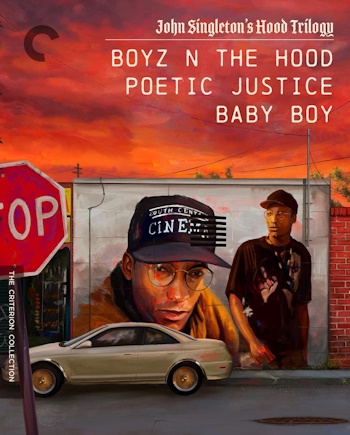
John Singleton's Hood Trilogy
BUY AT:


See more details, packaging, or compare
Synopsis
With his electrifying debut feature, Boyz n the Hood, John Singleton brought his South Central Los Angeles community to the screen with a bracing immediacy that rocked 1990s American cinema and popular culture. Poetic Justice and Baby Boy completed what the director considered his Hood Trilogy, a series of richly nuanced films that constitute a dramatic universe all their own. Featuring remarkable performances from supernova talents like Cuba Gooding Jr., Angela Bassett, Regina King, Janet Jackson, Tupac Shakur, and Taraji P. Henson, these indelible tales of urban life explore the experience of growing up Black and searching for one’s place in the world.
Picture 9/10
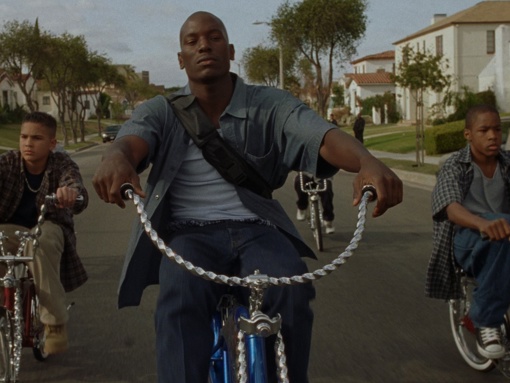
The Criterion Collection brings together three of John Singleton’s films in 4K through their new box set John Singleton’s Hood Trilogy, including Boyz n the Hood, Poetic Justice, and Baby Boy. Each film is presented on its own triple-layer disc in the original aspect ratio of 1.85:1, with a 2160p/24hz ultra high-definition encode and Dolby Vision. All three have been restored in 4K by Sony Pictures Home Entertainment, sourced (primarily, at least) from scans of the 35mm original camera negatives. Unlike most of Criterion’s 4K releases, this set includes only 4K presentations; no 1080p Blu-rays are bundled in, with a separate Blu-ray-only edition available instead.
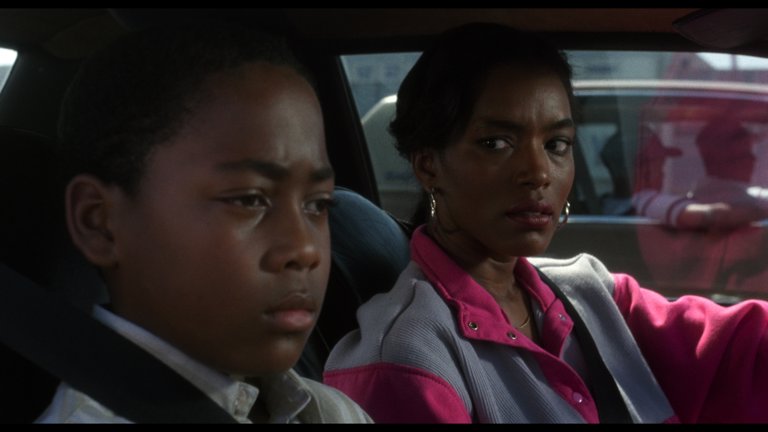
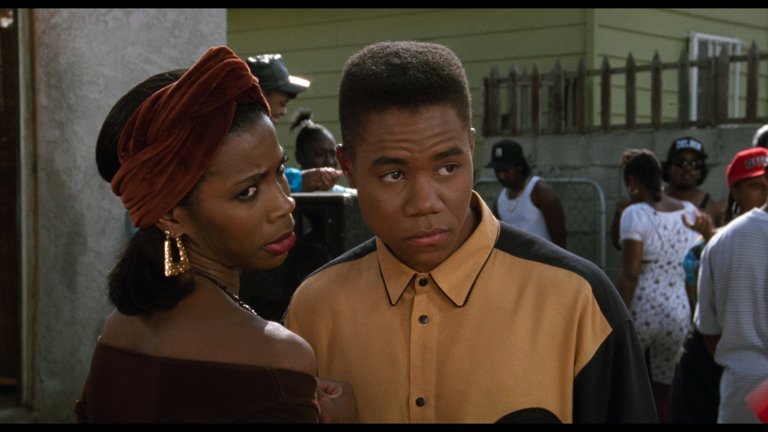
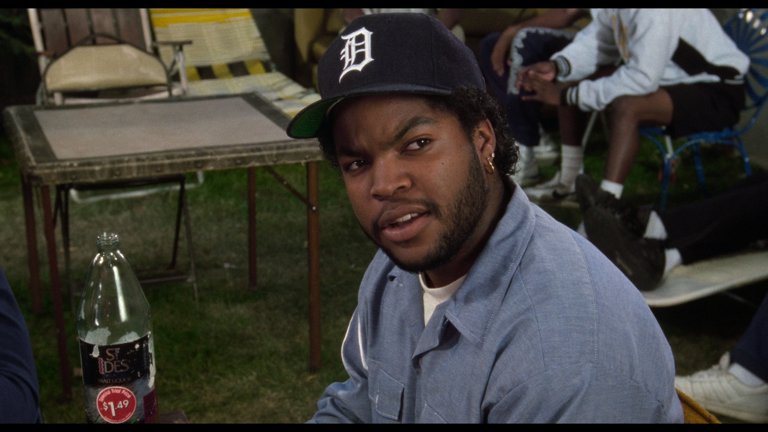
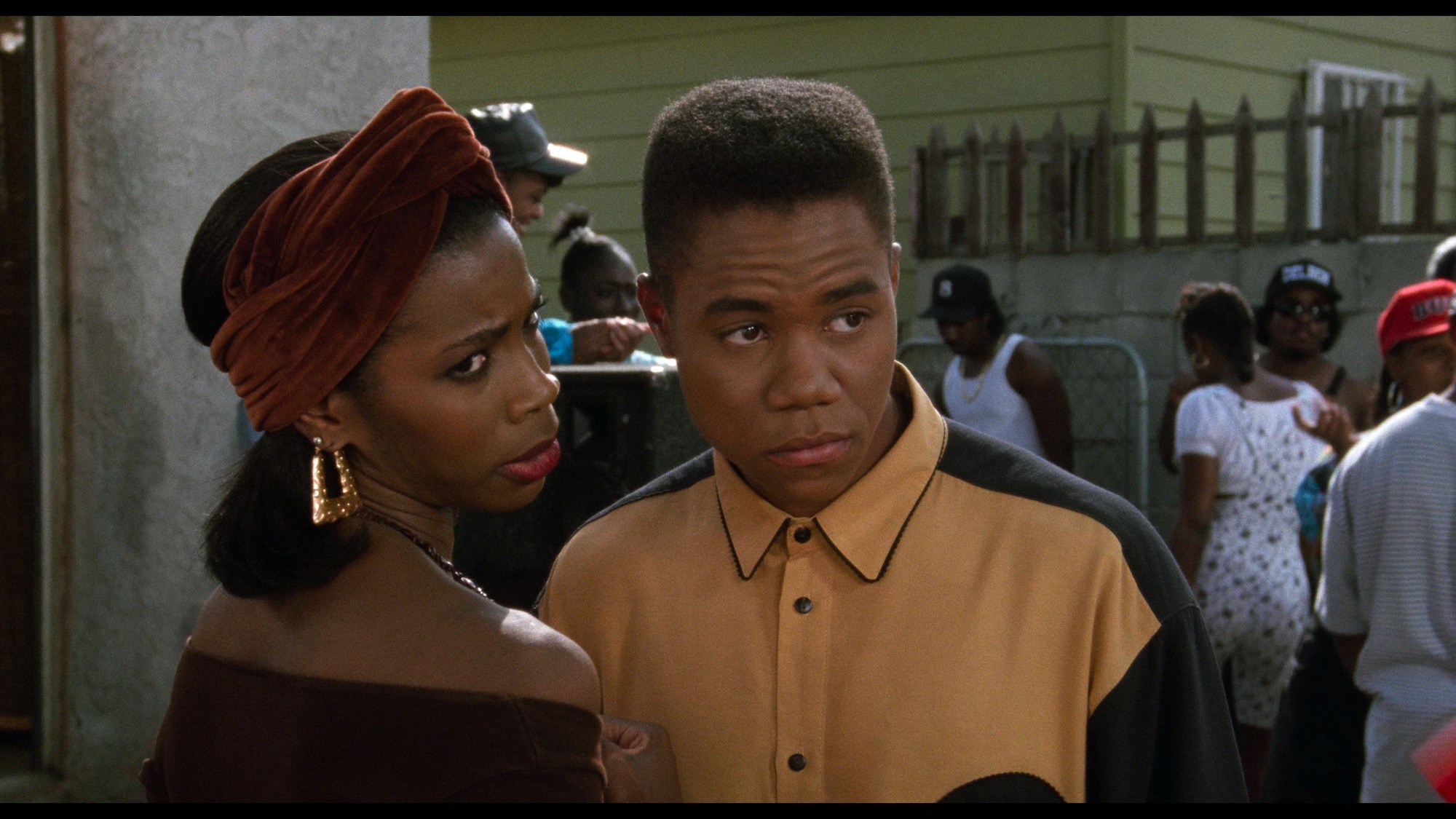
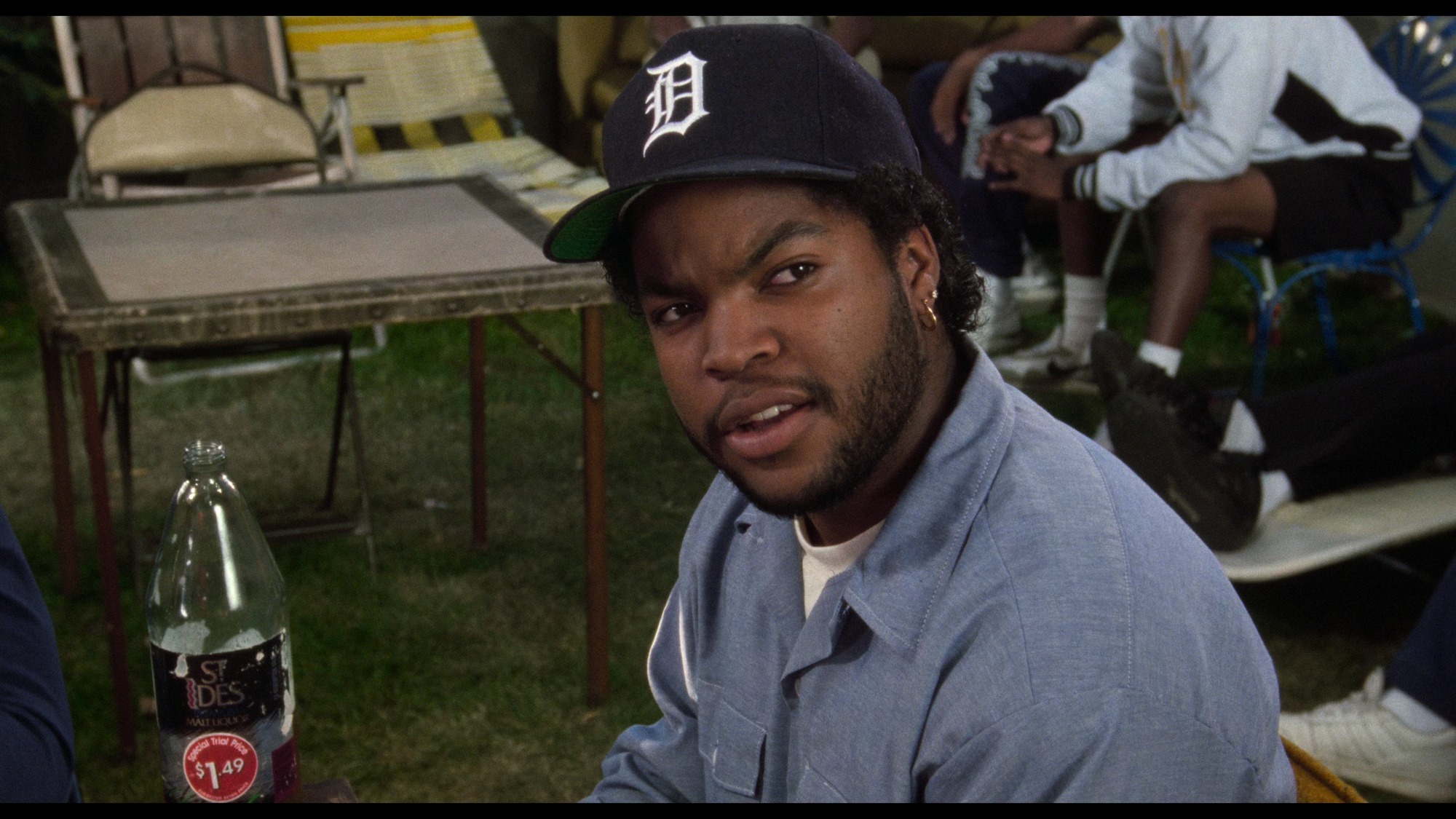
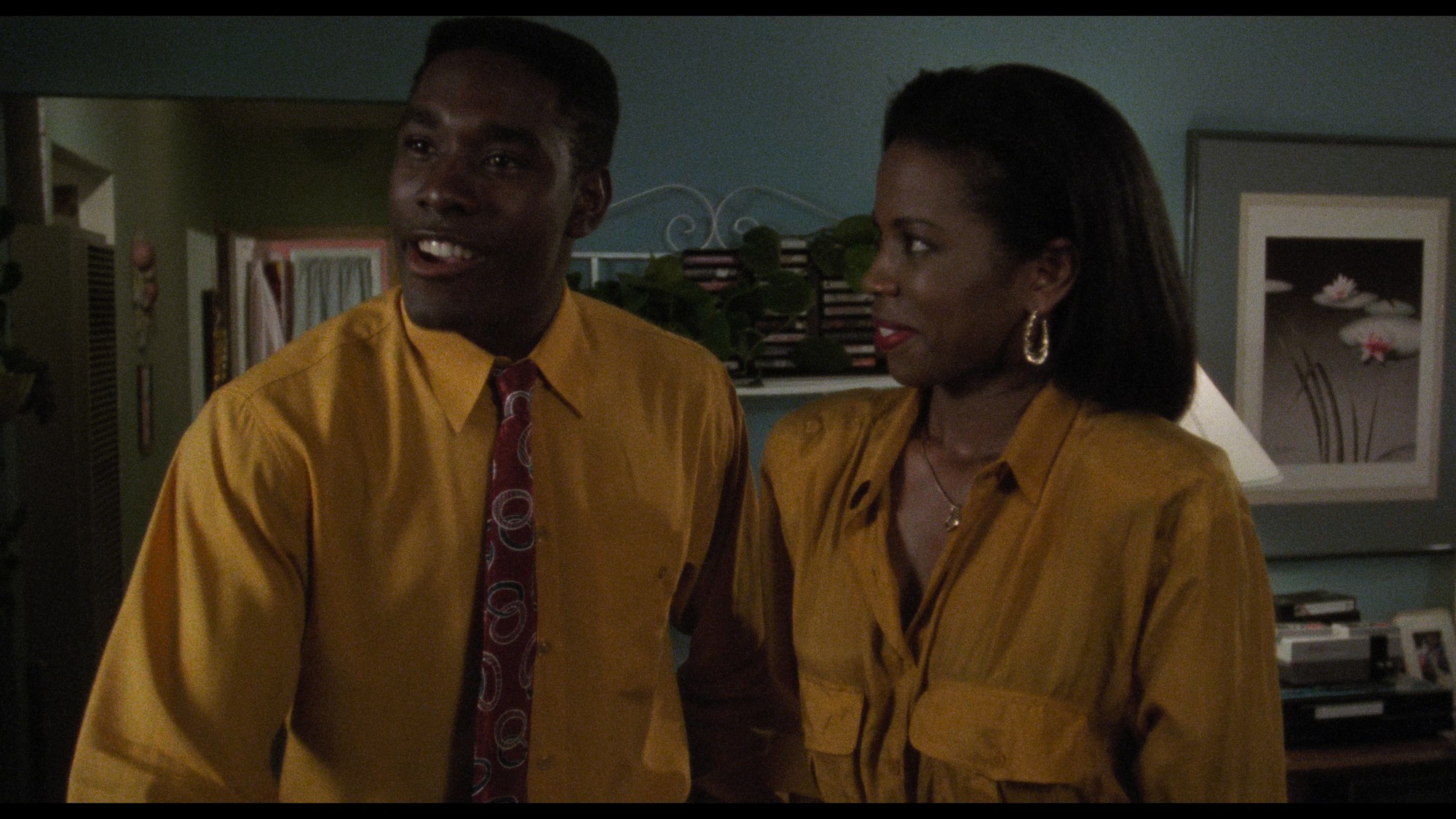
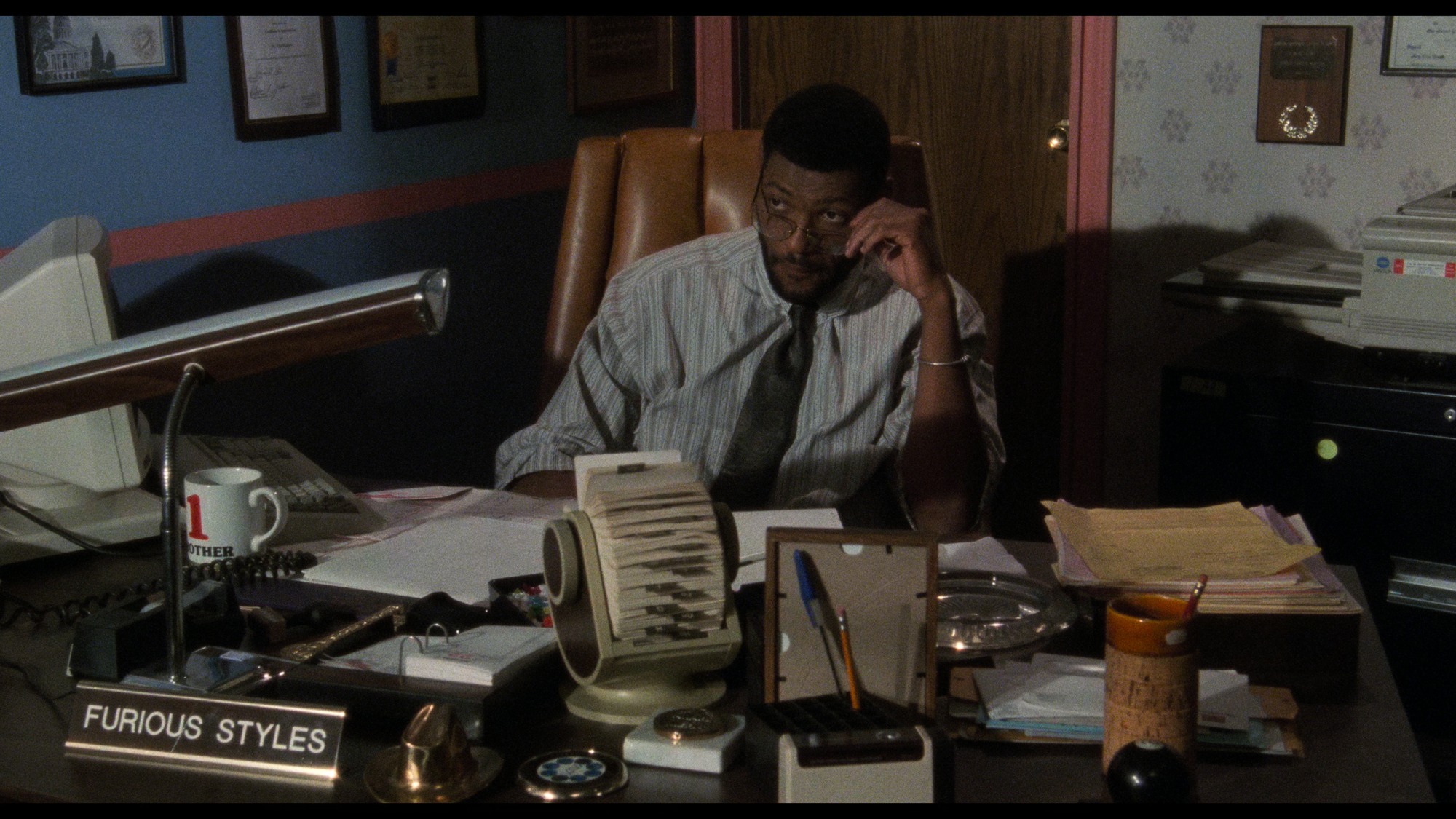
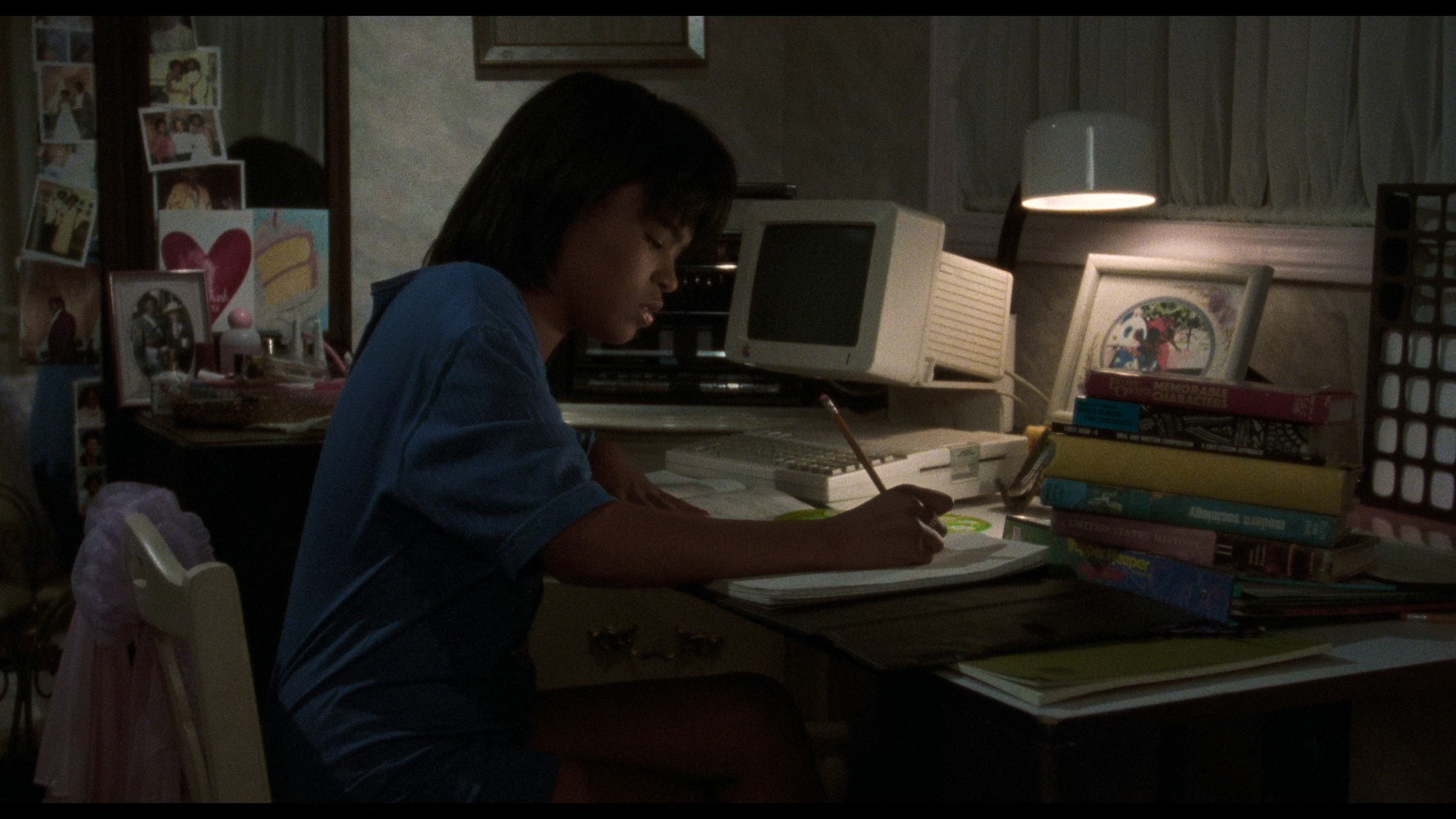
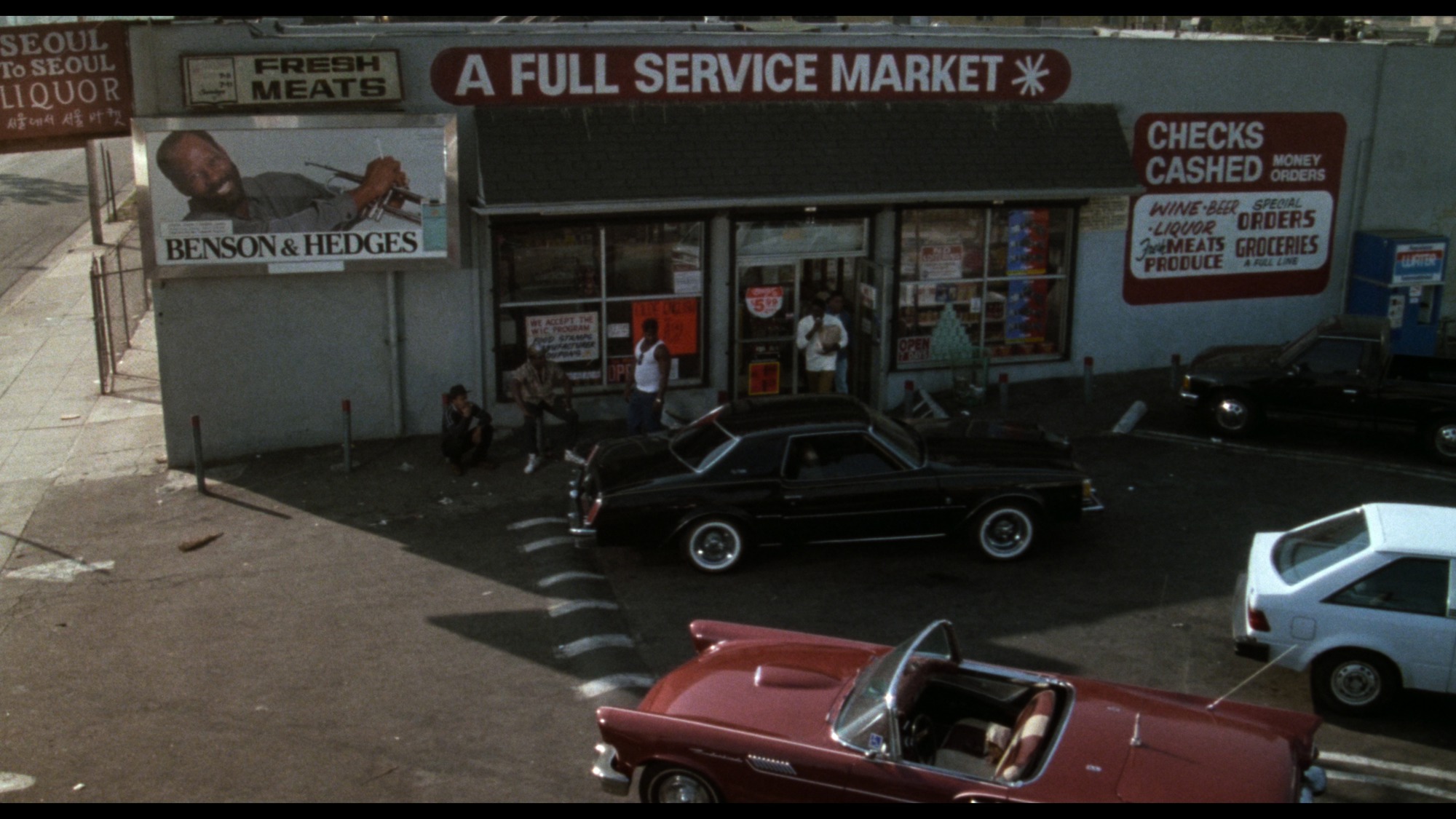
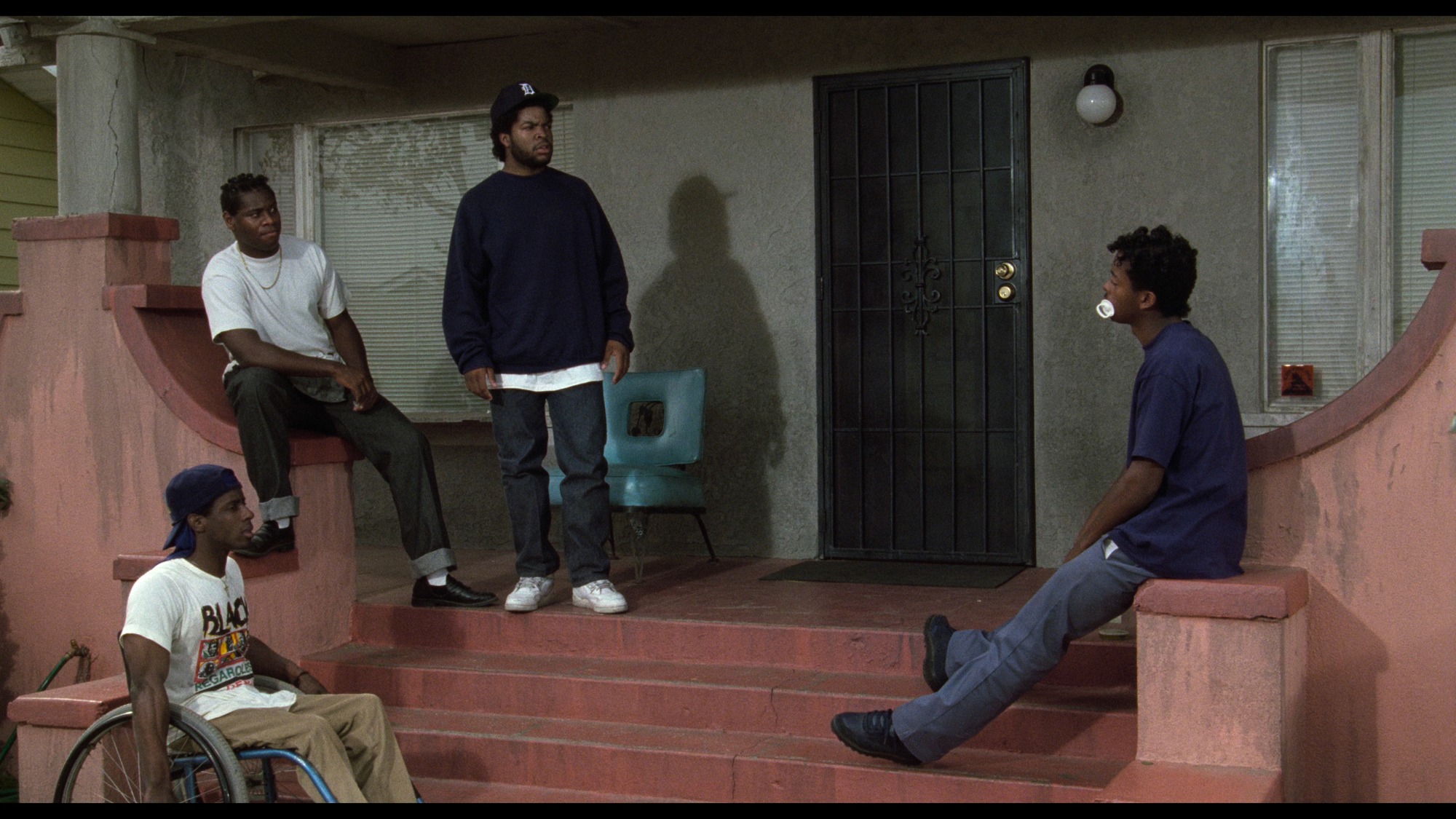
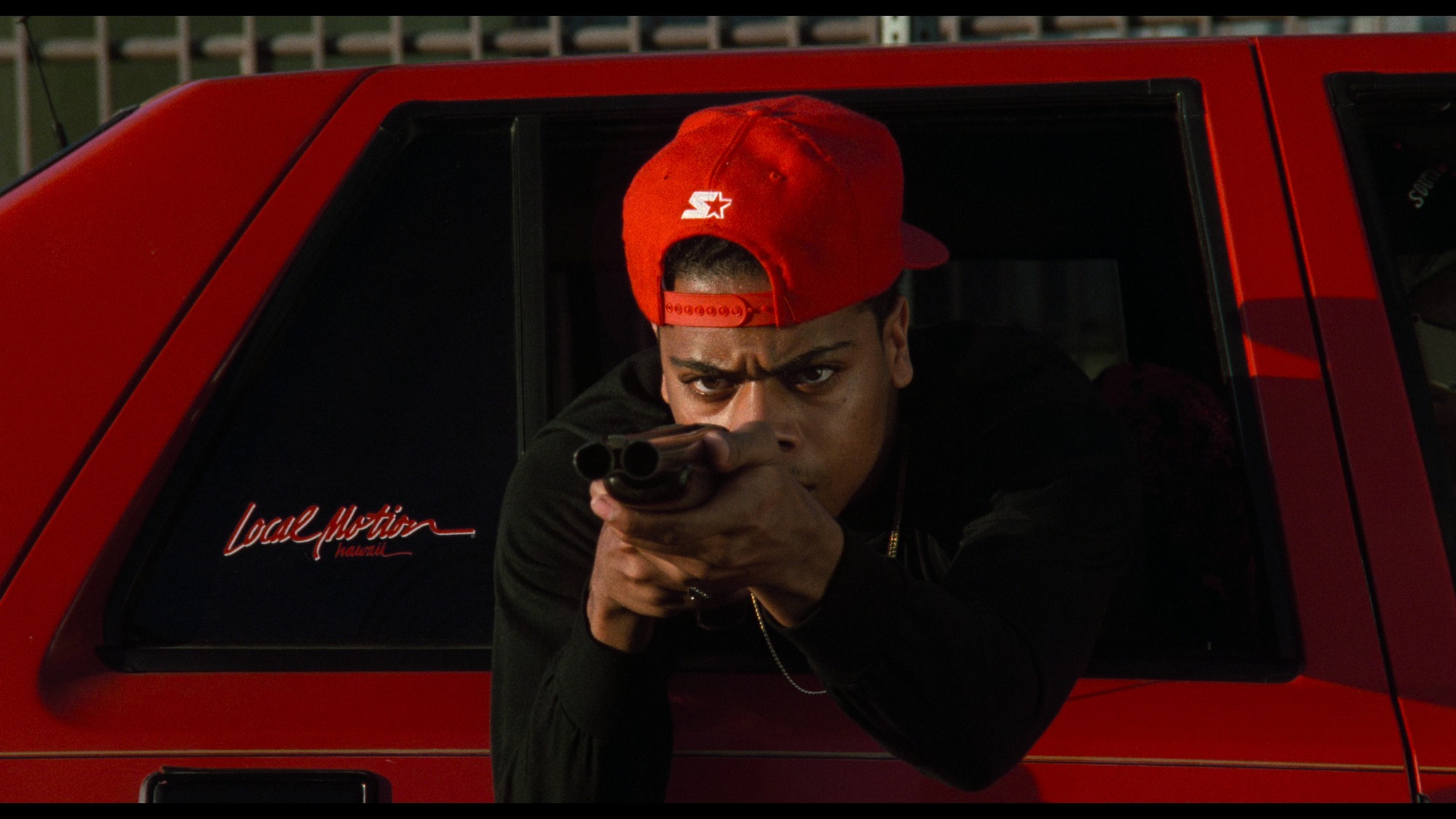
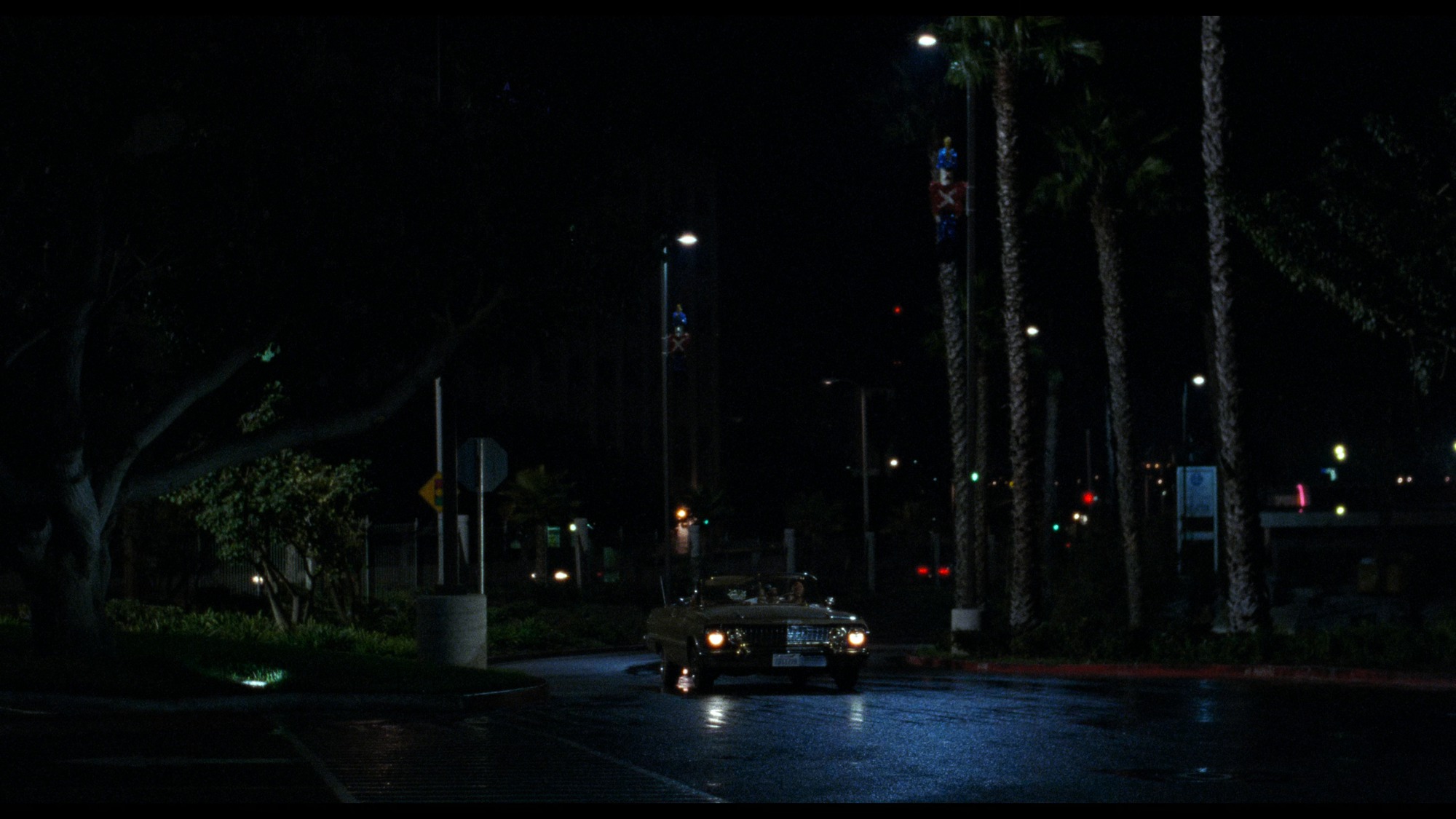
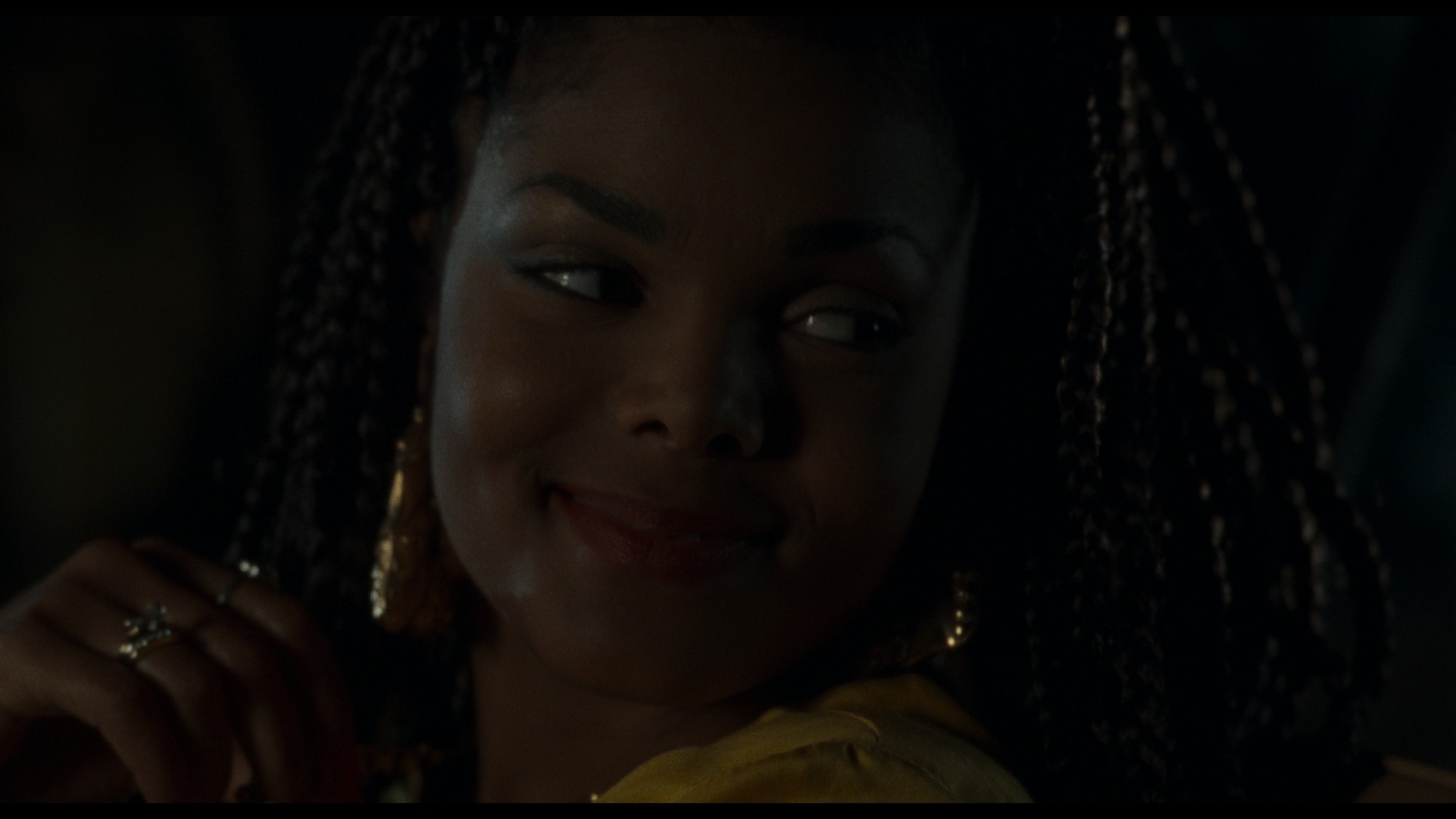
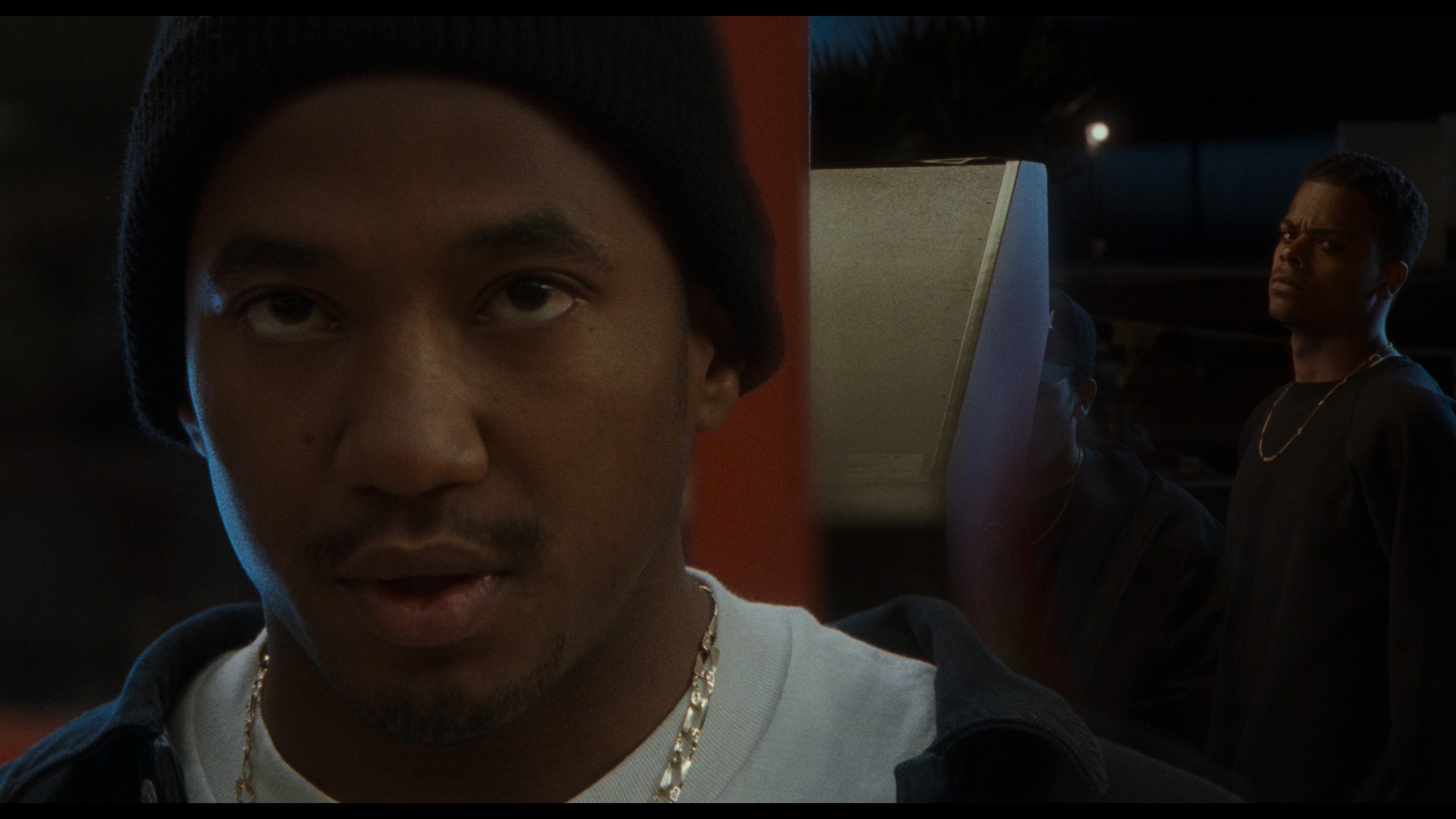
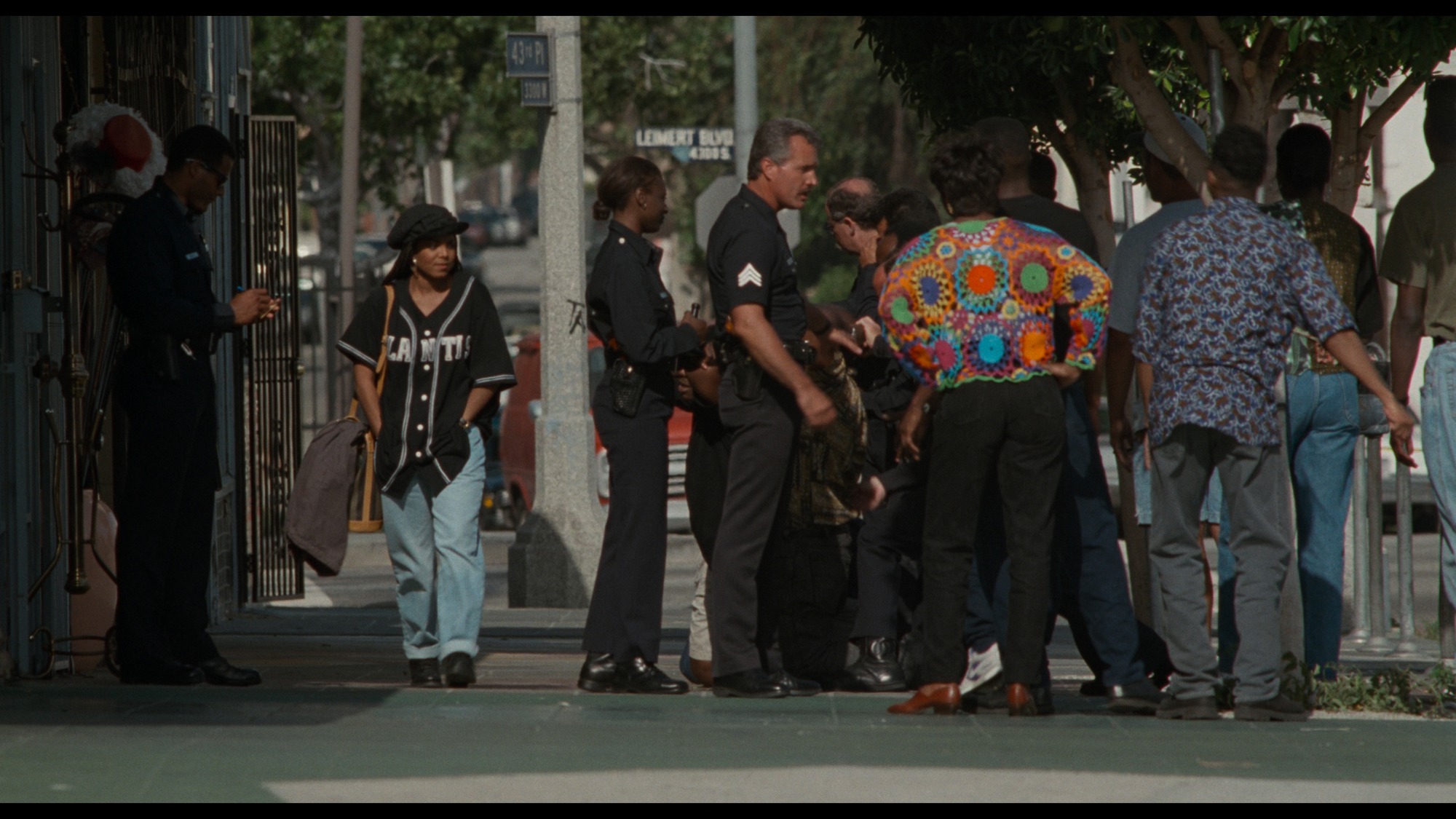
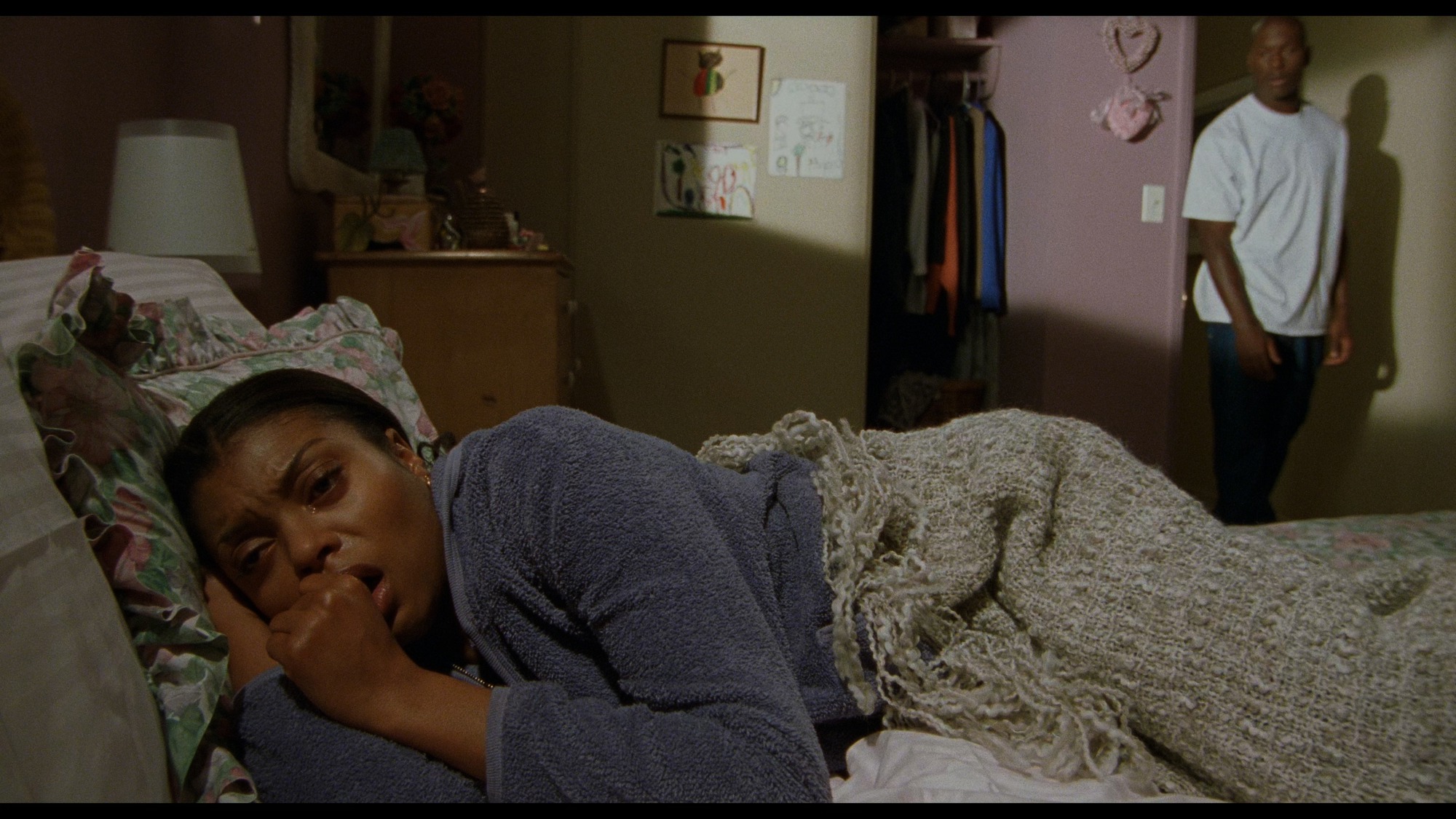
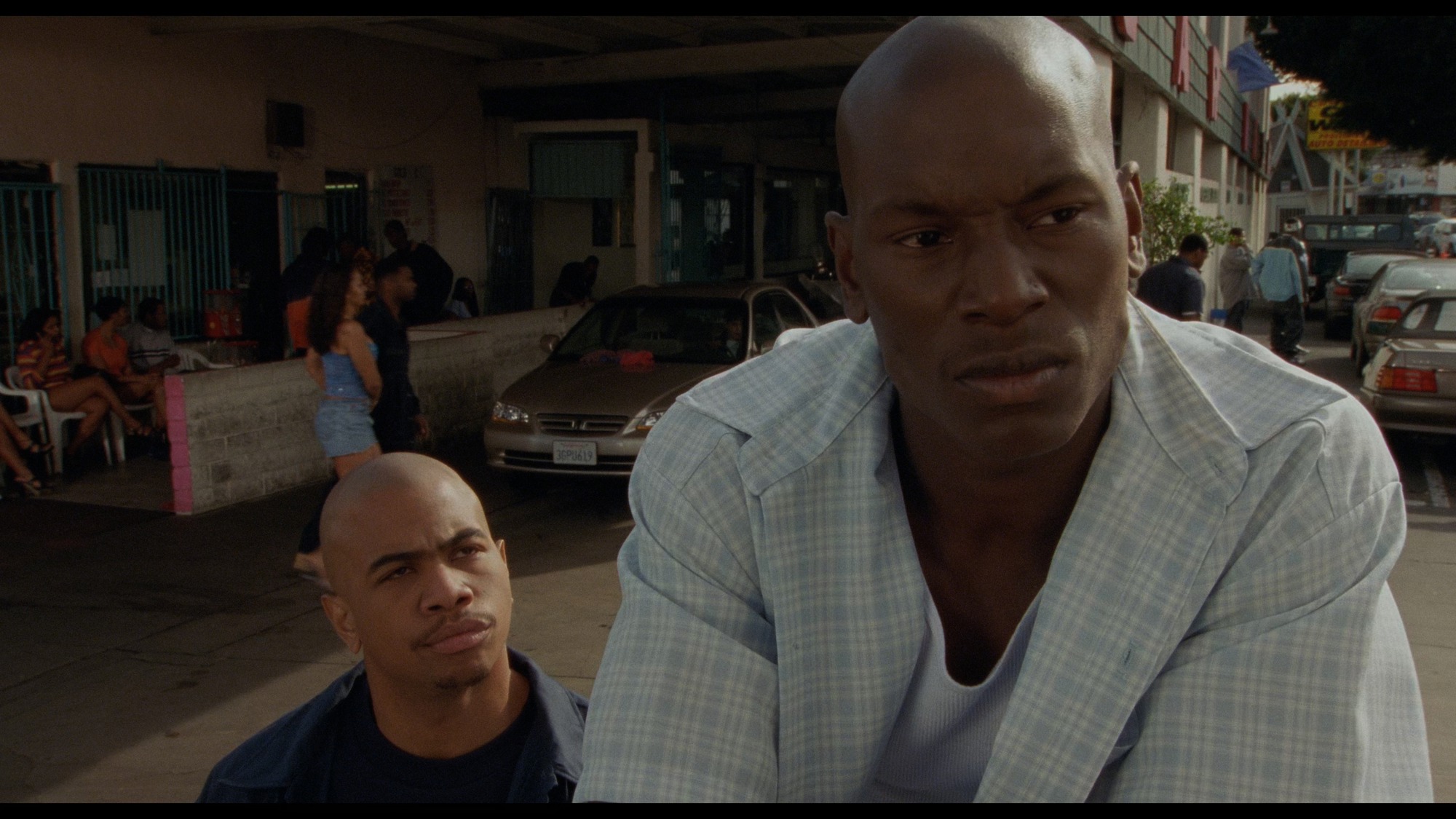
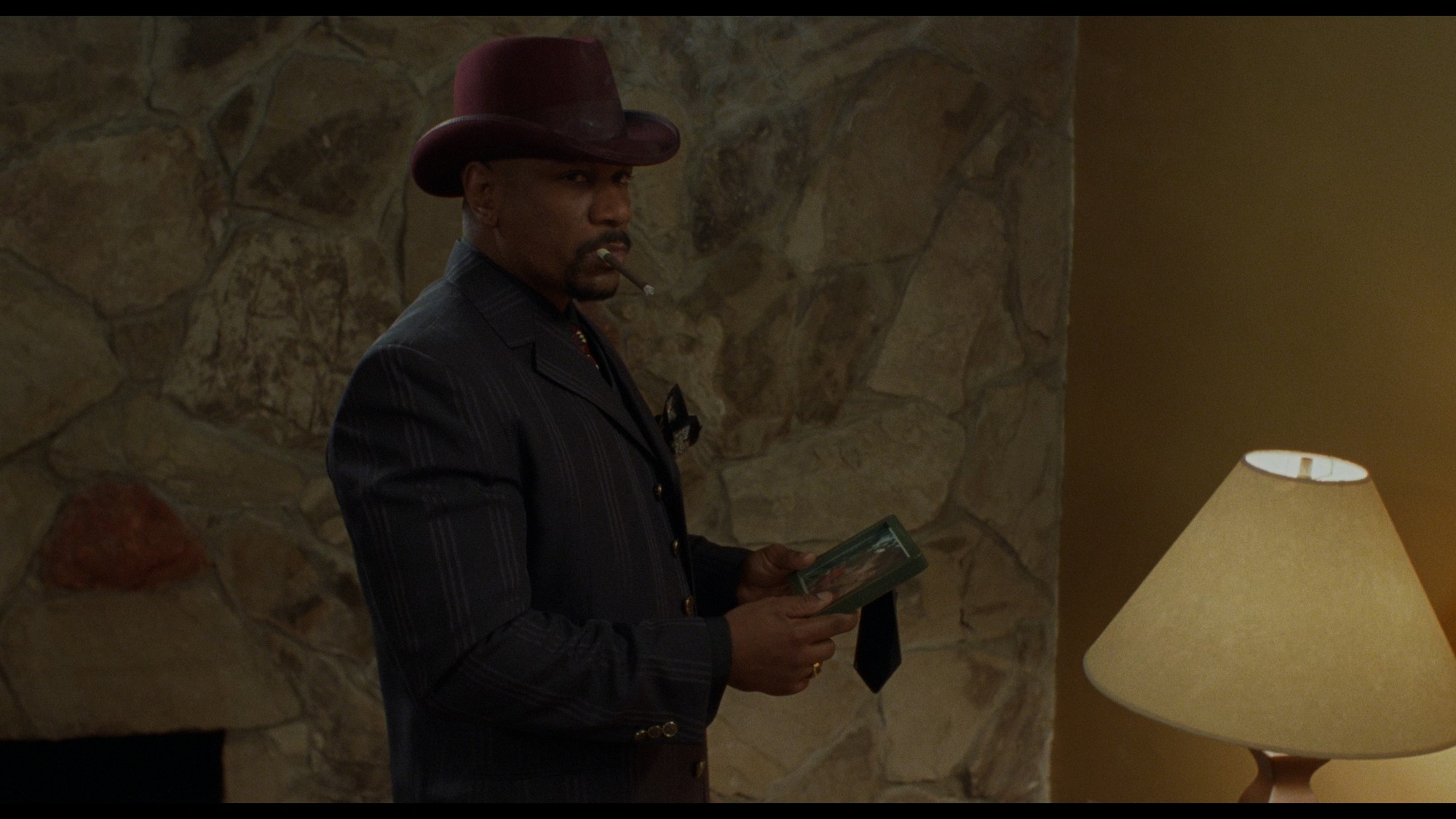
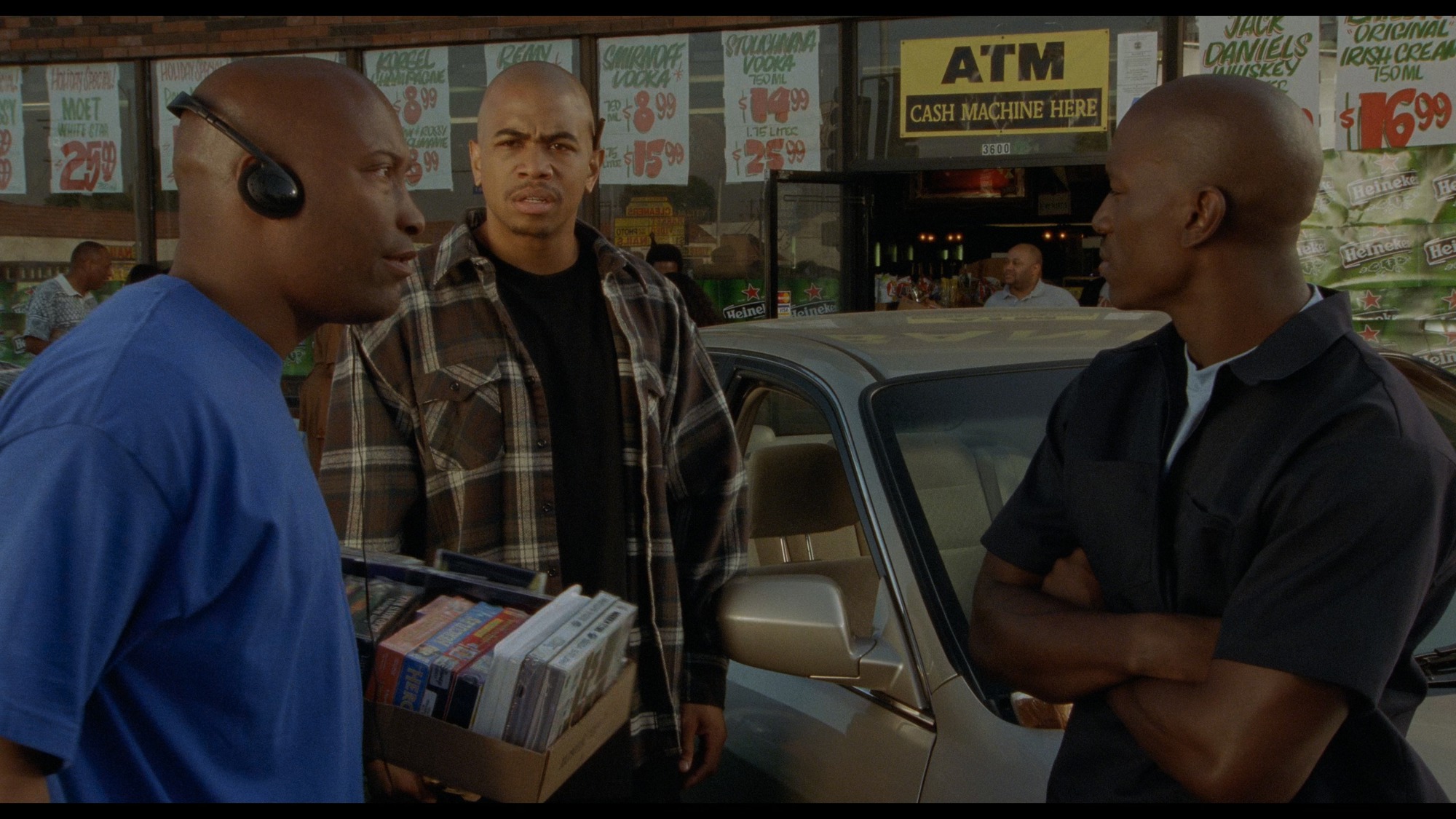
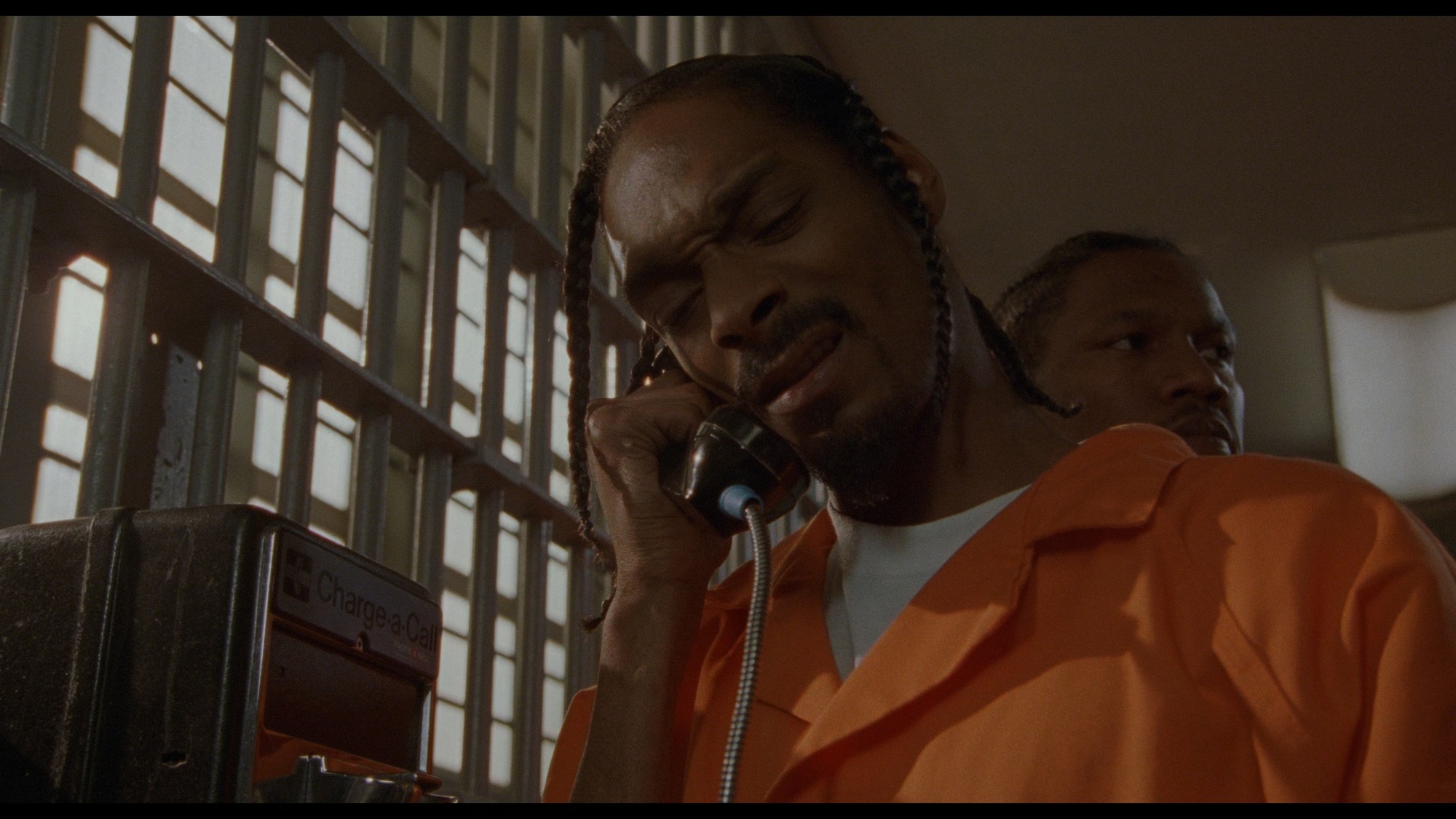
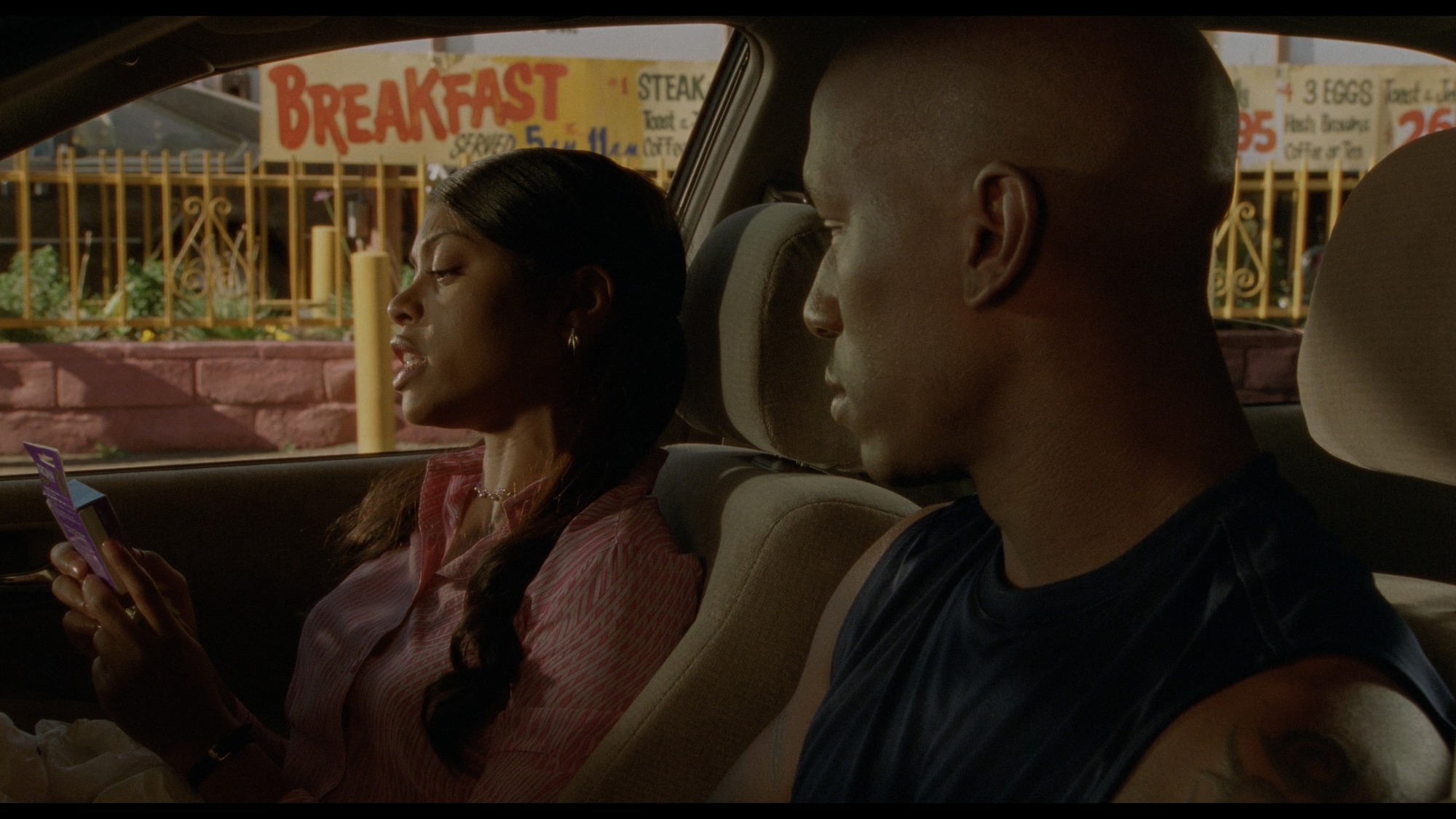
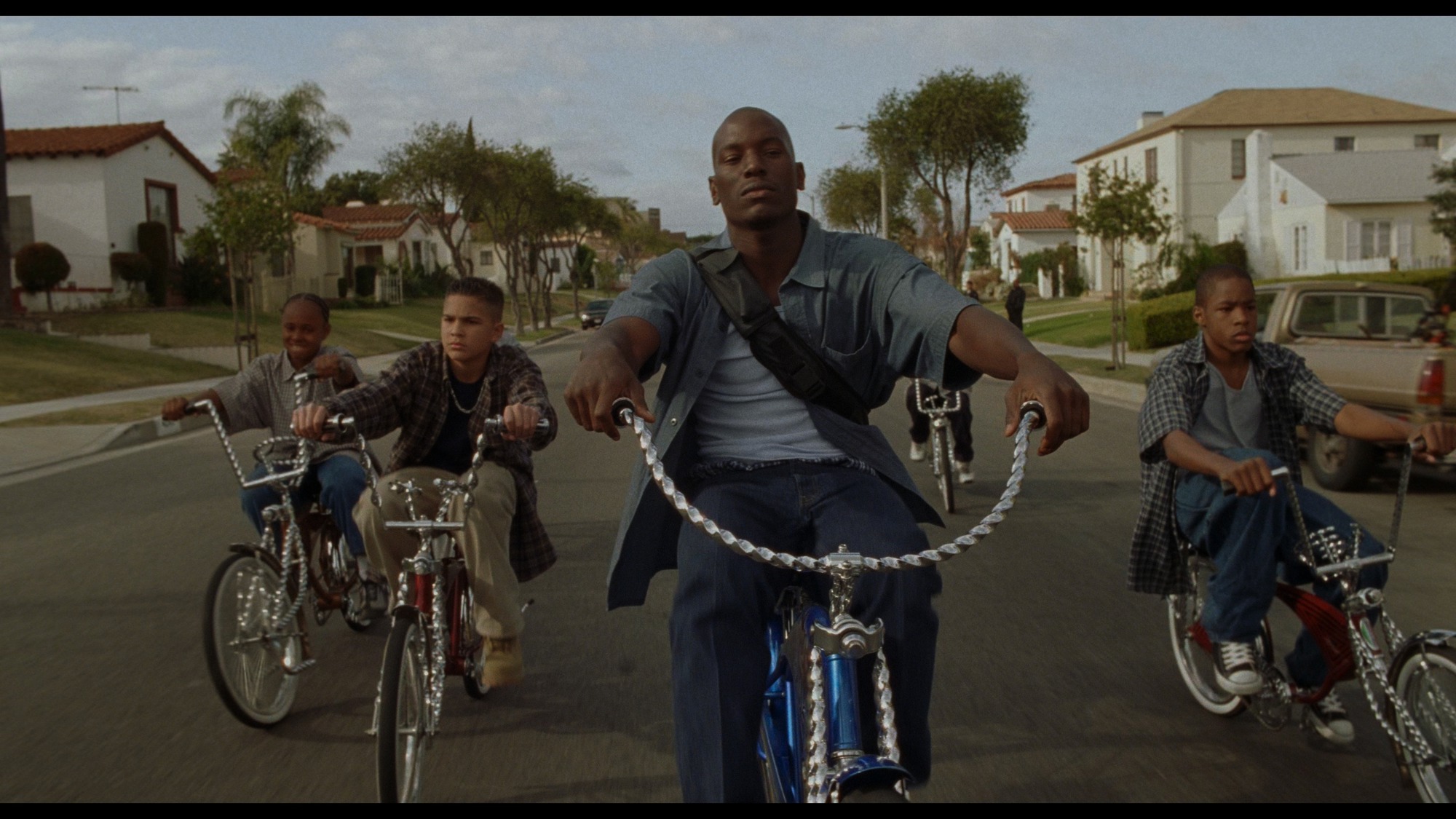
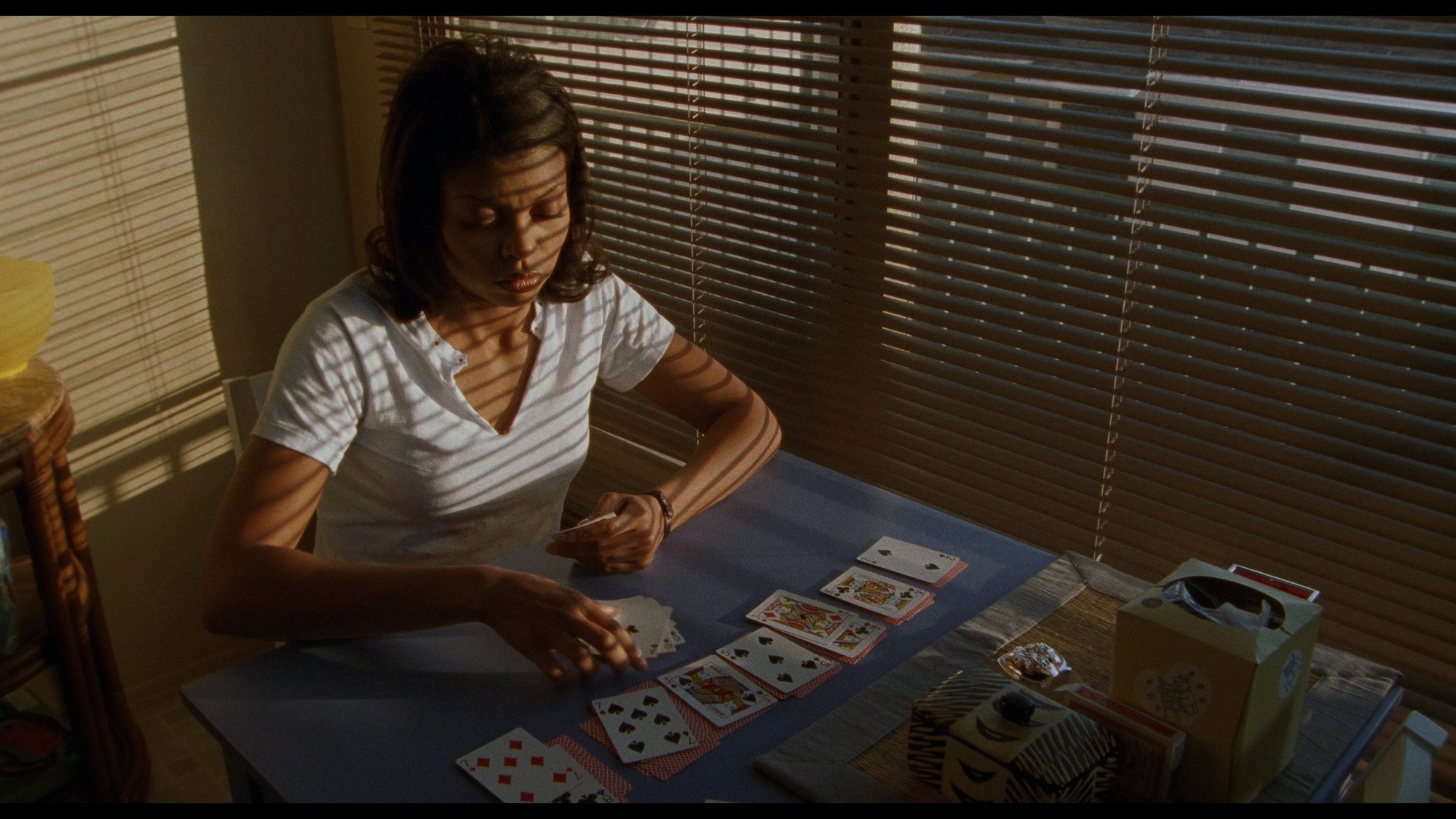
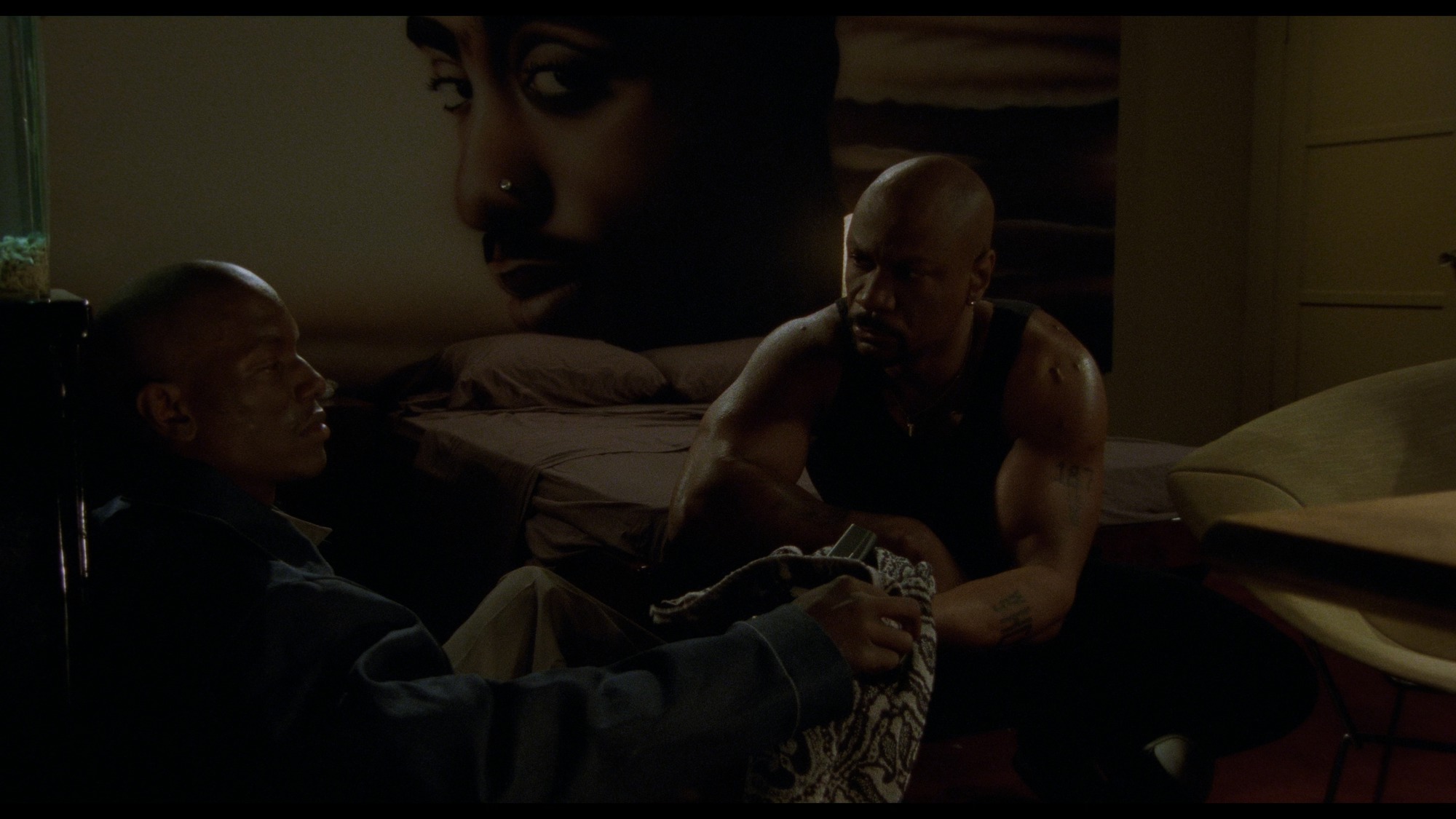
All three presentations look incredible, with Criterion really delivering across the board. Baby Boy may have a slight edge, but only by a small fraction. Each film has been cleaned up thoroughly and often looks brand new, while the encodes handle grain and fine detail effortlessly. Boyz n the Hood and Poetic Justice do feature a handful of dupey-looking inserts (mostly during transitions and montage sequences) but these are expected and the drop in quality is minimal. Otherwise, the source materials appear remarkably pristine.
The HDR grade also provides a welcome boost across all three films, enhancing highlights without ever appearing too hot or clipping detail. Reflective surfaces, like chrome on cars, pop nicely, headlights in nighttime scenes pop out wonderfully, and even bright blue skies are rendered cleanly without any notable artifacts. Shadows show excellent depth, particularly in interior scenes, with Baby Boy again standing out, especially in shots where light filters through window blinds.
Ultimately, all three presentations are excellent, with Boyz n the Hood even improving upon Sony’s already solid 2020 4K release. It’s an impressive set of presentations overall.
[Use the navigation bar or individual links to see more details about each title.]
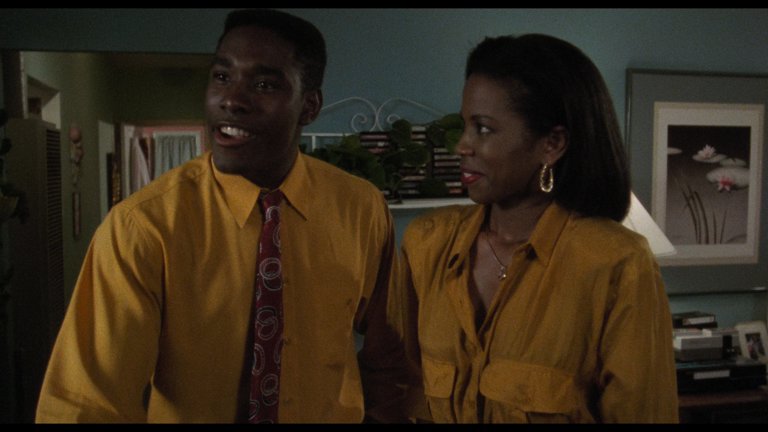
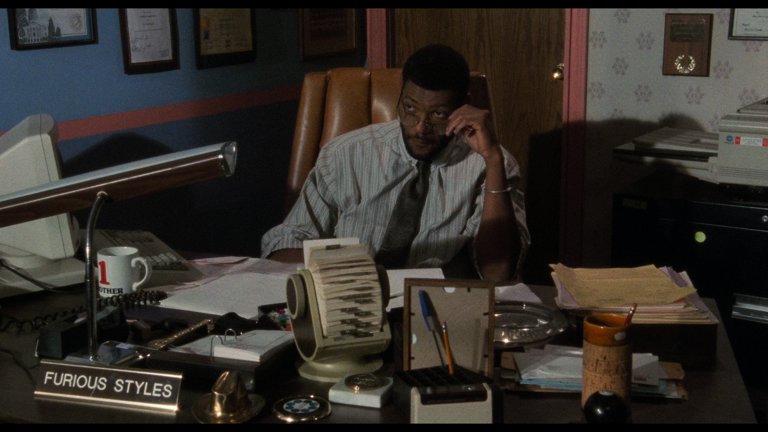
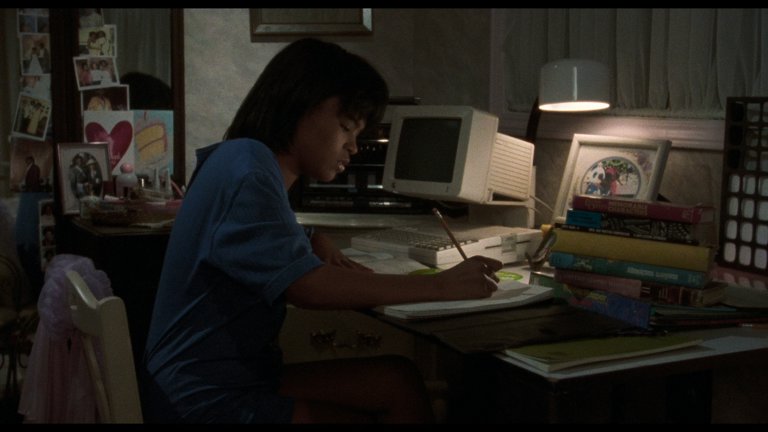
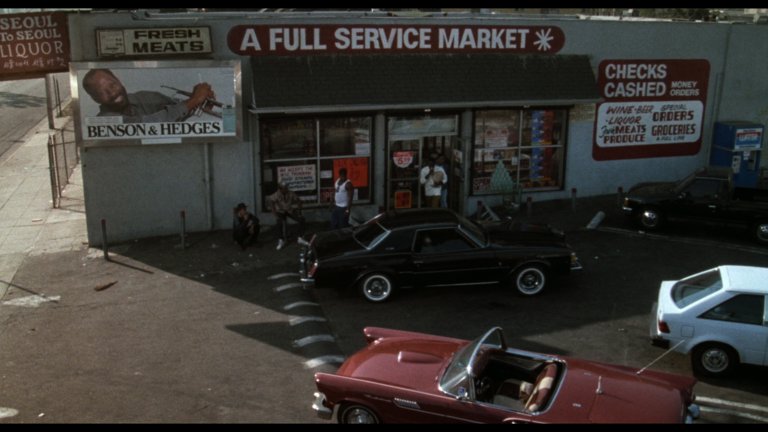
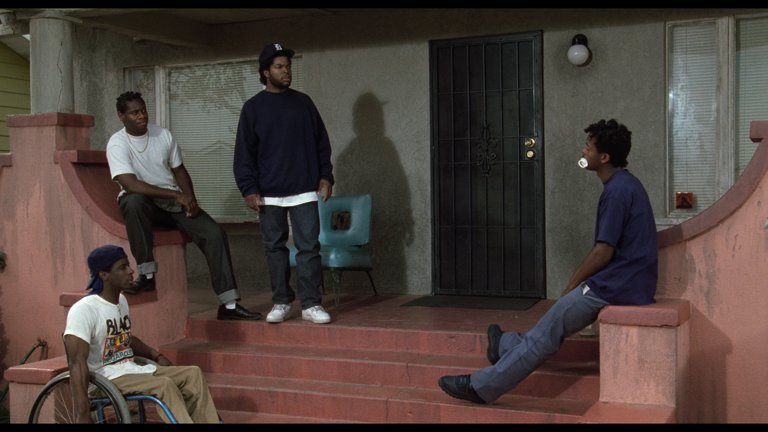
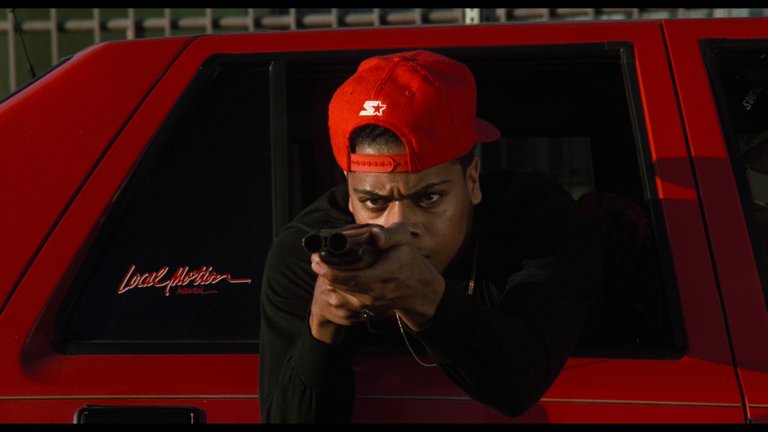
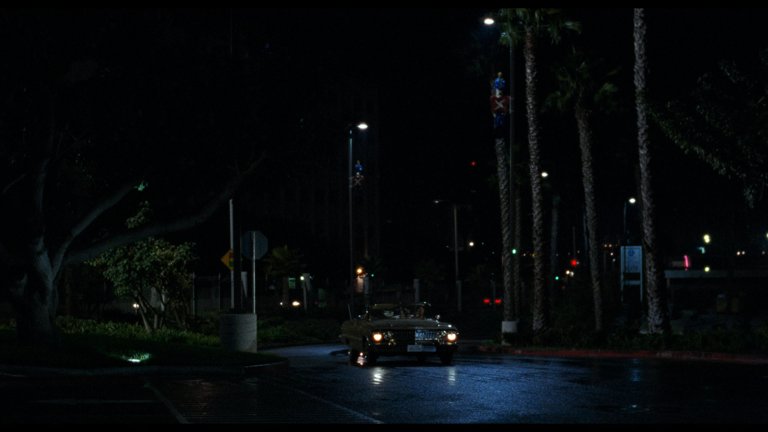
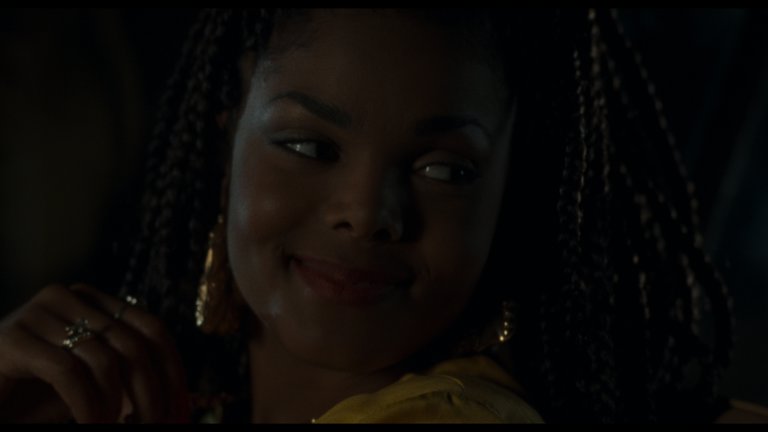
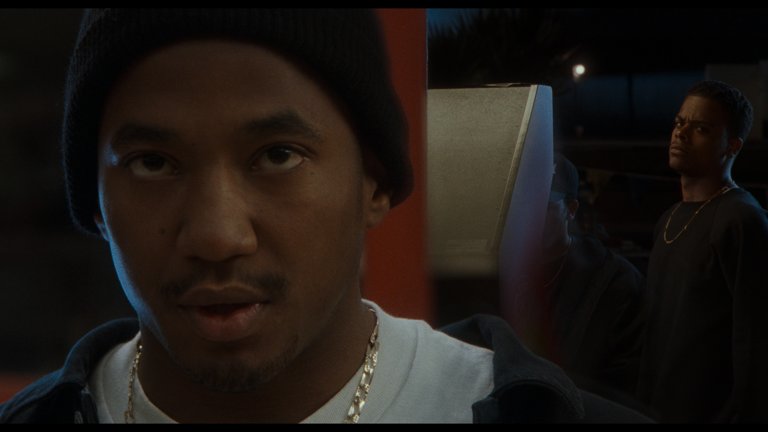
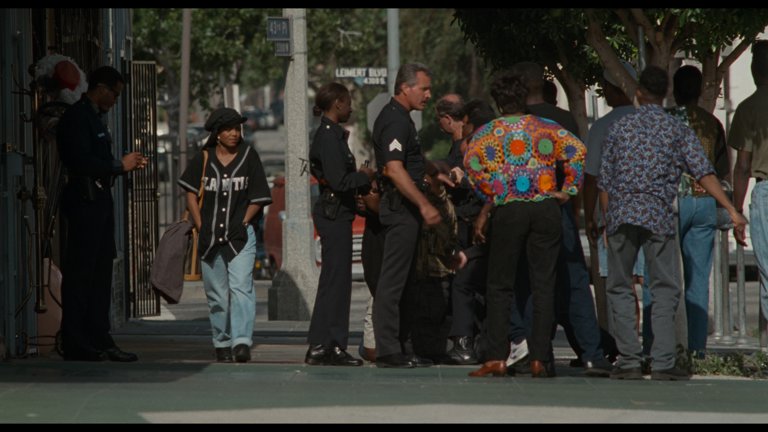
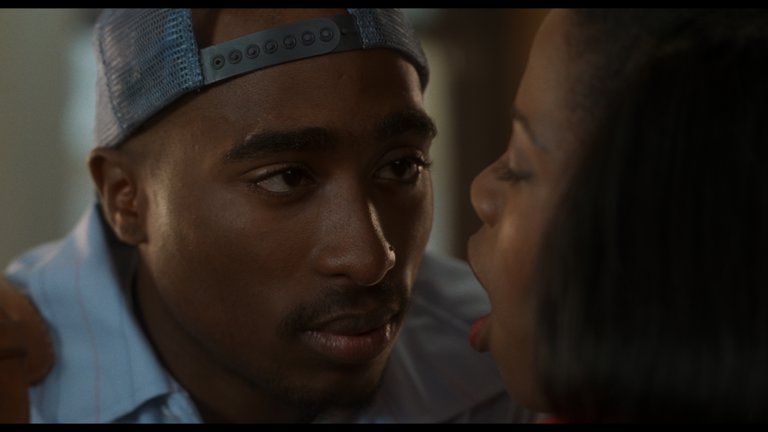
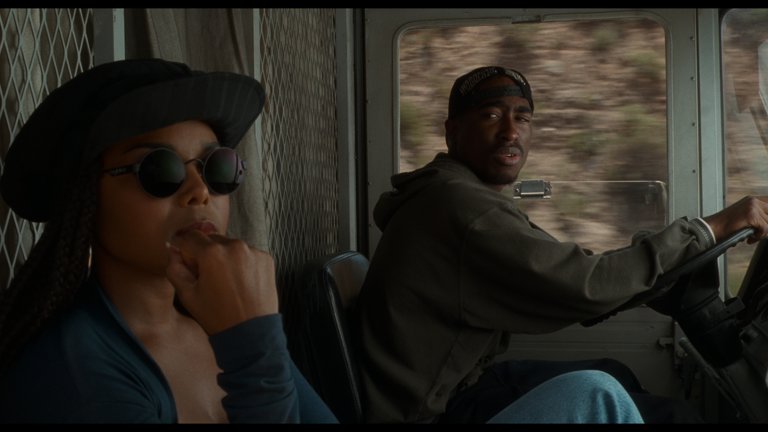
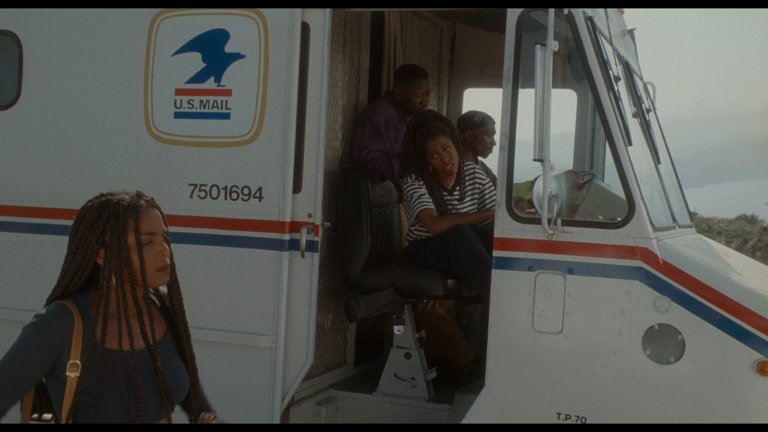
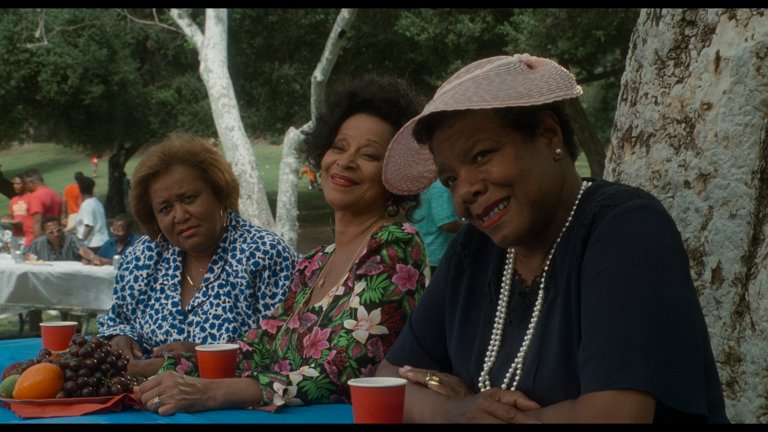
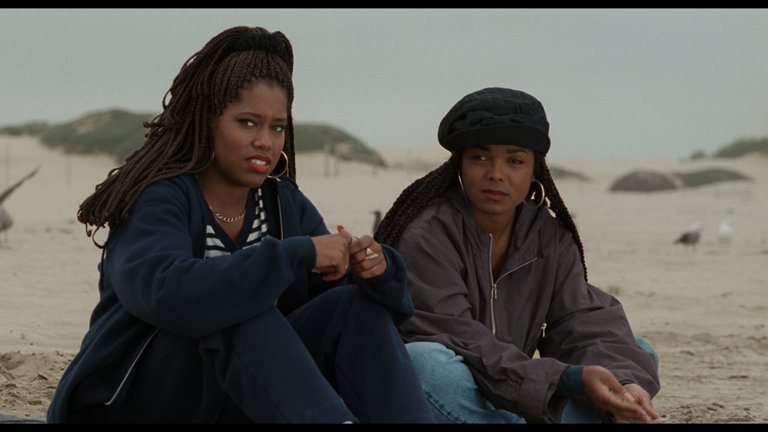
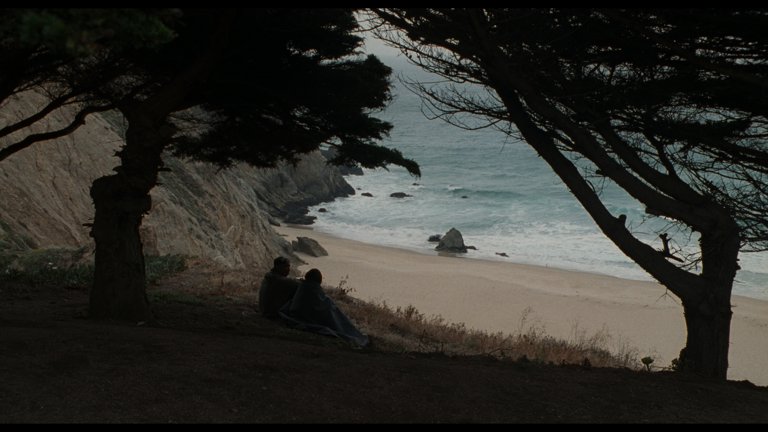
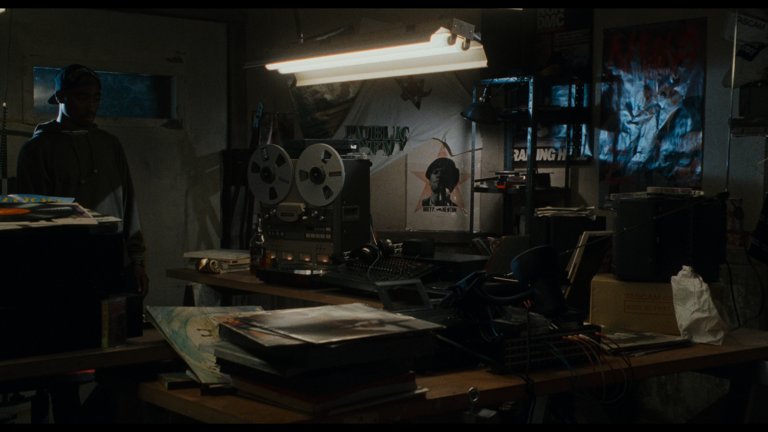
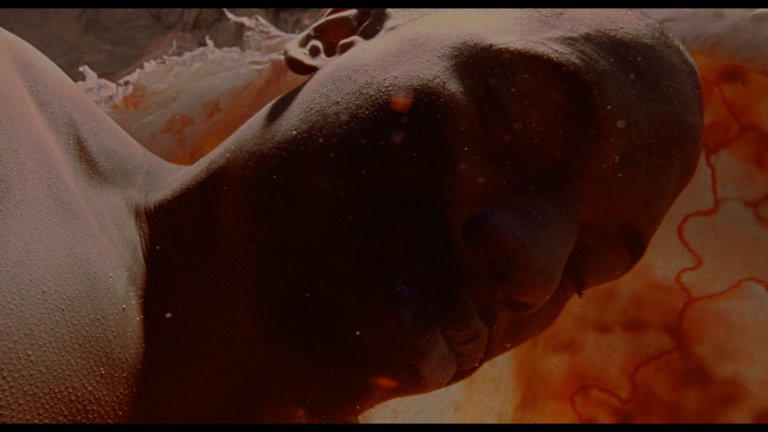
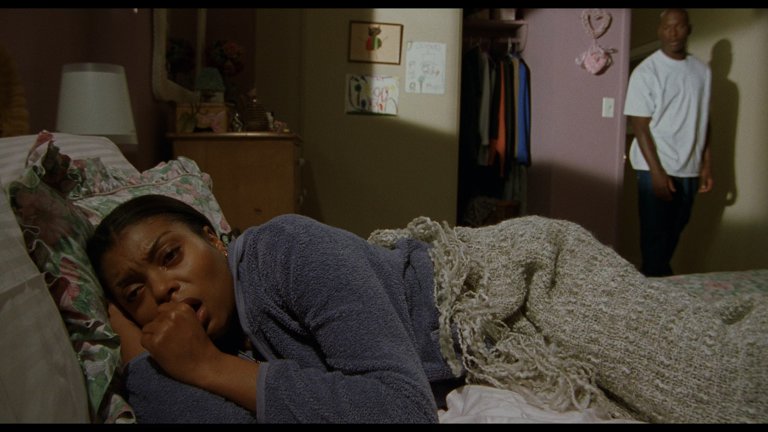
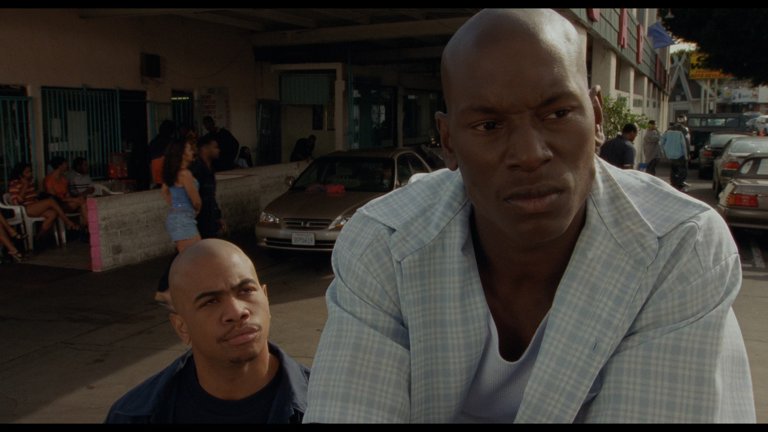
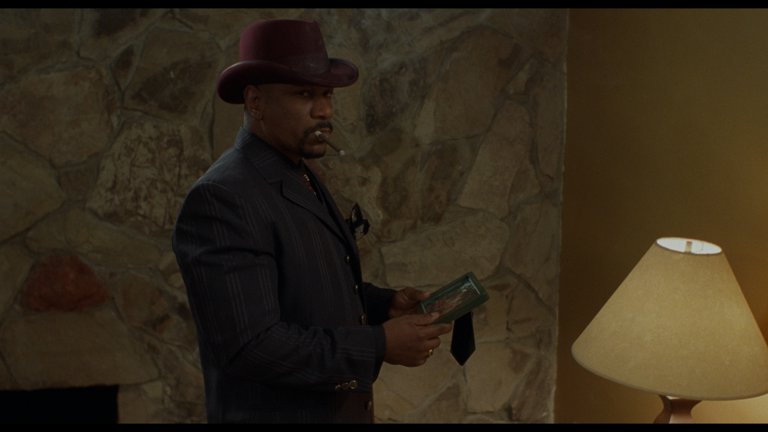
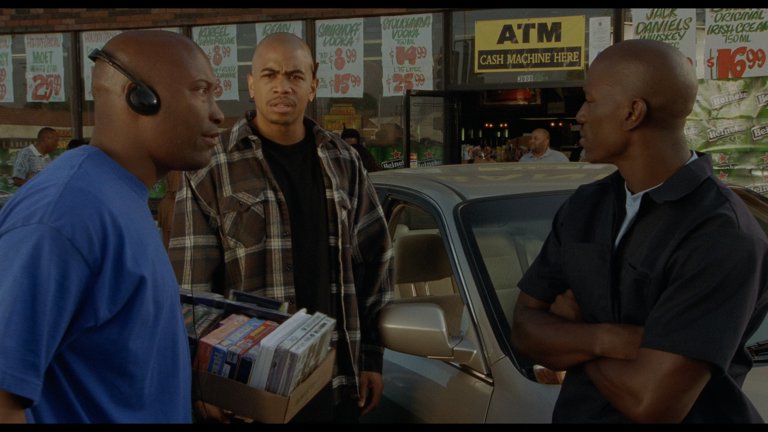
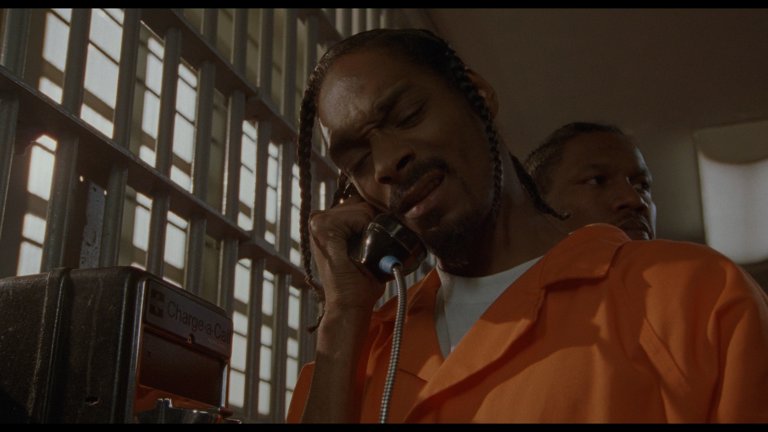
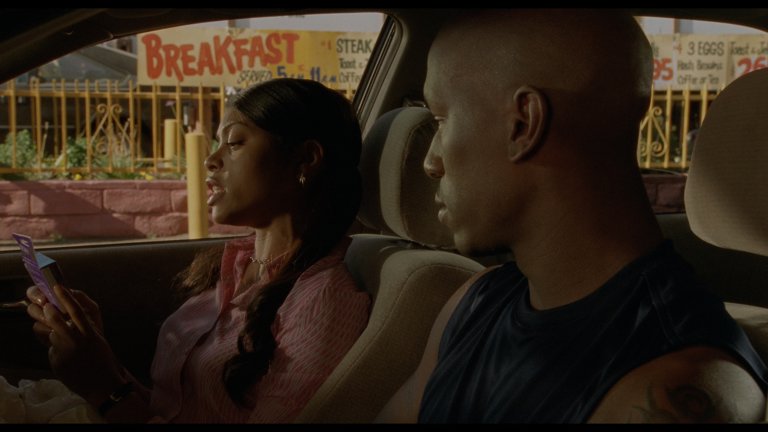
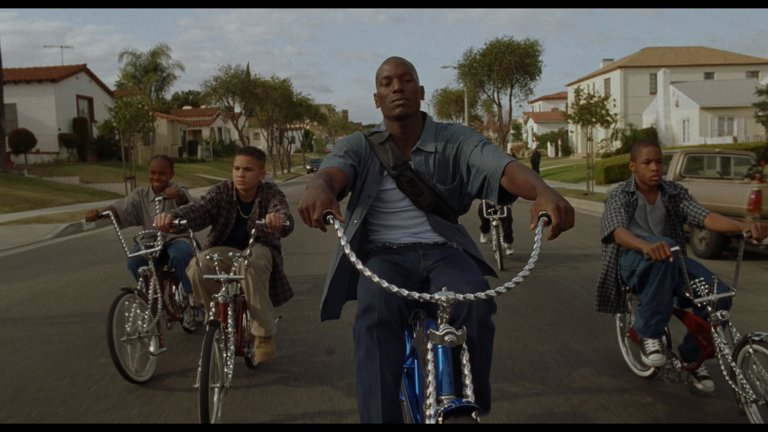
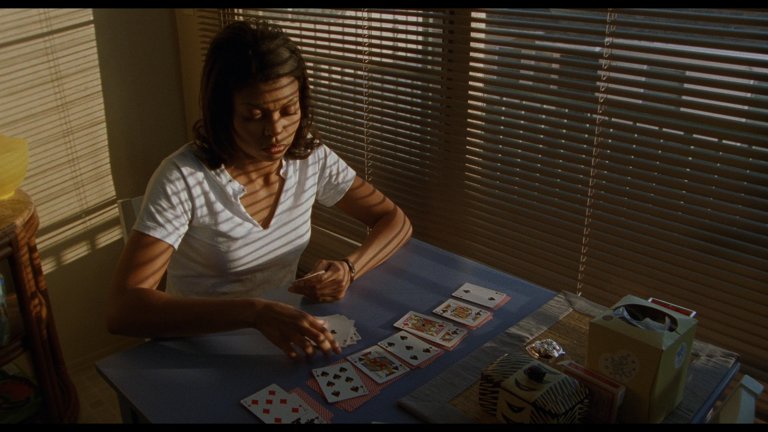
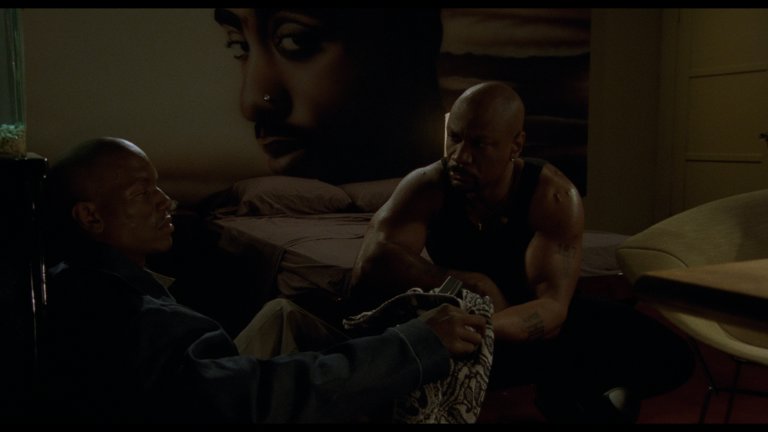
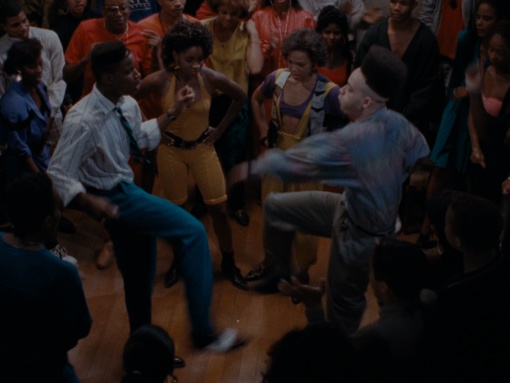
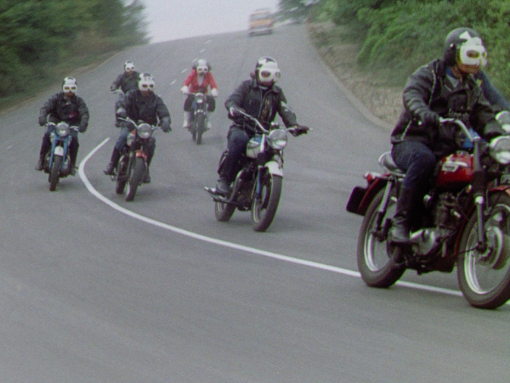
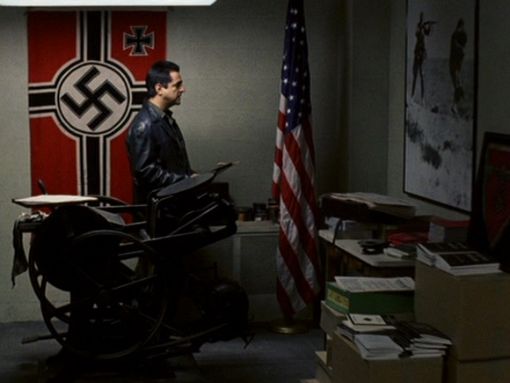
John Singleton's Hood Trilogy - Screen Captures
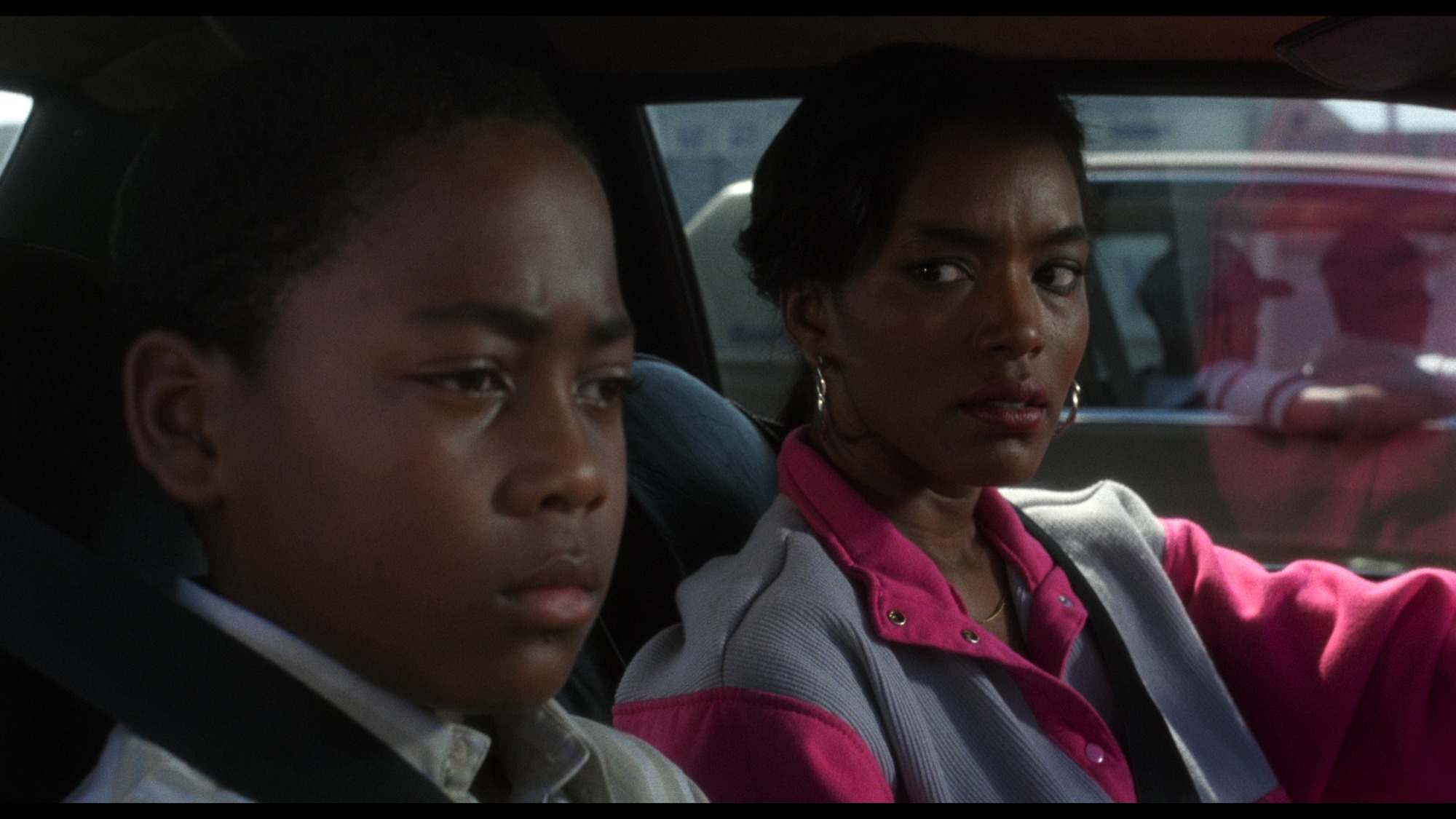
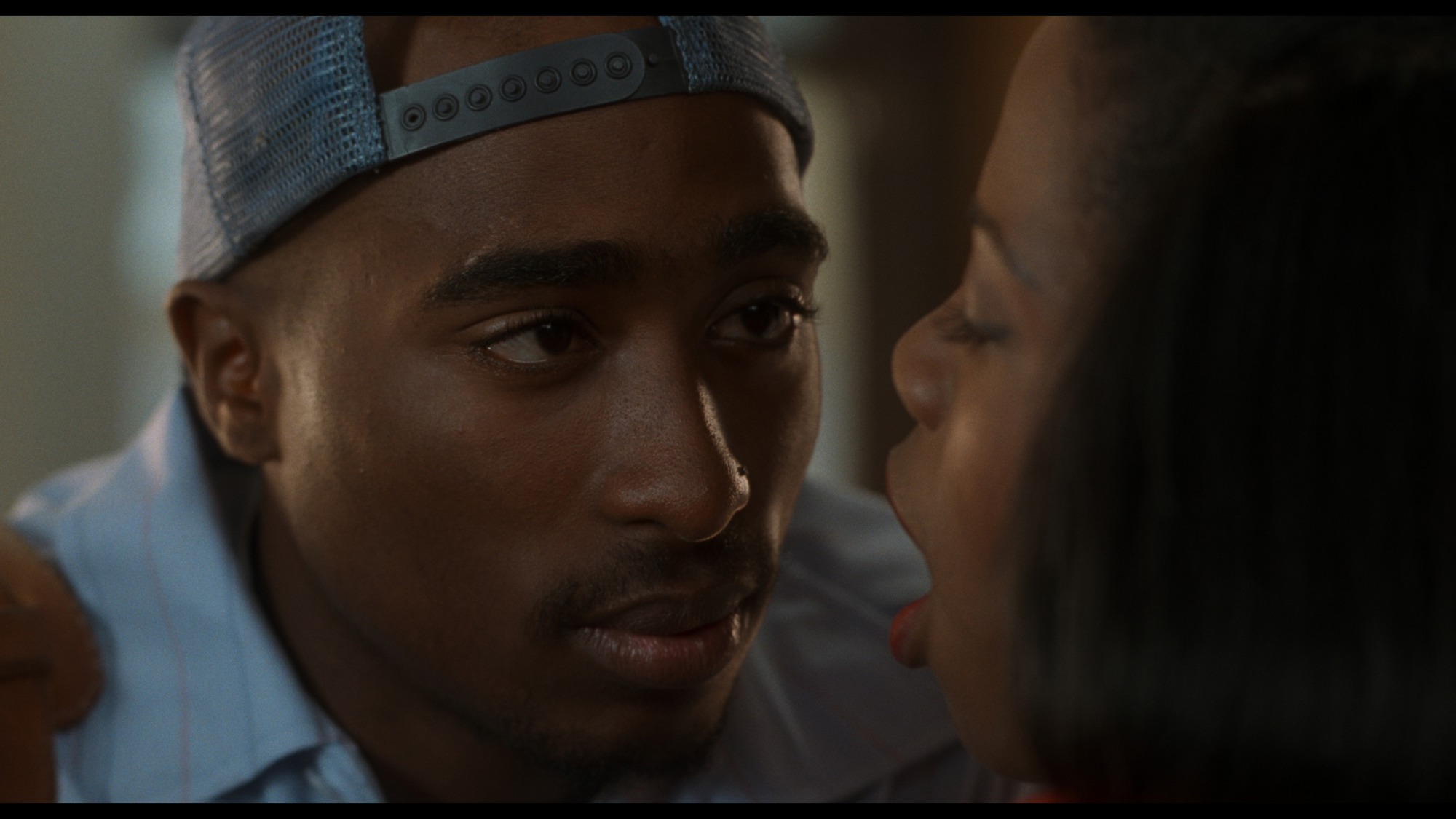
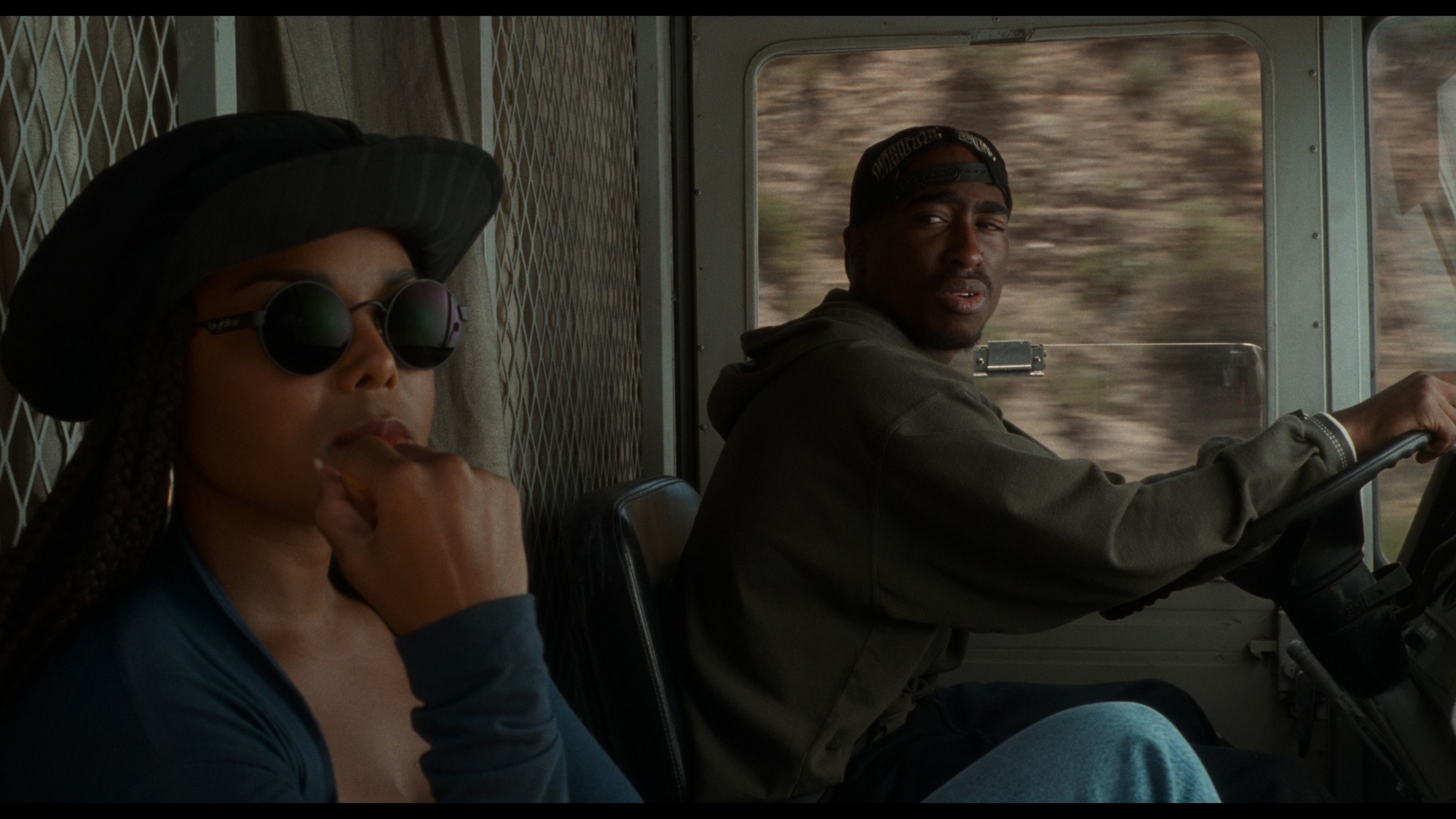
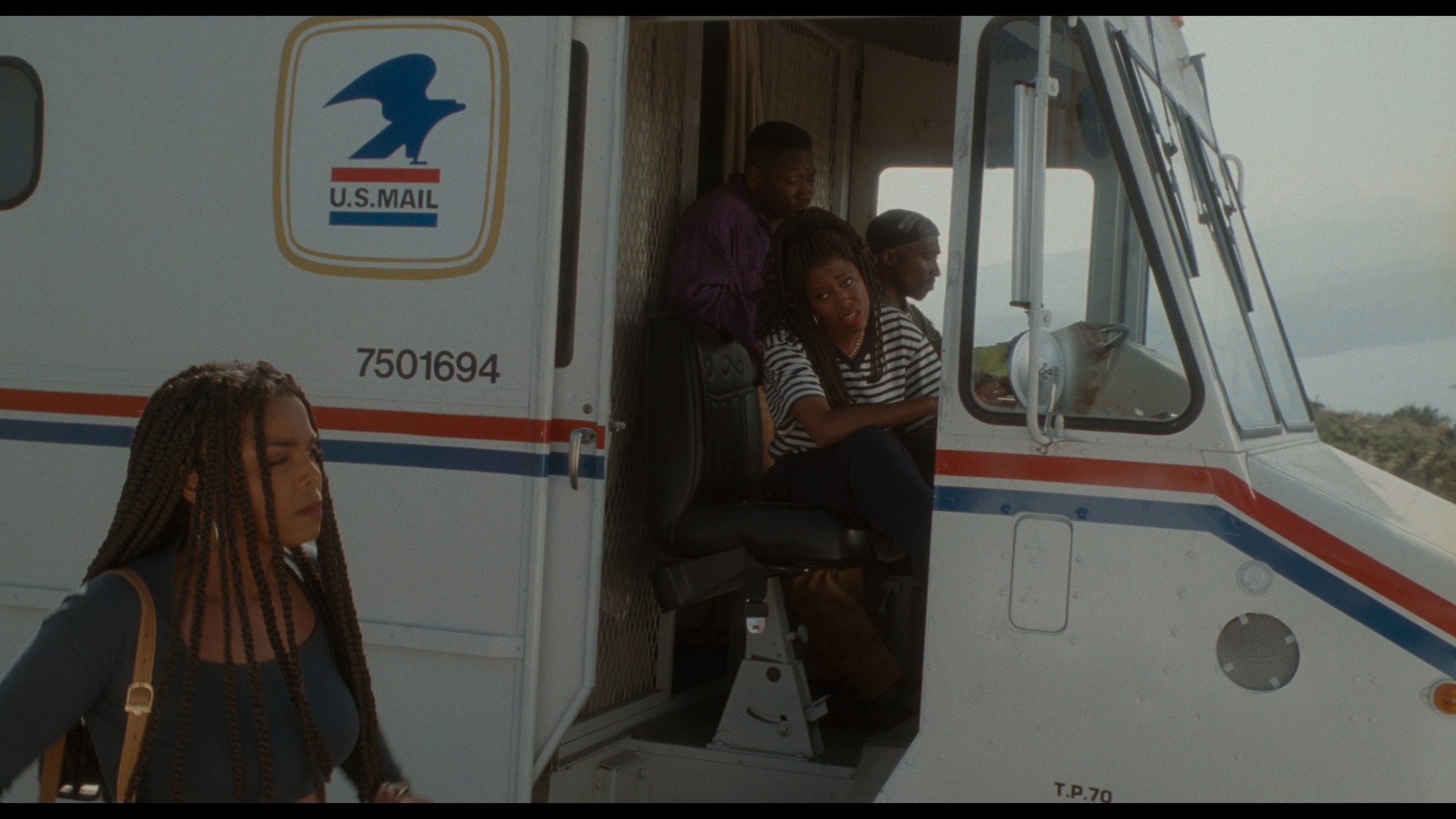
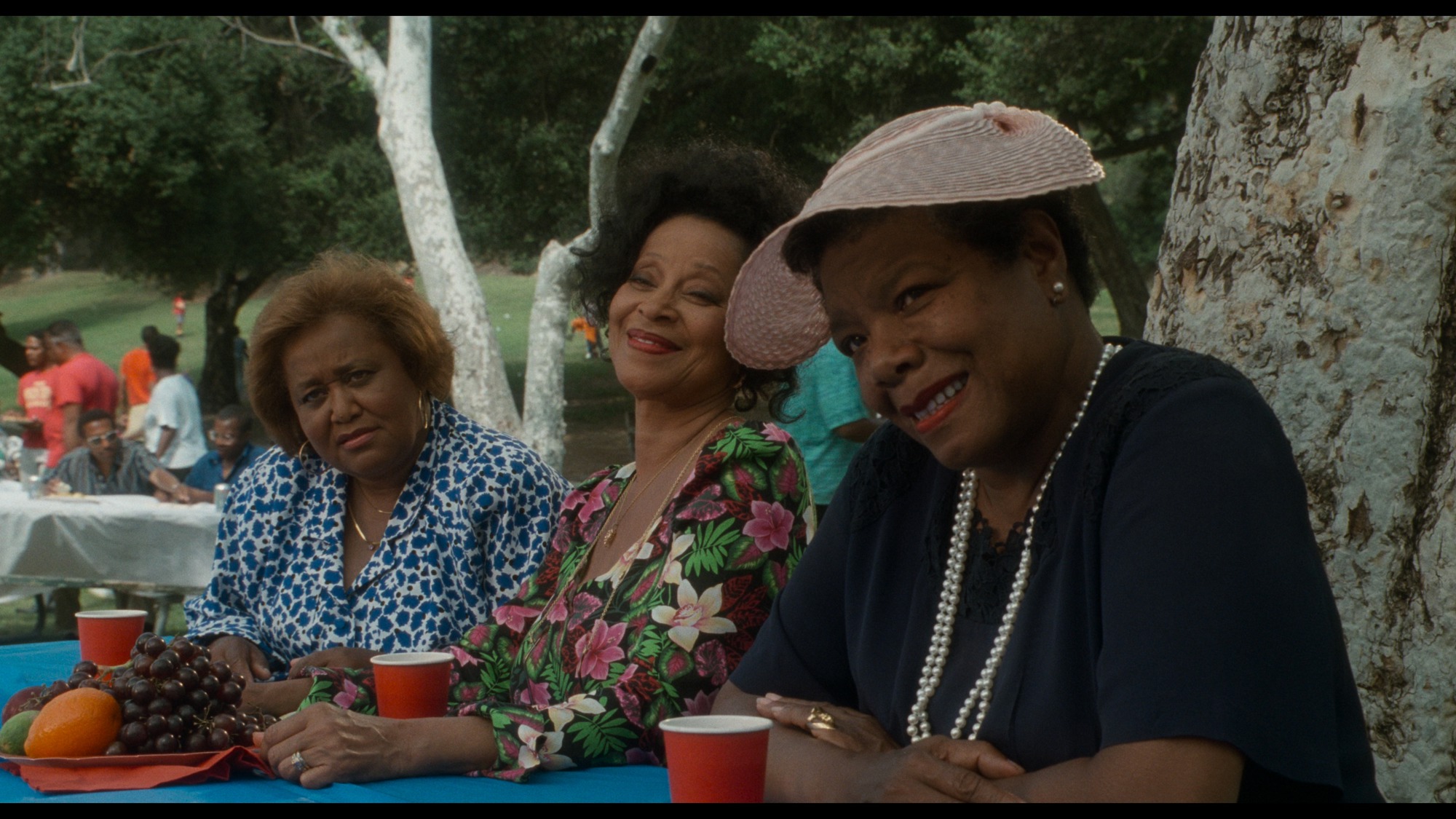
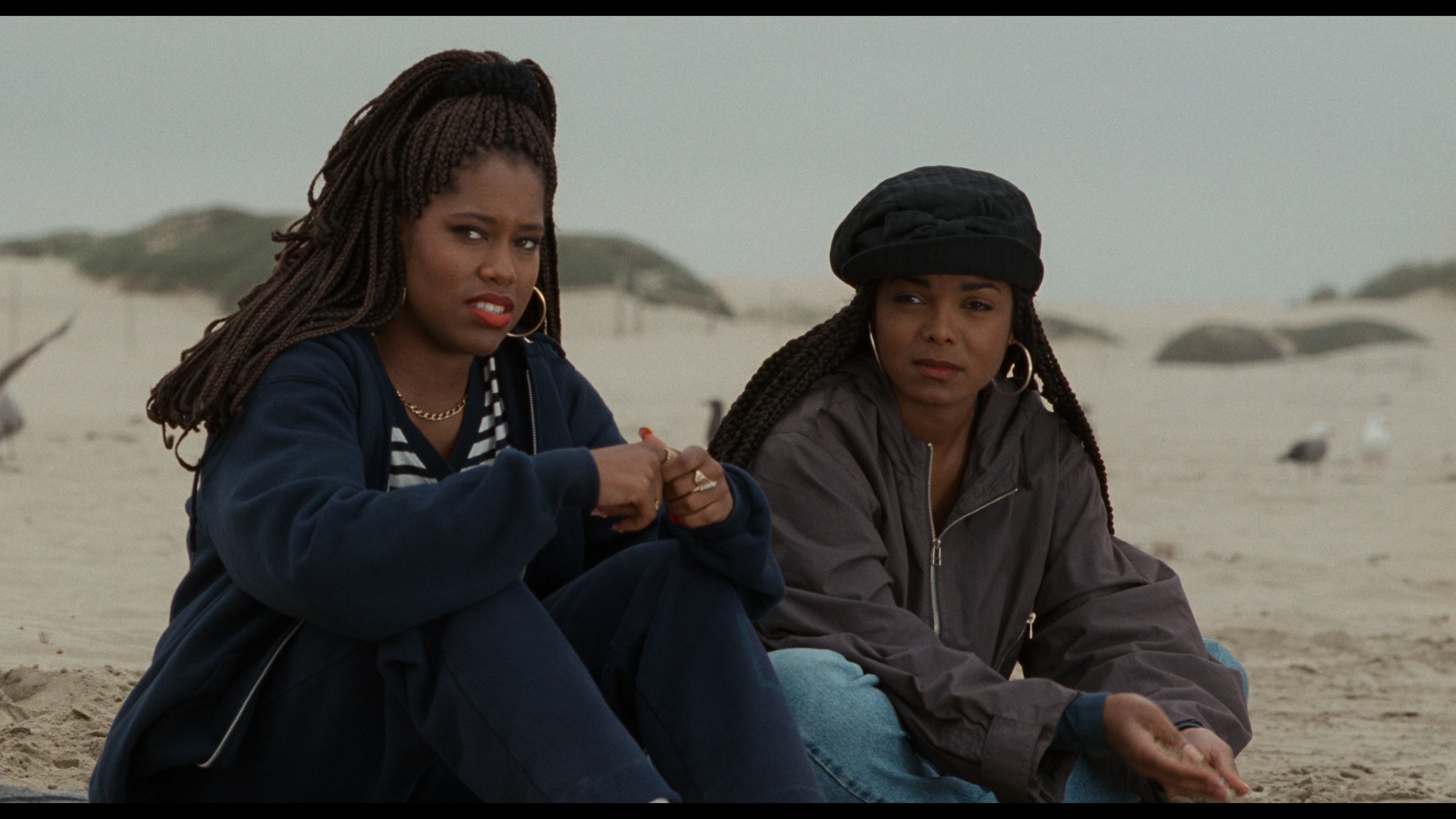
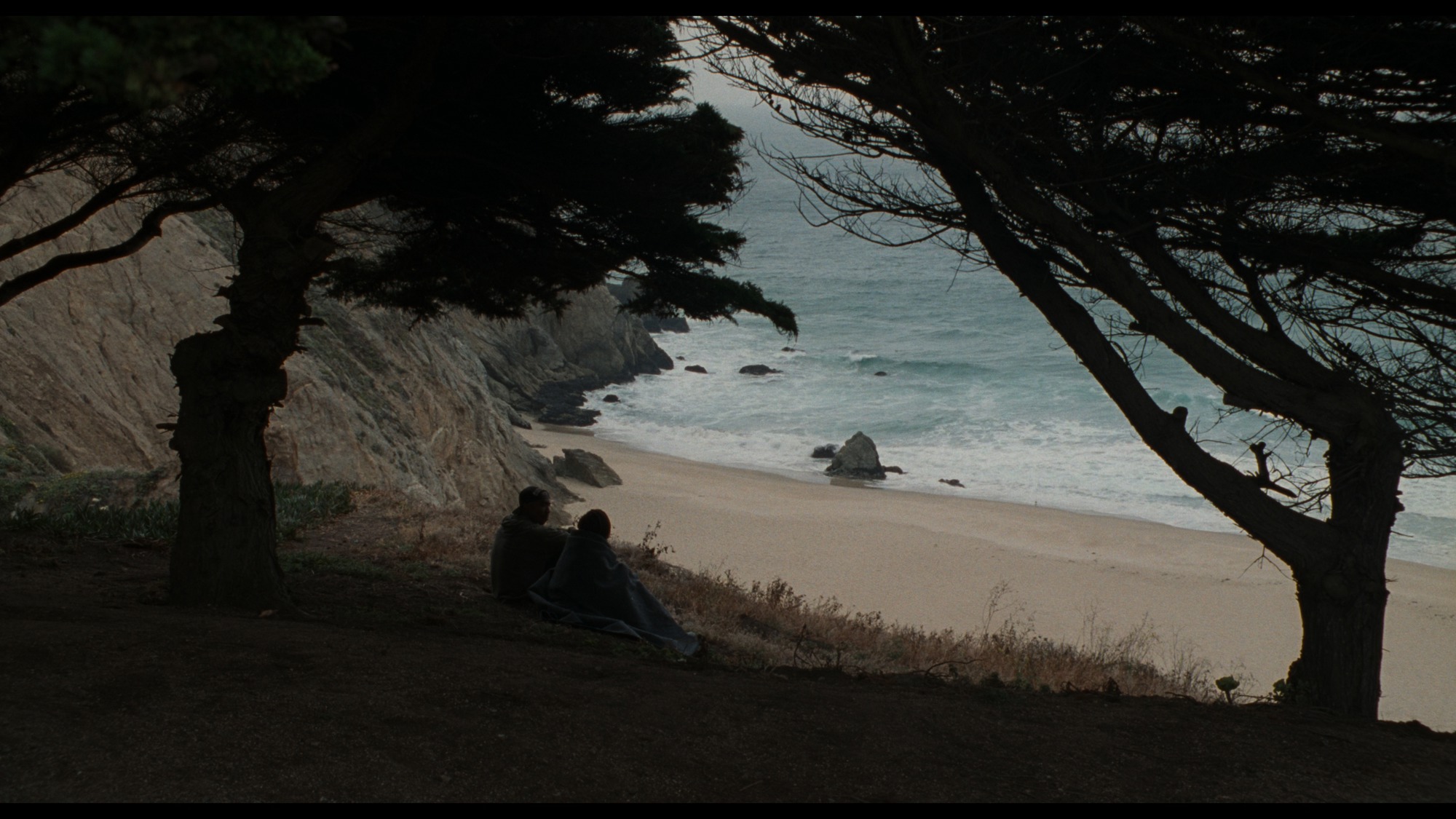
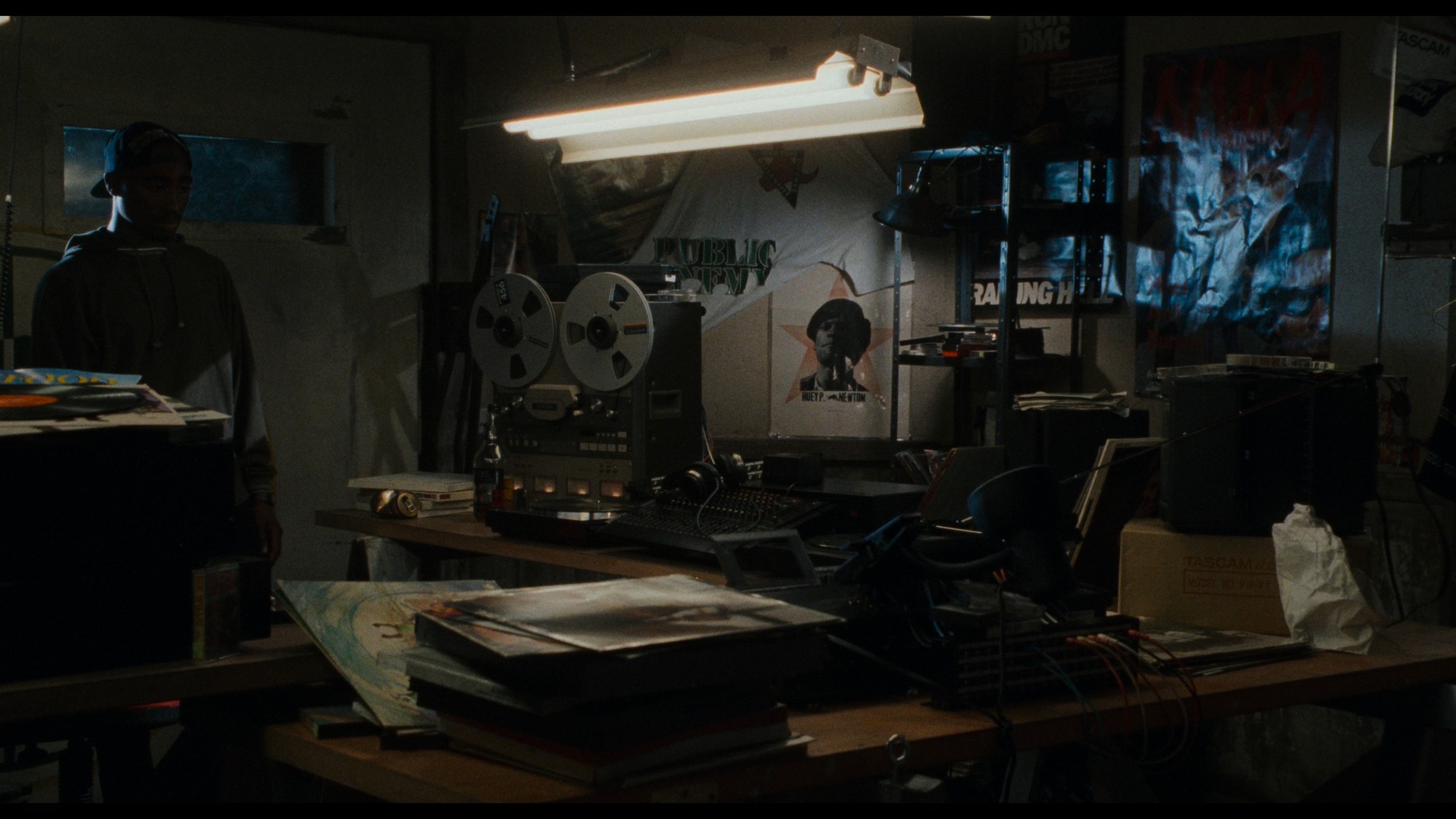
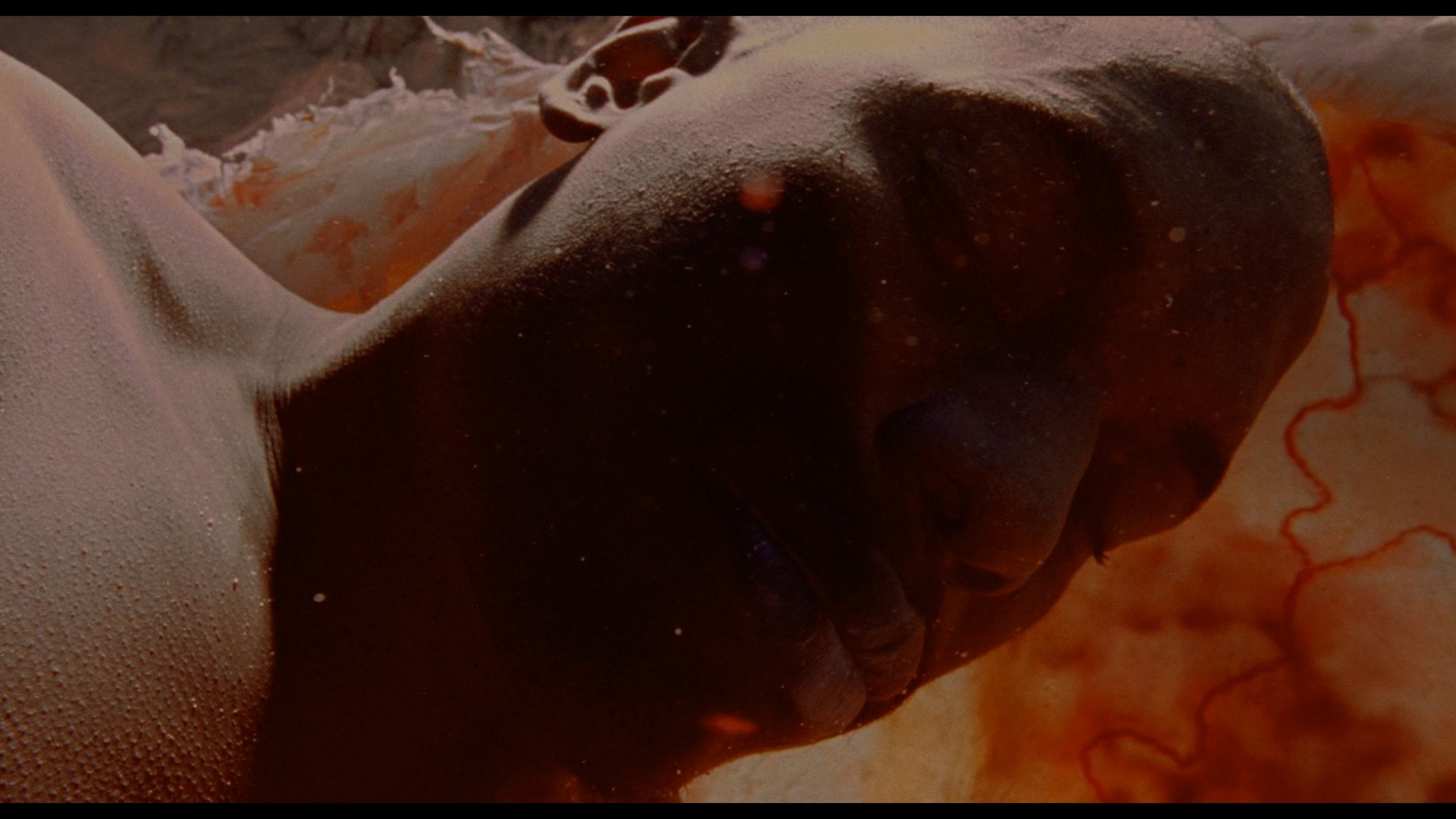
Audio 8/10
Baby Boy features a 5.1 surround soundtrack, while Boyz n the Hood and Poetic Justice come with 2-channel surround mixes, all presented in DTS-HD MA. Boyz n the Hood also includes a Dolby Atmos mix.
The DTS-HD MA tracks are all perfectly serviceable for their respective films. Dialogue comes through cleanly with solid range, anchored well across the front speakers, while music, ambient noise, and occasional action elements are mixed into the surrounds effectively.
The Dolby Atmos track isn’t without its merits, but it doesn’t feel like a significant upgrade over the original mix. Channel separation is handled well and there is some light height activity, but overall it doesn’t offer a dramatic improvement, landing closer to what I would probably expected from 5.1 remix. (My configuration is limited to 5.1.2, with Atmos speakers in the front, so experiences may vary.)
Still, across the board, the audio presentations sound strong and suit the films well.
[Use the navigation bar or individual links to see more details about each title.]
Extras 9/10
Criterion includes a generous selection of supplements, including audio commentaries by John Singleton for each film, along with a substantial amount of video material. All of the latter is housed on a fourth disc, a standard dual-layer Blu-ray, with content organized under submenus for each respective film.
Disappointingly, much of the material is carried over from previous releases, though Criterion does include a few new additions, most notably a new conversation between filmmakers Ryan Coogler and Regina King. Both had personal connections to Singleton, both as friends with King also a frequent collaborator, and they open by reflecting on him in more personal terms, including the ways he influenced them as filmmakers. From there, the discussion shifts toward his work, focusing primarily on the three films in this set and the characters he created. It’s a warm, thoughtful appreciation that feels genuinely personal rather than purely analytical.
That tone carries over into the next new feature Criterion has added, the 29-minute How to Make a John Singleton Film, which brings together a somewhat atypical group of collaborators, including producer Paul Hall, publicist Cassandra Butcher, and casting director Kimberly Hardin. I found this one especially interesting, largely because it avoids the usual voices (no cinematographers or editors here) and instead offers a different perspective on how Singleton worked. There are some great details about his professional demeanor, including how he handled situations when someone on set wasn’t pulling their weight, with one comment noting he “didn’t suffer fools lightly,” even going so far as to fire a friend who may have been taking advantage of the opportunity. There’s also discussion of test screenings, but the most engaging material centers on casting, from discovering Taraji P. Henson to making difficult decisions when something simply wasn’t working. One anecdote touches on Singleton having to let Tupac Shakur go from Higher Learning, which, given how highly the director thought of him, couldn’t have been easy. Altogether, it’s another strong addition.
Surprisingly, Criterion has also recorded two new interviews with Baby Boy’s stars, Tyrese Gibson and Taraji P. Henson. Both reflect on their leading-role debuts, recalling how they were cast and what it was like working with Singleton. Gibson recounts meeting Singleton at a party, which led to him being cast, and how he immediately connected with the character of Jody. Despite his limited acting experience, Singleton gave him space to grow into the part (something also touched on in the commentary), though Gibson admits he felt outmatched by Henson’s intensity, which was evident even in her audition. Henson covers similar ground, discussing Singleton’s openness to collaboration and improvisation, and even notes that she suggested certain scenes, including the encounter between her character and Jody’s other "baby mama." She also offers some lighter anecdotes, teasing Gibson about “choking” during their sex scene and mentioning Snoop Dogg’s discomfort with some of the more aggressive material, which led her to heighten her own performance to sell how violent his character actually is. It was really great that Criterion was able to get them but it’s a little disappointing they didn’t end up doing a commentary.
The remaining material is all archival, but the biggest benefit of this release is that Criterion includes their original audio commentary with John Singleton for Boyz n the Hood, recorded for their 1991 LaserDisc edition. This track has been missing in action ever since, and while it covers much of the same ground as the commentary Singleton recorded in 2003 for the Columbia DVD (also included here), it has the added benefit of being recorded right after he completed the film. As a result, he takes more of a film school-style approach, whereas the later track feels more reflective. Both are worthwhile, but the original Criterion track stands out as the best commentary in the set.
His commentary for Baby Boy is also a strong one, likely helped by the fact that it was recorded in 2001, right after the film’s release, and that the material feels more personal to him. Disappointingly, his track for Poetic Justice isn’t as engaging. It’s hard to say whether that’s due to it being recorded several years after the film or simply because the project didn’t resonate with him in quite the same way as his first feature, or even Baby Boy, but whatever the reason, it is the weakest one.
The remaining supplements, all housed on that fourth disc, are divided under submenus for each film, with a fair amount of overlap between them. All three include audition footage, though Boyz n the Hood features a more unusual presentation due to how it was originally assembled: it displays four video clips (Ice Cube, Tyra Ferrell, Morris Chestnut, and Angela Bassett) in separate quadrants on the screen. On the original LaserDisc (and later DVD and Blu-ray editions), viewers could select which audio track to follow. Here, Criterion simply cycles through each audio portion while the four-way split remains on screen.
The other audition footage (featuring Janet Jackson and Tupac Shakur for Poetic Justice, and Tyrese Gibson and Taraji P. Henson for Baby Boy) is more straightforward, with the actors performing scenes that ultimately appear in the finished films.
Alongside trailers, all three films also include deleted scenes. Boyz n the Hood only offers a couple, trimmed for pacing (Criterion’s LaserDisc allowed viewers to reinsert them into the feature, a function not replicated here). The other two films, however, present more substantial material, sometimes introducing entire subplots or slightly altering the narrative. Poetic Justice, for example, includes a subplot involving the other workers at the salon, which likely would have distracted from the central story had it remained. Baby Boy features additional material with Ving Rhames’ character; while interesting, its removal was for the best by keeping him more mysterious, with his intentions less clearly defined. Including these scenes may have also altered the impact of a later moment between his character and Gibson’s.
They’re all worthwhile curiosities, but ultimately feel like the right choices for the cutting room floor.
Poetic Justice ends up being the most overlooked, including only one additional supplement: a brief 10-minute interview with John Singleton from 2018, where he touches on the film, though much of the material overlaps with what’s already covered in the commentary.
Baby Boy fares a bit better, featuring a storyboard comparison accompanied by an interview with storyboard artist Warren Drummond, who walks through a few sequences. There are also about seven minutes of bloopers, mostly made up of line flubs, though a there is some amusement to be found here.
Boyz n the Hood ends up receiving the most unique material (unsurprisingly), and it’s all quite strong, particularly the footage from John Singleton’s press conference addressing the shootings that occurred at screenings of the film. It can be an infuriating watch, though not a surprising one, as members of the press rush to place blame squarely on the film, while Singleton pushes back, pointing out how the focus seems tied to the fact that it was made by a Black filmmaker with a predominantly Black cast, and that the film's message is about love and family, not violence. This piece has been included since Columbia’s DVD and it’s good to see it continue to be carried forward.
The film also includes a brief 5-minute promotional behind-the-scenes featurette from around the time of its release, along with two later, studio-produced documentaries created for DVD and Blu-ray editions: The Enduring Significance of “Boyz n the Hood” and Friendly Fire: Making an Urban Legend, running 28 and 43 minutes, respectively. The former reflects on the film’s legacy, while the latter serves as a more traditional making-of, with both featuring interviews with cast and crew.
Also included are two music videos: “Growin’ Up in the Hood” by Compton's Most Wanted and “Just Ask Me To” by Tevin Campbell. Oddly, Three 6 Mafia’s “Baby Mama” is not included with Baby Boy, despite appearing on Sony’s DVD.
The set is rounded out with a 28-page booklet featuring notes on each film and an essay by Julian Kimble, covering Singleton’s career along with the films in the set.
I do wish there were more newly produced features, particularly for Poetic Justice, which feels unfairly overlooked, but Criterion has still assembled a strong set overall, one that should satisfy fans and admirers alike.
[Use the navigation bar or individual links to see more details about each title.]
Closing
It’s a wonderful box set overall, delivering features that explore John Singleton’s all-too-short career alongside incredible new 4K presentations of each film.
BUY AT: