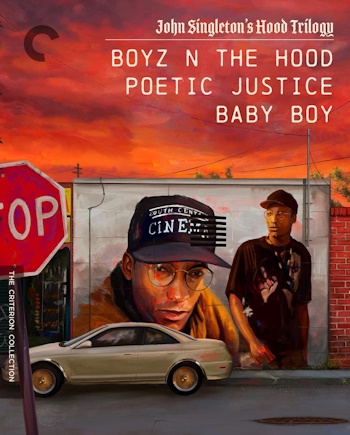
John Singleton's Hood Trilogy
Poetic Justice
BUY AT:


See more details, packaging, or compare
Synopsis
With his electrifying debut feature, Boyz n the Hood, John Singleton brought his South Central Los Angeles community to the screen with a bracing immediacy that rocked 1990s American cinema and popular culture. Poetic Justice and Baby Boy completed what the director considered his Hood Trilogy, a series of richly nuanced films that constitute a dramatic universe all their own. Featuring remarkable performances from supernova talents like Cuba Gooding Jr., Angela Bassett, Regina King, Janet Jackson, Tupac Shakur, and Taraji P. Henson, these indelible tales of urban life explore the experience of growing up Black and searching for one’s place in the world.
Picture 9/10
The Criterion Collection presents John Singleton’s Poetic Justice on 4K UHD, delivering the film on the second triple-layer disc included in their new box set John Singleton’s Hood Trilogy. The film is presented in its original aspect ratio of 1.85:1 with a 2160p/24hz ultra high-definition encode and Dolby Vision, sourced from a new 4K restoration taken (primarily) from the 35mm original camera negative. The set only includes 4K presentations of the films, with no accompanying 1080p versions, though Criterion has released a separate Blu-ray edition. A fourth disc is also included with the set, a standard dual-layer Blu-ray, housing all of the set’s video supplements.
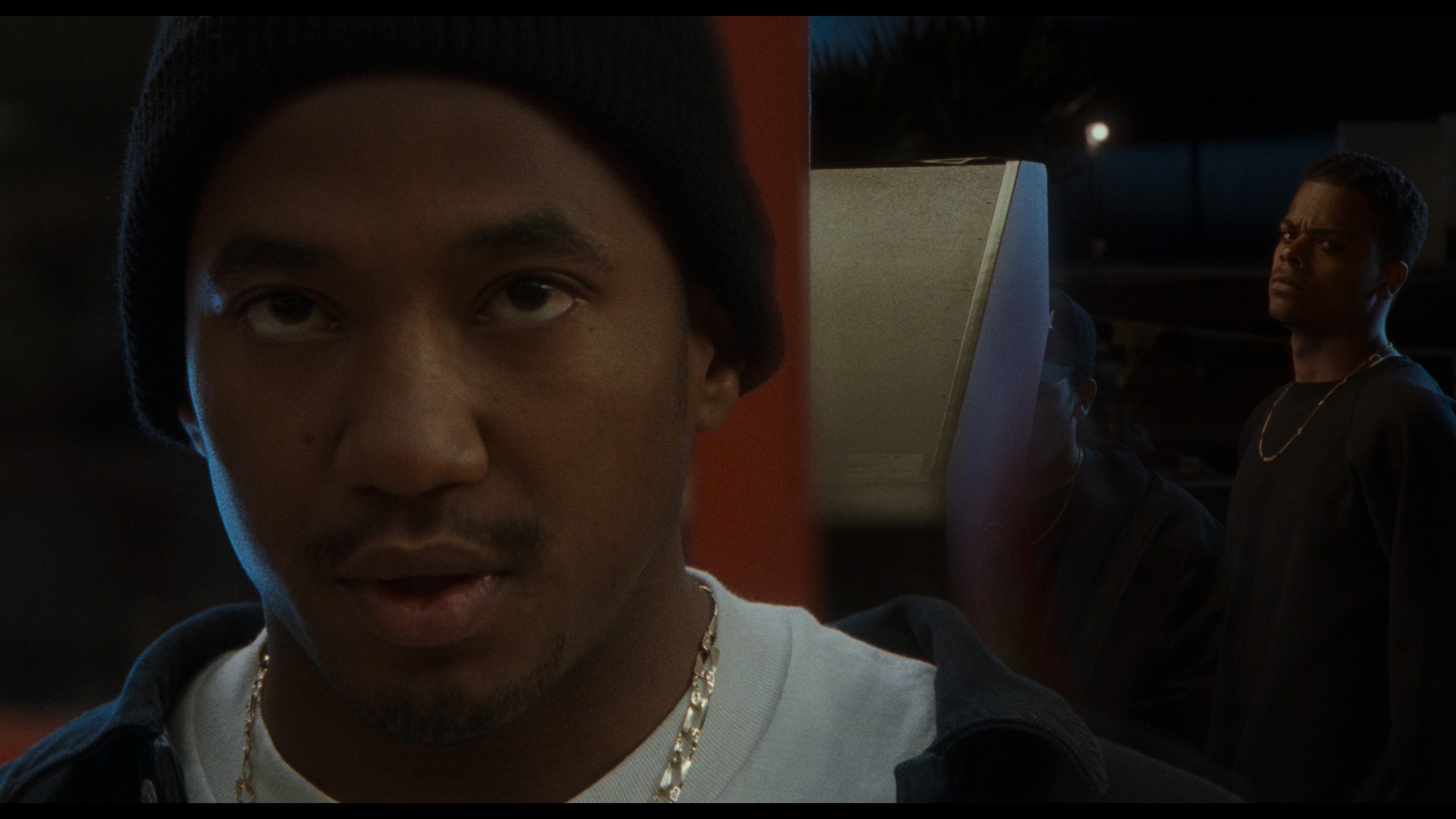
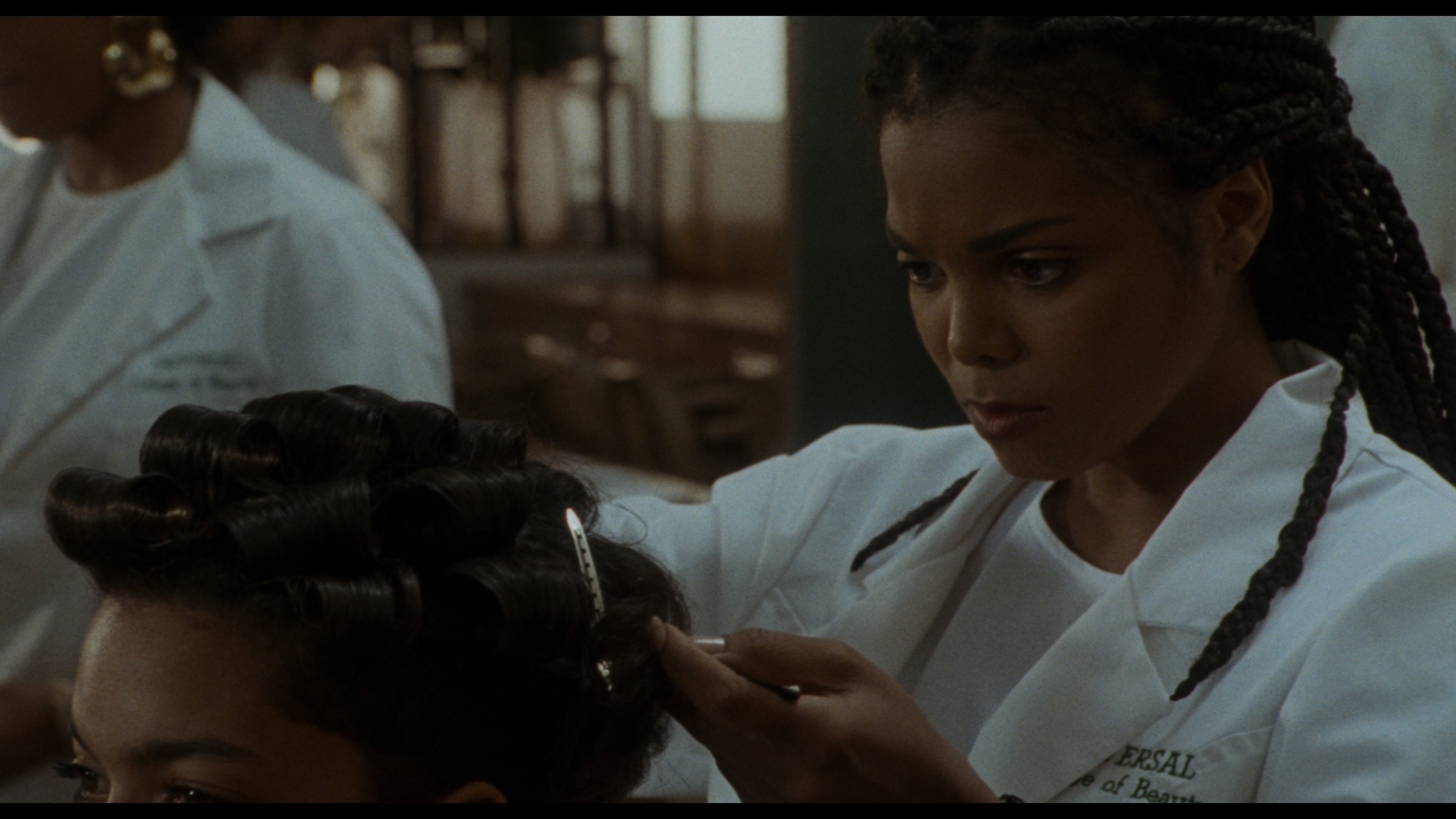
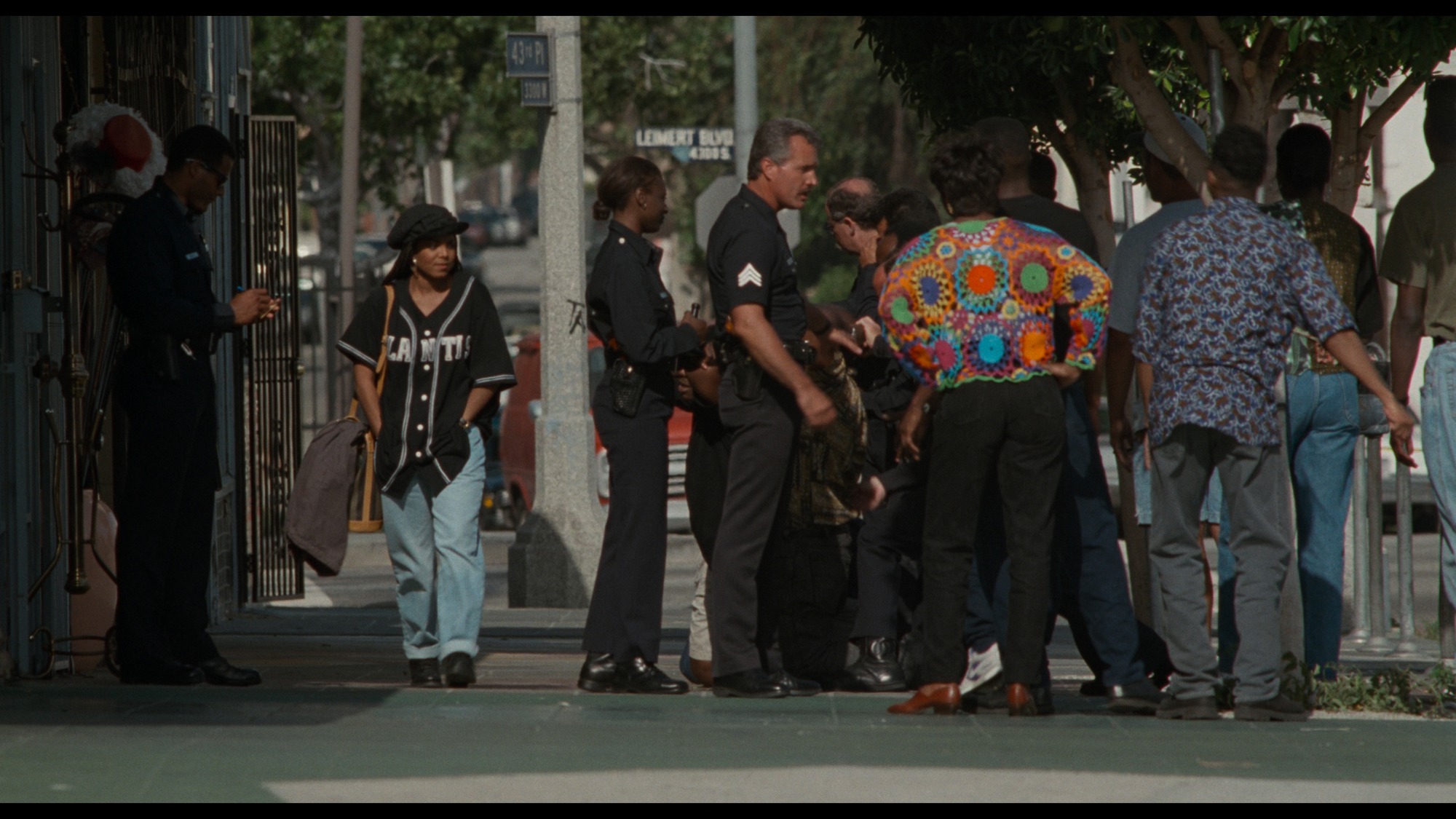
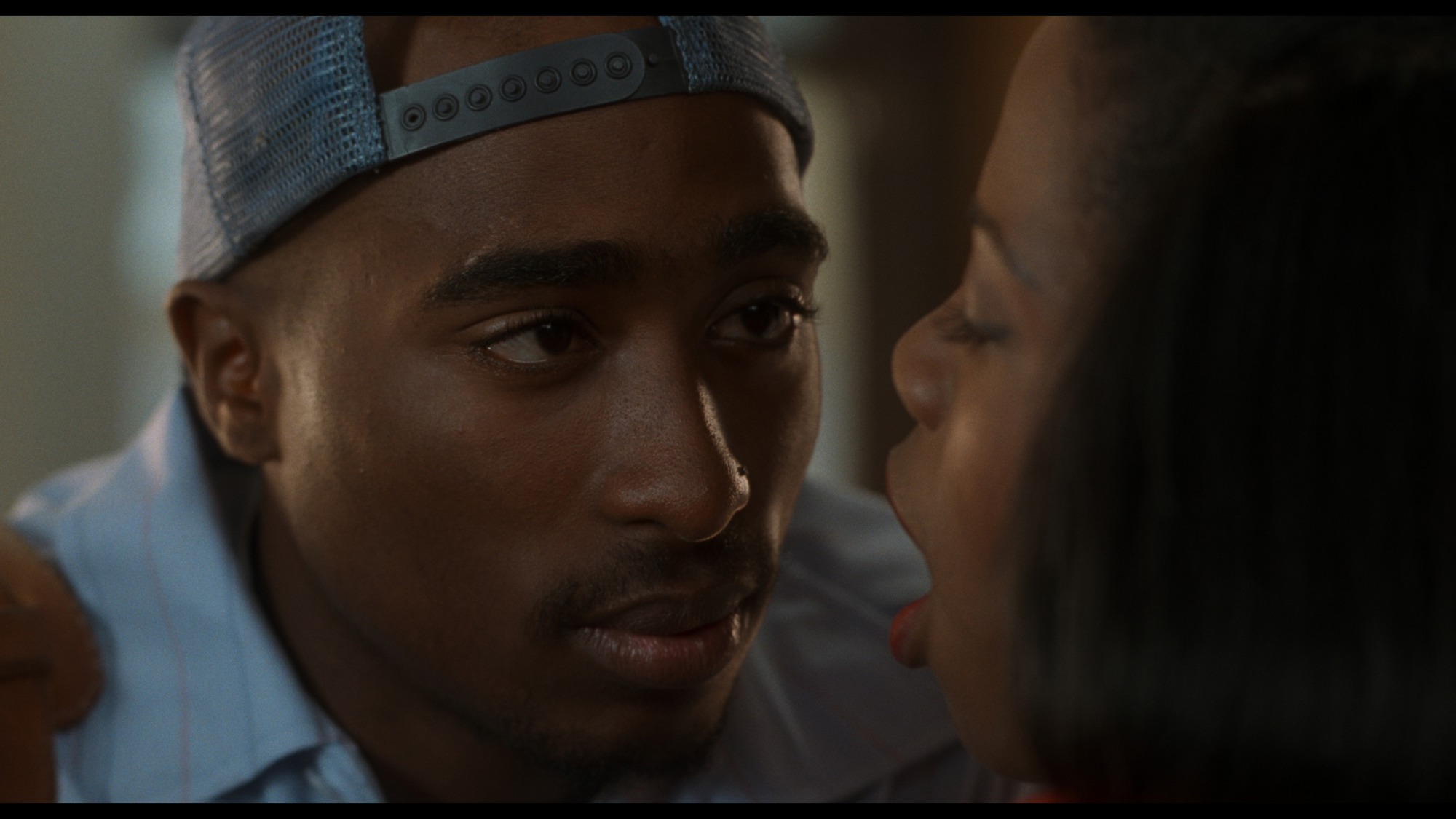
Following the sharp presentation Boyz n the Hood received, Poetic Justice proves to be very much on par. The new scan picks up an impressive level of detail, with fine details (whether in intricate patterns or stray hairs) coming through flawlessly. This carries on into the film's fairly heavy grain structure, but it’s beautifully resolved here, the encode handling it without issue and preserving a strong, filmic look. As with the previous film, there are a handful of slightly dupe-like shots where grain thickens and contrast wavers a bit, usually during transitions or montage sequences, but these moments are brief and the drop in quality is minimal.
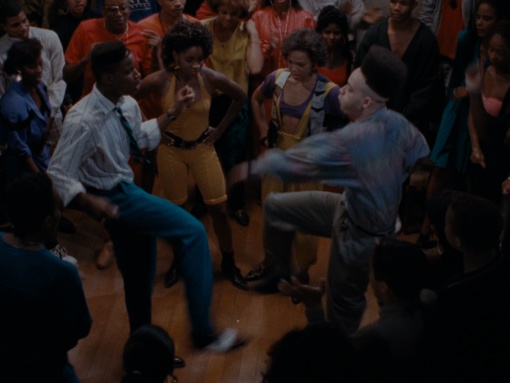
Colors also impress, particularly during the family reunion sequence, where a wide range of reds, blues, greens, and violets pop with a wonderful vibrancy. Black levels are strong, shadow depth is solid, and HDR adds a welcome boost, especially in nighttime scenes where contrast and highlights are handled with care. Bright elements remain stable throughout, with no noticeable clipping or digital artifacts; the image is very clean in this regard.
All in all, the presentation looks every bit as strong as Boyz n the Hood, which is to say it looks fantastic. I haven’t seen the Blu-ray, but it’s hard to imagine it coming anywhere close to this.
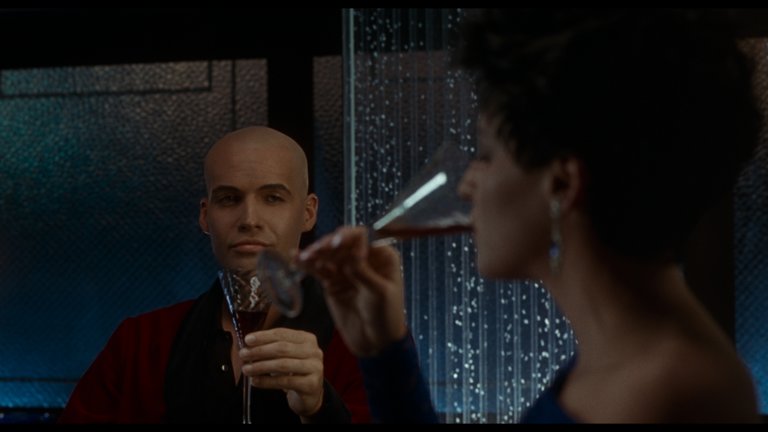
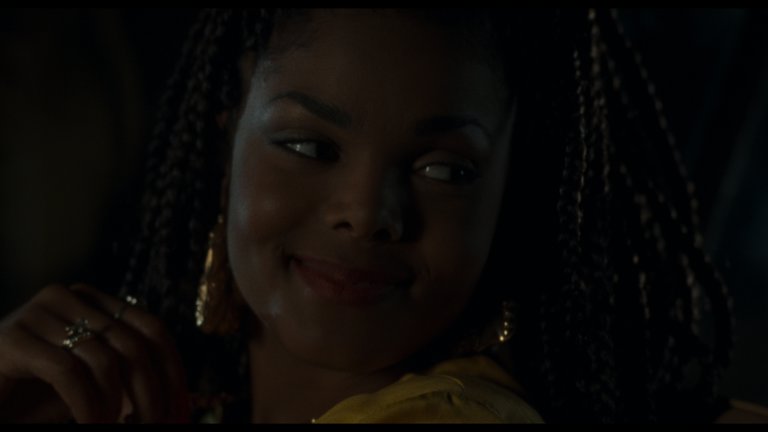
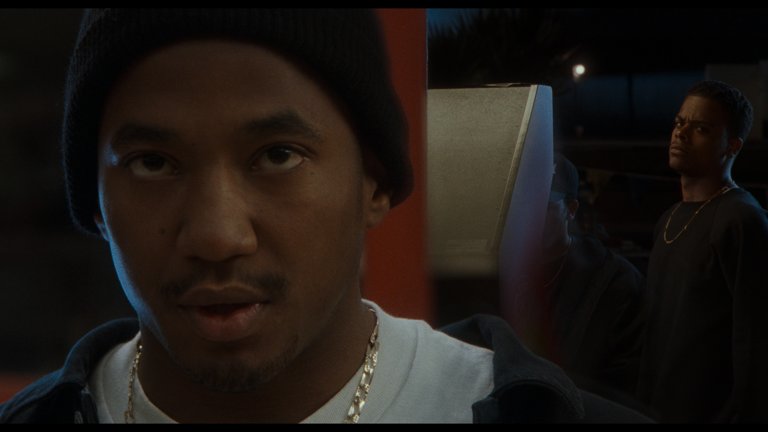
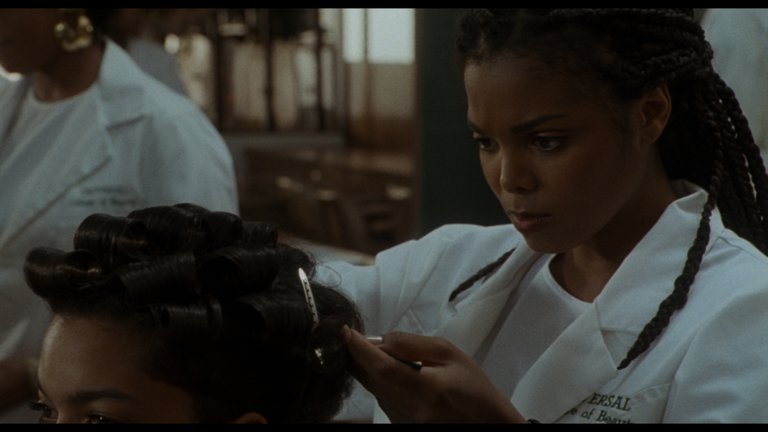
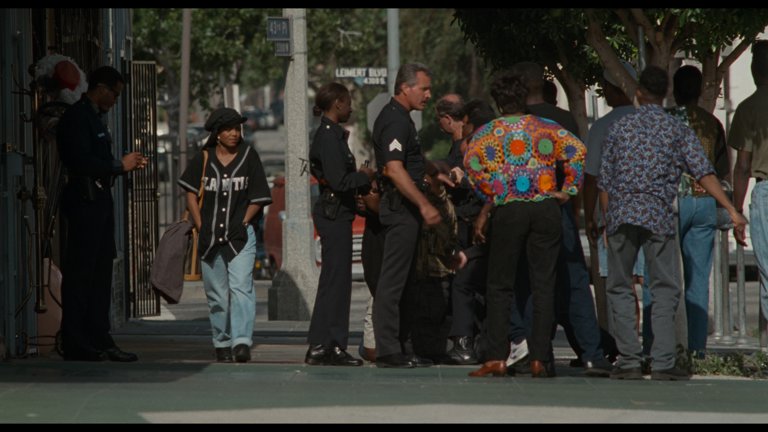
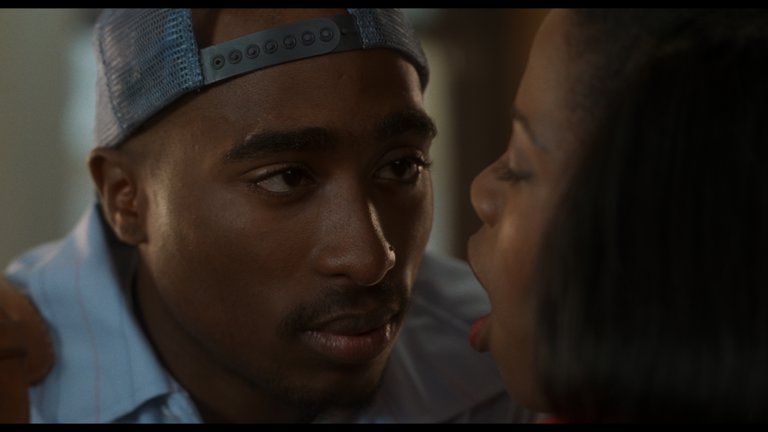
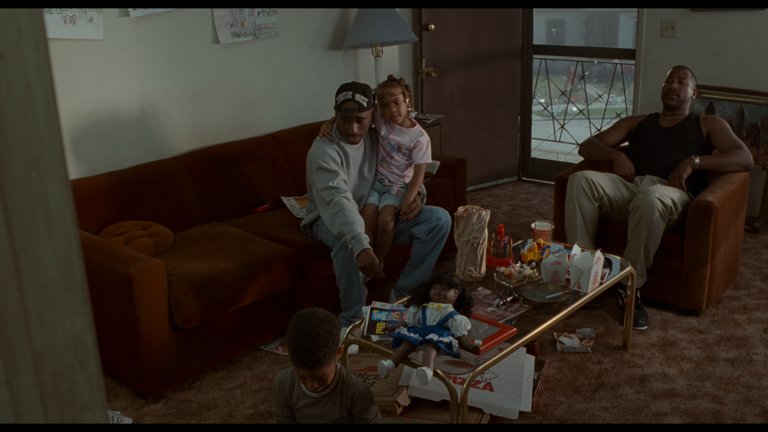
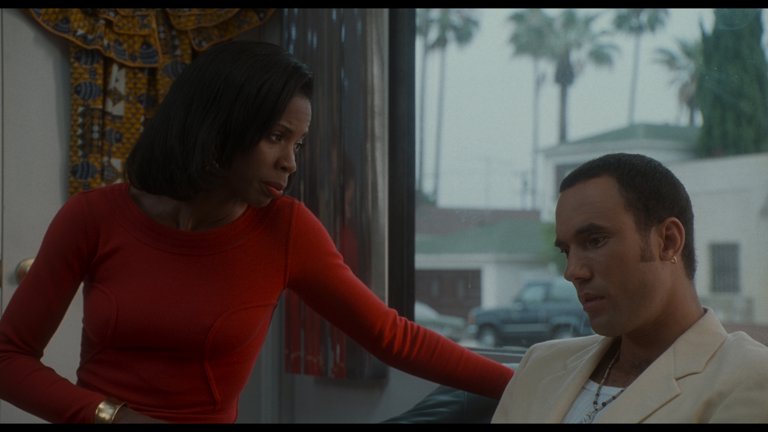
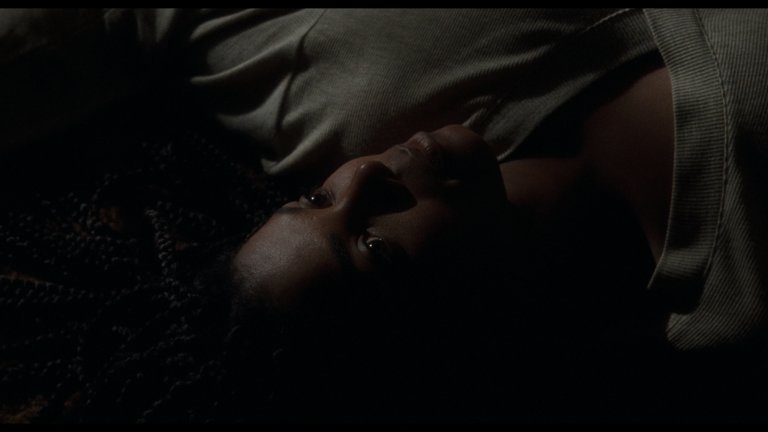
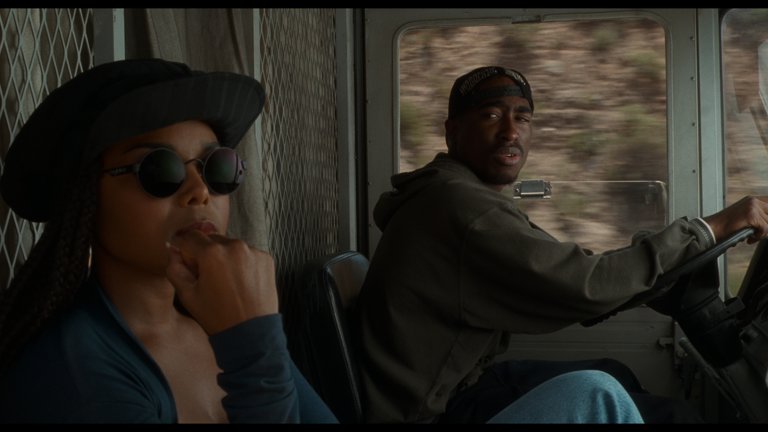
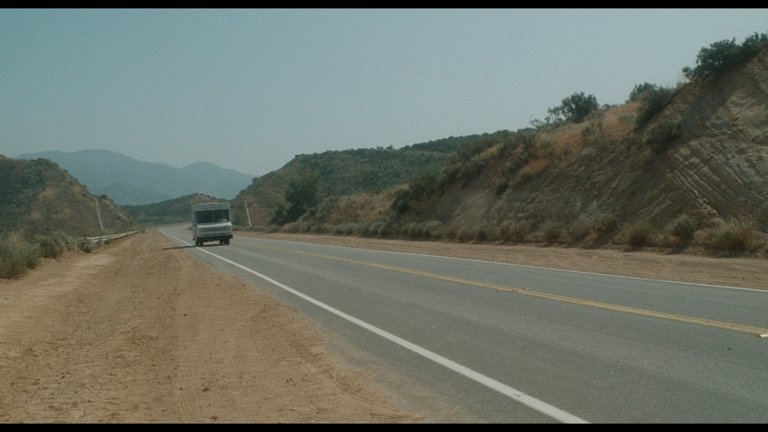
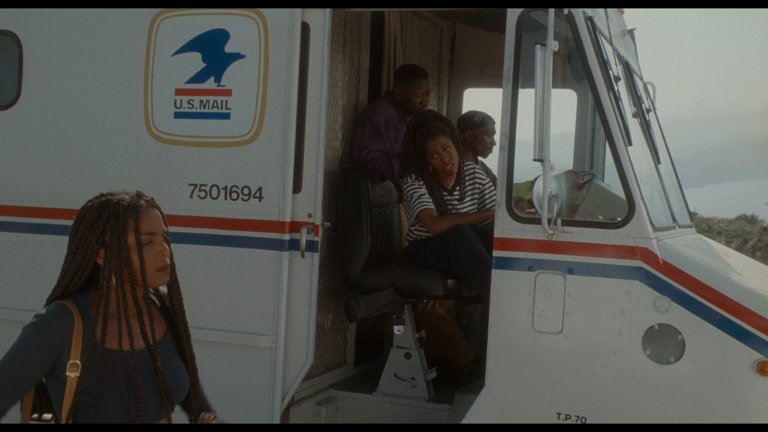
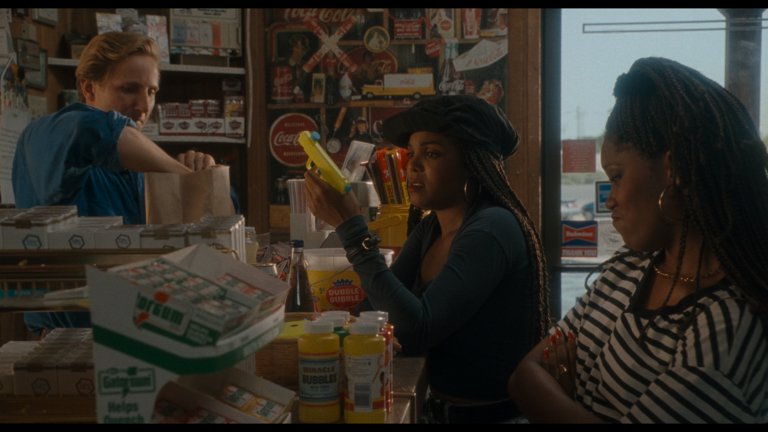
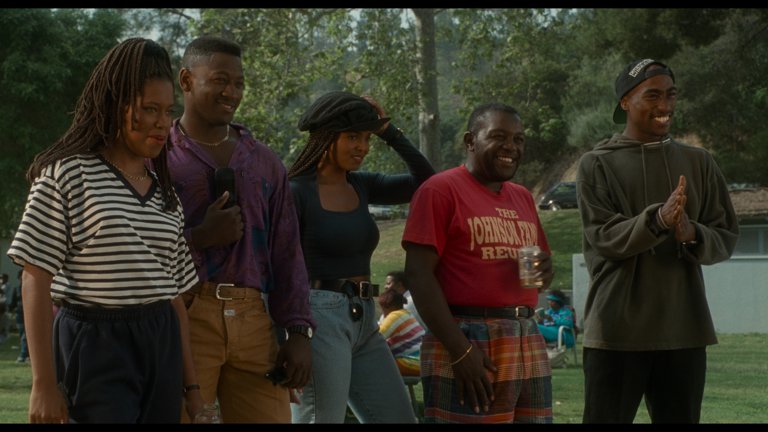
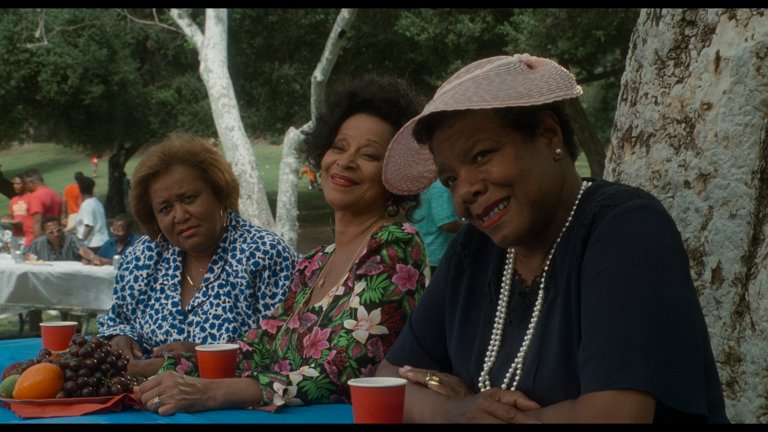
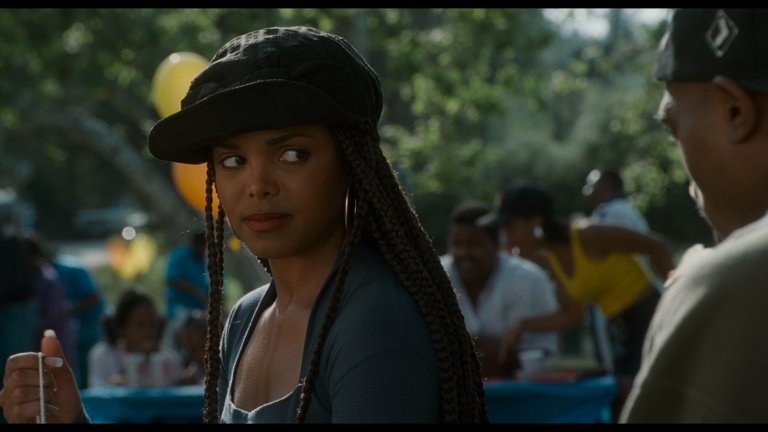
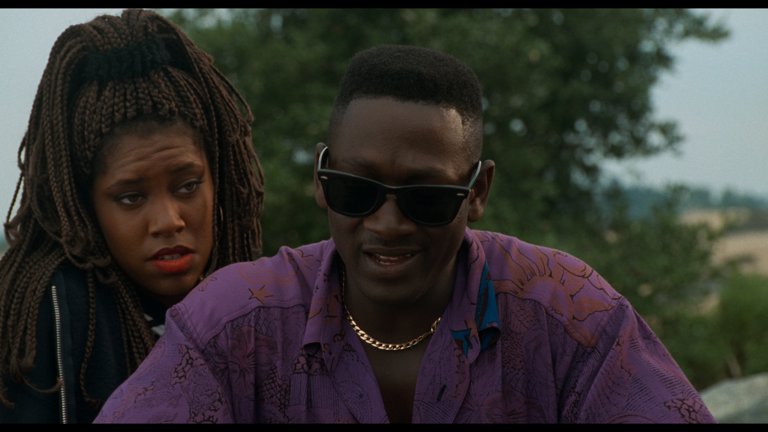
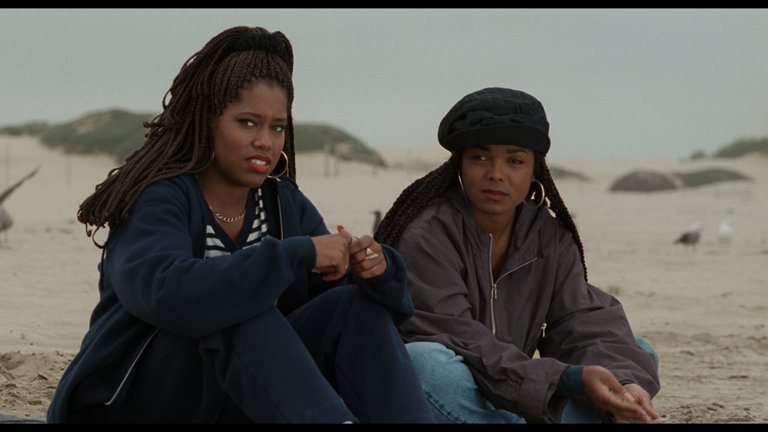
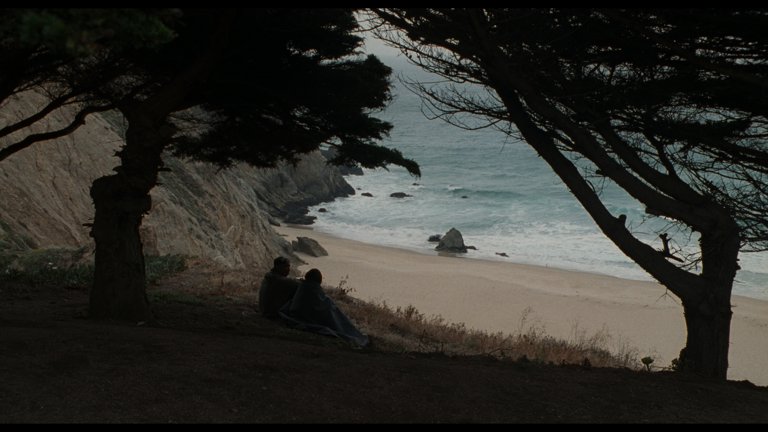
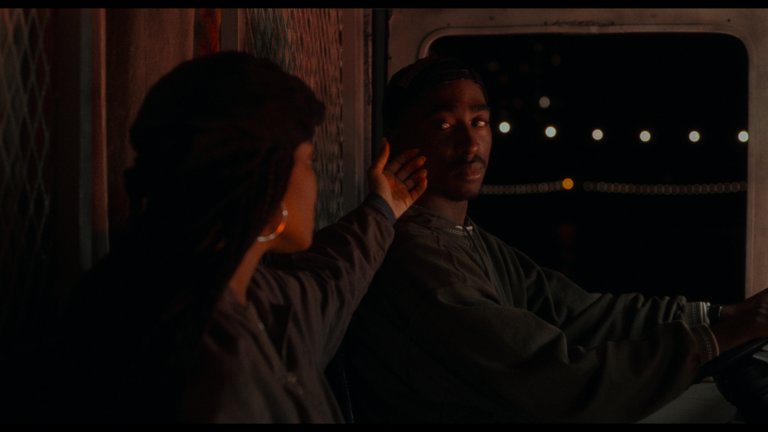
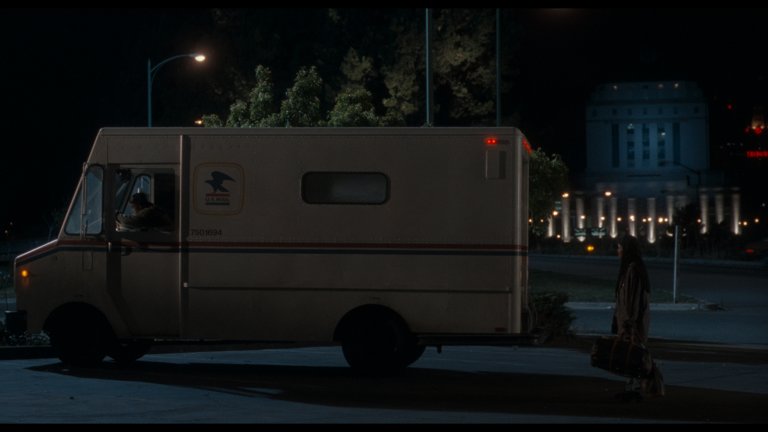
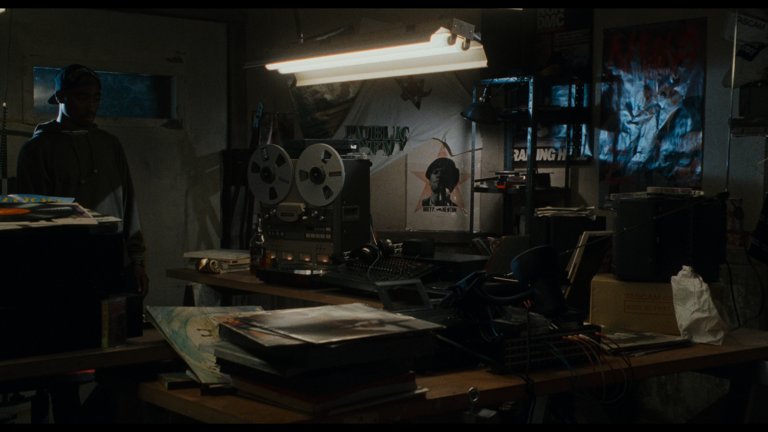
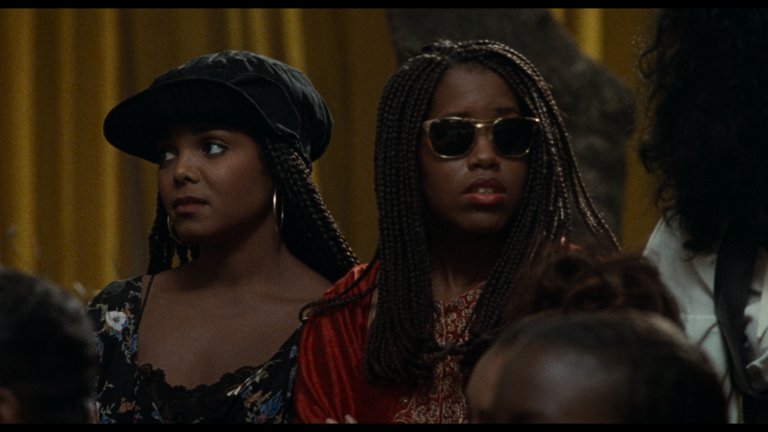
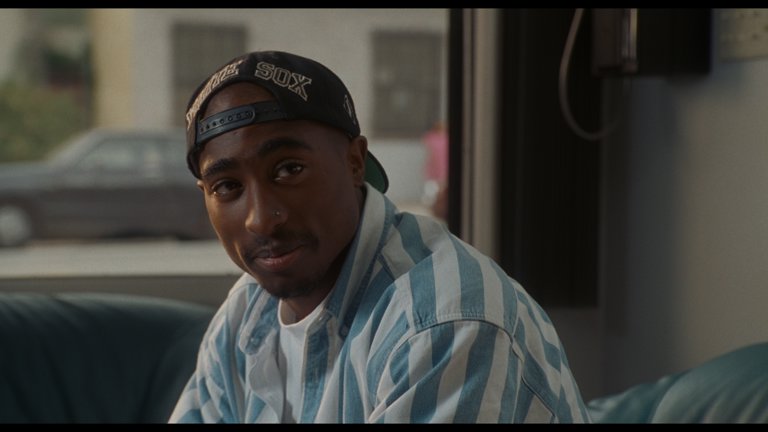
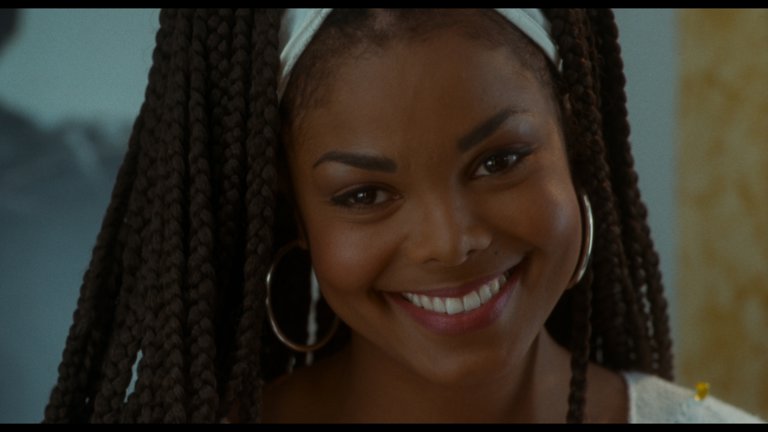
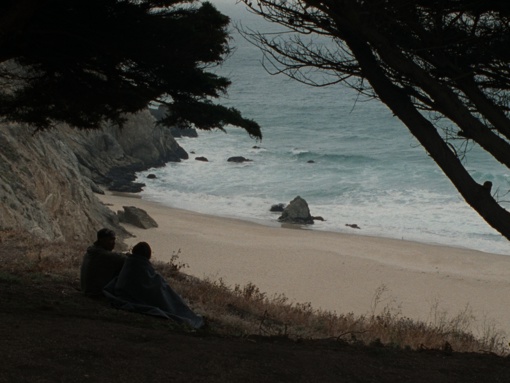
John Singleton's Hood Trilogy - Screen Captures
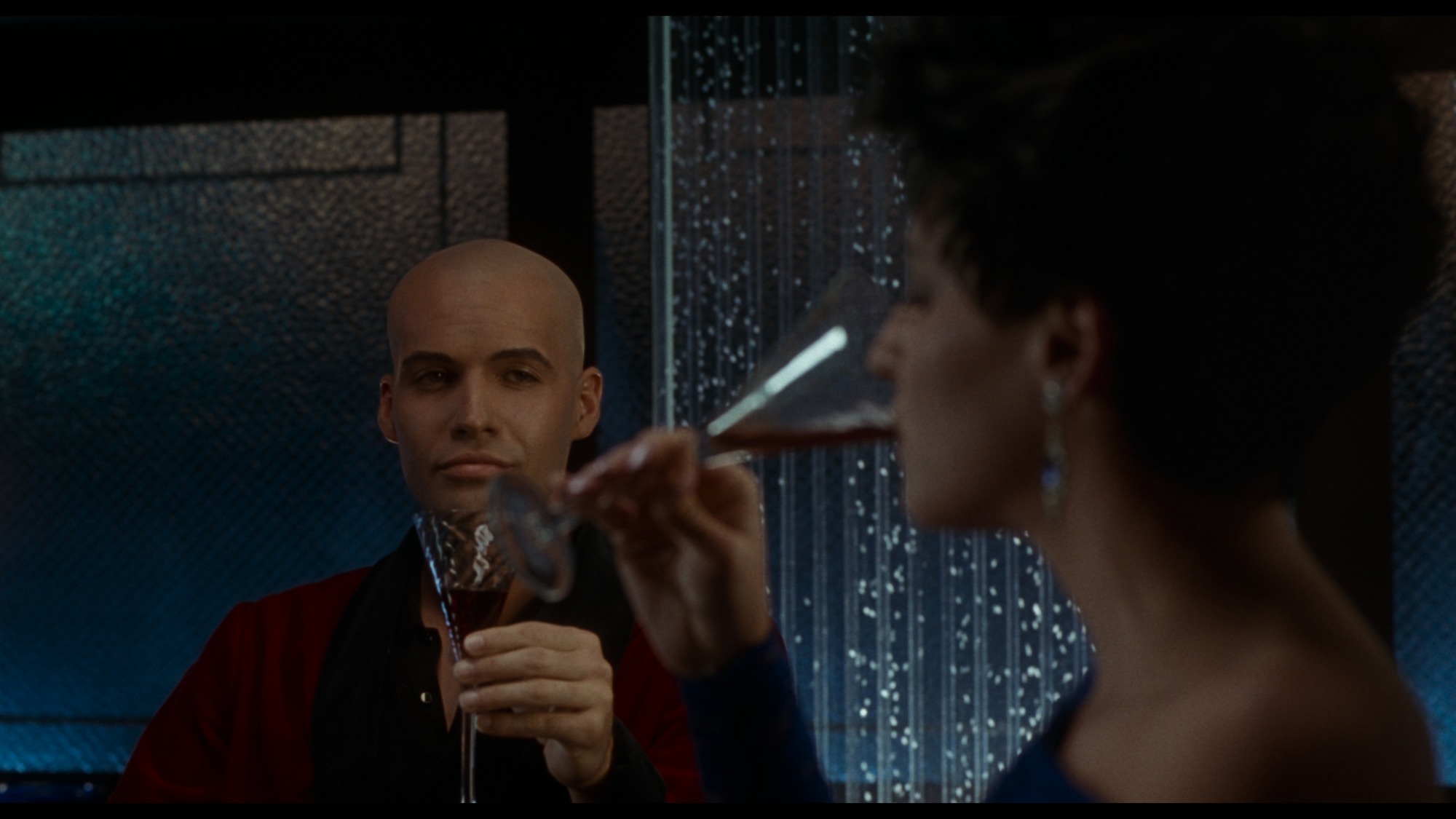
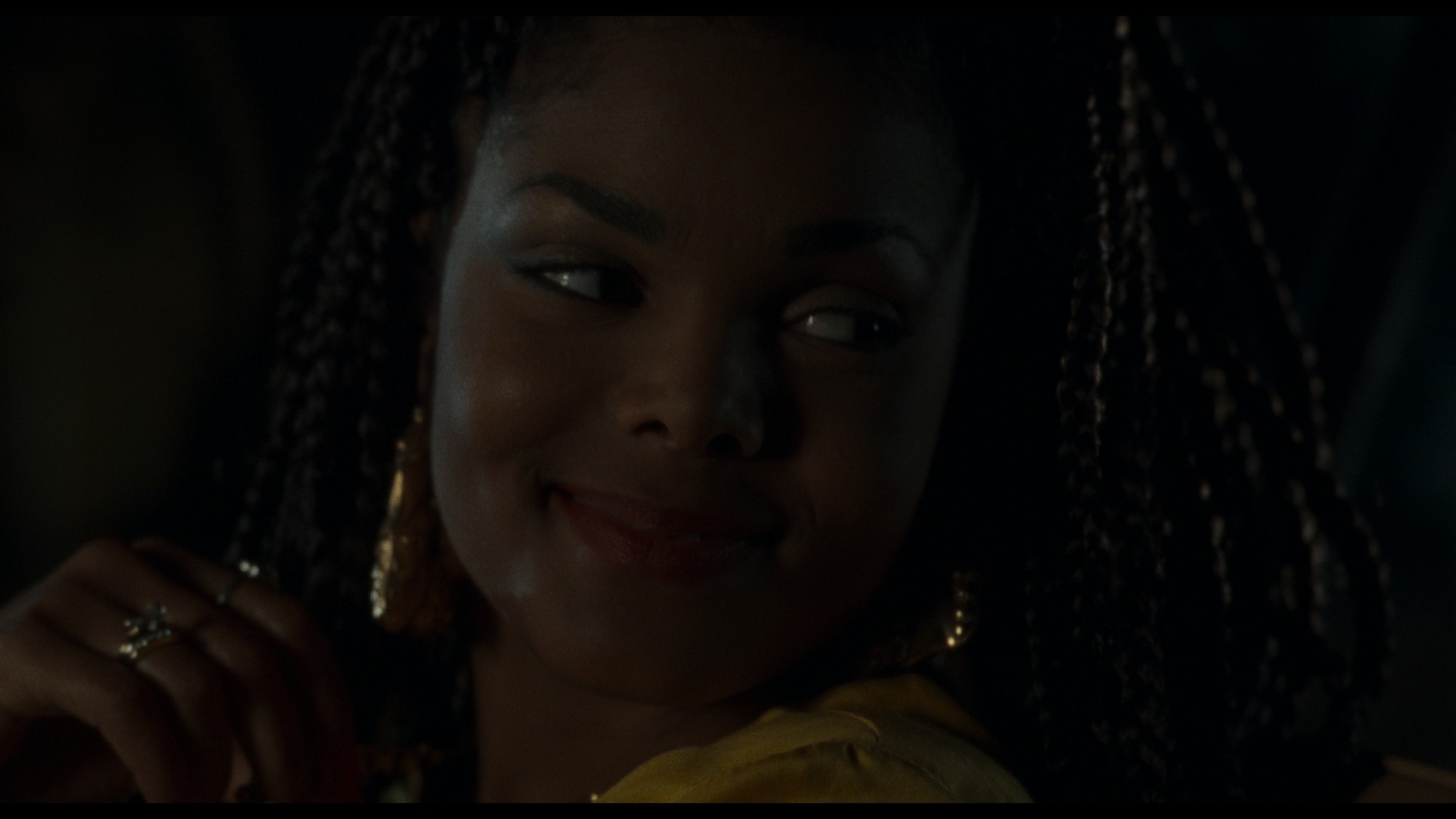
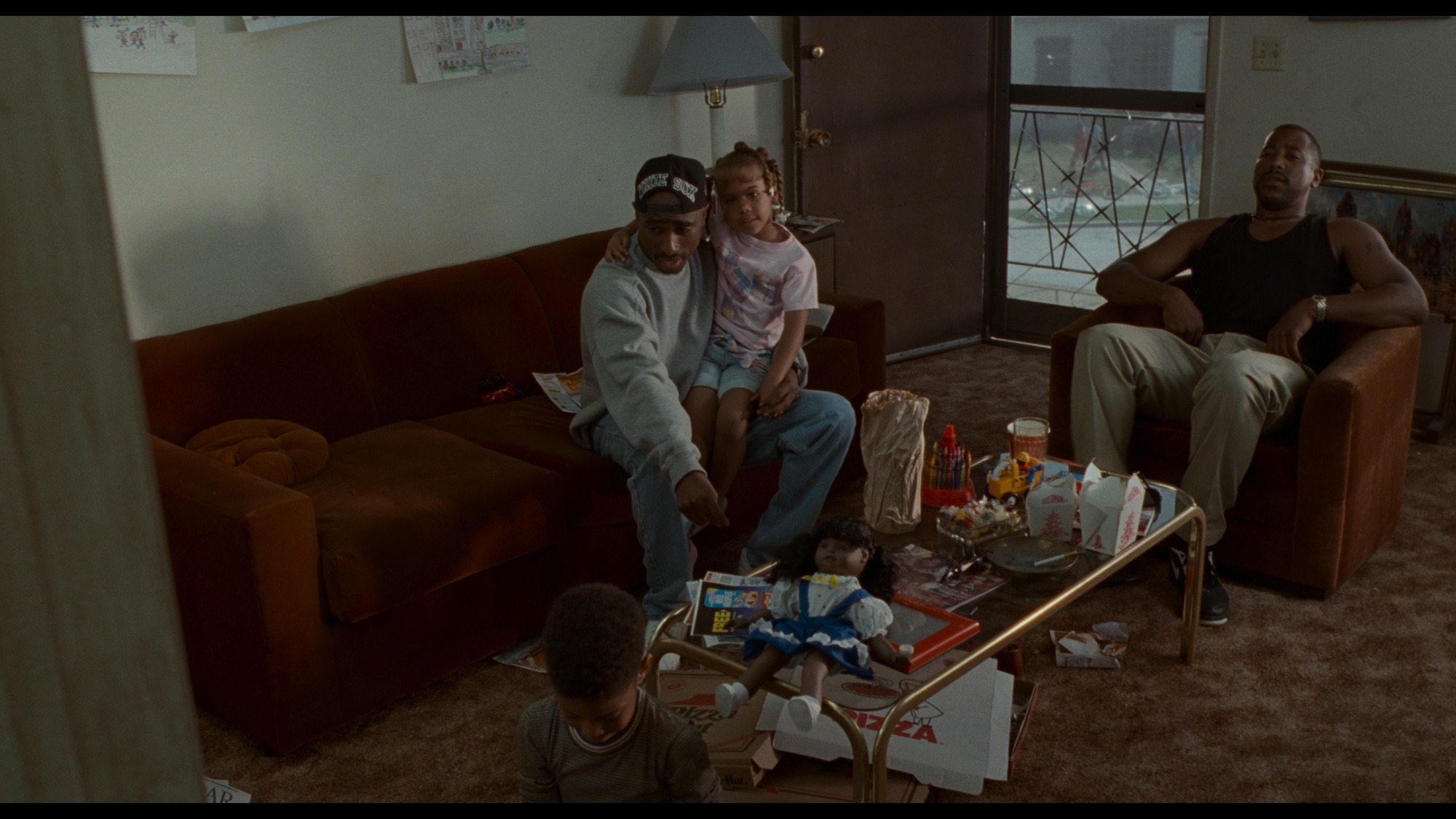
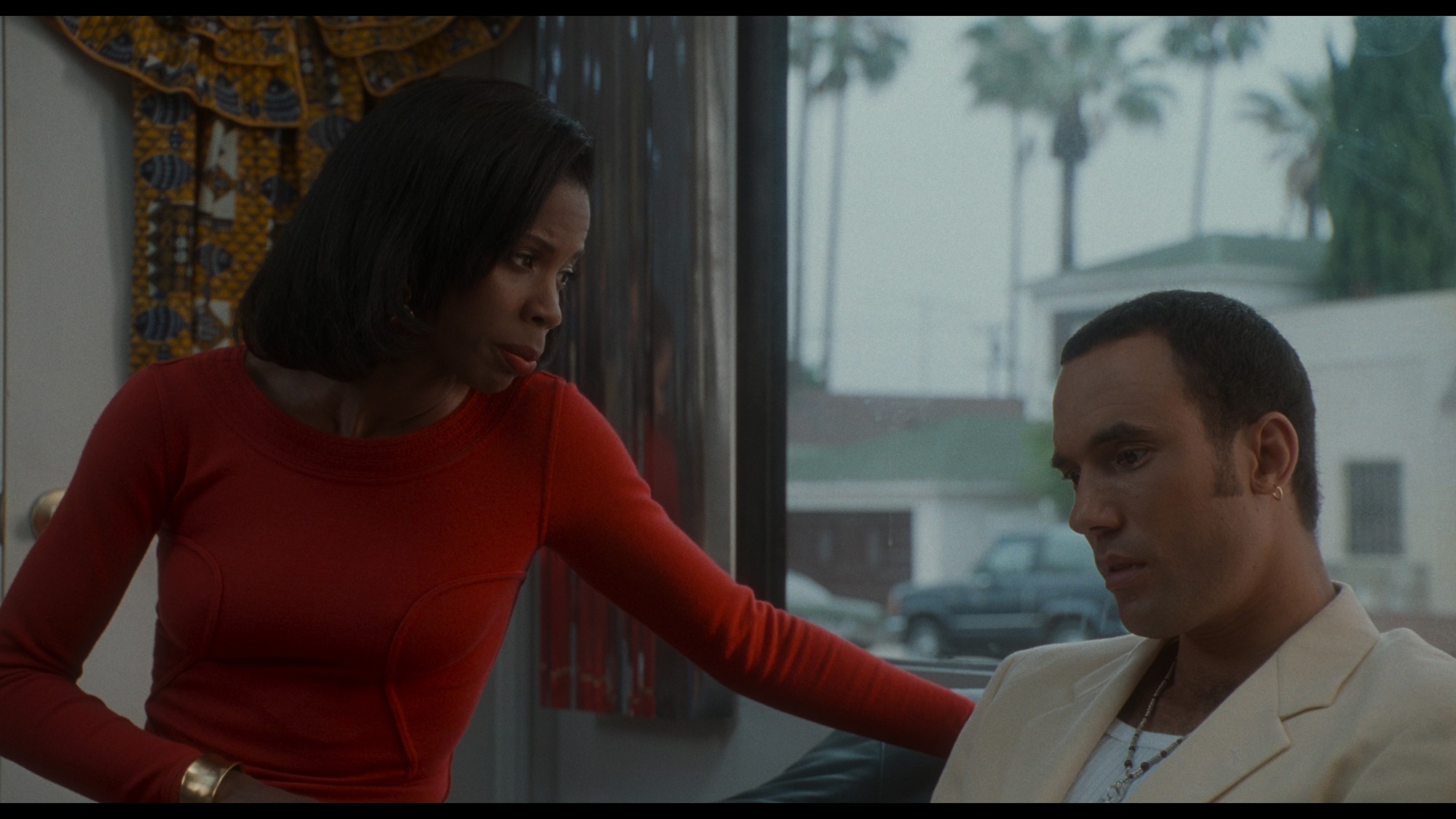
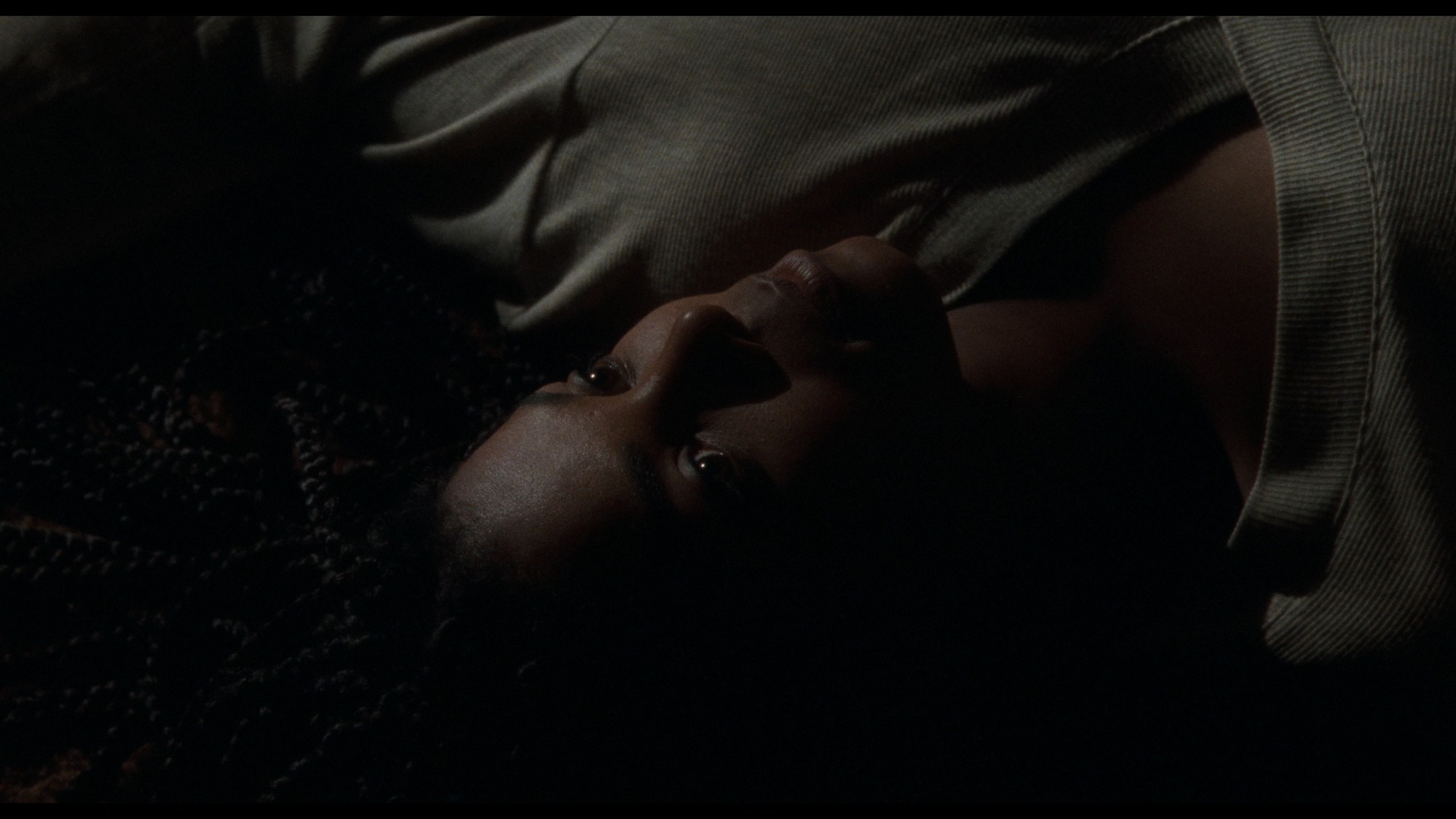
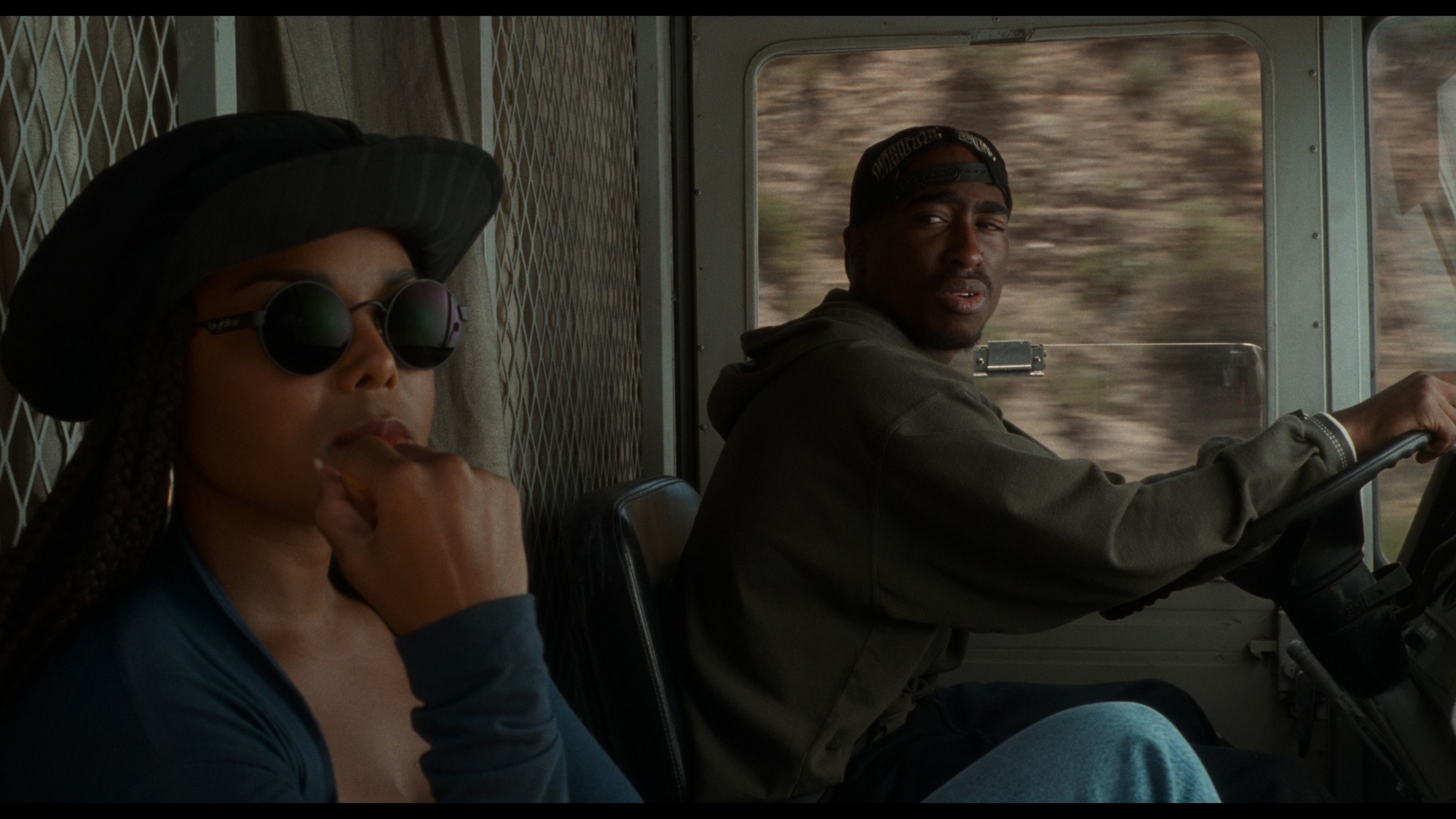
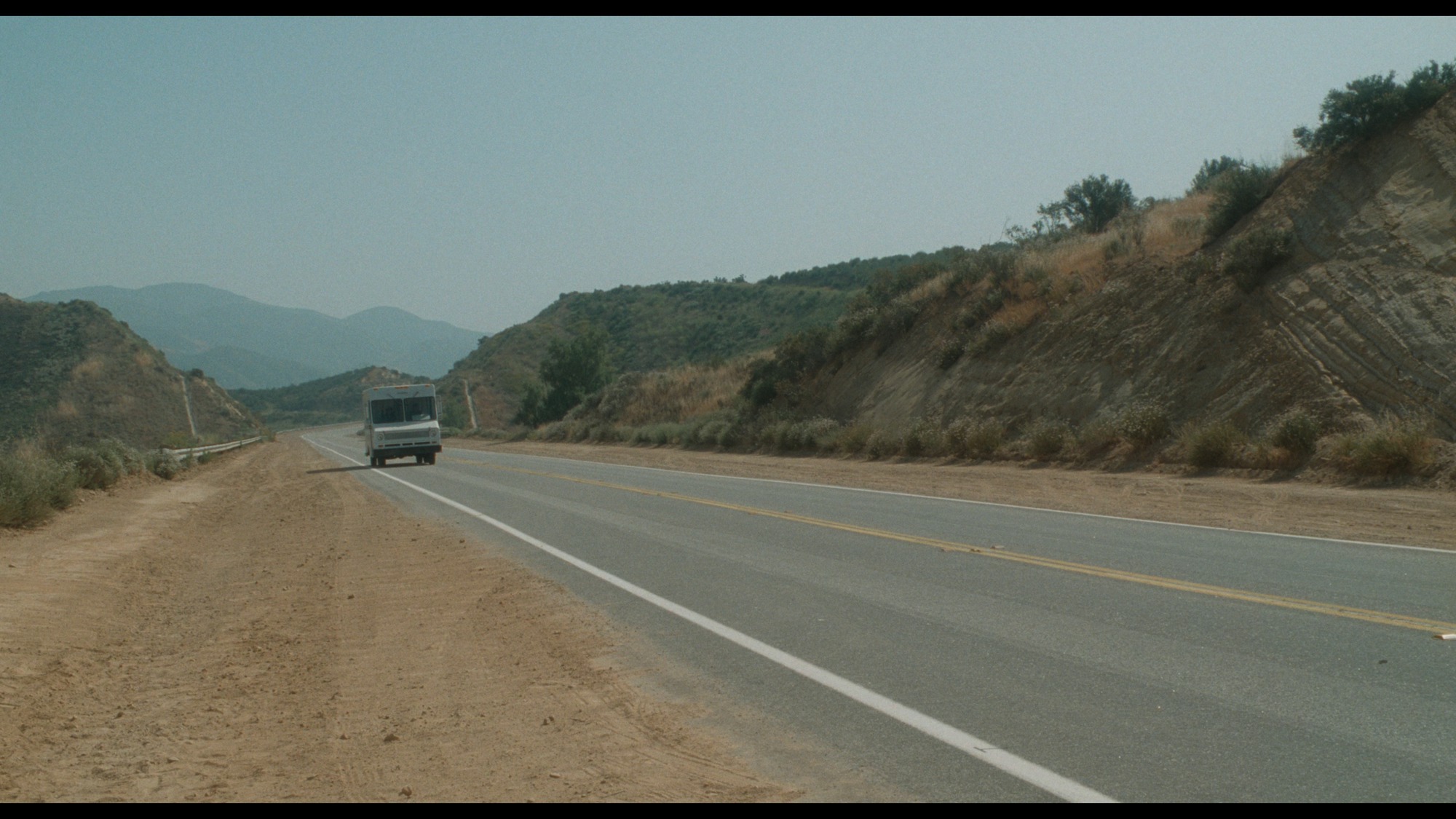
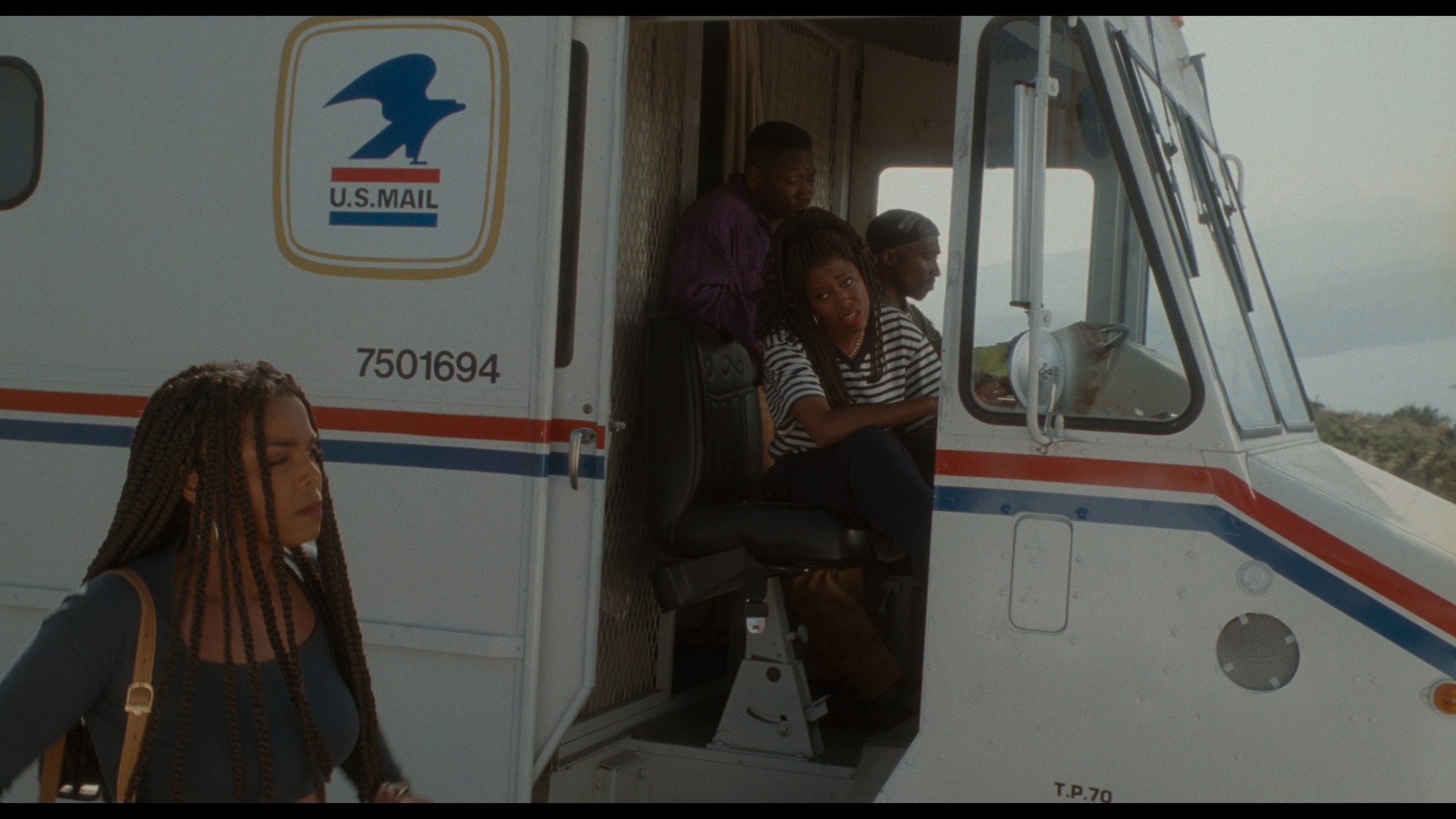
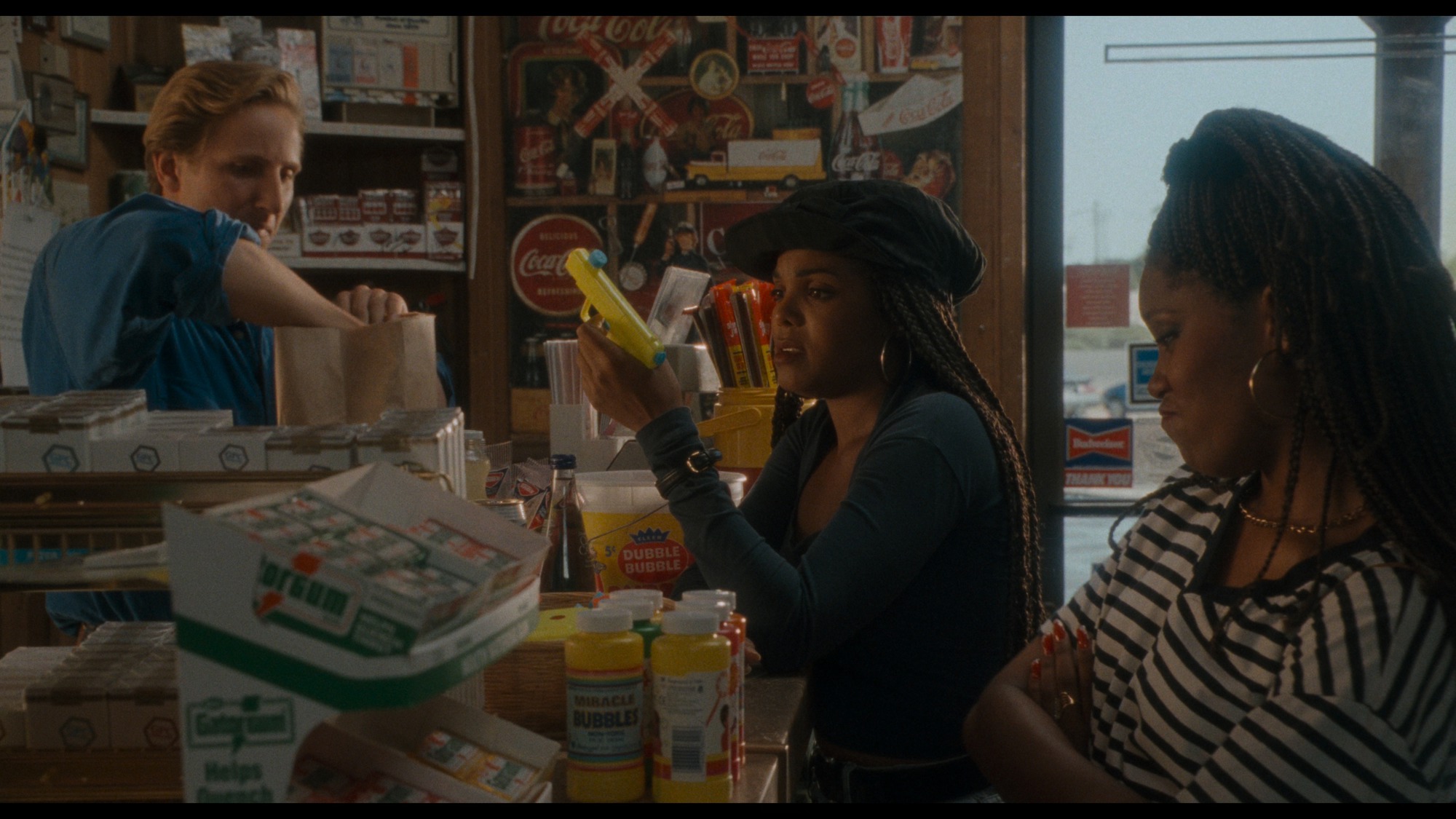
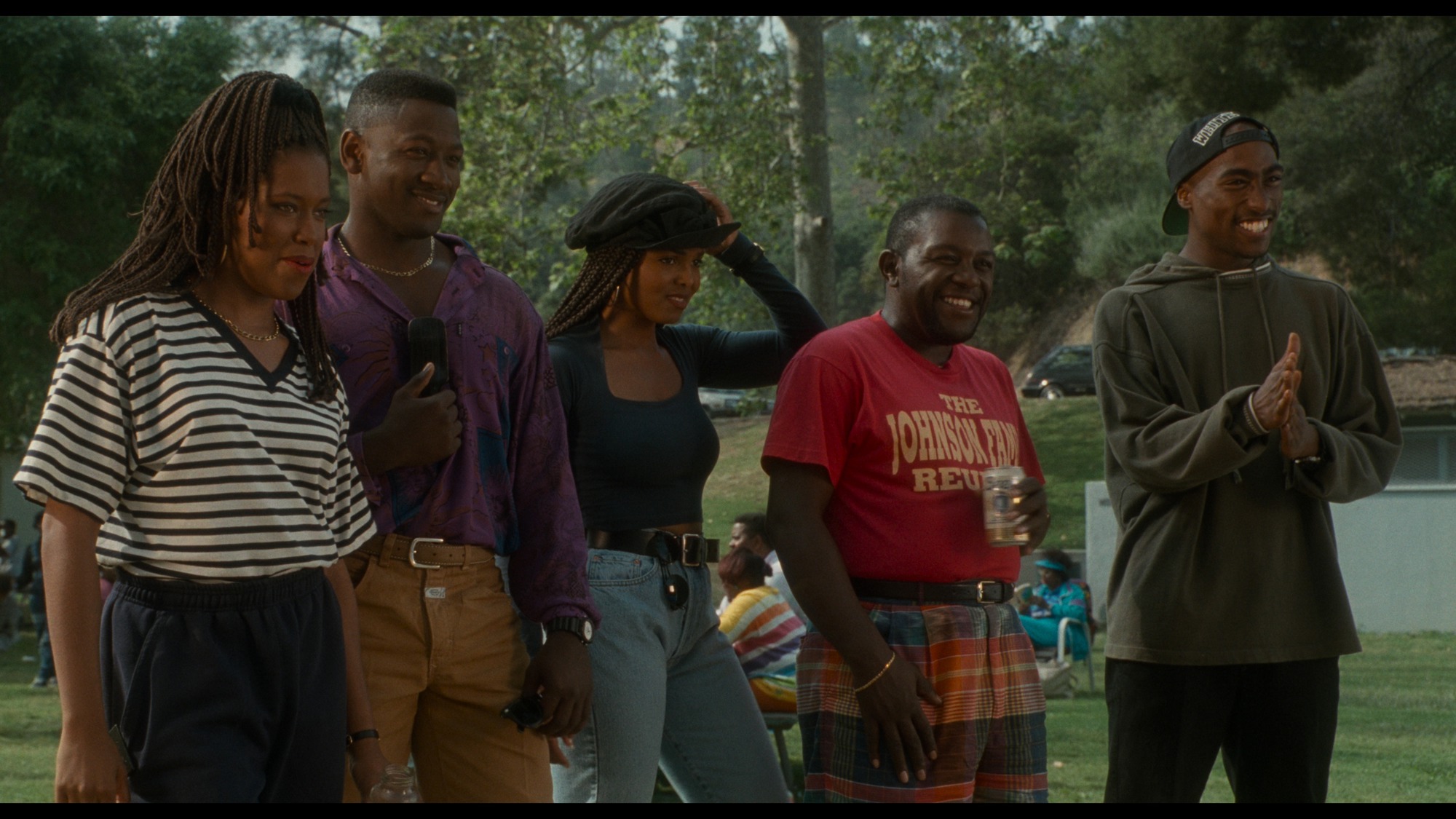
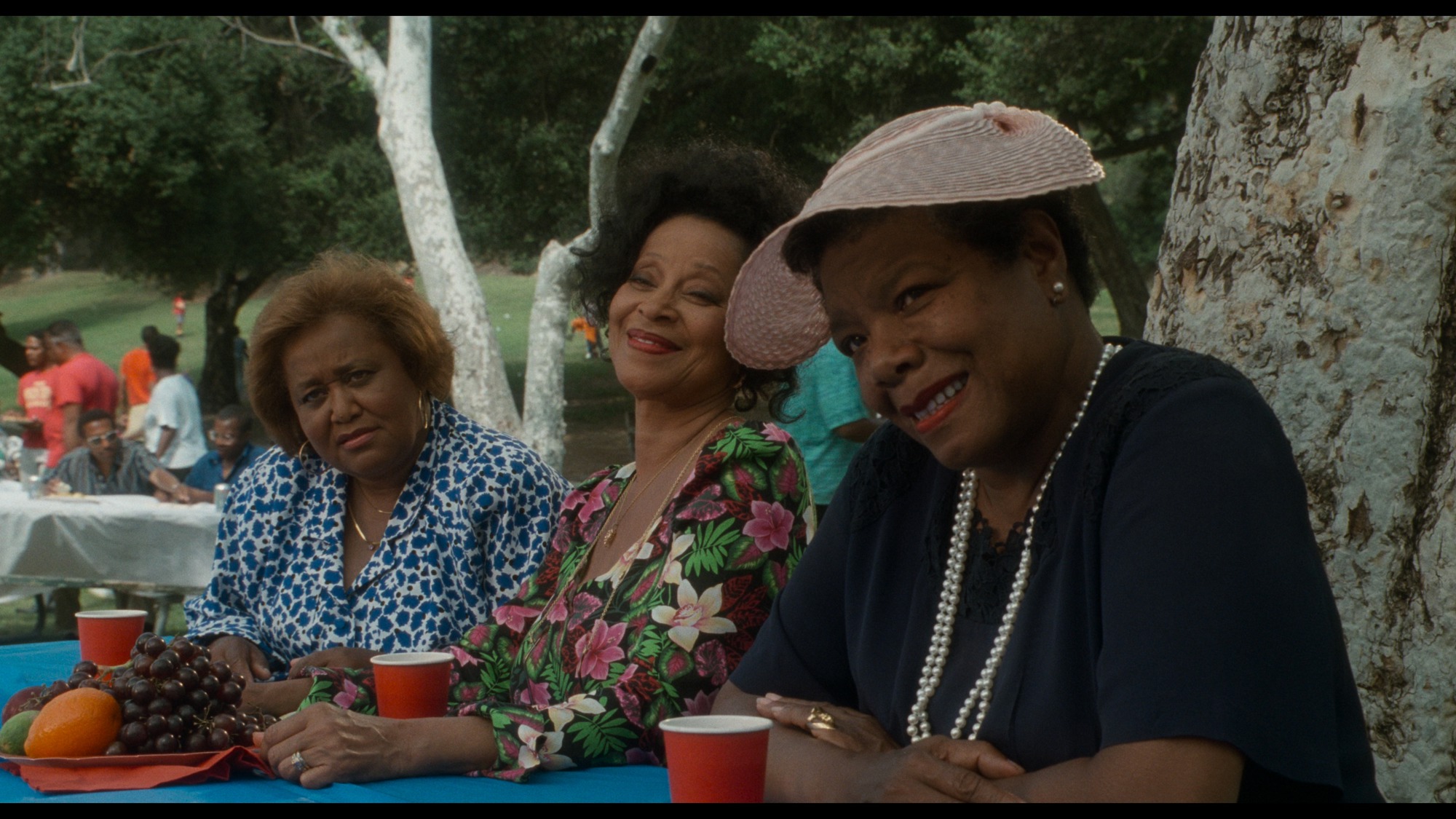
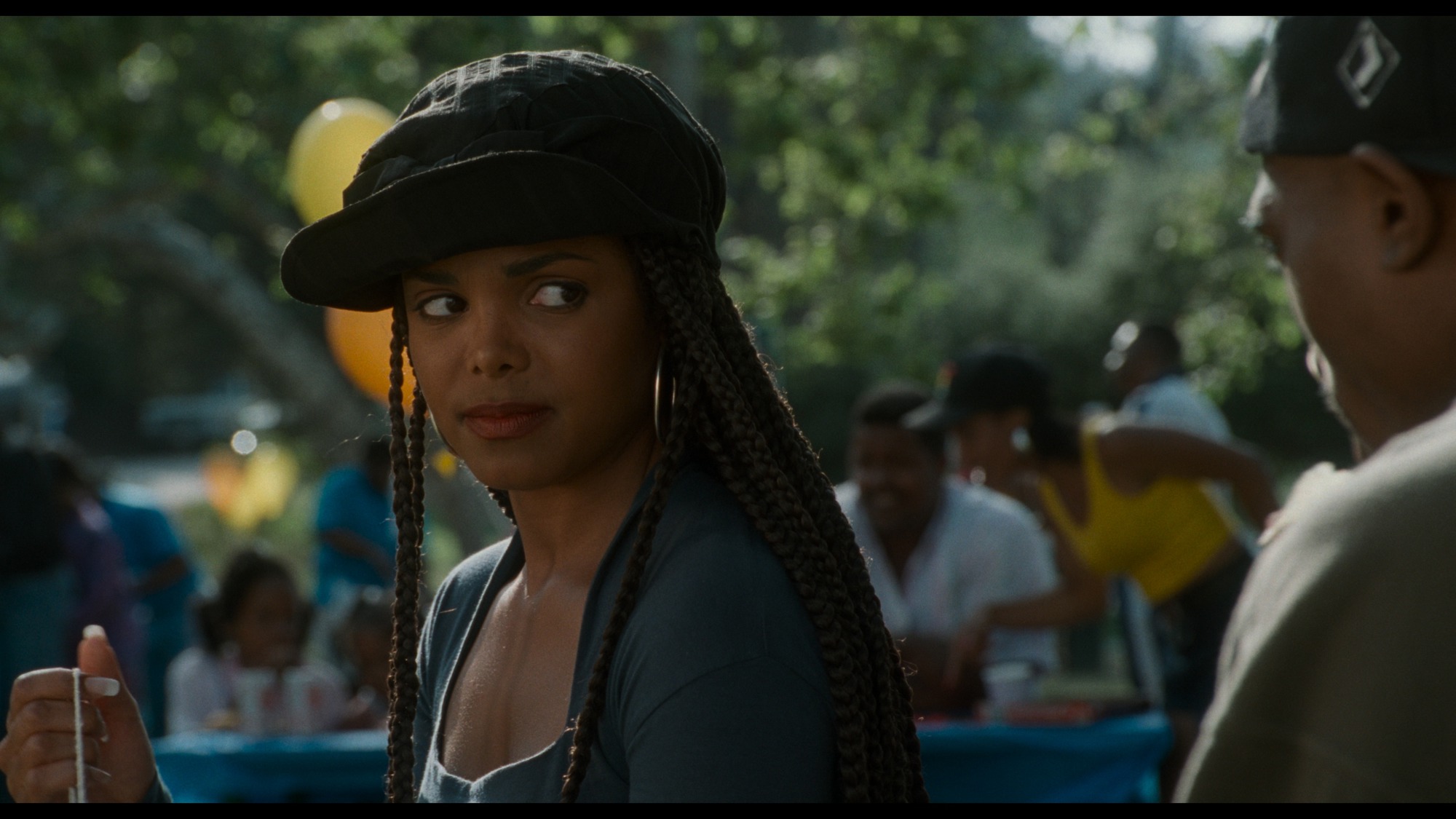
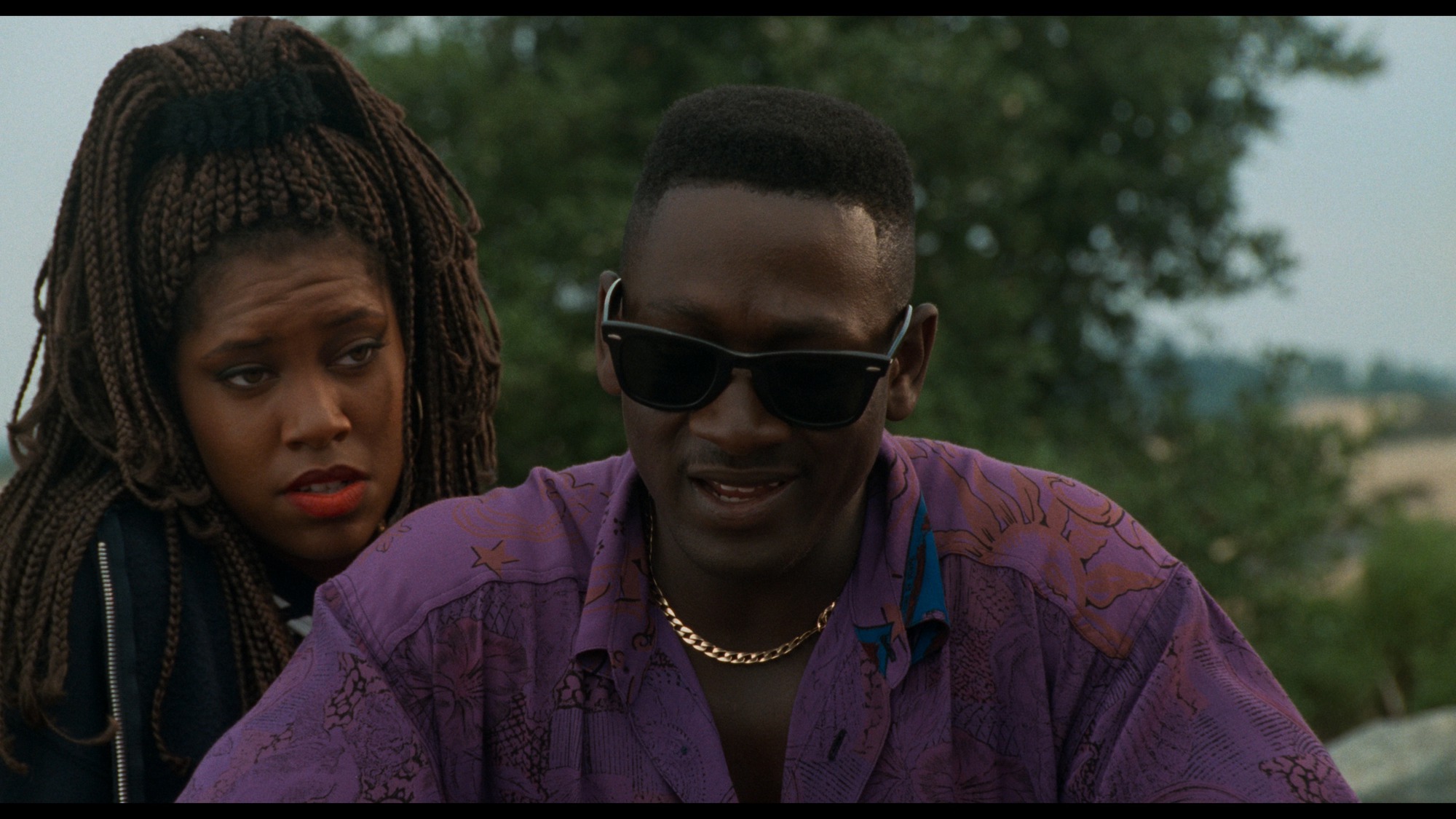
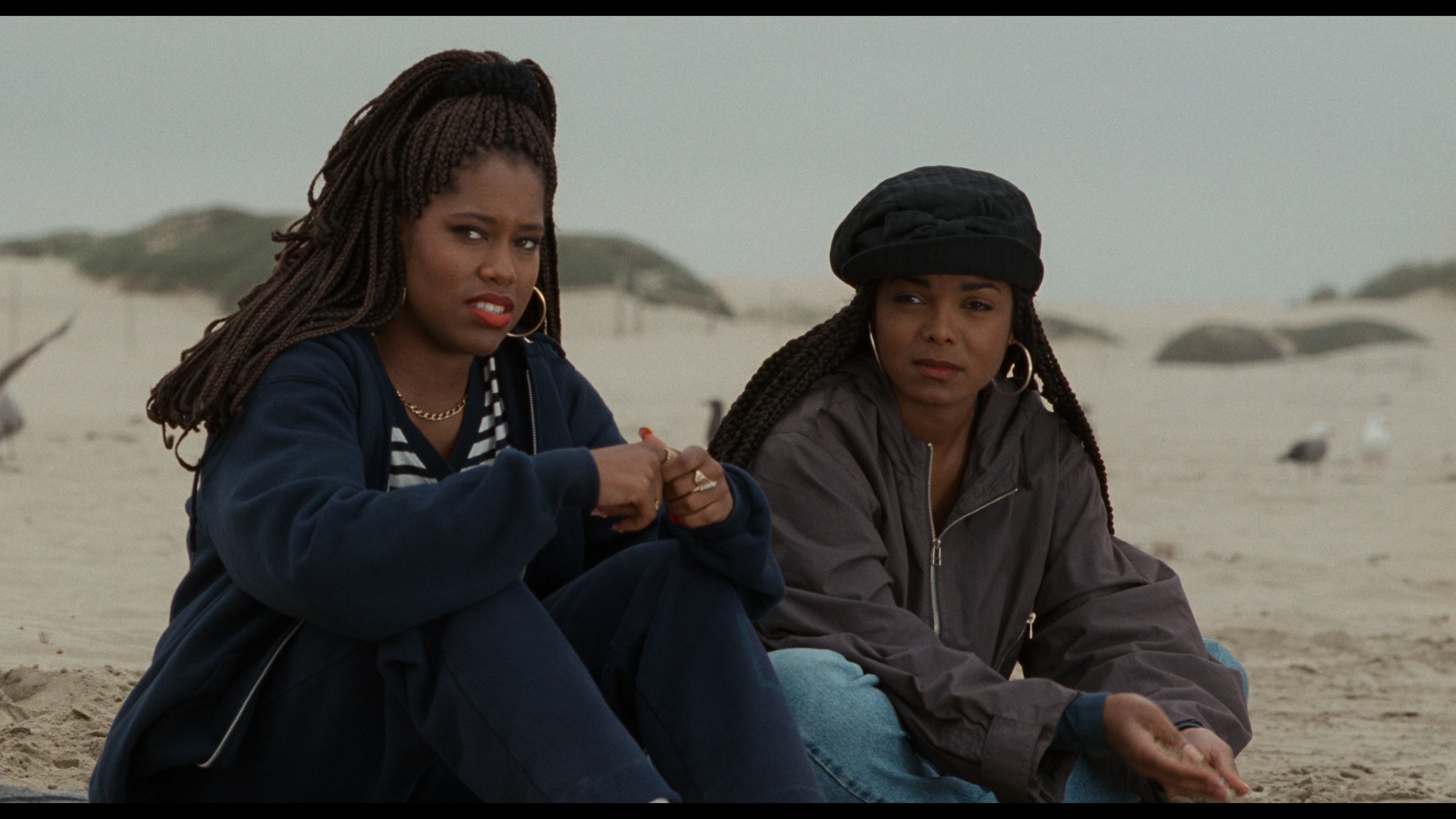
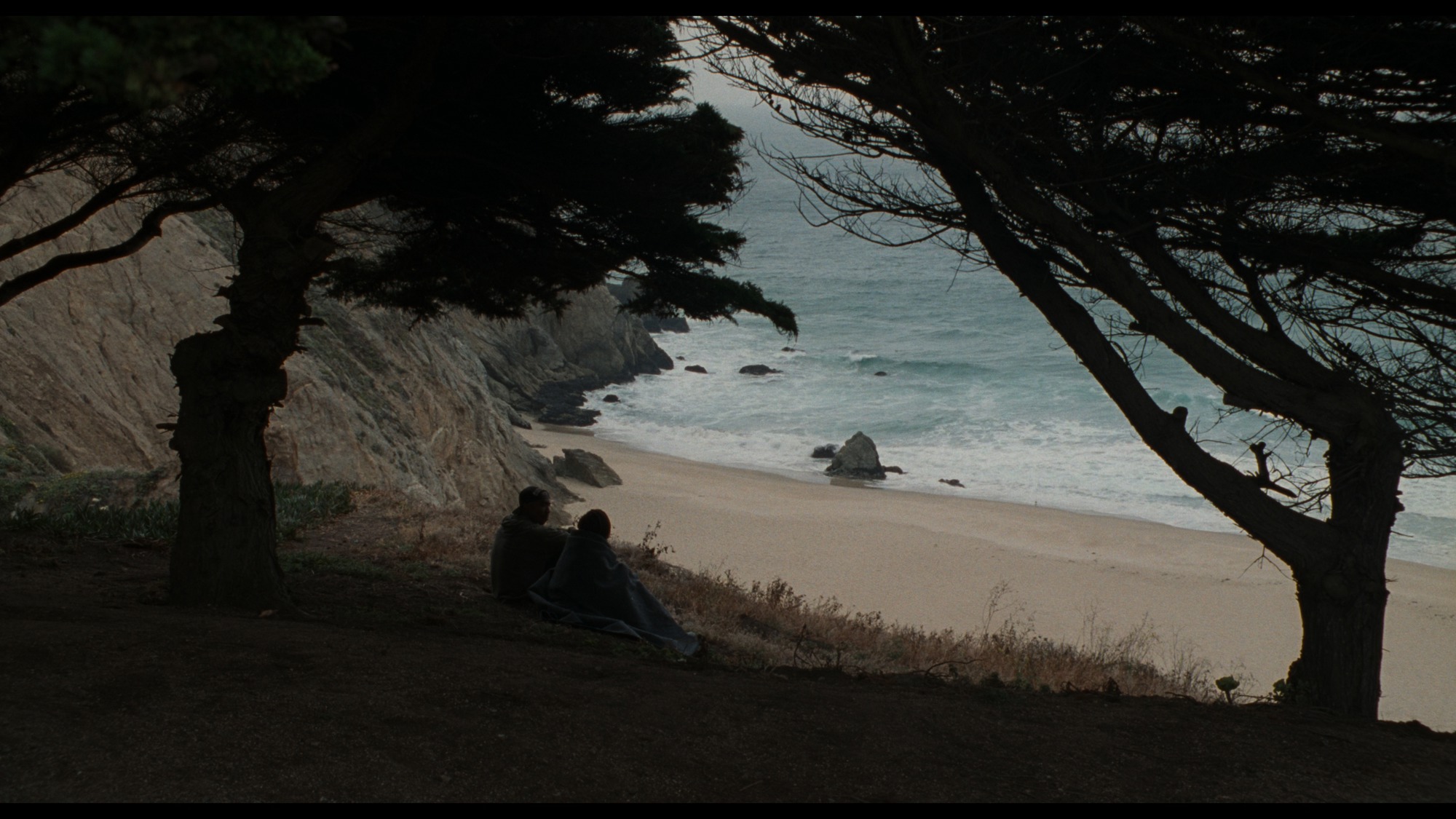
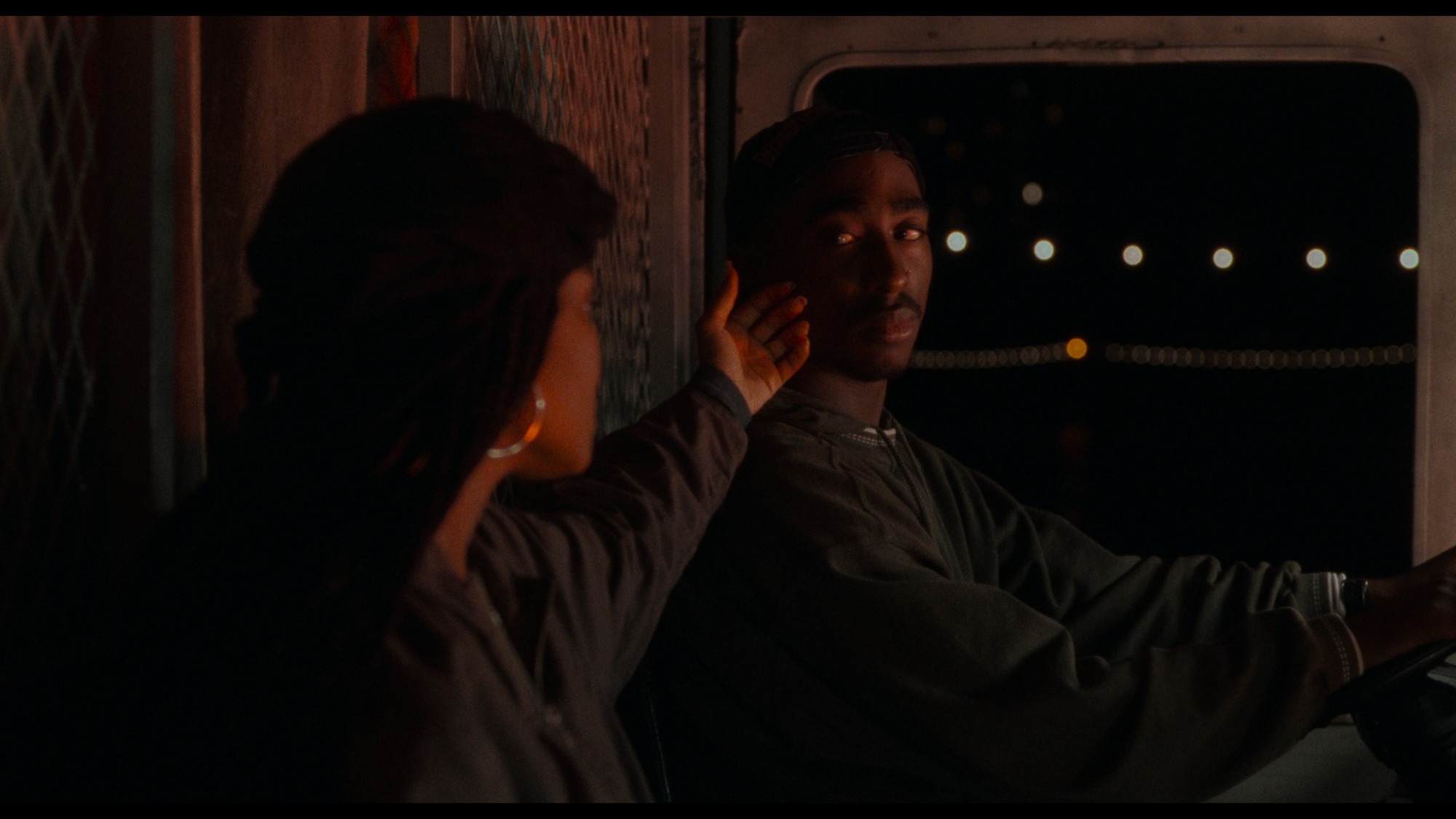
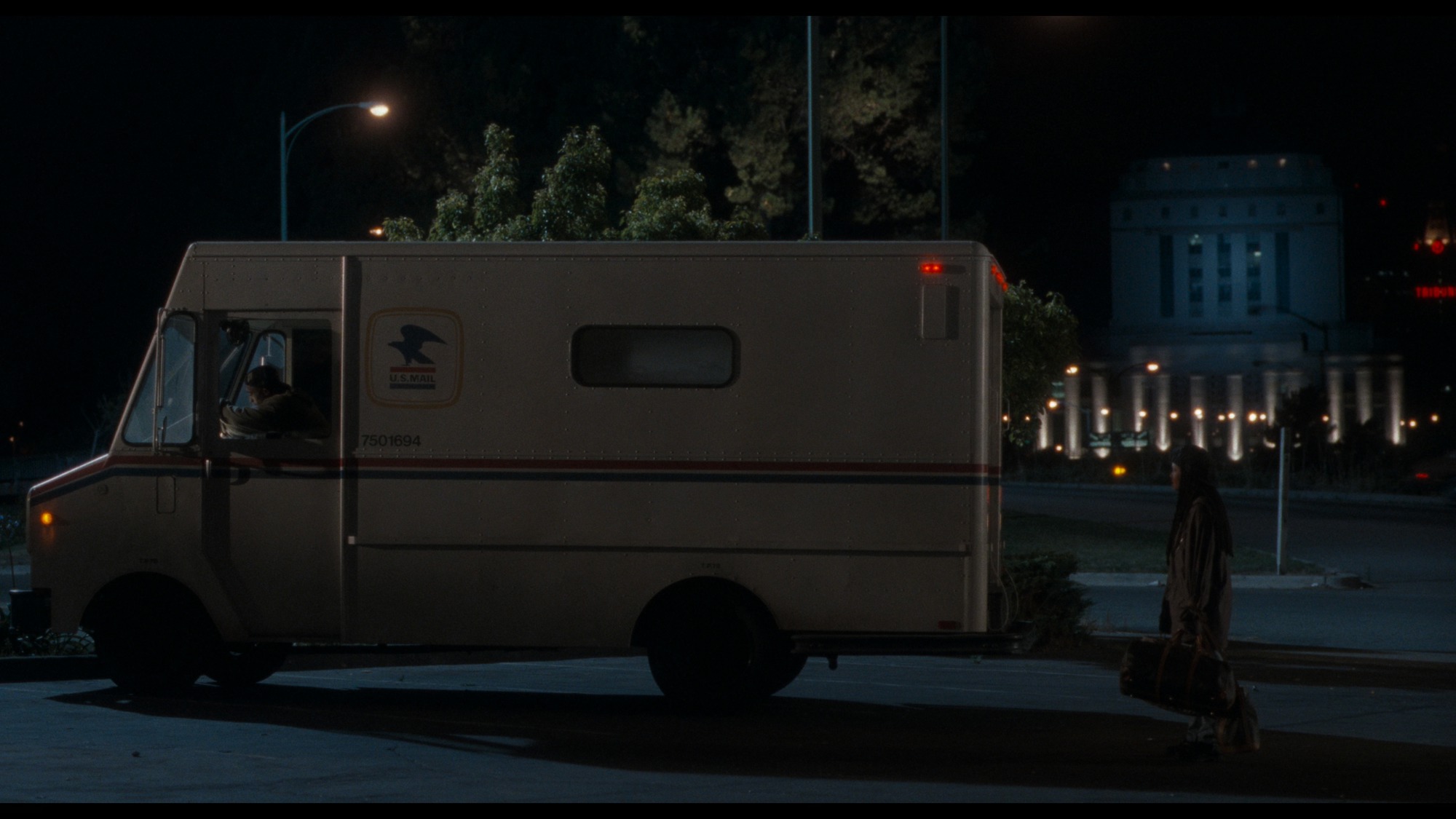
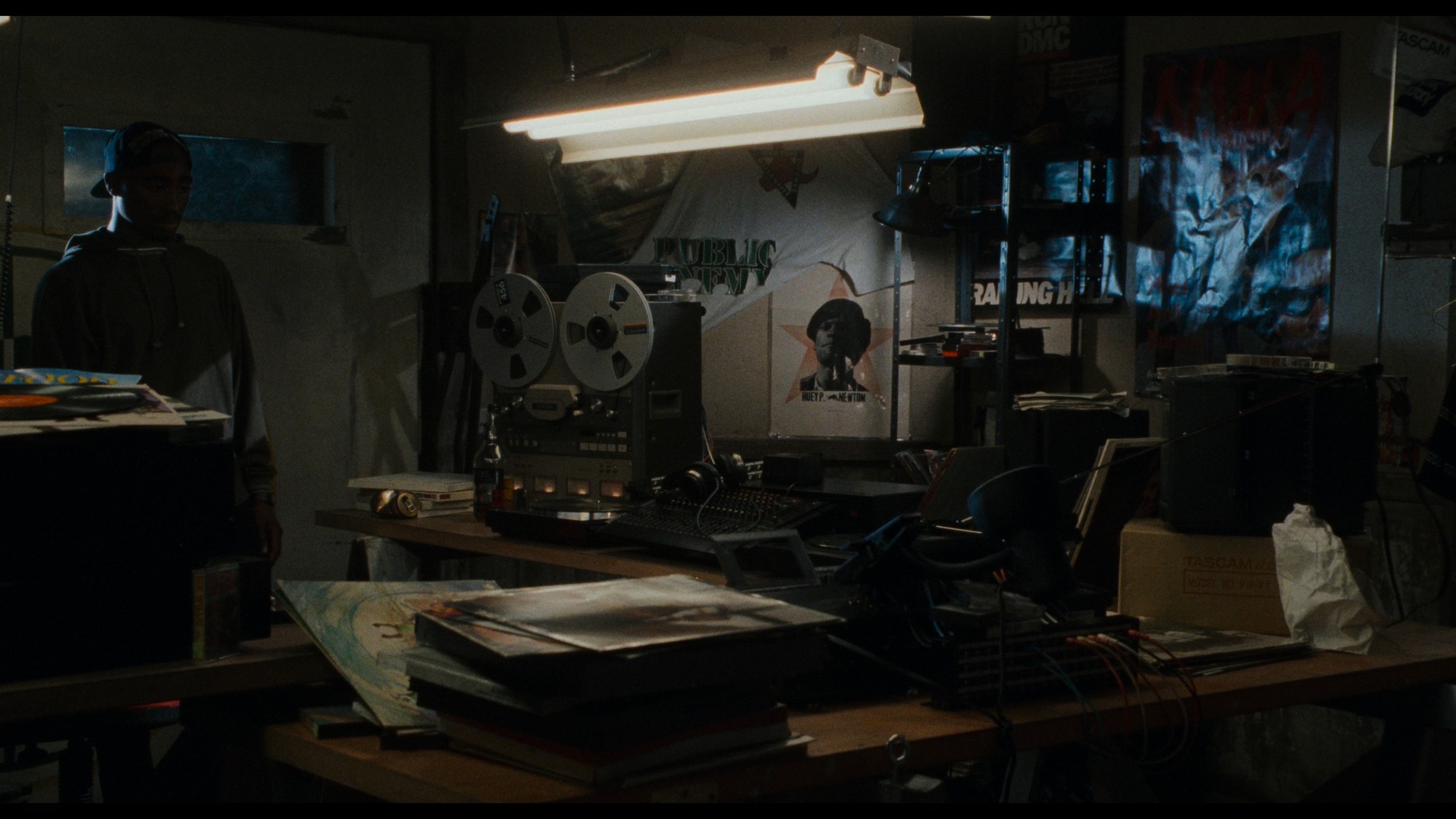
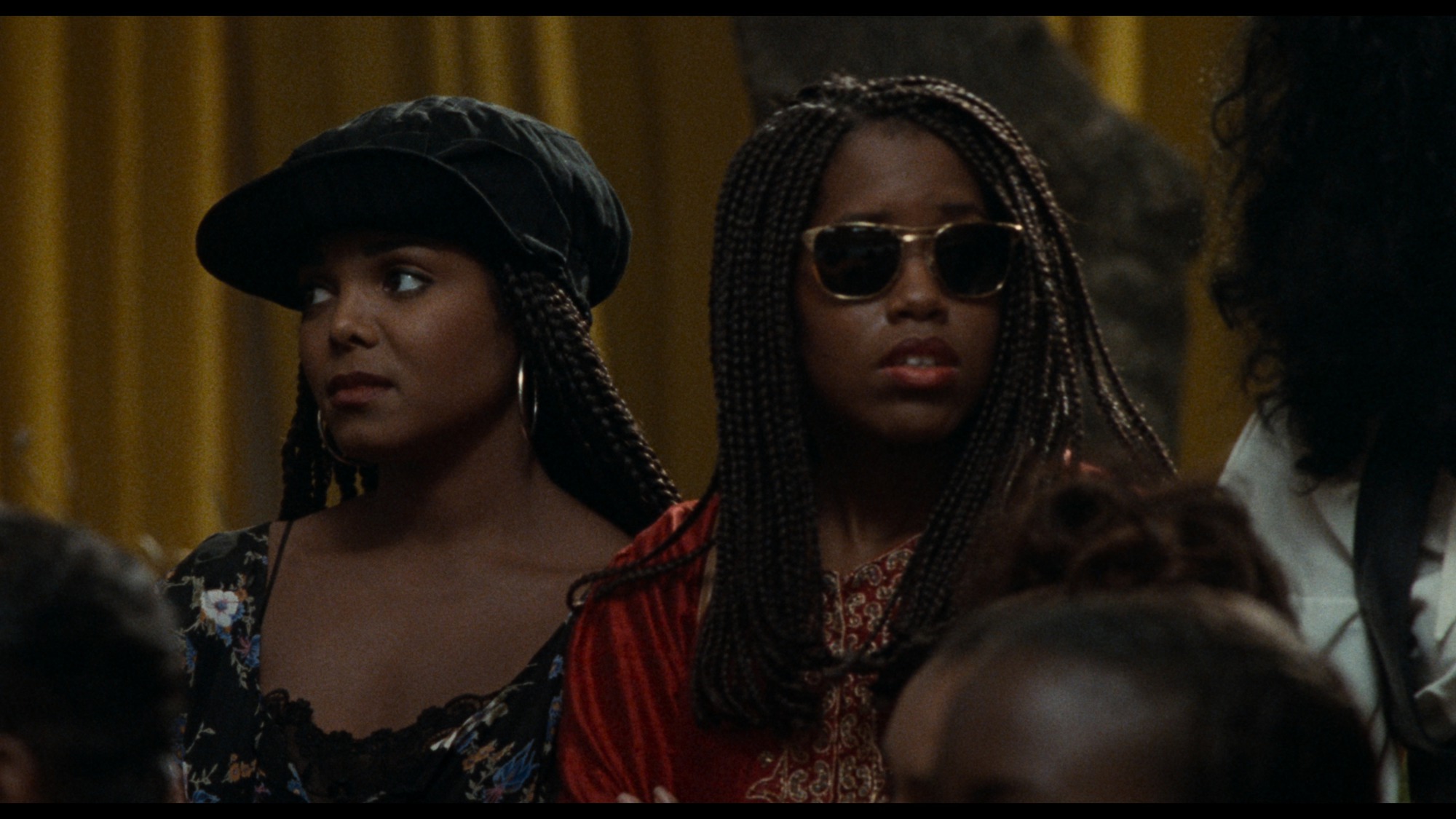
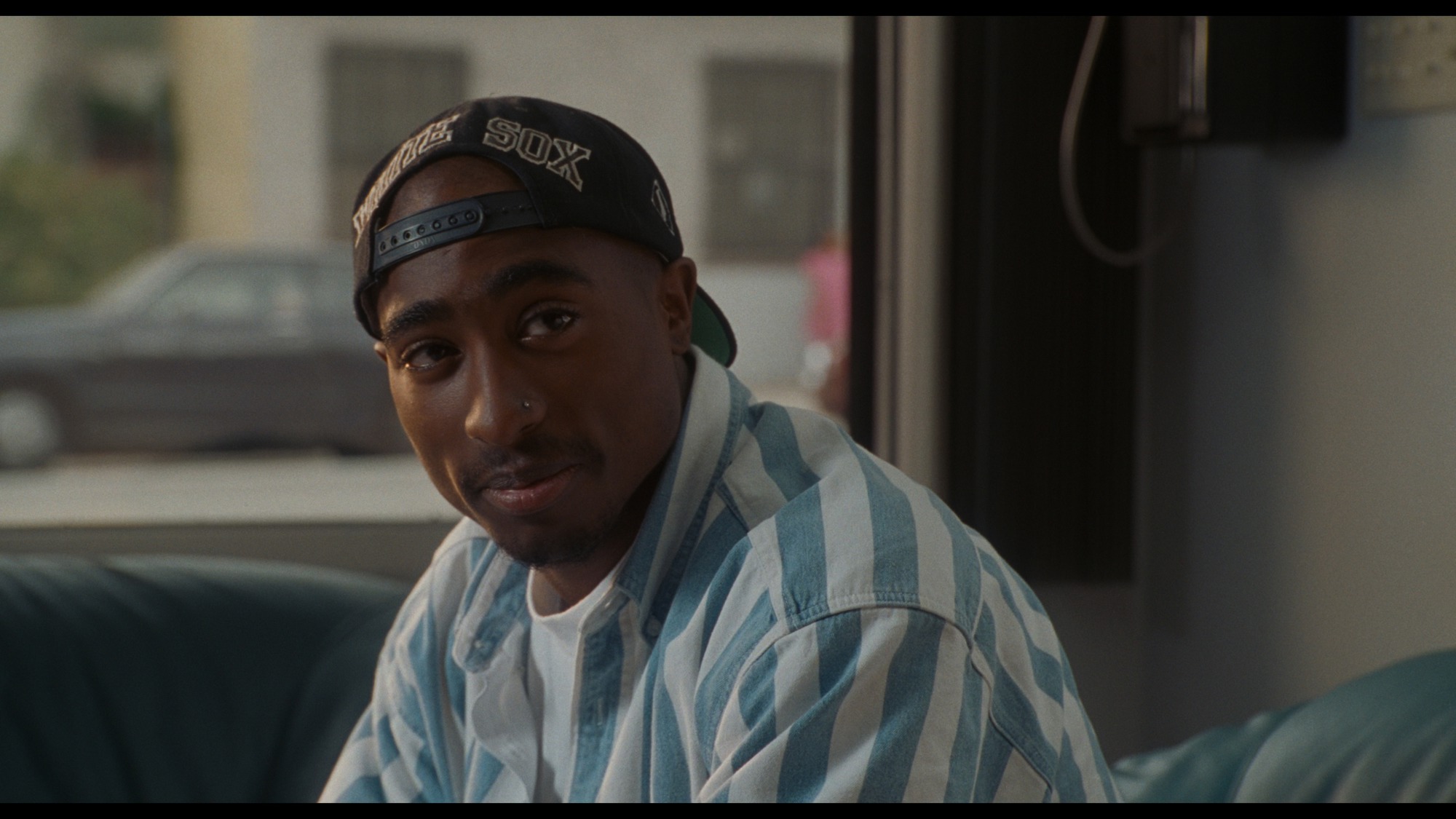
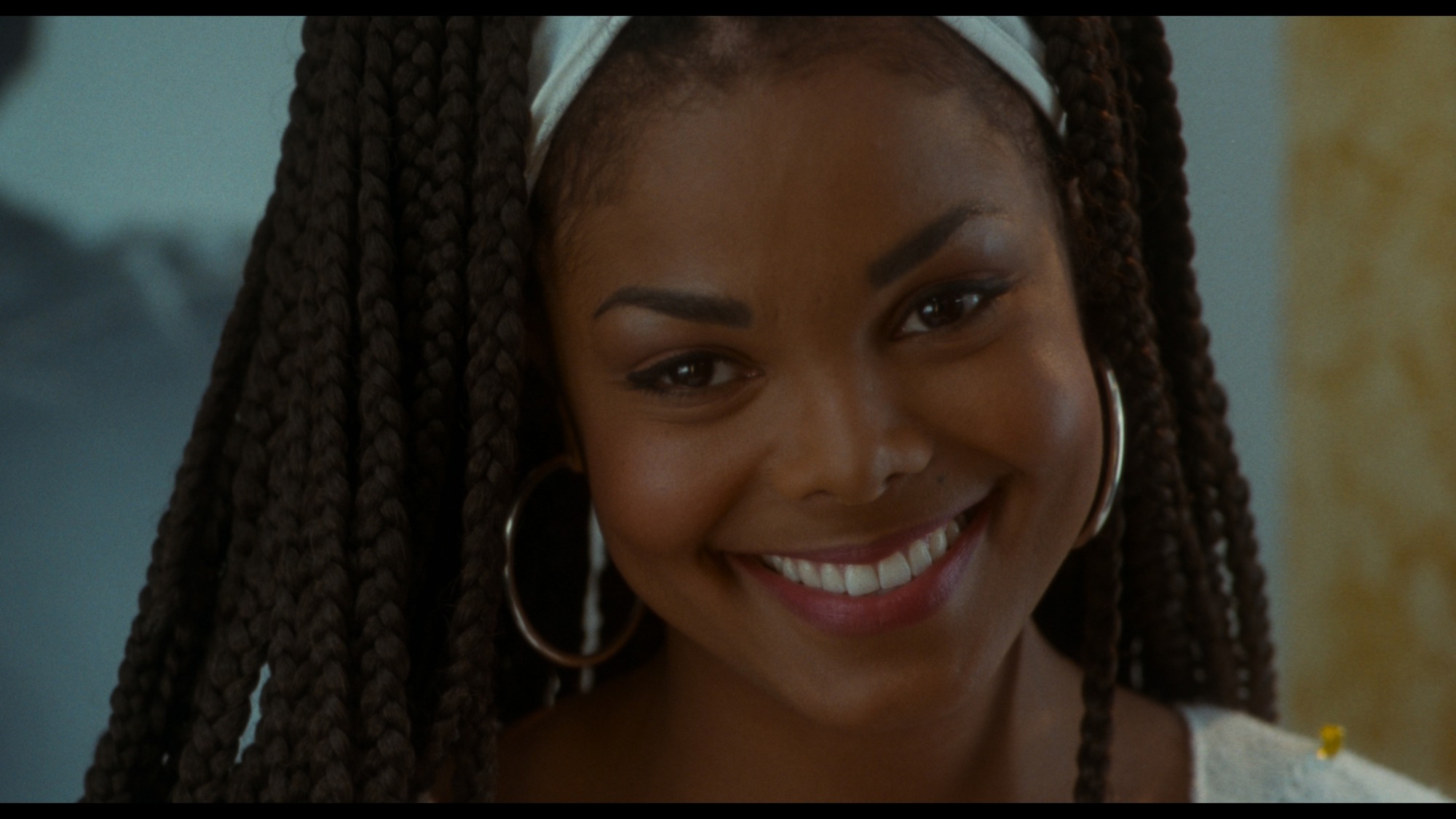
Audio 8/10
Criterion includes the film’s original 2-channel surround soundtrack, presented in DTS-HD MA. It’s not as active a mix as what Boyz n the Hood featured (or even Baby Boy), but there are still a handful of busier moments, including the opening drive-in, the family reunion, and the festival sequence. Dialogue comes through clean and clear throughout, while the film’s music delivers a respectable amount of range.
All in all, it’s a fairly modest mix, but it sounds good and suits the film well.
Extras 7/10
Of the three films in the set, Poetic Justice ends up receiving the slimmest collection of features, though everything from the previous Blu-ray edition has been ported over. It also includes John Singleton’s audio commentary, originally recorded for the 1999 Columbia DVD. Following the two tracks he recorded for Boyz n the Hood, this one is a bit of a disappointment, feeling comparatively less focused. He opens by explaining how the success of his debut gave him more freedom with studio backing for his second feature, which he used to tell a different kind of story set around South Central. From there, he covers the film’s development, driven in part by his desire to work with Janet Jackson (whom the studio was initially wary of casting) and eventually Tupac Shakur, along with his interest in the poetry of Maya Angelou, who appears in the film and wrote the poetry credited to Jackson’s character. He also makes it clear this production was a more laid-back experience than his first, even if he was still learning on the job, with the coastal locations likely contributing to that tone.
There’s clearly still plenty here that’s interesting, including when he discusses portraying the sexual politics between Black men and women. It can also be amusing when he touches on things like the film’s “cursing,” which drew criticism at the time, and his awareness of it when screening the film for Dr. Angelou (though it barely registered for me). There are also some fun, now-dated asides, like mentioning he was working on a new version of Shaft. Even so, the track lacks the energy and engagement of his earlier commentaries and is weighed down by noticeable stretches of dead air.
The remaining features are housed on the fourth disc, a dual-layer Blu-ray, under the film’s submenu. First up is a 10-minute interview with Singleton recorded in 2018, where he briefly reflects on the film, largely revisiting points covered in the commentary, though he does mention originally wanting Ice Cube for the role that went to Shakur, something I don't recall being brought up on the track.
There are also 10 deleted scenes running about 15 minutes in total. A couple stand out, including one featuring Shakur’s character at home with his daughter as gunshots ring out nearby. Most interesting, though, is the indication that Singleton originally envisioned a subplot involving the other stylists from the salon going on their own road trip. It always felt a bit curious that actors like Tyra Ferrell and Roger Guenveur Smith were underused, and these scenes suggest a different intention. That said, it’s also easy to see why they were ultimately removed, as they would have pulled focus from the central story. Still, it’s nice to have them included here.
Following that is a brief, 2-minute chemistry test between Jackson and Shakur, performing their first meeting in the salon. Shakur plays things a bit broader here than in the finished scene, but it’s clear the two had strong chemistry from the start and they built on it during filming. The supplements then close with the film’s trailer.
Somewhat surprisingly, Jackson’s “Again” isn’t included as a music video, though it doesn’t appear to have been featured on past releases either, suggesting possible rights issues. Even if it were included, though, the overall package would still feel a bit light. Directors Ryan Coogler and Regina King do briefly touch on the film in their appreciation of Singleton found elsewhere in the set, but something more substantial here would have been welcome. As it stands, the material is fine, but not especially revealing.
Closing
The supplements end up being the least satisfying in the set, but the 4K presentation is another knockout.
BUY AT: