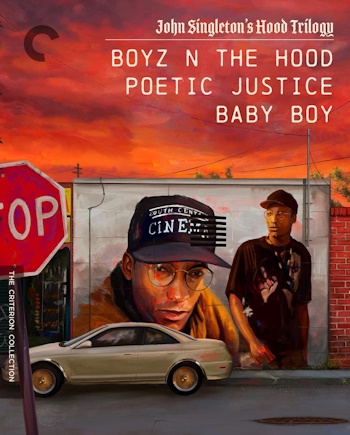
John Singleton's Hood Trilogy
Baby Boy
BUY AT:


See more details, packaging, or compare
Synopsis
With his electrifying debut feature, Boyz n the Hood, John Singleton brought his South Central Los Angeles community to the screen with a bracing immediacy that rocked 1990s American cinema and popular culture. Poetic Justice and Baby Boy completed what the director considered his Hood Trilogy, a series of richly nuanced films that constitute a dramatic universe all their own. Featuring remarkable performances from supernova talents like Cuba Gooding Jr., Angela Bassett, Regina King, Janet Jackson, Tupac Shakur, and Taraji P. Henson, these indelible tales of urban life explore the experience of growing up Black and searching for one’s place in the world.
Picture 10/10
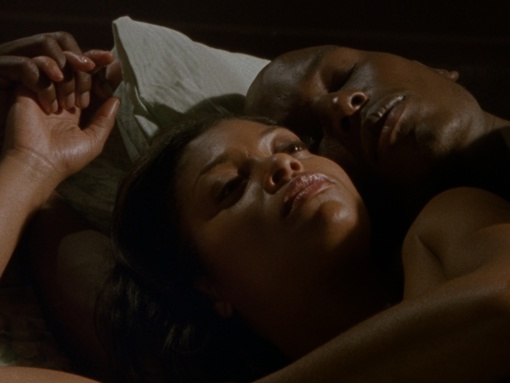
John Singleton’s Baby Boy makes its 4K debut in Criterion’s latest box set, John Singleton’s Hood Trilogy. The film is presented in 2160p/24hz ultra high-definition with Dolby Vision on a triple-layer disc, framed in its original aspect ratio of 1.85:1. The presentation is sourced from a new restoration performed by Sony, taken from a scan of the 35mm original camera negative. The set only includes 4K presentations of the films, with no standard high-definition counterparts; Criterion has instead released a separate Blu-ray–only edition.
Though all of the presentations in the set are strong, Baby Boy ends up being the standout. As the newest film in the collection (granted, from 2001), it naturally benefits from clean, stable source materials, with no notable damage such as scratches or marks. The digital encode is excellent, rendering the fine grain structure perfectly and leading to that filmic texture I love to see, while allowing finer details to come through effortlessly.
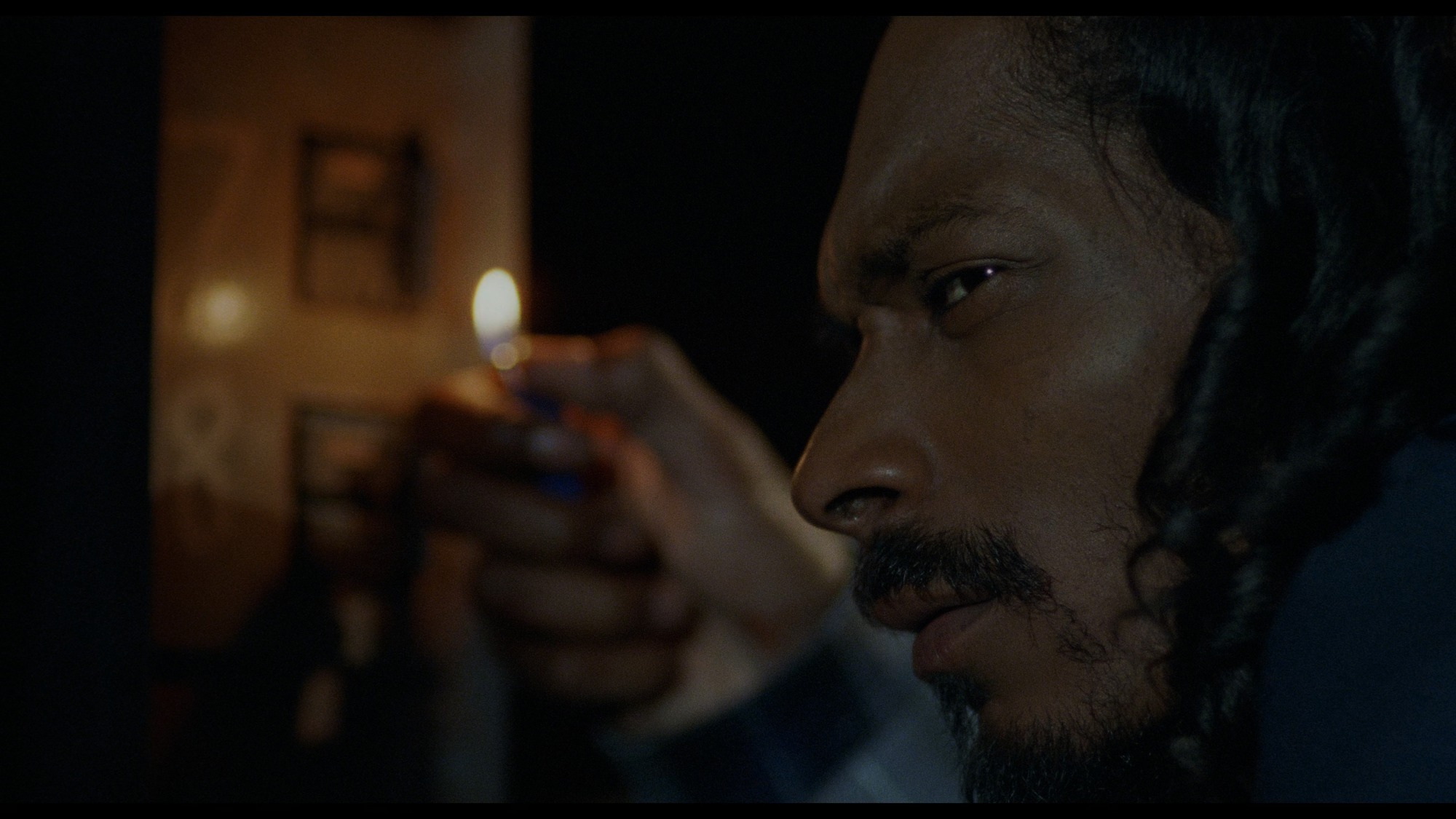
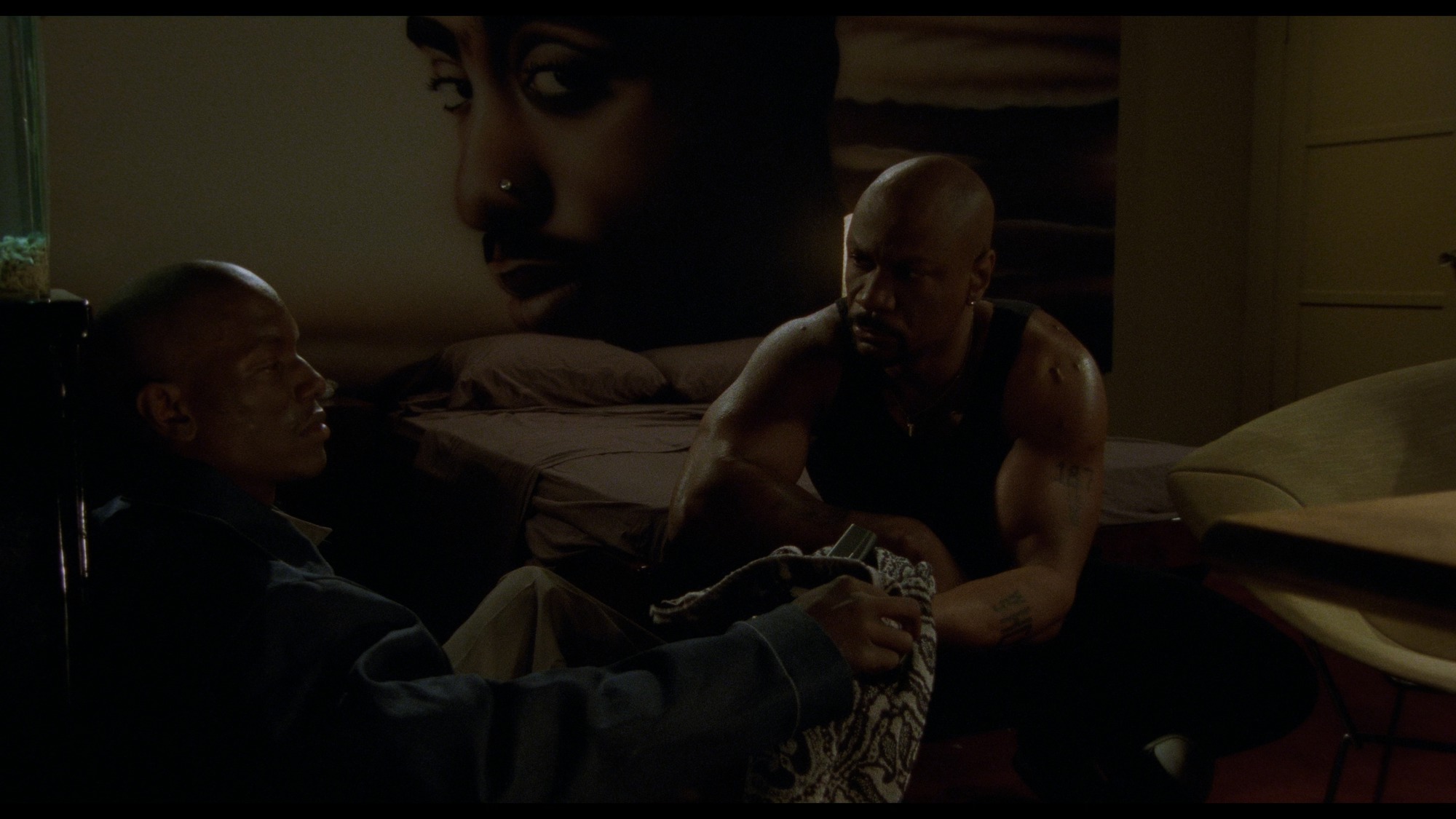
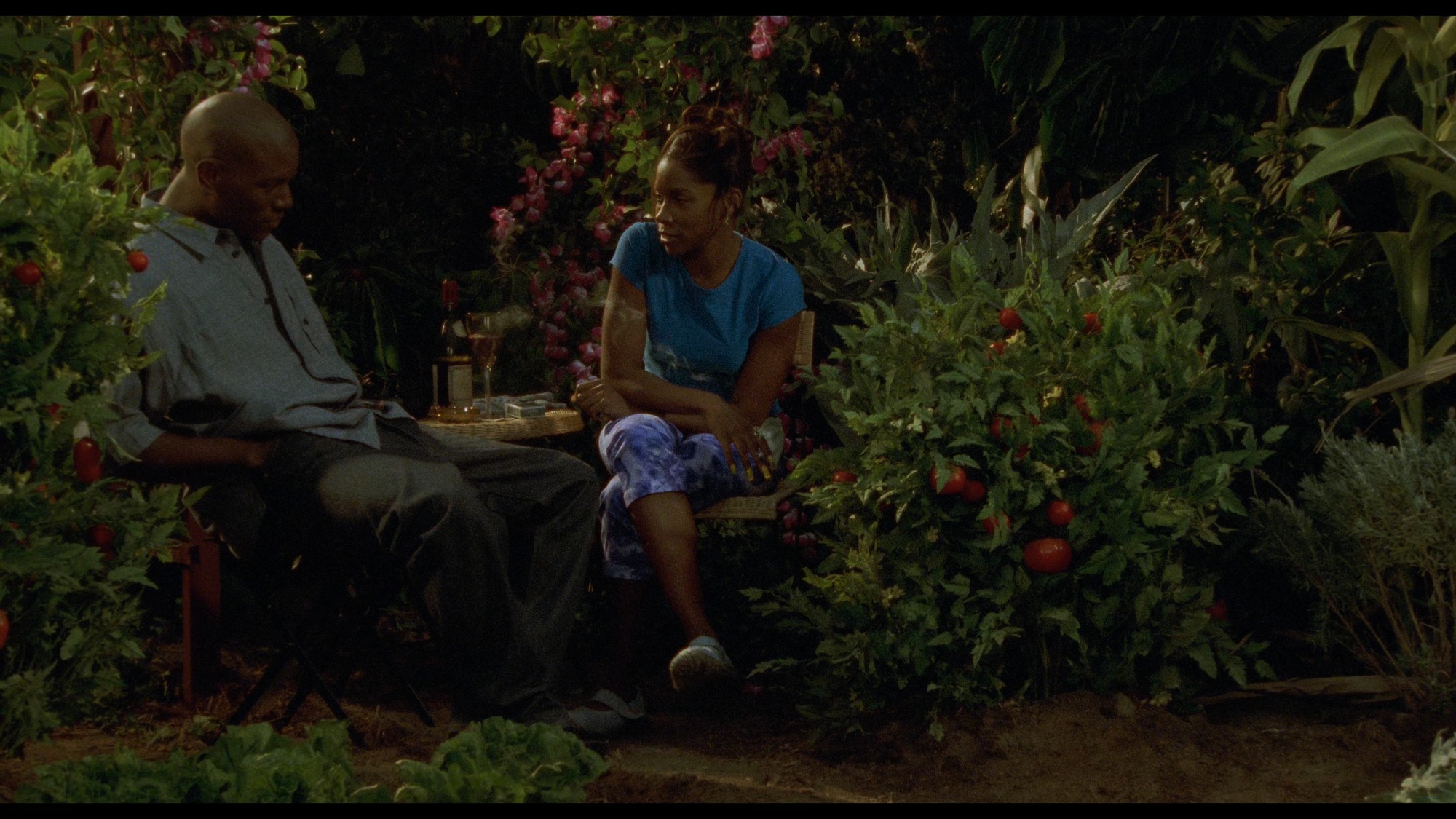
Where the presentation really excels, though, is in how it captures Charles E. Mills’ photography (he also shot Boyz n the Hood). The film carries a slightly different visual style compared to the others in the set, leaning more into shadow-heavy interiors. The HDR grade boosts these elements beautifully, handling transitions in the shadows perfectly or light coming through window blinds. Highlights also look sharp, with light reflecting off surfaces being particularly impressive, which even holds true for those cheap wheels Jody (Tyrese Gibson) puts on Yvette’s (Taraji P. Henson) car. There’s also a standout moment of Yvette crying in a car as it rains outside, with rich shadows in the car and sharp highlights off the raindrops. It really looks incredible.
All in all, this is a terrific presentation and easily the highlight of the set, which is high praise considering the strength of the other two films included.
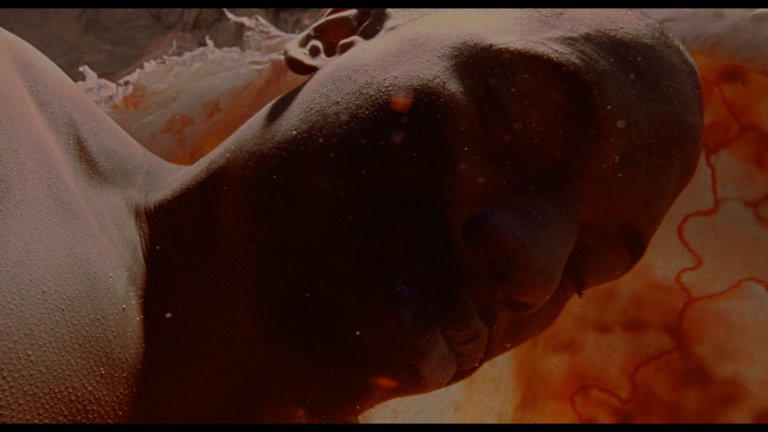
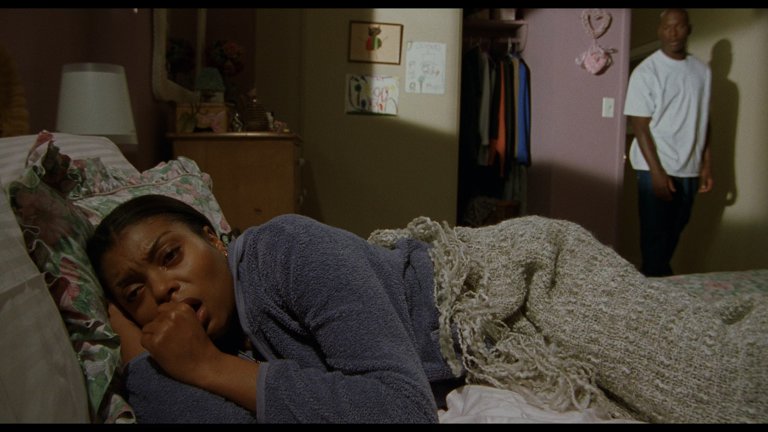
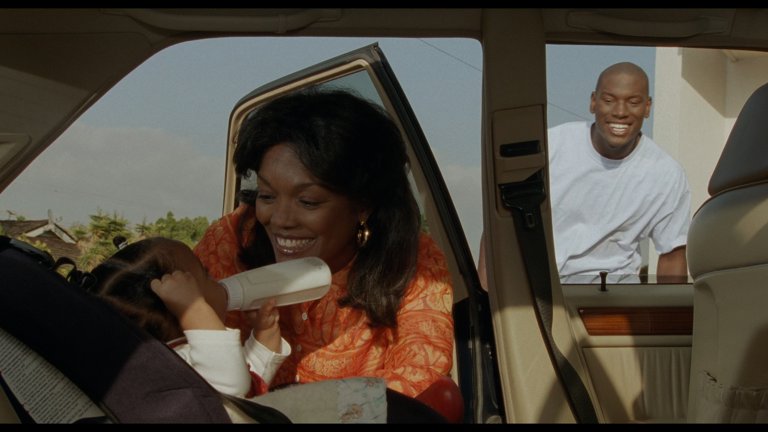
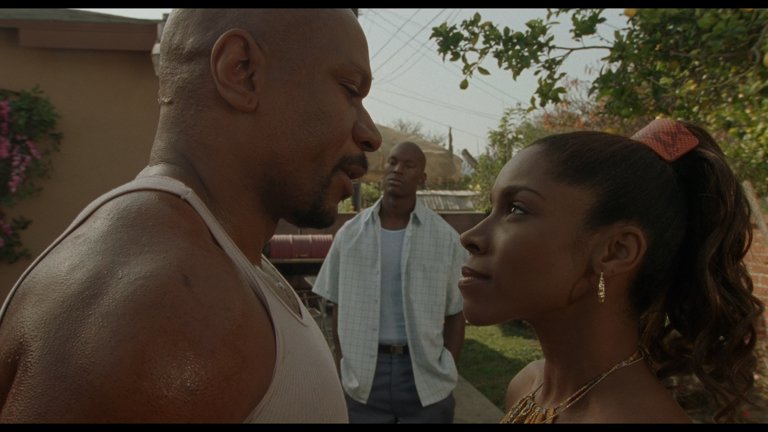
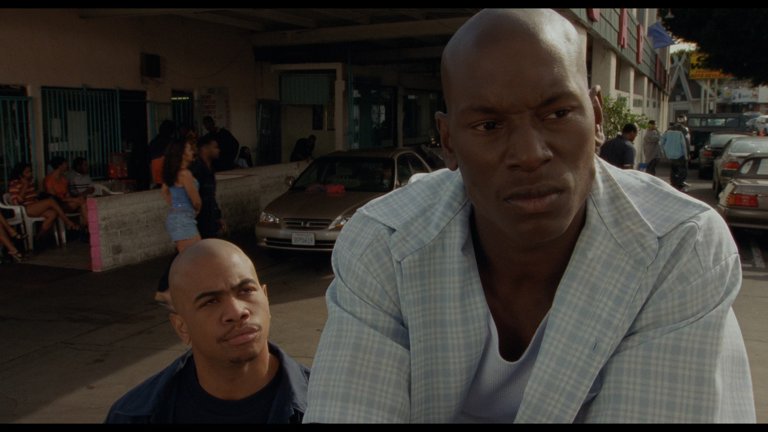
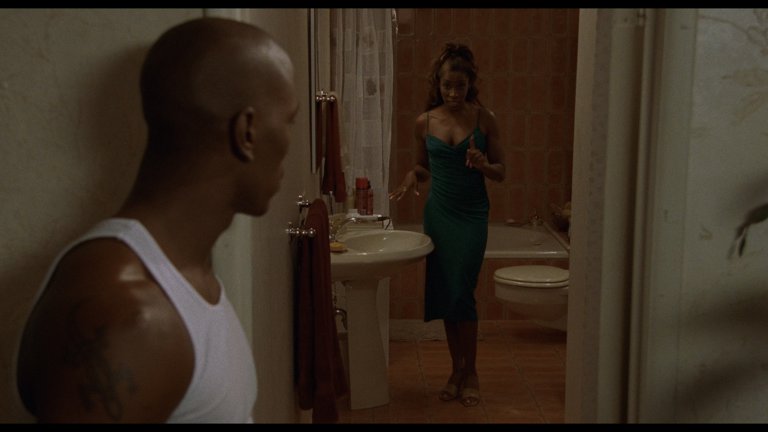
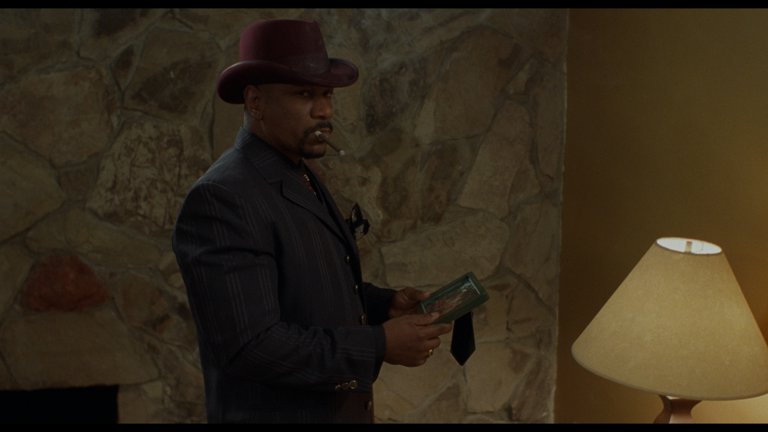
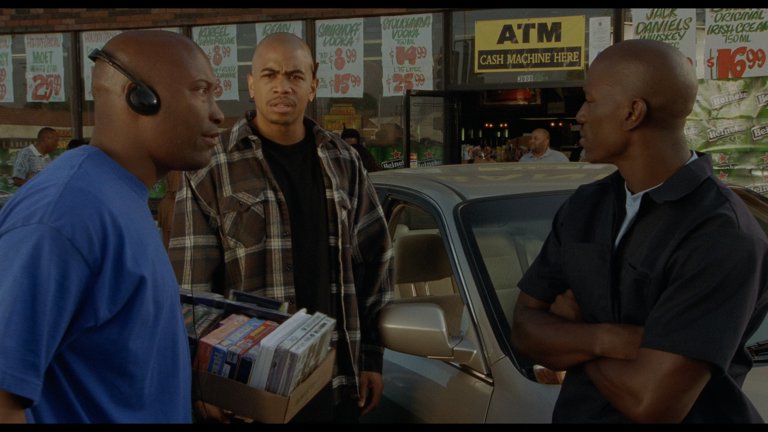
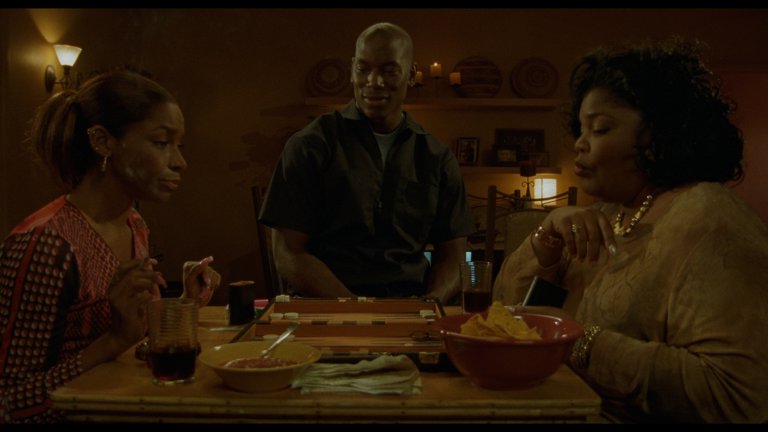
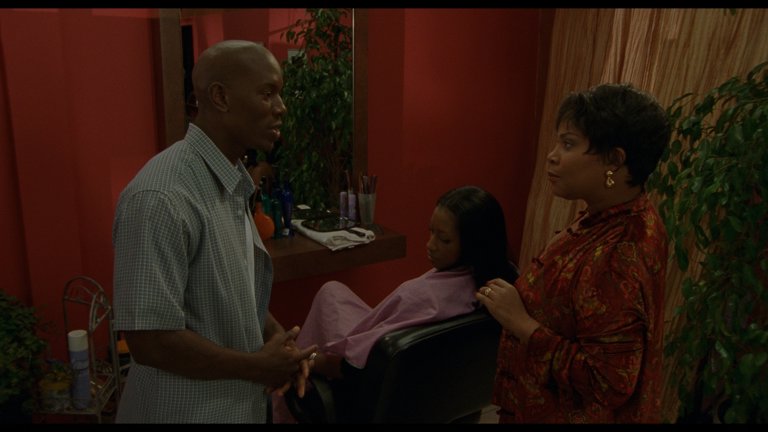
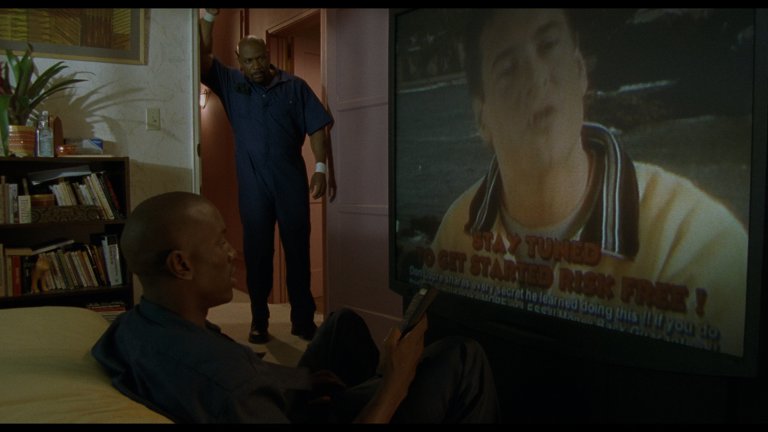
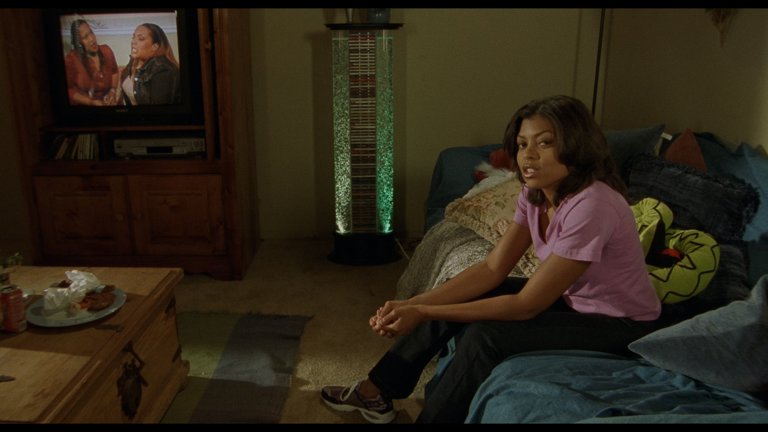
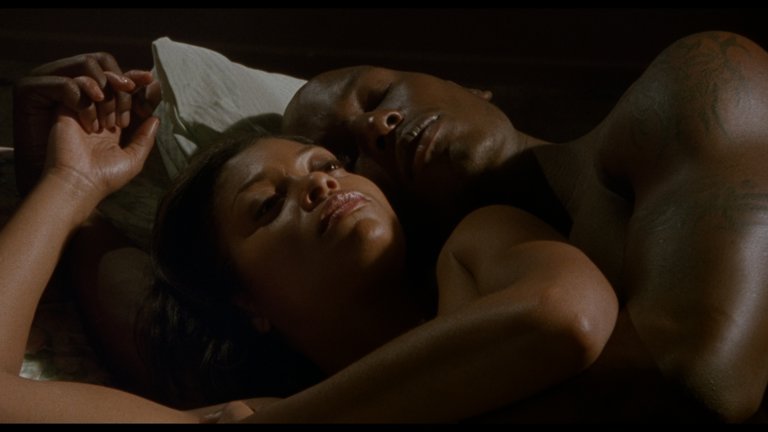
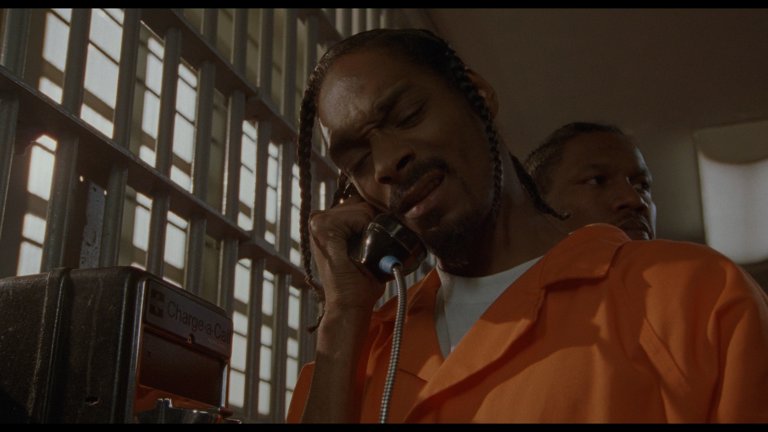
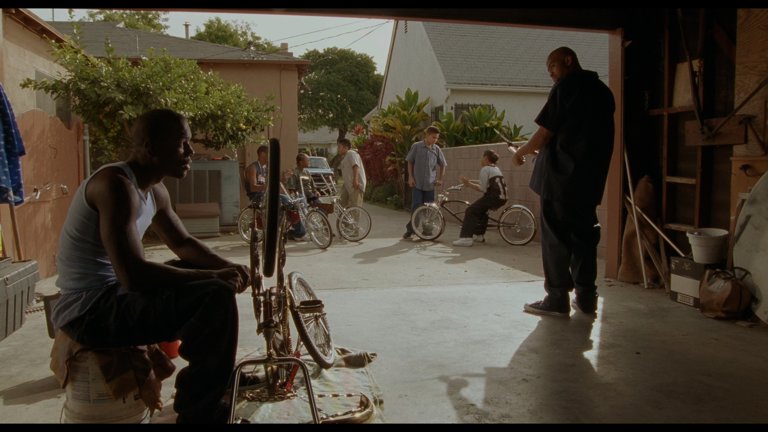
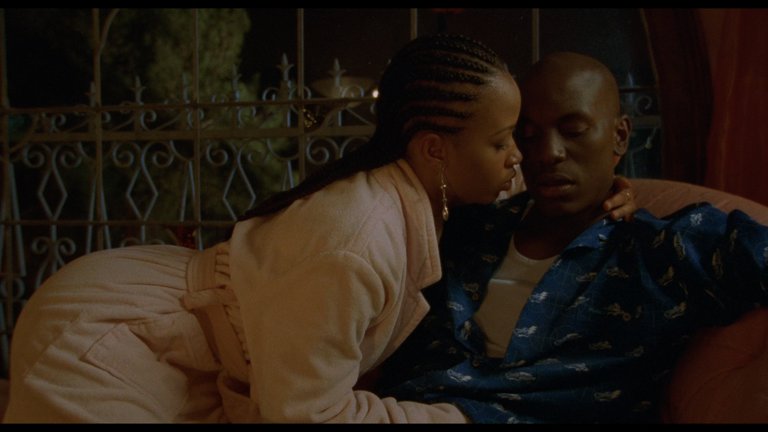
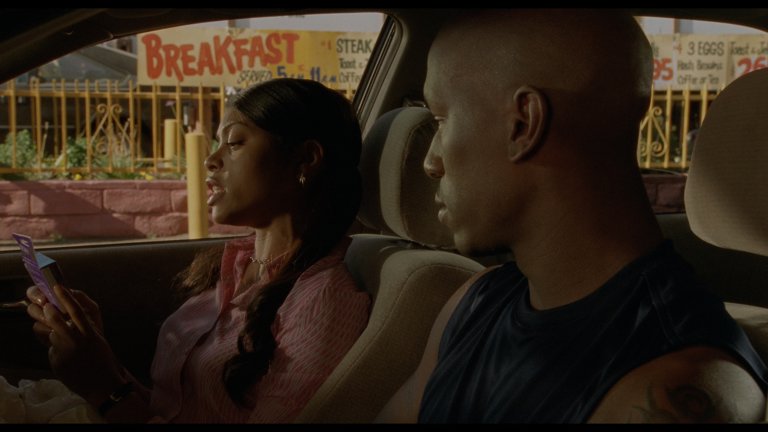
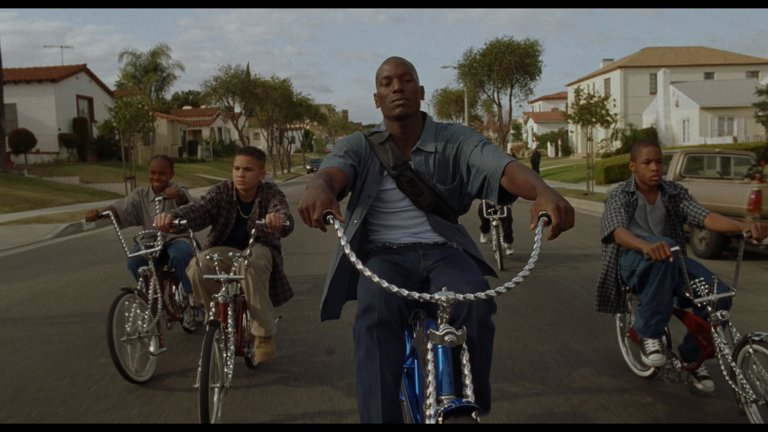
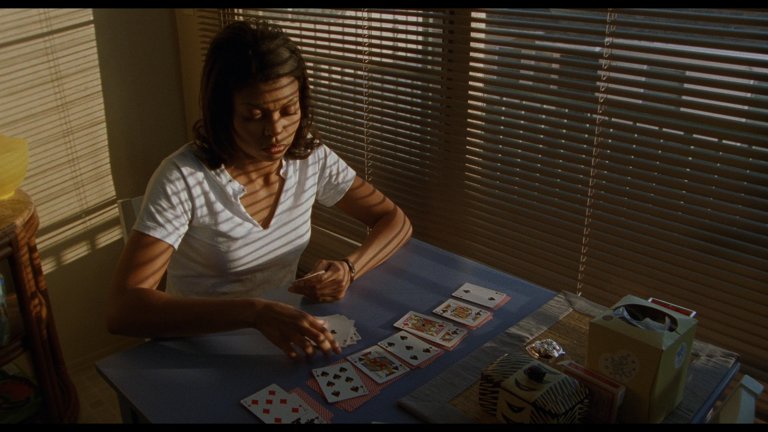
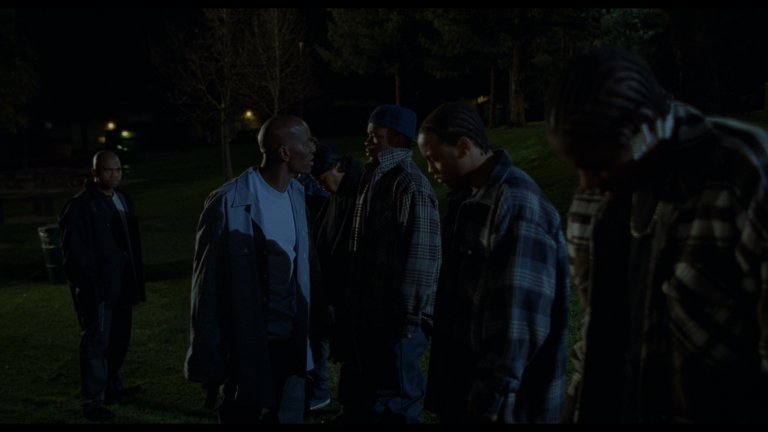
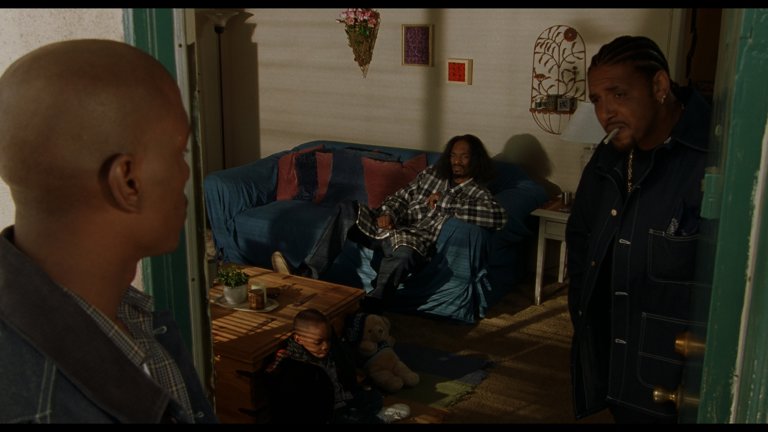
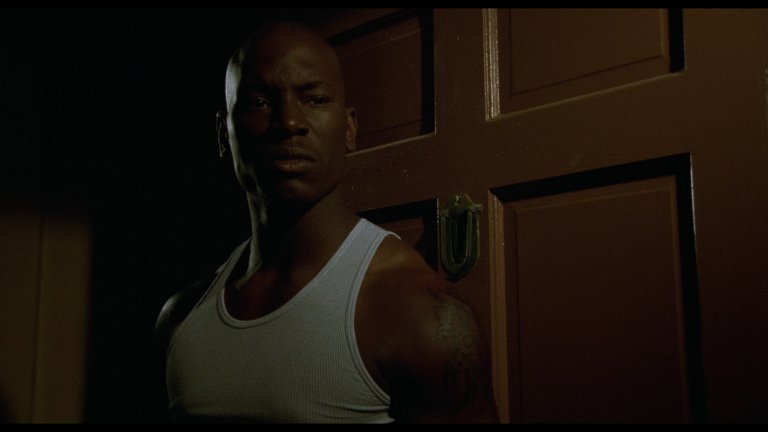
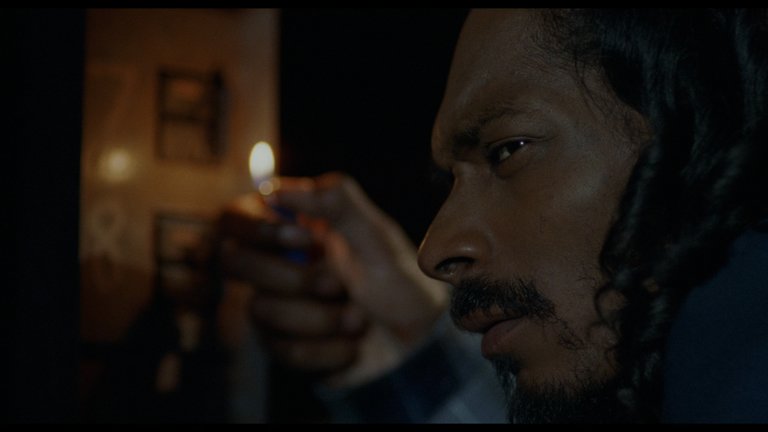
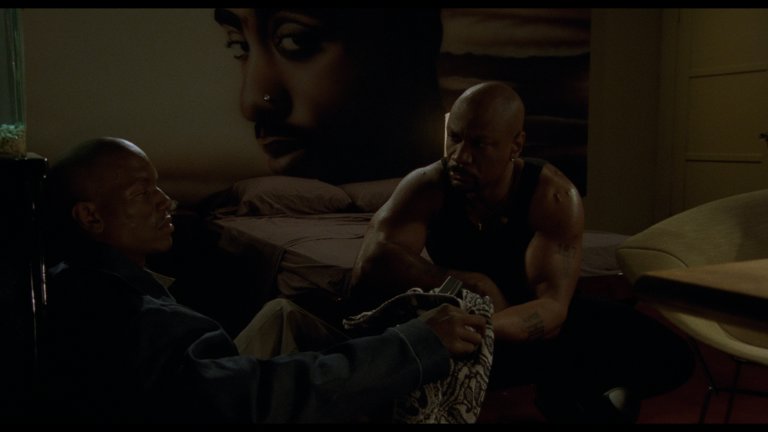
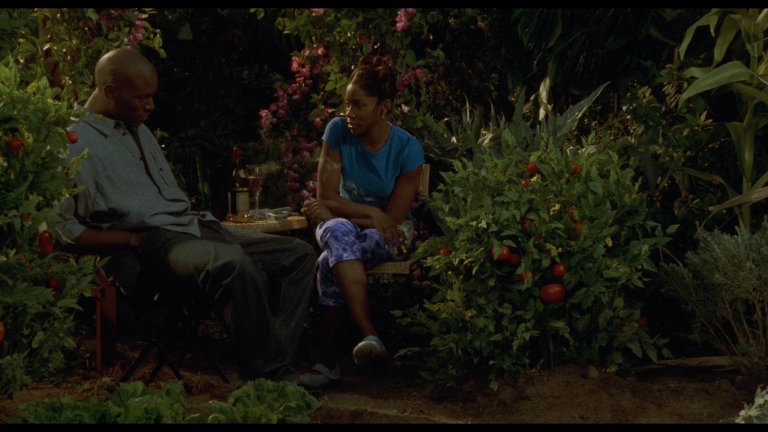
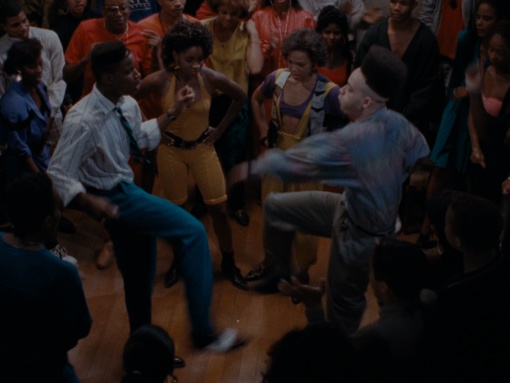
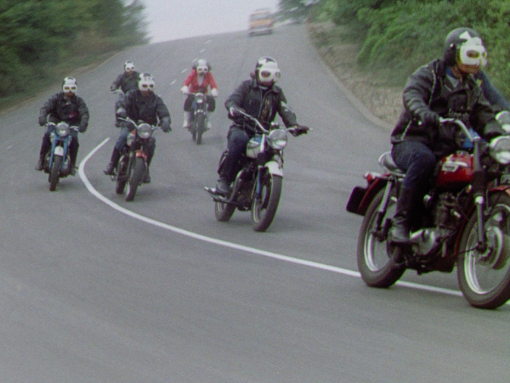
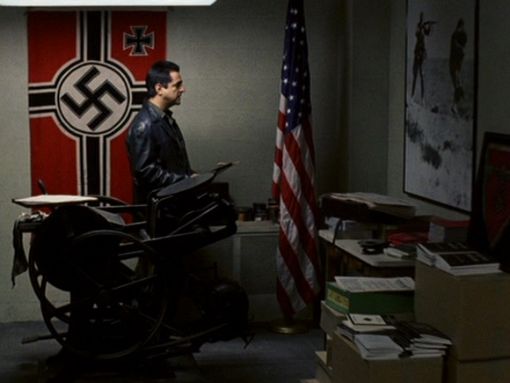
John Singleton's Hood Trilogy - Screen Captures
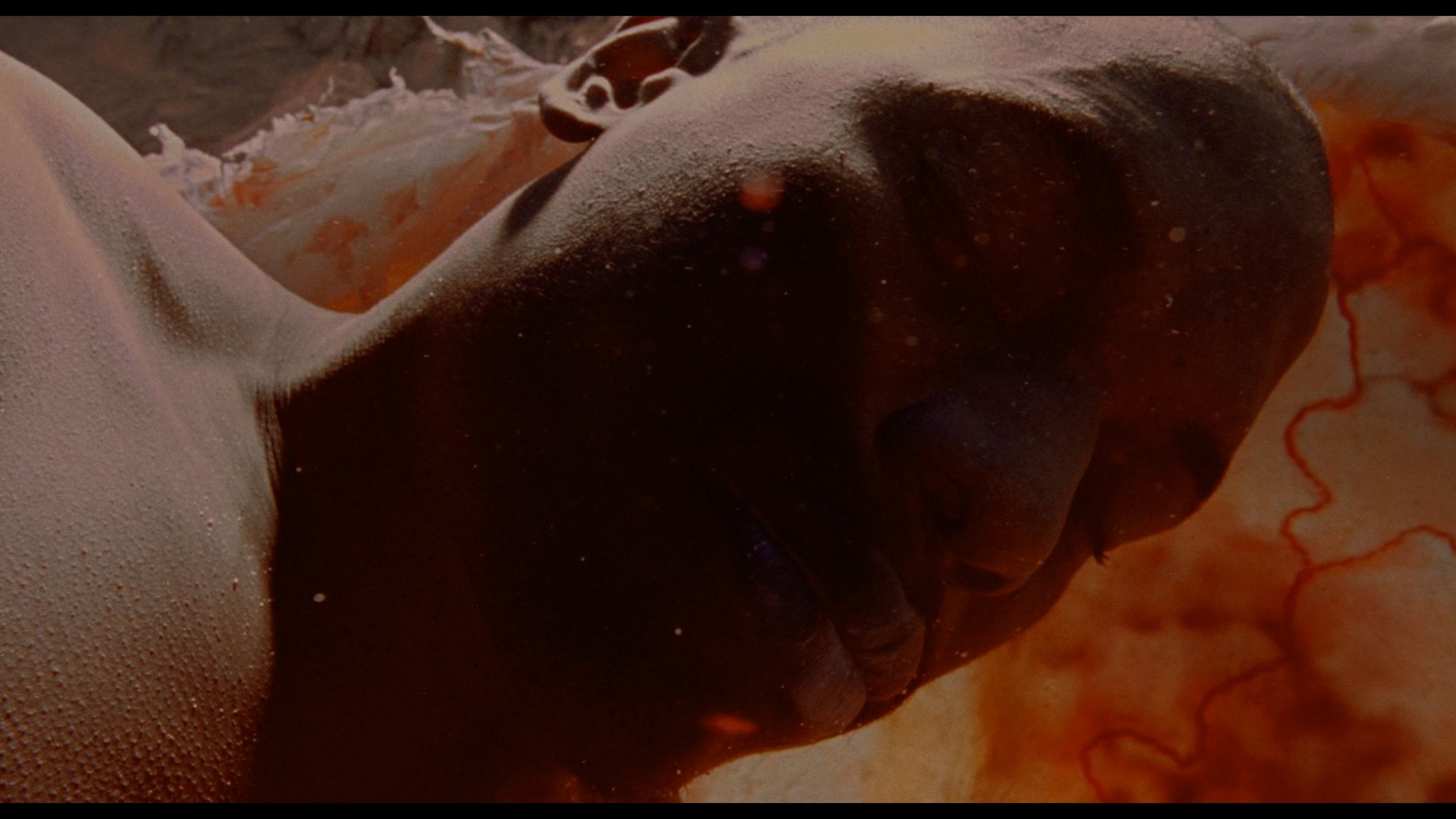
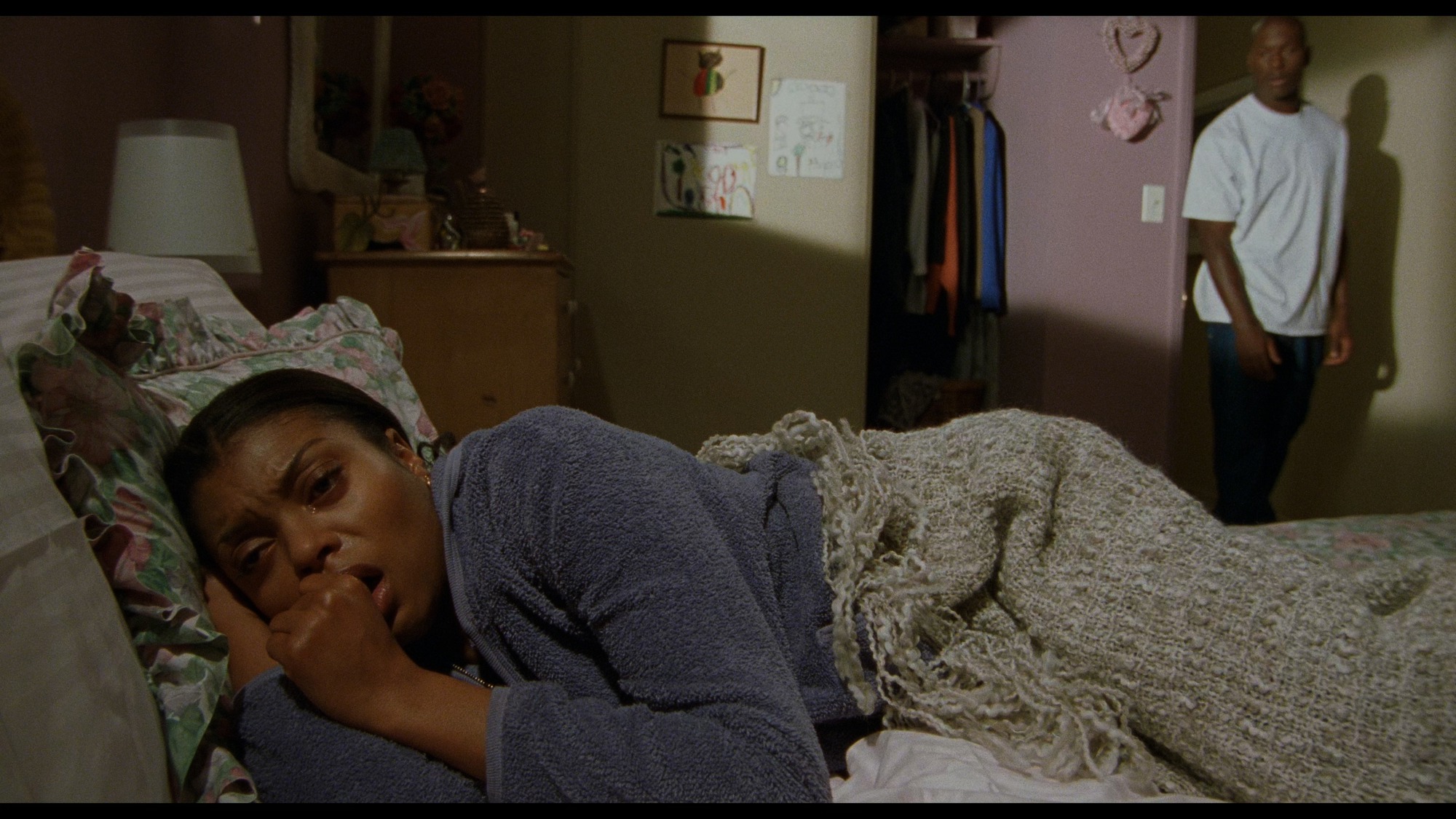
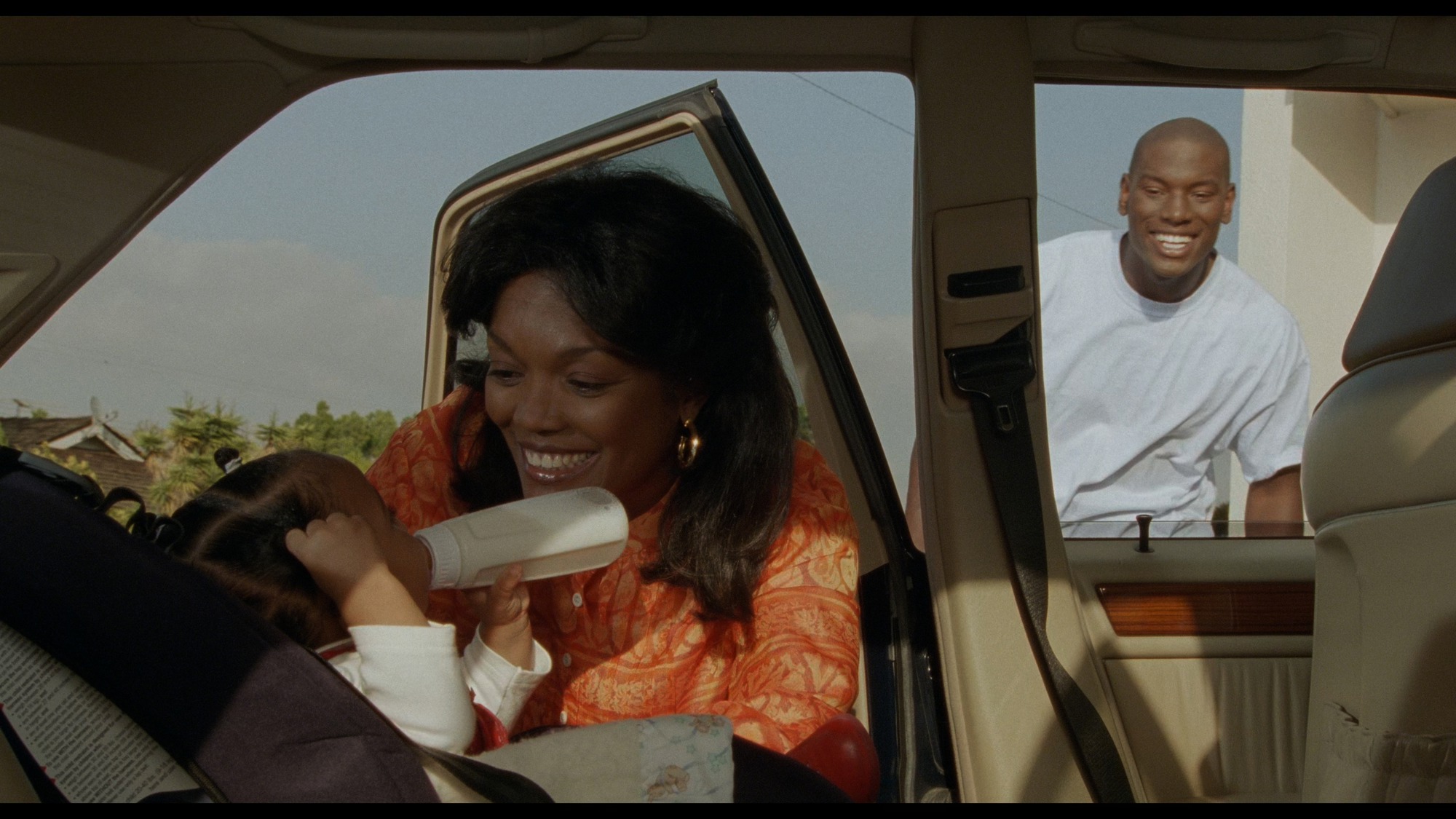
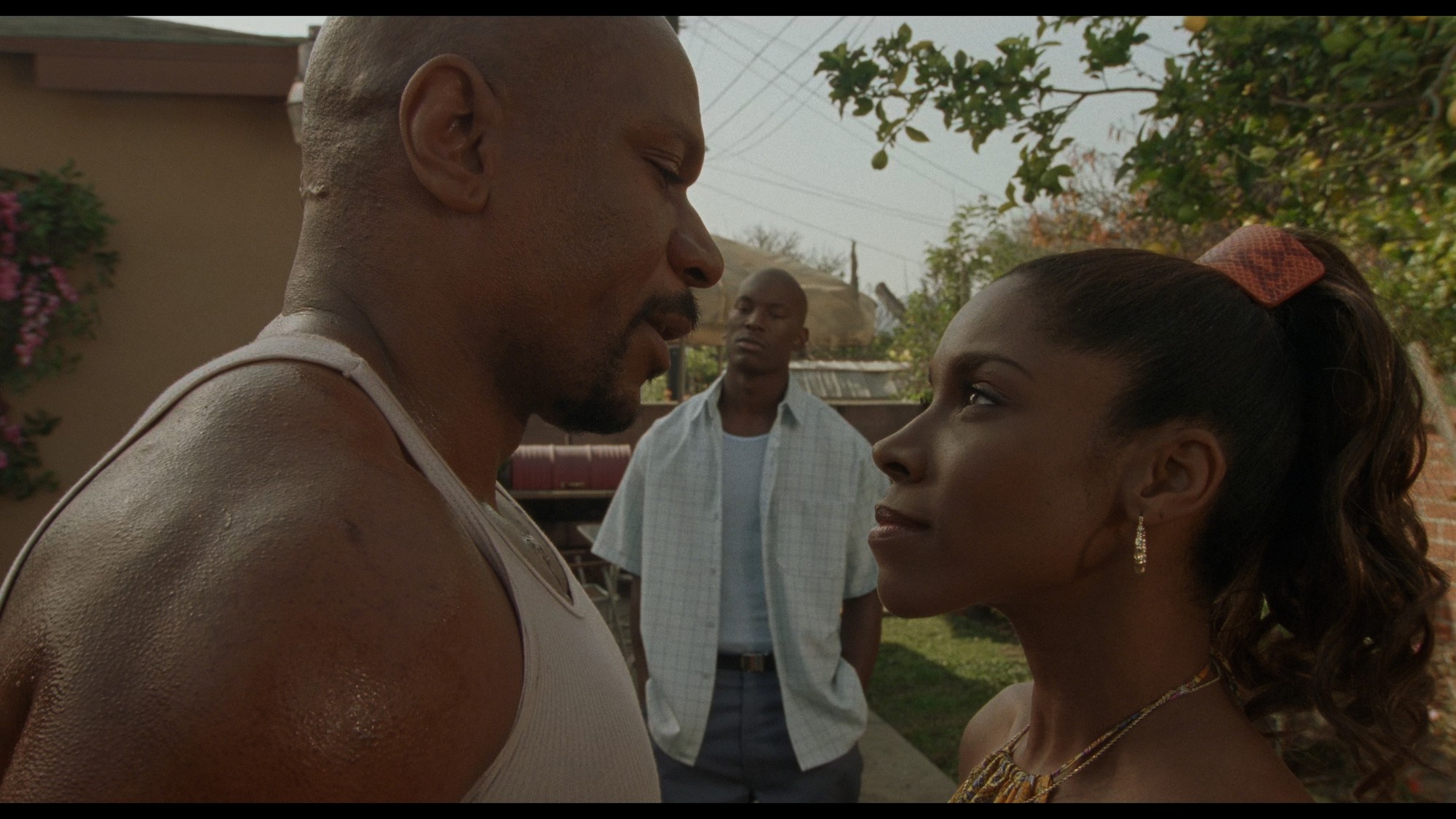
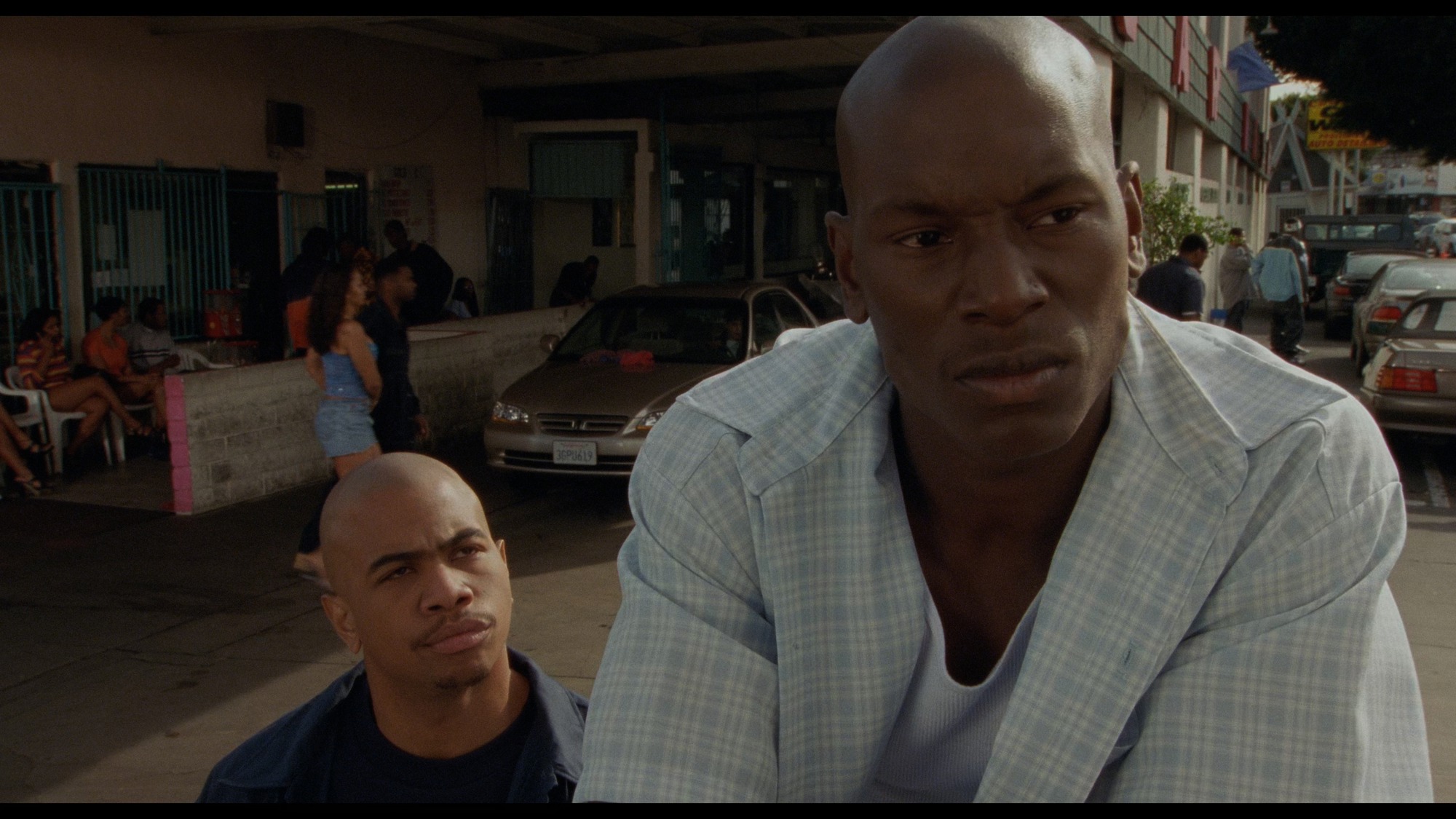
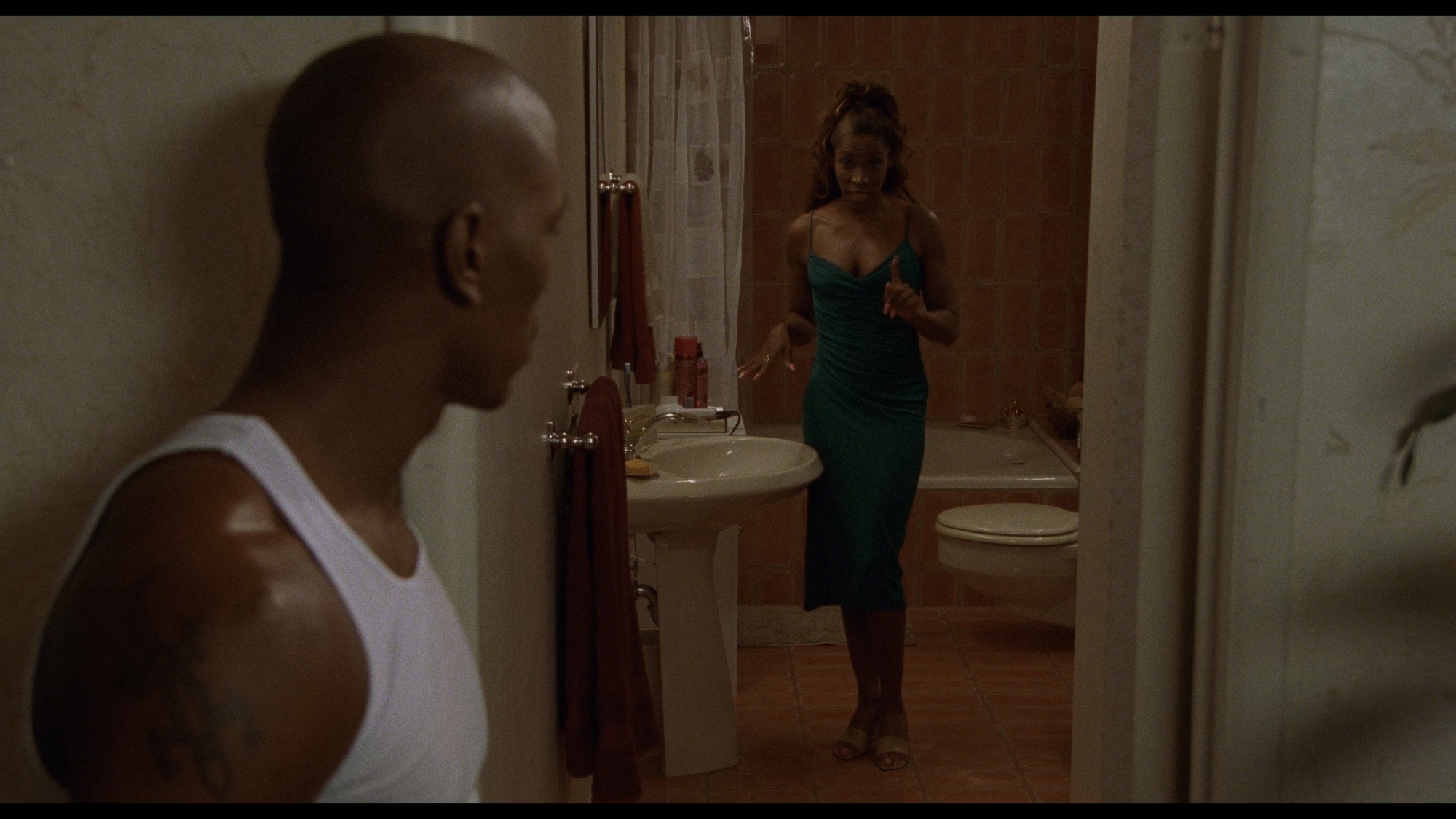
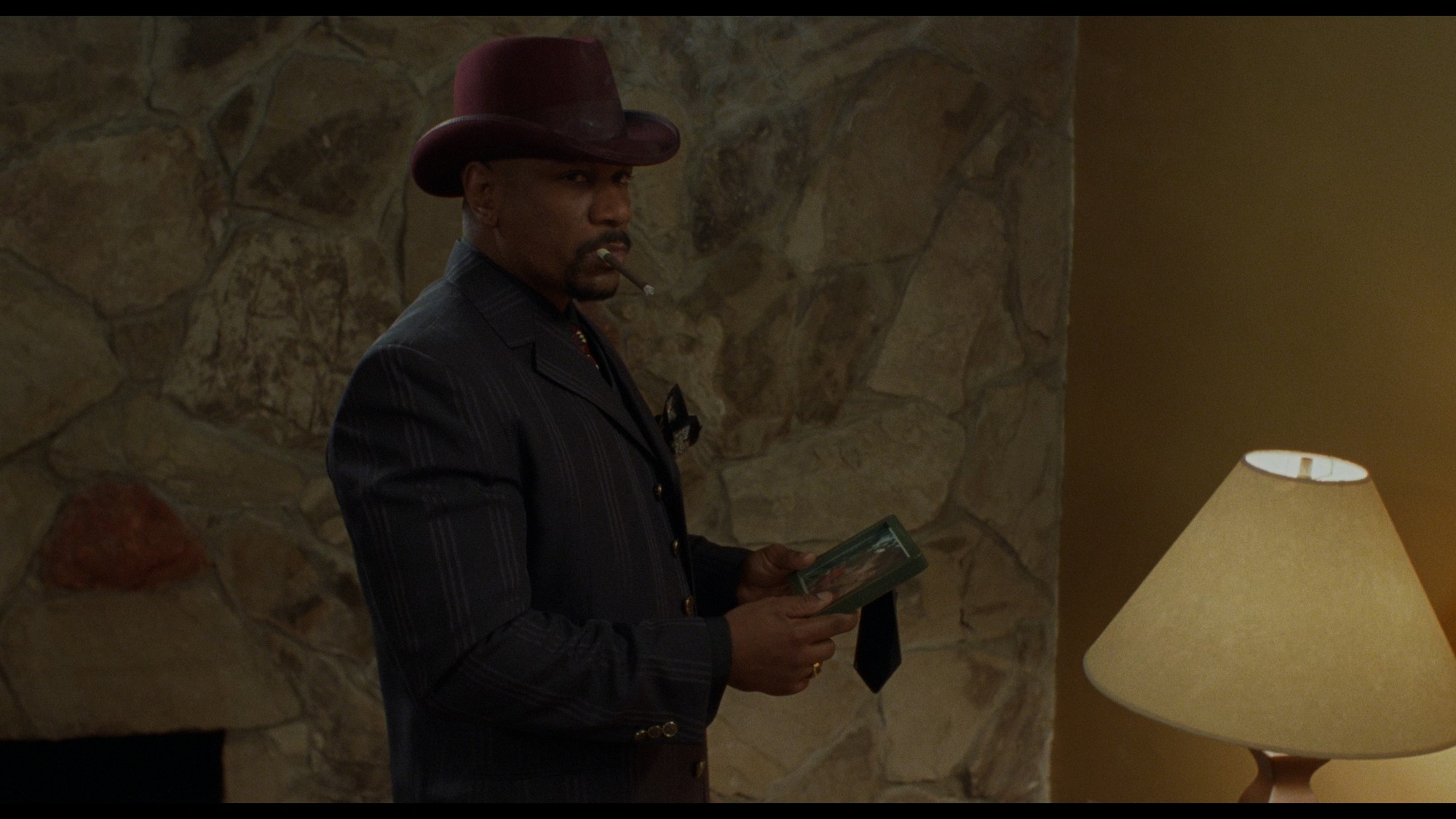
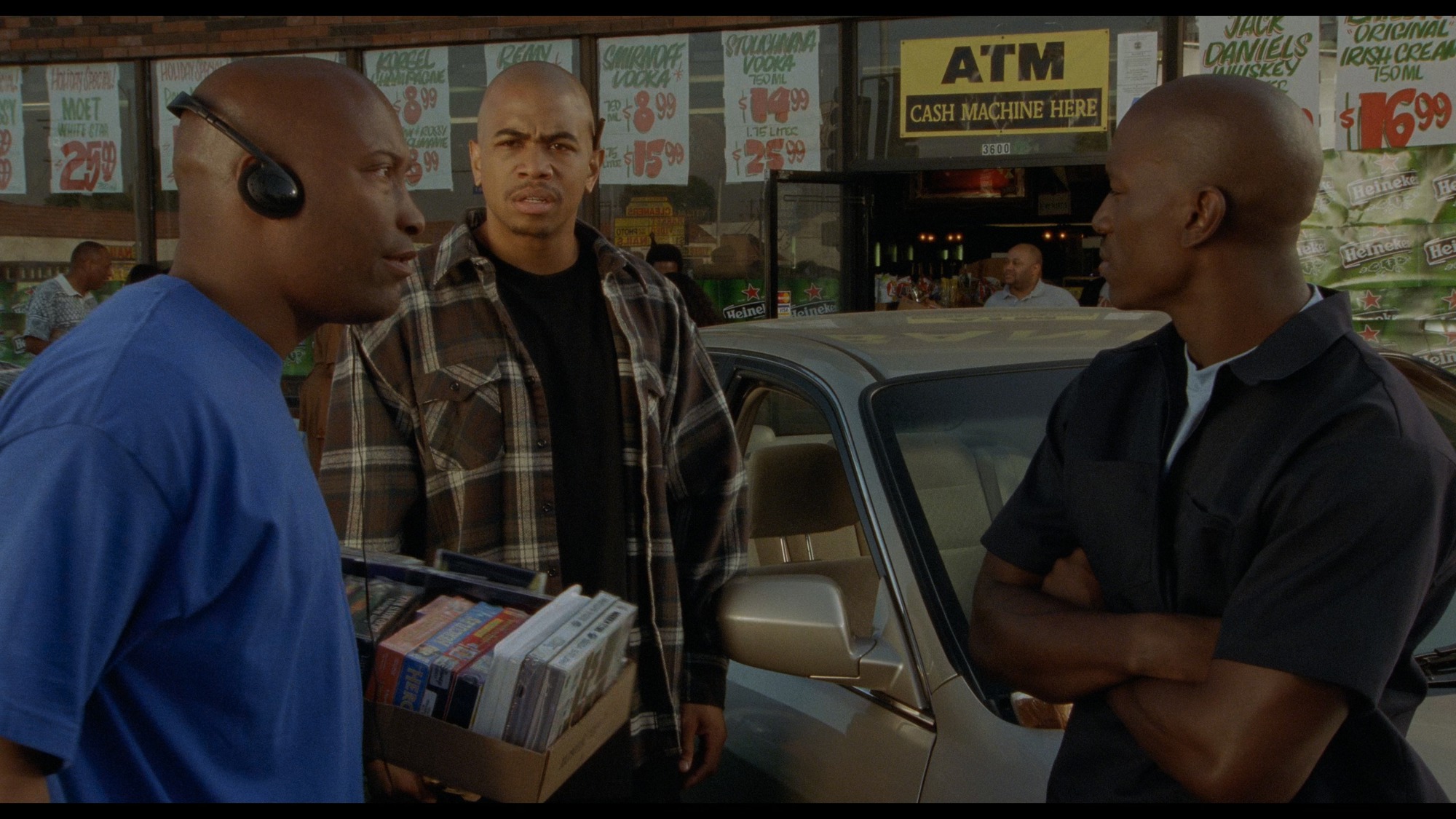
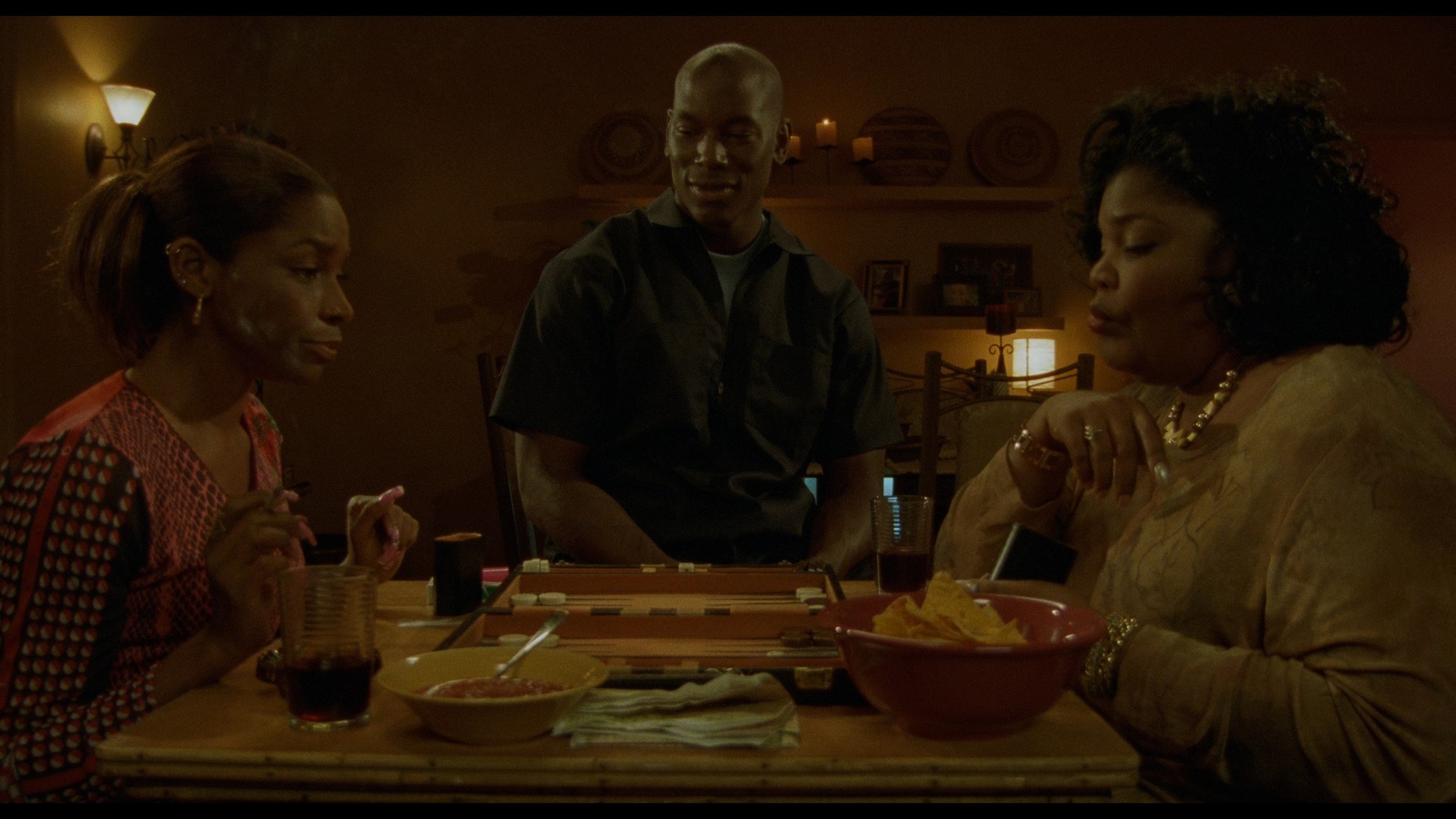
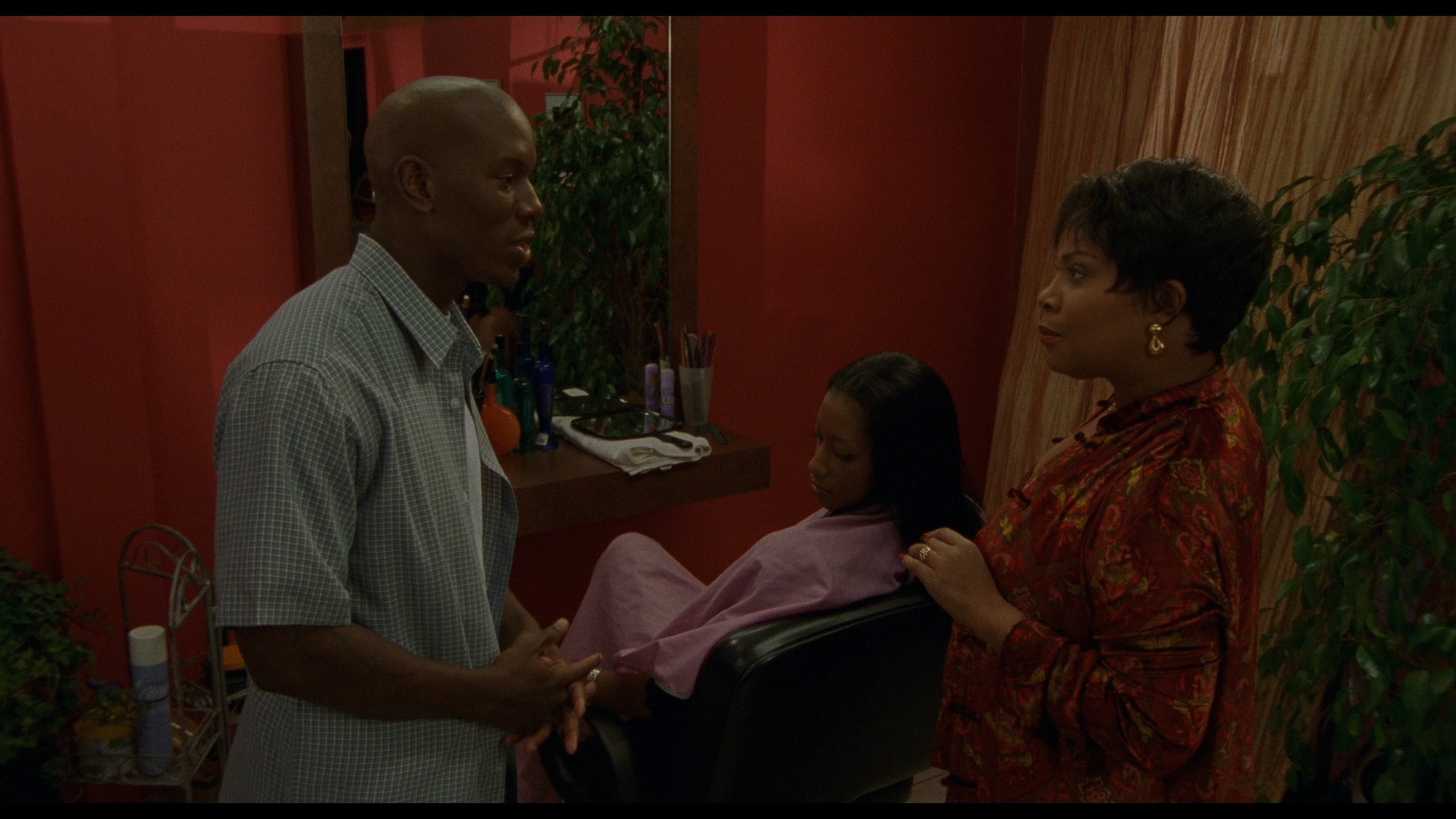
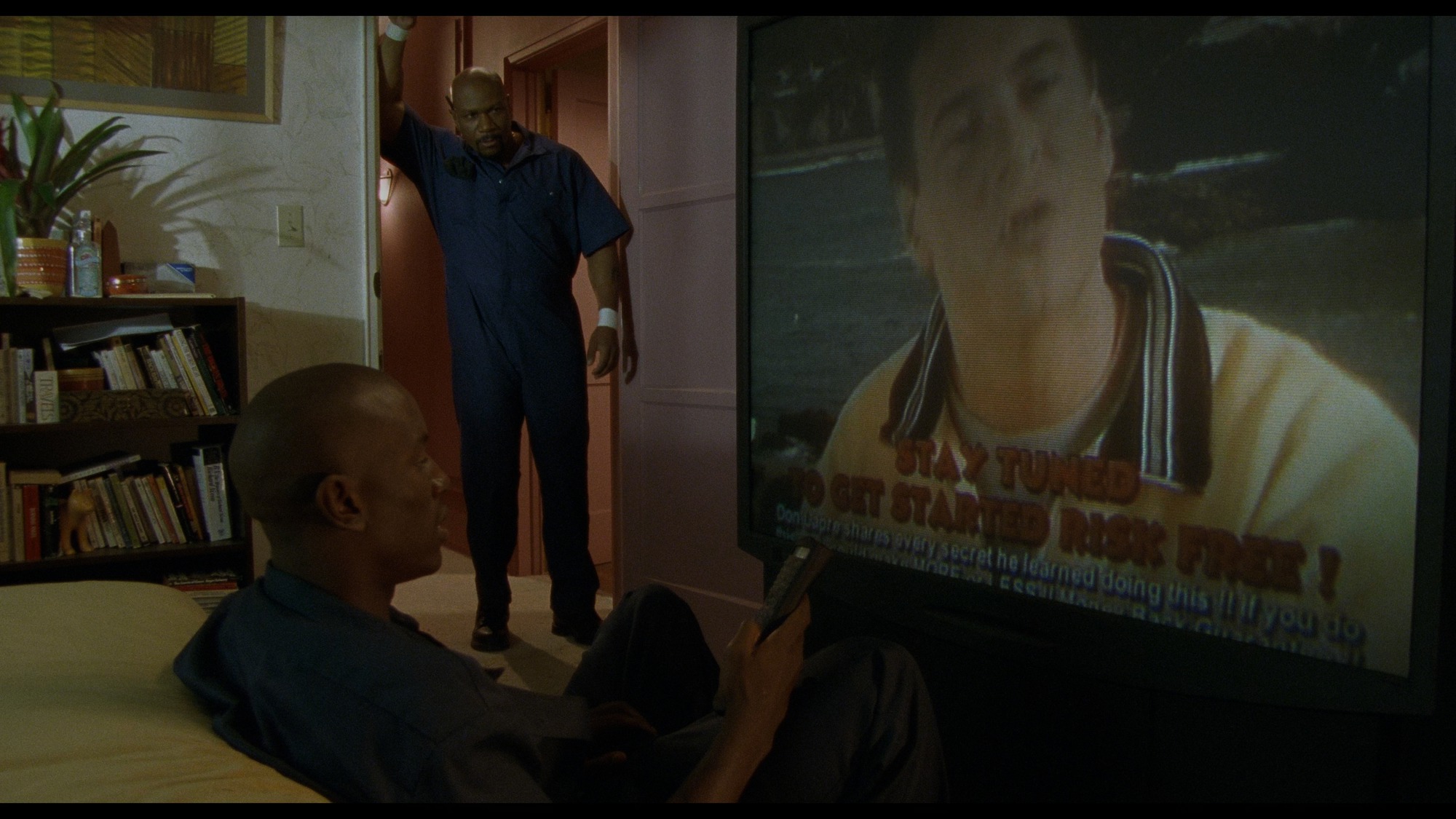
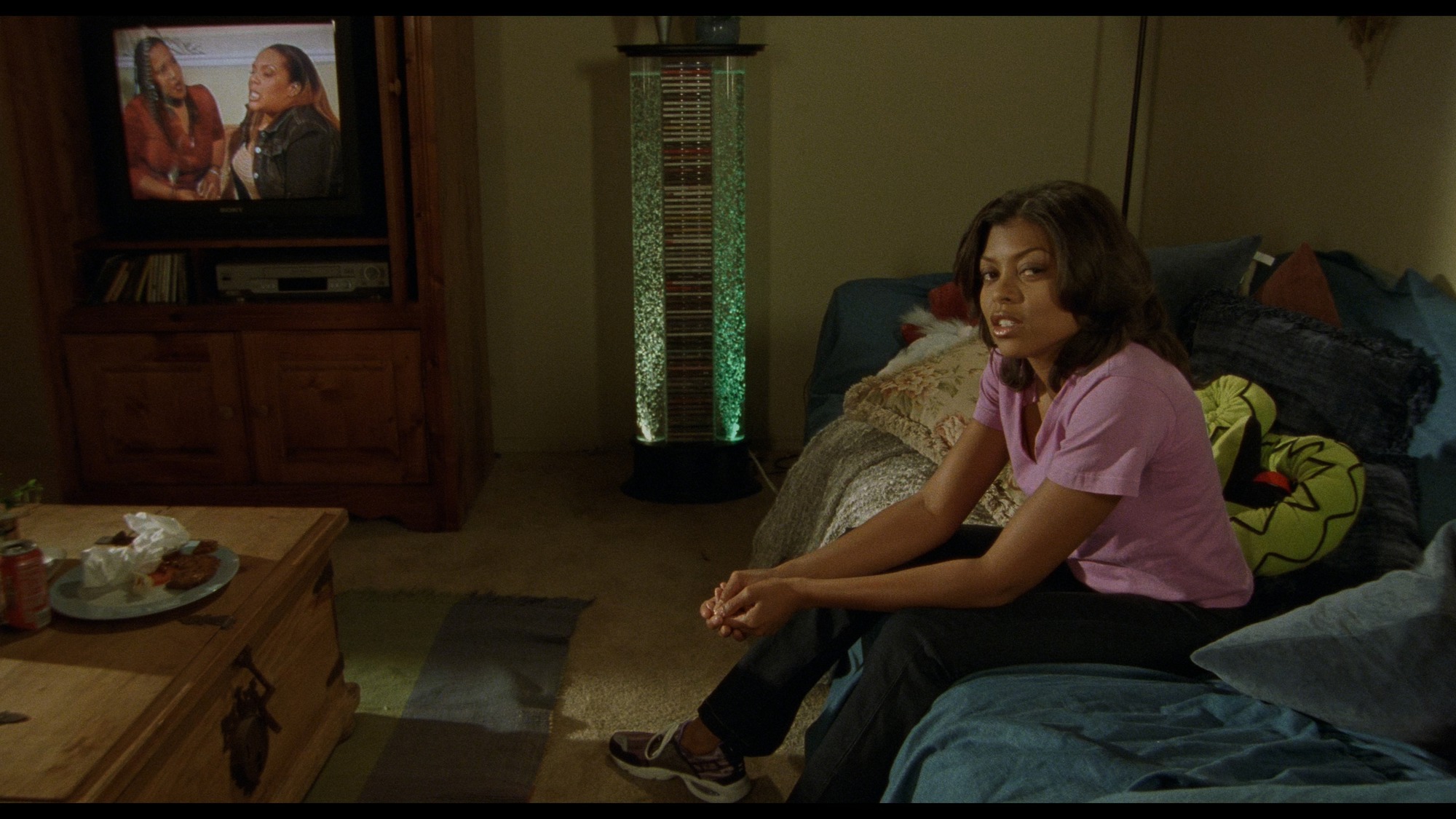
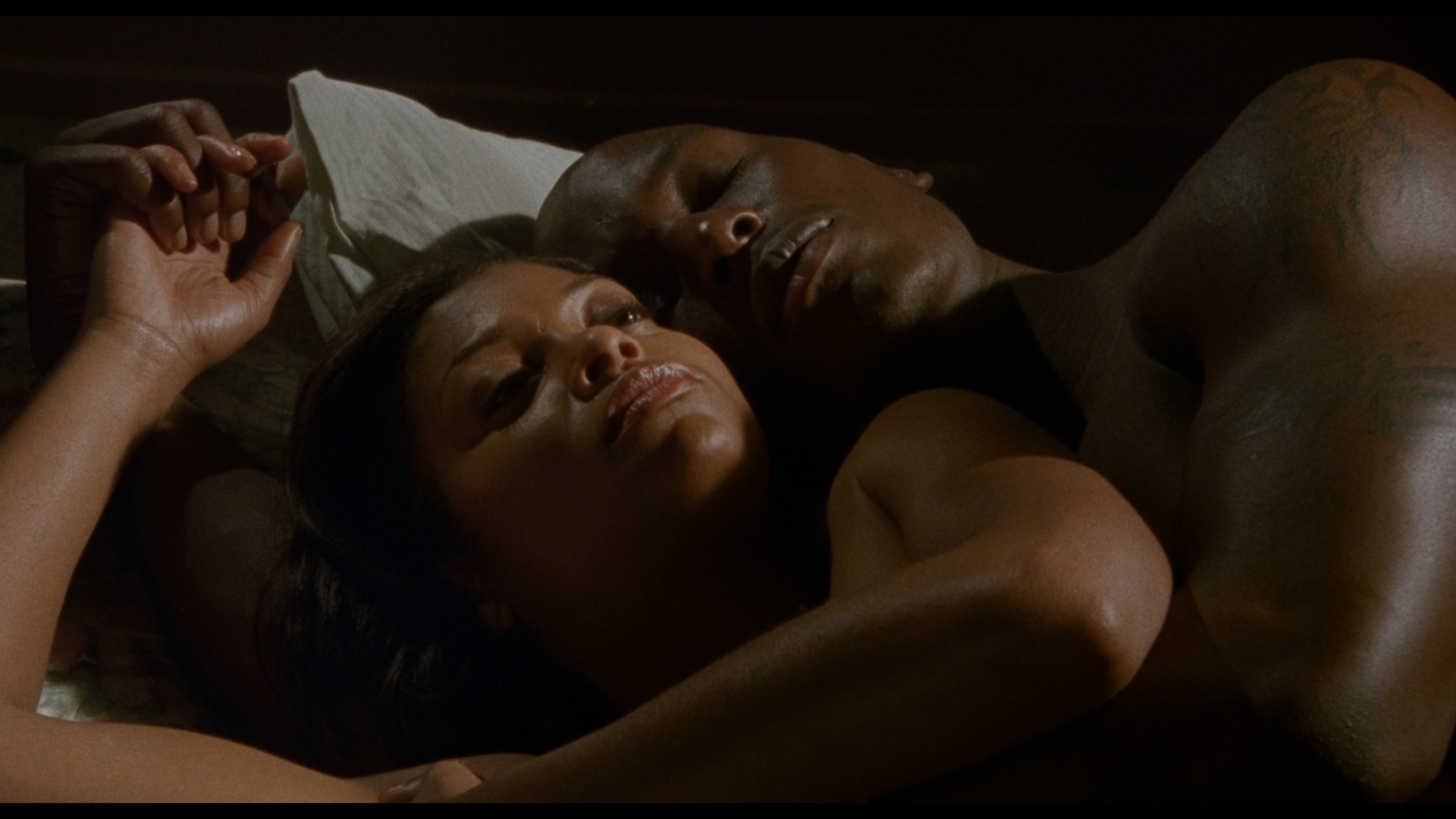
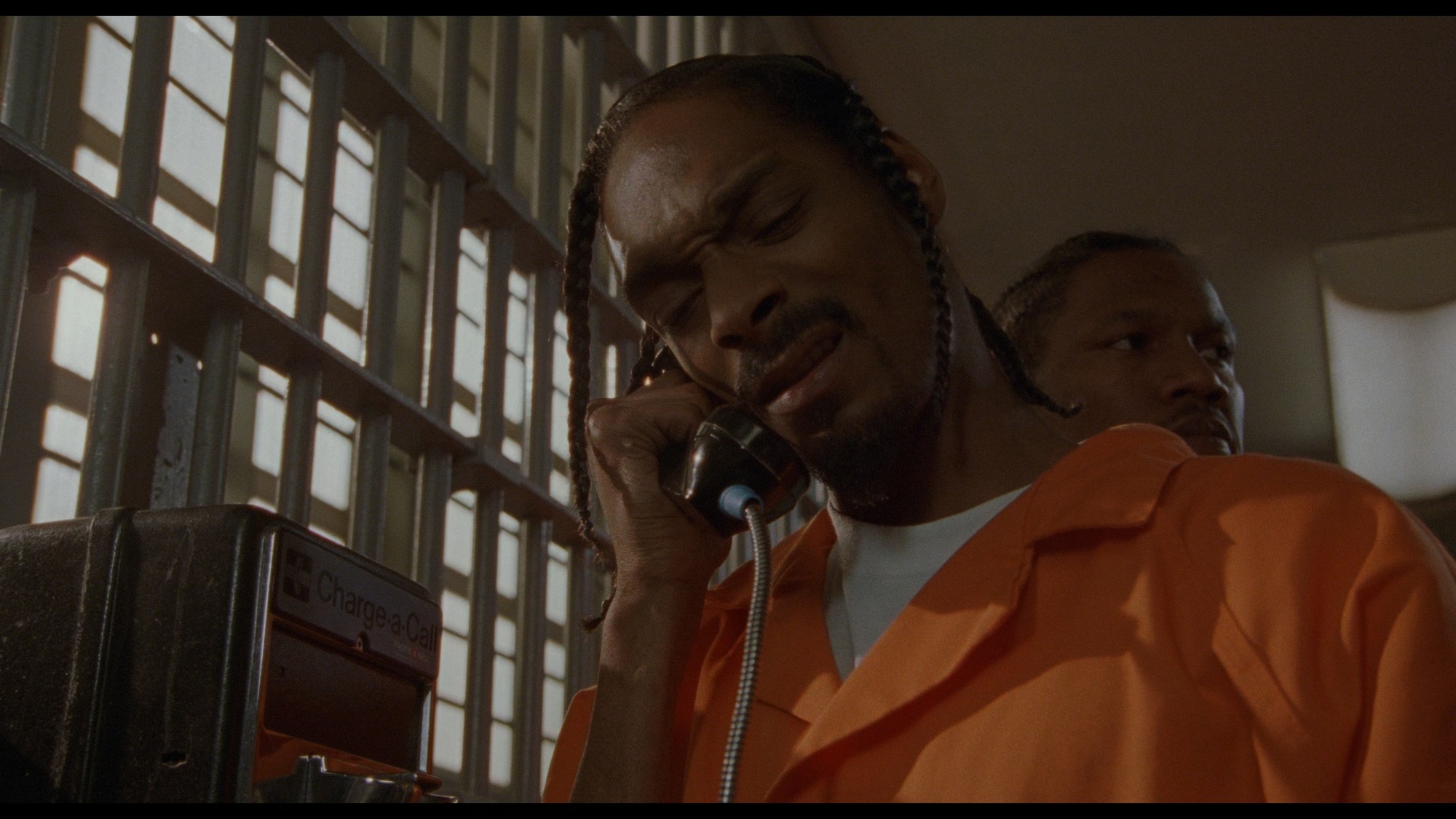
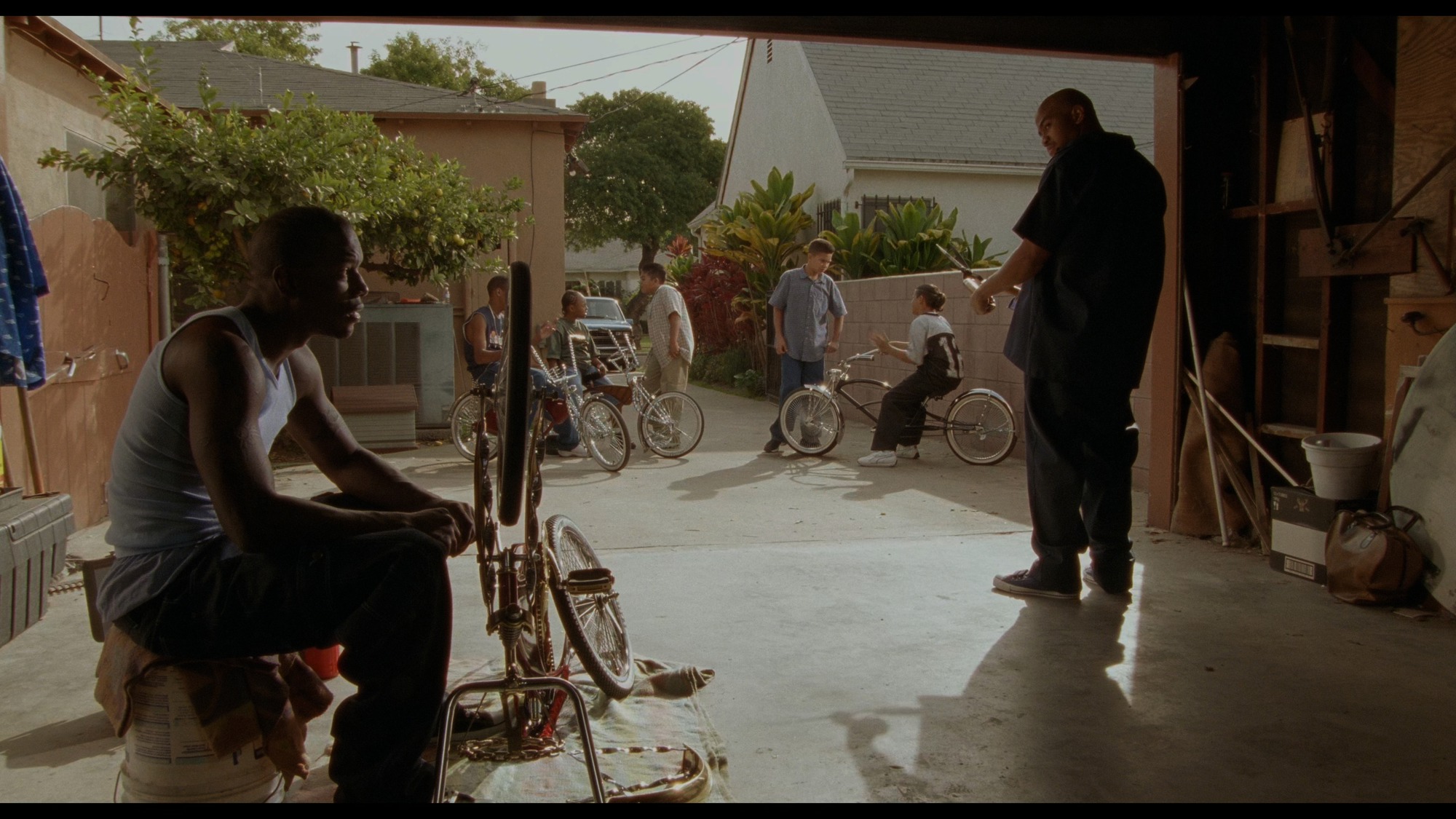
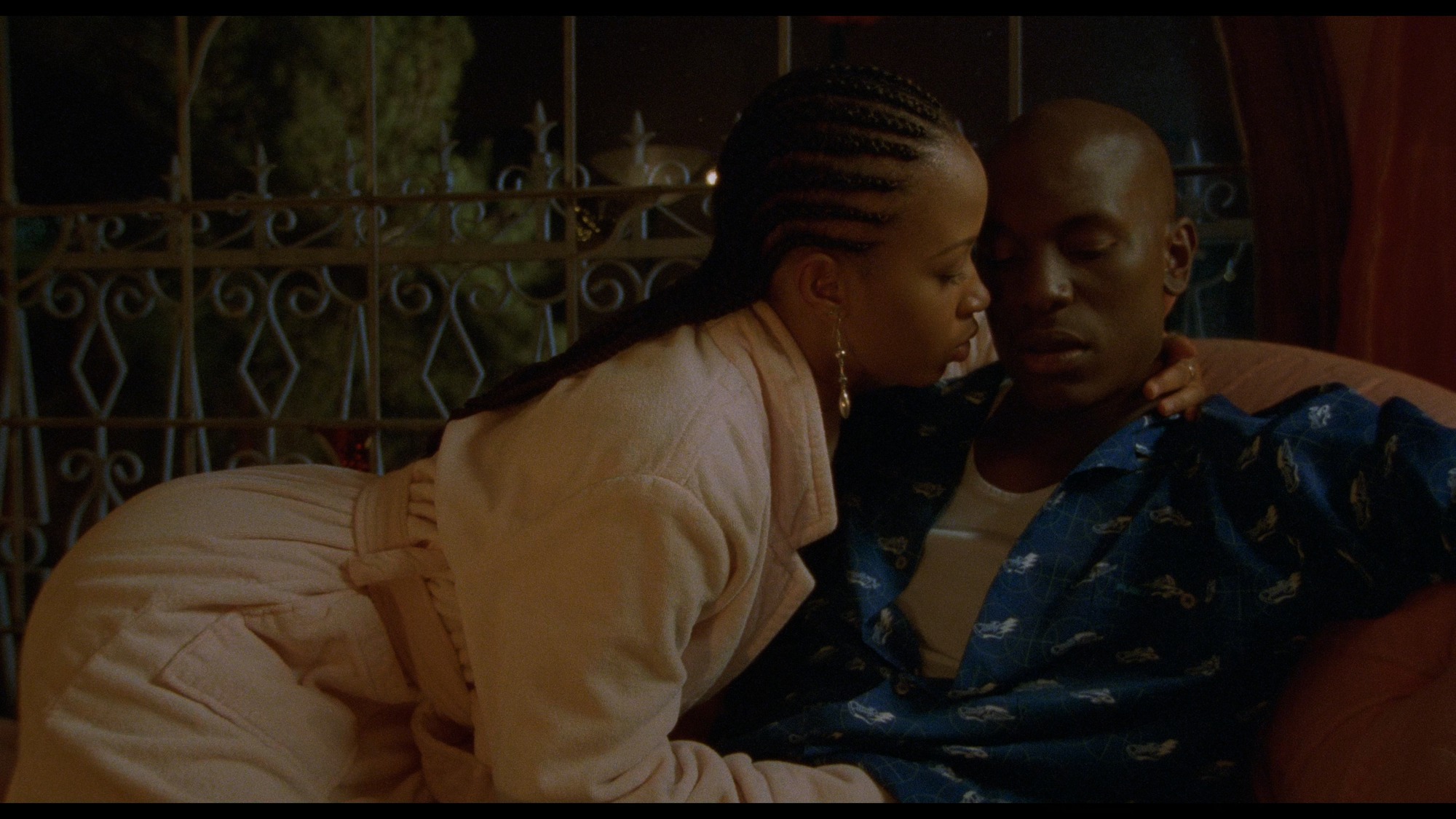
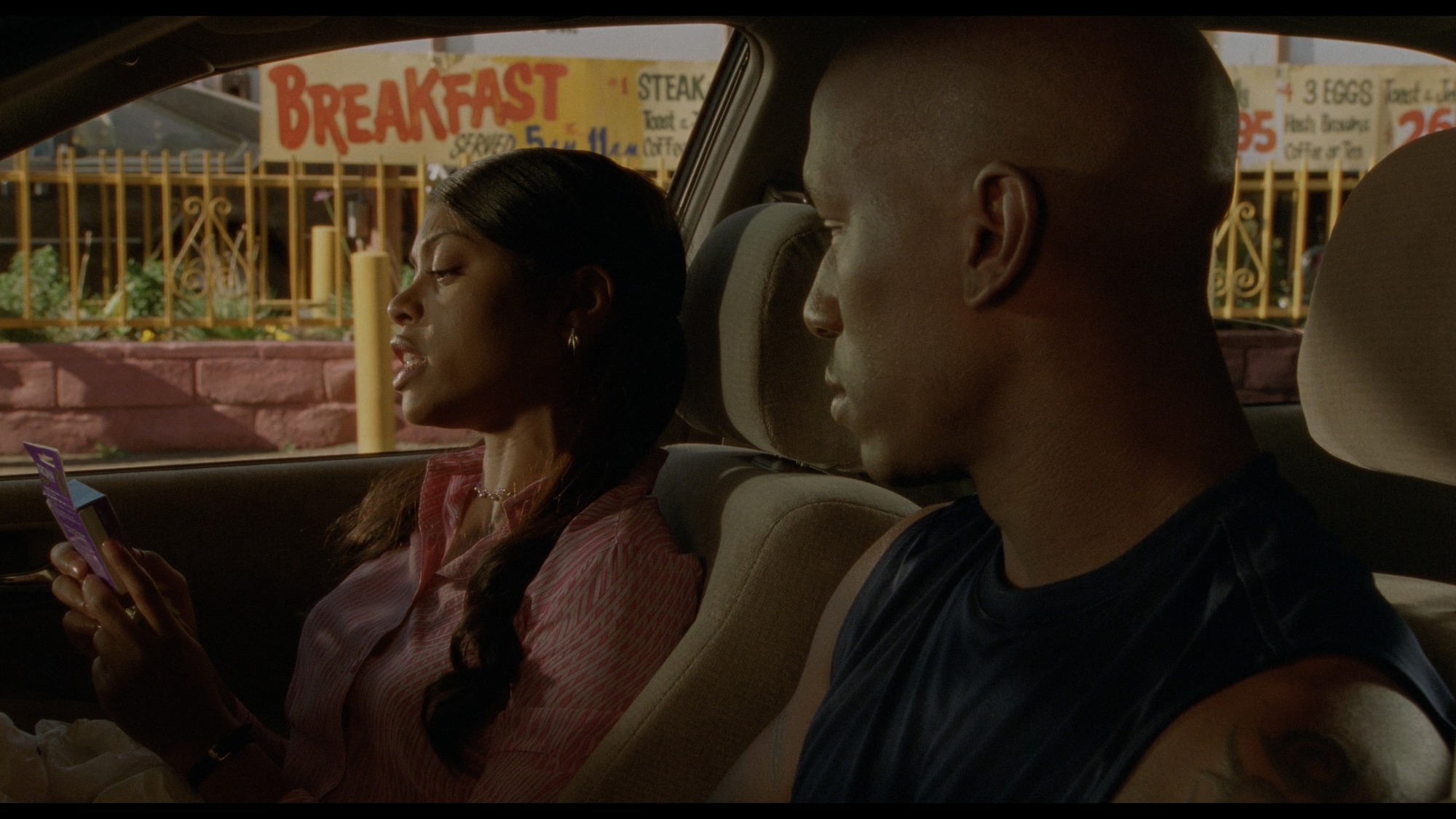
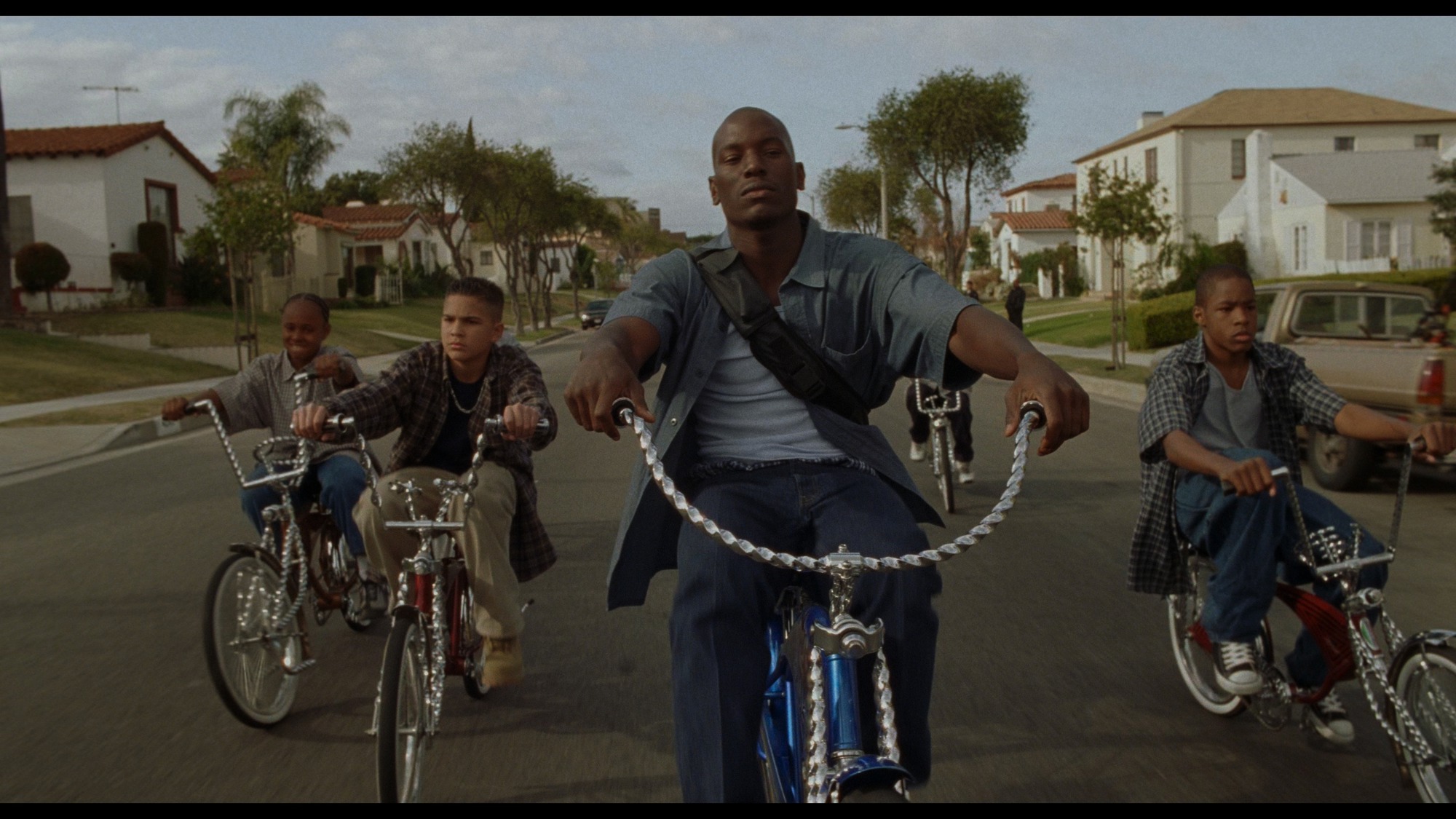
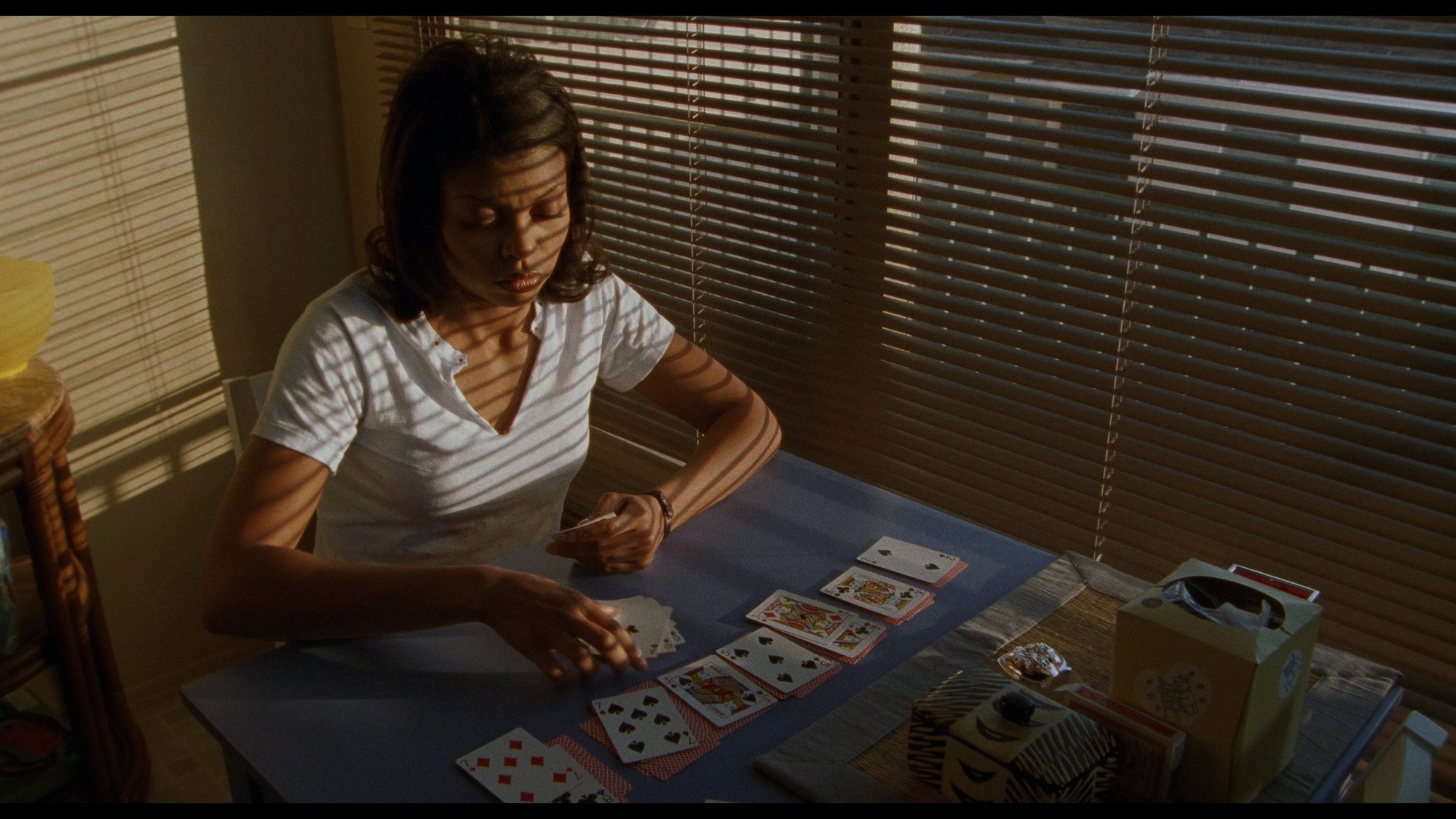
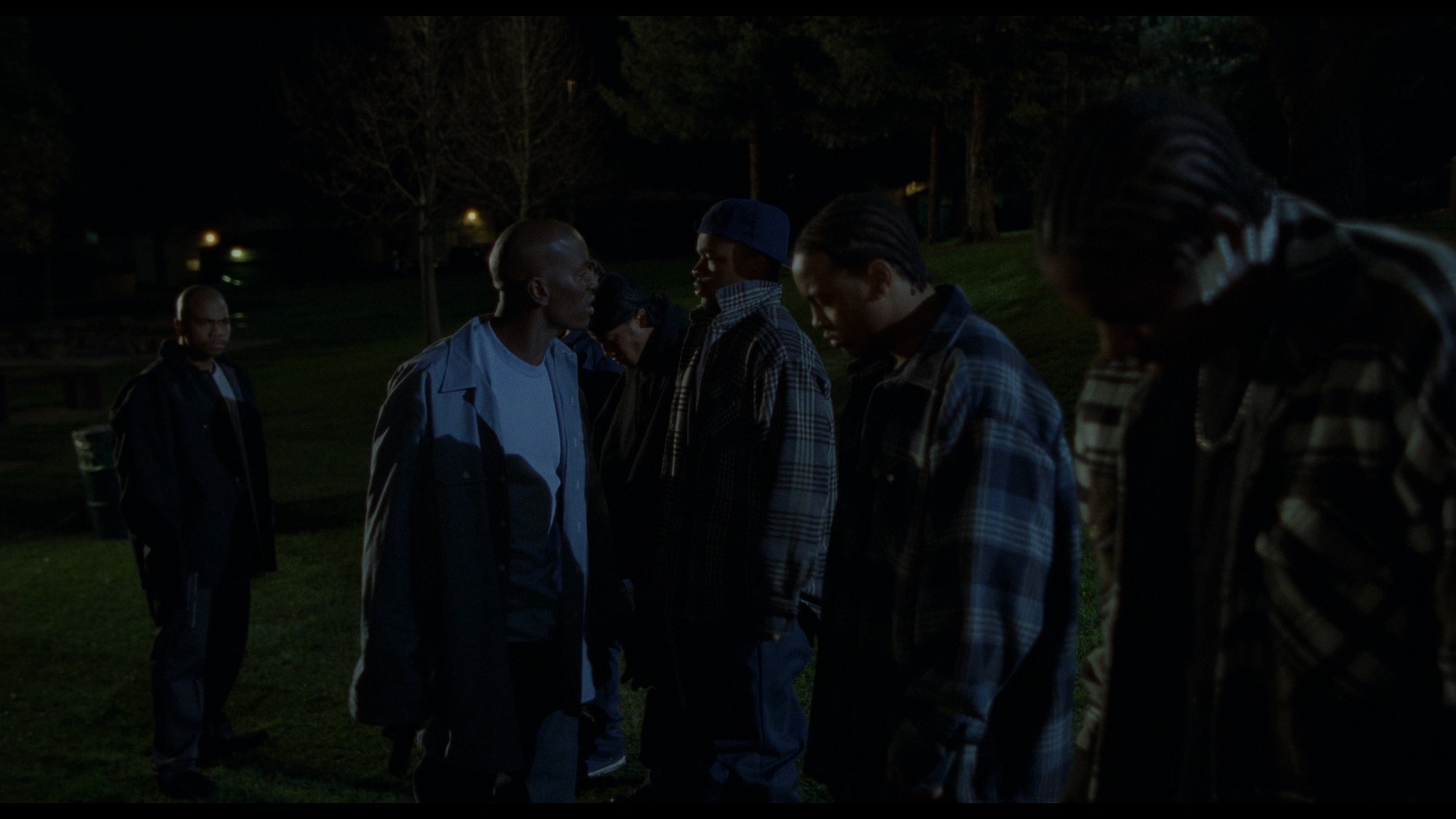
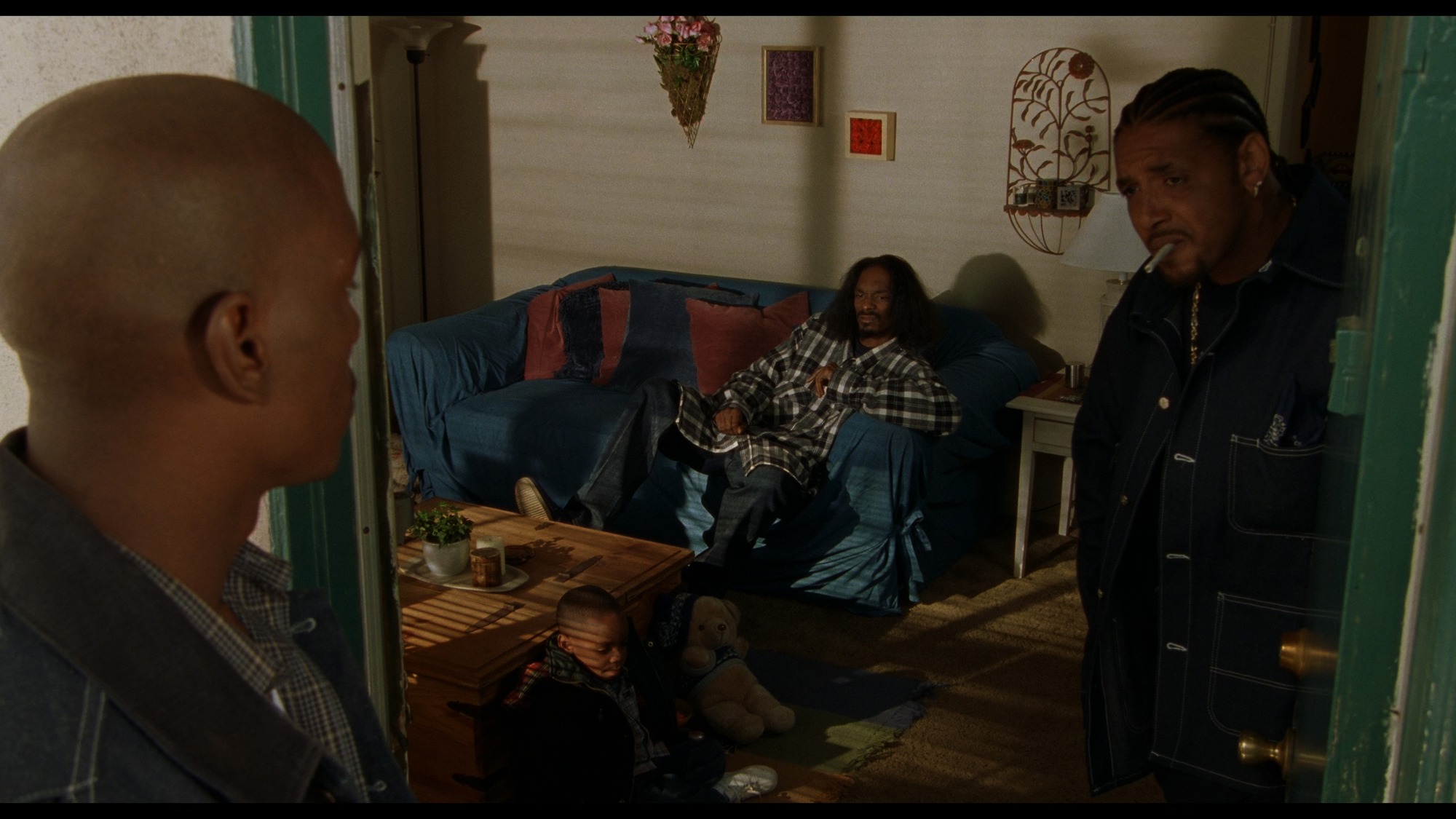
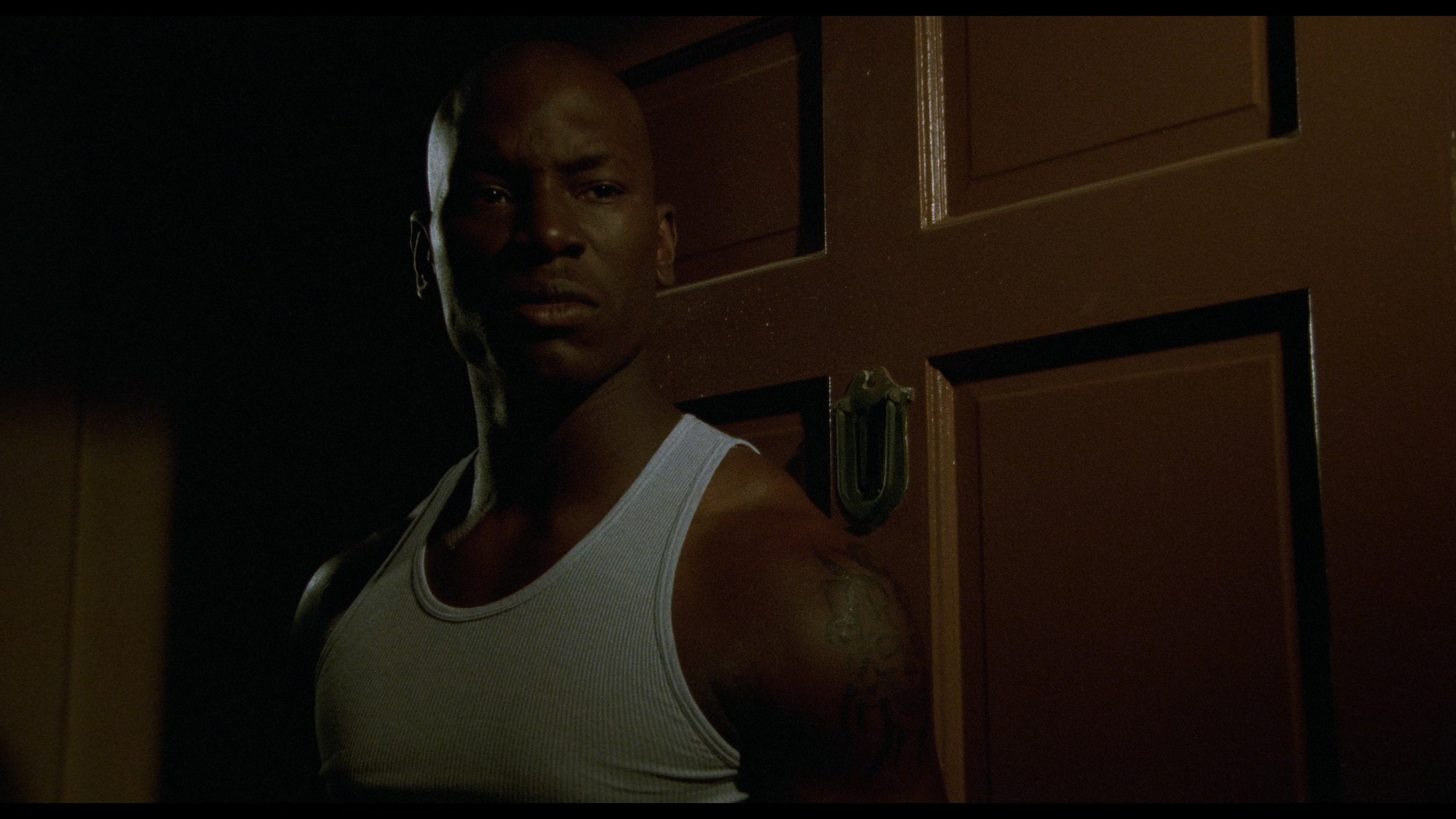
Audio 8/10
The film comes with its original 5.1 surround soundtrack, presented in DTS-HD MA. It’s a fairly laid-back track overall, in step with the film’s vibe, but it benefits from a strong music selection, further supported by David Arnold’s score, all of which is spread nicely across the soundstage. Dialogue is crisp and clear, with excellent range and fidelity, and overall clarity is consistently strong.
The surround mix isn’t especially aggressive, though it does make modest use of the rear channels for ambient effects, and the film’s few gunshots feature a nice echo. It’s not a track that’s trying to show off, but it’s well-balanced and perfectly effective for the material.
Extras 8/10
Criterion recycles most of the material from Sony’s DVD edition, starting with John Singleton’s audio commentary. While both of his tracks for Boyz n the Hood were excellent, his one for Poetic Justice felt a bit distant, maybe due to the distance of recording it from when he made it (he recorded it 6 years after its release). The track for Baby Boy, on the other hand, lands somewhere closer to the former, possibly due to it being recorded around the time of the film’s release. Singleton comes across as far more engaged and personal, and he speaks at length about the protagonist and what he represents, often tying characters back to people he knew growing up (with the amusing note that Snoop Dogg’s Rodney reminded him of his Uncle Randy). He also dives into the film’s themes, like Jody’s arrested development and his complicated relationship with Yvette, while acknowledging the film doesn’t neatly fit into a defined genre. Beyond that, he pays close attention to smaller details, breaking down individual scenes and even playing with audience expectations in key moments. It’s a terrific track, moving smoothly between topics while remaining consistently engaging.
Criterion also includes two new audio interviews, one with Tyrese Gibson and the other with Taraji P. Henson, each running about 24 minutes. Both reflect on their leading-role debuts, recalling how they were cast and what it was like working with Singleton. Gibson recounts meeting Singleton at a party, which led to him being cast, and how he immediately connected with the character of Jody. Despite his limited acting experience, Singleton gave him space to grow into the part (something also touched on in the commentary), though Gibson admits he felt outmatched by Henson’s intensity, which was evident even in her audition. Henson covers similar ground, discussing Singleton’s openness to collaboration and improvisation, and even notes that she suggested certain scenes, including the encounter between her character and Jody’s other "baby mama." She also offers some lighter anecdotes, teasing Gibson about “choking” during their sex scene and mentioning Snoop Dogg’s discomfort with some of the more aggressive material, which led her to heighten her own performance to sell how violent his character actually is.
I really, really enjoyed these two additions, although I do wish Criterion could have broughtthe two together for a commentary, especially since they do talk about some of the same scenes (including the drive-thru one).
There are also 28 minutes of deleted scenes carried over from the DVD. As Singleton notes in the commentary, much of Ving Rhames’ material was trimmed to give his character a more mysterious presence, and seeing the excised footage, that decision feels justified, especially in how it strengthens a key late-film moment. Other scenes alter character motivations or pacing, including material involving Jody’s mother pushing him toward sales (in the film it feels more spontaneous on his part), and a home invasion sequence (featuring Roger Guenveur Smith as one of the victims), which does alter one character significantly. Though I agree with Singleton's decision to cut them (on top of everything else, they would have also brought the leisurely paced film to a dead stop), I'm glad they're here.
Rounding things out are 7 minutes of outtakes and bloopers, a brief five-minute storyboard comparison feature with artist Warren Drummond, audition footage between Gibson and Henson, and the original theatrical trailer. It’s not an especially stacked package, but Singleton’s commentary is a highlight, and the two new interviews are welcome additions, making for a solid, if modest, set of supplements.
Closing
Probably the highlight of the set, Baby Boy delivers an exceptional new presentation and a small but solid set of features.
BUY AT: