John Singleton's Hood Trilogy
Boyz n the Hood
BUY AT:


See more details, packaging, or compare
Synopsis
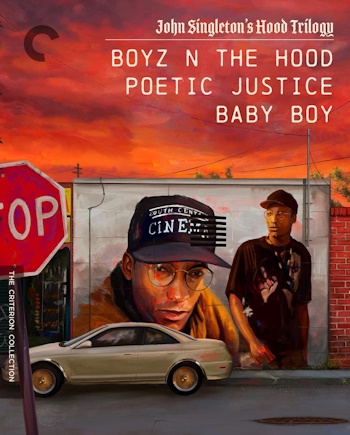
With his electrifying debut feature, Boyz n the Hood, John Singleton brought his South Central Los Angeles community to the screen with a bracing immediacy that rocked 1990s American cinema and popular culture. Poetic Justice and Baby Boy completed what the director considered his Hood Trilogy, a series of richly nuanced films that constitute a dramatic universe all their own. Featuring remarkable performances from supernova talents like Cuba Gooding Jr., Angela Bassett, Regina King, Janet Jackson, Tupac Shakur, and Taraji P. Henson, these indelible tales of urban life explore the experience of growing up Black and searching for one’s place in the world.
Picture 9/10
Last released by The Criterion Collection on LaserDisc in 1991, Boyz n the Hood re-enters the collection through a new 4K UHD edition, exclusively available in the box set John Singleton’s Hood Trilogy. The film is presented in its original aspect ratio of 1.85:1 on a triple-layer disc in 2160p/24hz ultra high-definition with Dolby Vision. The set does not include 1080p presentations for any of the films, with Criterion instead issuing a separate Blu-ray-only set.
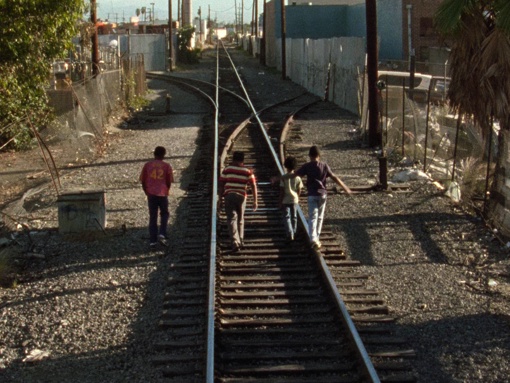
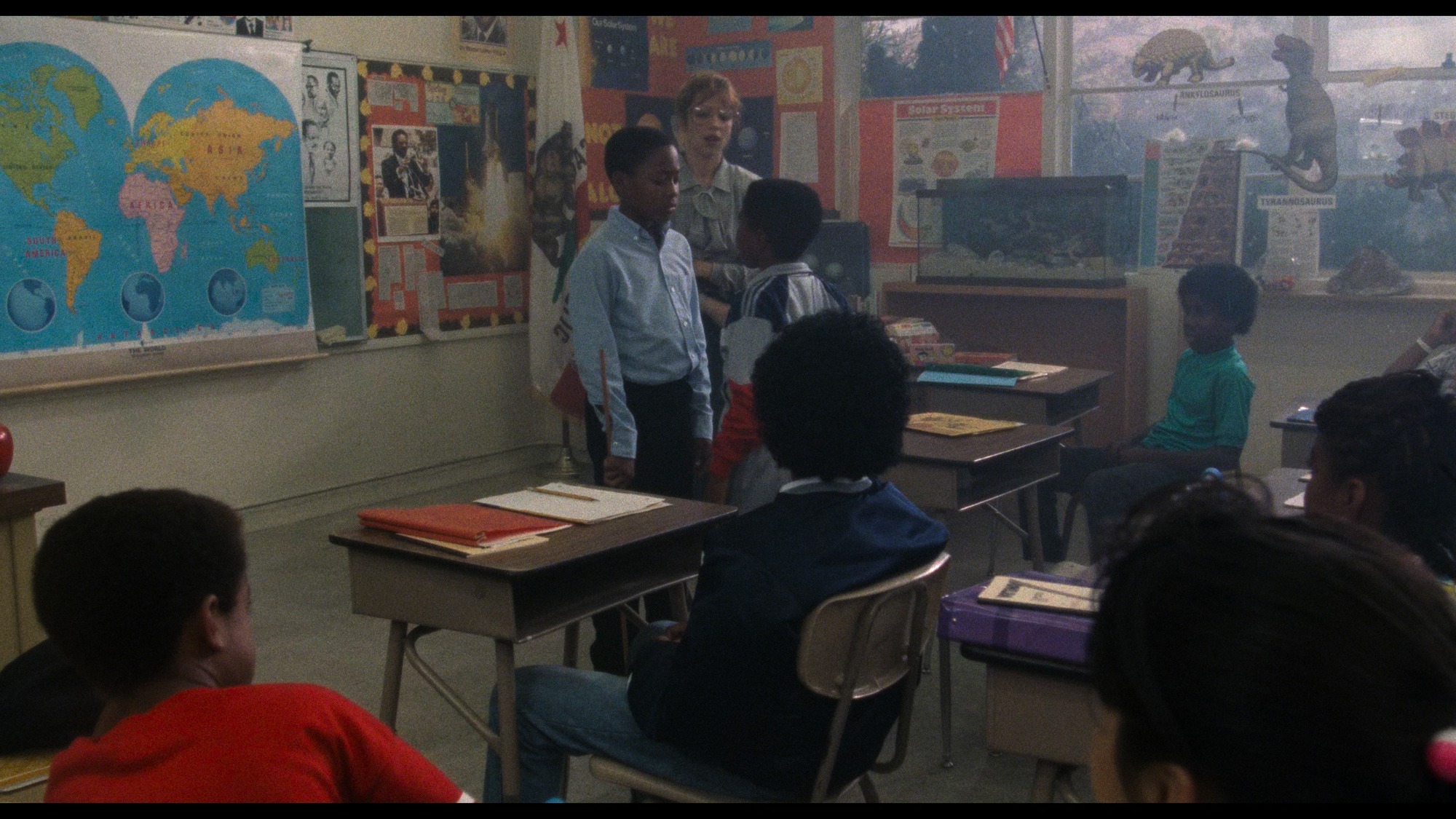
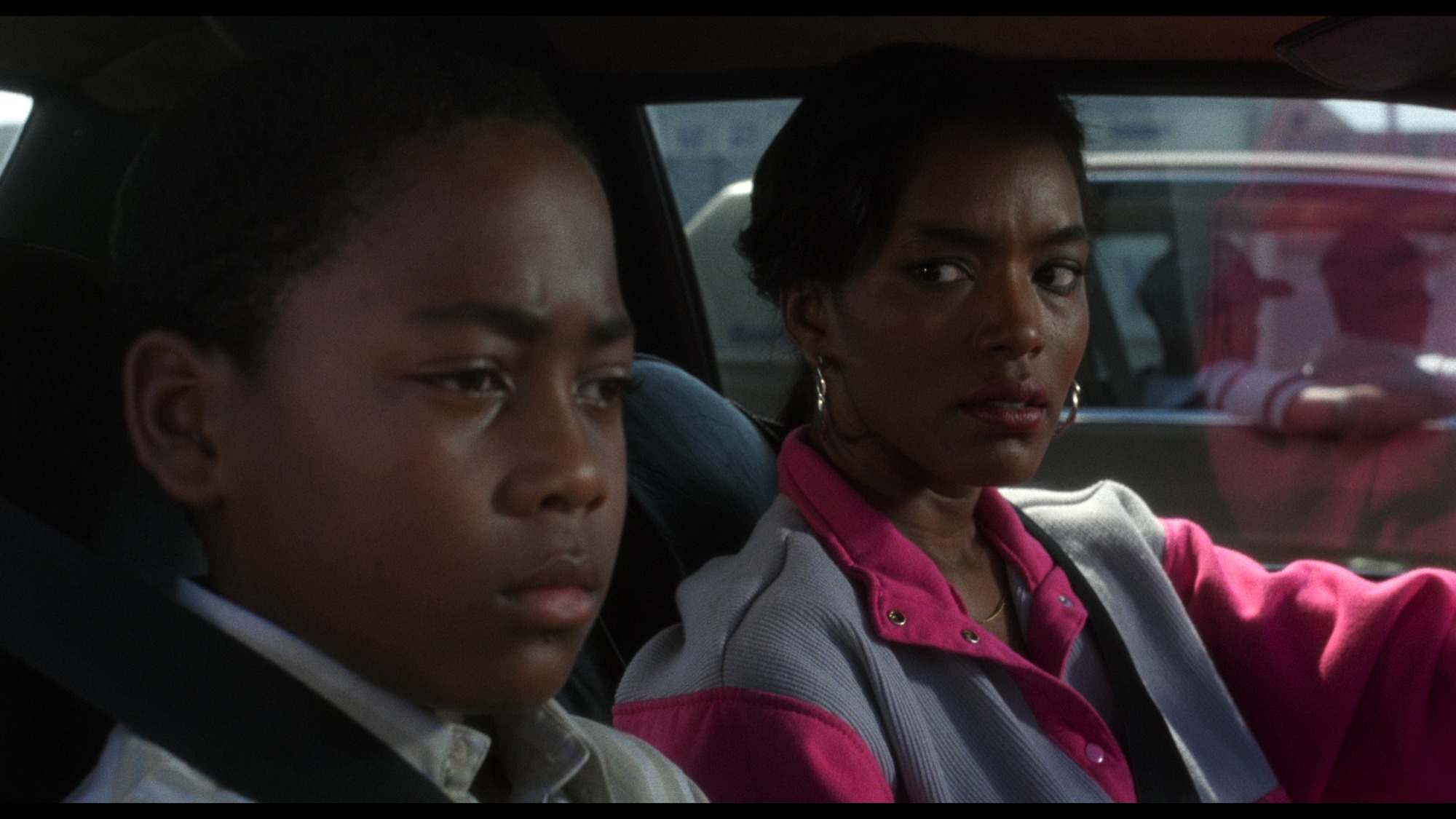
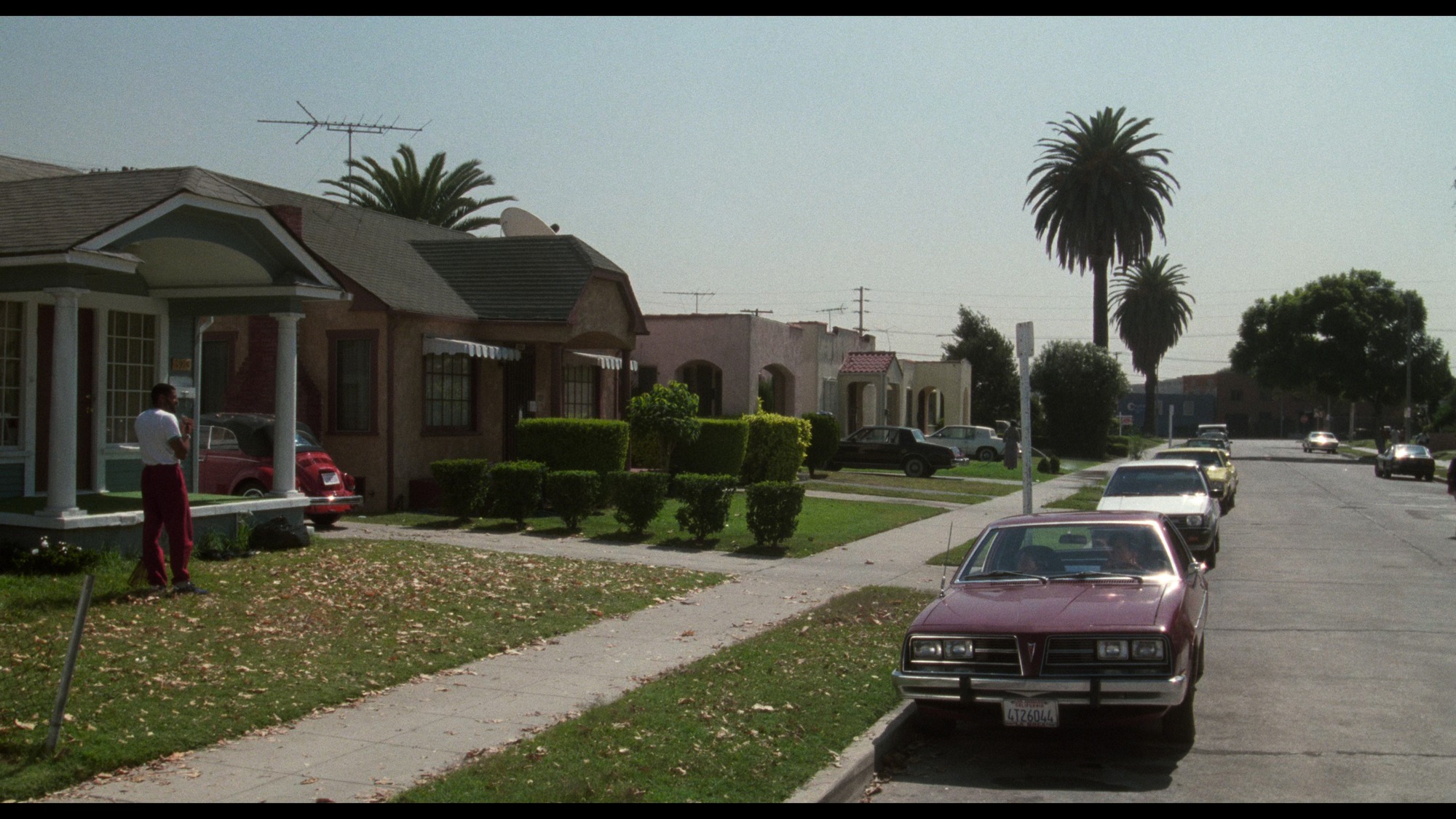
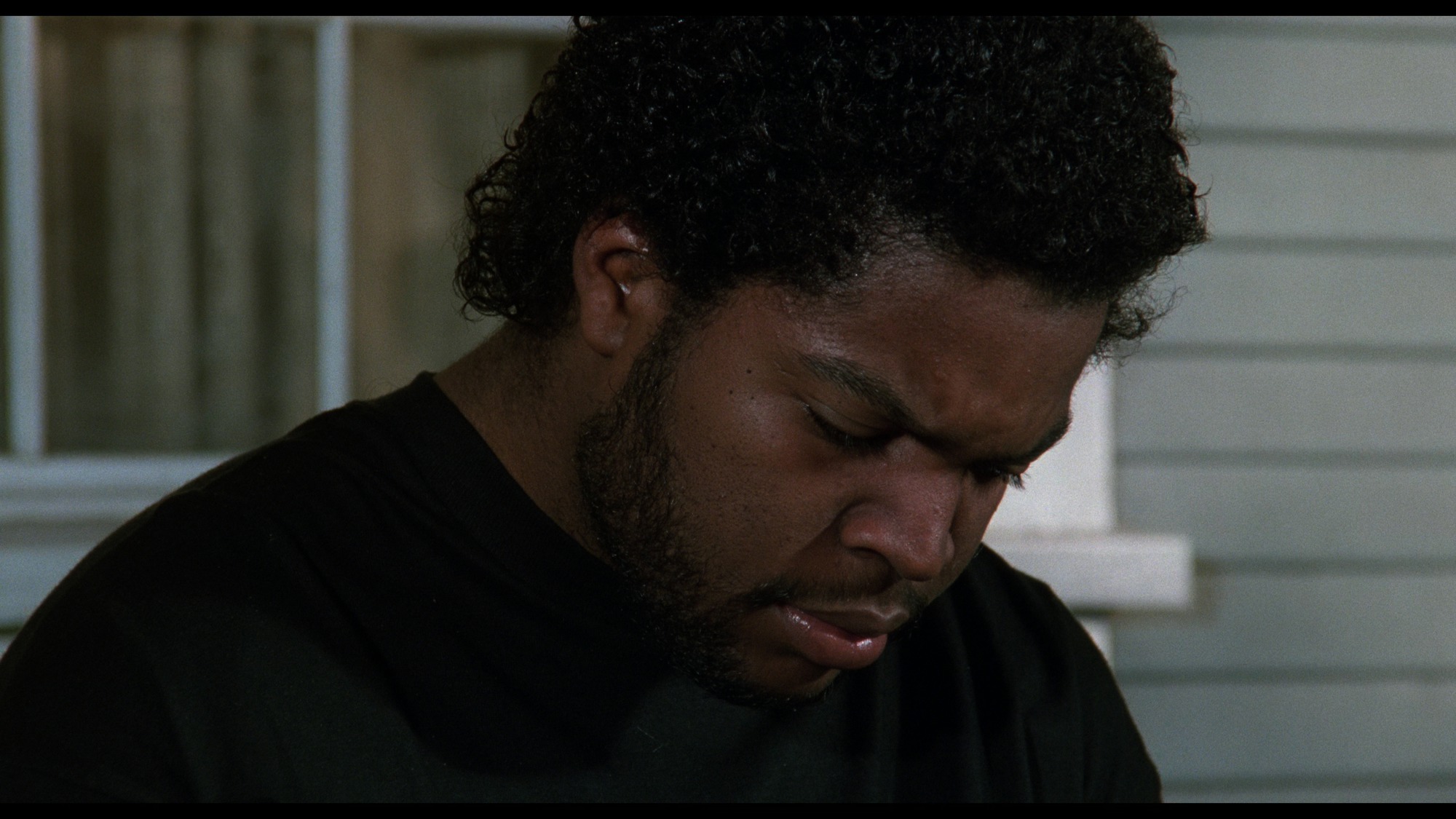
With Sony Pictures Entertainment handling the 4K restoration, sourced primarily from the 35mm original camera negative, expectations were understandably high on my part, and the results deliver. The restoration work is thorough, leaving no meaningful damage behind, and the image remains stable throughout. A handful of montages and transitions carry a slightly dupier appearance, which isn’t surprising given how they were constructed, but any drop in clarity is minor; they're just notably off. The vast majority of the film looks remarkably crisp, at times as though it could have been shot in the last few years.
But that restoration would mean little if the digital presentation weren’t up to par, and thankfully Criterion’s encode proves more than capable. The image is clean and free of artifacts, with a fine, natural grain structure that resolves beautifully, lending a sharp and highly detailed image. Dolby Vision gives highlights a noticeable boost without introducing clipping (car headlights cutting through dark streets look particularly striking) while shadow detail delivers strong range and smooth gradation. Colors also appear better balanced than in previous masters, dialing back the magenta push leading to more natural skin tones, richer blues in the sky, and wonderful yellows and reds.
Compared to Sony’s older Blu-ray, the upgrade is dramatic, though that is in no way a surprise given the dated master used there. More unexpected, however, is how this presentation compares to Sony’s own 4K release from 2020. I had initially figured they would look about the same, but after viewing screen captures online from that edition I had to check it out. Wildly, that version, while serviceable, appears noticeably softer and more processed, with far more of a digital sheen compared to what Criterion delivers. Grain looks chunkier and less refined, and colors skew differently, not always for the better. It’s such a stark contrast that I initially assumed it was from a different restoration utilizing a different source, though it seems more likely it's the result of heavier filtering on Sony's part. Whatever the case, Criterion’s presentation is on another level entirely, far surpassing Sony’s own effort.
All in, this is a phenomenal presentation. Aside from those few slightly dupier inserts, the image is sharp, clean, and very film-like. A genuinely surprising upgrade.
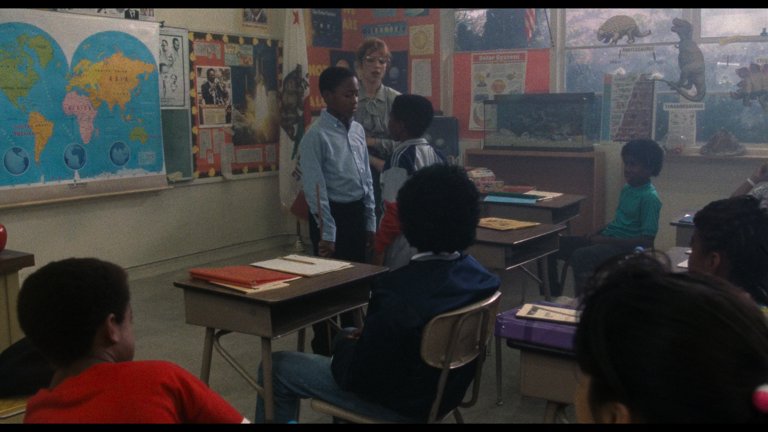
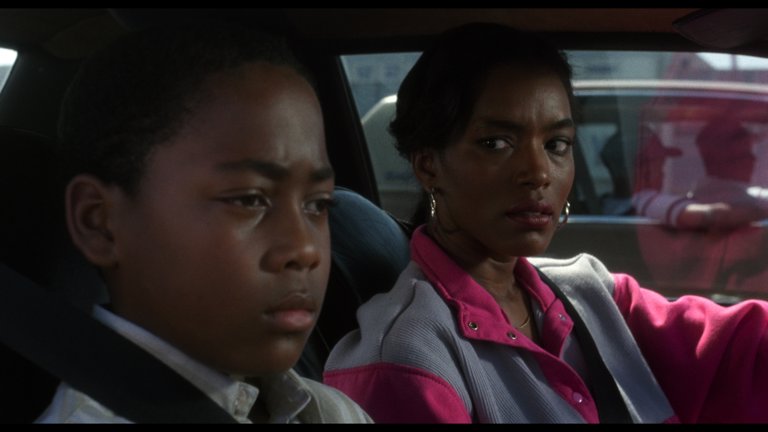
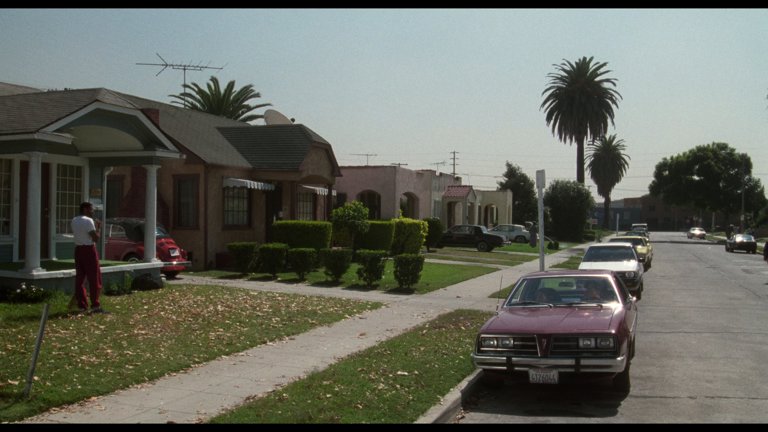
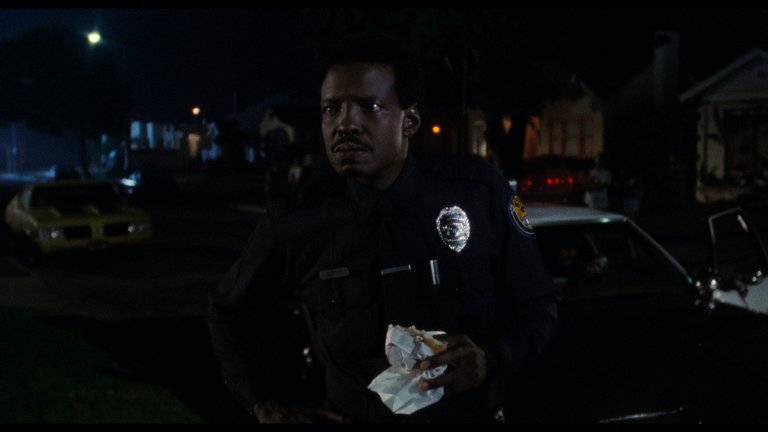
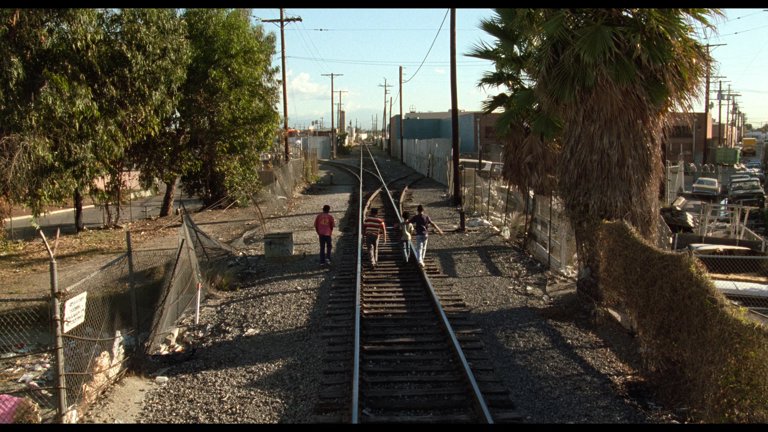
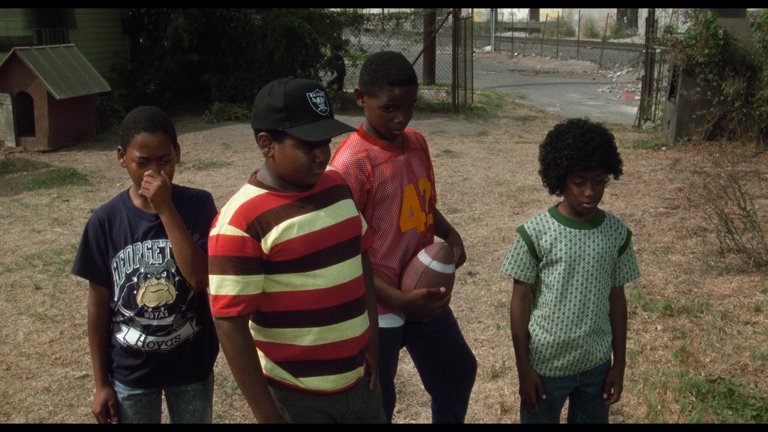
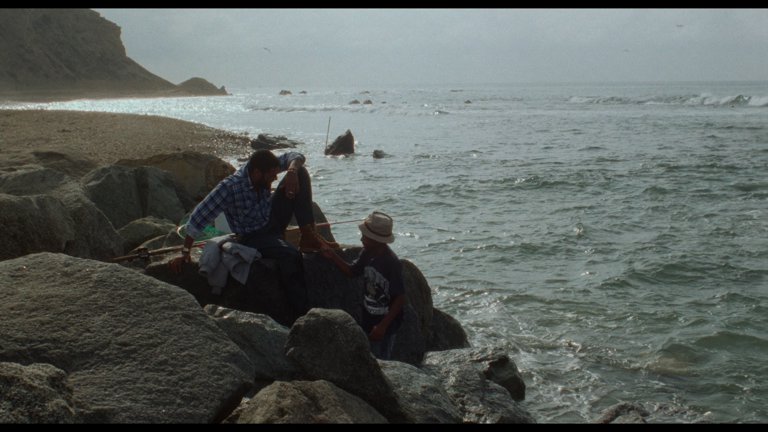
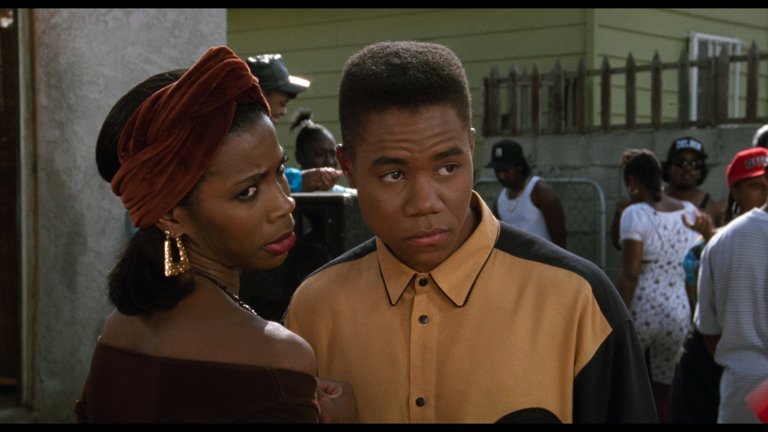
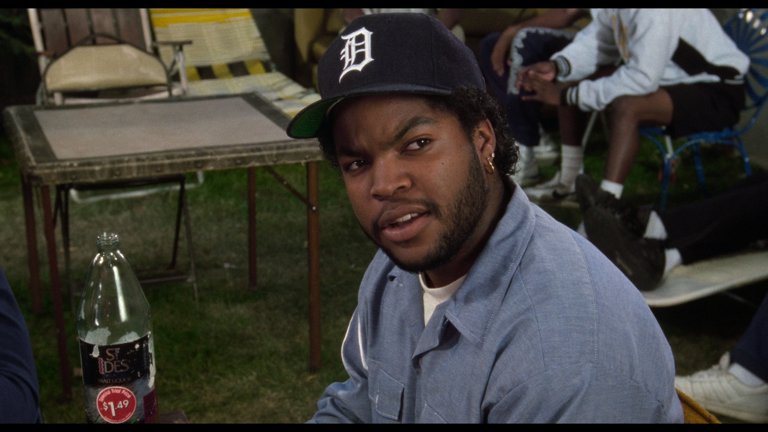
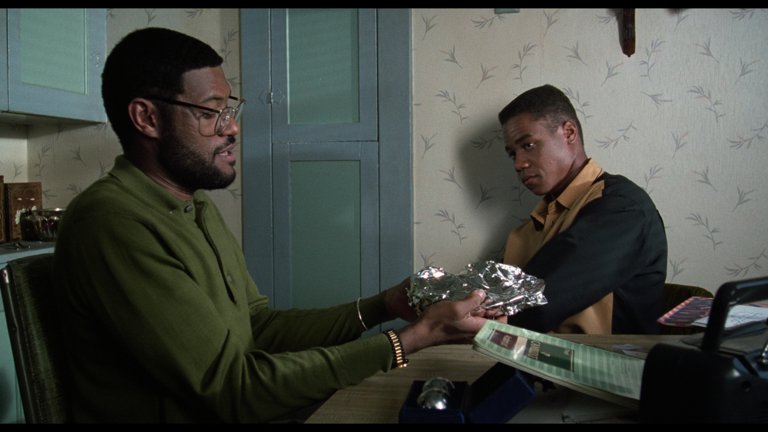
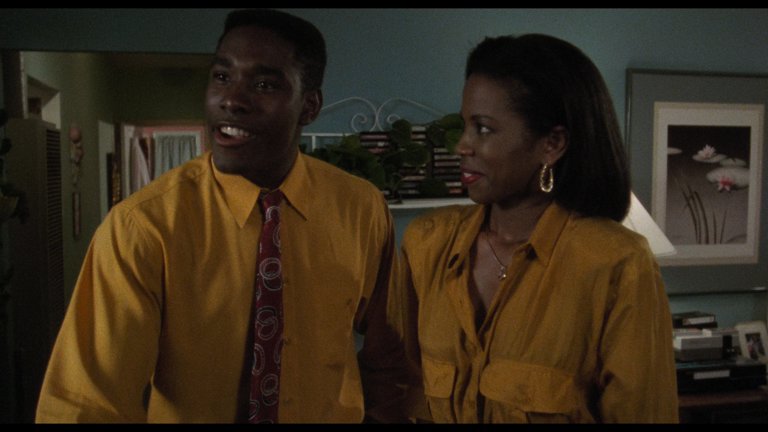
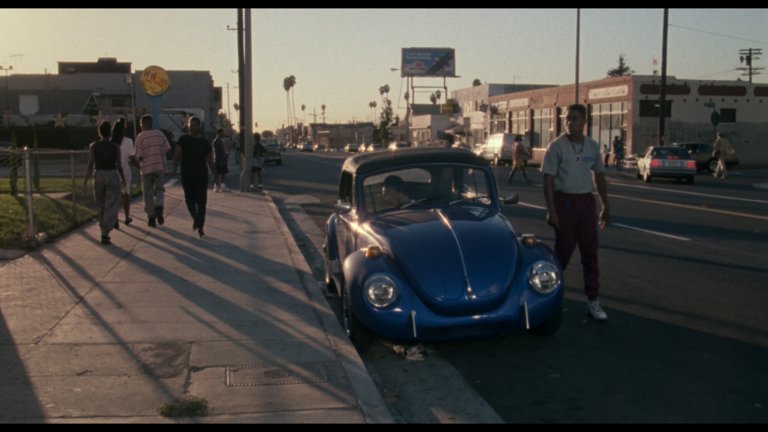
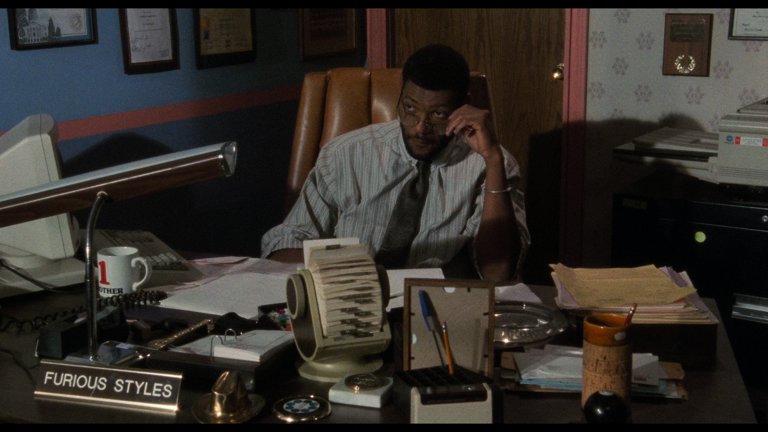
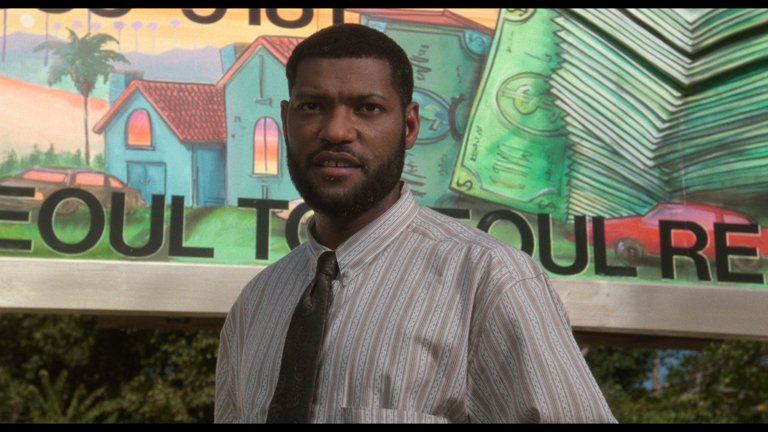
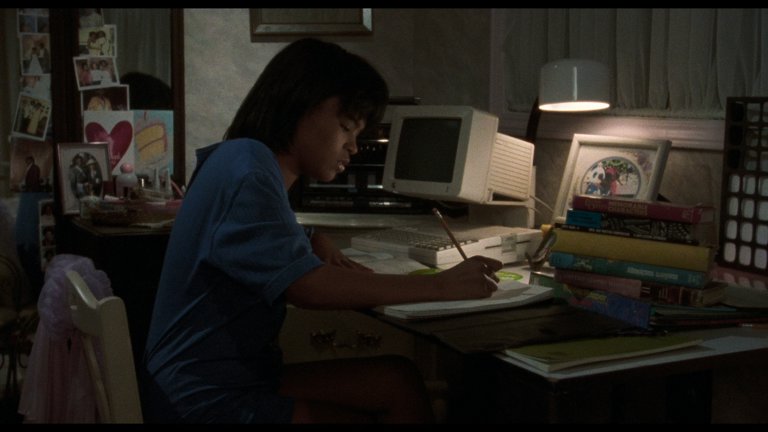
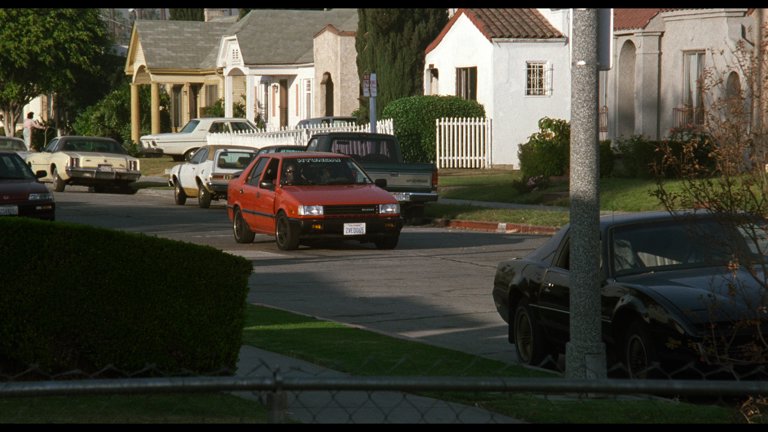
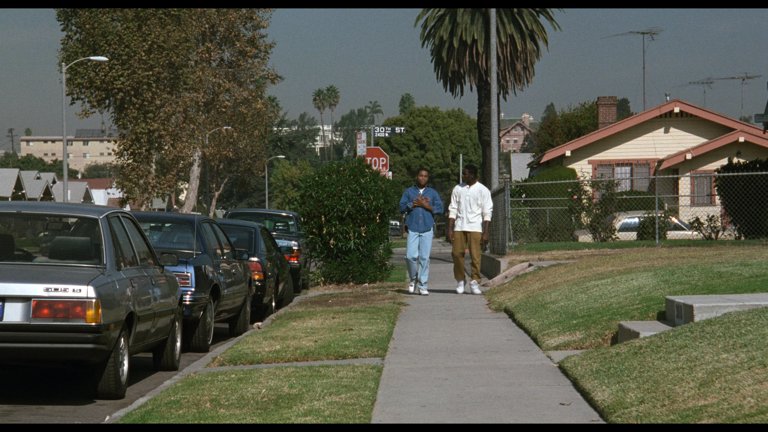
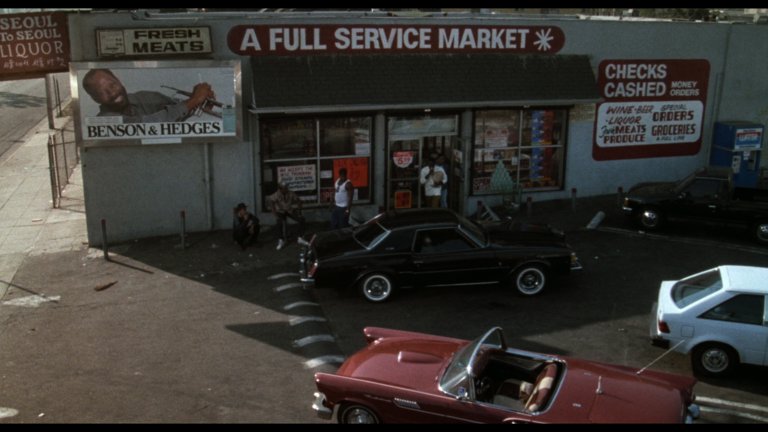
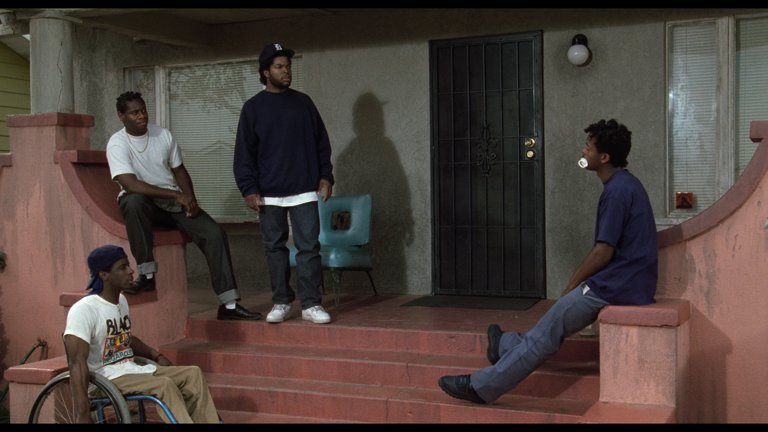
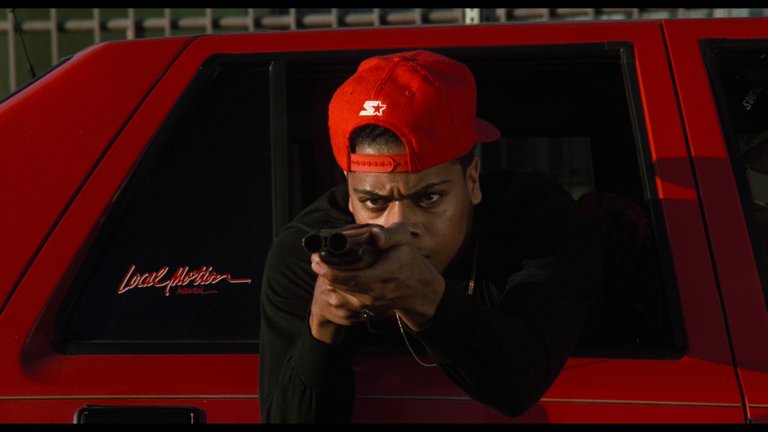
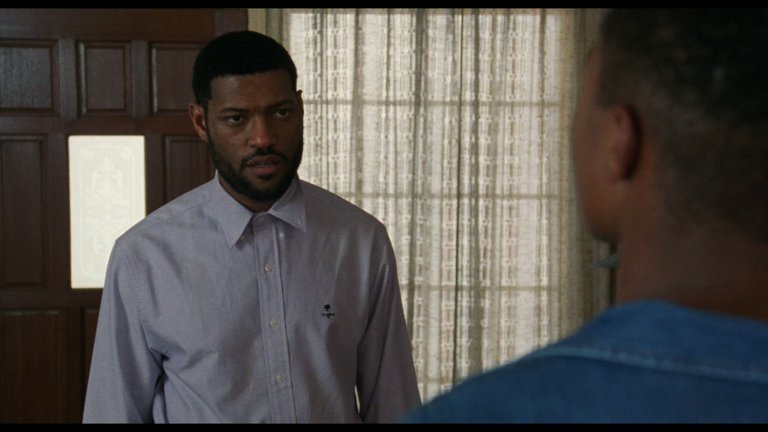
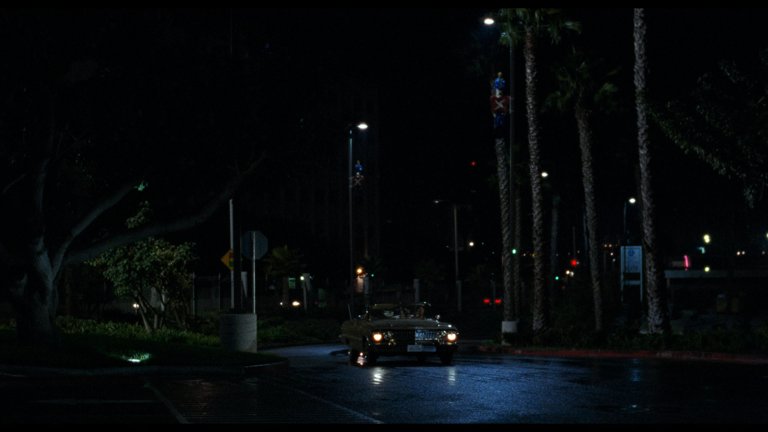
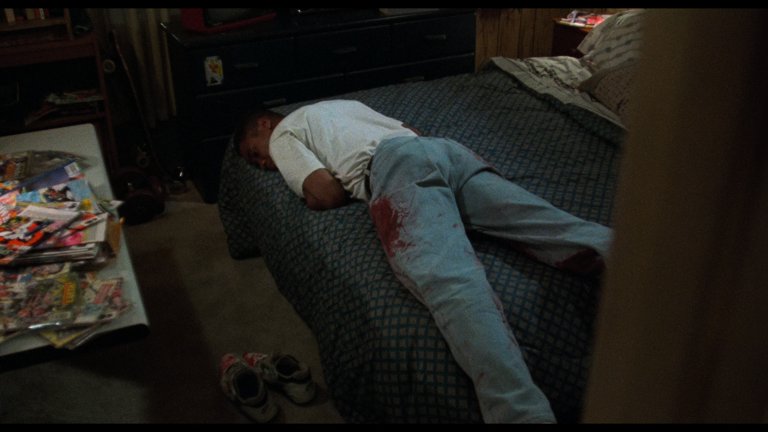
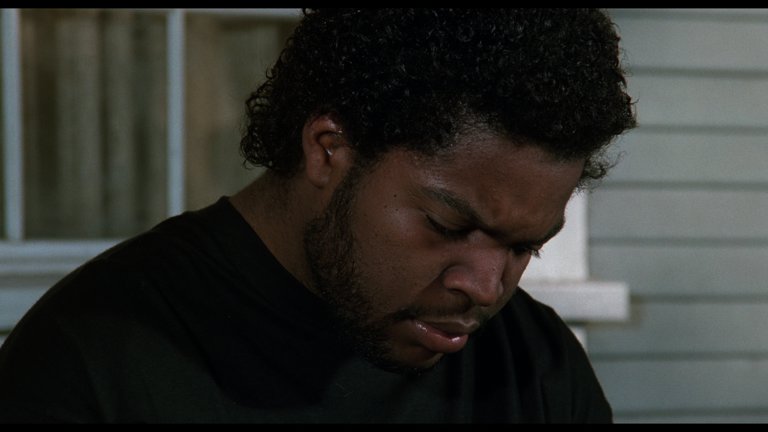
John Singleton's Hood Trilogy - Screen Captures
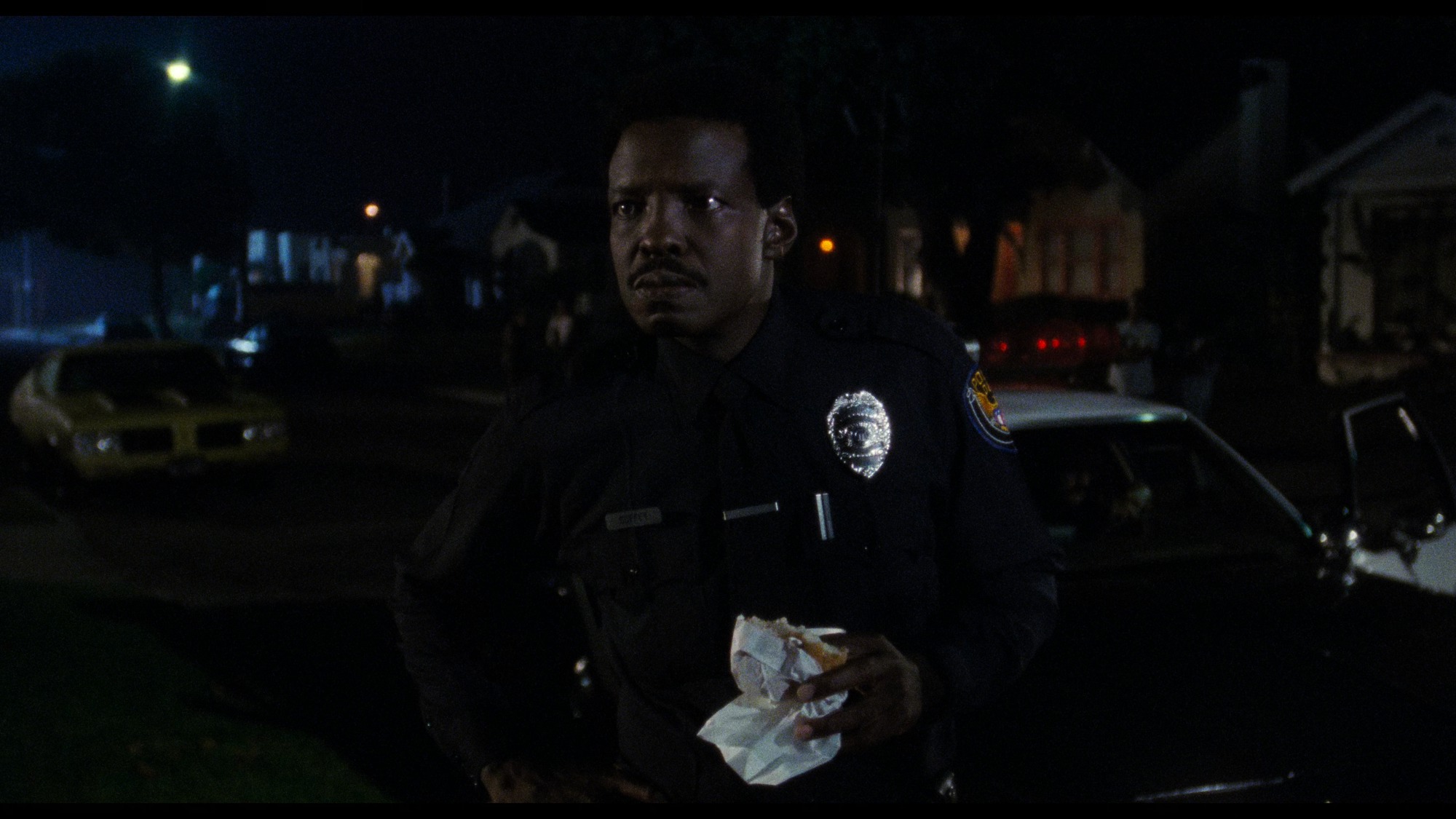
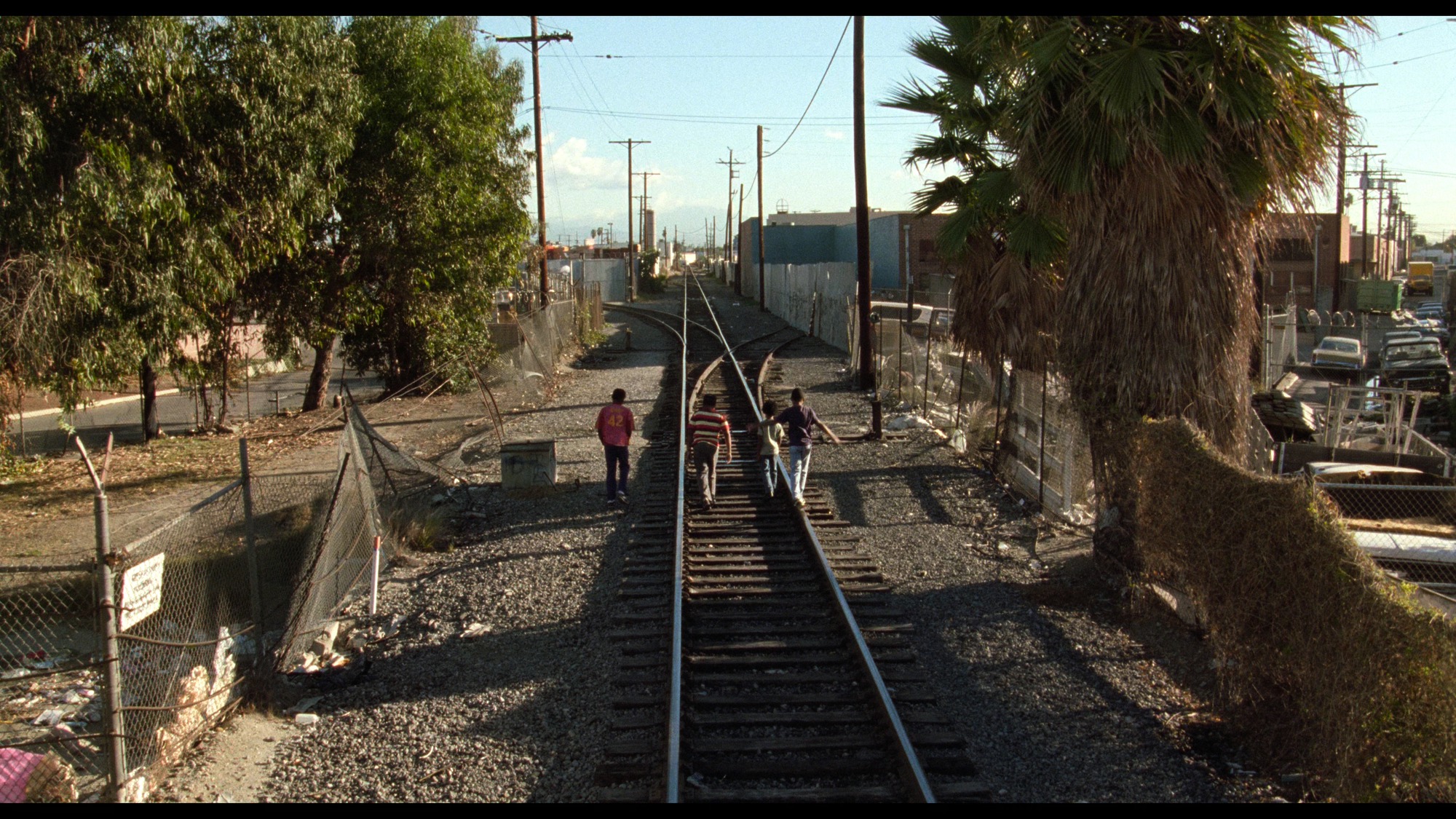
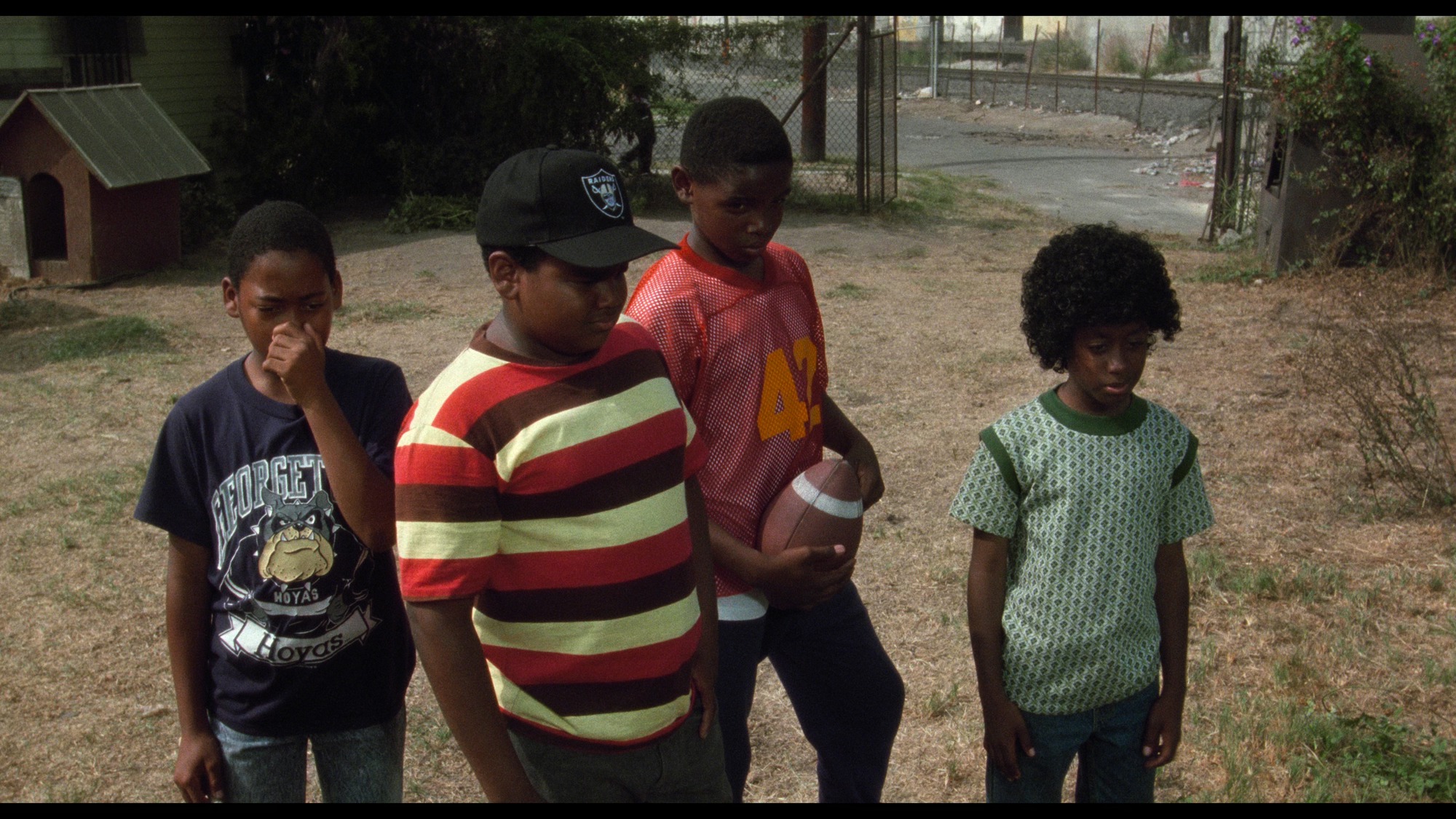
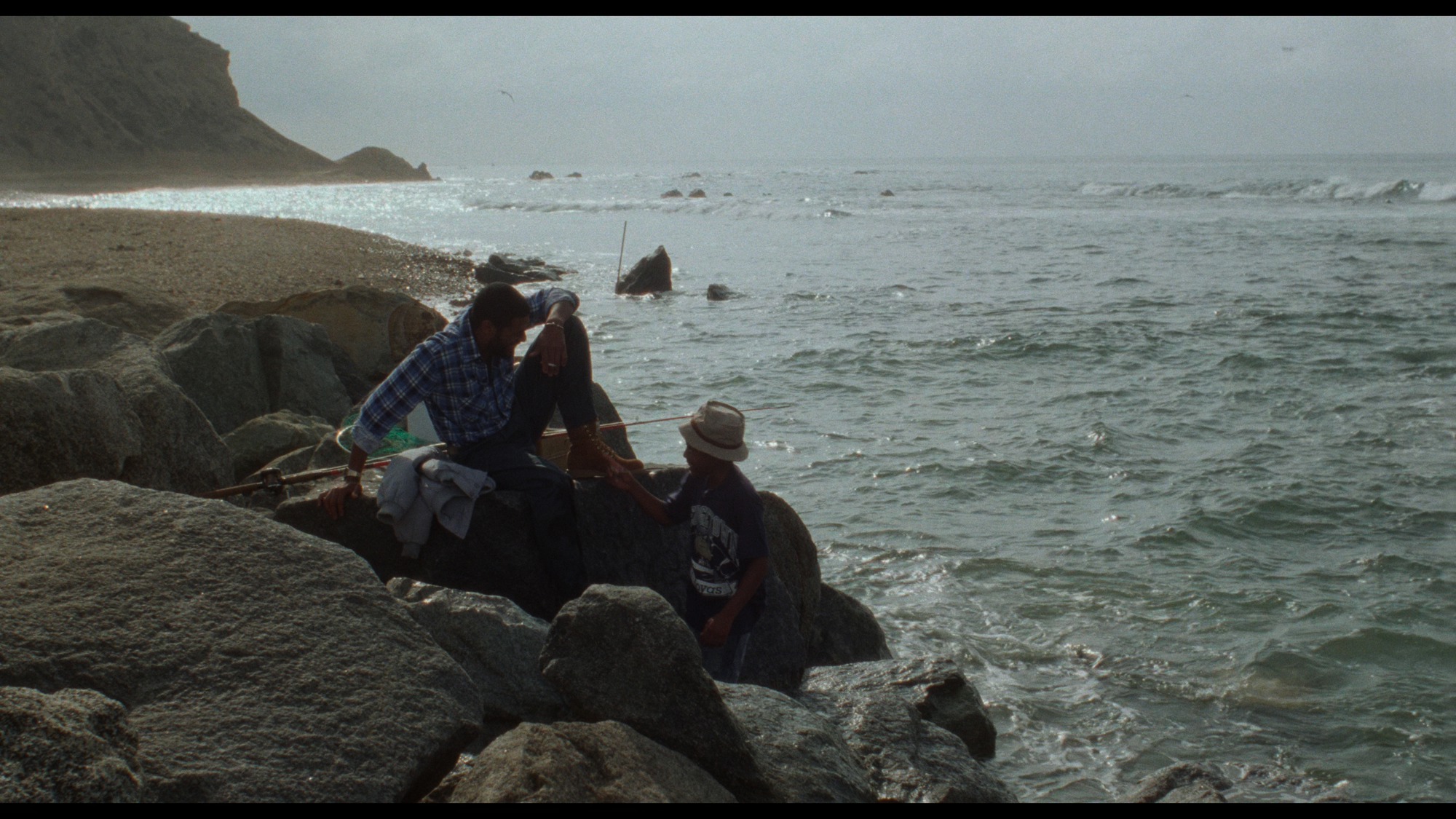
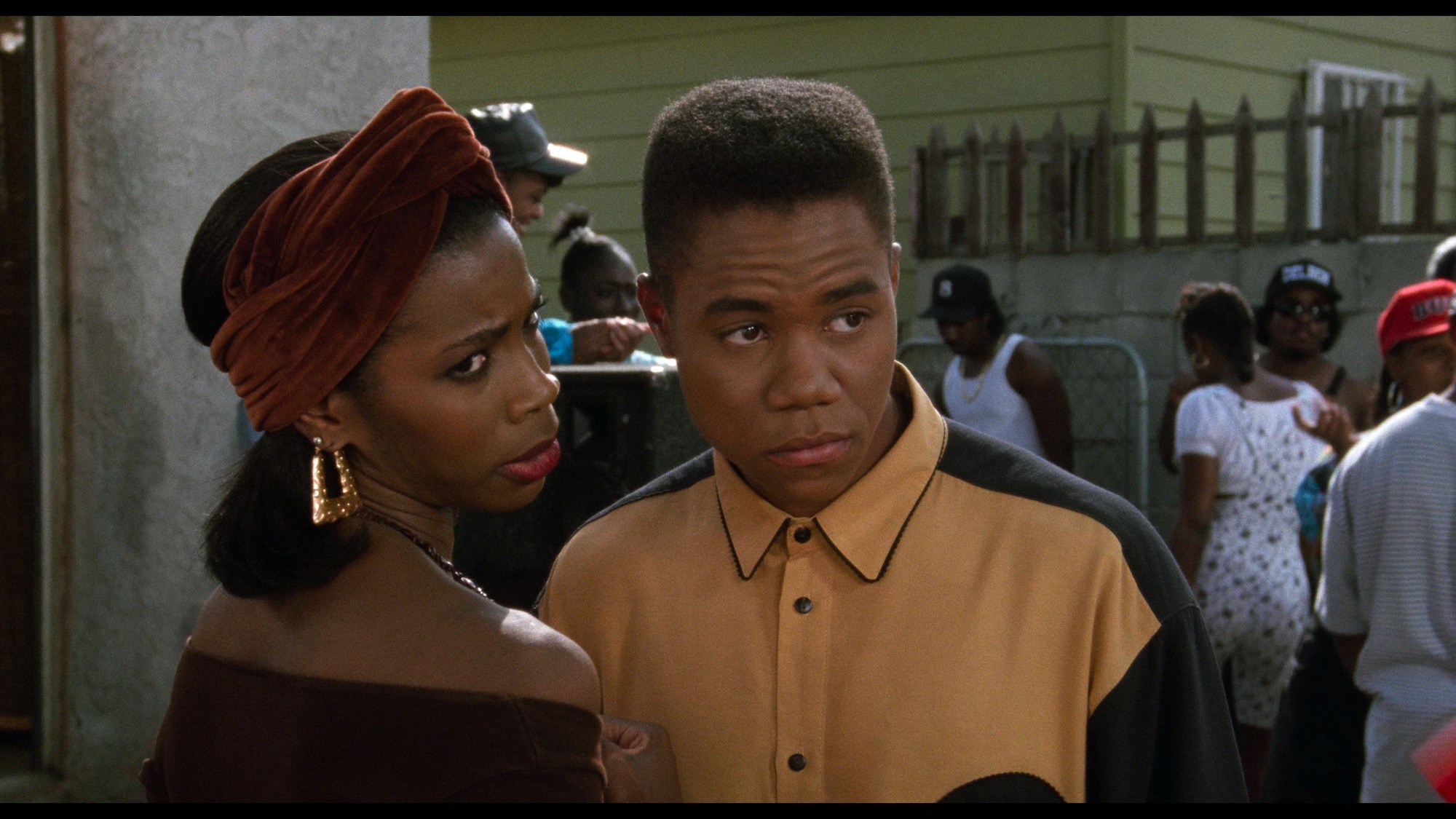
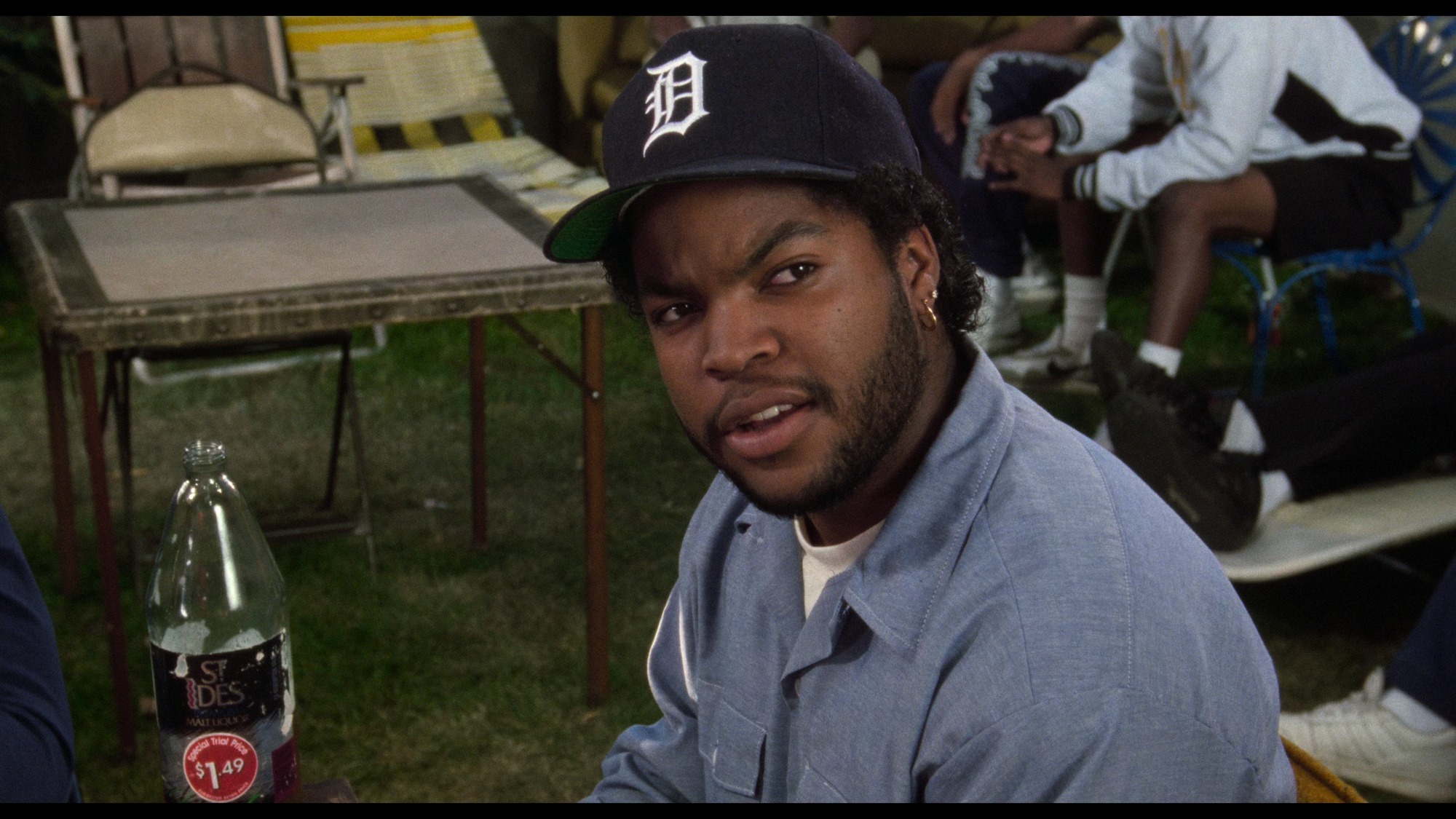
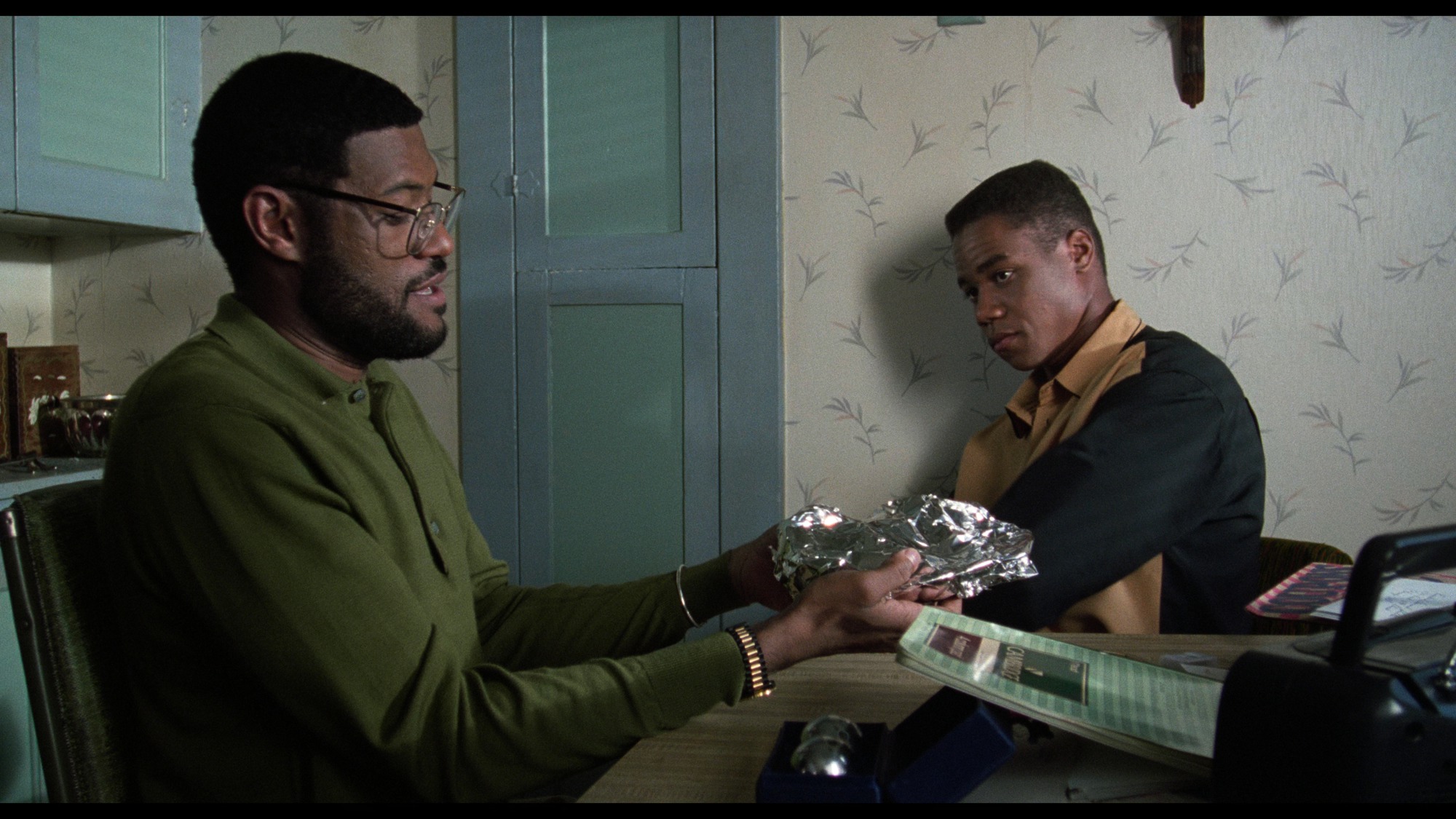
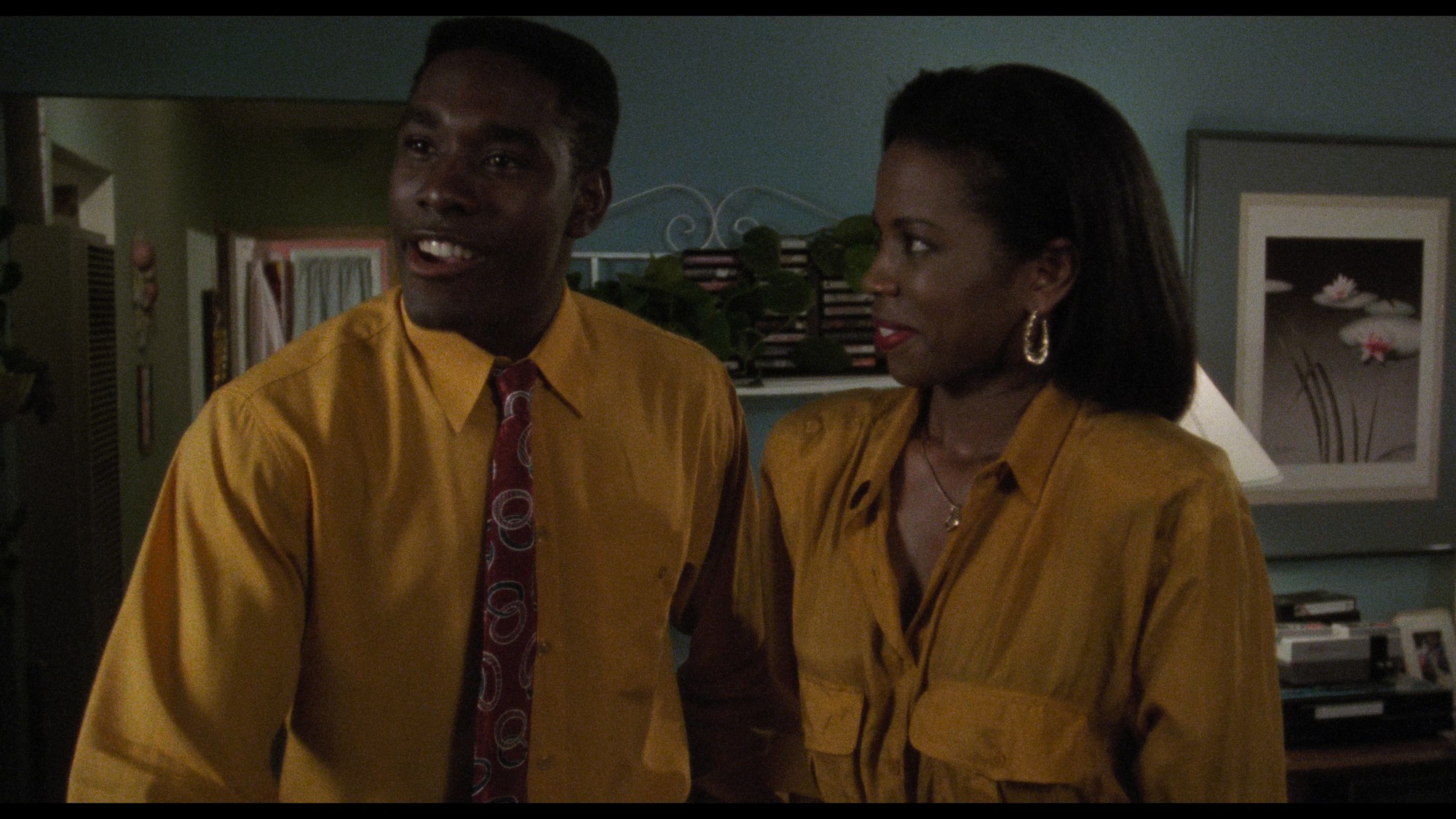
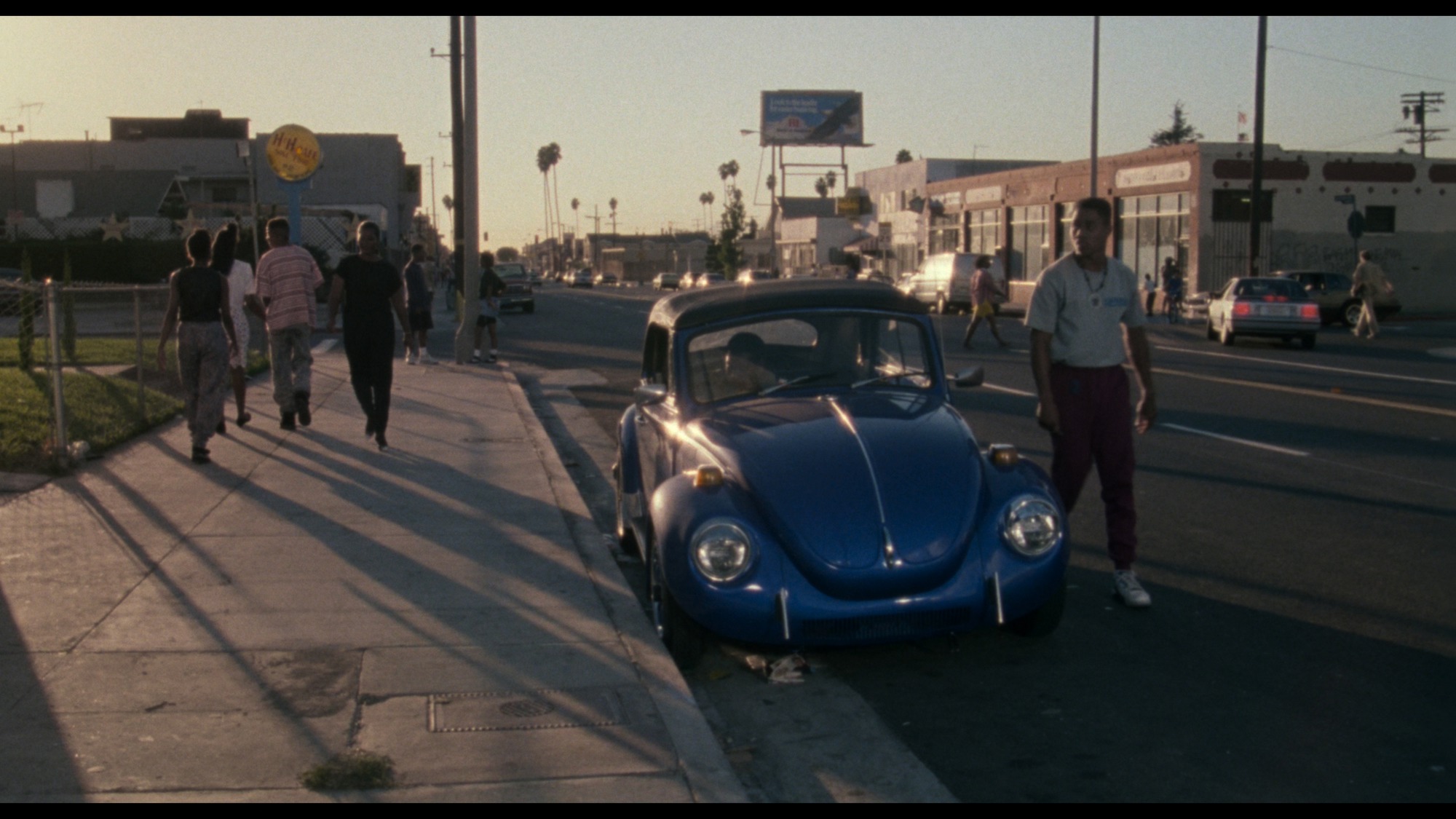
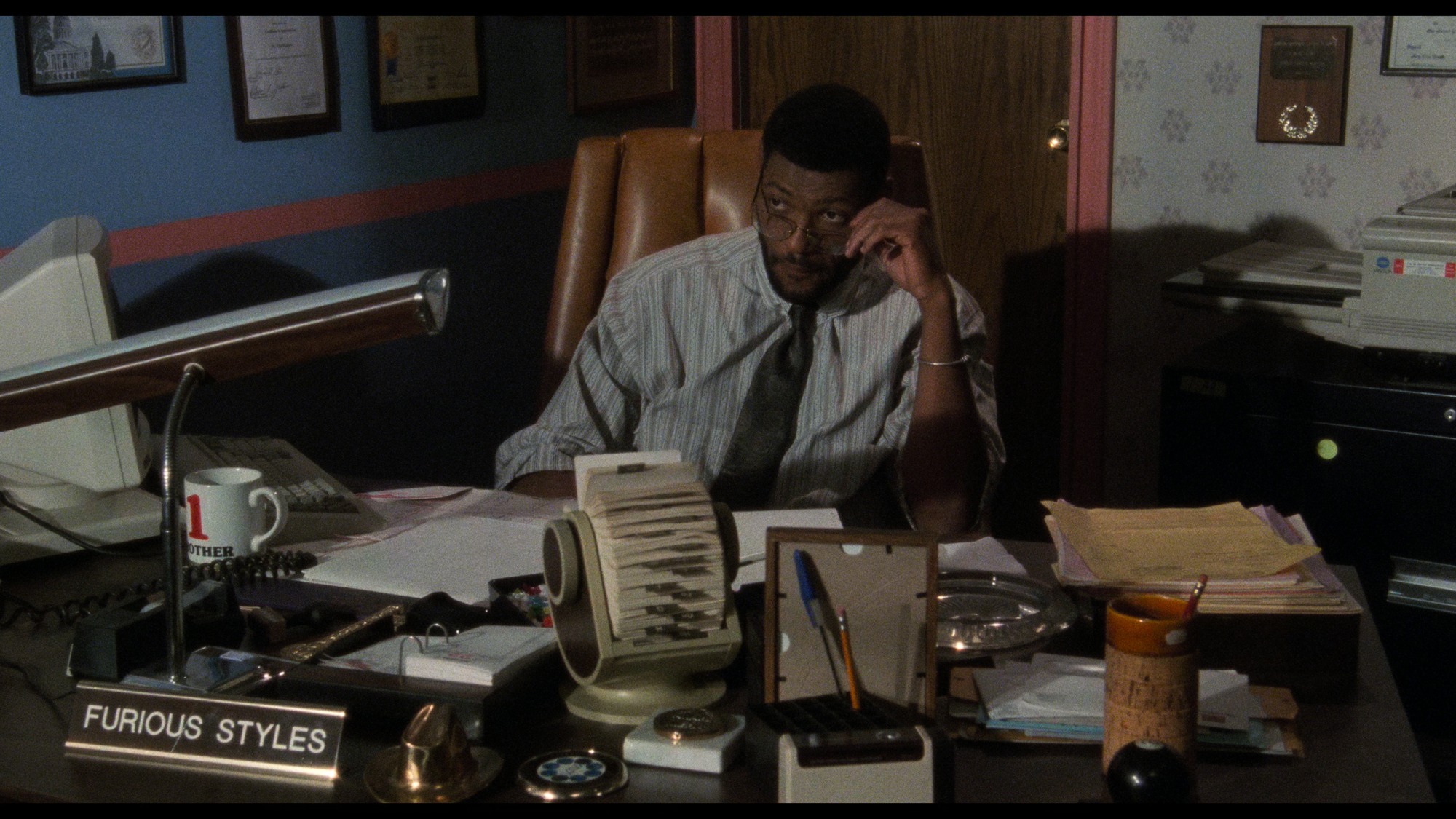
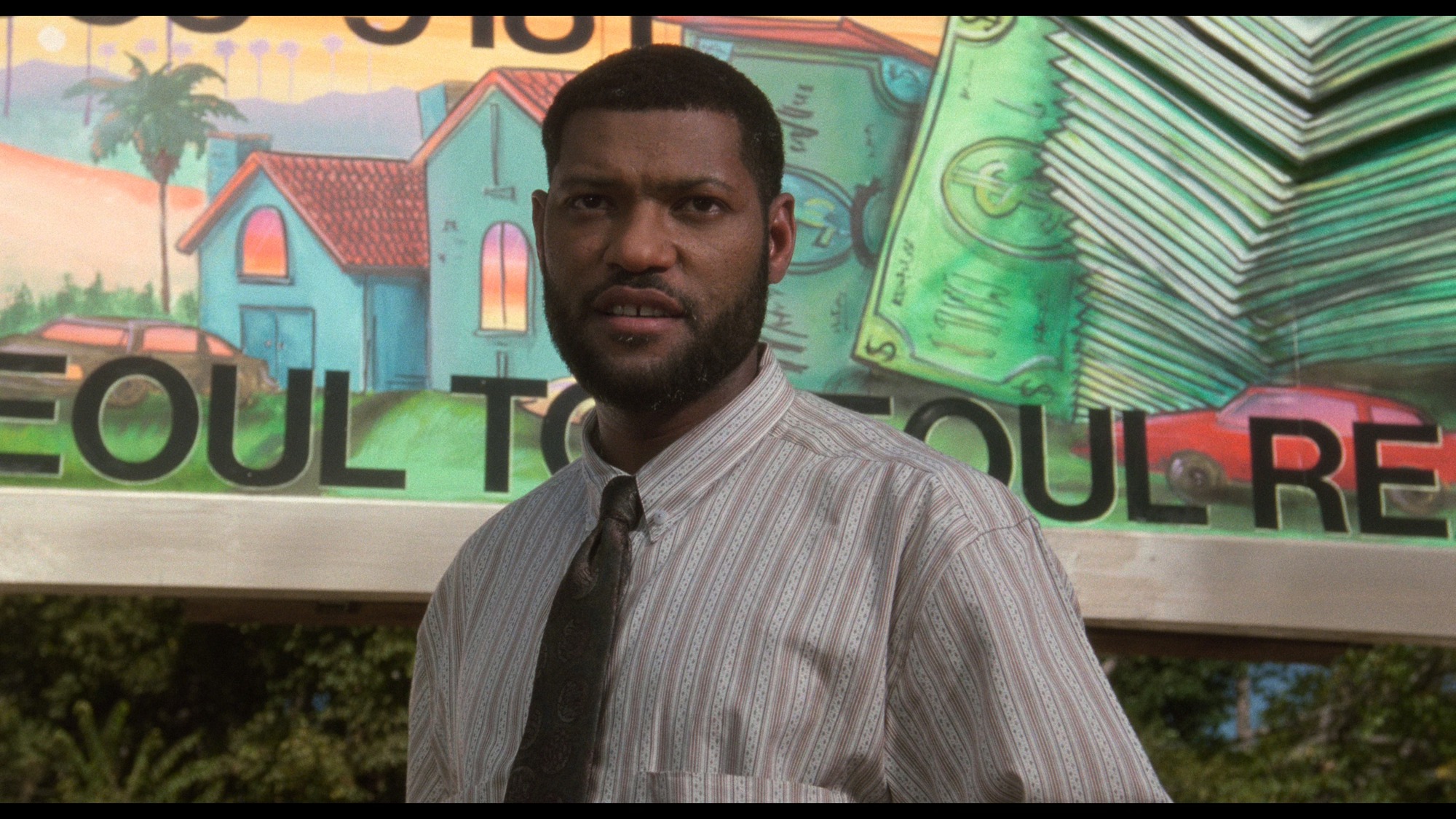
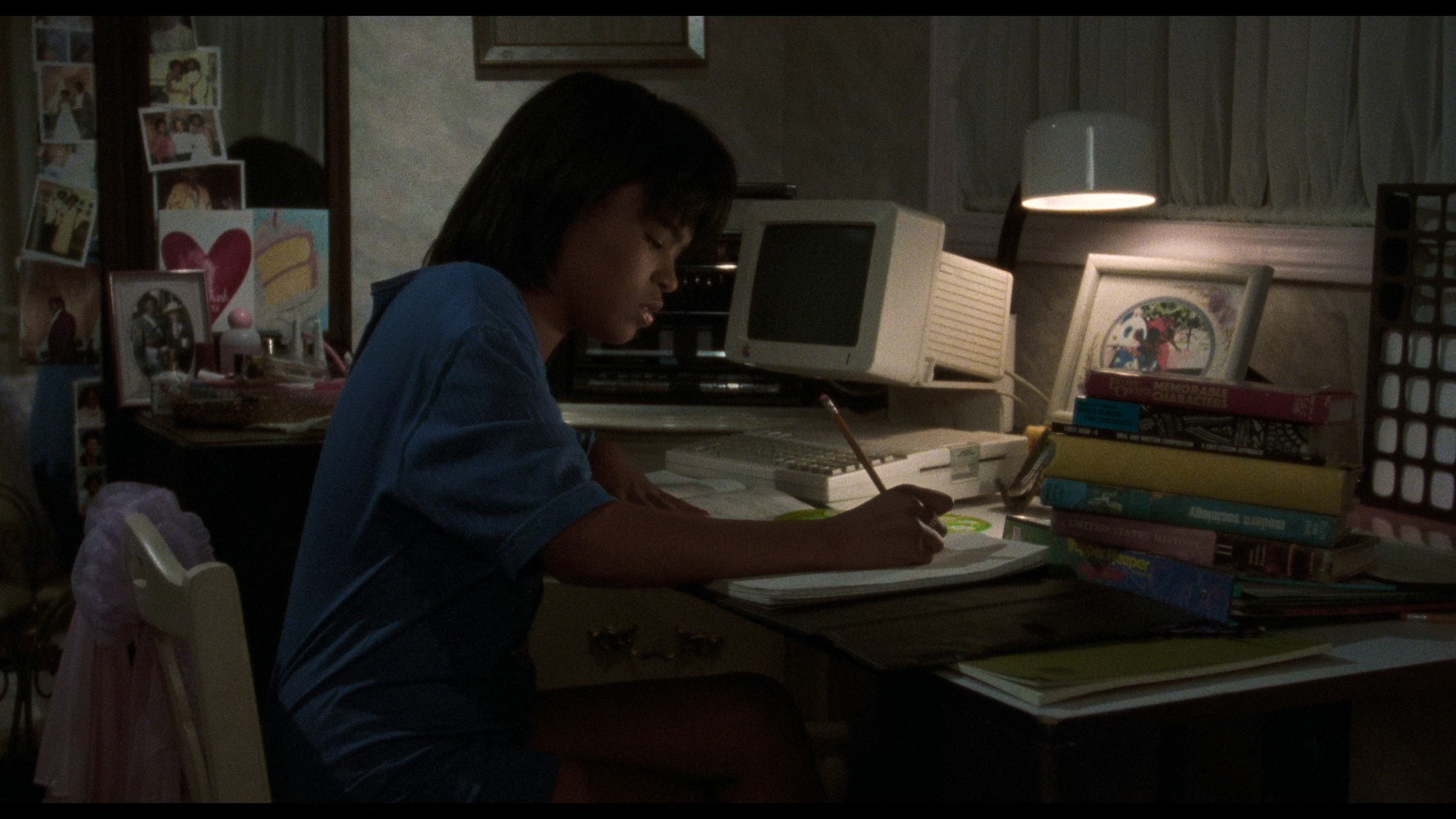
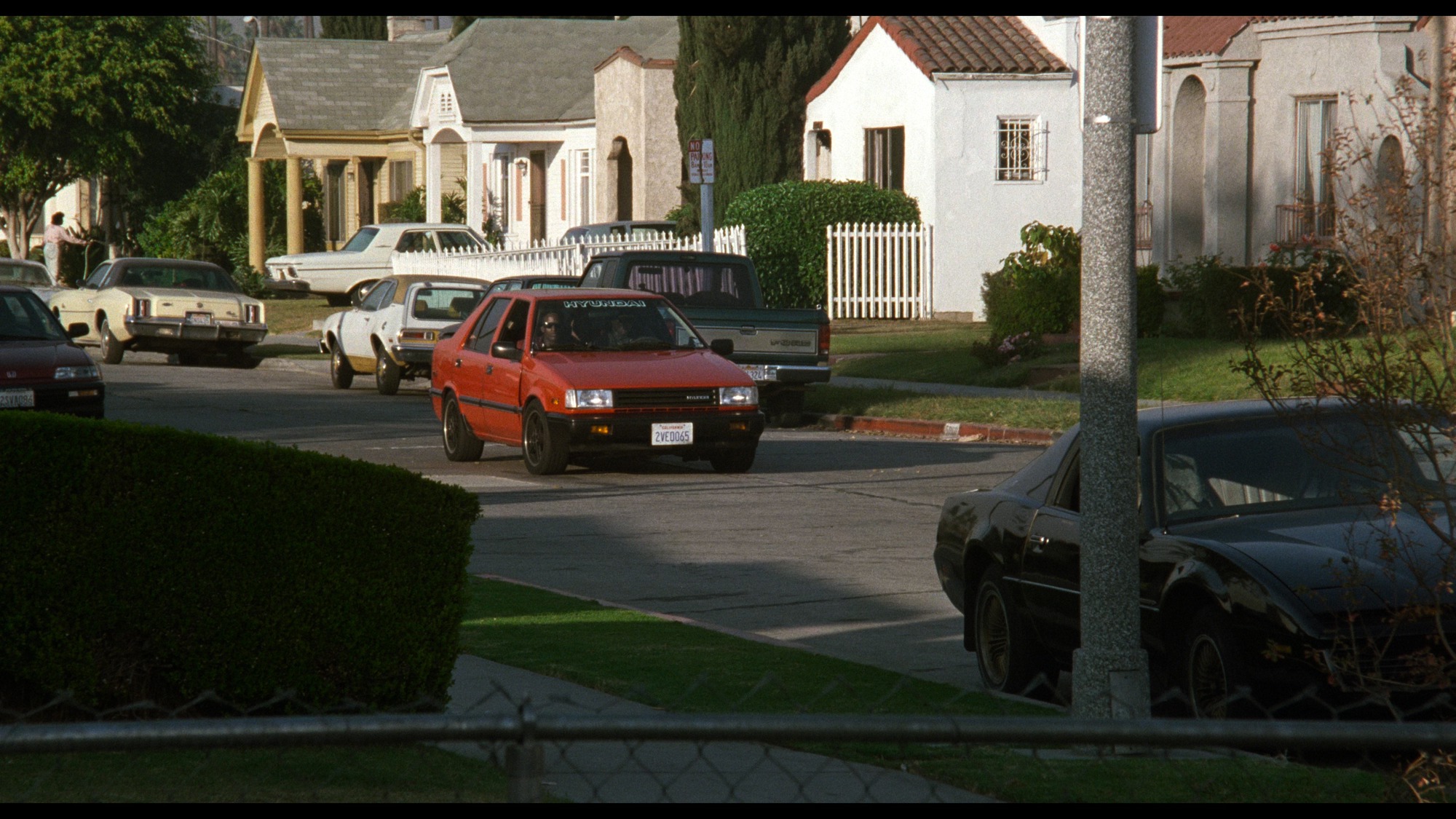
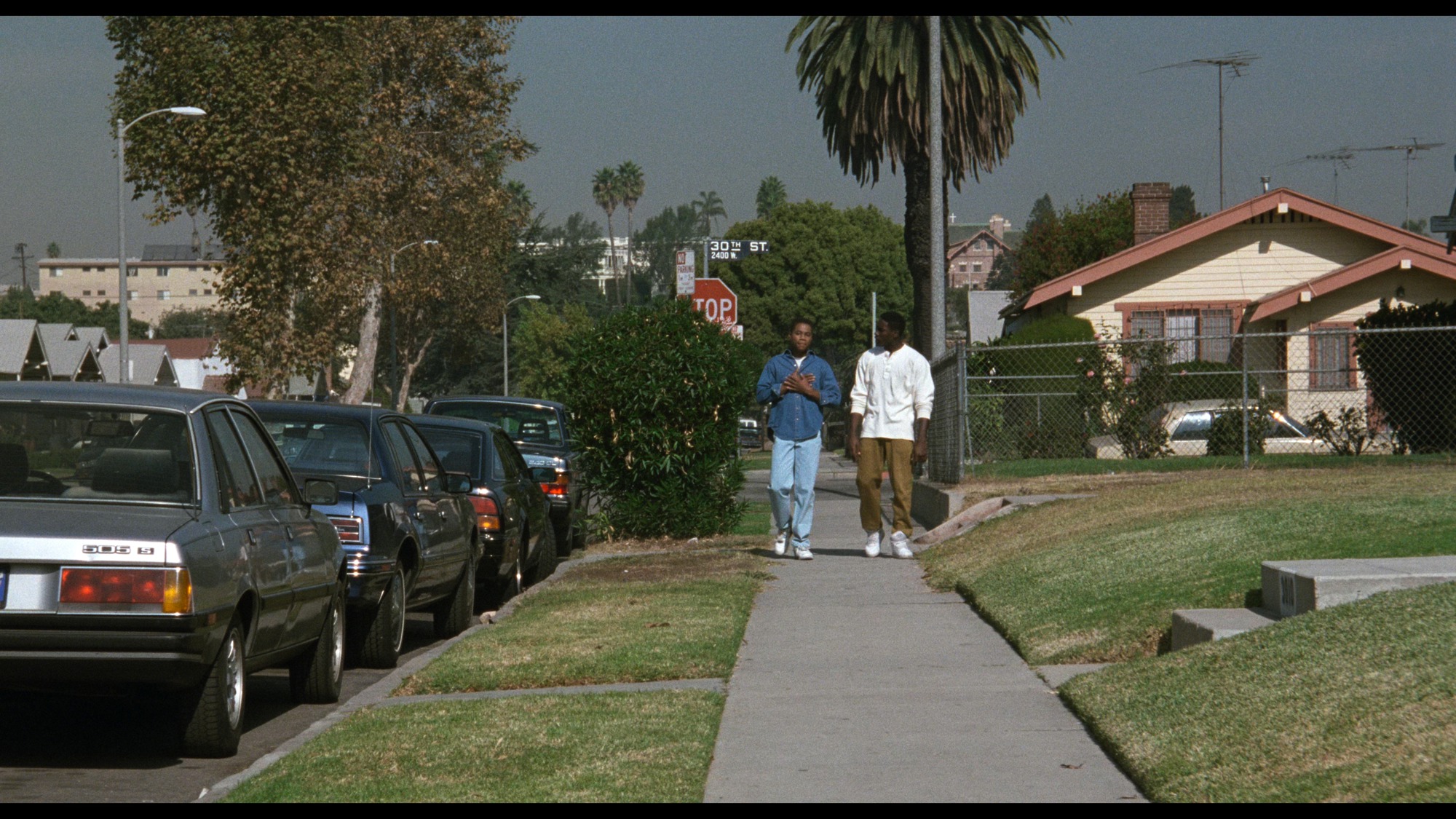
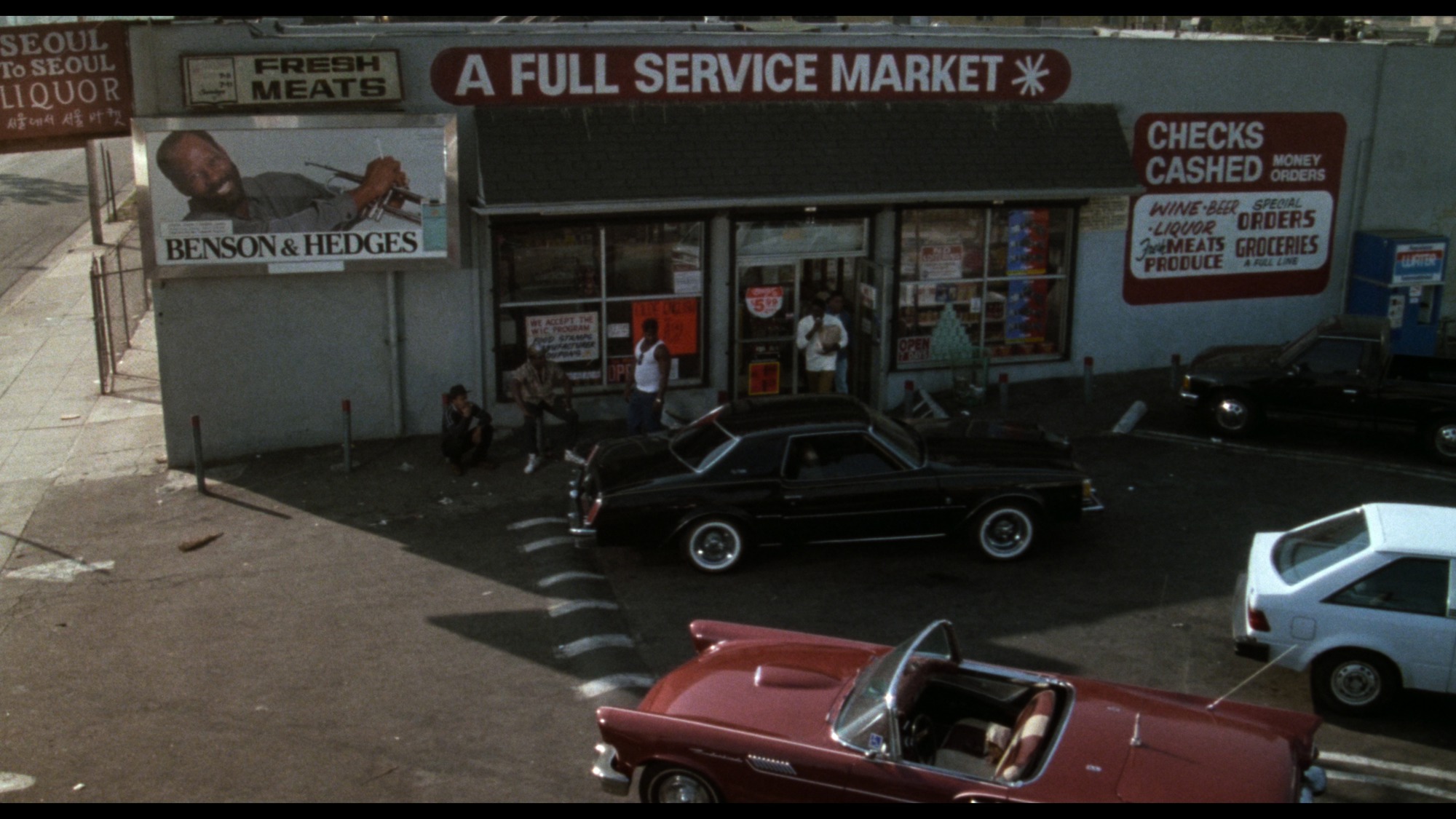
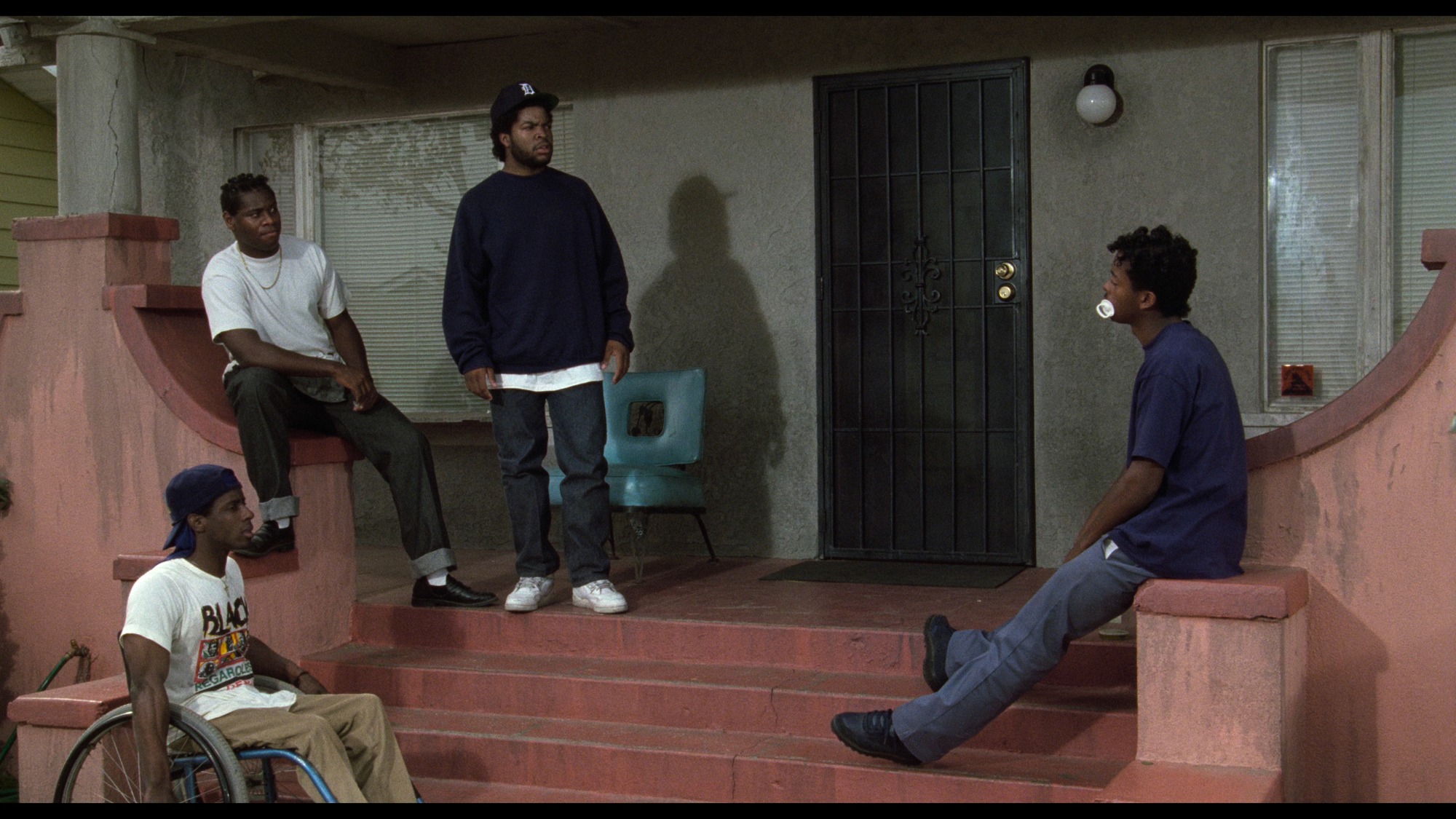
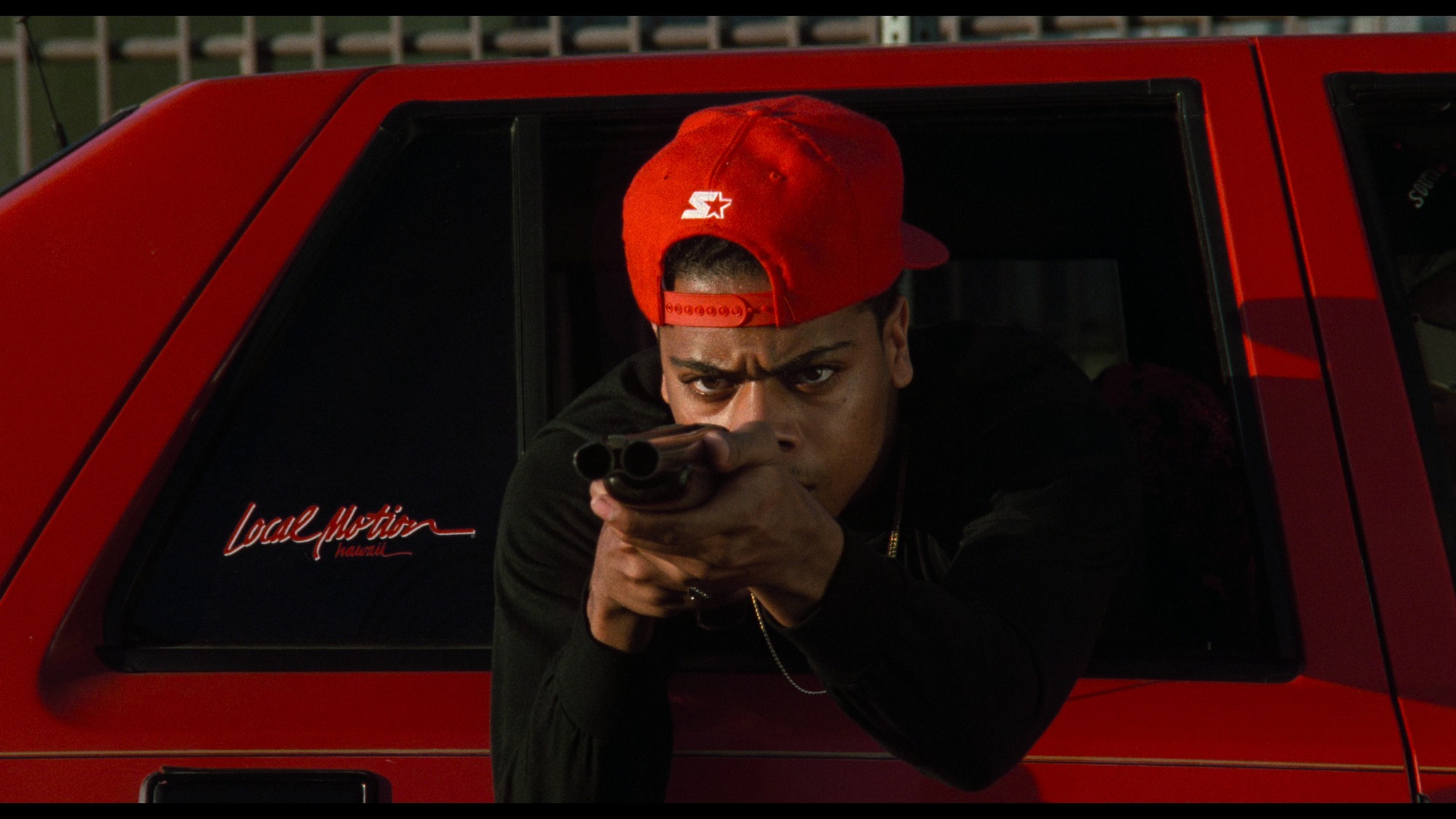
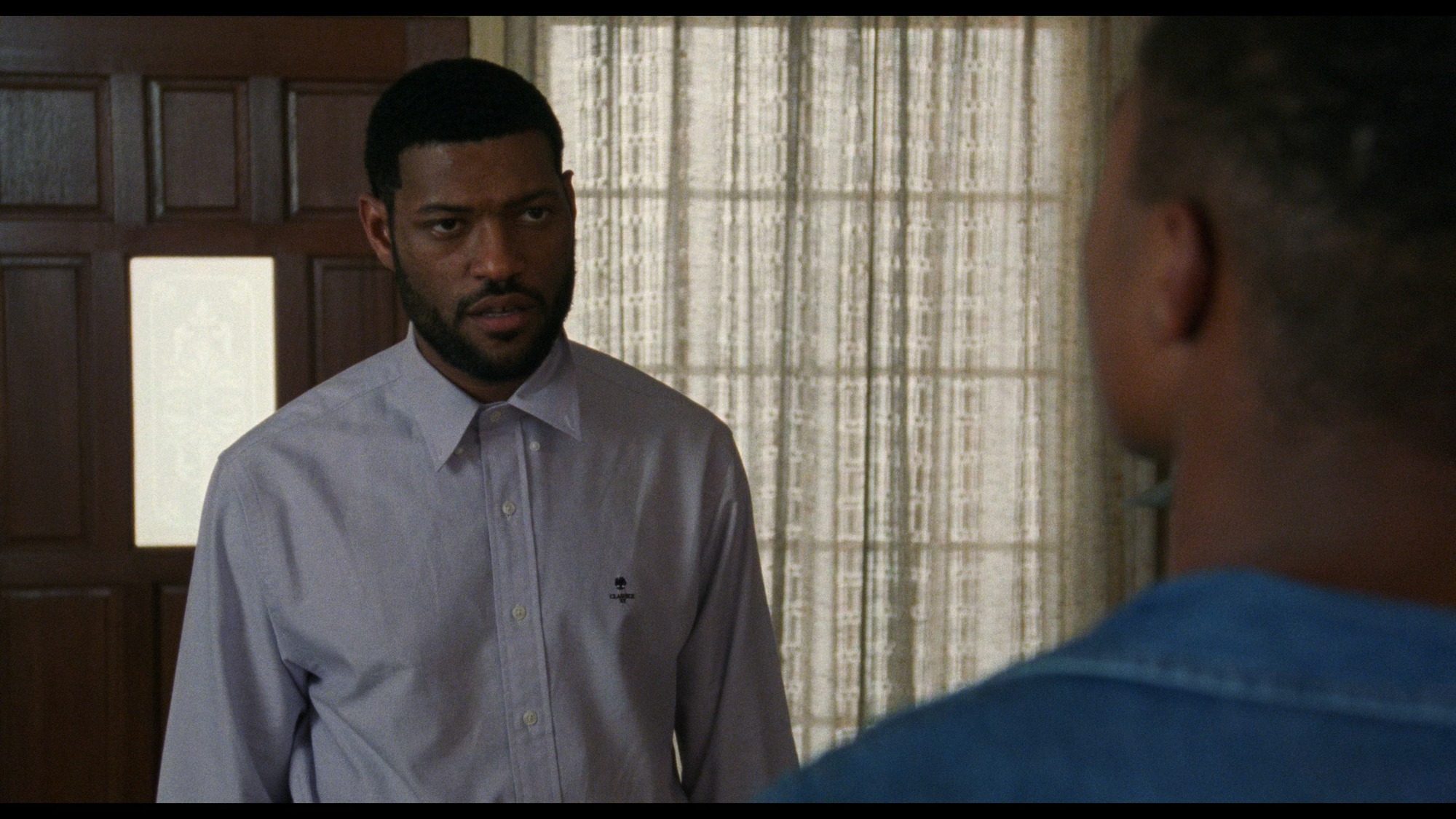
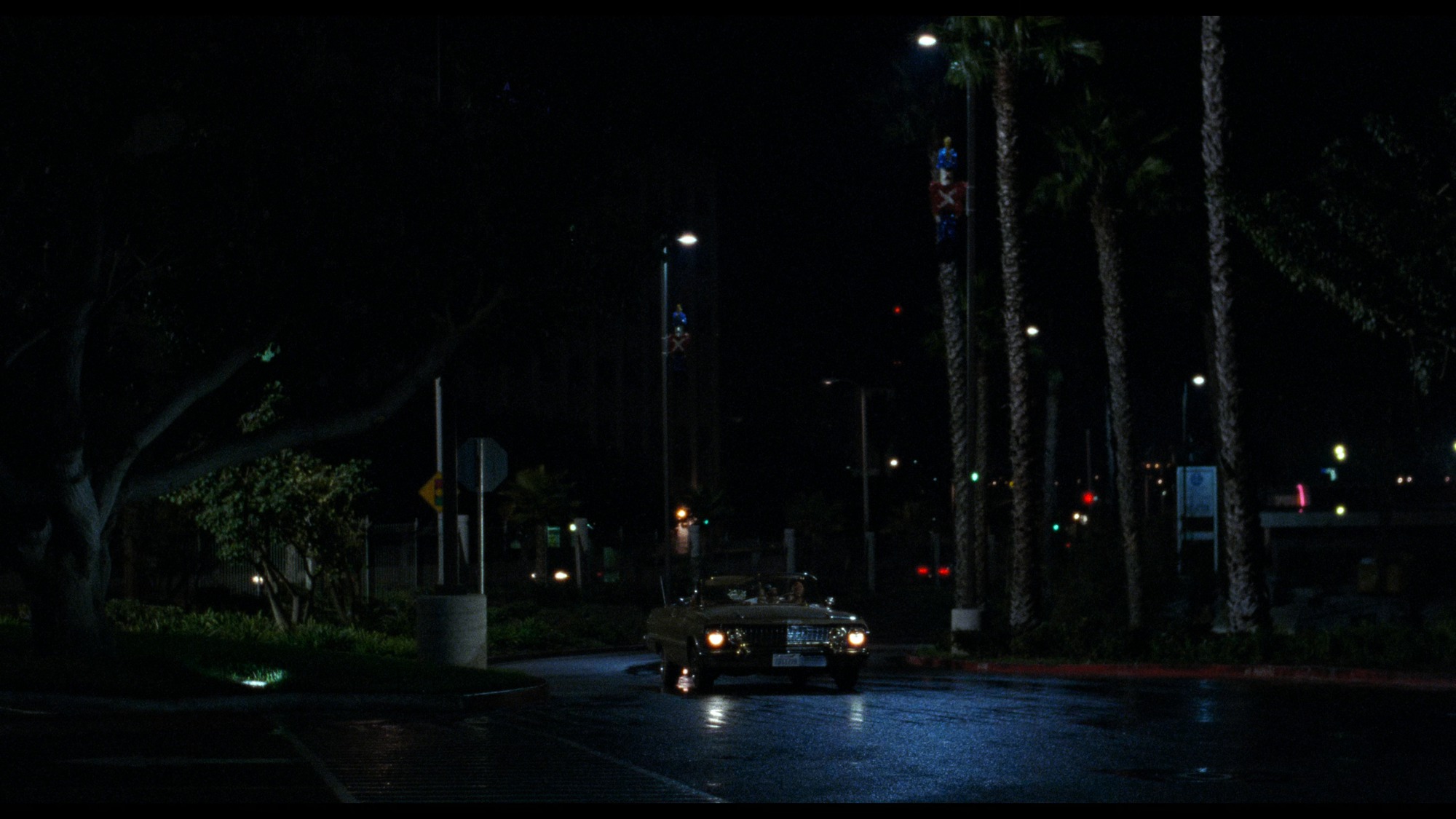
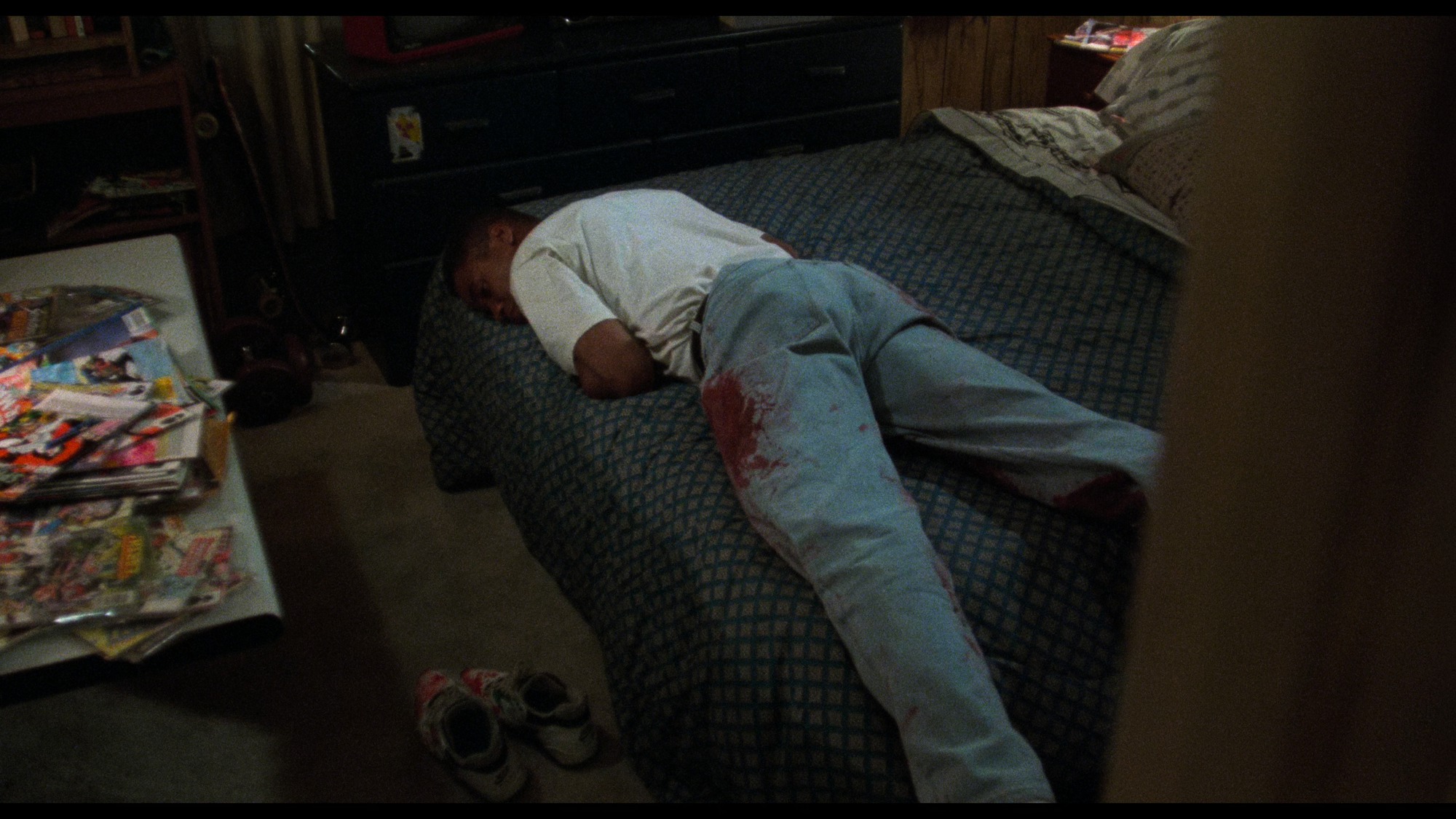
Audio 8/10
Criterion includes the film’s original 2-channel surround soundtrack, presented in DTS-HD MA, alongside a Dolby Atmos remix. Both tracks sound perfectly solid, though the Atmos option doesn’t quite deliver anything revelatory. It’s an effective mix, spreading the film’s music and more action-heavy moments through the soundstage, but the improvement over the original track is modest at best.
The 2-channel presentation holds up remarkably well on its own, despite the more limited configuration, offering strong range and excellent clarity. Dialogue comes through cleanly, and neither track suffers from any noticeable filtering. In the end, both options serve the film well, even if the Atmos mix feels more like a mild enhancement than.
Extras 9/10
Criterion’s 4K set presents each film on its own respective disc, with all video supplements housed on a single dual-layer Blu-ray, while commentaries remain on the individual 4K discs.
Boyz n the Hood notably received a special edition LaserDisc from The Criterion Collection following its original theatrical release, featuring a commentary from John Singleton along with audition footage and deleted scenes. Those latter features were carried over to Sony’s subsequent special editions, though the original commentary has been missing in action ever since. Sony instead recorded a new commentary in 2003 and have used that across all later releases, from DVD through 4K. In a welcome move, Criterion not only ports over Sony’s 2003 track, but also restores their original 1991 commentary. There is, admittedly, a fair amount of overlap between the two, particularly when it comes to the script’s development (while Singleton was at USC), securing financing, assembling the cast and crew, and drawing from personal experiences that informed the film, as well as film influences like Pixote. Still, the two tracks offer perspectives from very different points in Singleton’s career: the 1991 track captures him fresh off his debut, approaching it with the energy of a film student, while the 2003 recording finds him more seasoned and reflective.
Of the two, I think I actually prefer Criterion’s original track. What struck me most was just how assured Singleton sounds. At a time when commentaries were still relatively uncommon (even on LaserDisc) and with Singleton only 23 and coming straight off his first feature, he absolutely dives in, detailing every painful step in getting the film made and breaking down the reasoning behind his more significant decisions, rarely leaving dead air. There’s also a refreshing level of self-awareness, as he talks about the tendencies of first-time filmmakers who could lean too heavily on influences (or moving the camera simply because they feel they should) and how he worked to push past those instincts in favor of what the film actually needed. He also goes over the clichés he tried to avoid and his efforts to keep the film from becoming preachy, while acknowledging where that balance became difficult, especially when he felt certain ideas simply had to be stated outright. It’s also a lot of fun hearing him talk about actors like Laurence Fishburne (referred to as “Larry” here), Angela Bassett, and Cuba Gooding Jr. as relative unknowns, something the 2003 track obviously can’t replicate. I also appreciated his comments about the audiences he targeted, noting that while he has something to say, he still wants the kind of viewers lining up for a Steven Seagal movie to come see his film (with Seagal still pulling in crowds being another 90s specific element). It’s a terrific track, and it’s great to finally have it back in circulation.
The 2003 track, as mentioned, covers much of the same ground, but takes on a more reflective tone, with Singleton now able to frame the film within the context of his career and its impact on those involved. He spends more time discussing how it launched not only himself but many of its cast members, including Nia Long and Regina King. He also expands on his early interest in filmmaking and shares more about his father, who clearly served as a major influence for Furious. It’s a solid track and certainly worth a listen, but if you’re only going to choose one, I’d still point most toward the 1991 commentary.
Moving on, the remaining supplements are housed on the fourth disc in the set, which gathers a couple of new, overarching features on John Singleton, along with sections specific to each film.
For the new content, Criterion begins with an interview between filmmakers Ryan Coogler and Regina King. Both had personal connections to Singleton, both as friends with King also a frequent collaborator, and they open by reflecting on him in more personal terms, including the ways he influenced them as filmmakers. From there, the discussion shifts toward his work, focusing primarily on the three films in this set and the characters he created. It’s a warm, thoughtful appreciation that feels genuinely personal rather than purely analytical.
That tone carries over into the next new feature, the 29-minute How to Make a John Singleton Film, which brings together a somewhat atypical group of collaborators, including producer Paul Hall, publicist Cassandra Butcher, and casting director Kimberly Hardin. I found this one especially interesting, largely because it avoids the usual voices (no cinematographers or editors here) and instead offers a different perspective on how Singleton worked. There are some great details about his professional demeanor, including how he handled situations when someone on set wasn’t pulling their weight, with one comment noting he “didn’t suffer fools lightly,” even going so far as to fire a friend who may have been taking advantage of the opportunity. There’s also discussion of test screenings, but the most engaging material centers on casting, from discovering Taraji P. Henson to making difficult decisions when something simply wasn’t working. One anecdote touches on Singleton having to let Tupac Shakur go from Higher Learning, which, given how highly the director thought of him, couldn’t have been easy. Altogether, it’s another strong addition.
For Boyz n the Hood, the remaining material on the supplement disc is found under its respective sub-menu, with all of it carried over from Sony’s previous releases. This includes the two documentaries The Enduring Significance of “Boyz n the Hood” (2011, 28 minutes) and Friendly Fire: Making an Urban Legend (2003, 43 minutes). Both fall into the category of standard home video-produced features, with the former bringing together John Singleton, Cuba Gooding Jr., and others to reflect on the film’s lasting legacy, while the latter offers a more substantial, production-focused making-of.
There is, admittedly, a fair amount of overlap with material already covered in the two commentaries, but the documentaries still add value by including more voices, like Laurence Fishburne, Nia Long, Ice Cube, Regina King, Morris Chestnut and others each offering their own perspectives on the film and its production.
Also included is the 1991 press conference John Singleton gave following shootings at screenings of Boyz n the Hood. Running 24 minutes, the segment features Singleton delivering a brief statement before opening the floor to questions, and it unfolds about as well as one might expect, with reporters repeatedly attempting to place blame on the film. Singleton remains composed (though it's not like he really has a choice), consistently pushing back by emphasizing that the film does not condone violence and instead promotes love and respect. He also calls out the inconsistency in coverage, pointing out that incidents tied to other films weren’t receiving the same attention, addresses the absurdity of suggestions that the film be pulled (something the studio itself wasn’t even considering), and reiterates that the issues being discussed are societal, not cinematic.
Despite his efforts, many of the questions continue to circle back to assigning responsibility to the film, making for a frustrating watch. Still, it’s a revealing piece of context, and I’m glad Sony—and now Criterion—have carried it across each release.
A 5-minute behind-the-scenes featurette follows, and it's essentially a promotional piece assembling on-set footage with brief interview snippets. This is then followed by two deleted scenes, running just over 4 minutes in total. The first features Tre (Cuba Gooding Jr.) visiting his mother (Angela Bassett) to discuss his future plans, followed by a shorter moment where Furious (Laurence Fishburne) confronts Doughboy (Ice Cube), attempting to stop him from going after those responsible for his brother’s death.
These scenes originally appeared on Criterion’s LaserDisc, where it was noted they were removed by Singleton for pacing reasons. That release also offered the option to view the scenes reinserted into the film, achieved through programming the chapter sequences (assuming your player supported it). It’s not a major loss, but I was a little disappointed that Criterion didn’t replicate that option here on the 4K disc, even if it would have resulted in a noticeable drop in quality.
Also carried over from the LaserDisc is audition footage featuring Ice Cube, Tyra Ferrell, Morris Chestnut, and Angela Bassett. It’s always been a somewhat odd presentation, one I’ve never fully warmed to, and it returns here largely unchanged from previous editions, at least in spirit, with each audition playing simultaneously in four quadrants on the screen. On the original LaserDisc, you could select which audio track to follow, while Sony's Blu-ray allowed viewers to interactively choose the audition to listen to by selecting that portion of the screen using your remote.
Criterion, however, takes a slightly different, and arguably more annoying, approach. The same four-way video layout is retained, but the audio plays for one audition at a time, cycling through each in sequence. So you watch the same footage multiple times, each pass focusing on a different performer. I’m guessing the original elements are no longer available and this is the only surviving configuration from the LaserDisc, but it does make for a somewhat clunky viewing experience, especially with the interactive element now gone. Still, for what it is, it’s fine.
Finally, the supplements close out with the trailer and two music videos: Compton’s Most Wanted’s Growin’ Up in the Hood and Tevin Campbell’s Just Ask Me To.
Though there’s nothing new here specific to the film (even Baby Boy receives a couple of newly produced features), it’s still wonderful to have Criterion’s original commentary restored, and I also found the two new appreciations covering Singleton's body of work to be worthwhile additions.
Closing
It’s a wonderful box set overall, but this new presentation for Boyz n the Hood looks exceptional, even managing to improve (quite significantly!) upon Sony’s own release.
BUY AT: